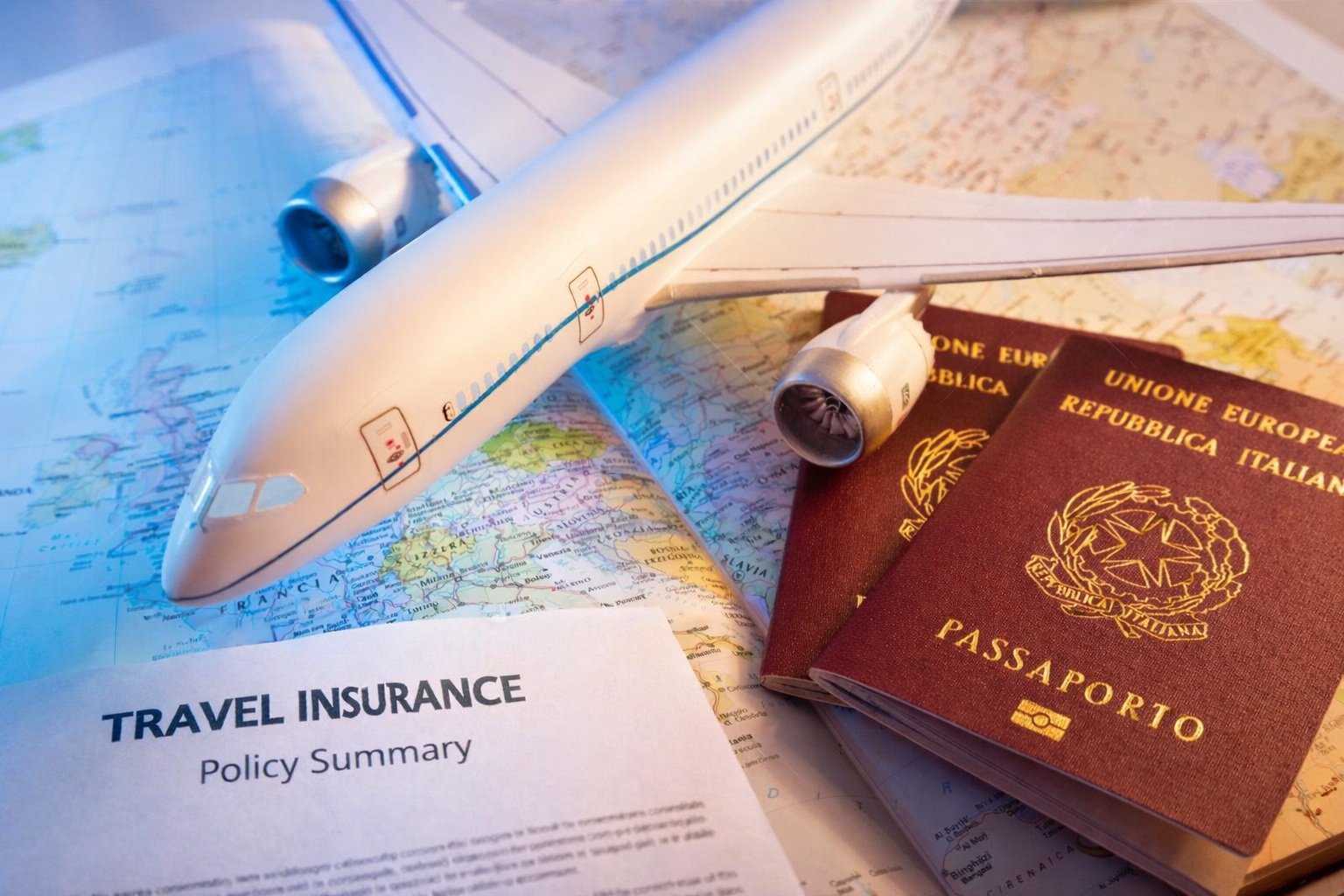
Travel insurance is often worth it, especially for international trips, non-refundable bookings, or destinations with high medical costs. Most trips go smoothly, but when something goes wrong, the impact can be significant. Flight cancellations, lost luggage, or unexpected medical treatment abroad can quickly turn a manageable situation into a costly one.
Whether travel insurance is worth it depends on your trip, your risk level, and what you are willing to cover yourself. In this guide, you will see when travel insurance makes sense, when it is less necessary, and how to choose a plan that actually provides useful protection instead of unnecessary extras.
If you are asking yourself whether travel insurance is worth it for your trip, the answer comes down to one thing: how much risk you are willing to carry versus how much you prefer to protect.
When Travel Insurance Is Worth It
Travel insurance is most useful when the financial risk of your trip is high enough that covering it yourself would be uncomfortable. It is not about expecting something to go wrong, but about protecting against the situations that become expensive when they do.
Travel insurance is usually worth it when:
• You are traveling internationally
• You have non-refundable flights, hotels, or tours
• Medical care at your destination is expensive
• You are taking a long or multi-stop trip
• You are carrying equipment, luggage, or valuables
• You want protection against cancellations or delays
The biggest value often comes from medical coverage. Many domestic health insurance plans offer limited or no protection abroad, and treatment in private hospitals overseas can be expensive. A travel insurance policy can cover emergency care, hospital stays, and, in more serious cases, medical evacuation.
Trip costs are another key factor. If you have already paid for flights, accommodation, or activities that cannot be refunded, insurance helps protect that investment. A cancellation, delay, or disruption can otherwise result in losing a large portion of what you have already spent.
Even less serious issues can add up. Delayed luggage, missed connections, or unexpected overnight stays are common enough that many travelers encounter them at some point. Insurance does not prevent these problems, but it can reduce the financial impact when they happen.
In practical terms, travel insurance becomes worth it when the cost of the policy is small compared to the potential loss you would face without it.

When Travel Insurance Might Not Be Necessary
Travel insurance is not always essential. When the financial risk of your trip is low and you can comfortably absorb potential losses, paying for coverage may not add much value.
Travel insurance may not be necessary when:
• Your trip is low-cost or short
• Flights and accommodation are refundable or flexible
• You are traveling domestically
• You have very few prepaid expenses
• You already have coverage through a credit card or existing policy
Short domestic trips are a common example. If you are staying within your own country, booking flexible accommodation, and using refundable transport, the main risks are already limited. In these cases, insurance becomes more about peace of mind than financial protection.
Existing coverage can also reduce the need for a separate policy. Some credit cards include benefits such as trip cancellation, rental car protection, or baggage coverage when you pay for your trip with the card. While these benefits are usually more limited than a full travel insurance policy, they can be enough for lower-risk trips.
Travel style plays a role as well. If you book as you go, avoid large upfront costs, and keep your plans flexible, the financial impact of cancellations or delays is often small. This makes insurance less critical compared to trips where everything is prepaid.
In simple terms, travel insurance becomes less necessary when the potential loss is small enough that you would not mind covering it yourself.

Is Airline Travel Insurance Worth It?
Airline travel insurance is often offered during flight booking as a quick add-on, but it is usually limited compared to a full travel insurance policy. While it can provide some basic protection, it rarely covers the full range of risks involved in a trip.
What airline travel insurance typically covers:
• Flight cancellations or delays
• Basic trip interruption coverage
• Limited reimbursement tied to your airline ticket
The main limitation is scope. These policies are usually focused on the flight itself rather than your entire trip. That means hotel bookings, tours, rental cars, and other prepaid expenses are often not included or only partially covered.
Medical coverage is another weak point. Many airline insurance options provide little or no protection for medical emergencies abroad, which is one of the most important reasons travelers buy insurance in the first place.
Conditions and reimbursement limits also tend to be stricter. Coverage may only apply to specific situations, and payout limits are often lower than what you would get with a dedicated travel insurance plan.
A standalone travel insurance policy usually offers broader protection. It can cover trip cancellations, medical emergencies, delays, lost luggage, and in some cases emergency evacuation, all within a single plan that applies to the entire journey.
In practical terms, airline travel insurance can work as basic coverage for a flight, but it is rarely sufficient if you want comprehensive protection for your trip.
Is Travel Medical Insurance Worth It?
For international trips, travel medical insurance is often the most important part of any policy. Many travelers assume their regular health insurance will cover them abroad, but in most cases coverage is limited or does not apply outside their home country.
Travel medical insurance is especially important when:
• You are traveling internationally
• Healthcare at your destination is expensive
• You are visiting remote areas or islands
• You want coverage for emergencies, not just cancellations
Medical costs overseas can escalate quickly. Even a routine hospital visit in countries such as the United States or parts of Europe can be expensive, while more serious situations involving surgery, hospitalization, or evacuation can become financially overwhelming without coverage.
Travel medical insurance is designed to handle these risks. Policies often include emergency treatment, hospital stays, ambulance services, and medication. In more serious cases, coverage may extend to medical evacuation, which can involve transporting you to another country or back home for treatment.
Compared to these potential costs, the price of a policy is usually low. This is why many experienced travelers prioritize medical coverage over other types of travel insurance benefits.
If your main concern is healthcare protection while traveling, focusing on a plan that emphasizes medical coverage is often the most practical approach.
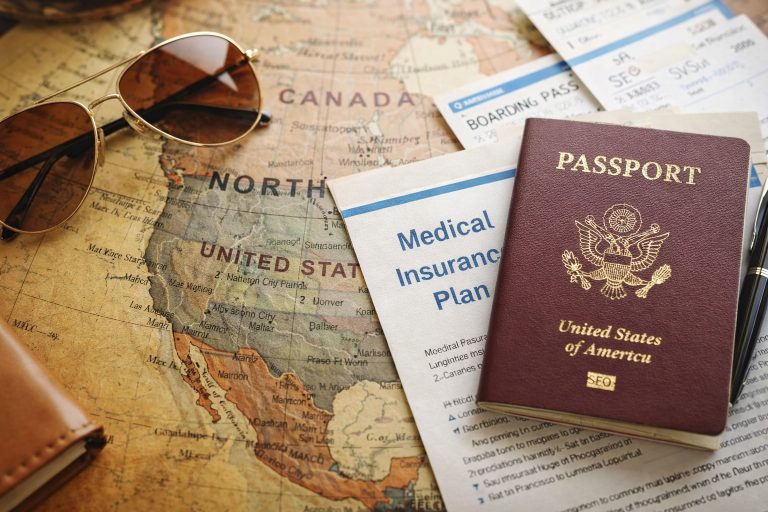
Do You Need Travel Insurance for International Travel?
Travel insurance becomes significantly more important once you leave your home country. International trips involve higher costs, more complexity, and fewer built-in protections compared to domestic travel.
Travel insurance is usually recommended for international travel because:
• Your regular health insurance may not cover you abroad
• Medical costs can be high depending on the destination
• Flights, connections, and luggage transfers add risk
• Prepaid bookings are harder to recover if plans change
• Emergency situations are more expensive to manage overseas
Healthcare is the biggest factor. In many countries, hospitals expect payment or proof of insurance before treatment. Even routine care can be expensive, while serious emergencies may involve hospitalization or evacuation, which can cost far more than most travelers expect.
International trips also involve more moving parts. Long-haul flights, layovers, visa requirements, and accommodation bookings increase the chance of delays or disruptions. When something goes wrong, the costs can extend beyond the flight itself and affect multiple parts of the trip.
Another difference is how protections work. Consumer rights, airline compensation rules, and support systems vary widely between countries. What you might expect at home does not always apply in the same way abroad.
For these reasons, travel insurance is generally considered a practical safeguard for international travel. It is not always mandatory, but it reduces the financial impact of situations that are more difficult and more expensive to handle when you are far from home.

How Much Travel Insurance Actually Costs
Travel insurance is usually more affordable than many travelers expect. Instead of being a large standalone expense, it is typically a small percentage of your overall trip cost.
Typical travel insurance cost:
• Around 4% to 10% of your total trip cost
• Lower for basic medical-only plans
• Higher for older travelers or premium coverage options
For example, a $3,000 international trip might require a policy costing roughly $120 to $300. If you are only looking for medical coverage, the price can be even lower, especially for shorter trips or younger travelers.
Several factors affect the final price. These include your age, how long you are traveling, where you are going, and how much coverage you choose. Adding optional benefits such as broader cancellation coverage will increase the cost, but also expand what is protected.
When viewed in context, the cost is relatively small compared to what you are protecting. Flights, accommodation, and prepaid activities can quickly add up, and insurance acts as a safeguard for that total investment rather than just a single part of the trip.
In practical terms, travel insurance is less about the price itself and more about whether the level of protection matches the value and risk of your trip.

Best Travel Insurance Options for Most Travelers
Once you decide that travel insurance is worth it for your trip, the next step is choosing a plan that matches how you travel and what you want to protect. Not all policies are the same, and the right choice depends on whether you prioritize medical coverage, trip protection, or a combination of both.
What to look for when comparing travel insurance:
• High medical coverage limits for international travel
• Emergency evacuation included in the policy
• Trip cancellation and interruption protection
• Reasonable deductibles and clear claim conditions
• Coverage that matches your destination and trip length
Many travelers begin by comparing multiple providers to see how coverage and pricing vary. If you want a deeper breakdown of medical-focused plans, this travel medical insurance comparison guide explains the differences between common options and what to prioritize for international trips.
For longer trips, digital nomads, or travelers who spend extended time abroad, flexible travel medical insurance is often the better fit. These plans focus more on healthcare and emergency support rather than cancellation benefits, which makes them more practical for open-ended travel.
Because each trip is different, it is worth taking a few minutes to compare policies carefully. Looking at medical limits, evacuation coverage, exclusions, and reimbursement rules helps ensure that the policy you choose actually protects the risks you are most likely to face.
The goal is not to find the cheapest option, but to choose coverage that aligns with your trip and gives you confidence that the major risks are handled.
🌍 Compare Travel Insurance Plans
If you want to quickly compare travel insurance plans from multiple providers, VisitorsCoverage allows you to review coverage options, prices, and benefits side-by-side. This makes it much easier to find a policy that fits your destination, trip length, and medical coverage needs.
🌎 Travel Medical Insurance for Digital Nomads
If you are traveling long-term, working remotely, or moving between countries frequently, a flexible travel medical insurance plan may be a better option than traditional trip insurance. SafetyWing is designed specifically for digital nomads and long-term travelers, offering ongoing medical coverage abroad with simple monthly pricing.
Coverage typically includes emergency medical treatment, hospitalization, and travel-related health issues while you are outside your home country. Many travelers choose this type of plan because it works well for extended trips where traditional single-trip insurance may not be practical.
🛡️ Compare Visitor & Travel Medical Insurance
If your main concern is medical coverage while traveling abroad, Insubuy is another well-known comparison platform that focuses heavily on travel medical and visitor insurance plans. It allows travelers to compare policies from multiple insurers based on destination, coverage limits, and trip duration.
This type of comparison can be especially useful for travelers visiting countries with expensive healthcare systems, including the United States. By reviewing several policies side-by-side, you can quickly identify plans that provide strong medical coverage without paying for benefits you may not need.

When Travel Insurance Is Definitely Worth It
Travel insurance becomes much more valuable when the financial risk of your trip is high and the cost of handling problems yourself would be significant. In these situations, it shifts from optional to a practical form of protection.
Travel insurance is definitely worth it when:
• You have expensive, non-refundable flights, hotels, or tours
• You are traveling internationally
• Medical care at your destination is costly
• Your itinerary includes multiple flights or connections
• You are visiting remote or hard-to-reach locations
• Your trip is long or involves several destinations
Prepaid costs are one of the biggest factors. If you have already invested a large amount in flights, accommodation, or activities, insurance helps protect that investment if you need to cancel or interrupt your trip for covered reasons.
International travel increases the stakes further. Medical treatment abroad can be expensive, and in some cases hospitals require proof of insurance before providing care. Emergency evacuation, if needed, can cost far more than most travelers expect.
Complex itineraries also carry more risk. The more connections, bookings, and moving parts involved, the higher the chance of delays, missed flights, or disruptions that can create additional costs.
In these situations, travel insurance is less about convenience and more about protecting a trip where the financial exposure is too large to ignore.

When You Can Safely Skip Travel Insurance
There are situations where travel insurance is not essential, especially when the financial risk of your trip is low and you are comfortable covering potential costs yourself.
You can often skip travel insurance when:
• Your trip is short and low-cost
• Flights and accommodation are refundable or flexible
• You are traveling domestically
• You have very few prepaid expenses
• You already have basic coverage through a credit card
Short domestic trips are a common example. If your bookings are flexible and cancellation policies are generous, the main costs of the trip may already be protected without needing additional insurance.
Credit card coverage can also play a role. Some cards include benefits such as trip delay protection, baggage coverage, or rental car insurance when the trip is paid with the card. While these benefits are usually more limited than a full policy, they may be sufficient for simpler trips.
Travel style matters as well. If you book accommodation as you go, keep transportation flexible, and avoid large upfront costs, the financial impact of cancellations or delays is often manageable without insurance.
In the end, the decision comes down to risk tolerance. If the potential loss is small enough that you are comfortable covering it yourself, skipping travel insurance can be a reasonable choice.
Travel Insurance Resources
If you are researching travel insurance, the guides below explore different aspects of travel coverage, including medical insurance, visitor insurance, and how credit card protections compare with standalone policies.

Travel Insurance FAQ
• Is travel insurance worth it for international travel?
Travel insurance is usually worth it for international trips, especially when medical care abroad is expensive or when you have prepaid flights, hotels, or tours. It helps protect against cancellations, medical emergencies, and travel disruptions.
• How much does travel insurance cost for a typical trip?
Travel insurance typically costs around 4% to 10% of the total trip price. The exact cost depends on your age, destination, trip duration, and the type of coverage you choose.
• Does travel insurance cover flight cancellations and delays?
Most comprehensive travel insurance policies include trip cancellation and delay coverage. This can reimburse non-refundable costs if your trip is cancelled or disrupted for covered reasons such as illness, weather issues, or airline delays.
• Do you need travel medical insurance when traveling abroad?
In most cases, yes. Domestic health insurance plans often provide limited or no coverage outside your home country. Travel medical insurance covers emergency treatment, hospital stays, and sometimes evacuation during international travel.
• Does travel insurance cover lost or delayed luggage?
Many policies include baggage coverage for lost, delayed, or stolen luggage. This can help reimburse essential items or replace belongings depending on the policy limits.
• Is travel insurance necessary for domestic travel?
Travel insurance is usually less necessary for domestic trips, especially if bookings are flexible and costs are low. It may still be useful for trip cancellation or delay protection, but the financial risk is generally smaller.
• What does travel insurance actually cover?
Travel insurance can include trip cancellation, trip interruption, medical emergencies, evacuation, travel delays, and baggage protection. Coverage varies by policy, so it is important to review what is included before purchasing.
• Is airline travel insurance enough for a full trip?
Airline travel insurance is usually limited and mainly covers the flight itself. It often does not include full trip protection or strong medical coverage, which is why many travelers choose standalone travel insurance instead.
Travel Resources to Plan, Book & Stay Connected
Use these tools and guides to stay connected abroad, find inspiration for your next trip, and book your flights, stays and gear with confidence.
Disclosure: This article may contain affiliate links. If you make a purchase through a link, I may receive a commission at no extra cost to you. I only share recommendations I believe are genuinely useful, and all opinions are my own. AI was used in this post for research and drafting purposes.

Comment (0)