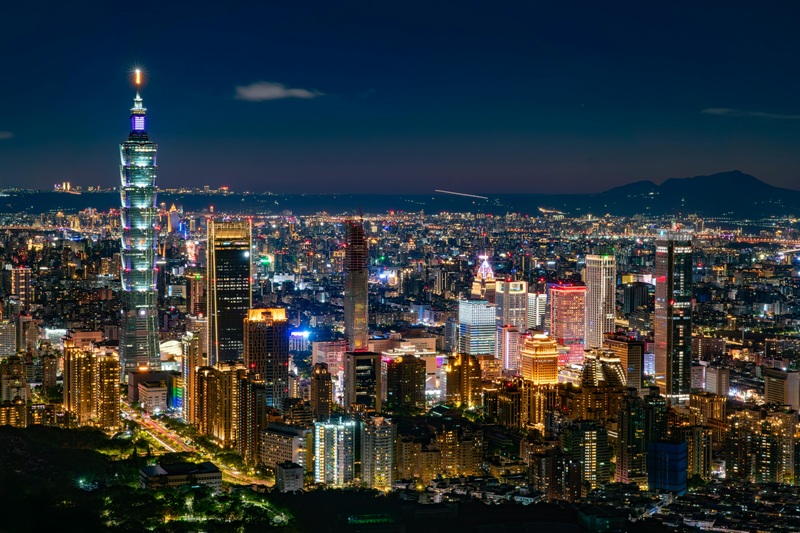
Taiwan Travel Tips: What You Need to Know Before You Go
- Use an EasyCard or iPASS for transport, payments, and daily convenience
- Public transport is reliable, but plan east coast travel and book trains early
- Cash is still useful, especially for night markets and small vendors
- English works well in cities, but translation apps help in smaller towns
- Expect humidity, sudden rain, and seasonal weather changes
Traveling in Taiwan is straightforward, but small details can significantly affect how smooth your trip feels. Understanding how to pay, how transport works, and how weather impacts your plans helps you avoid unnecessary friction and move efficiently between destinations.
If you are planning your route, this Taiwan travel guide gives a full overview of destinations across the island, while this Taiwan itinerary guide helps you structure your trip in a logical way.
Where you stay is just as important as what you see. Your base affects travel time, daily flexibility, and how easily you can explore each region. This Taiwan accommodation strategy guide explains how to choose locations that match your route and travel style.
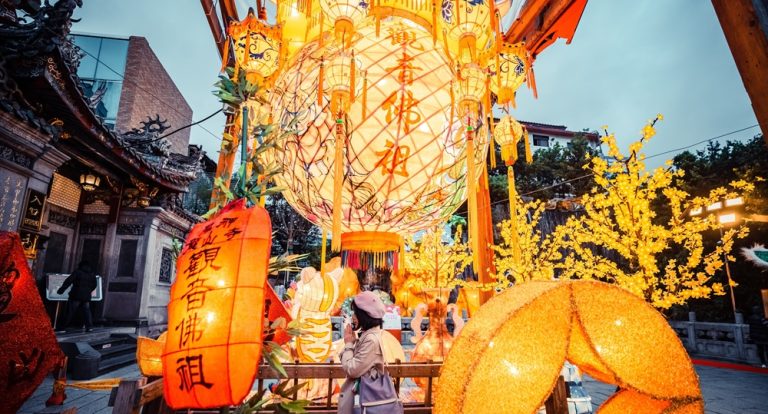
Getting Around Taiwan and What to Know Before You Go
- High-Speed Rail (HSR): fastest way to travel between major west coast cities
- TRA trains: full island coverage including east coast and smaller towns
- Buses: essential for Sun Moon Lake, Alishan, and parts of Kenting
- Domestic flights: useful for saving time on long routes
- Transport cards: EasyCard or iPASS for seamless daily travel
Getting around Taiwan is straightforward, but the experience depends on how well you understand the system. The network is efficient, but it is layered. High-speed rail, local trains, buses, and flights all serve different purposes, and knowing when to use each one makes a noticeable difference.
Along the west coast, travel is fast and predictable. The High-Speed Rail connects Taipei, Taichung, and Kaohsiung in a matter of hours, making it the most efficient way to move between major cities. This allows you to cover long distances quickly without sacrificing time on the ground.
For full island coverage, TRA trains are essential. They connect smaller cities, the east coast, and regions not served by HSR. This is particularly important for places like Hualien, where train travel is the main access point. Tickets can sell out, especially on weekends, so booking ahead is recommended.
Buses fill the gaps where trains do not reach. They are necessary for destinations like Sun Moon Lake, Alishan, and parts of Kenting. While reliable, they require more planning and take longer, which is why these areas should be built into your itinerary as dedicated stops rather than quick additions.
Domestic flights are an option if you want to save time, especially when connecting the north and south or reaching more remote areas. They are not always necessary, but they can reduce long travel days if your schedule is tight.
Within cities, transport is simple. Taipei and Kaohsiung both have MRT systems that are clean, efficient, and easy to use. In cities without MRT coverage, such as Taichung and Tainan, buses and taxis become more important, which makes your hotel location more critical.
Using an EasyCard or iPASS simplifies everything. These cards work across MRT systems, buses, and even small purchases, removing the need to constantly buy tickets or carry exact change.
If you are planning your route in detail, this Taiwan transport guide explains how the different systems connect, while this best time to visit Taiwan helps you avoid weather-related disruptions.
Entry and Arrival Basics in Taiwan
- Most Western travelers receive visa-free entry for up to 90 days
- Some nationalities must apply for a Taiwan eVisa before travel
- Complete the Taiwan e-Arrival Card online before departure
- Have a valid passport and onward ticket ready if requested
- Set up cash, connectivity, and transport immediately after landing
Arriving in Taiwan is straightforward, but the first hour on the ground has a direct impact on how smoothly your trip begins. Knowing what to prepare in advance and what to do immediately after landing helps you avoid delays and unnecessary friction.
Visa-Free Entry and eVisa Requirements
Many travelers can enter Taiwan visa-free for up to 90 days, including visitors from the United States, most European countries, the United Kingdom, Canada, and Australia. This makes Taiwan one of the easiest destinations in Asia for independent travel. If you are unsure whether your nationality qualifies for visa-free entry, eVisa eligibility, or a standard tourist visa, our detailed guide to Taiwan visa rules and arrival procedures explains the latest entry requirements in more detail.
If you are not eligible for visa-free entry, you may need to apply for a Taiwan eVisa in advance. The eVisa is an online application system where you submit your details, pay the fee, and receive approval electronically before traveling. You can apply directly through the official system here: Taiwan eVisa application portal.
Eligibility for the eVisa depends on your nationality and purpose of travel. In many cases, it applies to specific countries or travelers attending business events, conferences, or organized visits. If you are not eligible for visa-free entry or an eVisa, you will need to apply for a standard visa through a Taiwanese embassy or consulate. :contentReference[oaicite:0]{index=0}
For eVisa applications, your passport must typically be valid for at least six months, and additional documents may be requested depending on your case. :contentReference[oaicite:1]{index=1}
The Taiwan e-Arrival Card
Taiwan uses a digital arrival system. All travelers are required to complete the Taiwan e-Arrival Card online before landing. This replaces the traditional paper form and helps speed up immigration processing.
The form takes only a few minutes to complete but should be submitted before departure to avoid delays. :contentReference[oaicite:2]{index=2}
What to Expect at the Airport
Taoyuan International Airport is modern, efficient, and easy to navigate. Immigration is usually quick, signage is clear in English, and baggage handling is reliable.
After customs, you will find transport options, ATMs, SIM card counters, and convenience stores within a short distance. Everything you need to get started is available immediately.
First Steps After Landing
Before leaving the airport, take care of a few essentials. Withdraw some cash, as night markets and smaller vendors often rely on it. ATMs are widely available and easy to use.
Set up connectivity so you can navigate, translate, and access transport apps. Preparing this in advance with this international eSIM guide ensures you are connected as soon as you land.
If you do not already have one, pick up an EasyCard or iPASS. These cards simplify transport and small payments across the country and are useful from your first journey into the city.
Why These First Steps Matter
Taiwan is easy to travel, but being prepared from the start removes small obstacles that can slow you down. Taking care of entry requirements, connectivity, and payments early allows you to move through the country without interruption.
Once these basics are in place, the rest of your trip becomes straightforward and flexible.
Money, Payments, and Cash vs Card in Taiwan
- Cash is still widely used, especially in night markets and small local shops
- Cards and contactless payments work in cities, malls, and larger businesses
- ATMs are widely available and support international cards
- EasyCard or iPASS can be used for transport and small purchases
- Tipping is not expected in Taiwan
Understanding how payments work in Taiwan is essential for a smooth trip. The system is a mix of cash, cards, and stored-value transport cards. Knowing when to use each makes daily travel easier and avoids interruptions when paying.
Cash Still Plays a Major Role
Cash is necessary for everyday spending, especially in night markets, street food stalls, small restaurants, and local shops. This applies even in cities and becomes more important in smaller towns and traditional areas.
Relying only on cards will limit where you can eat and shop. Carrying enough cash for daily expenses ensures you can move freely without needing to search for an ATM at the wrong time.
Where Cards and Contactless Payments Work
Cards are widely accepted in shopping malls, hotels, chain restaurants, and larger stores. Contactless payments are increasingly common in cities, especially in modern retail areas.
However, smaller businesses often prefer cash. Treat cards as a convenient backup rather than your main payment method.
Using ATMs in Taiwan
ATMs are easy to find and reliable. You will see them in convenience stores, MRT stations, banks, and shopping centers. Machines in 7-Eleven and FamilyMart are particularly consistent and support most international cards.
Withdrawing cash locally is usually the simplest option. It allows you to avoid carrying large amounts of money and gives you flexibility as you travel.
EasyCard and iPASS for Daily Spending
EasyCard and iPASS are essential tools. In addition to transport, they can be used for small purchases in convenience stores, vending machines, and selected retailers.
They reduce the need for coins and speed up everyday transactions, making them one of the most useful items to carry during your trip.
Tipping Culture in Taiwan
Tipping is not expected. In most situations, you simply pay the listed price. Some higher-end restaurants may include a service charge, but additional tipping is not required.
This keeps transactions simple and removes uncertainty about when or how much to tip.
Managing Your Budget Day to Day
Taiwan is generally affordable, especially compared to Japan or Western Europe. Food, transport, and daily expenses are relatively low, while accommodation and long-distance travel are usually your main costs. If you want a clearer breakdown of realistic daily spending across different travel styles, this Taiwan daily cost breakdown explains what travelers typically spend around the island.
A simple approach works best. Use cash for small purchases, cards for larger payments, and transport cards for convenience. This balance keeps spending easy without overcomplicating your setup.
Why Getting Payments Right Matters
If you rely only on cards, you will regularly run into limitations. If you use only cash, you lose convenience where cards are accepted.
Using a mix of cash, cards, and transport cards allows you to move through Taiwan without hesitation. Once this is set up correctly, daily transactions become effortless.

Language, Communication, and English in Taiwan
- English works well in cities, transport systems, and tourist areas
- Expect limited English in taxis, local shops, and rural regions
- Use Google Translate and map pins to bridge communication gaps
- Keep addresses in Chinese for taxis and navigation
- You can travel Taiwan easily without speaking Mandarin
Language is a common concern for first-time visitors, but in Taiwan it rarely becomes a real obstacle. You do not need to speak Mandarin, but understanding where English is available and where it is limited helps you move more confidently.
Where English Works Well
In cities like Taipei and Kaohsiung, English is widely used in transport systems, hotels, and many restaurants. MRT, high-speed rail, and major train networks all provide clear English signage, announcements, and ticketing systems.
Hotels, chain cafés, and larger restaurants usually have English-speaking staff, and menus are often translated. This makes daily travel in urban areas straightforward, even without any Mandarin.
Where Communication Becomes More Limited
Outside major cities, English is less common. Local restaurants, small shops, night markets, and bus drivers may have little to no English. This is also true for many taxi drivers.
Relying on spoken directions alone can lead to confusion. In these situations, showing a location on your phone is far more effective.
How to Handle the Language Barrier
Your phone solves most communication challenges. Google Translate works well for both text and camera translation, making it easy to read menus, signs, and instructions.
For navigation, use map apps and saved locations instead of explaining directions. Keeping addresses in Chinese or using pinned locations avoids misunderstandings, especially when taking taxis.
Simple gestures and basic phrases also help. People in Taiwan are generally patient and willing to assist, even when communication is limited.
Why Language Is Not a Barrier
Taiwan’s infrastructure is built to support travelers. Transport systems are intuitive, signage is clear in key areas, and digital tools fill most communication gaps.
While you will encounter situations with limited English, they are easy to manage with basic preparation. For most travelers, language becomes a minor detail rather than a limitation.
Practical Communication Tips
Download translation apps before arrival and enable offline use. Save your hotel address in Chinese, and keep key destinations accessible on your phone.
If you are visiting more remote areas, prepare slightly more by saving translations or key phrases. These small steps make interactions faster and reduce friction throughout your trip.
Once you adjust to how communication works, navigating Taiwan becomes intuitive and straightforward.
Weather, Seasons, and What to Expect in Taiwan
- Expect high humidity and heat for much of the year, especially in summer
- Plum rain season (May to June) brings frequent, sudden downpours
- Typhoons can affect travel between July and October
- Spring and autumn offer the most comfortable conditions
- Weather varies by region, with cooler temperatures in mountains and the north
Weather in Taiwan has a direct impact on how your trip feels. The subtropical climate means high humidity, shifting conditions, and regional differences that affect both comfort and logistics. Understanding this early helps you plan your route, structure your days, and avoid unnecessary discomfort.
Understanding Taiwan’s Climate
Taiwan is warm and humid for most of the year. Temperatures do not fluctuate dramatically, but humidity makes conditions feel more intense, especially during summer months.
Regional differences matter. Northern Taiwan, including Taipei, is generally wetter, while the south is warmer and drier. Mountain areas can feel noticeably cooler, particularly in the early morning and evening.
Plum Rain Season: What It Means for Your Trip
From May to June, Taiwan experiences the plum rain season. Expect frequent showers that arrive quickly and without much warning. These are not always full-day rains, but they can interrupt outdoor plans.
Carrying a compact umbrella or lightweight rain jacket is essential. Buying inexpensive rain gear locally is also common and practical.
Typhoon Season: Plan for Flexibility
Typhoon season runs roughly from July to October. Not every trip is affected, but when storms occur, they can disrupt transport, including trains and flights.
Flexibility is key. Monitor forecasts, avoid tight connections, and allow buffer time between major travel days. Most disruptions are short-term, and services resume quickly once conditions improve.
Best Time to Visit Taiwan
Spring and autumn offer the most comfortable conditions. Temperatures are moderate, humidity is lower, and outdoor activities are easier to manage.
For a detailed breakdown of seasons and travel timing, this best time to visit Taiwan guide helps you choose the right period.
How Weather Affects Your Daily Travel
Weather influences how you move and plan your day. High humidity can make walking more tiring, while sudden rain may require quick adjustments to your schedule.
A flexible approach works best. Combine indoor and outdoor activities, avoid overpacked itineraries, and leave room to adapt when conditions change.
What to Pack for Taiwan
Light, breathable clothing is essential. Comfortable walking shoes are important, as you will spend a lot of time on your feet. A compact umbrella or rain jacket should always be part of your setup.
Sunscreen is necessary year-round due to strong UV exposure. A small power bank is also useful for navigation and transport apps during long days out.
Once you understand how weather affects travel, planning your days becomes easier and more predictable.
Cultural Etiquette and Local Behavior in Taiwan
- Keep noise low on public transport and avoid phone calls on MRT
- No eating or drinking inside MRT systems
- Queueing is strictly respected
- Follow basic temple etiquette when visiting
- Politeness and consideration are expected in daily interactions
Taiwan is one of the most orderly and respectful societies you will experience. Daily life runs smoothly because people follow shared social norms focused on efficiency, respect, and consideration. Understanding these behaviors helps you move naturally through the country and avoid unnecessary friction.
MRT Etiquette: Quiet, Clean, and Structured
The MRT system reflects Taiwan’s approach to public space. It is clean, efficient, and governed by clear expectations. Eating and drinking are not allowed, and this rule is enforced.
Noise levels are kept low. Talking is fine, but loud conversations, phone calls, or playing media without headphones are discouraged. Priority seating is respected, even during busy periods.
Platforms are clearly marked with queue lines. Passengers wait in order and allow others to exit before boarding. Following this flow keeps everything efficient and avoids disruption.
Queueing Culture and Public Behavior
Queueing is taken seriously across Taiwan. Whether at transport stations, restaurants, or shops, lines are respected and rarely broken. Cutting in line is considered very rude.
This extends to general public behavior. People avoid blocking pathways, move efficiently in crowded areas, and maintain awareness of those around them. Observing and following local behavior is usually enough to fit in.
Temple Etiquette and Cultural Respect
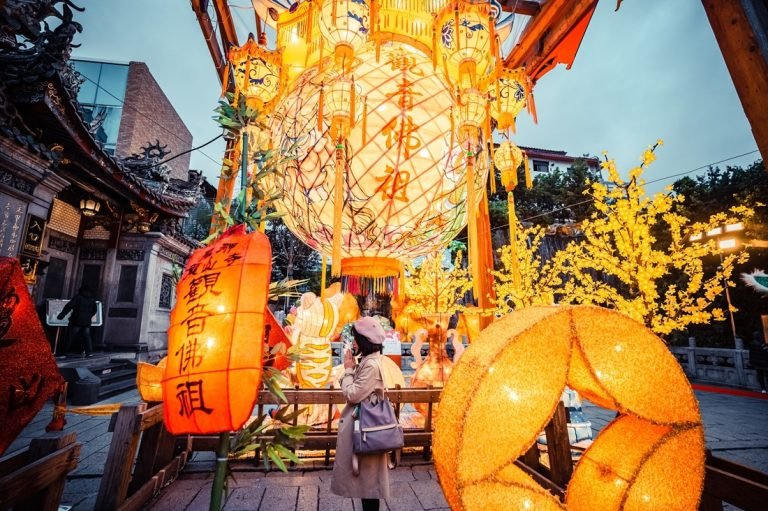
Temples are active cultural and religious spaces. A common practice is to enter through the right-hand side and exit through the left, while the central doorway is traditionally reserved.
Inside, keep a respectful tone. Avoid loud conversations, be mindful of people praying, and follow the general movement of visitors. Photography is usually allowed but should be discreet.
These small actions show respect and improve your overall experience when visiting cultural sites.
Hot Spring Etiquette and Bathing Culture
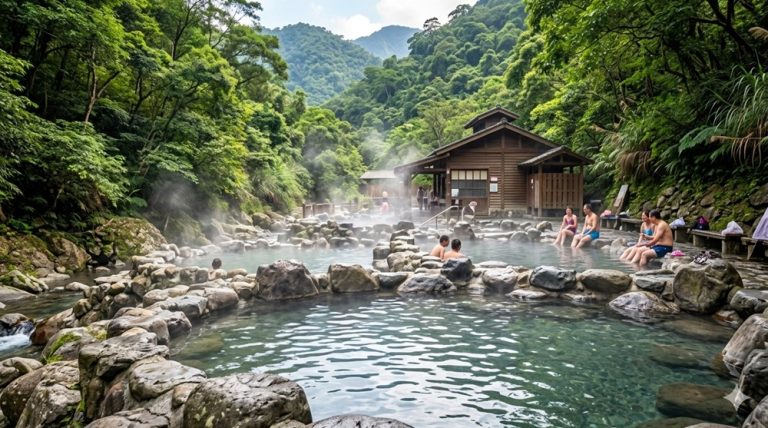
If you visit one of Taiwan’s famous hot spring regions, understanding basic bathing etiquette is important. Many traditional baths require guests to shower before entering the water, keep noise levels low, and follow the rules regarding swimwear or nude bathing depending on the facility.
Taiwan’s onsen culture is strongly influenced by Japanese bathing traditions, especially in places like Beitou and Wulai. Our guide to Taiwan hot springs and onsen etiquette explains what to expect, how private baths work, and the differences between traditional public baths and modern hot spring resorts.
Everyday Politeness and Social Norms
Politeness is a core part of daily life in Taiwan. People are generally patient, helpful, and non-confrontational. Even with language barriers, interactions remain smooth and respectful.
Simple behavior such as being patient, speaking calmly, and showing basic courtesy aligns with local expectations and improves your experience.
Small Details That Make a Big Difference
In some places, especially traditional settings or homes, you may need to remove your shoes. In certain restaurants, you may pay at the counter rather than at the table.
Public cleanliness is taken seriously. Trash bins are not always visible, so people often carry waste until they find a proper place to dispose of it.
Why Etiquette Matters When Traveling in Taiwan
These norms are not strict rules but shared habits that keep daily life running smoothly. Following them helps you move through Taiwan without friction and shows respect for the environment you are visiting.
Once you adapt to these expectations, traveling in Taiwan feels natural, efficient, and easy.
Connectivity in Taiwan: SIM Cards, eSIM, and Staying Online
- Reliable mobile data makes getting around Taiwan significantly easier
- eSIM is the fastest option for instant connectivity on arrival
- Local SIM cards offer strong coverage and good value for longer stays
- Free Wi-Fi exists but is not reliable for full navigation
- Data is essential for maps, transport apps, and translation
Getting around Taiwan without mobile data is possible, but it quickly becomes inconvenient. Navigation, train schedules, translation, and ride-hailing all rely on a stable connection, especially when moving between regions or using buses and smaller transport networks.
Taiwan has excellent mobile coverage across cities, transport systems, and most rural areas. Once connected, staying online is not an issue. The main decision is how you set up your connection before or after arrival.
eSIM vs Physical SIM: What Is the Best Option?
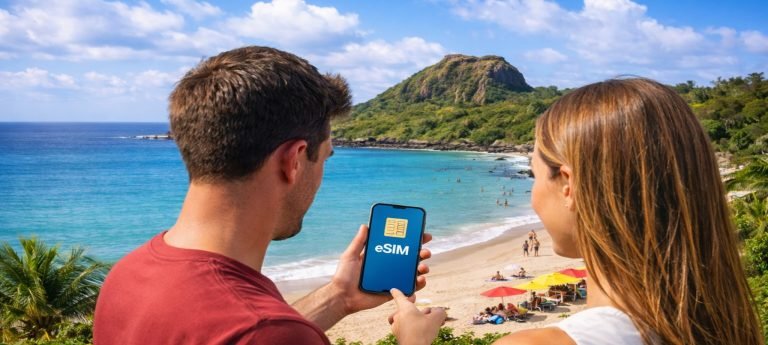
For most travelers, eSIM is the simplest option. It allows you to activate mobile data before arrival, so you are connected as soon as you land without visiting a counter or swapping cards.
If you want a detailed comparison, this Taiwan SIM vs eSIM guide explains which option works best based on trip length and data usage.
Physical SIM cards remain a strong alternative, particularly for longer stays. Providers such as Chunghwa Telecom, Taiwan Mobile, and FarEasTone offer reliable coverage and competitive data plans. These can be purchased at the airport or in city stores with quick setup.
The choice comes down to convenience versus flexibility. eSIM is faster and more streamlined, while local SIM cards can offer better value for extended trips.
Why Mobile Data Is Essential
Mobile data is central to moving efficiently around Taiwan. Google Maps is accurate for MRT systems, trains, and buses, but it depends on real-time updates.
Transport apps, booking platforms, and ride-hailing services also require data. Without it, you rely on static information, which makes navigation slower and less reliable.
Having data allows you to adjust plans on the go, check schedules instantly, and avoid unnecessary delays.
Where to Get Connected
The easiest place to buy a physical SIM card is at the airport. Counters are located in the arrivals area and are designed for international travelers, making the process quick and straightforward.
SIM cards are also available in convenience stores and telecom shops in cities, but setting everything up at the airport is usually more efficient.
If you prefer to skip this step, preparing in advance with this international eSIM guide ensures you are connected immediately after landing.
Free Wi-Fi: Useful but Limited
Free Wi-Fi is widely available in MRT stations, cafés, convenience stores, and hotels. It is useful for short checks but not reliable enough for continuous navigation.
Connections vary in speed and stability, and repeated logins can slow you down. Mobile data provides a much smoother and more consistent experience.
How Connectivity Improves Your Trip
Being connected removes friction from daily travel. It allows you to navigate complex transport systems, communicate easily, and access real-time information wherever you are.
It also gives you flexibility. You can adjust your itinerary, check weather conditions, book tickets, and find nearby services instantly.
Setting up mobile data is one of the simplest decisions that has the biggest impact on how smoothly your trip runs.
Common Mistakes to Avoid When Getting Around Taiwan
- Assuming Taiwan is fully cashless
- Not booking east coast trains in advance
- Relying only on high-speed rail
- Underestimating humidity and seasonal weather
- Trying to travel without mobile data
Getting around Taiwan is straightforward, but small mistakes can slow you down or limit your flexibility. Most issues come from incorrect assumptions rather than real obstacles. Understanding how the system works in practice helps you avoid friction and move efficiently between destinations.
Assuming Taiwan Is Fully Cashless
Taiwan is modern, but not fully cashless. Cards work in malls, hotels, and larger businesses, but many everyday transactions still rely on cash.
Night markets, local restaurants, and small shops often do not accept cards. Carrying cash alongside your card ensures you can pay without interruption.
Not Booking East Coast Trains Early
Travel along the east coast requires planning. Trains to Hualien and Taitung are in high demand and can sell out, especially on weekends.
Booking in advance avoids delays and gives you more flexibility with your itinerary.
Relying Only on High-Speed Rail
High-speed rail is fast but limited to the west coast. It does not connect the entire island.
Reaching the east coast and smaller destinations requires Taiwan Railways or buses. Planning for this avoids unrealistic travel expectations.
Underestimating Weather and Conditions
Heat, humidity, and sudden rain can affect how you move and plan your day. Walking long distances in humid conditions can feel more demanding than expected.
A flexible schedule, regular breaks, and adjusting plans based on weather conditions improves comfort significantly.
Trying to Travel Without Mobile Data
Traveling without mobile data makes navigation and planning more difficult. Maps, train schedules, and translation tools all depend on a stable connection.
Having data allows you to adjust routes, check real-time information, and avoid delays when plans change.
Misunderstanding the Bus System
Taiwan’s buses are reliable but require a basic understanding. You may need to signal the driver to stop, and you must tap your card when boarding and exiting.
Once you understand the system, buses become a practical way to reach destinations not covered by trains.
Overpacking Your Itinerary
Trying to visit too many places in a short time reduces the quality of your trip. Even with efficient transport, moving between regions takes time.
Focusing on a few key bases allows you to explore properly and travel without unnecessary pressure.
Why Avoiding These Mistakes Matters
Each of these mistakes is minor on its own, but together they can affect how smooth your trip feels.
Understanding transport, payments, and local conditions allows you to move through Taiwan efficiently and focus on the experience rather than logistics.
Final Thoughts on Getting Around Taiwan and Traveling with Confidence
- Getting around Taiwan is simple once you understand how systems connect
- Small details like payments, weather, and apps make a real difference
- You do not need a car to explore the country efficiently
- Public transport and connectivity create a smooth travel experience
- Flexibility is more valuable than over-planning
Getting around Taiwan is one of the easiest parts of your trip, but the experience depends on how well you understand the details. Transport is efficient, infrastructure is reliable, and navigation is straightforward. Small factors like payment methods, weather conditions, and mobile data determine how smooth everything feels in practice.
Once these elements are in place, Taiwan becomes highly intuitive. You can move quickly between regions, adjust your plans when needed, and explore both cities and remote areas without unnecessary complexity. Most travelers find that after a short adjustment period, everything becomes second nature.
If you are still planning your route, this Taiwan itinerary guide helps you structure your trip, while this Taiwan travel guide gives a complete overview of destinations across the island. For food-focused travel, this Taiwan food guide shows how local dishes fit naturally into your daily route.
Travelers spending time in the capital may also want to read our Taipei neighborhood and hotel guide, which compares areas like Ximending, Zhongshan, Xinyi, Da’an, Beitou, and Taipei Main Station to help you choose the best base for your itinerary and travel style. If you are planning to explore beyond the city itself, our Taipei excursions and northern Taiwan guide covers destinations like Jiufen, Yangmingshan, Yehliu, Wulai, Keelung, and other easy escapes accessible from the capital.
Before finalizing your plans, comparing flights and accommodation helps you build a solid foundation. This flight comparison guide and this hotel comparison guide simplify booking. Choosing the right base is just as important, and this Taiwan accommodation guide explains how to align your stay with your route.
To keep everything running smoothly on the ground, staying connected with this international eSIM guide and preparing with this travel insurance guide removes most common issues before they happen.
With the right setup, getting around Taiwan becomes effortless. You spend less time thinking about logistics and more time experiencing the country. For a final check before your trip, this Taiwan safety guide gives a clear picture of what to expect.
FAQ: Taiwan Travel Tips and What to Know Before You Go
- Is Taiwan easy to travel for first-time visitors?
Yes. Taiwan is one of the easiest countries in Asia to travel independently, with reliable transport, clear signage, and simple navigation. - What are the most important Taiwan travel tips?
Use an EasyCard, carry some cash, set up mobile data, and book east coast trains in advance. These steps remove most travel friction. - Do you need cash in Taiwan?
Yes. Many local businesses, night markets, and smaller restaurants still only accept cash. - How do you get around Taiwan easily?
Combine MRT in cities, high-speed rail on the west coast, and Taiwan Railways for the east. Buses and taxis cover remaining routes. - Is getting around Taiwan expensive?
No. Public transport is affordable, and long-distance travel is reasonably priced. - Do you need a car in Taiwan?
No. Trains, MRT, and buses are sufficient for most itineraries. - Can you travel Taiwan without speaking Chinese?
Yes. English works well in cities, and translation apps cover most situations. - Is English widely spoken in Taiwan?
It is common in cities and transport hubs, but limited in rural areas and small businesses. - What apps should I use in Taiwan?
Google Maps for navigation, plus train and bus apps for schedules and real-time updates. - Do I need a SIM card or eSIM?
Yes. Mobile data is essential for navigation, translation, and transport planning. - Is Wi-Fi enough in Taiwan?
No. Wi-Fi is available but not reliable for full travel use. - What is the EasyCard?
A reloadable card used for MRT, buses, and small purchases. It simplifies daily travel. - Is Taiwan safe for tourists?
Yes. Taiwan is one of the safest travel destinations, with low crime rates. - What should I know about Taiwan weather?
Expect humidity, heat in summer, and occasional rain. Weather affects daily planning. - When is the best time to visit Taiwan?
Spring and autumn offer the most comfortable conditions. - Do you need to book trains in advance?
Yes for east coast routes, especially on weekends. - Is public transport reliable?
Yes. Taiwan’s transport system is efficient, clean, and well connected. - Can tourists use Uber in Taiwan?
Yes. Uber works in major cities and is useful for avoiding language barriers. - Do you need travel insurance?
It is recommended for medical coverage and unexpected disruptions. - What are common mistakes in Taiwan?
Relying only on cards, not booking trains early, underestimating weather, and traveling without data.
Travel Resources to Plan, Book & Stay Connected
Use these tools and guides to stay connected abroad, find inspiration for your next trip, and book your flights, stays and gear with confidence.
Disclosure: This article may contain affiliate links. If you make a purchase through a link, I may receive a commission at no extra cost to you. I only share recommendations I believe are genuinely useful, and all opinions are my own. AI was used in this post for research and drafting purposes.

Comment (0)