📌 What This Guide Covers
Planning to visit the statue of Christ the Redeemer in Rio de Janeiro? This guide breaks down everything you need to know before going — from tickets and transport to the best time to visit and how to avoid crowds. If you are planning a broader trip across the country, you may also want to explore the full guide to Brazil’s top destinations, which covers cities, itineraries, and practical tips for traveling around Brazil.
- Where Christ the Redeemer is located and how to reach Corcovado Mountain
- Train vs official vans — which transport option is better
- Christ the Redeemer ticket types, prices, and how to book
- Whether you should book tickets in advance
- The best time of day to visit and how to avoid fog and peak crowds
- What to expect at the summit, including views and facilities
- The history of Christ the Redeemer and why it was built
- Safety tips and practical advice for visitors
- Christ the Redeemer vs Sugarloaf Mountain — which one to choose
- Whether Christ the Redeemer is truly worth visiting
Visiting Christ the Redeemer in Rio de Janeiro
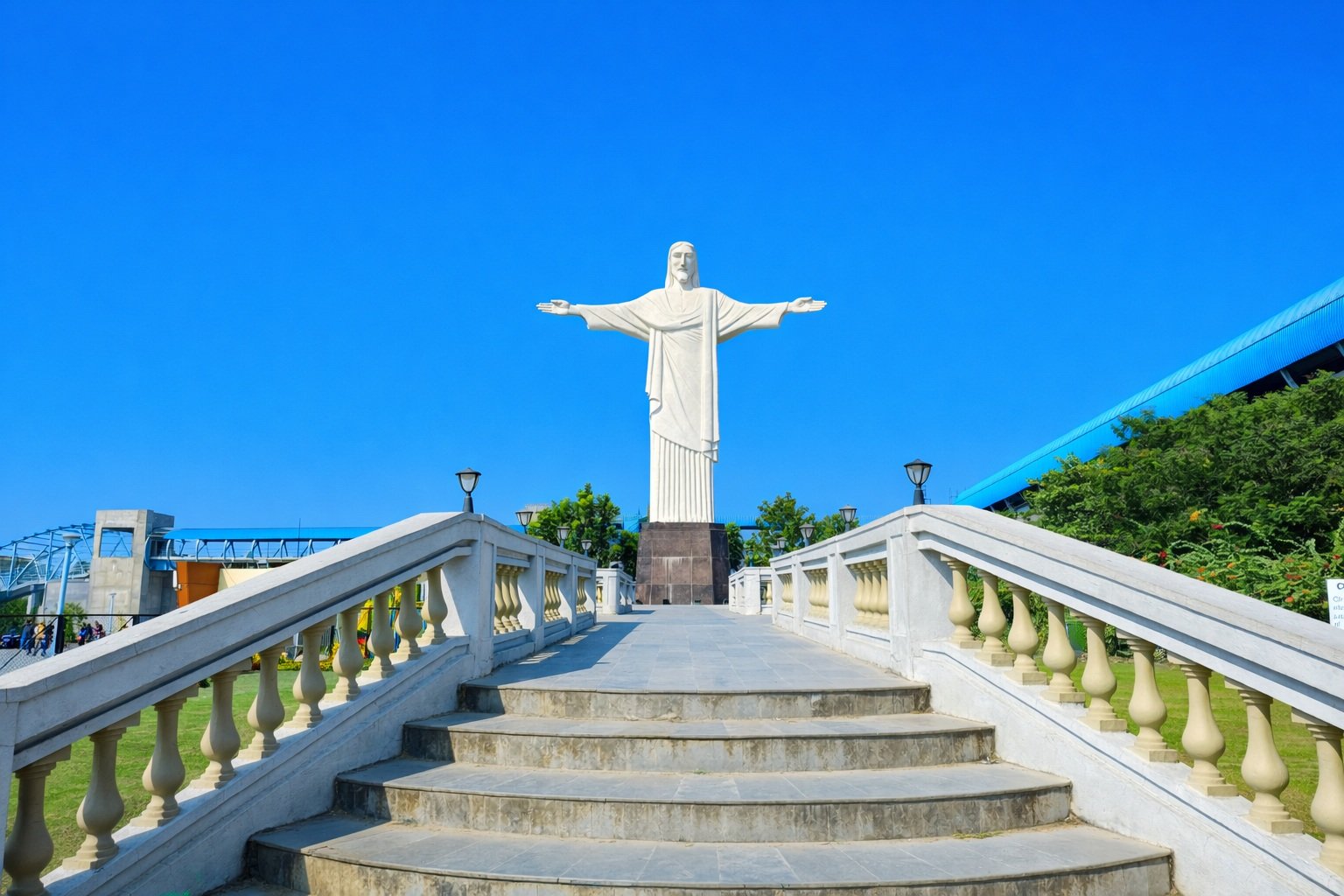
The statue of Christ the Redeemer in Rio de Janeiro is one of the most recognizable monuments in the world and the defining symbol of the city. Perched high on Corcovado Mountain inside Tijuca National Park, it rises above beaches, neighborhoods, and Guanabara Bay with arms stretched wide over Rio.
Visiting Christ the Redeemer may seem simple at first — but choosing the right transport, understanding ticket options, and timing your visit properly can completely shape your experience. Fog can erase the view in minutes, crowds can overwhelm the summit platform, and access depends on whether you take the official train, authorized vans, or a guided tour.
This guide explains exactly how to visit Christ the Redeemer efficiently and confidently, covering tickets, transport, timing, and practical tips so you can focus on the experience rather than the logistics.
📊 Quick Facts About Christ the Redeemer
- Location: Corcovado Mountain, inside Tijuca National Park, Rio de Janeiro, Brazil
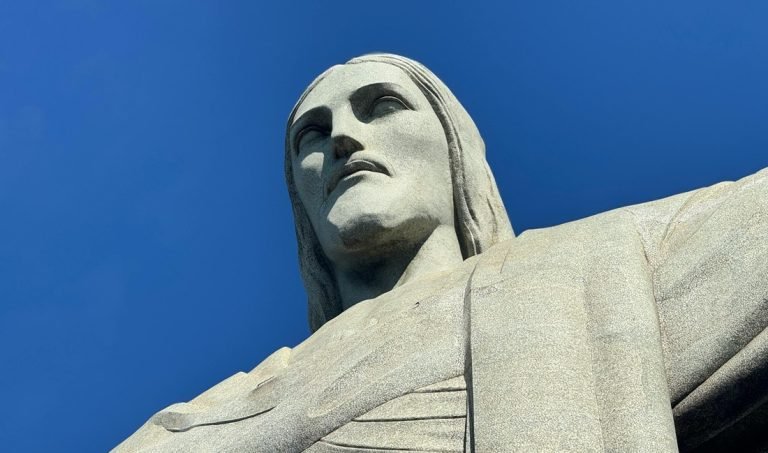
- Height of the statue: 30 meters (98 ft), plus an 8-meter pedestal
- Elevation: 710 meters (2,329 ft) above sea level
- Completed: 1931
- Global status: Recognized as one of the New Seven Wonders of the World
- Opening hours: Typically 8:00 AM – 7:00 PM (subject to change depending on weather and season)
- How long to plan for: Around 2 to 4 hours total, depending on crowds and your transport choice
- Tickets required: Yes — access is via the official Corcovado train or authorized vans, with prices varying by transport type
- Best time to visit: Early morning for clearer views and fewer crowds; late afternoon can be beautiful but busier
- Weather tip: Fog and low cloud can completely hide the view even on a warm day, so timing matters
Where Is Christ the Redeemer in Rio de Janeiro?
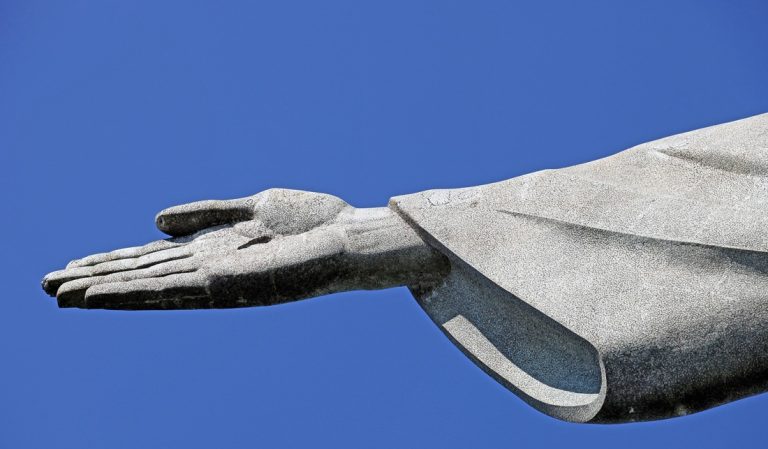
Christ the Redeemer stands at the summit of Corcovado Mountain, one of the granite peaks that rise dramatically above Rio de Janeiro. The statue is located inside Tijuca National Park, a protected Atlantic rainforest reserve that surrounds much of the city’s mountainous terrain. This means the monument is not in the city center, nor is it in a typical urban square — it is elevated high above Rio, both geographically and symbolically.
Corcovado Mountain reaches approximately 710 meters (about 2,330 feet) above sea level. From the base neighborhoods below, you can often see the statue from great distances, especially from Copacabana, Ipanema, Lagoa, and parts of downtown Rio. On clear days, the statue appears almost suspended in the sky, which contributes to its global recognition and dramatic visual impact.
The location of Christ the Redeemer was carefully chosen. When construction began in the early 20th century, the intention was to create a monument that could be seen from nearly everywhere in the city. The mountain’s prominence and central position made Corcovado the ideal site. Today, the statue faces outward with arms extended 28 meters wide, symbolically embracing Rio de Janeiro below.
Because the statue is located inside a national park, independent vehicle access is restricted. Visitors must use official transport — either the historic Corcovado train or authorized vans — to reach the summit. This controlled access helps preserve the surrounding rainforest while managing the heavy flow of visitors who come each year.
From the top, the panoramic views are part of what makes the visit extraordinary. You can see Guanabara Bay, Sugarloaf Mountain, the beaches of Copacabana and Ipanema, the Rodrigo de Freitas Lagoon, and the dense urban skyline framed by tropical forest. The setting itself is as much the attraction as the statue.
If you are planning multiple attractions in the area, you may also want to review our complete guide to things to do in Rio de Janeiro to understand how Corcovado fits into a broader itinerary.

How to Get to Christ the Redeemer
Reaching Christ the Redeemer is not just about transportation — it is part of the experience. Whether you take the historic Corcovado train, the official vans, or a ride-hailing service to the park entrance, the journey gradually lifts you out of the city and into dense Atlantic rainforest. Within minutes, the noise of Rio fades behind you and the landscape changes to steep green slopes, thick tropical vegetation, and occasional openings that reveal dramatic views of beaches, lagoons, and high-rise buildings far below.
If you choose the train, you climb through Tijuca National Park on narrow tracks carved into the mountainside, surrounded by towering trees and rock formations. The ride feels surprisingly immersive for a city attraction. If you opt for the vans, the winding mountain road offers its own perspectives — sudden bends revealing glimpses of Guanabara Bay or Sugarloaf Mountain framed between forested ridges.
Because the statue sits inside a protected national park, private vehicles cannot drive directly to the summit. Access is regulated to preserve the environment and manage visitor numbers. Below are the official ways to reach Christ the Redeemer and how to choose the best option for your visit.
The Corcovado Train (Trem do Corcovado)
The Corcovado train departs from the Cosme Velho station and climbs through dense Atlantic rainforest before arriving near the monument platform. This is the most traditional and scenic way to visit Christ the Redeemer.
How long is the train ride?
The journey takes approximately 20 minutes each way. Including waiting time and your visit at the top, plan for 2.5 to 4 hours total.
How often does the train run?
Departures typically run every 30 minutes during operating hours, with increased frequency during high season and peak times.
Operating hours:
Generally from around 8:00 AM to late afternoon (exact closing times vary seasonally). Early departures are strongly recommended for clearer views.
What do you see during the ride?
The train passes through Tijuca National Park, one of the largest urban rainforests in the world. You’ll see dense tropical vegetation, steep rock formations, occasional wildlife, and partial openings revealing views of Rio below. The atmosphere feels immersive and surprisingly lush considering you are still inside a major city.
Seating and comfort:
Seats are assigned according to your booked time slot. The train is enclosed, and standing is generally not permitted. It is not a luxury experience, but it is comfortable and well organized.
Ticket prices:
Prices vary depending on season and time of day. Peak hours (late morning and early afternoon) are more expensive than early morning or late afternoon slots. Tickets include both transportation and access to the Christ the Redeemer platform.
Can seats be booked online?
Yes. Tickets can and should be booked in advance through the official website:
https://www.tremdocorcovado.rio/
You must select a specific time slot. If you miss your allocated departure time, you may need to wait for availability later in the day.
🚞 Rio de Janeiro: Entrance to Christ the Redeemer on the Corcovado Train
Book your official Corcovado Train ticket in advance and enjoy the scenic ride through Tijuca National Park to the summit of Christ the Redeemer. Includes timed entry to the monument and access to panoramic viewpoints over Rio de Janeiro.
Prefer a different experience? Explore more Christ the Redeemer tours and visit options.
Official Vans (Paineiras Corcovado)
The official vans provide another authorized way to reach Christ the Redeemer. Vans depart from several locations, including Copacabana, Largo do Machado, and the Paineiras visitor center.
How long is the van ride?
Travel time depends on departure point, but typically ranges from 20 to 30 minutes.
Frequency:
Vans operate continuously throughout the day with relatively short waiting times, especially outside peak periods.
Ticket prices:
Prices are similar to train tickets and include both transport and monument access. As with the train, pricing varies by time slot and season.
Can van tickets be booked online?
Yes. Official van tickets can be purchased in advance through:
https://www.paineirascorcovado.com.br/official-van/?lang=en
Vans are often the most flexible option if you are staying near Copacabana or Ipanema, as they reduce the need to travel to the Cosme Velho train station first.
Taxi, Uber & Ride-Hailing
You cannot take a taxi or Uber directly to the Christ the Redeemer platform. However, you can take a ride-hailing service to the Paineiras visitor center, where you must transfer to official park transport.
Estimated Uber fares from Copacabana or Ipanema vary depending on traffic and time of day but are generally moderate. Surge pricing can apply during weekends and high season.
While this option offers flexibility, it does not eliminate the need to purchase official Christ the Redeemer tickets for the final ascent.
For official park regulations and conservation details, you can refer to Tijuca National Park:
https://parquenacionaldatijuca.rio/
Which Option Should You Choose?
Choose the Corcovado train if you value the historic rainforest ride and want the classic experience. Choose the official vans if you prefer flexibility and departure points closer to beach neighborhoods. Ride-hailing works best if you are combining transport methods or arriving from a less central location.

Christ the Redeemer Tickets Explained
One of the most common mistakes visitors make is assuming they can simply arrive at the base of Corcovado Mountain and buy entry at the top. In reality, Christ the Redeemer tickets are tied to controlled transport systems. Access to the monument platform is bundled with either the official train or van service, and each ticket is linked to a specific time slot.
Understanding how this system works will help you avoid long waits, sold-out slots, or overpaying for peak-hour departures.
How the Ticket System Works
Tickets for Christ the Redeemer include two components:
- Transportation (train or official van)
- Entry to the monument platform
You cannot purchase a standalone “walk-up only” monument ticket. Because the statue sits inside Tijuca National Park and vehicle access is restricted, all visitors must use authorized transport.
Official tickets can be purchased directly through:
Official Christ the Redeemer Ticket Portal
Train Tickets (Trem do Corcovado)
Train tickets are sold in specific time slots throughout the day. Prices typically vary depending on:
- Time of day (early morning is often cheaper than midday peak)
- Season (Brazilian holidays and high tourist season are more expensive)
- Weekday vs weekend
Mid-morning and early afternoon departures tend to be the most expensive because they coincide with the clearest weather window and the highest demand.
When you book train tickets, you select a departure time from Cosme Velho station. Your seat is assigned for that departure, and access to the platform is included upon arrival at the summit.
During high season, train tickets can sell out days in advance — especially between 10:00 AM and 2:00 PM. Booking ahead is strongly recommended if you are visiting Rio during Brazilian holidays, summer months, or when cruise ships are docked.
Official Van Tickets (Paineiras Corcovado)
Van tickets operate under a similar time-slot system but offer more departure locations. This makes them convenient for visitors staying in Copacabana, Ipanema, or near Largo do Machado.
Pricing is generally comparable to train tickets and also varies by time of day and season. Like the train, the ticket includes both transportation and access to Christ the Redeemer.
Some travelers prefer the vans because they offer slightly more flexibility in logistics, especially if staying near the beach zones.
Guided Tours and Rio Christ the Redeemer Tour Options
If you prefer not to manage time slots yourself, guided tours are available that bundle transport, monument access, and often additional attractions such as Sugarloaf Mountain.
A typical Rio Christ the Redeemer tour may include:
- Hotel pickup and drop-off
- Priority or managed entry timing
- A bilingual guide explaining the history of the statue
- Combined visits to other landmarks
Tours tend to cost more than official tickets but can be worthwhile if you are short on time or prefer a structured itinerary.
🚐 Rio de Janeiro: Christ the Redeemer Tour with Pickup
Visit Christ the Redeemer with round-trip hotel pickup included and skip the transport logistics. This guided tour handles entry, timing, and navigation through Tijuca National Park so you can focus on the experience and panoramic views over Rio de Janeiro.
Should You Book in Advance?
In most cases, yes.
Advance booking is particularly important if:
- You are visiting during high season (December–March)
- You want a late-morning time slot
- You are traveling on a weekend
- You are visiting during Brazilian public holidays
However, there is one important factor to consider: weather. Because the statue sits high above Rio, low cloud and fog can obscure the view completely. If weather conditions look uncertain, booking a flexible time slot or choosing an early morning departure can reduce the risk of disappointment.
Ultimately, purchasing official Christ the Redeemer tickets in advance gives you the greatest control over timing and minimizes waiting once you arrive at the mountain.

Best Time to Visit Christ the Redeemer
The best time to visit Christ the Redeemer depends on two key factors: visibility and crowd levels. Because the statue stands high above Rio de Janeiro on Corcovado Mountain, weather conditions at the summit can be very different from what you see at ground level.
Best Time of Day
Early morning — typically between 8:00 AM and 10:00 AM — is generally the safest window for clear views. The air is often cooler, humidity is lower, and large tour groups have not yet arrived. Morning visits also tend to feel calmer and more manageable on the viewing platform.
Late morning through mid-afternoon (roughly 10:30 AM to 2:30 PM) is the busiest period. This is when most cruise ship excursions and organized Rio Christ the Redeemer tour groups arrive. While the lighting is strong and bright, crowd density increases significantly during these hours.
Late afternoon can be beautiful, especially if skies are clear and the sun begins to soften over the city. However, this window carries more risk of cloud buildup depending on the season.
Fog and Cloud Risk
One of the most common disappointments for visitors is fog. Because the statue sits more than 700 meters above sea level, low clouds can completely obscure the view — even when the beaches below appear sunny.
If Rio is experiencing high humidity or unstable weather, clouds can roll in quickly. Morning visits generally reduce this risk. If the forecast predicts scattered showers or heavy humidity, flexibility becomes important. Checking live webcams or current summit conditions before heading up can help avoid wasted time.
Best Season to Visit
Rio’s summer months (December to March) bring warmer temperatures, higher humidity, and increased tourist numbers. This period coincides with Brazilian school holidays and Carnival season, which can make Christ the Redeemer significantly busier.
The drier months (typically May through October) often provide clearer skies and more stable visibility. While winter in Rio is mild, these months are frequently considered the most comfortable time to visit the statue of Christ the Redeemer in Rio de Janeiro.
Photography Timing
If photography is a priority, early morning offers softer light and fewer people in the background. Midday provides bright, high-contrast images of the city below. Sunset can create dramatic skies, but only if cloud cover cooperates.
No matter the time of day, expect wind at the summit. The open platform is fully exposed, and conditions can feel cooler than at sea level.
If your schedule allows flexibility, planning Christ the Redeemer tickets for an early departure provides the best balance between clear views and manageable crowds.

What to Expect at the Top
The moment you arrive near the summit, you will understand why people make the effort to visit. The final approach to Christ the Redeemer feels like stepping onto a natural balcony above Rio de Janeiro, where rainforest edges give way to open sky and sweeping panoramas. But it is also important to set expectations: the top is not a quiet mountaintop retreat. It is a highly visited landmark with controlled crowd movement, photo bottlenecks, and a constant flow of people coming and going.
Arrival and the Final Access to the Statue
Both the Corcovado train and the official vans drop visitors near the summit complex. From there, you still need to reach the main viewing platform around the statue. Access is managed through a combination of stairways, escalators, and elevators. This matters if you are traveling with small children, older family members, or anyone with limited mobility.
Even if you arrive early, you should expect a sense of movement and momentum. People arrive in waves based on time slots, meaning the platform can feel calm for ten minutes and then suddenly swell as a new group reaches the top.
The Viewing Platform and Crowd Reality
The main viewing area around the statue is not enormous. The space is designed for circulation rather than lingering. People naturally cluster in the same spots because there are “classic” photo angles that everyone wants: the front-facing shot with the statue’s full armspan, and the wide panorama behind it with Rio spread out below.
At peak times, you will see the platform behave like a slow-moving carousel: people rotate into position, take photos, move aside, and repeat. It is not chaotic, but it can feel relentless if you arrive expecting peace and silence. If you dislike crowds, you will enjoy the visit far more by choosing an early time slot.
What You Can Actually See From the Top
On a clear day, the views are the real payoff. From the summit, you can see how Rio de Janeiro is shaped by water and mountains. The coastline curves away in both directions, with Copacabana and Ipanema visible as bright ribbons of sand. You can often make out the Rodrigo de Freitas Lagoon, the outline of Sugarloaf Mountain, and the dense urban skyline framed by green hills.
You also gain perspective on Rio’s scale. From street level, neighborhoods can feel separate and sprawling. From Corcovado, everything suddenly connects: beaches, downtown, the bays, the islands, and the mountain ridges that carve the city into distinct zones.
If visibility is perfect, you may even see far beyond the city into the wider landscape, which helps explain why travelers obsess over timing and weather before they commit to Christ the Redeemer tickets.
Facilities: Food, Toilets, and Practical Comfort
There are basic visitor facilities at the summit area. You can usually find toilets, small snack stands, and places to buy drinks. Do not expect a full restaurant experience, but you can grab water, coffee, or simple snacks. Prices tend to be higher than in the city, which is normal for a major attraction.
Because the platform is exposed, you should plan for shifting conditions. Even on warm days, wind can make the summit feel cooler. If rain moves in, the experience changes quickly: the ground becomes slippery, visibility can drop, and crowds compress into tighter areas.
How Long Should You Stay?
Most visitors spend between 30 minutes and 1 hour at the top. If you arrive during a quieter period, you may want longer simply because you can breathe and enjoy the view. During busy periods, you may find yourself ready to leave sooner after securing the photos you want.
A good approach is to take your photos early, then step slightly away from the densest crowd and absorb the view for a few minutes. The best memory often is not the perfect photo, but the sense of standing above the city in open air with rainforest behind you.
What Often Surprises People
- The view can disappear suddenly. Fog and cloud can roll in fast, even if Rio below looks sunny.
- The summit is cooler and windier. The open platform feels more exposed than people expect.
- The platform is smaller than it looks in photos. It can feel crowded quickly.
- It is still worth it. Even with crowds, the combination of the statue, the rainforest setting, and the panorama is genuinely unique.

When Was Christ the Redeemer Built?
Christ the Redeemer was completed in 1931 and officially dedicated on October 12, 1931. The statue you see today is an Art Deco monument built on Corcovado Mountain, high above Rio de Janeiro, designed to be visible from across the city and to feel almost “impossible” from the beaches and viewpoints below.
The construction period is usually dated from 1922 to 1931. That matters because it explains the scale of the achievement: this was not modern modular construction or quick assembly. Building a colossal statue on a steep, forested mountain involved years of planning, fundraising, engineering decisions, and transporting heavy materials up into what is now Tijuca National Park.
Completed in 1931, Christ the Redeemer quickly became one of Brazil’s most recognizable landmarks and a symbol of Rio de Janeiro itself. The monument sits within Tijuca National Park and is part of a protected cultural landscape recognized internationally. You can find official documentation about the Corcovado site and its protected surroundings on the UNESCO World Heritage documentation page.
Who Built It (and Who Actually Designed What)
Several people played key roles, and it helps to understand the division of work:
- Heitor da Silva Costa (Brazil) led the overall design and engineering direction.
- Paul Landowski (French-Polish sculptor) created the main sculptural design and form.
- Gheorghe Leonida (Romanian sculptor) is credited with sculpting the face.
- Albert Caquot (French engineer) contributed to the structural engineering approach.
In other words: this is not a single-artist statue. It is a collaboration between sculpture and engineering, which is exactly why it still stands in an exposed lightning-prone location and still reads as “human” up close.
Materials, Dimensions, and the “Why” Behind Them
Christ the Redeemer is built from reinforced concrete with a soapstone outer layer. The concrete provides strength and stability; the soapstone provides a durable outer surface and a distinctive pale tone that photographs beautifully in bright Brazilian light.
- Statue height: about 30 meters (not including the pedestal)
- Total height including pedestal: about 38 meters
- Arm span: about 28 meters across
These numbers are not trivia. They explain why the statue dominates the skyline and why you can recognize it from so many parts of Rio. The wide arm span is also part of the symbolism: rather than holding objects (as some early concepts proposed), the final design emphasizes openness and embrace, which is a major reason it became such a cultural icon beyond religious meaning.
Why Was Christ the Redeemer Built?
The simplest answer is that it was conceived as a major Christian monument for Rio de Janeiro and Brazil, but the deeper answer is that it became a national symbol as much as a religious one. The goal was not just to place a statue on a mountain, but to create an image that would define Rio’s identity: visible from afar, emotionally resonant up close, and positioned in a way that connects city, sea, and rainforest in a single view.
This is also why the location matters so much. Corcovado is not a random peak. It is a central presence in Rio’s geography, and the statue’s placement at that elevation (around 700 meters above sea level) is what turns the visit into a panoramic “Rio explained in one glance” moment.
Damage, Lightning Strikes, and Ongoing Restoration
Because the monument stands exposed on a mountaintop, it is frequently struck by lightning over the years. When storms hit Rio, the statue is effectively a giant lightning target. This has led to periodic repairs and restoration work, including well-publicized damage events (such as chipped fingers and damage to parts of the head area during storm periods).
This ongoing maintenance is one of the reasons official access and controlled visitor flow matters: the statue is not just a tourist attraction, it is an actively maintained monument that faces real environmental stress from wind, rain, and electrical storms.
Today, Christ the Redeemer is not only one of Rio’s defining landmarks, it is also globally recognized and has been promoted as one of the New 7 Wonders of the World — which helps explain why the site can feel busy even early in the day.
Is Christ the Redeemer Worth Visiting?
Short answer: yes — but only if you approach it with the right expectations.
Christ the Redeemer is not a quiet spiritual retreat. It is one of the most visited landmarks in Brazil and one of the most photographed statues in the world. If you arrive at midday in peak season, expect crowds. If you arrive during unstable weather, expect the possibility of fog. The experience can feel commercial and highly managed.
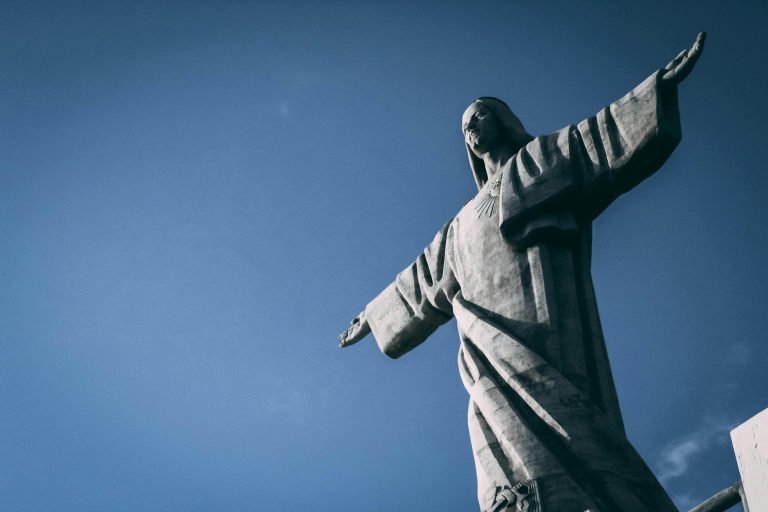
And yet, despite all of that, standing beneath the statue on Corcovado Mountain is genuinely powerful.
The reason is perspective. From the summit, Rio de Janeiro suddenly makes sense. You see how mountains carve the city into distinct neighborhoods. You see how beaches wrap around the coastline. You understand how close rainforest and urban life coexist. The statue becomes less about religion and more about geography — a focal point for everything around it.
Visitors who feel disappointed are usually reacting to logistics, not the monument itself. Poor timing, heavy crowds, or cloud cover can diminish the experience. Visitors who plan carefully — choosing early departures, checking weather forecasts, and booking Christ the Redeemer tickets strategically — often describe it as the highlight of their trip.
It is also worth remembering that the statue is not the only reason to go. The setting inside Tijuca National Park, the ascent through rainforest, and the panoramic sweep of Rio from above combine into something that few cities in the world can replicate.
If you are deciding between major viewpoints in Rio, this is the most iconic one. It is not the quietest or most relaxed, but it is the one that defines the skyline and the city’s global identity.

Christ the Redeemer vs Sugarloaf Mountain
If you are planning your time in Rio de Janeiro, you will almost certainly compare the statue of Christ the Redeemer with Sugarloaf Mountain. Both are iconic landmarks in Rio, both offer elevated views, and both require controlled transport access. But the experiences are surprisingly different.
What Makes Christ the Redeemer Unique
Christ the Redeemer is about symbolism and scale. The statue of Christ the Redeemer in Rio de Janeiro is instantly recognizable worldwide. Visiting it means standing directly beneath one of the most famous monuments on the planet, with the city unfolding beneath your feet.
Visiting Christ the Redeemer combines:
- A rainforest ascent through Tijuca National Park
- A monumental Art Deco statue up close
- A panoramic perspective over beaches, lagoon, and skyline
- A strong sense of “this is Rio” identity
However, the viewing platform can feel crowded, and the summit is more exposed to fog and low cloud. On overcast days, visibility can disappear quickly.
What Makes Sugarloaf Mountain Different
Sugarloaf Mountain in Rio de Janeiro (Pão de Açúcar) is a granite peak accessed by a two-stage cable car system. Instead of focusing on a monument, the experience centers entirely on the view itself.
From Sugarloaf, you look back toward Christ the Redeemer in the distance, which many visitors find visually striking. The cable car ride is smooth and modern, and the summit areas tend to feel more spacious compared to the platform at Corcovado. Sugarloaf is often less affected by sudden low cloud than Corcovado, making visibility slightly more predictable.
Sugarloaf is often considered better for:
- Sunset photography
- Less congested viewing areas
- Watching aircraft approach Santos Dumont Airport
- A broader ocean-facing panorama
Which Should You Choose?
If your time in Rio is limited to half a day or you only have one clear-weather window, your choice matters.
- Choose Christ the Redeemer for the monument, symbolism, and classic Rio skyline moment.
- Choose Sugarloaf Mountain for cleaner panoramic views, more space, and a smoother summit experience.
Many travelers ultimately visit both because they complement each other rather than compete. Christ the Redeemer gives you the emotional and cultural icon. Sugarloaf gives you perspective on the geography of Rio.
If time allows, planning separate mornings — or a morning plus sunset combination — can give you two completely different impressions of the city.

Practical Tips for Visiting Christ the Redeemer
Check the Weather at the Summit — Not Just at the Beach
One of the biggest mistakes visitors make is assuming that sunshine in Copacabana guarantees clear views at the statue. Because Christ the Redeemer sits high on Corcovado Mountain, low cloud and mist can roll in quickly. If visibility matters to you, check weather forecasts that include elevation data or look at live city webcams before heading up.
Arrive Early if Possible
Even if you have pre-booked Christ the Redeemer tickets, early morning departures generally mean fewer crowds and softer light. Between late morning and mid-afternoon, cruise ship excursions and organized Rio Christ the Redeemer tour groups often increase platform congestion.
Wear Proper Footwear
The summit area includes steps, slightly uneven surfaces, and can become slippery during rain. Comfortable walking shoes with grip are strongly recommended. Flip-flops may be fine on the beach, but they are not ideal at 700 meters above sea level in windy conditions.
Bring Water, But Pack Light
There are small snack stands at the top, but prices are higher than in the city. Bringing water is practical, especially on warm days. However, avoid heavy backpacks — space on the viewing platform is limited, and maneuvering through crowds is easier when you travel light.
Expect Wind
The summit is fully exposed. Even when temperatures in Rio are warm, wind can make it feel cooler at the top. A light jacket or layer can make your visit more comfortable, especially in the winter months.
Watch Your Belongings
Christ the Redeemer is well organized and heavily monitored, but it remains a major tourist site. As in any busy attraction, keep phones and valuables secure, particularly when focusing on photos and not paying attention to your surroundings.
Busy tourist attractions like Christ the Redeemer can attract opportunistic thieves, but they are far from the only places where travelers can be caught off guard. Learning to recognize common tricks before your trip can help you avoid unnecessary problems. Read our guide to recognizing common travel scams to understand the most widespread scams travelers encounter around the world and how to avoid them.
Plan Around Cruise Ship Days
When large cruise ships dock in Rio, mid-morning traffic to the statue increases noticeably. If your schedule is flexible, consider visiting either before 9:00 AM or later in the afternoon to avoid peak surges.
Allow Flexibility in Your Rio Itinerary
If Christ the Redeemer is a priority highlight of your trip, consider keeping your schedule flexible enough to adjust for weather. Because fog can dramatically reduce visibility, having a backup day can prevent disappointment.

🇧🇷 Continue Exploring Brazil
If you are planning a broader trip beyond Christ the Redeemer, Brazil offers an extraordinary range of destinations, from coastal cities to rainforest landscapes and historic regions. Exploring different parts of the country adds depth and contrast to your journey.
Within Rio itself, one of the most iconic viewpoints is covered in the Sugarloaf Mountain guide, where panoramic views of the coastline and city skyline provide a completely different perspective from Christ the Redeemer.
Beyond Rio, Brazil reveals distinct cultural identities in each region. The São Paulo city guide introduces the country’s cultural and culinary hub, while the historic streets and coastal atmosphere highlighted in Salvador highlights guide showcase Afro-Brazilian heritage, music, and architecture.
For nature, many travelers continue to the powerful waterfalls featured in the Iguazu Falls guide, widely considered one of the most impressive natural sights in South America.
If you are building a multi-destination journey across the country, the how to plan your Brazil route explains how travelers combine cities, landmarks, and natural highlights into a smooth trip. You may also want to review when to visit Brazil to understand how seasonal weather and festivals shape travel across different regions.

❓ Frequently Asked Questions About Christ the Redeemer
🙋 How much are Christ the Redeemer tickets?
Ticket prices vary depending on whether you choose the Corcovado train or the official vans, as well as the time of day and season. Early morning and off-peak slots are generally less expensive than late-morning or midday departures. All official tickets include both transport and access to the monument platform.
🎟 Can I buy tickets on the day of my visit?
Yes, same-day tickets are sometimes available, but popular time slots often sell out in advance — especially on weekends, during Brazilian holidays, and in high season. Booking online ahead of time is strongly recommended if your schedule is fixed.
⏱ How long does a visit to Christ the Redeemer take?
Plan for 2 to 4 hours in total. The train or van ride takes around 20–30 minutes each way, and most visitors spend 30 to 60 minutes at the summit depending on crowd levels and weather conditions.
🌥 What happens if it is foggy at the top?
Fog can reduce visibility significantly. In some cases, the statue may be partially or fully obscured. This is why many visitors prefer early morning departures and check the weather before using their Christ the Redeemer tickets.
🚗 Can I drive directly to the statue?
No. Private cars are not allowed to access the summit. Visitors must use the official train or authorized vans to reach Christ the Redeemer inside Tijuca National Park.
📸 Is Christ the Redeemer worth visiting despite the crowds?
For most travelers, yes. While the platform can be busy, the panoramic views over Rio de Janeiro and the experience of standing beneath one of the world’s most famous monuments make it a highlight of many trips.
Travel Resources to Plan, Book & Stay Connected
Use these tools and guides to stay connected abroad, find inspiration for your next trip, and book your flights, stays and gear with confidence.
Disclosure: This article may contain affiliate links. If you make a purchase through a link, I may receive a commission at no extra cost to you. I only share recommendations I believe are genuinely useful, and all opinions are my own. AI was used in this post for research and drafting purposes.

Comment (0)