📌 What to Expect in This São Paulo Travel Guide
São Paulo is not a typical “tourist city,” which is exactly why many travelers struggle to plan it properly. This guide breaks down what actually matters when visiting, from choosing the right neighborhood to understanding how to move around a massive urban environment. If you are building a full trip, you can also use this complete guide to traveling in Brazil to connect São Paulo with other destinations.
- How to reach São Paulo efficiently, including airport choices and arrival strategy
- Which neighborhoods make sense to stay in depending on your travel style
- Hotel recommendations that balance location, comfort, and value
- Where to eat, drink, and experience the city’s food and nightlife scene
- The key attractions and cultural areas that are actually worth your time
- How to move around safely using metro, rideshares, and walking routes
- When to visit based on weather, crowds, and overall travel experience
- Practical tips that make a real difference on the ground
- Essential Portuguese phrases for everyday situations
- Answers to common questions to help you avoid mistakes and plan faster
Understanding São Paulo (Beyond the Stereotypes)
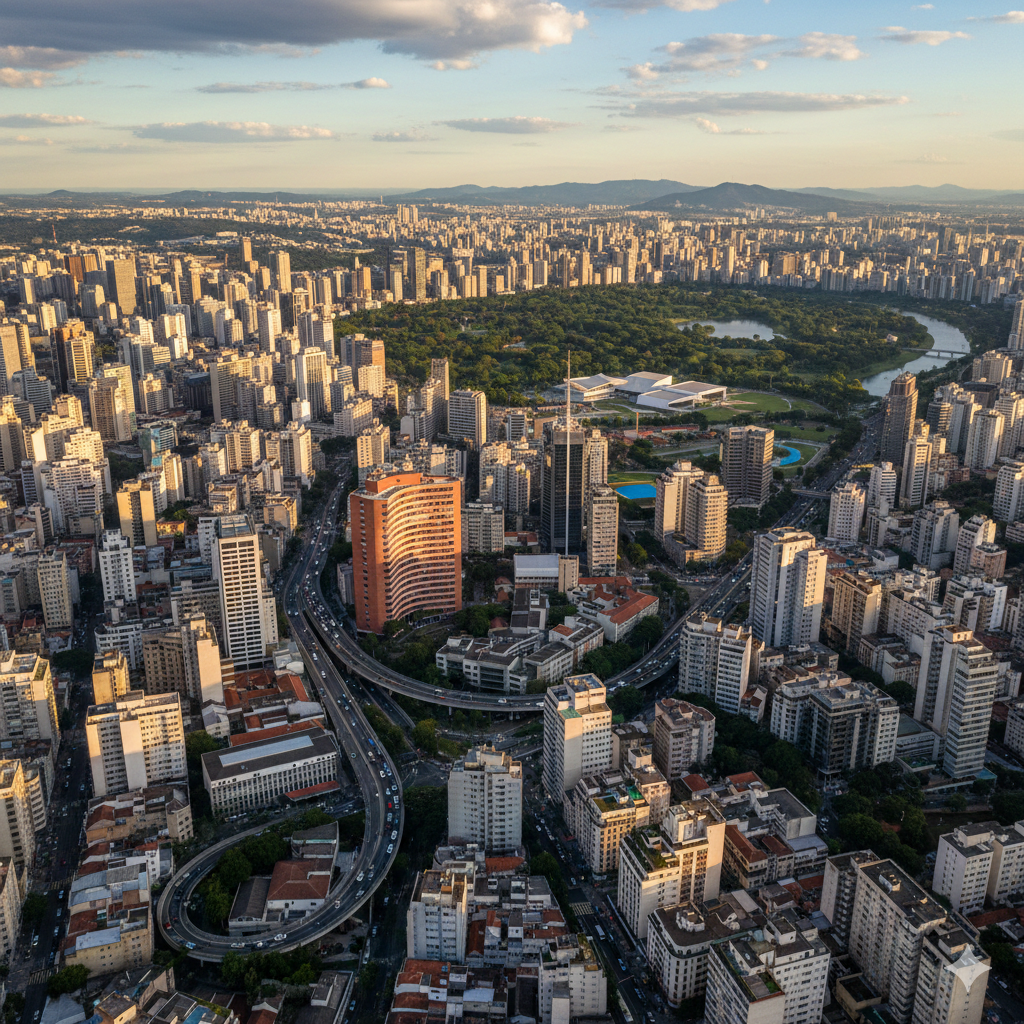
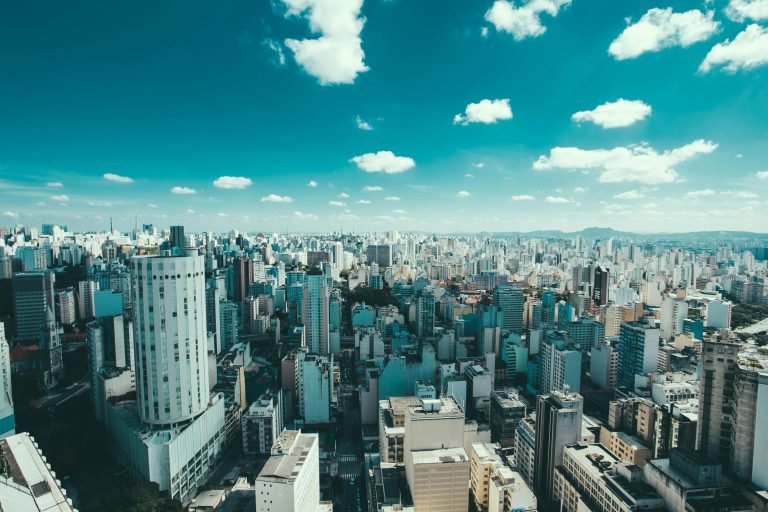
São Paulo is not a city that impresses instantly. There are no beaches, no obvious postcard views, and no single historic center that defines the experience. Instead, it reveals itself through its neighborhoods, its food, and the constant movement of daily life. For most travelers searching for things to do in São Paulo, the real challenge is not finding attractions, but understanding how to navigate a city that operates on a completely different scale.
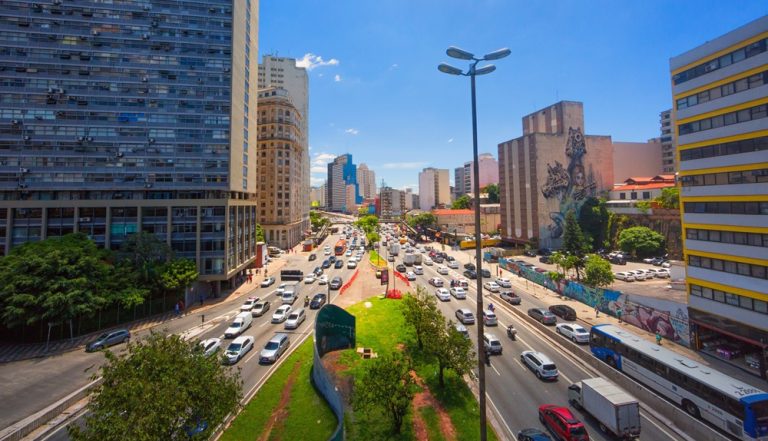
As the largest city in Brazil, São Paulo’s size and diversity shape everything about it. Entire districts feel like separate cities, each with its own identity, culture, and rhythm. The city has been built by waves of migration, from Italian and Japanese communities to Lebanese and Brazilian influences from across the country. This mix is what defines São Paulo today. Museums sit next to local markets, rooftop bars overlook endless urban sprawl, and residential streets can quickly turn into some of the most active nightlife areas in South America. The main places to visit in São Paulo are not concentrated in one area, which means your experience depends heavily on where you go and how you plan your time.
This also explains why São Paulo raises practical questions early. Travelers need to understand where to stay, how to get around, what to expect from the weather, and how to plan arrivals efficiently. Rather than treating these as separate concerns, this guide connects them into a clear structure so you can build a realistic itinerary without second-guessing your decisions.
São Paulo is a key stop in any wider trip through Brazil. If you are combining destinations, this Brazil travel planning guide helps you understand how the city fits alongside places like Rio de Janeiro, Salvador, and other major highlights.
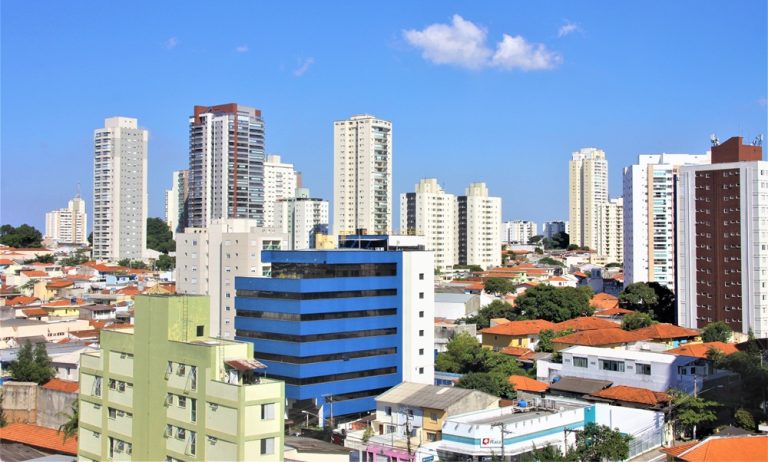
São Paulo is not a city you simply “see” — it is a city you need to navigate and understand. Its neighborhoods, food culture, museums, and nightlife only start to make sense once you approach them with a plan. Whether you are visiting for a short stay or using the city as a base for a wider trip, your experience will depend on the choices you make about where to stay, how to move around, and what you prioritize.
Give yourself time to explore beyond the obvious, focus on areas that match your interests, and avoid trying to see everything at once. São Paulo rewards travelers who stay flexible, think in terms of neighborhoods, and adapt to its pace. If you are continuing your trip across the country, this Brazil itinerary guide helps you connect São Paulo with other destinations and build a more efficient route.
Approached the right way, São Paulo becomes one of the most rewarding urban experiences in South America — not because it tries to impress, but because it reflects the real scale, diversity, and energy of Brazil.
How to Get to São Paulo
Most travelers arrive in São Paulo by air, as the city is Brazil’s main international gateway. It connects directly to North America, Europe, and major cities across South America, making it the most practical entry point for a wider trip. If you are comparing routes and prices, use this flight comparison tool to find the best options based on your departure city.
- Guarulhos International Airport (GRU) – The main international hub, located about 25 km from the city center. Almost all long-haul flights arrive here.
- Congonhas Airport (CGH) – Much closer to central São Paulo, mainly serving domestic routes such as Rio de Janeiro, Brasília, and Belo Horizonte.
- Viracopos Airport (VCP) – Located near Campinas, sometimes used by low-cost or regional carriers, but requires a longer transfer into the city.
If you are already traveling within Brazil, long-distance buses are a practical alternative. São Paulo is the country’s main transport hub, with routes connecting nearly every major destination. Most buses arrive at:
- Tietê Bus Terminal – The largest terminal, directly connected to the metro system
- Barra Funda Terminal – Another major hub with metro and regional connections
Buses are often cheaper than flights and can be surprisingly comfortable for overnight journeys. If you are planning multi-city travel, this Brazil transport guide explains when flying or taking the bus makes more sense.
Train and boat travel into São Paulo are not practical options. The city has no long-distance passenger rail connections, and its inland location rules out water-based transport.
Once you arrive, the size of São Paulo becomes immediately clear. Choosing the right neighborhood has a major impact on your experience, as distances are large and traffic can be significant. Understanding where to base yourself is just as important as how you get there.
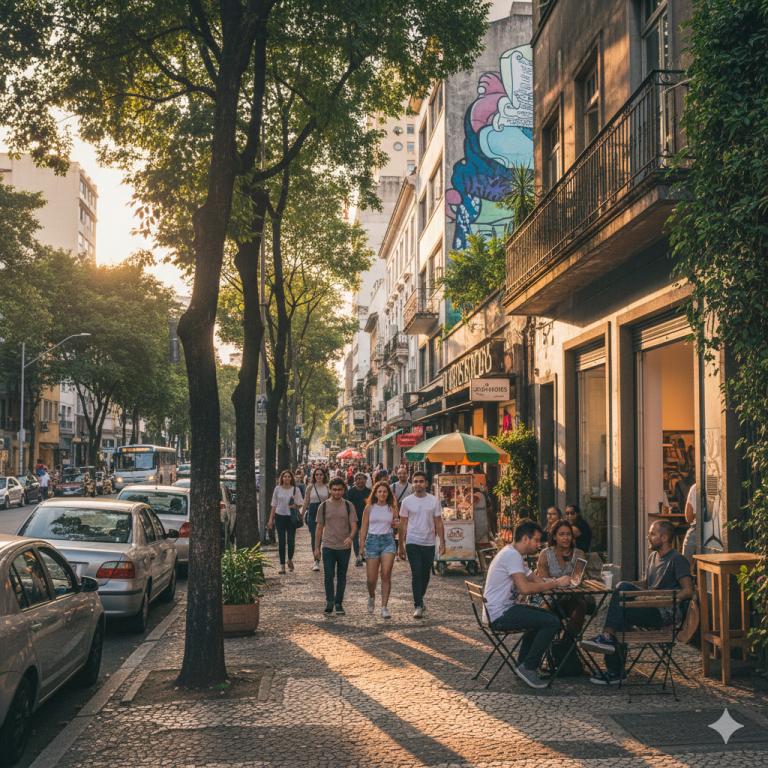
São Paulo Neighborhoods: Where to Stay and What Each Area Feels Like
- Choose your neighborhood carefully — São Paulo is vast and location affects everything
- Each district has a distinct identity, from nightlife to culture to business
- Staying near metro lines reduces travel time significantly
- First-time visitors should prioritize central, well-connected areas
- Your experience depends more on location than on hotel quality alone
Understanding São Paulo starts with understanding its neighborhoods. The city does not have a single central area where everything happens. Instead, its highlights are spread across multiple districts, each with a different atmosphere, pace, and lifestyle. Choosing where to stay directly affects how easily you move around, how much time you spend in traffic, and what kind of experience you have day to day. If you are comparing destinations across the country, this Brazil stay guide by destination helps you understand how São Paulo fits into a wider itinerary.
Vila Madalena is one of the city’s most creative neighborhoods, known for its street art, independent shops, and active nightlife. During the day, it feels relaxed and local, with cafés and galleries spread across walkable streets. In the evening, it becomes one of the main social areas in the city. It works best for travelers who want energy, casual dining, and a social atmosphere, but it can be noisy on weekends.
Pinheiros offers a more balanced version of the same lifestyle. It is one of São Paulo’s strongest food districts, with a mix of restaurants, bakeries, and cocktail bars that attract both locals and visitors. The area is well connected by metro, more residential than Vila Madalena, and a strong choice if you want to experience everyday life while staying close to nightlife and dining.
Jardins is one of the most comfortable and convenient areas for first-time visitors. It combines tree-lined streets, high-quality hotels, and proximity to Avenida Paulista. The neighborhood is generally considered safe, relatively walkable, and close to many cultural attractions. If your priority is ease, comfort, and accessibility, Jardins is one of the most reliable choices.
The Paulista area, centered around Avenida Paulista, is one of the best-connected parts of the city. Museums, shopping centers, business districts, and metro lines all meet here, making it a practical base for shorter stays. Many of the city’s main attractions are either within walking distance or easily accessible from here. If you want quick access to multiple areas, this is one of the most efficient places to stay, especially when planning your things to do in São Paulo.
Centro Histórico is the historic core of the city, home to important landmarks and cultural institutions. It is worth visiting during the day for architecture and history, but it becomes quieter at night and requires more awareness. Most first-time visitors choose to stay in other neighborhoods and explore the center as part of their itinerary.
For official neighborhood guides, events, and local recommendations, the São Paulo tourism board provides useful and up-to-date information. Once you understand which area matches your travel style, choosing the right hotel becomes significantly easier.
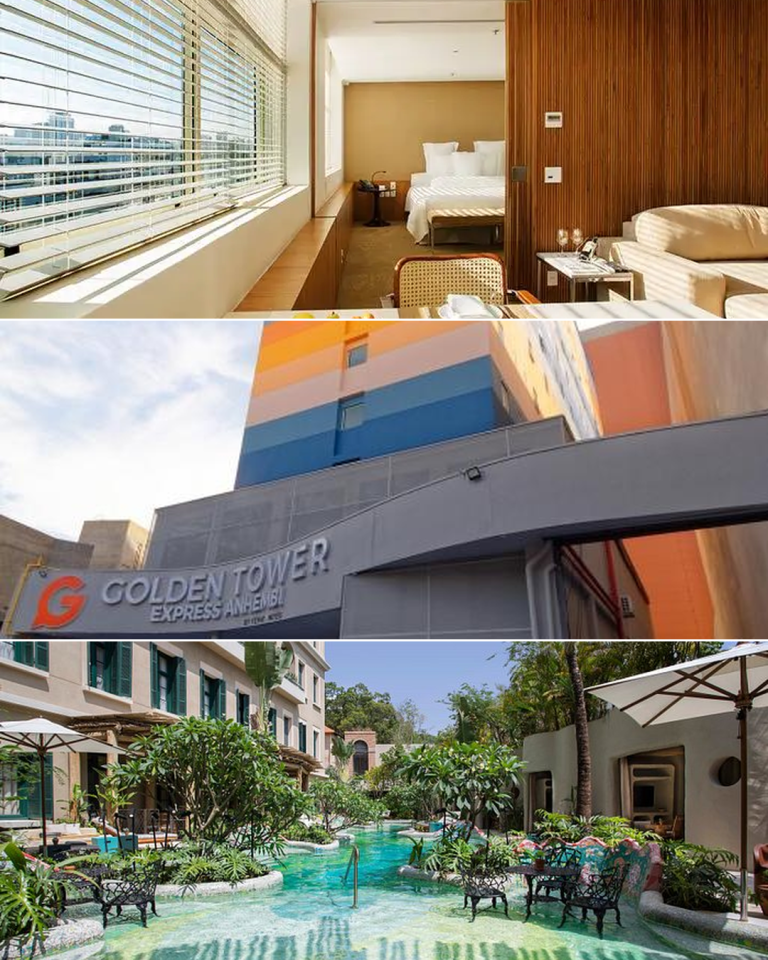
Where to Stay in São Paulo: Best Areas and Hotels
- Location matters more than hotel quality in São Paulo
- Stay near metro lines to reduce travel time
- Jardins and Paulista are best for first-time visitors
- Pinheiros and Vila Madalena offer a more local experience
- Choose your area based on lifestyle, not just price
Choosing where to stay in São Paulo is not about being close to a single landmark. The city is spread out, and your experience depends heavily on your location. Staying in the right neighborhood can save hours of travel time each day and make the city feel far more manageable. Well-connected areas with access to metro lines, restaurants, and daily conveniences consistently offer the best overall experience.
São Paulo offers a wide range of accommodation, from budget hotels and functional apartments to high-end luxury properties. Matching your hotel to the right neighborhood is more important than choosing amenities alone, especially in a city where distance and traffic play a major role in daily planning.
Budget Hotels in São Paulo
Budget travelers will find solid value in Pinheiros, Vila Madalena, and parts of the Paulista area. These neighborhoods offer good metro access, plenty of food options, and a more manageable environment for exploring the city. Budget hotels here are usually simple but reliable, making them a practical choice if you plan to spend most of your time outside.
San Michel Hotel
Largo do Arouche, 200 – República, São Paulo – SP, Brazil · +55 11 3224-1420
A well-located budget option with easy metro access and quick connections to central districts. Rooms are simple but comfortable, making it a practical base for exploring the city without overspending. This works best if you want affordability while staying connected to major transport routes.
Check prices and availability here.
Hotel M Itaquera
R. França Velho, 2 – Vila Carmosina, São Paulo – SP, Brazil · +55 11 2521-6463
A budget-friendly hotel with modern, functional rooms located in the eastern zone. It offers good metro access, making it possible to reach central areas without difficulty. Best suited for travelers who prioritize price over location.
See current rates and deals.
Hotel Pigalle
R. dos Democratas, 255 – Vila Monte Alegre, São Paulo – SP, Brazil · +55 11 5589-5306
A no-frills hotel near metro connections, offering basic comfort and easy movement across the city. The surrounding area reflects everyday local life rather than tourist-focused zones. A solid choice if you want affordability and simplicity.
View availability here.
Mid-Range Hotels in São Paulo
Mid-range hotels provide the best balance between comfort, location, and value. Areas like Jardins, Vila Mariana, and near Avenida Paulista offer easy access to transport, restaurants, and cultural attractions. This category is ideal for most travelers, combining convenience with a more comfortable stay.
Quality Hotel Paulista
Alameda Lorena, 360 – Jardim Paulista, São Paulo – SP, Brazil · +55 11 5043-6765
A reliable mid-range option in one of the city’s most convenient areas. Rooms are comfortable, and the location provides quick access to Avenida Paulista, metro stations, and restaurants. A strong choice for first-time visitors.
Check availability and rates.
Golden Tower Express Anhembi
Av. Cruzeiro do Sul, 1709 – Santana, São Paulo – SP, Brazil · +55 11 4709-9300
A practical option with modern rooms and good transport access, especially for travelers visiting the northern part of the city. It offers comfort without unnecessary extras.
See current deals here.
Bienal Suítes Ibirapuera
Rua Sena Madureira, 1225 – Vila Mariana, São Paulo – SP, Brazil · +55 11 5088-7999
Located near Ibirapuera Park, this hotel offers more space and a quieter environment. It works well for travelers who want a calmer base while staying close to cultural attractions and green areas.
View prices and availability.
Luxury Hotels in São Paulo
Luxury hotels in São Paulo are concentrated in Jardins, Itaim Bibi, and nearby upscale districts. These properties offer spacious rooms, high-end dining, and refined service, creating a calmer environment within a fast-moving city.
Hotel Unique
Av. Brigadeiro Luís Antônio, 4700 – Jardim Paulista, São Paulo – SP, Brazil · +55 11 3055-4700
One of the city’s most iconic hotels, known for its architecture and rooftop views. It offers a high-end experience with strong design and atmosphere. Ideal for travelers looking for something memorable.
Check luxury rates here.
Rosewood São Paulo
Rua Itapeva, 435 – Bela Vista, São Paulo – SP, Brazil · +55 11 3797-0500
A high-end hotel combining historic architecture with modern design. It offers top-tier dining, spacious rooms, and a more relaxed environment within the city.
See availability and pricing.
Hotel Emiliano São Paulo
Rua Oscar Freire, 384 – Jardim Paulista, São Paulo – SP, Brazil · +55 11 3728-2000
A refined hotel located on one of the city’s most upscale streets. Known for its service and understated design, it offers a quieter, more private luxury experience.
View luxury offers here.
If none of these options match your plans, you can browse more hotels in São Paulo here.

Where to Eat in São Paulo: Restaurants, Bars, Rooftops, and Nightlife
- São Paulo is Brazil’s top food destination with global influences
- Best areas for dining and nightlife: Pinheiros, Jardins, Vila Madalena
- Mix high-end restaurants with casual local spots for the full experience
- Rooftop bars offer views, but reservations are often needed
- Nightlife ranges from relaxed bars to large-scale clubs
Food is one of the main reasons travelers connect with São Paulo. The city’s culinary scene is shaped by Italian, Japanese, Middle Eastern, and Brazilian influences, creating a level of variety that few cities can match. Eating here is not just about restaurants, but about exploring neighborhoods through their cafés, bakeries, bars, and late-night spots. From simple local dishes to internationally recognized fine dining, São Paulo delivers depth at every level.
Travelers wanting a broader overview of regional dishes, street food, desserts, drinks, and culinary traditions across the country should also explore this guide to Brazil’s most iconic local foods. It helps connect São Paulo’s international food scene with the wider flavors found throughout Brazil.
Restaurants in São Paulo
D.O.M. is one of Brazil’s most internationally recognized restaurants, known for its use of Amazonian ingredients and modern Brazilian cuisine. Dining here focuses on storytelling through regional products and techniques, making it a destination for travelers looking for a high-end culinary experience. You can explore the concept and menu on the official D.O.M. website.
Maní offers a more intimate dining experience, combining seasonal ingredients with refined presentation. Located in Jardim Paulistano, it balances quality with a relaxed atmosphere, making it ideal for a memorable evening without the formality of fine dining. More details are available on the restaurant’s official site.
Mocotó focuses on northeastern Brazilian cuisine, serving traditional, flavorful dishes rooted in regional culture. It has built a strong reputation while maintaining a casual feel, showing the depth of São Paulo’s food scene beyond upscale dining. Background and menu details are available on the official Mocotó website.
Famiglia Mancini is a long-standing institution reflecting the city’s Italian heritage. Known for generous portions and a lively atmosphere, it remains popular with both locals and visitors. The official website provides menus and opening hours.
Templo da Carne Marcos Bassi is a strong choice for meat-focused dining, offering high-quality cuts and a straightforward, traditional experience. It highlights Brazil’s reputation for excellent beef and works well for longer, social meals.
Bars and Rooftop Bars in São Paulo
Skye Bar, located at Hotel Unique, is one of the city’s most recognizable rooftop venues. It offers wide city views, a polished atmosphere, and a strong cocktail menu. Sunset is the best time to visit.
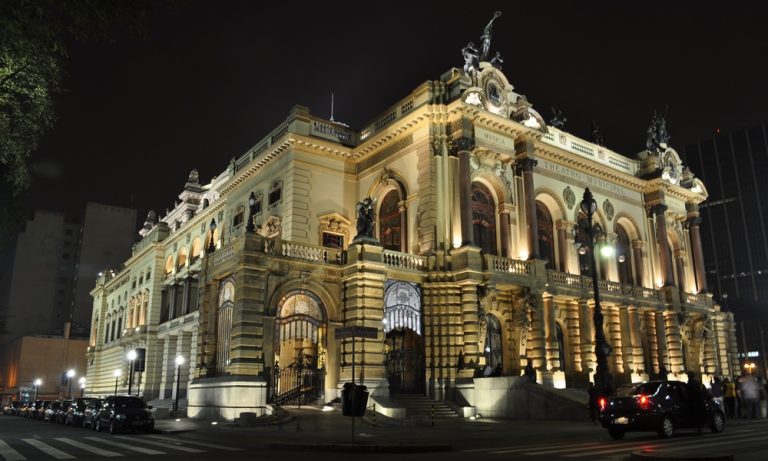
Bar dos Arcos, set beneath the Municipal Theatre, combines historic architecture with modern cocktails. The setting is intimate and atmospheric, making it a strong choice for a more unique evening experience.
Seen São Paulo delivers a more upscale rooftop experience, with panoramic views and a stylish crowd. It works well for a night out focused on drinks, views, and atmosphere.
SubAstor is known for classic cocktails and a refined but relaxed environment. It attracts a crowd focused on quality rather than volume, making it a strong option for conversation-driven evenings. The official SubAstor website lists locations and menus.
Boteco São Bento represents everyday São Paulo bar culture, serving beer, snacks, and a lively local atmosphere. It’s a good place to experience the city in a more casual, authentic way.
Nightclubs in São Paulo
D-Edge is one of South America’s best-known electronic music clubs, attracting international DJs and a dedicated crowd. It’s a key destination for nightlife, with events listed on the official D-Edge website.
The Week offers a large-scale club experience with themed nights and high energy. It suits travelers looking for a full nightlife environment rather than smaller venues.
Casa Natura Musical focuses on live Brazilian music, offering a more cultural nightlife experience. It’s a strong alternative to traditional clubs, with events listed on the official site.
Tokyo 東 京 combines multiple floors of bars, dance areas, and rooftop spaces in a single venue. Each level offers a different atmosphere, making it a flexible option for groups.
Vila Mix focuses on Brazilian pop and sertanejo music, creating a distinctly local nightlife experience. Event details are available on the official website.
Exploring restaurants, bars, and nightlife across different neighborhoods is one of the most effective ways to understand São Paulo. Each area offers a different perspective on the city, and combining a few key spots across districts will give you a far more complete experience.
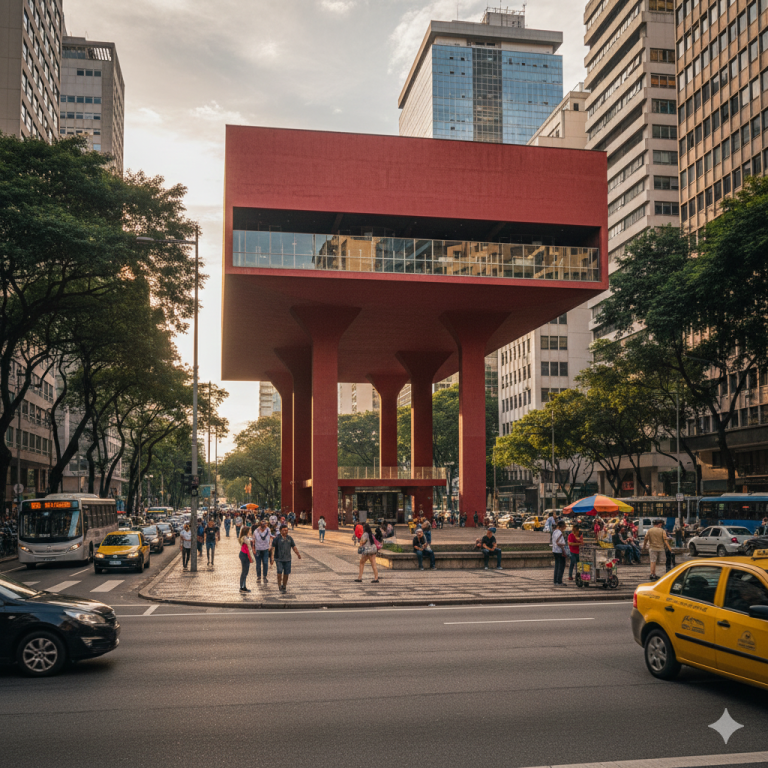
Things to Do in São Paulo: Attractions and Sightseeing
- Focus on neighborhoods rather than isolated attractions
- Combine culture, parks, and local experiences
- Avenida Paulista is the best starting point
- Museums and markets offer the most authentic experiences
- Plan your days geographically to reduce travel time
Sightseeing in São Paulo is not about following a simple checklist. The city’s main attractions are spread across different neighborhoods, and the experience depends on how you combine them. Museums, parks, markets, nightlife, and historic areas all play a role, but understanding where they are and how they connect is what makes the difference between a rushed visit and a well-planned one.
Avenida Paulista is the city’s main axis and the best place to start exploring. It brings together cultural institutions, shopping, offices, restaurants, and public spaces in one area. On Sundays, it closes to traffic and transforms into a pedestrian zone filled with street performers, cyclists, musicians, and local families. For events and updates, the São Paulo tourism board provides current listings.
MASP – Museu de Arte de São Paulo is one of Latin America’s most important museums and a defining landmark on Avenida Paulista. Its suspended design makes it instantly recognizable, while the collection spans European masters, Brazilian art, and international modern works. Visiting MASP is one of the key cultural experiences when exploring things to do in São Paulo, especially for first-time visitors. The official MASP website lists exhibitions and visiting hours.
Explore MASP with a guided visit that highlights both its iconic architecture and its most important collections.
View MASP toursParque Ibirapuera offers a break from the city’s density and is one of the most used public spaces in São Paulo. It combines open green areas with museums, walking paths, lakes, and cultural venues, making it suitable for both short visits and longer afternoons. The official park site provides access details and information on cultural spaces within the park.
Mercado Municipal is one of the best places to experience São Paulo’s food culture in a single location. The market is known for its architecture, fresh produce, and traditional dishes. It is particularly popular for its mortadella sandwiches and local snacks, making it a practical stop when exploring central areas.
The Historic City Center, including Sé Cathedral and Pátio do Colégio, provides context on how São Paulo developed. Visiting during the day allows you to explore churches, squares, and early buildings while staying within safer hours. Combining this area with nearby attractions makes it easier to understand the city’s historical layout.
São Paulo also changes dramatically during Carnival season. While Rio de Janeiro receives most of the international attention, São Paulo now hosts some of the country’s largest blocos and samba school parades, creating a much louder, busier, and more energetic atmosphere across parts of the city. Transport becomes slower, accommodation prices rise, and neighborhoods near major events become significantly more crowded during this period.
If your visit overlaps with parade season, our guide to Carnival celebrations across Brazil explains how São Paulo Carnival compares to Rio, what the atmosphere actually feels like, and what travelers should realistically expect from the crowds, blocos, and samba parades.
Rather than trying to see everything, focus on grouping attractions by area and building your days around neighborhoods. This approach reduces travel time and allows you to experience the city in a more natural way.
Discover São Paulo’s key neighborhoods and landmarks on a guided walking tour designed to help you get oriented quickly.
View walking tours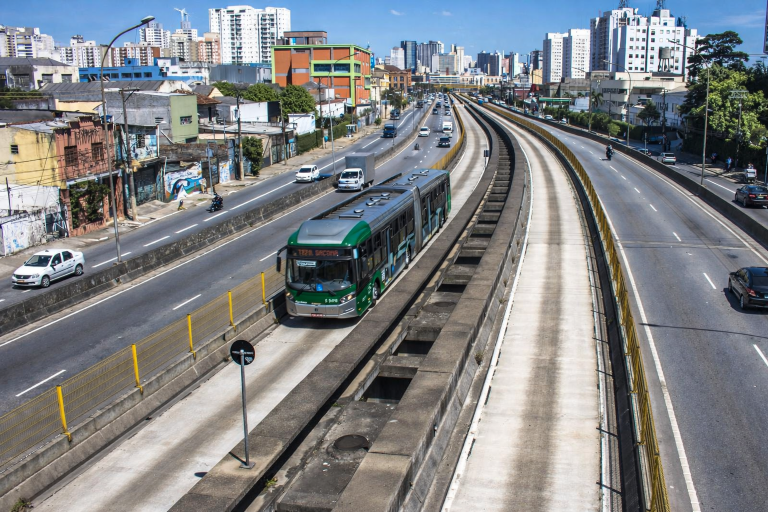
How to Get Around São Paulo
- Use the metro for speed and reliability
- Combine Uber and walking for flexibility
- Avoid long cross-city trips during peak hours
- Stay near metro lines to reduce travel time
- Plan your days by neighborhood, not distance
Getting around São Paulo is one of the most important parts of planning your visit. The city is large, and distances between neighborhoods can be significant, which makes transport choices directly impact your experience. With the right approach, it is possible to move efficiently without wasting time in traffic.
The metro is the fastest and most reliable option for longer distances. It connects many of the main areas visitors stay in, including Avenida Paulista, Pinheiros, Vila Madalena, and central districts. Trains are generally clean, well signposted, and easy to navigate. Maps, operating hours, and service updates are available on the official São Paulo Metro website.
Ride-hailing services such as Uber are widely used and often the most convenient option for short trips or evening travel. Availability is high across most neighborhoods, and pricing is generally reasonable. Taxis are also available, but ride-hailing apps offer more predictable fares and easier booking.
Buses cover the entire city and run throughout the day and night, but the network can be difficult to navigate for first-time visitors. They are most useful when combined with apps or when traveling within familiar areas. Route planning and fare information are available through SPTrans.
Walking works well within specific neighborhoods such as Jardins, Vila Madalena, and parts of Avenida Paulista. Outside of these areas, distances increase quickly, and walking between districts is rarely practical. Combining short walks with metro or ride-hailing is the most efficient way to explore.
The most effective strategy is to combine transport methods. Use the metro for longer routes, ride-hailing for convenience, and walking within neighborhoods. Planning your days by area rather than trying to cross the city repeatedly will make São Paulo feel far more manageable.
São Paulo Weather and Best Time to Visit
- São Paulo can be visited year-round
- Weather affects comfort more than availability of activities
- Autumn and winter offer the most pleasant conditions
- Summer brings heat, humidity, and frequent rain
- Plan indoor activities during hotter or rainy periods
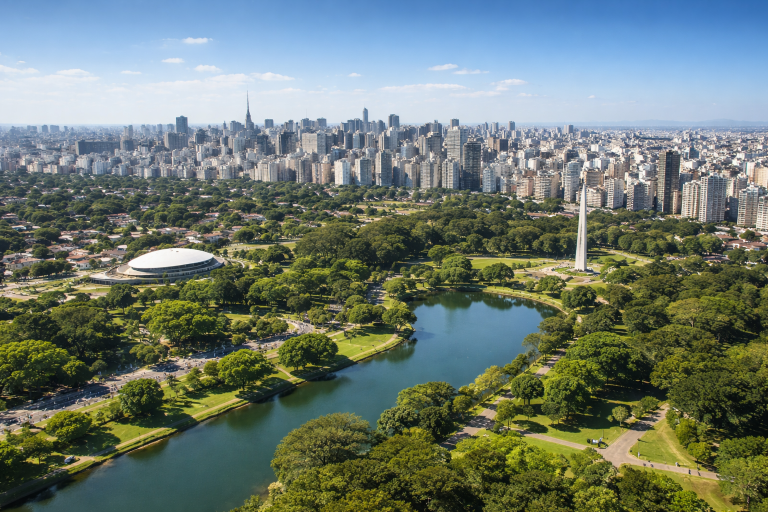
São Paulo has a subtropical climate, with warm temperatures throughout most of the year and seasonal rainfall rather than extreme temperature changes. Unlike coastal destinations, the weather here does not limit what you can do, but it does affect how comfortable it feels to explore the city. Understanding seasonal patterns helps you plan your days more effectively.
Summer (December to March) is the hottest and wettest period. High temperatures and frequent afternoon rain showers can make walking and sightseeing more tiring. This is a good time to balance outdoor activities with museums, restaurants, and indoor attractions during the hottest hours.
Autumn (April to June) offers milder temperatures and lower rainfall, making it one of the most comfortable seasons to visit. It works particularly well for walking, exploring neighborhoods, and combining cultural visits with outdoor time.
Winter (July to September) is generally dry and cooler, with sunny days and comfortable conditions. Evenings can feel slightly cooler, but temperatures rarely drop significantly. This is one of the best periods for sightseeing, cafés, and exploring the city at a steady pace.
Spring (October to November) is a transitional season, with rising temperatures and occasional rain. It still provides good conditions for exploring while avoiding the heavier humidity of summer.
For real-time forecasts and seasonal averages, Climatempo is one of the most reliable sources in Brazil. If you are planning a broader trip, this best time to visit Brazil guide helps you align São Paulo with other destinations.
Overall, São Paulo is a year-round destination, but autumn and winter offer the most comfortable balance between temperature, rainfall, and overall travel experience.
Practical Travel Information for Visiting São Paulo
- Use the metro and Uber as your main transport options
- Plan your days by neighborhood to reduce travel time
- Sundays are slower in business districts but lively in public spaces
- Mobile data is reliable and easy to set up with eSIM
- Basic safety awareness makes a big difference
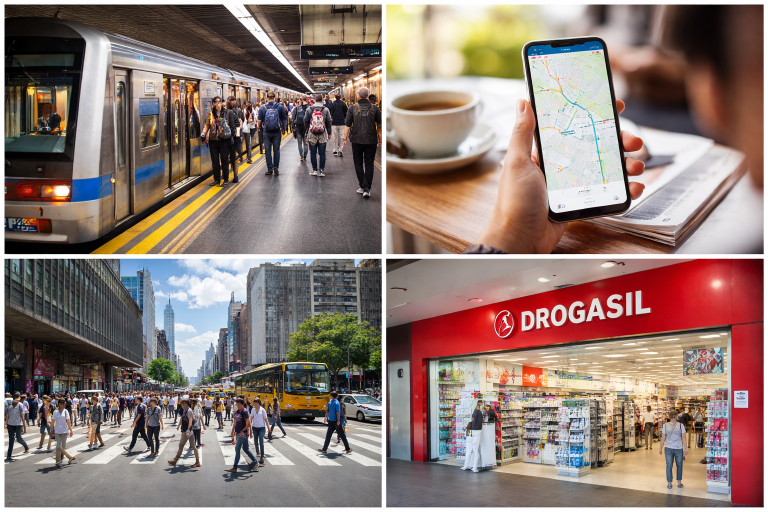
Transport basics in São Paulo revolve around combining different options. Most visitors use the metro for longer distances, walking within neighborhoods, and ride-hailing for convenience. Uber is widely used across the city and is often the easiest option for short trips or evening travel. The metro remains the fastest and most reliable way to avoid traffic, with routes, maps, and updates available on the official São Paulo Metro website.
City rhythm changes noticeably throughout the week. Weekdays are fast-paced, especially during rush hours, while Sundays are calmer in business districts. At the same time, parks, cafés, and cultural areas become busier, and Avenida Paulista often closes to traffic, creating a pedestrian-friendly environment.
Pharmacies and essentials are easy to find and widely available. Many pharmacies stay open late and carry basic medication, toiletries, and everyday items, often functioning like small convenience stores.
Visas depend on your nationality. Many travelers can enter Brazil visa-free for tourism, while others require prior authorization. Entry rules can change, so it is important to confirm requirements through official government or consular sources before departure.
Mobile data and connectivity are reliable across most of São Paulo. Using an eSIM is one of the easiest ways to stay connected without dealing with physical SIM cards or airport kiosks. For comparisons and setup options, see best eSIMs for international travel.
Emergency numbers are consistent across Brazil: Police 190, Ambulance 192, and Fire 193. Saving these in your phone on arrival is a simple but useful step.
Safety basics are similar to other large cities. Avoid displaying valuables, stay aware in crowded areas, and use ride-hailing at night instead of walking long distances. Stick to well-lit streets and active areas after dark. For a broader context, this Brazil safety overview explains how conditions vary across the country.
Power plugs in Brazil typically use Type N sockets, with some compatibility with Type C. Travelers from outside South America should bring a universal adapter.
Flights tip: If you are still planning your route, comparing flexible dates and nearby airports can make a significant difference in price. This flight guide shows how to find better deals.
Mobile Data and Connectivity in São Paulo
- Reliable mobile data is essential for navigation and transport
- eSIM is the easiest option for most travelers
- Activate before arrival to stay connected immediately
- Multiple providers offer flexible plans for Brazil
- Avoid airport SIM kiosks and setup delays
Staying connected in São Paulo is essential. The city is large, and you will rely on maps, ride-hailing apps, metro information, and translation tools throughout your trip. While local SIM cards are available, using an eSIM is the most practical option, allowing you to connect as soon as you land without searching for stores or dealing with physical cards.
Ubigi eSIM offers stable coverage across Brazil and is one of the most straightforward options for São Paulo. Setup is simple, and activation can be completed before departure. Check Ubigi eSIM plans for Brazil
Yesim is a flexible alternative with simple setup and competitive pricing for international travelers. It works well if you want quick activation and straightforward data plans. View Yesim eSIM options
Airalo is widely used and offers affordable country-specific and regional plans, making it a strong choice for travelers visiting multiple destinations. Browse Airalo Brazil eSIMs
SimOptions allows you to compare multiple providers in one place, which is useful if you want bundled plans or more flexibility. Compare eSIM plans on SimOptions
Using an eSIM means you are connected from the moment you arrive, making it easier to navigate the city, book transport, and manage your itinerary without delays.
Useful Portuguese Phrases for São Paulo
- Basic Portuguese helps with everyday interactions
- English is not widely spoken outside tourist areas
- Simple phrases improve communication and service
- Useful for taxis, restaurants, and directions
- Pronunciation does not need to be perfect
Basic greetings
Hello / Good day: Olá (oh-LAH) · Bom dia (bohm JEE-ah)
Good afternoon / evening: Boa tarde (BOH-ah TAR-jee) · Boa noite (BOH-ah NOY-chee)
Polite expressions
Please / Thank you: Por favor (por fah-VOR) · Obrigado (oh-bree-GAH-doo for men / oh-bree-GAH-dah for women)
Excuse me / Sorry: Com licença (kohm lee-SEN-sah) · Desculpa (dess-KOOL-pah)
Communication
Do you speak English?: Você fala inglês? (voh-SEH FAH-lah een-GLAYS)
I don’t understand: Eu não entendo (eh-OO now en-TEN-doo)
Getting around
Where is…?: Onde fica…? (ON-jee FEE-kah…?)
How much does it cost?: Quanto custa? (KWAN-toh KOOS-tah?)
Can you call an Uber?: Pode chamar um Uber? (POH-jee shah-MAR oong OO-ber)
Food and dining
The menu, please: O cardápio, por favor (oo kar-DAH-pee-oh, por fah-VOR)
The bill, please: A conta, por favor (ah KON-tah, por fah-VOR)
Using even a few of these phrases makes everyday situations easier and often leads to more positive interactions. In a fast-paced city like São Paulo, small efforts like this can noticeably improve your overall experience.
Continue Exploring
If you enjoy in-depth travel guides with realistic logistics, culture, and practical planning advice, here are a few very different destinations to explore next:
- Taiwan Travel Guide – A fascinating island destination blending modern cities, night markets, mountain landscapes, and centuries of cultural influence.
- Explore Madagascar – One of the most rewarding places on Earth for raw nature, unique wildlife, and adventurous travel.
- Explore and Enjoy Sydney – A highly accessible, easy-to-plan destination perfect for city exploration, beaches, and day trips.
a 🇧🇷 Part of the Brazil Travel Guide Series
This guide is part of a broader Brazil travel series designed to help you connect the country’s main destinations into one realistic trip. São Paulo is often used as an entry point, but most itineraries combine it with other regions to create a more complete experience, including time along Brazil’s diverse coastline. Travelers interested in adding island destinations to their route can also explore Brazil's most remarkable island adventures, from Fernando de Noronha and Ilha Grande to quieter tropical escapes such as Boipeba.
Many travelers pair São Paulo with Rio de Janeiro. This Rio de Janeiro travel guide covers beaches, viewpoints, and neighborhoods, while the Christ the Redeemer guide and Sugarloaf Mountain guide focus on the city’s most iconic landmarks.
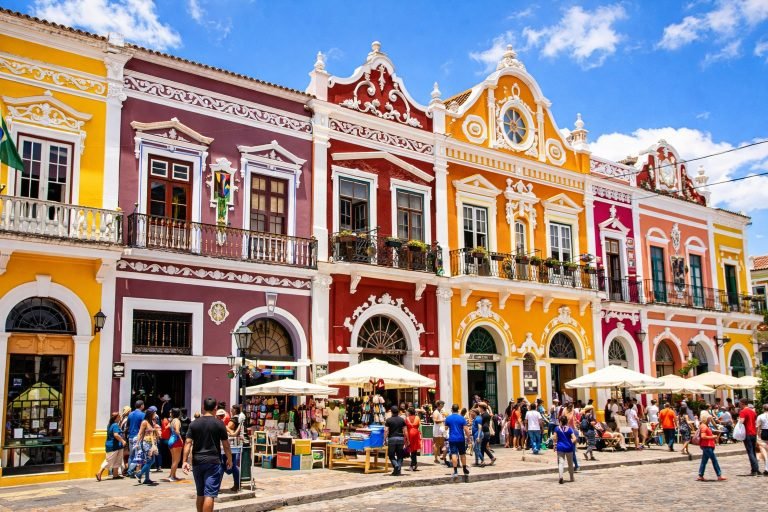
For a different atmosphere, the Salvador travel guide highlights colonial architecture, Afro-Brazilian culture, and a coastal setting that contrasts strongly with southern cities.
Nature-focused itineraries often include the Iguazu Falls guide, one of South America’s most impressive natural destinations.
Travelers looking to experience Brazil beyond the major cities and coastline often add time in the Brazilian Amazon rainforest. Staying in jungle lodges near Manaus, exploring river systems, and experiencing the scale of the rainforest offers a completely different side of the country focused on wildlife, nature, and remote landscapes.
To connect these destinations into a single route, this Brazil itinerary guide explains how to structure 7, 10, or 14-day trips. You can also use best time to visit Brazil to align your trip with weather conditions and seasonal patterns.
Each destination offers a different perspective on Brazil, and combining them creates a far more complete and balanced travel experience.
Frequently Asked Questions About Visiting São Paulo
- What are the best things to do in São Paulo for first-time visitors?
Start with Avenida Paulista and visit MASP, then explore Parque Ibirapuera for green space and museums. Add Mercado Municipal for food, and spend time in neighborhoods like Pinheiros or Vila Madalena to experience local life. The best approach is to combine cultural sites with everyday experiences rather than focusing on a checklist. - How many days do you need in São Paulo?
Most travelers need 2 to 4 days to experience São Paulo properly. This allows time to explore key neighborhoods, visit major attractions, and enjoy the food scene without rushing. Longer stays work well if you want a deeper local experience. - Is São Paulo worth visiting compared to Rio de Janeiro?
Yes, but for different reasons. Rio offers beaches and iconic landmarks, while São Paulo is known for culture, food, and urban life. If you are interested in museums, restaurants, and neighborhoods, São Paulo is absolutely worth visiting. - Is São Paulo safe for tourists?
São Paulo is generally safe if you follow basic precautions. Avoid displaying valuables, stay in well-known neighborhoods, and use ride-hailing at night. Like any large city, awareness of your surroundings is important. - What is the best area to stay in São Paulo?
Jardins and Avenida Paulista are the most convenient areas for first-time visitors. Pinheiros and Vila Madalena offer a more local and social atmosphere. The best area depends on your travel style and how you plan to explore the city. - How do you get around São Paulo as a tourist?
Use the metro for longer distances and Uber for convenience. Walking works well within neighborhoods, but distances between districts are large. Combining transport options is the most efficient approach. - What is São Paulo known for?
São Paulo is known for its food scene, cultural institutions, diverse neighborhoods, and being Brazil’s financial and business center. It is also one of the largest cities in the world, with a strong mix of international influences. - What is the best time to visit São Paulo?
Autumn (April to June) and winter (July to September) are the most comfortable periods, with lower rainfall and milder temperatures. The city can be visited year-round, but summer is hotter and more humid. - Is São Paulo expensive to visit?
São Paulo can fit a wide range of budgets. Budget hotels and affordable food are available, but luxury hotels and high-end restaurants can be expensive. Costs depend largely on your accommodation and dining choices. - Can you visit São Paulo without speaking Portuguese?
Yes, but basic Portuguese helps. English is spoken in hotels and some restaurants, but less common in everyday situations. Learning a few phrases makes communication easier. - What airport do you fly into for São Paulo?
Most international travelers arrive at Guarulhos International Airport (GRU). Congonhas Airport (CGH) is used mainly for domestic flights, while Viracopos (VCP) is farther away and used by some carriers. - What are the best neighborhoods in São Paulo for nightlife?
Vila Madalena and Pinheiros are the main nightlife areas, offering bars, live music, and restaurants. Jardins and rooftop venues provide a more upscale nightlife experience. - What food should you try in São Paulo?
Try a mortadella sandwich at Mercado Municipal, pastel, feijoada, and explore the city’s Italian and Japanese food scene. São Paulo is one of the best places in Brazil for dining variety. - Is São Paulo a walkable city?
Some neighborhoods are walkable, such as Jardins, Vila Madalena, and Avenida Paulista. However, the city as a whole is not walkable due to its size, so transport is necessary between districts. - Do you need a SIM card or eSIM in São Paulo?
Yes, mobile data is very useful for navigation and transport. An eSIM is the easiest option, allowing you to connect immediately without visiting a store. - What currency is used in São Paulo?
The currency is the Brazilian Real (BRL). Credit and debit cards are widely accepted, but it is useful to carry some cash for smaller purchases. - Are credit cards widely accepted in São Paulo?
Yes, credit cards are accepted in most hotels, restaurants, and shops. Contactless payments are common, but having a backup card or small amount of cash is recommended. - Is public transport good in São Paulo?
Yes, the metro system is efficient and reliable. Buses cover the entire city but can be harder to navigate. Most visitors rely on a combination of metro and ride-hailing. - Can you use Uber in São Paulo?
Yes, Uber is widely available and commonly used. It is one of the easiest ways to get around, especially at night or for short distances. - What makes São Paulo different from other cities in Brazil?
São Paulo stands out for its size, diversity, and cultural depth. It offers fewer traditional tourist landmarks but delivers a more authentic urban experience focused on food, culture, and daily life.
Travel Resources to Plan, Book & Stay Connected
Use these tools and guides to stay connected abroad, find inspiration for your next trip, and book your flights, stays and gear with confidence.
Disclosure: This article may contain affiliate links. If you make a purchase through a link, I may receive a commission at no extra cost to you. I only share recommendations I believe are genuinely useful, and all opinions are my own. AI was used in this post for research and drafting purposes.

Comment (0)