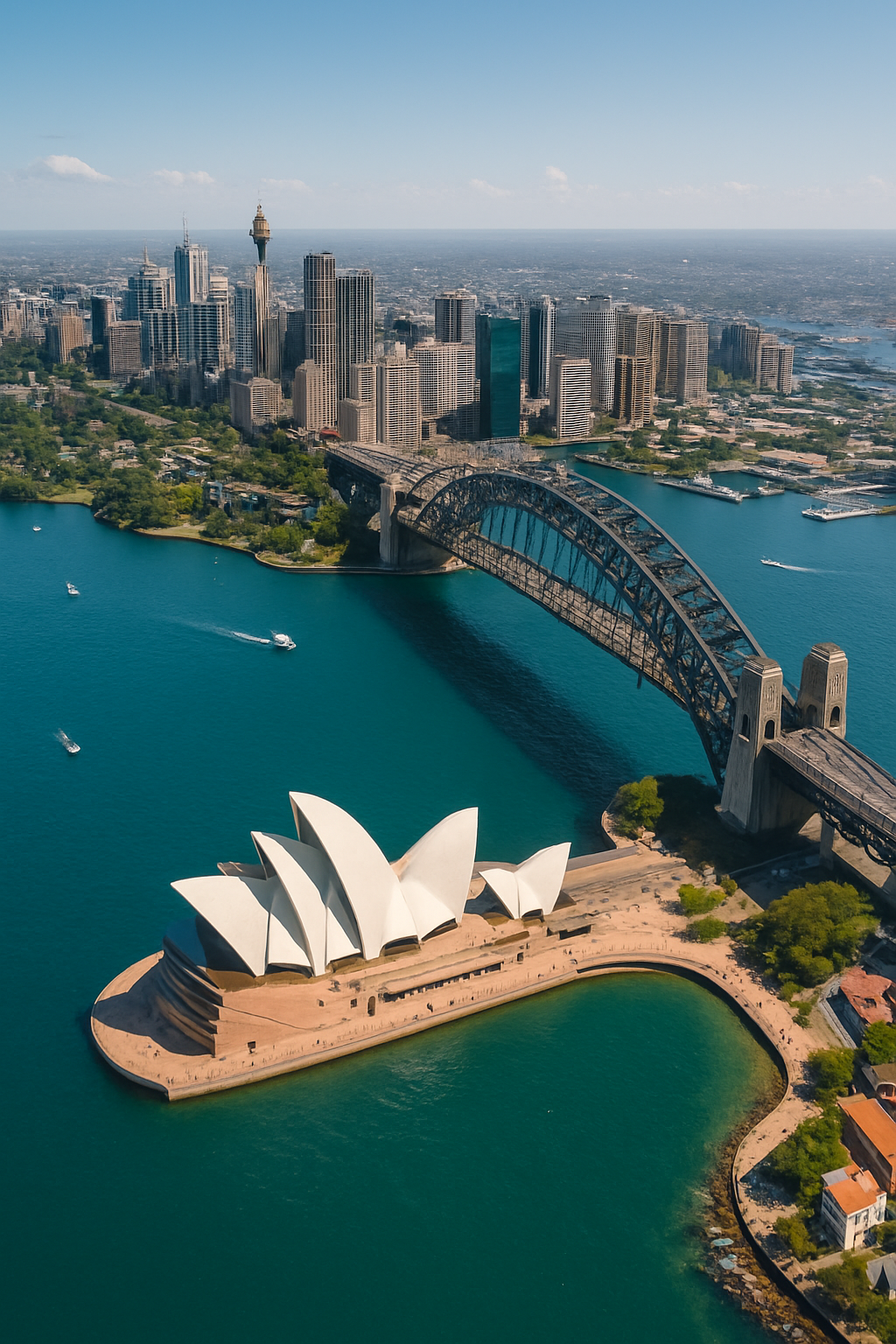
🌉 Sydney Travel Snapshot
Sydney is Australia’s largest city, set around a spectacular natural harbour on the east coast of New South Wales. It’s a place where city energy and outdoor life blend easily — you can see an icon in the morning, take a ferry like a local, and still end your day on a beach walk without it feeling like a mission.
📍 Location: East coast of Australia (New South Wales), on the Pacific Ocean.
🏙️ What it is: Australia’s biggest city (not the capital — that’s Canberra).
🕒 Time zone: AEST / AEDT (seasonal daylight savings).
💰 Currency: Australian Dollar (AUD).
🗣️ Language: English (you’ll hear many languages across the city).
🌤️ Quick vibe: Coastal, outdoorsy, neighbourhood-driven — best enjoyed at a steady pace, not a rush.
Understanding Sydney as a City
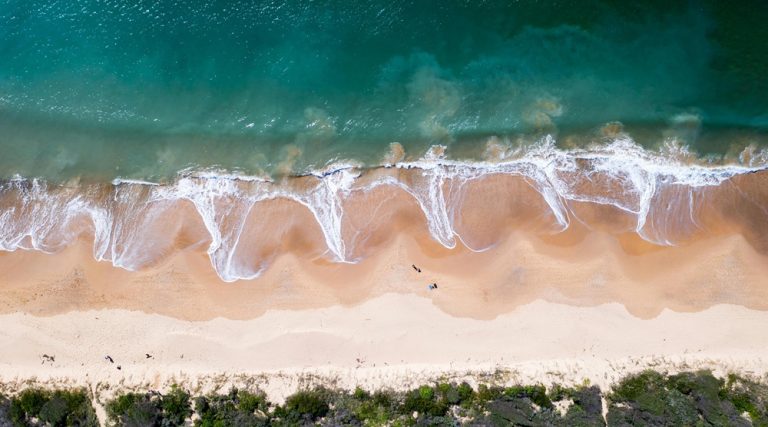
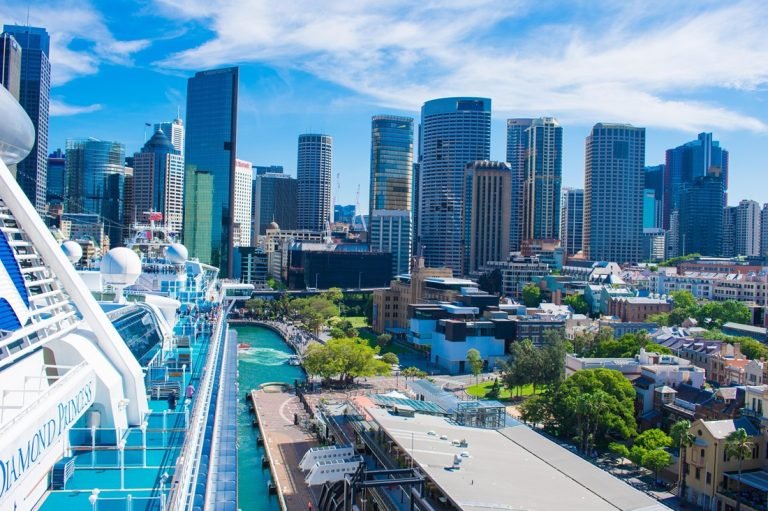
Sydney is not a city you “do” in a straight line. It is spread out, coastal, and shaped by water, neighbourhood pockets, and outdoor rhythms rather than a single historic centre. Understanding how Sydney fits together makes planning far easier and helps you avoid rushing between places that do not naturally connect.
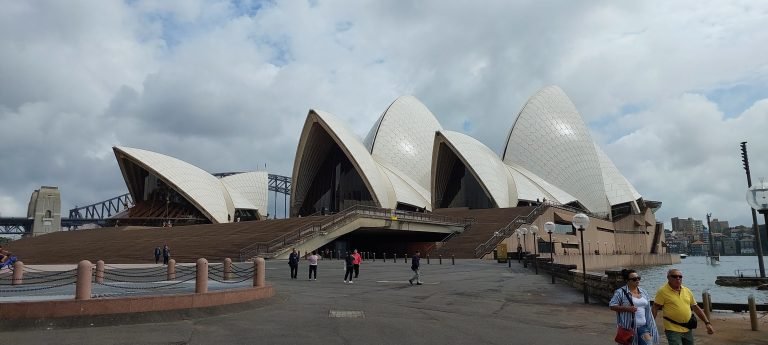
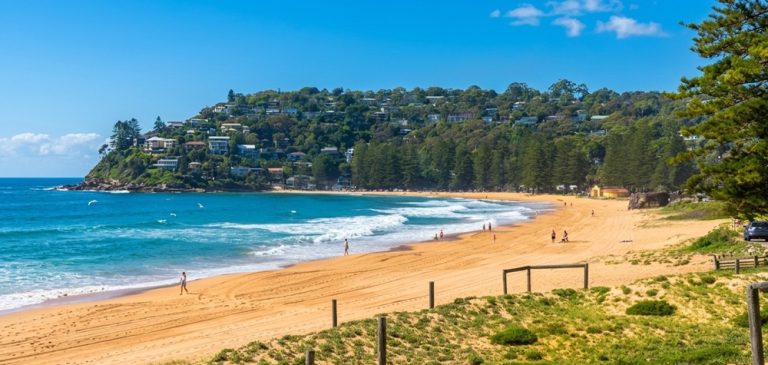
At its heart is Sydney Harbour, where the Opera House, Harbour Bridge, ferries, and waterfront walks define the city’s identity. To the east and south, ocean-facing suburbs like Bondi, Coogee, and Manly offer beach culture, coastal walks, and relaxed daily routines. Inland neighbourhoods such as Surry Hills, Newtown, and Paddington focus more on food, local life, shopping, and nightlife.
Sydney works best when you group experiences by area rather than trying to see everything at once. Ferry rides often replace taxis, outdoor activities shape daily plans, and the city rewards slower pacing. Whether you are here for iconic sights, beaches, food, or a mix of everything, approaching Sydney as a collection of connected districts helps you experience it naturally instead of feeling constantly on the move. If you want a practical breakdown of how to plan efficiently, these essential planning tips for Sydney will help you avoid common mistakes.
For structured, day-by-day planning in Sydney, including 3-, 5-, and 7-day routes, see our detailed Sydney itinerary.
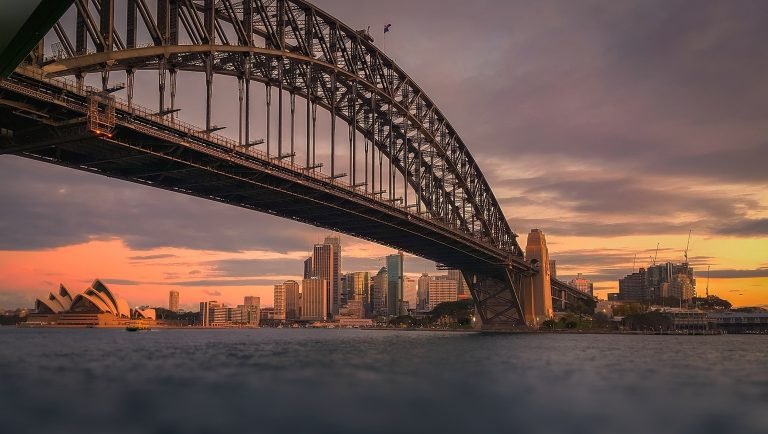
Things to Do in Sydney, Australia: Itineraries, Where to Stay & Travel Tips
Looking for the best things to do in Sydney, Australia? You are in the right place. Sydney is a city that effortlessly blends iconic landmarks with laid-back coastal living, where you can explore world-class sights in the morning and relax on a beach by the afternoon. Whether you are visiting for a quick stopover or planning a longer stay, Sydney rewards travelers who balance must-see attractions with local experiences.
If you are deciding how to structure your time in the city, our Sydney itinerary guide breaks down realistic 3, 5, and 7 day plans based on what you actually have time to see.
This guide goes beyond a simple checklist of attractions. Alongside the top things to do in Sydney, you will find practical itineraries, honest budget advice, the best areas to stay, transport tips, and local insights to help you plan with confidence. The goal is simple: help you make the most of your time in Sydney without rushing, overspending, or missing what truly makes the city special.
For official visitor information, events, and neighbourhood guides, the official Sydney tourism site is a reliable planning resource.
Why Visit Sydney? What Makes the City Special
Sydney is one of those rare cities that works on multiple levels at once. It is both a global city and a deeply outdoorsy one, where daily life revolves around the harbour, the ocean, and the weather as much as work and culture. You can spend the morning walking coastal cliffs, the afternoon exploring neighbourhoods or museums, and the evening on a ferry or at a waterside restaurant — all without feeling rushed.
What makes Sydney special is how naturally it blends iconic sights with everyday local life. The Opera House and Harbour Bridge are not isolated landmarks; they sit right inside the city’s rhythm. Beaches, parks, markets, and neighbourhood cafés are part of normal routines, not just tourist highlights. This makes Sydney feel easy to experience, even for first-time visitors.
Whether you are visiting for a short city break or using Sydney as a base to explore more of New South Wales, the city rewards travelers who like balance — sightseeing mixed with downtime, urban energy softened by nature, and structure without feeling overplanned.
Sydney at a Glance
Before diving into the many things to do in Sydney, it helps to get familiar with a few practical details. Knowing what to expect on arrival makes planning easier and helps you avoid common travel hiccups.
- Country: Australia
- State: New South Wales
- Currency: Australian Dollar (AUD)
- Language: English
- Time zone: Australian Eastern Time (AET)
- Plug type: Type I (three flat pins)
- Emergency number: 000
Visa Requirements for Australia
Most travelers need a visa or electronic travel authorization before arriving in Australia. Visitors from many countries, including the United States, Canada, the United Kingdom, and most of Europe, can apply for an Electronic Travel Authority (ETA) or an eVisitor visa online. These are usually quick to obtain and allow short-term stays for tourism.
Travelers from other countries may need to apply for a standard visitor visa in advance, which can take longer to process. Visa rules can change, so if you are unsure, it is best to double-check your requirements through the official Australian immigration website before booking flights.
As a general rule, make sure your passport is valid for the duration of your stay and keep a digital copy of your visa approval with you when traveling.
How Sydney Is Laid Out (So You Don’t Waste Time)
Sydney looks compact on a map, but it is a spread-out city made up of distinct areas that feel very different from one another. Understanding how the city is laid out will help you choose where to stay, plan realistic days, and avoid spending half your trip in transit.
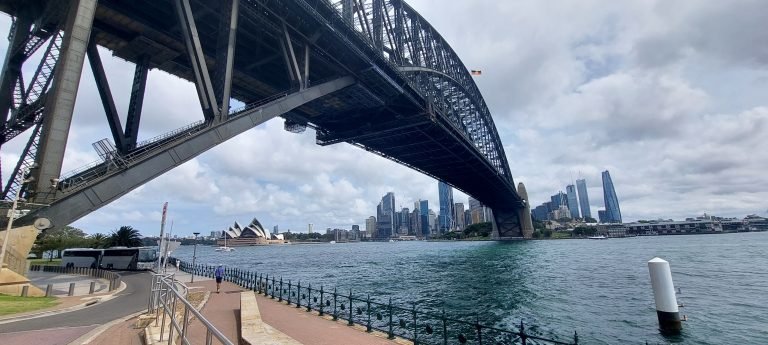
The heart of the city sits around Sydney Harbour, where you’ll find Circular Quay, The Rocks, the Opera House, and the Harbour Bridge. This area is the main transport hub and the easiest place to connect ferries, trains, and buses.
South of the harbour is the CBD, which is where most business districts, shopping streets, museums, and major train stations are located. It is dense, walkable, and well connected, but accommodation here tends to be more expensive.
To the east, Sydney opens up into its famous beach suburbs such as Bondi, Coogee, and Bronte. These areas feel more relaxed and coastal, but they are not walking distance from the CBD and require buses or rideshares to reach.
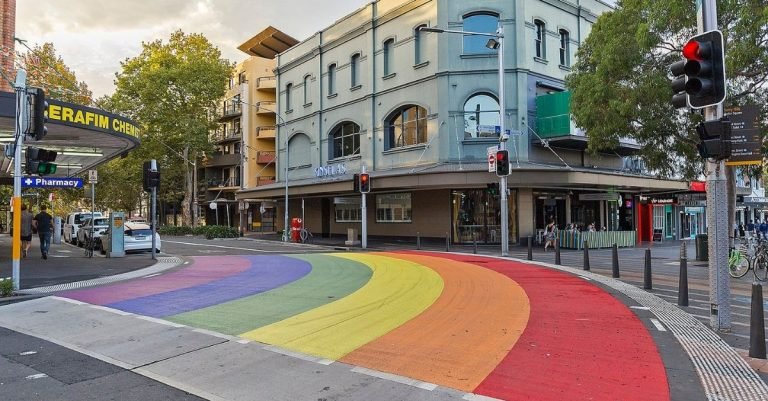
Inner-city neighbourhoods like Surry Hills, Newtown, and Darlinghurst sit between the CBD and the suburbs. These areas are popular for food, nightlife, and local culture, and they strike a good balance between access and atmosphere.
Because Sydney is spread out, choosing the right base matters more here than in many other cities. Where you stay will directly affect how much time you spend enjoying the city versus getting around it.
How to Use This Sydney Guide
This guide is designed to help you plan Sydney in a way that feels clear and manageable, whether you are visiting for a few days or building a longer itinerary.
If it is your first time in the city, start with the main attractions and neighbourhood sections to understand what makes each area worth your time. If you already have a rough plan, you can jump straight to the sections on where to stay, how to get around, or day trips.
The guide moves from big-picture orientation into practical planning, then into detailed recommendations. You do not need to follow it from top to bottom. Use it as a reference, dip into the sections that matter most to you, and build a trip that fits your pace and interests.
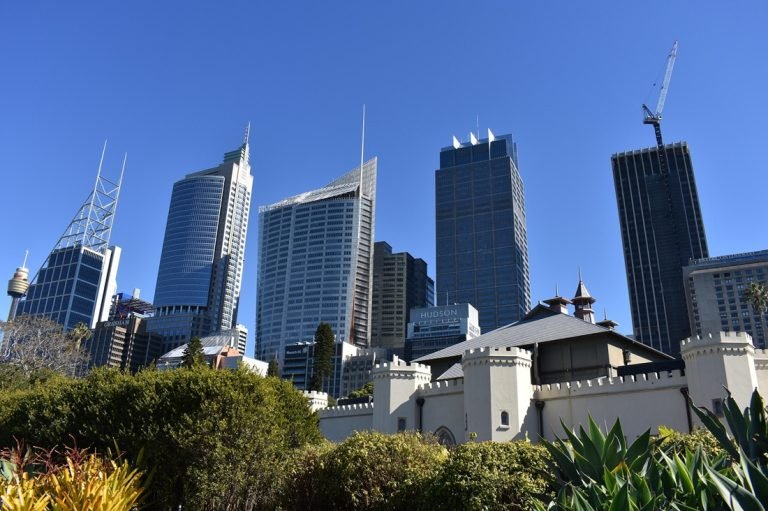
Things to Do in Sydney, Australia
Sydney is often introduced through its famous skyline, but the city reveals its true character when you take time to explore beyond the obvious landmarks. Yes, the Opera House and Harbour Bridge are essential stops, but Sydney’s appeal lies just as much in its outdoor lifestyle, historic neighbourhoods, and coastal scenery. The city encourages a slower, more balanced way of sightseeing, where iconic attractions sit naturally alongside beaches, harbour walks, and everyday local life.
Whether this is your first visit or a return trip, the best things to do in Sydney, Australia are those that combine its natural setting with its urban energy. From waterfront walks and ferry rides to neighbourhood cafés and ocean swims, Sydney rewards travellers who mix structure with spontaneity.
If you are wondering how many days to spend in Sydney and how to structure your visit, our detailed Sydney itinerary (3, 5, or 7 days) breaks down realistic routes and pacing for first-time and repeat visitors.
See the Sydney Opera House Up Close
The Sydney Opera House is far more than a building you admire from afar. Spending time around it is an experience in itself, even if you never step inside for a performance. Walking around the sails, following the harbour promenade, and watching ferries glide past Circular Quay gives you a sense of how closely Sydney is tied to the water.
For practical visiting advice, tour options, and what to expect on arrival, see our detailed Sydney Opera House visitor guide.
The surrounding area is lively throughout the day, with street performers, waterfront cafés, and panoramic viewpoints in every direction. It is an easy starting point for exploring the city and pairs naturally with nearby sights like The Rocks, the Royal Botanic Garden, or a harbour ferry ride. If you want to step inside and understand the stories behind the sails, a guided Sydney Opera House tour is one of the best ways to experience the landmark beyond photos. If guided tours are sold out on your dates, you can browse other Sydney Opera House tours and tickets available year-round.
Walk Across the Sydney Harbour Bridge
Crossing the Sydney Harbour Bridge on foot is one of the simplest ways to appreciate the scale and beauty of the harbour. The pedestrian walkway offers uninterrupted views of the Opera House, the city skyline, and the surrounding waterways, making it especially rewarding in the late afternoon or at sunset.
This walk is free and accessible, making it a great alternative to the more expensive BridgeClimb experience. While the climb provides a unique perspective, simply walking across the bridge still delivers memorable views and a strong sense of place without the cost. Seeing the city from the water gives you a completely different perspective, and a Sydney Harbour lunch or dinner cruise is a relaxed way to enjoy the Opera House and Harbour Bridge without rushing between viewpoints. If you want to compare options, timings, or prices, you can browse a range of Sydney Harbour cruises , including sightseeing, sunset, and dining experiences.
For something more fast-paced, Sydney also offers water-based experiences that trade calm views for adrenaline. A Sydney jet boat ride delivers sharp turns, speed, and spray, all set against the backdrop of the harbour.
Explore The Rocks
The Rocks is where Sydney’s modern story began, and wandering its narrow lanes feels like stepping back in time. As the city’s oldest neighbourhood, it blends colonial-era buildings with lively pubs, small museums, and independent shops. Cobblestone streets and sandstone walls give the area a character that contrasts with the nearby skyscrapers.
Located right next to Circular Quay, The Rocks is easy to visit on your first day and makes a natural introduction to Sydney’s history. On weekends, markets add to the atmosphere, making it a pleasant place to explore slowly rather than rush through.
Relax at Bondi Beach
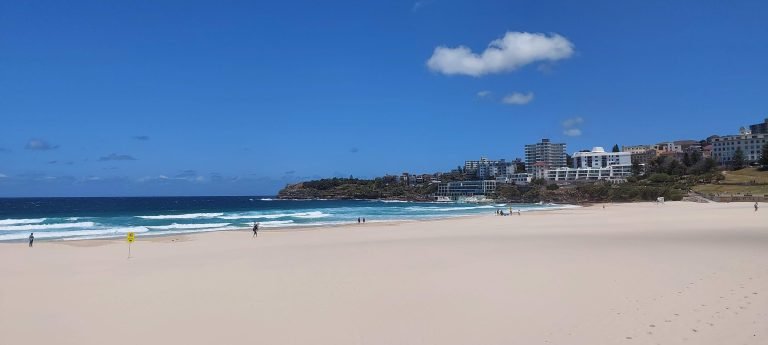
Bondi Beach is one of the most recognisable beaches in the world, but it remains an active part of daily Sydney life rather than just a tourist attraction. The wide sweep of sand, reliable surf, and energetic atmosphere make it popular with swimmers, surfers, and sunseekers alike.
The beachfront promenade is lined with cafés and casual restaurants, creating an easy rhythm of beach time followed by food or coffee. Bondi can be busy, especially on weekends, but its energy is part of what makes it such an iconic Sydney experience. Travelers interested in comparing it with other coastal areas can explore our guide to the best beaches around Sydney, which covers everything from famous surf beaches to quieter local favorites.
Walk the Bondi to Coogee Coastal Trail
One of the most rewarding outdoor experiences in Sydney is the Bondi to Coogee Coastal Walk. This trail follows dramatic cliffs and passes a series of smaller beaches, ocean pools, and headlands, offering constantly changing views along the way. If you’d like local context along the way, a guided Bondi to Coogee coastal walk adds insight into the area’s history, ocean pools, and landmarks while keeping the experience relaxed and unhurried.
You do not need to walk the entire route to enjoy it. Even a short section provides a strong sense of Sydney’s coastal lifestyle, where nature and the city exist side by side. The walk is well-marked and accessible, making it suitable for most fitness levels.
Visit the Royal Botanic Garden
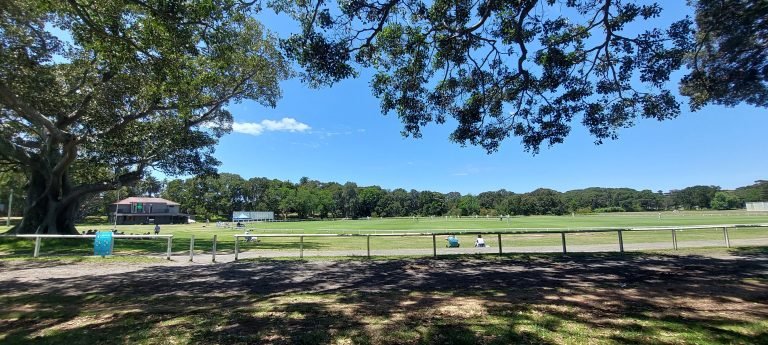
Set between the Opera House and the city centre, the Royal Botanic Garden offers a peaceful escape from the surrounding bustle. Entry is free, and the wide paths, harbour views, and shaded lawns invite you to slow down and take a break from sightseeing.
The garden is also one of the best places in Sydney for photography, with clear sightlines to the harbour and skyline. Whether you come for a short stroll or a picnic, it provides a welcome contrast to the city streets just beyond its gates.
Take a Ferry on Sydney Harbour
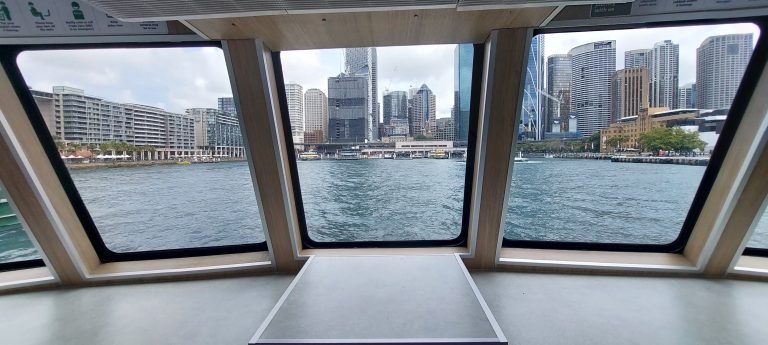
Sydney’s public ferries are often considered one of the city’s best-value experiences. More than just transportation, they offer front-row views of the harbour at a fraction of the cost of a private cruise. Routes to Manly, Watsons Bay, and Barangaroo are particularly scenic.
If you want to escape the city for a day, the landscapes just outside Sydney are surprisingly dramatic. The Blue Mountains offer eucalyptus forests, waterfalls, and expansive viewpoints that feel far removed from the urban coastline. A Blue Mountains day trip from Sydney is an easy way to experience this region without renting a car or planning complex transport.
If you prefer flexibility or want to explore alternative destinations, you can also browse a wider range of Sydney day trips , from wildlife encounters to coastal escapes.
Riding a ferry is an easy way to see the city from the water while also reaching beaches, neighbourhoods, and walking trails. For many visitors, a ferry ride becomes an unexpected highlight of their trip. If you are visiting Australia from abroad, having mobile data sorted in advance makes getting around much easier — especially for maps, ferry schedules, and ride bookings — and this guide on using an eSIM for international travel explains how to stay connected without relying on local SIM cards or public Wi-Fi.
Discover Local Neighbourhoods
To understand Sydney beyond its landmarks, spending time in local neighbourhoods is essential. Areas like Surry Hills, Paddington, and Newtown offer a more everyday perspective, with independent boutiques, street art, markets, and a strong café culture.
These neighbourhoods showcase Sydney’s diversity and creativity, and they reward visitors who are willing to wander without a strict plan. Exploring beyond the main tourist zones adds depth and balance to any Sydney itinerary.
Popular Guided Experiences in Sydney
While many of Sydney’s highlights are easy to explore independently, guided experiences can add context, convenience, or access that you might otherwise miss. From cultural landmarks to harbour cruises and coastal walks, tours can be a useful way to make the most of limited time.
If you are deciding which activities are actually worth your time, this guide to Sydney tours and experiences breaks down the most rewarding options and how to choose between them based on your travel style.
If you want to explore what’s available on your travel dates, you can browse Sydney Opera House tours and tickets , compare different Sydney Harbour cruises , or explore a wider range of Sydney day trips departing from the city. Mixing these local neighbourhoods with a few well-chosen experiences helps balance independent exploration with deeper insight into Sydney’s culture and landscape.
Where to Stay in Sydney (Choosing the Right Area)
Choosing where to stay in Sydney matters more than many visitors expect. The city is spread out, and your location will affect how much time you spend commuting versus enjoying the experience.
Staying near the harbour or the CBD works best for first-time visitors who want easy access to major attractions, ferries, and public transport. Beach-focused stays make sense if your trip revolves around Bondi, Manly, or coastal walks, but they add travel time for city sightseeing.
If nightlife, dining, and neighbourhood atmosphere matter more than proximity to landmarks, inner-city areas offer a more local feel while still staying well connected. The sections below break down the main areas so you can choose what fits your travel style, budget, and pace.
The sections below break down the main areas so you can choose what fits your travel style, budget, and pace — or explore this guide to the best areas to stay in Sydney for a deeper neighbourhood comparison.
If you want a complete breakdown of the best neighbourhoods, hotels, and areas to base yourself, check this detailed guide on where to stay in Sydney.
Sydney Itineraries: 1, 3, 5, and 7 Days
How many days you need in Sydney depends on how fast you like to travel. You can see the highlights in a short visit, but the city really comes alive when you slow down and mix sightseeing with beach time and local neighborhoods. These itineraries are designed to be flexible, realistic, and easy to adjust.
Sydney in 1 Day
If you only have one day in Sydney, focus on the harbor and the city’s most iconic sights. Everything in this itinerary is well connected and easy to combine.
- Morning: Start at Circular Quay, visit the Sydney Opera House, and walk through The Rocks.
- Afternoon: Take a ferry across the harbor to Manly or Barangaroo for lunch and views.
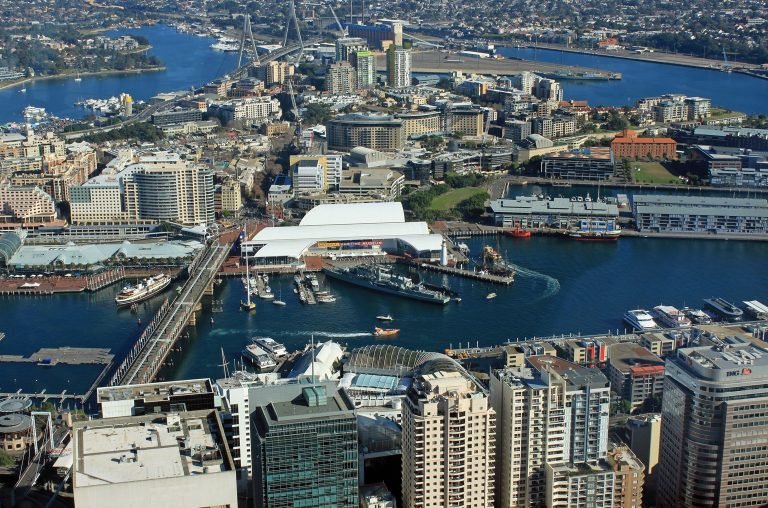
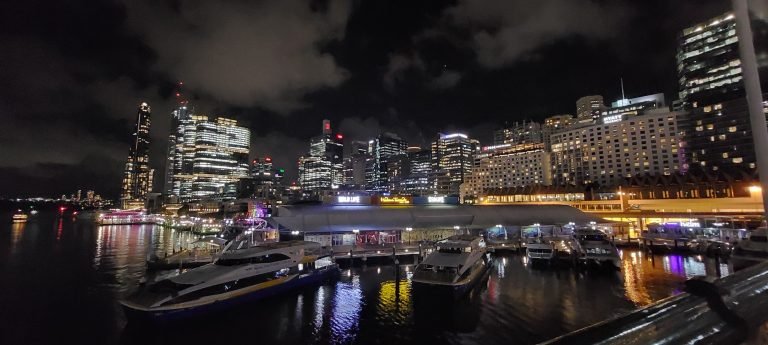
- Evening: Return to the city for dinner around Darling Harbour or Barangaroo, and walk part of the Harbour Bridge pedestrian path at sunset.
Sydney in 3 Days
Three days is ideal for first-time visitors who want to balance landmarks, beaches, and local areas.
- Day 1: Circular Quay, Sydney Opera House, The Rocks, Royal Botanic Garden, and a harbor ferry ride.
- Day 2: Bondi Beach followed by the Bondi to Coogee Coastal Walk. Relax at one of the smaller beaches or ocean pools along the way.
- Day 3: Explore neighborhoods like Surry Hills, Paddington, or Newtown, or visit museums such as the Art Gallery of New South Wales.
Sydney in 5 Days
With five days, Sydney feels far less rushed and allows for a mix of city time and easy escapes.
- Days 1–3: Follow the three-day itinerary above.
- Day 4: Take a ferry to Manly for beach time and coastal walks, or visit Watsons Bay for harbor views and relaxed dining.
- Day 5: Choose between a day trip to the Blue Mountains or a slower city day focused on shopping, food, and favorite spots.
Sydney in 7 Days
Seven days is perfect for travelers who prefer a slower pace and want to experience Sydney beyond the highlights.
- Days 1–3: City icons, beaches, and coastal walks.
- Day 4: Explore Manly or spend a full day using Sydney’s ferry network.
- Day 5: Take a day trip to the Blue Mountains or Hunter Valley.
- Day 6: Focus on local neighborhoods, markets, cafés, and cultural spots.
- Day 7: Keep your final day flexible for rest, last-minute sightseeing, or revisiting favorite areas.
If you are unsure how many days to spend in Sydney, four to five days is a comfortable balance for most travelers. It gives you enough time to see the highlights without feeling rushed while still leaving room for spontaneity.
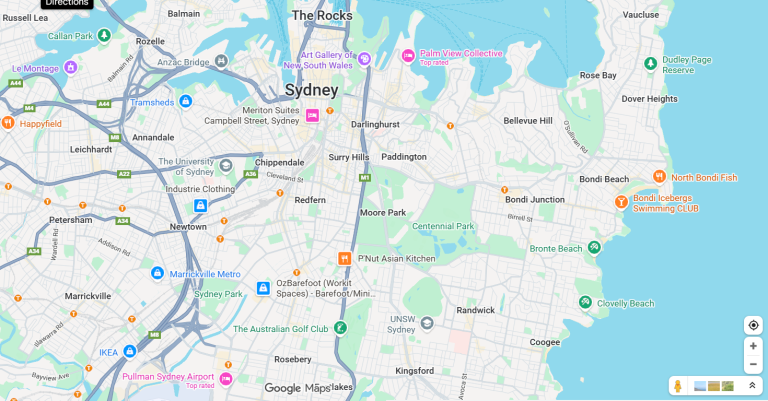
🗺️ Sydney Map: Key Areas & Neighborhoods
Use the map legend (top left) to toggle locations on and off and quickly find each neighborhood mentioned throughout this Sydney itinerary.
🗺️ This map highlights all the key areas and neighborhoods mentioned in this Sydney itinerary, helping you quickly locate each place and understand how they relate to one another across the city.
How to Get Around Sydney
Getting around Sydney is straightforward once you understand the basics. Most travellers arrive by air at Sydney Kingsford Smith Airport (SYD), located about 8 kilometres south of the city centre, and from there the city’s extensive public transport network makes it easy to reach the CBD, beaches, and surrounding neighbourhoods. Trains, buses, light rail, ferries, and walking all play a role, and for most visitors, public transport is the easiest and most cost-effective way to explore without needing a car.
If you are planning your days in the city, our guide to getting around the city explains the easiest ways to move between neighbourhoods, attractions, and harbour areas without relying on a car.
Arriving in Sydney & Getting from the Airport into the City
Sydney Kingsford Smith Airport handles both international and domestic flights and is well connected to the city. Once you land, you have several options for reaching your accommodation, depending on where you are staying, how much luggage you have, and your arrival time. If you want a complete breakdown of all available options, including trains, taxis, rideshares, and private transfers, this Sydney Airport transport guide explains the fastest and most practical ways to get into the city.
Use an Opal Card (or Tap On with Your Bank Card)
Sydney’s public transport system runs on the Opal network, which covers trains, buses, light rail, and ferries. You can either purchase a physical Opal card or simply tap on and off using a contactless debit or credit card, Apple Pay, or Google Pay. If you want a complete breakdown of how it works in practice, including fares, caps, and the best option for visitors, this Opal card Sydney guide explains everything in detail.
If you are unsure which option to choose, this comparison of Opal card vs contactless in Sydney breaks down the differences and helps you decide what works best for your trip.
Trains: Best for Longer Distances and City Travel
Trains are fast, frequent, and ideal for moving across the city or reaching outer suburbs. They are especially useful if you are staying near Central Station, Town Hall, or other major hubs in the CBD, as many lines pass through these stations. For detailed routes, timetables, and service updates, you can check the official train information on the Transport NSW website: Sydney train services and schedules.
Ferries: A Scenic Must-Do
Sydney ferries are more than just a mode of transport — they are an experience in themselves. Riding a ferry is one of the best ways to see the harbour, with routes passing the Opera House, Harbour Bridge, and waterfront neighbourhoods. Popular services include ferries to Manly and Watsons Bay, which double as affordable sightseeing cruises. You can check routes and ferry options here: Sydney ferry services.
Buses and Light Rail
Buses fill in the gaps where trains do not reach and are particularly useful for beach areas, residential neighbourhoods, and late-night travel. Light rail services operate through the inner city and around areas like Darling Harbour and Haymarket, offering a simple way to move between attractions without navigating traffic. For up-to-date routes, timetables, and service information, check the official bus network details on the Transport NSW website: Sydney bus services and schedules.
Walking: The Best Way to See the Harbour Areas
Many of Sydney’s most iconic sights are surprisingly close together and best explored on foot. Areas such as Circular Quay, The Rocks, the Opera House, and the Royal Botanic Garden are highly walkable, with scenic paths and harbour views throughout. Comfortable walking shoes make a noticeable difference, especially if you plan to combine sightseeing with coastal walks.
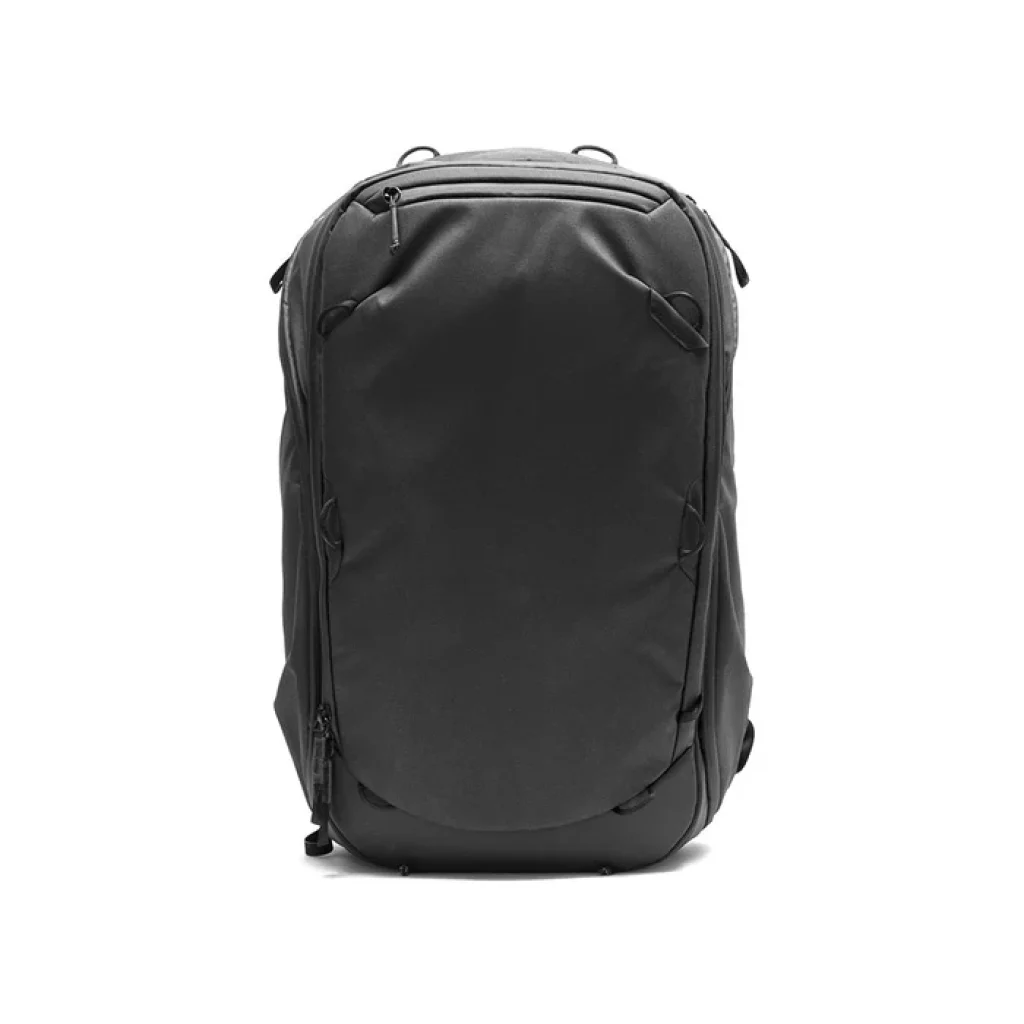
Travel Gear Tip: Lightweight Travel Daypack
A lightweight travel daypack is one of the most useful items you can bring on any trip. Whether you’re exploring city streets, walking coastal trails, or heading out for a full day of sightseeing, a compact backpack makes it easy to carry water, sunscreen, a camera, and other essentials.
Travel daypacks are especially helpful when your day includes a mix of walking, public transport, and spontaneous stops along the way. A well-designed pack keeps your gear organised while staying comfortable enough to carry all day.
Do You Need a Car in Sydney?
For most visitors, renting a car in Sydney is unnecessary. The city centre, harbour areas, major attractions, and beaches are all well served by public transport, ferries, and ride-share services. Driving in the CBD can be stressful due to traffic, parking costs, and limited street parking.
A car only becomes useful if you plan multiple day trips outside the city, such as exploring the Blue Mountains in depth, visiting less accessible coastal areas, or travelling with a family and a lot of luggage. For city-focused trips, public transport and ferries are usually faster, cheaper, and easier.
Taxis and Ride Shares
Taxis and ride-share services are widely available across Sydney and can be useful late at night, when travelling with luggage, or if public transport is less convenient. However, fares can add up quickly during peak hours or busy weekends, so they are best used selectively rather than as your main transport option.
Key Sydney Taxi Numbers:
13 22 27 (13cabs) – A large network for immediate or pre-booked rides.
131 001 (GM Cabs) – Another popular option for booking taxis in Sydney.
131 008 – Australia’s national taxi number, connecting you to local taxi services.
Major rideshare services in Sydney include:
- Uber – The most widely used option, with services ranging from UberX to premium (Black) and larger vehicles (XL).
- DiDi – A strong competitor that often offers competitive pricing and promotions.
- inDrive – Allows passengers to suggest a fare, with drivers accepting or countering the price.
- Shebah – A women-only rideshare service offering female drivers for women and children, with child seats available.
Best Time to Visit Sydney
Sydney is a destination you can enjoy at any time of year, but when you visit can shape your experience quite a bit. Weather, crowd levels, and prices all shift with the seasons, so the “best” time really depends on what kind of trip you are hoping to have. For most travelers, spring and autumn hit the perfect balance of good weather, manageable crowds, and a relaxed city atmosphere.
Spring (September to November)
Spring is often considered the ideal time to visit Sydney. The weather is comfortably warm without being overwhelming, flowers are in bloom, and the city feels energetic without the peak-season rush. It is a fantastic time for sightseeing, harbor walks, outdoor dining, and coastal trails like Bondi to Coogee. You get all the beauty of Sydney with far fewer crowds than in summer.
Summer (December to February)
Summer is when Sydney truly comes alive, especially along the coast. Expect hot days, busy beaches, festivals, and a buzzing holiday atmosphere, particularly around Christmas and New Year. This is also the most expensive and crowded time to visit. If you travel in summer, book accommodation well in advance and plan outdoor activities early in the morning or later in the afternoon to avoid the strongest sun.
Autumn (March to May)
Autumn is another favorite season for many visitors. The weather remains warm, the ocean is still inviting, and the city starts to slow down after summer. Crowds thin out, prices become more reasonable, and it is an excellent time to explore neighborhoods, enjoy outdoor attractions, and take day trips without feeling rushed.
Winter (June to August)
Winter in Sydney is mild and often underrated. While swimming may be less appealing, days are still pleasant enough for walking, sightseeing, and exploring the city’s food scene and cultural attractions. Winter can also bring better hotel deals, making it a smart choice for travelers who prefer a quieter visit and want to stretch their budget a little further.
For a deeper look at seasonal weather, crowds, events, and the best months to travel, see our full best time to visit Sydney guide.
Sydney Budget Breakdown
Sydney has a reputation for being expensive, and while it can be, your daily costs depend heavily on how you travel. The good news is that many of Sydney’s best experiences are free or low-cost, including coastal walks, beaches, and public viewpoints.
Budget Traveler (Approx. AUD $120–200 per day)
- Accommodation: Hostel dorms or budget hotels
- Food: Supermarket meals, casual eats, takeaway
- Transport: Public transport with an Opal card or tap-and-go
- Activities: Mostly free sights plus one paid attraction
Mid-Range Traveler (Approx. AUD $220–400 per day)
- Accommodation: Comfortable mid-range hotels
- Food: Cafés, casual restaurants, a few nicer meals
- Transport: Public transport plus occasional ride shares
- Activities: A mix of free highlights and paid experiences
Comfortable Traveler (Approx. AUD $450+ per day)
- Accommodation: Premium hotels in prime locations
- Food: Dining out regularly, bars, and experiences
- Transport: Ride shares or taxis more often
- Activities: Tours, premium attractions, and special experiences
To keep costs under control, base yourself in a well-connected neighborhood, use ferries and viewpoints as “cheap thrills,” and plan a few paid experiences rather than trying to do everything.
Where to Stay in Sydney
Choosing the right area to stay in Sydney matters more than the hotel itself. The city is spread out, but public transport is excellent, so the best base depends on whether you want to be close to iconic sights, beaches, nightlife, or local neighborhoods. Below are reliable options by budget level, all in well-connected areas that make getting around easy.
Budget-Friendly Bliss (Under AUD $150–200/night)
-
The Urban Newtown
52–60 Enmore Road, Newtown NSW 2042, Australia · +61 437 040 578
A smart choice if you prefer a local, creative vibe over tourist crowds. Located right on Enmore Road, this boutique hotel is within walking distance of Newtown’s cafés, live music venues, and some of Sydney’s best casual dining, with easy train access to Central Station and the CBD. -
YHA Sydney Harbour
110 Cumberland Street, The Rocks NSW 2000, Australia · +61 2 8272 0900
One of the best-located budget stays in Sydney. Set in The Rocks, it is within walking distance of Circular Quay ferries, the Opera House, Harbour Bridge, and the CBD. The rooftop terrace delivers iconic harbor views at a budget-friendly price. -
Song Hotel Sydney
5–11 Wentworth Avenue, Sydney NSW 2000, Australia · +61 2 9285 6200
A practical CBD base near Hyde Park. The hotel is a short walk from Museum Station and Oxford Street, making it easy to explore central Sydney on foot or by public transport.
Middle-Ground Marvels (AUD $200–400/night)
-
Ovolo Woolloomooloo
6 Cowper Wharf Roadway, Woolloomooloo NSW 2011, Australia · +61 2 9331 9000
Set on a historic finger wharf, this design-forward hotel offers a relaxed harborfront stay while remaining within walking distance of the Royal Botanic Garden, Art Gallery of NSW, and central Sydney. -
QT Sydney
49 Market Street, Sydney NSW 2000, Australia · +61 2 8262 0000
Right in the heart of the CBD, QT Sydney sits within walking distance of Pitt Street Mall, Town Hall, Darling Harbour, and major transport hubs. Ideal for shopping, dining, and nightlife. -
Sofitel Sydney Darling Harbour
12 Darling Drive, Sydney NSW 2000, Australia · +61 2 8388 8888
A modern high-rise overlooking Darling Harbour, within walking distance of waterfront dining, entertainment venues, and the ICC, with quick light-rail access to the CBD. The rooftop infinity pool is a standout.
Luxurious Havens (AUD $400+/night)
-
Four Seasons Hotel Sydney
199 George Street, Sydney NSW 2000, Australia · +61 2 9250 3100
Located in the historic Rocks district, this five-star hotel is steps from Circular Quay ferries, the Opera House, and the Harbour Bridge. Many rooms offer direct harbor views. -
Park Hyatt Sydney
7 Hickson Road, The Rocks NSW 2000, Australia · +61 2 9256 1234
One of Sydney’s most exclusive hotels, positioned right on the harbor directly opposite the Opera House and within walking distance of Circular Quay. -
The Langham, Sydney
89–113 Kent Street, Millers Point NSW 2000, Australia · +61 2 9256 2222
Tucked away near Barangaroo, this elegant hotel offers a quieter luxury experience while remaining within walking distance of Darling Harbour, The Rocks, and the CBD.
Of course, these are just a few well-located and reliable options. If you want to compare prices, check availability, or explore other neighborhoods, Expedia makes it easy to browse a wide range of hotels across Sydney: Search all Sydney hotels on Expedia.
Quay
Upper Level Overseas Passenger Terminal, The Rocks NSW 2000, Australia, +61 2 9251 5600
Cuisine: Modern Australian
Atmosphere: Fine dining, elegant, special occasion
Set right on the harbour with views of the Opera House, Quay is one of Sydney’s most celebrated restaurants. The menu focuses on seasonal Australian ingredients, presented in a refined yet thoughtful way. It is not cheap, but it is ideal for a once-in-a-lifetime meal or a special evening during your trip.
Bills
355 Crown Street, Surry Hills NSW 2010, +61 2 9360 4762
Cuisine: Modern Australian café food
Atmosphere: Casual, bright, relaxed
Bills is a Sydney institution known for its simple, beautifully executed dishes. It is especially popular for breakfast and brunch, with classics like ricotta hotcakes and fresh seasonal plates. The vibe is laid-back and welcoming, making it perfect for an easy start to the day.
Chin Chin
69 Commonwealth Street, Surry Hills NSW 2010, Australia, +61 2 9281 3322
Cuisine: Modern Thai / Asian fusion
Atmosphere: Lively, energetic, social
Chin Chin is loud, busy, and full of flavour in every sense. Expect bold Thai-inspired dishes, shareable plates, and a buzzing dining room. It is a great choice for a fun night out and a strong introduction to Sydney’s contemporary Asian food scene.
The Grounds of Alexandria
7a/2 Huntley Street, Alexandria NSW 2015, Australia, +61 2 9699 2225
Cuisine: Modern café / Australian
Atmosphere: Casual, trendy, immersive
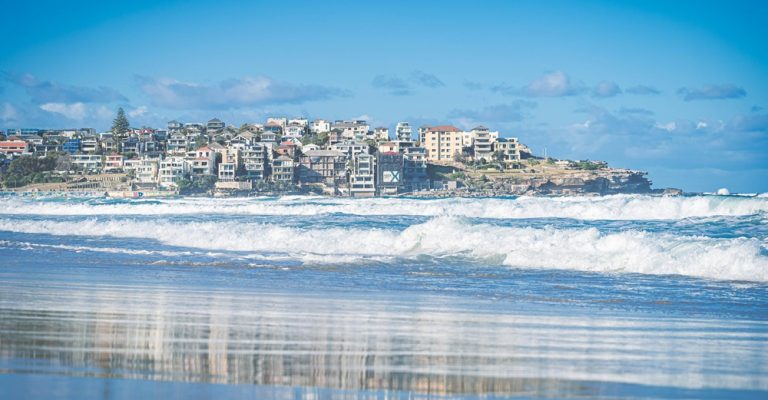
Part café, part garden, part experience, The Grounds of Alexandria is much more than a place to eat. The menu covers hearty breakfasts, fresh lunches, and baked goods, but people come just as much for the setting. It is slightly outside the city centre but well worth the trip, especially if you enjoy stylish, relaxed spaces.
What to Try in Sydney
Sydney’s food culture blends local Australian ingredients with global influences, shaped by waves of immigration and a strong café lifestyle. While the city does not have a single signature dish, there are a few food experiences you should not miss while visiting.
- Modern Australian cuisine: Often referred to as “Mod Oz,” this style focuses on fresh, seasonal produce with subtle Asian and Mediterranean influences. Expect seafood, grilled meats, creative vegetables, and refined but unfussy presentation.
- Seafood: Sydney’s coastal location means excellent seafood year-round. Oysters, barramundi, prawns, and fish cooked simply with lemon and herbs are common on menus, especially near the harbour.
- Brunch culture: Breakfast and brunch are a big deal in Sydney. From avocado toast done properly to specialty coffee and inventive morning dishes, cafés are a core part of daily life, especially on weekends.
- Asian flavours: Thai, Chinese, Vietnamese, and Japanese food are deeply embedded in Sydney’s dining scene. Areas like Chinatown, Haymarket, and parts of Surry Hills offer everything from casual noodle shops to modern fusion restaurants.
- Beachside eats: Near places like Bondi and Manly, food is often casual and fresh. Think fish and chips, salads, smoothies, and relaxed cafés with ocean views.
Where to Eat in Sydney by Area
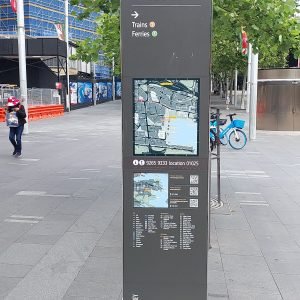
Sydney is a city of distinct neighbourhoods, and where you eat often depends on where you are staying or exploring that day. Each area has its own food personality, from polished harbour dining to laid-back beach cafés and creative inner-city kitchens.
Circular Quay & The Rocks
This is where many visitors start their Sydney trip, and it is home to some of the city’s most iconic dining settings. Restaurants here tend to focus on modern Australian cuisine, seafood, and fine dining, often paired with harbour views of the Opera House and Harbour Bridge. Prices are higher, but the setting is hard to beat, making this area ideal for a memorable meal or special occasion.
If you want the classic “harbour meal” experience, consider Opera Bar for drinks and casual bites with unbeatable views, or Quay if you want one of Sydney’s most famous fine-dining experiences in a truly special setting.
Surry Hills
Surry Hills is one of Sydney’s most exciting food neighbourhoods. Known for creative kitchens, small bars, and multicultural influences, it is a favourite among locals. You will find everything from modern Asian fusion to relaxed bistros and standout brunch spots. It is a great area if you enjoy lively streets and a more local dining experience.
For something stylish and consistently great, Firedoor is one of the most well-known restaurants in the area, while Poly is perfect if you want a relaxed wine bar atmosphere with incredible seasonal dishes.
Newtown
Newtown has a youthful, alternative vibe and one of the most diverse food scenes in the city. This area is especially known for affordable eats, vegetarian and vegan-friendly restaurants, and casual international cuisine. If you want good food without the polish or price tag of the CBD, Newtown is a solid choice.
Two local favourites include Continental Deli Bar Bistro for an edgy, creative dining experience, and Clem’s Chicken Shop if you want simple, classic comfort food that feels like old-school Sydney.
Bondi Beach
Bondi’s dining scene matches its beach lifestyle: casual, fresh, and social. Expect cafés, smoothie bowls, seafood, and relaxed restaurants designed for post-swim breakfasts or sunset dinners. While Bondi is touristy, it is still worth eating here at least once for the atmosphere alone.
For the full Bondi vibe, Icebergs Dining Room and Bar is iconic for ocean views and a more elevated meal, while Bondi Trattoria is a fun, casual spot for an easy dinner after the beach.
Chinatown & Haymarket
For authentic Asian food, Chinatown and Haymarket are hard to beat. This area offers everything from quick noodle shops and dumpling houses to late-night eats and food courts. It is one of the best places in Sydney for affordable meals and is especially lively in the evenings.
For dumplings, Spice World is a popular choice for a big, fun group meal, while Ho Jiak is a standout if you want bold Malaysian flavours in a lively atmosphere.
Bars & Nightlife in Sydney
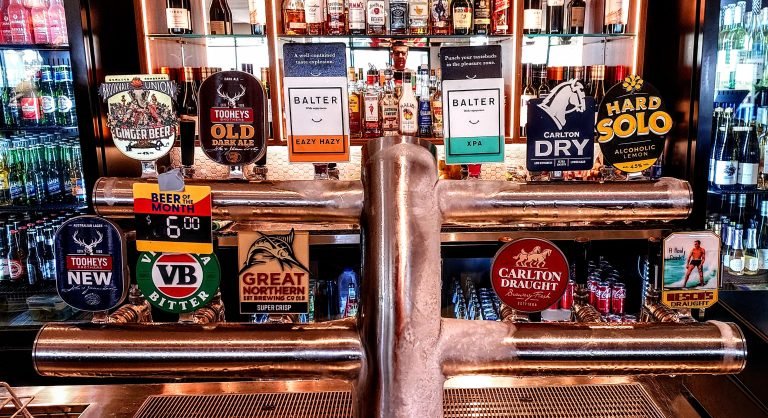
Sydney’s nightlife is spread across several neighbourhoods rather than concentrated in one party district. From rooftop bars with harbour views to classic pubs and intimate cocktail lounges, the city offers plenty of options depending on your mood and travel style.
Rooftop Bars
O Bar and Dining
Level 47, Australia Square, 264 George Street, Sydney NSW 2000, +61 2 9257 2222
O Bar slowly rotates 360 degrees, offering panoramic views over Sydney Harbour and the CBD. It is ideal for sunset drinks or a refined evening cocktail. Dress smart casual and expect higher prices, but the views are among the best in the city.
Zephyr Sky Bar
Level 12, Hyatt Regency Sydney, 161 Sussex Street, Sydney NSW 2000, +61 2 8099 1234
Overlooking Darling Harbour, Zephyr is a popular rooftop for cocktails and social evenings. The crowd is a mix of locals and visitors, and the vibe is lively without being overwhelming.
Casual Pubs & Breweries
The Glenmore Hotel
96 Cumberland Street, The Rocks NSW 2000, +61 2 9247 4794
One of Sydney’s most loved pubs, The Glenmore combines a classic pub atmosphere with a rooftop terrace offering Opera House and Harbour Bridge views. It is a great stop for an afternoon drink or an easygoing evening.
The Lord Nelson Brewery Hotel
19 Kent Street, Millers Point NSW 2000, +61 2 9251 4044
Dating back to the 1800s, The Lord Nelson is one of Sydney’s oldest pubs and a working brewery. Expect locally brewed beers, hearty pub food, and a relaxed crowd.
Small Bars & Cocktail Lounges
Maybe Sammy
115 Harrington Street, The Rocks NSW 2000, +61 2 9241 4970
Regularly ranked among the world’s best bars, Maybe Sammy offers expertly crafted cocktails in a fun, retro-inspired setting. Reservations are recommended, especially on weekends.
Employees Only Sydney
9A Barrack Street, Sydney NSW 2000, +61 2 9056 0608
A Sydney outpost of the famous New York bar, Employees Only is known for high-quality cocktails and a buzzing late-night atmosphere. It is a good choice if you want to stay out after dinner.
Live Music & Alternative Nightlife
The Enmore Theatre Bar
118–132 Enmore Road, Enmore NSW 2042, +61 2 9550 3666
Located inside one of Sydney’s best-known music venues, this bar attracts concert-goers and music lovers. It is ideal for pre-show drinks or combining nightlife with live performances.
The Vic on the Park
2–14 Parramatta Road, Marrickville NSW 2204, +61 2 9550 3890
A favourite with locals, The Vic hosts live bands, DJs, and casual late-night crowds. The vibe is unpretentious and welcoming, making it a solid option if you want a more authentic night out.

Flights to Sydney (Tips & Deals)
Sydney is one of Australia’s busiest international gateways, which means travelers usually have plenty of flight options from major cities around the world. Prices can vary significantly depending on season, demand, and departure city, so a bit of planning can make a noticeable difference. In general, flying outside peak summer months offers better value and more availability.
Quick Flight Tips
- Book early for peak periods: Christmas, New Year, and Australian school holidays tend to sell out quickly and drive prices higher.
- Target shoulder seasons: Spring (September to November) and autumn (March to May) often offer the best balance of good weather and reasonable fares.
- Stay flexible with dates: Shifting your departure or return by a few days can sometimes reduce ticket prices considerably.
- Consider arrival time: Late-night arrivals may limit public transport options, making taxis or ride shares more practical for getting into the city.
To compare routes, airlines, and prices in one place, you can search current flight options here: Search flights to Sydney on Expedia .
Best Sydney Tours & Activities
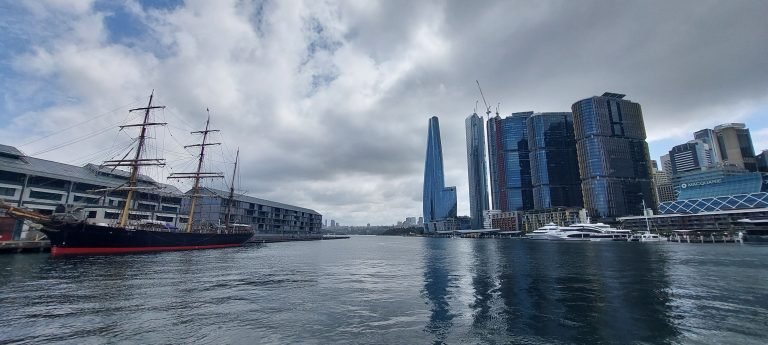
Many of the best things to do in Sydney are easy to explore independently, but guided tours can be a great option if you are short on time or want deeper local insight. From harbour cruises to nature escapes, tours can help you see more while removing the stress of planning transport and timing.
Sydney Harbour Cruises
A harbour cruise is one of the most relaxing ways to experience Sydney. These cruises glide past the Opera House, Harbour Bridge, and waterfront neighbourhoods, offering a completely different perspective from the water. Options range from short sightseeing cruises to longer lunch or sunset sailings, making it easy to fit one into almost any itinerary. For a detailed breakdown of routes, timings, and cruise types, see this Sydney Harbour cruises guide.
Blue Mountains Day Trips
The Blue Mountains are one of the most popular day trips from Sydney and a great contrast to the city. Guided tours typically include dramatic viewpoints, waterfalls, eucalyptus forests, and small mountain towns. This option is especially appealing if you want to see the highlights without navigating trains, buses, or car rentals on your own.
Bondi & Coastal Walk Experiences
Sydney’s coastline is one of its biggest highlights, and guided coastal walks around Bondi and nearby beaches add valuable context to the scenery. These walks often include local history, ocean safety tips, and lesser-known viewpoints, making them a good choice if you want more than just a scenic stroll.
Wildlife & Nature Experiences
Travelers interested in Australian wildlife will find several easy options around Sydney. Organized experiences may include visits to wildlife parks, coastal nature reserves, or ferry-accessible destinations where native animals can be seen without traveling far from the city. These experiences are ideal if you want to encounter wildlife while keeping travel time short.
While most of these activities can be done independently, tours are often worth considering if you are visiting Sydney for a short time or prefer a more structured and informative experience.
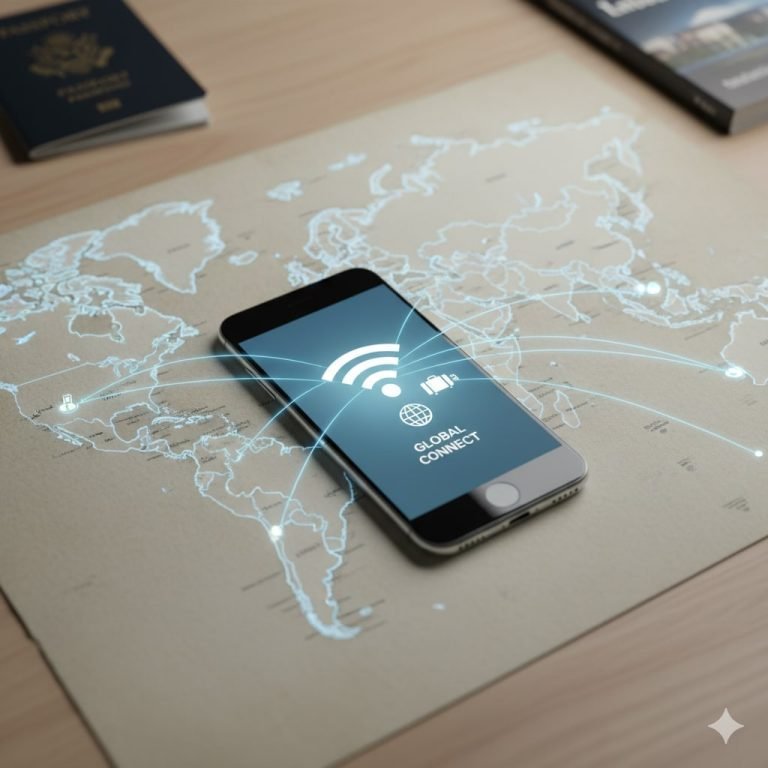
Sydney SIM Card & Internet Guide
Staying connected in Sydney is easy, and most travelers no longer need to buy a physical SIM card on arrival. With excellent mobile coverage across the city and surrounding regions, mobile data is reliable for navigation, bookings, ride shares, and staying in touch.
An eSIM lets you activate mobile data digitally before you land, avoid airport queues, and keep your home SIM active for calls or verification texts if needed. For most short- and medium-length trips to Australia, this is the simplest and most flexible option.
Why Use an eSIM in Sydney?
An eSIM (embedded SIM) is built into your phone and can be activated by scanning a QR code or installing an app. This makes it especially practical for travelers who want instant connectivity without dealing with physical SIM cards.
- No physical SIM needed: Activate digitally before or after arrival, without swapping cards.
- Instant connectivity: Many travelers are online as soon as they land.
- Flexible plans: Choose data amounts and durations that match your trip.
- Keep your home SIM active: Useful for banking codes, WhatsApp, and emergency contacts.
- No surprise roaming charges: You pay upfront and stay in control of costs.
Yesim eSIM
Yesim is a good option if Sydney is part of a longer international trip. It offers global and regional eSIM plans that allow you to use one eSIM across multiple countries, rather than switching providers between destinations.
This makes Yesim appealing for travelers combining Australia with Asia, Europe, or other regions, or for those who prefer managing everything through a single app.
View Yesim Australia eSIM options
Ubigi eSIM for Australia
Ubigi is a strong choice for travelers focusing primarily on Australia. It offers reliable coverage and fast speeds in Sydney as well as other major cities and regional areas. Setup is straightforward, and plans are well suited for travelers who want stable performance rather than the cheapest possible option.
Ubigi works particularly well if Australia is your main or only destination and you value consistent network quality.
Check Ubigi eSIM plans for Australia
Airalo eSIM
Airalo is one of the most widely known eSIM providers and is often chosen for its simplicity and affordability. It offers data-only plans for Australia that are easy to set up and ideal for short stays or travelers with light data needs.
Airalo is a solid option if you mainly need maps, messaging, and basic browsing without requiring heavy data usage.
Browse Airalo eSIMs for Australia
Which eSIM Should You Choose?
- Choose Yesim if Australia is your main destination and you want strong, reliable coverage.
- Choose Ubigi if Sydney is part of a multi-country trip and you want one eSIM for several destinations.
- Choose Airalo if you are staying short-term and only need basic, affordable mobile data.
If your phone does not support eSIM, physical SIM cards are still available at Sydney Airport and from mobile stores around the city. However, for most modern smartphones, an eSIM is faster to set up, easier to manage, and often better value.
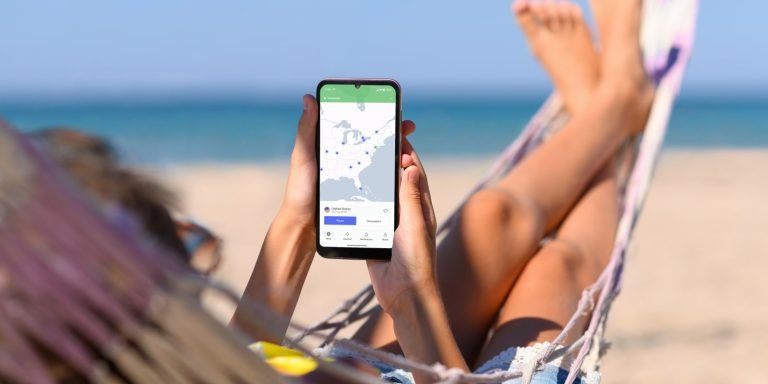
Online Safety & VPN Tips for Sydney
Sydney is a safe and modern city, but staying secure online while traveling is still important. Public Wi-Fi networks in cafés, airports, hotels, and co-working spaces are convenient, yet they are not always secure. A few simple precautions can help protect your personal data during your trip.
When a VPN Is Useful While Traveling
Using a VPN can be helpful when you connect to public or shared Wi-Fi networks. A VPN encrypts your internet connection, making it harder for third parties to access your data. It can also be useful if you need to access sensitive accounts such as online banking or work tools while abroad.
- Public Wi-Fi: Airports, cafés, and hotels.
- Sensitive logins: Banking, email, and work platforms.
- Added privacy: Extra protection when browsing on the go.
Why NordVPN Is a Popular Choice for Travelers
NordVPN is widely used by travelers because it is easy to set up and works across multiple devices. It offers fast speeds, strong encryption, and a large global server network, which makes it suitable for both short trips and longer stays.
If you want an extra layer of security while using public Wi-Fi in Sydney, you can learn more about NordVPN here.
Even without a VPN, basic habits such as avoiding unsecured networks for sensitive tasks and keeping your device software up to date go a long way toward staying safe online.
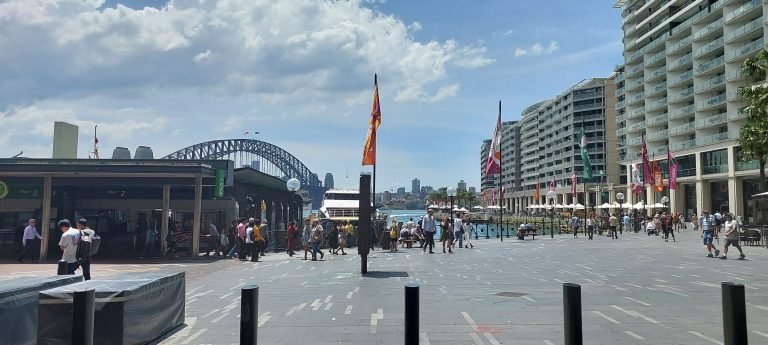
What to Pack for Sydney
Packing for Sydney is fairly straightforward, but a few essentials can make a big difference. The city combines urban sightseeing, outdoor walks, and beach time, so versatile items you can use across different settings work best.
Essentials for Any Season
- Comfortable walking shoes: Sydney is a very walkable city, especially around the harbour, coastal paths, and central neighbourhoods.
- Sunscreen and SPF lip balm: Australia’s UV levels can be high year-round, even on cloudy days.
- Reusable water bottle: Tap water is safe to drink, and refill points are easy to find.
- Daypack or tote bag: Useful for sightseeing days, ferry trips, and beach outings.
- Travel adaptor (Type I): Australia uses the three flat-pin plug.
- Power bank: Handy for long days out using maps, photos, and transport apps.
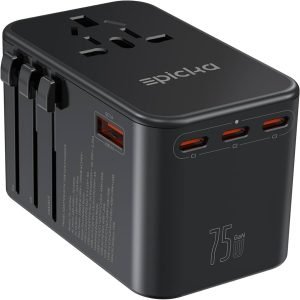
Travel Gear Tip: Universal Travel Adapter
When traveling internationally, a reliable universal travel adapter is one of the most important items you can pack. Countries use different plug types and voltages, and the wrong adapter can quickly turn into a travel headache.
A compact universal adapter like the EPICKA models allows you to charge your phone, laptop, camera, and other devices safely in more than 150 countries.
Clothing by Season
- Spring & Autumn: Light layers work best, with a mix of short and long sleeves.
- Summer: Breathable clothing, swimwear, sunglasses, and a sun hat are essential.
- Winter: A warm jacket or fleece for evenings, plus closed shoes.
Beach & Outdoor Items
- Swimwear: Beaches are a huge part of Sydney life.
- Quick-dry towel: Easier to carry than bulky cotton towels.
- Sandals or flip-flops: Useful for the beach and casual days.
- Light rain jacket: Especially helpful during shoulder seasons.
Tech & Travel Gear
- Phone, charger, and cables: With an adaptor if needed.
- Camera or action cam: Sydney is extremely photogenic.
- Document organiser: For passport, bookings, insurance, and boarding passes.
- VPN subscription: Useful for securing connections on public Wi-Fi (see online safety section above).
Travel Insurance
While Australia has excellent healthcare, medical treatment can be expensive for visitors. Travel insurance that covers medical emergencies, activities, and trip interruptions is strongly recommended. Make sure your policy matches your travel style and planned activities.
Sydney’s weather can change quickly, so layering is key. Focus on comfortable, practical items you can mix and match rather than overpacking.
Tipping Culture in Sydney + Practical Travel Tips
Do You Tip in Sydney?
Tipping in Sydney is not compulsory and it is not expected in the same way it is in the United States. Most places pay staff wages without relying on tips. That said, tipping is appreciated for excellent service, especially in sit-down restaurants.
- Restaurants: If service is great, a tip of around 5% to 10% is a common gesture, but not required.
- Cafés and takeaway: No tip expected, though some places have a tip jar.
- Bars: Not expected, but rounding up is fine if you want to.
- Taxis and ride shares: Not required; rounding up is optional.
Practical Travel Tips for Sydney
- Sun is serious: Even on cloudy days, UV can be intense. Sunscreen and a hat are worth it.
- Beach safety matters: Swim between the red and yellow flags and respect lifeguard advice.
- Book peak season early: If you visit in December or January, accommodation sells out fast.
- Use ferries as sightseeing: They are one of the best-value experiences in the city.
- Comfortable shoes help: Sydney is more walkable than many visitors expect.
While Sydney is easy to navigate and generally very safe, it still helps to understand how the city works in practice. These essential safety insights for Sydney cover what travelers should realistically expect and how to move around the city with confidence.
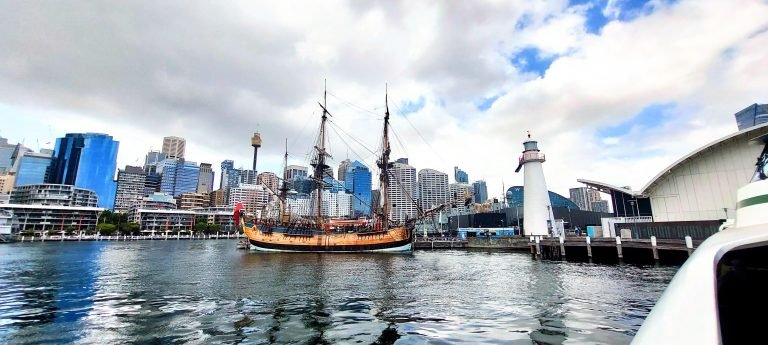
Usual Prices in Sydney
Below is a rough guide to the prices of common items you are likely to pay during a visit to Sydney. These figures are meant to help you budget realistically rather than pinpoint exact costs. Prices are listed in Australian Dollars (AUD).
Fast Food & Convenience Stores
- Bottled water (500ml): AUD 3–5
- Soft drink (600ml): AUD 4–5
- Convenience store sandwich or meal: AUD 8–12
- Big Mac (McDonald’s): AUD 7–8
- Coffee (takeaway): AUD 4–6
Casual & Street-Style Food
- Meat pie or sausage roll: AUD 5–7
- Asian takeaway (noodles, rice dish): AUD 12–18
- Burger or wrap (casual eatery): AUD 15–20
- Fish and chips: AUD 15–22
Mid-Range Restaurant Meals
- Main dish: AUD 22–35
- Beer (pint): AUD 10–14
- Glass of wine: AUD 10–15
Attractions & Entrance Fees
- Sydney Opera House tour: AUD 43
- Taronga Zoo: AUD 53
- SEA LIFE Sydney Aquarium: AUD 42
- BridgeClimb Sydney: AUD 174–304 (depending on time and climb)
- Museums & galleries: Many are free, including major public museums
Transportation
- Public transport (single trip): AUD 3–6
- Daily public transport cap: Around AUD 18–19
- Airport train to CBD: AUD 20–22 (including station access fee)
- Taxi start fare: Around AUD 4–5
- Rideshare within the city: AUD 15–40, depending on distance and demand
Tours & Experiences (Approximate)
- Harbour cruise: AUD 30–60
- Blue Mountains day tour: AUD 120–180
- Whale watching tour: AUD 70–100 (seasonal)
Sydney is one of the more expensive cities in Australia, but smart choices can keep costs under control. Mixing free attractions, public transport, and casual dining with a few paid experiences is the easiest way to enjoy the city without overspending.
Continue Exploring
If you enjoy in-depth travel guides with realistic logistics, culture, and practical planning advice, here are a few very different destinations to explore next:
- Brazil Travel Guide – A huge, high-energy country of iconic cities, beaches, culture, and wildlife, with very different travel styles from region to region.
- Complete Madagascar Travel Guide – One of the most rewarding places on Earth for raw nature, unique wildlife, and adventurous travel.
- Explore & Discover Taiwan – A fascinating island where night markets, temples, mountain landscapes, and modern cities combine to create one of Asia’s most varied travel experiences.
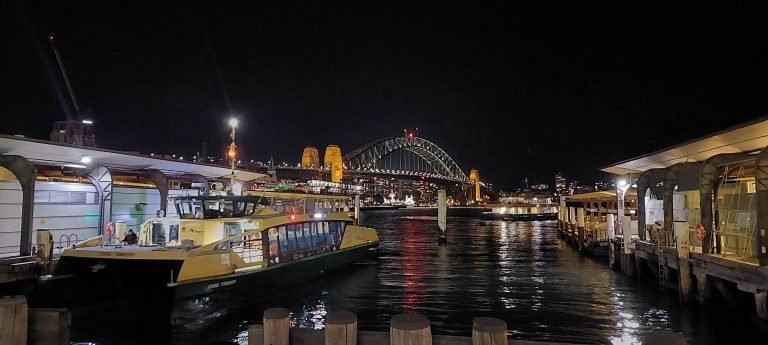
Sydney FAQ
-
Is Sydney safe for tourists?
Yes. Sydney is generally very safe, including for solo travelers. The biggest “real” risks are the everyday travel ones: watch your belongings in crowded areas, be mindful late at night around nightlife zones, and follow beach safety rules (swim between the flags). -
How many days do you need in Sydney?
If you want the highlights only, 3 days is a great minimum. With 5 days you can add a proper beach day and a few neighbourhood experiences, and with 7 days you can include a day trip (like the Blue Mountains) without rushing. -
Do I need an Opal card, or can I just tap with my bank card?
You can usually tap on and off with a contactless bank card (or Apple Pay / Google Pay), which is the easiest option for most visitors. An Opal card can still be useful for some travelers, but for short trips, tapping with your card is often enough. -
Is Uber available in Sydney?
Yes, Uber is widely used in Sydney, especially for late-night rides or airport transfers. Taxis and other rideshare services are also common. Expect higher prices during peak hours, big events, or weekend nights. -
Can you swim at Bondi Beach all year?
You can, but it depends on your comfort level. Summer is best for swimming, while spring and autumn can still be pleasant on warmer days. Winter is mild but the water can feel cold. Always swim between the red-and-yellow flags and follow lifeguard advice. -
Is Sydney expensive?
Sydney can be pricey, especially for accommodation and dining in the CBD or near the harbour. You can still do it on a budget by using public transport, mixing in free attractions (coastal walks, beaches, gardens), and eating in neighbourhoods like Newtown or Haymarket/Chinatown. -
Do I need cash in Sydney?
Not usually. Card payments are common everywhere, including cafés and public transport. It is still smart to carry a small amount of cash for emergencies, but most travelers rely almost entirely on card and mobile payments. -
Is an eSIM worth it for Sydney and/or Australia?
For most travelers, yes. An eSIM is quick to activate, helps you avoid airport SIM queues, and lets you keep your home SIM active for banking codes or WhatsApp. It is especially useful if you want instant data for maps, transport, and bookings right after landing. -
Do I really need a VPN while traveling?
It is not required, but it can be a smart extra layer of privacy if you use public Wi-Fi in cafés, airports, hotels, or co-working spaces. If you log into banking or sensitive accounts while traveling, using a VPN can reduce risk on shared networks. -
What is the best time of year to visit Sydney?
Spring (September to November) and autumn (March to May) are the sweet spots for many travelers: comfortable weather, fewer crowds than peak summer, and great conditions for outdoor sightseeing and coastal walks. Summer is lively but busy and more expensive, especially around Christmas and New Year.
🇦🇺 Sydney Travel Guide Series (Worldly Roaming)
These guides are part of my Sydney Travel Guide Series, a collection designed to help you plan a Sydney itinerary that feels easy, realistic, and full of the experiences that actually make the city memorable. A good starting point is the Things to Do in Sydney guide, which introduces the city’s major neighborhoods, beaches, viewpoints, and iconic attractions.
Once you have an idea of what interests you most, the Sydney itinerary guide explains how travelers often structure a 3-, 5-, or 7-day visit so the trip flows naturally rather than feeling rushed. To refine your plans further, this guide to Sydney tours and experiences helps you choose which activities are actually worth adding based on your travel style and time available. It also helps to review these practical Sydney planning tips so you can avoid common mistakes and move through the city more efficiently.
Many travelers also use the city as a base for exploring nearby landscapes. The guide to day trips from Sydney covers some of the most rewarding escapes beyond the harbor, while the getting around Sydney guide explains how ferries, trains, and buses connect the city’s beaches, central districts, and waterfront neighborhoods. If you plan to use public transport frequently, the Opal card Sydney guide breaks down fares, daily caps, and the best way to pay for your journeys. If you are unsure which option to use, this comparison of the Opal card vs contactless in Sydney helps you choose the most practical solution for your trip.
If the Opera House is high on your list, the Sydney Opera House tours and tickets guide helps you decide whether to book a guided tour, attend a performance, or simply enjoy the best viewpoints around the harbor. Choosing the right area to stay in also plays a big role in how your trip unfolds, so it’s worth reviewing both the where to stay in Sydney guide and this breakdown of the best areas to stay in Sydney before finalizing your plans. It is also worth understanding these real-world safety considerations for Sydney so you can travel with confidence from the moment you arrive. Used together, these posts provide a complete picture of Sydney travel planning, turning a destination with endless options into a trip that feels clear, balanced, and genuinely exciting.
Travel Resources to Plan, Book & Stay Connected
Use these tools and guides to stay connected abroad, find inspiration for your next trip, and book your flights, stays and gear with confidence.
Disclosure: This article may contain affiliate links. If you make a purchase through a link, I may receive a commission at no extra cost to you. I only share recommendations I believe are genuinely useful, and all opinions are my own. AI was used in this post for research and drafting purposes.

Comment (0)