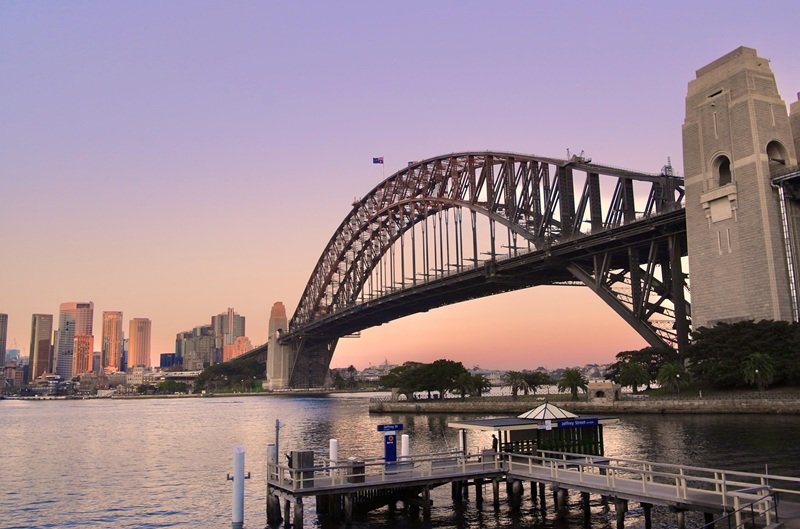
Sydney Travel Tips: What You Need to Know Before You Go
Planning a trip to Sydney can feel overwhelming at first. Between transport systems, neighborhoods, costs, and iconic attractions, it is easy to waste time or make expensive mistakes if you do not understand how the city works. These Sydney travel tips are designed to help you plan smarter, move efficiently, and get the most out of your time without unnecessary stress.
This is not just a list of general advice. It is a practical, decision-focused guide built to help you quickly understand what matters, what to prioritize, and what to avoid when visiting Sydney for the first time.
What you will learn in this guide:
- The best time to visit Sydney based on weather, crowds, and prices
- How to get around efficiently using public transport, ferries, and contactless payments
- Where to stay depending on your travel style and how to avoid wasting time commuting
- How to plan your days without rushing or missing key experiences
- Common mistakes travelers make in Sydney and how to avoid them
- Practical tips on costs, safety, food, and logistics that will save you time and money
If you are still planning your trip, start by comparing flights here: find cheap international flights to Sydney. For accommodation, this hotel comparison guide helps you find the best areas and prices.
For a complete overview of the city, including attractions and experiences, you can also explore this Sydney travel guide, which connects everything into a clear and practical itinerary.
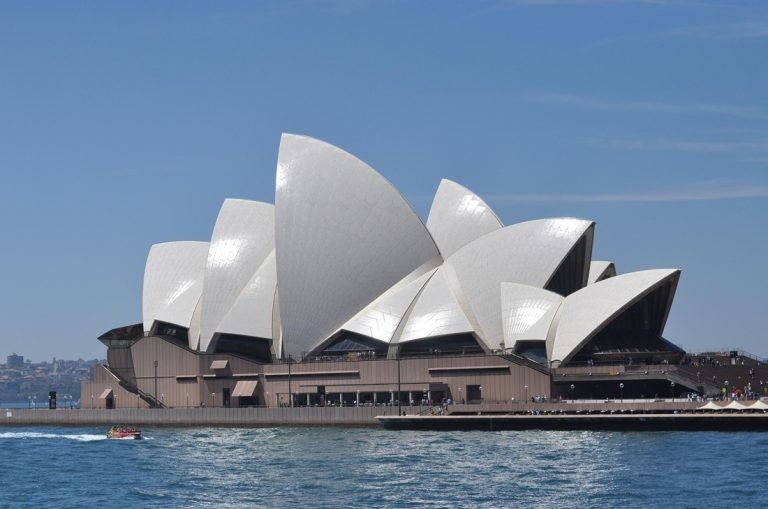
Sydney Travel Tips: Plan Smarter and Avoid Common Mistakes
Sydney is one of the easiest cities in the world to enjoy and one of the easiest to get wrong if you do not plan properly. It looks simple on the surface, but small decisions around where you stay, how you get around, and when you visit can completely change your experience.
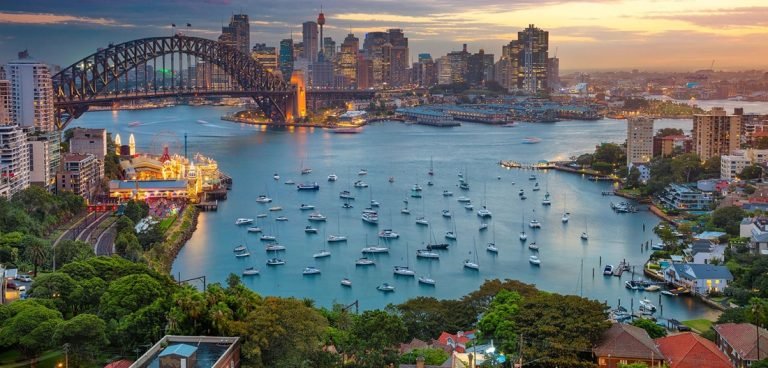
If you only take a few things from this guide, focus on this. Stay central or near a ferry line, use contactless payment instead of overthinking transport cards, and build your days around the harbour and the coast rather than rushing between attractions. Sydney is not a checklist city. It rewards slowing down and choosing the right experiences.
Most first-time visitors waste time on transport, underestimate distances, or try to fit too much into each day. The result is a trip that feels rushed instead of relaxed. With the right approach, Sydney becomes much easier to navigate and far more enjoyable.
These Sydney travel tips are built to help you avoid those mistakes, make faster decisions, and understand how the city actually works on the ground. Whether you are visiting for a few days or longer, this guide will help you spend less time figuring things out and more time enjoying the harbour, beaches, and neighborhoods that make Sydney special.
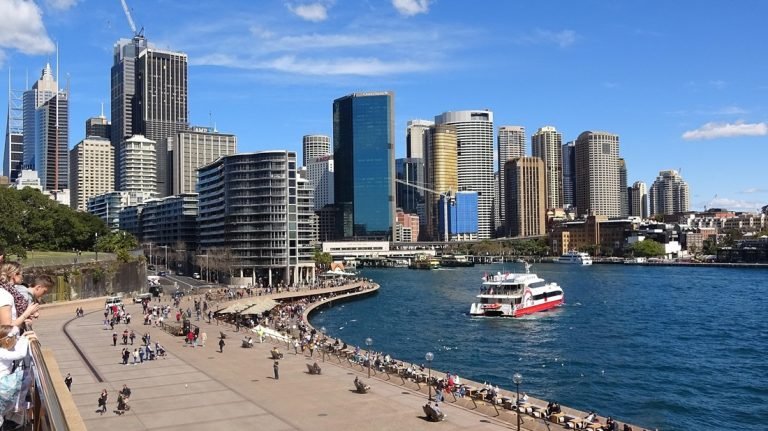
Sydney Travel Tips: Quick Answers for Planning Your Trip
If you just want the key decisions without reading the full guide, start here. These quick answers will help you plan your Sydney trip faster and avoid the most common mistakes.
- Best time to visit: March to May and September to November for the best balance of weather, crowds, and prices. Avoid peak summer if you do not like heat and high costs.
- Where to stay: Circular Quay or The Rocks for first-time visits and easy access to major sights. Surry Hills for food and a local vibe. Bondi or Manly if you want a beach-focused stay.
- How to get around: Use contactless payment on public transport instead of overthinking tickets. Ferries are not just transport, they are one of the best experiences in the city.
- Airport to city: Train is fastest but expensive due to the airport fee. Uber can be better value if you are traveling with 2 or more people.
- Daily budget: Expect around $80 to $150 per day depending on your travel style. Sydney is not cheap, but transport caps and free activities help balance costs.
- Must-do experiences: Walk Bondi to Coogee, take the Manly ferry, explore the harbour, and spend time in The Rocks.
- Biggest mistake to avoid: Trying to do too much in one day. Sydney is spread out. Plan by area and give yourself time to enjoy each location.
- Sun and weather: The sun is stronger than most visitors expect. Use high SPF sunscreen every day, even when it is cloudy.
If you want a structured plan for your trip, this Sydney itinerary guide shows exactly how to organize your days, while this best time to visit Sydney breakdown helps you choose the right travel window.
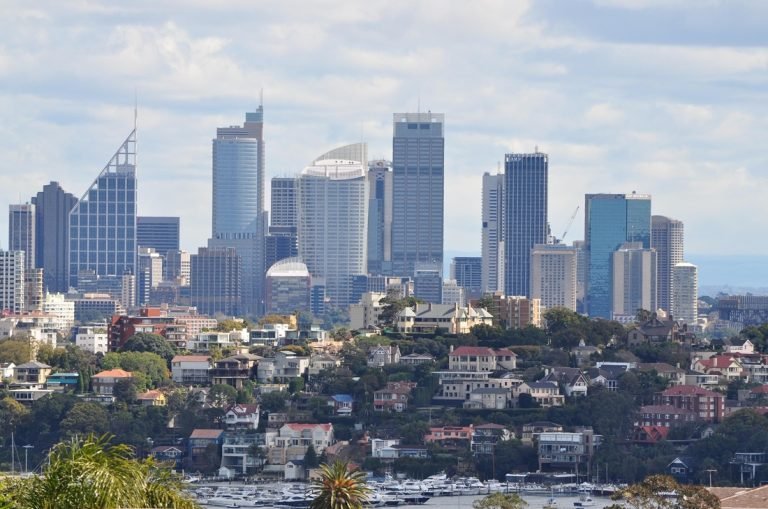
How to Plan Your Days in Sydney Without Rushing
One of the most useful Sydney travel tips is to plan your days by area, not by individual attractions. Sydney looks easy to move around on a map, but beaches, harbour viewpoints, museums, neighborhoods, and day trips can sit farther apart than expected. If you jump across the city too often, you lose time and energy on transport.
The easiest way to enjoy Sydney is to group your days around a clear theme. Spend one day around the harbour, one day along the coast, one day on neighborhoods or museums, and one day outside the city if you have enough time. This keeps the trip relaxed while still covering the highlights.
If You Have 1 Day in Sydney
- Focus on Circular Quay, the Sydney Opera House, The Rocks, and the Harbour Bridge area.
- Add the Royal Botanic Garden if you want an easy scenic walk without leaving the city center.
- Finish with a ferry ride or sunset harbour view instead of trying to visit Bondi on the same day.
If You Have 3 Days in Sydney
- Day 1: Harbour icons, The Rocks, Circular Quay, Opera House, and Harbour Bridge views.
- Day 2: Bondi Beach, Bondi to Coogee walk, or Manly by ferry.
- Day 3: Neighborhoods, museums, food areas, or a Sydney Harbour cruise.
If You Have 5 to 7 Days in Sydney
- Add a full day trip to the Blue Mountains, Hunter Valley, or another nearby destination.
- Spend more time exploring Sydney’s coastline, including Bondi, Manly, Watsons Bay, Coogee, and some of the city’s most beautiful beach areas.
- Leave room for slower experiences such as markets, coastal walks, ferry rides, and long meals.
For a full day-by-day route, use this Sydney itinerary for 3, 5, or 7 days. If you want to leave the city for a day, this guide to the best day trips from Sydney helps you choose the right option without overcomplicating your route.
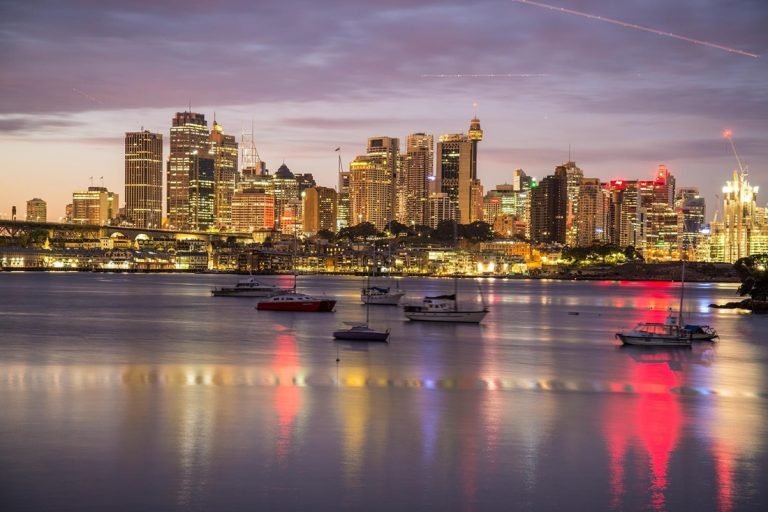
Best Time to Visit Sydney: Weather, Crowds, and What to Expect
The best time to visit Sydney depends on what you prioritize. Weather, crowds, and prices all change throughout the year, and choosing the right season can make a big difference in how much you enjoy the city.
If you want the easiest overall experience, aim for the shoulder seasons. If you want beach weather, summer works but comes with trade-offs. Sydney is a year-round destination, but not every season feels the same.
Best Overall Time to Visit Sydney
March to May and September to November offer the best balance. Temperatures are comfortable, crowds are lower than peak summer, and prices are generally more reasonable.
- Ideal for walking, sightseeing, and coastal walks
- Less crowded than summer
- More availability for hotels and tours
Summer (December to February)
Summer is peak season in Sydney. This is when the city is at its most vibrant, but also its busiest and most expensive.
- Best for beaches, swimming, and outdoor events
- Expect heat, humidity, and large crowds
- Higher prices for accommodation and activities
Winter (June to August)
Winter in Sydney is mild compared to many destinations, but it is not beach weather for most travelers.
- Cooler temperatures but still comfortable for exploring
- Fewer crowds and lower prices
- Better for museums, city walks, and indoor experiences
What Most Travelers Get Wrong
- Underestimating the sun: Even outside summer, UV levels are high. Sunscreen is essential year-round.
- Assuming summer is always best: It is great for beaches, but the crowds and prices can reduce the overall experience.
- Not checking events: Festivals and events can significantly impact prices and availability.
If you want a deeper breakdown by month, including weather patterns and events, this complete guide to the best time to visit Sydney helps you choose the right dates based on your travel style.
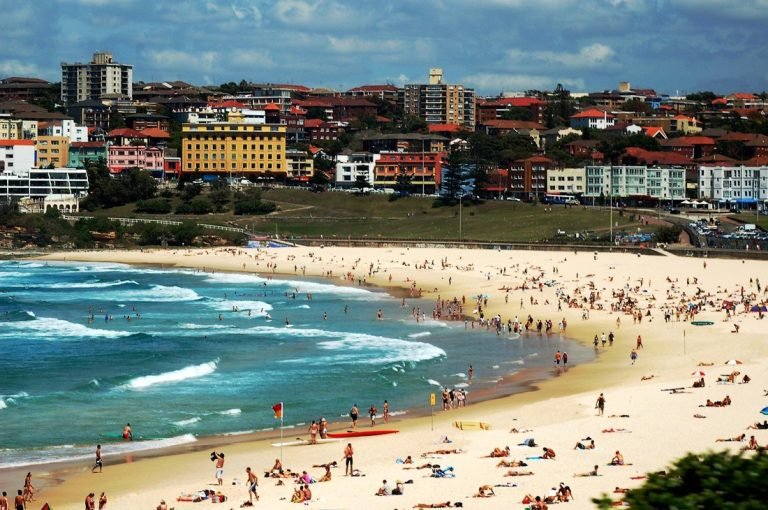
Getting Around Sydney Without Wasting Time
Getting around Sydney is easy once you understand how the system works, but small mistakes can quickly cost you time and money. The key is to keep things simple. Use the existing network efficiently instead of overcomplicating it.
Use Contactless Payment Instead of Overthinking Tickets
The easiest way to use public transport in Sydney is to tap on and tap off with your credit or debit card, Apple Pay, or Google Pay. This works across trains, buses, ferries, and light rail. Learn routes, fares, and live updates on the official Sydney public transport website.
- No need to buy a separate transport card unless you prefer it
- Daily and weekly caps automatically apply
- Always tap on and tap off to avoid maximum fares
If you want a full breakdown of pricing, caps, and whether a card is worth it, this Opal card guide for Sydney explains it in detail, while this Opal vs contactless comparison helps you choose the best option.
Use Ferries as Part of Your Experience
Ferries are not just transport in Sydney, they are one of the highlights of the city. A simple ferry ride gives you some of the best harbour views without paying for a tour.
- Manly ferry is the most popular and offers excellent views
- Routes from Circular Quay connect to multiple scenic areas
- Included in the public transport system with the same fare caps
Airport to City: Train vs Uber
The train from Sydney Airport to the city is the fastest option, but it includes an airport access fee that makes it relatively expensive.
- Train: Fast and direct, best if you are traveling alone
- Uber or taxi: Often better value for 2 or more people
- Travel time: Both options usually take 20 to 30 minutes depending on traffic
For a full comparison and step-by-step options, use this Sydney airport transport guide.
Walk Strategically and Avoid Crossing the City Too Often
Sydney is very walkable in central areas like Circular Quay, The Rocks, and Darling Harbour. However, distances between beaches, neighborhoods, and attractions can be larger than they appear on a map.
- Group activities by area to reduce travel time
- Walk within neighborhoods rather than between them
- Use public transport for longer distances instead of relying only on walking
What Most Travelers Get Wrong
- Forgetting to tap off: This results in higher fares
- Trying to walk everywhere: Leads to wasted time and unnecessary fatigue
- Ignoring ferries: Missing one of the best and most efficient ways to see the city
Learn routes, fares, and live updates on the official Sydney public transport website. For a complete breakdown of routes, transport types, and how to move around efficiently, this Sydney transport guide connects everything into a simple system.
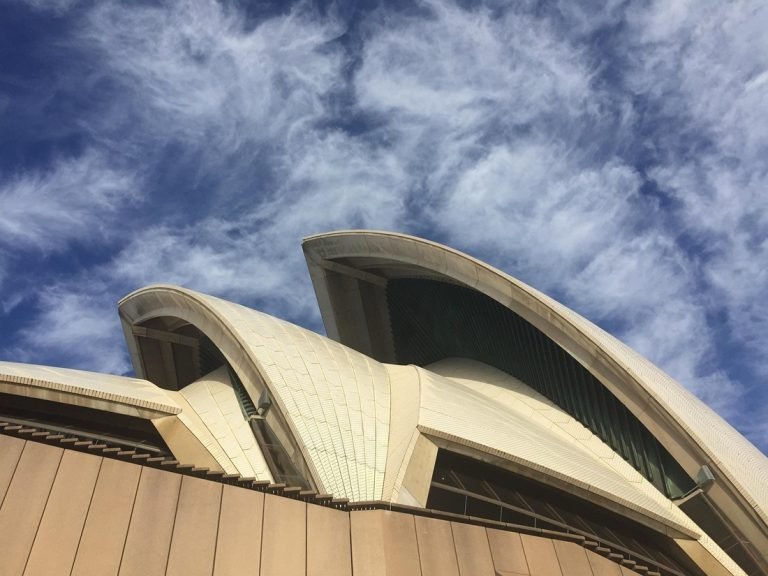
How to Save Money in Sydney Without Missing Out
Sydney has a reputation for being expensive, and that reputation is justified. Accommodation, dining, and activities can add up quickly if you are not paying attention. The good news is that with a few smart decisions, you can significantly reduce your daily costs without sacrificing the experience.
Understand Your Daily Budget First
Most travelers spend between $80 and $150 per day depending on their travel style. The biggest cost factors are accommodation and food, followed by activities and transport.
- Budget: Hostels, casual meals, public transport, and free activities
- Mid-range: Hotels, restaurants, and a mix of paid experiences
- Higher budget: Harbour-view hotels, tours, and premium dining
Before booking anything, compare options using this hotel comparison guide to avoid overpaying for the same room.
Use Public Transport Caps to Your Advantage
Sydney’s transport system has daily and weekly caps, which means you will not pay beyond a certain amount if you keep using public transport throughout the day.
- Tap on and off with the same card to activate caps
- Weekend caps are lower than weekday limits
- Ferries are included, making them a cost-effective way to see the harbour
Prioritize Free Experiences
Some of the best things to do in Sydney are completely free, especially if you focus on outdoor experiences.
- Bondi to Coogee coastal walk
- Royal Botanic Garden and harbour viewpoints
- Walking across the Sydney Harbour Bridge
- Beaches like Bondi and Manly
To plan your activities more efficiently, this Sydney tours and experiences guide helps you decide what is worth paying for and what you can skip.
Book Major Experiences in Advance
Popular attractions and experiences can sell out or increase in price closer to the date. Booking early gives you more availability and often better pricing.
- Harbour cruises and tours
- Sydney Opera House tours
- BridgeClimb and other premium experiences
If you are considering a cruise, this guide to Sydney harbour cruises breaks down which options are actually worth it.
Choose the Right Area to Stay
Where you stay can either save you money or quietly increase your daily costs through transport and time lost.
- Stay central to reduce transport expenses
- Choose areas with good public transport access
- Avoid locations that require multiple transfers to reach major sights
This Sydney accommodation guide explains which areas work best depending on your travel style and budget.
What Most Travelers Get Wrong
- Booking last minute: Higher prices and fewer options
- Ignoring transport costs: Staying far away can increase daily expenses
- Paying for everything: Many of Sydney’s best experiences are free
Saving money in Sydney is less about cutting corners and more about making smarter choices. Focus on location, transport, and a mix of free and paid experiences to keep your budget under control while still enjoying everything the city offers.
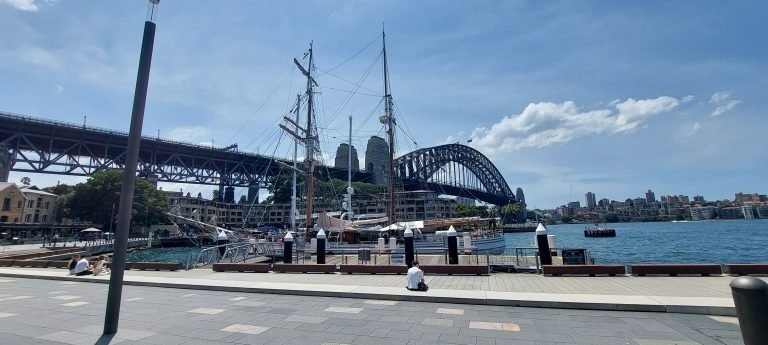
What to Prioritize (and What to Skip) in Sydney
Sydney has no shortage of things to do, but trying to see everything is one of the fastest ways to ruin your trip. The key is not doing more, it is choosing better. Focus on experiences that match how the city actually works instead of chasing a long checklist of attractions.
Prioritize These Experiences
- Harbour-focused time: Circular Quay, the Sydney Opera House, and the Harbour Bridge are the core of the city. Spend time here instead of just passing through.
- Ferry rides: The Manly ferry is one of the best value experiences in Sydney and doubles as sightseeing.
- Coastal walks: The Bondi to Coogee walk offers some of the best scenery in the city without costing anything.
- Beach time: Bondi and Manly are not just stops, they are destinations. Plan time to relax, not just visit.
- Neighborhood exploration: Areas like Surry Hills, Newtown, and The Rocks offer a better sense of local life than major attractions alone.
Experiences Worth Planning in Advance
- Harbour cruises and sunset experiences
- Sydney Opera House tours or performances
- BridgeClimb if it is on your list
To compare the best options, this Sydney tours and experiences guide helps you decide what is actually worth booking.
What You Can Skip (or Keep Flexible)
- Overpacked itineraries: Trying to visit too many places in one day reduces the overall experience
- Too many paid attractions: Sydney shines through its free outdoor experiences
- Rushing between areas: Constant movement leads to wasted time on transport
How to Make Better Decisions
Instead of asking “what should I see,” ask “how do I want to experience Sydney.” If your goal is scenery, focus on the harbour and coastal walks. If you prefer food and culture, spend more time in neighborhoods and markets. If you want a mix, balance one major experience per day with slower, open time.
For a complete breakdown of routes and daily structure, this Sydney itinerary guide shows how to combine these experiences into a smooth and realistic plan.
Food, Dining, and Local Tips in Sydney
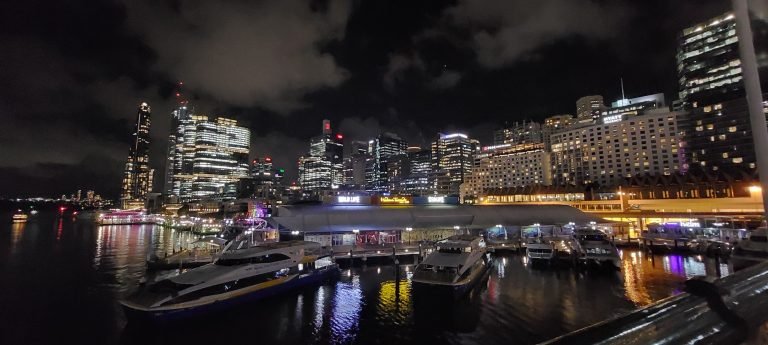
Sydney’s food scene is one of the highlights of the city, but it is also easy to overspend or miss the best spots if you do not know where to look. The key is to mix casual dining, local neighborhoods, and a few standout experiences instead of relying only on tourist areas.
Where to Eat in Sydney
You will find the best variety outside the main tourist zones. Areas like Surry Hills, Newtown, and Darling Square offer a wide range of cuisines and better value than restaurants directly around Circular Quay.
- Surry Hills: Known for cafes, brunch spots, and modern Australian dining
- Newtown: More relaxed, diverse, and budget-friendly options
- Darling Square: Strong Asian food scene and casual dining
- The Rocks: Good for atmosphere, but often more expensive
What to Try
Sydney’s food culture is diverse, and trying local specialties is part of the experience.
- Fresh seafood, especially near the harbour
- Brunch culture with dishes like avocado toast and eggs-based meals
- Asian cuisine, particularly in Chinatown and Darling Square
- A flat white coffee, which is a local staple
Do You Need to Tip?
Tipping is not required in Sydney. Prices already include service, but leaving around 10 percent for good service is appreciated in restaurants.
Booking and Timing
Popular restaurants, especially those with harbour views, can fill up quickly. Booking ahead is recommended if you have specific places in mind.
- Book dinner spots in advance during weekends and peak seasons
- Arrive early for popular brunch locations to avoid queues
- Consider lunch instead of dinner for the same experience at a lower price
What Most Travelers Get Wrong
- Eating only in tourist areas: Higher prices and often lower quality
- Skipping reservations: Limited availability at popular spots
- Ignoring local neighborhoods: Missing some of the best food in the city
Sydney rewards a balanced approach to food. Mix casual meals, local neighborhoods, and one or two standout dining experiences to enjoy the city’s food scene without overspending.
Common Mistakes to Avoid in Sydney
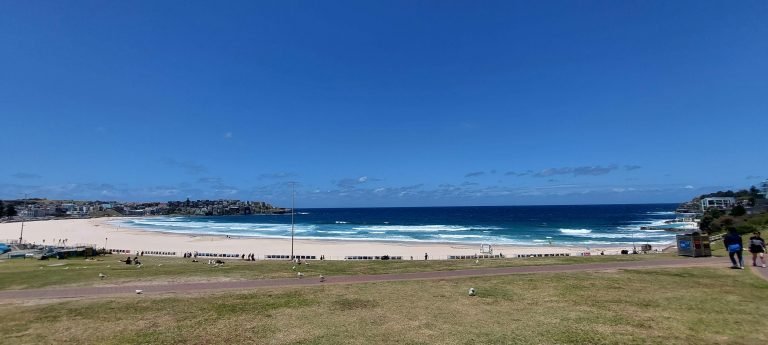
Many Sydney travel mistakes are small, but they quickly add up to wasted time, higher costs, and a more stressful trip. Avoiding these will make your experience smoother and allow you to enjoy the city at a more relaxed pace.
Trying to Do Too Much in One Day
Sydney is not a compact city where you can jump between major sights quickly. Beaches, harbour areas, and neighborhoods are spread out, and moving between them takes time.
- Plan your days by area instead of individual attractions
- Limit each day to one main zone or theme
- Allow time to enjoy each location instead of rushing
Staying Too Far from the Center
Choosing cheaper accommodation far from the city center often leads to higher transport costs and more time spent commuting.
- Stay near Circular Quay, The Rocks, or along a ferry or train line
- Balance accommodation cost with location convenience
- Avoid areas that require multiple transfers to reach key sights
Overcomplicating Public Transport
Many travelers spend unnecessary time figuring out tickets and transport options when the system is straightforward.
- Use contactless payment instead of buying separate cards
- Always tap on and tap off to avoid extra charges
- Take advantage of daily and weekly fare caps
Ignoring the Sun and Weather
Sydney’s weather can seem mild, but the sun is stronger than most visitors expect, even outside of summer.
- Use sunscreen daily, regardless of the season
- Wear a hat and sunglasses for long outdoor days
- Stay hydrated, especially during coastal walks
Relying Too Much on Paid Attractions
Some of Sydney’s best experiences are completely free, especially along the harbour and coastline.
- Include free activities like beaches, coastal walks, and parks
- Choose paid experiences selectively instead of booking everything
- Balance structured activities with open time
Underestimating Travel Time Between Areas
Distances between popular areas like Bondi, Manly, and the city center can be longer than expected.
- Group activities geographically to reduce travel time
- Use ferries and trains for longer distances
- Avoid switching locations multiple times in one day
Avoiding these common mistakes will immediately improve your trip. Sydney becomes much easier and more enjoyable when you simplify your plan, focus on the right areas, and give yourself enough time to experience each part of the city properly.
Practical Travel Tips for Sydney
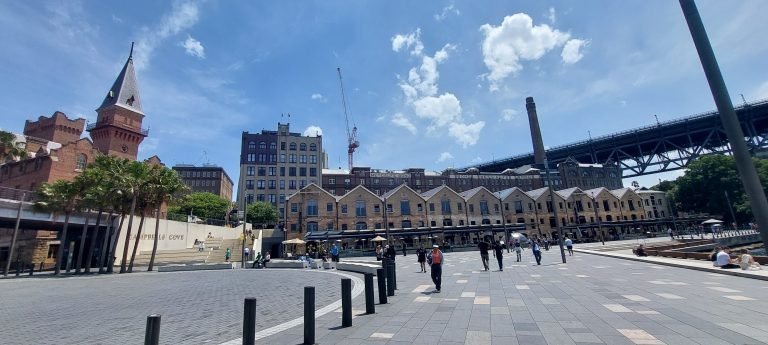
These final Sydney travel tips cover the small details that make a big difference once you are on the ground. They are easy to overlook when planning, but they help you move through the city more confidently and avoid unnecessary friction.
Stay Connected from Day One
Having mobile data makes navigation, transport apps, and bookings much easier. Free Wi-Fi exists, but it is not always reliable when you need it.
- Use an eSIM to get connected before you arrive
- Download offline maps as a backup
- Use apps for transport, directions, and bookings
To compare options, this eSIM guide for international travel helps you choose the right setup before your trip.
Understand Local Payments and Costs
Sydney is largely cashless, and most places accept cards or mobile payments.
- Use a card with low or no foreign transaction fees
- Contactless payment is accepted almost everywhere
- Carry a small amount of cash for minor purchases if needed
Book Key Parts of Your Trip in Advance
Flights, accommodation, and major experiences are best booked early, especially during peak seasons.
- Secure flights early to avoid price increases
- Book accommodation in central areas for convenience
- Reserve popular tours and experiences ahead of time
You can start by checking cheap flights to Sydney and comparing options through this hotel booking comparison guide.
Know the Local Rules and Etiquette
Sydney is relaxed, but there are a few rules and norms worth knowing.
- Alcohol is not allowed on many beaches
- Smoking and vaping are restricted in many public areas
- Queueing and respecting personal space are expected
Stay Safe and Aware
Sydney is generally a very safe city, including for solo travelers. Basic precautions are enough for most visitors.
Although Sydney is considered a very safe destination, no major city is completely free from opportunistic scams or tourist-targeted fraud. Learning to recognize common warning signs before you travel can help you avoid unnecessary problems both in Australia and elsewhere. Read our guide to avoiding tourist scams abroad to learn about the most common scams travelers encounter and how to stay one step ahead.
- Keep an eye on belongings in busy areas
- Follow beach safety flags when swimming
- Avoid isolated areas late at night
What Most Travelers Overlook
- Not downloading key apps: Slows down navigation and planning
- Ignoring small local rules: Can lead to fines or inconvenience
- Leaving bookings too late: Limits options and increases costs
These practical details may seem minor, but they help your trip run smoothly. Once you have these basics covered, you can focus on enjoying Sydney instead of figuring things out as you go.
Final Thoughts on Visiting Sydney
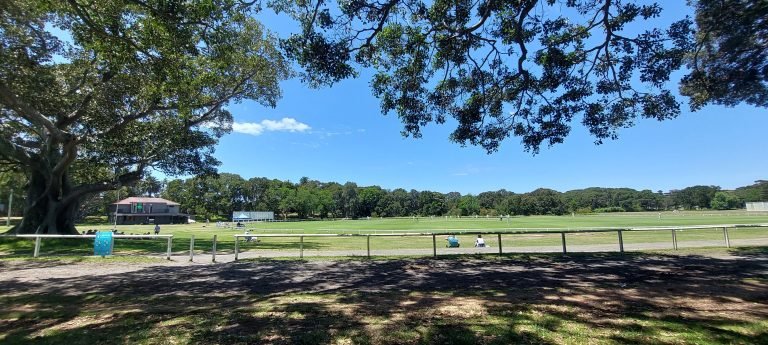
Sydney is a city that rewards smart planning more than aggressive sightseeing. Once you understand how to structure your days, where to stay, and how to move around efficiently, everything starts to feel simple and intuitive. Instead of rushing between attractions, you can focus on the experiences that actually make the city special, from harbour views and ferry rides to coastal walks and relaxed neighborhood exploring.
The biggest difference between a stressful trip and a great one usually comes down to a few decisions. Staying in the right area, grouping your days properly, and using public transport efficiently will save you hours of unnecessary effort. With those foundations in place, Sydney becomes easy to navigate and far more enjoyable.
If you are still planning your trip, these guides will help you take the next step:
- Sydney itinerary for 3, 5, or 7 days to structure your trip day by day
- things to do in Sydney for a complete overview of attractions and experiences
- where to stay in Sydney to choose the best area for your trip
- getting around Sydney to understand transport and routes
- Sydney harbour cruises guide to compare the best options on the water
For essential bookings, you can compare options here:
- find cheap international flights
- compare hotel booking platforms
- get travel insurance
- choose the best eSIM
With the right approach, Sydney becomes one of the easiest and most rewarding cities to explore. Take your time, plan smart, and let the city unfold naturally around you.
Sydney Travel Tips FAQ
-
What are the most important Sydney travel tips for first-time visitors?
Focus on staying in a central area, use contactless payment for transport, plan your days by location, and avoid trying to do too much in one day. Prioritize harbour experiences and coastal walks over a long checklist of attractions. -
What is the best way to get around Sydney as a tourist?
Use public transport with contactless payment. Trains, buses, and ferries are all connected, and daily fare caps help control costs. Ferries are especially useful because they combine transport with sightseeing. -
Do I need an Opal card in Sydney or can I use contactless?
You do not need an Opal card. Most travelers use contactless payment with a credit or debit card or mobile wallet. Both options offer the same fare caps, but contactless is simpler for short visits. -
How much does public transport cost in Sydney per day?
There are daily caps that limit how much you spend, usually around AUD $18 to $20 on weekdays and lower on weekends. Using the same card for all trips ensures the cap is applied correctly. -
How do I get from Sydney Airport to the city?
The train is the fastest option but includes an airport access fee, making it relatively expensive. Uber or taxis can be better value for groups of two or more, depending on traffic and timing. -
What is the best area to stay in Sydney without a car?
Circular Quay, The Rocks, and Darling Harbour are ideal for first-time visitors because they offer easy access to public transport and major attractions. Surry Hills is a good option for food and a more local atmosphere. -
Is Sydney expensive for tourists?
Sydney is considered expensive, especially for accommodation and dining. However, you can reduce costs by using public transport caps, choosing the right area to stay, and focusing on free activities like beaches and coastal walks. -
What are the best free things to do in Sydney?
Top free experiences include the Bondi to Coogee coastal walk, visiting Bondi or Manly Beach, exploring the Royal Botanic Garden, walking across the Harbour Bridge, and spending time around Circular Quay and The Rocks. -
How many days do you need in Sydney?
Three days is enough to see the main highlights, including the harbour and beaches. Five to seven days allows for a more relaxed pace and the option to include day trips like the Blue Mountains. -
What is the best time to visit Sydney?
March to May and September to November offer the best balance of weather, crowds, and prices. Summer is ideal for beaches but comes with higher costs and more visitors. -
What should I pack for Sydney?
Pack light layers, comfortable walking shoes, sunscreen, sunglasses, and swimwear. The weather is generally mild, but sun protection is essential year-round. -
Is Sydney safe for tourists?
Sydney is a very safe city, including for solo travelers. Basic precautions such as watching your belongings in busy areas and following beach safety rules are usually enough. -
What are common mistakes tourists make in Sydney?
Common mistakes include trying to visit too many places in one day, staying too far from central areas, overcomplicating public transport, and underestimating travel time between locations. -
Can you explore Sydney without a car?
Yes, Sydney is easy to explore without a car. Public transport is efficient, and central areas are walkable. Ferries and trains connect most major attractions. -
What is the Manly ferry and is it worth it?
The Manly ferry is a public transport route that also offers some of the best harbour views in Sydney. It is one of the most recommended experiences and is included in standard transport fares. -
Do restaurants in Sydney require tipping?
Tipping is not required in Sydney. Prices already include service, but leaving around 10 percent for good service is appreciated in restaurants. -
Is it better to stay in Bondi or the city center?
Bondi is better if you want a beach-focused stay, while the city center is more convenient for sightseeing and transport. First-time visitors usually benefit from staying central. -
What are the best day trips from Sydney?
The Blue Mountains is the most popular day trip, known for scenic views and hiking. Other options include the Hunter Valley for wine and coastal areas for beaches and nature. -
Do I need travel insurance for Sydney?
Travel insurance is recommended for international travelers to cover medical costs, delays, and unexpected issues during your trip. -
What is the best way to stay connected in Sydney?
Using an eSIM or local SIM card is the easiest way to stay connected. This allows you to access maps, transport apps, and bookings without relying on public Wi-Fi.
Travel Resources to Plan, Book & Stay Connected
Use these tools and guides to stay connected abroad, find inspiration for your next trip, and book your flights, stays and gear with confidence.
Disclosure: This article may contain affiliate links. If you make a purchase through a link, I may receive a commission at no extra cost to you. I only share recommendations I believe are genuinely useful, and all opinions are my own. AI was used in this post for research and drafting purposes.

Comment (0)