Madagascar Travel Expectations: What is Covered in this Post
Traveling in Madagascar is unlike visiting most other destinations. It is not a place where you move quickly between highlights, follow a perfectly timed itinerary, or rely on smooth infrastructure. Instead, it is a destination where distances are long, travel takes time, and plans often need to adapt along the way. Understanding this before you arrive makes a huge difference in how you experience the country.
This guide focuses on setting clear, realistic expectations so you can plan your trip with confidence and avoid unnecessary frustration. Madagascar is one of the most rewarding places you can visit, but only if you approach it with the right mindset. If you expect it to work like Southeast Asia or Europe, you will likely struggle. If you understand how travel here actually works, you will enjoy it far more.
- What travel in Madagascar really feels like on the ground, including distances, delays, and daily logistics
- How to plan your route realistically using this Madagascar itinerary guide
- Why transport takes longer than expected and how to prepare using this guide to getting around Madagascar
- What to expect from accommodation across regions and how to choose the right base using this Madagascar accommodation guide
- How costs, comfort levels, and daily realities compare to expectations, based on this Madagascar budget breakdown
- Common expectation gaps around safety, culture, and daily life, and how to navigate them confidently
If you are still planning your trip, it helps to start with a broader overview of the country using this complete Madagascar travel guide, then come back to this page to align your expectations with how travel actually works across the island.
Madagascar Travel Expectations: Tips to Make it Easier to Navigate the Red Island
Madagascar is one of those destinations that stays with you long after you leave. The landscapes are unlike anywhere else, the wildlife is unique, and the atmosphere has a rhythm that feels completely different from most places. It is a country full of character, warmth, and moments that are genuinely memorable, and it is a place that many travelers, myself included, look forward to returning to again and again.
At the same time, like any destination, Madagascar comes with its own set of realities. Travel here does not always follow a fixed schedule, distances can take longer to cover than expected, and simple logistics may require a bit more patience. These are not problems, but they can lead to frustration if you arrive expecting things to work the same way they do elsewhere. The key is not to avoid Madagascar because of this, but to understand it before you go.
This is where understanding Madagascar travel expectations becomes essential. When you prepare for how travel actually works on the ground, most of these potential challenges become easy to manage. Instead of feeling like something is going wrong, you will see it as part of the experience, and you will be able to adapt without it affecting your trip.
In this guide, we break down what you should realistically expect across the key parts of your journey. This includes how long it takes to move between regions, how to structure your itinerary in a way that works, what level of comfort to expect from transport and accommodation, and how daily travel unfolds in practice. We also cover cultural expectations and small but important details that can make your experience much smoother.
The goal is simple: to help you prepare properly so you can avoid unnecessary frustration and focus on what makes Madagascar special. With the right mindset and a realistic plan, traveling here becomes far more enjoyable and far less stressful.
If you approach Madagascar with an open mind and a clear understanding of what to expect, you will not only avoid the common pitfalls, but you will also experience the country in a much deeper and more rewarding way.
Madagascar Travel Expectations: Travel Takes Time
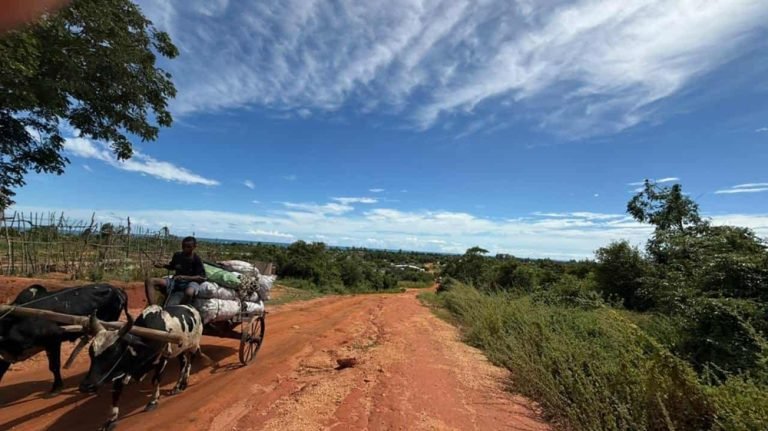
One of the most important Madagascar travel expectations to understand early is that moving around the island takes time. Distances on a map can appear manageable, but the reality on the ground is very different. Road conditions, terrain, and the overall pace of travel mean that journeys take longer than many travelers initially expect. This is not something to fix or avoid, but a reality to plan around, and once you accept it, it becomes much easier to build an itinerary that feels balanced rather than rushed.
To put this into perspective, a journey that looks relatively straightforward on paper can turn into a full day of travel. For example, a trip from Antananarivo to Majunga, which is roughly 570 kilometers, can easily take more than 14 hours depending on road conditions and stops along the way. This is not unusual, and it reflects how travel works across much of the country rather than being an exception.
The reasons for this are fairly simple. Many of the main roads are uneven, partially paved, or affected by weather conditions, especially during the rainy season. In some areas, roads can become difficult to pass or require detours. In others, particularly on routes heading north toward Diego Suarez, sections of the journey may involve crossing rivers or bodies of water by ferry, sometimes more than once. These are not disruptions in the usual sense, but part of the way transport is structured across the island.
Domestic Flights and Overnight Stops in Antananarivo
While road travel is the most common way to move around Madagascar, domestic flights are also an option and can significantly reduce travel time on paper. However, it is important to understand that flight schedules are not always predictable. Delays and occasional cancellations can happen, and timings may change, especially on less frequent routes. In addition, most domestic routes are structured around Antananarivo, which acts as the main hub for air travel across the country rather than having direct connections between coastal destinations.
This means that even if two destinations appear relatively close on the map, flying between them is rarely as simple as a direct connection. In many cases, you will need to fly back to Antananarivo first and then continue onward, turning what looks like a short trip into a multi-step journey. Because of this, it is very common to spend at least one night in the capital before continuing to your next destination. While same-day connections are sometimes possible, they depend heavily on schedules running as planned, which is not always guaranteed. If your itinerary gives you some extra time between connections, use the opportunity to explore Antananarivo rather than treating the capital purely as a transit stop.
This becomes especially important when you are planning the final days of your trip. Booking a domestic flight and expecting to connect directly to an international departure on the same day can work, but it carries a level of risk if delays occur. Allowing extra time, or even planning an overnight stay in Antananarivo before your international flight, provides a much more comfortable margin and helps avoid unnecessary stress at the end of your journey. You can check current routes and schedules through Madagascar Airlines (Tsaradia).
Where many travelers run into frustration is when they try to cover too much in a limited timeframe, assuming that either roads or flights will make everything fit neatly into place. A route that looks efficient on paper can quickly turn into long travel days, unexpected delays, or reduced time at each destination. Flights can shorten distances, but they do not remove the need for flexibility, and travel days can still expand depending on how connections are structured.
Instead of trying to move constantly, it is far more effective to focus on fewer regions and allow enough time in each place. Building in buffer time, especially around key travel days, gives you the flexibility to adapt if plans change and ensures that you are not constantly trying to catch up with your itinerary.
If you are still planning your route, understanding both road and air travel realities is essential. This guide to getting around Madagascar explains your main transport options and what you can realistically expect when moving between destinations.
When you accept that travel takes time and build your itinerary with enough flexibility, the experience becomes much more enjoyable. Instead of focusing only on reaching your next destination, you begin to appreciate the journey itself, which is often one of the most memorable parts of traveling in Madagascar.
Madagascar Travel Expectations: Planning Too Much Too Fast
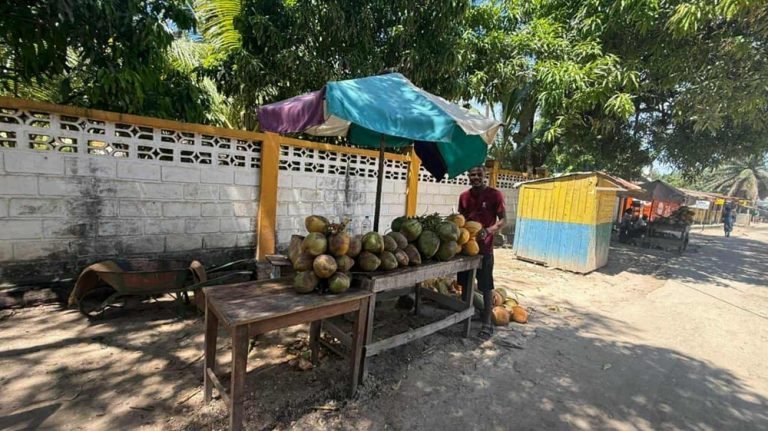
Another key Madagascar travel expectation to understand is that trying to see too much in a short period of time rarely works in your favor. Because travel between destinations takes longer than expected, a tightly packed itinerary can quickly become difficult to manage. What looks like an efficient route on paper often turns into a sequence of long travel days with limited time to actually experience each place.
Madagascar is a large and diverse island, with each region offering something very different. The north, including areas like Nosy Be and Diego Suarez, focuses on coastal landscapes and island life. The central highlands around Antananarivo and Antsirabe provide a more urban and cultural experience, while the west and south offer national parks, baobab landscapes, and remote coastal areas. Trying to combine several of these regions into one short trip often leads to spending more time in transit than at your destinations.
A more effective approach is to accept that you cannot see everything in a single visit and instead focus on a smaller number of regions. This allows you to slow down, spend more time in each location, and experience the country in a more meaningful way. For example, combining the central highlands with one additional region is often far more manageable than attempting a full island loop. If you are planning a longer trip, you can gradually expand your route, but the same principle applies: fewer stops, more time in each place.
If you are still deciding how to structure your trip, this Madagascar itinerary guide outlines realistic route options based on available time. To better understand what each part of the country offers, these regional guides provide a clearer picture of what to expect in each area: northern Madagascar travel guide, central highlands overview, and southern Madagascar travel guide.
When you plan your route with enough time and space between destinations, your trip becomes far more flexible and enjoyable. Instead of feeling like you are constantly trying to keep up with your itinerary, you can adjust your plans when needed and take the time to fully experience each place. This shift in approach makes a significant difference in how your trip unfolds and how much you ultimately enjoy it.
Good preparation goes beyond planning your itinerary. Understanding the most common tourist scams before you travel can help you avoid unnecessary stress and deal with unexpected situations more confidently. Our Travel Scams Around the World guide explains what to watch out for and how to avoid the scams travelers most commonly encounter.
Madagascar Travel Expectations: Accommodation and Comfort Realities
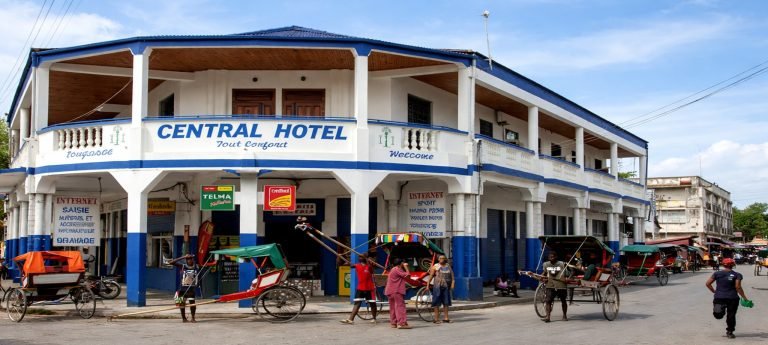
Another important Madagascar travel expectation to understand is that comfort levels can vary significantly depending on where you are in the country. While you will find comfortable hotels and well-run lodges in major towns and popular destinations, the overall standard is not consistent across regions. What feels like a mid-range stay in one place may feel very different in another, especially once you move away from the main travel routes.
In larger towns such as Antananarivo or Nosy Be, accommodation options are generally more developed, with a wider range of hotels, better facilities, and more reliable services. As you travel into more remote areas, particularly near national parks or smaller towns, options become more limited. Lodges are often simpler, and while they can be charming and well-located, they may not offer the same level of comfort or consistency you might expect elsewhere.
It is also worth noting that hotel prices in Madagascar do not always reflect the local cost of living. Despite the fact that the average wage is relatively low, accommodation geared toward international travelers can still be moderately priced or even expensive in certain areas. This is largely due to limited supply, logistics, and the cost of maintaining tourism infrastructure rather than a reflection of local affordability. Understanding this in advance helps set realistic expectations when comparing value across different destinations.
Practical details such as electricity, hot water, and internet access can also vary. Power cuts are not uncommon in some areas, and Wi-Fi, when available, is often slower than what most travelers are used to. This is not something that affects your entire trip, but it is worth keeping in mind so that it does not come as a surprise when you are staying in more remote locations.
Choosing the right place to stay becomes more important in this context. Instead of focusing only on price or star ratings, it helps to look at location, recent reviews, and what is actually included. This guide to where to stay in Madagascar breaks down the best areas and helps you match your accommodation to your route, while tools like this hotel booking platform guide can help you compare options and find stays that align with your expectations.
When you understand that comfort varies across the country and plan accordingly, it becomes much easier to enjoy your stay. Rather than expecting uniform standards everywhere, you begin to appreciate each place for what it offers, whether that is convenience in the cities or atmosphere and location in more remote areas.
Madagascar Travel Expectations: Staying Connected (Internet, SIM and Daily Communication)
Another important Madagascar travel expectation to understand is that staying connected is not always as straightforward as in many other destinations. While mobile networks are available across much of the country, coverage can vary significantly depending on where you are. In larger towns and popular areas, you will usually have access to mobile data and basic connectivity, but once you move into more remote regions, especially near national parks or along less developed routes, signal strength can become limited or disappear entirely.
Wi-Fi is available in many hotels, restaurants, and guesthouses, particularly in cities and established travel hubs. However, speeds are often slower than what most travelers are used to, and connections can be inconsistent. It is generally reliable enough for messaging, checking emails, or basic planning, but not always suitable for heavy usage such as video calls or large downloads. Power cuts in some areas can also affect connectivity, even when Wi-Fi is available.
Because of this, having mobile data on your phone becomes one of the most practical ways to stay connected during your trip. Local SIM cards are widely used and relatively easy to obtain once you arrive, but they do require a bit of setup and sometimes registration. If you prefer to have everything ready before you land, using an international eSIM can be a convenient alternative, allowing you to activate data as soon as you arrive without needing to visit a local shop.
It is also worth adjusting your expectations around constant connectivity. In Madagascar, there will be moments where you are offline, either by choice or simply due to limited coverage. Rather than seeing this as a limitation, many travelers find that it becomes part of the experience, allowing them to focus more on their surroundings without relying on a constant connection.
Because of this, it can be helpful to let family and friends know in advance that you may not always be reachable. Being offline for several hours, or even a day or two in more remote areas, is entirely possible and is simply part of how travel works in certain parts of the country. Setting this expectation before you leave helps avoid unnecessary concern and allows you to enjoy your trip without feeling the need to stay constantly connected.
Planning ahead, downloading maps, saving key information offline, and letting people know when you may be unreachable can make a noticeable difference in how smoothly your trip unfolds. With a bit of preparation, staying connected in Madagascar is entirely manageable, even if it works differently from what you may be used to.
Madagascar Travel Expectations: Culture, Fady and Local Etiquette
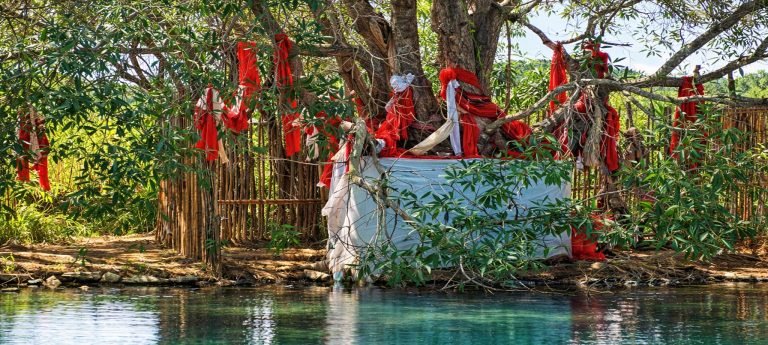
One of the most important Madagascar travel expectations that is often overlooked is the role of culture, local customs, and what is known as fady. These are traditional beliefs, taboos, or unwritten rules that guide behavior in different parts of the country. They are an essential part of Malagasy life and can vary significantly depending on the region, the community, or even individual families. Understanding this aspect of the culture does not require deep knowledge, but being aware of it can make a noticeable difference in how you experience the country.
Unlike fixed rules you might find in guidebooks, fady are not always clearly explained or posted. In some areas, they relate to specific actions, such as where you can walk, what you should wear, or how to behave around certain places like tombs or sacred sites. In others, they can be more subtle, influencing everyday interactions and local expectations. Even Malagasy people themselves will often ask about local fady when they travel within their own country, which shows how varied and location-specific these customs can be.
For travelers, the most important approach is simple: observe, ask when unsure, and show respect. If a guide or local resident explains that something should be avoided, it is best to follow that advice without questioning it. This is not about strict rules, but about understanding that these customs are meaningful to the communities you are visiting. In everyday situations, small details can also make a difference. For example, it is generally considered more respectful not to point directly at people, cemeteries, or certain places with a single finger. If you need to gesture, using your whole hand is more appropriate. These are the kinds of small differences that may not exist in your home country, but are easy to adapt to once you are aware of them.
It is also a good idea to ask about local fady when visiting beaches, forests, villages, or sacred areas, as customs can vary from one place to another. Taking a moment to ask or follow local guidance is always appreciated and often opens the door to more genuine interactions.
In everyday situations, small details also matter. Greeting people politely, taking time to acknowledge others before asking questions, and showing patience in interactions all contribute to a more positive experience. In more rural areas especially, a slower, more respectful approach to communication is often expected and appreciated. Photography is another example, where it is always better to ask before taking pictures of people, even if the situation seems informal.
Cultural expectations are not there to complicate your trip, but to guide how people interact with their environment and with each other. When you approach them with curiosity and respect, they add depth to your experience rather than creating barriers. If you want a broader overview of how daily life works across the country, this Madagascar travel tips guide provides additional context on customs, communication, and practical etiquette.
When you understand that customs can vary and that respect goes a long way, cultural differences become one of the most rewarding parts of traveling in Madagascar. Instead of worrying about getting things wrong, you can focus on engaging with people in a way that feels natural, respectful, and open.
Madagascar Travel Expectations: Budget, Value and Daily Costs
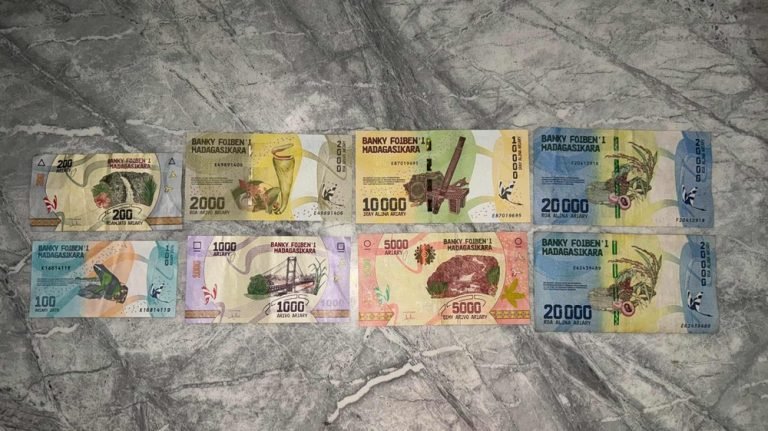
Madagascar is often described as a budget destination, but the reality is a bit more nuanced. While daily life on the ground can be very affordable, the overall cost of a trip depends largely on how you choose to move around the island. Understanding this difference early helps set realistic expectations and avoid the feeling that your trip is costing more than expected.
Everyday expenses such as food, local markets, and simple meals are generally inexpensive. You can eat well at local restaurants for just a few dollars, and fresh produce is widely available and affordable. Even in more tourist-focused areas, prices for food and basic services tend to remain reasonable, which makes day-to-day spending quite manageable.
Where costs begin to increase is in transportation and logistics. Traveling across Madagascar often requires long distances, specialized vehicles, or domestic flights, and these are the elements that shape your overall budget. Hiring a 4x4 with a driver, which is one of the most practical ways to explore certain regions, or booking flights between destinations can quickly move a trip into a mid-range or higher budget category.
Accommodation also plays a role in how your budget develops. While there are affordable guesthouses and mid-range options available, prices for hotels that offer more comfort, consistent electricity, and reliable services can be higher than some travelers expect, especially when compared to local living costs. Choosing where to spend a little more often has a direct impact on how smooth and comfortable your trip feels.
Because of this, value in Madagascar is not always about finding the lowest price, but about understanding where it makes sense to spend slightly more. Paying a bit extra for reliable transport, a well-located hotel, or a knowledgeable local guide can make a significant difference in your overall experience and help you avoid unnecessary complications along the way. If you want a more detailed breakdown of typical travel expenses, this Madagascar travel cost guide provides a clearer overview of what to expect.
When you approach your budget with this mindset, it becomes much easier to balance cost and experience. Instead of focusing only on saving money, you can make informed decisions about where to invest in comfort and reliability, which ultimately leads to a more enjoyable and less stressful trip.
Madagascar Travel Expectations: Why Flexibility Matters
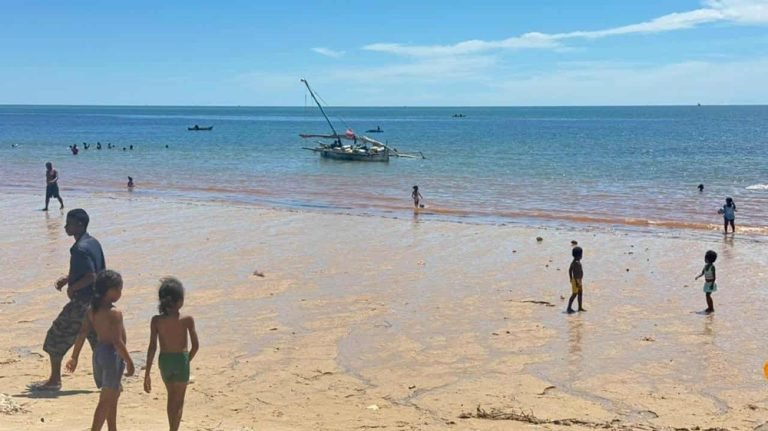
If there is one Madagascar travel expectation that connects everything in this guide, it is the importance of flexibility. Travel here does not always follow a fixed schedule, and even well-planned itineraries may need small adjustments along the way. Roads, weather, transport availability, and local conditions can all influence how your days unfold, and this is simply part of how travel works across the island.
This does not mean that planning is not important. On the contrary, having a clear structure for your trip helps you make the most of your time. The difference is that your plan should leave room for change. Instead of building a schedule where every step depends on the previous one working perfectly, it is far more effective to allow extra time between destinations and keep your itinerary adaptable.
Flexibility also changes how you experience unexpected situations. A delay, a change of route, or an extra stop along the way does not have to feel like a setback. In many cases, these moments become part of the experience and offer a different perspective on the country. Approaching your trip with this mindset makes it easier to stay relaxed and enjoy the journey rather than focusing only on what was originally planned.
It is also worth building flexibility into key parts of your itinerary, especially around travel days and important connections. Allowing buffer time before major transitions, such as returning to the capital or preparing for an international flight, gives you a margin that reduces stress and keeps your trip running smoothly.
When you combine realistic expectations with a flexible approach, traveling in Madagascar becomes far more enjoyable. Instead of trying to control every detail, you can adapt as needed and focus on the experience itself. This shift in mindset is often what turns a good trip into a truly memorable one.
Final Thoughts on Traveling in Madagascar
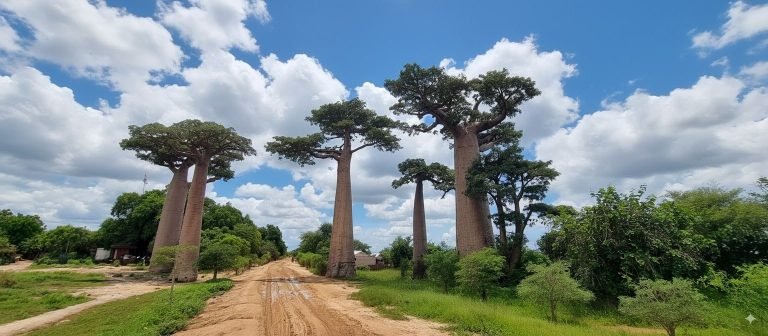
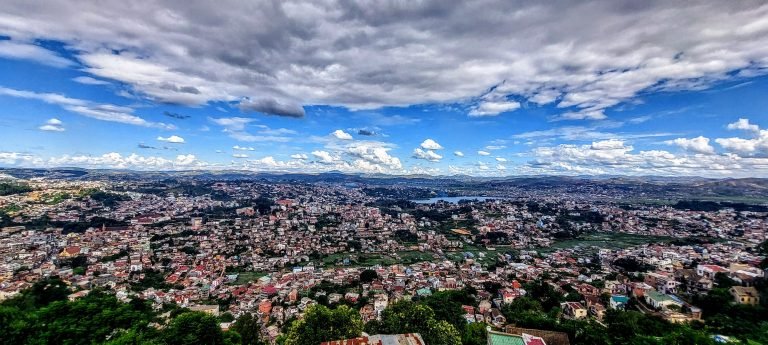
Madagascar is, without a doubt, one of the most unique and rewarding destinations you can visit. The landscapes are incredibly diverse, from baobab-lined roads and tropical coastlines to highlands and remote national parks, and getting around the island often feels like an adventure in itself. Travel here is not always fast or predictable, but that is exactly what makes the experience so memorable.
What truly stands out, however, are the people. Malagasy communities are welcoming, friendly, and often genuinely curious about visitors. Whether you are navigating a local market, asking for directions, or spending time in smaller towns, you will find that people are open, helpful, and happy to engage. These interactions are often just as memorable as the places you visit.
Yes, there are aspects of travel in Madagascar that can be more challenging than in other destinations. Journeys take time, plans may need to adapt, and certain comforts are not always consistent. But with the right expectations and a flexible approach, these are not obstacles, they are simply part of the experience. In many ways, they are what make traveling here feel so different from more conventional destinations.
If you take the time to prepare and understand how travel works on the ground, Madagascar becomes far easier to navigate and far more enjoyable to experience. This is exactly what this guide is designed to help you do, so that you can focus less on the logistics and more on what makes the country so special.
If you are planning your trip, this complete guide to exploring Madagascar brings together destinations, routes, and experiences to help you build your itinerary. To dive deeper into what makes the island so special, you can explore Madagascar’s wildlife through this guide to Madagascar wildlife, discover where to go with this Madagascar national parks overview, or plan a visit to one of the country’s most iconic landscapes with this Avenue of the Baobabs travel guide.
With the right mindset and a bit of preparation, Madagascar is a destination that rewards you at every step. It may ask for more patience than other places, but what it gives in return is an experience that is truly unforgettable.

Frequently Asked Questions About Madagascar Travel Expectations
- Is Madagascar a budget travel destination?
Madagascar is often considered a budget destination, but the reality depends on how you travel. Daily expenses such as food and local services are affordable, but transportation, especially 4x4 rentals and domestic flights, can increase overall costs significantly. - How long does it take to travel around Madagascar?
Travel in Madagascar takes longer than expected due to road conditions and distances. Even relatively short routes can take a full day, and cross-country journeys can take 10 to 15 hours or more depending on the route. - Can you fly between destinations in Madagascar?
Yes, domestic flights are available, but most routes go through Antananarivo rather than directly between regions. Flights can reduce travel time, but delays and schedule changes mean you should always allow extra time between connections. - Do you need a 4x4 to travel in Madagascar?
A 4x4 with a driver is often the most practical way to explore certain regions, especially national parks and remote areas. While not always required, it makes travel more comfortable and reliable compared to public transport. - Is it easy to get around Madagascar using public transport?
Public transport such as taxi-brousse is available and very affordable, but it can be slow, crowded, and unpredictable. It is better suited for flexible travelers who are not limited by time. - What are accommodation standards like in Madagascar?
Accommodation varies widely across the country. Larger towns offer more comfortable hotels, while remote areas tend to have simpler lodges. Facilities such as electricity, hot water, and Wi-Fi are not always consistent. - Why are hotels in Madagascar sometimes expensive?
Hotel prices are influenced by logistics, limited supply, and tourism infrastructure rather than local wages. This means accommodation can feel relatively expensive compared to the overall cost of living. - Is Wi-Fi reliable in Madagascar?
Wi-Fi is available in many hotels and restaurants, but it is often slower and less reliable than in other countries. Mobile data is usually a better option in areas with coverage. - Should I get a SIM card or eSIM for Madagascar?
Both options work well. Local SIM cards are affordable and widely available, while eSIMs offer convenience by allowing you to connect as soon as you arrive without needing to visit a shop. - Will I always have internet access while traveling in Madagascar?
No, there will be times when you are offline, especially in remote areas. It is normal to be without connection for several hours or even longer, so it helps to prepare in advance. - What are fady in Madagascar?
Fady are local customs or taboos that vary by region and community. They influence behavior in certain places and situations, and it is always best to ask locals or guides if you are unsure. - What cultural etiquette should travelers follow in Madagascar?
Respectful behavior is important. Simple actions such as greeting people politely, asking before taking photos, and avoiding pointing directly at people or sacred places are appreciated. - Is Madagascar safe for tourists?
Madagascar is generally safe for travelers who take normal precautions. Being aware of your surroundings, following local advice, and planning transport carefully helps ensure a smooth trip. - How many days do you need to travel Madagascar?
It depends on your route, but most travelers need at least 10 to 14 days to explore one or two regions comfortably. Trying to cover the entire island in a short time is not realistic. - What is the best way to plan a Madagascar itinerary?
The best approach is to focus on fewer regions and allow enough time for travel between destinations. Building flexibility into your itinerary helps you adapt to changes and enjoy the experience more. - Why is flexibility important when traveling in Madagascar?
Flexibility allows you to adjust to delays, changing conditions, and local realities. It reduces stress and makes the overall experience more enjoyable, especially in a destination where plans do not always run on schedule.
Travel Resources to Plan, Book & Stay Connected
Use these tools and guides to stay connected abroad, find inspiration for your next trip, and book your flights, stays and gear with confidence.
Disclosure: This article may contain affiliate links. If you make a purchase through a link, I may receive a commission at no extra cost to you. I only share recommendations I believe are genuinely useful, and all opinions are my own. AI was used in this post for research and drafting purposes.

Comment (0)