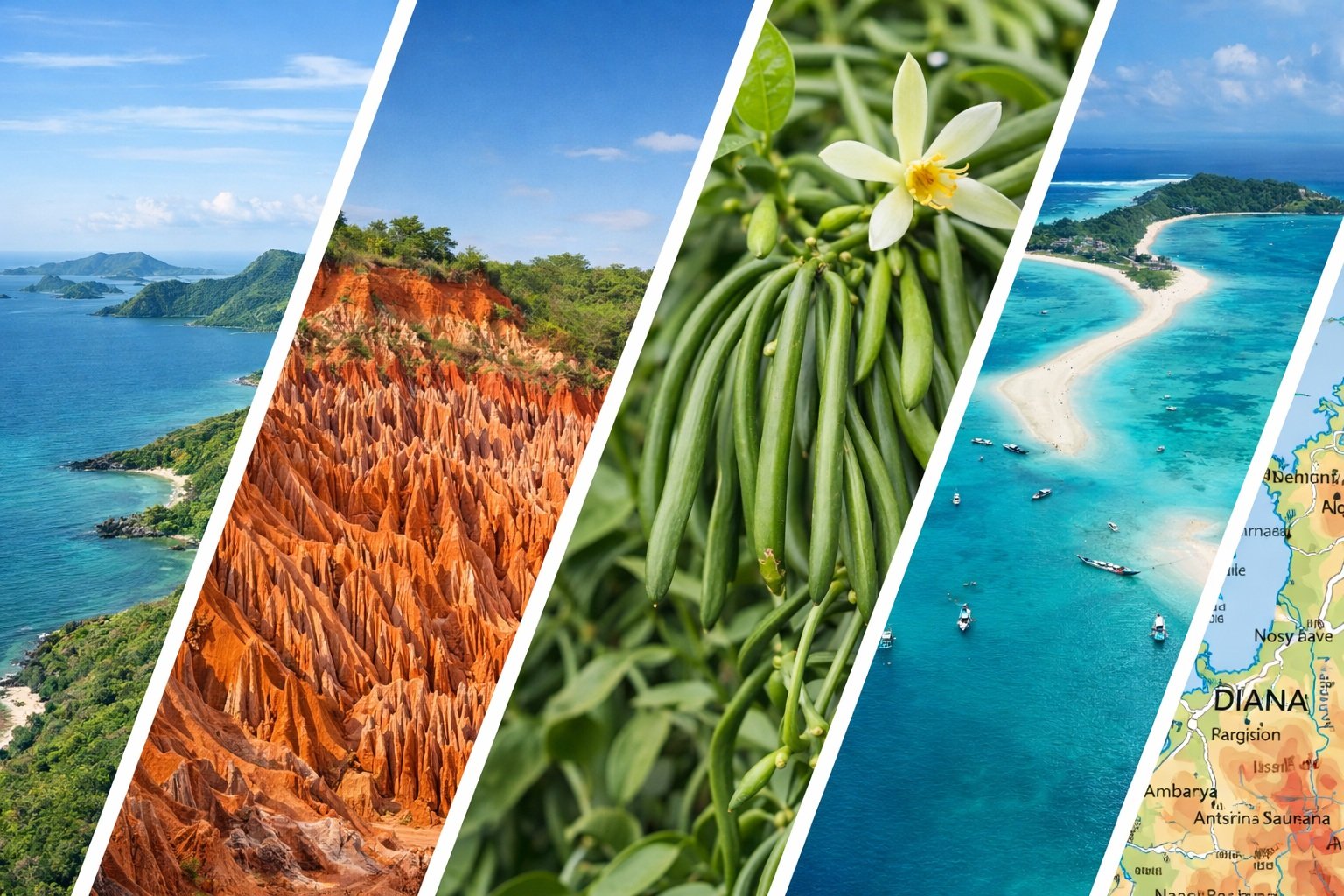
This guide focuses on northern Madagascar and is designed to help you quickly understand what makes this region distinct, how its main destinations fit together, and what kind of travel experience you can realistically expect.
In this post, you will find:
- An overview of northern Madagascar and how it differs from central and southern regions
- What to expect when visiting Nosy Be and the surrounding islands
- A closer look at Diego Suarez (Antsiranana) and its bays, beaches, and rugged landscapes
- An introduction to Sambava and the Vanilla Coast, including the role of vanilla in Madagascar
- Key natural wonders of the north, such as rainforests, tsingy formations, and coastal scenery
- Realistic guidance on getting around northern Madagascar by air and road
- High-level advice on where to stay and how to choose the right base
- The best time of year to visit and what seasonal changes mean for travel
- Practical travel tips specific to the northern region
- Answers to common questions about visiting northern Madagascar
Madagascar Travel Guide Series
If you're planning a trip across the island, start with our complete guide to things to do in Madagascar for a full overview of the country before diving into this northern region.
Looking for a different part of the country? Jump to the guide you need:
Exploring Northern Madagascar
Northern Madagascar moves to a different rhythm than much of the rest of the island. While Madagascar as a whole is known for its extraordinary diversity, the north feels distinctly more tropical, more open, and often more immediately rewarding for travelers drawn to coastlines, forests, and slower days shaped by the sea. Here, rainforests spill down toward warm waters, villages revolve around fishing and farming, and travel tends to unfold at a gentler pace.
This region brings together some of Madagascar’s most contrasting landscapes and experiences. Offshore islands like Nosy Be provide easy access to beaches, snorkeling, and island hopping, making them a natural entry point for visitors. In contrast, the far north around Diego Suarez, also known as Antsiranana, feels wilder and more elemental, defined by vast bays, windswept headlands, and rugged terrain. Further east, the Vanilla Coast near Sambava reveals a greener, more rural Madagascar, where agriculture, humidity, and daily life are closely tied to the land and its seasons.
Traveling through northern Madagascar is also an opportunity to experience local cuisine, from fresh seafood along the coast to rice-based dishes found across the island. This guide to Madagascar food introduces traditional meals and what to expect when eating locally.
Traveling through northern Madagascar is less about ticking off sights and more about settling into the environment. Distances often take longer than expected, plans may shift, and comfort levels vary depending on where you go. Yet for many travelers, this slower pace is exactly what makes the north appealing. Compared to some other regions, it can feel more breathable and less intense, particularly for first-time visitors or those looking to balance nature with rest.
This guide focuses specifically on northern Madagascar and builds on the broader context covered in the main Madagascar travel guide. Rather than repeating national logistics, it looks at what makes the north distinct, how its regions fit together, and what kind of experience you can realistically expect when traveling through Nosy Be, Diego Suarez, Sambava, and the surrounding natural areas. The goal is to help you decide whether northern Madagascar aligns with the way you like to travel, and how to approach it in a way that feels both rewarding and unhurried.
Nosy Be & the Northern Islands
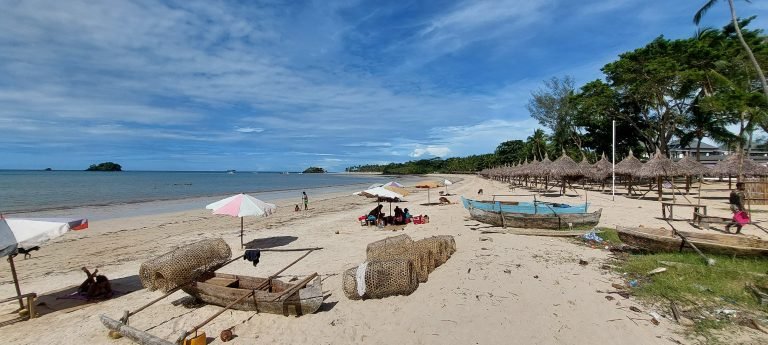
Nosy Be is one of the most approachable destinations in northern Madagascar and often serves as a first introduction to the island for travelers visiting Madagascar for the first time. Located just off the northwest coast, it combines warm waters, tropical scenery, and relatively easy access, making it a natural starting point for exploring Madagascar beaches, nearby islands, and marine life in this part of the country.
Most travelers arrive via Fascene Airport , which connects Nosy Be to Antananarivo and, at certain times of year, to a small number of international routes. From the airport, accommodation areas are spread across the island rather than concentrated in a single resort zone. This gives Nosy Be a lived-in feel, where tourism exists alongside villages, plantations, and everyday island life. Boat connections from the mainland are also possible, though schedules can be irregular and are best approached with flexibility.
Where you stay on Nosy Be strongly influences how you experience the island. Along the northwest coast, beaches such as Andilana are known for calmer water and wide sandy stretches, making them popular for swimming and relaxed beach days. Closer to the island’s busier areas, Ambatoloaka and Madirokely offer a more social atmosphere, with easy access to restaurants, small bars, and boat excursions. Other parts of the island feel quieter and more rural, with simple beaches backed by vegetation and fishing villages rather than resorts.
Beaches in Nosy Be are shaped as much by tides as by geography. At low tide, shallow lagoons and sandbanks emerge, while higher tides bring clearer swimming conditions in certain areas. These rhythms influence how beaches are used by both visitors and local fishermen and are an important part of understanding daily life along the coast. While Nosy Be is not about perfectly groomed beaches, it offers a variety of coastal settings that feel natural and unforced.
One of the main reasons Nosy Be features so prominently in guides to northern Madagascar is its access to nearby islands. Short boat trips lead to Nosy Komba, where forested hills and small villages create opportunities for guided walks and close encounters with lemurs. Nosy Tanikely, a protected marine reserve, is especially popular for snorkeling thanks to its clear water and coral reefs. Further south, Nosy Iranja is often visited for its striking sandbar that appears at low tide, linking two small islands and creating one of the most iconic coastal scenes in Madagascar.
Want the most postcard-perfect island day in Madagascar?
Nosy Iranja is famous for its turquoise water, powder-white sand, and the stunning sandbar that connects two islands at low tide. It’s the kind of day trip that feels like a dream — beach time, swimming, and pure tropical scenery — without needing to plan boats or timing yourself.
Many of the most popular things to do in northern Madagascar revolve around the water, and Nosy Be is no exception. Sailing trips, fishing excursions, and snorkeling outings are widely available, and during the right season, whale watching becomes a major highlight as humpback whales migrate through nearby waters. Diving reveals healthy reefs and marine life, while calmer conditions suit kayaking and relaxed coastal exploration. For travelers who prefer land-based activities, gentle hikes through plantations and forested areas provide a different view of the island.
Wildlife experiences around Nosy Be tend to be smaller in scale but easily accessible. Nearby forest reserves and islands offer opportunities to see lemurs, chameleons, and birdlife without traveling deep into the mainland. These short guided walks fit naturally into a slower travel style and complement time spent on the beach or on the water.
Nosy Be suits travelers looking for variety without intensity. It offers beaches, islands, and wildlife in a setting that feels more relaxed than many other parts of Madagascar. While it does not represent the country at its most remote or rugged, it provides a welcoming and balanced way to experience northern Madagascar before continuing on to regions such as Diego Suarez or the Vanilla Coast around Sambava.
Want a classic Nosy Be island day that feels like “real Madagascar”?
A day trip to Nosy Komba is one of the easiest ways to combine tropical scenery with wildlife — including the chance to see lemurs up close in a natural, relaxed island setting. It’s perfect if you want an unforgettable experience without needing to plan boats, timing, or logistics yourself.
Diego Suarez (Antsiranana): Adventure & Raw Landscapes
Diego Suarez, officially known as Antsiranana, sits at the far northern tip of Madagascar and feels dramatically different from the island’s coastal resorts and islands. Where Nosy Be is defined by ease and warmth, Diego Suarez is shaped by wind, space, and scale. The landscapes here are broader, drier, and more exposed, giving this part of northern Madagascar a raw, almost frontier-like character that appeals strongly to travelers seeking adventure and open terrain.
Reaching Diego Suarez usually involves flying from Antananarivo to Antsiranana’s airport, followed by short road transfers into town or toward the surrounding bays. While the town itself is functional rather than picturesque, it serves as a practical base for exploring some of the most striking coastal and inland scenery in northern Madagascar. Daily life here moves at a slower pace, with markets, port activity, and small neighborhoods forming the rhythm of the city.
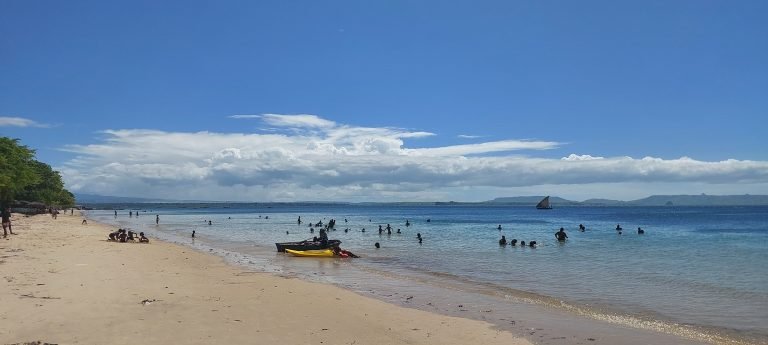
Much of what draws visitors to Diego Suarez lies outside the town center. The surrounding coastline is carved into a series of vast bays and inlets, each with its own atmosphere. Ramena Beach, one of the best-known beaches in the area, stretches along a wide curve of sand backed by low vegetation and small restaurants. It is often breezy, making it less about swimming and more about long walks, fresh seafood, and watching the changing light over the water. Further along, Sakalava Bay is popular with wind and kite surfers, while quieter stretches of sand appear as you move away from the main access points.
Inland from the coast, the landscapes around Diego Suarez become increasingly dramatic. Hills, plateaus, and rocky formations dominate the horizon, offering hiking opportunities and viewpoints that feel far removed from the rest of Madagascar. These areas highlight why Antsiranana is often described as one of the most visually distinctive places to visit in northern Madagascar, particularly for travelers who enjoy being active and outdoors.
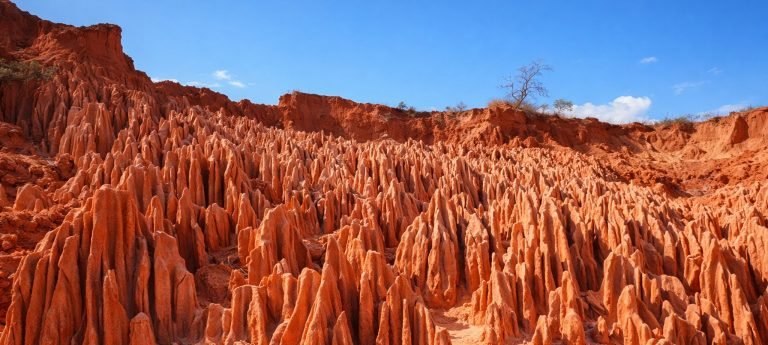
Diego Suarez also serves as a gateway to several notable natural sites in the region. Among them is the Red Tsingy, a striking formation of eroded red limestone pinnacles located south of the city. While it is a relatively small site compared to other tsingy landscapes in Madagascar, its color and sculpted shapes make it a memorable stop and an easy addition to an itinerary focused on the far north. The Red Tsingy is introduced here as part of the wider landscape, with more detail covered later in this guide alongside other natural parks and reserves.
Looking for one of Madagascar’s most surreal landscapes?
The Red Tsingy near Antsiranana (Diego Suarez) is a hidden gem that feels like another planet — sharp red rock formations, incredible textures, and viewpoints that make it one of the most unique nature stops in the north. A guided tour is the easiest way to visit comfortably, with transport handled and the best spots picked out for you.
Nosy Lonjo, a striking volcanic islet rising from the heart of Diego Suarez Bay, is recognized on the UNESCO Tentative List as “Nosy Lonjo d’Antsiranana,” a culturally and naturally significant site reflecting centuries of Sakalava tradition and sacred burial practices.
For many travelers, the appeal of Diego Suarez lies in its sense of space and contrast. Days are shaped by exploring bays, beaches, and inland routes rather than ticking off individual attractions. Wind, weather, and distance play a noticeable role in how plans unfold, reinforcing the feeling that this is a place best experienced slowly and with flexibility. Compared to other places to visit in northern Madagascar, Antsiranana feels less polished but more expansive, offering a different and often deeply rewarding side of the region.
Diego Suarez is particularly well suited to travelers who enjoy combining coastal scenery with hiking, exploration, and everyday local life. It is less about comfort and more about immersion, making it a natural counterpoint to Nosy Be and an important part of understanding the diversity of northern Madagascar before continuing on to greener regions such as the Vanilla Coast around Sambava.
Sambava & the Vanilla Coast
Sambava sits on Madagascar’s northeast coast and forms the heart of what is widely known as the Vanilla Coast. Compared to Nosy Be and Diego Suarez, this part of northern Madagascar feels greener, more humid, and more deeply rooted in agriculture. Life here is shaped by rainfall, planting cycles, and harvest seasons, giving the region a rhythm that is closely tied to the land rather than to tourism.
Reaching Sambava typically involves a domestic flight from Antananarivo, as road journeys can be long and demanding, especially during the rainy season. Once there, the town itself is modest and functional, serving as a regional hub rather than a destination built around visitors. What draws travelers to Sambava is not the town center, but the surrounding countryside, coastline, and rural communities that define the Vanilla Coast.
Beaches along this stretch of coast are quieter and less developed than those around Nosy Be. Long, open shorelines extend north and south of Sambava, often backed by coconut palms, rice fields, and small fishing villages. These beaches are not about beach clubs or facilities, but about space, sea air, and observing everyday coastal life. Swimming conditions vary with tides and weather, and the ocean here often feels more powerful and less sheltered than on the island’s western side.
Inland, the landscapes quickly turn lush. Rainforests, rivers, and hills dominate the interior, creating opportunities for walks, short hikes, and visits to nearby villages. Travel in this region tends to be slow and local, often involving hired vehicles or guides who know the condition of the roads and tracks. Rather than a checklist of attractions, exploring the Vanilla Coast is about moving through landscapes that feel alive and cultivated.
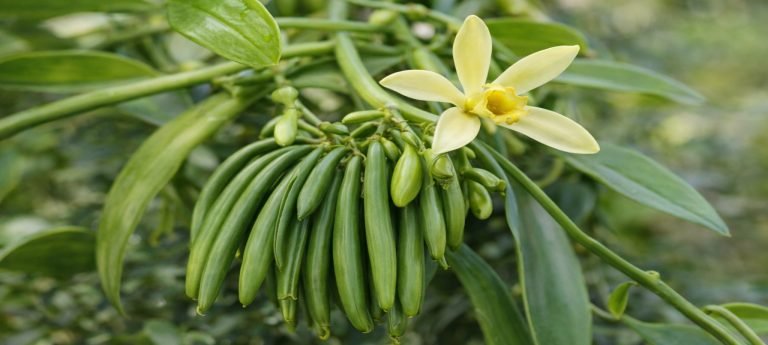
Vanilla is central to understanding Sambava and the wider region. Madagascar produces the majority of the world’s natural vanilla, and much of it comes from the northeast. Vanilla here is grown by small-scale farmers, pollinated by hand flower by flower, and cured through a long, labor-intensive process. The quality of Malagasy vanilla is prized globally for its aroma and complexity, and its production supports countless households across the region.
The importance of vanilla goes beyond economics. Harvest seasons affect daily life, security concerns, and local routines, and prices on the global market can have a direct impact on communities along the Vanilla Coast. For visitors, learning about vanilla production offers insight into how closely agriculture, tradition, and survival are linked in this part of Madagascar. Visits to plantations or guided walks through growing areas provide a deeper understanding of the work behind one of the country’s most famous exports.
Historically, the Vanilla Coast has long been connected to trade routes across the Indian Ocean, with influences from Africa, Asia, and Europe shaping the region over time. This history is reflected in local customs, food, and the mix of communities found along the coast. Sambava today remains less exposed to mass tourism than other parts of northern Madagascar, preserving a sense of authenticity that many travelers find refreshing.
Sambava and the Vanilla Coast appeal most to travelers who are curious, patient, and interested in seeing a side of Madagascar that is deeply agricultural and quietly resilient. It is a region where travel is less about entertainment and more about understanding place, making it a meaningful complement to the beaches of Nosy Be and the dramatic landscapes around Diego Suarez.
Natural Wonders of Northern Madagascar
Northern Madagascar is one of the most geologically and ecologically diverse parts of the island, shaped by volcanic activity, erosion, rainfall, and long stretches of exposed coastline. The region’s natural highlights are spread out rather than concentrated, and experiencing them often involves moving between very different environments within a relatively short distance.
One of the most distinctive sights in the far north is the Red Tsingy, also known as the Tsingy Rouge, located south of Diego Suarez. Unlike the grey limestone formations found elsewhere in Madagascar, these sculpted pinnacles are made of red laterite soil, carved by wind and rain into sharp, fragile shapes. The site is compact but visually striking, and its intense color makes it unlike any other tsingy landscape on the island. A visit here offers insight into Madagascar’s geological variety and complements the harsher coastal scenery around Antsiranana.
Further inland, Ankarana Special Reserve introduces a different natural world altogether. This protected area is known for its limestone formations, caves, and forested canyons, as well as its population of lemurs, bats, and birdlife. Travelers curious about these remarkable primates can learn more in this guide to lemurs in Madagascar and where to see them. The reserve is often included as part of a wider northern Madagascar itinerary, particularly for travelers interested in combining hiking with wildlife observation.
Amber Mountain National Park , located southwest of Diego Suarez, offers a cooler and greener contrast to the surrounding dry landscapes. Elevated and often mist-covered, the park is known for its waterfalls, volcanic lakes, and dense rainforest. Walking trails here pass through mossy forest and provide opportunities to see chameleons, frogs, and a wide range of plant species. Amber Mountain feels markedly different from other places to visit in northern Madagascar and is often described as one of the most accessible rainforest experiences in the country.
Want an easy wildlife-and-waterfall day in northern Madagascar?
Amber Mountain National Park is one of the most accessible places to experience Madagascar’s rainforest — with lush trails, cool misty scenery, waterfalls, crater lakes, and the chance to spot lemurs and colorful chameleons along the way. A guided day tour makes the whole experience smooth and stress-free, especially if you’re based in Antsiranana (Diego Suarez).
Along the coast, natural beauty takes on a more open and elemental character. Around Diego Suarez, bays such as the Baie de Sakalava and the Baie des Dunes are defined by wide horizons, strong winds, and shifting light. These coastal areas are less about swimming and more about scale, movement, and atmosphere. In contrast, the waters around Nosy Be and its neighboring islands support coral reefs and marine life, making them some of the most rewarding places for snorkeling and diving in Madagascar.
In the northeast, the landscapes around Sambava and the Vanilla Coast are shaped by heavy rainfall and fertile soil. Rivers, lowland rainforests, and cultivated land dominate the scenery, creating habitats for birds, insects, and plant species that thrive in humid conditions. While less formally packaged into national parks, these environments play a crucial role in Madagascar’s biodiversity and offer a quieter, more lived-in natural experience.
Taken together, the natural wonders of northern Madagascar reflect the island’s ability to compress wildly different environments into a single region. From eroded red stone and dry forest to rainforest, reefs, and agricultural lowlands, the north offers travelers a chance to experience Madagascar’s diversity without crossing the entire country. For many, this balance of contrast and accessibility is what makes northern Madagascar such a compelling place to explore.
Getting Around Northern Madagascar
Getting around northern Madagascar requires patience and flexibility, but it is also part of what makes travel here feel rewarding rather than rushed. Distances on a map can appear modest, yet travel times are shaped by road conditions, weather, and the type of transport you choose. Approached with the right expectations, moving through the north becomes less about efficiency and more about the journey itself.
Because travel in the north often involves long journeys, changing weather conditions, and limited infrastructure, it is worth preparing carefully. This Madagascar packing list covers exactly what to bring for remote travel, tropical climates, and multi-region itineraries.
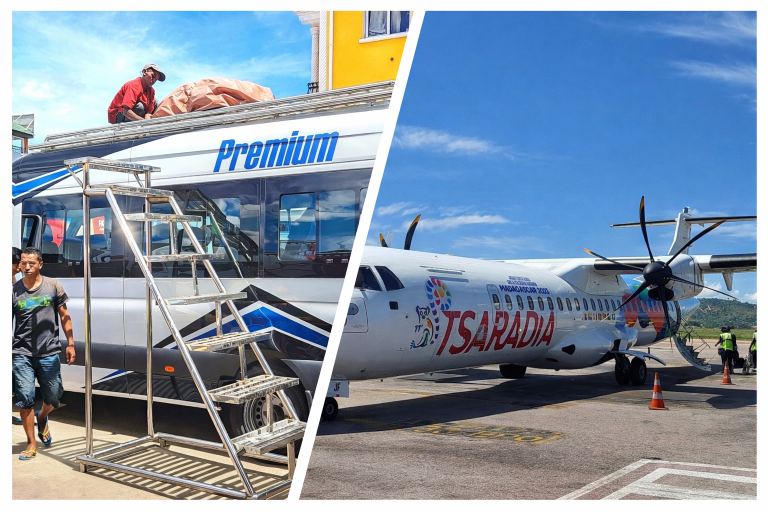
Air travel plays an important role in connecting the region. Nosy Be is served by Fascene Airport, which receives regular domestic flights from Antananarivo and occasional international connections. Diego Suarez, also known as Antsiranana, has its own airport with daily flights linking it to the capital. Sambava is likewise accessible by air, making it possible to move between distant points in northern Madagascar without committing to long overland journeys. For many travelers, combining flights with ground transport offers the best balance between time and experience. If your route includes time in the capital between flights, our Antananarivo guide covers what to see and do while you are there.
Overland travel is dominated by taxi-brousse, Madagascar’s shared minibuses that connect towns and cities across the region. Routes link Diego Suarez with Ambilobe, Ankarana, and onward toward Sambava, though journeys can take a full day or longer depending on conditions. Vehicles typically depart when full rather than on fixed schedules, and stops along the way are part of the rhythm of travel. While not fast, taxi-brousse travel offers a close look at daily life and landscapes that are rarely seen from the air.
Road quality varies widely. Some main routes are paved but uneven, while others deteriorate quickly after heavy rain, especially during the wet season. Traveling by private car with a driver is an option for those who want more control over timing and comfort, particularly when visiting national parks or remote coastal areas. This approach allows for stops along the way and can make longer distances feel more manageable.
Within towns and coastal settlements, movement is simpler and more informal. Bajaj, or tuk-tuks, are common in places like Nosy Be and Diego Suarez, providing an easy and affordable way to get around short distances. Local buses and shared taxis also operate within towns and between nearby villages, though routes and timetables are often understood locally rather than clearly posted. Asking at your accommodation is usually the most reliable way to find the right option.
Travel times in northern Madagascar should always be viewed as estimates rather than guarantees. A journey that looks straightforward can stretch longer than expected, but delays are often balanced by moments of scenery, conversation, and unexpected encounters. For travelers willing to slow down, the effort involved in getting around is rewarded with access to beaches, forests, and landscapes that feel far removed from mass tourism.
Ultimately, getting around the north is less about speed and more about mindset. Allowing extra time, planning loosely, and accepting variability transforms travel from a source of frustration into part of the experience. For many visitors, this slower movement through northern Madagascar becomes one of the most memorable aspects of the journey.
Travel times in northern Madagascar can be longer than expected due to road conditions and ferry crossings. For a full overview of transport options, see this guide on transport in Madagascar.
Where to Stay in Northern Madagascar
Accommodation in northern Madagascar reflects the diversity of the region itself. Rather than a uniform hotel scene, places to stay vary widely depending on whether you are based on an island, in a coastal town, or near national parks and rural areas. Comfort levels, styles, and amenities shift noticeably from one location to another, making it worth choosing your base carefully depending on how you plan to travel.
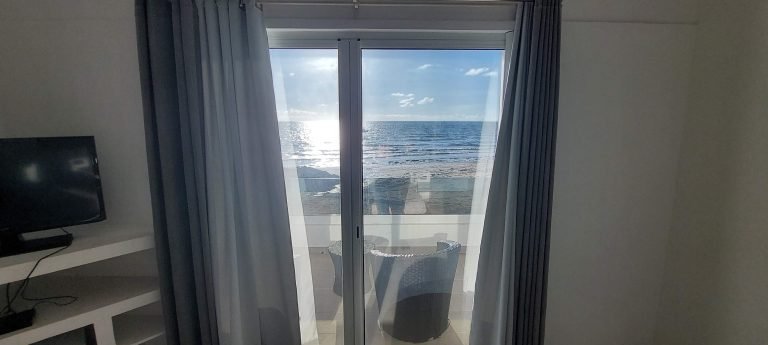
Nosy Be offers the widest range of accommodation options in the north. Beachfront hotels, small resorts, eco-lodges, and guesthouses are spread across the island rather than clustered into a single zone. Some properties focus on easy beach access and excursions, while others emphasize quiet settings and space. Even at the higher end, accommodation on Nosy Be tends to remain relaxed rather than formal, aligning well with the island’s unhurried atmosphere.
In and around Diego Suarez, also known as Antsiranana, lodging is generally simpler and more functional. Guesthouses and small hotels are common, often serving as bases for exploring nearby bays, beaches, and inland landscapes. Staying slightly outside the town center can offer quieter surroundings and easier access to coastal areas such as Ramena Beach, while still remaining within reach of essential services.
Around Sambava and the Vanilla Coast, accommodation is limited and primarily locally run. Guesthouses and modest hotels dominate, reflecting the region’s agricultural focus rather than a tourism-driven economy. Comfort here is less about amenities and more about location, hospitality, and proximity to rural landscapes. For travelers interested in understanding daily life along the Vanilla Coast, these stays offer a more direct connection to the region.
Outside of towns, lodges near national parks and protected areas provide opportunities to stay close to nature. These properties often emphasize simplicity and setting, with electricity and connectivity sometimes limited. Staying near parks such as Ankarana or Amber Mountain allows for early starts and quieter exploration, particularly for those interested in hiking and wildlife.
When planning accommodation in northern Madagascar, it can help to compare options alongside your transport plans. If you are still deciding how to arrive or move between regions, you can browse routes and fares on our international flights page. For places to stay, our hotel booking comparison guide breaks down the main platforms and helps you find lodging that matches your budget, travel style, and location within the north. If you would rather skip straight to specific recommendations, the next section includes handpicked hotel picks for Nosy Be, Diego Suarez, and Sambava.
Rather than viewing accommodation in northern Madagascar through the lens of star ratings, it is more useful to think in terms of experience. Choosing where to stay is about matching your expectations with the environment, whether that means beach access, access to transport routes, or proximity to natural sites. This approach allows accommodation to support your journey rather than define it.
Nosy Be, Diego Suarez & Sambava: Hotel Picks
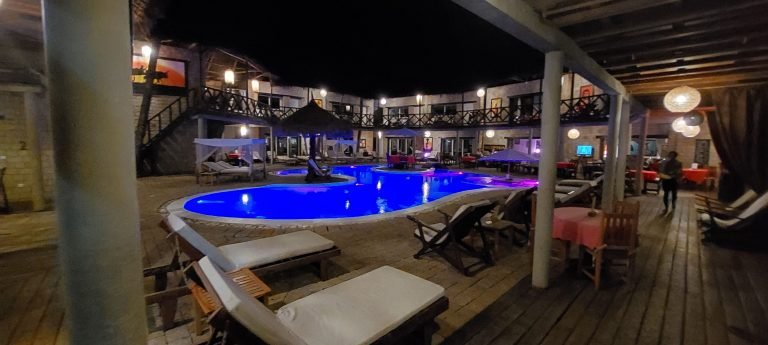
Northern Madagascar is spread out — and the “right” hotel depends on whether you want beach downtime, a practical base for day trips, or a calm stop between long travel days. Below are reliable hotel picks in Nosy Be, Diego Suarez (Antsiranana), and Sambava, arranged from budget to luxury so you can book confidently and keep your itinerary smooth.
Nosy Be Hotels
Nosy Be is Madagascar’s easiest place to “switch into island mode.” If you’re planning snorkeling, island-hopping, and slow beach days, it’s worth choosing a hotel that matches your vibe — either quiet and restful, or closer to the island’s livelier areas for restaurants and tours.
Budget
HOTEL SAKATIA
HOTEL SAKATIA is a smart budget pick if you want a simple, beach-forward stay that keeps the trip feeling relaxed. It’s best for travelers who plan to spend their days out on the water (snorkeling, boat trips, nearby islands) and want an easy, low-stress base to come back to.
Check prices and availability
HOTEL KINTANA
HOTEL KINTANA works well for budget travelers who want comfort and practicality without paying resort rates. It’s a good match if you’re doing Nosy Be “active style” — day tours, beaches, and short transfers — and you mainly need a clean, reliable place to sleep and reset.
See current deals
Mid-Range Comfort
BLUE VELVET
BLUE VELVET is a solid mid-range option if you want a comfortable stay that still feels like “vacation mode.” It’s a good balance for travelers who want to be close enough to restaurants and tours, but still have a calm place to come back to after a day in the sun.
Check availability
ANJIAMARANGO BEACH RESORT
ANJIAMARANGO BEACH RESORT is ideal if you want a more “resort feel” while staying in the mid-range tier. It suits couples and travelers who want privacy, a relaxed beach rhythm, and a stay that feels like part of the holiday — not just a place to crash between excursions.
View rooms & rates
Luxury
RAVINTSARA WELLNESS HOTEL
RAVINTSARA WELLNESS HOTEL is a strong luxury pick if you want a peaceful, polished stay with a true “retreat” atmosphere. This is the kind of place that makes Nosy Be feel restorative — perfect if you’re mixing beach days with excursions and want to come back to comfort and quiet.
See availability
MANGA SOA LODGE
MANGA SOA LODGE is a great “treat-yourself” option if you want something more boutique and nature-forward than a standard resort. It’s especially good for couples and travelers who prefer a quieter, more secluded base where the setting feels personal and memorable.
Check rates
If you want to compare more stays by beach area, price, or guest ratings, you can browse all Nosy Be options here: BROWSE NOSY BE HOTELS
Diego Suarez (Antsiranana) Hotels
Diego Suarez is more “adventure hub” than resort town — windswept coastlines, big day trips, and early starts to beaches, bays, and viewpoints. Your hotel choice matters here because you’ll either want a central base for logistics, or a coastal stay that turns the stop into a proper beach break.
Budget
ESPACE KALED
ESPACE KALED is a practical budget base if you’re spending most of your time out exploring and just need a comfortable return point. It’s a good fit for travelers doing lots of day trips and keeping the hotel simple and affordable.
Check prices
LA SIRENE HOTEL
LA SIRENE HOTEL is a sensible choice if you want a straightforward stay that keeps you close to town services, restaurants, and transport planning. It’s ideal if Diego Suarez is your hub and you want easy evenings after long day trips.
See availability
Mid-Range Comfort
LE GRAND HOTEL
LE GRAND HOTEL is a reliable mid-range option if you want something comfortable, central, and easy to use as a base for planning drivers and tours. It’s a strong “no drama” pick for travelers mixing town time with big nature days.
Check rates
RAMENA BEACH HOTEL
RAMENA BEACH HOTEL is the move if you want to wake up near the ocean and lean into the beach vibe while still being within reach of Diego Suarez. It’s perfect for sunset evenings, slower mornings, and combining beach time with the famous bays nearby.
View rooms
Luxury
MANTASALY RESORT
MANTASALY RESORT is a top-tier option if you want Diego Suarez to feel like a real coastal retreat. It’s ideal if you’re splurging in the north — comfort, beach atmosphere, and a “proper break” feeling after more rugged travel days.
Check availability
VILLA PRESTIGE CALYPSO
VILLA PRESTIGE CALYPSO is a great luxury-style choice if you want more space, privacy, and a quieter “home base” feel instead of a standard hotel setup. It’s especially good for families, small groups, or travelers who prefer independence and comfort.
See details
To compare locations and prices across the whole area, you can browse all Diego Suarez options here: BROWSE DIEGO SUAREZ HOTELS
Sambava Hotels
Sambava is calmer and more local — a stop that often feels like “real Madagascar” along the Vanilla Coast. Hotels here are less about luxury polish and more about having a dependable, comfortable base while you explore vanilla plantations, beaches, and the slower rhythm of the northeast.
Comfortable Bases (Great Value)
VILLA CALI PASO
VILLA CALI PASO is a strong Sambava base if you want comfort without overcomplicating the stop. It’s ideal for travelers planning vanilla tours, beach time, and a relaxed pace between longer travel legs.
Check availability
VILLA CALI SONOMA
VILLA CALI SONOMA is a great choice if you want a calm, reliable stay that still feels comfortable after long road (or flight + road) days. It works especially well for travelers building a route through the north and east and needing a quiet place to reset.
See rates
If you want to compare more stays by location and price in Sambava, browse the full list here: BROWSE SAMBAVA HOTELS
Tip: If you’re doing lots of day trips, choose a hotel that’s either central (easier logistics) or clearly coastal (better “vacation feel”) — the in-between can waste time and add taxi hassle.
Avoid: In remote areas, avoid places with unclear location details or no solid recent reviews — it’s worth paying slightly more for reliability when transport and supplies are limited.
Best Time to Visit Northern Madagascar
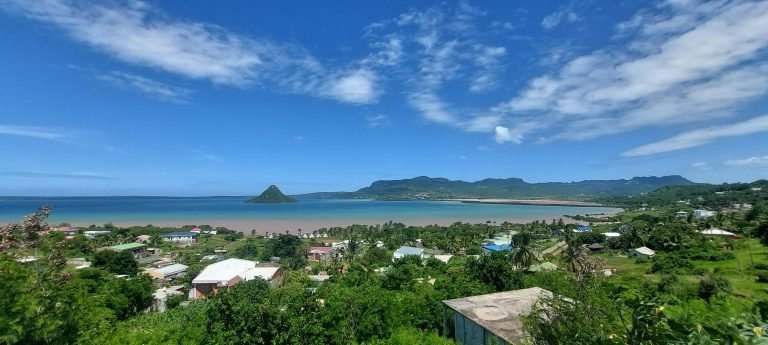
The best time to visit northern Madagascar depends largely on weather patterns and how you plan to travel through the region. The north has a more tropical climate than the highlands, with warmer temperatures, higher humidity, and a clear distinction between dry and wet seasons. Understanding these rhythms helps set realistic expectations and allows you to match your trip to the experiences you value most.
The dry season, which generally runs from May through October, is considered the most comfortable period for travel. During these months, temperatures are warm but manageable, rainfall is lower, and roads are more reliable. This is an ideal time for exploring beaches around Nosy Be, hiking near Diego Suarez, and traveling inland to places such as Ankarana or Amber Mountain. Visibility for snorkeling and diving is often at its best, and outdoor activities feel less demanding.
The warmer, wetter season typically begins in November and lasts through April. This period brings heavier rains, particularly along the Vanilla Coast near Sambava, where humidity rises and landscapes turn vividly green. While travel during these months can be more challenging, it also offers a quieter and more atmospheric experience. Waterfalls are fuller, forests are lush, and tourist numbers are noticeably lower outside peak holiday periods.
Cyclone activity is a consideration in northern Madagascar, especially between January and March. While direct impacts are not guaranteed, storms can disrupt flights, boat connections, and road travel. Travelers visiting during this time should plan with flexibility and allow extra buffer days, rather than viewing the season as entirely off-limits. Many journeys still take place successfully with the right mindset and preparation.
Seasonal highlights also shape when to visit. Whale watching around Nosy Be typically occurs during the austral winter months, when humpback whales migrate through nearby waters. The vanilla harvest around Sambava usually takes place later in the year, offering insight into one of Madagascar’s most important agricultural cycles. These seasonal events can add depth to a trip when timed well.
Ultimately, there is no single perfect time to visit northern Madagascar. Travelers who prioritize ease and mobility may prefer the dry season, while those drawn to greenery, quieter roads, and agricultural life may find the wetter months equally rewarding. Approaching timing with flexibility allows the region to be experienced on its own terms, rather than forcing it into a narrow window.

Useful Malagasy Phrases for Travelers
While French is the main working language for visitors, learning a few Malagasy phrases goes a long way. Even small attempts are warmly appreciated and often lead to friendlier interactions, smiles, and better help — especially in rural areas where French may be limited.
- Salama (sah-LAH-ma) – Hello
- Manao ahoana? (mah-now ah-WAH-na) – How are you?
- Tsara, misaotra (TSAH-ra mee-SOW-tra) – Fine, thank you
- Misaotra (mee-SOW-tra) – Thank you
- Misaotra betsaka (mee-SOW-tra beh-TSAH-ka) – Thank you very much
- Azafady (ah-za-FAH-dee) – Please / Excuse me / Sorry
- Eny (EN-ee) – Yes
- Tsy (tsee) – No / Not
- Ohatrinona? (oh-ha-tree-NOO-na) – How much is it?
- Lafo loatra (LAH-foo loo-AH-tra) – It’s too expensive
- Afaka manampy ahy ve ianao? (ah-FAH-ka mah-NAM-pee AH-hee veh ee-AH-nao) – Can you help me?
- Aiza ny trano fidiovana? (EYE-za nee TRAH-noo fee-dee-WAH-na) – Where is the toilet?
- Tsy azoko (tsee ah-ZOO-koo) – I don’t understand
- Miteny frantsay ve ianao? (mee-TEN-ee fran-TSIGH veh ee-AH-nao) – Do you speak French?
- Veloma (veh-LOO-ma) – Goodbye
Using even a few Malagasy words shows respect and effort. Travelers who try often find people become warmer, more patient, and more willing to help — small moments that can completely change the feel of a trip.
Practical Travel Tips for Northern Madagascar
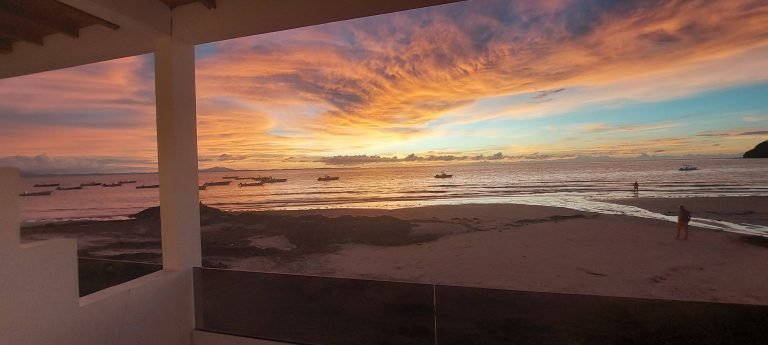
Traveling through northern Madagascar is most enjoyable when approached with a bit of preparation and an open mindset. Conditions vary noticeably across the region, and small adjustments in expectations can make a significant difference to how smoothly a journey unfolds. Rather than requiring specialized gear or complex planning, travel here benefits most from flexibility and awareness of local realities.
Heat and humidity are defining features of the north, particularly around Nosy Be and the Vanilla Coast. Lightweight clothing, sun protection, and regular breaks during the hottest parts of the day go a long way toward staying comfortable. In inland and elevated areas such as Amber Mountain, temperatures can feel cooler, especially in the early mornings and evenings, making layers useful even in tropical conditions.
Cash remains important throughout northern Madagascar. While ATMs are available in larger towns like Nosy Be, Diego Suarez, and Sambava, they can be unreliable, and smaller settlements may have no access at all. Carrying enough cash for several days, and breaking it into smaller denominations, helps avoid unnecessary stress when traveling between regions or paying for local transport and services. If you want a clearer picture of how people actually handle payments day to day, including mobile money and alternatives to cash, have a look at the Mobile Money section in our main Madagascar post.
Connectivity varies across the north. Mobile coverage is generally good in towns and along main roads, but it can drop quickly in rural areas, on islands, or near national parks. Purchasing a local SIM or eSIM allows for basic communication and navigation, though internet speeds should be viewed as functional rather than fast. Many accommodations offer Wi-Fi, but reliability depends on location and weather. If staying connected is important for payments, navigation, or coordinating transport, you may want to consider using an international eSIM so you are online as soon as you land in Madagascar.
Health and comfort considerations are straightforward but important. Staying hydrated, using mosquito protection, and allowing time to rest between longer travel days all contribute to a more enjoyable experience. Pharmacies are present in major towns, but selection can be limited, making it wise to bring any personal essentials with you.
Interactions with local communities in northern Madagascar are generally warm and curious. A few words of French or Malagasy are appreciated, and asking permission before taking photographs helps build goodwill. Daily life here unfolds at a different pace, and patience is often met with genuine friendliness and assistance.
Above all, northern Madagascar rewards travelers who are willing to adapt rather than control every detail. Small delays, changing plans, and moments of uncertainty are balanced by landscapes, encounters, and experiences that feel unfiltered and memorable. Approached with calm expectations, the practical challenges of travel become part of what makes the region distinctive and worth the effort.
FAQ: Visiting Northern Madagascar
• Is northern Madagascar safe to visit?
Northern Madagascar is generally considered safe for travelers who take the same precautions they would in other parts of the country. Violent crime against visitors is rare, but petty theft can occur, particularly in busy areas or markets. Staying aware of your surroundings, avoiding travel at night in unfamiliar areas, and following local advice go a long way toward a smooth experience. Many travelers find the north welcoming and relaxed, especially outside the larger towns.
• How much time should I allow for northern Madagascar?
Northern Madagascar rewards travelers who allow enough time to move slowly. A minimum of ten days gives a basic introduction, while two to three weeks allows for a more balanced journey that includes Nosy Be, Diego Suarez, and the Vanilla Coast around Sambava. Travel times can be unpredictable, so building in extra days helps reduce pressure and makes the experience more enjoyable.
• Can I combine Nosy Be, Diego Suarez, and Sambava in one trip?
Yes, it is possible to combine these destinations, and many travelers do. The most efficient way is often to use a mix of domestic flights and overland travel, depending on time and budget. While distances are not extreme, road conditions mean journeys can take longer than expected. Approaching the route with flexibility allows each area to be experienced without rushing.
• Does Nosy Be feel too resort-focused?
Nosy Be does have more tourism infrastructure than other parts of northern Madagascar, but it is not dominated by large, enclosed resorts. Much of the island remains lived-in and locally oriented, with villages, markets, and everyday activity alongside visitor facilities. For many travelers, Nosy Be provides a comfortable base that still offers access to nature, islands, and wildlife without feeling detached from the country.
• Is northern Madagascar suitable for first-time visitors?
Northern Madagascar is often a good choice for first-time visitors, particularly those who want to balance nature, beaches, and manageable travel logistics. Nosy Be offers an easier introduction, while Diego Suarez and the Vanilla Coast provide deeper insight into the country’s landscapes and daily life. Travelers who are open to slower travel and changing plans tend to adapt well.
• Do I need a guide to explore the north?
While independent travel is possible in towns and on Nosy Be, guides are recommended for national parks, hiking areas, and remote regions. Local guides provide navigation, context, and safety, and their knowledge often adds depth to the experience. Hiring guides also supports local communities and helps ensure access to protected areas.
Final Thoughts & Where to Go Next
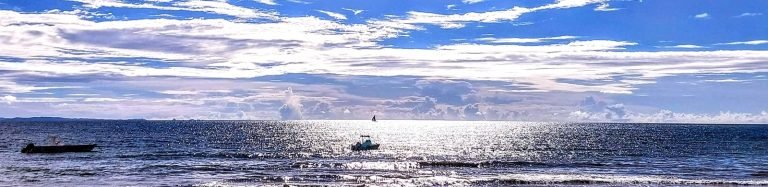
Northern Madagascar has a way of staying with you long after you leave. It is the contrast that makes it unforgettable. Lazy island mornings in Nosy Be, raw wind and wide horizons around Diego Suarez, and the humid green rhythm of the Vanilla Coast near Sambava all create a region that feels vivid and alive. It is not a place you simply pass through. Northern Madagascar rewards slow travel, curious detours, and the kind of time that allows the landscape, wildlife, and culture to reveal themselves properly — from the island’s tropical coastlines and Madagascar beaches to its remarkable primates, which you can learn more about in this guide to lemurs in Madagascar and where to see them.
Many of these experiences are closely tied to the island’s protected landscapes, and this guide to Madagascar national parks explains where to find rainforests, wildlife, and some of the most unique environments on the island.
If you are exploring Madagascar for the first time and want a broader overview of how the country fits together, you can return to the main country guide here: Exploring Madagascar. That guide explains the island as a whole and helps place each region into a realistic travel plan.
Before heading to the north, it is also important to understand the practicalities of entering the country. This Madagascar visa guide explains requirements, visa options, and what to expect on arrival.
As you start shaping your route, it also helps to think about where you will stay and how your budget fits your travel style. This guide to where to stay in Madagascar breaks down the best regions and accommodation options, while the Madagascar travel cost guide gives a realistic overview of what to expect across different types of trips.
From northern Madagascar, many journeys naturally continue south into the cooler highlands. The next chapter of the island reveals rice terraces, colonial architecture, and historic hill towns around Antananarivo and the Central Highlands, where the rhythm of daily life shifts to markets, farmland, and highland landscapes shaped by altitude and tradition.
Other travelers expand their route toward Madagascar’s contrasting coasts. The ports of Majunga (Mahajanga) and Tamatave (Toamasina) reveal two very different sides of the island, where Indian Ocean trade routes, tropical humidity, and seaside life shape a distinct atmosphere far removed from the highlands.
When you are ready for Madagascar’s most remote and adventurous landscapes, the journey continues into the far south. The guide to Southern Madagascar explores a region where distances grow longer, vegetation becomes drier, and the coastline feels wild and untamed.
If you are planning a full trip across the island, the Madagascar itinerary guide explains how these regions can realistically fit together, whether you have ten days, two weeks, or longer to explore the country.
Travel in Madagascar also comes with unique logistical realities. Distances can be large and road conditions unpredictable, which is why it helps to understand how travel works across the island. Our guide on getting around Madagascar explains flights, taxi-brousse routes, and how travelers move between regions.
Timing your trip can also shape your experience across the island. Understanding the seasons can help you plan wildlife encounters, road travel, and beach time more effectively, which is why many travelers consult our guide on the best time to visit Madagascar when preparing their journey.
Many visitors also ask practical questions about safety and everyday travel realities before planning their trip. Our detailed guide on Is Madagascar safe to visit explains what travelers should realistically expect and how to travel confidently around the island, while the guide to Madagascar travel tips covers practical advice about money, transport, customs, and daily travel logistics. For staying connected throughout your journey, this SIM vs eSIM in Madagascar guide explains how mobile data works across different regions, including coverage, costs, and what to expect in more remote areas.
Together, these guides form a connected Madagascar travel series designed to help you move through the island step by step. Whether you start in the tropical north, follow the RN7 through the highlands and southern deserts, or combine several regions into a longer adventure, each guide is meant to help you build a trip that feels realistic, rewarding, and unforgettable.
Travel Resources to Plan, Book & Stay Connected
Use these tools and guides to stay connected abroad, find inspiration for your next trip, and book your flights, stays and gear with confidence.
Disclosure: This article may contain affiliate links. If you make a purchase through a link, I may receive a commission at no extra cost to you. I only share recommendations I believe are genuinely useful, and all opinions are my own. AI was used in this post for research and drafting purposes.

Comment (0)