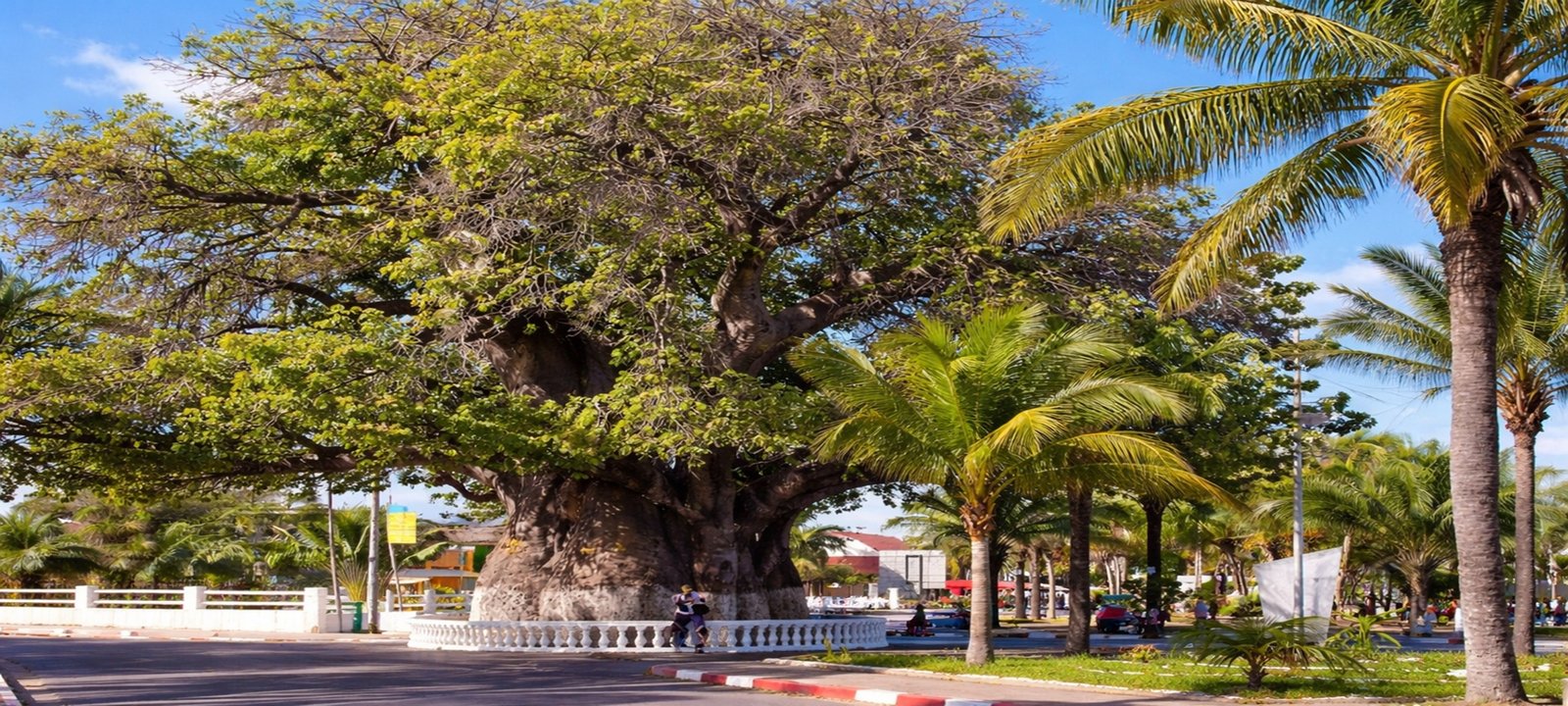
Majunga & Tamatave: What This Post Covers
Majunga (Mahajanga) and Tamatave (Toamasina) may both be coastal cities — but the experience of each one feels completely different. One sits on Madagascar’s dry, sun-soaked west coast, known for sunsets and relaxed seaside life. The other is a humid, bustling east coast gateway surrounded by lush tropical landscapes. This guide helps you choose the right one (or combine both) depending on your route and travel style.
In this post, you’ll learn:
- What Majunga (Mahajanga) is like, what it is known for, and the best things to do there
- What Tamatave (Toamasina) feels like, what makes it unique, and why it matters logistically
- How the west coast and east coast differ in weather, vibe, and travel style
- A clear “Majunga vs Tamatave” decision guide to help you pick the best stop for your route
- Where to stay in each city (best areas and what kind of traveler they suit)
- Recommended hotel picks for different budgets so you can book confidently
- Transport and planning tips: getting there from Antananarivo and getting around locally
- Practical coastal travel facts (cash, mobile money, safety, connectivity, climate)
Madagascar Travel Guide Series
Planning a broader trip across the island? Start with the complete country overview in the Madagascar Travel Guide, which explains how each region fits together and helps you build a realistic route across the country.
Looking for a different part of the country? Jump to the guide you need:
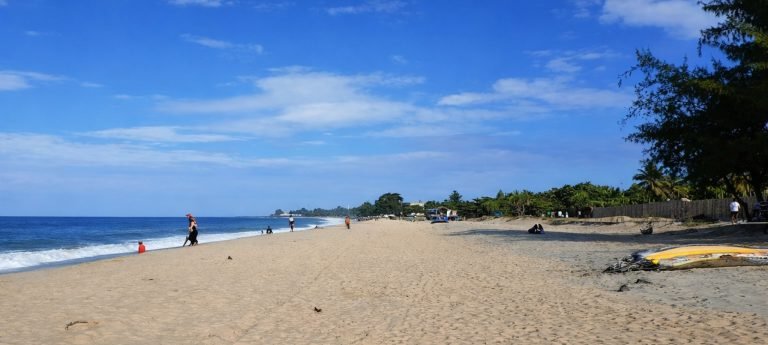
Majunga vs Tamatave: Two Very Different Coastal Experiences
If you are planning a route through Madagascar, it is easy to treat Majunga (Mahajanga) and Tamatave (Toamasina) as two similar coastal stops. In reality, these cities represent two completely different sides of the island — not just geographically, but culturally and atmospherically too.
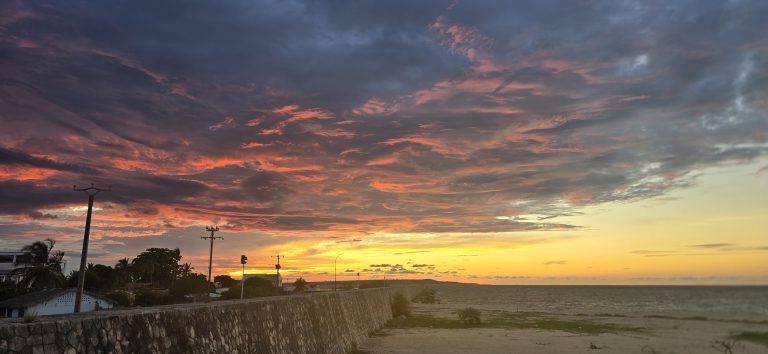
Majunga Madagascar, on the west coast, feels warmer, drier, and slower-paced, with beachside promenades, glowing sunsets, and a laid-back rhythm that makes it one of Madagascar’s most relaxing urban stops. It is a city where evenings matter — people come out to walk, snack, and watch the sun drop into the Mozambique Channel.
Tamatave Madagascar, on the east coast, feels more tropical, humid, busy, and “working-port” in nature. It is a gateway city rather than a resort town, and its appeal comes from its energy, coastal character, and proximity to lush landscapes and rainforest regions nearby.
The good news is that you do not need to choose “the best” city — you only need to choose what fits your route. This guide breaks down both destinations clearly, helps you compare them, and gives you practical recommendations so you can plan your coastal Madagascar chapter with confidence.
Majunga (Mahajanga): The West Coast Chill City
Majunga (also written Mahajanga) is one of Madagascar’s most underrated coastal cities — and for many travelers, it becomes a surprising favorite. It sits on the warm, dry west coast, where the weather feels more forgiving than the humid east, the sunsets are legendary, and daily life moves with a calm rhythm that makes it easy to settle in.
Unlike beach destinations that feel built only for tourism, Majunga feels like a real city with a real social heartbeat. People live here, go out here, eat and laugh here — and as a traveler, you get to step into that atmosphere instead of hovering around it. It’s a place where you can explore during the day, then spend the evening on the seafront with music in the background, grilled snacks in the air, and that relaxed coastal mood that makes you want to stay longer than planned.
Majunga is also a brilliant stop if you want a break from Madagascar’s more intense travel legs. After long drives, bumpy roads, or rural itineraries, this city gives you something simple but valuable: comfort, warmth, and ease — without losing the Malagasy character that makes the island so special.
Beaches & The Seafront: Warm Water, Wide Horizons
Majunga’s coastal appeal isn’t about postcard-perfect white sand like Nosy Be — it’s about the atmosphere. The coastline here feels expansive and open, with shallow water, wide skies, and that classic west-coast light that makes everything look golden in the evening.
You can enjoy simple beach time, walk along the shore, or just sit with a drink and watch the tides. If you’re staying near the city center, it’s incredibly easy to build beach time into your routine without planning your whole day around it.
The sea also shapes the city’s mood: even when Majunga is busy, it still feels breezy, warm, and coastal — like it’s permanently set to “late afternoon.”
“Au Bord” in Majunga: The Social Heart of the City
If there is one place you absolutely must experience in Majunga, it is Au Bord — the boardwalk/seafront area in the city centre where the whole city seems to gather in the evening.
This isn’t a tourist attraction in the traditional sense. It’s the local ritual. Families come out for a stroll, couples meet up, friend groups gather around tables, and the vibe becomes louder, warmer, and more alive as night approaches. You’ll see people with drinks, people sharing food, kids laughing — and that unmistakable feeling that you’re watching real city life unfold.
Along the boardwalk you’ll find:
- Small stalls selling grilled snacks and street food
- Vendors serving drinks and sweets
- Kids riding toy electric cars up and down the promenade
- A few fairground-style rides and small attractions
- Restaurants and casual hangout spots with sea views
- Music playing in the background (sometimes live, sometimes from speakers)
Even if you do nothing else that night, simply going to Au Bord for an hour is worth it. It’s the easiest way to feel Majunga.
Top Things to Do in Majunga (Tours, Adventures & Easy Days)
Majunga is one of those cities where you can balance your days depending on energy levels — lazy and beach-focused one day, then adventurous the next. The activities here tend to be practical, fun, and easy to organise locally.
- Explore the city and markets for daily life, spices, street food, and local rhythm
- Boat tours for coastal views and relaxed time on the water
- Quad rides for a more adrenaline-style adventure around the outskirts
- Seafront sunset evenings (especially around Au Bord)
- Relaxed coastal days where the city becomes your base instead of your activity
Tours are often best booked on the ground. Ask at your hotel, check local operators, or speak to guides near the seafront — Majunga isn’t the kind of place where you need to pre-book everything. Most travelers organise activities in a very simple “arrive and arrange” style.
Boat Tours: Majunga from the Water
Majunga’s coast is made for boat time — not for luxury cruising, but for relaxed sea air, coastal scenery, and that peaceful feeling you only get when you drift a little away from the city.
Depending on season and operator availability, you’ll find boat outings that focus on:
- Short coastal trips with views back toward the city
- Casual snorkel-style stops (conditions vary)
- Sunset rides where the entire horizon turns orange
- Slow day tours where the point is the experience, not the checklist
The best way to approach boat tours in Majunga is simply to ask your accommodation what’s available that week. Boats run based on tides, weather, and demand — and local advice is always more accurate than planning online.
Quad Rides & Adventure Tours: A Fun Way to Explore Beyond the City
If you want something more active in Majunga, quad rides are one of the most popular adventure options. The appeal is simple: you get out of the city, get dusty, get moving — and see the landscape around Majunga in a way that feels exciting and different.
These outings are typically organised as half-day or full-day trips with a guide. You don’t need to be an expert rider — most operators cater to travelers and will walk you through the basics.
Where to Eat in Majunga: Restaurants You Shouldn’t Miss
Majunga is one of the best places in Madagascar to slow down and actually enjoy evenings properly — and that includes food. The restaurant scene here feels relaxed, social, and coastal, often with outdoor seating and the kind of long dinners that stretch into late-night drinks.
Here are five recommended restaurant stops in Majunga:
- Chez Karon – One of the most well-known dining options in Majunga, popular for a reason: it’s dependable, lively, and perfect for a proper sit-down meal after a day in the sun.
- Karibu Lodge Restaurant – A classic traveler favorite, especially if you want a calm atmosphere and a slightly more “escape” feeling while still being close to the city.
- Le Guest – Great for casual dinners that still feel high-quality, with a comfortable setting that works well for couples or small groups.
- La Rotonde – A solid and recognizable option, ideal for relaxed evenings when you want food, drinks, and a good social vibe without needing anything fancy.
- (Local seafront options near Au Bord) – The real magic of Majunga is often found in the evening: simple restaurants and food spots along the boardwalk where the city comes alive and dinner feels like part of the show.
If you want the most “Majunga” dining experience, eat near the seafront, then stay for a drink. This city rewards evenings.
Bars in Majunga: Where to Go for Drinks & Atmosphere
Majunga has a social energy that builds as the sun goes down, and the bar scene reflects that. You’ll find everything from older harbor bars with live music to spots where locals and travelers naturally mix.
Recommended bars in Majunga include:
- Blues Rock Cafe – An iconic older bar on the harbour, known for live music, strong atmosphere, and local groups performing.
- KINESSA – A popular meeting place where locals and tourists cross paths easily, ideal for that “one drink turns into a whole evening” vibe.
- Bar Le Capital – Known for cocktails made with fresh local ingredients, a great option if you want something more relaxed and slightly upscale-feeling.
- ÉPI-BAR AINA – A lively setting where the drinks are simple, the energy is local, and the atmosphere feels distinctly Malagasy.
- Rabenera – A central part of Majunga’s social scene and one of those places that feels more like a hub than a “bar.”
Other solid local options you may hear about include: Bar Rendez Vous des Amis, BAR Surprise & Surprise, and KGB (Kaly Game Bar). Majunga nightlife is fluid — you can start at Au Bord, then drift toward whichever place feels alive that night.
Majunga Nightlife: Clubs & Late-Night Spots
Majunga isn’t a massive clubbing destination like some capital cities — but it absolutely has nightlife. And because the overall atmosphere is already social, going out here often feels more natural than “forced party mode.”
Nightclub options in Majunga include:
- Club 73 – One of the best-known late-night spots, often lively and a common end-point for a full evening out.
- Cotton Club – A recognizable club name in Majunga, good for dancing and nightlife energy when you’re in the mood to go late.
- Zanzibar – Another popular nightlife choice, often recommended to travelers looking for a proper night out.
A simple Majunga nightlife plan that usually works: Sunset at Au Bord → dinner near the seafront → drinks at a bar → club if the mood feels right.
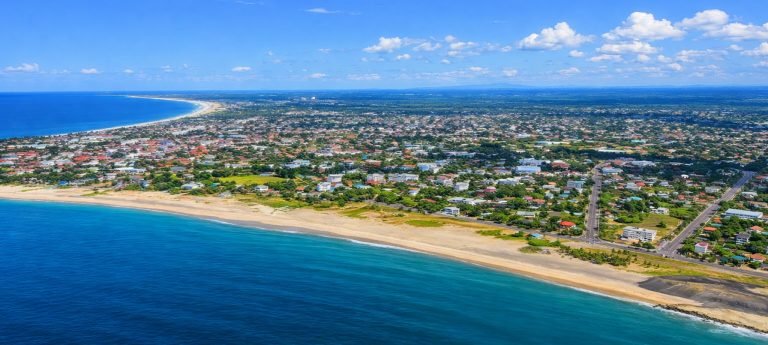
Tamatave (Toamasina): Madagascar’s East Coast Gateway
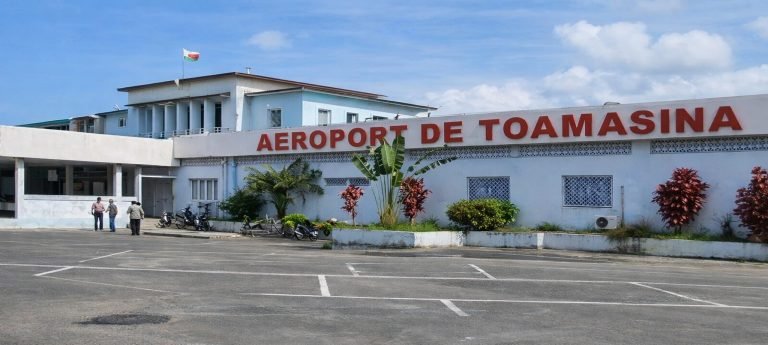
Tamatave (also called Toamasina) is Madagascar’s most important east coast port city — and it feels completely different from the calmer rhythm of the west. If Majunga is warm, slow, and sunset-focused, Tamatave is humid, tropical, energetic, and unapologetically real. It is a working city built around trade, transport, and the ocean, which gives it a stronger urban pulse than most travelers expect.
Some visitors pass through Tamatave quickly because it doesn’t have the “resort island” feel of Nosy Be or the dramatic desert landscapes of the south. But that is exactly why it can be worth including: Tamatave shows you Madagascar as it actually moves — a coastal city where people live, work, ship cargo, socialize along the seafront, and build their lives around the port.
It is also a practical stop. Tamatave sits in a strategic position for routes heading toward east coast scenery, rainforest regions, and island connections. Even if you only stay one or two nights, the atmosphere can be a memorable contrast within your route.
The Vibe: Tropical, Busy, Coastal, and Full of Life
Tamatave has a distinct “port city” personality. You feel it right away: container movement, transport traffic, fuel stations, vans loading passengers, and a steady buzz that makes the city feel alive. Compared to Majunga’s slower west-coast energy, Tamatave is more intense — but also exciting, especially if you enjoy destinations that don’t feel curated for tourists.
The climate shapes everything here. The east coast is more humid, greener, and rainier than the west, which gives Tamatave a tropical heaviness — palm trees, lush growth, moist sea air, and weather that can shift quickly. That environment affects the daily rhythm, the food culture, and even the way people socialize at night.
Tamatave is not a place you come to “escape the world.” You come here for coastal culture, the energy of a living Malagasy city, and as a base to explore what lies beyond the urban zone.
Beaches & The Seafront: East Coast Atmosphere
Tamatave’s coastline feels very different from west coast Madagascar. The sea here is often rougher, the air heavier, and the environment visibly greener. While the city itself is more urban than beachy, the seafront is still an important part of daily life — and it is one of the best places to feel Tamatave’s rhythm.
Even if you are not swimming, a walk along the waterfront can be one of the best experiences in town. It shows you the city’s relationship with the ocean: practical, cultural, and social. Late afternoons and evenings are especially good, when the temperature drops and locals come out to relax.
If your goal is slow beach days, Tamatave works best as a base rather than a final beach destination. You explore in the city, then use day trips or transport connections to reach quieter coastal stretches outside town.
Top Things to Do in Tamatave (Toamasina)
Tamatave is not a “checklist city.” It works best when you combine simple urban exploration with small adventure moments. The best experiences here come from the mix: markets, seafront atmosphere, coastal outings, and the tropical east coast environment.
- Explore local markets for spices, tropical fruits, snacks, and daily Malagasy life
- Walk the seafront in late afternoon when the city becomes more social
- Enjoy the port-city vibe — transport culture, movement, energy, and street rhythm
- Organise a coastal outing depending on season and weather
- Eat well at night — Tamatave has a surprisingly strong restaurant culture
Tamatave also works well as a “reset stop” on a longer route. It is a place to shower properly, eat well, restock essentials, and briefly return to city comfort before heading back into Madagascar’s longer and slower travel legs.
Boat Tours & Coastal Outings
Tamatave is a coastal city, and depending on weather, season, and local operators, it is often possible to organise boat outings that give you a different perspective of Madagascar’s east coast.
Boat options change frequently because sea conditions on the east coast are more variable than the west. Some days the ocean is calm and accessible, while other days it is rough and not ideal for longer outings.
Ask locally about options such as:
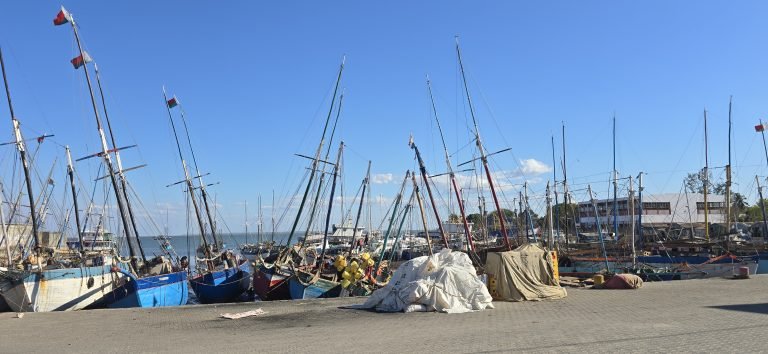
- Short coastal boat trips and harbour views
- Relaxed day outings focused on scenery and sea air
- Trips that combine coastal time with stops outside the city
Your accommodation is usually the best place to organise these. Tamatave runs on local logistics — and local advice is far more reliable than trying to pre-plan online.
Tours & Adventure Options Near Tamatave
Tamatave is surrounded by greener east coast scenery, and that opens the door to day trips with a completely different feel compared to Madagascar’s drier west.
Travelers often use Tamatave as a base for short tropical adventure days: humid roads lined with palms, river scenery, greener countryside, and that east-coast rainforest atmosphere starting to appear as you move away from the city.
If your route has been dominated by dusty long drives and dry landscapes, Tamatave can feel like a refreshing shift — not necessarily easier, but different: wetter, greener, and more tropical.
Where to Eat in Tamatave
Tamatave’s food scene is one of the city’s underrated strengths. Because it is a major port and transport hub, dinner culture is strong — and evenings often feel lively, warm, and social.
You won’t find “fine dining” in the European sense, but you will find reliable places serving generous meals, coastal flavours, grilled food, and a strong mix of locals and travelers.
Recommended restaurants in Tamatave include:
- 911 Restaurant & Bar – A strong all-round option for dinner and drinks, popular with both locals and visitors.
- Restaurant La Terrasse Tamatave – Great for a longer evening meal with atmosphere and a more social vibe.
- El Barco Tamatave – A casual, lively place that works well for relaxed dinners that can turn into late nights.
- La Braise Côté Cour – Excellent choice for grilled dishes and hearty meals, ideal after a long travel day.
- SARKY'S – A well-known name locally, good for easy evenings and consistent food.
- La Table – A calmer dinner option, great when you want food first and a quieter atmosphere.
Tip: Ask your hotel staff where the best atmosphere is right now. Tamatave changes fast, and locals know exactly which places are good this week.
Bars in Tamatave: Where Evenings Start
Tamatave nightlife usually starts with bars, terraces, and social hangouts where people meet up, unwind, and let the night build naturally. Because the city stays warm and humid late into the night, evening life often stretches outdoors.
The best nights here often follow a simple rhythm: food first, drinks second, then see where Tamatave takes you.
Known nightlife-style bars in Tamatave include:
- The New York Bar – A strong starting point for drinks, music, and a lively crowd.
- O2 Oxygen 501 – A popular nightlife venue where the energy often lasts late into the night.
- 911 Restaurant & Bar – Works well if you want to start with food and shift into drinks without changing venues.
Tamatave feels more “port city” than “party town” — which makes its nightlife more authentic and less forced. You don’t go out here for a polished Ibiza experience. You go out here to feel the city.
Tamatave Nightlife: Clubs & Late Nights
Tamatave can absolutely deliver a fun late night — especially on weekends — but the vibe is raw, local, and spontaneous. The best approach is to start relaxed, then follow the energy of the city as it builds.
If you want nightlife, ask locally where the best crowd is tonight. Like much of Madagascar, nightlife hotspots can shift depending on season, events, and who is in town.
Known nightlife spots include:
- TAXI BE NIGHT CLUB – A well-known club option when you want a full nightclub experience and late-night energy.
- The New York Bar – Often part of the nightlife route, especially as a start point before moving to other venues.
- O2 Oxygen 501 – Sometimes functions as both bar and nightlife venue depending on the night.
Practical nightlife tip: Stay aware of your surroundings, keep your phone secure, and avoid walking alone late at night. Use tuk-tuks or taxis to move between venues — it keeps the night safe, easy, and stress-free.
Why Tamatave is Worth Including (Even Briefly)
Tamatave matters because it represents a side of Madagascar that most travelers don’t see unless they intentionally build it into their route. It is not built for tourists — and that is exactly why it can feel rewarding.
If you want to experience Madagascar beyond the obvious highlights, Tamatave gives you:
- A real working coastal city atmosphere
- East coast humidity and tropical energy
- A gateway to greener, wetter landscapes
- A strong contrast to west-coast and island travel
Tamatave proves the point of this whole post: Madagascar is not one experience — it is many. And the east coast has its own identity.
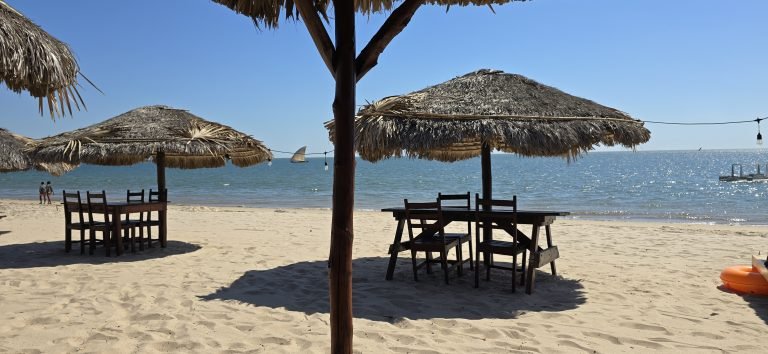
Majunga vs Tamatave: Which One Should You Choose?
Majunga (Mahajanga) and Tamatave (Toamasina) are both coastal cities, but they are not interchangeable. They feel different, look different, and even travel differently. If your time in Madagascar is limited, choosing the right one can make your itinerary smoother, cheaper, and more enjoyable.
Below is a simple decision guide to help you pick the best match for your travel style — and your route.
Choose Majunga (Mahajanga) if you want...
- A relaxed coastal vibe that feels social but not chaotic
- Dry, warm west coast weather that is often easier to handle than the humid east
- Sunset culture and long evenings by the sea
- Boardwalk energy (Au Bord) with locals, families, street food, and social life
- Easy enjoyment — beach, bars, restaurants, and nightlife without heavy planning
- A comfortable “recovery stop” after long road travel
In simple terms: Majunga is one of the best places in Madagascar to slow down, breathe, and enjoy a proper coastal city experience.
Choose Tamatave (Toamasina) if you want...
- Tropical east coast atmosphere — humid, green, and full of energy
- A real port-city experience that feels authentic and lived-in
- Access to east coast regions and routes into greener landscapes
- More “raw Madagascar” rather than polished tourist comfort
- A practical gateway stop for transport and logistics on the east side of the island
- A different side of Madagascar that most travelers skip
Tamatave isn’t always “pretty” — but it is memorable, energetic, and genuinely interesting if you like destinations with character.
If you only have time for one...
If you only have time for one city, here is the simplest answer:
- Pick Majunga if you want the easiest, most enjoyable coastal stop with the best evening social experience.
- Pick Tamatave if your route needs an east coast gateway and you enjoy tropical, more urban travel energy.
Many travelers find Majunga more immediately “fun.” Tamatave is often more “interesting” than “easy.” Neither is wrong — it depends on what you want your coastal chapter to feel like.
If you can do both (highly recommended for variety)
If your itinerary allows it, doing both cities can be one of the smartest ways to experience Madagascar’s range without adding complicated detours. The contrast between the west and east coasts is one of the most striking differences on the island.
Majunga gives you the sunset, ease, and social coastal vibe. Tamatave gives you the humidity, greenery, and energetic port-city character. Together, they feel like two completely different destinations — which is exactly why pairing them works so well.
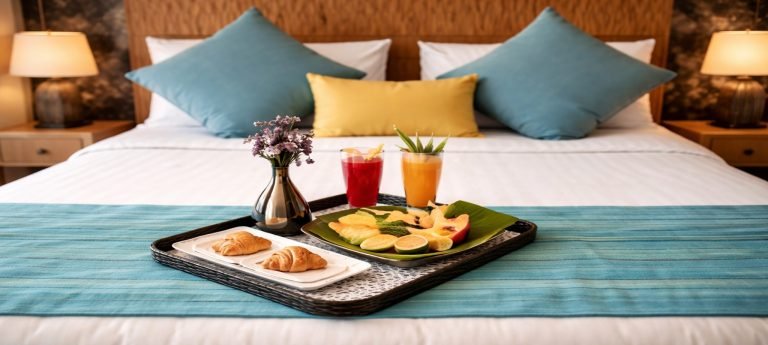
Where to Stay in Majunga & Tamatave
Where you stay in Majunga (Mahajanga) and Tamatave (Toamasina) shapes the entire feel of your trip. Both cities offer a wide range of accommodation — from simple budget hotels and guesthouses in central areas to more comfortable resorts and boutique-style stays closer to the coastline.
In Majunga, many travelers prefer staying near the beach or close to the city centre, so evenings are easy and you can enjoy the atmosphere along the waterfront. Tamatave is more of a working port city, so choosing the right area matters even more — staying in a well-located hotel makes transport, safety, and day trips far smoother.
If you want to compare platforms before booking, our hotel booking comparison guide breaks down the main hotel websites and helps you find the best deal for your budget, travel style, and preferred location.
And if you want to skip the guesswork, scroll to the next section for our handpicked hotel recommendations in both Majunga and Tamatave — including budget, mid-range comfort, and more upscale stays.
Majunga & Tamatave: Hotel Picks
Majunga and Tamatave both work best when you stay in the right area — close enough to enjoy the coastline, restaurants, and evening atmosphere, while still keeping transport easy and practical. Below are trusted hotel picks across budget, mid-range comfort, and more luxurious stays, so you can book confidently and spend less time planning and more time enjoying Madagascar.
Majunga (Mahajanga) Hotel Picks
Majunga is the kind of city where evenings are half the experience, so staying in a convenient location makes a real difference. These hotel picks are chosen for comfort, good value, and practical access — whether you want a budget base, a relaxed mid-range lodge, or a more upscale coastal resort-style stay.
Budget Hotels (Majunga)
HOTEL CHEZ TRANQUILLLE
Mahajanga 401, Madagascar · +261 32 77 530 79
Hotel Chez Tranquillle is a simple, budget-friendly base that works well for travelers who want value without sacrificing comfort. It’s a practical choice for short stays, especially if your plan is to explore the city and spend evenings around the seafront. The relaxed atmosphere makes it a good option if you want somewhere quiet to reset after long travel days. Check prices and availability for Hotel Chez Tranquillle here.
SUNNY HOTEL MAJUNGA
Amborovy - route de l'aeroport, Mahajanga, Madagascar, 401 · +261 33 11 235 87
Sunny Hotel Majunga is a reliable budget pick with a comfortable feel and good convenience for travelers arriving by air. Its location near Amborovy makes it practical if you want easy access to the airport while still reaching town quickly. It’s especially good for one-night stops when your itinerary includes onward travel the next day. Check prices for Sunny Hotel Majunga here.
Mid-Range Comfort (Majunga)
EDENA KELY
Amborovy, Petite Plage, Mahajanga 401, Madagascar · +261 32 55 558 00 / +261 34 36 557 39
Edena Kely is a strong mid-range option if you want comfort without going full resort. It’s well suited to travelers who want a relaxed lodge-style stay near the coast and easy access to Majunga’s best evening atmosphere. This is the kind of hotel that makes Majunga feel like a proper coastal break in the middle of an adventurous itinerary. Book Edena Kely here.
OLYMPE DE BEMARAHA
Tsingy de Bemaraha, 613 Bekopaka, Madagascar · +261 34 49 205 03
Olympe de Bemaraha is an excellent comfort-level lodge option if you’re combining Majunga with the dramatic Tsingy region. It’s a strong choice for travelers who want something cleaner, calmer, and better organised after long travel legs. This is the kind of place that helps you rest properly before or after a full day of exploring. Check availability for Olympe de Bemaraha here.
Luxury Hotels (Majunga)
ANTSANITIA RESORT
Fokontany d'Antsanitia, Mahajunga 401, Madagascar · +261 32 03 911 11
Antsanitia Resort is one of the best luxury-style stays in the Majunga region, designed for travelers who want beach comfort and quiet. It’s perfect if you want to turn this part of Madagascar into a genuine relaxation chapter rather than only a stopover. The setting feels private and scenic, making it especially strong for couples or travelers who want a slower pace. View Antsanitia Resort deals here.
LODGE DES TERRES BLANCHES
Antanimalandy, Baie de la Mahajamba, Mahajanga, Madagascar, 401 · +261 34 07 069 86
Lodge des Terres Blanches is a luxury-leaning stay that feels peaceful and remote in the best way. It’s ideal if you want nature, privacy, and a more exclusive atmosphere while still being connected to the Majunga region. This is a great choice for travelers who want Madagascar’s west coast to feel like a true escape. See Lodge des Terres Blanches availability here.
If you’d like to compare more options (or check different dates and price ranges), you can browse: all hotels in Majunga here.
Tamatave (Toamasina) Hotel Picks
Tamatave is a busy port city, so the key to a great stay is choosing a hotel that feels comfortable and well-located. These picks are chosen to give you the right balance: practical access to the city, a more relaxed base for evenings, and enough comfort to recharge before your next Madagascar travel leg.
Budget Hotels (Tamatave)
HOTEL H1
5 Rue Guynemer, Toamasina 501, Madagascar · +261 34 98 226 10
Hotel H1 is a straightforward, budget-friendly option that works well for travelers who want comfort without unnecessary extras. Its central location makes it easy to move around Tamatave without spending too much on taxis. This is an ideal base for short stays, stopovers, or travelers who plan to spend most of the day exploring. Check prices and availability for Hotel H1 here.
STEPHEN HÔTEL TAMATAVE
129 Boulevard Joffre, Toamasina 501, Madagascar · +261 38 78 834 77
Stephen Hôtel Tamatave is a very solid budget pick for travelers who want something a little more comfortable without moving into mid-range pricing. The location on Boulevard Joffre makes it a practical base for restaurants, shops, and city logistics. It’s especially good if you want a smoother, more relaxing hotel stay in an otherwise busy port city. Book Stephen Hôtel Tamatave here.
Mid-Range Comfort (Tamatave)
SUNNY GOLF HOTEL
Ambalamanasy - Route de l'aéroport, Toamasina 501, Madagascar · +261 33 11 313 64 / +261 32 05 336 08
Sunny Golf Hotel is a dependable comfort pick that feels more relaxed than many city-centre stays. It’s a great option if you want quieter nights while still staying close enough to move around Tamatave easily. This hotel works especially well for travelers who want comfort, reliable facilities, and a smoother stay overall. Check prices for Sunny Golf Hotel here.
Luxury Hotels (Tamatave)
THE STREAMLINER HOTEL APARTMENT
Bloc F & G Tanamakoa Plle, 12-14, Toamasina 501, Madagascar · +261 34 87 363 42
The Streamliner Hotel Apartment is a strong choice if you want a more premium stay with space, comfort, and modern convenience. It’s especially suited to travelers who want calm evenings and a hotel experience that feels more “international standard.” If you’re ending a long Madagascar travel leg here, this is a great place to rest properly and reset. View Streamliner Hotel Apartment deals here.
HOTEL CALYPSO
BP-159 Rue du Lieutenant Noël Ambodimanga, Toamasina 501, Madagascar · +261 20 76 304 57 / +261 20 53 304 57
Hotel Calypso is one of Tamatave’s most established upscale options and a great choice for travelers who value comfort and service. The facilities are more complete than typical city hotels, making it ideal for couples or anyone looking for a higher-end stay. If you want Tamatave to feel more relaxing and less chaotic, this is one of the best ways to do it. See Hotel Calypso deals here.
If you’d like to compare more options, change dates, or browse different price ranges, you can explore: all hotels in Tamatave (Toamasina) here.
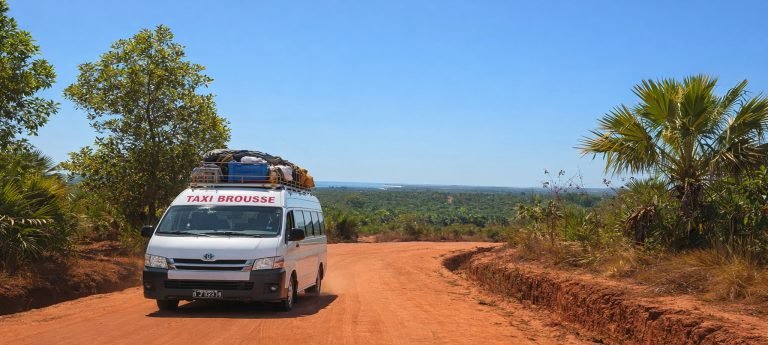
Getting There & Getting Around
Getting around Madagascar takes a little more effort than in many “plug-and-play” destinations — but that is also what makes it feel so rewarding. Majunga (Mahajanga) and Tamatave (Toamasina) are two coastal cities that show very different sides of the island, and once you understand how transport works here, traveling between them becomes completely manageable.
The key is simple: plan with realistic timing, travel with a bit of flexibility, and treat the journey as part of the experience rather than something to rush through. Do that, and you’ll be more than fine — you’ll actually enjoy it.
From Antananarivo: The Road Travel Reality (And Why It’s Worth It)
Most travelers reach Majunga or Tamatave from Antananarivo — and yes, it’s a proper travel day. If you are spending time in the capital before heading to the coast, our guide to exploring Antananarivo covers what to see and do while you are there. But here’s the truth: road travel in Madagascar isn’t something to fear. It’s simply slower, more physical, and more “real-world” than what many travelers are used to.
Once you stop expecting highway speeds, everything becomes easier — and honestly, the road trip becomes part of what makes Madagascar unforgettable. You’ll pass rice fields, roadside villages, zebu carts, tiny local markets, and landscapes that most visitors would never see if they only flew.
If you prepare correctly, road travel is absolutely manageable — and often surprisingly enjoyable. Pack your snacks, start early, and embrace the pacing. This is Madagascar: the journey has value here.
- Leave early and give yourself time. Aim to arrive well before sunset so the day feels relaxed.
- Expect a few stops. Snack breaks and checkpoints are normal — and they’re part of the rhythm.
- Pack your “road kit.” Water, snacks, sunscreen, wet wipes, a hoodie, and a power bank.
- Plan buffers. A little flexibility makes transport feel easy instead of stressful.
Taxi-Brousse: The Backbone of Malagasy Transport
Taxi-brousse is the most common way locals travel between regions — and if you take it once, you’ll immediately understand why. These minibuses and coaches are not just for tourists: they are the backbone of transport in Madagascar, moving people, luggage, supplies, and cargo between cities every day.
Yes, taxi-brousse trips take time — but they also give you one of the most authentic travel experiences you can have on the island. You’re not watching Madagascar through a window in isolation… you’re actually moving with the country.
If you want the most reliable version of this experience, two companies are especially well-known for being cleaner, better maintained, and more punctual than average — and importantly, they can be reserved online:
- Soatrans Plus – Comfortable buses, reliable scheduling, and online reservations available.
- Cotisse Transport – One of the best-regarded taxi-brousse operators, known for clean buses and consistent departures.
If you have the time in your itinerary, taking a taxi-brousse at least once is genuinely worth it — not just as transport, but as part of the story of your trip.
Road travel, ferries, and river transport play an important role along the west and east coasts. For a complete breakdown of options and realistic travel times, see this guide on traveling around Madagascar.
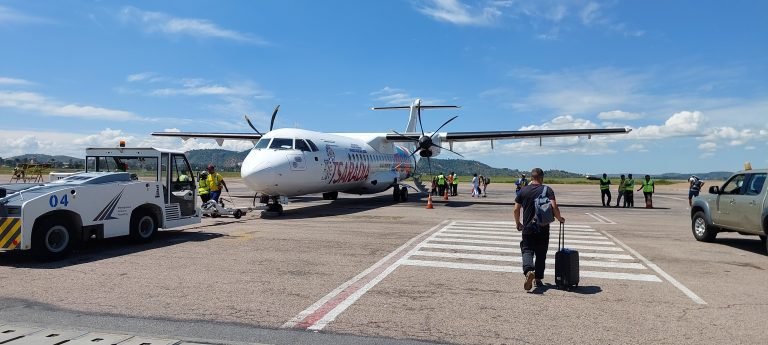
Flights: The Easy Shortcut (When Available)
If you want to save energy and protect your itinerary, domestic flights can be a great option in Madagascar — especially if you’re trying to avoid back-to-back long road days. Routes and schedules vary, but when a flight matches your plan, it often turns a demanding travel day into a simple, comfortable transfer.
Madagascar’s domestic airline is Madagascar Airlines, and it is your best starting point for checking schedules and routes between major cities.
- Best for: short itineraries, families, travelers with limited time, or anyone wanting a more relaxed pacing.
- Smart planning tip: keep a little flexibility in your schedule in case timings change.
- Great strategy: fly one direction and travel by road the other way — you get both comfort and experience.
If you’re building your route right now, it can help to check your transport option first (road vs flight) and then arrange hotels and activities around the most realistic timing.
Getting Around Locally: Taxis, Tuk-Tuks & Drivers
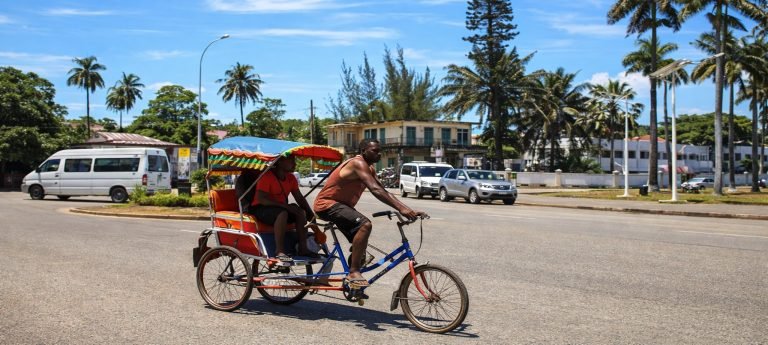
Once you’re in Majunga or Tamatave, getting around is surprisingly easy. Daily transport is simple, affordable, and flexible — especially compared to the long-distance travel days.
- Taxis: available in both cities and ideal for short hops. Agree on the price before you get in.
- Tuk-tuks / rickshaws: common in some areas, fun to use, and perfect for short rides.
- Private drivers: best for beaches, viewpoints, boat departures, and day trips outside the city.
- Walking: great for short distances during daylight, especially near central areas and the waterfront.
For excursions, hiring a driver for a half-day or full day is one of the best comfort upgrades you can make — it reduces logistics, keeps the trip relaxed, and helps you enjoy the moment instead of constantly negotiating transport.
Safety & Practical Transport Tips (Easy Wins)
Travel in Madagascar feels much easier when you follow a few basic habits. These aren’t meant to scare you — they’re simply the “easy wins” that experienced travelers naturally follow.
- Arrive before dark. This is the single best travel habit in Madagascar.
- Keep valuables low-profile. Use a crossbody bag, and avoid flashing cash or phones in crowded areas.
- Confirm taxi prices before you move. It keeps transport stress-free.
- Use hotel-arranged drivers when needed (especially for airport pickups and long transfers).
- Leave buffer time. Madagascar rewards relaxed planning.
Most travelers leave Madagascar saying the same thing: it took a little more patience — but it was absolutely worth it. Majunga and Tamatave are perfect examples of that. When you embrace the pacing and plan smartly, the coast becomes one of the most enjoyable chapters of the island.
Useful Malagasy Phrases for Travelers
While French is the main working language for visitors, learning a few Malagasy phrases goes a long way. Even small attempts are warmly appreciated and often lead to friendlier interactions, smiles, and better help — especially in rural areas where French may be limited.
- Salama (sah-LAH-ma) – Hello
- Manao ahoana? (mah-now ah-WAH-na) – How are you?
- Tsara, misaotra (TSAH-ra mee-SOW-tra) – Fine, thank you
- Misaotra (mee-SOW-tra) – Thank you
- Misaotra betsaka (mee-SOW-tra beh-TSAH-ka) – Thank you very much
- Azafady (ah-za-FAH-dee) – Please / Excuse me / Sorry
- Eny (EN-ee) – Yes
- Tsy (tsee) – No / Not
- Ohatrinona? (oh-ha-tree-NOO-na) – How much is it?
- Lafo loatra (LAH-foo loo-AH-tra) – It’s too expensive
- Afaka manampy ahy ve ianao? (ah-FAH-ka mah-NAM-pee AH-hee veh ee-AH-nao) – Can you help me?
- Aiza ny trano fidiovana? (EYE-za nee TRAH-noo fee-dee-WAH-na) – Where is the toilet?
- Tsy azoko (tsee ah-ZOO-koo) – I don’t understand
- Miteny frantsay ve ianao? (mee-TEN-ee fran-TSIGH veh ee-AH-nao) – Do you speak French?
- Veloma (veh-LOO-ma) – Goodbye
Using even a few Malagasy words shows respect and effort. Travelers who try often find people become warmer, more patient, and more willing to help — small moments that can completely change the feel of a trip.
Travel Facts for Majunga & Tamatave (What You Should Know Before You Go)
Majunga (Mahajanga) and Tamatave (Toamasina) are both coastal cities, which means travel here feels warmer, more humid, and more relaxed than in the highlands — but there are also a few practical realities that will make your trip smoother if you know them in advance. None of these are difficult to handle. With a little preparation, you’ll be completely fine — and you’ll enjoy the coast far more.
Currency & Cash: Expect to Carry More Notes Than You’re Used To
Madagascar uses the Malagasy Ariary (MGA), and one thing surprises almost every traveler: the highest banknote is 20,000 Ariary. That means even modest purchases can add up to a thick stack of bills. This is normal, and locals are completely used to it.
For day-to-day travel, cash is king — especially outside upscale hotels. Always keep small notes for taxis, tuk-tuks, snacks, markets, and small restaurants.
ATMs & Cards: Reliable in Cities, Unreliable as a Plan
In both Majunga and Tamatave you can find ATMs, and many travelers withdraw cash without issues. The catch is that ATMs can sometimes run out of money, go offline, or reject certain foreign cards.
The practical approach is simple: withdraw cash when you can, don’t leave it until the last minute, and don’t assume cards will work everywhere. Some mid-range and higher-end hotels accept cards, but smaller businesses almost always prefer cash.
Mobile Money: Useful Even for Travelers
Mobile money is one of the most important parts of daily life in Madagascar. Even if you personally won’t use it much, knowing how it works helps you understand how locals pay for goods and services — and it can be a lifesaver in emergencies.
The main providers are MVola, Orange Money, and Airtel Money, and mobile money agents are common even outside major areas.
If you want the full breakdown (and why it matters so much), see the detailed guide in our main Madagascar travel post here: Mobile money in Madagascar.
SIM Cards, Data & Connectivity (Coastal Reality)
You’ll usually have working signal and data in both cities, but coverage can drop quickly once you get outside the centre — especially on remote beach stretches and rural routes. If you’re planning excursions, boat trips, or independent exploring, having reliable data makes everything easier: maps, driver contact, hotel confirmation messages, translations, and basic safety.
For the simplest setup (especially if you want to land already connected), check our complete eSIM guide here: Best eSIM for international travel.
Power Plugs & Electricity
Madagascar generally uses the same plug types as mainland Europe (two-round-pin style), but electricity can be inconsistent in some areas. Power cuts do happen occasionally, especially outside major centres.
Bring a universal adapter if you’re unsure, and pack a power bank — it’s one of those small items that makes travel feel effortless when plans shift.
Health Essentials: Mosquitoes, Heat & Hydration
On the coast, the main reality is heat + humidity. It’s not a problem — it’s part of the tropical vibe — but you’ll enjoy your days far more if you plan for it.
- Mosquito repellent: essential in the evening, especially near water.
- Sunscreen: the coastal sun is strong, even when it’s cloudy.
- Hydration: always carry water, especially during long travel days.
A tiny “coast health kit” (repellent, antihistamine, rehydration salts, basic painkillers) is one of the best travel upgrades you can make.
Safety: Easy Habits That Keep Travel Smooth
Both cities are generally manageable for travelers, and most visitors have no issues at all. The best safety strategy is not paranoia — it’s routine habits.
- Avoid isolated areas after dark, especially beaches and empty roads.
- Use hotel-arranged taxis/drivers when arriving late or leaving early.
- Keep valuables low-profile and avoid flashing phones or cash in crowded places.
If you stick to these basics, you’ll feel comfortable — and you’ll be able to relax into the experience.
Weather & What to Pack
Majunga and Tamatave are warm and coastal, but they don’t feel identical. Majunga often feels sunnier and drier, while Tamatave is typically more humid and rain-prone.
Simple packing wins:
- lightweight breathable clothes
- comfortable sandals + walking shoes
- a light rain jacket (especially useful for Tamatave)
- dry bag or waterproof pouch for boat trips and beach days
Useful Phrases & Etiquette
A little respect goes a long way in Madagascar. Greetings matter, patience is appreciated, and even small efforts to speak a word or two of Malagasy can completely change how people respond to you.
- Salama – Hello
- Misaotra – Thank you
- Azafady – Please / excuse me
French is also extremely helpful in daily travel (transport, hotels, restaurants), so even a few basic phrases can make your coastal journey much easier.
Time Planning: How Many Days Do You Need?
One of the best things you can do in Madagascar is slow down slightly. These aren’t places you want to “race through.” If you plan your time well, the entire trip feels smoother and far more enjoyable.
- Majunga: 2–4 days (beach time, boardwalk evenings, excursions)
- Tamatave: 2–3 days (coastal atmosphere + nearby trips)
If you want the full country-wide planning picture, including how these coastal cities fit into a bigger Madagascar itinerary, return to the main guide here: Things to Do in Madagascar.
Final Thoughts & Where to Go Next
Majunga and Tamatave reveal two very different sides of coastal Madagascar. Majunga is defined by its sunsets, waterfront energy, and relaxed west-coast rhythm, while Tamatave carries the pulse of a busy port city where tropical humidity, trade routes, and everyday Malagasy life shape the atmosphere. Experiencing both gives you a broader perspective on the island and helps you understand how diverse Madagascar really is beyond its most famous attractions — including its remarkable wildlife. If you are interested in Madagascar’s iconic primates, this guide to where to see lemurs in Madagascar explains where and how to encounter them in the wild.
Many of these experiences are closely connected to Madagascar’s protected environments. This overview of the country’s national parks and reserves highlights where to find rainforests, wildlife, and some of the island’s most unique ecosystems.
To understand how all regions connect into a broader journey, it helps to step back and look at the island as a whole. The complete Madagascar travel guide gives a full overview and helps place each destination into a realistic travel plan.
Most travelers begin shaping their route by looking at how different regions can be combined. This suggested Madagascar route planner breaks down what is possible depending on how much time you have, whether you focus on one region or explore the island more extensively.
As your plans come together, it is also important to think about accommodation and budget. This guide to the best places to stay across Madagascar helps you choose the right base, while this budget breakdown for Madagascar travel explains what to realistically expect in terms of daily expenses.
Getting between regions is often one of the biggest challenges when planning a trip. This guide on how transport works across Madagascar explains domestic flights, long-distance travel, and the realities of moving around the island.
Seasonality can also shape your experience more than you might expect. If you are deciding when to travel, this guide to Madagascar’s weather and travel seasons explains how climate affects wildlife, road conditions, and beach destinations. Travelers interested in coastal experiences can also explore Madagascar’s most beautiful beaches across different regions.
Understanding the day-to-day realities of travel is just as important. This guide on travel safety in Madagascar explains what to expect on the ground, while these essential Madagascar travel tips cover practical details like money, customs, and connectivity.
Before finalizing your plans, it is also worth preparing for Madagascar’s varied environments and remote conditions. This what to pack for Madagascar guide helps you choose the right gear for coastal humidity, highland temperatures, and long travel days.
If you are continuing your journey across the island, the next step depends on the kind of experience you are looking for. For tropical islands, rainforest scenery, and dramatic bays, explore the highlights of northern Madagascar, where wildlife and coastal landscapes take center stage.
Travelers interested in culture, history, and cooler highland landscapes often head inland. This guide to Antananarivo and the central highlands region explores rice terraces, historic towns, and the rhythm of daily Malagasy life.
To explore more of Madagascar’s coastline and port cities, this guide to Majunga and Tamatave travel experiences offers a deeper look at the contrasting atmospheres of the west and east coasts.
For more remote and rugged landscapes, continue south into one of Madagascar’s most distinctive regions. The guide to traveling through southern Madagascar explores dry forests, baobabs, and wild coastal scenery.
Together, these guides form a complete Madagascar travel series designed to help you plan your journey step by step. Whether you begin in the north, travel through the highlands, or combine multiple regions into one itinerary, each guide helps you build a trip that feels both realistic and unforgettable.
FAQ: Majunga & Tamatave Travel Questions
- Is Majunga (Mahajanga) worth visiting?
Yes — Majunga is one of Madagascar’s most enjoyable coastal cities, especially if you want warm sunsets, a social waterfront vibe, and a travel experience that feels relaxed rather than overly touristy. It is the kind of place where you slow down naturally, enjoy beaches nearby, and spend evenings out with locals along the seafront. If you like destinations that feel authentic but still easy to navigate, Majunga is absolutely worth it.
- What is Majunga best known for?
Majunga is best known for its coastline, sunset evenings, and lively local atmosphere. It is less about famous landmarks and more about the overall experience — beach time, seafood, music, and social life. Travelers love it because it feels warm, tropical, and welcoming, with enough activities nearby to keep things interesting without making your trip feel rushed.
- What is “Au bord” in Majunga?
“Au bord” is the heart of Majunga’s social scene, especially in the evening. Locals come here to stroll, meet friends, eat street food, listen to music, and enjoy the cooler air after the heat of the day. You will find small restaurants, casual bars, and food vendors, and it is normal to see families out with kids as the city becomes more alive at night. If you want to feel the real rhythm of Majunga, spend at least one evening at Au bord.
- Is Tamatave (Toamasina) worth visiting, or is it just a port city?
Tamatave is a working port city, but it can absolutely be worth visiting — especially if you enjoy local energy and want to see a side of Madagascar most tourists miss. It has a coastal atmosphere, markets, and a very Malagasy everyday feel. The key is having the right expectations: Tamatave is not a “resort town,” but it is a real, lived-in city that can be surprisingly interesting if you enjoy cultural travel.
- How many days should I spend in Majunga and Tamatave?
A great rhythm is 2–4 days in Majunga and 2–3 days in Tamatave. Majunga rewards slowing down because the evening lifestyle is part of the magic, while Tamatave works well as a shorter stop focused on local life and nearby outings. If you have time, adding one extra day to each city makes the whole trip feel calmer and more enjoyable.
- What are the best beaches near Majunga?
Majunga has coastal scenery and beach areas both in and outside the city, and many travelers base themselves there to enjoy day trips to quieter stretches of sand. If you want the best experience, ask your hotel to recommend the most pleasant nearby beach areas for your season, because conditions can shift throughout the year. A driver for a half day is often the easiest way to combine beach time with sunset and dinner at Au bord.
- What are the best things to do in Tamatave?
Tamatave is best enjoyed through everyday coastal life: walking the city, visiting local markets, spending time by the sea, trying seafood spots, and exploring nearby areas without rushing. It is also a great place to slow down between bigger nature-heavy destinations. Travelers who enjoy photography and culture often find Tamatave unexpectedly rewarding because it feels raw and real rather than curated.
- How do you travel between Antananarivo, Majunga, and Tamatave?
You can travel by road using taxi-brousse or private drivers, or use domestic flights depending on routes and timing. Taxi-brousse is the backbone of Malagasy transport and can be a real experience in itself if you plan it correctly and leave buffer time. If you want a more comfortable option, Soatrans Plus and Cotisse Transport are two companies known for cleaner buses, more reliable departures, and online reservations. For flights, the domestic airline is Madagascar Airlines.
- Is it safe to travel independently in Majunga and Tamatave?
Yes — most travelers navigate both cities independently without issues. Like anywhere, the safest approach is to use simple habits: avoid isolated areas late at night, keep valuables low-profile, and arrange transport through your hotel if you are arriving after dark. If you follow these basics, you can travel confidently and enjoy the destination rather than worrying.
- Do I need cash in Majunga and Tamatave, or can I pay by card?
You will need cash for most everyday expenses such as taxis, tuk-tuks, markets, small restaurants, and local services. Some mid-range and high-end hotels may accept cards, but it is not consistent enough to rely on it. The smart approach is to withdraw cash when you can, keep small notes, and treat card payments as a bonus rather than your main plan.
Travel Resources to Plan, Book & Stay Connected
Use these tools and guides to stay connected abroad, find inspiration for your next trip, and book your flights, stays and gear with confidence.
Disclosure: This article may contain affiliate links. If you make a purchase through a link, I may receive a commission at no extra cost to you. I only share recommendations I believe are genuinely useful, and all opinions are my own. AI was used in this post for research and drafting purposes.

Comment (0)