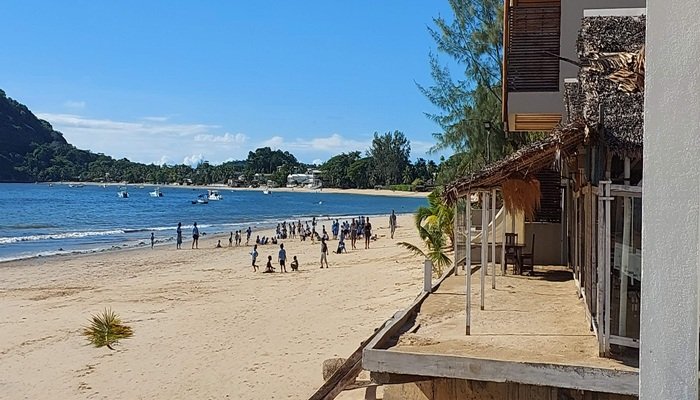
Traveling in Madagascar requires a different approach than most destinations. The island is large, infrastructure varies by region, and travel times are often longer than expected. At the same time, the experience is highly rewarding, with unique wildlife, diverse landscapes, and a culture that feels both welcoming and deeply rooted.
These Madagascar travel tips focus on how the country actually works on the ground. From planning a realistic route to understanding transport, logistics, and local customs, the goal is to help you avoid common mistakes and travel with more confidence. If you are still building your overall route, this Madagascar travel guide provides a complete overview of the island’s main regions and destinations.
What this guide covers:
- How to plan a realistic Madagascar itinerary based on distances and travel times
- What first-time visitors should know before arriving
- How transport works across the island, including road travel and domestic flights
- Practical advice on money, connectivity, and daily logistics
- Cultural context to help you travel respectfully
- Safety considerations and common-sense precautions
- How to avoid overloading your itinerary
- Common travel mistakes and how to prevent them
- Preparation tips that make travel smoother on arrival
- Clear answers to frequently asked questions about traveling in Madagascar
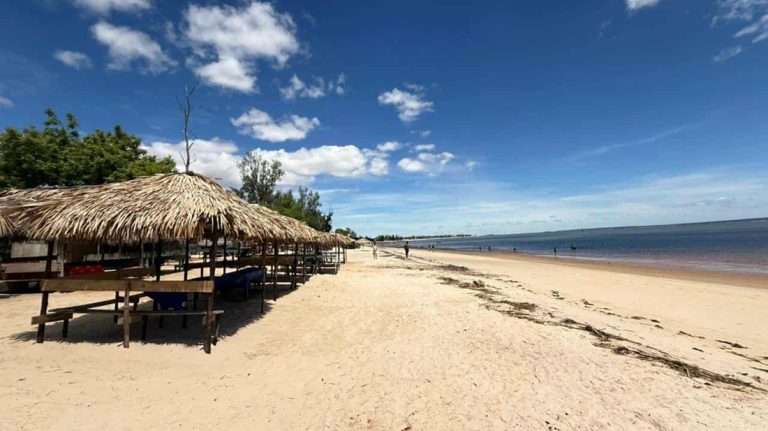
Madagascar Travel Tips: What You Need to Know Before You Go
Madagascar is one of the most distinctive destinations you can visit, but it is also a place where preparation directly shapes your experience. Before anything else, it helps to understand how to reach Madagascar and choose the right arrival point, because your entry location often determines how your route across the island unfolds. Distances are large, infrastructure varies by region, and travel times are often longer than they appear on a map. Taking the time to understand what travel in Madagascar actually looks like can help you avoid unrealistic plans and unnecessary frustration.
Madagascar is not a destination where spontaneous planning works well for most travelers. Road conditions can change quickly, connections between regions are limited, and many of the most rewarding locations require deliberate planning. Understanding the key travel tips in advance allows you to build a route that matches your time, choose the right regions, and avoid trying to cover too much ground.
At the same time, flexibility remains important. Once you adapt to the pace of travel, the island offers experiences that are difficult to find anywhere else. From endemic wildlife to remote landscapes and strong cultural identity, Madagascar rewards travelers who approach it with realistic expectations and a willingness to adjust along the way.
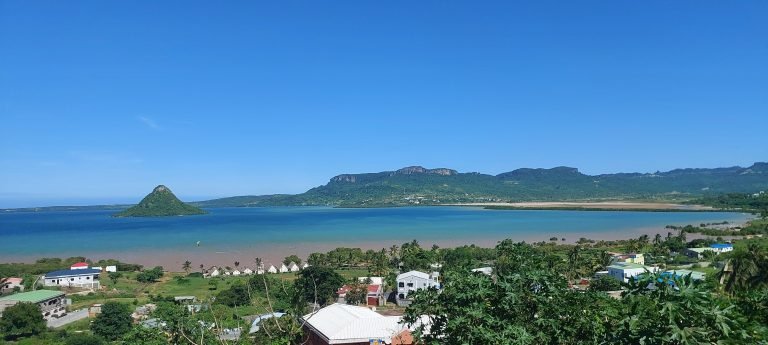
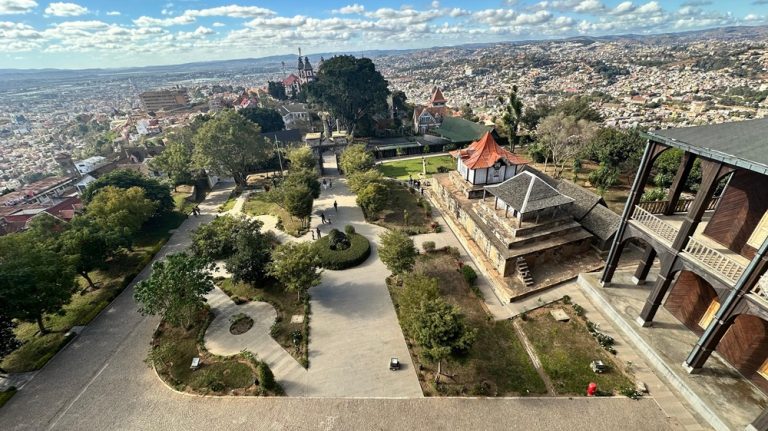
Madagascar Is Not a Typical Travel Destination
One of the most important Madagascar travel tips is to adjust expectations before you arrive. This is not a destination where everything runs on tight schedules or predictable systems. Infrastructure varies widely, distances are significant, and travel times are often longer than they appear when planning.
Key realities to understand before traveling:
- Road conditions can slow travel significantly, even over short distances
- Domestic flights may change schedules or operate less frequently
- Public transport, including taxi-brousse, follows flexible timing
- Moving between regions often takes longer than expected
- Logistics require more planning than in typical tourist destinations
For example, what looks like a short drive between towns can take several hours depending on road conditions. Transport schedules are not always fixed, and small logistical steps can take more time than expected. This does not reduce the value of the destination, but it does change how you should plan your trip.
The most effective approach is to slow down your itinerary. Instead of trying to cover the entire island, focus on a few regions and explore them properly. Building your route with a realistic Madagascar travel itinerary helps you move between destinations without unnecessary pressure.
Once you accept the pace of travel, the experience becomes more enjoyable. Long drives, remote landscapes, and slower connections are not obstacles but part of how Madagascar is experienced. Adapting to that rhythm is one of the most important steps in making the trip work.
Understanding Distances and Transport in Madagascar
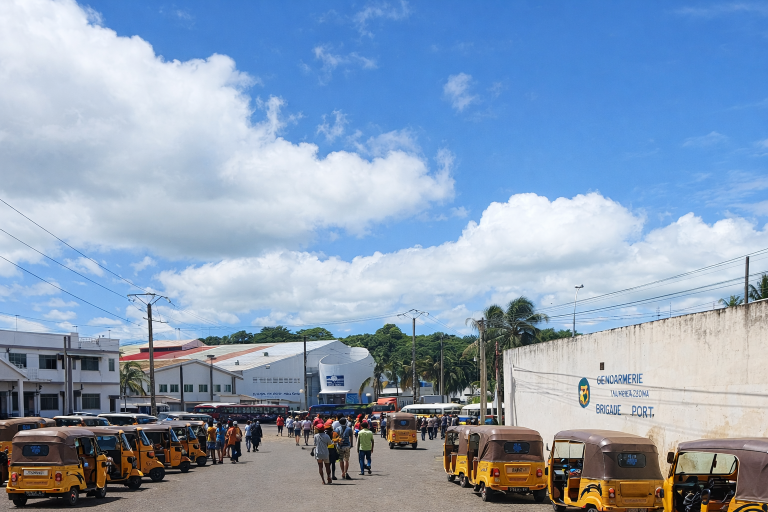
Understanding transport is one of the most important parts of planning a trip to Madagascar. The island is very large, road conditions vary widely, and travel times are often much longer than they appear during initial planning.
Key transport realities in Madagascar:
- Distances are large and average road speeds are low
- Long journeys by road are common between major regions
- Domestic flights save time but have limited routes and flexible schedules
- Public transport operates with less predictable timing
- Private drivers offer the most flexibility for multi-stop routes
For example, a journey of around 400 kilometers can take 15 to 18 hours depending on road conditions. This is why routes that look simple on a map often require careful planning and realistic expectations.
Domestic flights are the fastest way to cover long distances. Services operate under Madagascar Airlines and Tsaradia, connecting key locations such as Antananarivo, Nosy Be, Diego Suarez, Morondava, and Fort Dauphin. While flying reduces travel time significantly, routes are limited and schedules can change, so flexibility is essential.
Overland travel is commonly done by taxi-brousse, shared minibuses that connect towns and cities across the island. These often depart only when full, which makes timing unpredictable. More structured alternatives are available through companies such as Cotisse Transport and Soatrans Plus, which run scheduled services between major destinations.
Many travelers choose to hire a private driver for longer routes. This is especially common along routes such as the RN7, where the journey itself becomes part of the experience. A private driver allows you to stop for landscapes, villages, and national parks instead of treating the day purely as transit.
If you want a full breakdown of transport options, this Madagascar transport guide explains how flights, road travel, and regional connections fit together across the island.
Because travel often involves long distances and changing conditions, preparation matters. This Madagascar packing list for different travel conditions helps you prepare for both comfort and practical realities on the ground.
Money, Cash, and Paying for Things in Madagascar
Handling money properly is one of the most important practical aspects of traveling in Madagascar. The country operates largely on a cash basis, and outside major cities, card payments are rarely accepted.
Key money tips for traveling in Madagascar:
- Cash is essential for most daily transactions
- Credit cards are accepted only in a limited number of hotels and businesses
- ATMs are available in major towns but can be unreliable
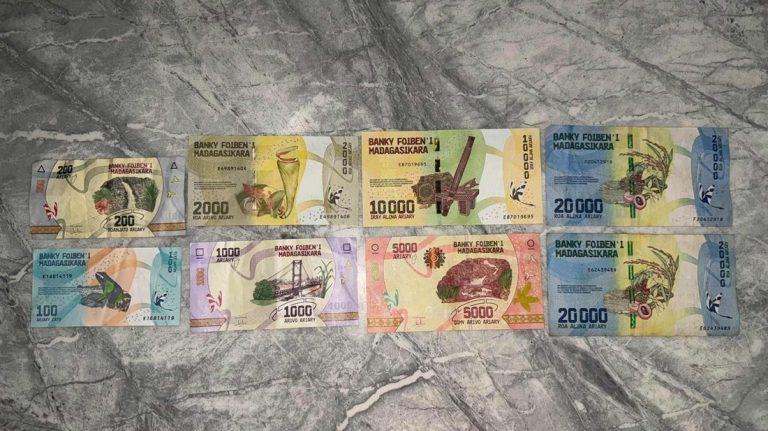
- The local currency uses relatively low-value banknotes
- Always carry enough cash before traveling to remote areas
One detail that surprises many travelers is the value of the currency. The largest banknote is 20,000 ariary, which is only a small amount in euros or US dollars. As a result, even normal expenses such as transport, meals, or accommodation can require carrying a large number of notes.
ATMs are available in Antananarivo and some larger towns, but they should not be relied on completely. Machines can run out of cash or stop working, particularly outside main urban areas. A safer approach is to withdraw money whenever you have the opportunity and carry enough for the next stage of your journey.
Mobile payment systems are widely used locally. Services such as Orange Money, MVola, and Airtel Money are part of everyday transactions in Madagascar. However, these systems are not always accessible or practical for international visitors, so they should not replace cash as your primary payment method.
The most reliable strategy is to manage your cash carefully. Keep money in different places, carry smaller notes for everyday use, and always prepare in advance before heading into remote regions. In Madagascar, managing cash properly is not optional. It is a core part of traveling smoothly.
Connectivity, SIM Cards, and Internet Access in Madagascar
Planning connectivity in advance makes traveling through Madagascar much easier. Internet access is available in many parts of the country, but reliability and speed vary depending on location. In larger cities such as Antananarivo, Nosy Be, and Diego Suarez, hotels and restaurants usually offer WiFi, although connections are often slower and less stable than expected.
What to expect for connectivity in Madagascar:
- WiFi is available in cities but can be slow or inconsistent
- Mobile data is usually the most reliable option
- Coverage is good in populated areas but limited in remote regions
- National parks and rural areas may have little or no signal
Buying a local SIM card is the most practical solution for most travelers. The main providers are Orange, Telma, and Airtel, all offering prepaid SIM cards with data packages. These are easy to find at airports, official shops, and small kiosks, and they are inexpensive compared to many other destinations.
Some travelers prefer to set up connectivity before arrival. In that case, an international eSIM allows you to activate mobile data as soon as you land. This international eSIM comparison guide explains how these services work and when they make sense. For a more location-specific breakdown, this Madagascar SIM vs eSIM guide compares both options based on real travel conditions.
Mobile data is useful for more than just browsing. Travelers rely on it for navigation, communication with hotels, coordinating transport, and sometimes mobile payment systems such as Orange Money, MVola, and Airtel Money.
If staying connected is important for your trip, the most reliable approach is to get a local SIM card shortly after arrival. Even when WiFi is available, mobile data tends to be more consistent as you move between destinations.
Health, Vaccinations, and Preparation for Madagascar
Preparing for health and safety before traveling to Madagascar is essential. The island’s tropical climate, remote regions, and limited medical infrastructure in some areas mean that basic preparation can make a significant difference to your overall experience.
Key health preparation tips for Madagascar:
- Check recommended vaccinations before traveling
- Plan mosquito protection, especially in coastal and lowland areas
- Bring essential medication and a basic travel medical kit
- Understand entry requirements and health-related documents
- Be aware of limited medical facilities outside major cities
Before departure, it is important to review the Madagascar visa and entry requirements, as you may need to present specific documents on arrival. Taking care of these formalities in advance helps avoid unnecessary delays at the airport.
Vaccination recommendations vary depending on your country of origin, but commonly suggested vaccines include hepatitis A, typhoid, and routine immunizations. Consulting a travel clinic or medical professional before your trip is the most reliable way to ensure you are properly prepared.
Mosquito protection is an important part of traveling in Madagascar. Malaria is present in certain regions, particularly in coastal areas and during the rainy season. Using repellent, wearing light long-sleeved clothing in the evening, and choosing accommodation with mosquito nets are simple but effective precautions.
Access to pharmacies and medical supplies becomes more limited outside major cities such as Antananarivo. Bringing essential medication with you is strongly recommended, along with a small personal medical kit for basic needs during travel.
With the right preparation, most travelers do not encounter serious health issues. Planning ahead allows you to travel more comfortably and focus on the landscapes, wildlife, and cultural experiences that make Madagascar unique.
Safety and Common-Sense Travel Advice
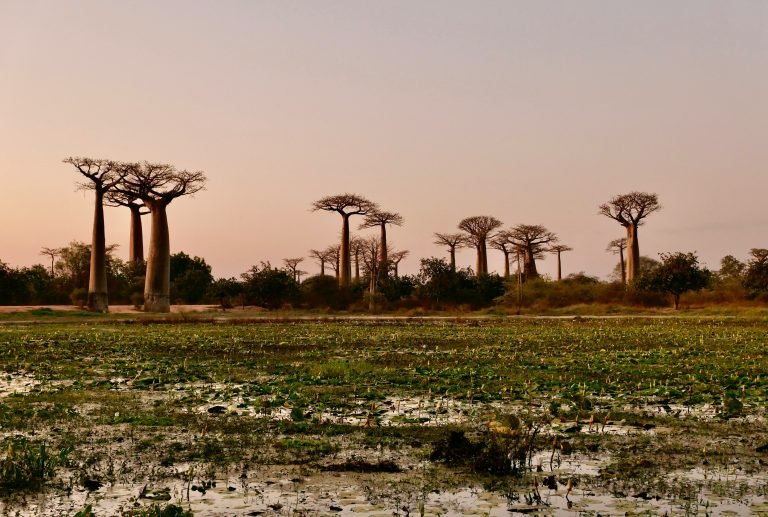
Safety is a common concern when planning a trip to Madagascar, but most visits are straightforward when you apply basic awareness and preparation. Like many developing destinations, the key is understanding the environment and adjusting your behavior accordingly.
Essential safety tips for traveling in Madagascar:
- Avoid displaying valuables in public areas
- Stay aware of your surroundings, especially in crowded places
- Limit walking alone at night in unfamiliar areas
- Use trusted transport options whenever possible
- Keep copies of important documents separate from originals
Petty theft can occur, particularly in larger cities such as Antananarivo. The same precautions used in other major cities apply here. Keep valuables out of sight, avoid unnecessary risks, and stay attentive in busy areas such as markets or transport hubs. If Tana is part of your itinerary, our first-hand look at Antananarivo covers safety, getting around, neighborhoods, attractions, restaurants and what the city is actually like to explore.
While most visits to Madagascar are trouble-free, many of the scams travelers encounter here are also common in destinations around the world. Before you travel, it's worth reading our Travel Scams Around the World guide to learn how to recognize common tourist scams and avoid becoming an easy target.
Outside major urban areas, the atmosphere is often much more relaxed. In rural regions, travelers are frequently met with curiosity and friendliness. Respectful behavior and basic awareness are usually enough to avoid problems.
If you want a more detailed breakdown of regional differences and practical precautions, this Madagascar safety guide explains what to expect and how to approach different situations across the country.
In practice, safety in Madagascar is about common sense rather than concern. Travelers who plan ahead, stay aware, and respect local conditions generally experience the country as welcoming and rewarding.
Cultural Tips and Fady in Madagascar
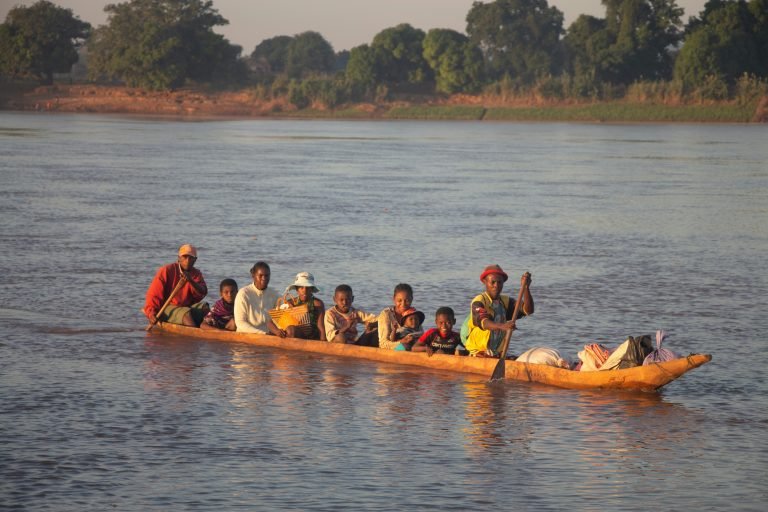
Culture plays a central role in everyday life in Madagascar, and understanding a few key customs can significantly improve your travel experience. Traditions are deeply rooted, and many aspects of daily behavior are influenced by fady, which are local taboos connected to history, ancestry, and belief systems.
Key cultural tips for traveling in Madagascar:
- Fady vary by region, so local customs may change from place to place
- Asking about local traditions is seen as respectful, not intrusive
- Greetings are important before starting conversations
- Modest and respectful behavior is appreciated in villages and public areas
- Always ask permission before photographing people
Fady can differ between regions and even between neighboring communities. Something acceptable in one area may be discouraged in another. Because of this, it is common practice to ask locals about any specific customs when arriving in a new place. Showing interest in these traditions is generally seen as a sign of respect.
Hospitality is another defining aspect of Malagasy culture. Taking the time to greet people properly before asking questions or making requests is considered polite and helps create positive interactions. Simple gestures such as a smile or greeting can make a noticeable difference when traveling.
When visiting villages, markets, or culturally significant locations, respectful behavior is expected. Photography should always be handled with care. Asking permission before taking photos of people is the safest approach and is usually appreciated.
Travelers who engage with local culture thoughtfully often have more meaningful experiences. Understanding customs, staying open-minded, and adapting to local ways of life are some of the most valuable habits you can bring when exploring Madagascar.
Common Mistakes Travelers Make in Madagascar
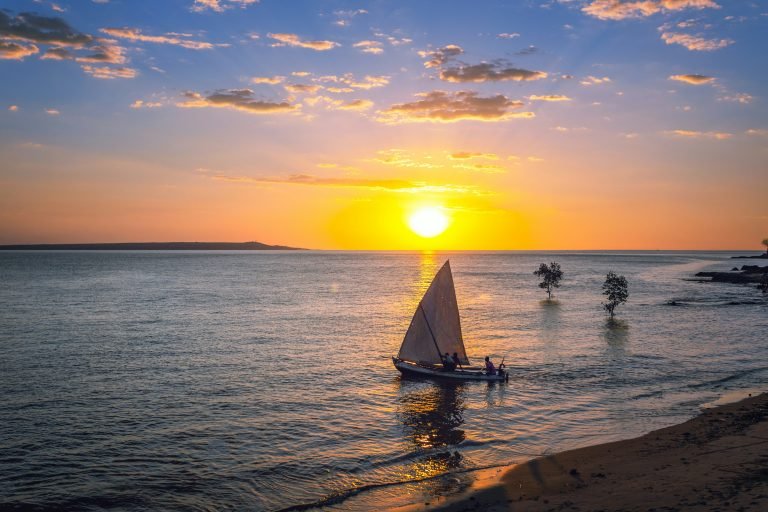
Madagascar rewards good planning, but it also exposes weak assumptions quickly. Many travelers arrive expecting a typical destination and only adjust once they experience the pace and logistics on the ground. Understanding the most common mistakes early helps you avoid frustration and build a more realistic trip, especially if you first review how travel in Madagascar actually works.
Common travel mistakes to avoid in Madagascar:
- Trying to cover too many regions in one trip
- Underestimating travel times between destinations
- Relying too heavily on ATMs or card payments
- Planning tight schedules without flexibility
- Expecting fast, predictable transport across the island
One of the biggest mistakes is attempting to see the entire island in a short timeframe. Madagascar appears manageable on a map, but distances are large and travel is slow. Many first-time visitors plan ambitious routes and end up spending more time in transit than actually exploring. Focusing on a few regions leads to a far better experience.
Underestimating travel time is another common issue. Road conditions vary, delays are normal, and connections are not always precise. Adding buffer time between destinations allows your itinerary to absorb these realities without becoming stressful.
Money planning also causes problems for some travelers. Madagascar operates largely on cash, and ATMs outside major cities can be unreliable. Running out of cash in a remote area can disrupt your plans quickly, so withdrawing in advance is essential.
Finally, many travelers underestimate how much better the experience becomes when they slow down. Madagascar is not a destination built for rushed itineraries. Its landscapes, wildlife, and culture reveal themselves over time. Travelers who remain flexible and adjust their pace usually leave with a much deeper and more rewarding experience.
Final Thoughts & Where to Go Next
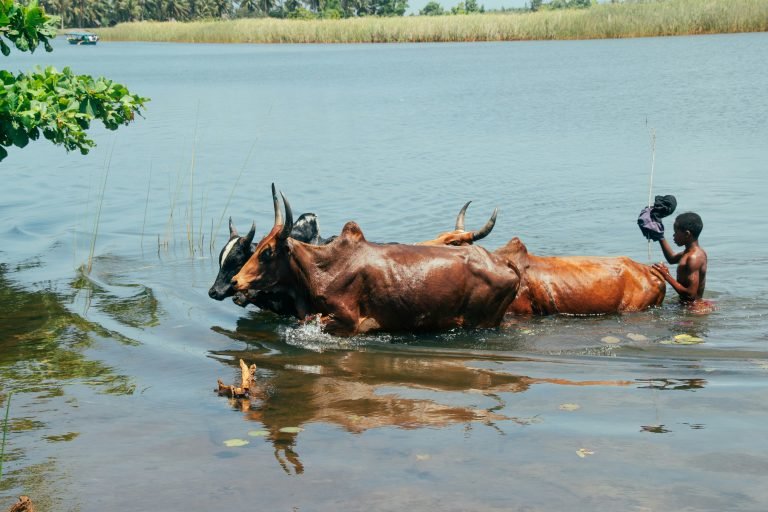
Madagascar is not a destination where everything runs on a fixed schedule, and that is exactly what makes it rewarding. Travelers who arrive with realistic expectations, patience, and flexibility usually discover a country defined by unique wildlife, strong cultural identity, and landscapes that feel completely different from anywhere else. The tips in this guide are designed to help you approach the island with the right mindset, so delays and unpredictability become part of the experience rather than a source of frustration.
With the right preparation, Madagascar becomes one of the most memorable trips you can take. Whether you are exploring rainforest trails in search of where to see lemurs in Madagascar, crossing the highlands, or heading toward remote coastal regions, the island leaves a lasting impression.
Many of these experiences are tied to protected environments. This Madagascar national parks guide explains where to find the country’s most important ecosystems and wildlife areas.
If you are still building your trip, start with a broader view. This Madagascar destination overview helps you understand how the main regions connect and what each area offers.
From there, route planning becomes essential. Before finalizing your trip, review how to enter Madagascar and choose the best arrival airport, then use this Madagascar itinerary planner to build a realistic route based on time and travel distances.
Accommodation and budget planning also shape the experience. This where to stay in Madagascar guide helps you choose the right base, while this Madagascar travel cost breakdown explains what to expect in terms of daily expenses.
Timing your trip correctly can make a major difference. This best time to visit Madagascar guide explains how seasons affect weather, wildlife, and accessibility.
Transport is another key factor. This Madagascar transport guide shows how flights, road travel, and long-distance routes work across the island.
For day-to-day preparation, this Madagascar travel tips guide covers practical details such as money, connectivity, and logistics. If safety is a concern, this Madagascar safety overview provides a clear breakdown of what to expect.
Exploring by region helps bring everything together. This northern Madagascar guide covers tropical islands and coastal areas, while this Central Highlands guide focuses on culture and highland landscapes.
For coastal contrasts, this west and east coast comparison explains regional differences, while this Madagascar beach guide highlights the best coastal destinations.
If you are heading further off the main route, this southern Madagascar guide covers more remote landscapes and less-visited regions.
For French readers, this guide de voyage de Madagascar provides a complete overview of the destination.
Together, these guides form a connected Madagascar travel series designed to take you from early planning to on-the-ground travel with a clear and realistic approach.
Madagascar Travel Tips: Frequently Asked Questions
• Is Madagascar difficult to travel around for first-time visitors?
Madagascar can feel more challenging than typical travel destinations because distances are large and road conditions are often slow. Travel between cities usually takes longer than expected, so planning with flexibility and realistic timing is important. Using domestic flights or private drivers can make travel easier.
• How many days do you need to travel in Madagascar?
Most travelers need at least 10 to 14 days to visit Madagascar properly. This allows you to explore one or two regions without rushing. With three weeks or more, you can combine multiple areas such as the Central Highlands, national parks, rainforest regions, and coastal destinations.
• Is Madagascar an expensive travel destination?
Madagascar can be affordable for accommodation and food, but transport costs can add up. Domestic flights and private drivers are usually the biggest expenses. Budget travelers can reduce costs by using taxi-brousse and basic guesthouses, while mid-range travelers often mix flights and road travel.
• Do you need a SIM card or internet in Madagascar?
Mobile data is widely used in Madagascar and is often more reliable than WiFi. Local SIM cards from Orange, Telma, and Airtel are inexpensive and provide good coverage in populated areas. Many travelers also use eSIM options to stay connected immediately after arrival.
• Can you pay by credit card in Madagascar?
Credit cards are accepted in some hotels and restaurants in Antananarivo and a few major tourist areas, but most of the country operates on cash. Travelers should expect to use local currency when visiting smaller towns, national parks, and rural regions.
• What is the best way to travel between cities in Madagascar?
The most common options are domestic flights, taxi-brousse, and private drivers. Taxi-brousse is the cheapest option but can be slow and crowded. Private drivers offer more comfort and flexibility, while flights are the fastest way to cover long distances.
• What should you know before traveling to Madagascar?
Travelers should understand that Madagascar requires planning, patience, and flexibility. Roads can be slow, infrastructure varies, and schedules are not always fixed. Preparing in advance and focusing on fewer regions usually leads to a better experience.
• What makes Madagascar a unique travel destination?
Madagascar is one of the most biologically unique destinations in the world, with more than 90% of its wildlife found nowhere else. Lemurs, chameleons, and diverse ecosystems combined with strong cultural traditions create a travel experience that is very different from other destinations.
Travel Resources to Plan, Book & Stay Connected
Use these tools and guides to stay connected abroad, find inspiration for your next trip, and book your flights, stays and gear with confidence.
Disclosure: This article may contain affiliate links. If you make a purchase through a link, I may receive a commission at no extra cost to you. I only share recommendations I believe are genuinely useful, and all opinions are my own. AI was used in this post for research and drafting purposes.

Comment (0)