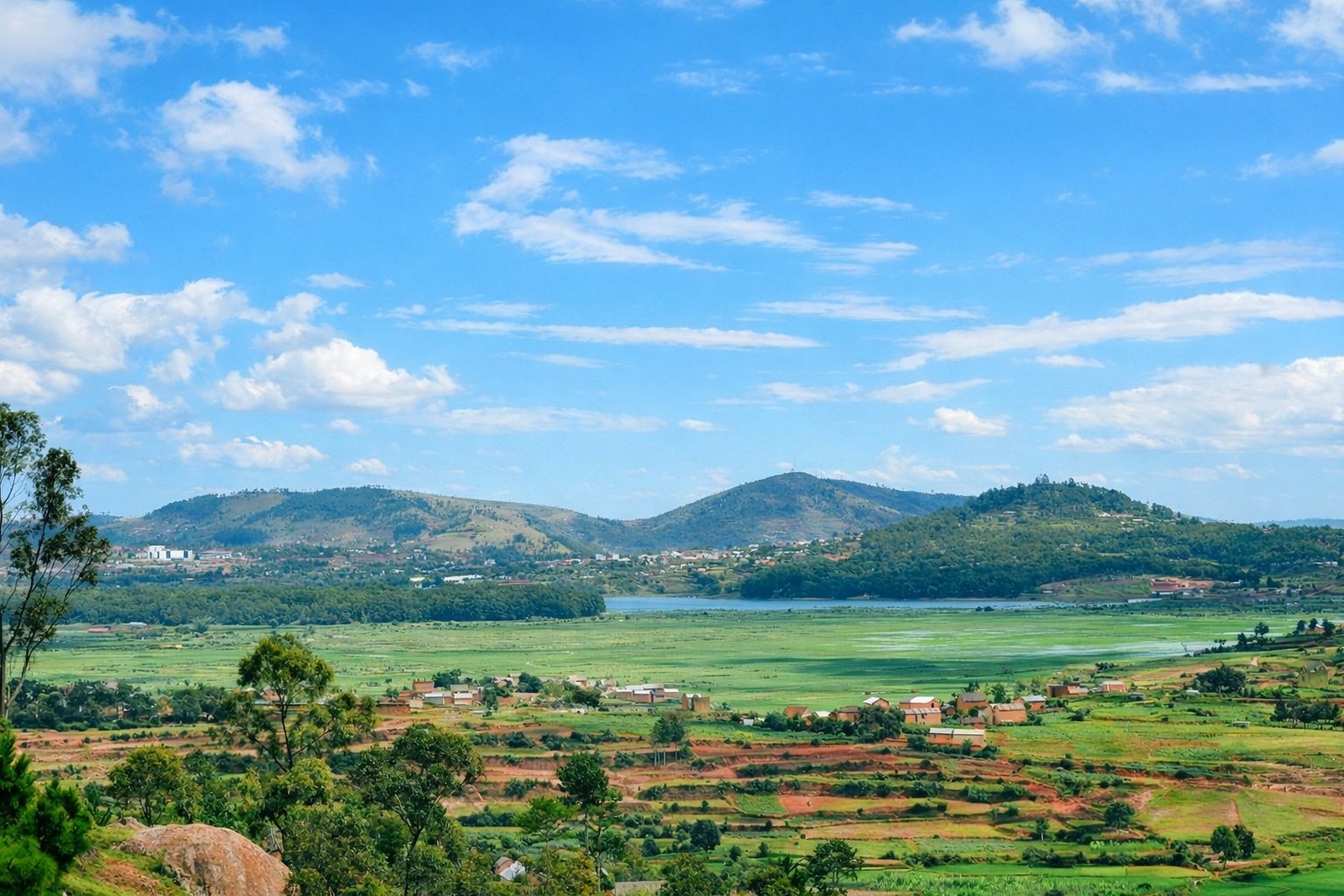
What This Madagascar Itinerary Guide Covers
📍 What you’ll find in this post: Clear, realistic Madagascar itinerary ideas for 10 days, 2 weeks, and 3 weeks, built around geography, travel flow, and what is actually possible on the ground. If you're still deciding where to go across the island, this complete overview of where to go in Madagascar helps you understand the country’s regions, highlights, and how they fit together as a destination.
🧭 Trip styles covered: Wildlife-focused routes, scenic road journeys, beach extensions, and combinations of rainforest, highlands, and coast.
🚗 Travel approach: This guide embraces Madagascar’s rhythm — journeys are scenic and meaningful, with landscapes, villages, and everyday life becoming part of the experience rather than something to rush through.
🦎 Key highlights included: Lemur forests, national parks, baobab landscapes, remote beaches, highland towns, and culturally rich stops along the way.
⏳ Pace expectations: Flexible and rewarding. The routes are designed to feel full but not exhausting, allowing time to actually enjoy places instead of constantly being in transit.
❓ Not sure if this post is for you? If you want a fast, checklist-style trip, Madagascar can feel slow. But if you’re open to immersive travel, changing scenery, and real local encounters, these routes will suit you perfectly.

How to Use These Madagascar Itineraries
Madagascar is not a destination where you try to “see everything.” Distances are large, roads can be slow, and every region feels like a different country. The goal of these itineraries is not to rush you across the island, but to help you choose a logical route that gives you variety without exhaustion.
Each itinerary below is built around realistic travel times, geographic flow, and a balance between nature, landscapes, wildlife, and local life. Before planning your route in detail, it’s also important to understand the entry requirements for Madagascar, including visa options and documents needed on arrival. It also helps to understand how to get to Madagascar and choose the right arrival airport, as your entry point can shape your entire route across the island. You can follow these itineraries exactly or use them as building blocks to design your own route depending on your interests, season, and flight connections.
You will notice that most routes focus on one main corridor or region instead of crisscrossing the island. That is intentional. In Madagascar, depth is far more rewarding than distance.
However, before diving into daily routes, it’s worth understanding how travel works across the island. This guide to getting around Madagascar explains realistic travel times and transport options between regions.
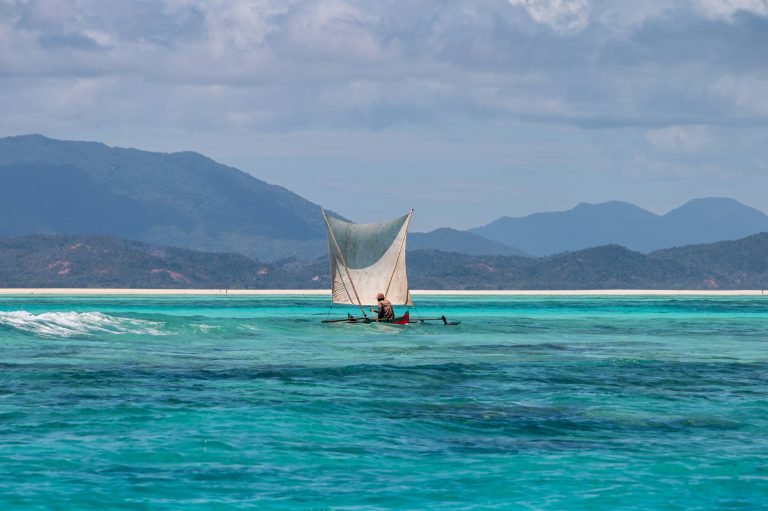
🧭 Madagascar Itinerary Routes: How These Trips Fit Together
Madagascar itineraries work best when they follow a clear travel route rather than trying to cover disconnected regions. The itineraries below are structured around distance, pacing, and real travel time on the ground.
Each option builds naturally on the previous one, so you can choose the trip length that fits your schedule without needing to rethink the entire route.
- 10-day Madagascar itinerary — a focused first-time route through the Central Highlands and rainforest regions
- 2-week Madagascar itinerary — a more relaxed version with added depth and flexibility
- 3-week Madagascar itinerary — a deeper journey combining multiple regions without rushing
If you’re short on time, the 10-day route gives a strong introduction. With two or three weeks, the same logic simply expands, allowing you to slow down and experience more without changing direction.
🗺 Madagascar Itinerary: 10 Days on the Classic Route (RN7 + Rainforests)
This 10-day Madagascar itinerary is ideal for a first trip if you want to combine wildlife, landscapes, and local culture without trying to cover the entire country. The idea is simple: follow a coherent travel route, keep a comfortable pace, and enjoy the journey as much as the destinations. This itinerary follows a clear geographic logic through the Central Highlands and rainforest regions, with realistic travel days.
✅ What you’ll find in this itinerary
A day-by-day Madagascar travel route that actually works on the ground, with proven stopovers and a calm, realistic approach. Yes, distances take time — but that time is part of the experience, with changing landscapes, villages, and everyday encounters, as long as you don’t try to do everything at once.
Who is this 10-day Madagascar itinerary for?
This itinerary is perfect if you have around 10 days in Madagascar, enjoy nature and wildlife (especially lemurs and rainforests), want a glimpse of daily life in the Central Highlands, and prefer a smooth, logical route rather than an overloaded schedule.
If you want a deeper overview of the capital and the surrounding highlands, see the guide to Antananarivo & the Central Highlands, which explains the region’s history, landscapes, and everyday Malagasy life.
Days 1–2: Arrival in Antananarivo & first impressions
Most international flights arrive in Antananarivo. Rather than heading straight back out, plan at least one night in the capital to recover, adjust to the rhythm of the country, and organize the next stages of your trip. Use this time to explore a few markets, enjoy hilltop views, and get a first feel for the energy of the city. If you want to make more of your time here, our Antananarivo city guide covers the capital's historic sights, markets, restaurants, nightlife and other places worth exploring.
Day two can stay flexible: a short outing into the Central Highlands (rice fields, villages, rolling hills) or a practical day for logistics such as currency exchange, SIM or eSIM setup, transport planning, and preparing for the road ahead. This buffer puts you in a strong position for the rest of the itinerary.
Days 3–4: Andasibe–Mantadia (rainforest & lemurs)
Travel east toward Andasibe–Mantadia, one of the best regions in Madagascar for wildlife on a first trip. The drive gradually shifts into greener, more humid landscapes, and the atmosphere changes completely as you enter the rainforest. If you want to understand what species you may encounter here, this Madagascar wildlife guide gives a broader overview of the island’s unique animals.
Visits here are done with local guides, which is essential and greatly enhances the experience. They spot animals you would never notice on your own. Andasibe is famous for the indri, the largest living lemur, and night walks often reveal more elusive species such as chameleons, frogs, and nocturnal lemurs.
Day 5: Return to Antananarivo & start of the RN7 south
Head back toward Antananarivo before joining the main southbound road, the RN7. Many travelers choose to stay near the capital again before continuing south. This also provides a useful buffer in case road conditions or weather slow things down.
Understanding how transport works across Madagascar is essential when planning this route. The guide on getting around Madagascar explains domestic flights, road travel realities, and how travelers move between regions on the island.
Days 6–7: Antsirabe (Central Highlands, villages & slower rhythm)
Antsirabe is a refreshing stop along the RN7: cooler temperatures, a calmer atmosphere, and beautiful highland scenery with rice fields and rolling hills. It’s a great place to slow the pace and enjoy the journey rather than chasing attractions.
In the surrounding area, you can visit craft workshops, nearby villages, and typical Central Highlands landscapes. This stop adds a strong cultural and human dimension after the dense rainforest of Andasibe.
Days 8–9: Ranomafana (dense nature & guided hikes)
Continue south toward Ranomafana, a deeper rainforest region known for its biodiversity and misty mountain scenery. Nature here feels intense, with thick vegetation, rivers, and steep green hills.
Hikes are also guided, with routes ranging from easy walks to more demanding treks. Several lemur species, birds, and other endemic wildlife can be spotted with an experienced guide. For many travelers, Ranomafana becomes one of the highlights of a first Madagascar itinerary.
Seasonality can affect road conditions and wildlife sightings along this route, so it’s worth checking the guide on the best time to visit Madagascar before finalizing your travel dates.
Day 10: Fianarantsoa or gradual return toward Antananarivo
Depending on your flight schedule and pace, you can continue south to Fianarantsoa — a historic town and key transition point in the southern highlands — or begin a gradual return north toward Antananarivo. The main priority is avoiding a rushed final day. Breaking the return into stages usually makes the end of the trip far more relaxed.
This 10-day Madagascar itinerary works because it stays coherent and breathable. You experience rainforest and wildlife, travel through the Central Highlands, and keep enough flexibility to enjoy the country rather than feeling constrained by the schedule.
Before traveling, it also helps to review the practical Madagascar travel tips guide, which covers money, connectivity, transport expectations, and everyday details that can make a trip across the island much smoother.
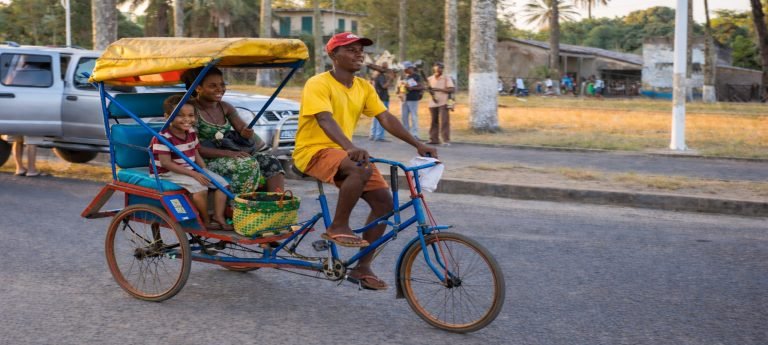
🟡 Madagascar Itinerary — 2 Weeks with a Balanced, Unrushed Flow
With two weeks in Madagascar, you gain something that makes a real difference: breathing room. This itinerary builds directly on the 10-day route, but adds flexibility and depth so the journey feels immersive rather than compressed.
Instead of changing direction or chasing distant regions, the focus stays on a single, logical travel flow. You move through the Central Highlands and rainforest regions at a calmer pace, with extra time in key locations and fewer rushed travel days.
🗺 2-Week Route Overview
- Antananarivo & Central Highlands
- Eastern Rainforest (Andasibe)
- Southern RN7 corridor (Antsirabe, Ranomafana)
- Gradual return north with flexible stopovers
Days 1–4: Antananarivo & Andasibe at a Slower Pace
The first part of the trip mirrors the 10-day itinerary but without the pressure to move quickly. Extra time in and around Antananarivo allows for a smoother arrival, better recovery from travel, and a gentler transition into Malagasy daily life. If you want a deeper look at the capital and its surrounding landscapes, see the guide to Antananarivo & the Central Highlands.
In Andasibe, two to three full days give you the chance to enjoy guided walks without rushing, explore different sections of the forest, and experience both daytime and nighttime wildlife activity. This slower rhythm often leads to richer sightings and a more relaxed experience overall.
Days 5–7: Antsirabe & the Central Highlands
Continuing south along the RN7, Antsirabe becomes more than just a stopover. Understanding how transport works across Madagascar can help make this part of the journey smoother, which is why the guide on getting around Madagascar explains road travel realities, taxi-brousse routes, and how visitors typically move between regions.
These days help balance the itinerary, creating a natural pause between rainforest sections and longer road journeys.
Days 8–11: Ranomafana & Southern Highlands
Ranomafana benefits greatly from extra time. With two or three nights, you can choose hikes that suit your energy level, enjoy the atmosphere of the forest, and avoid packing too much into a single day.
Ranomafana benefits greatly from extra time. With two or three nights, you can choose hikes that suit your energy level and enjoy the atmosphere of the forest. Because rainfall patterns can influence both road conditions and wildlife sightings, it also helps to check the guide on the best time to visit Madagascar before finalizing travel dates.
This section of the itinerary emphasizes quality over quantity, allowing nature and pace to guide your days rather than a strict checklist.
Days 12–14: Flexible Return & Buffer Days
The final days are intentionally flexible. Whether you begin the return toward Antananarivo gradually or add an extra overnight stop along the RN7, this buffer reduces stress and makes the end of the trip feel calm and controlled.
These extra days are often where travelers feel the biggest difference compared to a shorter itinerary — fewer long days on the road, more time to enjoy where you are, and space for the unexpected.
This 2-week Madagascar itinerary works because it stays focused, respects distances, and gives you time to experience the country without turning the journey into a race.
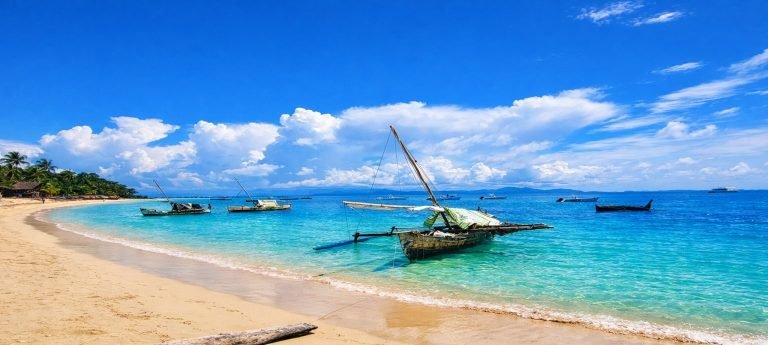
🔵 Madagascar Itinerary — 3 Weeks of Deep, Rewarding Travel
With three weeks in Madagascar, the country stops feeling large and starts feeling layered. This is where travel becomes less about moving between highlights and more about understanding how regions connect, how landscapes change, and how daily life unfolds along the road.
A three-week itinerary allows you to combine regions sensibly, without rushing or relying on constant flights. Distances still exist, but the pace becomes relaxed enough that travel days feel like part of the experience rather than interruptions.
This itinerary builds naturally on the classic southern route and then expands west, offering one of the most balanced ways to experience Madagascar in depth.
🗺 3-Week Route Overview
- Antananarivo & Central Highlands
- Eastern Rainforest (Andasibe & Ranomafana)
- RN7 Southbound (Antsirabe, Isalo region)
- Southwest Coast (Ifaty or surrounding areas)
- Gradual return north
🟢 Week 1 — Highlands & Rainforest Foundations
The journey begins in the central highlands, where elevation brings cooler air, terraced landscapes, and a slower introduction to the country. After settling in Antananarivo, you head east toward the rainforest.
Andasibe is the first major stop, offering an immersive introduction to Madagascar’s wildlife and lush forest environments. With extra time, you can enjoy guided walks without rushing and appreciate the rhythm of life in nearby villages.
From there, the route bends south through Antsirabe, where the pace naturally slows again. The transition between rainforest and highland landscapes sets the tone for the journey ahead.
If you want a deeper overview of the region, the guide to Antananarivo & the Central Highlands explains the landscapes, historic towns, and everyday Malagasy life found throughout this part of the island.🟡 Week 2 — Southern RN7 & National Parks
Week two follows the RN7 deeper into the south, one of Madagascar’s most scenic overland routes. Each stretch of road brings visible changes in vegetation, geology, and atmosphere.
Ranomafana’s dense rainforest contrasts beautifully with the open highlands before the landscape opens further into the dramatic formations of the Isalo region. This part of the trip balances hiking, wildlife observation, and rest days that let you enjoy your surroundings rather than rush through them.
Travel days here are unhurried by design. Stops along the way offer insight into rural life and make the long distances feel meaningful rather than tiring.
Because Madagascar’s distances are significant, understanding how travel works across the island is essential. The guide on getting around Madagascar explains domestic flights, taxi-brousse routes, and the realities of long-distance travel between regions.🔵 Week 3 — Southwest Coast & Return North
The final week shifts toward the southwest coast, where dry landscapes meet the sea. After the intensity of forests and canyons, coastal time provides contrast and space to unwind.
Days here are slower and more flexible, allowing for beach time, short excursions, and simple routines shaped by tides and light rather than schedules. It’s an ideal way to absorb the journey you’ve just completed.
The return north is planned gradually, with overnight stops that break up the journey and allow you to revisit favorite regions from a new perspective.
This part of the journey overlaps with the landscapes covered in the guide to Southern Madagascar (Toliara, Ifaty & Fort Dauphin), which explores the dry forests, baobabs, and remote coastline of the island’s far south.
🧭 Why 3 Weeks Works So Well in Madagascar
Three weeks gives Madagascar the time it deserves. Instead of compressing distances, this itinerary respects them, turning movement into part of the story rather than something to endure. Seasonality can influence road conditions, wildlife sightings, and coastal weather, which is why many travelers check the guide on the best time to visit Madagascar before finalizing travel dates.
For travelers who value depth, continuity, and a strong sense of place, this route offers one of the most rewarding ways to experience the country.
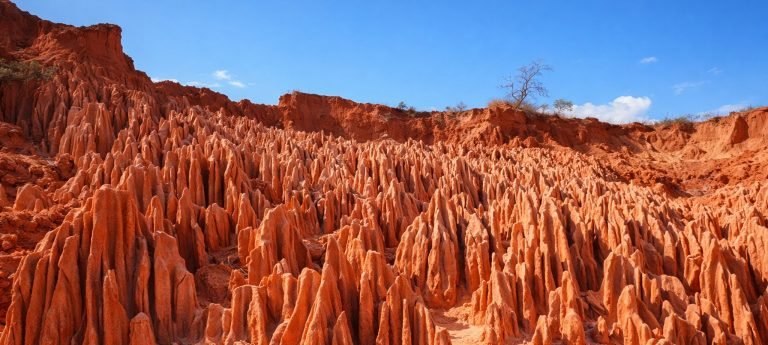
🧳 Other Factors You May Want to Consider when Planning a Madagascar Itinerary
Planning a trip through Madagascar isn’t about squeezing in as many places as possible. It’s about choosing a route that flows, allowing time for the unexpected, and letting the journey unfold at a pace that feels right. Taking the time to understand what travel in Madagascar actually looks like can make a significant difference in how you approach your itinerary from the very beginning.
Whether you have ten days, two weeks, or longer, the most rewarding itineraries are the ones that respect distances and embrace the moments in between. Landscapes change slowly, villages appear where you don’t expect them, and travel days often become some of the most memorable parts of the trip. Trying to rush from one highlight to another rarely works in Madagascar, where the experience is shaped as much by the journey as by the destinations themselves.
It is also worth building flexibility into your plans. Transport schedules can shift, road conditions can vary, and small changes along the way are part of traveling across the island. Instead of seeing these moments as disruptions, they often add depth to your trip and create experiences that feel far more authentic than anything planned in advance.
Comfort, pacing, and expectations all play a role in shaping your experience. Choosing fewer regions, allowing extra time between destinations, and being realistic about travel days will make your itinerary far more enjoyable. Madagascar rewards patience and curiosity, and travelers who adapt to its rhythm tend to experience the country in a much more meaningful way.
With thoughtful routing and a relaxed mindset, Madagascar offers an experience that feels immersive, human, and deeply satisfying — not rushed, not overwhelming, and never just about ticking boxes. It is a destination where the journey matters just as much as the places you visit, and where preparation allows you to fully enjoy everything the island has to offer.
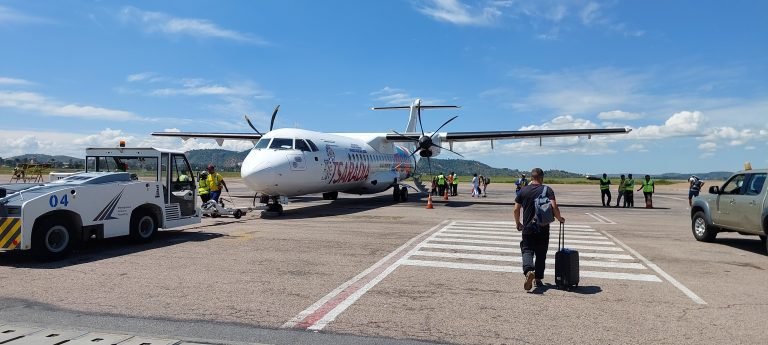
🧳 Final Thoughts on Planning a Madagascar Itinerary
Planning a trip through Madagascar isn’t about squeezing in as many places as possible. It’s about choosing a route that flows, allowing time for the unexpected, and letting the journey unfold at a pace that feels right.
Whether you have ten days, two weeks, or longer, the most rewarding itineraries are the ones that respect distances and embrace the moments in between. Landscapes change slowly, villages appear where you don’t expect them, and travel days often become some of the most memorable parts of the trip.
With thoughtful routing and a relaxed mindset, Madagascar offers an experience that feels immersive, human, and deeply satisfying — not rushed, not overwhelming, and never just about ticking boxes. From rainforest wildlife to quiet fishing villages and remote coastlines, travelers often find themselves discovering some of the most beautiful coastal destinations and beaches in Madagascar along the way.
🔗 Continue Exploring Madagascar
This itinerary focuses on travel flow and pacing, but each region along the route has its own depth, character, and highlights. If you want to explore these areas in more detail, you can dive deeper into the Central Highlands around Antananarivo and Antsirabe, head west toward Morondava to experience the iconic Avenue of the Baobabs, continue north toward the rainforests, islands, and national parks of northern Madagascar—where you’ll also find opportunities to see lemurs in their natural habitat—or experience the contrast between the west and east coasts in the Majunga and Tamatave regions. Further south, the landscapes shift again across the dry forests and coastal areas of southern Madagascar, offering a completely different side of the island.
As you refine your plans, it also helps to understand the practical side of traveling across the island. Before you even finalize your route, it’s worth understanding how to get to Madagascar and choose the right arrival airport, as this decision can shape your entire itinerary. Getting around Madagascar can be an adventure in itself, whether you’re relying on domestic flights or long-distance taxi-brousse routes. Before departure, it is also important to review Madagascar visa requirements and entry rules so you arrive prepared with the correct documents. Choosing where to stay depends heavily on your route, travel style, and how much time you want to spend in each place, which is why it’s worth exploring the best areas and accommodation options across Madagascar.
Budget and timing can also shape your experience. Understanding realistic travel costs in Madagascar helps you plan more confidently, while knowing the best time of year to visit can make a big difference for weather, wildlife, and accessibility. If your trip is centered around nature, exploring the island’s national parks and wildlife areas is often one of the highlights, and this Madagascar wildlife guide helps you understand what species you may encounter.
For first-time visitors especially, it’s also worth understanding what to expect on the ground. Knowing how safe Madagascar is for travelers and reviewing essential travel tips and local insights can help you move through the country with more confidence and flexibility. For staying connected across different regions, this SIM vs eSIM in Madagascar guide explains how mobile data works in cities, national parks, and remote areas, including coverage, costs, and what to expect on the ground. Before you go, it is also worth checking a complete Madagascar packing list to make sure you are fully prepared for the island’s varied conditions. Food is also a central part of everyday life, and exploring what to eat in Madagascar gives a deeper understanding of local culture as you travel.
If you want to zoom out and see how everything connects—from destinations and routes to logistics and travel realities—this complete overview of Madagascar brings it all together in one place.
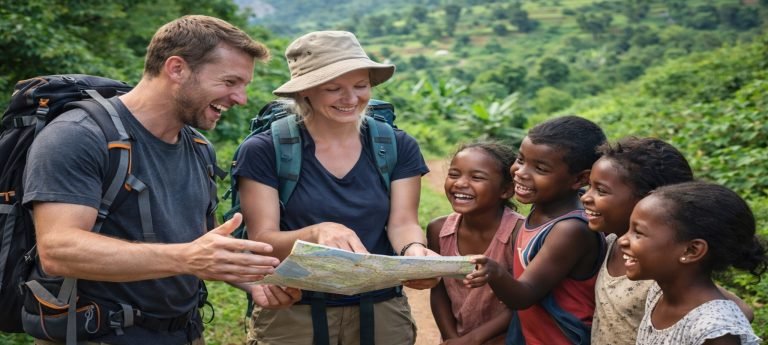
❓ Madagascar Itinerary FAQ
🧭 How many days do you need in Madagascar?
Madagascar is a large country, so the “right” trip length depends on how much moving you want to do. A 10-day trip works well for a focused first-timer route, two weeks gives you a more comfortable pace, and three weeks lets you combine regions without feeling rushed.
🗺 What is the best itinerary for a first trip to Madagascar?
For most first-time travelers, the easiest route to plan is a highlands + rainforest flow that connects well by road and keeps the travel logic simple. A classic RN7-style route works especially well because it naturally links landscapes, wildlife, and cultural stops in a clear direction.
🚗 Is it better to travel Madagascar by road or take flights?
Road travel is often the most immersive way to experience Madagascar because you see the transitions between regions and get a real sense of daily life. Flights can be useful for time-saving on longer routes, but a well-planned overland itinerary is usually more satisfying and keeps the trip feeling connected.
⏱ How do you plan travel days without feeling exhausted?
The key is to build your route around realistic travel time and leave breathing room. Use overnight stops when needed, avoid stacking long drives back-to-back, and plan a few slower days in places you genuinely want to enjoy instead of treating every stop as a one-night checkpoint.
🌧 When is the best time of year to do a Madagascar itinerary?
The best time depends on the regions you’re visiting, but many travelers aim for drier months for easier overland travel. If you’re mixing rainforests and the south, focus on a season where roads are more reliable and hikes are more enjoyable.
🦎 What are the “must-see” stops for wildlife on a 10–14 day route?
Rainforest areas near Andasibe and Ranomafana are among the most popular wildlife-focused stops because they offer strong chances to see lemurs and other endemic species. The most rewarding plan is to include at least one rainforest section and give yourself enough time there for guided walks.
🏖 Can you combine beaches with an itinerary route easily?
Yes — beaches work best as either a relaxing finish to your route or as a region-focused trip where you explore one coastal area properly. The key is choosing a coastline that fits your travel flow so you’re not bouncing back and forth across the country.
🎒 Is Madagascar a good destination for independent travel?
It can be, especially if you enjoy planning and traveling with flexibility. Many travelers choose a driver or guided segments for efficiency, but independent travel is possible when you keep your route simple, allow extra time, and plan around distances rather than trying to cover too much.
📍What’s the biggest mistake people make when planning a Madagascar route?
The most common mistake is trying to pack too many regions into one trip. Madagascar rewards a slower rhythm. A route that flows in one direction with a few meaningful stops almost always feels better than an itinerary that tries to cover everything.
Travel Resources to Plan, Book & Stay Connected
Use these tools and guides to stay connected abroad, find inspiration for your next trip, and book your flights, stays and gear with confidence.

Comment (0)