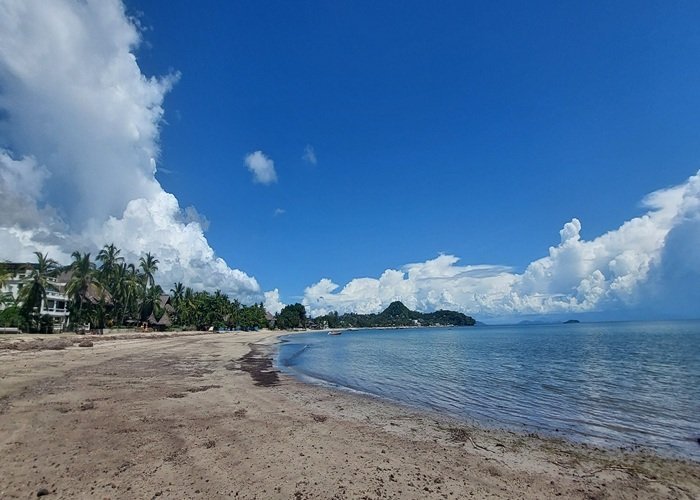
The best time to visit Madagascar is generally between May and October, when drier conditions, cooler temperatures, and clearer skies make travel across the island more manageable.
What this means for your trip:
- Weather varies significantly between the east coast, west coast, highlands, and the south
- The dry season from May to October is the most reliable period for road travel and national park access
- The rainy season from November to April brings greener landscapes but can disrupt transport in some regions
- Wildlife experiences change by season, including lemur activity, reptile sightings, and whale migration
- April, May, October, and early November often provide a balance between conditions and lower visitor numbers
If you are still building your route, this complete Madagascar travel guide breaks down the main regions, parks, and destinations so you can align the best time to visit with where you actually want to go.
Introduction
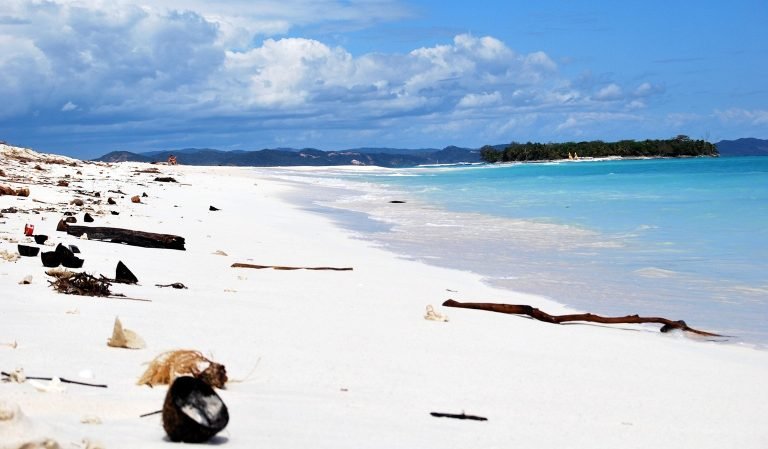
Madagascar does not have a single ideal travel season. The island is large, and conditions vary significantly between regions. Weather in the Central Highlands, the humid east coast, and the drier west and south can feel completely different at the same time, which means timing your trip depends as much on where you go as when you travel.
For most travelers, the most reliable period falls between May and October. During these months, conditions are generally drier, temperatures are more comfortable, and travel between regions is easier. Roads are more accessible, national parks are simpler to explore, and wildlife viewing is often at its best across multiple parts of the island.
The rainy season, from November to April, changes the experience rather than making it impossible. Landscapes become greener, waterfalls are more active, and certain wildlife is easier to spot. At the same time, heavy rain can affect transport, especially in remote areas where road conditions can deteriorate quickly.
Understanding how these seasonal patterns affect travel is key when planning a route. If you are combining regions or moving across the island, timing influences not only the weather but also accessibility and overall travel flow.
This guide breaks down Madagascar’s seasons, highlights when to visit for wildlife and coastal travel, and helps you align timing with your itinerary. If you are still deciding where to go, this Madagascar travel guide provides a full overview of the island’s main regions and experiences.
Understanding Madagascar’s Climate
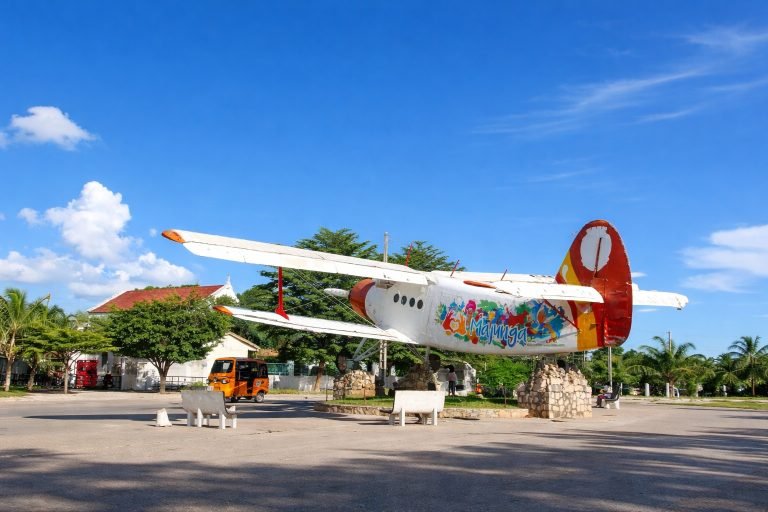
Before choosing when to visit Madagascar, it is important to understand how the island’s climate works. Madagascar stretches over 1,500 kilometers from north to south, and its geography creates very different weather patterns depending on the region.
Key climate differences across Madagascar:
- The Central Highlands, including Antananarivo, are cooler due to higher elevation
- The east coast is tropical and receives the heaviest rainfall
- The west coast is drier with more consistent sunshine
- The far south can feel arid, with semi-desert conditions in some areas
Madagascar has two main seasons. The rainy season runs from November to April and brings tropical downpours, especially on the east coast. During this period, some roads can become difficult or inaccessible, particularly in remote regions. Cyclones can also affect parts of the island during these months.
The dry season, from May to October, is generally more stable. Temperatures are cooler, skies are clearer, and travel conditions are more predictable. This makes it easier to move between regions and visit national parks without major disruptions.
These seasonal differences are why timing matters. Weather does not just affect comfort, it directly impacts transport, accessibility, and how easily you can follow a planned route across the island.
If you are planning to travel between multiple regions, this Madagascar transport guide explains how distances, road conditions, and seasonal changes influence travel times and logistics.
The Dry Season in Madagascar (May to October)
The dry season from May to October is generally the most reliable time to visit Madagascar. Conditions are cooler, humidity is lower, and travel between regions becomes more predictable, which makes this period especially suitable for longer trips.
Why the dry season works well for most trips:
- More stable weather across most regions of the island
- Better road conditions for overland travel
- Comfortable temperatures for exploring national parks
- Good visibility for landscapes and coastal areas
- Strong wildlife viewing opportunities, including whale season
In the Central Highlands, including Antananarivo, temperatures are moderate during the day and cooler in the evenings due to elevation. This makes it easier to explore cities, rural areas, and longer road routes without the heat and humidity found during the rainy season.
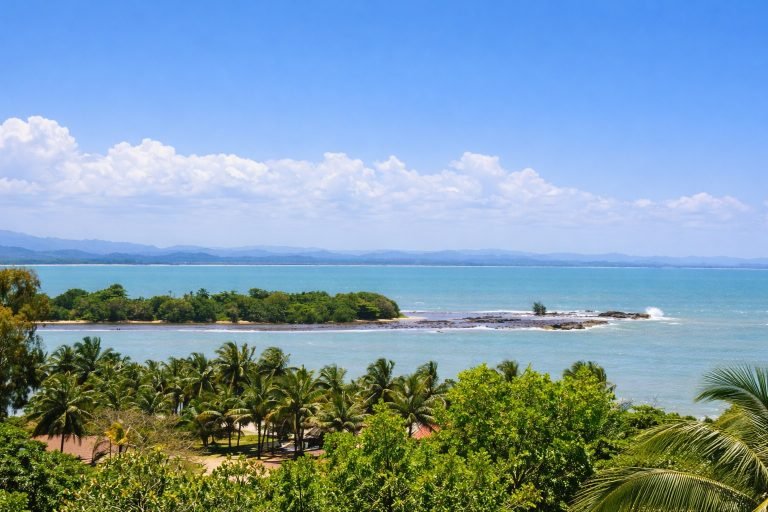
Along the west coast, weather is typically dry and sunny, with long stretches of clear skies. These conditions are well suited for coastal travel, beach stops, and routes that pass through interior regions where road conditions improve significantly during this time of year.
Wildlife viewing is also strong during the dry season. Lemurs, birds, and reptiles remain active, and cooler temperatures make walking through forests and reserves more manageable. Between July and September, whale watching becomes a major highlight along the eastern coastline.
For travelers planning to move between regions or follow a multi-stop route, the dry season offers the most balanced conditions. It aligns well with longer journeys such as those outlined in this Madagascar travel itinerary, where consistent weather helps keep travel plans on track.
The Rainy Season in Madagascar (November to April)
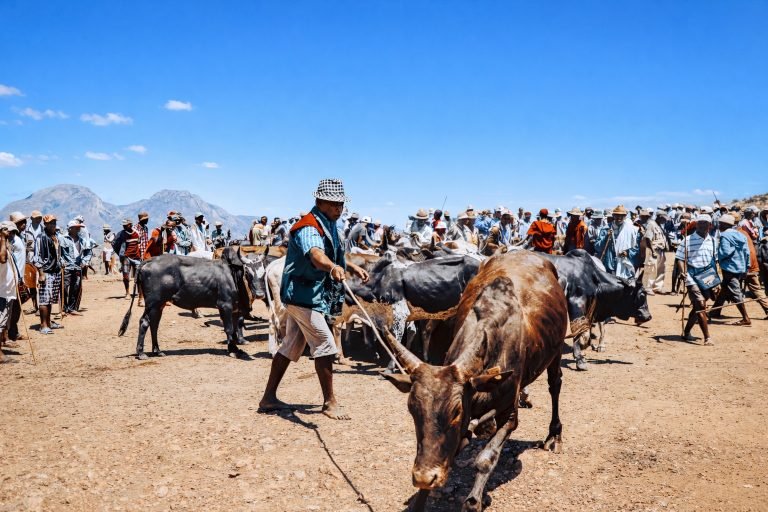
The rainy season in Madagascar runs from November to April and brings warmer temperatures, higher humidity, and frequent tropical rain. During this period, the island becomes greener and more vibrant, with full rivers, dense forests, and dramatic landscapes.
What to expect during the rainy season:
- Lush landscapes and stronger waterfalls
- Higher humidity and frequent afternoon rain
- More challenging road conditions in remote areas
- Increased risk of storms and cyclones, especially early in the year
- Fewer visitors and quieter national parks
Travel conditions can become more complicated during these months. Outside major routes, roads may turn muddy or difficult to pass, which can significantly increase travel times. Routes that are straightforward in the dry season can become slow or unpredictable after heavy rain.
The east coast is most affected by rainfall because it faces incoming weather systems from the Indian Ocean. Between January and March, tropical storms and cyclones can occasionally disrupt transport, particularly in coastal areas. While not constant, these events are an important factor when planning a trip.
Despite these challenges, the rainy season offers a different type of experience. Wildlife remains active, vegetation is at its most vibrant, and the island feels less crowded. For some travelers, this creates a more immersive and visually striking journey.
If you plan to travel during this period, preparation matters. This Madagascar travel tips guide explains how to handle seasonal conditions, road realities, and everyday logistics across the island.
Best Time to Visit Madagascar for Wildlife
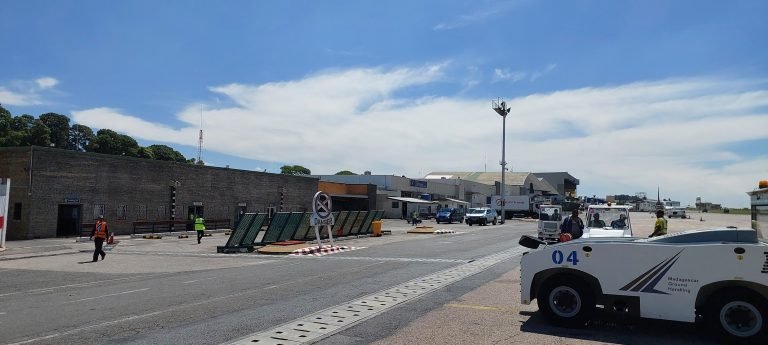
Wildlife is one of the main reasons travelers choose Madagascar. The island’s ecosystems are highly unique, and many species found here do not exist anywhere else. Because of this, the best time to visit is often based on animal activity rather than weather alone.
Best periods for wildlife in Madagascar:
- May to October for overall wildlife viewing and easier park access
- September to November for birdwatching and nesting activity
- November to December for reptiles such as chameleons and geckos
- July to September for whale watching along the east coast
The dry season from May to October is the most consistent period for wildlife viewing. Cooler temperatures make walking through national parks more comfortable, and trails are easier to navigate. This combination improves both access and visibility across many regions.
Lemurs can be seen throughout the year, but they are often easier to spot during the dry season when movement increases in search of food. Birdwatching also improves toward the end of this period, especially between September and November when many species are active and nesting.
Reptiles follow a slightly different pattern. Warmer and more humid conditions at the beginning of the rainy season create better opportunities to see chameleons, geckos, and amphibians. November and December can therefore be a strong window for travelers interested in these species without fully entering peak cyclone season.
Whale watching adds another seasonal highlight. Between July and September, humpback whales migrate along Madagascar’s east coast. Sainte Marie is one of the most reliable locations to observe them, as they gather in the warm waters to breed and raise their young.
If wildlife is your main priority, combining regions is often the best approach. This Madagascar wildlife and travel guide helps you understand how parks, forests, and coastal areas fit together across the island.
Best Time to Visit Madagascar for Beaches and Coastal Travel
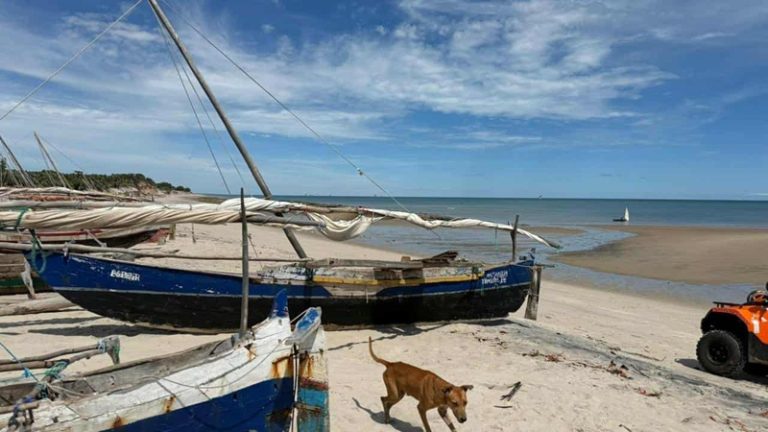
Madagascar’s coastline offers a very different experience from its inland regions, with islands, coral reefs, and quiet beach destinations spread along thousands of kilometers of shore. Timing matters here, because sea conditions and weather patterns directly affect how enjoyable coastal travel feels.
Best conditions for beaches and coastal travel:
- May to October for stable weather and calmer seas
- June to September for consistent sunshine along the west coast
- July to September for whale watching on the east coast
- Lower humidity and clearer skies compared to the rainy season
The dry season from May to October is generally the most reliable period for coastal travel. Weather is more stable, humidity is lower, and sea conditions are often calmer. This makes activities such as snorkeling, boat trips, and island hopping easier to plan and more enjoyable overall.
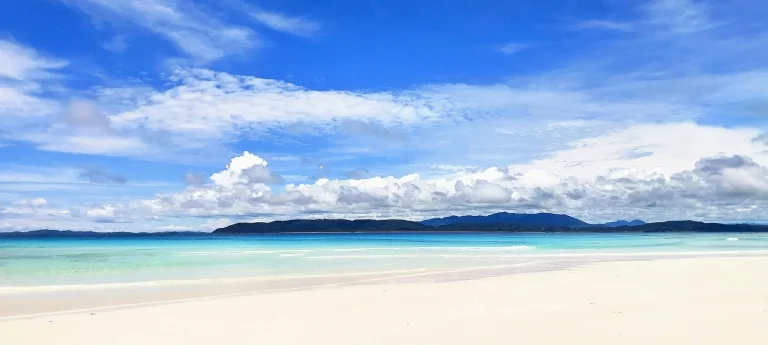
The west coast typically sees long stretches of sunshine during these months. Coastal areas here are known for relaxed towns, mangrove landscapes, and wide sandy beaches. Travel is usually smoother, and conditions are well suited for combining beach time with inland routes.
The east coast is more exposed to rainfall throughout the year, but it also offers unique seasonal experiences. Between July and September, humpback whales migrate along this coastline, making places like Sainte Marie one of the best locations for marine wildlife encounters.
If you are planning a coastal route or combining beaches with other regions, this northern Madagascar travel guide highlights key island destinations, reef areas, and beach locations to include in your itinerary.
Best Months to Visit Madagascar
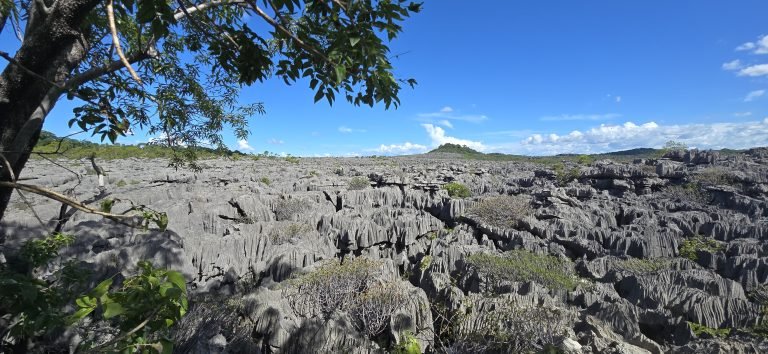
While Madagascar is often divided into dry and rainy seasons, certain months offer more balanced travel conditions. For most trips, the best months fall between May and October, when weather is more stable and travel across the island is easier.
Best months at a glance:
- May to June for green landscapes and improving travel conditions
- July to September for dry weather and strong wildlife viewing
- October for warmer temperatures and active wildlife
- Early November for fewer visitors before heavier rains begin
May and June are often ideal starting points for a trip. The rainy season has ended, landscapes remain green, and roads begin to improve. National parks are fully accessible again, and conditions are comfortable for longer travel days.
July, August, and September are the most consistent months for travel. Weather is typically dry, skies are clearer, and wildlife viewing is reliable across many regions. This period also coincides with humpback whale migration along the east coast, particularly around Sainte Marie.
October offers a different balance. Temperatures start to rise, wildlife activity increases, and visitor numbers are often slightly lower than during peak months. It can be a good choice if you want strong conditions without the busiest travel period.
November and December mark the transition into the rainy season. Early November can still work in some regions, but rainfall becomes more frequent as the month progresses. Travel during this period requires more flexibility, especially for longer overland routes.
If you are planning to move between regions, this Madagascar travel route guide shows how to combine destinations into a realistic itinerary based on seasonal conditions.
Final Thoughts & Where to Go Next
Choosing the best time to visit Madagascar depends on how you want to experience the island. The dry season from May to October offers the most reliable travel conditions, especially if you plan to move between regions, visit national parks, and follow a structured route. Roads are easier, access is more consistent, and wildlife viewing is generally strong.
The rainy season offers a different perspective. Landscapes become greener, the atmosphere feels more dramatic, and visitor numbers drop. Travel can be less predictable, but for some routes and travel styles, this period still works well with the right expectations.
If wildlife is a priority, this guide to seeing lemurs in Madagascar helps you understand where and when to encounter the island’s most iconic species. For coastal travel, this overview of Madagascar’s beach destinations highlights where to focus your time depending on conditions.
To understand how the island’s ecosystems connect, this Madagascar national parks guide breaks down the key reserves and landscapes across the country. If you want a broader starting point, this complete Madagascar travel guide explains how the regions fit together and what to expect from each.
From there, most travelers begin shaping a realistic route. This Madagascar itinerary guide shows how to connect destinations without overloading your schedule, while this where to stay in Madagascar overview helps you choose the right bases along the way.
Budget and logistics also play a role. This Madagascar cost breakdown gives a realistic view of daily expenses, and this transport guide for Madagascar explains how travel works between regions.
Preparation makes a significant difference once you arrive. This Madagascar packing list covers what you actually need for different environments, while this visa and entry guide helps you avoid issues on arrival.
For day-to-day travel, this Madagascar travel tips guide explains practical details such as money, connectivity, and local expectations. If safety is a concern, this Madagascar safety overview provides a clear breakdown of what to expect.
To plan region by region, this northern Madagascar guide covers tropical islands and coastal areas, while this Central Highlands guide focuses on culture and highland landscapes. For coastal contrasts, this west and east coast overview explains the differences between regions, and this southern Madagascar guide highlights more remote and rugged areas.
If you prefer French content, this Madagascar guide in French provides a full overview of the destination.
Together, these guides form a connected Madagascar travel series designed to take you from initial planning to a complete, realistic route across the island.
Frequently Asked Questions About the Best Time to Visit Madagascar
• What is the best time to visit Madagascar for most travelers?
The best time to visit Madagascar is usually during the dry season from May to October. During these months, weather is more stable, rainfall is lower, and travel between regions is easier. National parks are more accessible, and wildlife viewing conditions are generally strong.
• When is the rainy season in Madagascar and what should you expect?
The rainy season runs from November to April. This period brings higher temperatures, humidity, and frequent tropical rain, especially along the east coast. Travel in remote areas can become more difficult due to road conditions, and cyclones may occur between January and March.
• What is the best time to see wildlife in Madagascar?
Wildlife can be seen year round, but the best time for wildlife viewing is often between May and October. Cooler temperatures make hiking easier, and animals are more visible along forest trails. Whale watching season typically runs from July to September along the east coast.
• What is the best time to visit Madagascar for beaches and islands?
The best time for beaches and coastal travel in Madagascar is during the dry season from May to October. Weather is sunnier, sea conditions are calmer, and activities such as snorkeling, boat trips, and island hopping are easier to plan.
• Is it worth visiting Madagascar during the rainy season?
Madagascar can still be worth visiting during the rainy season, especially if you prefer fewer crowds and greener landscapes. However, travelers should be prepared for rain, possible transport delays, and more challenging road conditions in certain regions.
• What are the best months to travel around Madagascar?
The best months to travel across Madagascar are typically May, June, July, August, September, and October. These months offer the most reliable weather and the easiest conditions for moving between regions.
• Does weather vary across different regions of Madagascar?
Yes, Madagascar’s climate varies significantly by region. The east coast is wetter, the west coast is drier, the Central Highlands are cooler, and the south can be more arid. This means the best time to visit can depend on your itinerary.
Travel Resources to Plan, Book & Stay Connected
Use these tools and guides to stay connected abroad, find inspiration for your next trip, and book your flights, stays and gear with confidence.
Disclosure: This article may contain affiliate links. If you make a purchase through a link, I may receive a commission at no extra cost to you. I only share recommendations I believe are genuinely useful, and all opinions are my own. AI was used in this post for research and drafting purposes.

Comment (0)