Best Beaches in Brazil: Where You Should Actually Go
- If it’s your first time in Brazil → go to Rio de Janeiro for iconic beaches like Copacabana and Ipanema, plus easy access and strong infrastructure
- If you want culture + beach in one place → Salvador (Bahia) offers warm water, historic surroundings, and a more local atmosphere
- If you want variety and less crowds → Florianópolis gives you dozens of beaches, from surf spots to calm lagoons
- If you want remote, postcard-style beaches → head to Northeast Brazil (Jericoacoara, Lençóis Maranhenses) for unique landscapes and fewer tourists
- If you want the most beautiful and exclusive experience → Fernando de Noronha has some of the clearest water in Brazil, but comes at a high cost
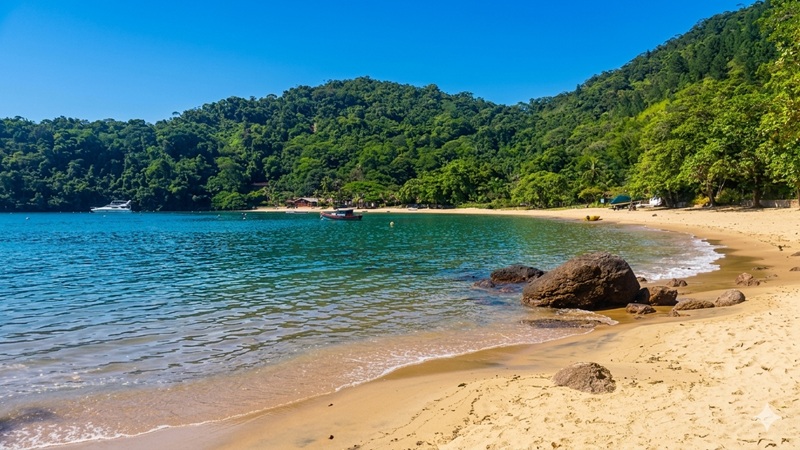
The best beaches in Brazil are spread across a massive coastline, and choosing the right region will shape your entire trip. Most travelers should start with Rio de Janeiro for a first visit, while Bahia, Florianópolis, and the Northeast offer more specialized experiences depending on what you are looking for. If you are still mapping out your route across the country, this Brazil travel guide will help you connect these destinations into a realistic itinerary and avoid common planning mistakes.
Best Beaches in Brazil: What Makes Them Worth Visiting
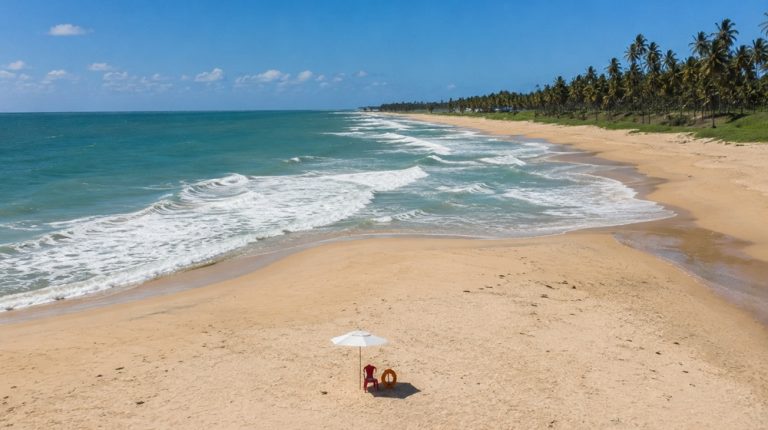
Brazil has more than 7,000 kilometers of coastline, but not all beaches offer the same experience. Some are built around city life with easy access, restaurants, and nightlife, while others are remote, undeveloped, and require time and effort to reach. The best beaches in Brazil are not just about sand and water, but about the overall setting, atmosphere, and how well they fit your travel style.
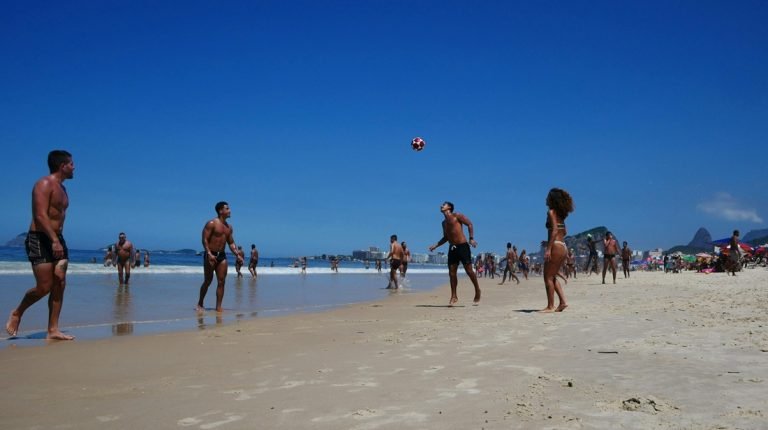
In places like Rio de Janeiro, beaches are part of daily life. You can step out of your hotel and walk straight onto the sand, with everything from beach kiosks to organized sports happening around you. In contrast, destinations in the Northeast or on islands such as Fernando de Noronha feel more isolated, with fewer crowds and a stronger focus on nature.
This guide is designed to help you choose where to go, not just show you what exists. Instead of listing beaches randomly, the sections below break down the best beaches in Brazil by region and travel style so you can quickly identify what fits your trip. Whether you want convenience, culture, variety, or something more remote, you will find a clear direction before you start booking anything.
How to Get to the Best Beaches in Brazil
- For a first beach trip to Brazil, Rio de Janeiro is usually the easiest entry point
- For beaches in Bahia, fly into Salvador and plan your route from there
- For southern beach towns and island-style scenery, Florianópolis is the most useful airport
- For remote Northeast beaches, expect to combine a flight with road transfers
- Brazil is large, so domestic flights often make more sense than long bus journeys
The easiest way to reach the best beaches in Brazil depends on which region you want to explore. Rio de Janeiro is the most straightforward choice for first-time visitors because the city has major airports, strong hotel infrastructure, and famous beaches close to the main tourist areas. If you want an iconic Brazil beach experience without complicated transfers, Rio is the simplest place to start.
For Bahia, Salvador is the main gateway. From there, you can stay near beaches like Porto da Barra or continue toward coastal areas with a more relaxed atmosphere. Salvador works especially well if you want to combine beach time with Afro-Brazilian culture, historic neighborhoods, music, and food rather than planning a beach-only trip.
Florianópolis is the best arrival point for travelers focused on southern Brazil’s beaches. The island has many different beach areas, so your experience will depend heavily on where you stay and how much you want to move around. If you want surf beaches, quieter coves, and more variety in one destination, Florianópolis deserves serious consideration.
Remote beaches in the Northeast, including places like Jericoacoara and Lençóis Maranhenses, usually require more planning. You may need to fly into a regional airport, arrange transfers, and accept longer travel days. Before choosing your beach route, compare flight options carefully through this guide to booking cheap international flights, especially if you plan to combine more than one region in Brazil.
Where to Stay Near Brazil’s Best Beaches
- Stay in Rio de Janeiro if you want direct access to iconic beaches like Copacabana Beach and Ipanema Beach
- Choose Salvador (Bahia) for warm water and easy access to beaches such as Porto da Barra and Praia do Flamengo
- Base yourself in Florianópolis if you want variety between beaches like Praia Mole and Joaquina Beach
- Pick smaller coastal hubs if you are targeting places like Jericoacoara or Lençóis Maranhenses
- Plan carefully for Fernando de Noronha, where accommodation is limited and must be booked early
Where you stay in Brazil will define your beach experience more than the beaches themselves. In many destinations, you do not move between beaches easily on a daily basis, which means choosing the right base location is one of the most important decisions you will make before arriving.
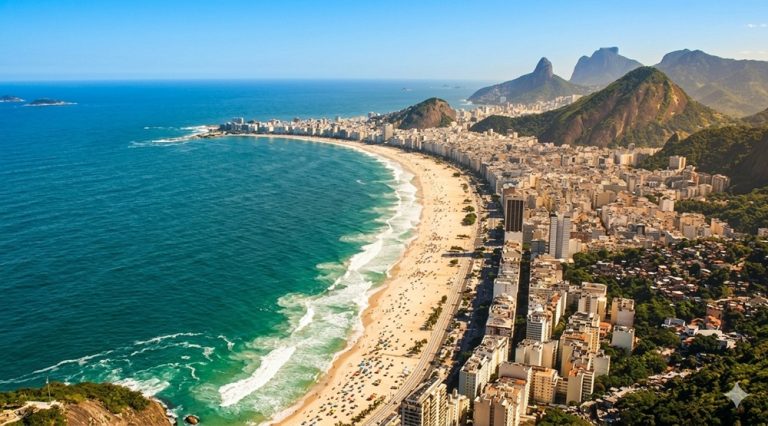
In Rio de Janeiro, staying near Copacabana Beach or Ipanema Beach gives you immediate access to the city’s most famous coastline. You can walk to the beach, return to your hotel during the day, and continue into the evening without needing transport. This is the most convenient setup and works best for first-time visitors who want everything within reach.
In Salvador, your experience depends more on the area you choose. Staying near Porto da Barra puts you close to one of the city’s best swimming beaches, while locations further out, near Praia do Flamengo, offer more space and a quieter atmosphere. This balance between culture and beach access is one of the reasons Bahia stands out compared to other regions.
On Florianópolis, location matters even more. Beaches like Praia Mole and Joaquina Beach are on different parts of the island, and moving between them can take time. Choosing where to stay based on the type of beach you prefer will save you from unnecessary travel and allow you to enjoy the area properly.
For more remote destinations, your accommodation is part of the experience. In places like Jericoacoara, you will stay within the village itself, with easy access to the surrounding dunes and coastline. Visiting Lençóis Maranhenses usually involves staying in nearby towns and joining guided trips to reach the lagoons. In Fernando de Noronha, accommodation is limited and regulated, which means booking early is essential if you want to secure a good location.
Before choosing where to stay, compare options carefully to match your location, budget, and travel style. This hotel comparison guide helps you find the best deals and understand which booking platforms work best for different types of stays across Brazil.
Best Beaches in Brazil
The best beaches in Brazil are not concentrated in one single region, which is why choosing where to go matters more than picking a specific name from a list. Some beaches are woven into major cities where everything is within walking distance, while others feel remote and require time to reach. The sections below break this down by region so you can quickly understand what each area offers and decide where to focus your trip.
Best Beaches in Rio de Janeiro
- Copacabana Beach
- Ipanema Beach
- Praia do Arpoador
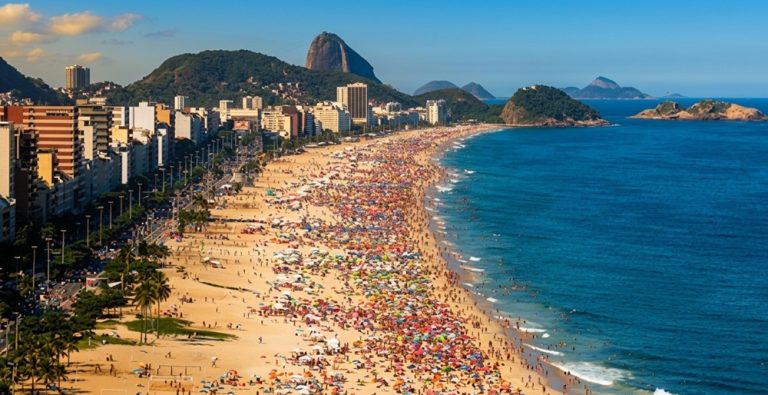
Rio de Janeiro is the easiest place to experience Brazil’s beach culture, and it is where most travelers naturally start. The long stretch of Copacabana Beach is built for convenience, with hotels, restaurants, and beach kiosks lining the entire waterfront. It is not just about the scenery, but about how easy it is to step out of your hotel and immediately be part of the atmosphere. For a full breakdown of what to do around these beaches, this Rio de Janeiro travel guide connects the beach experience with the rest of the city.
A short walk away, Ipanema Beach offers a slightly more organized and relaxed environment. Different sections of the beach attract different crowds, which gives it a more structured feel compared to Copacabana. It is also one of the best spots in the city for sunset, especially near the western end where the mountains frame the coastline.
Between the two, Praia do Arpoador provides a smaller and more laid-back alternative. It is popular with surfers and tends to feel less crowded, making it a good option if you want a quieter stretch of sand without leaving the main beach area of Rio.
Best Beaches in Salvador (Bahia)
- Porto da Barra
- Praia do Flamengo
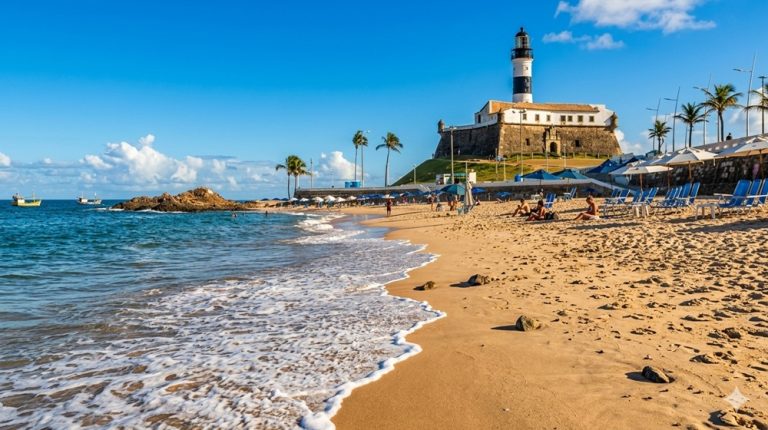
Salvador offers a different type of beach experience, where culture and daily life blend more visibly with the coastline. Near the historic center, Porto da Barra stands out for its calm and swimmable water, which is not always guaranteed along Brazil’s coast. The beach is compact but lively, and it tends to attract both locals and visitors looking for an easy and social environment. If you want to understand how these beaches connect to the city’s culture, food, and neighborhoods, this Salvador travel guide gives a complete overview.
Further out, Praia do Flamengo feels more open and less developed. The sand is cleaner, the water clearer, and the pace noticeably slower. It is a better fit if you want space and a more relaxed atmosphere while still staying within reach of Salvador. Travelers deciding between beachfront areas, nightlife districts, and historic neighborhoods can also use this guide to the best places to stay in Salvador to better understand the city’s different areas.
Best Beaches in Florianópolis
- Praia Mole
- Joaquina Beach
- Lagoinha do Leste
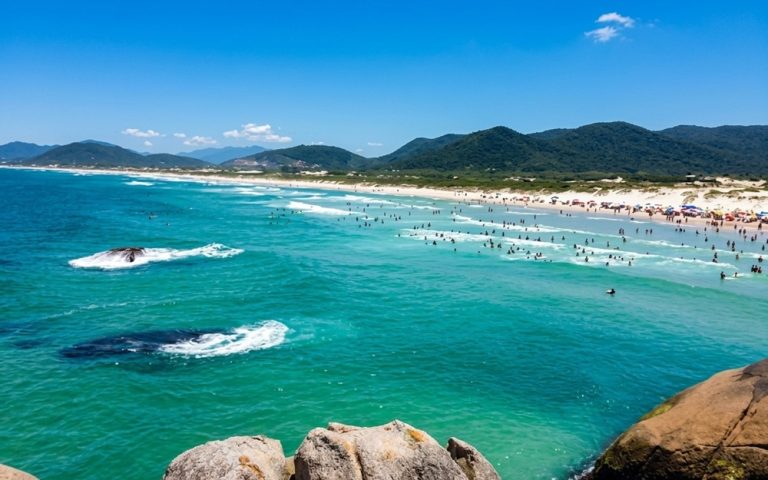
Florianópolis is often described as a destination of many beaches rather than one standout location. On the eastern side of the island, Praia Mole combines natural beauty with a more social atmosphere, drawing a younger crowd and offering consistent waves. It is one of the easiest places on the island to balance relaxation with a bit of energy.
Nearby, Joaquina Beach is known for its stronger surf and wide stretch of sand backed by large dunes. It is less about calm swimming and more about active beach days, whether that means surfing or simply exploring the landscape.
For something completely different, Lagoinha do Leste requires effort to reach, usually by hiking or boat. That extra step keeps it quieter and gives it a more untouched feel, making it one of the most rewarding beaches on the island if you are willing to go beyond the easily accessible spots.
Travelers wanting a broader overview of the island can also explore my guide to exploring Florianópolis beyond its most famous beaches, including hiking areas, local neighborhoods, viewpoints, food spots, and practical travel tips.
Best Beaches Near São Paulo
- Ilhabela Beaches
- Ubatuba Beaches
Beaches near São Paulo tend to be less iconic internationally but still offer strong options if you are already in the region. On the island of Ilhabela, the coastline is surrounded by lush vegetation, and the beaches feel more connected to nature. Many travelers come here for a quieter experience compared to Rio, even though it still requires some planning to reach. For a better sense of how these coastal areas fit into a broader visit, this São Paulo travel guide helps connect the city with its nearby beach destinations.
Along the mainland coast, Ubatuba stands out for the sheer number of beaches available. Instead of committing to one location, you can move between different spots depending on conditions. Some beaches are better suited for surfing, while others are more protected and ideal for swimming, which makes the area flexible if you want variety.
Most Beautiful & Unique Beaches in Brazil
- Jericoacoara
- Lençóis Maranhenses
- Fernando de Noronha
Some of the most memorable beach experiences in Brazil are found outside the major cities. In the Northeast, Jericoacoara stands out for its relaxed atmosphere and surrounding dunes, creating a setting that feels very different from urban beach destinations. It takes more effort to reach, but that distance helps preserve its character and makes the experience feel more intentional.
Further along the coast, Lençóis Maranhenses is not a traditional beach destination but deserves its place here because of its landscape. Seasonal freshwater lagoons form between white sand dunes, creating a unique environment that does not resemble anywhere else in Brazil. It is one of the few places where the concept of a “beach” shifts into something completely different.
For a more exclusive experience, Fernando de Noronha is often considered the most visually impressive coastal destination in the country. The water is exceptionally clear, marine life is abundant, and access is limited, which helps protect the environment. This is a better fit for travelers who prioritize nature and are willing to accept higher costs in exchange for a more preserved setting.
Travelers interested in exploring these destinations in more detail can also read my guide to Brazil’s northeastern coast and beaches, which covers transportation, regional highlights, and some of the most rewarding coastal destinations in the region.
Best Beaches in Brazil by Travel Style
- First-time visitors: Rio de Janeiro
- Culture + beach: Salvador (Bahia)
- Variety and flexibility: Florianópolis
- Remote landscapes: Northeast Brazil
- Luxury experience: Fernando de Noronha
Choosing the best beaches in Brazil depends on how you want to travel. Rio de Janeiro offers the most balanced introduction, combining accessibility with iconic scenery, especially if you follow a structured plan like this Brazil itinerary guide. Salvador adds a stronger cultural dimension, while Florianópolis gives you flexibility and variety within one destination. The Northeast rewards travelers looking for something more remote, and Fernando de Noronha stands apart as a more exclusive option focused on nature.
Food & Nightlife Around Brazil’s Best Beaches
- In Rio de Janeiro, beach life continues into the evening with kiosks, casual dining, and a strong nightlife scene nearby
- In Salvador, food and nightlife are closely tied to local culture, with street food, music, and historic settings
- In Florianópolis, the atmosphere is more relaxed, with seafood-focused dining and quieter evenings depending on the area
Food and nightlife around Brazil’s beaches are not separate from the beach experience. In many places, the day naturally flows into the evening without a clear break. You spend time by the water, move to a beach kiosk or nearby restaurant, and continue into the night depending on the energy of the destination. Understanding these differences helps you choose not just where to go, but how your days will actually feel.
In Rio de Janeiro, the transition from beach to nightlife is almost seamless. Areas around Copacabana Beach and Ipanema Beach stay active well into the evening, with beach kiosks serving drinks, snacks, and full meals right by the sand. As the sun sets, the focus shifts slightly inland, where restaurants, bars, and rooftop venues take over. Like in any major city, it is important to stay aware of your surroundings when going out at night, especially if you are moving between neighborhoods or returning late. For a clearer picture of what to expect and how to stay comfortable, this Brazil safety guide breaks down the reality for travelers.
In Salvador, the experience feels more rooted in culture. Around places like Porto da Barra, the atmosphere remains social after sunset, but the highlight is often the food itself. Street vendors, small local restaurants, and live music create an environment where eating becomes part of the cultural experience rather than just a stop between activities. Evenings tend to feel more local and less structured than in Rio, which can be a major advantage if you want something more authentic.
In Florianópolis, the pace slows down. Beaches such as Praia Mole and Joaquina Beach are more about the daytime experience, and evenings usually shift toward casual dining rather than nightlife. Seafood is a major focus, and many restaurants emphasize fresh, simple dishes over variety. Some areas of the island do offer bars and a more social scene, but overall, Florianópolis is better suited for relaxed evenings rather than high-energy nights.
Across all regions, one pattern stays consistent. The closer you are to major urban beaches, the more developed and active the nightlife becomes. The further you go toward remote or nature-focused beaches, the quieter and more limited the evenings will feel. This is not a drawback, but a trade-off that you should consider when deciding where to stay.

How to Get Around Brazil’s Beaches
- In Rio de Janeiro, beaches like Copacabana Beach and Ipanema Beach are easy to reach on foot or with ride-hailing apps
- In Salvador, beaches such as Porto da Barra and Praia do Flamengo require a mix of short and longer rides
- In Florianópolis, accessing beaches like Praia Mole or Joaquina Beach is much easier with a car
- Remote destinations like Jericoacoara and Lençóis Maranhenses require organized transfers and 4x4 vehicles
- To connect regions efficiently, you will often rely on *domestic flights* rather than long-distance road travel
Getting around Brazil’s coastline means combining different transport options depending on the region. In large coastal cities such as Rio de Janeiro, beaches are part of everyday life. You can move easily between Copacabana Beach, Ipanema Beach, and Praia do Arpoador using *ride-hailing apps* like Uber or 99, which are widely used and often more practical than traditional taxis.
In Salvador, distances between beaches are slightly larger. While Porto da Barra is close to central areas, reaching places like Praia do Flamengo usually involves a longer ride. Ride-hailing still works well here, but planning your day around travel time becomes more important if you want to explore multiple beaches.
On Florianópolis, geography changes everything. Beaches such as Praia Mole and Joaquina Beach are spread across the island, and public transport does not always connect them efficiently. Renting a car gives you the flexibility to explore different parts of the island, especially if you want to reach more remote spots like Lagoinha do Leste, which already requires a hike or boat access.
For destinations further off the main routes, transport becomes part of the experience. Reaching Jericoacoara typically involves flying with airlines such as LATAM, GOL, or Azul, followed by a *4x4 transfer* across sand tracks. Visiting Lençóis Maranhenses also requires guided transport, as access to the lagoons is controlled and independent travel is limited.
For longer distances between beach regions, *domestic flights* are usually the most efficient option. Brazil is vast, and flying between hubs like Rio, Salvador, and the Northeast saves significant time compared to road travel. For shorter routes along the coast, *regional buses* operated by companies such as Viação Cometa, Catarinense, Águia Branca, and Guanabara connect many coastal destinations with varying levels of comfort.
*Ferries and boat transfers* also play an important role in certain areas. From Rio’s coastline, you can reach islands such as Ilha Grande via services departing from Angra dos Reis or Mangaratiba, while in Bahia, high-speed catamarans connect Salvador to Morro de São Paulo. These routes are part of the normal transport network and often the only way to access some of Brazil’s most scenic coastal locations.
In practice, most trips along Brazil’s coastline involve a mix of *domestic flights*, *road transport*, and *local ride-hailing*. City beaches are easy to navigate, while island and remote destinations require more planning. Understanding how these transport options fit together makes it much easier to build a realistic itinerary and move efficiently between the best beaches in Brazil.
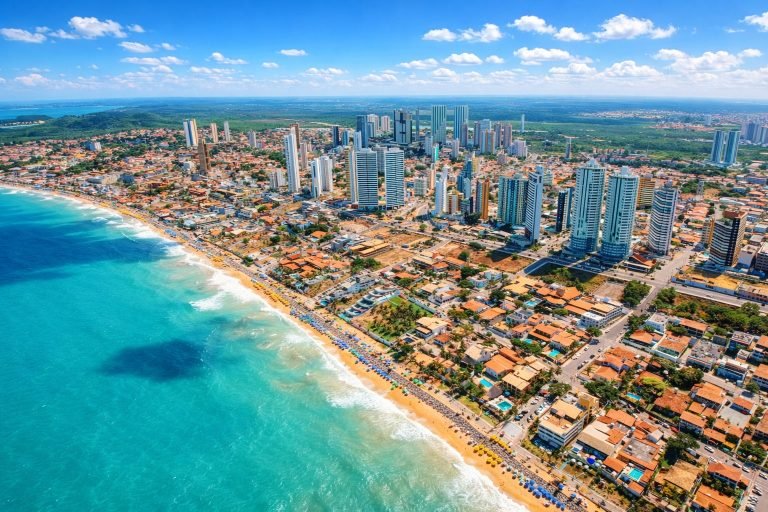
Best Time to Visit Brazil’s Beaches
- Best overall beach weather → December to March (summer, hot, lively, but crowded)
- Best balance of weather and fewer crowds → April to June and September to November
- Northeast beaches like Jericoacoara and Lençóis Maranhenses are good most of the year
- Southern beaches such as Praia Mole and Joaquina Beach are best in peak summer
- Rain patterns vary by region, so timing depends on where you go
Brazil’s seasons are the opposite of Europe and North America, which means summer runs from December to March. This is the best time for beach conditions in most parts of the country, especially in destinations like Rio de Janeiro, where beaches such as Copacabana Beach and Ipanema Beach are at their most active. Expect hot temperatures, a strong atmosphere, and larger crowds, particularly around holidays like New Year and Brazil’s famous samba parades and Carnival celebrations.
In the southern regions, including Florianópolis, timing is more important. Beaches like Praia Mole and Joaquina Beach rely on warm summer weather to deliver their best conditions. Outside of the December to March window, temperatures drop, the water feels cooler, and the overall beach experience becomes less consistent.
The Northeast offers more flexibility. Destinations such as Jericoacoara and Lençóis Maranhenses remain attractive throughout much of the year, although timing still affects what you see. For example, Lençóis Maranhenses is at its best when the lagoons are full, typically between June and September, while drier months can limit that experience. In contrast, beach areas around Bahia and Ceará often maintain warm temperatures year-round, making them a strong option if you want to avoid peak-season crowds.
In practice, the best time to visit Brazil’s beaches depends on your priorities. Summer offers the most reliable beach weather but comes with higher prices and more people. Shoulder seasons provide a better balance, especially if you are visiting multiple regions. Choosing the right timing for your specific destination is more important than following a single “best month” for the entire country.
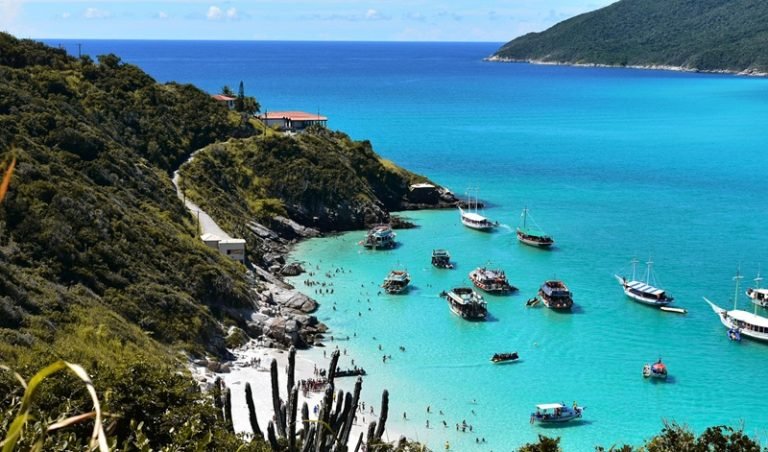
Brazil Beach Travel Tips
- Beach safety varies by location, so stay aware of your surroundings and use well-frequented areas
- The sun is intense year-round, especially near Jericoacoara and Lençóis Maranhenses, so protection is essential
- Not all beaches are ideal for swimming, even in popular spots like Praia Mole or Joaquina Beach
- Payment is easy in most places, but carry some cash for remote areas
- Plan logistics carefully for harder-to-reach beaches like Fernando de Noronha
Beach days in Brazil are simple, but a few local habits make a big difference. In cities like Rio de Janeiro, beaches such as Copacabana Beach and Ipanema Beach are organized around the “posto” system, where numbered lifeguard stations act as reference points. These are useful for meeting people and also give you a quick sense of the atmosphere in each area, since different postos tend to attract different crowds. Understanding these small details early makes the experience much smoother, especially if you combine them with broader advice from this Brazil travel tips guide.
When heading to the beach, most locals keep things minimal. Instead of bringing large bags or equipment, it is common to rent chairs and umbrellas directly on the sand. A lightweight canga is often used instead of a towel because it dries quickly and is easier to carry. This approach makes it much easier to move between beaches or transition from the beach to nearby restaurants without hassle.
Payment is rarely an issue in developed areas. Vendors along beaches like Porto da Barra or Praia do Flamengo often accept cards or Pix, the local instant payment system. However, in more remote locations such as Jericoacoara or parts of Lençóis Maranhenses, having a small amount of cash in a secure pouch is still useful, especially when services are limited. Costs can also vary more than expected between regions, so having a rough budget in mind helps avoid surprises. This Brazil travel cost guide gives a realistic breakdown of what you are likely to spend across different types of trips.
Conditions can vary significantly from one beach to another. While some places are ideal for swimming, others are better suited for surfing or simply relaxing by the water. Beaches like Praia Mole and Joaquina Beach are known for stronger waves, while more sheltered areas offer calmer water. Checking local conditions before entering the water is always a smart move.
Sun exposure is one of the most underestimated factors. The combination of heat, reflection from the sand, and coastal wind can make it easy to underestimate how quickly you burn. High-SPF sunscreen, regular reapplication, and staying hydrated are essential, especially in northern regions where the sun remains strong throughout the year.
Finally, take advantage of the small details that define the beach experience. Fresh coconut water, açaí bowls, and simple snacks are part of everyday beach life, and moments like sunset at Ipanema Beach, where people naturally gather to watch the sun drop behind the mountains, are often as memorable as the beaches themselves.
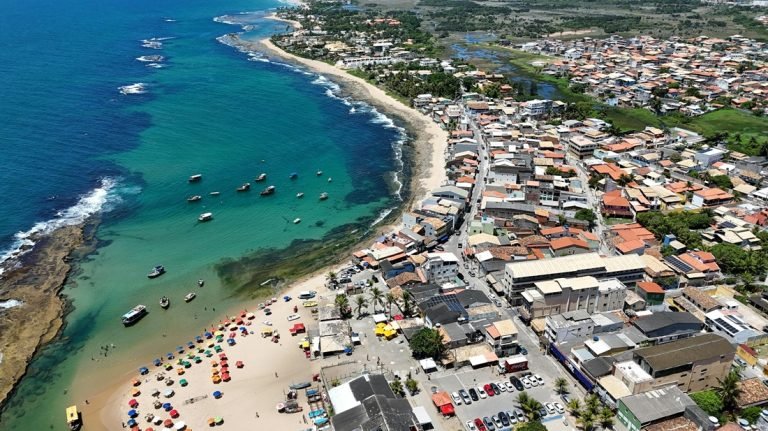
Final Thoughts on Visiting Brazil’s Beaches
There is no single “best” beach in Brazil, and trying to find one usually leads to the wrong decision. What matters is choosing the region that matches how you want to travel. Some beaches are built for convenience and energy, while others require effort but offer a more unique and quieter experience. The right choice depends on whether you prioritize accessibility, culture, variety, or something more remote.
For most travelers, Rio de Janeiro is the easiest starting point, with beaches like Copacabana Beach and Ipanema Beach offering a complete and accessible experience. Salvador stands out for combining warm water with a stronger cultural identity, especially around places like Porto da Barra and Praia do Flamengo. Florianópolis is better suited if you want variety and flexibility across multiple beaches, while destinations such as Jericoacoara and Lençóis Maranhenses reward travelers looking for something more distinctive. For a more exclusive experience, Fernando de Noronha remains one of the most impressive coastal destinations in the country. Travelers interested in combining beaches with island escapes should also explore my guide to Brazil's top tropical island destinations, which includes Fernando de Noronha, Ilha Grande, Boipeba, and several other standout coastal destinations.
Once you have a clear idea of where you want to go, the next step is putting the trip together in a way that actually works. Start by comparing flight options through this guide to booking cheap international flights, then find the right location and price point using this hotel comparison guide. For longer trips or multi-region itineraries, it is also worth checking travel insurance options and staying connected with a reliable international eSIM.
Packing smart will make your beach days easier, especially if you plan to move between destinations. A simple setup with lightweight clothing, sun protection, and a few essentials is usually enough, and you can find practical recommendations in these travel gear picks. Once your logistics are in place, everything else becomes much easier to enjoy.
Frequently Asked Questions About Beaches in Brazil
-
What are the best beaches in Brazil?
The best beaches in Brazil depend on your travel style. Copacabana Beach and Ipanema Beach in Rio de Janeiro are the most iconic, while Porto da Barra in Salvador offers calmer water and a more local atmosphere. For something more remote, Jericoacoara and Fernando de Noronha stand out for their natural beauty. -
Where are the most beautiful beaches in Brazil?
Some of the most beautiful beaches in Brazil include Fernando de Noronha, Jericoacoara, and the unique landscapes of Lençóis Maranhenses. These destinations are known for clear water, fewer crowds, and more dramatic scenery compared to urban beaches. -
What is the best beach in Brazil for first-time visitors?
Most travelers should start with Rio de Janeiro, where beaches like Copacabana Beach and Ipanema Beach are easy to access and surrounded by hotels, restaurants, and activities. This makes them the most practical choice for a first trip. -
Are beaches in Brazil safe for tourists?
Beaches in Brazil are generally safe if you follow basic precautions. Stick to well-known areas like Ipanema Beach or Porto da Barra, avoid displaying valuables, and stay aware of your surroundings, especially at night. -
Which beaches in Brazil have the clearest water?
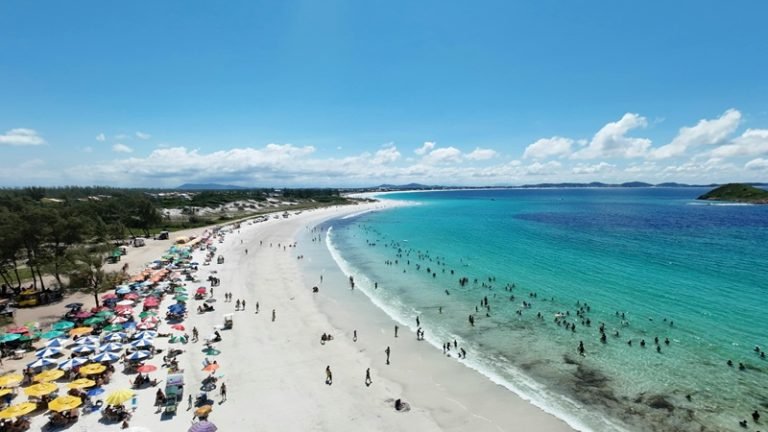
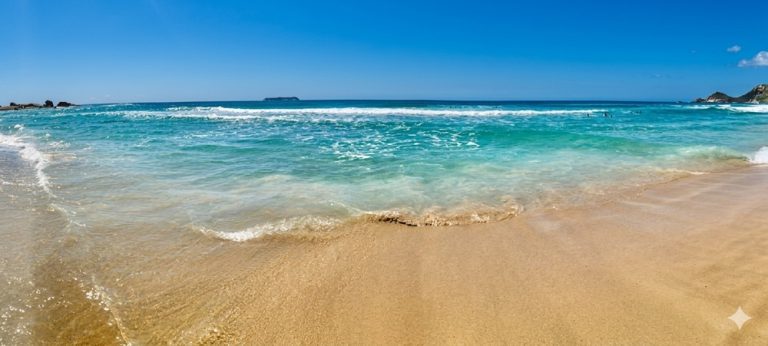
For the clearest water, Fernando de Noronha is widely considered the best destination in Brazil. Other good options include Arraial do Cabo near Rio and parts of the Northeast, where visibility tends to be higher than in large city beaches. -
When is the best time to visit beaches in Brazil?
The best time to visit beaches in Brazil is during summer, from December to March, when temperatures are highest. However, destinations like Jericoacoara and coastal areas in Bahia offer good conditions for most of the year. -
Are there good beaches near São Paulo?
Yes, there are several good beaches near São Paulo. Ilhabela offers a more tropical island experience, while Ubatuba provides a wide variety of beaches, from surf spots to calm bays suitable for swimming. -
What are the best beaches in Rio de Janeiro?
The best beaches in Rio de Janeiro include Copacabana Beach, Ipanema Beach, and Praia do Arpoador. Each offers a slightly different atmosphere, from lively and social to more relaxed and scenic. -
What are the best beaches in Salvador, Brazil?
In Salvador, Porto da Barra is one of the best beaches for swimming, while Praia do Flamengo offers more space and a quieter setting. These beaches combine warm water with a strong local atmosphere. -
What are the best beaches in Florianópolis?
Florianópolis has a wide range of beaches, with Praia Mole and Joaquina Beach popular for surfing, while more remote spots like Lagoinha do Leste offer a quieter and more natural experience. -
What are the best beach towns in Brazil?
Some of the best beach towns in Brazil include Jericoacoara for its relaxed vibe, coastal areas near Salvador for culture and warm water, and parts of Florianópolis for variety and accessibility. -
Are beach resorts in Brazil worth it?
Beach resorts in Brazil can be worth it if you are looking for convenience and a more structured stay, especially in destinations like Bahia or Fernando de Noronha. However, many travelers prefer smaller hotels or guesthouses for a more flexible experience.
Travel Resources to Plan, Book & Stay Connected
Use these tools and guides to stay connected abroad, find inspiration for your next trip, and book your flights, stays and gear with confidence.
Disclosure: This article may contain affiliate links. If you make a purchase through a link, I may receive a commission at no extra cost to you. I only share recommendations I believe are genuinely useful, and all opinions are my own. AI was used in this post for research and drafting purposes.

Comment (0)