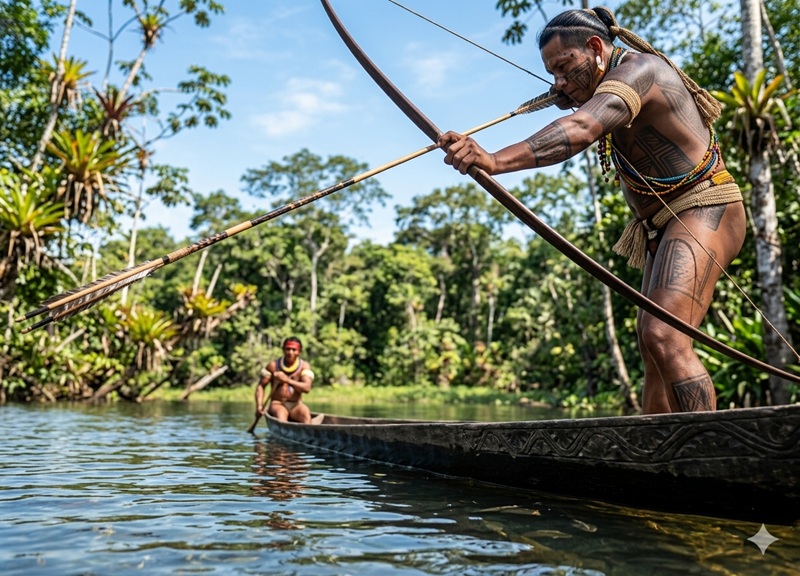
Amazon Rainforest Brazil Guide: Quick Travel Planning Overview
Planning a trip to the Amazon Rainforest in Brazil is very different from planning a beach break, city stay, or classic sightseeing route. This guide is for travelers who want to understand where to go, how Amazon trips work, how many days they need, what to expect, and whether the Brazilian Amazon fits their Brazil itinerary.
- Best starting point: Manaus is the main gateway for most Amazon rainforest trips in Brazil.
- Best trip length: 3 to 5 days gives most travelers enough time for river trips, jungle walks, wildlife spotting, and lodge or cruise experiences.
- Best for: Nature, wildlife, photography, river life, jungle lodges, boat trips, and travelers who want a wilder side of Brazil.
- Not ideal for: Travelers who want easy logistics, guaranteed animal sightings, nightlife, beaches, or a polished resort-style experience.
- Main planning choice: Most visitors need to choose between a jungle lodge, a river cruise, or a shorter guided Amazon tour.
- Biggest mistake: Treating the Amazon like a quick day trip instead of a remote region where distances, weather, and logistics matter.
- Best season depends on your goal: The dry season is better for trails, while the wet season is better for flooded forest and river-based exploring.
- Travel style: Guided trips are the better choice for most first-time visitors because they make transport, safety, wildlife spotting, and local context much easier.
Use this Amazon Rainforest Brazil guide to decide if the region belongs in your itinerary, how to structure your visit, when to go, where to base yourself, what kind of tour to choose, and what practical details matter before booking anything.
For broader trip planning, start with my Brazil travel guide. You may also want to read my guides to getting around Brazil and planning a Brazil itinerary before adding the Amazon to your route.
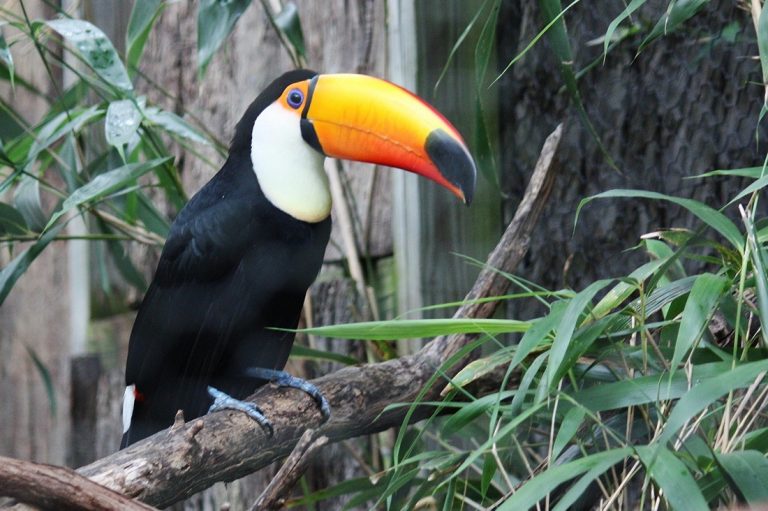
Amazon Rainforest Brazil Guide: Plan Your Trip Wisely
The Amazon Rainforest is one of the most iconic and misunderstood parts of Brazil. Many travelers imagine endless untouched jungle, constant wildlife sightings, and remote river expeditions deep into the forest. While parts of the Brazilian Amazon can absolutely feel wild and isolated, the reality of planning a trip here is often far more varied than people expect.
For most visitors, an Amazon trip in Brazil begins in Manaus, a large city surrounded by rainforest and rivers in the middle of northern Brazil. From there, travelers usually continue into the jungle through guided tours, eco-lodges, river cruises, or multi-day rainforest excursions. Some trips focus heavily on wildlife and nature, while others are more about river life, Indigenous culture, fishing, photography, or simply experiencing a completely different side of the country.
Unlike destinations such as Rio de Janeiro or Salvador, Amazon travel is less about landmarks and more about the overall experience. The atmosphere, sounds of the forest, boat journeys along the rivers, humid climate, and feeling of remoteness are all part of what makes the region memorable. At the same time, travelers should also expect slower logistics, changing weather conditions, mosquitoes, and fewer comforts once outside the cities.
The good news is that visiting the Brazilian Amazon is much more accessible than many people assume. You do not need to be an explorer or survival expert to experience the rainforest. With realistic expectations and proper planning, the Amazon can become one of the most rewarding parts of a trip through Brazil.
This Amazon Rainforest Brazil guide covers everything you need to know before visiting the region, including where to go, how to get there, how long to stay, the best time to visit, wildlife experiences, safety, costs, jungle lodges, river cruises, and practical travel tips for planning your trip.
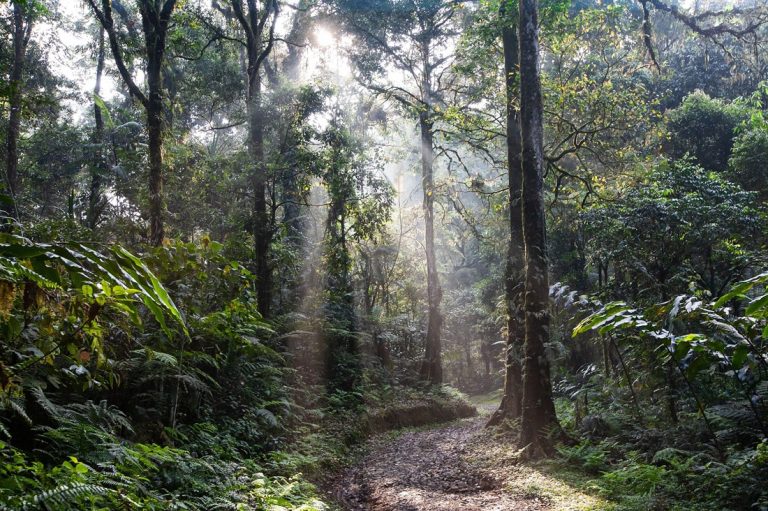
How to Get to the Amazon Rainforest in Brazil
For most travelers, visiting the Amazon Rainforest in Brazil begins with flying to Manaus, the largest city in the Brazilian Amazon and the main gateway to jungle lodges, river cruises, and rainforest tours. Manaus is located deep in northern Brazil, surrounded by rivers and rainforest, thousands of kilometers from major cities such as Rio de Janeiro and São Paulo.
One of the biggest misconceptions about the Amazon is that travelers simply arrive at “the rainforest itself.” In reality, the Amazon is an enormous region covering vast parts of northern Brazil, and most visitors first pass through a city before continuing into the jungle by boat, smaller vehicle transfers, or organized tours.
- Main gateway: Manaus (MAO) is the primary entry point for most Amazon trips in Brazil.
- Secondary gateway: Belém (BEL) offers access to the eastern Amazon and river areas closer to the Atlantic coast.
- Best option for most travelers: Fly domestically within Brazil instead of attempting overland travel.
- Typical flight time to Manaus: Around 4 to 5 hours from São Paulo or Rio de Janeiro.
- Most Amazon lodges require boat transfers: Reaching the rainforest itself often involves additional river transport after arriving in Manaus.
- Independent travel is possible: But most first-time visitors find guided Amazon tours much easier to organize.
Why Manaus Is So Important for Amazon Travel
Manaus sits in the middle of the Amazon basin along the Rio Negro, one of the largest rivers in the world. Although it is a modern city with hotels, shopping centers, restaurants, and an international airport, it is also surrounded by rainforest and river systems that quickly become remote once you leave the urban area behind.
Because of its location, Manaus has become the logistical center for Amazon tourism in Brazil. Most jungle lodges, river cruises, wildlife tours, and guided rainforest experiences either begin directly in Manaus or include transfers from the city.
This is also where many travelers first understand the scale of the Amazon. Looking at a map can make the region seem abstract, but arriving in Manaus makes it clear how isolated parts of the rainforest still are. Outside the city, roads become limited very quickly, and rivers often function as the main transportation routes.
Flying to the Amazon Rainforest in Brazil
For most international travelers, the easiest route is to first arrive in a major Brazilian city such as São Paulo, Rio de Janeiro, or Brasília before continuing north to Manaus on a domestic flight.
Several Brazilian airlines operate daily flights to Manaus, including LATAM, Gol, and Azul. Direct flights from São Paulo are common and usually take around four and a half hours, while flights from Rio de Janeiro often include a short connection in Brasília.
Manaus is served by Manaus International Airport (MAO), located roughly 20 to 30 minutes from the city center depending on traffic. Taxis and app-based ride services are widely available.
Travelers interested in exploring the eastern Amazon may also consider flying into Belém Airport (BEL), particularly for river journeys toward Marajó Island or the lower Amazon region. However, Manaus remains the better choice for most first-time visitors planning a classic Amazon rainforest experience in Brazil.
Can You Travel to the Amazon by Bus or Road?
Technically, some overland routes exist in parts of northern Brazil, but for most travelers, buses are not a practical way to reach the Amazon rainforest. Distances are extremely large, road conditions can vary significantly, and many rainforest areas are simply not connected by major highways.
This is one of the reasons Amazon travel feels so different from the rest of Brazil. In much of the region, rivers are more important than roads. Once travelers leave Manaus for jungle lodges or remote communities, transport often shifts to boats and river navigation instead of cars or buses.
For most visitors, flying to Manaus and continuing into the rainforest through a lodge, cruise, or guided tour is by far the simplest and most efficient way to experience the Brazilian Amazon.
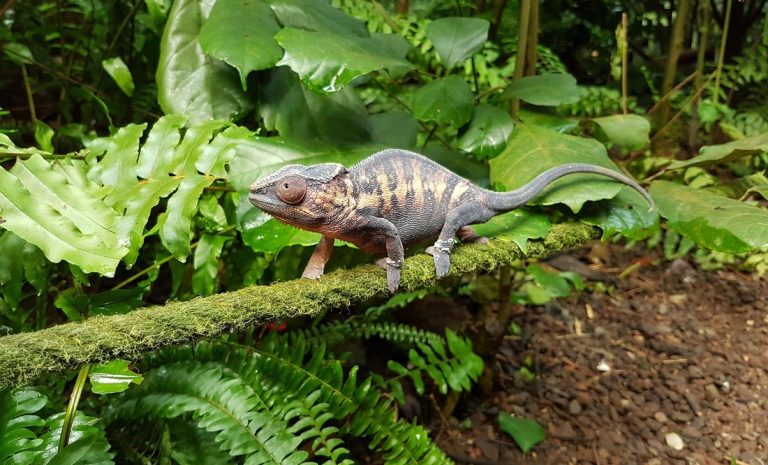
Where to Stay in the Amazon Rainforest in Brazil
Choosing where to stay is one of the most important decisions when planning an Amazon trip in Brazil because your accommodation will shape the entire experience. Staying in Manaus, booking a jungle lodge, or joining a river cruise all create very different types of trips, and many first-time visitors underestimate how much location affects comfort, logistics, wildlife opportunities, and overall atmosphere.
- Best option for most first-time visitors: Combine 1 night in Manaus with 2 to 4 nights in a jungle lodge.
- Best for comfort and convenience: Stay primarily in Manaus and book shorter guided rainforest excursions.
- Best for wildlife and immersion: Choose a jungle lodge deeper in the rainforest.
- Most luxurious option: High-end jungle lodges and boutique hotels around Manaus.
- Most important thing to understand: The further you stay from Manaus, the more remote and rustic the experience usually becomes.
Most travelers arriving in the Brazilian Amazon first stay in Manaus, the region’s main transportation and tourism hub. The city has a wide range of accommodation options, from simple guesthouses and airport hotels to luxury boutique properties overlooking the river. Staying in Manaus makes logistics easier, especially if you are arriving late, leaving early, or only planning shorter Amazon tours.
However, staying in Manaus itself is very different from actually spending time inside the rainforest. While the city sits in the middle of the Amazon basin, the deeper jungle experiences usually begin several hours away by boat, road transfer, or a combination of both.
That is where jungle lodges become important. These lodges are designed to bring travelers closer to the rainforest itself, often including guided excursions, river transport, wildlife activities, meals, and local guides as part of the experience. Some are relatively comfortable eco-resorts with air conditioning and swimming pools, while others are intentionally more rustic and immersive.
Many travelers are surprised by how much the transfer itself becomes part of the Amazon experience. Reaching a jungle lodge may involve boat rides along blackwater rivers, smaller canoe transfers, or long journeys through flooded forest depending on the season. While this can make travel slower than elsewhere in Brazil, it is also part of what makes the region feel so different and memorable.
Comfort expectations also matter in the Amazon. Even luxury properties still operate within a tropical rainforest environment, meaning humidity, insects, sudden rain, and limited connectivity can all be part of the experience. Travelers looking for total comfort and predictable resort-style travel may prefer staying closer to Manaus, while those seeking wildlife and immersion generally benefit from going deeper into the rainforest.
The good news is that there are accommodation options for almost every travel style and budget, from simple backpacker stays in Manaus to high-end jungle lodges surrounded by rainforest and river systems.
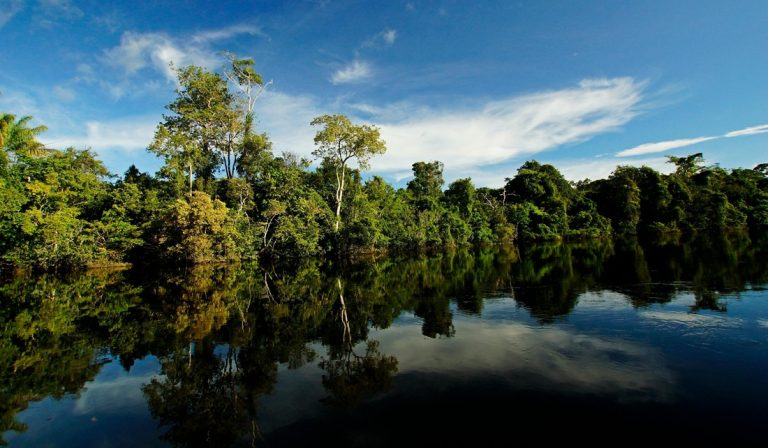
HOTELS IN MANAUS & THE BRAZILIAN AMAZON
BUDGET HOTELS
Casa-Manaus
Rua Águas Formosas, 62, Manaus, CEP 69087-677, Brazil — +55 92 9306-9500
Casa-Manaus is a simple and affordable guesthouse suited to travelers who want a practical base before continuing deeper into the Amazon. The atmosphere is relaxed and more local than tourist-oriented, making it a good fit for backpackers and independent travelers. If you mainly need a clean place to organize your Amazon logistics without spending heavily, this is a solid budget option to consider.
Residencial Napolitan
108 Rua Tanabi 108A, Manaus, CEP 69090-685, Brazil — +55 92 98473-3743
Residencial Napolitan offers straightforward apartment-style accommodation for travelers looking for extra flexibility and longer stays in Manaus. The quieter residential setting can feel more comfortable for visitors adjusting to the pace and climate of the Amazon region. Budget-conscious travelers wanting additional space before or after a jungle lodge stay may find it especially useful.
Hotel Viena
248 Rua Lobo D'Almada, Manaus, CEP 69010-030, Brazil — +55 92 99160-7568
Hotel Viena is located closer to central Manaus, making it practical for travelers interested in exploring the city before heading into the rainforest. The location works well for visitors wanting easier access to restaurants, riverfront areas, and transportation connections. It is a convenient choice for travelers balancing Amazon excursions with time inside Manaus itself.
MID-RANGE COMFORT HOTELS
Tropical Executive Hotel Flat 205
Av. Coronel Teixeira, 1320 Apt 205, Manaus, CEP 69037-000, Brazil — +55 92 3042-1017
This property offers a more comfortable and modern stay with river views and a calmer atmosphere away from the busiest parts of Manaus. It works particularly well for travelers who want to recover after long domestic flights or jungle transfers. Visitors looking for a balance between comfort, location, and access to Amazon excursions should take a closer look here.
TRYP by Wyndham Manaus Aeroporto
Av Torquato Tapajos, 4503, Manaus, CEP 69093-018, Brazil — +55 92 3306-0606
TRYP by Wyndham is one of the most convenient options for travelers arriving late or catching early flights out of Manaus. Its location near the airport makes it especially practical for short overnight stays before jungle lodge transfers. Travelers prioritizing convenience and comfort over city exploration will likely appreciate this option.
Hotel Adrianópolis All Suites
Rua Salvador, 195, Manaus, CEP 69057-040, Brazil — +55 92 2101-2000
Hotel Adrianópolis All Suites combines larger rooms with a more polished business-hotel atmosphere in one of Manaus’ better-known neighborhoods. The area offers easier access to restaurants, shopping, and practical services before continuing deeper into the Amazon. It is a strong mid-range option for travelers wanting comfort without moving fully into luxury pricing.
LUXURY STAYS
Hotel Villa Amazônia
Rua 10 de Julho, 315, Manaus, CEP 69010-060, Brazil — +55 92 99156-5369
Hotel Villa Amazônia is one of the most refined boutique stays in Manaus, blending modern comfort with architecture inspired by the region’s historic character. Its location near the famous opera house makes it an excellent base for travelers wanting to explore Manaus before heading into the rainforest. Visitors looking for a more upscale Amazon experience without sacrificing city convenience should strongly consider staying here.
Juma Ópera Boutique Hotel & Spa
Rua 10 de Julho, 481 - Centro, Manaus, CEP 69010-060, Brazil — +55 11 3030-7618
Located directly beside Manaus’ iconic opera house, Juma Ópera Boutique Hotel & Spa offers one of the city’s most stylish and atmospheric luxury stays. The property combines historic surroundings with modern design, rooftop views, and a more exclusive feel than many larger hotels. Travelers wanting comfort, design, and a strong sense of place before entering the rainforest may find this one of the best choices in Manaus.
Amazon Tucuna Resort
Lago do maçarico, purupuru, Manaus, CEP 69254800, Brazil — +55 (92) 3236-8825
Amazon Tucuna Resort offers a more nature-focused luxury experience outside the center of Manaus, with a stronger connection to the surrounding rivers and rainforest environment. The atmosphere feels quieter and more immersive than staying inside the city itself. Travelers wanting a softer transition between urban Manaus and deeper Amazon experiences may appreciate this balance.
JUNGLE LODGES
Cirandeira Amazon World EcoResort
AM-352 S/N, Manacapuru, CEP 69400-000, Brazil — +55 92 98233-5151
Cirandeira Amazon World EcoResort combines rainforest surroundings with a more comfortable resort-style atmosphere, making it a good fit for travelers who want nature without giving up too many conveniences. The property works especially well for couples and families looking for a softer introduction to Amazon travel. If you want jungle scenery while still maintaining a relatively comfortable stay, this is a strong option to explore.
Amazon Ecopark Jungle Lodge
Taruma Acu River, Manaus, CEP 69025-090, Brazil — +55 92 3622-2612
Amazon Ecopark Jungle Lodge is one of the better-known rainforest lodges near Manaus and offers a more immersive jungle experience while still remaining accessible for first-time visitors. Guided excursions, river activities, and wildlife-focused experiences make it a popular choice for travelers wanting a classic Amazon stay. Visitors looking for a balance between accessibility and rainforest immersion should seriously consider this lodge.
Uiara Amazon Resort
Av Coronel Teixeira, 370 - Saída do Pier Privativo da Natureza, Bairro da Ponta Negra, Manaus, CEP 69057002, Brazil — +55 92 2024-0428
Uiara Amazon Resort offers a more upscale rainforest experience with stronger resort-style facilities while still maintaining access to Amazon river and jungle excursions. The property appeals to travelers who want immersion without fully disconnecting from comfort. For visitors looking for a more polished Amazon stay with easier logistics, this can be an excellent compromise.
Browse More Hotels in Manaus
Manaus serves as the main gateway to the Brazilian Amazon, and accommodation availability can become limited during the drier high season between July and October. If you are traveling during peak months or combining Manaus with jungle lodges and river cruises, it is usually worth booking accommodation earlier than you might elsewhere in Brazil.
Browse More Amazon Rainforest Hotels
The Brazilian Amazon covers a vast region with everything from simple river lodges to luxury rainforest resorts and expedition-style stays. Comparing locations carefully is important because transfer times, accessibility, comfort levels, and included activities can vary enormously between properties.
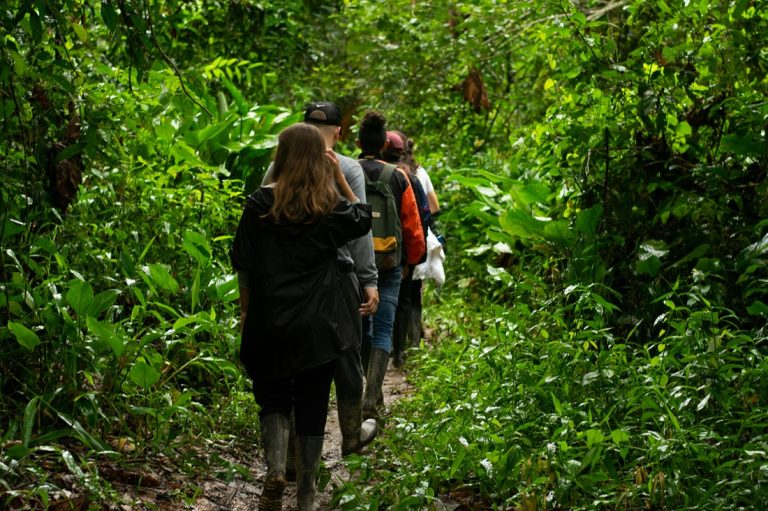
Things to Do in the Amazon Rainforest in Brazil
The best things to do in the Amazon Rainforest in Brazil are less about checking off landmarks and more about experiencing the rhythm of the rainforest itself. Boat journeys, wildlife spotting, jungle hikes, flooded forests, river communities, and nights surrounded by rainforest sounds are all part of what makes the Brazilian Amazon feel so different from the rest of the country.
- Best overall experience for most travelers: Combine river excursions, wildlife activities, and a jungle lodge stay.
- Best wildlife experiences: Pink river dolphins, monkeys, caimans, tropical birds, and nocturnal wildlife tours.
- Best nature destination near Manaus: Anavilhanas National Park.
- Best cultural experience: Visiting local river communities and learning how people live in the Amazon.
- Best easy day trip from Manaus: The Meeting of the Waters boat tour.
- Most underrated destination: Presidente Figueiredo and its waterfalls north of Manaus.
One of the most important things to understand before visiting the Amazon is that activities are heavily shaped by weather conditions, river levels, and seasonality. The rainforest changes dramatically throughout the year, meaning the exact experience can feel very different depending on when you visit.
Take a Boat Tour to the Meeting of the Waters
One of the classic Amazon experiences near Manaus is visiting the Meeting of the Waters (Encontro das Águas), where the dark Rio Negro and the sandy-colored Solimões River flow side by side without immediately mixing. The contrast between the two rivers is striking and gives travelers a much better understanding of the scale of the Amazon basin.
Most tours combine the Meeting of the Waters with additional river experiences such as floating villages, small river communities, canoe trips, or dolphin viewing. While this is one of the more accessible Amazon activities, it still offers a strong introduction to river life around Manaus.
Explore the rivers surrounding Manaus on a full-day Amazon experience that includes boat trips, rainforest scenery, and local river culture.
View Amazon river tourExplore Anavilhanas National Park
Located near Novo Airão northwest of Manaus, Anavilhanas National Park is one of the largest river archipelagos in the world and one of the most beautiful areas of the Brazilian Amazon. Thousands of forested islands, narrow waterways, flooded forests, and blackwater channels create an environment that feels far more immersive than many travelers expect.
Boat excursions through Anavilhanas often include wildlife spotting, canoe exploration, bird watching, swimming opportunities, and visits to quieter river areas far from the city. The region is also known for sightings of pink river dolphins and dramatic sunrise or sunset scenery over the water.
For many visitors, this part of the Amazon feels closer to the classic rainforest imagery they imagined before arriving in Brazil.
Stay in a Jungle Lodge
For travelers wanting a deeper Amazon experience, staying in a jungle lodge is usually the highlight of the trip. Lodges provide access to rainforest areas that are difficult to reach independently and typically include guided excursions led by local guides familiar with the rivers, wildlife, and seasonal conditions.
Activities often include canoe trips through flooded forests, piranha fishing, jungle walks, night safaris, wildlife tracking, and sunrise river excursions. While wildlife sightings are never guaranteed, spending multiple days inside the rainforest dramatically increases the chances of seeing monkeys, caimans, sloths, colorful birds, and other Amazon species.
Many travelers also underestimate how atmospheric the rainforest becomes at night. Once boat engines disappear and darkness settles over the rivers, the sounds of insects, frogs, birds, and distant wildlife create a completely different experience from daytime excursions.
Spend several days inside the rainforest with guided jungle excursions, wildlife experiences, canoe trips, and overnight stays in the Amazon.
View jungle lodge tour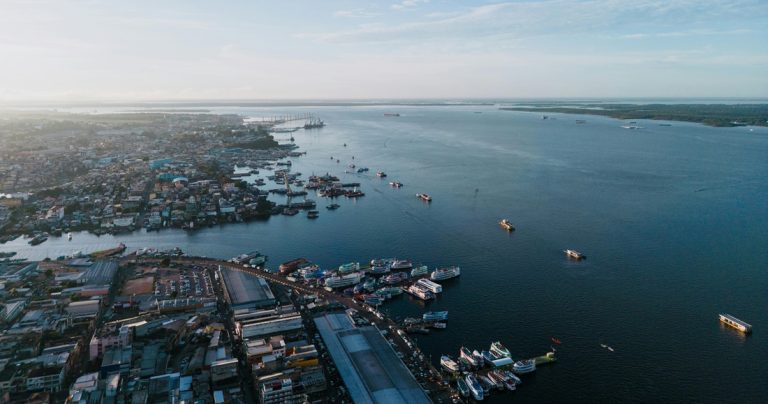
Discover Manaus Beyond the Rainforest
Although many travelers treat Manaus purely as a transportation hub, the city itself has several worthwhile attractions connected to the history and culture of the Amazon region.
The most famous is the Teatro Amazonas, a striking opera house built during the rubber boom era when Manaus became unexpectedly wealthy from the Amazon rubber trade. The building’s European-inspired architecture feels almost surreal in the middle of the rainforest and remains one of the city’s most iconic landmarks.
Other interesting stops include the Mercado Municipal Adolpho Lisboa, where travelers can see regional fruits, fish, spices, and local Amazon products, as well as the MUSA (Museum of the Amazon), which offers canopy views and educational exhibits about rainforest ecosystems.
Visit Presidente Figueiredo
Located north of Manaus, Presidente Figueiredo is one of the best destinations in the region for waterfalls, caves, and freshwater swimming areas. The landscape here feels noticeably different from the river-focused scenery around Manaus and offers a more land-based Amazon experience.
Many travelers visit on day trips to hike through rainforest trails, swim beneath waterfalls, and explore rock formations hidden inside the jungle. During the drier months, the area becomes especially popular because trails and cave access are easier.
For visitors spending several days in Manaus, Presidente Figueiredo can provide a refreshing contrast to boat-heavy Amazon itineraries.
Experience Indigenous and River Community Culture
The Amazon is not an empty wilderness. Millions of people live throughout the region, including river communities and Indigenous groups whose lives remain closely connected to the rivers and rainforest environment.
Some tours allow travelers to learn more about traditional knowledge, local crafts, food, fishing practices, medicinal plants, and daily life in remote Amazon communities. These experiences are generally most rewarding when approached respectfully and with realistic expectations rather than as staged performances.
Travelers interested in learning more about Indigenous culture and Amazon life beyond the main tourist routes may also want to explore smaller community-based experiences in the wider Amazon region.
Learn more about Indigenous culture and Amazon life through guided experiences focused on local communities, traditions, and rainforest knowledge.
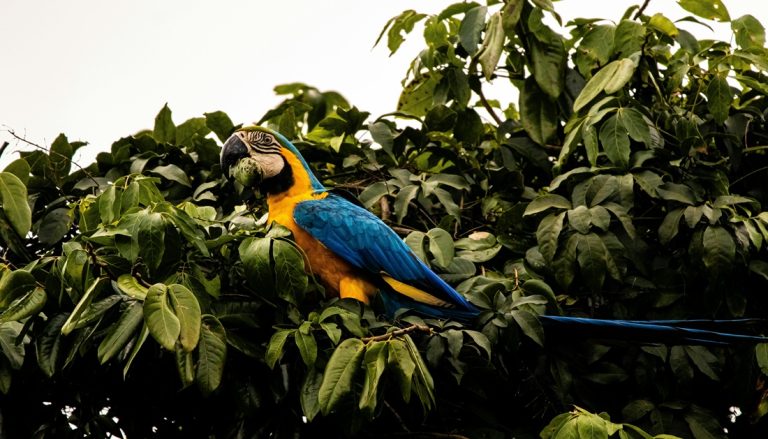
Food & Nightlife in the Amazon Rainforest in Brazil
Food in the Brazilian Amazon feels very different from the cuisine many travelers associate with the rest of Brazil. Instead of churrasco-heavy meals and beachside snacks, Amazonian cuisine revolves around freshwater fish, tropical fruits, cassava, river ingredients, and recipes shaped by Indigenous traditions and the realities of life in the rainforest.
- Most famous Amazon ingredients: Pirarucu, tambaqui, tucunaré, cassava, açaí, cupuaçu, and guaraná.
- What makes Amazon food different: Freshwater fish and rainforest ingredients dominate the cuisine.
- Best place to try local dishes: Manaus markets and regional restaurants.
- Nightlife in the Amazon: Relaxed bars, riverfront restaurants, and live music rather than major club scenes.
- Most surprising thing for many travelers: Amazonian cuisine can feel completely different from coastal Brazilian food.
Because the Amazon is so isolated from much of the rest of Brazil, many regional dishes evolved around ingredients available directly from the rivers and rainforest. Fish often replaces beef as the centerpiece of meals, while cassava flour, tropical fruits, herbs, and slow-cooked stews appear throughout local cooking.
Try Amazonian Fish Dishes
One of the best ways to experience Amazonian cuisine is through the region’s freshwater fish, which are often far larger and richer in flavor than many visitors expect.
Tambaqui is one of the most popular fish in the Amazon and is usually grilled over charcoal until the skin becomes crispy while the inside remains soft and fatty. Restaurants often serve it with rice, beans, cassava flour, and vinaigrette-style sides. The ribs of the tambaqui are especially prized because of their rich flavor.
Another famous fish is pirarucu, sometimes called the “Amazon cod.” This enormous fish is often salted and dried before being grilled, fried, or baked. The preparation process helps preserve the fish in remote regions and creates a firmer texture compared to fresher river fish dishes.
Tucunaré, also known as peacock bass, is another regional favorite. It is usually grilled or roasted whole and tends to have a lighter, cleaner flavor than tambaqui. In many Amazon restaurants, fish dishes are prepared relatively simply so the flavor of the fish itself remains the main focus.
Discover Tropical Fruits Unique to the Amazon
The Amazon is also known for tropical fruits that many international travelers have never tried before. Markets and juice stands in Manaus often serve thick fruit juices, smoothies, ice creams, and desserts made from regional ingredients harvested throughout the rainforest.
Cupuaçu is one of the most popular Amazon fruits and has a creamy, slightly sour flavor often compared to a mix of chocolate and pineapple. It is commonly turned into juices, mousses, candies, and desserts.
Açaí also comes from the Amazon region, although it is usually served differently in northern Brazil than in tourist-heavy coastal destinations. In the Amazon, it is often eaten in a less sweet form alongside savory foods instead of being served as a sugary smoothie bowl.
Other fruits such as graviola, bacuri, taperebá, and guaraná are also common throughout the region and help give Amazonian cuisine a very distinct identity compared to the rest of Brazil.
Visit Local Markets in Manaus
One of the best places to see Amazonian food culture up close is the Mercado Municipal Adolpho Lisboa in Manaus. The market combines fresh fish, spices, herbs, tropical fruits, juices, local snacks, and regional products inside a historic building influenced by European market architecture.
Walking through the market gives travelers a much clearer idea of how connected Amazonian cuisine remains to the rivers and rainforest itself. Fish arrive directly from surrounding waterways, fruits come from nearby jungle regions, and many ingredients are still difficult to find elsewhere in Brazil.
For travelers interested in photography, food culture, or simply understanding daily life in Manaus, the market is one of the city’s most interesting stops.
Nightlife in Manaus and the Amazon Region
Nightlife in the Amazon is generally much calmer than in cities such as Rio de Janeiro or São Paulo. Most evenings revolve around restaurants, riverfront bars, casual live music venues, and social gatherings rather than large nightclub districts.
In Manaus, some travelers spend evenings around the historic center, the opera house area, or riverside restaurants where local music and open-air dining create a more relaxed atmosphere. Beer, caipirinhas, grilled fish dishes, and live Brazilian music are common parts of the experience.
Once travelers leave Manaus for jungle lodges or river cruises, nightlife changes completely. In deeper rainforest areas, evenings are usually quieter and more focused on the natural environment itself. Listening to rainforest sounds at night, watching the river after dark, or joining nocturnal wildlife excursions often becomes more memorable than traditional nightlife activities.
How to Get Around the Amazon Rainforest in Brazil
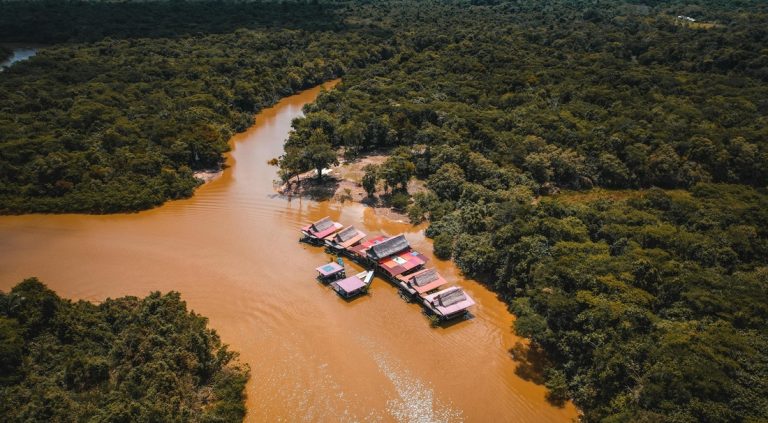
Getting around the Amazon Rainforest in Brazil is very different from traveling through most other parts of the country. In large sections of the Amazon, rivers function as the main transportation system, while roads remain limited, seasonal, or completely nonexistent.
- Main form of transportation: Boats and river transport.
- Most important travel hub: Manaus remains the primary gateway for Amazon transportation and tours.
- Fastest way to cover long distances: Domestic flights between Amazon cities.
- Most practical option for first-time visitors: Guided tours and organized lodge transfers.
- Road travel is limited: Many rainforest regions are inaccessible by car or bus.
- Travel times can be long: Distances in the Amazon are much larger than many travelers expect.
For many visitors, one of the most surprising aspects of Amazon travel is how normal river transportation feels once you arrive. Boats are not simply tourist attractions here. They are part of daily life and are used to move people, food, fuel, supplies, and goods between remote communities spread throughout the rainforest.
Boat Travel in the Amazon
Boat travel is at the center of transportation throughout much of the Brazilian Amazon. Depending on the region and the type of trip, travelers may use everything from large regional ferries to narrow wooden canoes designed for flooded forest navigation.
Traditional river ferries are still widely used by local communities and can travel enormous distances between Amazon cities and villages. Some of the larger boats have multiple decks where passengers hang hammocks instead of booking private cabins, creating a slower but very authentic form of river travel.
Smaller motorboats and speedboats are more common for tourism activities, especially around Manaus and nearby lodge regions. These are frequently used for wildlife excursions, lodge transfers, river cruises, and day trips such as visiting the Meeting of the Waters.
In narrower waterways and flooded forests, guides often switch to smaller canoes or lightweight boats that can navigate through dense vegetation and shallow channels inaccessible to larger vessels.
Getting Around From Manaus
Most travelers begin and end their Amazon experience in Manaus because the city acts as the region’s main transportation hub. From there, travelers continue deeper into the rainforest using combinations of boat transfers, smaller vehicles, regional flights, or guided tours depending on the destination.
One important thing to understand is that “distance” in the Amazon does not always translate into quick travel. Even locations relatively close to Manaus can require several hours of transportation because river routes, weather conditions, and transfer logistics all influence journey times.
For example, reaching a jungle lodge may involve a van transfer out of Manaus followed by one or several boat rides deeper into the rainforest. While this can feel slow compared to traditional travel infrastructure, it is also part of what gives Amazon travel its distinctive atmosphere.
Flights Within the Amazon Region
Because the Amazon covers such a massive area, flights are sometimes necessary between larger regional cities. Manaus remains the largest aviation hub, but other Amazon gateways such as Tefé, Santarém, Rio Branco, and Belém also have regional airports connecting different parts of northern Brazil.
For most international visitors, however, domestic flights are mainly used to reach Manaus from major Brazilian cities before continuing into the rainforest by boat or guided transfer.
Travelers planning deeper expeditions into remote reserves or more isolated regions may occasionally use smaller regional flights or charter aircraft, although these are far less common for standard Amazon itineraries.
Can You Travel Independently in the Amazon?
Independent travel in the Amazon is possible, especially around Manaus and larger river routes, but it requires flexibility, patience, and realistic expectations. Transport schedules can change, communication is not always straightforward, and weather conditions may affect accessibility.
For most first-time visitors, guided tours and lodge packages are usually the easier and safer option. Organized trips simplify transportation, meals, guides, wildlife excursions, and navigation while also helping travelers better understand the environment around them.
This is especially important for jungle walks and deeper rainforest activities. Dense vegetation, changing river conditions, wildlife, and difficult orientation make experienced local guides extremely valuable throughout the Amazon region.
Seasonal Changes and Transportation
Water levels change dramatically throughout the year in the Amazon, and this directly affects how people move through the rainforest. During the wetter months, rivers rise and flood large forest areas, allowing boats to travel deeper into flooded forests and smaller channels.
In the drier season, water levels fall, exposing beaches, trails, and riverbanks that are inaccessible during higher water periods. Some journeys may become shorter and hiking opportunities improve, while other river routes become more difficult for larger boats.
This seasonal rhythm is one of the reasons Amazon travel can feel unpredictable compared to more conventional destinations. Conditions constantly evolve throughout the year, and transportation remains closely tied to the natural environment itself.
Travelers should also pack accordingly. Lightweight waterproof clothing, insect repellent, dry bags, and sturdy footwear become especially useful once journeys move beyond the cities and deeper into the rainforest.
Is the Amazon Rainforest in Brazil Safe?
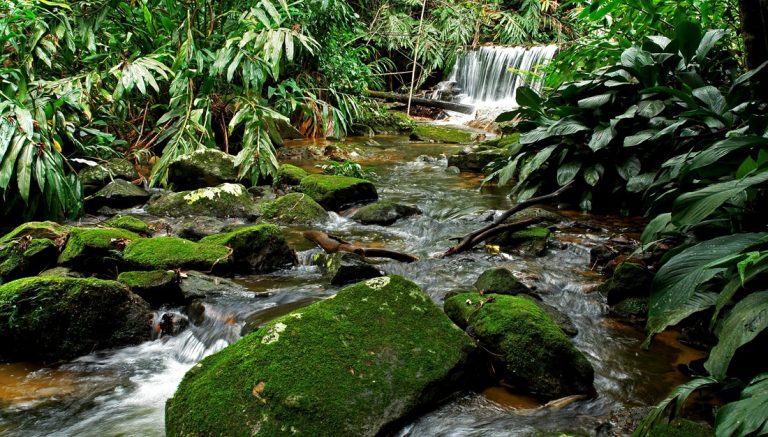
For most travelers, visiting the Amazon Rainforest in Brazil is generally safe when the trip is planned properly and approached with realistic expectations. Despite the dramatic image many people associate with the Amazon, the biggest risks are usually related to heat, humidity, insects, dehydration, river conditions, and poor preparation rather than dangerous wildlife attacks.
- Main safety concern for most travelers: Heat, humidity, insects, and environmental conditions rather than large animals.
- Best safety advice for first-time visitors: Use experienced local guides and organized tours for deeper rainforest activities.
- Most common health issue: Mosquito bites, dehydration, and exhaustion caused by heat and humidity.
- Yellow Fever vaccination: Strongly recommended for travelers visiting the Brazilian Amazon.
- Crime concerns: Standard city precautions are important in Manaus, while jungle lodge areas generally feel much calmer.
- Wildlife attacks are extremely rare: Most animals avoid humans whenever possible.
One of the reasons the Amazon feels intimidating to some travelers is because popular media often portrays the rainforest as a dangerous survival environment filled with predators and constant threats. In reality, most visitors experience the Amazon through guided activities, organized transfers, jungle lodges, and controlled excursions designed for tourism.
That does not mean the environment should be underestimated. The Amazon is still a remote tropical region where weather, rivers, insects, and logistics can quickly become uncomfortable if travelers arrive unprepared.
Wildlife Risks in the Amazon
Many travelers worry about snakes, jaguars, piranhas, or anacondas before visiting the Amazon. While these animals do exist in the rainforest, dangerous encounters with tourists are extremely uncommon.
Most wildlife actively avoids humans, especially in areas frequently visited by boats and guided tours. In fact, many travelers are surprised by how difficult certain animals can actually be to spot in the wild.
The more realistic risks tend to involve smaller things such as insects, slippery jungle terrain, intense humidity, sun exposure, or exhaustion during longer excursions. This is one reason guided tours are strongly recommended for deeper jungle activities and more remote areas.
Mosquitoes, Malaria, and Tropical Diseases
Mosquitoes are one of the most important things travelers should prepare for before visiting the Brazilian Amazon. Diseases such as Dengue, Zika, Chikungunya, and Malaria exist in parts of the region, particularly in more remote rainforest areas.
For this reason, many travelers visiting the Amazon choose to use strong insect repellent containing DEET, wear lightweight long sleeves during certain hours, and sleep under mosquito protection when necessary.
Yellow Fever vaccination is strongly recommended for most travelers visiting the Amazon basin, even if it is not always required for entry into Brazil itself. Travelers should also make sure routine vaccines such as tetanus, Hepatitis A, and Typhoid are up to date before traveling.
Some visitors, particularly those spending extended time in remote areas, may also discuss Malaria prophylaxis, Hepatitis B, or Rabies vaccination with a travel health clinic before departure. Because recommendations can change over time, it is a good idea to consult a travel doctor or clinic at least 4 to 6 weeks before your trip.
Is Manaus Safe?
Manaus generally requires the same type of precautions travelers would use in many large Brazilian cities. Petty theft and opportunistic crime can happen, especially in busier urban areas or late at night.
Using app-based transport services, avoiding isolated streets after dark, and not displaying valuables openly are usually sensible precautions. Most tourists visiting Manaus for Amazon travel do not experience serious problems, particularly when staying in better-known neighborhoods or using organized transfers.
Once travelers leave the city for jungle lodges or guided rainforest areas, the atmosphere often feels much calmer and more isolated from typical urban crime concerns.
Swimming and River Safety
Swimming in the Amazon often raises questions about piranhas, caimans, and parasites. In practice, guided tours usually know which areas are considered safe for swimming and which should be avoided.
Piranhas are far less aggressive than many travelers imagine, and most guided swimming stops are carefully selected based on local knowledge and river conditions. Following guide instructions is generally far more important than worrying about dramatic wildlife scenarios.
River safety itself is usually a more important consideration. Boat conditions, weather changes, currents, and slippery riverbanks can create more realistic risks than wildlife.
General Safety Advice for Amazon Travel
The Amazon is usually safest and most rewarding for travelers who approach the experience with patience and preparation rather than treating it like an extreme survival adventure.
Packing lightweight protective clothing, staying hydrated, using insect repellent consistently, listening to local guides, and allowing extra flexibility for transport and weather conditions all make a significant difference during an Amazon trip.
Travelers who want a broader overview of regional travel concerns and city safety may also want to read my Brazil safety guide before visiting the country.
Best Time to Visit the Amazon Rainforest in Brazil
The best time to visit the Amazon Rainforest in Brazil depends far more on the type of experience you want than on simple weather conditions. Unlike many destinations where seasons mainly affect temperature or rainfall, the Amazon changes dramatically throughout the year as river levels rise and fall across the rainforest.
- Best time for jungle hikes and exposed river beaches: Dry season (roughly June to November).
- Best time for flooded forests and canoe exploration: Wet season (roughly December to May).
- Best overall balance for first-time visitors: Shoulder months between the highest and lowest river levels.
- Most humid period: Wet season months generally feel hotter and heavier.
- Most surprising thing for many travelers: The Amazon can feel like a completely different destination depending on the season.
- No universally “perfect” season exists: Different months are better for different activities and landscapes.
One of the most important things to understand before planning an Amazon trip is that the rainforest itself transforms throughout the year. Water levels can rise by several meters during the wetter months, flooding large sections of forest and changing how people travel, where boats can go, and what activities become possible.
Dry Season in the Amazon (June to November)
The dry season is generally the most popular period for visiting the Brazilian Amazon, especially between July and October when rainfall is lower and river levels begin to drop.
During these months, jungle trails become easier to access, riverbanks and small beaches emerge, and hiking conditions improve significantly compared to the wetter parts of the year. Activities such as jungle trekking, cave visits near Presidente Figueiredo, and wildlife spotting along shrinking waterways often become easier.
Lower river levels can also concentrate wildlife around remaining water sources, which sometimes improves animal sightings during boat excursions. At the same time, temperatures can feel extremely hot, especially during the middle of the day when humidity combines with stronger sun exposure.
Because this is considered the easier and more accessible season for many travelers, accommodation and jungle lodge demand can increase noticeably between July and October.
Wet Season in the Amazon (December to May)
The wet season creates a very different Amazon experience. Rivers rise significantly, large areas of forest become flooded, and boats can travel deep into regions that become inaccessible during lower water periods.
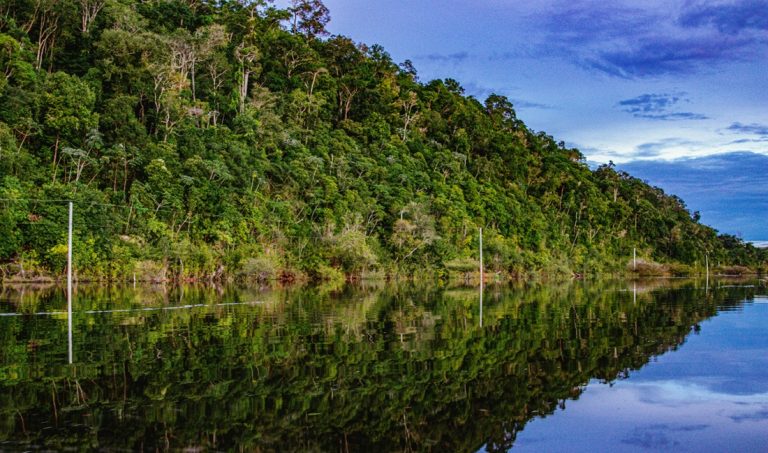
For many travelers, this is when the rainforest feels most dramatic and immersive. Canoe trips through flooded forests, reflections across blackwater rivers, and navigation between submerged trees create scenery that many people associate with classic Amazon imagery.
The wetter months are also excellent for river exploration because boats can access smaller channels and more isolated waterways. However, heavy humidity, stronger rainfall, muddier trails, and increased mosquito activity can make travel feel more physically demanding.
Some travelers actually prefer this season because the rainforest appears greener, denser, and more visually intense than during lower water periods.
Best Time for Wildlife in the Amazon
Wildlife viewing in the Amazon is possible year-round, but sightings are never guaranteed regardless of season. The rainforest is enormous, animals move constantly, and many species remain difficult to spot naturally.
That said, the dry season can sometimes make wildlife easier to observe because animals gather closer to remaining water sources and riverbanks. Boat tours during lower water periods may also offer clearer visibility along narrower waterways.
The wet season, on the other hand, creates better access to flooded forests and remote river systems where travelers may experience very different landscapes and ecosystems.
In practice, the quality of your guide and the amount of time spent in the rainforest usually matter far more than trying to chase the “perfect” wildlife month.
When Should Most Travelers Visit?
For first-time visitors, the months between July and October are usually the easiest introduction to Amazon travel because transportation is simpler, hiking conditions are better, and weather disruptions tend to be less intense.
Travelers specifically interested in flooded forests, canoe experiences, and dramatic river scenery may prefer visiting during the wetter months instead.
Ultimately, both seasons offer memorable experiences, just in very different ways. The Amazon is one of those destinations where changing conditions are part of what makes the region feel alive and unpredictable throughout the year.
If you are planning a larger route through the country, you may also want to read my Brazil weather and seasons guide to better understand how different regions of Brazil change throughout the year.
Amazon Rainforest Brazil Travel Tips
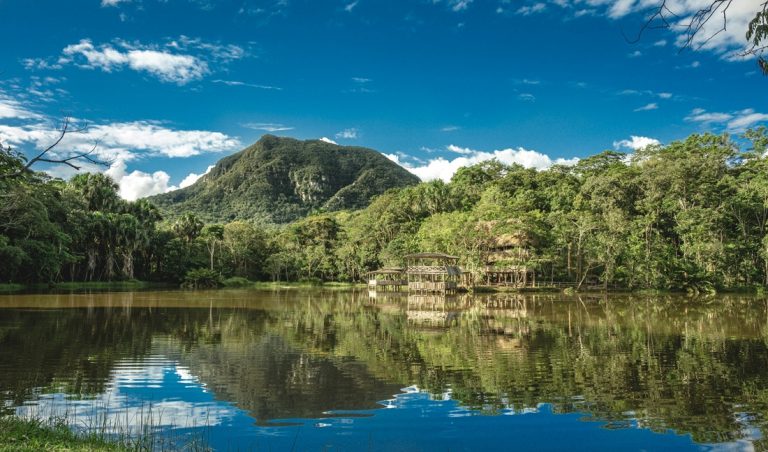
Traveling through the Brazilian Amazon becomes much easier and more rewarding when you arrive with realistic expectations and prepare properly for the climate, logistics, and slower pace of the region. While the Amazon is more accessible than many travelers expect, it still feels very different from visiting Brazil’s larger coastal cities.
- Most important mindset: Flexibility and patience are part of the Amazon experience.
- Internet and phone signal: Reliable in Manaus but often weak or unavailable in remote rainforest areas.
- Most useful item to pack: Strong insect repellent and lightweight breathable clothing.
- Cash vs cards: Cards work well in Manaus, but smaller communities and remote lodges may prefer cash.
- Language barrier: English is limited outside tourism-focused hotels and tours.
- Best advice for first-time visitors: Do not overpack your itinerary or underestimate travel times.
Internet, WiFi, and Mobile Connectivity
Manaus has relatively good internet and mobile coverage compared to what many travelers expect, especially in hotels, restaurants, and central areas. However, connectivity changes quickly once you move deeper into the rainforest.
Many jungle lodges either offer very limited WiFi or no reliable connection at all. In more remote areas, internet access may disappear entirely for several days depending on the lodge location and river conditions.
Travelers who want mobile data while moving around Brazil should consider setting up an eSIM before arrival. My guide to the best international eSIMs for travel explains the main options for staying connected during a Brazil trip.
What to Pack for the Amazon
The Amazon’s climate is hot, humid, and unpredictable throughout the year, so lightweight and breathable clothing is usually more useful than heavy hiking gear. Long sleeves and lightweight long pants can also help reduce mosquito exposure during certain activities.
Strong insect repellent, sunscreen, waterproof protection for electronics, quick-dry clothing, and comfortable walking shoes are among the most useful items for most travelers. A small dry bag can also become extremely valuable during boat transfers and river excursions.
Travelers staying in more remote jungle lodges may additionally want a flashlight or headlamp because some rainforest areas become extremely dark after sunset.
Cash, Cards, and Payments
Credit and debit cards are widely accepted in Manaus, especially in hotels, restaurants, supermarkets, and larger tourism businesses. ATMs are also available throughout the city.
However, travelers heading into more remote parts of the Amazon should still carry some cash, particularly for smaller purchases, local river transport, tips, or areas where internet-based payment systems may not function reliably.
Because transportation schedules and weather conditions can change unexpectedly, having a financial buffer for extra nights, transfers, or delayed journeys is also a good idea when traveling through the Amazon region.
Language and Communication
Portuguese is the main language spoken throughout the Brazilian Amazon, and English is not widely used outside larger hotels and tourism-focused operators. In Manaus, travelers can usually find English-speaking guides and hotel staff more easily, but communication becomes more limited in smaller communities and remote lodge areas.
Learning a few basic Portuguese phrases can make interactions much smoother and often leads to friendlier exchanges during your trip.
Managing Expectations in the Amazon
One of the best ways to enjoy the Amazon is to avoid treating the trip like a fast-paced checklist itinerary. Distances are large, weather conditions constantly change, and transportation often moves at a slower pace than travelers are used to elsewhere in Brazil.
Wildlife sightings are also never guaranteed. Even in excellent rainforest areas, animals move freely and guides cannot promise specific encounters. Travelers who arrive expecting a slower, more immersive experience usually leave with a much stronger appreciation for the Amazon itself.
The Amazon rewards curiosity, patience, and flexibility far more than rigid planning. In many ways, that unpredictability is part of what makes the region feel so memorable compared to more conventional travel destinations.
Final Thoughts on Visiting the Amazon Rainforest in Brazil
The Amazon Rainforest is one of the few destinations that still feels genuinely unpredictable. Even with planning, guides, and organized tours, the experience is shaped by changing rivers, weather conditions, wildlife movement, and the immense scale of the rainforest itself. That unpredictability can feel challenging at times, but it is also part of what makes the Brazilian Amazon so memorable.
For many travelers, the Amazon becomes less about checking attractions off a list and more about experiencing a completely different rhythm of travel. Long boat journeys, rainforest sounds at night, humid air, changing river landscapes, and the feeling of being surrounded by endless forest create a type of atmosphere that is difficult to compare to almost anywhere else in Brazil.
At the same time, the Amazon works best for travelers who arrive with realistic expectations. Transport can be slow, weather conditions constantly shift, and wildlife sightings are never guaranteed. Visitors who embrace flexibility and curiosity usually leave with a far deeper appreciation for the region than those trying to force rigid schedules or rushed itineraries.
The good news is that the Amazon can fit surprisingly well into a broader Brazil route. Many travelers combine rainforest experiences with cities such as Rio de Janeiro or Salvador, beaches along the coast, or natural highlights such as Iguazu Falls on the Brazil-Argentina border. Others continue deeper into the country to explore destinations featured in my guides to Brazil’s best beach destinations, Brazil's most spectacular tropical islands, or realistic travel costs across Brazil.
Whether you stay in a jungle lodge near Manaus, navigate flooded forests by canoe, or simply spend a few days exploring Amazon river life, visiting the rainforest offers a side of Brazil that feels far removed from the country’s better-known postcard images. For travelers willing to slow down and embrace the unpredictability of the region, the Amazon often becomes one of the most rewarding parts of the entire trip.
Frequently Asked Questions About the Amazon Rainforest in Brazil
-
Is the Amazon Rainforest in Brazil worth visiting?
Yes, the Amazon Rainforest in Brazil is absolutely worth visiting for travelers interested in nature, wildlife, river life, and unique cultural experiences. The Brazilian Amazon offers jungle lodges, river cruises, wildlife excursions, Indigenous culture, and rainforest landscapes unlike anywhere else in the country. -
What is the best place to visit the Amazon in Brazil?
For most travelers, Manaus is the best starting point for visiting the Amazon in Brazil. The city acts as the main gateway to jungle lodges, river cruises, wildlife tours, and rainforest excursions throughout the region. -
How many days do you need in the Amazon Rainforest in Brazil?
Most travelers should spend at least 3 to 5 days in the Amazon Rainforest to properly experience jungle activities, wildlife excursions, boat trips, and rainforest lodges. Shorter trips are possible from Manaus, but they feel much more limited. -
What is the best time to visit the Amazon Rainforest in Brazil?
The best time depends on the type of experience you want. The dry season between roughly June and November is usually better for hiking and easier logistics, while the wetter months between December and May are better for flooded forest exploration and canoe trips. -
Is the Amazon Rainforest in Brazil safe for tourists?
Yes, the Amazon is generally safe for tourists when trips are organized properly and travelers use experienced local guides. The biggest risks are usually related to heat, humidity, insects, dehydration, and poor preparation rather than dangerous wildlife. -
Do you need a Yellow Fever vaccine for the Amazon in Brazil?
Yellow Fever vaccination is strongly recommended for travelers visiting the Brazilian Amazon region. Travelers should also make sure routine vaccines are up to date and consult a travel clinic before departure. -
Is malaria a problem in the Brazilian Amazon?
Malaria exists in parts of the Amazon region, particularly in remote rainforest areas. Many travelers visiting the Amazon discuss malaria prevention with a travel doctor before departure and use mosquito protection measures during the trip. -
Can you visit the Amazon Rainforest without a tour?
Yes, independent travel is possible in some parts of the Amazon, especially around Manaus. However, most first-time visitors find guided tours and jungle lodge packages much easier because transportation, logistics, guides, meals, and activities are usually included. -
What wildlife can you see in the Amazon Rainforest in Brazil?
Wildlife sightings may include pink river dolphins, monkeys, sloths, caimans, tropical birds, frogs, insects, and many different fish species. Sightings are never guaranteed because the rainforest is enormous and animals move freely. -
Are there jaguars and anacondas in the Brazilian Amazon?
Yes, jaguars and anacondas live in parts of the Amazon Rainforest, but tourists almost never encounter them. Most wildlife avoids humans, especially in areas frequently visited by guided tours and boats. -
Can you swim in the Amazon River?
Yes, swimming is possible in some areas of the Amazon with local guidance. Most guided tours know which locations are considered safe for swimming based on river conditions, currents, and wildlife activity. -
What should you pack for the Amazon Rainforest in Brazil?
Travelers should pack lightweight breathable clothing, strong insect repellent, sunscreen, waterproof protection for electronics, comfortable walking shoes, and quick-dry clothing. A dry bag and flashlight can also be very useful for jungle lodges and boat trips. -
Is Manaus worth visiting?
Yes, Manaus is worth exploring before or after entering the rainforest. Highlights include the Teatro Amazonas opera house, Mercado Municipal Adolpho Lisboa, riverfront areas, and museums focused on Amazonian culture and ecology. -
What is the Meeting of the Waters in Manaus?
The Meeting of the Waters is the point where the dark Rio Negro and the sandy-colored Solimões River flow side by side without immediately mixing. It is one of the most popular boat excursions near Manaus. -
Can you stay inside the Amazon Rainforest?
Yes, many travelers stay in jungle lodges located along rivers and deeper rainforest areas outside Manaus. These lodges often include accommodation, meals, guided excursions, boat transfers, and wildlife activities. -
Are jungle lodges in the Amazon comfortable?
Comfort levels vary significantly between lodges. Some are rustic eco-lodges with limited electricity and connectivity, while others offer swimming pools, air conditioning, and luxury-style facilities in rainforest settings. -
How do you get around the Amazon Rainforest in Brazil?
Transportation in the Amazon is mainly done by boat. Rivers function as the main transport routes throughout much of the region, while roads remain limited in many rainforest areas. -
Do people speak English in the Amazon region?
English is not widely spoken outside hotels, guides, and tourism businesses in Manaus. Learning a few Portuguese phrases can make travel much easier throughout the Amazon region. -
What is the closest airport to the Amazon Rainforest in Brazil?
Manaus International Airport (MAO) is the main airport for travelers visiting the Brazilian Amazon. It offers domestic connections from São Paulo, Rio de Janeiro, Brasília, and other major Brazilian cities. -
Is the Amazon in Brazil expensive to visit?
The Amazon can range from budget-friendly to very expensive depending on your travel style. Jungle lodges, internal flights, and guided tours often increase costs, especially in remote areas, but simpler guesthouses and regional boats can help reduce expenses.
Travel Resources to Plan, Book & Stay Connected
Use these tools and guides to stay connected abroad, find inspiration for your next trip, and book your flights, stays and gear with confidence.
Disclosure: This article may contain affiliate links. If you make a purchase through a link, I may receive a commission at no extra cost to you. I only share recommendations I believe are genuinely useful, and all opinions are my own. AI was used in this post for research and drafting purposes.

Comment (0)