
Best Time to Visit Taiwan: Quick Travel Overview
For most travelers, the best time to visit Taiwan is between October and April, when temperatures are comfortable, humidity is lower, and the risk of typhoons is minimal. During these months it is easy to explore cities, travel around the island by train, and visit mountain landscapes without the intense heat and rainfall that characterizes the summer season.
Many visitors begin their journey in Taipei, the energetic capital known for night markets, temples, and Taipei 101. From there, travelers often head to the dramatic marble cliffs of Taroko Gorge and Hualien, one of the most spectacular natural regions in Taiwan.
Central Taiwan offers cool mountain forests and sunrise viewpoints in Alishan, while the area around Taichung and Sun Moon Lake is known for temples, cycling routes, and scenic lakeside landscapes. In the south, the waterfront city of Kaohsiung offers a warmer climate year round, and travelers looking for beaches often continue to Kenting.
If you are planning a longer journey across the island, our Taiwan itinerary explains how to combine these destinations into a complete route around Taiwan.
- Best overall months: October to April
- Best season for comfortable travel weather: autumn and spring
- Best time for cherry blossoms: February to March
- Best time for hiking and mountain scenery: October to April
- Best time for beaches and coastal travel: April to June
- Rainiest period: May to September
- Typhoon season: July to September
When Is the Best Time to Visit Taiwan?
Taiwan is one of the most rewarding travel destinations in East Asia. The island combines vibrant cities, spectacular mountain landscapes, lively night markets, tropical beaches, and centuries-old temples in a compact area that is easy to explore. Understanding the best time to visit Taiwan can greatly shape how you experience the country and the kinds of places you are able to enjoy most.
Taiwan has a subtropical climate with warm temperatures for much of the year, but the island also experiences seasonal rainfall, humid summers, and occasional typhoons. Weather conditions can vary noticeably between northern Taiwan, the tropical south, and the higher mountain regions in the center of the island. Because of this, some months are better suited for hiking and nature travel, while others are ideal for city exploration or beach trips.
In general, the best time to visit Taiwan is between October and April, when temperatures tend to be comfortable, humidity is lower, and rainfall is usually less intense. These months are particularly pleasant for exploring Taipei, traveling through the mountains, and moving around the island using Taiwan’s efficient rail network.
If you are planning your first visit, it can also help to combine this seasonal overview with a broader introduction to the country. Our complete Taiwan travel guide covers the major destinations and experiences across the island.

Taiwan Weather and Climate Overview
To understand the best time of year to visit Taiwan, it helps to know how the island’s climate works. Taiwan is relatively small, but weather conditions can vary quite a bit depending on the season and the region. The north is usually cooler and wetter, the south is warmer and sunnier, and the mountainous interior has a much cooler climate than the lowlands.
This is one of the reasons travelers often ask when is the best time to visit Taiwan rather than focusing on a single city. A trip that combines Taipei, the mountains of Alishan, the marble landscapes of Taroko Gorge and Hualien, and the tropical south around Kaohsiung and Kenting can involve very different temperatures and rainfall patterns over the same week.
In general, Taiwan has mild winters, warm springs, hot and humid summers, and pleasant autumns. Summer can be rewarding for beaches and lush scenery, but it also brings heavier rain, stronger humidity, and the possibility of typhoons. By contrast, autumn and spring are usually the most comfortable seasons for island-wide travel, which is why many travelers consider them the most reliable periods to visit Taiwan.
The central highlands and scenic regions around Taichung and Sun Moon Lake often feel cooler and fresher than the cities along the coast, especially in the mornings and evenings. Mountain areas can also experience mist, cloud cover, and rapid weather changes, which means that the weather in Taiwan is not just a matter of heat or rain, but also elevation.
For most first-time visitors, the best weather usually falls between October and April. These months are generally the easiest for combining cities, nature, scenic rail routes, and longer cross-island trips. They also work particularly well with a broader route such as a Taiwan itinerary, which links several of the country’s most rewarding regions into one trip.
Because weather conditions can vary across the island, it is always a good idea to check the official forecast before traveling using the Central Weather Administration weekly forecast.

Choosing the Right Season for Your Taiwan Trip
While Taiwan can be visited throughout the year, the most suitable season often depends on what you want to experience during your trip. Some travelers prioritize comfortable sightseeing weather, others focus on nature and hiking, while some visitors are drawn by seasonal highlights such as cherry blossoms or coastal travel.
For travelers interested in city exploration, food culture, and historic sites, cooler months usually provide the most comfortable conditions. Walking through night markets, temple districts, and busy neighborhoods is far more enjoyable when temperatures are moderate and humidity is lower.
Nature-focused trips often revolve around mountain scenery and national parks. Regions such as Alishan, Taroko Gorge, and the highlands around Sun Moon Lake can be particularly rewarding when visibility is good and temperatures are cooler, making hiking trails and scenic viewpoints more pleasant to explore.
Travelers who are more interested in coastal scenery and beaches may find that the warmer months offer better conditions in the south of the island. Areas such as Kenting and the southern coastline enjoy a more tropical climate and can feel significantly warmer than northern Taiwan during the same period.
In practice, the most balanced travel window for many visitors is still the period between autumn and spring. These months generally provide the best combination of comfortable temperatures, manageable rainfall, and good conditions for exploring several regions of Taiwan in one trip.
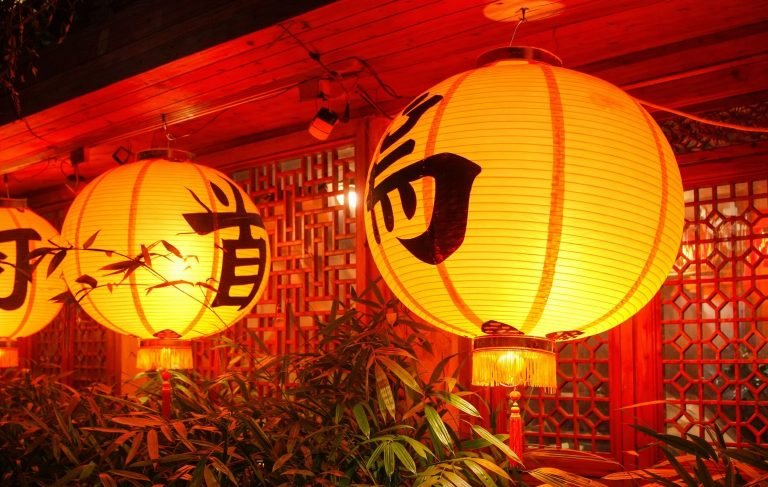
Taiwan by Season: Spring, Summer, Autumn, and Winter
Taiwan experiences four distinct travel seasons, each offering a different perspective on the island. While temperatures remain relatively warm compared with many other destinations in East Asia, humidity, rainfall, and regional weather patterns change noticeably throughout the year. Understanding these seasonal shifts helps travelers decide when to visit Taiwan depending on their priorities.
Spring and autumn are generally considered the most comfortable periods for exploring the country. Temperatures are moderate, the air tends to be clearer, and conditions are well suited for city sightseeing, scenic rail journeys, and mountain travel. These seasons are particularly enjoyable for visiting places such as Taipei, the forests of Alishan, and the dramatic landscapes of Taroko Gorge and Hualien.
Summer brings the hottest and most humid weather of the year. Afternoon showers and occasional tropical storms are more common during this period, especially in July and August. At the same time, the island becomes lush and green, and southern destinations such as Kaohsiung and Kenting attract travelers looking for beaches and coastal scenery.
Winter in Taiwan is relatively mild compared with many other parts of Asia. While northern cities can experience cooler temperatures and more frequent rain, the south usually remains warm enough for outdoor exploration. Mountain areas may feel significantly cooler, particularly around sunrise viewpoints and higher elevation forests.
Because Taiwan offers such a wide range of landscapes, each season highlights different experiences across the island. The following sections look at what to expect during spring, summer, autumn, and winter, helping you decide which period best matches your travel plans.

Spring in Taiwan (March to May)
Spring is one of the most pleasant seasons to travel around Taiwan. Temperatures gradually warm after winter, humidity remains manageable, and landscapes across the island become vibrant and green. For many travelers, this period offers an excellent balance between comfortable sightseeing weather and beautiful natural scenery.
One of the highlights of spring in Taiwan is cherry blossom season. Depending on elevation and location, blossoms typically appear between late January and March, attracting visitors to mountain destinations and parks across the island. Scenic areas such as Alishan are particularly famous for spring blossoms combined with forest railways and mountain sunrise viewpoints.
Spring is also a great time to explore central Taiwan. The region around Taichung and Sun Moon Lake offers comfortable cycling routes, lakeside scenery, and mountain landscapes that are especially appealing during mild spring temperatures.
Nature lovers often use this season to visit eastern Taiwan as well. Destinations such as Taroko Gorge and Hualien become particularly scenic when vegetation is lush and rivers flow strongly through the marble canyons.
Although occasional rain showers can occur, spring generally provides favorable travel conditions across most of the island. For travelers interested in hiking, nature, and seasonal landscapes, it is one of the most rewarding times to explore Taiwan.
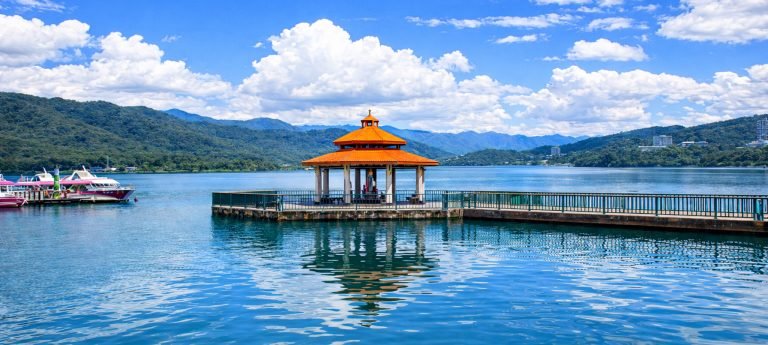
Summer in Taiwan (June to August)
Summer in Taiwan is the hottest and most humid period of the year. Temperatures often rise above 30°C, and the combination of heat and humidity can make midday sightseeing more challenging, especially in large cities. At the same time, this season brings lush landscapes, full rivers, and vibrant green mountains across much of the island.
Rainfall becomes more frequent during summer months, often arriving as short but intense afternoon showers. July and August also fall within the Pacific typhoon season, which can occasionally disrupt travel plans with heavy rain and strong winds. Most storms pass quickly, but it is wise to check weather forecasts and remain flexible with outdoor plans.
Despite the heat, summer can still be an enjoyable time to explore coastal regions and southern Taiwan. The warmer climate around Kaohsiung and the beaches of Kenting attracts travelers looking for seaside scenery, snorkeling, and relaxed coastal towns.
Nature destinations also become especially lush during this time of year. Rivers and waterfalls in places such as Taroko Gorge and Hualien often appear at their most powerful after seasonal rains, creating dramatic landscapes throughout the marble canyon.
For travelers who do not mind warm weather, summer still offers rewarding experiences across Taiwan. Early morning sightseeing, coastal destinations, and mountain excursions can help make the most of the season while avoiding the hottest parts of the day.
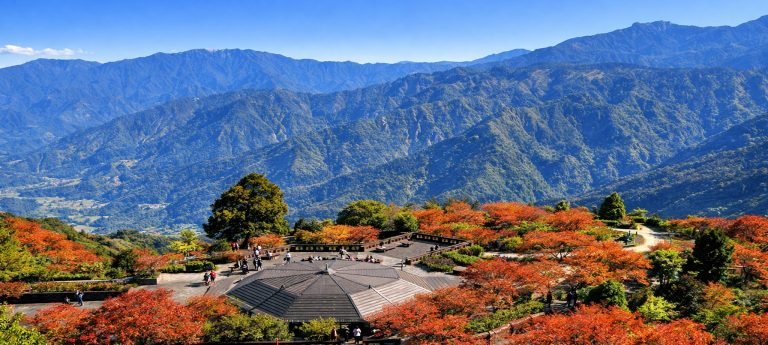
Autumn in Taiwan (September to November)
Autumn is widely considered one of the most comfortable seasons to travel around Taiwan. Temperatures begin to drop after the intense heat of summer, humidity becomes more manageable, and rainfall gradually decreases. For many visitors, this period offers some of the most balanced travel conditions of the entire year.
September can still feel warm, but by October and November the weather across much of the island becomes noticeably more pleasant for sightseeing. Clearer skies and milder temperatures make it easier to explore cities, night markets, temples, and scenic districts without the heavy humidity that characterizes summer months.
Autumn is also an excellent season for exploring Taiwan’s mountains and natural landscapes. Cooler air and improved visibility often make hiking trails and scenic viewpoints particularly rewarding. Destinations such as Alishan and the marble canyons of Taroko Gorge and Hualien are especially enjoyable when the weather is clear and comfortable.
Central Taiwan can also feel particularly pleasant during autumn. Areas around Taichung and Sun Moon Lake often experience cooler mornings and evenings, making this a relaxing time for lakeside walks, cycling routes, and mountain viewpoints.
Because of the comfortable climate and generally stable weather patterns, autumn is often regarded as one of the best overall seasons for exploring multiple regions of Taiwan during a single trip.

Winter in Taiwan (December to February)
Winter in Taiwan is generally mild compared with many other destinations in East Asia. Temperatures rarely become extremely cold in the lowlands, especially in southern Taiwan, which allows travelers to continue exploring cities, markets, temples, and coastal areas comfortably throughout the season.
Northern Taiwan, including Taipei, can feel cooler and slightly wetter during winter months. Light rain and cloudy days are not uncommon, but temperatures usually remain manageable for sightseeing. Many visitors still enjoy exploring the capital during this period because crowds are often smaller and the climate is far less humid than in summer.
Southern Taiwan tends to remain warmer and sunnier during winter. Cities such as Kaohsiung and coastal areas around Kenting often experience comfortable weather that is well suited for outdoor exploration and scenic drives along the coast.
Mountain destinations can feel noticeably cooler during winter, particularly at higher elevations. Early mornings in places such as Alishan may be crisp, but clear winter skies can also create beautiful sunrise views and excellent visibility across forested mountain landscapes.
For travelers who prefer cooler weather and fewer crowds, winter can be a very pleasant time to visit Taiwan. The season offers a calmer atmosphere in many destinations while still allowing easy travel across much of the island.
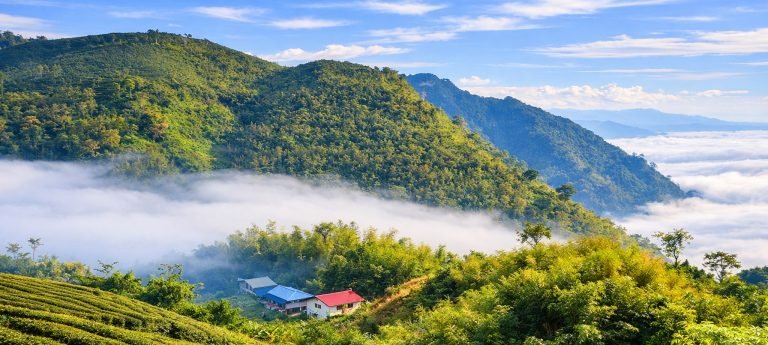
Taiwan Month-by-Month Weather Guide
If you are planning a trip far in advance, it can be helpful to look at Taiwan month by month. While seasons give a general overview, weather conditions shift gradually throughout the year, and some months offer particularly good travel conditions depending on your priorities.
January and February are among the coolest months in Taiwan. Northern cities such as Taipei may experience occasional rain, but temperatures are generally comfortable for sightseeing. These months are also the beginning of the cherry blossom season in certain mountain areas.
March and April are often excellent months to visit Taiwan. Temperatures become warmer, landscapes turn green, and travel conditions across the island are generally pleasant. This period works well for exploring nature destinations such as Alishan or hiking through the marble canyons of Taroko Gorge and Hualien.
May and June mark the beginning of warmer and more humid weather. Rainfall becomes more common during this time, particularly in northern Taiwan, although travel across the island remains possible with some flexibility in outdoor plans.
July and August are typically the hottest months of the year. High humidity and the possibility of typhoons mean that travelers often adjust their schedules to focus on early morning activities or coastal destinations such as Kenting and southern cities like Kaohsiung.
September and October usually bring more comfortable weather as temperatures begin to fall and rainfall gradually decreases. These months are excellent for sightseeing, exploring cultural districts, and visiting scenic areas in central Taiwan such as Taichung and Sun Moon Lake.
November and December are often very pleasant for travel across the island. Conditions are typically cooler and drier, making this period particularly good for combining cities, nature destinations, and longer routes such as this Taiwan itinerary.
Taiwan’s famous hot spring regions can also be visited throughout the year, although the experience changes noticeably depending on the season. Cooler months between late autumn and early spring are generally considered the most atmospheric because the contrast between cold mountain air and steaming geothermal water feels much more immersive. Hot springs remain open during summer as well, especially in mountain regions, but the island’s humidity can make long soaking sessions less comfortable. Our guide to Taiwan hot springs and onsen towns explains which regions are best depending on the season, atmosphere, and type of experience you are looking for.
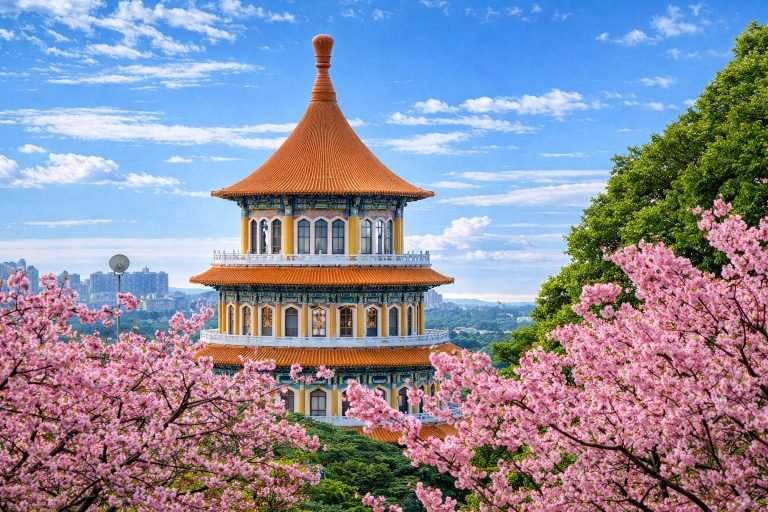
Best Time to Visit Taiwan for Cherry Blossoms
Cherry blossom season is one of the most popular times to travel in Taiwan. While the country is not as internationally famous for blossoms as Japan or South Korea, Taiwan offers many beautiful viewing locations and the season tends to last longer because of the island’s varied elevations.
Because blossom timing varies slightly each year, travelers hoping to see peak blooms should check local forecasts before planning their trip, for example through the Central Weather Administration weekly forecast.
Blossoms usually begin appearing in late January and continue through March depending on altitude. Lower elevation cities and parks often see the first flowers, while mountain destinations bloom later. This staggered timing allows travelers to enjoy cherry blossoms across several regions of the island over multiple weeks.
One of the most famous places to see cherry blossoms is Alishan, where pink blossoms appear along forest railways and mountain viewpoints. The cool mountain air combined with the surrounding forests creates one of the most scenic blossom experiences in Taiwan.
Blossoms can also appear in northern parks and mountain areas near Taipei, as well as around scenic regions in central Taiwan such as Taichung and Sun Moon Lake. These locations allow visitors to combine blossom viewing with cultural sightseeing and nature travel.
Because blossom timing varies slightly each year, travelers hoping to see peak blooms should check local forecasts before planning their trip. In general, February and early March offer the most reliable opportunity to experience cherry blossom season in Taiwan.

Best Time to Visit Taiwan for Beaches and Coastal Travel
Travelers interested in beaches and coastal scenery may find that the best time to visit Taiwan differs slightly from the ideal season for city sightseeing or mountain travel. Taiwan’s coastline offers warm water, tropical landscapes, and several relaxed seaside destinations, particularly in the southern part of the island.
Late spring and early summer are often good months for coastal travel. Temperatures are warm, ocean conditions are generally pleasant, and beach destinations begin to feel lively without the peak humidity of mid-summer. Southern Taiwan in particular enjoys a warmer climate that supports outdoor activities for much of the year.
The beaches around Kenting are among the most popular seaside areas in Taiwan. Kenting National Park is known for sandy beaches, coral reefs, and scenic coastal landscapes, making it a favorite destination for snorkeling, diving, and relaxed seaside travel.
Coastal travel also pairs well with visits to nearby southern cities. Many travelers combine beach time with a stay in Kaohsiung, where waterfront districts, art spaces, and harbor views create a different atmosphere from the northern cities.
Although summer brings warmer water and beach weather, travelers should remain aware of the possibility of heavy rain or typhoons during mid to late summer. Visiting during late spring or early autumn often provides a more balanced combination of warm temperatures, manageable humidity, and comfortable travel conditions along Taiwan’s coastline.
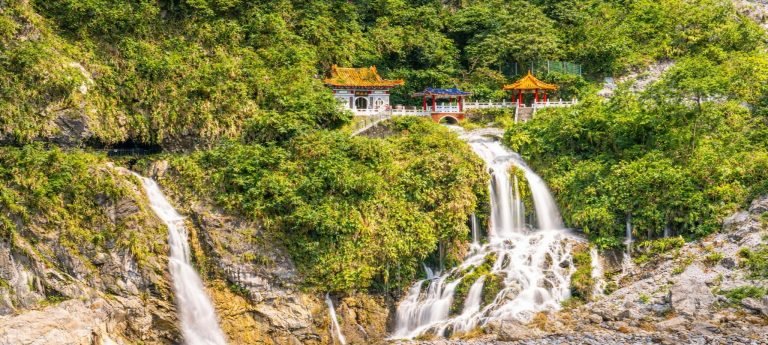
Best Time to Visit Taiwan for Hiking and Nature
Taiwan is one of the most mountainous islands in Asia, and many travelers visit specifically for its forests, national parks, and dramatic landscapes. Hiking conditions vary significantly throughout the year, so choosing the right season can make a noticeable difference when exploring the island’s nature destinations.
Autumn and spring generally provide the most comfortable hiking conditions. Temperatures are milder, humidity is lower than in summer, and visibility is often clearer across mountain landscapes. These months are particularly well suited for exploring highland regions and scenic viewpoints.
Destinations such as Alishan are famous for forest trails, sunrise viewpoints, and misty mountain scenery. The cooler climate at higher elevation makes hiking especially enjoyable during spring and autumn.
Eastern Taiwan also offers remarkable nature travel. The towering marble cliffs of Taroko Gorge and Hualien feature some of the island’s most impressive hiking trails, where rivers cut through steep canyon walls and lush vegetation surrounds the gorge.
Central Taiwan offers additional scenic landscapes around Taichung and Sun Moon Lake, where mountain scenery, lakeside trails, and cycling routes create a slower pace of exploration.
Summer hiking is still possible, but travelers should be prepared for heat, humidity, and occasional afternoon storms. Winter hikes can be comfortable in many areas, although temperatures drop more noticeably at higher elevations. For the most balanced conditions overall, spring and autumn remain the most reliable seasons for nature travel across Taiwan.
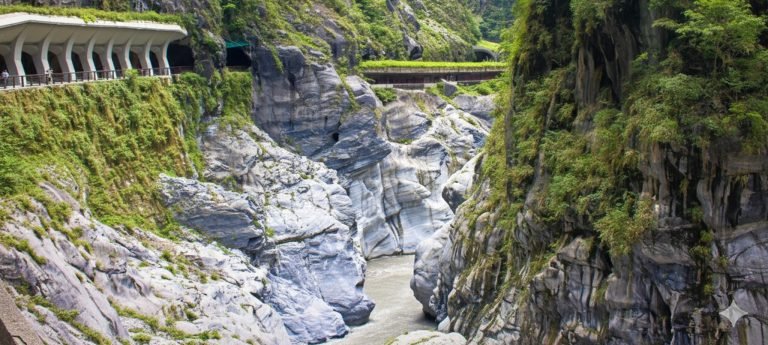
Worst Time to Visit Taiwan
Although Taiwan can be visited year round, some periods are less convenient for travel than others. The most challenging months are typically mid summer, when heat, humidity, and heavy rainfall can affect outdoor activities across much of the island.
July and August are usually the most demanding months for sightseeing. Daytime temperatures are often high, humidity can feel intense, and sudden downpours are common in the afternoon. These conditions can make long walking days in cities or extended hiking trips more tiring than during cooler seasons.
This period also coincides with the peak of the Pacific typhoon season. While major storms do not occur every year, tropical systems passing near Taiwan can bring strong winds, heavy rain, and temporary transportation disruptions. Travelers visiting during these months should keep their plans flexible and monitor weather updates.
Late spring can also bring a short rainy period known locally as the plum rain season. During this time, northern Taiwan in particular may experience several days of overcast skies and steady rainfall. The rain rarely stops travel completely, but it can affect outdoor plans and mountain visibility.
Despite these challenges, visiting Taiwan during these months is still possible and many travelers do so successfully. Planning indoor attractions, museums, temples, and food markets can help balance days when the weather is less predictable.

Final Thoughts: Planning the Best Time to Visit Taiwan
Choosing the best time to visit Taiwan ultimately depends on the type of experience you want from your trip. The island offers rewarding travel opportunities throughout the year, but seasonal differences in humidity, rainfall, and temperature can influence how comfortable certain activities feel. If you are just starting to explore the island, this Things to Do in Taiwan guide provides a complete overview of the country’s landscapes, cities, and travel experiences.
Before finalizing your travel dates, it is also worth checking Taiwan's visa and entry process. Most visitors from North America, Europe, Australia, and several Asian countries can enter Taiwan without obtaining a tourist visa in advance, but entry requirements vary by nationality and can change over time.
For most travelers, the period from autumn through spring offers the most balanced travel conditions. Temperatures tend to be milder, humidity is lower than during the summer months, and exploring cities, temples, markets, and scenic landscapes becomes easier across many regions of the island.
At the same time, every season highlights different parts of Taiwan. Spring brings blossoms and lush mountain scenery, summer reveals vibrant coastal landscapes, autumn offers some of the most comfortable sightseeing weather, and winter provides cooler temperatures with fewer crowds in many destinations.
Whether you plan to focus on vibrant cities such as Taipei, explore the marble landscapes of Taroko Gorge and Hualien, watch sunrise over the forests of Alishan, relax around Taichung and Sun Moon Lake, or enjoy the coastal atmosphere of Kaohsiung and Kenting, Taiwan offers a wide range of experiences across the year.
Evenings are often best spent exploring the island’s famous street food culture. Our Taiwan Night Market Guide explains how these lively food markets work and introduces some of the best places to experience them. Within Taipei, many travelers visit Shilin Night Market or Raohe Night Market, while central Taiwan is home to the massive Fengjia Night Market in Taichung.
If you are planning a longer journey around the island, this guide to getting around Taiwan explains how trains, high-speed rail, and regional transport connect between destinations, while these Taiwan travel tips help you handle practical details like payments, weather, and everyday travel situations. You can then use this Taiwan itinerary to connect these destinations into a smooth travel route.
Frequently Asked Questions About the Best Time to Visit Taiwan
-
When is the best time to visit Taiwan?
For most travelers, the best time to visit Taiwan is between October and April. These months generally offer comfortable temperatures, lower humidity, and more stable travel conditions compared with the hotter summer season. -
What is the rainy season in Taiwan?
Taiwan’s rainy season usually begins in late spring and continues into summer. May and June often bring frequent rain showers, while July and August may experience heavier storms during the Pacific typhoon season. -
When is cherry blossom season in Taiwan?
Cherry blossoms typically appear between late January and March depending on elevation. Mountain destinations such as Alishan often see blossoms slightly later than lower elevation parks and cities. -
Is summer a good time to visit Taiwan?
Summer can still be enjoyable, especially for coastal destinations and beaches in southern Taiwan. However, travelers should expect high humidity, warmer temperatures, and the possibility of heavy rain or tropical storms. -
Is winter cold in Taiwan?
Winter in Taiwan is generally mild. Northern areas such as Taipei may feel cooler and experience occasional rain, while southern regions including Kaohsiung and Kenting often remain relatively warm.
Travel Resources to Plan, Book & Stay Connected
Use these tools and guides to stay connected abroad, find inspiration for your next trip, and book your flights, stays and gear with confidence.
Disclosure: This article may contain affiliate links. If you make a purchase through a link, I may receive a commission at no extra cost to you. I only share recommendations I believe are genuinely useful, and all opinions are my own. AI was used in this post for research and drafting purposes.

Comment (0)