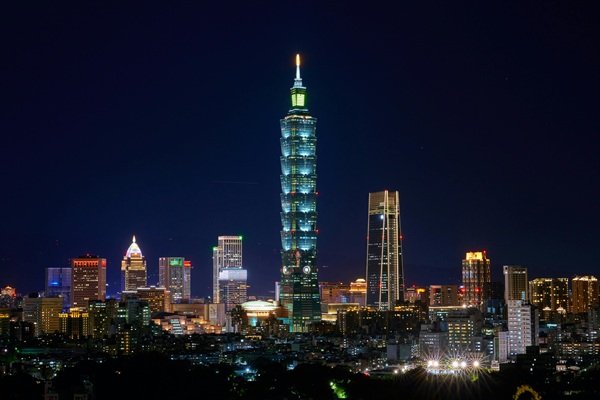
Things to Do in Taipei: Quick Picks for First-Time Visitors
The best things to do in Taipei include visiting Taipei 101, exploring night markets, walking through historic temples, and taking easy day trips to places like Jiufen and Shifen. Most travelers should focus on a mix of food, culture, and viewpoints rather than trying to see everything.
- Short on time: Taipei 101, Elephant Mountain, one night market
- Food focus: Night markets + local street food districts
- Culture and temples: Longshan Temple, Chiang Kai-shek Memorial Hall
- Best viewpoints: Elephant Mountain and Taipei 101 observatory
- Easy day trips: Jiufen, Shifen, Yehliu Geopark
- No car needed: MRT and EasyCard make everything simple
Taipei is the easiest place to start a trip through Taiwan. It combines food, culture, transport, and day trips in a way that makes planning simple, even for first-time visitors.
Taiwan Travel Guide Series
This Taipei guide is part of a broader Taiwan travel route. For a complete overview, start with the Taiwan travel planning guide. From Taipei, most travelers continue east to Taroko Gorge and Hualien, head into the mountains around Alishan, slow down in central Taiwan at Taichung and Sun Moon Lake, explore the south in Kaohsiung, or finish with beaches in Kenting National Park.
Things to Do in Taipei: Why This City Is the Perfect Taiwan Starting Point
The best things to do in Taipei combine food, culture, viewpoints, and easy day trips — all in a city that is incredibly simple to navigate. Most travelers can explore temples, night markets, hiking trails, and major landmarks in just a few days without feeling rushed.
Taipei is one of the easiest cities in Asia to figure out. Within a day, most visitors are confidently using the MRT, exploring neighborhoods on foot, and discovering how much variety the city offers. It’s modern and efficient, but still filled with temples, local food spots, and areas where you can wander without a plan.
What makes Taipei stand out is how much you can do in a short time. You can visit cultural landmarks in the morning, hike to a skyline viewpoint in the afternoon, and spend the evening at a night market — all without long travel times or complicated logistics.
Taipei also works as the best starting point for exploring Taiwan. Transport is straightforward, the food scene is one of the strongest in Asia, and day trips to places like Jiufen, Shifen, and coastal viewpoints are easy to add without heavy planning.
Why Taipei Is Worth It (Even If You Think You “Don’t Do Cities”)
- Food scene: Night markets and local dishes are a core part of the experience
- Ease of travel: MRT, walkability, and clear systems make everything simple
- Safety: One of the safest and most relaxed major cities in Asia
- Nature access: Hiking, viewpoints, and day trips within easy reach
- Value: More affordable than Japan or Korea with similar quality
Taipei is the kind of city that works immediately. You spend less time figuring things out and more time actually enjoying your trip, which makes it one of the easiest places in Asia to explore confidently from day one.
The food alone is a reason to visit. Night markets are not just a tourist attraction — they are part of daily life. You can move from dumplings to grilled skewers, noodles, fried snacks, desserts, and drinks in one evening, all in a setting that feels organized and easy to navigate. If you want to know what to expect, this guide to Taiwan’s must-try food gives a clear overview of what to look for.
Convenience is another major advantage. The MRT system is reliable, neighborhoods are easy to walk, and everyday infrastructure is built for efficiency. This allows you to move between districts, attractions, and food areas without losing time or dealing with complicated logistics.
Taipei also stands out for how safe and relaxed it feels. You can explore at night, use public transport late, and move around the city without the stress that often comes with large capitals. This makes it especially well suited for solo travelers and first-time visitors to Asia.
Choosing the right neighborhood can also shape your entire experience in the city. Our Taipei district and hotel breakdown compares areas like Ximending, Zhongshan, Xinyi, Da’an, Beitou, and Taipei Main Station depending on your travel style, nightlife preferences, and itinerary.
What sets Taipei apart from many other cities is how easily you can escape it. Within a short distance, you can reach hiking trails, viewpoints, waterfalls, coastal towns, and hot springs. Areas such as Beitou and Wulai make it easy to experience Taiwan’s geothermal bathing culture without traveling far from the city, and this guide to Taiwan’s best hot spring towns explains which regions are worth visiting depending on the atmosphere and type of experience you want.
Taipei also offers strong value compared to other major Asian cities. It delivers a similar level of organization, safety, and overall experience as places like Japan or Korea, but at a lower cost and with a more relaxed atmosphere.
If you are planning to explore beyond the capital, this Taiwan travel route guide shows how Taipei fits into a complete trip across the island.
Best Places to Visit in Taipei (And the Best Northern Taiwan Day Trips)
- First-time highlights: Taipei 101, Elephant Mountain, CKS Memorial Hall
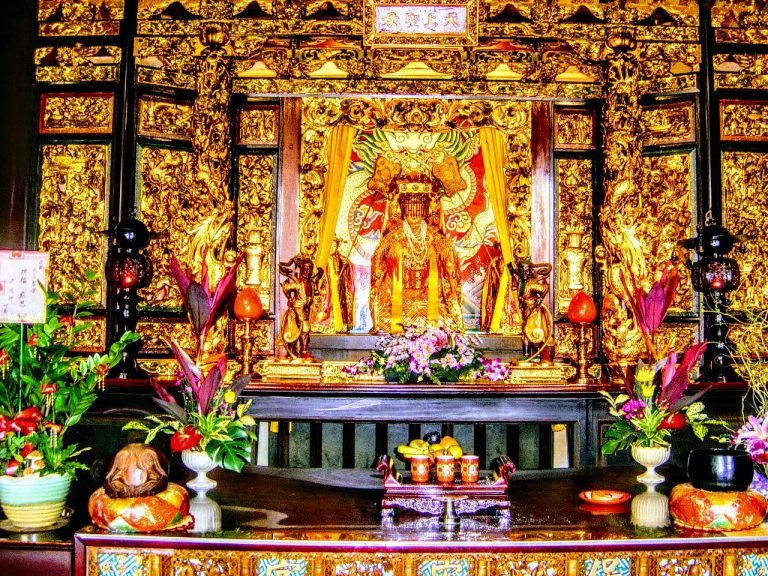
- Culture and temples: Longshan Temple and older districts
- Food experiences: Night markets across the city
- Best day trips: Jiufen, Shifen, Yehliu, Beitou
- No car needed: MRT and trains connect everything easily
Taipei is one of the easiest cities in Asia to explore efficiently. The MRT is simple, neighborhoods are walkable, and you can combine skyline views, temples, food districts, and day trips without losing time to transport.
The sections below break down the most worthwhile parts of Taipei and the best nearby day trips, focusing on what each area feels like and who it suits best.
1) Taipei City Highlights (Classic Taipei You Can’t Skip)
Taipei’s main highlights are spread across the city, but they connect easily into one smooth itinerary. Most travelers can combine viewpoints, cultural landmarks, and modern districts in a single day without feeling rushed.
Start with Taipei 101 and the surrounding district, which represents modern Taipei at its most polished. Pair it with Elephant Mountain for one of the best skyline views in the city — a short, steep hike with a high payoff.
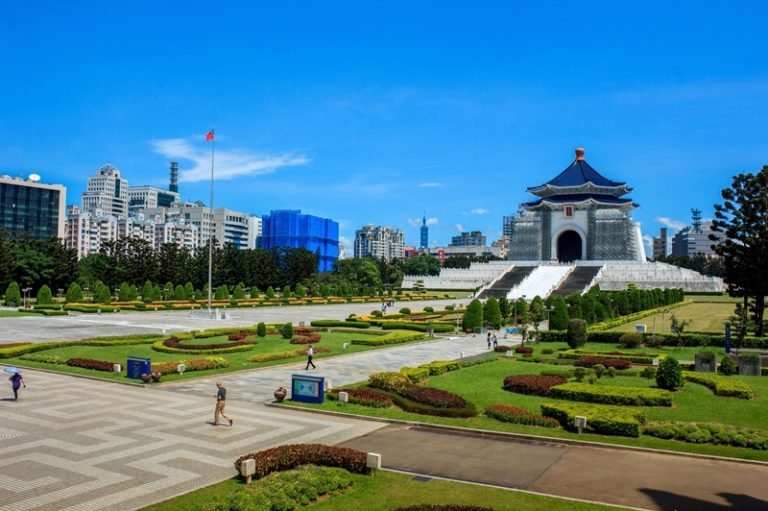
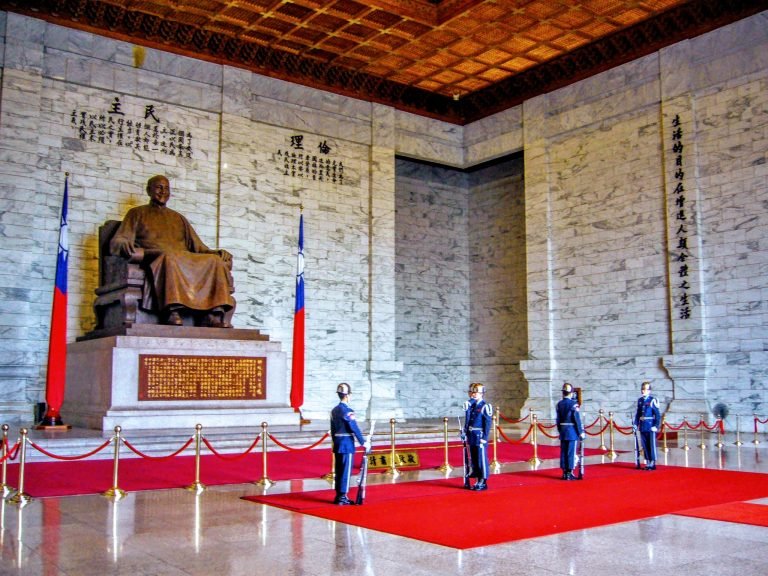
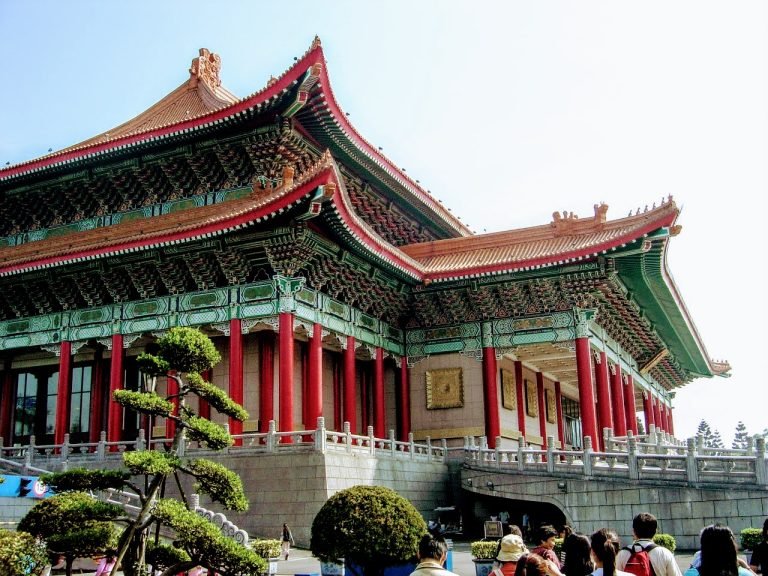
For culture, the Chiang Kai-shek Memorial Hall offers scale, space, and a slower pace, while the National Palace Museum provides one of the most important historical collections in Asia. It is also a strong backup plan for rainy days.
Best for: first-time visitors, photographers, culture-focused travelers, short stays.
2) Temples, Old Streets & Traditional Taipei
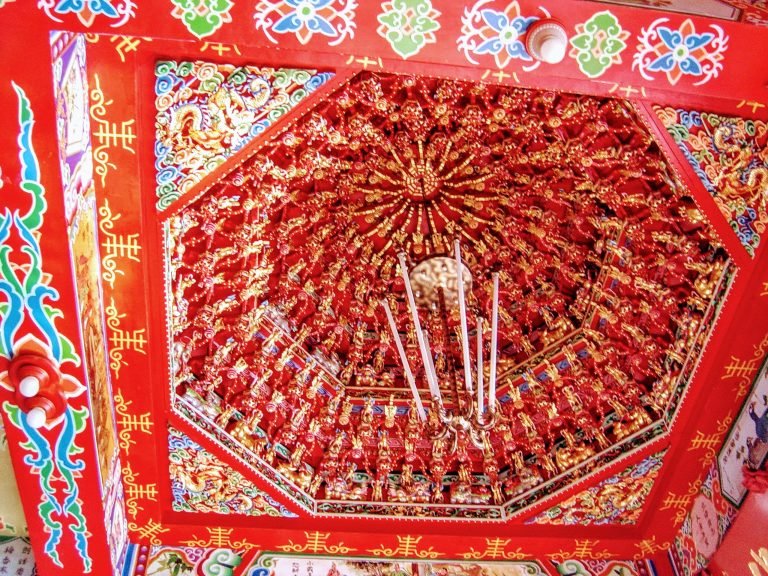
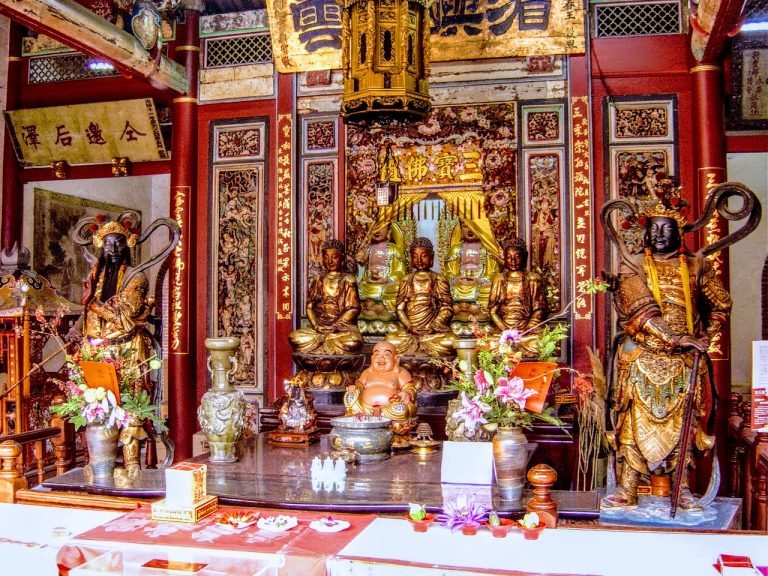
Taipei’s traditional side is what gives the city depth. Temples are active spaces, not just landmarks, and they add a layer of daily life that contrasts with the modern skyline.
Longshan Temple is the most accessible and atmospheric starting point. It is easy to visit, located in an older district, and works well combined with street food and local exploration.
Smaller temples across the city offer quieter experiences and reinforce the contrast between modern and traditional Taipei.
Best for: culture, photography, slow exploration, first-time visitors wanting context.
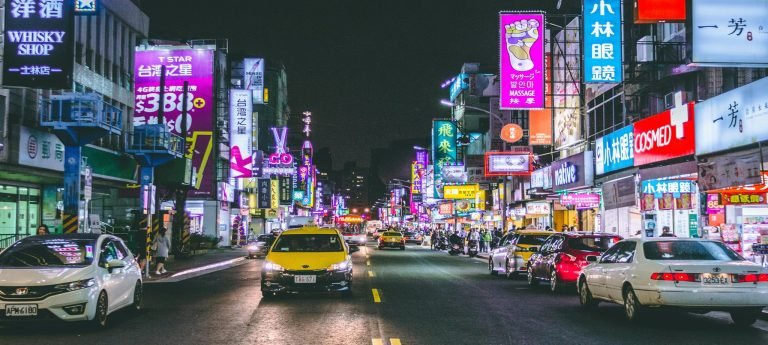
3) Night Markets & Food Districts (Where Taipei Really Comes Alive)
Night markets are the core of Taipei’s food culture. They are not optional — they are one of the main reasons people travel here.
Shilin Night Market offers the largest and most varied experience, Raohe is more focused and food-driven, and Ningxia delivers a more local, traditional feel with less crowd pressure.
Best for: food lovers, budget travelers, social travelers, first-time visitors.
4) Best Day Trips from Taipei (Northern Taiwan Highlights)
Taipei works as a base because you can reach completely different environments within an hour. These day trips are not extras — they are a core part of the Taipei experience. Travelers wanting to compare routes more realistically can also read our complete guide to northern Taiwan day excursions, which breaks down destinations like Jiufen, Shifen, Yehliu, Wulai, Beitou, Keelung, and Taroko Gorge in much greater detail.
Jiufen offers atmosphere and views, Shifen adds the lantern experience, Yehliu provides coastal geology, and Beitou delivers hot spring relaxation. Each one serves a different travel style, so choosing the right combination matters more than trying to see everything.
Best for: first-time visitors, couples, photographers, travelers wanting variety without changing hotels.
Top Things to Do in Taipei (Bucket List Highlights You’ll Actually Remember)
- Best skyline moment: Taipei 101 + Elephant Mountain
- Top cultural stop: National Palace Museum
- Easy half-day plan: combine city + viewpoint + food
- Short stay focus: prioritize 2–3 highlights max
- Best timing: sunset for views, evening for food
Taipei is a city where the main highlights are easy to combine into a smooth itinerary. You can experience skyline views, culture, and food in a single day without spending time on complicated transport or long distances.
If you only have a short stay, focus on a few high-impact experiences rather than trying to see everything. The sections below highlight the places that deliver the strongest first impression of Taipei.
See Taipei 101 Up Close — Then Get the Skyline View from Elephant Mountain
Taipei 101 is the city’s most recognizable landmark, and the surrounding district offers a modern, high-energy atmosphere with shops, cafés, and wide pedestrian areas. It is one of the easiest places to start exploring the city.
Pair it with Elephant Mountain for the best skyline view. The hike is short but steep, and the reward comes quickly — panoramic views of Taipei with Taipei 101 centered in the frame. Late afternoon or sunset is the best time to go.
Visit the National Palace Museum (Taipei’s Most Important Cultural Site)
If you only visit one museum in Taipei, make it the National Palace Museum. It holds one of the most important collections of Chinese historical artifacts in the world and provides context that helps you understand the region beyond modern Taipei.
The exhibits include jade carvings, ceramics, scrolls, and detailed objects that are visually impressive even if you are not usually interested in museums. It is also one of the best indoor options when the weather changes or you want a slower-paced part of the day.
Take a Calm, Cinematic Walk at Chiang Kai-shek Memorial Hall
- Best for: architecture, photography, slower pace
- Time needed: 45 to 90 minutes
- When to go: late afternoon or early evening
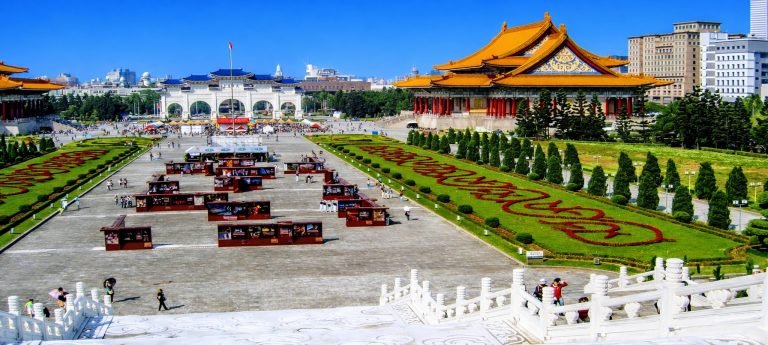
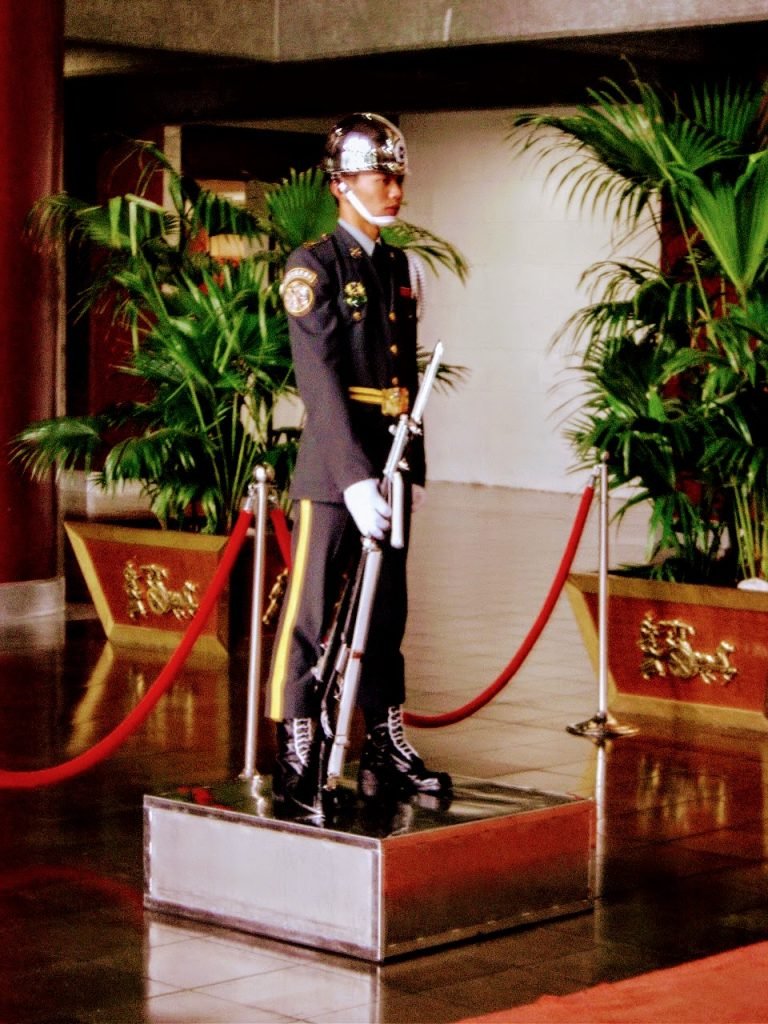
Chiang Kai-shek Memorial Hall is one of the most photogenic and spacious landmarks in Taipei. It offers a different pace compared to the rest of the city, with wide plazas, gardens, and large-scale architecture that make it easy to slow down and explore.
Even if you are not focused on history, the setting works as a visual and atmospheric stop. Locals come here to walk, relax, and take photos, which makes it feel more like a public space than a traditional tourist attraction.
Do a Night Market Food Crawl (The Core Taipei Experience)
- Best for: food, first-time visitors, evening activity
- Time needed: 1 to 2 hours
- Best markets: Shilin (variety), Raohe (focused), Ningxia (local feel)
Night markets are one of the main reasons people travel to Taipei. The best approach is simple: arrive hungry, walk through once to see what is available, then start choosing dishes. This helps you avoid filling up too quickly on the first thing you see.
Shilin Night Market is the largest and most varied option, Raohe offers a more focused food experience in a compact layout, and Ningxia is a strong choice if you want something smaller and more traditional. Choosing the right one depends on whether you prefer variety, efficiency, or a more local atmosphere.
🌙 2-Hour Raohe Night Market Walking Tour (Taipei)
Want to experience a real Taipei night market with zero guesswork? Raohe Night Market is one of the most famous in the city — packed with street food, local snacks, and that classic Taiwan night-market energy. A short guided walking tour is perfect if you want to taste the best bites, learn what to order, and enjoy the atmosphere without wandering around unsure of what is actually worth trying.
If you want something smaller, more local-feeling, and extremely strong on classic Taiwanese snacks, go to Ningxia Night Market. You can’t really go wrong — just show up with curiosity and an empty stomach.
Where to Stay in Taipei (Best Areas + What Each One Feels Like)
- First-time visitors: Ximen for energy and convenience
- Stylish stay: Zhongshan for cafés and boutique feel
- Calm and comfort: Da’an for quieter streets and parks
- Transport hub: Taipei Main Station for easy travel days
- Short stays: stay central to reduce travel time
Taipei is one of the easiest cities in Asia to base yourself in because transport is so efficient. You can stay in different neighborhoods and still reach most attractions quickly, but your choice of area will shape how your trip feels day to day.
The best area depends less on proximity to attractions and more on your travel style. Do you want energy and street life, a calm base, a stylish neighborhood, or maximum convenience for day trips and onward travel?
Ximen (Ximending): best for first-timers who want fun + energy
Ximen is the easiest choice for first-time visitors who want a lively and central base. It is busy, walkable, and filled with food, shops, and street life, making it easy to explore without planning.
The area has a youthful energy with constant movement, late-night food options, and a strong sense of activity. It also feels safe and comfortable for solo travelers, even in the evening.
From a practical standpoint, Ximen is very well connected to the MRT and makes it easy to reach Taipei Main Station and other key areas.
Best for: first-time visitors, solo travelers, nightlife without clubs, travelers who want to be in the middle of the action.
Zhongshan: best for stylish cafés + “cool Taipei” vibe
Zhongshan offers a more refined and relaxed version of Taipei. It is known for cafés, boutiques, and quieter streets that feel more local and lived-in.
This area works well for slower mornings and a more flexible, lifestyle-focused trip. It feels less crowded than Ximen while still being very central.
Best for: couples, café lovers, boutique stays, travelers who prefer calm evenings with a stylish atmosphere.
Da’an: best for comfort, calm, and an upscale base
Da’an is one of the most comfortable areas to stay in Taipei, with cleaner streets, parks, and a more residential feel. It provides a quieter environment while still being well connected.
The pace here is slower, making it a strong choice if you want evenings to feel relaxed rather than busy.
Best for: families, couples, comfort-focused travelers, and those who prefer a quieter base.
Near Taipei Main Station: best for transport convenience + day trips
Staying near Taipei Main Station is the most practical option if you are planning day trips or continuing your journey across Taiwan. It is the main transport hub, connecting MRT lines, airport trains, and intercity routes.
While the area is less atmospheric than others, it makes travel days smoother and reduces time spent moving between locations.
Best for: short stays, travelers doing a Taiwan loop, frequent train users, and anyone prioritizing efficiency.
Quick Decision Guide: Which Taipei Area Should You Choose?
Choose Ximen for energy and ease, Zhongshan for style and cafés, Da’an for calm and comfort, and Taipei Main Station for transport efficiency and day trips.
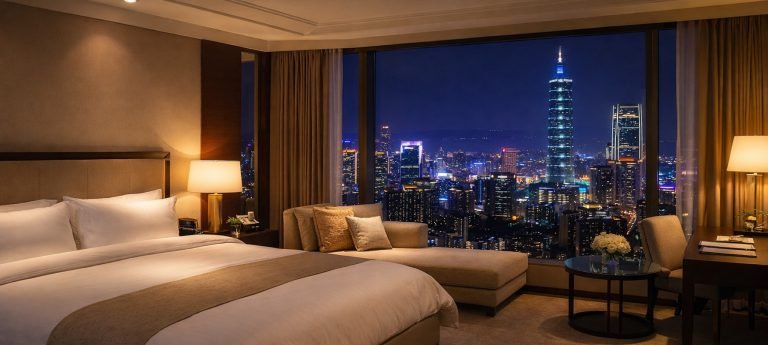
Taipei Hotels (Budget, Mid-Range & Luxury Picks)
- Best budget area: Ximen for location and energy
- Best mid-range: Zhongshan for balance and style
- Best luxury: Xinyi near Taipei 101
- Short stays: stay central to save time
- Transport tip: stay near MRT access
Taipei offers excellent hotels across every budget. Whether you want a simple base in the center of the action or a high-end stay near Taipei 101, you can find strong options without sacrificing location or convenience.
The best choice depends on how you want your trip to feel. Budget hotels work well for active itineraries, mid-range hotels provide comfort after long days, and luxury hotels turn your stay into part of the experience.
Budget Hotels (Great Value, Great Locations)
Budget hotels in Taipei are clean, modern, and usually very well located. They are ideal if you plan to spend most of your time exploring the city rather than staying in your room.
INN CUBE XIMEN
8F., No. 30, Xining South Road, Wanhua District, Taipei City 108, Taiwan
A smart budget option in the center of Ximen with immediate access to food, shopping, and MRT connections. Best suited for travelers who prioritize location and energy over space.
Check prices and availability.
LE ROOM HOTEL KANGDING
No. 32, Kangding Road, Wanhua District, Taipei
A reliable budget hotel with private rooms and a quieter feel than central Ximen while still being close to transport and food. Good choice for comfort without extra cost.
See current rates.
Mid-Range Comfort Hotels (Best Balance of Price + Quality)
Mid-range hotels are the best overall choice for most travelers. They provide more space, better comfort, and a quieter environment after busy days.
THE TANGO TAIPEI NANSHI
3, Nanjing West Road, Taipei
A modern and well-located hotel with easy access to central Taipei. Ideal for couples and solo travelers who want style and convenience in one place.
Check availability.
THE DANDY HOTEL – TIANJIN BRANCH
No. 70, Tianjin Street, Zhongshan District, Taipei
A comfortable and well-reviewed option with a calmer neighborhood feel. Works well for travelers who want quiet evenings without losing central access.
View room options.
Luxury Hotels (Best for a Standout Taipei Stay)
Luxury hotels in Taipei combine strong service, prime locations, and high-end comfort. These are best if you want your hotel to feel like part of the experience.
GRAND HYATT TAIPEI
No. 2, SongShou Road, Xinyi District, Taipei
A flagship luxury hotel next to Taipei 101 with upscale surroundings and skyline views. Best choice for a central premium experience.
Explore rooms and rates.
THE RSL HOTEL TAIPEI ZHONGHE
No. 631, Zhongzheng Road, Zhonghe District
A quieter luxury option with more space and a relaxed atmosphere outside the busiest areas. Good fit for comfort-focused stays.
Check pricing.
Want More Options?
Taipei has a wide range of hotels across all budgets. If you want to compare locations, prices, and reviews, use this general search: Browse all Taipei hotels here.
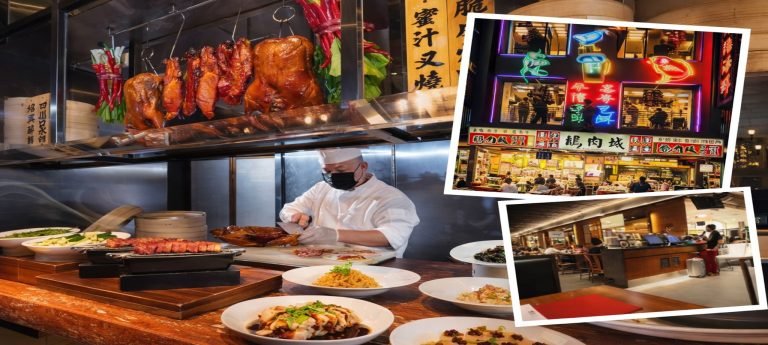
Where to Eat, Drink & Find Taipei’s Hidden Gems
- Must-try food: dumplings, beef noodle soup, lu rou fan
- Best food experience: night markets
- Bars: speakeasy, rooftop, and local scenes
- Hidden gems: viewpoints, creative spaces, historic streets
- Best strategy: one great meal + one great bar + one surprise stop
In Taipei, food and nightlife are not extras — they are a core part of the experience. The city is designed for exploration, with walkable neighborhoods and easy transport that make it simple to build your evenings around food, drinks, and unexpected discoveries.
The best approach is to keep it simple: one standout meal, one good bar, and one place you didn’t plan. That combination is what makes Taipei feel memorable rather than scheduled.
Restaurants You Should Actually Make Time For
If you are choosing carefully, focus on one classic Taiwanese dish, one dumpling experience, and one more memorable meal. Taipei has everything from simple local spots to polished dining experiences.
Din Tai Fung is the most famous option, but still worth it for first-time visitors. The dumplings are consistent and the experience is smooth. Order a mix of dumplings, noodles, and sides for a complete meal rather than a quick stop.
Yong Kang Beef Noodle delivers one of Taipei’s most iconic comfort dishes. Rich broth, tender beef, and a satisfying meal that works especially well after a long day.
Jin Feng Lu Rou Fan is a simple but essential local dish. Braised pork over rice that is rich, balanced, and easy to return to more than once.
Addiction Aquatic Development is part seafood market, part food hall, and one of the most interesting dining experiences in Taipei. Walk first, then decide what to eat.
Night markets such as Shilin, Raohe, and Ningxia are essential. Build your own food route: start filling, add snacks, finish sweet.
Bars & Rooftops for a Complete Taipei Night
Taipei’s bar scene is varied and easy to navigate. You will find speakeasy-style cocktail bars, rooftop venues, and local spots with completely different energy.
Ounce Taipei offers a hidden entrance and well-crafted cocktails. Best choice for a first proper Taipei bar experience.
Indulge Experimental Bistro is more polished and works well for a refined evening or a couple’s night out.
Barcode is the classic rooftop option for skyline views and a more energetic atmosphere.
WOOBAR delivers a high-end, big-city nightlife feel with a stylish crowd.
Revolver is more local and alternative, with live music and a less polished but more authentic vibe.
Hidden Gems That Make Taipei Feel Personal
Taipei becomes more memorable when you mix major sights with places that feel personal. These are the stops that add variety and break up the main tourist flow.
Elephant Mountain is the easiest high-reward viewpoint in the city. Short climb, strong skyline views, best at sunset.
Huashan 1914 Creative Park offers exhibitions, design stores, and cafés. Good for a lighter, creative break between major sights.
Dihua Street provides a slower, historic walking experience with traditional shops and old architecture.
Maokong Gondola connects the city to tea houses in the hills. A simple way to shift from urban to calm.
Beitou Hot Springs offers an easy half-day escape with a completely different atmosphere focused on relaxation.
Taipei rewards flexible travel. Plan the highlights, but leave space for food stops, unexpected discoveries, and slower moments — that is where the city stands out.
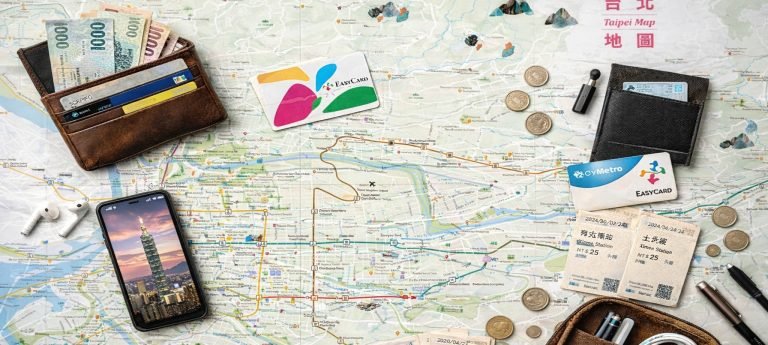
Taipei Itinerary Ideas (2, 3, or 5 Days)
- 2 days: highlights + night markets
- 3 days: highlights + 1 day trip
- 5 days: full Taipei + 2 day trips + slower pace
- Best strategy: one major sight + one area + night market daily
- No car needed: MRT and trains cover everything
Taipei is easy to structure into short, efficient itineraries. You can combine major landmarks, neighborhoods, and food experiences in a single day without long travel times or complex planning.
The most effective approach is simple: one key sight, one area to explore, and a night market in the evening. This keeps your days balanced and prevents the itinerary from feeling rushed.
Taipei Itinerary (2 Days) — The Essential Highlights
Two days is enough to experience Taipei’s skyline, culture, and food if you focus on high-impact stops.
Day 1: Start at Taipei 101 and explore the Xinyi district. In the afternoon, hike Elephant Mountain for skyline views, then finish with a night market (Raohe is a strong first choice).
Day 2: Visit the National Palace Museum, then head to Chiang Kai-shek Memorial Hall. End the day with an evening in a lively area such as Ximen or Zhongshan.
Taipei Itinerary (3 Days) — The Best Balance
Three days is ideal for most travelers. It allows you to cover the main sights and include one day trip outside the city.
Day 1: Taipei 101, Xinyi, Elephant Mountain, and a night market.
Day 2: National Palace Museum, Chiang Kai-shek Memorial Hall, and a relaxed evening in Zhongshan or Da’an.
Day 3: Day trip to Jiufen, Shifen, or Yehliu. Choose based on your preference: Jiufen for atmosphere, Shifen for the lantern experience, Yehliu for coastal scenery.
Tip: Guided tours simplify this day, but public transport is also manageable if you start early.
Taipei Itinerary (5 Days) — Full Experience + Nature
Five days allows a more complete experience with multiple day trips and time to slow down.
Day 1–2: Follow the main highlights (Taipei 101, Elephant Mountain, National Palace Museum, Chiang Kai-shek Memorial Hall).
Day 3: Jiufen + Shifen or Yehliu day trip.
Day 4: Beitou hot springs for a relaxed half-day nature escape.
Day 5: Flexible day for cafés, shopping, or revisiting favorite areas.
Taipei Transport Tips (So Your Itinerary Feels Effortless)
- Get an EasyCard: use for MRT, buses, and small purchases
- Use MRT first: fastest and simplest way to move around
- Walk between stops: many highlights are close together
- Leave evenings open: best time for food and atmosphere
Taipei is designed for smooth travel. Once you have an EasyCard and understand the MRT, moving around the city becomes effortless.
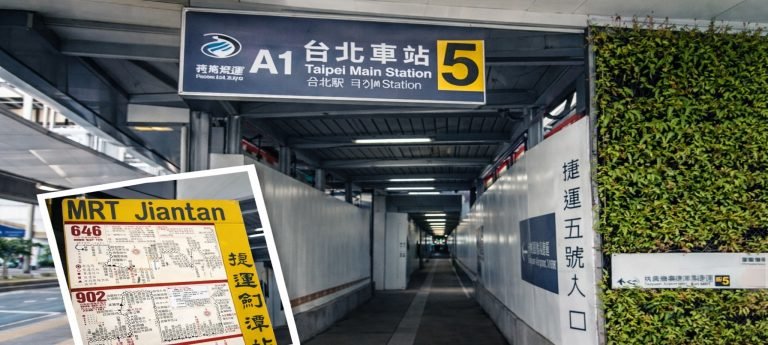
Getting Around Taipei (Transport Guide)
- Main method: MRT + EasyCard
- Best combo: MRT + walking
- When to use Uber: rain, late night, or longer routes
- No car needed: everything is well connected
- Day trips: easy by train, bus, or guided tours
Taipei is one of the easiest cities in Asia to navigate. Transport is clean, reliable, and designed for clarity, which means you can move around confidently even on your first day.
The simplest approach is to rely on three things: MRT, EasyCard, and walking. Once you understand this combination, the city becomes effortless to explore.
The EasyCard (The #1 Taipei Hack)
The first thing to do in Taipei is get an EasyCard. It is a reloadable transport card that removes the need to buy individual tickets and speeds up every journey.
You can use it for the MRT, buses, and even small purchases in convenience stores. It simplifies daily travel and makes the city feel more open and accessible.
Taipei MRT (Fast, Clean, Reliable)
The MRT is the backbone of Taipei. It connects all major areas, runs frequently, and is easy to understand even for first-time visitors.
It covers key locations such as Ximen, Taipei Main Station, Zhongshan, Da’an, Taipei 101, and major night markets. It is also safe to use at night, which makes evening plans easy.
Tip: Always follow the correct exit number. Stations are large, and using the right exit can save significant walking time.
Walking in Taipei (Where You Notice the Details)
Taipei is highly walkable, and many highlights are close together. Walking between stops often leads to the best unexpected moments, from small food stalls to hidden temples.
Be prepared for humidity and occasional rain. Comfortable shoes and a light rain layer make a noticeable difference over multiple days.
Uber + Taxis (When to Use Them)
Taxis are affordable in Taipei and useful when time matters or conditions are not ideal. Use them when it is raining, when you are tired, or when traveling to less connected areas.
Uber is the easiest option for most travelers because it removes language barriers and provides clear pricing.
A simple rule: use MRT when it is convenient, use Uber when comfort or time matters more.
Getting to Taipei Day Trips (Jiufen, Shifen, Yehliu)
Taipei is the best base for exploring northern Taiwan. Day trips such as Jiufen, Shifen, and Yehliu are easy to reach and add variety beyond the city.
You can visit independently using trains and buses, or choose a guided tour for a simpler experience. Both options work well, so the choice depends on how much planning you want to do.
These trips are worth including because they add coastal scenery, mountain views, and a different atmosphere to your itinerary.
How Taipei Fits Into the Taiwan Loop
Taipei is the easiest starting point for a Taiwan trip. It provides comfort, strong transport links, and easy access to other regions.
If you are continuing your journey, you will likely use Taiwan’s HSR (High Speed Rail) or TRA trains. This Taiwan transport guide explains how to move efficiently between destinations.
For a full route overview, this Taiwan travel guide shows how Taipei connects with the rest of the island.
Best Time to Visit Taipei (Weather + Seasons)
- Best overall: Spring and autumn (comfortable, easy travel)
- Best for energy: Summer (nightlife + tropical atmosphere)
- Best for calm travel: Winter (quieter, local feel)
- Main factor: humidity and rain
- Tip: match your itinerary to the season
Taipei is a year-round destination, but the experience changes significantly depending on the season. The key is not choosing a “perfect month,” but choosing the version of Taipei that fits your travel style.
Spring and Autumn (Best Overall Time to Visit)
Spring and autumn offer the most balanced conditions. Temperatures are comfortable, humidity is lower, and long days of walking feel manageable.
Spring feels fresh and green, while autumn brings more stable weather and clearer views. These seasons are ideal for first-time visitors because they make the entire itinerary easier to execute.
Summer (Hot, Humid, and High Energy)
Summer in Taipei is hot and humid, but it also brings a more vibrant atmosphere. Evenings are lively, and the city feels active late into the night.
The best strategy is to explore early and late, and use midday for indoor activities such as museums, malls, and cafés. Taipei is well equipped for this with strong air-conditioning and plenty of indoor options.
Summer is also typhoon season. Travel is still possible, but flexibility is important in case of heavy rain or disruptions.
Winter (Mild, Damp, and Slower-Paced)
Winter in Taipei is mild in temperature but often cloudy and damp. It is less about ideal weather and more about a slower, more relaxed travel rhythm.
This is a good time for food-focused travel, cafés, museums, and evening exploration. It feels more local and less crowded, which some travelers prefer.
Bring a light jacket and rain protection, as the humidity can make it feel cooler than expected.
City vs Mountains (Seasonal Contrast)
Taiwan allows quick changes in climate. While Taipei stays mild, mountain regions can feel noticeably cooler and more seasonal.
Adding a mountain area during winter creates contrast and makes the trip feel more varied.
Quick Decision: When Should You Go?
Choose spring or autumn for the easiest and most comfortable trip. Choose summer for energy and nightlife if you can handle heat and humidity. Choose winter for a quieter, more local experience with a slower pace.
Taipei works in every season. The difference is how you plan your days around the conditions.
Taipei Travel Facts (Practical Tips You’ll Use Every Day)
- Language: basic English works, but save key names in Chinese
- Money: cash still needed for markets and small places
- Safety: one of the safest major cities in Asia
- Water: drink bottled or filtered
- Tipping: not expected
Taipei is one of the easiest cities in Asia to travel in, but a few practical details make the experience smoother. For a broader overview, these Taiwan travel tips explain how things work across the country.
Language (Can You Travel Taipei Without Mandarin?)
Mandarin Chinese is the main language, but Taipei is manageable for travelers. English is common in MRT stations, hotels, and major attractions.
For smoother travel, save key names (hotel, restaurants, addresses) in Chinese on your phone. This helps with taxis, directions, and ordering.
Money (Cash vs Card)
Taiwan uses the New Taiwan Dollar (TWD). Cards are accepted in many places, but cash is still essential for night markets and small local spots.
Best approach: carry some cash and withdraw locally as needed. ATMs are easy to find near MRT stations and convenience stores.
Plug Type + Electricity
Taiwan uses Type A plugs (US/Japan style) and 110V. Most travelers will need an adapter.
Charging is easy across the city, with outlets commonly available in cafés and public spaces.
Safety in Taipei
Taipei is one of the safest major cities in Asia. It is common to explore at night and use public transport without concern.
Basic awareness still applies. This Taiwan safety guide explains what to expect across the country.
Drinking Water
Tap water is treated, but most locals do not drink it directly. Travelers should use bottled or filtered water.
Convenience stores make this easy, and hotels often provide filtered options.
Tipping Culture
Tipping is not expected in Taipei. Service charges may be included in higher-end restaurants.
Small gestures are appreciated but not required.
Toilets + Etiquette
Public toilets are widely available and generally clean, especially in MRT stations and malls.
Carry tissues, as some locations may not provide them. Follow local signs if tissue should not be flushed.
Convenience Stores (7-Eleven + FamilyMart)
Convenience stores are essential in Taipei. They provide food, drinks, snacks, and everyday items at any time.
They are also useful for quick meals and breaks during long sightseeing days.
Bottom line: once you understand these basics, Taipei becomes extremely easy to navigate and enjoy.
Stay Connected in Taipei (eSIM + Mobile Data)
- Best option: eSIM (fast setup, no store visit)
- Use case: maps, MRT navigation, food, translations
- Coverage: excellent across Taipei and Taiwan
- Tip: install before arrival
- Alternative: physical SIM at airport
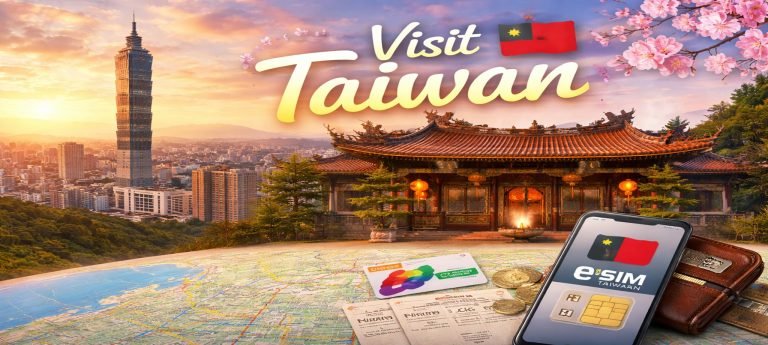
Mobile data makes Taipei significantly easier to navigate. You’ll use it constantly for maps, MRT exits, translations, bookings, and transport. In practice, having data removes friction from almost every part of your trip.
The easiest setup is an eSIM. You can activate it before you land and skip airport counters entirely.
If you want to compare options, this Taiwan SIM vs eSIM guide explains which setup works best depending on your travel style.
Best eSIM Options for Taipei (Quick Recommendations)
- Ubigi: best for stable performance and simple setup
- Yesim: best for multi-country travel
- Airalo: best for short trips and quick activation
- SimOptions: best for comparing multiple plans
Taipei has strong network coverage, so the choice depends more on your trip style than performance.
Quick eSIM Setup Tips
- Install before arrival and activate when you land
- Keep Wi-Fi on during setup
- Enable roaming on your eSIM line
- Keep your main SIM active for calls and verification codes
If you want a full provider comparison and setup walkthrough, use this international eSIM guide .
Final Thoughts on the Best Things to Do in Taipei
Taipei is one of the easiest cities in Asia to enjoy because it removes so much of the friction from travel. The MRT is simple, the food is excellent, the city feels safe, and the best things to do in Taipei combine culture, viewpoints, night markets, neighborhoods, and easy day trips without requiring complicated planning.
For most first-time visitors, Taipei works best as the starting point for a wider Taiwan trip. Spend a few days exploring the capital, then decide whether you want mountains, coast, food cities, beaches, or slower regional travel next. If you are still deciding how long to spend on the island, this Taiwan itinerary guide can help you connect Taipei with the rest of your route.
Timing also matters. Taipei is enjoyable year-round, but the weather can change how your days feel, especially if you plan to include hiking, day trips, night markets, or coastal areas. Before finalizing your plans, this Taiwan seasonal planning guide can help you choose the best period for your travel style.
Where you stay also shapes the trip more than many visitors expect. Ximen, Zhongshan, Da’an, and Taipei Main Station all create a different travel experience, so it is worth choosing your base carefully. If you are comparing neighborhoods beyond Taipei or planning multiple stops, this Taiwan accommodation guide gives you a broader view of where to base yourself across the island.
Taipei may be where your Taiwan journey begins, but the island becomes even more rewarding when you keep going. Use the city as your soft landing, build confidence with the transport system, eat well, explore slowly, and then continue into the wider country with a better sense of how Taiwan works.
Final Thoughts
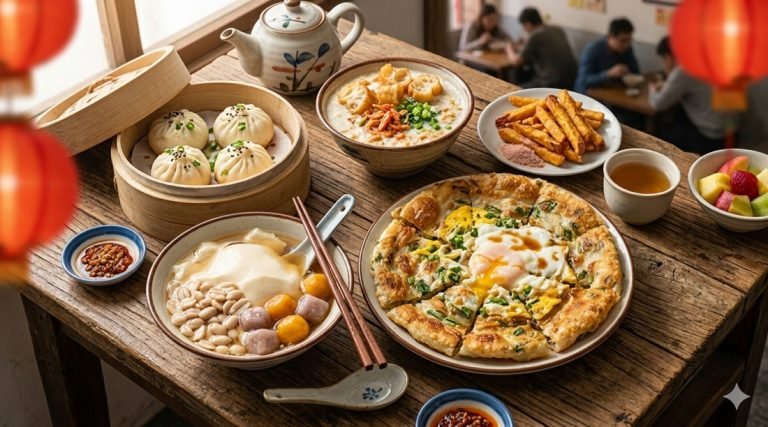
Taipei is the kind of city that wins you over quietly — not because it tries to impress, but because it makes travel feel effortless. You can move from temples to cafés in a single afternoon, eat incredibly well without planning ahead, and let the city unfold naturally as you explore. It is modern without feeling rushed, traditional without feeling staged, and easy to navigate even on a first visit.
What makes Taipei even more rewarding is that it works perfectly as a starting point rather than the entire trip. Once you leave the capital, Taiwan opens up into dramatic landscapes, slower rhythms, and very different regional experiences. Many travelers head east to the marble cliffs and coastline around Taroko Gorge and the Hualien coast, or escape into the cool mountain air and forest railways of the Alishan mountain region.
Central Taiwan offers a gentler pace around Taichung and scenic Sun Moon Lake, while the south brings a different energy through the harbor city of the coastal city of Kaohsiung and the beach-focused landscapes of Kenting National Park. Together, these places show just how much variety Taiwan offers beyond the capital.
Taipei may be where the journey begins, but Taiwan becomes unforgettable when you keep going. For route ideas, base planning, and help connecting these regions into one smooth trip, explore the full guide to exploring Taiwan beyond Taipei and continue discovering the island at your own pace. If you are visiting from overseas, it is also worth reviewing Taiwan's immigration and entry guidelines before booking flights, as visa eligibility and arrival requirements vary between nationalities. If you are also planning costs before your trip, this Taiwan budget travel planner explains realistic daily expenses for transport, accommodation, food, and sightseeing across the island.
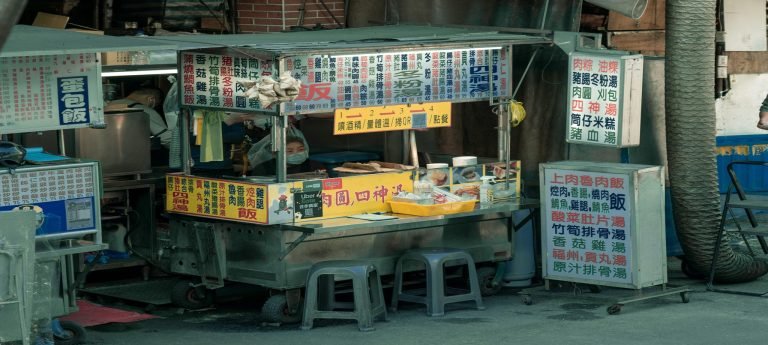
Taipei FAQs (Quick Answers)
-
Is Taipei safe for tourists and solo travelers?
Yes, Taipei is one of the safest cities in Asia for both tourists and solo travelers. Violent crime is extremely rare, and it is common to explore at night without concern. Basic awareness is still recommended in crowded areas.
-
How many days do you need in Taipei?
Most travelers need 3 days in Taipei for the main highlights. 4 to 5 days is ideal if you want to include day trips, food exploration, and a more relaxed pace.
-
Is Taipei expensive for travelers?
Taipei is affordable compared to cities like Tokyo or Hong Kong. Food, transport, and daily expenses are reasonably priced, while hotels range from budget-friendly to luxury.
-
Do you need cash in Taipei or can you use card?
You need both. Cards are accepted in many places, but cash is essential for night markets, street food, and small local shops.
-
Can you travel Taipei without speaking Mandarin?
Yes. English is common in MRT stations, hotels, and tourist areas. Translation apps and saved addresses in Chinese make communication easier.
-
What is the best time to visit Taipei for good weather?
Spring (March to May) and autumn (October to November) offer the best weather for sightseeing. Summer is hot and humid, while winter is mild but often rainy.
-
Is Taipei easy to get around without a car?
Yes, Taipei is extremely easy to navigate using the MRT, EasyCard, and walking. Most attractions are well connected by public transport.
-
Are Taipei night markets worth visiting?
Yes, night markets are one of the main highlights of Taipei. They offer a wide range of local food and are an essential part of the city’s culture.
-
What are the best areas to stay in Taipei?
Ximen is best for first-time visitors, Zhongshan for cafés and style, Da’an for a quieter stay, and Taipei Main Station for transport convenience.
-
Is the Taipei MRT easy to use for tourists?
Yes, the MRT is clean, reliable, and easy to understand. Signs are clear and bilingual, making it accessible even for first-time visitors.
-
Can you do day trips from Taipei easily?
Yes, day trips like Jiufen, Shifen, and Yehliu are easy to reach by train, bus, or guided tour. Taipei is the best base for northern Taiwan.
-
Is Taipei good for first-time Asia travel?
Yes, Taipei is one of the best cities in Asia for first-time travelers because it is safe, organized, and easy to navigate.
Travel Resources to Plan, Book & Stay Connected
Use these tools and guides to stay connected abroad, find inspiration for your next trip, and book your flights, stays and gear with confidence.
Disclosure: This article may contain affiliate links. If you make a purchase through a link, I may receive a commission at no extra cost to you. I only share recommendations I believe are genuinely useful, and all opinions are my own. AI was used in this post for research and drafting purposes.

Comment (0)