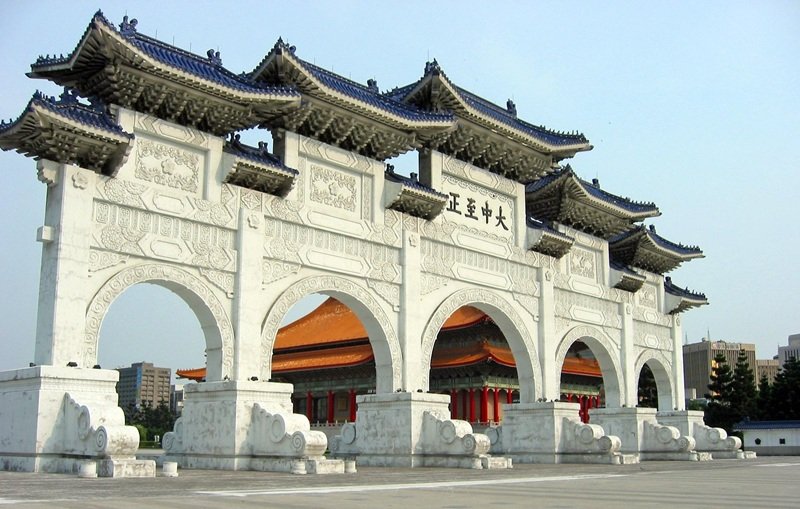
Where to Stay in Taiwan: Quick Decision Guide
If you are wondering where to stay in Taiwan, the decision is less about finding the perfect hotel and more about choosing the right base for your route. Taiwan is compact, extremely well connected, and easy to navigate, which means you do not need to move constantly. The key is to pick a few strategic locations that match your itinerary, travel style, and how you plan to get around.
- Best overall base: Taipei for first-time visitors, with the best mix of food, day trips, MRT access, and island-wide connections
- Best for culture and food: Tainan for temples, historic streets, traditional snacks, and a slower, more local atmosphere
- Best for central Taiwan: Taichung for night markets, Sun Moon Lake access, and a convenient mid-island base
- Best for southern Taiwan: Kaohsiung for a relaxed pace, waterfront areas, MRT access, and easy onward travel
- Best for nature: Hualien, Alishan, Sun Moon Lake, or Kenting depending on whether you prefer gorges, mountains, lakes, or beaches
For most first-time trips, Taipei is the easiest and most efficient starting point. From there, you can add one or two additional stops depending on your time. Short trips are best kept around Taipei with day trips, while longer itineraries can move south through Taichung, Tainan, and Kaohsiung, with selected nature stops along the way.
If you are still planning your route, start with this Taiwan itinerary guide to map your trip first. Then use this guide to decide exactly where to stay in each location. For logistics, this Taiwan transport guide breaks down how HSR, trains, buses, and MRT systems connect these bases.
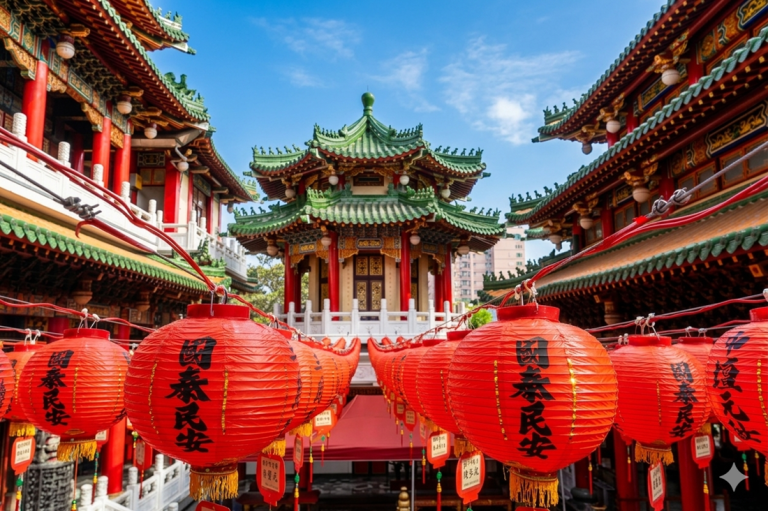
Where to Stay in Taiwan
Choosing where to stay in Taiwan comes down to picking the right locations, not just the right hotel. Because the country is compact and extremely well connected, your base will have a much bigger impact on your trip than the accommodation itself. A well-chosen location can reduce travel time, simplify logistics, and make your entire route more efficient.
For most trips, the smartest approach is to limit the number of bases and use them strategically. Taipei works as the main hub with the best transport connections, food scene, and day trip options. From there, adding one or two additional cities like Taichung, Tainan, or Kaohsiung allows you to experience different regions without constantly moving. If you are planning a full route, this Taiwan travel guide shows how these destinations fit together.
Accommodation quality in Taiwan is consistently high across all budgets, from modern city hotels to smaller guesthouses and traditional minsus in rural areas. Instead of switching hotels frequently, it is usually more effective to stay longer in fewer places and rely on Taiwan’s fast and reliable rail network for day trips. Once you know your base, use this hotel comparison tool to quickly find the best available options and prices.
The sections below break down the best places to stay in Taiwan based on travel style, trip length, and what you want to see. Choosing the right base will make your itinerary smoother, reduce unnecessary travel, and give you a much better overall experience.
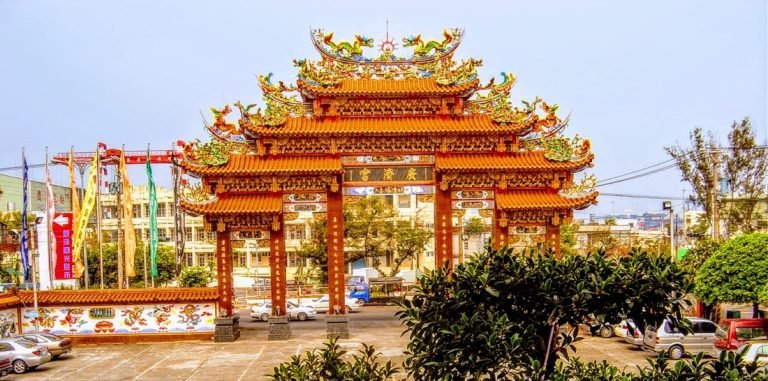
How to Get to Taiwan (and Why It Affects Where You Stay)
Your arrival airport in Taiwan plays a key role in where you should stay first. Because the island is easy to travel across, your entry point can either simplify your route or add unnecessary travel time. Choosing the right airport early makes it much easier to plan your bases efficiently.
- Main international gateway: Taoyuan International Airport (TPE) near Taipei, best for first-time visitors and island-wide connections
- Best for southern Taiwan: Kaohsiung International Airport (KHH) if you want to start directly in the south
- Most convenient city airport: Taipei Songshan Airport (TSA) with central location and regional routes
- Central Taiwan access: Taichung International Airport (RMQ) for quicker access to mid-island destinations
For most travelers, flying into Taoyuan and starting in Taipei is the simplest option. It offers the strongest transport network, the widest range of accommodation, and the most flexibility for day trips. This makes it the most practical first base, especially for shorter trips or first-time visits.
However, starting in Taipei is not always the most efficient choice. If your trip focuses on southern destinations like Tainan, Kaohsiung, or Kenting, arriving in Kaohsiung can save time and avoid crossing the entire island at the beginning of your trip. The same applies to Taichung if your focus is on central Taiwan, including Sun Moon Lake or nearby mountain areas.
Regional airports such as Songshan and Taichung are particularly useful for flights from nearby Asian hubs like Tokyo, Seoul, or Hong Kong. They can offer more convenient arrival times and allow you to start closer to your first destination instead of defaulting to Taipei.
If you are comparing routes and prices, use this flight comparison tool to find the best entry point based on your departure city and travel dates.
The key is to align your arrival airport with your itinerary. A north-to-south route might start in Taipei and end in Kaohsiung, while a more efficient loop can begin in the center or south. Making this decision early will reduce travel time and help you choose the right places to stay throughout your trip.
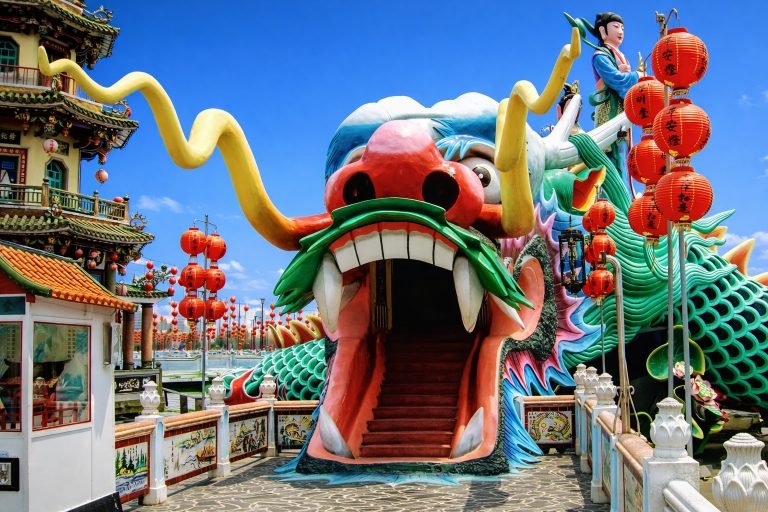
Where to Stay in Taiwan (Best Areas by Region)
Choosing where to stay in Taiwan is about selecting the right bases for your route, not switching hotels every night. Because the island is compact and extremely well connected, a few well-chosen locations will give you access to cities, culture, food, and nature without wasting time on unnecessary travel. The sections below break down the best areas by region, who they are best for, and how they fit into a practical itinerary.
- Best overall base: Taipei for first-time visitors, food, day trips, and the strongest transport connections
- Best for central Taiwan: Taichung for a balanced city base with easy access to Sun Moon Lake and nearby mountains
- Best for culture and history: Tainan for temples, traditional streets, and local food
- Best for a relaxed city: Kaohsiung for waterfront areas, art districts, and a slower pace
- Best for mountains and lakes: Alishan and Sun Moon Lake for scenery and cooler climates
- Best for dramatic nature: Hualien for Taroko Gorge and the east coast
- Best for beaches: Kenting for coastal scenery and a more laid-back stay
For most trips, starting in Taipei and adding one or two additional bases is the most efficient approach. This keeps travel time manageable while still allowing you to experience different regions. If you are planning a multi-stop route, this Taiwan itinerary guide shows how to connect these destinations without backtracking.
Taipei: Best Base for First-Time Visitors
- Ximending: best for nightlife, shopping, and street food
- Taipei Main Station: best for transport connections across Taiwan
- Xinyi District: best for modern hotels, luxury stays, and Taipei 101
- Da’an District: best for a local feel, parks, and cafés
- Zhongshan: best all-round area with dining, shopping, and fewer crowds
Taipei is the most practical base in Taiwan and the easiest place to start your trip. It offers the best public transport system, the widest range of accommodation, and direct access to night markets, temples, hot springs, and mountain areas without changing hotels. This Taipei travel guide shows how to structure your time and prioritize the main highlights.
For short trips, staying entirely in Taipei is often the best option. For longer itineraries, it works as a flexible starting point before heading south or east. The main advantage is flexibility. You can adjust your plans without committing to long travel days early in your trip.
Travelers trying to decide which part of the city fits their trip best may also want to read our complete guide to the best areas and hotels in Taipei, which compares neighborhoods like Ximending, Zhongshan, Xinyi, Da’an, Beitou, and Taipei Main Station for different travel styles and budgets.
Compare hotels, serviced apartments, boutique stays, and luxury accommodations across Taipei. Find the perfect base near Taipei 101, Ximending, Shilin Night Market, Beitou Hot Springs, and the city's top cultural attractions.
Find Hotels in TaipeiTaichung: Central Base with Easy Access to Nature
- Xitun District: best for modern hotels, shopping, and Fengjia Night Market
- West District: best for cafés, culture, and a more relaxed atmosphere
Taichung offers a slower pace than Taipei while still functioning as a convenient city base. It is particularly useful for exploring central Taiwan without long travel days. From here, you can reach Sun Moon Lake, mountain regions, and nearby rural areas more easily.
It also works well as a transition stop when traveling north to south. Breaking your journey here avoids a long travel day and adds variety to your itinerary. This Taichung and Sun Moon Lake guide explains how to combine the city with nearby scenic areas.
Compare hotels, boutique properties, serviced apartments, and luxury stays across Taichung. Find the ideal base near Feng Chia Night Market, Rainbow Village, Gaomei Wetlands, the National Taichung Theater, and the city's top attractions.
Find Hotels in TaichungTainan: Culture, History, and Food
- West Central District: best for walking distance to historical sites and food spots
- Anping District: best for a quieter stay with coastal access
Tainan is the cultural center of Taiwan and the best place to experience traditional food and history. The city has a slower pace, with a strong focus on temples, heritage streets, and local dishes that reflect its historical roots.
Staying in the West Central District gives you easy access to most attractions without relying heavily on transport. Anping offers a quieter alternative with more space and a slightly different atmosphere while still being close to the main sights. For a closer look at the city itself, our complete Tainan travel guide covers the main sights, food, neighborhoods and practical planning.
Compare hotels, boutique guesthouses, heritage stays, and modern accommodations across Tainan. Find the perfect base near Anping Old Fort, Chihkan Tower, Tainan’s famous night markets, historic temples, and the city's renowned food scene.
Find Hotels in TainanKaohsiung: Relaxed City with a Waterfront Feel
- Lingya and Xinxing: best for central location, MRT access, and night markets
- Yancheng District: best for creative spaces and harbor views
Kaohsiung is more spacious, less crowded, and easier to navigate than Taipei. The city is built around its harbor, with waterfront areas, art districts, and a noticeably more relaxed atmosphere.
It works well as either a starting point or the final stop of a north-to-south route. From here, you can continue to Kenting or explore nearby coastal areas. This Kaohsiung travel guide shows how to plan your time efficiently.
Compare hotels, waterfront stays, boutique properties, and luxury accommodations across Kaohsiung. Find the perfect base near the Love River, Pier-2 Art Center, Lotus Pond, Liuhe Night Market, and the city's vibrant harbor district.
Find Hotels in KaohsiungHualien: Base for Taroko Gorge and the East Coast
- Hualien City: best for transport access and organizing tours
Hualien is primarily a base for exploring Taiwan’s most dramatic natural landscapes, including Taroko Gorge and the east coast. The focus here is convenience rather than luxury, with accommodation designed to support day trips and outdoor exploration.
Staying near the train station or central areas makes it easier to access transport and tours. Because east coast train tickets can sell out, planning ahead is important. This Hualien and Taroko Gorge guide explains how to organize your visit.
Compare hotels, boutique guesthouses, oceanfront stays, and mountain retreats across Hualien. Find the perfect base for exploring Taroko Gorge, Qixingtan Beach, the East Rift Valley, and Taiwan’s stunning east coast.
Find Hotels in Hualien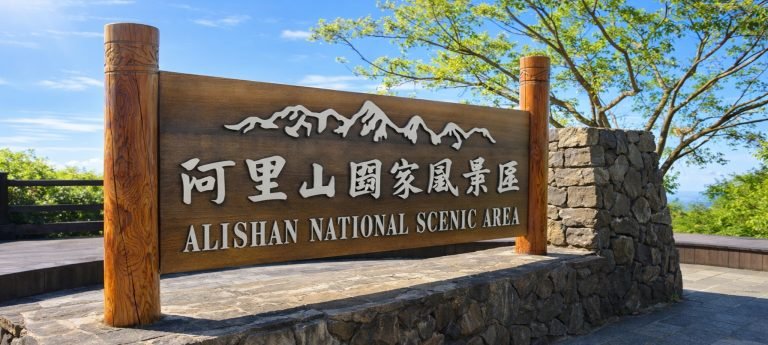
Alishan: Mountain Stays and Sunrise Views
- Alishan Forest Recreation Area: best for sunrise access, forest trails, and staying close to viewpoints
Alishan is one of Taiwan’s most iconic mountain destinations and the best place to stay if you want cooler temperatures, high-altitude scenery, and early morning sunrise views. Staying inside or near the forest recreation area allows you to reach viewpoints before the crowds, which is one of the main reasons to stay overnight.
Accommodation is limited and fills quickly, so booking in advance is essential. Alishan is usually visited as a one-night stop within a central or southern Taiwan route rather than a long stay. This Alishan travel guide explains how to plan logistics and make the most of your visit.
Compare mountain lodges, forest retreats, boutique hotels, and scenic stays in Alishan. Find the perfect base for sunrise viewpoints, ancient cypress forests, tea plantations, hiking trails, and the famous Alishan Forest Railway.
Find Hotels in AlishanSun Moon Lake: Scenic and Relaxed Lakeside Stay
- Shuishe: best for transport access, hotels, and convenience
- Ita Thao: best for a quieter lakeside atmosphere and local feel
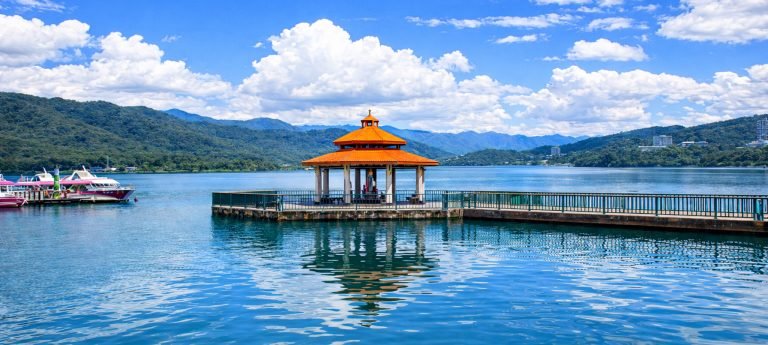
Sun Moon Lake is one of the most scenic places to stay in Taiwan and a good choice if you want a slower, more relaxed break between city stops. The setting is completely different from Taipei or Kaohsiung, with mountain views, cycling routes, and a calmer pace.
It works best as a one- or two-night stop between Taichung and southern Taiwan. Staying overnight allows you to experience the lake early in the morning or late in the evening, which is when it feels most peaceful. Choose Shuishe for convenience or Ita Thao for a quieter stay.
Compare lakeside resorts, boutique hotels, luxury retreats, and cozy guesthouses around Sun Moon Lake. Find the perfect base for cycling the lake, visiting temples, taking scenic boat rides, and exploring one of Taiwan’s most beautiful destinations.
Find Hotels at Sun Moon LakeKenting: Best Beach Destination in Taiwan
- Kenting Main Street: best for nightlife, restaurants, and a lively atmosphere
- Nanwan (South Bay): best for direct beach access and a more relaxed stay
Kenting is the best place to stay in Taiwan if you want beaches, warmer weather, and a coastal environment. It offers a completely different experience from the rest of the island, with open landscapes, ocean views, and a slower pace.
It is usually visited after Kaohsiung and works well as the final stop of a southbound route. While it can be done as a long day trip, staying overnight gives you time to enjoy the coastline without rushing. This Kenting travel guide explains how to plan your stay.
Compare beachfront resorts, boutique hotels, luxury stays, and budget-friendly accommodations across Kenting. Find the perfect base near Kenting Night Market, Nanwan Beach, Eluanbi Lighthouse, Longpan Park, and Taiwan’s tropical southern coastline.
Find Hotels in Kenting
Where to Stay in Taiwan: How Each Region Feels Different
Where you stay in Taiwan shapes your entire experience, because each region feels completely different. Taipei, Taichung, Tainan, Kaohsiung, Hualien, Alishan, Sun Moon Lake, and Kenting are not interchangeable bases. They vary in pace, scenery, transport, and the type of traveler they suit. Choosing the right one depends on whether you prioritize convenience, culture, nature, or a slower travel rhythm.
Taipei: Best for First-Time Visitors, Convenience, Food, and Day Trips
- Best for: first-time visits, short trips, food, shopping, day trips
- Vibe: fast-paced, modern, efficient
- Getting around: easiest in Taiwan with MRT, buses, and trains
- Stay here if: you want maximum flexibility and the least planning effort
Taipei is the most practical base in Taiwan and the easiest place to stay if you want everything within reach. It combines excellent transport, a huge food scene, and direct access to day trips like Jiufen, Beitou, Yangmingshan, and the north coast.
You stay in Taipei for efficiency and flexibility. It is not about escaping into nature or slowing down. It is about having the widest range of options and the ability to adjust your plans without friction. This Taipei travel guide explains how to structure your time once you are there, while our guide to the best places to visit near Taipei covers the most worthwhile escapes beyond the city itself.
Compare hotels, serviced apartments, boutique stays, and luxury accommodations across Taipei. Find the perfect base near Taipei 101, Ximending, Shilin Night Market, Beitou Hot Springs, and the city's top cultural attractions.
Find Hotels in TaipeiTaichung: Best for Central Taiwan, Night Markets, and a Slower City Pace
- Best for: breaking long travel distances, food, central Taiwan access
- Vibe: relaxed, spread-out, less intense than Taipei
- Getting around: moderate, fewer MRT options so location matters more
- Stay here if: you want a balanced stop between north and south
Taichung offers a calmer city experience without losing the convenience of an urban base. It is less dense than Taipei and feels more spacious, which makes it easier to slow down without leaving city life entirely.
Its biggest advantage is location. Staying here breaks up long travel days and gives you access to Sun Moon Lake and nearby mountain regions. If you want a smoother north-to-south route, Taichung is one of the most practical stops. This Taichung and Sun Moon Lake guide shows how to plan this part of your trip.
Compare hotels, boutique properties, serviced apartments, and luxury stays across Taichung. Find the ideal base near Feng Chia Night Market, Rainbow Village, Gaomei Wetlands, the National Taichung Theater, and the city's top attractions.
Find Hotels in TaichungTainan: Best for Culture, History, and Traditional Food
- Best for: temples, heritage streets, traditional food
- Vibe: slow, historic, atmospheric
- Getting around: walkable in central areas, less structured transport
- Stay here if: you want depth and local culture rather than convenience
Tainan is the cultural center of Taiwan and feels noticeably different from the rest of the island. It is slower, older, and more focused on tradition. You stay here for atmosphere, food, and history rather than efficiency.
The experience is about walking, exploring, and discovering local dishes rather than following a structured sightseeing plan. If your itinerary feels too focused on cities, Tainan adds depth and contrast. Our Tainan sightseeing guide will help you decide what to see and how to make the most of your time in the city.
Compare hotels, boutique guesthouses, heritage stays, and modern accommodations across Tainan. Find the perfect base near Anping Old Fort, Chihkan Tower, Tainan’s famous night markets, historic temples, and the city's renowned food scene.
Find Hotels in Tainan
Kaohsiung: Best for a Relaxed Southern City and Waterfront Atmosphere
- Best for: southern base, art districts, harbor views, slower pace
- Vibe: open, sunny, less crowded, more laid-back
- Getting around: easy with MRT and simple layout
- Stay here if: you want a city without the intensity of Taipei
Kaohsiung offers a more relaxed version of city life. It is still modern and well developed, but it feels more spacious and easier to navigate. The harbor, waterfront promenades, and art districts give it a distinct identity compared to Taipei.
It works well as either a starting point if you fly into the south or as the final stop of a north-to-south route. The slower pace makes it a good place to unwind while still having full city infrastructure. This Kaohsiung travel guide explains how to plan your stay.
Compare hotels, waterfront stays, boutique properties, and luxury accommodations across Kaohsiung. Find the perfect base near the Love River, Pier-2 Art Center, Lotus Pond, Liuhe Night Market, and the city's vibrant harbor district.
Find Hotels in KaohsiungKenting: Best for Beaches, Coastal Scenery, and a Slower Pace
- Best for: beaches, ocean views, warm weather, relaxation
- Vibe: coastal, open, slower, more relaxed
- Getting around: limited public transport, requires planning
- Stay here if: you want a clear break from cities
Kenting is the best place in Taiwan for a beach-focused stay. It is not about cities, temples, or night markets. It is about coastline, open landscapes, and slowing down.
It works best as a final stop after exploring the rest of the island. The contrast between busy cities and coastal scenery makes the overall trip feel more balanced. Staying overnight is strongly recommended to experience the area properly. This Kenting travel guide explains how to plan it.
Compare beachfront resorts, boutique hotels, luxury stays, and budget-friendly accommodations across Kenting. Find the perfect base near Kenting Night Market, Nanwan Beach, Eluanbi Lighthouse, Longpan Park, and Taiwan’s tropical southern coastline.
Find Hotels in KentingAlishan: Best for Mountains, Sunrise, and Forest Scenery
- Best for: sunrise views, mountain scenery, forest trails
- Vibe: quiet, cool, nature-focused
- Getting around: limited, requires planning
- Stay here if: you want a high-altitude nature experience
Alishan is not a typical stop. It is a mountain destination focused on scenery and timing, especially sunrise. Staying overnight is essential if you want to experience it properly.
The environment here is cooler, quieter, and completely different from the cities. It is usually a one-night stop rather than a long stay, and accommodation should be booked in advance. This Alishan travel guide explains how to plan your visit.
Compare mountain lodges, forest retreats, boutique hotels, and scenic stays in Alishan. Find the perfect base for sunrise viewpoints, ancient cypress forests, tea plantations, hiking trails, and the famous Alishan Forest Railway.
Find Hotels in AlishanHualien: Best for Taroko Gorge and East Coast Nature
- Best for: Taroko Gorge, cliffs, east coast scenery
- Vibe: practical base, less about the city itself
- Getting around: train-dependent, requires planning
- Stay here if: you want access to Taiwan’s most dramatic landscapes
Hualien is a functional base rather than a destination city. You stay here to explore Taroko Gorge and the east coast, not for the city itself.
This part of Taiwan feels more remote and requires more planning than the west coast. If you include it, it adds a completely different dimension to your trip focused on nature. This Taroko Gorge and Hualien guide explains how to structure your visit.
Compare hotels, boutique guesthouses, oceanfront stays, and mountain retreats across Hualien. Find the perfect base for exploring Taroko Gorge, Qixingtan Beach, the East Rift Valley, and Taiwan’s stunning east coast.
Find Hotels in HualienSun Moon Lake: Best for Scenic Stays and a Slower Break Between Cities
- Best for: scenery, relaxation, cycling, lakeside views
- Vibe: calm, scenic, slower-paced
- Getting around: limited but manageable
- Stay here if: you want a peaceful break between city stops
Sun Moon Lake is one of the best places in Taiwan to slow down. It is less about activities and more about scenery, with a calmer atmosphere than the cities.
It fits naturally between Taichung and southern Taiwan and works well as a one- or two-night stop. Staying overnight allows you to experience the lake outside of peak day-trip hours.
Compare lakeside resorts, boutique hotels, luxury retreats, and cozy guesthouses around Sun Moon Lake. Find the perfect base for cycling the lake, visiting temples, taking scenic boat rides, and exploring one of Taiwan’s most beautiful destinations.
Find Hotels at Sun Moon Lake
Where to Stay in Taiwan: Hotel Strategy and Booking Tips
Once you know where to stay in Taiwan by region, the next step is choosing the right accommodation and booking it efficiently. Taiwan is one of the easiest countries in Asia for hotels, with consistently high standards across all budgets. The key is not finding a “perfect hotel,” but choosing the right location, booking at the right time, and comparing platforms before you commit.
- Prioritize location over hotel features: being near MRT stations, train hubs, or central areas will save you time every day
- Compare booking platforms: prices and availability often vary for the same hotel
- Book early in high-demand areas: Alishan, Hualien, and weekends in Taipei fill quickly
- Limit hotel changes: fewer bases make your itinerary smoother and less rushed
- Expect reliable standards: even budget hotels are typically clean and well managed
Choosing the Right Location Within Each City
Where you stay within a city often matters more than the hotel itself. In Taipei and Kaohsiung, being within walking distance of an MRT station makes getting around significantly easier. In Taichung and Tainan, where public transport is less structured, staying in central or activity-focused areas becomes more important.
Think of each hotel as a base, not just a place to sleep. Staying near transport hubs simplifies moving between cities, while staying in the right neighborhood improves your experience once you arrive.
Hotels vs Minsu: What to Expect
- Hotels: consistent quality, efficient check-in, best for cities and short stays
- Minsu (guesthouses): more local, often family-run, better for scenic and rural areas
Hotels are the most practical choice in cities like Taipei, Taichung, and Kaohsiung. They offer predictable service, strong locations, and easy logistics.
Minsus are more common in places like Tainan, Hualien, Sun Moon Lake, and Alishan. They offer a more personal experience and often suit slower, scenic destinations better than standard hotels.
When to Book (and When It Matters Most)
In major cities, last-minute booking is usually possible, but key destinations require planning. Alishan is one of the most important places to book early due to limited accommodation near sunrise viewpoints. Hualien can also fill up quickly, especially when train availability is limited.
In Taipei, availability is rarely an issue, but weekends and peak periods can increase prices. In smaller destinations, booking ahead is less about price and more about securing a good location.
How to Find the Best Hotel Deals
Hotel prices in Taiwan can vary depending on the platform. Agoda often has strong coverage in Asia, while Booking.com is reliable for flexibility and user reviews. Checking only one platform can lead to overpaying for the same property.
Use this hotel comparison tool to quickly compare prices across platforms and find the best available deal before booking.
How Accommodation Fits Into Your Overall Route
One of the most common mistakes when deciding where to stay in Taiwan is changing hotels too often. While transport is efficient, constant relocation reduces your time on the ground and makes the trip feel rushed.
A better approach is to choose two to four strong bases depending on your trip length. A shorter trip might focus on Taipei with one additional stop, while a longer route can include Taipei, central Taiwan, and the south.
Your accommodation should support your route, not complicate it. Once your bases align with your itinerary, the rest of your planning becomes much simpler.
Things to Do Near Each Taiwan Base
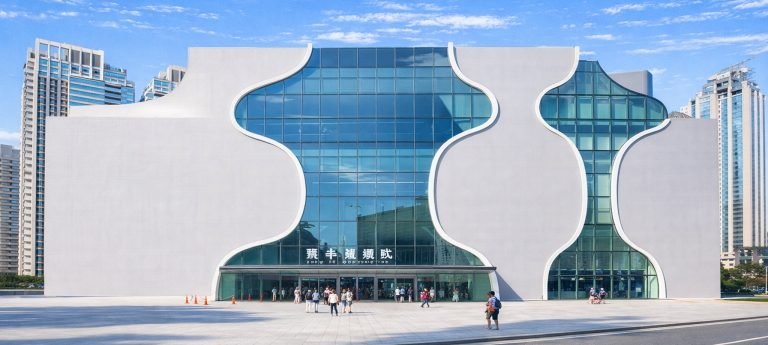
Where you stay in Taiwan directly shapes how your days unfold. Each base offers a different mix of activities, pace, and accessibility. Some locations are built for variety and convenience, while others focus on nature, scenery, or slowing down. The goal is to match your base with the type of experience you want rather than trying to do everything from one place.
- Taipei: best for variety, food, and easy day trips
- Taichung and Sun Moon Lake: balanced mix of city life and scenic breaks
- Tainan: culture-driven stay focused on food and history
- Kaohsiung: relaxed city with waterfront areas and art districts
- Kenting: beach-focused stay with coastal scenery
- Alishan: mountain experience with sunrise and forest trails
- Hualien: nature base for Taroko Gorge and the east coast
What Your Days Look Like in Taipei
- Core highlights: Taipei 101, Longshan Temple, Chiang Kai-shek Memorial Hall
- Food focus: night markets, street food, local restaurants
- Day trips: Jiufen, Taipei’s famous Beitou and Wulai hot springs, Yangmingshan, Tamsui
- Pacing: flexible, varied, easy to combine multiple experiences
Taipei gives you the most variety with the least effort. You can move between landmarks, neighborhoods, and food spots without long travel times. This makes it the easiest place to build full, varied days without overplanning.
It is also the best base for combining city exploration with day trips. You can experience different parts of Taiwan without changing hotels, which keeps your itinerary simple. Use this Taipei travel guide to structure your time, and this Taiwan night market guide for food planning.
What Your Days Look Like in Taichung
- Core highlights: Fengjia Night Market, cultural spots, parks and cafés
- Food focus: one of Taiwan’s largest night markets
- Day trips: Sun Moon Lake, Cingjing Farm
- Pacing: slower, more spread out, less intense than Taipei
Taichung offers a more relaxed daily rhythm. You are not trying to see everything in one day, which makes it easier to slow down while still enjoying a city base.
Its main advantage is access to central Taiwan. It allows you to combine urban experiences with scenic day trips without long travel times. This Taichung and Sun Moon Lake guide explains how to connect these experiences.
What Your Days Look Like in Tainan
- Core highlights: temples, historic streets, cultural landmarks
- Food focus: traditional Taiwanese dishes and local specialties
- Exploration style: walking, wandering, slow discovery
- Pacing: unstructured, immersive, slower
Tainan is about depth rather than variety. Your days are built around walking, exploring, and trying local food rather than following a packed itinerary.
This slower, more immersive experience creates a strong contrast with the rest of Taiwan and adds a different dimension to your trip.
What Your Days Look Like in Kaohsiung
- Core highlights: Pier-2 Art Center, Love River, harbor areas
- Food focus: night markets and local dining
- Day trips: Cijin Island, southern coast
- Pacing: relaxed, easy to navigate, less crowded
Kaohsiung offers a slower city experience with a strong focus on waterfront areas and open space. It is easier to navigate and less intense than Taipei, which makes it a good place to slow down without leaving city life.
It also acts as a transition point toward Kenting and the southern coast. Use this Kaohsiung travel guide to plan your stay.
What Your Days Look Like in Kenting
- Core highlights: beaches, coastal viewpoints, national park areas
- Activities: swimming, relaxing, coastal drives
- Exploration style: outdoor-focused, slow
- Pacing: relaxed, minimal structure
Kenting shifts your trip toward relaxation. Your days are less about structured sightseeing and more about enjoying the coastline and open space.
It works best as a final stop, giving your itinerary a clear contrast to city-based travel. This Kenting travel guide explains how to approach it.
What Your Days Look Like in Alishan
- Core highlights: sunrise viewpoints, forest trails, mountain scenery
- Activities: walking trails, scenic railways
- Exploration style: slow, nature-focused
- Pacing: early starts, quiet environment
Alishan is structured around sunrise and nature. Staying overnight allows you to experience the area properly without rushing.
It adds a completely different rhythm to your trip, focused on scenery rather than activity. This Alishan guide explains how to plan it.
What Your Days Look Like in Hualien
- Core highlights: Taroko Gorge, cliffs, east coast landscapes
- Activities: hiking, scenic drives, guided nature tours
- Exploration style: planned, nature-focused
- Vibe: practical base, not centered on the city itself
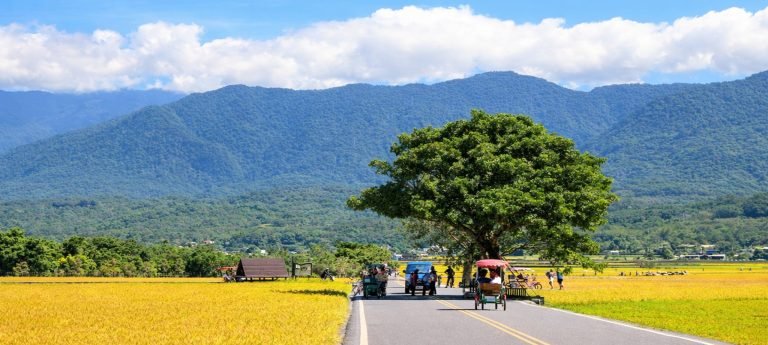
Hualien is a base for exploring Taiwan’s most dramatic landscapes rather than a destination city. The focus is on Taroko Gorge and the rugged east coast, with most activities built around day trips into nature.
This part of Taiwan requires more planning than the west coast, especially for transport and timing. In return, it offers some of the most unique scenery on the island and a completely different travel experience. Use this Hualien and Taroko Gorge guide to prepare your visit properly.
What Your Days Look Like Near Sun Moon Lake
- Core highlights: lake views, cycling routes, temples
- Activities: biking, boating, walking, relaxing
- Exploration style: slow, scenic, unstructured
- Vibe: calm, quiet, nature-focused
Sun Moon Lake is about slowing down rather than filling your schedule. Your days are built around scenery, short activities, and time outdoors instead of structured sightseeing.
It works best as a short stop between city destinations, giving your itinerary a natural break. Staying overnight allows you to experience the lake early in the morning or later in the evening, when it feels significantly quieter and more rewarding.
Food and Nightlife in Taiwan (What Your Evenings Look Like)
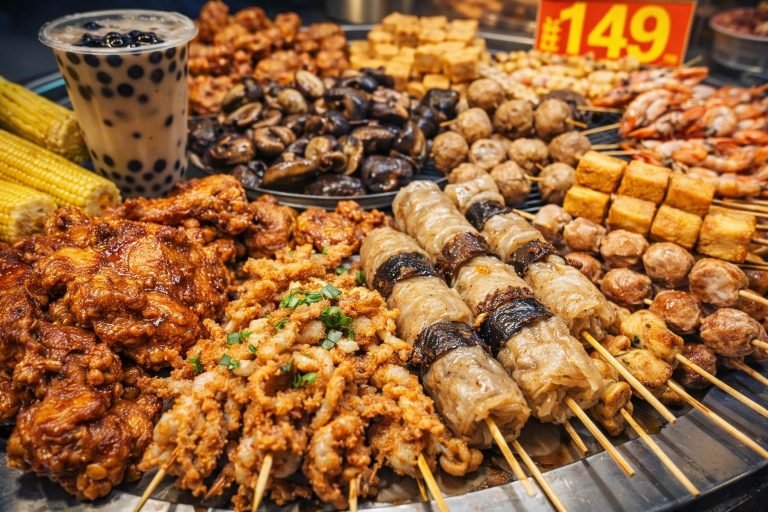
Food and nightlife in Taiwan vary significantly depending on where you stay. Your base determines whether your evenings are built around busy night markets, relaxed local dining, or quiet time in nature. Choosing the right location depends on how important food variety, nightlife, and evening activity are to your trip.
- Taipei: best for night markets, late dining, bars, and variety
- Taichung: best for large night markets and casual, food-focused evenings
- Tainan: best for traditional food and slower, local nights
- Kaohsiung: best for waterfront dining and relaxed nightlife
- Kenting: best for simple beach evenings and downtime
- Alishan and Hualien: limited nightlife, focus on early starts and nature
Food and Nightlife in Taipei
- Night markets: Shilin, Raohe, Ningxia
- Dining: wide range from street food to high-end restaurants
- Bars and nightlife: rooftop bars, cocktail bars, late-night districts
- Best areas: Ximending, Zhongshan, Xinyi
Taipei offers the most complete evening experience in Taiwan. You can eat at any time, move between night markets and restaurants, and continue into bars or late-night neighborhoods. This makes it the easiest place to build varied evenings without planning ahead.
Night markets are central to staying in Taipei, and each one offers a slightly different experience. Use this Taiwan night market guide, along with this Shilin Night Market guide and this Raohe Night Market guide, to decide which ones to prioritize.
If nightlife matters to you, Taipei is the only city in Taiwan where you have consistent late-night options across multiple areas.
Food and Nightlife in Taichung
- Night markets: Fengjia Night Market
- Dining: casual, food-focused
- Bars and nightlife: limited compared to Taipei
- Best areas: Xitun, West District
Taichung is built around food rather than nightlife. Evenings are centered on eating, with Fengjia Night Market acting as the main attraction after dark.
Compared to Taipei, there are fewer late-night options and less variety. This makes Taichung a better fit if you prefer relaxed, food-focused evenings without the intensity of a large city nightlife scene. Use this Fengjia Night Market guide to plan your visit.
Food and Nightlife in Tainan
- Night markets: smaller, local-focused
- Dining: traditional Taiwanese dishes and local specialties
- Bars and nightlife: minimal
- Best areas: West Central District, Anping
Tainan is one of the best food cities in Taiwan, but it is not a nightlife destination. The focus is on traditional dishes, local specialties, and eating throughout the day rather than late-night entertainment.
Evenings are quieter and more local. This makes Tainan a good choice if you want a slower pace and a stronger connection to Taiwan’s food culture rather than nightlife.
Food and Nightlife in Kaohsiung
- Night markets: Liuhe Night Market and smaller local markets
- Dining: mix of local food and waterfront restaurants
- Bars and nightlife: moderate, less intense than Taipei
- Best areas: Lingya, Xinxing, Yancheng
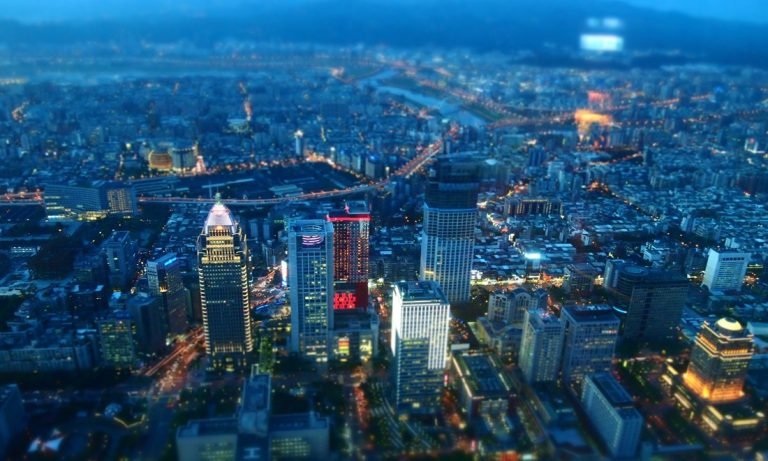
Kaohsiung offers a more balanced evening experience than Taipei. You can still visit night markets, eat well, and find bars, but without the constant energy of a larger city.
The waterfront setting changes the atmosphere. Dining near the harbor or along the Love River feels more open and less crowded, which makes evenings easier to enjoy without planning.
If you want variety without intensity, Kaohsiung is a strong choice. If late-night energy is your priority, Taipei remains the better option.
Food and Nightlife in Kenting
- Night markets: small and centered around Kenting Main Street
- Dining: casual, beachside restaurants
- Bars and nightlife: simple and limited
- Best areas: Kenting Main Street, Nanwan
Kenting is focused on simple, casual evenings. Most activity happens along Kenting Main Street, where food stalls, restaurants, and light nightlife create a small but lively center.
You do not stay here for nightlife. You stay here for the beach, and evenings are a natural extension of that, with relaxed dining and minimal structure.
It works best as a final stop where the pace slows down rather than builds up.
Food and Nightlife in Alishan and Hualien
- Night markets: limited or not relevant
- Dining: simple, practical, often earlier in the evening
- Bars and nightlife: minimal to none
- Focus: early mornings, nature, and scenery
Alishan and Hualien are not built around evening activity. Nights are quieter and shorter because the focus shifts to early starts and outdoor exploration.
In Alishan, many travelers sleep early for sunrise viewpoints. In Hualien, evenings are often used to recover after full days in Taroko Gorge or along the east coast.
If nightlife matters, these are not places to extend your stay. If nature is your priority, the quiet evenings become part of the experience.

How to Get Around Taiwan (Based on Where You Stay)
Getting around Taiwan is straightforward, but the experience depends heavily on where you stay. The west coast is fast and structured, built around high-speed rail and dense city transport. The east coast and mountain regions are slower, more scenic, and require more planning. This is why transport should influence your choice of base from the start, not just after your itinerary is set.
- Fastest long-distance travel: High-Speed Rail (HSR) along the west coast
- Most complete network: TRA trains connecting cities, towns, and the east coast
- Best for cities: MRT systems in Taipei and Kaohsiung
- Best for flexibility: buses, taxis, and private transfers
- Essential tool: EasyCard or iPASS for transport and small payments
If your route focuses on Taipei, Taichung, Tainan, and Kaohsiung, travel is fast and predictable. Once you include Hualien, Alishan, or Kenting, travel becomes slower and requires more coordination. Understanding this early helps you avoid unrealistic schedules and choose bases that make your trip easier.
Getting Around from Taipei
- Within the city: MRT, buses, taxis
- Day trips: trains and buses to Jiufen, Beitou, Yangmingshan, Tamsui
- Long-distance: HSR and TRA from Taipei Main Station
- Ease of travel: very high, no car needed
Taipei is the easiest place to travel in Taiwan. The MRT system is extensive, clearly marked in English, and connects most major areas. You can move between neighborhoods, attractions, and food districts quickly without planning routes in advance.
This ease of movement is one of the main reasons Taipei works so well as a base. You can adjust your plans freely, combine multiple areas in a single day, and avoid unnecessary travel time.
Day trips are also simple to organize using trains and buses, which reduces the need to change hotels. Staying near Taipei Main Station can make longer journeys across Taiwan more efficient, especially if your itinerary includes multiple regions.
For route planning and ticket strategies, this Taiwan transport guide explains how the systems connect.
Getting Around from Taichung
- Within the city: buses, taxis, limited MRT coverage
- Day trips: buses to Sun Moon Lake and nearby areas
- Long-distance: HSR station outside the city center
- Ease of travel: moderate, requires planning
Taichung requires more planning than Taipei. Without a full MRT network, you will rely more on buses or taxis, which makes your hotel location more important.
The HSR station is located outside the city center, so transfers take additional time. This is one of the main differences compared to Taipei, where transport connections are more centralized.
Despite this, Taichung works well as a central base. Once you are settled, it provides good access to Sun Moon Lake and surrounding areas. The key difference is that you need to plan your routes more carefully than in Taipei.
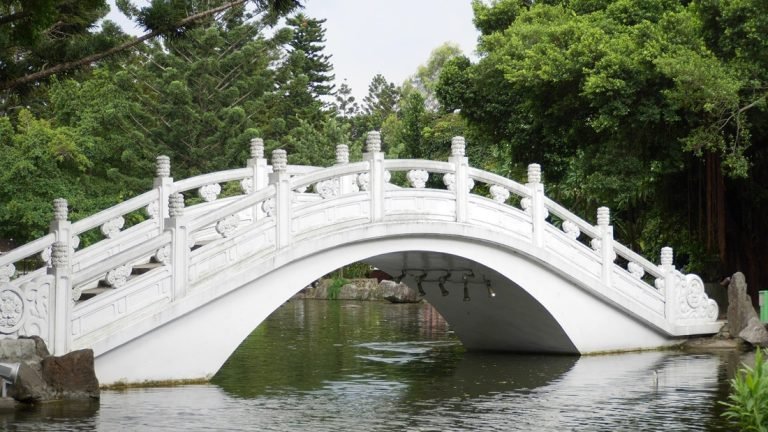
Getting Around from Tainan
- Within the city: walking, scooters, taxis
- Day trips: limited, mostly focused on local exploration
- Long-distance: HSR station outside the city, train connections available
- Ease of travel: moderate to low compared to Taipei
Tainan works best when you stay in a central, walkable area. The city is not built around a structured transport system, so your location matters more than in Taipei or Kaohsiung.
Most key attractions are concentrated in the West Central District, allowing you to explore temples, historic streets, and food spots on foot. This simplifies your days but also limits how far you can comfortably travel without additional transport.
If you plan to go beyond central areas, taxis or scooters become necessary. Public transport exists but is less frequent and less intuitive for visitors.
Because the HSR station is located outside the city, arrivals and departures require an extra transfer. Staying centrally helps offset this and keeps your overall travel time manageable.
Getting Around from Kaohsiung
- Within the city: MRT, buses, light rail
- Day trips: ferry to Cijin Island, access to southern coast
- Long-distance: HSR and train connections
- Ease of travel: high, second only to Taipei
Kaohsiung is one of the easiest cities to navigate in Taiwan. The MRT system is smaller than Taipei’s but still efficient, and the city layout is simpler, which reduces the need for detailed planning.
Transport here feels more integrated into the experience. Light rail and ferry connections make it easy to explore the harbor, waterfront, and nearby islands without relying entirely on standard routes.
Because the city is less dense, moving around feels quicker and less crowded. This makes it a comfortable base if you want convenience without the pace of Taipei.
Kaohsiung also functions as the main southern transport hub. From here, you can continue to Kenting or explore other parts of the region without backtracking.
Getting Around from Kenting
- Within the area: buses, scooters, taxis
- Day trips: beaches, coastal viewpoints, national park areas
- Long-distance: bus or transfer from Kaohsiung
- Ease of travel: low, requires planning
Kenting is one of the least connected areas in Taiwan. There is no train or MRT system, and distances between beaches and viewpoints can be larger than expected.
Most travelers rely on buses, taxis, or renting a scooter or car. This makes your accommodation location critical. Staying near Kenting Main Street or close to key beaches reduces the need for constant transport.
Unlike Taipei or Kaohsiung, you cannot rely on spontaneous movement. Planning routes in advance is necessary, which is why Kenting works best as a dedicated stop rather than a quick addition to a tight itinerary.
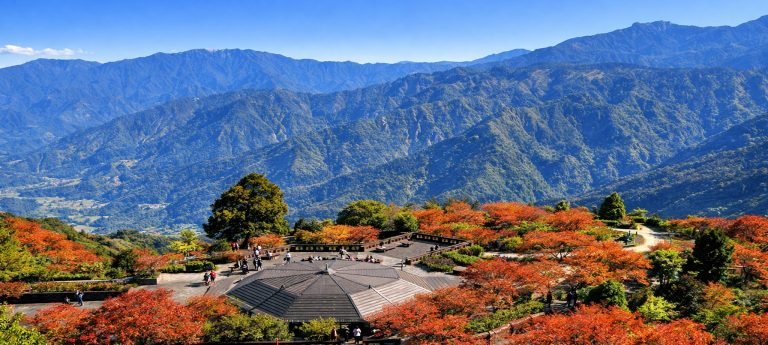
Getting Around from Alishan
- Within the area: walking trails, minimal local transport
- Day trips: not typical, focused on the mountain area
- Long-distance: bus or train connections via Chiayi
- Ease of travel: low, requires planning
Alishan is not designed for transport efficiency. It is a destination you travel to for a specific experience, then explore slowly on foot. Most movement happens along forest trails and designated paths.
The main challenge is getting there and leaving. Routes usually involve train and bus connections through Chiayi, and timing matters, especially if you plan to catch sunrise viewpoints.
Because of this, staying close to the forest recreation area is important. It reduces early morning travel and makes the experience smoother.
Transport limitations are part of what keeps Alishan feeling remote. Planning ahead ensures it feels intentional rather than complicated.
Getting Around from Hualien
- Within the area: taxis, buses, bicycles, tours
- Day trips: Taroko Gorge, east coast routes
- Long-distance: train connections along the east coast
- Ease of travel: moderate, depends on planning
Hualien works as a base for nature rather than a transport hub. Getting around depends on how you plan your trips into Taroko Gorge and along the coast.
You can use buses, join tours, or rent a scooter or car. Each option balances flexibility and convenience differently, and planning ahead makes a noticeable difference.
Train travel is one of the main constraints. Tickets can sell out, especially on weekends, so booking in advance is important when including Hualien in your route.
Once you arrive, the focus shifts away from transport and toward scenery. The goal is to spend time exploring rather than moving between locations.
Getting Around from Sun Moon Lake
- Within the area: cycling, walking, boats, local buses
- Day trips: limited, centered around the lake
- Long-distance: bus connections to Taichung
- Ease of travel: moderate, manageable but limited
Sun Moon Lake requires some planning to reach, usually via bus from Taichung, but once you arrive, getting around is simple.
Most movement happens locally, with cycling routes, boats, and short transfers between key areas. This makes it easy to explore without complex logistics.
The limited transport options reinforce the slower pace. Staying overnight allows you to experience the lake properly without being restricted by arrival and departure times.
Best Time to Visit Taiwan (and How It Affects Where You Stay)
The best time to visit Taiwan depends on where you stay and what you plan to do. Weather conditions vary across the island, and some regions are far more enjoyable in certain seasons. Cities like Taipei and Kaohsiung are flexible year-round, while places like Alishan, Hualien, and Kenting are more affected by heat, rain, and typhoon season.
- Best overall time: October to April for comfortable temperatures and lower humidity
- Hottest period: June to September with high humidity
- Typhoon season: July to October, mainly affecting coastal and mountain areas
- Best for nature: spring and autumn for clearer views and better conditions
- Best for beaches: late spring to early autumn, especially in the south
If you are planning your route, this best time to visit Taiwan guide explains the seasons in detail. Below is how timing affects each base and what it means for your stay.
When to Stay in Taipei
- Best months: October to April
- Challenges: summer heat, humidity, occasional rain
- What it affects: walking comfort and outdoor exploration
Taipei works year-round, but the experience is noticeably easier in cooler months. From October to April, walking, night markets, and day trips feel more comfortable.
In summer, heat and humidity make long days outside more demanding. You can still visit, but expect to adjust your pace and rely more on indoor stops or evening activities.
Because Taipei is flexible and well connected, it remains a strong base in any season. The difference is how you structure your days rather than whether you visit.
When to Stay in Taichung and Sun Moon Lake
- Best months: October to April
- Challenges: summer heat, reduced visibility in rain
- What it affects: outdoor activities and scenery
Taichung is relatively stable year-round and works well in most conditions. It is a reliable stop regardless of season, especially when used to break up a longer route.
Sun Moon Lake is more weather-dependent. Clear conditions improve visibility and overall experience, while rain limits outdoor activities like cycling and lake exploration.
Spring and autumn offer the best balance. In summer, it remains possible to visit, but planning activities earlier in the day helps avoid heat and humidity.
When to Stay in Tainan
- Best months: November to March
- Challenges: intense summer heat
- What it affects: walking and food-focused exploration
Tainan is best experienced in cooler weather. Because the city is explored on foot and centered around food, temperature has a direct impact on how enjoyable your stay feels.
In summer, the heat can make daytime exploration uncomfortable. Visiting is still possible, but your schedule will likely shift toward mornings and evenings.
If food is a major focus of your trip, cooler months make a noticeable difference in overall experience.
When to Stay in Kaohsiung
- Best months: November to April
- Challenges: hot and humid summers
- What it affects: walking and outdoor activities
Kaohsiung stays warmer than Taipei throughout the year, which makes it a strong winter destination. When northern Taiwan feels cooler and wetter, Kaohsiung remains comfortable.
In summer, temperatures rise, but the city’s more open layout makes the heat slightly easier to manage. Evening activities near the harbor or river are often the most comfortable.
Because Kaohsiung is often combined with Kenting, timing your stay here usually depends on your plans for the southern coast.
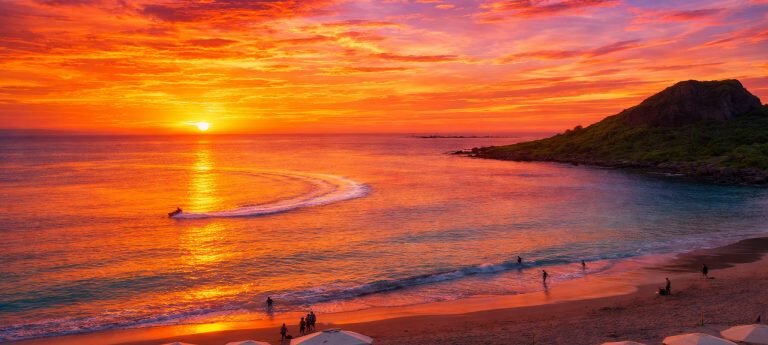
When to Stay in Kenting
- Best months: April to June and October
- Challenges: typhoon season, peak summer heat
- What it affects: beach conditions and outdoor activities
Kenting is best when the weather supports beach time. Late spring and early autumn offer the most reliable conditions, with warm temperatures and fewer disruptions.
Summer is popular but comes with higher heat and the risk of typhoons. Visiting is still possible, but flexibility becomes important if conditions change.
Winter is quieter and less crowded, but water conditions are not always ideal for swimming. The right time depends on whether your priority is beach activity or a more relaxed coastal stay.
When to Stay in Alishan
- Best months: October to April
- Challenges: fog, rain, reduced visibility
- What it affects: sunrise views and mountain scenery
Alishan depends heavily on visibility. Clear mornings are essential for sunrise views, which are one of the main reasons to stay overnight.
Spring and autumn offer the best balance of stable weather and comfortable temperatures. Winter can also be rewarding, with cooler conditions and fewer visitors.
In wetter periods, fog and rain can limit visibility at key viewpoints. The experience is still worthwhile, but expectations should be adjusted accordingly.
When to Stay in Hualien
- Best months: October to April
- Challenges: rain, landslides, typhoon impact
- What it affects: access to Taroko Gorge and outdoor routes
Hualien and the east coast are more sensitive to weather than the west coast. Rain and typhoons can affect access to Taroko Gorge and surrounding areas.
The best time to visit is when conditions are stable and visibility is clear. This improves both safety and the overall experience of the landscape.
Because this region requires more planning, it is worth checking conditions in advance and keeping some flexibility in your itinerary.
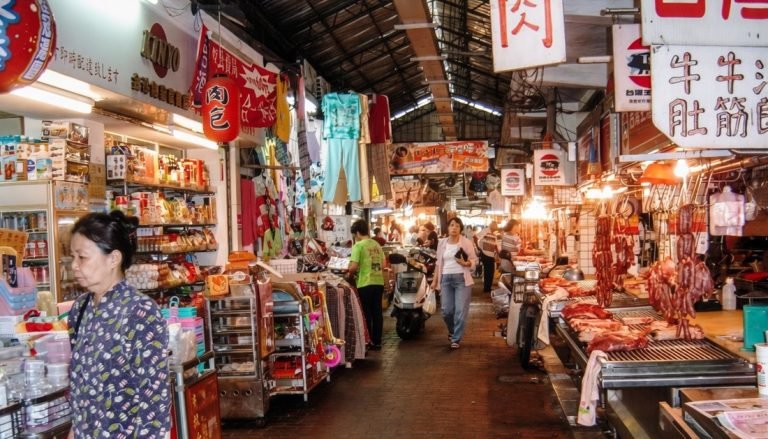
Travel Tips for Choosing Where to Stay in Taiwan
Choosing where to stay in Taiwan becomes straightforward once you understand how the country works on the ground. Transport is efficient, cities are safe, and accommodation quality is consistently high. The difference comes from small decisions around location, timing, and how you structure your route.
- Stay near transport in major cities: within 5 to 10 minutes of an MRT station in Taipei or Kaohsiung
- Choose fewer bases: 2 to 4 locations is usually enough, even for longer trips
- Plan ahead for remote areas: Hualien and Alishan require more coordination
- Use a transport card: EasyCard or iPASS simplifies trains, MRT, buses, and small payments
- Align stays with your route: move in one direction to avoid backtracking
Prioritize Location Over Hotel Features
In Taiwan, location has a bigger impact than hotel quality. A simple hotel near an MRT station or central area will usually improve your trip more than a higher-end hotel in a less convenient location.
In Taipei and Kaohsiung, being close to transport allows you to move easily between neighborhoods and attractions. In Taichung and Tainan, staying near the areas where you plan to spend most of your time reduces reliance on taxis. In Kenting, Alishan, and Hualien, your exact location can directly affect how easy it is to explore.
Avoid Changing Hotels Too Often
Taiwan looks compact on a map, but frequent hotel changes can slow your trip down. Packing, checking out, traveling, and checking in again takes more time than expected and reduces your time on the ground.
A more efficient approach is to choose a few strong bases and explore from there. Taipei can cover the north, Taichung or Sun Moon Lake can cover central Taiwan, and Kaohsiung can anchor the south.
Plan Ahead for High-Demand Areas
- Alishan: limited accommodation, especially near sunrise viewpoints
- Hualien: train tickets and hotels can fill quickly
- Weekends in Taipei: higher prices and reduced availability
Taiwan is generally easy to book, but certain areas require planning. In Alishan, location affects your entire experience, so booking early is important. In Hualien, train availability can influence where and when you stay.
In major cities, availability is rarely an issue, but booking ahead can help secure better locations rather than just better prices.
Use the Right Tools for Booking and Planning
Using the right tools makes planning where to stay in Taiwan significantly easier. Comparing hotel platforms helps you find better prices, while preparing transport and connectivity in advance removes unnecessary friction during your trip.
Use this hotel comparison tool to check prices across platforms before booking. For connectivity, this eSIM guide explains how to stay connected as you move between regions.
If you are preparing more broadly, this travel gear guide covers essential items, while this travel insurance guide helps you choose the right coverage for your trip.
Understand Safety and Ease of Travel
Taiwan is one of the safest and easiest countries in Asia to travel independently. This allows you to focus on optimizing your route rather than managing risk or complicated logistics.
Basic planning still makes a difference. Understanding transport systems, local norms, and how regions connect will improve your overall experience. For a full overview, this Taiwan travel tips guide and this Taiwan safety guide cover what to expect.
Match Your Stay to Your Travel Style
The most important decision is aligning your accommodation with how you want to travel. If you want variety and convenience, base yourself in Taipei. For culture and food, add Tainan. For nature, include Hualien or Alishan. For a slower ending, finish in Kenting.
Once your bases match your travel style, the rest of your itinerary becomes easier to manage. You spend less time planning on the go and more time experiencing each destination.
Final Thoughts on Where to Stay in Taiwan
Where to stay in Taiwan is about building a route that matches your travel style, not just choosing individual hotels. Each region offers a different experience, and those differences are what shape your trip. Taipei gives you variety and flexibility. Taichung and Sun Moon Lake add balance and scenery. Tainan brings culture and depth. Kaohsiung offers a more relaxed city pace. Hualien and Alishan introduce nature and contrast, while Kenting provides a slower coastal finish.
The key is to choose a few strong bases rather than trying to see everything. A well-structured route will reduce travel time, simplify logistics, and make the overall experience more enjoyable.
If you are still planning your route, start with this Taiwan travel guide, then use this Taiwan itinerary guide to decide how long to stay in each region.
To go deeper into specific destinations, you can explore what to do in Taipei, plan your time in Taichung and Sun Moon Lake, experience the culture of Tainan, or build your southern route through Kaohsiung and Kenting. For nature-focused travel, include Hualien and Taroko Gorge or Alishan.
From a practical perspective, use this flight comparison tool to find the best entry point, and this hotel comparison tool to secure the best rates. Before booking flights, it is also worth reviewing Taiwan's visa and arrival requirements so you understand the latest entry rules that may apply to your nationality. Staying connected between regions is easier with this eSIM guide. If you are also trying to estimate realistic daily costs across the island, this Taiwan budget planning guide breaks down accommodation, food, transport, and travel expenses in more detail.
Once your route and bases are aligned, Taiwan becomes one of the easiest and most rewarding countries to explore. Choosing where to stay is not just a planning step. It is what defines the flow of your entire trip.
FAQ: Where to Stay in Taiwan
- Where to stay in Taiwan for first-time visitors?
Taipei is the best base for first-time visitors. It offers the easiest transport, the widest range of food and attractions, and simple access to day trips across northern Taiwan. - Where to stay in Taipei Taiwan?
Ximending is best for nightlife and energy, Taipei Main Station for transport convenience, Xinyi for modern hotels, Da’an for a quieter local feel, and Zhongshan for a balanced mix of everything. - Where to stay in Taiwan for 5 to 7 days?
Stay in Taipei and add one additional base such as Hualien for nature or Taichung for central Taiwan. This keeps travel time low while still adding variety. - Where to stay in Taiwan for 10 to 14 days?
Split your stay between Taipei, central Taiwan (Taichung or Sun Moon Lake), and the south (Tainan, Kaohsiung, or Kenting). Add Hualien or Alishan for nature. - Where to stay in Kaohsiung Taiwan?
Lingya and Xinxing are the best areas for first-time visitors due to MRT access and central location. Yancheng is a good option for a more creative, waterfront-focused stay. - Where to stay in Taichung Taiwan?
Xitun District is best for Fengjia Night Market and modern hotels, while West District offers a more relaxed atmosphere with cafes and galleries. - Where to stay in Tainan Taiwan?
The West Central District is the best area for temples, food, and walkability. Anping is a quieter alternative with a coastal feel. - Where to stay in Hualien Taiwan?
Stay in Hualien City, either near the train station for transport or closer to the night market for a better evening atmosphere. - Where to stay in Alishan Taiwan?
Stay inside or very close to the Alishan Forest Recreation Area to access sunrise viewpoints without early travel. - Where to stay in Sun Moon Lake Taiwan?
Shuishe is the most convenient base, while Ita Thao offers a quieter and more local lakeside atmosphere. - Where to stay in Kenting Taiwan?
Kenting Main Street is best for convenience and evening activity, while Nanwan is better for beach access and a more relaxed stay. - Where to stay in Jiufen Taiwan?
Most travelers visit Jiufen as a day trip from Taipei, but staying overnight lets you experience it without daytime crowds. Book early due to limited options. - Is it better to stay in Taipei or Kaohsiung?
Taipei is better for first-time visitors and variety. Kaohsiung is better for a more relaxed pace and access to southern Taiwan. - How many places should you stay in Taiwan?
Two to four bases is ideal for most trips. Staying in too many places reduces time spent exploring. - Should I stay near MRT in Taiwan?
Yes. Staying within walking distance of an MRT station in Taipei or Kaohsiung makes getting around much easier. - Is it better to stay in a hotel or minsu in Taiwan?
Hotels are best for cities and convenience. Minsus are better for scenic or rural areas and offer a more local experience. - Where to stay in Taiwan for beaches?
Kenting is the best destination for beaches, warm weather, and coastal scenery. - Where to stay in Taiwan for nature?
Hualien is best for Taroko Gorge, Alishan for mountains, and Sun Moon Lake for a calmer scenic stay. - Where to stay in Taiwan on a budget?
Taipei, Taichung, and Kaohsiung offer many affordable hotels and hostels with good quality and value. - Where to stay in Taiwan for couples?
Sun Moon Lake and Alishan are ideal for a quieter, scenic stay. Taipei works well if you want dining and nightlife.
Travel Resources to Plan, Book & Stay Connected
Use these tools and guides to stay connected abroad, find inspiration for your next trip, and book your flights, stays and gear with confidence.
Disclosure: This article may contain affiliate links. If you make a purchase through a link, I may receive a commission at no extra cost to you. I only share recommendations I believe are genuinely useful, and all opinions are my own. AI was used in this post for research and drafting purposes.

Comment (0)