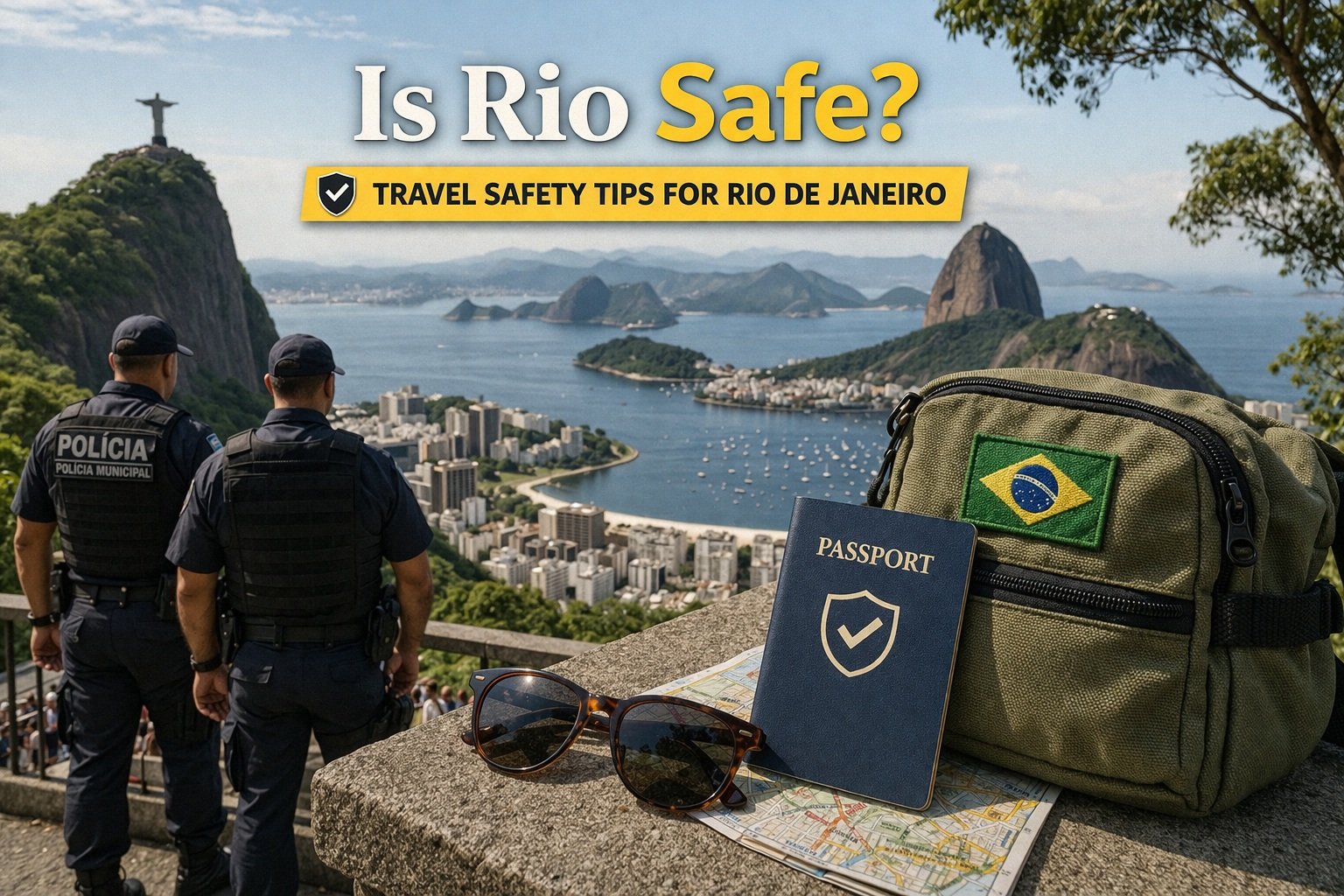
Is Rio Safe for Travelers? Quick Overview
So, is Rio de Janeiro safe?
The honest answer is yes, but with awareness.
Rio is one of the most iconic cities in the world, known for its beaches, landscapes, and energy. At the same time, it is also a large, complex city with visible social contrasts. Travelers who come prepared, stay in the right areas, and understand how to move around the city generally have an incredible and trouble-free experience.
This guide breaks it down clearly so you know exactly what to expect before you go.
Here is what you need to know about safety in Rio de Janeiro:
- Rio is safe for tourists who stay in well-known areas like Copacabana, Ipanema, and Leblon. For a full breakdown of safe neighborhoods, see where to stay in Rio de Janeiro.
- Petty theft like pickpocketing and phone snatching is the most common issue, especially near beaches and crowded areas.
- Violent crime exists, but it rarely affects tourists who avoid risky neighborhoods and do not wander into unfamiliar areas.
- Using Uber instead of walking at night and avoiding quiet streets after dark significantly reduces risk.
- Tourist areas and attractions such as Christ the Redeemer and Sugarloaf Mountain are generally well-managed and safe to visit.
- Understanding how to move around the city safely is key.
- Rio is not a city to explore blindly, but it rewards travelers who stay aware and plan ahead.
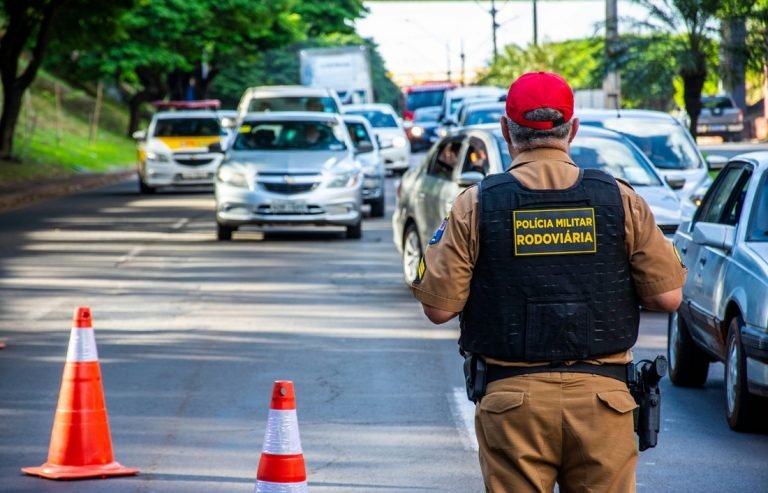
Is Rio de Janeiro Safe for Tourists?
If you are wondering whether Rio de Janeiro is safe, you are not alone. It is one of the most searched questions about Brazil, and for good reason.
Rio has a reputation that can feel intimidating before you arrive. News headlines often focus on crime, and stories about theft or unsafe neighborhoods circulate widely online. But like many large cities around the world, the reality on the ground is far more nuanced than the headlines suggest.
Rio de Janeiro is not a perfectly safe city, but it is also not a place you need to avoid. Millions of travelers visit every year and experience the city’s beaches, viewpoints, food, and culture without any problems. The key difference lies in how you travel. For a broader understanding of how safety compares across the country, this complete Brazil safety guide for travelers helps put Rio into perspective.
If you stay in the right areas, understand where not to go, and follow a few simple safety habits, Rio becomes a manageable and deeply rewarding destination. If you ignore those basics, it can quickly feel overwhelming.
This guide is not here to scare you or sugarcoat reality. It is here to give you a clear, honest understanding of what safety in Rio actually looks like, so you can explore the city with confidence and avoid the common mistakes that catch travelers off guard.
And if you are still planning your trip, you can get a broader overview of the country in this complete Brazil travel overview, which helps put Rio into context as part of a larger journey.


Is Rio de Janeiro Safe Overall?
So, is Rio de Janeiro safe overall?
The honest answer is that Rio is a city of contrasts. It is one of the most visually spectacular and culturally rich destinations in the world, but it also has higher crime levels than many cities in Europe or North America. Understanding this balance is the key to traveling here with confidence rather than fear.
Most safety concerns in Rio fall into the category of petty crime. Pickpocketing, phone snatching, and opportunistic theft are the most common problems travelers encounter. These situations usually happen in predictable environments such as crowded streets, beaches, nightlife areas, public transport, or when visitors become distracted.
More serious crime does exist, but it is largely concentrated in specific areas tourists generally have no reason to visit. Travelers who stay within well-known neighborhoods and follow basic precautions are rarely affected by these situations.
It is also important to understand that Rio is not a city where you completely switch off mentally. Awareness matters here more than in many destinations. That does not mean you need to feel anxious or paranoid, but it does mean you should stay present and make deliberate decisions about where you go, how you move around, and how visibly you display valuables.
Safety dynamics in Rio also change noticeably during Carnival season. The city becomes far more crowded, nightlife intensifies, blocos fill entire neighborhoods, and huge numbers of tourists gather in concentrated areas. During this period, opportunistic theft and phone snatching tend to increase simply because the crowds become much denser and more chaotic than usual.
At the same time, Carnival is also one of the most exciting periods to experience Rio. The atmosphere becomes louder, more energetic, and far more immersive, with samba music, street celebrations, and blocos taking over large parts of the city. If you are planning to visit during this period, our Rio & Brazil Carnival survival guide explains what the atmosphere actually feels like, how to navigate the crowds safely, and what travelers should realistically expect during Carnival season.
Official sources such as the Brazil International Travel Information page highlight that while crime exists in major cities, most visits are trouble-free when travelers stay aware and follow local guidance.
The flip side is that Rio rewards that awareness. If you approach the city with the right mindset, you will find it vibrant, welcoming, and unforgettable. Many travelers arrive with concerns and leave wondering why they hesitated in the first place.
In simple terms, Rio is not unsafe, but it is not carefree either. It sits somewhere in the middle, and understanding that balance is exactly what allows you to experience the city confidently and safely.

Safe vs Unsafe Areas in Rio de Janeiro
When asking “is Rio de Janeiro safe,” the most important factor is where you stay and spend your time.
Rio is not a city where safety is evenly distributed. Some neighborhoods are well-developed, tourist-friendly, and heavily visited, while others can feel completely different just a few kilometers away. Understanding this difference is what allows you to enjoy Rio with confidence.
Safe Areas in Rio (Where Most Tourists Stay)
The majority of travelers base themselves in the South Zone, which is where Rio feels the most accessible, organized, and comfortable for visitors.
- Copacabana – Lively, iconic, and full of hotels, restaurants, and beach life. It is generally safe during the day and early evening, though you should stay alert at night.
- Ipanema – One of the safest and most upscale areas in Rio, known for its relaxed atmosphere, clean beaches, and excellent dining options.
- Leblon – A quieter and more residential extension of Ipanema, often considered the safest neighborhood in Rio.
- Botafogo – A good base with easy access to attractions like Sugarloaf Mountain, with a more local feel and slightly lower prices.
- Santa Teresa – A charming, artistic neighborhood with colonial architecture and great views, best enjoyed during the day or when using transport at night.
If you are still deciding where to stay, this guide on where to stay in Rio de Janeiro gives a full breakdown of hotels, neighborhoods, and what to expect.
Areas That Require More Caution
There are also parts of Rio where travelers should be more careful, especially if unfamiliar with the city.
- Downtown (Centro) – Busy during working hours but can feel empty and less safe at night.
- Lapa – Famous for nightlife and samba clubs, but petty crime is more common here, especially late at night.
- Transport hubs and bus stations – Areas with heavy foot traffic where pickpocketing can occur.
Areas Tourists Should Avoid
Some areas in Rio are not suitable for visitors, particularly those without local knowledge.
- Favelas without a guide – While some tours are organized and safe, entering a favela independently is not recommended.
- Remote or unfamiliar neighborhoods outside the South Zone – These areas are not designed for tourism and can pose unnecessary risks.
What Is a Favela and Why Does It Matter for Safety?
One of the most misunderstood aspects of Rio de Janeiro is the concept of the favela. Many travelers have heard the term, often linked to danger, but the reality is far more nuanced.
A favela is not simply a slum. It is a densely populated urban community that developed informally over time, often on hillsides or unused land. Today, millions of Brazilians live in favelas, and they are home to families, workers, schools, local businesses, and strong community networks.
Favelas emerged as Rio grew rapidly and affordable housing could not keep up. People built homes where they could, and over time these areas expanded into large, complex neighborhoods that exist alongside the formal city.
From a traveler’s perspective, the safety concern is not about the people who live there, but about infrastructure and control. Some favelas have limited public services, and in certain areas, organized groups influence how the neighborhood operates. This can create environments that are difficult for outsiders to navigate.
Another challenge is layout. Favelas are often tightly packed, with narrow streets and no clear structure. Without local knowledge, it is easy to get lost or enter areas where you should not be.
You may also notice a limited visible police presence in some favelas. This is due to a mix of geography, complexity, and historical factors that make consistent policing difficult in certain areas. For visitors, this means that the usual expectations of safety and assistance may not apply in the same way.
It is important to understand that not all favelas are the same. Some are relatively calm and can be visited safely with a reputable guide, while others are not suitable for tourists at all. The problem is that as a visitor, it is almost impossible to tell the difference on your own.
The practical takeaway is simple. Favelas are an important part of Rio’s identity and daily life, but they are not places to explore independently. If you are curious, go with a guided tour. Otherwise, focus your time on areas designed for visitors, where you can experience the city safely and comfortably.
The key takeaway is simple. Rio is not a city you explore randomly. If you stay within known areas and plan your movements, it becomes far easier to navigate safely.
For a more detailed neighborhood breakdown, including pros and cons for each area, you can also read this guide on the best areas to stay in Rio de Janeiro.

Is Rio Safe at Night?
Rio de Janeiro at night can feel very different from the daytime experience. The city is lively, social, and full of energy after dark, but it also requires a higher level of awareness.
So, is Rio safe at night? Yes, but only if you move smartly and stay within the right areas.
Where It Is Safe at Night
In well-known neighborhoods like Copacabana, Ipanema, and Leblon, you will still find plenty of activity in the evenings. Restaurants stay open, people walk along the beachfront, and there is a visible presence of both locals and tourists.
Busy areas with good lighting and steady foot traffic are generally fine, especially if you are not alone and remain aware of your surroundings.
Where to Be More Careful
As the evening progresses, certain areas become less predictable.
- Quiet streets, especially away from the beach or main avenues, can feel isolated and are best avoided.
- Downtown (Centro) tends to empty out after working hours and is not ideal at night.
- Lapa is popular for nightlife, but it also attracts petty crime, particularly late at night when crowds thin out.
How to Stay Safe at Night in Rio
Staying safe at night in Rio is mostly about how you move rather than where you go.
- Use Uber or taxis instead of walking long distances, especially after dark.
- Avoid using your phone openly on the street, particularly if you are standing still or distracted.
- Stick to well-lit, busy areas and avoid shortcuts through quiet streets.
- Do not carry valuables or large amounts of cash when going out in the evening.
- Travel in pairs or groups when possible, especially at night.
The Reality of Rio at Night
Rio is not a city where you should wander aimlessly after dark, but it is also not a place you need to avoid once the sun goes down.
Many of the best experiences in Rio happen at night, from beachside dinners to live music and samba. The key is to approach the evening with the same awareness you would use in any large city, and to make deliberate choices about where you go and how you get there.
If you do that, Rio at night can be one of the most enjoyable parts of your trip.

Common Scams and Crimes in Rio de Janeiro
When people ask “is Rio safe,” what they are usually concerned about are the types of incidents that actually affect travelers.
The reality is that most problems tourists encounter in Rio are not violent crimes, but opportunistic theft and small scams. These situations are often avoidable once you know what to look for.
Pickpocketing and Phone Snatching
This is by far the most common issue in Rio. It usually happens in crowded places such as beaches, public transport, busy streets, or nightlife areas.
Phone snatching is particularly common. Someone may grab your phone while you are using it on the street or sitting near the curb.
- Avoid using your phone openly in public unless necessary
- Do not keep valuables in back pockets or loose bags
- Stay extra aware in crowded or chaotic environments
Beach Theft
Rio’s beaches are one of its biggest highlights, but they are also places where theft can happen quickly.
Leaving your belongings unattended while swimming is one of the most common mistakes travelers make.
- Only bring what you need to the beach
- Take turns swimming if you are with others
- Keep your belongings close and within sight
Distraction Techniques
Some thefts happen through distraction. Someone might ask for directions, create a small scene, or try to engage you while an accomplice takes advantage of the situation.
This is not unique to Rio, but it does happen.
- Be cautious if someone gets unusually close or persistent
- Keep your belongings secure when approached by strangers
Unofficial Taxis and Overcharging
While taxis are generally safe, unofficial or unregistered drivers may overcharge or take longer routes.
- Use Uber or official taxis whenever possible
- Check the route on your phone if you are unsure
ATM and Card Safety
Using ATMs in isolated areas or at night can increase risk.
- Use ATMs inside banks, shopping malls, or airports
- Avoid withdrawing large amounts of cash at once
- Keep your card and PIN secure at all times
Express Kidnapping (Rare but Mentioned)
You may come across mentions of “express kidnapping,” where victims are forced to withdraw money. While this does exist, it is very rare for tourists, especially those staying in well-known areas and following basic precautions.
It is important to be aware of it, but not to let it define your perception of the city.
The Key Takeaway
Rio is not a scam-heavy destination in the traditional sense. There are no widespread tourist traps designed to trick you at every turn.
Instead, most issues come down to opportunistic moments. If you stay aware, keep your valuables secure, and avoid obvious risks, you will eliminate the vast majority of potential problems.
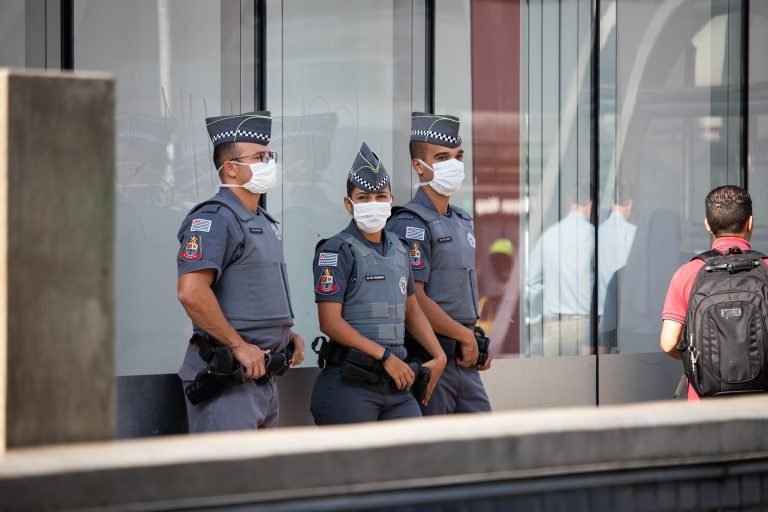
Practical Safety Tips for Rio de Janeiro
Understanding safety in Rio is not just about knowing the risks. It is about knowing how to move, what to carry, and how to behave day to day.
If you follow a few simple habits, you will avoid the vast majority of issues travelers encounter in the city.
How to Carry Your Belongings
- Carry only what you need – Leave passports, extra cards, and valuables in your accommodation.
- Use a simple day setup – One card, limited cash, and a phone.
- Avoid flashy items – Watches, jewelry, and expensive accessories attract attention.
- Keep items secure – Use zipped bags and keep them in front of you in crowded areas.
Using Your Phone Safely
- Do not walk while using your phone on busy streets.
- Step inside a shop or café if you need to check directions.
- Avoid holding your phone near the street, especially by the curb where snatching can happen.
Getting Around Safely
- Use Uber or registered taxis instead of hailing random cars.
- Avoid walking long distances at night, even in tourist areas.
- Plan your route in advance so you are not standing around looking lost.
If you want a broader understanding of transport options across the country, this guide on getting around Brazil explains how to move between cities and within urban areas.
Money and Payments
- Do not carry large amounts of cash
- Use cards when possible, but stay aware when entering your PIN
- Split your money between different pockets or bags
Staying Safe at the Beach
- Bring only essentials when heading to the beach
- Do not leave belongings unattended while swimming
- Stay aware of your surroundings, especially in crowded areas
General Awareness
- Walk with purpose and avoid looking lost
- Trust your instincts if a situation feels off
- Avoid isolated areas, especially at night
Emergency Numbers in Rio de Janeiro
It is useful to have these numbers saved on your phone, even if you never need them:
- Police: 190
- Ambulance: 192
- Fire Department: 193
There is also a Tourist Police service in Rio that operates in key areas and is used to assisting visitors.
The Bottom Line
Safety in Rio is not about avoiding the city. It is about moving through it with awareness.
If you keep things simple, stay alert, and make deliberate choices, Rio becomes a destination you can explore with confidence rather than concern.

Is Rio Safe for Solo Travelers, Families, and Couples?
One of the most common follow-up questions after “is Rio safe” is whether the city is suitable for different types of travelers.
The short answer is yes. Rio can be enjoyed by solo travelers, couples, and even families, but each group should approach the city slightly differently.
Is Rio Safe for Solo Travelers?
Rio is a popular destination for solo travelers, including solo female travelers. Many people visit the city alone and have a smooth and rewarding experience.
The key is to stay within well-known areas, avoid unnecessary risks, and remain aware of your surroundings.
- Stay in central, well-reviewed neighborhoods like Ipanema, Copacabana, or Leblon
- Avoid walking alone at night in quiet or unfamiliar areas
- Use Uber for longer distances or after dark
- Keep friends or family updated on your plans
Solo travel in Rio is very doable, but it is not a place where you want to take unnecessary chances.
Is Rio Safe for Couples?
Rio is one of the most romantic cities in the world, and couples will find plenty to enjoy, from sunset views to beachside dinners.
Traveling as a pair naturally adds a layer of safety, especially when moving around at night or in busy areas.
- Stick to lively areas in the evening
- Be mindful of belongings when relaxing at the beach
- Use transport instead of walking late at night
Couples who stay aware and plan their movements will find Rio to be both safe and unforgettable.
Is Rio Safe for Families?
Families can absolutely visit Rio, especially if the trip is well planned. The city offers beaches, parks, viewpoints, and cultural experiences that work well for all ages.
That said, traveling with children requires a bit more structure.
- Choose safe, family-friendly neighborhoods like Leblon or Ipanema
- Avoid crowded or chaotic areas where it is easy to get separated
- Use taxis or Uber instead of public transport at night
- Keep a close eye on belongings at all times
With the right planning, Rio can be a fantastic destination for families, offering a mix of nature, culture, and city life.
The Bottom Line
Rio is not limited to one type of traveler. It is a destination that can be enjoyed by many, as long as you adjust your approach slightly depending on your travel style.
Whether you are traveling alone, as a couple, or with family, the same principle applies. Stay aware, plan ahead, and focus on the areas that are known to be safe and welcoming for visitors.

Is Rio Worth Visiting Despite Safety Concerns?
After everything you have read, you might still be asking yourself one final question. Is Rio de Janeiro actually worth it?
The answer, for most travelers, is a clear yes.
Rio is not a perfect city. It requires awareness, a bit of planning, and a willingness to adapt how you move compared to more predictable destinations. But what it offers in return is something very few places in the world can match.
You have a city where mountains meet the ocean, where iconic landmarks rise above tropical landscapes, and where daily life unfolds to the rhythm of music, food, and culture. From standing beneath Christ the Redeemer to watching the sunset from Sugarloaf Mountain or simply walking along Ipanema Beach, Rio delivers experiences that stay with you long after your trip ends.
It is also a city with depth. Beyond the famous sights, there is a strong sense of identity, history, and local life that gives Rio a character you do not find in more polished destinations.
Yes, safety is something you need to think about here. But it is not something that should stop you from coming. For most travelers, it simply becomes part of how they experience the city rather than a barrier to enjoying it.
If you approach Rio with realistic expectations and the right mindset, you are far more likely to leave with unforgettable memories than with problems.
In the end, Rio is not about being completely carefree. It is about being present, aware, and open to everything the city has to offer.
And for many travelers, that is exactly what makes it so rewarding.

Frequently Asked Questions About Safety in Rio de Janeiro
- Is Rio de Janeiro safe for tourists?
Yes, Rio de Janeiro is generally safe for tourists who stay in well-known areas like Copacabana, Ipanema, and Leblon, and follow basic safety precautions. Most visitors experience no major issues and enjoy the city without problems. - Is Rio safe at night?
Rio can be safe at night in busy, well-lit areas, especially in the South Zone. However, it is important to avoid quiet streets, use Uber or taxis instead of walking long distances, and stay aware of your surroundings. - Is Rio safe for solo female travelers?
Yes, many solo female travelers visit Rio safely. The key is to stay in safe neighborhoods, avoid walking alone at night in unfamiliar areas, and use reliable transport options. Awareness and planning go a long way. - Is it safe to go to the beach in Rio?
Yes, Rio’s beaches are safe and popular, but petty theft can happen. Only bring essentials, keep your belongings close, and avoid leaving items unattended while swimming. - Is phone snatching common in Rio?
Yes, phone snatching is one of the most common issues in Rio. It usually happens when people are distracted or using their phones openly in public. It is best to use your phone discreetly or inside shops and cafés. - Are favelas safe to visit?
Some favelas can be visited safely with a reputable guide, but entering one independently is not recommended. As a visitor, it is difficult to know which areas are safe without local knowledge. - Is Uber safe in Rio de Janeiro?
Yes, Uber is widely used and considered one of the safest ways to get around Rio, especially at night. It is often preferred over walking or using unofficial taxis. - Should I carry cash in Rio?
It is best to carry only small amounts of cash and use cards when possible. Keep your money split between different places and avoid displaying it in public. - Do I need mobile data to stay safe in Rio?
Yes, having mobile data makes it much easier to stay safe in Rio. You can use maps, call an Uber, check routes, and stay connected at all times. If you are traveling internationally, using an eSIM for international travel is one of the easiest ways to stay connected without relying on public WiFi. - What is the biggest risk for tourists in Rio?
The most common risk is petty theft, including pickpocketing and phone snatching. Violent crime affecting tourists is rare when staying in safe areas and following basic precautions. - Is Rio more dangerous than other major cities?
Rio has higher crime levels than many cities in Europe, but it is comparable to other large cities in the Americas. With awareness and planning, it can be explored safely.
Travel Resources to Plan, Book & Stay Connected
Use these tools and guides to stay connected abroad, find inspiration for your next trip, and book your flights, stays and gear with confidence.
Disclosure: This article may contain affiliate links. If you make a purchase through a link, I may receive a commission at no extra cost to you. I only share recommendations I believe are genuinely useful, and all opinions are my own. AI was used in this post for research and drafting purposes.

Comment (0)