
Sydney Opal Card & Public Transport: What You Need to Know
Understanding the Opal card Sydney system makes using public transport in Sydney far easier, especially if it is your first time in the city. This guide explains how the Opal system works, whether you actually need a card, and how to use trains, buses, ferries, light rail, and Metro without overcomplicating things.
- The Opal card is Sydney’s reusable public transport card for trains, buses, ferries, light rail, and Metro.
- Most adult visitors can simply use a contactless bank card or mobile wallet instead of buying a separate Opal card.
- You need to tap on and tap off correctly so the system can calculate your fare automatically.
- Daily and weekly fare caps help keep transport costs predictable while you explore the city.
- This post focuses on how the payment system works, while broader route and transport planning is covered elsewhere in the cluster.
If you want a broader overview of moving around the city, you can also read Getting Around Sydney. To plan your sightseeing more efficiently, it also helps to review this Sydney itinerary and the main Sydney travel guide. Since transport apps and live route planning work best when you are connected on the go, it is also worth comparing the best eSIM for international travel before your trip.
How to Use Public Transport in Sydney (Opal Card Explained)
Understanding how to use the Opal card Sydney system is one of the simplest ways to make getting around the city stress-free. Sydney’s public transport network is fully integrated across trains, buses, ferries, light rail, and Metro, and everything is built around a straightforward tap-on and tap-off system that calculates your fare automatically.
For most visitors, the biggest question is not just what the Opal card is, but whether you actually need one. In reality, many travelers can use a contactless credit or debit card instead, making public transport in Sydney easier than in many other major cities. Once you understand how the system works, moving between neighbourhoods, beaches, and major attractions becomes quick, predictable, and easy to manage.
This guide explains everything you need to know, from how the Opal system works to when it makes sense to use a physical card, along with practical tips to help you navigate Sydney’s transport network with confidence.

What Is the Opal Card in Sydney?
The Opal card is Sydney’s smart travel card used across the entire public transport network, including trains, buses, ferries, light rail, and Metro services. Instead of buying individual tickets for each journey, the system works by tapping on at the start of your trip and tapping off when you finish, with fares calculated automatically based on distance and usage.
In practical terms, this means you do not need to understand fare zones or purchase separate tickets in advance. The system is designed to be simple and efficient, allowing you to move freely between different types of transport without having to think about pricing for each leg of your journey.
The Opal system is managed by Transport for NSW, which provides official information on fares, payment options, and how the system works across the city.
While the Opal card is the traditional way to access Sydney’s transport network, most visitors today use contactless payments instead. Both options work in exactly the same way, using the same tap-on and tap-off system, which makes the overall experience consistent and easy to understand from your first journey.
🚆 Travel Tip: Always tap on at the start of your journey and tap off when you finish. Forgetting to tap off can result in a higher default fare being charged, especially on trains and ferries.
Do You Need an Opal Card or Can You Use Contactless?
One of the most common questions visitors have is whether they actually need to buy an Opal card. In practice, most travelers do not. Sydney’s public transport system is fully equipped for contactless payments, which means you can use a standard credit or debit card, or a phone or smartwatch with a digital wallet, to tap on and tap off in exactly the same way as an Opal card.
Both options use the same system, follow the same rules, and apply the same fare structure. The experience of using public transport does not change depending on which method you choose. The difference comes down to convenience, flexibility, and how you prefer to manage your spending while traveling. If you want a clearer breakdown, this Opal or contactless payment guide explains which option makes the most sense for different types of travelers.
Using Contactless Payments
For most adult visitors, contactless payment is the easiest and most practical option. There is no setup required before your trip, no need to purchase or top up a separate card, and no need to think about balances. You simply tap on when you begin your journey and tap off when you finish, and the system calculates your fare automatically.
This approach works across all transport types, including trains, buses, ferries, light rail, and Metro services. Daily and weekly fare caps are applied automatically, just as they are with an Opal card, which means you will not pay more than the system’s maximum even if you travel frequently in a single day.
There are a few practical considerations to keep in mind. You should always use the same card or device when tapping on and off, as the system treats each one as a separate payment method. Mixing a physical card with a phone wallet linked to the same account can result in incomplete journeys and incorrect charges. It is also worth checking whether your bank applies foreign transaction fees, as these can add small additional costs to each trip.
Using an Opal Card
An Opal card is still a useful option in certain situations. If you prefer to keep your transport spending separate from your bank account, or if you are traveling for a longer period and want a dedicated travel card, the Opal system works reliably and is widely accepted across the network.
It is also the better choice for travelers who need access to concession fares, such as children or eligible discounts, as these are tied to specific Opal card types. In addition, some visitors prefer using a physical card to avoid potential issues with international bank cards or connectivity when using mobile wallets.
Opal cards can be purchased at train stations, convenience stores, and authorised retailers throughout Sydney. Once you have the card, you can top it up as needed and use it in exactly the same way as a contactless payment method.
In simple terms, if you are visiting Sydney for a short stay, contactless payment is usually the most convenient choice. If you are staying longer, traveling with children, or prefer a separate travel budget, an Opal card can still be a practical alternative.
How to Use the Opal System (Step-by-Step)
Once you understand the basic principle of the Opal system, using public transport in Sydney becomes very straightforward. The entire network operates on a consistent tap-on and tap-off method, which means every journey follows the same simple process regardless of whether you are taking a train, bus, ferry, light rail, or Metro service.
Rather than buying tickets in advance or selecting routes based on fare zones, you simply travel first and let the system calculate your fare automatically. This removes a lot of the decision-making that can make public transport confusing in other cities, especially if you are visiting for the first time.
Step 1: Tap On at the Start of Your Journey
At the beginning of your journey, you tap your card or device on the reader located at the station gate, ferry wharf, or on the bus. This action registers the start of your trip and allows the system to track your journey across the network.
On trains and Metro services, you will usually pass through ticket gates where you tap on to enter. On buses and some light rail services, readers are located inside the vehicle, so you tap as you board. Ferry terminals have clearly marked readers near the boarding area.
Step 2: Travel Across the Network
Once you have tapped on, you are free to travel across the network using the route that best fits your journey. You can transfer between different types of transport, such as switching from a train to a bus or ferry, without needing to purchase a new ticket.
The system is designed to handle these connections automatically. As long as you follow the correct tap-on and tap-off process, it will calculate your fare based on your complete journey rather than charging you separately for each leg.
Step 3: Tap Off at the End of Your Journey
At your destination, you need to tap off using the same card or device you used to tap on. This tells the system where your journey ended and allows it to calculate the correct fare. On trains and Metro services, you tap off at the exit gates. On buses, ferries, and light rail, you tap off as you leave the vehicle or platform.
If you forget to tap off, the system cannot determine the full distance of your journey and may charge a higher default fare. This is one of the most common mistakes visitors make, and it is easy to avoid once you are aware of it.
Step 4: Fares Are Calculated Automatically
After you complete your journey, the system calculates your fare based on distance, time of travel, and daily or weekly caps. You do not need to select a ticket type or calculate anything in advance. Everything is handled automatically in the background, allowing you to focus on your journey rather than the logistics of paying for it.
Over the course of a day or week, fare caps are applied automatically, which means there is a limit to how much you will be charged even if you use public transport frequently. This makes it easy to explore different parts of Sydney without worrying about accumulating high transport costs.
Once you have used the system once or twice, it quickly becomes second nature. The consistency across all transport types is what makes Sydney’s network particularly easy to use, even for first-time visitors.

Fares, Caps and Costs Explained
One of the reasons public transport in Sydney is considered easy to use is that you do not need to think too much about pricing before you travel. The Opal system is designed to calculate fares automatically based on your journey, while also applying built-in caps that limit how much you can be charged over the course of a day or week.
The Opal card itself is free to obtain, but you will need to load it with credit before you can travel. Retailers typically require a minimum top-up of $10 for child cards and $20 for adult cards when purchasing a new card. Once credit is added, fares are deducted automatically each time you complete a journey.
How Money Is Deducted
When you tap on at the start of your journey, the system registers your entry point but does not immediately charge you the full fare. The final cost is calculated only after you tap off at your destination, based on the distance traveled and the time of day.
The correct fare is then deducted from your Opal balance or charged to your contactless card. This process happens automatically in the background, so there is no need to select tickets or confirm prices before boarding.
If you forget to tap off, the system cannot determine the full journey and may charge a higher default fare. This is why consistently tapping on and off is essential when using public transport in Sydney.
Daily and Weekly Caps
A key feature of the Opal system is the use of fare caps. These caps limit the total amount you can be charged within a day or a week, no matter how many journeys you take. Once you reach the cap, any additional travel during that period is not charged further.
For visitors, this makes it easier to explore Sydney without worrying about costs adding up throughout the day. You can move between neighbourhoods, visit multiple attractions, and use different types of transport without constantly checking prices or calculating totals.
Weekly caps work in a similar way, rewarding frequent travel over several days. If you are staying in Sydney for a longer period and using public transport regularly, these caps can help keep overall transport costs predictable.
Why the System Is Visitor-Friendly
In many cities, understanding fares can be one of the more complicated parts of using public transport. Sydney takes a different approach by simplifying the process as much as possible. You are not expected to choose between multiple ticket types or calculate the cheapest option in advance.
Instead, the system is designed to apply the correct fare automatically, while protecting you from overpaying through daily and weekly limits. This makes it particularly well suited to visitors who want a straightforward and reliable way to move around the city.

Where the Opal Card Works
The Opal system covers the entire public transport network in Sydney, allowing you to move seamlessly between different types of transport using the same tap-on and tap-off method. This integration is one of the reasons the system feels simple to use, even if you are visiting for the first time.
Rather than thinking in terms of separate transport systems, it is more helpful to think of Sydney as having one connected network. Whether you are heading into the city centre, traveling to the beaches, or crossing the harbour, the same payment method works everywhere.
Trains and Metro
Trains and Metro services form the backbone of longer-distance travel across Sydney. They connect the airport, central business district, and major suburbs, making them one of the fastest ways to move across the city. Both systems use the same Opal payment method, even though Metro services operate with newer, driverless trains.
In most cases, you will enter and exit through gated stations, tapping on at the beginning of your journey and tapping off when you leave. This makes it easy to understand where your trip starts and ends, which is important for accurate fare calculation.
Buses
Buses extend the reach of the network into areas not directly served by train lines, including residential neighbourhoods and coastal destinations. They are often the most practical option for reaching places like Bondi or Coogee, especially if you are staying outside the immediate city centre.
Unlike trains, buses do not have entry gates. You tap on when you board and tap off as you exit, using the same card or device throughout your journey. Even though traffic can affect travel times, buses remain an essential part of the system and integrate seamlessly with other transport types.
Ferries
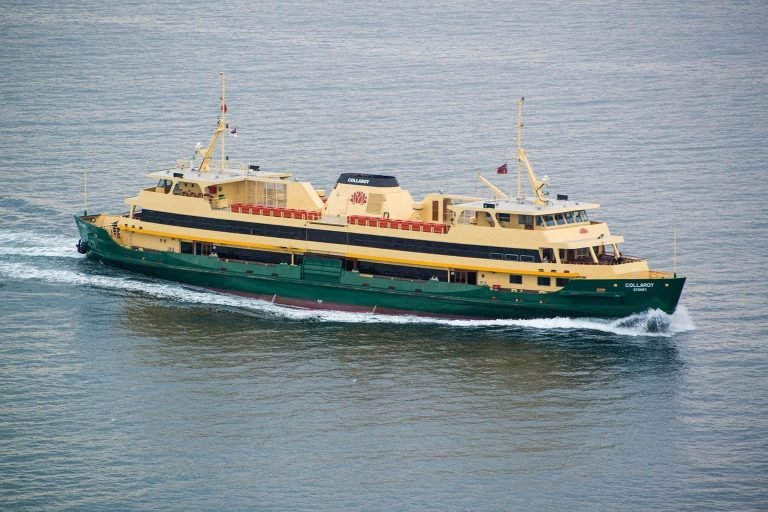
Ferries are both a practical transport option and one of the most enjoyable ways to move around Sydney. They connect key harbour locations such as Circular Quay, Manly, and Taronga Zoo, offering a direct route across the water that can often be faster than traveling by road.
All ferry services use the same Opal system, with clearly marked readers at wharves where you tap on before boarding and tap off when you arrive. Because ferries are part of the regular public transport network, they are priced in the same way as other services and benefit from the same fare caps.
Light Rail
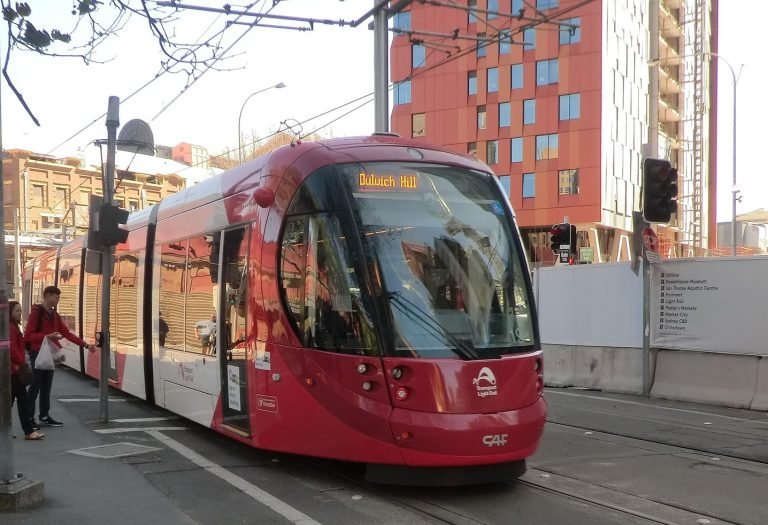
Light rail services operate mainly in the inner city and surrounding areas, linking key locations such as Central Station, Darling Harbour, and parts of the eastern suburbs. They are particularly useful for shorter trips where walking may be less convenient.
Light rail stops have dedicated platforms with Opal readers, and you tap on before boarding and tap off when you leave, similar to ferry services. While not as extensive as the train network, light rail provides a convenient way to move between central attractions without relying on buses or taxis.
Across all of these transport types, the key advantage is consistency. You are using the same system everywhere, which means once you understand how it works, you can travel confidently throughout the entire city.

Sydney Public Transport Map and Useful Apps
While the Opal system makes paying for transport simple, planning your journeys is just as important. Sydney’s network is extensive, and having the right tools to check routes, connections, and real-time departures can make a significant difference to how smoothly your day runs.
Most visitors rely on a combination of official tools and navigation apps to move around the city. These tools integrate trains, buses, ferries, light rail, and Metro services into a single view, allowing you to compare routes and choose the most efficient option for your journey.
Transport for NSW Trip Planner
The official Transport for NSW trip planner is one of the most reliable tools for navigating Sydney’s public transport system. It provides detailed route options, platform information, and service updates directly from the source.
You can enter your starting point and destination to see multiple route options, including combinations of trains, buses, ferries, and light rail. The planner also includes real-time updates, which can be useful if there are delays or service changes.
Google Maps
Google Maps is widely used by both locals and visitors and works very well in Sydney. It provides clear directions, estimated travel times, and real-time departure information for most routes. For many travelers, it is the easiest way to navigate the city on a day-to-day basis.
One advantage of Google Maps is how it combines walking directions with public transport options, making it easy to understand how to get from your accommodation to specific attractions or neighbourhoods without switching between different apps.
Why Connectivity Matters
Both of these tools rely on an active internet connection to provide real-time updates and accurate routing. While you can download parts of Sydney for offline use in Google Maps, live transport data and service updates require connectivity.
If you plan to rely on navigation apps throughout your trip, it is worth setting up mobile data in advance. Comparing the best eSIM for international travel can make it much easier to stay connected while moving around the city without relying on public Wi-Fi.
With the right tools in place, navigating Sydney becomes a straightforward process. Combined with the simplicity of the Opal system, these apps allow you to move around the city with confidence, even if it is your first visit.

Tips for Using Public Transport in Sydney
Once you understand how the Opal system works, using public transport in Sydney is generally straightforward. That said, a few practical tips can make your experience smoother, especially during busy periods or when traveling across different parts of the city.
Use the Same Card or Device Every Time
When using contactless payment, always tap on and tap off with the same card or device. The system treats each card, phone, or smartwatch as a separate payment method, even if they are linked to the same bank account. Switching between them can result in incomplete journeys and higher charges.
Avoid Peak Hours When Possible
Public transport in Sydney can become busy during weekday peak hours, particularly on trains and major bus routes. Traveling outside these times is usually more comfortable and can also affect fare pricing depending on the service and time of day.
Plan Your Routes in Advance
While it is easy to navigate on the go, checking your route before you leave can save time and reduce unnecessary transfers. Using real-time apps helps you understand the quickest option and avoid delays or disruptions.
Ferries Are Both Transport and an Experience
Ferries are not just a way to get from one place to another. They also offer some of the best views of Sydney Harbour, including the skyline, the Harbour Bridge, and the Opera House. If your route allows it, choosing a ferry can turn a simple journey into part of your sightseeing experience.
Carry Essentials for Day Trips
If you are spending the day moving between different parts of the city, it helps to have a few basic items with you. A portable charger, water, and a small daypack can make longer travel days more comfortable, especially if you are using multiple transport types. Having the essential travel gear for your trip can make a noticeable difference when navigating a busy city like Sydney.
These small adjustments can improve your overall experience and help you move around Sydney more efficiently. Once you are familiar with the system, public transport becomes one of the easiest and most reliable ways to explore the city.

Is Public Transport in Sydney Easy for Tourists?
For most visitors, public transport in Sydney is one of the easiest systems to use compared to other major cities. The combination of a unified payment system, clear signage, and well-integrated transport options makes it accessible even if it is your first time navigating the city.
One of the main advantages is simplicity. You are not dealing with multiple ticket types, complex fare zones, or different payment systems for different types of transport. Everything works through the same tap-on and tap-off method, whether you are using a physical card or a contactless payment option.
Stations, ferry wharves, and major stops are clearly signposted in English, and digital displays usually show departure times and platform information in real time. This reduces the uncertainty that many travelers experience when using public transport in unfamiliar cities.
Navigation is also straightforward thanks to widely available apps and trip planners, which combine different transport types into a single route. This means you can move from a train to a bus or ferry without needing to rethink your entire journey.
While peak hours can be busy and some routes may require transfers, the overall system is designed to be efficient and user-friendly. Once you have completed your first journey, it becomes much easier to understand how everything fits together.
In practical terms, most visitors find that public transport quickly becomes their preferred way to get around Sydney. It is reliable, well connected, and simple to use, which makes it an essential part of exploring the city.

Final Thoughts and Where to Go Next
Once you understand how the Opal system works, using public transport in Sydney becomes one of the easiest parts of your trip. The combination of a simple payment system, integrated transport network, and clear navigation tools allows you to move around the city with confidence, whether you are visiting for a few days or staying longer.
If you want a broader understanding of how to move between different areas, routes, and transport types, you can explore Getting Around Sydney. To plan your time more efficiently and connect transport with your daily plans, this Sydney itinerary helps structure your trip across multiple days, while the main Sydney travel guide highlights the key places you can reach using the network.
Planning your trip also involves a few practical steps beyond transport. Finding the right flights can make a significant difference to your overall budget, so it is worth taking the time to find cheap international flights before you travel. Choosing the right place to stay can also impact how easily you move around the city, and you can compare hotel booking platforms to find the best options based on location and budget.
It is also worth considering practical details such as staying connected and being prepared for your trip. Setting up mobile data in advance makes navigation much easier, and you can explore the best eSIM for international travel to avoid relying on public Wi-Fi. Having the essential travel gear for your trip can also make day-to-day travel more comfortable, especially if you plan to move around the city frequently.
For added peace of mind, especially on longer trips, it is worth reviewing your coverage options and choosing suitable travel insurance for international trips before you leave.
With these elements in place, you can focus on enjoying Sydney rather than worrying about logistics. The Opal system simplifies how you move around, and once you are familiar with it, the entire city becomes much easier to explore.

Frequently Asked Questions About the Opal Card in Sydney
• What is the Opal card in Sydney
The Opal card is Sydney’s public transport card used across trains, buses, ferries, light rail, and Metro services. It allows you to travel without buying individual tickets by tapping on at the start of your journey and tapping off at the end, with fares calculated automatically.
• Do tourists need an Opal card in Sydney
Most tourists do not need an Opal card. You can use a contactless credit or debit card, or a mobile wallet, to pay for transport in exactly the same way. The Opal card is mainly useful if you prefer a separate travel card or need access to concession fares.
• Can I use my credit card on Sydney public transport
Yes, most international Visa and Mastercard credit or debit cards work with Sydney’s contactless payment system. You simply tap on and tap off as you would with an Opal card. It is important to use the same card or device for both actions to avoid incorrect charges.
• Is public transport in Sydney expensive
Public transport in Sydney is reasonably priced, especially because daily and weekly caps limit how much you can be charged. This means you can take multiple trips in a day without the cost increasing beyond a certain point.
• What happens if I forget to tap off
If you forget to tap off, the system cannot calculate the full distance of your journey and may charge a higher default fare. This is one of the most common mistakes, so it is important to always tap off when you finish your trip.
• Where can I buy an Opal card
Opal cards can be purchased at train stations, convenience stores, and authorised retailers throughout Sydney. You will need to load the card with credit before using it, and minimum top-up amounts usually apply.
Travel Resources to Plan, Book & Stay Connected
Use these tools and guides to stay connected abroad, find inspiration for your next trip, and book your flights, stays and gear with confidence.
Disclosure: This article may contain affiliate links. If you make a purchase through a link, I may receive a commission at no extra cost to you. I only share recommendations I believe are genuinely useful, and all opinions are my own. AI was used in this post for research and drafting purposes.

Comment (0)