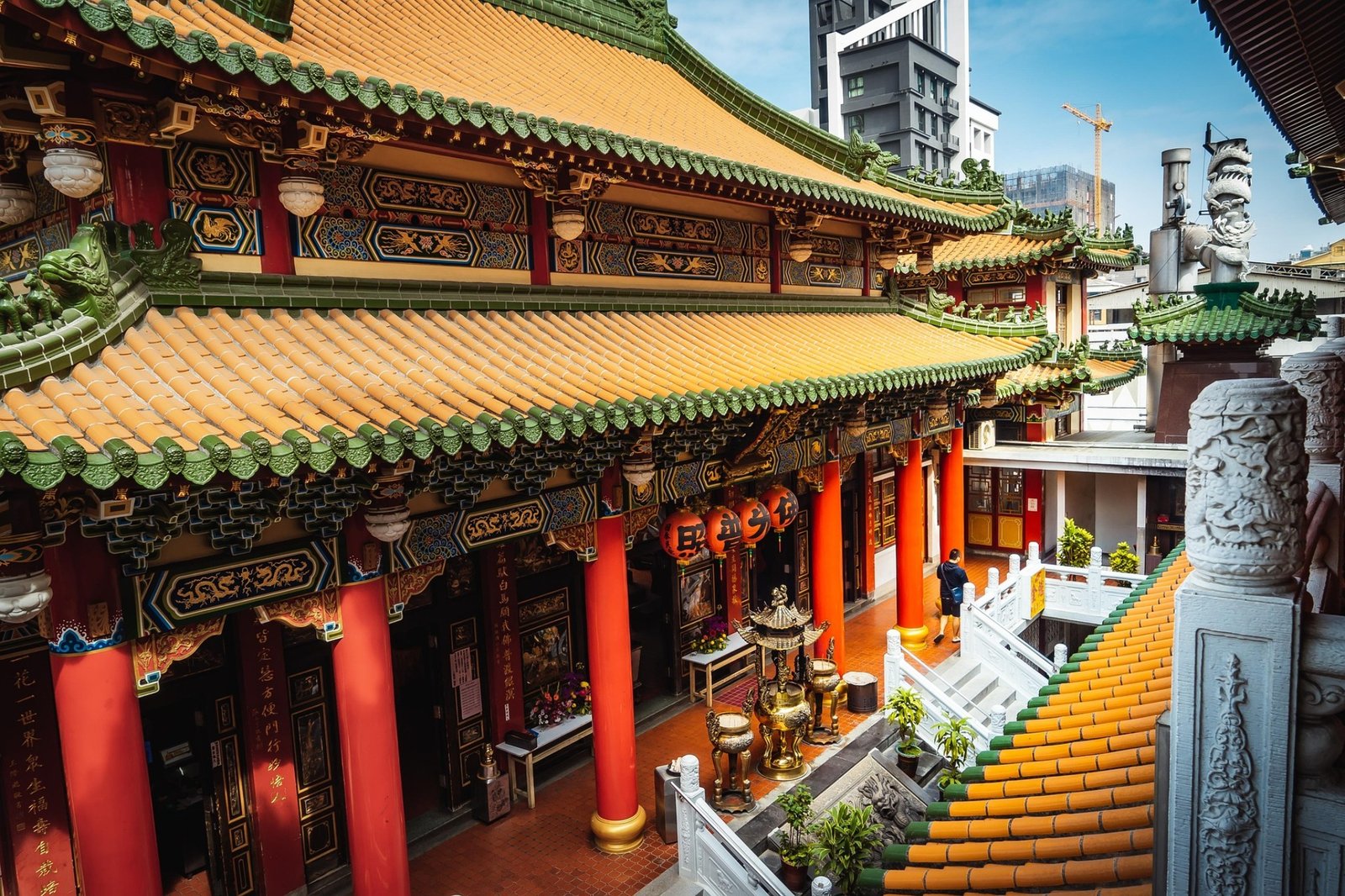
Getting Around Taiwan: Best Ways to Travel the Island
Getting around Taiwan is easy once you understand how the system works. Most travelers rely on a combination of trains, metro systems, and short transfers to move efficiently between cities, regions, and attractions across the island.
- Use HSR (High-Speed Rail) for fast west coast travel between Taipei, Taichung, Tainan, and Kaohsiung
- Use TRA trains for the east coast, including Hualien, Taitung, and Taroko Gorge
- Use MRT systems to move quickly within cities like Taipei and Kaohsiung
- Get an EasyCard or iPASS to pay seamlessly for transport, bikes, and small purchases
- Use buses, taxis, or transfers for places like Alishan, Sun Moon Lake, and Kenting
If you are planning your route, this Taiwan itinerary guide shows how to connect destinations efficiently, while this Taiwan travel guide helps you decide where to go. You can also explore detailed guides for Taipei, Taroko Gorge and Hualien, Taichung and Sun Moon Lake, historic Tainan, Kaohsiung, and Kenting to plan each part of your journey.
Once your transport is mapped out, the next step is choosing where to stay along your route. Your accommodation should match how you plan to move across the island, helping you avoid unnecessary backtracking and long travel days. This Taiwan base selection guide explains how to pick the right locations in each region so your itinerary flows smoothly from one destination to the next.
Getting Around Taiwan: What to Expect Before You Start Traveling
Getting around Taiwan is one of the easiest parts of planning your trip, but only if you understand how the system is structured. The island may look compact on a map, yet the way you move between cities, mountains, and coastal areas can vary significantly depending on your route. Choosing the right transport option at the right time is what keeps your trip smooth, efficient, and enjoyable.
Most travelers rely on a combination of high-speed rail, local trains, metro systems, and short transfers. You might take a fast train between major cities, switch to a metro to reach your hotel, and then use a bus or taxi to explore specific areas. This layered approach is what makes getting around Taiwan both flexible and highly efficient once you understand it.
The key distinction is between the west coast and the east coast. The west coast is built for speed, with high-speed rail connecting major cities in a matter of hours. The east coast, on the other hand, is slower, more scenic, and depends on the traditional rail network. This difference directly impacts how you plan your route, how long you stay in each place, and how you connect destinations across the island.
If you are arriving internationally, it is worth comparing routes in advance using this cheap international flights guide, as your arrival airport can influence how you start your journey. Once in Taiwan, having reliable data makes navigation much easier, so setting up a connection in advance with this international eSIM guide can save time and avoid unnecessary stress when moving between locations.
Understanding these fundamentals early allows you to move through Taiwan with confidence. Instead of figuring things out on the go, you will already know which transport system to use, how to connect your destinations, and how to avoid unnecessary travel time. The result is a trip that feels seamless from the moment you arrive.
Best Ways to Get Around Taiwan: Quick Transport Overview
- Taipei → Taichung / Tainan / Kaohsiung: HSR (fastest and most efficient)
- Taipei → Hualien / Taroko: TRA train (scenic east coast route)
- Within major cities: MRT, walking, and short taxi rides
- Alishan / Sun Moon Lake / Kenting: Train or HSR + bus or transfer
- Remote areas and nature: Bus, rental car, scooter, or organized tour
The best way to get around Taiwan depends entirely on where you are going. The island is divided into two very different transport systems. The west coast is built for speed, while the east coast is slower, more scenic, and requires a bit more planning.
West Coast: Fast, Efficient, and Well Connected
The west coast is where Taiwan’s major cities are located, including Taipei, Taichung, Tainan, and Kaohsiung. This route is served by the high-speed rail, which allows you to travel long distances in a short amount of time. Moving between cities here is straightforward, with frequent departures and reliable connections.
For most travelers, this is the backbone of the trip. It allows you to cover large distances quickly and reduces the need for domestic flights or long bus journeys. Once you arrive in a city, local transport such as the MRT or taxis takes over.
East Coast: Scenic but Slower
The east coast follows a completely different rhythm. There is no high-speed rail here, and travel relies on the Taiwan Railways system. Routes toward Hualien and Taitung are known for their coastal and mountain scenery, but they require more time and planning.
Trains can fill up quickly, especially on weekends, and travel times are longer compared to the west coast. However, this is also one of the most rewarding parts of Taiwan, offering access to places that feel more remote and less urban.
Cities vs Rural Areas
Getting around Taiwan’s cities is simple. Taipei, in particular, is extremely easy to navigate using the MRT, which is clean, efficient, and well signposted in English. Kaohsiung and Taoyuan also have MRT systems, while buses and taxis fill in the gaps where needed.
Rural and mountainous areas require a different approach. Public transport exists but is less frequent, which means you may need to rely on buses, private transfers, or organized tours. In some cases, renting a car or scooter can offer more flexibility, especially if you plan to explore remote regions at your own pace.
Once you understand these core differences, getting around Taiwan becomes intuitive. You simply match your route to the right transport system, combining speed on the west coast with flexibility in more remote areas.
EasyCard and iPASS: The Essential Tool for Getting Around Taiwan
- Buy an EasyCard or iPASS as soon as you arrive
- Use it for MRT, buses, some trains, taxis, and convenience stores
- Costs NT$100 for the card, then top up as you go
- Saves time with tap-on, tap-off payments across most transport
- Works nationwide and often gives small discounts vs single tickets
Before you think about trains, buses, or metro systems, the first thing you should get is a contactless transport card. In Taiwan, this means either an EasyCard or an iPASS. Both work in almost the same way and are accepted across the country, making them one of the simplest ways to streamline your trip from day one.
What EasyCard and iPASS Are and Why They Matter
An EasyCard or iPASS is a rechargeable smart card that allows you to tap in and out of transport systems instead of buying individual tickets. You simply load money onto the card and use it whenever you travel. This removes the need to deal with ticket machines, exact change, or language barriers when moving around.
These cards are widely accepted on MRT systems, city buses, and even parts of the Taiwan Railways network. In many cases, they also work for taxis, bike-sharing systems, and small purchases in convenience stores, which makes them useful beyond transport.
Where to Buy and How to Use Them
You can buy both cards at MRT stations, airports, and convenience stores such as 7-Eleven or FamilyMart. The card itself costs NT$100, and you then add credit depending on your needs. Topping up is easy and can be done at the same locations.
Using the card is straightforward. For metro systems, you tap at the gate when entering and exiting. On buses, you usually tap when boarding and again when getting off to calculate the correct fare. This tap-and-go system makes getting around Taiwan significantly faster and more convenient.
EasyCard vs iPASS: Which One Should You Choose?
In practice, most travelers will not notice a major difference between the two. Both cards offer nationwide coverage, similar pricing, and the same core functionality. However, there are a few small distinctions worth knowing.
The EasyCard is slightly more integrated with systems in Taipei, especially when it comes to bike-sharing and certain local services. The iPASS, which originated in the south, can sometimes offer small perks or discounts in cities like Kaohsiung or Tainan.
If your trip focuses heavily on Taipei and northern Taiwan, the EasyCard is often the more reliable choice. If you are spending more time in the south, the iPASS works just as well and can occasionally offer better local integration. Either way, having one of these cards will make getting around Taiwan far easier.
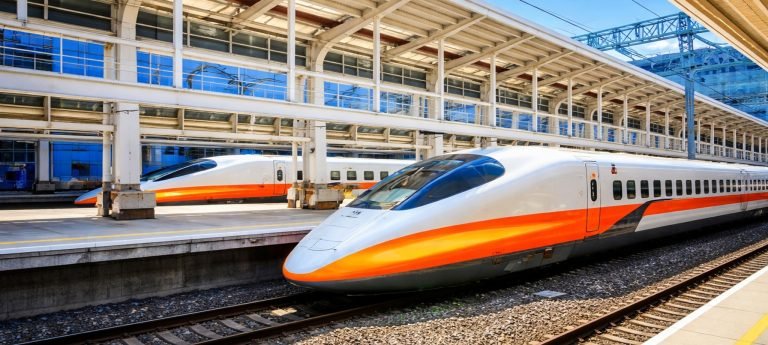
High-Speed Rail (HSR): The Fastest Way to Travel Taiwan’s West Coast
- Use High Speed Rail (HSR) for fast travel between Taipei, Taichung, Tainan, and Kaohsiung
- Connects 12 stations along the west coast from Nangang (Taipei) to Zuoying (Kaohsiung)
- Taipei to Kaohsiung takes around 90 minutes on express trains
- Best option for long-distance travel between major cities
- Does not serve the east coast (Hualien, Taitung, Taroko)
The High-Speed Rail is the backbone of travel across Taiwan’s west coast. If your trip includes cities like Taipei, Taichung, Tainan, or Kaohsiung, this is the fastest and most efficient way to move between them. Trains are modern, reliable, and frequent, making long-distance travel feel quick and straightforward.
When to Use HSR
HSR is ideal when you want to cover long distances quickly without sacrificing comfort. For example, traveling from Taipei to Kaohsiung takes roughly 90 minutes on the fastest express services, compared to several hours on slower trains or buses. This makes it possible to explore multiple regions of Taiwan without losing entire days to travel.
It works best for routes along the west coast, where most major cities are located. If your itinerary follows a north-to-south path through Taiwan, you will likely rely on HSR multiple times during your trip.
Stations and Connectivity
The line runs through 12 stations, including Taipei Main Station, Taoyuan, Hsinchu, Taichung, Chiayi, Tainan, and Zuoying in Kaohsiung. One important detail is that some HSR stations are located slightly outside city centers. This means you may need to take a short MRT ride, shuttle bus, or taxi to reach your hotel or final destination.
Once you factor in these connections, travel remains very efficient, but it is something to plan for when calculating total journey time.
Tickets, Booking, and Discounts
Tickets are available up to 29 days in advance, and booking early can make a noticeable difference in price. Early bird discounts of up to 35% are often available for selected trains, especially if you book right when tickets are released.
You can choose between reserved and non-reserved seating. Reserved seats guarantee a specific place on the train and are recommended during weekends or busy travel periods. Non-reserved cars offer more flexibility, but you may need to stand if trains are crowded.
Using the official mobile app allows you to book tickets, pay, and receive a QR code for entry, making the process fast and paperless. This is particularly useful if you plan to travel frequently or want to avoid queues at stations.
When HSR Is Not the Right Choice
Despite its speed, HSR only operates along the west coast. It does not reach destinations like Hualien, Taitung, or Taroko Gorge. For those areas, you will need to use the Taiwan Railways network or alternative transport options.
Understanding this limitation is key to planning your route correctly. HSR is a powerful tool, but only when used for the right parts of the island.
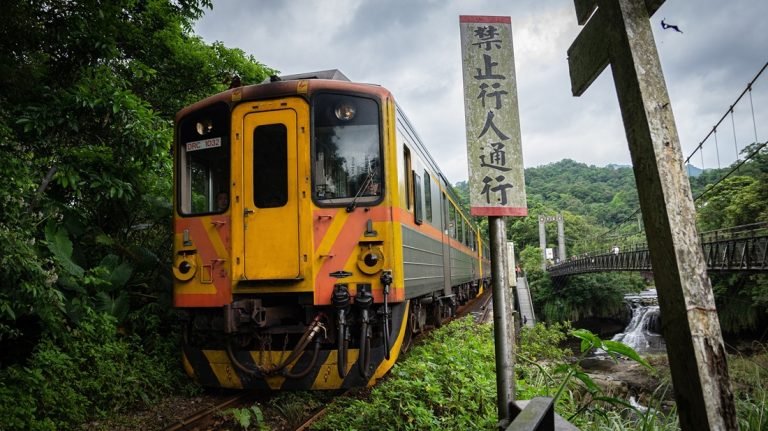
Taiwan Railways (TRA): The Best Way to Travel the East Coast and Beyond
- Use Taiwan Railways (TRA) for Hualien, Taitung, Taroko Gorge, and smaller towns
- Covers the entire island, including scenic east coast routes
- Slower than HSR but more flexible and widely available
- Offers express trains (faster, reservation required) and local trains (cheaper, flexible)
- Essential for destinations not served by high-speed rail
While high-speed rail dominates the west coast, Taiwan Railways is what connects the entire island. This is the network you will rely on for reaching places like Hualien, Taitung, and Taroko Gorge, as well as smaller towns and regional stops that HSR simply does not serve.
The system forms a continuous loop around Taiwan, linking major cities, coastal regions, and inland areas. This makes it one of the most important parts of the country’s transport infrastructure and a key tool for travelers exploring beyond the main west coast corridor. :contentReference[oaicite:0]{index=0}
When to Use TRA Instead of HSR
TRA becomes essential the moment you leave the west coast. If your itinerary includes the east coast, there is no alternative. Routes toward Hualien and Taitung rely entirely on this network, and these journeys are often among the most scenic in Taiwan.
Even on the west coast, TRA can still be useful. It serves smaller towns and secondary stops that HSR bypasses, making it a better option if you want to explore beyond major cities or travel on a tighter budget.
In short, HSR is about speed between major hubs, while TRA is about coverage and flexibility. Most travelers end up using both.
Types of TRA Trains: What You Need to Know
Not all TRA trains are the same, and choosing the right type can significantly impact your experience. The network offers a mix of express and local services, each suited to different types of travel.
Express trains, such as Taroko or Puyuma services, are the fastest and most comfortable. These require seat reservations and are the best choice for longer routes, especially between Taipei and Hualien. Because they are popular, they often sell out in advance, particularly on weekends and holidays.
Local trains are slower and stop at more stations, but they offer greater flexibility. You usually do not need reservations, and they are ideal for short distances or spontaneous travel plans. They are also a good fallback if express trains are fully booked.
Booking and Practical Travel Tips
Tickets can be booked online, at stations, or through mobile apps. For popular routes like Taipei to Hualien, booking early is strongly recommended, especially if you want a reserved seat on an express train.
Travel times are longer than HSR, but this is part of the experience. East coast routes in particular are known for their coastal views, mountain scenery, and slower pace, making the journey itself a highlight rather than just a transfer between destinations.
One important detail is that TRA trains vary more in punctuality and comfort compared to HSR. While still reliable overall, they feel less standardized and more like a traditional rail system. This is not a disadvantage, but something to be aware of when planning tight connections.
Why TRA Is Essential for a Complete Taiwan Itinerary
Without TRA, a large part of Taiwan simply becomes inaccessible. It is the network that opens up the island beyond major cities, allowing you to experience coastal regions, rural landscapes, and less visited destinations.
Understanding how and when to use TRA is what turns a basic Taiwan trip into a well-rounded journey. It complements high-speed rail perfectly, filling in the gaps and giving you access to the full diversity of the island.

MRT in Taiwan: The Easiest Way to Get Around Cities
- Use the MRT for fast, reliable travel within cities like Taipei and Kaohsiung
- Clean, safe, and easy to navigate with English signage and announcements
- Runs frequently, often every 2–5 minutes in major cities
- Works seamlessly with EasyCard or iPASS for tap-and-go travel
- Usually faster than taxis during traffic, especially in Taipei
When it comes to getting around Taiwan’s cities, nothing beats the MRT. It is the backbone of urban transport, especially in Taipei, where the system is extensive, efficient, and incredibly easy to use even for first-time visitors. If you are staying in a major city, chances are you will rely on the MRT multiple times a day.
Where You Can Use the MRT in Taiwan
Taipei has the most developed MRT system, covering the majority of the city and extending into New Taipei. It connects key areas, major attractions, business districts, and transport hubs, making it the default option for getting around. Stations are well signposted, announcements are made in English, and maps are easy to follow.
Kaohsiung also has a reliable MRT system, though smaller in scale. It is still highly effective for moving between major districts, especially around the harbor, city center, and transport hubs. Taoyuan operates the Airport MRT, which connects Taoyuan International Airport to Taipei and surrounding areas, making arrival and departure particularly straightforward.
Taichung’s MRT is more limited, with only one active line as of now, but it continues to expand. In this city, you will likely combine MRT with buses or taxis to reach certain destinations.
Why the MRT Is So Easy to Use
The MRT systems in Taiwan are designed with clarity and efficiency in mind. Stations are clean, well organized, and clearly marked in both Chinese and English. Trains arrive frequently, so there is rarely a need to plan your timing down to the minute.
Using the system is simple. You tap your EasyCard or iPASS at the gate when entering and exiting, and the fare is calculated automatically based on distance. This removes the need to purchase individual tickets or navigate complex fare systems.
Another major advantage is reliability. Trains run on time, delays are rare, and the system feels predictable, which is especially valuable when you are navigating a new city.
MRT vs Taxis and Other Transport
In most cases, the MRT is faster than taxis, particularly during peak hours when traffic can slow down surface transport. It also tends to be cheaper, making it the preferred option for daily travel.
Taxis still have their place, especially late at night or when traveling to locations not directly connected by MRT lines. However, for the majority of city travel, the MRT offers the best balance of speed, cost, and simplicity.
Practical Tips for Using the MRT
Try to avoid peak commuting hours if you prefer a more comfortable ride, especially in Taipei where trains can become crowded during rush hour. Keep in mind that eating and drinking are not allowed inside MRT systems, and this rule is strictly enforced.
Finally, always pay attention to station exits. Large stations can have multiple exits leading to different streets or landmarks, and choosing the right one can save you a significant amount of walking time.
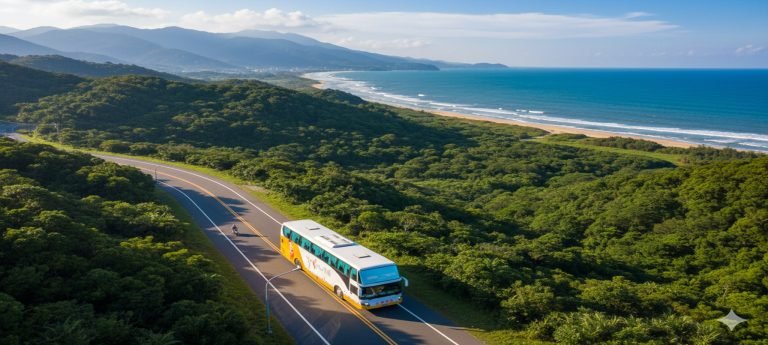
Buses in Taiwan: Essential for Cities, Nature, and Hard-to-Reach Areas
- Use buses for places trains do not reach, including Alishan, Sun Moon Lake, and Kenting
- City buses are extensive but slightly harder to navigate than MRT systems
- Tap your EasyCard or iPASS when boarding and exiting
- You must wave to stop the bus and press the button before your stop
- Apps like Bus+ and Google Maps help with routes and real-time arrivals
Buses are a crucial part of getting around Taiwan, especially once you move beyond major cities or train routes. While the MRT and trains handle most of the heavy lifting, buses are what connect you to smaller towns, scenic areas, and destinations that are not directly accessible by rail.
When You Need to Use Buses
You will most often rely on buses when traveling to destinations like Alishan, Sun Moon Lake, or more remote coastal and mountain areas. These places are not always directly connected by train, which means buses become the final link in your journey.
Even in cities, buses can be useful. While Taipei’s MRT covers most major areas, buses fill in the gaps and can sometimes be more direct depending on your route. In cities like Taichung, where the MRT network is limited, buses play a much larger role in daily transport.
How Buses Work in Taiwan
Using buses in Taiwan is straightforward once you understand a few key rules. The most important is that fares are often distance-based, which means you need to tap your EasyCard or iPASS both when you board and when you get off. Missing a tap can result in incorrect charges.
Unlike trains or MRT systems, buses do not automatically stop at every station. You need to signal the driver by raising your hand as the bus approaches. When you are ready to get off, press the stop button well in advance to alert the driver.
Payment is easiest with a transport card, but cash is still accepted. If you pay in cash, you must have the exact fare, as drivers do not provide change.
Types of Buses You Will Encounter
City buses operate within urban areas and are ideal for short trips or routes not covered by MRT lines. They are frequent and relatively inexpensive, but can feel slightly less intuitive for first-time visitors due to route complexity.
Intercity or highway buses connect major cities and regions. These are often cheaper than trains and can be surprisingly comfortable, especially on longer routes. They are a good alternative if trains are fully booked or if you are traveling on a budget.
Tourist shuttle buses are specifically designed for travelers and connect train stations to popular attractions. They typically have clearer signage, English announcements, and fewer stops, making them easier to use for first-time visitors.
Apps and Navigation
Google Maps works well for planning bus routes in Taiwan and is usually accurate for schedules. However, for real-time arrival information, apps like Bus+ are often more reliable and provide a clearer overview of delays and timings.
Using a navigation app is strongly recommended, especially in cities where multiple bus routes may serve similar areas but follow slightly different paths.
Why Buses Matter More Than You Expect
Many of Taiwan’s most rewarding destinations are not directly accessible by train. This means buses are not just a backup option, but an essential part of your transport strategy. Understanding how they work allows you to reach places that many travelers might otherwise skip.
Once you get used to the system, buses become a flexible and reliable way to explore Taiwan beyond its main transport corridors.
YouBike in Taiwan: A Simple Way to Cover Short Distances
- Use YouBike for short trips, last-mile transport, and exploring flat city areas
- Available in cities like Taipei, New Taipei, Taichung, and Kaohsiung
- Works with EasyCard or iPASS, or via QR code through the app
- Very cheap for short rides, often the first 30 minutes are subsidized
- Best for riverside paths, parks, and short city connections
YouBike is Taiwan’s public bike-sharing system and one of the easiest ways to move short distances within cities. It is not meant to replace public transport, but rather to complement it. You will typically use it to bridge gaps between MRT stations and your final destination, or simply to explore an area at a slower pace.
When YouBike Is Useful
YouBike works best in flat, urban environments where distances are short and infrastructure is bike-friendly. Taipei is the ideal example, with dedicated cycling paths, especially along the rivers, and a dense network of docking stations spread across the city.
It is particularly useful for last-mile transport. Instead of walking 15 to 20 minutes from an MRT station to your destination, you can pick up a bike and cover the distance in a few minutes. This makes it a convenient addition to your daily transport routine.
How to Rent a YouBike
There are two main ways to rent a YouBike. The first is by registering your EasyCard or iPASS through the official app, which requires identity verification and is the most common method for longer stays. The second option is a single rental using a credit card or mobile payment, where you scan a QR code directly on the bike.
As of 2026, all users must activate basic insurance through the app before renting. The process is simple and free, but it is mandatory, even for short-term visitors. Without this step, you will not be able to unlock a bike.
Costs and Practical Considerations
YouBike is designed to be affordable. Short rides are very cheap, and in some cities, the first 30 minutes are subsidized or free. This makes it ideal for quick trips rather than long-distance travel.
Electric-assist bikes are now widely available and provide extra support when pedaling, especially over longer distances or slight inclines. These cost more than standard bikes but can make a noticeable difference in comfort.
One thing to be aware of is availability. Popular areas can run out of bikes or docking spaces, particularly during rush hour. Using the app to check real-time availability before heading to a station can save time and frustration.
When Not to Use YouBike
YouBike is not intended for long-distance travel or navigating busy, complex traffic environments. It is also less practical in hilly areas or regions with limited cycling infrastructure. In these situations, MRT, buses, or taxis are better options.
Used correctly, YouBike is a simple and effective way to enhance your travel experience in Taiwan, giving you flexibility for short trips and a different perspective on the cities you visit.
Taxis and Uber in Taiwan: When to Use Ride-Hailing
- Use taxis or Uber for short distances, late-night travel, or areas without MRT access
- Taxis are widely available in cities like Taipei, Taichung, and Kaohsiung
- Fares are metered and generally affordable compared to Western countries
- Uber works reliably in major cities and removes the language barrier
- Best used as a complement to public transport, not a replacement
Taxis and ride-hailing services are an important part of getting around Taiwan, especially when public transport is not the most convenient option. While trains and MRT systems handle the majority of travel, taxis fill in the gaps and provide flexibility when you need it most.
When to Use Taxis or Uber
You will most often use taxis for short trips within cities, particularly when your destination is not directly connected by MRT or when you want to save time. They are also useful late at night when metro systems are no longer running or when buses are less frequent.
In situations where you are carrying luggage, traveling in a group, or heading to a less accessible location, taxis can be more convenient than navigating multiple transfers on public transport.
Taxis in Taiwan: What to Expect
Taxis in Taiwan are easy to find, especially in major cities. They are typically yellow, clearly marked, and operate using a meter. Fares are relatively low, which makes them a practical option for short distances without significantly increasing your travel budget.
One of the main challenges for visitors is the language barrier. While some drivers may speak basic English, many do not. To avoid confusion, it is best to show your destination written in Chinese or use a map on your phone to indicate where you want to go.
Payment is usually in cash, although some taxis accept contactless payments or transport cards. It is still a good idea to carry small bills to make the process smoother.
Uber vs Traditional Taxis
Uber operates in major cities such as Taipei, Taichung, and Kaohsiung and functions similarly to what you would expect in other countries. It is often the easiest option for visitors because you can enter your destination directly in the app, eliminating any language issues.
Pricing is generally comparable to taxis, although it can vary depending on demand. The main advantage of Uber is convenience, especially if you prefer cashless payments and clear route tracking.
Traditional taxis, on the other hand, are more widely available and can be hailed directly from the street, which makes them a good fallback option when ride-hailing apps are busy or unavailable.
Practical Tips for Using Ride-Hailing
If you plan to use taxis regularly, it is worth saving key destinations in your phone or taking screenshots with Chinese addresses. This reduces the risk of misunderstandings and speeds up communication with drivers.
During peak traffic hours, taxis may not always be faster than public transport, especially in Taipei. In these cases, MRT systems are often the more efficient option. However, for convenience and flexibility, taxis and Uber remain valuable tools throughout your trip.
When Ride-Hailing Makes the Most Sense
Taxis and Uber are not meant to replace Taiwan’s excellent public transport system. Instead, they work best as a complement. Knowing when to switch from trains or MRT to a taxi is what helps you move efficiently without overcomplicating your travel.
Used strategically, they allow you to reach places that are slightly off the main transport network, making your overall experience smoother and more flexible.
Car and Scooter Rental in Taiwan: When It Makes Sense
- Best for remote areas like Alishan, rural east coast, and Kenting
- Not necessary in major cities where public transport is faster and easier
- Requires an International Driving Permit (IDP) alongside your license
- Scooters are common but can be risky for inexperienced riders
- Cars offer more comfort and flexibility, especially for longer routes
Renting a car or scooter in Taiwan is not essential for most travelers, but it can be a useful option in specific situations. The country’s public transport network is excellent, which means you can cover most routes without driving. However, once you move into more rural or mountainous areas, having your own vehicle can make a noticeable difference.
When Renting a Vehicle Is Worth It
Car or scooter rental becomes most useful in regions where public transport is limited or infrequent. This includes places like Alishan, sections of the east coast, and coastal or rural areas where buses run less often. In these locations, having your own transport allows you to move at your own pace and access viewpoints, trails, or smaller towns that are harder to reach otherwise.
If you are planning to explore areas in depth rather than just visit the main highlights, renting can give you more flexibility. It is particularly helpful if you want to stop frequently, follow less structured routes, or avoid working around fixed bus schedules.
When You Do Not Need a Car or Scooter
In cities like Taipei, Taichung, or Kaohsiung, renting a vehicle is usually unnecessary. Traffic can be busy, parking is not always convenient, and public transport is both faster and easier to use. MRT systems, trains, and taxis cover almost all urban needs without the added stress of driving.
Even for multi-city trips along the west coast, high-speed rail and local transport options are more efficient than driving long distances yourself. In most cases, renting a vehicle in cities adds complexity rather than convenience.
Scooter Rental: What to Expect
Scooters are extremely popular in Taiwan and are used daily by locals. They are a practical way to move around smaller towns or coastal regions, but they require confidence and experience. Traffic in Taiwan can feel intense, especially in urban areas, with a high volume of scooters sharing the road.
If you are not comfortable riding in busy environments, renting a scooter may not be the best choice. For experienced riders, however, it can be an efficient and enjoyable way to explore certain regions.
Car Rental: A More Comfortable Alternative
Renting a car is generally easier for travelers who prefer comfort and simplicity. It is a good option for families, small groups, or anyone planning to explore multiple remote areas. Driving in Taiwan is manageable, with well-maintained roads and clear signage in both Chinese and English.
That said, you still need to be aware of local driving conditions, including heavy scooter traffic and occasional congestion near cities.
Requirements and Practical Considerations
To rent either a car or a scooter, you will need an International Driving Permit (IDP) along with your home country’s license. Rental agencies are strict about this requirement and may refuse service without proper documentation.
Fuel costs are relatively low, and rental prices vary depending on location and vehicle type. Before committing, consider whether the flexibility of having your own vehicle outweighs the convenience of Taiwan’s public transport network.
Is Renting the Right Choice for Your Trip?
For most first-time visitors, public transport is more than enough to explore Taiwan. Renting a car or scooter becomes valuable when you want to go beyond the main routes and explore at your own pace.
Understanding when to rely on public transport and when to switch to your own vehicle is what allows you to travel efficiently while still keeping your itinerary flexible.

Best Apps for Getting Around Taiwan
- Use Google Maps for route planning, MRT navigation, and basic bus directions
- Use T Express for booking and managing HSR tickets
- Use Taiwan Railways app for TRA schedules and reservations
- Use Bus+ or BusTracker for real-time bus arrivals
- Use Uber for easy ride-hailing without language barriers
Having the right apps on your phone is what turns Taiwan’s already efficient transport system into something incredibly easy to navigate. While the infrastructure is strong, real-time updates, route planning, and ticket management all become significantly smoother when you rely on the right digital tools.
Before you arrive, it is worth setting up mobile data using this international eSIM guide. If you are unsure which option to use, this Taiwan mobile data comparison guide helps you decide between SIM cards and eSIM so you stay connected from the moment you land. Having a stable connection allows you to navigate routes, check schedules, and avoid unnecessary confusion, especially when switching between different transport systems.
Google Maps: The Core Tool
Google Maps is the foundation of most travel in Taiwan. It works exceptionally well for planning routes across MRT systems, trains, and even buses. You can enter your destination and receive clear step-by-step directions, including transfer points and estimated travel times.
For most travelers, Google Maps will handle 80 to 90 percent of navigation needs. It is especially useful in cities, where it can guide you through MRT systems, walking routes, and connections between different modes of transport.
T Express: Managing High-Speed Rail Travel
The T Express app is the official tool for Taiwan’s high-speed rail. It allows you to search schedules, book tickets, and store digital QR codes for entry. This removes the need to print tickets or queue at stations, making long-distance travel more efficient.
If you plan to use high-speed rail multiple times, having this app installed will save both time and effort throughout your trip.
Taiwan Railways App: For East Coast and Regional Travel
For journeys on the Taiwan Railways network, the official app is essential. It provides access to timetables, seat availability, and booking options, particularly for express trains that require reservations.
This becomes especially important for routes to Hualien and Taitung, where trains can fill up quickly during peak periods. Booking in advance through the app helps avoid last-minute issues.
Bus Apps: Real-Time Accuracy Matters
While Google Maps is reliable for planning bus routes, real-time arrival information is often more accurate in dedicated apps like Bus+ or BusTracker. These tools show exactly when your bus will arrive, which is particularly useful in cities or when transferring between different transport options.
Using one of these apps reduces uncertainty and helps you avoid long waits, especially in areas where buses are less frequent.
Uber: Simple and Convenient Ride-Hailing
Uber is widely available in major cities and offers a straightforward way to get around without dealing with language barriers. You can enter your destination directly, track your route, and pay through the app, making it one of the most convenient options for short trips.
It is particularly useful when public transport is not available or when you prefer a more direct route without transfers.
Why Apps Make a Big Difference
Taiwan’s transport system is already efficient, but apps take it a step further by removing guesswork. They provide real-time updates, clear directions, and easy access to tickets, allowing you to move between cities and within urban areas with confidence.
With the right setup, getting around Taiwan becomes not just easy, but almost effortless.

Sample Routes: How to Get Around Taiwan Based on Your Itinerary
- 5 days: Focus on Taipei with MRT, day trips by train or bus
- 7 days: Combine Taipei, Hualien, and Taichung using TRA and HSR
- 10 days: Mix west coast cities with one east coast stop
- 14 days: Full island loop using HSR, TRA, and buses
- Choose transport based on distance, speed, and region (west vs east)
Understanding individual transport systems is useful, but the real value comes from knowing how to combine them into a smooth itinerary. Taiwan’s transport network works best when you match each leg of your journey with the right option. The examples below show how this works in practice for different trip lengths.
If you want a full breakdown of routes, timing, and how to structure your trip, this Taiwan itinerary guide connects all destinations into a complete travel plan.
5 Days in Taiwan: Taipei and Easy Day Trips
For a short trip, it makes the most sense to base yourself in Taipei. The MRT system will handle almost all movement within the city, while day trips can be done using local trains or buses.
You can easily visit places like Jiufen, Shifen, or even venture slightly further using the Taiwan Railways network. In this setup, there is no need for high-speed rail, as distances are short and everything is concentrated in the north.
This approach minimizes travel time and allows you to focus on exploring rather than constantly moving between destinations.
7 Days in Taiwan: Taipei, Hualien, and Taichung
With a week in Taiwan, you can start combining transport systems. A common route is to begin in Taipei, take a TRA train to Hualien to explore the east coast, and then return west before heading to Taichung using high-speed rail.
This itinerary highlights the key difference between the two coasts. TRA is necessary for the east, while HSR becomes the fastest way to continue your journey once you are back on the west coast.
Within each city, MRT, buses, and taxis handle local movement, creating a layered but efficient travel structure.
10 Days in Taiwan: West Coast + East Coast Combination
A 10-day trip allows you to explore multiple regions without rushing. You can travel down the west coast using HSR, visiting cities like Taichung, Tainan, and Kaohsiung, then transition to the east coast using TRA.
For example, you might go from Taipei to Taichung by HSR, continue south, and then loop back through the east coast via Taitung and Hualien before returning to Taipei. This combination gives you both speed and scenery.
Buses may be needed for specific destinations such as Sun Moon Lake or Alishan, depending on how you structure your route.
14 Days in Taiwan: Full Island Loop
With two weeks, you can complete a full loop around Taiwan. This typically involves moving down the west coast using HSR, reaching the southern part of the island, and then traveling back north along the east coast using TRA.
This route allows you to experience the full diversity of Taiwan, from major cities to coastal landscapes and mountain regions. Transport becomes a combination of high-speed rail for efficiency and traditional trains for coverage.
You may also incorporate buses or private transfers for more remote areas, depending on how deep you want to explore each region.
Choosing the Right Transport for Your Route
The key to getting around Taiwan efficiently is understanding that no single transport option covers everything. High-speed rail is ideal for long distances on the west coast, TRA trains are essential for the east, and buses or local transport fill in the gaps.
Once you align your itinerary with these systems, travel becomes intuitive. Each leg of your journey naturally fits into the network, allowing you to move smoothly from one destination to the next without unnecessary delays or complications.

Transport Tips for Getting Around Taiwan
- Book TRA trains early for east coast routes like Hualien and Taitung
- Avoid peak hours on MRT and HSR for a more comfortable experience
- Use your EasyCard or iPASS for almost all daily transport
- Do not rely on HSR for east coast travel
- Allow extra time for transfers, especially at HSR stations outside cities
Taiwan’s transport system is efficient and easy to use, but a few practical tips can make a noticeable difference in how smoothly your trip unfolds. Understanding small details ahead of time helps you avoid common mistakes and unnecessary delays, especially when moving between different transport systems.
Book Early for Popular Routes
If you are planning to travel to the east coast, especially between Taipei and Hualien, booking your train tickets in advance is essential. Express TRA trains on this route are in high demand and often sell out quickly, particularly on weekends and holidays.
High-speed rail is more flexible due to frequent departures, but reserving seats during busy periods is still recommended if you want to avoid standing or limited options.
Be Aware of Peak Travel Times
Rush hours in cities like Taipei can make MRT trains crowded, especially in the morning and late afternoon. While the system still runs efficiently, traveling outside peak times makes the experience more comfortable.
Similarly, Friday evenings and Sunday afternoons are busy times for intercity travel, as locals move between cities. Planning around these periods can help you avoid crowded trains and higher demand.
Use a Transport Card for Everything
Using an EasyCard or iPASS simplifies almost every part of getting around Taiwan. It allows you to move seamlessly between MRT, buses, and some train services without needing to purchase individual tickets.
Beyond transport, it can also be used for small purchases, making it a convenient tool to carry throughout your trip.
Understand the Limits of Each Transport System
One of the most common mistakes is assuming that high-speed rail covers the entire island. It only runs along the west coast, so any trip to the east coast requires switching to the Taiwan Railways network.
Knowing these limitations in advance helps you plan realistic travel times and avoid last-minute confusion.
Plan for Transfers and Connections
Some high-speed rail stations are located outside city centers, which means you will often need an additional MRT ride, shuttle, or taxi to reach your final destination. Factoring in this extra step ensures your travel plans stay accurate and stress-free.
Allowing a buffer between connections is especially useful if you are combining multiple transport types in one journey.
Stay Connected for Navigation
Having access to mobile data makes navigating Taiwan significantly easier. Real-time directions, train schedules, and translation tools all rely on a stable connection.
Setting this up in advance with this international eSIM guide ensures you can move around confidently from the moment you arrive.
Follow Local Transport Etiquette
Taiwan’s transport systems are clean and well organized, and there are a few rules to follow. Eating and drinking are not allowed on MRT systems, and this is strictly enforced. On buses, always tap your card when boarding and exiting, and remember to signal both your stop and the driver when needed.
Respecting these small details helps you blend in and keeps your travel experience smooth and hassle-free.
Final Thoughts on Getting Around Taiwan
- Taiwan is one of the easiest countries in Asia to travel independently
- Combine HSR, TRA, MRT, and buses depending on your route
- You do not need a car for most itineraries
- Plan transport around regions, not just distance
- Use apps and a transport card to simplify everything
Getting around Taiwan is not complicated, but understanding how the system fits together makes a big difference. Once you know when to use high-speed rail, when to rely on TRA trains, and how to move within cities using MRT and buses, the entire country becomes easy to navigate.
Most travelers are surprised by how efficient and reliable everything feels. You can move quickly between major cities, access scenic regions without much difficulty, and adapt your route as you go. The key is not choosing one method of transport, but combining them in a way that fits your itinerary.
If you are still planning your route, this Taiwan itinerary guide helps you connect destinations into a smooth journey, while this Taiwan travel guide gives you a broader overview of what to see and do across the island. To make those routes practical on the ground, this best areas to stay in Taiwan guide shows how to choose the right base in each region.
Before you book your trip, it is worth reviewing Taiwan entry requirements and arrival information to make sure you understand the latest visa rules, passport requirements, and arrival procedures that apply to your nationality. It is also worth comparing routes and prices using this cheap international flights guide, and finding the right accommodation through this hotel comparison guide. If you are trying to estimate transport costs realistically before traveling, this Taiwan transportation and travel cost guide also explains how accommodation, trains, food, and daily expenses fit into an overall Taiwan budget.
For a smoother experience on the ground, staying connected with this international eSIM guide and preparing with this travel insurance guide can help you avoid unnecessary stress while moving between destinations.
Once these pieces are in place, Taiwan becomes one of the most enjoyable and straightforward countries to explore, whether you are traveling for a few days or completing a full island loop. For added peace of mind before your trip, this what to expect in terms of safety in Taiwan guide helps you understand the real conditions on the ground.

FAQ: Getting Around Taiwan
- What is the best way to get around Taiwan?
The best way to get around Taiwan is by combining high-speed rail for long distances on the west coast, Taiwan Railways for the east coast, and MRT systems within cities. Buses and taxis fill in the gaps where trains do not reach. - Is it easy to get around Taiwan as a tourist?
Yes, Taiwan is one of the easiest countries in Asia to travel independently. Transport is reliable, English signage is common in major systems, and navigation apps work very well. - How do you get around Taiwan without a scooter?
You can easily travel around Taiwan without a scooter by using trains, MRT systems, buses, and taxis. Most popular destinations are accessible by public transport, making a scooter unnecessary for most travelers. - Can you travel Taiwan without a car?
Yes, you do not need a car to travel Taiwan. Public transport covers most routes efficiently, including major cities, tourist areas, and scenic regions. - What is the cheapest way to get around Taiwan?
The cheapest way to get around Taiwan is by using local trains, buses, and MRT systems with an EasyCard or iPASS. These options offer low fares and discounts compared to individual tickets. - How do people get around in Taiwan?
Locals mainly use scooters, MRT systems, buses, and trains. In cities, MRT and buses are most common, while scooters are widely used for short distances. - Is public transport good in Taiwan?
Yes, Taiwan has one of the best public transport systems in Asia. It is clean, safe, affordable, and well connected across most parts of the island. - How do you get around in Taiwan with English?
Getting around Taiwan with English is easy in major cities and transport systems. MRT stations, high-speed rail, and main train routes all have English signage and announcements. Apps like Google Maps help with navigation. - What is the best way to get around Taiwan by train?
Use high-speed rail for fast travel between major west coast cities and Taiwan Railways for the east coast and smaller towns. Combining both systems gives you full coverage of the island. - How long does it take to travel around Taiwan?
Travel time depends on your route. Taipei to Kaohsiung takes around 90 minutes by high-speed rail, while east coast journeys take longer due to slower train routes. A full loop of Taiwan typically takes 10 to 14 days. - Do you need an EasyCard in Taiwan?
An EasyCard or iPASS is highly recommended. It simplifies payments across MRT, buses, and some trains, and can also be used in convenience stores. - Is Uber available in Taiwan?
Yes, Uber is available in major cities like Taipei, Taichung, and Kaohsiung. It is a convenient option for short trips and avoids language barriers. - Can tourists rent scooters in Taiwan?
Tourists can rent scooters, but they need an International Driving Permit (IDP) with the correct endorsement. Renting is not recommended for beginners due to traffic conditions. - Is it better to use HSR or TRA in Taiwan?
Use HSR for speed between west coast cities and TRA for the east coast and smaller destinations. Both systems serve different purposes and are often used together. - What is the best app to get around Taiwan?
Google Maps is the most useful app for navigation. Other helpful apps include T Express for HSR, Taiwan Railways app for train bookings, and Bus+ for real-time bus information.
Travel Resources to Plan, Book & Stay Connected
Use these tools and guides to stay connected abroad, find inspiration for your next trip, and book your flights, stays and gear with confidence.
Disclosure: This article may contain affiliate links. If you make a purchase through a link, I may receive a commission at no extra cost to you. I only share recommendations I believe are genuinely useful, and all opinions are my own. AI was used in this post for research and drafting purposes.

Comment (0)