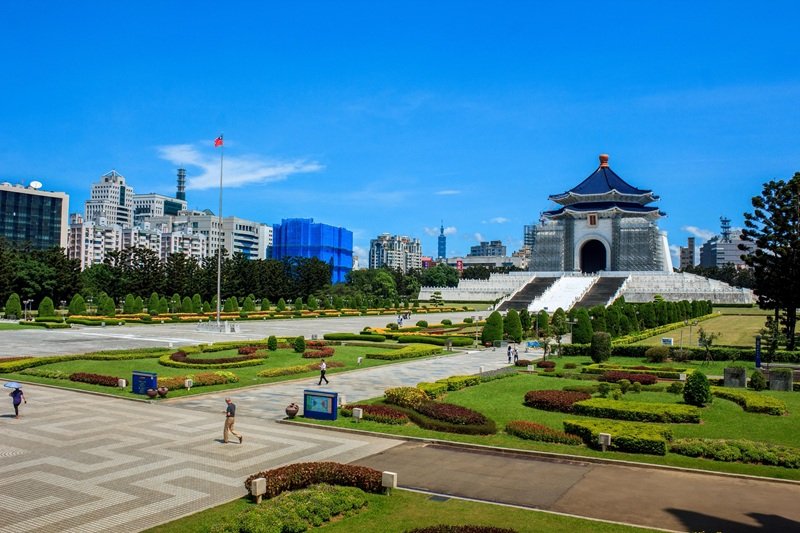
Is Taiwan Safe for Travelers
Taiwan is widely considered one of the safest destinations in Asia, but understanding what that actually means on the ground helps you travel with confidence. This guide breaks down real safety conditions across the island, from crime and scams to natural risks and everyday situations travelers encounter.
- How safe Taiwan really is today — current safety levels, travel advisories, and what to expect in cities and rural areas.
- Crime, scams, and personal safety — what risks exist, how rare they are, and how to avoid common issues.
- Natural risks to be aware of — earthquakes, typhoons, heat, and how to handle them without stress.
- Road safety and traffic reality — why scooters and crossings are the most important daily risk to understand.
- Is Taiwan safe right now — including geopolitical concerns and what they mean for travelers.
- Safety for solo travelers, women, and families — what makes Taiwan one of the easiest places to travel independently.
If you are planning your trip beyond safety considerations, this Taiwan travel guide gives a full overview of destinations across the island, while these Taiwan travel tips help you handle practical details and avoid common mistakes once you arrive.
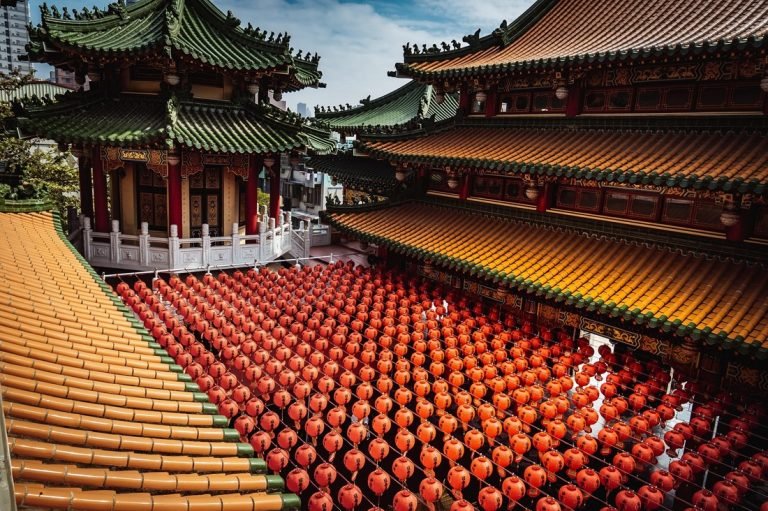
Is Taiwan Safe to Visit Right Now
Taiwan is consistently ranked as one of the safest countries in the world, but if you are planning a trip, the real question is not just “is Taiwan safe,” but what that actually looks like in everyday travel. For most visitors, safety in Taiwan feels almost effortless. Cities are clean and organized, public transport is reliable, and walking around — even at night — is generally comfortable and low stress.
That said, no destination is completely risk-free, and Taiwan is no exception. The difference here is that the risks are rarely related to crime. Instead, they come from everyday factors like traffic awareness, weather conditions, and the island’s natural environment. Understanding these details before you arrive makes a noticeable difference in how smooth and confident your trip feels once you are on the ground.
Another common concern travelers have is whether it is safe to travel to Taiwan right now, especially with headlines about regional tensions. In reality, daily life across the island continues normally, with millions of visitors traveling through cities like Taipei, Taichung, and Kaohsiung every year without disruption. For travelers, the experience remains stable, predictable, and easy to navigate.
If you are building a route across the island, this Taiwan itinerary helps you structure your trip efficiently, while this guide to getting around Taiwan explains how to move between destinations using trains, high-speed rail, and local transport. With a clear plan in place, Taiwan becomes one of the easiest countries in Asia to explore with confidence.
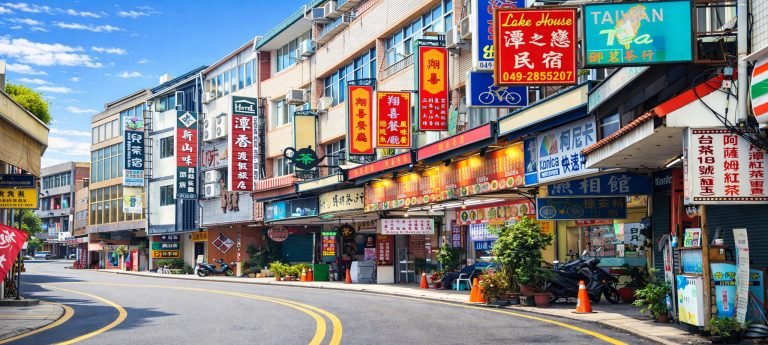
How Safe Is Taiwan Overall
- One of the safest countries in the world — Taiwan consistently ranks among the lowest crime destinations globally.
- Level 1 travel advisories — major governments advise only normal precautions for travelers.
- Very low violent crime — incidents involving tourists are extremely rare.
- Safe cities and regions — Taipei, Taichung, and Kaohsiung are all considered highly safe for visitors.
- Main risks are not crime-related — traffic, weather, and natural conditions are more relevant than personal safety.
Taiwan is widely regarded as one of the safest destinations in Asia, and for most travelers, that reputation holds true from the moment they arrive. Major travel advisories from countries such as the United States, Australia, Canada, and the United Kingdom consistently rate Taiwan at the lowest risk level, meaning travelers are advised to exercise only normal precautions. This places Taiwan in the same category as destinations like Japan and many parts of Western Europe, rather than higher-risk regions where additional caution is required. According to the U.S. travel advisory for Taiwan, the country is currently classified as Level 1, meaning travelers should exercise normal precautions. Similar guidance is provided by the Australia travel advice for Taiwan, which also considers Taiwan a low-risk destination for travelers.
In practical terms, safety in Taiwan feels straightforward and predictable. Violent crime is extremely rare, especially in areas visited by travelers, and everyday activities such as walking through city neighborhoods, using public transport, or exploring night markets generally feel comfortable at any time of day. Even in larger cities like Taipei and Kaohsiung, the atmosphere is calm and orderly, with a strong sense of public safety that is immediately noticeable.
One of the reasons Taiwan feels so safe is the combination of social norms and infrastructure. Public spaces are clean, transport systems are well managed, and there is a strong culture of respect for others. This creates an environment where travelers rarely feel targeted or out of place. It is also common to see locals going about their routines late into the evening, which contributes to the overall sense of safety in both central areas and quieter neighborhoods.
However, it is important to understand that “safe” in Taiwan does not mean completely risk-free. The key difference is that most risks are not related to crime. Instead, travelers are far more likely to encounter everyday challenges such as busy traffic, unpredictable weather, or the natural conditions of the island’s landscapes. These are manageable with basic awareness and do not typically interfere with travel plans when approached realistically.
For the majority of visitors, Taiwan is not a destination where safety concerns shape the itinerary. Instead, it is a place where you can focus on exploring, moving between regions, and experiencing the culture without constantly thinking about personal security. With a basic level of awareness and common-sense precautions, Taiwan consistently proves to be one of the easiest and most reassuring countries to travel through.
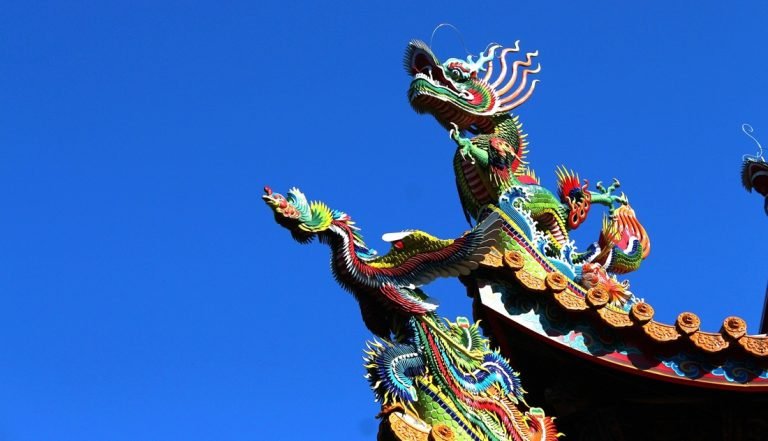
Crime, Scams & Personal Safety in Taiwan
- Extremely low violent crime — incidents involving travelers are rare across the island.
- Petty theft is uncommon — but can happen in crowded places like night markets.
- Scams exist but are rare — usually minor and easy to avoid with basic awareness.
- Safe to walk at night — cities and towns feel comfortable even late in the evening.
- Reliable transport and taxis — ride-hailing apps and registered taxis are widely trusted.
When it comes to crime and personal safety, Taiwan stands out as one of the most reassuring destinations you can travel to. Violent crime is extremely rare, particularly in areas visited by travelers, and most visitors will never encounter any serious safety concerns during their trip. This applies across major cities such as Taipei, Taichung, and Kaohsiung, as well as in smaller towns and rural areas.
Petty theft, while possible, is far less common than in many other popular travel destinations. In busy environments such as night markets, train stations, or crowded events, it is still worth keeping an eye on your belongings, but the overall risk remains low. Many travelers notice that everyday situations — like using a phone in public or carrying a backpack — feel far less stressful than in other parts of the world.
Scams do exist, but they are not widespread and are generally easy to avoid. Most involve minor situations such as inflated pricing in rare cases, staged small incidents, or misunderstandings rather than aggressive or organized schemes. Using common sense — such as choosing official taxis, confirming prices in advance when needed, and avoiding unusually pushy situations — is more than enough to stay comfortable.
While Taiwan has far fewer scams than many popular tourist destinations, learning to recognize common warning signs is still worthwhile. Many scams are not unique to one country but are used around the world. Our guide to recognizing common travel scams explains the most widespread scams travelers encounter and how to avoid them wherever you travel.
One of the most noticeable aspects of Taiwan is how safe it feels to move around at night. Streets remain active, convenience stores are open 24 hours, and public transport continues to operate smoothly in many areas. It is common for both locals and travelers to walk alone in the evening without concern, which contributes to a relaxed and confident travel experience.
Transport safety also adds to the overall sense of ease. Taxis are regulated, and ride-hailing services such as Uber are widely used and reliable. This makes it easy to move between neighborhoods or return to your accommodation without worrying about safety or unclear pricing.
Overall, personal safety in Taiwan is not something that tends to shape travel decisions. With a basic level of awareness and simple precautions, most visitors find that they can focus entirely on exploring rather than worrying about crime. For a broader overview of how to handle everyday situations and avoid small mistakes while traveling, these Taiwan travel tips provide additional practical guidance.
Natural Disasters & Weather Risks in Taiwan
- Frequent but manageable earthquakes — Taiwan sits on a seismic zone, but buildings and systems are designed for it.
- Typhoon season (May to November) — storms can disrupt travel temporarily but are well monitored.
- Heat and humidity — especially intense in summer, with real risk of dehydration or heat exhaustion.
- Mountain and hiking conditions — weather changes quickly in places like Taroko Gorge and Alishan.
- Well-prepared infrastructure — early warning systems and safety protocols are highly effective.
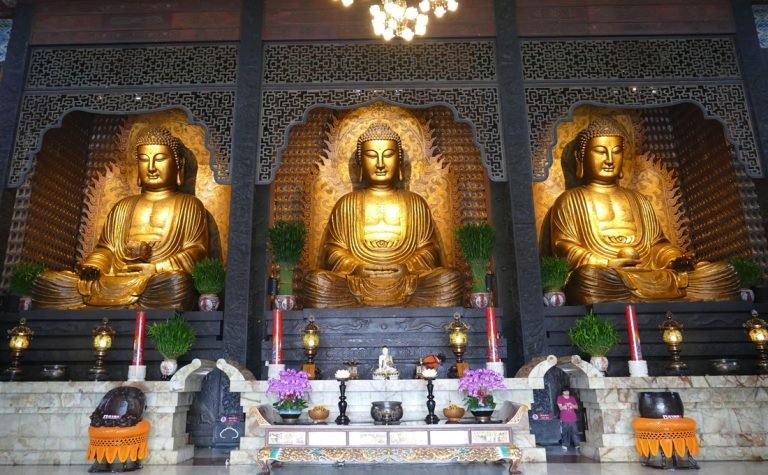
Unlike many destinations where safety concerns focus on crime, Taiwan’s main risks are linked to its natural environment. The island sits on an active tectonic boundary, which means earthquakes are relatively common. Most are minor and pass quickly without impact, and Taiwan’s modern buildings are constructed with strict earthquake-resistant standards. As a traveler, the most important thing to know is simple: if you feel shaking, stay calm and follow the basic “drop, cover, and hold on” principle. In practice, these events are rarely disruptive to travel.
Typhoons are another seasonal factor to be aware of, particularly between May and November. When a typhoon approaches, local authorities provide clear warnings, and cities respond quickly by closing schools, pausing transport, and advising people to stay indoors. While this can affect travel plans for a day or two, it is handled in an organized way, and disruptions are usually temporary rather than chaotic.
For many travelers, the most noticeable challenge is actually the climate. Taiwan can be hot and humid for much of the year, especially in summer. Long sightseeing days, city exploration, or hiking can become physically demanding if you are not prepared. Staying hydrated, taking breaks, and avoiding the peak midday heat are simple adjustments that make a big difference.
If you plan to visit mountainous regions such as Taroko Gorge or Alishan, it is important to understand that conditions can change quickly. Rain can affect trails, visibility may shift due to fog, and certain paths can close temporarily for safety reasons. These are normal conditions rather than exceptional situations, and the best approach is to keep your plans flexible rather than tightly scheduled.
Overall, Taiwan is exceptionally well prepared for natural risks. Early warning systems, clear communication, and strong infrastructure mean that most situations are managed efficiently. For travelers, these risks are something to be aware of rather than something to worry about, and they rarely interfere with the overall experience when approached with basic awareness.
Road Safety & Traffic in Taiwan
- Scooters dominate the roads — they are everywhere and move quickly through traffic.
- Pedestrian priority is not always respected — even at crossings, you need to stay alert.
- Busy intersections require attention — traffic flow can feel unpredictable at first.
- Driving culture differs from Western countries — expect more fluid and less rule-based behavior.
- Easy to adapt with awareness — once you understand the flow, navigating becomes straightforward.
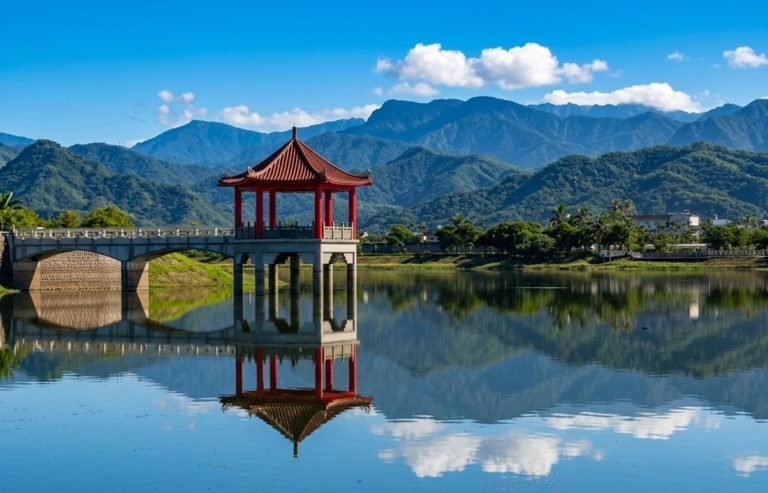
For most travelers, the biggest day-to-day safety adjustment in Taiwan is not crime, but traffic. Scooters are a defining part of Taiwanese cities, and their sheer number can feel overwhelming at first. They move quickly, filter through lanes, and often continue flowing even when cars are slowing down. This creates a dynamic road environment that requires a bit more attention than many visitors are used to.
Pedestrian crossings are where this difference becomes most noticeable. While traffic lights and crossings are clearly marked, drivers do not always yield in the same way as in some Western countries. Even when you have the right of way, it is important to check carefully before stepping into the road. Making eye contact with drivers and crossing with awareness quickly becomes second nature after a day or two.
Intersections can also feel busy, especially in larger cities. Traffic tends to move continuously, and scooters often position themselves at the front of lights, accelerating quickly when signals change. This is normal behavior in Taiwan and not considered aggressive, but it can take a short adjustment period for first-time visitors.
If you plan to rent a scooter or drive, it is important to be realistic about your comfort level. While it offers flexibility, navigating local traffic patterns, road signs, and mountain routes can be challenging without prior experience. For most travelers, public transport and taxis provide a much simpler and safer alternative, especially in cities.
The key takeaway is that road safety in Taiwan is about awareness rather than danger. Once you understand the rhythm of traffic and stay attentive at crossings, moving around becomes easy and predictable. With a bit of caution, this aspect of travel quickly shifts from something unfamiliar to something you handle naturally without stress.
Is It Safe to Travel to Taiwan Right Now
- No travel restrictions for tourists — Taiwan is fully open and operating normally.
- Daily life remains stable — cities, transport, and tourism function as usual.
- China tensions are ongoing but indirect — activity is political and military, not tourist-facing.
- No impact on travel experience — visitors move freely across the island without disruption.
- Millions of travelers visit every year — tourism continues without safety incidents related to geopolitics.
One of the most common questions travelers ask is whether it is safe to travel to Taiwan right now, particularly because of ongoing tensions between Taiwan and China. While these headlines can seem concerning from the outside, the reality on the ground is very different from how it is often portrayed in international media.
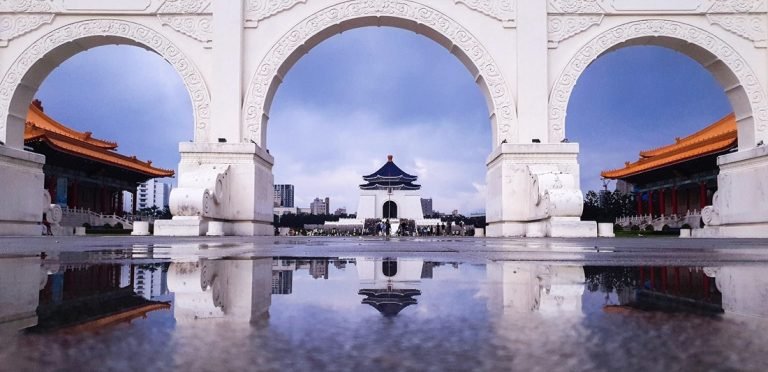
Daily life in Taiwan continues normally. Cities such as Taipei, Taichung, and Kaohsiung operate as usual, public transport runs smoothly, and tourist destinations remain fully accessible. Visitors move around the island without restrictions, and there are no special precautions required beyond normal travel awareness.
The political situation between Taiwan and China is ongoing, but it does not translate into direct risk for travelers. Military activity, such as airspace incursions or naval exercises, typically takes place away from populated areas and does not affect daily routines. For residents and visitors alike, these events are part of the broader geopolitical background rather than something that impacts everyday life.
Travel advisories from major countries continue to reflect this reality, maintaining Taiwan at low-risk levels and advising only standard precautions. There are no warnings that suggest tourists should avoid travel, and the country remains one of the most stable and predictable destinations in the region.
For travelers, the key takeaway is that Taiwan is safe to visit right now, and the geopolitical situation should not be a deciding factor when planning a trip. The experience on the ground is calm, organized, and welcoming, allowing you to focus on exploring the island rather than worrying about external factors.
Is Taiwan Safe for Solo Travelers, Women & Families
- Excellent for solo travel — easy to navigate, reliable transport, and a welcoming environment.
- Very safe for female travelers — low harassment levels and strong public safety culture.
- Family-friendly destination — clean cities, safe infrastructure, and convenient services.
- Comfortable day and night — moving around at all hours generally feels relaxed and secure.
- Inclusive and respectful society — Taiwan is known for being open and tolerant toward visitors.
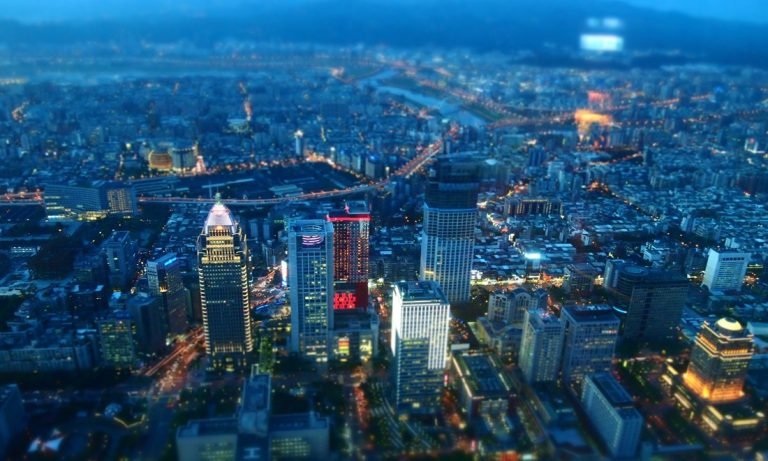
Taiwan is widely considered one of the easiest countries in Asia for solo travel. Moving between cities is straightforward, public transport is reliable, and signage is clear enough that even first-time visitors can navigate without difficulty. The overall atmosphere is calm and orderly, which makes exploring independently feel natural rather than intimidating.
For female travelers, Taiwan consistently ranks as one of the safest destinations in the region. Harassment is uncommon, public spaces feel respectful, and it is generally comfortable to walk alone during both the day and evening. Whether you are exploring busy night markets, using public transport, or returning to your accommodation late, the environment tends to feel secure and predictable.
Families will also find Taiwan easy to travel through. Cities are clean, transport systems are efficient, and everyday logistics such as finding food, restrooms, or convenience stores are simple. Attractions are well organized, and the overall pace of travel can be adjusted easily, making it suitable for both short visits and longer trips with children.
Another important aspect is how welcoming Taiwan feels overall. Visitors are rarely treated with suspicion or discomfort, and interactions with locals are typically polite and helpful. Even when there is a language barrier, communication is usually straightforward with basic tools such as translation apps.
While basic awareness is always important when traveling anywhere, Taiwan is a destination where safety concerns rarely shape how you plan your day. Instead, most travelers find that they can move freely, explore at their own pace, and focus on the experience rather than worrying about personal security.

Final Thoughts on Safety in Taiwan
For most travelers, Taiwan is not just safe — it is one of the easiest countries in the world to travel through with confidence. The combination of low crime rates, reliable infrastructure, and a respectful social environment creates a travel experience where safety rarely becomes a concern during the trip itself.
The key difference compared to many other destinations is that the main risks in Taiwan are not related to personal security. Instead, they come from everyday factors such as traffic awareness, weather conditions, and the natural environment. Once you understand these, traveling across the island becomes smooth, predictable, and low stress.
From walking through night markets to using public transport or exploring different regions, most visitors find that Taiwan feels comfortable at every stage of the journey. Whether you are traveling solo, as a couple, or with family, the overall experience is one where you can focus on discovering the country rather than thinking about safety. If you are still exploring where to go, this complete Taiwan travel guide gives a full overview of destinations across the island.
If you are planning your route, this guide to getting around Taiwan explains how to move efficiently between regions, while this Taiwan itinerary helps you structure your trip based on how much time you have.
For first-time visitors, starting in Taipei’s main attractions and neighborhoods is often the easiest way to get comfortable with the country, while heading south to Kaohsiung’s waterfront districts and markets offers a more relaxed and spacious atmosphere.
Overall, Taiwan stands out as a destination where safety supports the experience rather than limiting it. With a basic level of awareness and a flexible mindset, you can explore freely and enjoy everything the island has to offer without hesitation.
Is Taiwan Safe — Frequently Asked Questions
-
Is Taiwan safe for travelers?
Yes, Taiwan is considered one of the safest countries in the world for travelers. Crime rates are very low, and most visitors experience a smooth and worry-free trip. -
Is Taiwan safe to travel right now?
Yes, Taiwan is safe to travel to right now. Daily life continues normally across the island, and there are no restrictions affecting tourists or travel plans. -
Is it safe to travel to Taiwan because of China?
Yes, it is safe. While political tensions exist, they do not affect daily life or tourism. Visitors travel freely without disruption, and there is no direct risk to tourists. -
How safe is Taiwan compared to other countries?
Taiwan is safer than many popular travel destinations. It ranks similarly to countries like Japan, with very low crime and a strong sense of public safety. -
Is Taiwan safe for solo travelers?
Yes, Taiwan is one of the best destinations for solo travel. It is easy to navigate, well organized, and comfortable to explore independently. -
Is Taiwan safe for female travelers?
Yes, Taiwan is very safe for women traveling alone. Harassment is uncommon, and public spaces feel respectful and secure at all times of day. -
Is Taiwan safe for Americans and international visitors?
Yes, Taiwan is safe for Americans and visitors from all countries. There are no specific safety concerns targeting foreign travelers. -
Is it safe to walk around Taiwan at night?
Yes, walking at night is generally safe in Taiwan, especially in cities. Streets remain active, and the environment feels calm and well lit. -
What are the biggest safety risks in Taiwan?
The main risks are not crime-related. Traffic awareness, weather conditions, and natural events like earthquakes or typhoons are more relevant for travelers. -
Do tourists get scammed in Taiwan?
Scams are rare in Taiwan. Most travelers will not encounter any issues, but basic awareness is always recommended when dealing with prices or services. -
Is Taiwan safe for families?
Yes, Taiwan is very family-friendly. Clean cities, safe transport, and easy logistics make it a comfortable destination for traveling with children.

Comment (0)