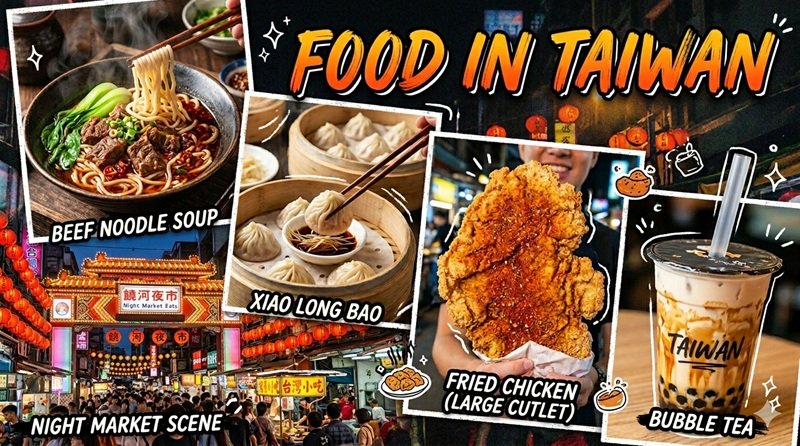
Food in Taiwan: What to Eat, Must-Try Dishes & Street Food Guide
Food in Taiwan is one of the biggest highlights of any trip. From busy night markets to small local restaurants, you will find a mix of street food, traditional Taiwanese dishes, and modern flavors that make eating in Taiwan both easy and memorable. If you are still planning your route, this complete Taiwan travel guide gives a broader overview of where to go across the island.
- Must-try food in Taiwan you should not miss
- Famous street food and night market dishes
- Traditional Taiwanese food and local specialties
- What to eat in Taiwan and where to find it
- How food varies between Taipei and other regions
If you are wondering what to eat in Taiwan, this guide breaks it down in a practical way. It helps you recognize the most popular food in Taiwan, understand where to try it, and plan your meals as you move across the island. Whether you are exploring cities like Taipei or traveling further south, knowing the best food in Taiwan will shape your entire experience. For a deeper dive into local markets, this Taiwan night market guide shows where to find some of the most iconic dishes.
Why Food Is One of the Best Reasons to Visit Taiwan
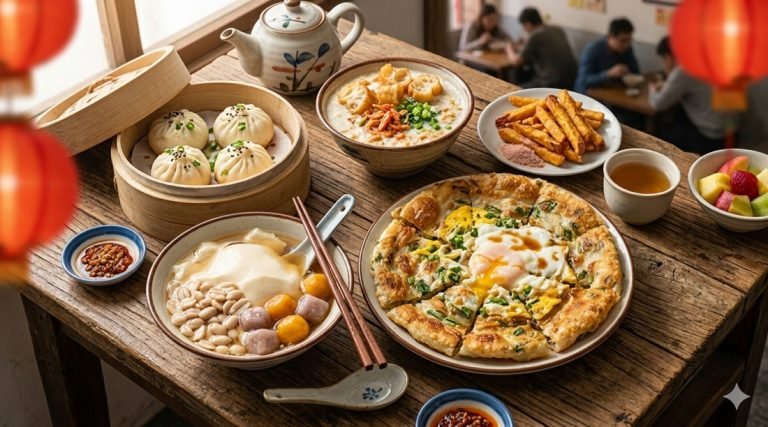
Food is one of the main reasons travelers fall in love with Taiwan. It is not just about individual dishes, but about how easy it is to find great food everywhere you go. From night markets filled with local specialties to small restaurants serving traditional recipes, eating in Taiwan feels effortless and constantly rewarding.
What makes food in Taiwan stand out is the balance between variety and accessibility. You can try multiple dishes in a single evening, move between street food and sit-down meals, and discover regional differences as you travel across the island. If you are planning your route, this Taiwan itinerary helps you connect destinations with the food experiences you will find along the way.
Cities like Taipei are known for their food culture, where night markets, local eateries, and modern restaurants all sit within walking distance. As you explore different regions, you will notice how flavors, ingredients, and specialties change depending on where you are. If you want to explore this in more detail, this Taipei travel guide highlights some of the best areas to experience local food and street markets.
Understanding what to eat in Taiwan turns your trip into something more intentional. Instead of randomly choosing meals, you start recognizing dishes, knowing where to find them, and building your days around experiences that are actually worth your time.
Taiwanese cuisine is influenced by a mix of regional Chinese traditions, Japanese flavors, and local ingredients, creating a food culture that feels both familiar and unique. Many dishes have evolved over time, combining different techniques and flavors into something distinctly Taiwanese. This overview of Taiwanese cuisine explains how these influences come together and why food in Taiwan is so diverse across different regions.
Types of Food in Taiwan (Quick Overview)
Food in Taiwan is not built around one style or one type of dining. Instead, it is a combination of everyday street food, traditional dishes, regional specialties, and modern influences that all exist side by side. Understanding how these categories fit together makes it much easier to decide what to eat and where to find it as you move across the island.
Food in Taiwan is deeply connected to everyday culture, where meals are not just about eating but about social interaction and shared experiences. From busy night markets to small local eateries, food plays a central role in daily life. According to Taiwan’s food culture and culinary traditions, the country’s cuisine reflects a blend of regional influences, history, and local ingredients that have shaped what you see on the table today.
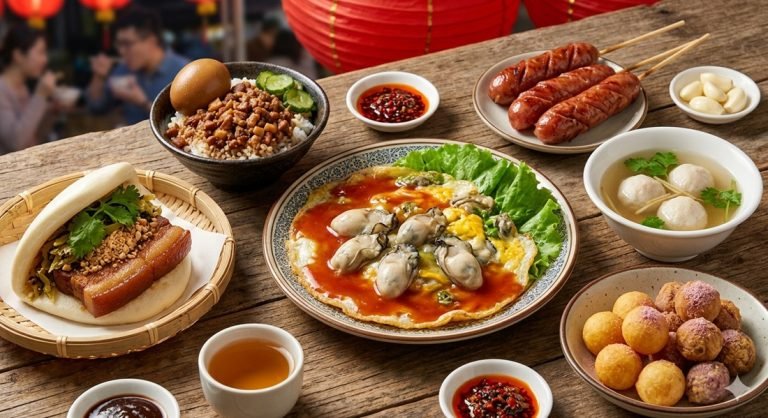
- Street food – Quick, affordable, and everywhere. You will find snacks like fried chicken, scallion pancakes, and grilled skewers on nearly every street corner, especially in busy areas and around transport hubs.
- Night market food – A central part of Taiwan’s food culture. Night markets combine dozens of food stalls in one place, allowing you to try multiple dishes in a single visit. These are the best places to experience variety without planning ahead.
- Traditional Taiwanese food – Everyday meals served in small restaurants, often focused on comfort dishes like braised pork rice, noodle soups, and dumplings. These are usually simple, filling, and consistent across the country.
- Regional specialties – Different parts of Taiwan have their own food identity. Southern cities lean more toward seafood and sweeter flavors, while older cities are known for traditional recipes and historic dishes.
- Breakfast culture – Taiwan has a strong breakfast scene with local items like soy milk, egg pancakes, and steamed buns. These are widely available and often overlooked by first-time visitors.
- Cafés and modern food – Particularly in cities like Taipei, you will find a mix of modern cafés and fusion restaurants that combine Taiwanese flavors with international influences.
Most travelers naturally move between these categories without realizing it. You might start your morning with a local breakfast, grab a quick street snack while exploring, and end your day in a crowded night market trying several dishes in one evening. This variety is what makes food in Taiwan feel dynamic rather than repetitive.
If you want to focus specifically on where to find the most iconic street food experiences, this guide to Taiwan’s night market food scene breaks down the most important markets and what to expect at each one.
As you move between destinations, these categories start to shift slightly. Cities like Taipei offer the widest range of options in a compact area, while places further south or along the east coast feel more local and less influenced by international trends. If you want to connect food experiences with specific destinations, this Taiwan travel overview helps you see how different regions fit into a broader itinerary.
Understanding these food categories gives you a practical framework. Instead of guessing what to eat, you start recognizing patterns, knowing where to look, and making faster decisions about what is actually worth trying during your trip.
Must-Try Food in Taiwan
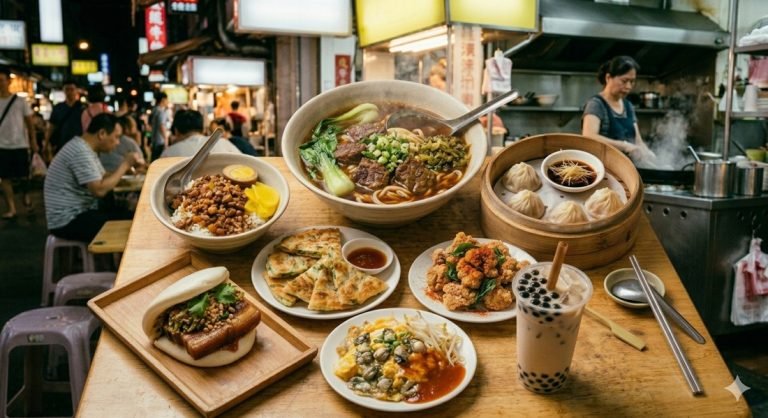
If you only have a few days, focus on a small set of dishes that consistently represent the best of Taiwanese food. These are easy to find, widely loved, and give you a strong sense of what eating in Taiwan is all about.
- Classic dishes you will see across the island
- Street food staples found in night markets
- Meals worth seeking out beyond quick snacks
- What each dish tastes like and when to eat it
Beef Noodle Soup
Beef noodle soup is one of the most famous dishes in Taiwan. It combines slow-braised beef, rich broth, and chewy noodles into a filling meal that is both comforting and widely available.
You will find it in dedicated noodle shops across cities like Taipei and Kaohsiung. Variations range from clear, lighter broths to deeper, soy-based versions with stronger flavors. It is typically eaten as a lunch or dinner dish rather than a quick snack.
If you are exploring the capital, this Taipei food and neighborhood guide highlights areas where this dish is easy to find alongside other local favorites.
Lu Rou Fan (Braised Pork Rice)
Lu rou fan is one of the most common everyday meals in Taiwan. It is a simple bowl of rice topped with slow-cooked minced pork in a rich, slightly sweet soy-based sauce.
This dish is inexpensive, quick to serve, and found in small local restaurants throughout the country. It is often paired with pickled vegetables or a boiled egg, making it a practical option for both lunch and dinner.
Xiao Long Bao (Soup Dumplings)
Xiao long bao are delicate dumplings filled with meat and hot broth. When eaten properly, they release a burst of flavor, making them one of the most memorable food experiences in Taiwan.
They are typically served in restaurants rather than street stalls and are especially popular in Taipei. Expect to share a basket rather than order a single portion for yourself.
Taiwanese Fried Chicken
Taiwanese fried chicken is a street food staple, known for its crispy coating and bold seasoning. It is usually served as a large cutlet or in bite-sized pieces, often with spices like pepper, garlic, and chili.
You will find it in night markets and street stalls across the island. It is best eaten fresh and hot while exploring, rather than as a sit-down meal.
Scallion Pancakes
Scallion pancakes are crispy on the outside and soft on the inside, with a savory flavor from green onions layered into the dough. They are a popular snack that can be eaten at any time of day.
Some variations include egg or additional fillings, turning them into a more substantial street meal. They are easy to find near markets and busy walking areas.
Oyster Omelette
The oyster omelette is a well-known Taiwanese dish combining eggs, oysters, and a slightly starchy batter, topped with a sweet-savory sauce. The texture is different from a typical omelette, which can surprise first-time visitors.
It is most commonly found in night markets and is worth trying at least once as part of the broader street food experience.
Gua Bao (Taiwanese Pork Bun)
Gua bao is often described as a Taiwanese-style sandwich. It features braised pork belly served inside a soft steamed bun, usually topped with pickled greens, crushed peanuts, and herbs.
It is easy to eat on the go and commonly found in markets and street stalls, making it a convenient option when you are moving between locations.
Bubble Tea
Bubble tea originated in Taiwan and is widely available throughout the country. It typically combines tea, milk, and chewy tapioca pearls, though many variations exist.
You will find dedicated drink shops everywhere, and it is common to grab one while walking between sights or after a meal.
Many of these dishes are easiest to try in night markets, where variety is highest and everything is concentrated in one place. If you want to plan where to go, this night market locations guide shows where to find the best food spots across Taiwan.
In practice, the best approach is to mix these dishes into your itinerary rather than trying to eat everything at once. As you move between cities, you will naturally come across different variations, making each meal part of the overall travel experience.
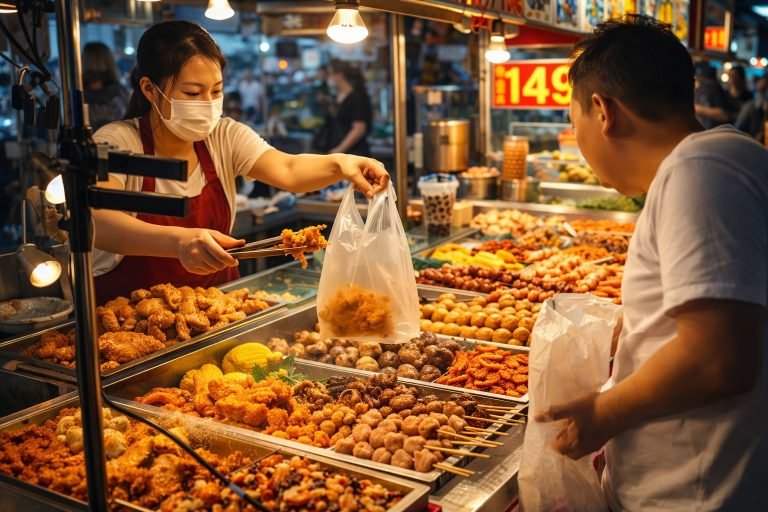
What to Eat at Night Markets in Taiwan
Night markets are the center of Taiwan’s street food culture. This is where you experience the widest variety of dishes in one place, from quick snacks to full meals, all served fresh and often prepared right in front of you. If you want to understand food in Taiwan in a practical way, night markets are where it all comes together.
- Best street food dishes to try in one place
- What to prioritize when choices feel overwhelming
- How to navigate crowds and long lines
- What typical prices look like at night markets
- When to go for the best experience
Unlike restaurants, night markets are designed for variety. Instead of committing to a single meal, you move between stalls, trying small portions of different dishes. This makes it possible to experience multiple flavors in one evening, which is why night markets are often the highlight of eating in Taiwan.
What to Try First
If it is your first visit, focus on a mix of well-known and easy-to-eat dishes. Fried chicken, scallion pancakes, dumplings, and gua bao are all widely available and give you a good introduction to Taiwanese street food. Drinks like bubble tea are also easy to find and pair naturally with these snacks.
If you want a deeper breakdown of where to go and what to expect, this complete night market food guide for Taiwan explains the main locations across the island.
How Night Markets Work
Most night markets follow a similar layout. You walk through rows of stalls, order directly from vendors, and either eat standing nearby or take your food to a seating area if one is available. Payment is usually cash, and queues often indicate popular stalls worth trying.
When to Go
Night markets typically start getting busy in the early evening and peak between 7 PM and 9 PM. Arriving slightly earlier gives you more space and shorter wait times, while later visits bring more energy but also larger crowds.
Experiences vary slightly by location. Taipei markets tend to be larger and busier, while cities like Kaohsiung or Tainan often feel more local and relaxed. If you want specific recommendations, this Shilin night market guide, this Raohe street food guide, and this Fengjia night market breakdown each show what to expect in different parts of Taiwan.
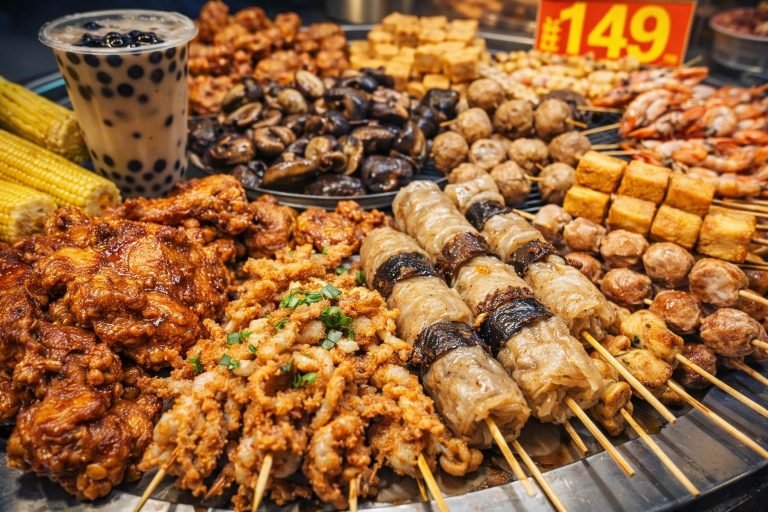
How Much Food Costs at Night Markets
Dining at a Taiwanese night market is generally affordable, though prices in popular Taipei markets like Shilin or Raohe can be slightly higher than in southern cities such as Tainan or Kaohsiung.
Most individual snacks typically range between NT$40 and NT$100 (about $1.25–$3.15 USD). While each item is inexpensive, most visitors spend around NT$250 to NT$450 ($8–$14 USD) per person to try a variety of dishes in one visit.
- Sweet potato balls: NT$30–50 ($0.95–$1.55)
- Bubble tea or fresh juice: NT$50–80 ($1.55–$2.50)
- Black pepper bun: NT$55–65 ($1.70–$2.00)
- Stinky tofu (fried): NT$60–80 ($1.90–$2.50)
- Oyster omelet: NT$70–100 ($2.20–$3.15)
- Large fried chicken cutlet: NT$90–120 ($2.80–$3.75)
- Grilled squid or seafood: NT$100–180 ($3.15–$5.60)
In practical terms, you can approach night markets in different ways:
- Quick snack stop (~NT$150): 2–3 small items and a drink
- Full night market meal (~NT$350): a main dish, side, dessert, and drink
- Premium experience (~NT$500+): seafood, larger portions, or sit-down stalls
A few practical tips help you get the most out of your budget:
- Bring cash: Most stalls do not accept cards
- Order small portions: This lets you try more variety
- Mix snacks and meals: Combine quick bites with one larger dish
In practice, the best strategy is simple: arrive with an open mind, try a few popular dishes first, and then explore smaller stalls as you go. This approach keeps the experience flexible and makes it easy to discover some of the most memorable food in Taiwan.
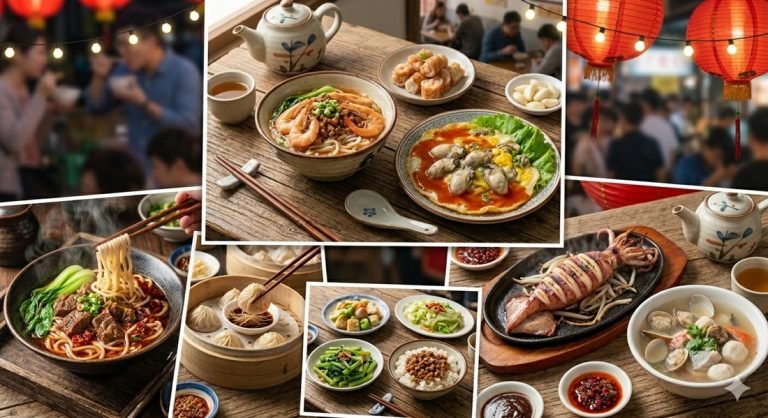
Regional Food Differences Across Taiwan
Food in Taiwan changes noticeably depending on where you are. While many dishes are available across the island, regional differences in flavor, ingredients, and cooking styles become more obvious as you move between cities. Understanding these variations helps you decide what to eat in each destination rather than repeating the same meals throughout your trip.
- Taipei offers the widest variety, including modern and international influences
- Tainan is known for traditional recipes and slightly sweeter flavors
- Kaohsiung focuses more on seafood and casual street food
- The east coast has simpler, more local food influenced by geography
- Mountain regions emphasize fresh ingredients and traditional cooking
Food in Taipei: Variety and Innovation
Taipei is the most diverse food destination in Taiwan. You will find everything from classic street food and night markets to modern cafés and international cuisine. This makes it an ideal starting point, especially if you want to try a wide range of dishes without traveling far.
Night markets in Taipei are larger and more varied, and the city also has some of the best restaurants for dishes like beef noodle soup and xiao long bao. If you want to explore where to eat and how food fits into different neighborhoods, this Taipei food and attractions guide highlights the best areas to start.
Food in Tainan: Traditional and Flavorful
Tainan is often considered the food capital of Taiwan. The city is known for preserving traditional recipes and offering a more local, authentic food experience compared to Taipei.
Dishes here tend to be slightly sweeter, and you will find many long-established eateries that specialize in one dish perfected over time. Eating in Tainan feels less commercial and more rooted in local culture, making it a strong destination if food is a major focus of your trip. If you are planning to spend time in the city, our guide to the best things to do in Tainan covers the main attractions, neighborhoods and practical planning alongside the food experience.
Food in Kaohsiung: Casual and Seafood-Focused
Kaohsiung offers a more relaxed food scene compared to Taipei, with a strong emphasis on seafood and casual dining. Being a port city, fresh seafood is more prominent, and night markets feel slightly less crowded and more local.
Street food remains a key part of the experience, but the atmosphere is generally less hectic than in northern cities. If you are planning to explore the south, this Kaohsiung travel and food overview helps you understand where to go and what to expect.
East Coast and Rural Areas: Simpler, Local Food
The east coast, including areas around Hualien and Taroko Gorge, offers a different food experience. Meals here are often simpler, with a stronger focus on fresh ingredients rather than complex preparation.
Options can be more limited compared to major cities, but this is part of the appeal. Food feels more local, less influenced by tourism, and closely tied to the surrounding landscape. If you are traveling through this region, this Taroko and Hualien travel guide gives a better sense of what to expect.
How to Plan Your Food Experience by Region
The best approach is to adjust your expectations based on where you are. In Taipei, focus on variety and trying different types of cuisine. In Tainan, prioritize traditional dishes and well-known local specialties. In Kaohsiung, explore seafood and night markets at a slower pace. Along the east coast, keep things simple and enjoy what is locally available.
If you are building your route around food experiences, this Taiwan route planning guide helps you connect these regions into a practical travel plan.
Understanding these regional differences adds depth to your trip. Instead of repeating the same meals, you experience how food evolves across Taiwan, making each stop feel distinct and more memorable.
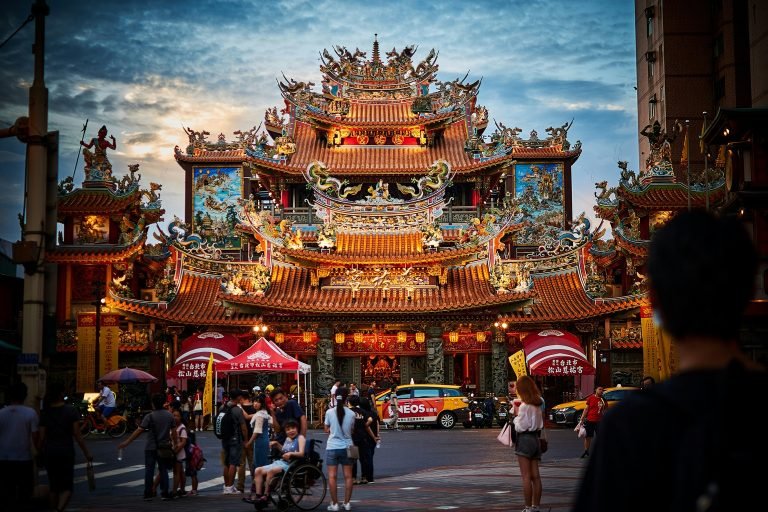
Street Food vs Restaurants: What to Choose
One of the biggest advantages of food in Taiwan is that you do not have to choose between street food and restaurants. Both are widely available, and most travelers end up combining the two. The key is knowing when each option makes more sense so you can eat efficiently without overthinking every meal.
- Choose street food when you want variety, speed, and a more local experience
- Choose restaurants when you want to sit down, relax, and eat a full meal
- Street food is cheaper and ideal for trying multiple dishes in one outing
- Restaurants offer consistency and are better for specific dishes like dumplings or noodle soups
- Most trips combine both rather than relying on one style of eating
When Street Food Makes More Sense
Street food is the best choice when you want to explore and try different dishes without committing to a full meal. It works especially well in the evening when night markets are active and food options are concentrated in one place.
You can move quickly between stalls, try small portions, and discover dishes you might not have planned for. This makes street food ideal for first-time visitors who want to experience the range of food in Taiwan in a short amount of time.
If you are planning where to start, this Taiwan street food and night market guide highlights the most practical locations to explore.
When Restaurants Are the Better Option
Restaurants are the better choice when you want a more comfortable setting or when the dish itself benefits from being prepared and served properly. Meals like xiao long bao or beef noodle soup are often best experienced in a sit-down environment.
They also provide a break from walking and crowds, which becomes important if you are traveling for multiple days and eating most meals outside. In larger cities, restaurants can still be casual and affordable while offering more structure than street stalls.
If you are exploring city food scenes in more detail, this Taipei dining and food areas guide and this Kaohsiung local food overview show where restaurants and markets fit into each destination.
Price and Experience Differences
Street food is generally the most budget-friendly option. You can try several dishes for the price of one restaurant meal, making it ideal if you want variety. Restaurants cost slightly more, but the difference is usually modest compared to other countries.
The experience is also different. Street food is faster, louder, and more dynamic, while restaurants offer a slower pace and more comfort. Neither is better overall, they simply serve different purposes depending on your schedule and energy level.
What Most Travelers Get Wrong
A common mistake is relying too heavily on one option. Some travelers eat only street food and miss out on well-prepared dishes, while others stick to restaurants and skip the variety that makes Taiwan’s food scene unique.
The best approach is to mix both. Use street food to explore and try new things, then use restaurants when you want a proper meal or a break from crowds. This balance keeps your experience varied and prevents food fatigue over longer trips.
In practice, this means you might explore a night market in the evening, grab quick street snacks during the day, and sit down for a more structured meal when needed. This flexible approach is what makes eating in Taiwan feel easy rather than overwhelming.
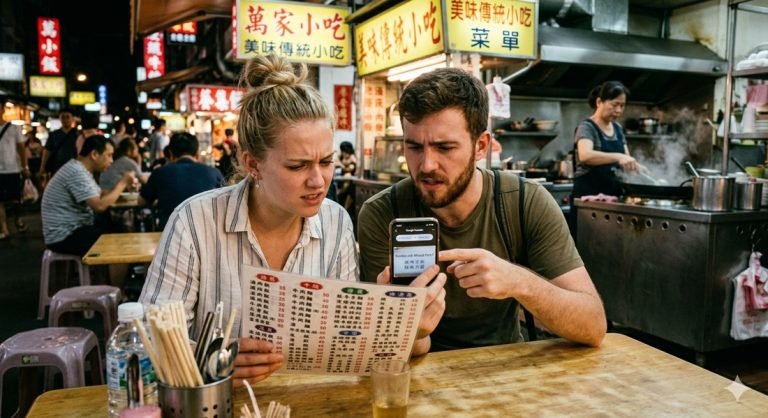
How to Order Food in Taiwan (Without Stress)
Ordering food in Taiwan is easier than it might seem at first. Even if you do not speak Mandarin, most places are used to international visitors, and there are simple ways to get what you want without confusion. Once you understand how ordering typically works, it becomes quick, efficient, and part of the overall experience.
- Use photos and menus – Many places display pictures, making it easy to point and order
- QR code ordering is common – Scan, select your dishes, and order directly from your phone
- Use AI translation – Take a photo of the menu and translate it instantly into English
- Street stalls are straightforward – Point, say the quantity, and pay
- Cash is still widely used, especially at night markets
Ordering at Street Stalls and Night Markets
Street food is the easiest place to order. Most stalls have visual menus or display the food directly, so you can simply point to what you want. Vendors are used to this and the process is quick.
You usually order, pay, and either wait nearby or receive your food immediately. Prices are clearly displayed at most stalls, and individual items typically cost between NT$40 and NT$120 ($1.25–$3.75 USD), making it easy to try multiple dishes without committing to a full meal.
If you are exploring markets for the first time, this night market navigation guide explains how to move between stalls and choose what is worth trying.
Ordering in Restaurants
Restaurants in Taiwan range from simple local eateries to more modern dining spots. In many places, you will find one of three systems:
- Paper menu – Tick what you want and hand it back
- QR code ordering – Scan with your phone and order digitally
- Traditional ordering – Point at the menu or say the dish name
QR code systems are especially common in cities and are usually easy to use, even without speaking the language. Many include English translations or photos, making the process straightforward.
Restaurant prices are still reasonable. A typical meal such as beef noodle soup or a rice dish usually costs between NT$120 and NT$250 ($3.75–$8 USD), depending on the location and portion size.
Language and Communication
In major cities, basic English is often enough for simple interactions. Outside urban areas, communication may be more limited, but ordering is still manageable thanks to visual menus and simple gestures.
A very practical solution is to use AI translation on your phone. Taking a photo of a menu and translating it instantly into English makes it easy to understand ingredients and choose dishes without guessing. This works well in both restaurants and smaller local eateries.
Portions and Ordering Strategy
Portion sizes vary depending on the type of food. Street food is usually small and designed for sharing or sampling, while restaurant dishes are more substantial.
A good strategy is to order lightly at first, especially in night markets, then add more dishes as you go. This allows you to try more variety without overordering. For most visitors, a full meal combining several items ends up costing around NT$250 to NT$400 ($8–$13 USD).
Payment and Practical Tips
Cash is still the most reliable payment method, particularly at street stalls and smaller restaurants. Larger establishments may accept cards, but it is always safer to carry small bills.
- Bring small notes to speed up transactions
- Do not expect tipping, it is not part of the culture
- Be patient at busy stalls, queues usually mean better food
Once you get used to the system, ordering food in Taiwan becomes quick and intuitive. It removes uncertainty and allows you to focus on trying new dishes rather than worrying about how to ask for them.
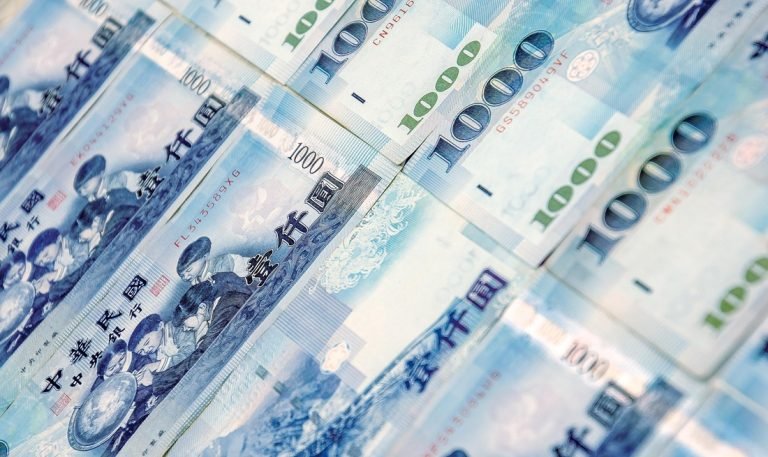
How Much Food Costs in Taiwan
Food in Taiwan is one of the easiest parts of your trip to manage financially. With a flexible approach, you can eat well, try a wide range of dishes, and stay within your budget without making sacrifices. If you want a broader breakdown of accommodation, transport, attraction, and daily travel costs across the island, this complete Taiwan cost guide explains how much travelers realistically spend while exploring Taiwan.
- Street food is the cheapest and most flexible option
- Local restaurants offer full meals at moderate prices
- Night markets allow you to try multiple dishes in one evening
- Food costs vary slightly between Taipei and southern cities
- You can eat comfortably on almost any budget
Typical Food Prices in Taiwan
Most everyday food falls into a predictable price range. Street snacks are inexpensive, while restaurant meals cost slightly more but remain accessible.
| Food Type | Price (TWD) | Price (USD) |
|---|---|---|
| Street food snack | NT$40 – 100 | $1.25 – $3.15 |
| Drink (bubble tea / juice) | NT$50 – 80 | $1.55 – $2.50 |
| Simple local meal | NT$120 – 200 | $3.75 – $6.25 |
| Restaurant meal | NT$150 – 300 | $4.70 – $9.50 |
| Seafood or premium dish | NT$300 – 600+ | $9.50 – $19+ |
Daily Food Budget
How much you spend on food depends on how you eat. Most travelers fall into one of these patterns:
- Budget (NT$200–350 / $6–$11): Mostly street food and simple local meals
- Mid-range (NT$350–600 / $11–$19): Mix of street food and restaurants
- Higher spend (NT$600+ / $19+): Regular restaurant meals and occasional premium dishes
In practice, most visitors naturally land in the mid-range category because it allows them to try a wide variety of food without overspending.
Night Market Spending
Night markets are one of the easiest ways to control your food budget while still trying a lot of dishes. Because portions are small, you can mix and match based on how hungry you are.
- Light visit (~NT$150): 2–3 snacks and a drink
- Full food experience (~NT$300–450): multiple dishes, dessert, and drinks
- Premium choices (~NT$500+): seafood or larger sit-down options
If you want to plan where to go, this night market food locations guide shows the best places to try these dishes across Taiwan.
Does Food Cost More in Taipei?
Prices in Taipei are slightly higher than in other parts of Taiwan, especially in popular areas and well-known night markets. However, the difference is not dramatic, and food remains affordable even in the capital.
Cities like Tainan and Kaohsiung tend to offer slightly lower prices and a more local feel, but the overall cost difference is small enough that it should not impact your itinerary.
How to Save Money on Food
- Eat at night markets to try multiple dishes at low cost
- Choose local restaurants instead of tourist-focused spots
- Order smaller portions to try more variety
- Mix street food and meals to balance cost and experience
Food in Taiwan is one of the easiest parts of your trip to manage financially. With a flexible approach, you can eat well, try a wide range of dishes, and stay within your budget without making sacrifices.

How Food Fits Into Your Taiwan Itinerary
Food in Taiwan is not something you plan separately from your trip. It naturally fits into how you move between cities, explore neighborhoods, and structure your days. Instead of building your itinerary around restaurants, you build your route and let food experiences happen along the way.
- Combine sightseeing with nearby food areas and night markets
- Use cities as food hubs rather than isolated meal stops
- Plan evenings around night markets for maximum variety
- Keep daytime meals simple and flexible
- Adjust your food plans based on region and travel pace
Plan Your Days Around Locations, Not Meals
The easiest way to approach food in Taiwan is to group activities by area. When you stay within one neighborhood or district, you naturally come across multiple food options without needing to search for them.
For example, a day in Taipei might include sightseeing during the afternoon followed by a night market visit in the evening. This reduces travel time and keeps your day relaxed instead of constantly moving across the city.
If you are mapping out your route, this Taiwan travel route planner shows how different destinations connect in a practical way.
Use Cities as Food Hubs
Each major city in Taiwan has its own food identity, which makes it useful to treat them as food hubs rather than just places to sleep. Taipei offers the most variety, while southern cities like Kaohsiung provide a more relaxed and local experience.
Instead of trying to find every dish in one place, let each city introduce you to different styles of food. This keeps the experience fresh and prevents repetition.
To understand how food connects with each destination, this Taiwan destination overview helps you see where each region fits into your trip.
Make Evenings About Night Markets
Night markets are one of the easiest ways to experience food in Taiwan without overplanning. Because they offer so much variety in one place, they naturally fit into the evening part of your day.
After a day of exploring, heading to a night market allows you to try multiple dishes without committing to a single restaurant. This also reduces the need to research specific places in advance.
If you want to decide which markets to visit, this Taiwan night market planning guide highlights the best options across the island.
Keep Daytime Meals Flexible
During the day, it is usually best to keep meals simple. Street food, small restaurants, and quick snacks allow you to eat without interrupting your schedule.
This flexibility is important when moving between attractions or traveling between cities. Instead of scheduling meals, you eat when it fits naturally into your day.
Adjust Based on Region
As you move through Taiwan, your food experience should adapt. Cities offer more variety and structured dining options, while smaller towns and rural areas focus more on local, simple dishes.
Understanding this helps you set expectations and avoid unnecessary searching in places where options are naturally more limited.
In practice, food becomes part of your travel rhythm rather than something you have to organize. By aligning meals with your route and surroundings, you create a smoother and more enjoyable experience throughout your trip.
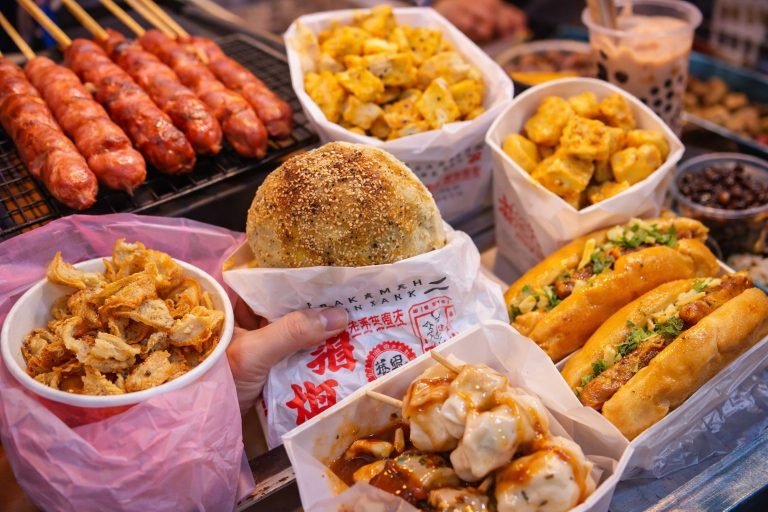
Final Thoughts on Food in Taiwan
Food in Taiwan is not something you need to overplan, but understanding how it works makes a big difference. Once you know what to eat, where to find it, and how to approach meals throughout the day, everything becomes easier and more enjoyable. Instead of searching constantly, you start recognizing good options instantly.
- Mix street food and restaurants instead of relying on just one
- Use night markets to try multiple dishes in one place
- Adjust your expectations depending on the region
- Keep meals flexible rather than planning every stop
- Focus on variety instead of trying to find “the best” single place
The biggest advantage of food in Taiwan is how accessible it is. You do not need reservations, large budgets, or detailed planning to eat well. Great food is built into the daily rhythm of the country, which means you can focus on exploring rather than organizing every meal.
At the same time, knowing the basics helps you avoid common mistakes. Relying only on restaurants can limit your experience, while eating only street food can mean missing out on well-prepared dishes. The best approach is to combine both, using street food for variety and restaurants for more structured meals.
Food also connects naturally with how you travel across the island. Cities like Taipei offer the widest range of options, while places further south or along the east coast feel more local and less influenced by international trends. If you are still deciding where to go, this Taiwan travel planning guide shows how different destinations fit together.
To turn this into a practical route, this Taiwan itinerary breakdown helps you connect cities and food experiences into a smooth plan. And if you want to focus specifically on street food, this Taiwan night market overview highlights where to find the most iconic dishes.
In the end, food in Taiwan works best when you stay flexible. Instead of trying to follow a strict list, explore, try different things, and let each place guide your choices. This approach keeps your experience varied and makes every day feel different without adding complexity to your trip.

Food in Taiwan FAQ
-
What is the most famous food in Taiwan?
Beef noodle soup is often considered the most famous food in Taiwan, along with dishes like xiao long bao, lu rou fan, and Taiwanese fried chicken. These are widely available and represent the core of Taiwanese cuisine. -
What food should I try in Taiwan for the first time?
Start with a mix of street food and traditional dishes. Popular options include fried chicken, scallion pancakes, dumplings, gua bao, and bubble tea. Visiting a night market is the easiest way to try several dishes in one place. -
What is the best street food in Taiwan?
Some of the best street food in Taiwan includes fried chicken cutlets, stinky tofu, oyster omelets, scallion pancakes, and black pepper buns. These are commonly found in night markets across the country. -
Is street food in Taiwan safe to eat?
Yes, street food in Taiwan is generally safe. High turnover, fresh ingredients, and well-established vendors make it one of the safer street food scenes in Asia. Choosing busy stalls with queues is usually a good indicator of quality. -
How much does food cost in Taiwan?
Street food typically costs between NT$40 and NT$100 ($1.25–$3.15 USD), while restaurant meals usually range from NT$120 to NT$300 ($3.75–$9.50 USD). A full night market experience often costs around NT$250 to NT$450 ($8–$14 USD). -
What is traditional Taiwanese food?
Traditional Taiwanese food includes dishes like braised pork rice (lu rou fan), beef noodle soup, dumplings, and simple rice or noodle-based meals. These are commonly served in small local restaurants across Taiwan. -
What is food like in Taipei?
Food in Taipei is diverse and easy to access. You will find everything from night markets and street food to modern cafés and international restaurants. It is one of the best cities in Taiwan to explore a wide range of dishes. -
What to eat in Taipei, Taiwan?
In Taipei, you should try beef noodle soup, xiao long bao, night market street food, and bubble tea. Exploring areas with night markets is one of the easiest ways to experience the local food scene. -
What is the difference between Taiwanese food and Chinese food?
Taiwanese food shares some influences with Chinese cuisine but has its own identity. It tends to be lighter, slightly sweeter in some regions, and strongly influenced by local ingredients, Japanese cuisine, and street food culture. -
Are there vegetarian or vegan food options in Taiwan?
Yes, Taiwan has many vegetarian and vegan options, often labeled clearly in restaurants. Buddhist vegetarian cuisine is common, and many places offer plant-based dishes. -
Do I need to speak Chinese to order food in Taiwan?
No, you can order food using menus, photos, or by pointing. QR code ordering and AI translation tools make it even easier to understand menus and place orders without speaking the language. -
Is food expensive in Taiwan compared to other countries?
No, food in Taiwan is generally affordable. Compared to Western countries, prices are lower while quality remains high, especially for street food and local meals. -
What is a typical food budget per day in Taiwan?
Most travelers spend between NT$250 and NT$600 ($8–$19 USD) per day on food, depending on how often they eat at restaurants versus street food stalls. -
What is the best way to experience food in Taiwan?
The best way is to combine street food, night markets, and local restaurants. This gives you variety, keeps costs low, and allows you to experience both casual and traditional dining.
Travel Resources to Plan, Book & Stay Connected
Use these tools and guides to stay connected abroad, find inspiration for your next trip, and book your flights, stays and gear with confidence.
Disclosure: This article may contain affiliate links. If you make a purchase through a link, I may receive a commission at no extra cost to you. I only share recommendations I believe are genuinely useful, and all opinions are my own. AI was used in this post for research and drafting purposes.

Comment (0)