
Brazil Travel Tips: What You Need to Know Before You Go
Most travelers can visit Brazil without major issues, but planning your trip properly makes a huge difference. Brazil is not a place where you can improvise everything on the go — distances are vast, logistics matter, and small mistakes can cost time or money. If you prepare the basics in advance, your trip becomes significantly smoother and far more enjoyable. If you are still mapping out your route, this guide to Brazil’s main destinations helps you connect destinations into a realistic itinerary.
- Most travelers should plan flights between regions — Brazil is massive, and long-distance buses are not always practical.
- Use Uber or rideshare apps at night — especially in major cities like Rio de Janeiro and São Paulo.
- Keep a low profile with valuables — simple habits significantly reduce the risk of petty theft. If safety is a concern, this Rio safety guide gives a realistic breakdown of what to expect.
- Carry some cash for smaller areas — cards are widely accepted, but not everywhere.
- Apply for your eVisa in advance if required — do not leave this until the last minute.
- Plan your route by region, not by distance — travel times are longer than they look on a map. This travel route guide shows how to structure a trip efficiently.
If you follow these core Brazil travel tips, you will avoid the most common mistakes and spend less time dealing with logistics and more time actually enjoying the country. For a broader perspective on risks and how to manage them, this complete Brazil safety breakdown for travelers gives a clearer understanding of what to expect before you go. The sections below break down everything you need to know in detail, from entry requirements to safety, transport, and regional planning.
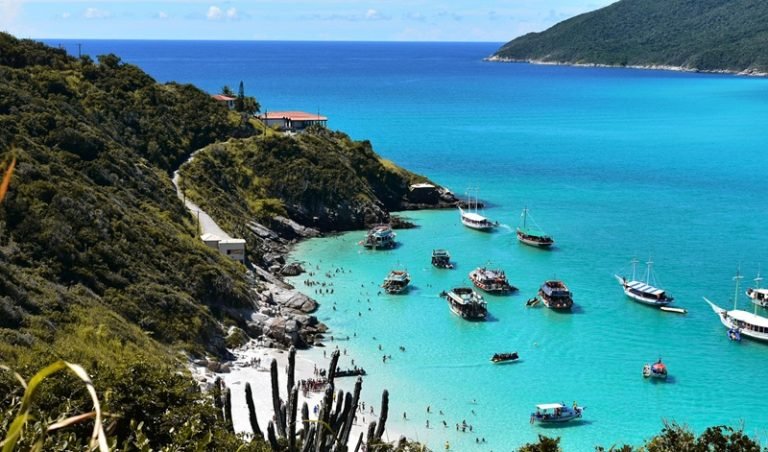
Brazil Travel Tips: What to Know Before Visiting
Traveling in Brazil can feel overwhelming at first. It is a huge country with long distances, different regional dynamics, and a reputation that often raises questions about safety and logistics. The good news is that most travelers have an incredible experience once they understand how things actually work on the ground.
These Brazil travel tips focus on what really matters when planning your trip. You do not need to overcomplicate things, but you do need to make a few smart decisions early on. Knowing when to fly instead of taking a bus, how to move around cities safely, and where to base yourself will have a much bigger impact than trying to see everything.
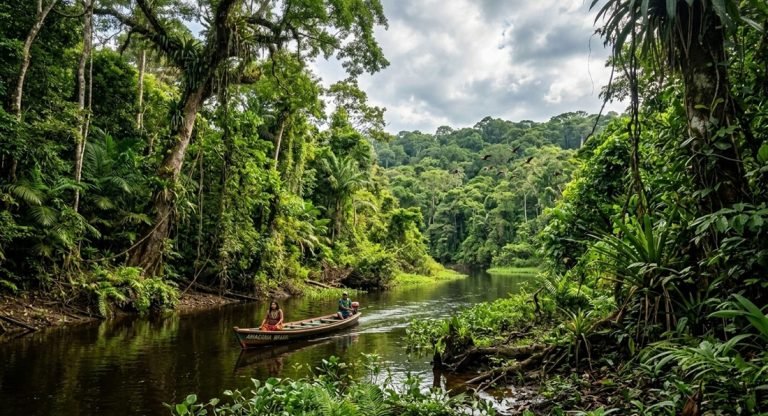
How to Get to Brazil
- Fly into major hubs like São Paulo (GRU) or Rio de Janeiro (GIG) — they offer the best international connections and onward flights.
- Check visa requirements before booking — some nationalities need an eVisa and must apply in advance.
- Plan your entry city based on your route — Brazil is huge, and backtracking wastes time and money.
- Book domestic flights early if visiting multiple regions — distances are too large for most overland travel.
- Allow buffer time on arrival — immigration, baggage, and transfers can take longer than expected.
Most travelers arrive in Brazil through either São Paulo or Rio de Janeiro, which act as the country’s main international gateways. São Paulo’s guarulhos airport (GRU) has the widest range of long-haul connections, while Rio de Janeiro (GIG) is often more convenient if your trip starts along the coast. Choosing the right entry point matters more than it seems, as it directly impacts how efficiently you can move through the country.
Before booking your flight, confirm the latest entry requirements for your nationality. Some travelers, including those from the United States, Canada, and Australia, are required to apply for an eVisa in advance. Check the official government website for the latest requirements and apply for your Brazil eVisa in advance to avoid delays.Even if you are eligible for visa-free entry, your passport should generally be valid for at least six months beyond your arrival date to avoid issues with airlines or border control.
If you are still comparing routes and prices, use this flight comparison guide to find the best options into Brazil. Once you arrive, domestic flights become essential for covering long distances, especially if you plan to visit places like Rio de Janeiro, the Amazon, or the Pantanal in a single trip.
Brazil is not a destination where you can rely on spontaneous route planning. Distances between major regions are significant, and what looks close on a map can take hours or even a full day to reach.

Where to Stay in Brazil
- Most travelers should split their stay between 2–3 regions — Brazil is too large to base yourself in one place.
- Rio de Janeiro is the best first base — beaches, landmarks, and easy logistics.
- São Paulo is ideal for food, culture, and city life — but not essential for every itinerary.
- Salvador offers history and a different cultural experience — especially if you want something beyond Rio.
- Choose neighborhoods carefully — location matters more than hotel quality in Brazil.
Where you stay in Brazil has a bigger impact on your trip than most travelers expect. This is not just about choosing a hotel, but about choosing the right city and the right neighborhood within that city. Distances are large, traffic can be slow, and moving between areas is not always simple, so picking the right base early on makes everything easier. If you want a full breakdown of how to choose the right location, this complete Brazil accommodation guide walks you through the best options by travel style.
For most first-time trips, Rio de Janeiro is the easiest and most rewarding place to start. It combines beaches, iconic landmarks, and a well-developed tourist infrastructure. This guide to where to stay in Rio de Janeiro breaks down the best neighborhoods depending on your travel style and priorities.
São Paulo works well as a secondary stop, especially if you are interested in food, museums, and a more local urban experience. It is not a traditional “tourist city,” but it adds depth to a Brazil itinerary. If you plan to include it, this São Paulo travel guide helps you decide how long to stay and what to focus on.
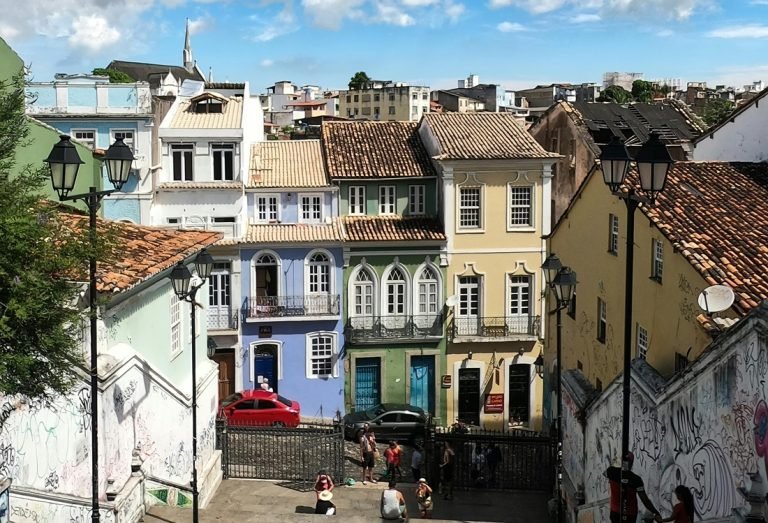
Salvador is often overlooked but offers one of the most culturally rich experiences in Brazil, with colonial architecture, strong Afro-Brazilian heritage, and access to nearby beaches. This Salvador travel guide shows what makes it worth adding to your route. If you are deciding between areas like Barra, Rio Vermelho, or Pelourinho, this best neighborhoods in Salvador guide helps you choose the right base for your trip.
If you are comparing accommodation options across destinations, use this hotel comparison tool to find the best deals. In Brazil, location is often more important than price alone, so prioritize well-located areas over cheaper properties that require long daily travel.

Things to Do in Brazil
- Most travelers should start in Rio de Janeiro — it combines iconic landmarks, beaches, and culture in one place.
- Choose one major nature experience — Iguazu Falls, the Amazon, or the Pantanal all offer completely different highlights.
- Do not try to see everything in one trip — Brazil is best experienced by focusing on a few regions.
- Balance cities with nature and beach time — this is where Brazil feels most complete.
- Build your itinerary around standout experiences — not just destinations on a map.
Brazil is not a destination you “check off” in a few days. It is a country that rewards travelers who choose a few places and experience them properly. From iconic cities and world-famous beaches to remote wetlands and dense rainforest, what makes Brazil special is the contrast between these environments. The best trips are not the ones that try to do everything, but the ones that combine a few standout experiences into a route that feels natural and enjoyable.
Things to Do in Rio de Janeiro
For most travelers, Rio de Janeiro is where Brazil begins. It is one of the few cities in the world where dramatic landscapes, famous landmarks, and beach culture all come together in a way that actually lives up to expectations. You are not just visiting a city here — you are stepping into the image most people already have of Brazil.
- Visit Christ the Redeemer — the view from the top puts the entire city into perspective.
- Take the cable car up Sugarloaf Mountain — especially at sunset when the light changes over the bay.
- Spend time on Copacabana or Ipanema — not just for the beach, but for the atmosphere.
- Explore Santa Teresa and the Selarón Steps — a more artistic and local side of Rio.
- Experience nightlife in Lapa — live music, samba, and a completely different energy after dark.
What makes Rio stand out is how easily you can combine these experiences. You can go from a mountain viewpoint to the beach in the same day, then end the evening with live music or a football match. This Rio de Janeiro guide helps you structure your time so you do not miss the highlights while still leaving space to enjoy the city properly.
If you only have time for one destination in Brazil, Rio is the safest and most complete choice. It gives you a bit of everything the country is known for without requiring complex logistics.
Brazil’s Natural Wonders
Beyond the cities, Brazil’s natural landscapes are what make the country truly unique. These are not small excursions you add casually to a trip — they are major experiences that often become the highlight of your entire journey. Choosing one that fits your travel style is far more important than trying to see them all.
- Iguazu Falls — a vast waterfall system that feels overwhelming in scale and power.
- Amazon Rainforest — jungle lodges, river journeys, and wildlife in a remote environment.
- Pantanal — one of the best places in the world to see wildlife up close, including jaguars.
- Lençóis Maranhenses — a surreal landscape of white dunes and seasonal lagoons.
- Fernando de Noronha — crystal-clear waters and some of the best snorkeling in Brazil.
Each of these destinations requires time, planning, and often an additional flight, but the payoff is significant. Iguazu is about raw visual impact, the Amazon is about immersion, and the Pantanal is about wildlife encounters. Most travelers should choose one based on what excites them most, rather than trying to combine multiple remote regions in a single trip. Travelers interested in river lodges, jungle excursions, and rainforest logistics can also read my Brazilian Amazon travel guide.
Beaches and Coastal Destinations
Brazil’s coastline stretches for thousands of kilometers, and the beach experience changes depending on where you go. This complete guide to Brazil’s best beach destinations shows just how varied the coastline is, from remote northern landscapes to more accessible urban beaches. Travelers interested in combining beaches with island escapes should also explore Brazil's most beautiful island escapes, which covers destinations ranging from Fernando de Noronha and Ilha Grande to quieter tropical islands such as Boipeba. The northeast tends to offer more consistent weather and a relaxed pace, while areas closer to Rio combine beaches with easier access and infrastructure.
- Jericoacoara — known for its dunes, sunsets, and laid-back atmosphere.
- Porto de Galinhas — calm waters and natural pools ideal for swimming.
- Itacaré — a mix of surfing, jungle scenery, and quieter beaches.
- Paraty — a historic town with easy access to islands and boat trips.
- Florianópolis — a southern destination with great surf and a different climate. Travelers wanting a closer look at the island can explore this Florianópolis beach and island travel guide covering beaches, surfing areas, neighborhoods, hikes, and coastal experiences across Santa Catarina Island.
Many of Brazil’s most rewarding coastal destinations are concentrated in the northeast, where travelers can combine beach towns, colonial cities, dunes, lagoons, and island scenery within the same broader region. This Northeast Brazil coast and travel guide explores some of the region’s standout destinations in greater detail.
Beach time in Brazil works best when you commit to one area rather than trying to move between multiple coastal regions. Travel distances can be long, and each destination has its own character. Slowing down and staying in one place usually leads to a better experience.
Cultural Experiences and Cities
Brazil’s cities are not interchangeable. Each one offers a completely different atmosphere, and adding a second city to your itinerary can give you a much broader understanding of the country beyond Rio.
- Salvador — rich in Afro-Brazilian culture, music, and history.
- São Paulo — a fast-paced city known for its food scene, museums, and nightlife.
- Carnival in Rio — one of the most intense and energetic festivals in the world.
Salvador stands out for its cultural depth, with traditions, music, and cuisine that feel distinct from the rest of the country. This Salvador guide shows why it is worth adding if you want more than beaches and landmarks.
São Paulo, on the other hand, is less about sightseeing and more about urban experiences. It is not essential for every trip, but for travelers interested in food, nightlife, or modern Brazilian culture, this São Paulo travel guide helps you decide whether it fits your route.
If you visit during Carnival, your entire experience changes. Cities become louder, more crowded, more expensive, and significantly more energetic as blocos, samba parades, nightlife, and street celebrations take over entire neighborhoods. It can easily become one of the most memorable periods to visit Brazil, but it also requires far more planning than a normal trip. If your visit overlaps with parade season, our complete Brazil Carnival travel guide explains what Carnival actually feels like, how different cities celebrate it, and what travelers should realistically expect before arriving.
Adventure and Outdoor Activities
For travelers who want more than sightseeing, Brazil offers plenty of opportunities to stay active and explore beyond the main highlights. These experiences often require more planning but can add a completely different dimension to your trip.
- Hiking in Chapada Diamantina or Chapada dos Veadeiros — waterfalls, caves, and dramatic landscapes.
- Paragliding over Rio — one of the most unique ways to see the coastline.
- Wildlife safaris in the Pantanal — guided tours focused on spotting rare species.
- Snorkeling and diving — especially in Fernando de Noronha and coastal regions.
These activities are best planned in advance, as they often depend on local guides, weather conditions, or limited availability. If you want to include adventure in your trip, it is worth prioritizing one or two key experiences rather than trying to fit everything in.

Food & Nightlife in Brazil
- Most travelers should try a mix of street food and local restaurants — this is where Brazilian cuisine really stands out.
- Do not miss regional dishes — food changes significantly between Rio, São Paulo, and Salvador.
- Evenings are part of the experience — nightlife in Brazil is lively, social, and often centered around music.
- São Paulo is the best city for food — especially if you are interested in variety and international influences.
- Salvador offers the most distinctive local cuisine — shaped by strong Afro-Brazilian traditions.
Food in Brazil is not just something you plan around — it becomes part of the experience itself. From quick street snacks to long, relaxed dinners, meals are often social, unhurried, and closely tied to local culture. What you eat also changes depending on where you are, which makes food one of the easiest ways to experience the country beyond its landmarks.
What to Expect from Brazilian Food
Brazilian cuisine is simple at its core but surprisingly varied once you start exploring it. Rice, beans, grilled meats, and fresh ingredients form the foundation, but each region builds on that in its own way. Meals are generally generous, and flavors tend to be balanced rather than overly complex.
- Feijoada — a hearty black bean stew with pork, often considered Brazil’s national dish.
- Churrasco — grilled meats served in steakhouses, especially popular in the south.
- Açaí — a cold, blended fruit bowl, commonly eaten as a snack or light meal.
- Pastéis and street snacks — quick, fried pastries filled with meat, cheese, or vegetables.
- Fresh juices — made from tropical fruits that are often hard to find elsewhere.
Most travelers find that Brazilian food is easy to enjoy, even without being familiar with the cuisine beforehand. You do not need to plan every meal, but trying a mix of casual spots and sit-down restaurants gives you a better sense of what each place offers.
Regional Food Highlights
One of the most interesting parts of traveling in Brazil is how much the food changes between regions. The differences are not always obvious at first, but they become more noticeable the longer you stay.
In Rio de Janeiro, meals are often centered around simple, satisfying dishes and a relaxed dining atmosphere. Beachside restaurants and casual eateries dominate, making it easy to combine food with the rhythm of the city.
São Paulo is widely considered the best food city in Brazil. It offers everything from traditional Brazilian meals to high-end dining and international cuisine.
Salvador stands out for its unique culinary identity. Influenced heavily by Afro-Brazilian culture, the food here uses ingredients like palm oil, seafood, and spices in ways that feel completely different from other parts of the country.
Most travelers should try at least one regional specialty in each place they visit, as it adds depth to the experience and helps you connect with the local culture in a more meaningful way. Travelers wanting a broader overview of regional dishes, street food, desserts, and local dining customs can also explore my guide to traditional food in Brazil.
Nightlife in Brazil
Nightlife in Brazil is energetic, social, and often centered around music. Even if you are not specifically looking for nightlife, you will likely encounter it naturally, especially in larger cities.
- Rio de Janeiro — known for samba clubs, live music, and nightlife in areas like Lapa.
- São Paulo — more varied, with everything from rooftop bars to late-night clubs.
- Salvador — music, dance, and cultural performances are a big part of the evening atmosphere.
What makes nightlife in Brazil different is how accessible it feels. You do not need to plan a full night out to experience it — even a casual evening can turn into something memorable, whether it is live music, a busy bar, or simply the atmosphere of people gathering and socializing.
If you want to explore nightlife more actively, it is worth choosing one city where you stay a bit longer rather than trying to experience it briefly in multiple places. This allows you to settle in and enjoy it without feeling rushed.
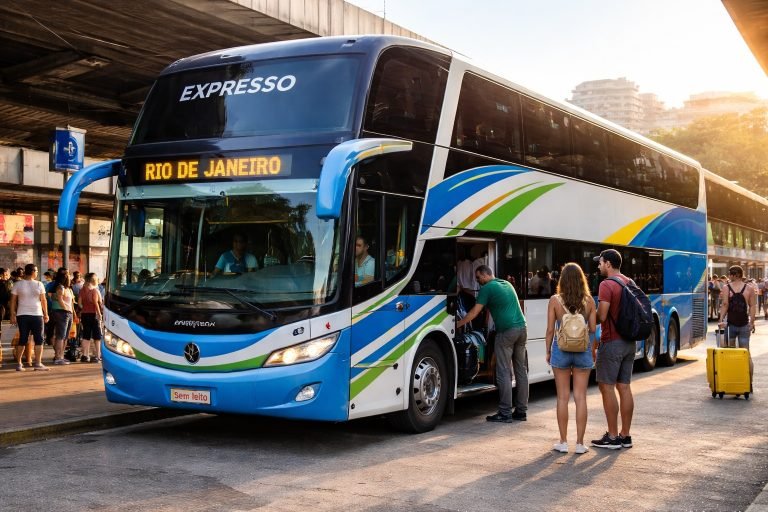
How to Get Around Brazil
- Most travelers should fly between regions — distances are too large for overland travel in most cases.
- Use long-distance buses for shorter routes — they are comfortable, reliable, and often more affordable.
- Rideshare apps like Uber are the easiest option in cities — especially at night.
- Metro systems work well in major cities — but coverage is limited compared to European or Asian cities.
- Plan transport around regions, not just distance — travel times are often longer than expected.
Getting around Brazil is one of the most important parts of planning your trip. The country is vast, and what looks manageable on a map can quickly turn into a full day of travel. Most travelers who enjoy Brazil the most are the ones who accept this early and build their itinerary around a few key regions instead of trying to move constantly.
Domestic Flights in Brazil
For long distances, flying is usually the only practical option. Routes like Rio de Janeiro to the Amazon or São Paulo to the Northeast can take hours by plane and days by bus. Domestic airlines are frequent and generally reliable, and booking in advance often makes a noticeable difference in price.
If you are comparing routes and prices, this flight comparison guide helps you find the most efficient options. Most travelers should prioritize flights when moving between major regions, even if buses appear cheaper at first.
Long-Distance Buses in Brazil
For shorter routes, long-distance buses are a surprisingly comfortable and reliable way to travel. Brazil has an extensive bus network connecting most cities, and many routes are well-organized with modern vehicles and frequent departures.
- Convencional — standard seating with moderate recline.
- Executivo — more legroom and better comfort.
- Leito or Semi-Cama — sleeper-style seats, ideal for overnight journeys.
Most interstate buses include air conditioning, onboard toilets, and scheduled stops for food and rest. For routes like São Paulo to Rio de Janeiro or Rio to Belo Horizonte, buses are often a practical alternative to flying, especially if you want to travel overnight and save time.
Major operators such as Viação Cometa, Catarinense, and Gontijo run high-frequency routes across the country. Tickets can be booked online, and most travelers will need their passport for both purchase and boarding.
If you are traveling between nearby cities or want to avoid airports, buses are often the most straightforward option. For longer journeys, choosing a sleeper seat makes a significant difference in comfort.
Getting Around Cities
Within cities, transport is relatively simple once you understand the basics. In places like Rio de Janeiro and São Paulo, metro systems cover key areas and are generally safe during the day. However, they do not reach everywhere, so you will often need a combination of options.
- Uber and rideshare apps — the most convenient and widely used option.
- Metro systems — efficient in central areas, especially during the day.
- BRT networks — common in some cities, with dedicated lanes and stations.
At night, most travelers rely on rideshare apps rather than public transport. It is a simple way to reduce risk and move around more comfortably, especially in unfamiliar areas.
Regional and Remote Transport
In more remote regions like the Amazon or the Pantanal, transport works differently. Boats, small planes, and organized transfers are often the only way to reach certain areas, and independent travel becomes more difficult.
In these cases, it is usually best to book accommodation or tours that include transport. This removes a lot of the logistical complexity and allows you to focus on the experience rather than the journey.

Best Time to Visit Brazil
- December to March is best for beaches — hot weather, lively atmosphere, and peak travel season.
- May to October is ideal for wildlife and fewer crowds — especially in the Pantanal and Amazon.
- Carnival season offers a unique experience — but requires early booking and higher budgets.
- The northeast has warm weather year-round — making it a reliable option outside peak season.
- Most travelers should choose timing based on their itinerary — not just overall weather.
Brazil does not have a single “best” time to visit. The country is large enough that seasons vary by region, and what works well for one destination may not be ideal for another. Instead of focusing on one perfect window, it is more useful to match your travel dates to the experiences you want to prioritize.
Summer in Brazil (December to March)
This is the peak travel season and the time most people imagine when they think of Brazil. Coastal cities like Rio de Janeiro are hot, humid, and full of energy, with beaches at their busiest and nightlife at its most active.
This is also when Carnival takes place, usually in February or early March. It is one of the most intense and memorable times to visit, but it comes with higher prices, large crowds, and the need to book accommodation and flights well in advance.
If your priority is beaches, atmosphere, and events, summer is the best time to go. If you prefer a quieter experience, this period can feel overwhelming.
Dry Season (May to October)
For many travelers, this is the most balanced time to visit. Temperatures are slightly cooler, humidity is lower, and popular destinations are less crowded. It is also the best period for wildlife-focused trips.
In the Pantanal, dry conditions make it easier to spot animals as they gather around water sources. In the Amazon, lower water levels open up trails and make certain areas more accessible. Cities like Rio and São Paulo are still pleasant, just with fewer crowds and a more relaxed pace.
Most travelers who want a mix of comfort, accessibility, and fewer crowds will find this period the easiest to work with.
Shoulder Seasons (April and October to November)
The months between peak and low season can be an excellent compromise. You often get good weather, fewer tourists, and better prices, especially for accommodation and flights.
These periods are particularly useful if you are trying to balance multiple regions in one trip, as conditions are generally stable across much of the country.
Regional Differences to Keep in Mind
Brazil’s size means regional variations matter more than overall seasons. The northeast coast remains warm throughout the year, making it a reliable option even outside summer. The south can be cooler in winter, while the Amazon follows a different cycle based on rainfall rather than temperature.
The best approach is to align your travel dates with your itinerary. If you are focusing on beaches, summer makes sense. If you are planning wildlife or multi-region travel, the dry season is often a better choice.
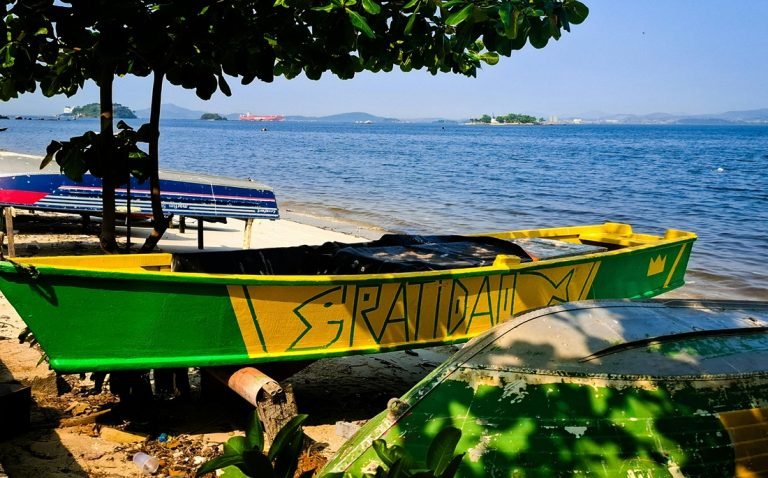
Brazil Travel Tips: What to Know Before You Go
- Most travelers should plan their route before booking — Brazil is too large for spontaneous, last-minute changes.
- Use Uber or rideshare apps instead of taxis at night — it is safer and more predictable.
- Keep a low profile with valuables — simple habits reduce most risks.
- Carry some cash alongside cards — smaller towns and remote areas still rely on cash.
- Learn a few basic Portuguese phrases — English is not widely spoken outside tourist areas.
- Plan transport between regions early — flights and long-distance buses can fill up quickly.
Traveling in Brazil is not complicated, but it does require a slightly different approach compared to more compact destinations. The key is not overplanning every detail, but understanding how things work on the ground so you can move through the country with confidence. These Brazil travel tips focus on the practical decisions that make the biggest difference once you arrive.
Entry Requirements and Documents
Before traveling to Brazil, check the latest entry requirements for your nationality. Some travelers are required to apply for an eVisa in advance, while others can enter visa-free for short stays. Even when a visa is not required, your passport should generally be valid for at least six months beyond your arrival date to avoid issues with airlines or border control.
It is also a good idea to carry digital and printed copies of important documents, including your passport, visa (if applicable), and flight details. This is rarely required, but having them easily accessible can save time if requested during your journey.
Safety Tips for Traveling in Brazil
Safety is one of the most common concerns for first-time visitors, but most trips are trouble-free with a few basic precautions. Petty theft is the main issue in major cities, particularly in crowded areas or near tourist attractions.
- Avoid walking with your phone in your hand — step into a shop or café if you need to check directions.
- Do not display expensive items — watches, jewelry, and cameras can attract attention.
- Use rideshare apps at night — especially in cities like Rio de Janeiro and São Paulo.
- Stay in well-located neighborhoods — location matters more than price.
Most travelers find that Brazil feels welcoming and easy to navigate once they adjust their habits slightly. If safety is a concern, this Rio safety guide provides a more detailed breakdown of what to expect in one of the country’s busiest destinations.
Money, Payments, and the PIX System
Brazil uses the Brazilian Real (BRL), and card payments are widely accepted in cities, restaurants, and most tourist areas. However, cash is still useful in smaller towns, local markets, or more remote regions.
One thing you will notice quickly is the widespread use of PIX, an instant payment system used by locals via QR codes. While it is not always available to international visitors, you will see it everywhere. For travelers, a combination of international credit cards and occasional cash withdrawals works best.
ATMs are widely available, but daily withdrawal limits can be lower than expected. It is usually easiest to withdraw cash at airport banks or larger branches when you arrive.
Money-related scams are not unique to Brazil. ATM fraud, card skimming, currency exchange tricks, and distraction scams are common in many tourist destinations around the world. Before your trip, read our Travel Scams Around the World guide to learn how to recognize these scams and avoid unnecessary problems.
If you want a clearer idea of how these payment methods fit into your overall spending, this Brazil travel budget breakdown explains what you can expect to pay across accommodation, food, and transport.
Getting Around and Planning Your Route
One of the biggest mistakes travelers make is underestimating distances. Brazil is massive, and moving between regions can take longer than expected. Flights are often the most efficient option for long distances, while buses work well for shorter routes.
Most travelers benefit from planning their route around regions rather than trying to cover too much ground.
Language and Communication
Portuguese is the official language, and English is not widely spoken outside hotels, airports, and major tourist areas. Learning a few basic phrases can make everyday interactions much easier and often leads to friendlier exchanges.
Translation apps work well in most situations, especially in cities where mobile data is reliable. Even a small effort to communicate in Portuguese is usually appreciated.
Health, Climate, and Practical Preparation
Brazil’s climate varies by region, but sun protection is important almost everywhere. In tropical and wetland areas, insect repellent is essential due to mosquitoes. Drinking bottled water is generally recommended unless you are in a location where filtered water is clearly available.
Travel insurance is also worth considering, particularly if your trip includes remote areas like the Amazon or Pantanal. Access to medical care can be limited in these regions, and coverage adds an extra layer of security.
If you prepare these basics in advance, traveling in Brazil becomes far more straightforward. Most challenges are easy to avoid with a bit of awareness, allowing you to focus on the experience rather than the logistics.
Final Thoughts on Traveling in Brazil
Brazil is not a destination where you try to see everything — it is a country where the quality of your experience depends on the decisions you make early on. Once you accept the scale of the country and plan around a few key regions, everything else becomes significantly easier. The travelers who enjoy Brazil the most are not the ones who move the fastest, but the ones who move with intention.
Most first-time visitors will get the best experience by focusing on a simple structure: one major city, one standout nature destination, and time to slow down in between. Whether that means combining Rio de Janeiro with Iguazu Falls, adding the Amazon, or finishing with a few days on the coast, the goal is to create a route that feels natural rather than rushed.
- Prioritize regions over distance — Brazil is much larger than it looks on a map.
- Choose experiences, not just destinations — what you do matters more than how many places you visit.
- Leave room in your itinerary — some of the best moments happen outside your plan.
Once all pieces are in place, traveling in Brazil becomes far more straightforward. You spend less time figuring things out and more time actually experiencing the country — which is exactly where Brazil stands out.
Frequently Asked Questions About Traveling in Brazil
-
Is Brazil safe for tourists?
Brazil is generally safe for travelers who take basic precautions. Petty theft is the most common issue, especially in busy areas of cities like Rio de Janeiro and São Paulo. Avoid displaying valuables, use rideshare apps at night, and stay in well-located neighborhoods. Most visitors have a smooth trip once they adjust their habits. -
Do you need a visa to travel to Brazil?
Visa requirements depend on your nationality. Some travelers need to apply for an eVisa in advance, while others can enter visa-free for short stays. Always check official requirements before your trip and apply early if needed. -
What is the best time to visit Brazil?
The best time to visit Brazil depends on your itinerary. December to March is ideal for beaches and events like Carnival, while May to October offers cooler weather, fewer crowds, and better conditions for wildlife in the Pantanal and Amazon. -
How many days do you need in Brazil?
Most travelers need at least 10 to 14 days to experience Brazil properly. A shorter trip can focus on one region, such as Rio de Janeiro and nearby areas, while longer trips allow you to combine cities, nature, and beach destinations. -
Is Brazil expensive to travel?
Brazil can be affordable or expensive depending on your travel style. Budget travelers can keep costs low with buses and local food, while flights, tours, and higher-end accommodation increase expenses. Prices also rise during peak seasons like Carnival. -
How do you get around Brazil?
Flights are the most practical way to travel long distances. Buses are reliable and comfortable for shorter routes, and Uber is widely used within cities. Planning your route by region helps reduce travel time. -
Can you travel Brazil without speaking Portuguese?
Yes, but it can be challenging outside major tourist areas. English is limited in many places, so using translation apps and learning a few basic Portuguese phrases can make your trip much easier. -
Is Brazil a good destination for first-time travelers?
Brazil can be a great destination for first-time visitors if you plan your route carefully. Starting in Rio de Janeiro and adding one or two additional destinations makes the trip manageable while still offering a wide range of experiences. -
What are the best places to visit in Brazil for first-timers?
Most first-time travelers visit Rio de Janeiro, Iguazu Falls, and either the Amazon or the Pantanal. Adding a coastal destination or a second city like Salvador or São Paulo creates a well-rounded itinerary. -
Do you need travel insurance for Brazil?
Travel insurance is not mandatory but strongly recommended. It provides coverage for medical emergencies, cancellations, and theft, which can be particularly useful when traveling to remote areas. -
Is it safe to use Uber in Brazil?
Yes, Uber is widely used and generally considered one of the safest ways to get around cities in Brazil. Always confirm the driver and license plate before entering the vehicle. -
What currency is used in Brazil and can you use credit cards?
Brazil uses the Brazilian Real (BRL). Credit and debit cards are widely accepted, especially in cities, but carrying some cash is useful for smaller towns and local markets.
Travel Resources to Plan, Book & Stay Connected
Use these tools and guides to stay connected abroad, find inspiration for your next trip, and book your flights, stays and gear with confidence.
Disclosure: This article may contain affiliate links. If you make a purchase through a link, I may receive a commission at no extra cost to you. I only share recommendations I believe are genuinely useful, and all opinions are my own. AI was used in this post for research and drafting purposes.

Comment (0)