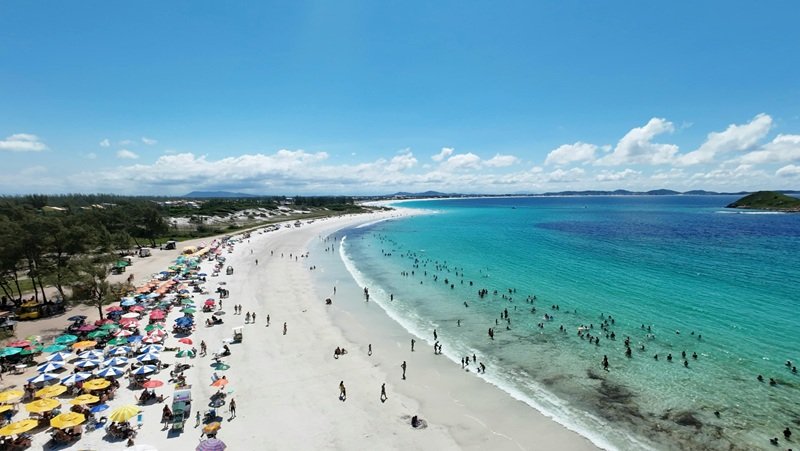
Is Brazil Safe for Travelers?
- Yes, Brazil can be safe for travelers — but only if you follow basic precautions and stay aware.
- Most issues involve petty crime — phone theft, pickpocketing, and scams are the main risks.
- Tourist areas are generally manageable — especially in cities like Rio de Janeiro and São Paulo.
- Some areas should be avoided entirely — including favelas and isolated neighborhoods.
- Planning and awareness make the biggest difference — careless behavior is the main cause of problems.
If you are wondering whether Brazil is safe to visit, the answer is not a simple yes or no. Brazil is not a low-risk destination, but it is also not as dangerous as some headlines suggest. Millions of travelers visit every year without serious issues, especially those who take the time to understand how to move around safely and avoid common mistakes.
Safety in Brazil is less about the country as a whole and more about how you travel within it. Choosing the right areas, using reliable transport, and staying aware of your surroundings have a far greater impact than the destination itself. If you are still planning your route, this how to plan your route helps you structure your trip in a way that naturally avoids higher-risk situations.
For a broader overview of destinations and travel planning, this overview of Brazil’s top destinations shows how different regions compare and where most travelers choose to go.
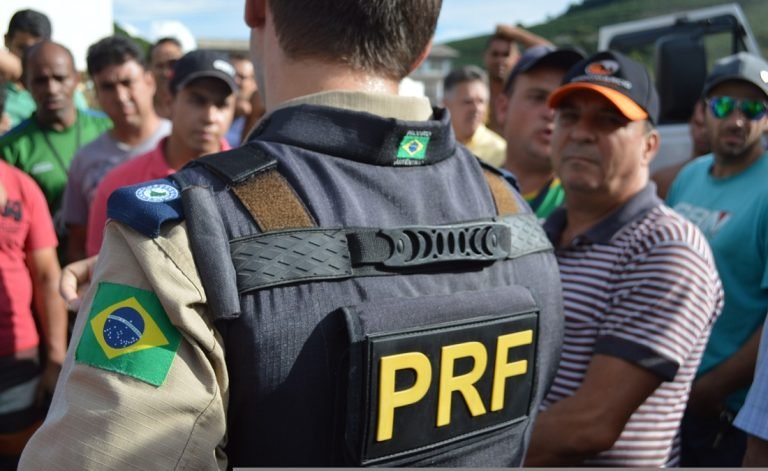
Is Brazil Safe to Visit Right Now?
If you are asking whether Brazil is safe to visit right now, the honest answer is that it depends on how you travel. Brazil is not a risk-free destination, but it is also not a place you need to avoid entirely. Most travelers who plan their trip properly and stay aware of their surroundings have a safe and rewarding experience.
Official travel advisories generally recommend exercising increased caution due to crime, particularly in large cities. This does not mean tourists are constant targets, but it does mean you need to approach Brazil differently than you would a low-risk destination. Understanding where to go, how to move around, and what to avoid makes a significant difference.
Recent trends show that crime levels have improved in several areas, especially in major cities where tourism is concentrated. At the same time, petty theft and opportunistic crime remain common, particularly in crowded areas, on beaches, and around major attractions. This combination often creates confusion for first-time visitors — the country is both safer than expected and riskier than some travelers are used to.
The key takeaway is that Brazil is manageable, but not careless.
For most people, the question is not whether Brazil is safe, but whether they are prepared to travel with awareness. With the right approach, the answer for most travelers is yes.
According to official guidance, safety conditions in Brazil can vary by region, and travelers are advised to stay informed before their trip. You can check the latest updates and recommendations on the U.S. travel advisory for Brazil to understand current conditions and precautions.
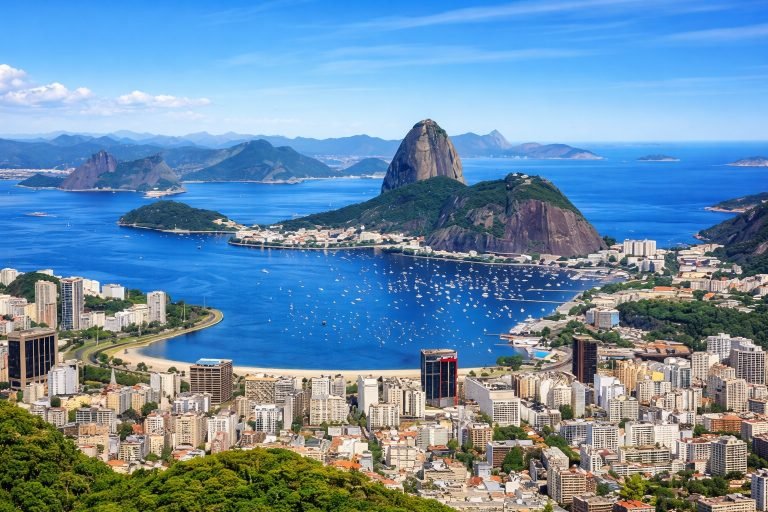
How Safe Is Brazil for Tourists?
For most travelers, Brazil is safe enough to visit if you approach it with awareness. The biggest risks are not random violence, but opportunistic situations that can usually be avoided with the right habits. Understanding what actually happens on the ground helps you separate real concerns from exaggerated perceptions.
Brazil does require a different mindset compared to lower-risk destinations. You cannot move through cities without thinking about your surroundings, but you also do not need to feel constantly unsafe. Once you understand how to behave and where to focus your attention, traveling here becomes much more predictable.
This becomes even more important during large national events such as Carnival, when cities become significantly more crowded and chaotic than usual. Massive blocos, nightlife, alcohol consumption, and transport disruptions naturally increase opportunities for pickpocketing and phone theft in busy tourist areas. If your trip overlaps with parade season, our realistic guide to Brazil Carnival explains how different cities operate during Carnival, what the atmosphere actually feels like, and how to navigate the celebrations safely.
Most Common Risks for Tourists
The majority of incidents involving tourists are related to petty crime rather than serious violence. These situations tend to happen in predictable environments such as crowded areas, tourist hotspots, beaches, nightlife districts, or when valuables are visible.
- Pickpocketing and bag snatching — especially in busy streets, markets, beaches, and large crowds.
- Phone theft — often happens when phones are used openly on sidewalks or near traffic.
- Scams — including overcharging, distraction tactics, or misleading offers.
- Express kidnappings — rare, but typically short incidents where victims are forced to withdraw money.
These risks sound serious, but they usually follow patterns. Most cases happen quickly and target easy opportunities rather than specific individuals. Travelers who stay alert, keep valuables out of sight, and avoid unnecessary distractions are far less likely to encounter problems.
Many of these situations are not unique to Brazil. Overcharging, distraction techniques, ATM fraud, fake tour operators, and transport scams are common in tourist destinations across the world. Learning to recognize these patterns before you travel can help you avoid unnecessary problems. Our guide to avoiding common travel scams explains the most widespread scams and how to protect yourself wherever you travel.
It is also important to understand that tourists are rarely the focus of more serious violence, which is usually linked to local criminal activity in non-tourist areas. For visitors, the main challenge is awareness and decision-making rather than constant danger in the way many people imagine it.
What Tourists Usually Get Wrong
The difference between a smooth trip and a stressful one often comes down to a few common mistakes. Many problems are not caused by where travelers go, but by how they move through those places.
- Walking with phones in hand — this is one of the most common triggers for theft.
- Wearing visible valuables — watches, jewelry, and expensive cameras attract attention.
- Choosing the wrong neighborhoods — location matters more than price.
- Moving around at night without planning — especially in unfamiliar or quiet areas.
These mistakes are easy to avoid, but they are also extremely common among first-time visitors. Many travelers assume they can behave the same way they would in a low-risk city, which increases their exposure without realizing it.
Once you adjust your behavior slightly, most of these risks become much easier to manage. Simple changes like putting your phone away, planning transportation in advance, and choosing better locations can make a noticeable difference in how comfortable you feel while traveling.
What Actually Keeps You Safe
Safety in Brazil is less about luck and more about decision-making. The way you choose where to stay, how you move around, and how you present yourself in public all play a role.
- Staying in well-located areas — tourist-friendly neighborhoods are significantly easier to navigate.
- Using rideshare apps instead of walking at night — especially in large cities.
- Keeping a low profile — blending in reduces attention.
- Planning your movements during the day — particularly when visiting unfamiliar areas.
Travelers who follow these principles usually find that Brazil feels manageable rather than risky. The country does require more awareness than some destinations, but it rewards those who approach it realistically and practically.
Once these habits become natural, you stop thinking about safety constantly and start focusing on the experience itself. That shift is what often makes the difference between a stressful trip and a confident one.
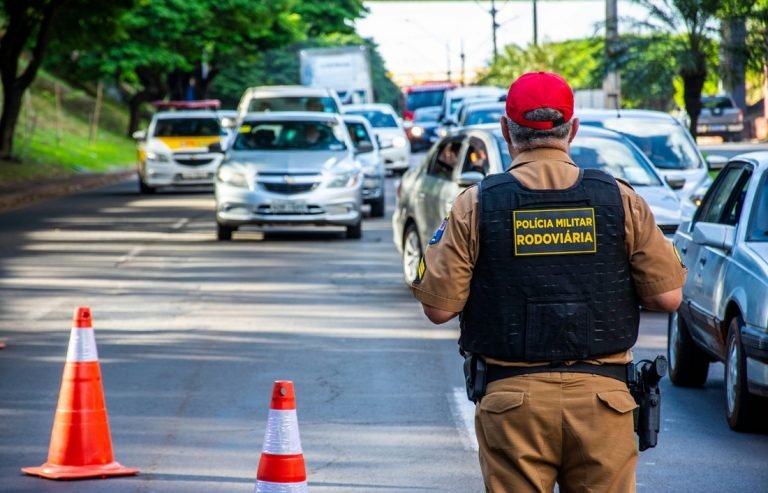
Safest Areas vs Areas to Avoid in Brazil
Where you stay and spend your time in Brazil has a bigger impact on safety than the country itself. Most cities have clear differences between well-developed, tourist-friendly neighborhoods and areas that are more challenging to navigate. Understanding this early allows you to plan a trip that feels far more comfortable and predictable.
Brazil is not uniformly dangerous, but it is also not uniformly safe. The key is knowing which areas are set up for travelers and which ones require local knowledge or should be avoided altogether.
Safest Areas for Travelers in Brazil
Tourist-friendly neighborhoods are generally well-policed, busier, and easier to navigate. These are the areas where most visitors stay, and where the majority of hotels, restaurants, and attractions are located.
- Rio de Janeiro (South Zone) — Ipanema, Leblon, and parts of Copacabana are the most popular and manageable areas.
- São Paulo — districts like Jardins and Vila Madalena offer a safer and more structured environment.
- Florianópolis and Curitiba — often considered among the safer cities in Brazil.
- Resort and coastal towns — many beach destinations have a calmer and more controlled atmosphere.
These areas are not risk-free, but they are significantly easier to navigate compared to less central neighborhoods. They have better infrastructure, more visible security, and a higher concentration of travelers, which naturally reduces risk.
If you are planning your stay, focusing on these types of locations makes a noticeable difference. This breakdown of Rio’s main neighborhoods helps you understand which areas are best suited for visitors and why location matters so much.
Areas to Avoid or Approach with Caution
Certain areas in Brazil are not suitable for independent travel, especially if you are unfamiliar with the country. These places are not necessarily dangerous at all times, but they carry higher risks and require local knowledge to navigate safely.
- Favelas (informal settlements) — should be avoided unless you are with a highly reputable local guide.
- Remote or poorly connected areas — especially without organized transport or guidance.
- City centers after hours — many downtown areas become empty and less safe at night.
- Beaches and parks after dark — even popular locations can become risky once they clear out.
Many travelers run into problems not because they deliberately take risks, but because they underestimate how quickly conditions can change between neighborhoods. A place that feels safe during the day can feel completely different at night.
Planning ahead reduces these situations significantly. Choosing where you stay carefully and understanding how to move between areas allows you to avoid most higher-risk environments without limiting your experience.
Why Location Matters More Than Anything
In Brazil, safety is highly localized. Two neighborhoods within the same city can feel completely different in terms of atmosphere, infrastructure, and risk. This is why general statements about the country are often misleading.
Most travelers who feel comfortable in Brazil are the ones who prioritize location from the start.
Once you base yourself in the right areas, moving around becomes much easier and far less stressful. This is one of the simplest ways to improve both your safety and overall experience in Brazil.
Is Rio de Janeiro Safe for Travelers?
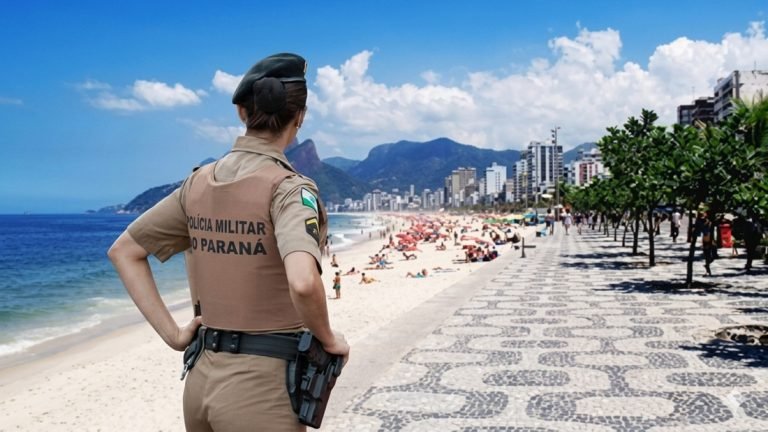
Rio de Janeiro has a reputation for safety concerns, but most tourists visit without serious issues when they stay in the right areas and follow basic precautions. The city is not risk-free, but it is also not unpredictable.
Crime in Rio is real, but it is also highly localized. The majority of serious incidents are concentrated in non-tourist areas, while popular neighborhoods and attractions are generally manageable with the right approach. Understanding this distinction is key to navigating the city confidently.
Most Common Risks in Rio de Janeiro
The main risks for travelers in Rio are similar to the rest of Brazil, but they tend to be more visible due to the city’s size and popularity. These situations are usually opportunistic rather than targeted.
- Pickpocketing and phone theft — especially on beaches, near attractions, and in crowded areas.
- Motorbike snatch thefts — quick grab-and-go incidents targeting phones and bags.
- Armed robbery — uncommon but possible, particularly in quieter areas or at night.
- Drink spiking and nightlife scams — mainly in bars, clubs, or through social encounters.
- Group theft incidents — occasional coordinated thefts in crowded places like beaches.
These risks tend to follow predictable patterns. Most incidents happen when valuables are visible, when people are distracted, or when moving through less busy areas. Travelers who stay aware and avoid these situations significantly reduce their exposure.
It is also important to understand that violent crime involving tourists is rare and usually linked to specific circumstances. The vast majority of visitors experience Rio without encountering serious problems.
Safest Areas to Stay in Rio
Choosing the right neighborhood is one of the most important decisions you can make when visiting Rio. The South Zone (Zona Sul) is where most tourists stay, and it offers the best combination of safety, accessibility, and infrastructure.
- Ipanema and Leblon — widely considered the safest and most comfortable areas.
- Copacabana — popular and manageable, especially during the day.
- Botafogo and Urca — quieter areas with good access to attractions.
- Barra da Tijuca — more spread out, but modern and structured.
These neighborhoods have a stronger police presence, more consistent activity, and better infrastructure for visitors. Staying in these areas allows you to explore the city more comfortably without constantly worrying about safety.
If you are deciding where to base yourself, this guide to Rio’s key areas and attractions helps you match neighborhoods with your travel style and priorities.
Areas to Avoid in Rio de Janeiro
Certain parts of Rio are not suitable for independent travel, especially if you are unfamiliar with the city. These areas often have limited infrastructure, lower visibility, and higher crime levels.
- Favelas — should be avoided unless visiting with a highly reputable local guide.
- City center after hours — can feel empty and less safe at night or on weekends.
- North Zone and some West Zone areas — generally not relevant for tourists.
- Beaches at night — even popular areas become riskier after dark.
Many travelers accidentally end up in these areas due to navigation apps or poor planning. Taking a few extra minutes to check your route and destination can prevent most of these situations.
Avoiding these areas does not limit your experience, as the majority of Rio’s attractions and highlights are located in safer, more accessible parts of the city.
How to Stay Safe in Rio de Janeiro
Practical habits make a noticeable difference in how safe you feel in Rio. The goal is not to avoid the city, but to move through it in a way that reduces risk.
- Do not walk with your phone visible — step inside if you need to check directions.
- Use Uber or rideshare apps at night — avoid unnecessary walking after dark.
- Keep valuables out of sight — especially on beaches and busy streets.
- Stay in active, well-lit areas — particularly in the evening.
Most travelers who follow these habits find Rio manageable and enjoyable. The city requires awareness, but it also offers one of the most unique and rewarding travel experiences in Brazil.
If you approach it with the right mindset, Rio becomes less about risk and more about knowing how to navigate it confidently.
Is São Paulo Safe for Travelers?
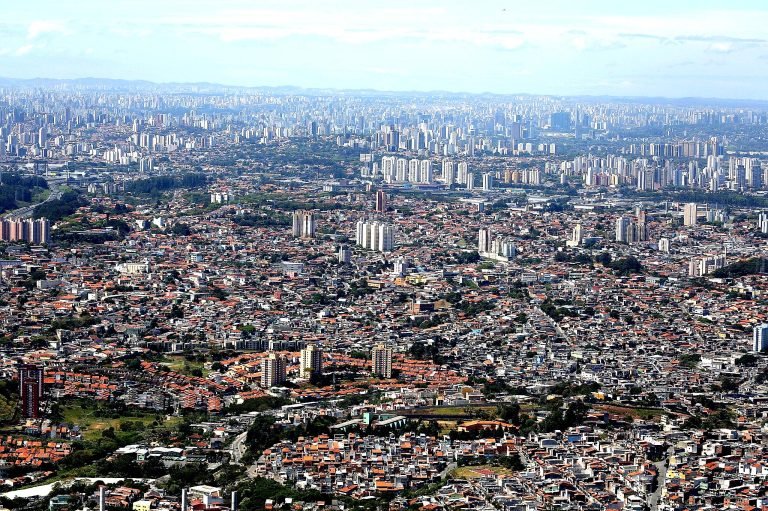
São Paulo is often considered safer than Rio de Janeiro for day-to-day movement, especially in central and well-developed areas. It is a large, fast-paced city where most visits happen without issues, but like any major urban destination, it still requires awareness and basic precautions.
The main difference is how the city feels. São Paulo is less focused on beaches and open public spaces, which reduces some of the common situations where opportunistic theft happens in Rio. At the same time, it is a dense urban environment, so understanding where to go and how to move around remains important.
Most Common Risks in São Paulo
The types of risks in São Paulo are similar to the rest of Brazil, but they tend to be more concentrated in specific areas rather than spread across tourist zones.
- Phone theft and pickpocketing — especially in crowded streets, markets, and public transport.
- Robbery in quieter areas — more likely in less busy neighborhoods or at night.
- Scams and overcharging — particularly in informal settings or with taxis.
- Theft from vehicles — especially at traffic lights or when windows are open.
These risks are generally avoidable with the same habits used in other major cities. Keeping valuables out of sight and staying aware of your surroundings already reduces most of the exposure.
Compared to Rio, São Paulo tends to feel more predictable. Incidents are less tied to tourist hotspots and more related to general urban behavior, which many travelers find easier to manage.
Safest Areas to Stay in São Paulo
Choosing the right neighborhood is just as important here as it is in Rio. Some areas are significantly easier for travelers, with better infrastructure and a more comfortable environment.
- Jardins — one of the most popular and well-developed areas for visitors.
- Vila Madalena — known for nightlife, restaurants, and a creative atmosphere.
- Itaim Bibi — modern, business-oriented, and relatively easy to navigate.
- Avenida Paulista area — central, busy, and well-connected.
These neighborhoods are more structured, have better transport access, and are generally more suitable for travelers. Staying in these areas allows you to explore the city without constantly dealing with uncertainty.
If you are planning your stay, this São Paulo highlights and neighborhood guide helps you understand where to stay and how to structure your time in the city.
Areas to Approach with Caution
Like any large city, São Paulo has areas that are less suitable for visitors, particularly if you are unfamiliar with the local environment.
- City center after business hours — can feel empty and less secure at night or on weekends.
- Peripheral neighborhoods — generally not relevant for tourists and harder to navigate.
- Quiet streets at night — even in central areas, some streets can feel isolated.
Most travelers do not need to visit these areas, and avoiding them does not limit your experience. The main attractions, restaurants, and cultural spots are all located in more accessible parts of the city.
With the right location and a basic level of awareness, São Paulo is a manageable and rewarding destination that adds depth to a Brazil itinerary.
Is Brazil Safe for Americans and Solo Travelers?
Brazil is generally safe for Americans and solo travelers who plan carefully and follow basic precautions. Your nationality does not significantly change your risk level, but your behavior, location, and awareness do. Most visitors, including those traveling alone, have a smooth experience when they adapt to how things work on the ground.
The main difference for international travelers is familiarity. If you are used to destinations where you can move around without thinking about safety, Brazil requires a shift in mindset. Once you adjust, it becomes much easier to navigate confidently.
Is Brazil Safe for American Tourists?
American travelers visit Brazil in large numbers every year without major issues. There is no specific targeting of Americans, and most risks are the same as for any visitor — primarily opportunistic theft and scams.
- No special targeting — Americans are not singled out more than other tourists.
- Perception matters — standing out as a visitor can attract attention in busy areas.
- Standard precautions apply — awareness and behavior are more important than nationality.
The main factor is how visible you are as a traveler. Dressing simply, avoiding flashy items, and keeping valuables out of sight already reduces most potential issues.
Many American visitors find Brazil manageable once they understand how to move around and where to stay.
Is Brazil Safe for Solo Travelers?
Solo travel in Brazil is common and can be very rewarding, but it requires a bit more attention to detail. The main difference is that you do not have someone else to rely on in unfamiliar situations, which makes planning and awareness more important.
- Stay in well-located areas — central neighborhoods reduce uncertainty.
- Use rideshare apps at night — avoid unnecessary walking in unfamiliar areas.
- Keep plans simple — avoid complicated routes or last-minute changes.
- Stay connected — having mobile data makes navigation and communication easier.
Most solo travelers report feeling comfortable in Brazil once they settle into a routine. The key is not taking unnecessary risks and keeping your movements predictable, especially in larger cities.
Is Brazil Safe for Female Travelers?
Brazil can be safe for female travelers, but like many destinations, it requires awareness of your surroundings and careful decision-making, particularly at night or in social settings.
- Avoid isolated areas at night — stick to busy, well-lit locations.
- Be cautious in nightlife settings — especially with drinks and unfamiliar situations.
- Use trusted transport options — rideshare apps are the safest choice after dark.
- Trust your instincts — if something feels off, it usually is.
Many women travel to Brazil alone without issues, but preparation makes a clear difference. Being aware of common scams, avoiding unnecessary risks, and choosing the right environment helps create a much more comfortable experience.
If you approach your trip with awareness rather than fear, Brazil becomes a destination that is both manageable and highly rewarding, even when traveling alone.
Practical Safety Tips for Traveling in Brazil
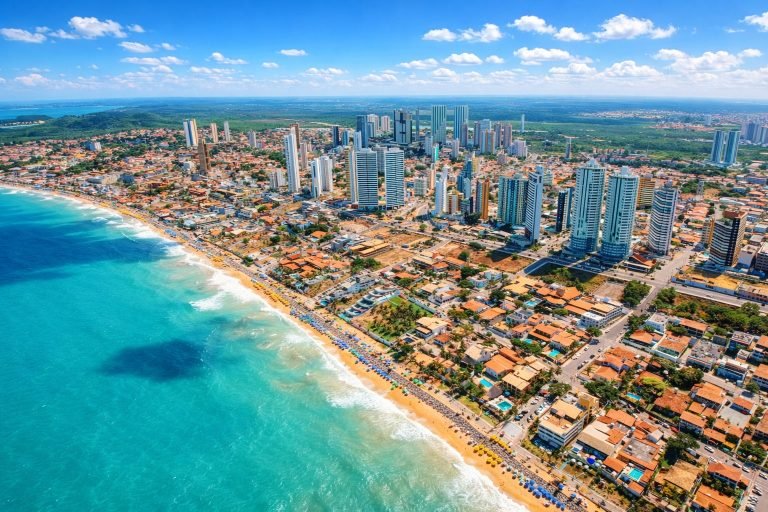
Staying safe in Brazil is not about avoiding the country, but about understanding how to move through it. Most travelers who follow a few simple habits experience Brazil without major issues. These practical safety tips focus on the decisions that make the biggest difference once you are on the ground.
The goal is not to be overly cautious, but to reduce unnecessary risk. Small adjustments in behavior, transport choices, and daily routines can completely change how safe and comfortable your trip feels.
Daily Habits That Make a Difference
Your day-to-day behavior has the biggest impact on your safety. Many issues happen because travelers unintentionally make themselves easy targets.
- Keep your phone out of sight in public — use it inside shops or secure areas when possible.
- Do not wear visible valuables — watches, jewelry, and expensive items attract attention.
- Carry only what you need — leave passports and extra cards in your accommodation.
- Use a crossbody or secure bag — harder to grab and easier to control.
These habits may feel restrictive at first, but they quickly become natural. Most travelers who adopt them early find that they stop worrying about safety and focus more on enjoying the experience.
The key is consistency. Being careful occasionally is not enough — applying these habits throughout your trip is what reduces risk over time.
Transport and Movement Tips
How you move around Brazil plays a major role in your overall safety. Choosing the right transport options can eliminate many common risks.
- Use Uber or rideshare apps at night — avoid walking in unfamiliar areas after dark.
- Confirm your driver before entering — always check the license plate and details.
- Avoid empty public transport late at night — especially in large cities.
- Plan routes in advance — avoid stopping in the street to check directions.
Most cities are easy to navigate once you understand how transport works. The main risk comes from unplanned movements, particularly at night or in less active areas.
Keeping your movements predictable and choosing reliable transport options makes your experience much smoother and significantly safer.
Beaches, Crowds, and Tourist Areas
Many incidents happen in environments where people feel relaxed, such as beaches or crowded attractions. These are also the places where awareness tends to drop.
- Do not leave belongings unattended on the beach — even for a short time.
- Avoid beaches after dark — they become less predictable and less monitored.
- Stay alert in crowds — especially during events or busy periods.
- Be cautious with vendors and unsolicited offers — not all interactions are genuine.
These environments are enjoyable, but they require a bit more attention. Staying aware without being overly cautious allows you to enjoy them without unnecessary risk.
Many travelers feel safest when they observe how locals behave and follow similar patterns. This helps you blend in and avoid standing out.
Nightlife and Social Situations
Nightlife is a big part of the experience in Brazil, but it is also where some of the more serious issues can occur if you are not careful.
- Never accept drinks from strangers — always order and watch them being prepared.
- Avoid excessive drinking in unfamiliar environments — it reduces awareness.
- Be cautious with dating apps — many scams start through social interactions.
- Stay in busy, well-known venues — avoid isolated or unknown places.
Most nightlife experiences are positive, but awareness is essential. Problems often occur when people become too relaxed or trust situations too quickly.
Approaching nightlife with a bit of caution allows you to enjoy it without putting yourself in unnecessary situations.
What to Do If Something Happens
Even with preparation, situations can still occur. Knowing how to respond is just as important as trying to prevent them.
- Do not resist if confronted — hand over belongings immediately.
- Prioritize your safety over valuables — nothing is worth escalating a situation.
- Contact your bank if cards are involved — act quickly to prevent further issues.
- Report incidents when necessary — especially for insurance purposes.
Most incidents are resolved quickly when handled calmly. Trying to resist or react aggressively often makes situations worse.
Being prepared for this possibility, even if it never happens, helps you stay composed and respond correctly if needed.
If you want a broader overview of how to plan your trip and avoid common mistakes, this complete Brazil travel preparation guide brings together everything you need before you go.
Final Verdict — Is Brazil Safe?
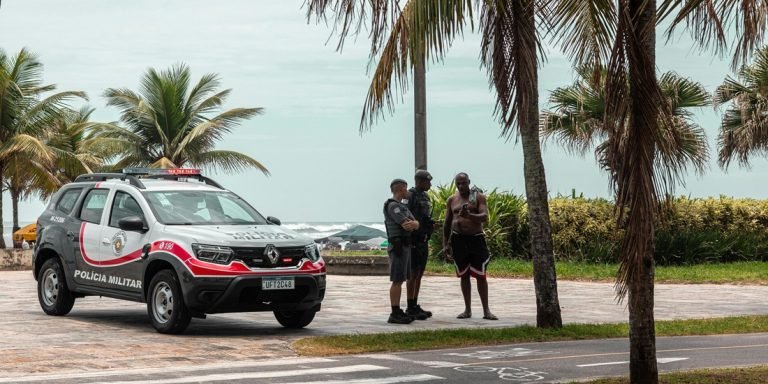
So, is Brazil safe to travel to? For most travelers, the answer is yes — but with conditions. Brazil is not a destination where you can move around without thinking about safety, but it is also not a place you need to avoid. The experience you have depends far more on how you travel than on the country itself.
The reality is that Brazil requires awareness. Choosing the right areas, using reliable transport, and avoiding common mistakes make a significant difference. Travelers who approach the country with this mindset usually find it manageable, while those who treat it like a low-risk destination often run into unnecessary issues.
Travel advice can vary slightly depending on your home country, so it is worth reviewing multiple sources before your trip. The UK government travel advice for Brazil provides additional guidance on safety, regional differences, and practical precautions.
- Yes, Brazil is safe for tourists who plan properly — awareness and preparation are key.
- No, it is not a carefree destination — behavior and location matter at all times.
- Most risks are predictable and avoidable — especially with the right habits.
- The experience is worth it — Brazil offers some of the most rewarding travel experiences in the world.
For many travelers, the biggest shift is understanding that safety in Brazil is about reducing risk, not eliminating it. Once you accept that and adjust your behavior accordingly, the country becomes far more approachable and enjoyable.
With the right preparation, Brazil is not just safe enough to visit — it becomes one of the most memorable and rewarding destinations you can experience.
❓ Frequently Asked Questions About Safety in Brazil
• Is Brazil safe to visit?
Brazil is safe to visit for most travelers who plan carefully and follow basic precautions. The main risks involve petty theft rather than serious violence, and these are largely avoidable by staying in well-located areas, keeping valuables out of sight, and using reliable transport.
• Is it safe to travel to Brazil right now?
Yes, it is generally safe to travel to Brazil right now, but official advisories recommend exercising increased caution due to crime. Conditions vary by region, so choosing the right destinations and neighborhoods plays a major role in how safe your trip feels.
• Is Brazil safe for tourists?
Brazil is safe for tourists who stay aware of their surroundings and avoid common mistakes. Most visitors experience no major issues, especially when sticking to tourist-friendly areas and following local advice.
• How safe is Brazil compared to other countries?
Brazil is less predictable than many destinations in Europe or parts of Asia, mainly due to higher levels of petty crime. However, it is comparable to other large countries where awareness and behavior play a key role in safety.
• Is Brazil safe for American tourists?
Brazil is generally safe for American tourists, and there is no specific targeting based on nationality. The same precautions apply to all travelers, and most Americans visit without problems when they plan appropriately.
• Is Brazil safe for solo travelers?
Yes, Brazil can be safe for solo travelers who choose their locations carefully and keep their movements predictable. Staying in central areas, using rideshare apps, and avoiding isolated situations helps reduce most risks.
• Is Brazil safe for female travelers?
Brazil can be safe for female travelers, but it requires awareness, especially at night or in social settings. Choosing well-located accommodation, avoiding isolated areas, and being cautious in nightlife environments makes a noticeable difference.
• Is Rio de Janeiro safe for travelers?
Rio de Janeiro is safe for many travelers who stay in areas like Ipanema, Leblon, and Copacabana and follow basic precautions. Most incidents involve petty crime, and avoiding risky situations helps ensure a smooth visit.
• How safe is Rio de Janeiro for tourists?
Rio can feel safe in busy, well-known areas, but it requires awareness due to common issues like phone theft and scams. Tourists who stay alert and avoid empty areas at night usually find the city manageable.
• Is São Paulo safe for tourists?
São Paulo is often considered safer than Rio for everyday movement, particularly in central districts. Like any major city, it requires awareness, but most travelers find it predictable and easy to navigate.
• Is Salvador Brazil safe?
Salvador can be safe for tourists who stay in well-known areas and avoid less developed neighborhoods, especially at night. The city offers a rich cultural experience, but awareness is important when moving around.
• Is Manaus Brazil safe?
Manaus is generally safe for travelers who stay in central areas and use organized transport for excursions. Most visits to the Amazon region are done through lodges or guided tours, which reduces risk significantly.
• Is it safe to travel to Brazil alone?
It is safe to travel to Brazil alone if you plan your route carefully and avoid unnecessary risks. Solo travelers often have a positive experience when they stay organized and aware of their surroundings.
• Is Brazil a safe country to visit overall?
Brazil is a safe country to visit overall for travelers who take precautions. It is not a low-risk destination, but it is manageable and widely visited when approached with the right mindset.
• What are the biggest safety concerns in Brazil?
The main safety concerns in Brazil are petty theft, phone snatching, scams, and occasional robberies in certain areas. These risks are usually predictable and can be reduced significantly with simple precautions.
• Is it safe to use Uber in Brazil?
Yes, Uber is widely used and considered one of the safest ways to get around cities in Brazil. It is recommended over taxis, especially at night or in unfamiliar areas.
• Is Brazil safe to travel without speaking Portuguese?
It is possible to travel in Brazil without speaking Portuguese, but it can be more challenging outside tourist areas. Using translation apps and learning basic phrases helps make communication easier.
• Is Brazil safe for first-time travelers?
Brazil can be safe for first-time travelers who choose accessible destinations and plan their itinerary carefully. Starting in well-known cities and avoiding unnecessary risks helps create a smoother experience.
• Is it safe to go to Brazil for a vacation?
Yes, it is safe to go to Brazil for a vacation if you prepare in advance and follow practical safety advice. Millions of travelers visit every year and enjoy the country without major issues.
Travel Resources to Plan, Book & Stay Connected
Use these tools and guides to stay connected abroad, find inspiration for your next trip, and book your flights, stays and gear with confidence.
Disclosure: This article may contain affiliate links. If you make a purchase through a link, I may receive a commission at no extra cost to you. I only share recommendations I believe are genuinely useful, and all opinions are my own. AI was used in this post for research and drafting purposes.

Comment (0)