Bali Itinerary Planning Guide
Bali can be one of the most rewarding destinations in Southeast Asia, but planning the right route makes a huge difference. Traffic can be slow, distances are often deceptive, and constantly changing hotels can quickly turn a relaxing trip into an exhausting one. This Bali itinerary guide helps you choose the right trip length, the best areas to stay, and the smartest route based on your travel style.
Whether you are planning a short beach escape, a balanced one week in Bali itinerary, or a slower two week adventure across the island, this guide breaks down realistic routes that combine temples, beaches, waterfalls, rice terraces, surf spots, nightlife, and cultural highlights without making your trip feel rushed.
- How to plan a Bali itinerary for 5, 7, 10, or 14 days
- The best Bali itinerary routes for first-time visitors
- Where to stay in Bali based on your travel style and trip length
- How to split your time between Ubud, Canggu, Seminyak, Uluwatu, and the islands
- Realistic travel times and how to avoid wasting hours in traffic
- Temple visits, waterfalls, rice terraces, beaches, surf spots, and cultural experiences
- How to add Nusa Penida, Sidemen, Amed, or north Bali to your trip
- Practical advice for transportation, private drivers, Grab, scooters, and ferries
- Tips for couples, families, surfers, backpackers, and slower travelers
- How many days you actually need in Bali for a balanced trip
If you are still deciding what to include in your trip, start with this complete guide to the best places to visit and experiences in Bali, which covers temples, beaches, waterfalls, cultural sites, island escapes, and some of the most popular attractions across the island.
Accommodation planning is equally important because choosing the wrong base can add unnecessary travel time to your route. Before booking hotels, villas, or resorts, it helps to understand which parts of the island fit your itinerary best. This detailed guide to the best areas to stay in Bali explains the differences between Ubud, Canggu, Seminyak, Uluwatu, Sanur, Nusa Dua, Sidemen, and other key regions.

How to Plan the Perfect Bali Itinerary
Planning a Bali itinerary can feel surprisingly overwhelming once you realize how much the island actually offers. Between the temples of Ubud, the cafés and surf culture of Canggu, the beaches of Uluwatu, the resorts of Seminyak, the waterfalls of central Bali, and the islands off the coast, many travelers quickly discover that trying to fit everything into one trip is almost impossible.
A Bali travel itinerary also tends to look much easier on a map than it feels in reality. Traffic can be slow, distances are deceptive, and constantly changing hotels often turns a relaxing vacation into a stressful transfer schedule. The best Bali itinerary is usually not the one that covers the most places, but the one that balances culture, beaches, scenery, relaxation, and travel time realistically.
If you only have 5 days in Bali, it is usually best to focus on the highlights and avoid moving around too much. A Bali itinerary 7 days long gives you enough time to combine Ubud with the south coast comfortably, while a Bali itinerary 10 days route allows for a much more balanced mix of beaches, temples, waterfalls, rice terraces, cafés, and island experiences. Travelers planning a Bali itinerary 2 weeks long can slow things down further and include places like Sidemen, Amed, Munduk, or the Nusa Islands without feeling rushed.
This Bali Indonesia itinerary guide breaks down realistic routes for different trip lengths, including where to stay, how to move around efficiently, what to prioritize, and how to avoid common planning mistakes. Whether you are building a Bali honeymoon itinerary, a relaxed beach escape, a one week Bali itinerary, or a longer Bali Indonesia travel itinerary, these routes are designed to help you experience the island without spending your entire trip in transit.

Before Planning Your Bali Itinerary
One of the biggest mistakes travelers make when planning a Bali itinerary is trying to see too much too quickly. Bali may look relatively small on a map, but traffic, narrow roads, ferry schedules, and long transfer times can make moving around far slower than expected. A well-planned Bali travel itinerary is usually built around a few smart bases rather than trying to change hotels every night.
The best Bali itinerary also depends heavily on your travel style. Some travelers want surf breaks, beach clubs, and nightlife in places like Canggu and Seminyak, while others prioritize rice terraces, temples, waterfalls, and slower jungle scenery around Ubud or Sidemen. Travelers planning coastal stays may also want to explore our guide to Bali’s coastal regions and beaches, which compares the island’s best areas for surfing, swimming, sunsets, snorkeling, beach clubs, and quieter seaside escapes.
How Many Days Do You Need in Bali?
For most first-time visitors, 7 to 10 days is usually the sweet spot for a balanced Bali Indonesia itinerary. This gives you enough time to combine culture, beaches, food, temples, and relaxation without constantly rushing between destinations.
- A Bali itinerary 5 days long works best for travelers who want to focus mainly on Ubud and the south coast
- A Bali itinerary 7 days route gives you enough time for Ubud, beaches, temples, waterfalls, and slower travel days
- A Bali itinerary 10 days long allows for a more complete experience including Nusa Penida, Sidemen, or Amed
- A Bali itinerary 2 weeks long is ideal for travelers who want to explore Bali at a slower pace while adding quieter regions and island escapes
If this is your first Bali trip, most travelers should avoid trying to see the entire island in less than one week. Bali rewards slower travel far more than fast-paced sightseeing.
Should You Stay in One Area or Multiple?
For shorter trips, staying in one or two bases is usually the best approach. Constantly packing, checking in and out of hotels, and sitting in traffic can quickly eat into your vacation time.
Most Bali itineraries work best when divided into two main regions:
- Ubud for culture, temples, waterfalls, rice terraces, wellness, and jungle scenery
- Canggu, Seminyak, or Uluwatu for beaches, surf, cafés, nightlife, beach clubs, and sunsets
Longer Bali travel itineraries can then add quieter regions like Sidemen, Amed, Munduk, or the Nusa Islands without making the trip feel rushed.
Many of these regions also serve as excellent bases for exploring beyond your immediate area. If you're looking for volcano hikes, island escapes, rice terraces, cultural sites, and coastal adventures, our favorite Bali adventures beyond the main tourist hubs can help you choose the most rewarding excursions.
Best Area Combinations for a Bali Itinerary
Some regions combine naturally, while others create unnecessarily long transfer days. Building your Bali Indonesia travel itinerary around logical routes will make the trip far more enjoyable.
- Ubud + Uluwatu is one of the best combinations for first-time visitors who want both culture and beaches
- Ubud + Canggu works well for travelers mixing rice terraces, cafés, nightlife, and surf culture
- Ubud + Nusa Penida fits travelers wanting dramatic coastal scenery and snorkeling
- Sidemen + Amed is ideal for slower travel, volcano views, diving, and quieter landscapes
- Seminyak + Uluwatu works well for shorter luxury or honeymoon-focused trips
Common Bali Itinerary Mistakes to Avoid
- Trying to see all of Bali in less than 5 or 7 days
- Changing hotels too often
- Underestimating Bali traffic and transfer times
- Planning too many day trips back-to-back
- Treating Nusa Penida as a quick casual stop despite long travel times
- Booking every hour of the trip instead of leaving room for slower travel and flexibility
- Skipping quieter areas entirely and only visiting crowded hotspots

How to Get to Bali
Most international travelers arrive in Bali through Ngurah Rai International Airport, also known as Denpasar International Airport. Located in southern Bali near Kuta, Seminyak, Jimbaran, and Uluwatu, it serves as the main international gateway to the island and handles flights from across Asia, Australia, the Middle East, and Europe.
Bali is especially well connected through major transit hubs such as Singapore, Kuala Lumpur, Bangkok, Jakarta, and Doha. Travelers coming from Europe or North America will usually have at least one layover before arriving in Indonesia. If you are still comparing routes, airlines, or stopover options, this guide to finding cheap international flights can help you compare booking platforms and international routes before finalizing your Bali itinerary.
One of the biggest mistakes travelers make when planning a Bali Indonesia itinerary is underestimating arrival logistics. Flights often land late in the evening, traffic around the airport can be heavy, and transfers to places like Ubud, Sidemen, or Amed may take significantly longer than expected. If you arrive late at night, many travelers prefer spending the first night somewhere in south Bali before continuing farther across the island the next day.
If this will be your first time arriving on the island, our complete guide to navigating Bali's airport covers immigration, customs, airport transfers, taxis, Grab and Gojek pickup locations, eSIM setup, and other practical arrival tips that can make your first few hours in Bali much smoother.
Visa Requirements and Entry Information
Indonesia’s entry requirements are relatively straightforward for most tourists, but it is still important to prepare everything before departure to avoid delays after landing.
- Your passport must generally remain valid for at least 6 months from the date of arrival
- You may be asked to show proof of a return or onward ticket leaving Indonesia
- International travelers must complete the electronic customs declaration form (e-CD) before arrival to generate a QR code
- Indonesia may also require incoming passengers to complete a digital health declaration depending on current regulations
The most common option for tourists is the B1 Visa on Arrival (VOA) or electronic Visa on Arrival (e-VOA). This visa currently costs around IDR 500,000 and allows a 30-day stay with the possibility of one additional 30-day extension. Travelers planning a longer Bali travel itinerary can also apply for a C1 tourist visa before departure, which allows a longer initial stay and additional extensions.
If you apply online, always use the official Indonesian immigration portal rather than unofficial third-party websites that charge additional service fees.
Bali Tourism Levy
In addition to visa fees, Bali currently requires foreign visitors to pay a tourism levy of approximately IDR 150,000 per person. This fee helps support environmental preservation and local cultural programs across the island.
The levy can usually be paid online before arrival through the official Love Bali platform or at designated payment counters inside the airport terminal. Paying online in advance is generally faster and helps avoid additional airport queues after landing.
How to Get from Bali Airport to Your Hotel
After arriving in Bali, you have several transportation options depending on your budget, arrival time, luggage, and destination.
Official Airport Taxis
Official airport taxis are one of the easiest options for first-time visitors. Service counters are located just outside the arrivals terminal, where you can arrange prepaid fixed-rate transfers or metered rides depending on the counter and destination.
This option is usually straightforward and reliable, especially if you arrive late at night or do not want to deal with apps immediately after landing. However, prices are often slightly higher than ridesharing services.
Grab, Gojek, and airasia Ride
Ridesharing apps are widely used in Bali and are often cheaper than traditional airport taxis. The most common services are Grab, Gojek, and airasia Ride.
Pickup zones for these apps are clearly marked inside the airport parking structures. After booking through the app, you simply walk to the designated pickup point and meet your driver there. Having mobile data immediately after landing makes this process much easier, especially if you are arriving during busy periods.
Many travelers now prefer setting up data before arriving in Indonesia so they can instantly book transport, use Google Maps, contact hotels, and avoid airport SIM card queues. This guide to the best eSIMs for international travel explains some of the easiest options for staying connected in Bali.
Private Airport Transfers
Private airport transfers are popular for families, couples, late-night arrivals, and travelers heading directly to Ubud or quieter regions farther from the airport. These services are usually pre-booked through hotels, local drivers, or travel platforms.
Drivers normally wait inside the arrivals area holding a sign with your name, making the arrival process much smoother after long international flights. For many travelers, especially those carrying surfboards or multiple bags, this can be one of the least stressful ways to begin a Bali itinerary.
Public Bus (Trans Sarbagita)
Bali also has a public bus network called Trans Sarbagita, with routes connecting the airport to selected hubs such as Central Parkir Kuta and Batubulan. The bus stop is located outside the terminal area.
Although this is the cheapest transportation option, it is usually less convenient for travelers carrying luggage or staying in areas without direct bus connections. Most visitors planning a shorter Bali Indonesia travel itinerary will find taxis, ridesharing apps, or private transfers far more practical.
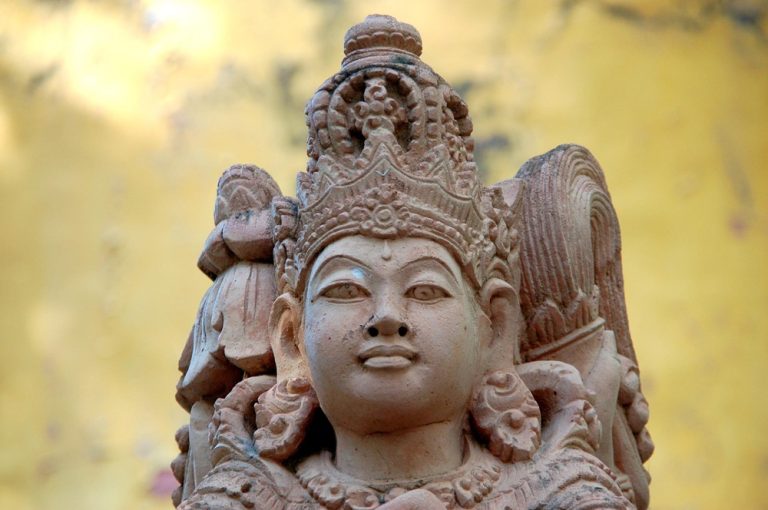
Where to Stay for Your Bali Itinerary
Choosing the right base can completely change the pace and feel of your Bali itinerary. Many first-time visitors underestimate how long transfers can take between different parts of the island, especially around southern Bali where traffic is often heavy throughout the day. Staying in the right areas for your travel style will usually have a bigger impact on your trip than trying to squeeze in as many destinations as possible.
For most travelers, Bali works best with one to three main bases depending on the length of the trip. Shorter itineraries usually focus on combinations like Ubud and the south coast, while longer Bali travel itineraries can comfortably add quieter regions such as Sidemen, Amed, Munduk, or Nusa Penida. If you're still comparing destinations, our breakdown of Bali's most popular bases explains which regions are best suited to different travel styles and itineraries.
Accommodation styles also vary dramatically across the island. Some areas are packed with luxury villas, beach resorts, and nightlife, while others focus more on rice field stays, diving guesthouses, surf camps, or wellness retreats. If you are still deciding where to book, this guide to comparing hotel booking platforms can help you compare prices for villas, resorts, boutique hotels, and guesthouses across Bali.
Ubud
Ubud is one of the best bases for travelers interested in temples, waterfalls, rice terraces, wellness retreats, yoga, traditional culture, and jungle scenery. It sits in central Bali and works especially well for travelers building a more cultural or nature-focused Bali Indonesia itinerary.
Ubud is also one of the most popular bases for couples planning a romantic getaway. Luxury jungle resorts, private pool villas, wellness retreats, rice terrace views, and a slower pace of life make it a natural choice for honeymooners. Many couples combine Ubud with destinations such as Uluwatu or Nusa Dua to experience both Bali's cultural heart and its coastline. Travelers looking for accommodation ideas and romantic experiences can find additional inspiration in our Bali honeymoon planning resource.
Most travelers spend 2 to 4 nights here depending on the overall length of the trip. Ubud fits naturally into almost every Bali itinerary 7 days or longer because it provides easy access to many of the island’s most famous cultural and natural attractions. For a deeper look at the area's temples, waterfalls, rice terraces, cultural experiences, and practical planning tips, see our complete Ubud visitor guide.
Ubud is usually best for:
- First-time visitors
- Couples and honeymoon trips
- Wellness and yoga retreats
- Waterfalls and rice terraces
- Temple visits and cultural experiences
- Slower travel and nature-focused itineraries

Canggu
Canggu has become one of Bali’s most popular destinations for surfers, digital nomads, café culture, nightlife, and beach sunsets. The area is known for its trendy restaurants, coworking spaces, beach clubs, and relaxed social atmosphere. Travelers who want a deeper look at the area can explore our complete visitor's guide to Canggu for beaches, attractions, restaurants, and practical travel tips.
It works well in a Bali itinerary for travelers who want a livelier atmosphere while still having access to beaches and surfing. However, traffic in Canggu can be extremely congested, especially during peak hours.
Canggu is usually best for:
- Surfing and beach culture
- Nightlife and cafés
- Digital nomad stays
- Younger travelers and groups
- Relaxed beach-based itineraries

Seminyak
Seminyak is more polished and resort-oriented than nearby Canggu while still offering excellent restaurants, shopping, spas, beach clubs, and sunset beaches. It remains one of the most convenient areas for travelers wanting comfort, nightlife, and easier access to the airport. Travelers looking for a deeper overview of the area can also explore our complete Seminyak vacation guide, which covers beaches, restaurants, nightlife, hotels, and day trips.
Many honeymoon and luxury-focused Bali itineraries include Seminyak because of its high concentration of villas, upscale resorts, and private pool accommodations. Travelers comparing luxury stays, beach resorts, and boutique villas can also use this guide to finding the best hotel deals in Bali before booking.
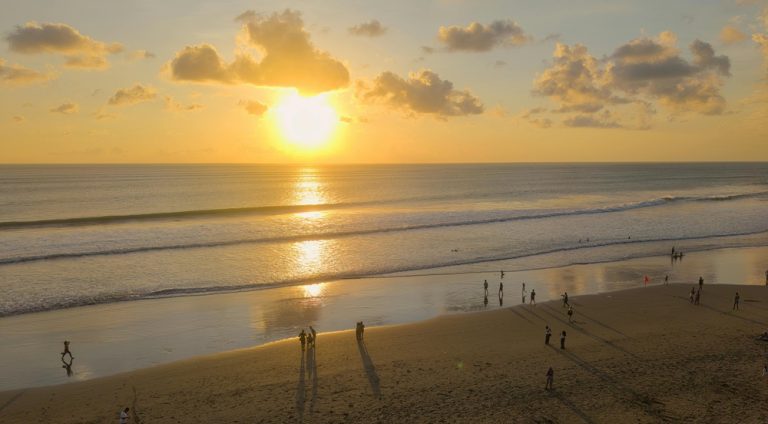
Uluwatu
Uluwatu is famous for dramatic cliffs, surf breaks, beach clubs, white-sand beaches, and some of the best sunsets in Bali. Compared to Canggu or Seminyak, the atmosphere here is generally more relaxed and spread out.
It works especially well in a Bali itinerary 5 days or Bali itinerary 7 days route because it combines beaches, surfing, seafood restaurants, and cultural attractions like the Uluwatu Temple and Kecak fire dance. Travelers planning to spend time in the area can find more detailed recommendations in our complete Uluwatu visitor guide, which covers beaches, hotels, restaurants, surf spots, and the best things to do.
Uluwatu is usually best for:
- Surfing
- Beach-focused trips
- Couples and honeymoon stays
- Luxury villas and resorts
- Cliffside sunsets and beach clubs
Sanur
Sanur offers a slower and more relaxed atmosphere than Canggu or Seminyak. The beaches are calmer, the pace is quieter, and the area is popular with families, older travelers, and people looking for a more peaceful coastal stay.
Sanur is also one of the main departure points for boats heading to Nusa Penida and Nusa Lembongan, making it a practical addition to longer Bali itineraries that include island hopping.
Nusa Dua
Nusa Dua is known for large beachfront resorts, private beaches, golf courses, and luxury all-inclusive stays. It feels more isolated from the rest of Bali but works very well for travelers prioritizing comfort, relaxation, and resort facilities.
This area is particularly popular for honeymoon trips, family vacations, and shorter Bali travel itineraries centered around beach resorts rather than sightseeing-heavy schedules.
Sidemen
Sidemen is one of the best areas in Bali for travelers wanting quieter scenery, rice terraces, traditional villages, and slower travel. Compared to Ubud, it feels significantly less crowded and more rural.
It works especially well in a Bali itinerary 10 days or Bali itinerary 2 weeks route where travelers have enough time to slow down and experience a quieter side of the island.

Amed
Amed sits along Bali’s northeastern coast and is best known for diving, snorkeling, black-sand beaches, volcano views, and laid-back coastal villages. It is much quieter than southern Bali and appeals strongly to divers and slower travelers.
Because of the longer transfer times from the airport and southern Bali, Amed fits best into longer Bali itineraries rather than shorter one week Bali itinerary routes.
Nusa Penida
Nusa Penida is famous for dramatic cliffs, turquoise water, snorkeling, and iconic viewpoints like Kelingking Beach. While many travelers attempt it as a day trip, staying overnight usually creates a much more enjoyable experience.
For shorter Bali itineraries, Nusa Penida can feel rushed due to ferry schedules and transfer times. However, travelers with 10 days in Bali or more often find it much easier to include without constantly feeling pressured by time.
Before booking accommodation across multiple regions, it is often worth checking hotel prices across booking platforms, especially during Bali’s busiest travel periods when rates can fluctuate significantly between websites.

Choose Your Bali Itinerary Length
Not every traveler needs the same Bali itinerary. If you already know how many days you have, use this quick navigation table to jump straight to the route that fits your trip length, pace, and travel style.
| Itinerary Length | Best For |
|---|---|
| 5-Day Bali Itinerary | A short first trip focused on Ubud, beaches, temples, rice terraces, and sunsets |
| 7-Day Bali Itinerary | The best balance for most first-time visitors wanting culture, beaches, food, and relaxation without rushing |
| 10-Day Bali Itinerary | A more complete Bali travel itinerary with islands, waterfalls, quieter regions, and slower pacing |
| 14-Day Bali Itinerary | A deeper Bali experience including island hopping, diving, slower travel, and less touristy areas |
If you are unsure which route to choose, most travelers should start with the 7-day or 10-day option. Five days can work for a short escape, but 10 days gives you far more flexibility to enjoy Bali without constantly moving between hotels.
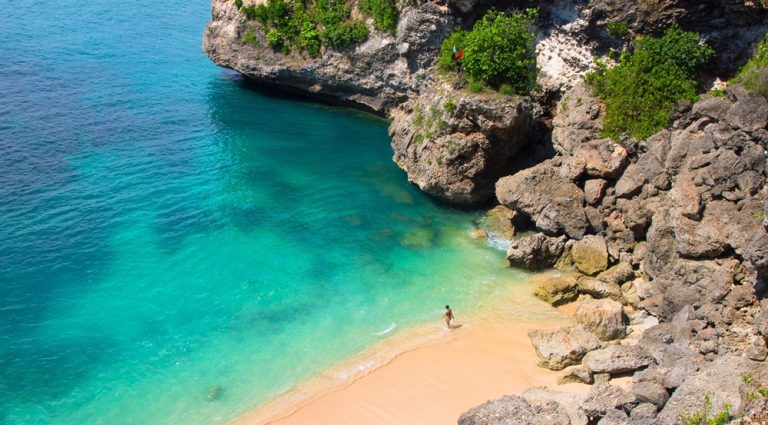
5-Day Bali Itinerary
A Bali itinerary 5 days long is best for travelers who want to experience a mix of culture, beaches, temples, and scenery without constantly rushing across the island. With only a few days available, the key is choosing a realistic route and limiting hotel changes as much as possible.
For most first-time visitors, the best 5 day Bali itinerary combines Ubud with one area in south Bali such as Uluwatu, Seminyak, or Canggu. This gives you a balanced introduction to rice terraces, waterfalls, beach culture, sunsets, and traditional Balinese temples without spending half the trip in traffic.
- Days 1–2: Ubud for temples, waterfalls, rice terraces, and culture
- Days 3–5: South Bali for beaches, surf, sunsets, cafés, and coastal scenery
- Best for first-time visitors wanting a balanced Bali travel itinerary
- Works well for couples, shorter vacations, and relaxed sightseeing
- Avoid trying to include too many distant regions in only 5 days
Day 1 — Arrival in Bali and Transfer to Ubud
After arriving in Bali, most travelers heading inland start their Bali itinerary in Ubud. Depending on traffic and arrival time, the drive from the airport usually takes between 1.5 and 3 hours.
The first day is best kept relatively relaxed, especially after long international flights. Spend the afternoon settling into your accommodation, exploring central Ubud, or walking through the Sacred Monkey Forest area.
Popular activities for the first evening include:
- Walking through central Ubud
- Visiting Ubud Palace and the nearby market
- Trying traditional Balinese food
- Booking a spa or massage
- Watching sunset over the surrounding rice fields
Because Ubud accommodation ranges from budget guesthouses to luxury jungle villas, many travelers spend extra time comparing Bali accommodation websites before booking.
Day 2 — Rice Terraces, Temples, and Waterfalls
Day two is where your Bali Indonesia itinerary begins to feel more immersive. Ubud is one of the best bases for exploring central Bali’s temples, waterfalls, jungle scenery, and rice terraces.
Many travelers hire a private driver for the day since attractions are spread across different areas and traffic conditions can vary significantly.
A realistic day often includes:
- Tegalalang Rice Terraces or Jatiluwih Rice Terraces
- Tirta Empul Temple
- A jungle waterfall such as Tibumana or Tegenungan
- A coffee plantation or scenic lunch stop
- Campuhan Ridge Walk at sunset
Trying to visit too many waterfalls or temples in one day usually becomes exhausting, especially with Bali traffic. Most travelers enjoy the experience more when they leave space for slower lunches, cafés, or relaxing breaks between stops.
Day 3 — Transfer to South Bali
On day three, most travelers continue their Bali itinerary toward the southern coast. The best base depends on your travel style.
- Canggu for cafés, surfing, nightlife, and beach culture
- Seminyak for restaurants, shopping, beach clubs, and villas
- Uluwatu for cliffs, beaches, surf breaks, and quieter scenery
Rather than trying to fit too many attractions into the transfer day, most travelers enjoy stopping at one or two places on the route south. Tanah Lot Temple is one of the most common stops if heading toward Canggu or Seminyak.
The rest of the afternoon can be spent relaxing on the beach, exploring cafés, or simply slowing the pace after two busier sightseeing days in Ubud.
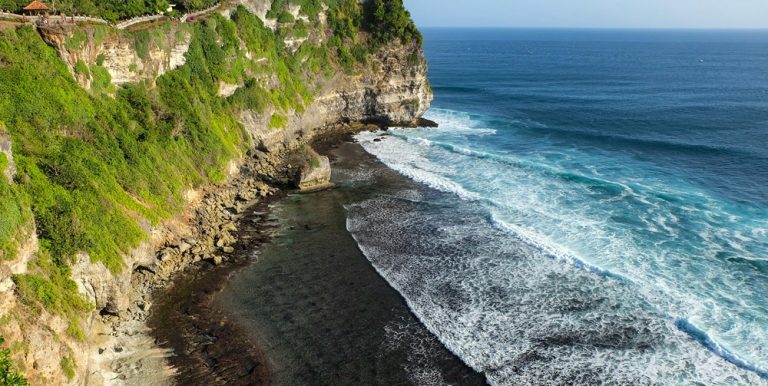
Day 4 — Uluwatu, Beaches, and Sunset
Day four focuses on Bali’s southern coastline, which feels completely different from the jungle scenery around Ubud. This part of the island is known for dramatic cliffs, surf beaches, white sand, beach clubs, and sunset viewpoints.
Popular beaches and stops include:
- Padang Padang Beach
- Suluban Beach
- Bingin Beach
- Melasti Beach
- Uluwatu Temple
The Kecak fire dance near Uluwatu Temple is one of the most popular cultural performances in Bali and is often included in shorter Bali itineraries because of its dramatic cliffside sunset setting.
For travelers planning beach clubs, surfing, snorkeling trips, or scooter rentals during their Bali itinerary 5 days route, having good coverage for medical emergencies and delays is always worth considering. This guide to travel insurance for international trips explains some of the main options travelers compare before visiting Indonesia.
Day 5 — Relaxation and Departure
The final day of a 5 day Bali itinerary is usually best kept flexible depending on your flight schedule. Many travelers spend the morning at a café, beach club, or spa before returning to the airport.
If your flight departs later in the evening, you may still have time for:
- A final beach morning in Seminyak or Uluwatu
- A massage or spa treatment
- Shopping or café hopping
- A seafood lunch in Jimbaran
- A short surf lesson
Although 5 days in Bali is relatively short, this route still gives first-time visitors a balanced introduction to culture, beaches, scenery, temples, and food without making the trip feel overly rushed.
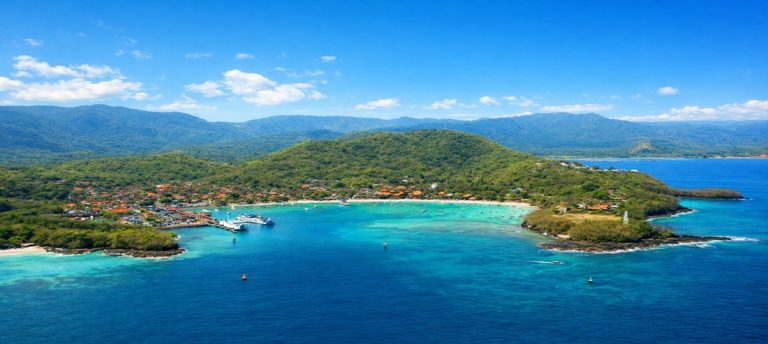
7-Day Bali Itinerary
A Bali itinerary 7 days long is the ideal balance for most first-time visitors. One week gives you enough time to experience Bali’s temples, rice terraces, beaches, cafés, waterfalls, and sunsets without constantly feeling rushed from one destination to another.
Compared to a shorter 5 day Bali itinerary, a 7 day Bali itinerary allows for slower mornings, more flexibility, and a much more enjoyable pace overall. Most travelers divide their time between Ubud and the southern coast, which creates one of the most balanced and realistic Bali travel itinerary routes for culture, scenery, relaxation, and beach time.
| Days | Main Base | Focus |
|---|---|---|
| Days 1–3 | Ubud | Temples, waterfalls, rice terraces, wellness, and culture |
| Days 4–7 | South Bali | Beaches, cafés, surf, beach clubs, sunsets, and coastal scenery |
Day 1 — Arrival and Transfer to Ubud
Most travelers beginning a one week Bali itinerary start in Ubud because it offers one of the best introductions to Balinese culture, scenery, and slower island life. After arriving at the airport, the drive inland can take anywhere from 1.5 to 3 hours depending on traffic conditions.
The first day is best kept relaxed. Explore central Ubud, enjoy a traditional Balinese dinner, visit the Monkey Forest area, or simply recover from the flight with a spa treatment overlooking the jungle or rice fields.
Day 2 — Temples, Rice Terraces, and Waterfalls
Day two focuses on the cultural and natural highlights around central Bali. Hiring a private driver is usually the easiest way to explore multiple attractions comfortably without dealing with navigation or traffic stress.
Popular stops often include:
- Tegalalang Rice Terraces
- Tirta Empul Temple
- Tibumana or Tegenungan Waterfall
- Coffee plantations and jungle cafés
- Campuhan Ridge Walk
Many travelers also use this day to slow down and experience Ubud beyond sightseeing. Spending time in cafés, yoga studios, spas, or smaller local restaurants often becomes one of the highlights of a Bali Indonesia itinerary.
Day 3 — Relaxed Ubud Day or Mount Batur Sunrise Trek
One of the advantages of a 7 day Bali itinerary is having enough flexibility to avoid overloading every day with nonstop sightseeing.
Travelers wanting adventure often choose the Mount Batur sunrise trek, which begins extremely early but offers spectacular volcano views at sunrise. Others prefer a slower day exploring local markets, hidden cafés, cooking classes, or nearby temples around Ubud.
If you are carrying hiking gear, camera equipment, snorkeling items, or multiple outfits for different regions of Bali, it can also help to review these travel gear recommendations for international trips before finalizing your packing list.
Day 4 — Transfer to South Bali
After several days inland, the itinerary shifts toward Bali’s southern coastline. Most travelers stay in either Canggu, Seminyak, or Uluwatu depending on the atmosphere they prefer.
- Canggu for surfing, cafés, nightlife, and social energy
- Seminyak for restaurants, villas, shopping, and beach clubs
- Uluwatu for cliffs, beaches, surf breaks, and sunsets
Many travelers booking multiple bases across Bali spend time comparing Bali resort and villa prices because rates can vary considerably depending on the area and season.

Day 5 — Beaches, Surf, and Coastal Bali
Day five is ideal for slowing down and enjoying Bali’s beach culture. Depending on your base, this may include beach hopping, surfing lessons, beach clubs, or simply spending the afternoon by the ocean.
Popular beach areas include:
- Padang Padang Beach
- Bingin Beach
- Melasti Beach
- Seminyak Beach
- Batu Bolong Beach
Compared to Ubud, southern Bali feels much more social and coastal, creating a strong contrast within the overall Bali itinerary.
Day 6 — Uluwatu Temple and Sunset
One of the highlights of many Bali itineraries is visiting Uluwatu Temple at sunset. Perched high above the ocean on dramatic cliffs, it offers some of the most iconic coastal scenery on the island.
The evening Kecak fire dance is especially popular with first-time visitors because of its unique setting overlooking the sea at sunset.
Travelers planning surfing, snorkeling, scooter rentals, or island hopping during their Bali travel itinerary often prefer having additional coverage for medical issues, delays, or cancellations. This guide to travel insurance for Bali and international travel explains some of the most commonly compared options.
Day 7 — Relaxation and Departure
The final day of a 7 day Bali itinerary is best kept flexible depending on your flight time. Many travelers spend their final morning at a beach club, café, spa, or seafood restaurant before heading back toward the airport.
Although one week in Bali is still relatively short, this route gives first-time visitors enough time to experience both the cultural and coastal sides of the island without making the trip feel overly rushed or exhausting.

10-Day Bali Itinerary
A Bali itinerary 10 days long is one of the best options for travelers who want a fuller experience without rushing. Ten days gives you enough time to combine Ubud, south Bali, and an island or quieter region while still leaving space for slow mornings, beach time, temples, waterfalls, and flexible travel days.
Compared to a one week Bali itinerary, a 10 day Bali itinerary feels much more complete. You can spend enough time inland to enjoy Ubud properly, move south for beaches and sunsets, and still add Nusa Penida, Sidemen, Amed, or another slower destination without turning the trip into a race.
| Days | Main Base | Focus |
|---|---|---|
| Days 1–3 | Ubud | Culture, temples, rice terraces, waterfalls, wellness, and central Bali |
| Days 4–6 | South Bali | Beaches, surf, cafés, beach clubs, Uluwatu, sunsets, and coastal scenery |
| Days 7–9 | Nusa Penida, Sidemen, or Amed | Island views, slower travel, diving, snorkeling, rice fields, or quieter landscapes |
| Day 10 | South Bali or Airport Area | Final beach morning, spa, café stop, shopping, and departure |
Day 1 — Arrival and Transfer to Ubud
Start your 10 day itinerary Bali route in Ubud, especially if this is your first visit. After arriving at Ngurah Rai International Airport, transfer inland and keep the first day simple. Long flights, immigration, luggage, and traffic can make arrival day more tiring than expected.
Use the afternoon or evening to settle into your accommodation, walk around central Ubud, visit a nearby restaurant, or book a massage. There is no need to overload the first day because the next few days will cover the cultural and natural highlights around central Bali.
Day 2 — Ubud Temples, Rice Terraces, and Waterfalls
Day two is one of the most rewarding days in this Bali Indonesia itinerary because Ubud gives easy access to some of the island’s classic scenery. A private driver is usually the most comfortable option if you want to combine several stops without worrying about traffic, parking, or navigation.
A realistic route can include:
- Tegalalang Rice Terraces or Jatiluwih Rice Terraces
- Tirta Empul Temple
- Gunung Kawi or Goa Gajah
- Tibumana, Kanto Lampo, or Tegenungan Waterfall
- A coffee plantation, local lunch stop, or jungle café
For a 10 days in Bali itinerary, this is also where you can slow the pace slightly. Instead of trying to visit every famous waterfall or temple in one day, choose a few strong stops and leave room for meals, viewpoints, and spontaneous breaks.
Day 3 — Ubud Slow Day or Mount Batur Sunrise Trek
The third day gives you flexibility. If you want adventure, the Mount Batur sunrise trek is one of the most popular early-morning experiences in Bali. It requires a very early start, but the volcano views at sunrise can be a major highlight for travelers who enjoy hiking.
If you prefer a slower day, stay closer to Ubud and focus on cafés, yoga, markets, spas, art galleries, or a cooking class. This is also a good moment to rest before moving south.
A strong Bali itinerary 10 days long should not feel like every day has to be packed. The extra time is valuable because it lets you enjoy Bali instead of simply ticking off attractions.

Day 4 — Transfer to South Bali
On day four, move from Ubud toward the coast. Most travelers choose Canggu, Seminyak, or Uluwatu depending on the atmosphere they want.
- Canggu works well for cafés, surf, coworking, nightlife, and a social atmosphere
- Seminyak is better for restaurants, shopping, beach clubs, villas, and convenience
- Uluwatu is best for cliffs, beaches, surfing, sunsets, and a slightly calmer coastal feel
If your Bali travel itinerary includes multiple hotel bases, compare locations carefully before booking. A stay that looks close on a map may still involve long transfers because of traffic. This is also a good point to compare Bali hotel booking sites if you are choosing between villas, resorts, guesthouses, or beach stays in different areas.
Day 5 — South Bali Beaches, Surf, and Cafés
Day five is for enjoying the coastal side of Bali. Depending on your base, you can spend the day surfing, visiting beaches, relaxing at a beach club, trying cafés, or exploring nearby coastal towns.
Popular options include:
- Batu Bolong Beach or Echo Beach in Canggu
- Seminyak Beach and Petitenget
- Padang Padang, Bingin, or Dreamland near Uluwatu
- Melasti Beach for a more scenic beach day
- Jimbaran for seafood by the water
This part of the itinerary balances the inland culture of Ubud with the beach atmosphere that many travelers associate with Bali.
Day 6 — Uluwatu Temple and Sunset Coast
Spend day six around Uluwatu and the Bukit Peninsula. Even if you are staying in Canggu or Seminyak, this area is worth a full day because the cliffs, beaches, and sunset views feel very different from the rest of south Bali.
A relaxed Uluwatu day can include:
- Beach time at Padang Padang, Bingin, Suluban, or Melasti
- Lunch at a cliffside café or beach restaurant
- Uluwatu Temple in the late afternoon
- The Kecak fire dance at sunset
- Dinner in Jimbaran or Uluwatu
This is one of the most memorable coastal days in a Bali itinerary because it combines scenery, culture, and sunset in a way that feels very specific to the island.

Day 7 — Add Nusa Penida, Sidemen, or Amed
With 10 days in Bali, you have enough time to add one extra region or island without rushing too much. This is where the itinerary becomes more flexible depending on your travel style.
Choose one of these options:
- Nusa Penida for dramatic cliffs, beaches, snorkeling, and iconic viewpoints
- Sidemen for rice terraces, village scenery, slower travel, and a quieter inland atmosphere
- Amed for diving, snorkeling, black-sand beaches, volcano views, and a relaxed coastal pace
Most travelers should choose only one of these for a Bali 10 day itinerary. Trying to include all three would make the final part of the trip feel too rushed.
Day 8 — Explore Your Chosen Extension
Day eight is dedicated to the extension you chose. On Nusa Penida, this might mean visiting Kelingking Beach, Broken Beach, Angel’s Billabong, Diamond Beach, or snorkeling with manta rays if conditions allow.
In Sidemen, the day can focus on rice field walks, viewpoints, local villages, cooking classes, and slow countryside scenery. In Amed, the best options are snorkeling, diving, beach time, and enjoying views toward Mount Agung.
This extra section is what makes a 10 day Bali itinerary feel more complete than a shorter route. You are no longer only seeing the obvious first-time highlights. You are starting to experience a quieter or more dramatic side of the island.
Day 9 — Slow Morning and Return Toward South Bali
Use day nine for a slower morning before returning toward south Bali or the airport region. If you stayed on Nusa Penida, this means taking the ferry back to Sanur and allowing extra time for delays. If you stayed in Sidemen or Amed, the drive back south can take several hours depending on traffic.
This is not the best day to cram in too many additional activities. Keep the schedule flexible, especially if you have an early flight the following day.
Day 10 — Final Beach Morning and Departure
The final day of a Bali itinerary 10 days long is best kept simple. Spend the morning at the beach, visit a café, book a massage, shop for souvenirs, or enjoy one last relaxed meal before heading to the airport.
Ten days gives most travelers a strong balance of Bali’s main experiences: Ubud’s culture and scenery, south Bali’s beaches and sunsets, and one extra island or quieter region. For many first-time visitors, this is the best overall Bali itinerary because it feels complete without becoming exhausting.

14-Day Bali Itinerary
A Bali itinerary 2 weeks long gives you the freedom to experience the island at a much slower and more rewarding pace. Instead of constantly rushing between attractions, a two week Bali itinerary allows time for quieter regions, island escapes, beach days, cultural experiences, and spontaneous moments that shorter trips often miss entirely.
Compared to a Bali itinerary 7 days or even a Bali itinerary 10 days route, 14 days gives you enough flexibility to combine Bali’s most famous highlights with places that feel calmer, greener, and less crowded. This is one of the best options for travelers who enjoy slower travel, photography, diving, surfing, wellness retreats, or simply having time to relax between transfers.
| Days | Main Base | Focus |
|---|---|---|
| Days 1–4 | Ubud | Culture, temples, waterfalls, rice terraces, wellness, and central Bali |
| Days 5–8 | South Bali | Beaches, surf, cafés, nightlife, beach clubs, and sunsets |
| Days 9–11 | Nusa Penida or Nusa Lembongan | Island scenery, snorkeling, diving, beaches, and coastal viewpoints |
| Days 12–13 | Sidemen, Munduk, or Amed | Slower travel, volcano views, rice terraces, diving, or waterfalls |
| Day 14 | South Bali or Airport Area | Final beach morning, shopping, spa, and departure |
Days 1–4 — Ubud and Central Bali
Start your Bali two week itinerary in Ubud, which remains one of the best bases for culture, nature, wellness, temples, waterfalls, and traditional Balinese scenery. With extra time available, you can explore at a slower pace rather than trying to combine multiple attractions into exhausting day trips.
Over four days, most travelers comfortably have time for:
- Tegalalang or Jatiluwih Rice Terraces
- Tirta Empul Temple
- Waterfalls around central Bali
- Campuhan Ridge Walk
- Cooking classes or wellness retreats
- Yoga, spas, cafés, and local markets
- Optional Mount Batur sunrise trek
Because Ubud accommodations range from luxury jungle villas to smaller guesthouses and wellness retreats, many travelers spend time comparing Bali villa and resort prices before booking longer stays in the area.
Days 5–8 — South Bali Beaches and Coastal Life
After central Bali, move toward the southern coast. Most travelers stay in either Canggu, Seminyak, or Uluwatu depending on the type of atmosphere they prefer.
- Canggu for surf culture, cafés, coworking spaces, nightlife, and social energy
- Seminyak for beach clubs, restaurants, shopping, villas, and convenience
- Uluwatu for cliffs, beaches, surfing, sunsets, and a calmer coastal atmosphere
A longer Bali Indonesia travel itinerary allows you to enjoy these regions without feeling pressured to move constantly between beaches and attractions every day.
Use this section of the trip for:
- Surf lessons or beach days
- Uluwatu Temple and the Kecak fire dance
- Beach clubs and sunset dinners
- Café hopping in Canggu
- Seafood dinners in Jimbaran
- Relaxed resort or villa stays
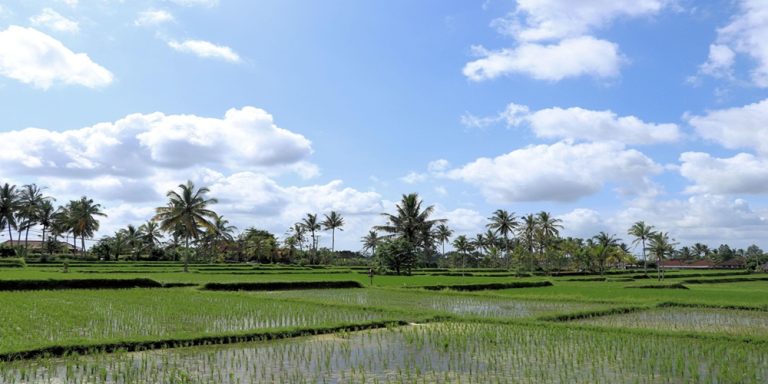
Days 9–11 — Nusa Penida or Nusa Lembongan
One of the biggest advantages of a 2 week Bali itinerary is having enough time to properly include the nearby islands instead of squeezing them into a rushed day trip.
Nusa Penida is famous for dramatic cliffs, turquoise water, snorkeling trips, and viewpoints like Kelingking Beach and Diamond Beach. Nusa Lembongan offers a calmer atmosphere with beach cafés, snorkeling, surfing, and easier island logistics.
Most travelers prefer staying overnight rather than attempting a same-day return because ferry schedules, road conditions, and traffic can quickly make day trips exhausting.
Popular activities around the islands include:
- Snorkeling with manta rays
- Coastal viewpoints and cliff scenery
- Beach cafés and sunset spots
- Boat tours and island hopping
- Diving and underwater photography
Travelers adding ferries, snorkeling tours, diving trips, or scooter rentals during their Bali itinerary often prefer having extra medical and cancellation coverage before arriving in Indonesia. This guide to travel insurance for Bali trips explains some of the main options travelers compare before booking activities.
Days 12–13 — Sidemen, Munduk, or Amed
The final major section of a Bali itinerary 2 weeks long is the perfect opportunity to experience a quieter side of the island.
Each region offers something different:
- Sidemen for rice terraces, local villages, volcano views, and slower travel
- Munduk for waterfalls, mountain scenery, cooler temperatures, and jungle landscapes
- Amed for diving, snorkeling, black-sand beaches, and laid-back coastal villages
This slower ending creates a strong contrast with the busier beach areas in south Bali and helps the trip feel more balanced overall.
If you plan on carrying hiking gear, snorkeling equipment, drones, cameras, or multiple outfits for beaches and temples, these travel gear essentials for long international trips may help simplify packing for Bali’s different climates and activities.
Day 14 — Return South and Departure
On the final day of your Bali itinerary, return toward the airport region with enough buffer time for traffic and airport procedures. Depending on your flight schedule, you may still have time for a beach breakfast, café stop, spa session, or final sunset before departure.
A 14 day Bali itinerary gives travelers the opportunity to experience much more than the island’s most famous Instagram spots. With enough time to slow down, Bali starts feeling less like a checklist of attractions and more like a destination you can genuinely settle into and enjoy.
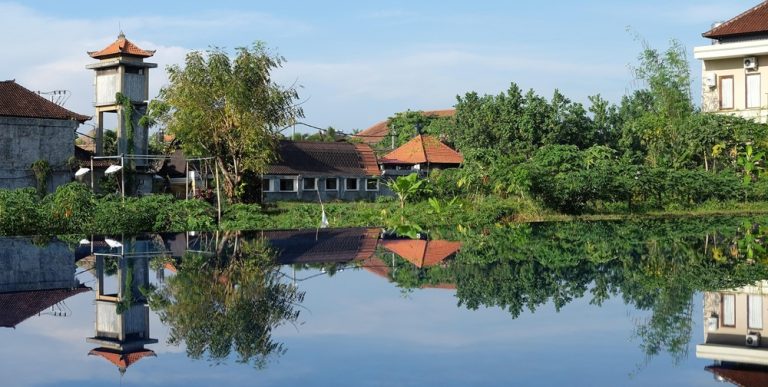
Best Day Trips and Experiences to Add to Your Bali Itinerary
One of the reasons Bali appeals to such a wide range of travelers is the incredible variety of experiences available across the island. A Bali itinerary can include volcano hikes at sunrise, jungle waterfalls, cliffside temples, surfing lessons, island hopping, snorkeling with manta rays, traditional cooking classes, luxury beach clubs, rice terraces, yoga retreats, and hidden coastal villages all within the same trip.
The key is not trying to do everything. The best Bali travel itinerary usually focuses on a few memorable experiences that genuinely fit your travel style rather than turning every day into a rushed checklist. Some travelers prioritize surfing and beach culture, while others focus on culture, temples, wellness, diving, or slower countryside scenery. Travelers interested in Bali's spiritual side can also explore our guide to the island's most important cultural landmarks when planning their route.
These are some of the best experiences to consider adding to your Bali itinerary 7 days, Bali itinerary 10 days, or Bali itinerary 2 weeks route depending on how much time you have available.
Mount Batur Sunrise Trek
The Mount Batur sunrise trek is one of the most iconic adventure experiences in Bali. Located in the volcanic highlands of central Bali, Mount Batur offers panoramic sunrise views above the clouds with views stretching toward Mount Agung, Lake Batur, and surrounding valleys.
Most treks begin extremely early, often around 2 or 3 AM depending on where you stay, but the reward is reaching the summit just before sunrise as the landscape slowly lights up across the island. The atmosphere at the top feels completely different from Bali’s beaches and coastal towns, making it one of the most memorable contrasts in a Bali Indonesia itinerary.
The trek itself is manageable for most reasonably active travelers, although sections can be steep and slippery depending on weather conditions. Cooler temperatures in the mountains also provide a refreshing change from Bali’s tropical heat.
Browse Mount Batur sunrise treks and volcano experiences, including guided hikes, hotel transfers, breakfast tours, and sunrise viewpoints overlooking Bali’s volcanic landscapes.
View Mount Batur tours
Nusa Penida Day Trips
Nusa Penida has become one of the most famous additions to a Bali itinerary thanks to its dramatic cliffs, turquoise water, rugged coastline, and world-famous viewpoints. Located southeast of Bali, the island feels noticeably wilder and more rugged than the mainland.
The most famous locations include Kelingking Beach, Diamond Beach, Broken Beach, and Angel’s Billabong, where steep cliffs drop into bright blue ocean scenery that has become iconic across social media and travel photography.
Boat trips from Bali also allow travelers to snorkel around coral reefs and swim with manta rays depending on weather and sea conditions. While many people visit Nusa Penida as a day trip, travelers with more time often enjoy staying overnight because ferry schedules and road conditions can make same-day visits feel rushed.
Explore Nusa Penida tours and island trips, including snorkeling excursions, manta ray experiences, cliff viewpoints, fast boat transfers, and guided day tours from Bali.
View Nusa Penida tripsUluwatu Temple and Kecak Fire Dance
Perched high above the Indian Ocean on dramatic limestone cliffs, Uluwatu Temple is one of the most famous cultural landmarks in Bali. The setting alone is spectacular, especially in the late afternoon when the coastline begins glowing in the warm light before sunset.
The highlight for many travelers is the traditional Kecak fire dance performed near the cliffs at sunset. The performance combines rhythmic chanting, storytelling, fire elements, and Balinese mythology while waves crash far below the temple.
This experience works particularly well in a Bali itinerary 5 days or Bali itinerary 7 days route because it combines culture, scenery, and sunset into one memorable evening without requiring a full-day excursion.
Browse Uluwatu Temple and Kecak fire dance experiences, including sunset tours, cultural performances, cliffside viewpoints, and combined south Bali excursions.
View Uluwatu toursWaterfalls Around Central Bali
Waterfalls are one of the biggest highlights of many Bali itineraries, especially around Ubud and the central highlands. Some are hidden deep within jungle valleys, while others are much easier to access and popular with photographers and social media travelers.
Tibumana Waterfall offers a more peaceful jungle setting, while Kanto Lampo and Tegenungan are among the easiest to reach from Ubud. Farther north, places like Sekumpul and Banyumala Twin Waterfalls feel more remote and scenic but require longer drives and steeper walks.
Many waterfall tours combine several stops into one route alongside rice terraces, temples, coffee plantations, and scenic viewpoints, making them ideal for travelers wanting a more immersive day in central Bali.
Discover Bali waterfall tours featuring jungle waterfalls, rice terraces, temples, scenic viewpoints, and guided day trips through central Bali’s lush landscapes.
View waterfall toursSurf Lessons and Beach Culture
Bali is one of the world’s most famous surf destinations, attracting everyone from complete beginners to experienced surfers chasing reef breaks along the southern coast.
Areas like Canggu, Kuta, and Seminyak are ideal for beginners thanks to softer waves and wide beaches with plenty of surf schools and instructors. More advanced surfers often head toward Uluwatu, Padang Padang, Bingin, and Balangan where the reef breaks are faster, stronger, and more technical.
Even travelers who have never surfed before often include at least one lesson during their Bali travel itinerary because surfing has become such a major part of the island’s beach culture.
Browse Bali surf lessons and beach experiences, from beginner-friendly classes in Canggu and Kuta to private coaching sessions and advanced surf excursions.
View surf lessons
Snorkeling and Diving Trips
Bali and the nearby islands offer some of the best snorkeling and diving opportunities in Indonesia. Clear water, coral reefs, volcanic underwater landscapes, manta rays, sea turtles, and shipwreck dives attract divers from around the world.
Nusa Penida is especially famous for manta ray snorkeling trips, while Amed and Tulamben are known for calmer diving conditions and the famous USAT Liberty shipwreck. Menjangan Island in northwest Bali is another excellent location for coral reefs and underwater visibility.
Whether you are an experienced diver or simply want a relaxed snorkeling excursion, underwater activities add a completely different side to a Bali Indonesia travel itinerary.
Explore Bali snorkeling and diving trips, including manta ray tours, coral reef excursions, shipwreck dives, island boat trips, and beginner-friendly snorkeling experiences.
View snorkeling tripsBalinese Cooking Classes and Wellness Experiences
Beyond beaches and sightseeing, Bali is also one of the best places in Southeast Asia for slower cultural and wellness-focused experiences. Cooking classes, yoga retreats, sound healing sessions, and traditional Balinese spa treatments are especially popular around Ubud and central Bali.
Balinese cooking classes often begin with local market visits before moving into hands-on preparation of traditional dishes using herbs, spices, vegetables, and local cooking techniques. These experiences create a much deeper connection with local culture than simply visiting tourist attractions.
For many travelers, these quieter and more immersive experiences become some of the most memorable moments of an entire Bali itinerary.
Browse Balinese cooking classes and cultural experiences, including market tours, traditional recipes, wellness activities, yoga retreats, and immersive local workshops.
View cooking classes
How to Get Around Bali
Transportation is one of the most important parts of planning a realistic Bali itinerary. Distances on the map often look short, but traffic, narrow roads, construction, ceremonies, weather, and congestion around tourist areas can make travel much slower than expected.
One of the biggest mistakes travelers make during a Bali itinerary 7 days or Bali itinerary 10 days route is trying to move around too often. Spending hours in traffic between hotels quickly becomes exhausting, especially in southern Bali where roads around Canggu, Seminyak, and Uluwatu can become heavily congested during peak periods. Understanding Bali's transportation options and travel times before you arrive can help you build a much more realistic itinerary.
For most travelers, Bali works best when you limit the number of hotel changes and choose a few smart bases rather than trying to constantly move across the island.
Private Drivers
Hiring a private driver is one of the easiest and most popular ways to explore Bali, especially for first-time visitors. Drivers are commonly used for full-day sightseeing around Ubud, temple routes, waterfall tours, rice terrace visits, and longer intercity transfers.
Most drivers charge a flat day rate depending on the route, duration, and vehicle type. This option is usually far more comfortable than trying to navigate unfamiliar roads or organize multiple taxis throughout the day.
Private drivers are especially useful for:
- Temple and waterfall days around Ubud
- Transfers between regions
- Families and groups
- Travelers carrying luggage or surfboards
- Flexible sightseeing schedules
- Longer day trips across central Bali
Many hotels can arrange trusted drivers directly, although independent local drivers are also widely available throughout Bali.
Grab and Gojek
Grab and Gojek are the two most widely used ridesharing apps in Bali and are extremely useful for shorter trips, restaurant visits, airport transfers, and moving around southern Bali.
Compared to traditional taxis, these apps usually provide:
- Upfront pricing
- Easier navigation and pickup points
- Motorbike taxi options
- Cashless payment possibilities
- Food delivery and additional services
However, some tourist areas and beach clubs occasionally restrict rideshare pickups because of local taxi agreements, so pickup points may require short walks in certain regions.
Having reliable mobile data makes using these apps significantly easier, especially when navigating Bali traffic or organizing airport pickups. Many travelers now arrange data before arriving in Indonesia using international eSIM options for Bali travel so they can immediately access maps, transport apps, and hotel information after landing.

Scooter Rentals
Scooters are everywhere in Bali and remain one of the fastest ways to move through traffic, especially around Canggu, Seminyak, and Ubud. For experienced riders, scooters offer flexibility and easy access to smaller roads, cafés, beaches, and viewpoints.
However, Bali traffic can be chaotic, road conditions are inconsistent, and accidents involving tourists are common. Scooters should not be treated casually, especially for travelers with little riding experience.
Important things to consider before renting a scooter include:
- Traffic congestion and unpredictable driving conditions
- Rain-slick roads during wet season months
- International driving permit requirements
- Helmet use and basic safety precautions
- Insurance limitations for scooter accidents
- Steep roads around cliffs and mountain areas
For many travelers, especially first-time visitors, using private drivers and ridesharing apps is often less stressful than navigating Bali independently by scooter.
Ferries and Island Transfers
If your Bali Indonesia itinerary includes Nusa Penida, Nusa Lembongan, or the Gili Islands, ferry logistics become an important part of trip planning.
Fast boats usually depart from Sanur or Padang Bai depending on the destination. Sea conditions can vary significantly throughout the year, and delays due to weather, waves, or loading procedures are relatively common.
Travelers planning island hopping should:
- Allow extra buffer time between transfers
- Avoid scheduling flights too close to ferry arrivals
- Expect rougher crossings during certain seasons
- Carry waterproof protection for electronics and luggage
- Book morning departures whenever possible
Longer Bali itinerary 10 days or Bali itinerary 2 weeks routes usually handle island transfers much more comfortably than shorter itineraries because there is less pressure to rush between locations.
Understanding Bali Traffic and Transfer Times
Bali traffic is often the single biggest factor travelers underestimate when planning a Bali travel itinerary. A route that looks short on Google Maps may still take several hours depending on the time of day and location. If you think Bali traffic was bad in the past, it has only gotten worse.
Some of the most congested areas include:
- Canggu and surrounding coastal roads
- Seminyak and Kuta
- Airport access roads
- Popular temple routes during sunset hours
- Weekend and holiday travel periods
This is exactly why slower travel usually creates a much better Bali itinerary than constantly changing hotels every day. Spending more time in fewer regions almost always leads to a more enjoyable experience than trying to see the entire island in one trip.
Travelers carrying electronics, cameras, drones, snorkeling equipment, or gear for waterfalls and beach activities often find it useful to review these travel gear essentials for Bali trips before packing for the island’s tropical climate and varied activities.

Best Time to Visit Bali
Bali is a year-round destination, but the overall experience can feel very different depending on the season, weather patterns, crowds, humidity, and travel style. Some travelers prioritize sunny beach weather and surfing conditions, while others prefer greener landscapes, fewer tourists, lower hotel prices, or quieter atmospheres. If you're still deciding when to travel, our guide to choosing the right season for a Bali trip compares the island's weather patterns, crowd levels, and travel conditions throughout the year.
There is no single perfect month for every Bali itinerary. The best time to visit Bali depends largely on what you want from the trip and how comfortable you are with heat, humidity, rain, crowds, and seasonal pricing.
Dry Season (April to October)
The dry season is generally considered the best overall period for a Bali travel itinerary, especially for first-time visitors. During these months, the island usually experiences sunnier days, lower humidity, calmer weather, and more reliable conditions for beaches, island trips, hiking, and outdoor activities.
This is also the most popular time for:
- Surfing and beach trips
- Island hopping to Nusa Penida and Nusa Lembongan
- Temple visits and sightseeing
- Volcano trekking
- Diving and snorkeling
- Honeymoon travel
July and August are usually the busiest months of the year, especially around Canggu, Seminyak, Uluwatu, and Ubud. Accommodation prices rise significantly during this period, and popular beach clubs, cafés, and attractions can become crowded.
Travelers visiting during peak dry season often benefit from comparing Bali hotel prices across booking platforms because rates for villas and resorts can vary considerably during high-demand periods.
Rainy Season (November to March)
The rainy season in Bali does not usually mean nonstop rain all day every day. Instead, weather patterns often involve intense tropical downpours followed by sunshine, humid afternoons, or changing cloud cover throughout the day.
Many travelers are surprised to discover that Bali can still be very enjoyable during wet season months, especially for:
- Wellness retreats and spa stays
- Rice terraces and jungle scenery
- Quieter travel experiences
- Lower accommodation prices
- Fewer crowds in tourist areas
- Photography with greener landscapes
However, there are still some disadvantages to consider. Humidity increases significantly, roads can become slippery, waterfalls may become more difficult to access, and ferries to islands like Nusa Penida occasionally face delays due to rougher sea conditions.
Travelers visiting during rainy season often find waterproof bags, lightweight rain jackets, sandals, and quick-dry clothing especially useful. These travel gear essentials for tropical destinations can help make wet season travel around Bali far more comfortable.
Best Months for Different Types of Bali Trips
The best time for a Bali Indonesia itinerary also depends heavily on your travel priorities.
| Travel Style | Best Months |
|---|---|
| Beach weather and sightseeing | May to September |
| Surfing | April to October |
| Diving and snorkeling | April to November |
| Rice terraces and waterfalls | November to March |
| Lower crowds and quieter travel | May, June, September, October |
| Budget-friendly travel | Rainy season months outside holidays |
| Honeymoon trips | May, June, September |
Peak Season vs Shoulder Season
Bali’s busiest periods are usually July, August, Christmas, New Year, and major international holiday periods. During these months, traffic becomes heavier, beach clubs fill quickly, and accommodation prices increase significantly.
Many experienced travelers actually prefer Bali’s shoulder season months, particularly May, June, September, and October. These periods often combine relatively good weather with lower crowds, easier hotel availability, and a more relaxed atmosphere across the island.
Travelers planning island hopping, diving trips, surf lessons, or multi-base Bali itineraries during peak season may also benefit from having flexible coverage for delays, cancellations, or medical issues. This guide to travel insurance for international trips explains some of the most commonly compared options before visiting Indonesia.
Regardless of the season, Bali remains one of Southeast Asia’s most rewarding destinations for travelers who plan their route realistically and allow enough flexibility to slow down and enjoy the island properly.

What to Pack for Bali
Packing for Bali is usually much easier than many travelers expect. The island has a tropical climate year-round, most tourist areas are casual, and laundry services are widely available almost everywhere. For most travelers, lighter luggage and versatile clothing work far better than overpacking for every possible situation.
A Bali itinerary often combines beaches, temples, waterfalls, cafés, scooter rides, island trips, and humid tropical weather all within the same trip. Packing flexible clothing and practical travel gear will make moving around the island far more comfortable.
Lightweight Tropical Clothing
Bali is hot and humid throughout most of the year, especially in southern coastal areas like Canggu, Seminyak, and Uluwatu. Lightweight and breathable clothing is usually the most comfortable option for daily travel.
Most travelers pack:
- Breathable shirts and tank tops
- Shorts and lightweight pants
- Quick-dry clothing
- Light dresses or casual evening wear
- Swimwear for beaches and pools
- Light layers for cooler mountain regions
Because laundry services are inexpensive and easy to find throughout Bali, most travelers do not need to pack as much clothing as they initially expect.
Temple and Cultural Clothing
Many temples in Bali require more respectful clothing than beaches or cafés. Visitors are often expected to cover their shoulders and wear a sarong around the waist before entering temple grounds.
Some larger temples provide sarongs at the entrance, but carrying a lightweight sarong yourself is often more convenient during a Bali travel itinerary that includes multiple temple visits.
Temple visits are much more comfortable when you have:
- A lightweight sarong
- Loose breathable clothing
- Sandals that are easy to remove
- Sun protection for exposed temple areas
Beach and Water Activity Essentials
Most Bali itineraries include beaches, waterfalls, snorkeling trips, surfing, or island hopping at some point during the trip. Waterproof and beach-friendly gear quickly becomes useful, especially during longer stays.
Useful items include:
- Reef-safe sunscreen
- Dry bags for boats and waterfalls
- Flip-flops or sandals
- Waterproof phone pouch
- Snorkeling gear if preferred
- Quick-dry towels
Travelers planning snorkeling tours, diving trips, waterfall hikes, beach hopping, or island excursions often review these recommended travel gear picks for Bali before finalizing their packing list.

Rainy Season Packing Tips
If your Bali Indonesia itinerary falls during the rainy season months, a few additional items can make travel significantly more comfortable.
Tropical rain showers can arrive suddenly and intensely, especially around Ubud, Sidemen, Munduk, and other inland areas.
Useful rainy season items include:
- Light rain jacket or poncho
- Waterproof backpack cover
- Quick-dry footwear
- Dry bags for electronics
- Extra lightweight clothing changes
Humidity also increases noticeably during wet season months, so breathable fabrics become even more important.
Technology and Connectivity
Reliable internet and mobile data make Bali travel much easier, especially for using Google Maps, Grab, Gojek, restaurant bookings, ferry tickets, and hotel communication.
Many travelers now set up mobile data before arriving in Indonesia using international eSIM services for Bali travel rather than searching for SIM cards after landing.
Useful tech items for a Bali itinerary include:
- Portable power bank
- Universal power adapter
- Waterproof phone case
- Camera or drone equipment
- Charging cables and backup storage
Footwear for Bali
Footwear in Bali depends heavily on the activities included in your itinerary. Beach clubs and cafés require very different shoes compared to jungle waterfalls, volcano hikes, or slippery temple stairs.
Most travelers usually combine:
- Comfortable sandals or flip-flops
- Walking shoes or lightweight sneakers
- Water-resistant footwear for waterfalls
- Optional hiking shoes for Mount Batur or jungle trails
Packing light while still preparing for Bali’s beaches, waterfalls, temples, humidity, and island trips usually creates the most comfortable overall travel experience.
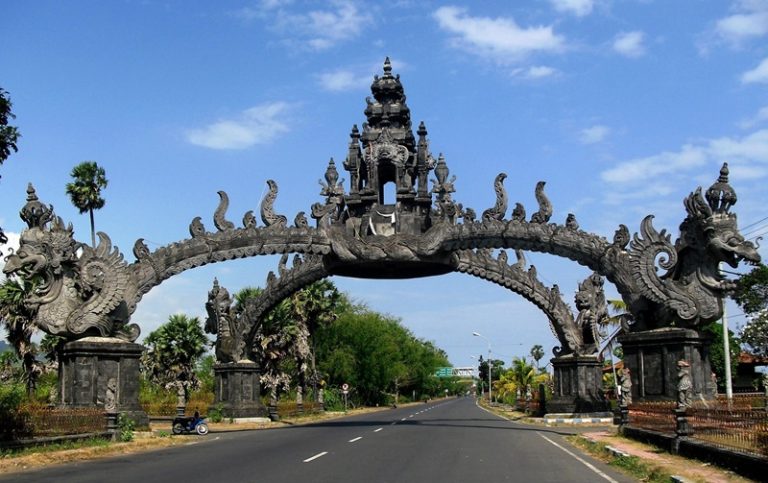
Bali Travel Tips and Common Mistakes to Avoid
Even the best Bali itinerary can become stressful if you underestimate traffic, move around too often, or arrive unprepared for the island’s pace and logistics. Bali is generally an easy destination to travel independently, but a few practical tips can make a major difference in how smooth and enjoyable the trip feels.
Many first-time visitors expect Bali to function like a small tropical island where everything is close together. In reality, traffic, ceremonies, weather, ferries, and crowded tourist areas can affect travel times significantly. Slower and more flexible itineraries almost always lead to a better overall experience.
Do Not Underestimate Bali Traffic
Bali traffic is one of the biggest surprises for first-time visitors. Distances that appear short on Google Maps can still take several hours depending on the region and time of day.
Areas like Canggu, Seminyak, Kuta, and airport roads are especially known for congestion, particularly during sunset hours and holiday periods.
This is one of the main reasons why slower travel usually creates a much better Bali itinerary than trying to move hotels every day.
Many of these problems can be avoided before you even board your flight. Understanding Bali's visa requirements, tourist levy, arrival procedures, connectivity options, cultural expectations, and transport realities helps set realistic expectations from the start. If this is your first visit, these essential tips for planning a Bali trip cover many of the practical details that travelers often overlook. It is also worth reviewing what to pack before traveling to Bali so you arrive prepared for the island's climate, activities, and local customs.
Avoid Changing Hotels Too Often
Many travelers try to include Ubud, Canggu, Seminyak, Uluwatu, Nusa Penida, Sidemen, and Amed all within one short trip. In reality, constantly checking in and out of hotels quickly becomes exhausting.
For most travelers, the best Bali itinerary focuses on one to three main bases depending on the length of the trip. Spending more time in fewer regions usually creates a much more enjoyable experience than trying to see everything at once.
Travelers organizing multi-base stays often benefit from comparing accommodation prices across Bali booking platforms before finalizing routes and hotel combinations.
Another mistake many first-time visitors make is underestimating how quickly small expenses can add up across a multi-destination trip. Accommodation changes, airport transfers, ferry tickets, private drivers, tours, and dining choices all influence your overall budget. If you're still working out your spending plans, our realistic Bali vacation budget guide provides detailed cost estimates for different travel styles and trip lengths.
Respect Temple Etiquette and Local Customs
Bali is deeply connected to religion, ceremonies, and local traditions. Temples are not simply tourist attractions. They remain active places of worship that are important to local communities across the island.
When visiting temples:
- Wear respectful clothing
- Use a sarong where required
- Avoid climbing on sacred structures
- Respect ceremonies and offerings
- Follow local instructions around restricted areas
You will often see small offerings placed on sidewalks, scooters, entrances, and temples throughout Bali. Being respectful toward these traditions goes a long way during your Bali Indonesia itinerary.
Be Careful With Scooter Rentals
Scooters are one of the most common ways to move around Bali, but they should not be treated casually. Traffic can be chaotic, roads may be damaged or slippery, and accidents involving tourists are relatively common.
If you have little riding experience, using private drivers or ridesharing apps is usually a safer and less stressful option. Many first-time visitors underestimate Bali's road conditions, traffic patterns, and accident risks, which is why understanding the most common safety concerns in Bali before arriving can help you make better transportation decisions during your trip.
Travelers who do rent scooters should always:
- Wear a helmet
- Carry an international driving permit where required
- Avoid riding during heavy rain
- Be cautious on steep roads and loose gravel
- Check insurance conditions carefully
Do Not Drink Tap Water
Tap water in Bali is generally not considered safe for drinking. Most travelers use bottled or filtered water throughout their stay.
Ice in restaurants and cafés is usually safe in established tourist areas, but travelers should still be cautious with food hygiene, especially when eating from smaller roadside stands or unfamiliar vendors.
Simple precautions can significantly reduce the risk of stomach issues during your Bali travel itinerary. If you'd like more detailed advice on prevention, symptoms, treatment, and recovery, see our guide to avoiding stomach problems in Bali.

Use Grab and Gojek for Shorter Trips
For shorter rides around tourist areas, Grab and Gojek are often easier and cheaper than negotiating traditional taxis.
These apps are especially useful for:
- Airport pickups
- Restaurant and café visits
- Beach transfers
- Late-night rides
- Motorbike taxis in traffic-heavy areas
Reliable internet access makes transport apps much easier to use throughout Bali. Many travelers now set up mobile data before arriving using international eSIM options for Bali rather than searching for SIM cards after landing.
Allow Extra Time for Ferries and Airport Transfers
Ferries to Nusa Penida, Nusa Lembongan, and the Gili Islands are often affected by weather, sea conditions, loading delays, or traffic around ports.
Likewise, airport transfers around southern Bali can become much slower than expected during busy hours.
Whenever possible:
- Avoid scheduling flights too close to ferry arrivals
- Leave buffer time before airport departures
- Book morning ferries for calmer conditions
- Expect slower travel during holidays and weekends
Be Careful Around Monkeys in Ubud
The monkeys around Ubud, especially near the Sacred Monkey Forest, are famous but can also be surprisingly aggressive around food, bags, sunglasses, jewelry, and phones.
Travelers should avoid feeding monkeys or holding loose items near them. While encounters are usually harmless, monkeys are known for stealing unsecured belongings extremely quickly.
Carry Some Cash
Cards are widely accepted in many restaurants, beach clubs, hotels, and tourist businesses across Bali, especially in places like Seminyak, Canggu, and Ubud.
However, cash is still useful for:
- Smaller local restaurants
- Markets and street food
- Temple donations
- Parking fees and tolls
- Smaller villages and rural regions
ATMs are widely available throughout tourist areas, although notifying your bank before traveling to Indonesia can help avoid unexpected card issues during your trip.
With realistic expectations, flexible planning, and a slower pace, Bali becomes far more rewarding than simply rushing from one attraction to the next. Many travelers discover that the best moments in Bali often happen during slower afternoons, café breaks, scenic drives, beach sunsets, and unplanned experiences rather than tightly packed schedules.
Frequently Asked Questions About Planning a Bali Itinerary
• How many days do you need in Bali?
Most travelers find that 7 to 10 days is the ideal amount of time for a balanced Bali itinerary. This gives enough time to combine Ubud, beaches, temples, waterfalls, and a few slower travel days without constantly rushing between hotels.
• Is 7 days enough for Bali?
Yes. A Bali itinerary 7 days long is one of the best options for first-time visitors. One week allows enough time to combine Ubud with southern Bali while still enjoying beaches, rice terraces, temples, waterfalls, cafés, and sunsets at a comfortable pace.
• Is 10 days too long for Bali?
Not at all. In fact, many travelers feel a Bali itinerary 10 days long offers one of the best overall balances between sightseeing, beach time, culture, island trips, and slower travel. Ten days also makes it easier to include places like Nusa Penida, Sidemen, or Amed.
• What is the best Bali itinerary for first-time visitors?
For most first-time travelers, the best Bali travel itinerary combines Ubud with one southern beach area such as Canggu, Seminyak, or Uluwatu. This gives a balanced mix of culture, beaches, food, temples, rice terraces, and coastal scenery.
• Is 5 days enough for Bali?
A Bali itinerary 5 days long works best for travelers focusing mainly on Ubud and southern Bali. It is enough time for a short introduction to the island, but the trip should remain relatively focused to avoid spending too much time in traffic and transfers.
• Should I stay in Ubud or Seminyak?
Ubud is usually better for culture, waterfalls, temples, rice terraces, and wellness experiences, while Seminyak is more focused on beaches, restaurants, shopping, nightlife, and beach clubs. Many travelers include both regions in the same Bali Indonesia itinerary.
• Is Uluwatu worth adding to a Bali itinerary?
Yes. Uluwatu is one of the best areas in Bali for beaches, surf culture, cliffside scenery, beach clubs, and sunsets. It also offers easy access to the famous Uluwatu Temple and Kecak fire dance.
• Is Nusa Penida worth visiting?
For many travelers, yes. Nusa Penida offers dramatic coastal scenery, snorkeling, cliffs, beaches, and island landscapes very different from mainland Bali. However, travelers with shorter Bali itineraries should be realistic about ferry times and island logistics.
• Is Bali easy to travel around?
Bali is relatively easy to travel independently, but traffic can be much heavier than many first-time visitors expect. Hiring private drivers and limiting hotel changes usually creates a smoother Bali itinerary than constantly moving between regions.
• Should I rent a scooter in Bali?
Scooters can be convenient for experienced riders, especially in areas like Canggu and Ubud. However, traffic conditions can be chaotic, and accidents involving tourists are common. Travelers without scooter experience are often better using private drivers or ridesharing apps.
• Is Grab or Gojek better in Bali?
Both apps are widely used across Bali and are usually much cheaper and easier than negotiating traditional taxis. Grab is often slightly more common in some tourist areas, while Gojek is also heavily used for food delivery and shorter local rides.
• Is Bali expensive?
Bali can fit a wide range of budgets. Budget travelers can still find affordable guesthouses and local food, while luxury villas, beach resorts, and private tours can become significantly more expensive. Compared to many Western destinations, Bali still offers strong value overall.
• When is the cheapest time to visit Bali?
The rainy season months outside Christmas and New Year are usually the cheapest periods for a Bali Indonesia travel itinerary. Hotel prices often decrease during lower-demand months, especially outside the busiest tourist areas.
• What is the best month to visit Bali?
Many travelers consider May, June, September, and October some of the best months because they combine relatively good weather with fewer crowds compared to peak season in July and August.
• Can you drink tap water in Bali?
No. Most travelers avoid drinking tap water in Bali and use bottled or filtered water instead. Ice is generally safe in established tourist restaurants and cafés, but basic food and water precautions are still recommended.
• Do I need cash in Bali?
Yes. Cards are widely accepted in many tourist areas, but cash is still useful for markets, local restaurants, temple donations, parking fees, and smaller villages.
• Is Bali safe for tourists?
Bali is generally considered safe for tourists, including solo travelers and families. Most visits are trouble-free, although travelers should still take normal precautions regarding traffic, scooters, valuables, nightlife, and ocean conditions.
• Is Bali safe for solo travelers?
Yes. Bali is one of the most popular destinations in Southeast Asia for solo travelers, especially around Ubud, Canggu, and Seminyak where there are many cafés, hostels, coworking spaces, tours, and social activities.
• Is Bali safe for families?
Yes. Areas like Sanur and Nusa Dua are especially popular for families thanks to calmer beaches, larger resorts, and a more relaxed atmosphere compared to busier nightlife-focused regions.
• What should I pack for a Bali itinerary?
Most travelers pack lightweight tropical clothing, sandals, swimwear, sunscreen, quick-dry items, and comfortable shoes for waterfalls or temple visits. Travelers visiting during rainy season often also pack waterproof bags and lightweight rain jackets.
• Do I need travel insurance for Bali?
Many travelers choose travel insurance for Bali because of scooter accidents, surfing, diving, snorkeling, island ferries, and possible flight disruptions. Coverage can be especially useful for longer Bali itineraries involving multiple regions and activities.
Travel Resources to Plan, Book & Stay Connected
Use these tools and guides to stay connected abroad, find inspiration for your next trip, and book your flights, stays and gear with confidence.
Disclosure: This article may contain affiliate links. If you make a purchase through a link, I may receive a commission at no extra cost to you. I only share recommendations I believe are genuinely useful, and all opinions are my own. AI was used in this post for research and drafting purposes.

Comment (0)