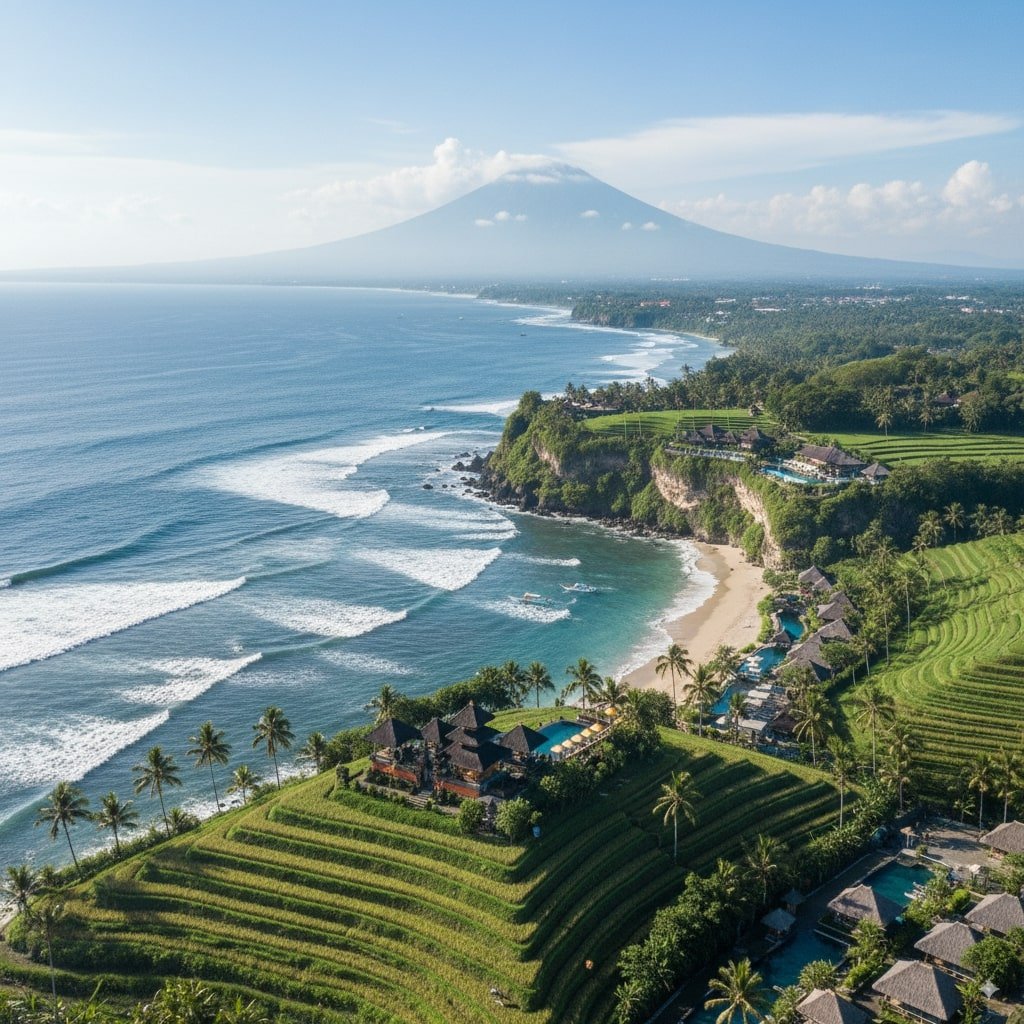
Things to Do in Bali: What This Guide Covers
Planning a trip to Bali can feel surprisingly overwhelming once you realize how different each part of the island actually is. Some travelers come for beach clubs and surfing, others for temples, waterfalls, yoga retreats, rice terraces, luxury resorts, volcano hikes, or quieter villages far from the crowds. Bali can be relaxing, chaotic, spiritual, adventurous, romantic, social, or deeply peaceful depending on where you stay and how you plan your route.
This guide brings together the best things to do in Bali while helping you understand how the island fits together in practice. Instead of treating Bali as one single destination, this article helps you navigate the different regions, travel styles, and experiences so you can avoid spending half your trip stuck in traffic or constantly changing hotels. If you are still deciding which areas make the most sense together geographically, our complete Bali route planning guide explains how to split 5, 7, 10, or 14 days across the island realistically.
For first-time visitors, understanding a few practical realities before arriving can make a major difference to the overall experience. Bali's visa requirements, tourist levy, weather patterns, transportation challenges, cultural etiquette, and common travel mistakes are often overlooked during the planning stage. These essential Bali travel planning tips explain what to know before you go and help you avoid many of the issues that catch visitors by surprise.
- How to choose the right area in Bali based on your travel style
- The best temples, beaches, waterfalls, rice terraces, and cultural experiences
- Where to stay in Bali for couples, families, surfers, digital nomads, and first-time visitors
- What to expect in Ubud, Canggu, Seminyak, Uluwatu, Sanur, Nusa Dua, Sidemen, and northern Bali
- Realistic travel tips about traffic, transport, seasons, and moving around the island
- Hidden gems, local etiquette, food experiences, nightlife, and practical planning advice
- The best time to visit Bali depending on weather, crowds, and travel goals
Choosing the right base can completely change your Bali experience. Staying in Ubud creates a very different trip from staying in Canggu, Uluwatu, or Sanur, especially once you factor in traffic and daily travel times. Our detailed guide to the best areas and hotels in Bali helps you compare the island’s main regions based on atmosphere, budget, nightlife, beaches, surfing, culture, and accessibility.
If you are still deciding where to base yourself, how long to stay, or which parts of Bali are actually worth your time, this guide is designed to help you build a trip that feels balanced rather than rushed.
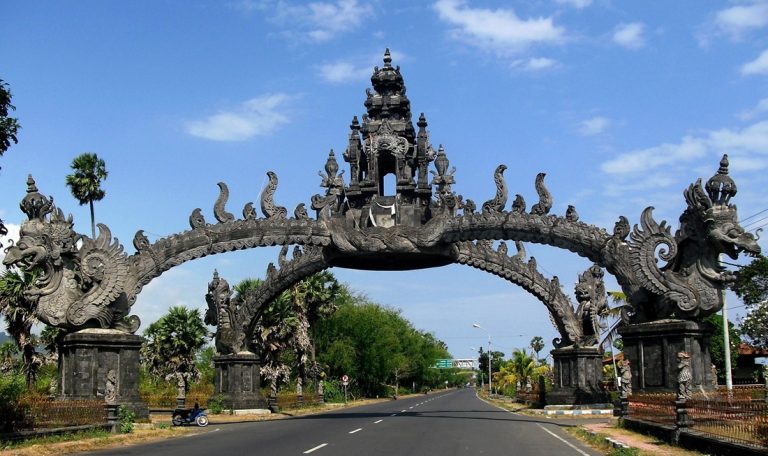
The Ultimate Guide to the Top Things to Do in Bali
Bali has a way of pulling you in slowly, then completely. On the surface, it is the kind of island travelers dream about: jungle valleys glowing after rain, beaches that stretch into warm sunsets, and cafés where breakfast looks like art. But the real reason Bali stays with you is deeper than the scenery. This is the Island of the Gods, a place where daily life still follows rhythms that feel ancient, intentional, and surprisingly alive. You do not just “visit” Bali. You step into a living culture where spirituality is not separate from everyday life. It is woven into it.
Bali’s identity was shaped by centuries of exchange and migration. Indian traders introduced Hindu influences across the region, and later the powerful Javanese Majapahit Empire brought another wave of art, religion, and court culture. When Majapahit declined in the 16th century, many Hindu artists, priests, and intellectuals moved to Bali. That arrival helped form the island’s distinctive spiritual tradition, Agama Hindu Dharma, which blends Hindu belief with local animism, ancestor worship, and a deep respect for the unseen world. You can feel it everywhere, not as a performance for visitors, but as something practiced for the community, the family, and the balance of life.
One of the most important ideas to understand is Tri Hita Karana, often described as “the three causes of goodness.” It is a philosophy built around harmony: the relationship between humans and God, humans and other humans, and humans and nature. In Bali, this concept is not abstract. It shows up in small moments, like the careful placement of canang sari offerings at doorways and on sidewalks, and in big systems, like the communal subak irrigation network that has sustained rice terraces for centuries. That balance between the spiritual and the practical is part of what makes the island feel so grounded, even when it looks like a postcard.
Bali is also guided by traditions and etiquette that can be easy to miss if you are not looking for them. It is considered disrespectful to step on offerings, to touch someone’s head, or to point with your left hand, which is associated with impurity in many local contexts. When you visit temples, you will often wear a sarong and sash as a sign of respect, and you may notice that ceremonies can change traffic patterns, close roads, or pause daily routines for hours. Instead of feeling like an inconvenience, these moments tend to become some of the most memorable parts of being here, because they remind you that Bali is not built around tourism. Tourism fits around Bali.
The island’s cultural calendar is one of the richest you will find anywhere. The Ngaben cremation ceremony, for example, is not only a farewell, but a vibrant celebration of the soul’s release and the family’s duty to help it move onward. Then there is Nyepi, the Day of Silence, when the entire island becomes still. Airports close. Streets empty. Lights dim. Even the internet slows down in some places. For one full day, Bali turns inward, and if you are on the island during Nyepi, it can be a profound experience that changes how you think about travel and quiet.
What makes Bali so special is how many different versions of the island you can experience in one trip. You can wake up in Ubud to the sound of roosters and jungle birds, spend midday in a seaside town with surf culture and sunsets, then end your day in the highlands where volcanic lakes and misty temples feel worlds away from the coast. Some travelers come for wellness and slow mornings. Others come for waterfalls, hikes, and island hopping. Many come for the food, the art, the music, and the feeling that there is always something meaningful happening just beyond what you can see.
In this guide, I will walk you through the best things to do in Bali, with a traveler-first approach that helps you plan based on your style. You will find the most iconic experiences, the cultural essentials that make Bali unique, a few quieter places that feel like hidden gems, and practical tips on where to base yourself so you are not stuck in traffic all day. Bali can be adventurous, peaceful, romantic, family-friendly, and wildly fun. The magic is choosing the version of Bali that fits you best.

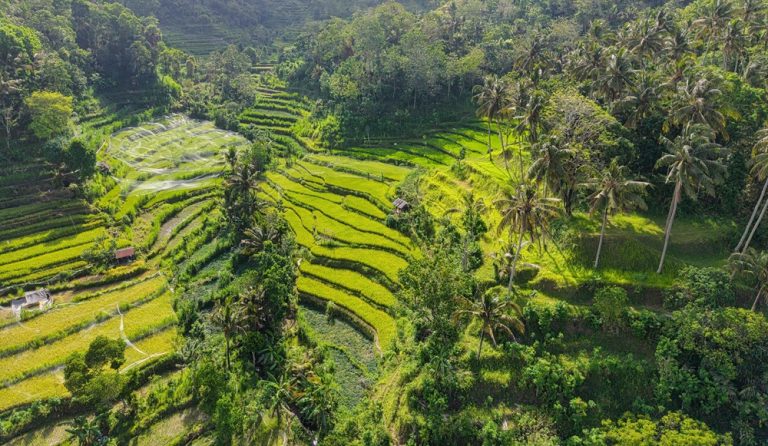
Understanding Bali Before You Plan
One of the biggest mistakes travelers make when planning Bali is assuming the island is small and easy to move around quickly. On a map, Bali may not look particularly large, but travel times can be surprisingly long once you factor in traffic, narrow roads, ceremonies, weather, and the sheer number of people moving around the island every day. A route that looks simple online can easily turn into several hours on the road.
This becomes especially important when choosing where to stay. Bali is not the kind of destination where you should try to “see everything” in one trip. The experience is usually far better when you choose two or three bases that match your travel style rather than constantly moving between hotels or attempting long day trips every day.
The southern part of Bali is the island’s busiest and most developed area. This is where you will find places such as Seminyak, Canggu, Kuta, Uluwatu, Jimbaran, Sanur, and Nusa Dua. These areas offer most of Bali’s beach clubs, nightlife, cafés, surfing, luxury resorts, and international dining scene. They are also the most traffic-heavy parts of the island, especially around Canggu and Seminyak.
Central Bali feels noticeably different. Around Ubud, the atmosphere becomes slower, greener, and more spiritual, with rice terraces, temples, jungle valleys, yoga studios, art galleries, and traditional villages replacing much of the coastal energy. Many travelers choose Ubud as a base for culture, wellness, waterfalls, and day trips into Bali’s interior.
Northern and eastern Bali are quieter still. Areas such as Sidemen, Amed, Munduk, Lovina, and parts of East Bali offer a slower pace, fewer crowds, volcanic scenery, black sand beaches, and a more traditional atmosphere. These regions tend to appeal most to travelers looking for nature, diving, hiking, relaxation, or a calmer side of Bali away from the island’s busiest tourism zones.
It is also important to understand that Bali changes dramatically depending on the season, your budget, and even the time of day. A beach town that feels peaceful in the morning can become crowded and energetic by sunset. Roads that seem manageable at midday may become heavily congested in the evening. Flexibility and realistic expectations often shape a Bali trip far more than trying to follow a rigid schedule.
For first-time visitors, one of the best approaches is usually combining two contrasting areas rather than trying to experience the entire island at once. Many travelers pair places like Ubud and Uluwatu, or Canggu and Sidemen, to experience both Bali’s social beach culture and its quieter spiritual side within the same trip.
The most rewarding Bali trips are rarely the ones where travelers tick off the highest number of attractions. They are usually the trips where people slow down enough to experience the atmosphere of each place properly, leave space for unexpected discoveries, and allow the island’s rhythm to shape the journey instead of rushing constantly from one landmark to another.
How to Get to Bali
- Ngurah Rai International Airport (DPS) is Bali’s main gateway for international and domestic flights
- Direct flights connect Bali with major hubs across Asia, Australia, and the Middle East
- Most travelers arriving from Europe or North America transit through Singapore, Bangkok, Kuala Lumpur, or Jakarta
- Traffic in Bali can dramatically increase travel times, especially around Canggu, Seminyak, and Ubud
- Grab and Gojek are the most convenient apps for airport transfers and transportation across the island
- Booking an eSIM before arrival makes navigating Bali significantly easier from the moment you land
- Choosing the right base in Bali is often more important than choosing the “perfect” hotel
Most international travelers arrive in Bali via Ngurah Rai International Airport (DPS), also known as Denpasar International Airport. Located between Kuta and Jimbaran in southern Bali, it serves as the island’s main international gateway and handles the vast majority of both international and domestic arrivals.
Bali is well connected to major cities across Asia, Australia, and the Middle East, with frequent direct flights from hubs such as Singapore, Kuala Lumpur, Bangkok, Hong Kong, Seoul, Tokyo, Sydney, Melbourne, and Dubai. Travelers arriving from Europe or North America usually connect through larger Southeast Asian hubs such as Singapore, Bangkok, Kuala Lumpur, or Jakarta before continuing on to Bali.
Domestic flights within Indonesia are also extensive and relatively affordable. Popular routes connect Bali with Jakarta, Lombok, Surabaya, Labuan Bajo, Yogyakarta, and Komodo National Park. Because Indonesia is spread across thousands of islands, flying is often the fastest and most practical way to move around the country, especially for longer distances.
After landing at Ngurah Rai International Airport, you will pass through immigration and customs before entering the arrivals area. The airport can feel busy and slightly chaotic during peak travel periods, but the overall process is usually efficient. If this is your first time arriving on the island, our complete Bali airport arrival guide covers immigration, visas, SIM cards, transportation options, and what to expect after landing. Outside the terminal, you will find official airport taxis, hotel transfer drivers, and designated pickup areas for ride-hailing services such as Grab and Gojek.
One thing many first-time visitors underestimate is Bali traffic. Distances on the map can look short, but travel times are often much longer than expected. Kuta, Jimbaran, and Nusa Dua are usually around 15 to 30 minutes from the airport under normal conditions, while Seminyak and Canggu can easily take 45 minutes to well over an hour depending on traffic. Ubud is typically around 60 to 90 minutes away.
If you are arriving late at night or after a long international flight, it is often worth spending your first night relatively close to your arrival area rather than immediately attempting a long transfer across the island. Bali becomes far more enjoyable when you travel at a slower pace and avoid exhausting cross-island journeys every couple of days.
It is also a good idea to organize mobile data shortly after arriving, especially if you plan to use ride-hailing apps, online maps, or WhatsApp to communicate with drivers and accommodations. Many travelers now choose to set up an eSIM before departure so they are connected immediately after landing.
Because travel times can vary so dramatically depending on where you stay, choosing the right base in Bali often has a bigger impact on your trip than choosing the “perfect” hotel itself. Different parts of the island offer completely different atmospheres, from surf towns and beach clubs to jungle retreats, volcanic landscapes, and quiet coastal villages.
Where to Stay in Bali
- Ubud is best for culture, rice terraces, wellness, waterfalls, and slower travel
- Canggu combines surfing, cafés, coworking spaces, nightlife, and digital nomad culture
- Seminyak offers stylish restaurants, beach clubs, shopping, and upscale villas
- Uluwatu is ideal for surfers, cliffside sunsets, luxury stays, and dramatic beaches
- Sanur and Nusa Dua are among the best areas in Bali for families and quieter beach stays
- Sidemen and northern Bali provide a slower, greener, and more traditional atmosphere away from the crowds
- Staying in two or three different areas usually creates a better Bali itinerary than trying to explore the entire island from one base
- Traffic can dramatically affect travel times, making location choice one of the most important parts of planning a Bali trip
Where you stay in Bali will shape your entire experience far more than many first-time visitors expect. The island may look compact on a map, but traffic, road conditions, ceremonies, and geography can make moving around surprisingly time-consuming. Choosing the right area based on your travel style is often far more important than choosing the “perfect” hotel. This detailed guide to the top places to stay in Bali can help you better understand which regions match the type of trip you actually want.
Bali is not a destination with one single center. Different regions offer completely different atmospheres, landscapes, and rhythms of travel. Some areas are built around surfing, nightlife, cafés, and social energy, while others focus on rice terraces, wellness, temples, diving, or slow village life. Understanding these differences before booking accommodation can dramatically improve your trip.
For most travelers, Bali works best when divided into two or three bases rather than trying to explore the entire island from one location. Staying in Ubud and Uluwatu, for example, creates a completely different experience from staying only in Canggu or Seminyak. The key is choosing areas that match the pace, scenery, and atmosphere you actually want from the trip.
Best Areas in Bali: Where to Base Yourself
Ubud
Ubud is Bali’s cultural and spiritual heart, surrounded by jungle valleys, rice terraces, temples, waterfalls, yoga studios, cafés, and traditional villages. It is best suited for travelers interested in wellness, culture, nature, slower travel, and day trips into Bali’s interior. Ubud works especially well for couples, solo travelers, digital nomads, and anyone looking for a calmer atmosphere away from the beach scene.
The main drawback is traffic and the lack of nearby beaches. While central Ubud can feel busy during peak hours, the atmosphere becomes much quieter once you move slightly outside the center.
Canggu
Canggu has become one of Bali’s most popular areas for surfers, digital nomads, café culture, and nightlife. The area combines beach clubs, coworking spaces, restaurants, bars, boutiques, and surf beaches into one fast-moving social hub. It appeals strongly to younger travelers, remote workers, and people who enjoy a more energetic atmosphere. If you're considering basing yourself here, our complete guide to Canggu covers the area's beaches, attractions, restaurants, day trips, and practical travel tips in more detail.
Canggu can also feel crowded and heavily congested, especially during peak travel periods. Traffic is one of the biggest complaints here, and the area is not ideal for travelers seeking peace, quiet, or traditional Balinese culture.
Seminyak
Seminyak offers a more polished and upscale version of Bali’s beach lifestyle. It is known for stylish restaurants, boutique shopping, luxury villas, beach clubs, spas, and sunset dining. Compared to Canggu, Seminyak feels more refined and slightly less chaotic while still offering excellent nightlife and beach access.
This area is especially popular with couples, groups of friends, and travelers who want comfort, convenience, and easy access to Bali’s dining scene without sacrificing atmosphere. If you're considering staying here, our complete guide to visiting Seminyak covers the area's beaches, restaurants, nightlife, attractions, accommodation options, and practical travel tips.
Uluwatu
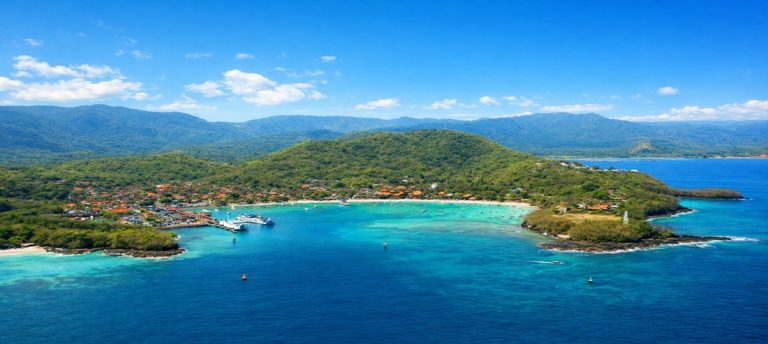
Located on the Bukit Peninsula in southern Bali, Uluwatu is famous for dramatic cliffs, surf breaks, hidden beaches, luxury resorts, and spectacular sunsets. The area feels more scenic and spacious than Seminyak or Canggu, with a stronger focus on beaches, surfing, and ocean views.
Uluwatu is ideal for couples, surfers, honeymooners, and travelers who want a more relaxed coastal atmosphere. However, distances between beaches, cafés, and hotels can be longer, so having a scooter or driver becomes more useful here. Travelers considering this part of Bali can learn more about the area's beaches, viewpoints, surf culture, restaurants, and accommodation options in our complete guide to Uluwatu.
Sanur
Sanur offers one of Bali’s calmest and most relaxed beach environments. The atmosphere is slower, quieter, and more traditional than the west coast beach towns, making it especially appealing for families, older travelers, and visitors who prefer peaceful evenings over nightlife.
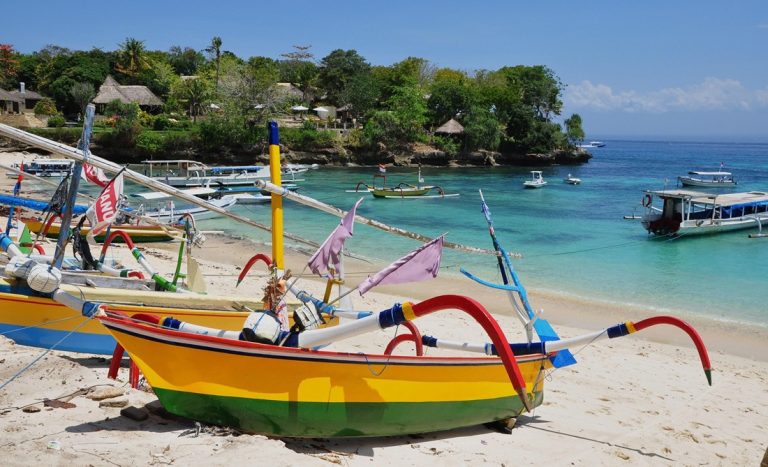
The beaches are calmer and better suited for swimming than surfing, and the long beachfront promenade creates an easy, walkable atmosphere. Sanur is also a practical base for boat connections to Nusa Penida and the Gili Islands.
Nusa Dua
Nusa Dua is Bali’s resort-focused enclave, known for large beachfront hotels, manicured grounds, calm beaches, and a quieter atmosphere. This area is particularly well suited for luxury travelers, honeymooners, and families who prioritize comfort, relaxation, and resort facilities over nightlife or cultural immersion.
While Nusa Dua is clean, organized, and comfortable, some travelers find it slightly isolated or less characterful compared to areas such as Ubud or Uluwatu. For couples planning a romantic escape, our Bali honeymoon planning guide explains why Nusa Dua remains one of the island's most popular destinations for luxury resorts, beachfront relaxation, and special occasions.
Sidemen
Sidemen offers one of the most peaceful and scenic experiences in Bali, with rice terraces, river valleys, village life, and sweeping views toward Mount Agung. The atmosphere feels slower, greener, and more connected to traditional rural Bali.
This is an excellent choice for travelers looking to disconnect, hike, relax, or experience a quieter side of the island. Sidemen is less suitable for nightlife, surfing, or travelers who want constant restaurant and entertainment options nearby.
North Bali
Northern Bali feels dramatically different from the island’s busy southern coast. Areas such as Lovina, Munduk, and Amed offer black sand beaches, waterfalls, diving, mountain scenery, and a much slower pace of life. This region attracts travelers looking for nature, diving, road trips, hiking, and a more laid-back atmosphere.
The trade-off is distance. Reaching northern Bali takes time, and the area is less convenient for short stays focused on Bali’s southern attractions.
Many of Bali's top attractions are spread across different parts of the island, from the rice terraces around Ubud and the temples of central Bali to the beaches of Uluwatu and the resorts of Nusa Dua. Choosing the right base can significantly reduce travel times and help you get more out of your trip. Our guide to choosing the right area in Bali compares the island's most popular regions and explains which destinations are best suited to different travel styles.
Budget Hotels
POP! Hotel Kuta Beach Bali
Jl. Kubu Bene, Legian, Badung, Bali 80361 — +62 361 8465656
A smart choice for budget-conscious travelers who want to stay close to Kuta Beach. The rooms are minimalist, clean, and functional, making this a practical base for exploring the area on foot while keeping costs low.
Bakung Sari Resort and Spa
Jl. Kubu Anyar, Kuta, Badung, Bali 80361 — +62 361 751868
This resort feels like a small oasis tucked away from Kuta’s busiest streets. With a leafy garden, pool, and spa, it offers a calm retreat after busy sightseeing days while still being centrally located.
Inna Bali Heritage Hotel
Jl. Veteran No.3, Denpasar 80111, Bali — +62 361 225681
A historic hotel with colonial-era architecture that offers a glimpse into Bali’s past. Its Denpasar location makes it ideal for travelers interested in local markets, museums, and everyday Balinese life rather than beach resorts.
Mid-Range Comfort Hotels
Four Points by Sheraton Bali, Kuta
Jalan Benesari Banjar Pengabetan, Kuta 80361 — +62 361 8496606
A reliable mid-range option offering modern comfort and good amenities. The rooftop pool is a highlight, providing a relaxed place to unwind after exploring Kuta and the surrounding areas.
Truntum Kuta
Jl. Pantai Kuta No.1, Kuta, Badung, Bali 80361 — +62 361 751361
Located directly on Kuta Beach, this hotel is perfect for travelers who want immediate beach access. Traditional Balinese design, ocean views, and spacious grounds create a classic resort feel.
Dani Beach Villa Penuktukan
Penuktukan, Tejakula, Buleleng Regency, Bali 81173 — +62 821-4567-6955
A peaceful retreat in northern Bali, ideal for travelers seeking quiet surroundings and a more authentic atmosphere. The villa’s location near black sand beaches makes it perfect for slowing down and escaping tourist crowds.
Luxury Hotels
Kayumanis Jimbaran Private Estate & Spa
Jalan Yoga Perkanthi, Jimbaran 80364, Bali — +62 361 705777
An intimate luxury estate designed for privacy and romance. Each villa comes with a private pool, lush gardens, and attentive service, making it a standout choice for couples.
The Legian Seminyak, Bali
Jalan Kayu Aya, Seminyak Beach, Bali 80361 — +62 361 730622
One of Bali’s most iconic luxury resorts, known for elegant design, exceptional service, and sweeping ocean views. The infinity pool overlooking the beach is a defining highlight.
Grand Hyatt Bali
Kawasan Wisata Nusa Dua BTDC, Nusa Dua, Bali 80363 — +62 361 771234
A large five-star resort set within tropical gardens in Nusa Dua. With multiple pools, beachfront access, and extensive facilities, it is especially well suited for families and resort-style stays.
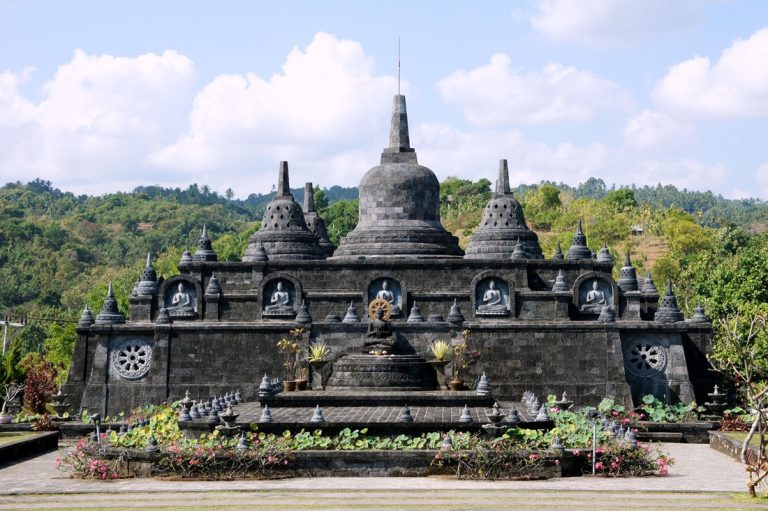
Things to Do in Bali
- Visit Bali’s most famous temples, including Uluwatu, Tanah Lot, and Ulun Danu Beratan
- Walk through rice terraces near Ubud and Jatiluwih shaped by Bali’s ancient subak irrigation system
- Explore waterfalls hidden in Bali’s jungle-covered interior and northern highlands
- Relax on beaches ranging from lively surf towns to quieter coastal villages and hidden coves
- Experience Ubud’s mix of culture, spirituality, art, cafés, and countryside landscapes
- Take a day trip to Nusa Penida for dramatic cliffs, turquoise water, and island scenery
Bali offers one of the widest ranges of experiences you will find on a single island. In the space of a few days, you can move between volcanic landscapes, jungle-covered valleys, surf beaches, rice terraces, sacred temples, diving spots, and lively coastal towns. What makes Bali special is not only the number of things to do, but how dramatically the atmosphere changes from one part of the island to another.
The key to enjoying Bali is not trying to see everything. The island becomes far more rewarding when you choose experiences that match your pace and travel style rather than rushing constantly between attractions. Some travelers come for waterfalls and hiking, others for culture, beaches, photography, island hopping, or slower village life. Below are some of the most rewarding things to do in Bali, grouped in a way that makes planning more realistic and balanced.
If you're planning to explore beyond your immediate base, our guide to Bali's most rewarding excursions covers volcano hikes, island adventures, rice terraces, temples, and some of the best destinations that can be visited in a single day.
Explore Bali’s Temples and Spiritual Sites
Temples are central to daily life in Bali, and visiting a few helps you understand the island on a much deeper level than simply seeing beaches or cafés. Many temples are still active places of worship rather than historical monuments, so respectful behavior and modest clothing are important.
Pura Luhur Uluwatu is one of Bali’s most dramatic temples, perched high on cliffs overlooking the Indian Ocean. Visiting near sunset is especially memorable, when the sky begins to glow and the famous Kecak fire dance starts nearby. Tanah Lot Temple is another iconic site, known for its offshore rock setting surrounded by crashing waves.
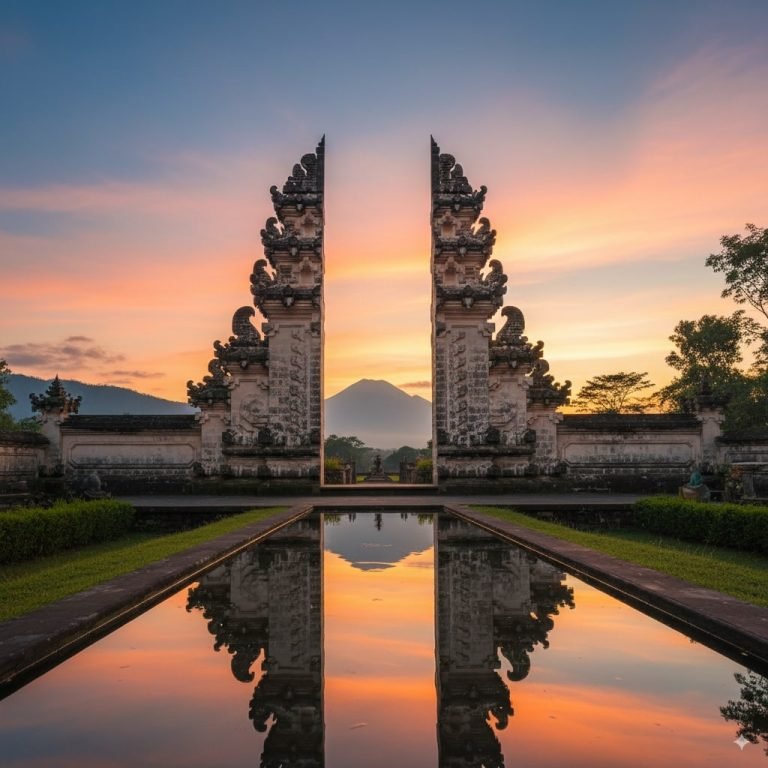
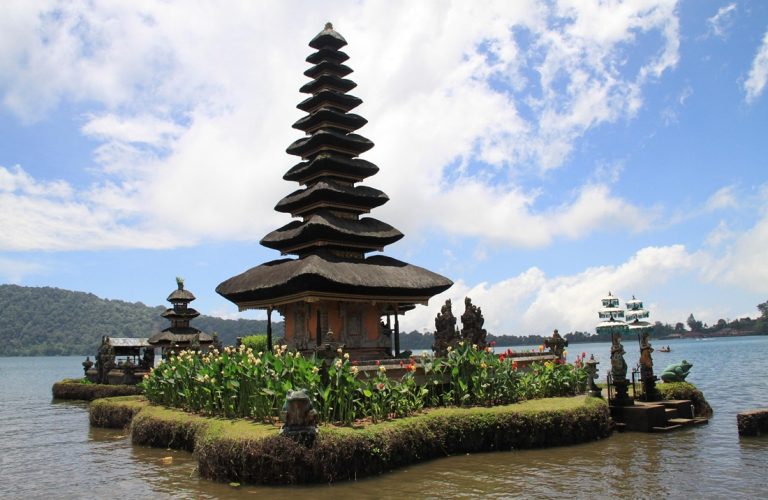
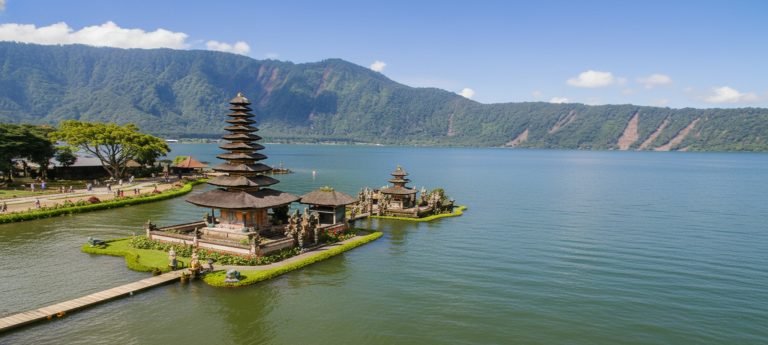
Further inland, Pura Lempuyang offers sweeping views toward Mount Agung framed by its famous split gates, while Ulun Danu Beratan Temple appears to float on the calm waters of Lake Beratan in Bali’s cooler central highlands. Compared to the busy southern coast, these temples often feel calmer, more atmospheric, and more connected to Bali’s spiritual traditions. For a deeper look at these sites and other important religious landmarks, see our guide to Bali's most iconic temples.
Walk Through Bali’s Rice Terraces
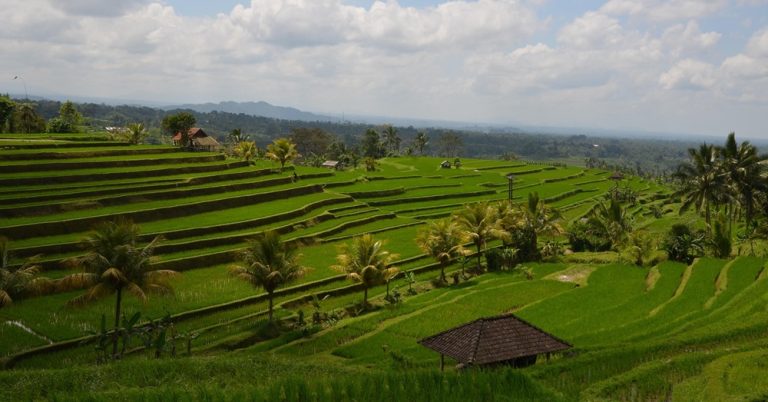
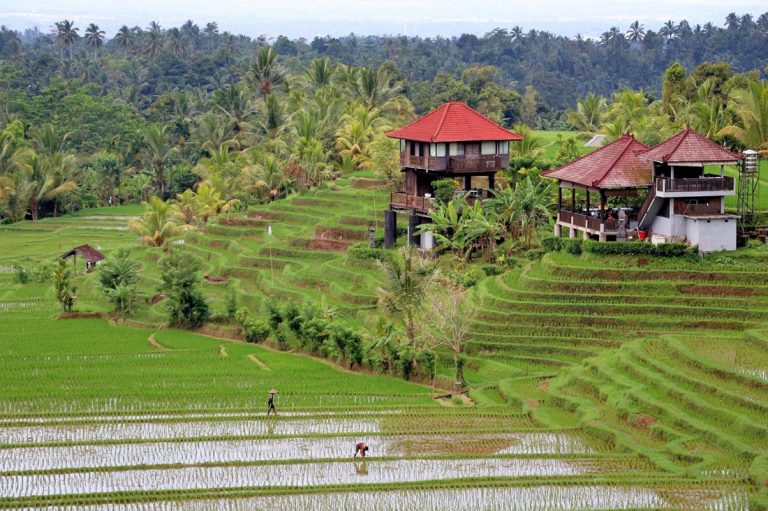
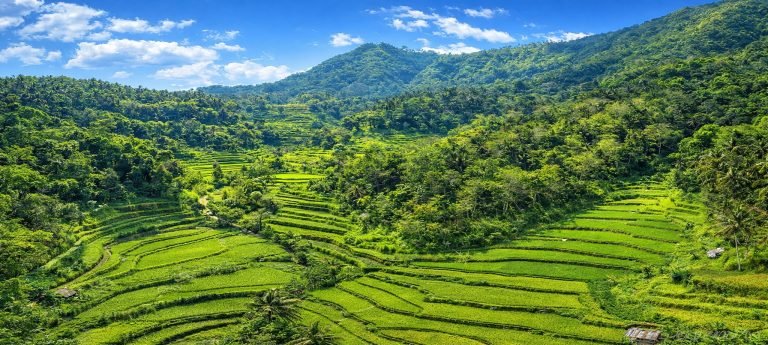
Bali’s rice terraces are among the island’s most iconic landscapes, but they are also deeply connected to Balinese culture and agriculture. The terraces are maintained through the ancient subak irrigation system, a cooperative network that reflects Bali’s philosophy of balance between people, nature, and spirituality.
The Tegalalang Rice Terraces near Ubud are the most accessible and photogenic, especially early in the morning before crowds arrive. For a quieter and more expansive landscape, the Jatiluwih Rice Terraces, a UNESCO World Heritage Site, stretch across rolling hills in central Bali and feel significantly less commercialized.
Walking through these landscapes is often less about reaching a specific viewpoint and more about slowing down enough to appreciate how daily life, farming, religion, and nature remain closely connected on the island.
Chase Waterfalls in Bali’s Interior
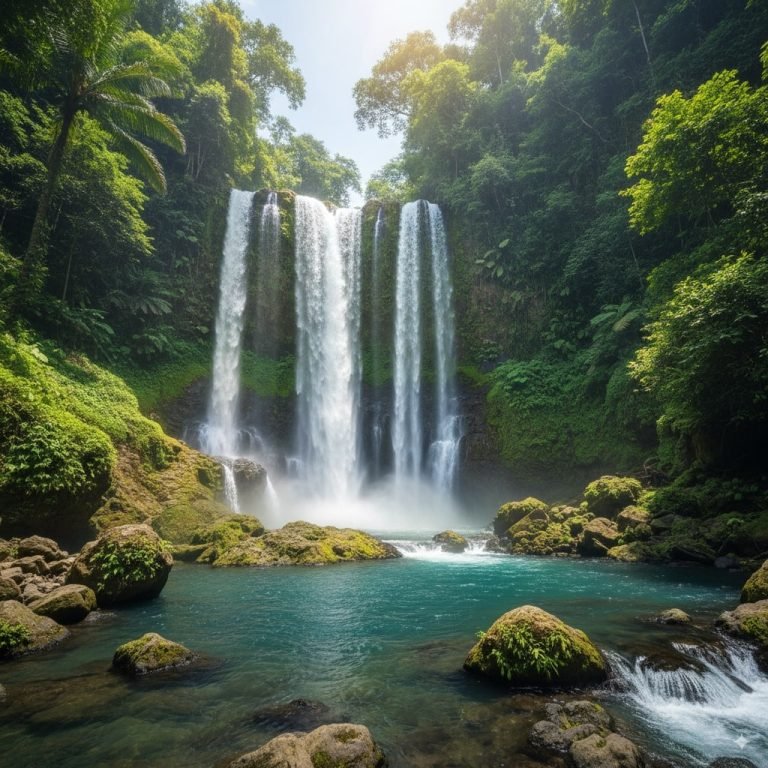
Bali’s lush interior hides dozens of waterfalls surrounded by jungle, river valleys, and steep green cliffs. Exploring waterfalls is one of the best ways to escape the heat and coastal crowds while experiencing a quieter side of the island.
Tukad Cepung Waterfall is famous for its cave-like setting, where beams of sunlight stream dramatically through the opening above. Sekumpul Waterfall, often considered Bali’s most impressive waterfall, features multiple cascades hidden deep within northern jungle landscapes. Nungnung Waterfall rewards a steeper descent with powerful scenery and fewer visitors.
Many waterfalls require moderate walking, stairs, or slippery paths, especially during the rainy season, but they often become some of the most memorable experiences in Bali for travelers willing to venture slightly beyond the busiest tourist areas.
Relax on Bali’s Beaches
Bali’s coastline varies enormously depending on where you go. Some beaches are built around surfing and nightlife, while others focus on swimming, dramatic scenery, hidden coves, or quiet coastal villages.
Kuta and Seminyak remain popular for sunsets, beginner surfing, beach clubs, and convenience, while the Bukit Peninsula offers a more dramatic coastal atmosphere. Beaches such as Padang Padang, Bingin, and parts of Uluwatu combine limestone cliffs, turquoise water, surf culture, and spectacular sunset views.
Travelers looking for calmer beaches often prefer areas such as Sanur or Nusa Dua, while northern and eastern Bali offer black sand beaches and a much slower atmosphere away from the island’s busiest tourism zones.
If you are looking for a more detailed breakdown of surf beaches, swimming beaches, hidden coves, snorkeling spots, and sunset locations can also explore our full Bali beaches guide, which compares the island’s most popular coastal regions and beach atmospheres across different parts of Bali.
Experience Ubud and Bali’s Cultural Heart
Ubud is widely considered the cultural and spiritual center of Bali, surrounded by jungle valleys, temples, traditional villages, rice fields, art studios, and peaceful countryside. Even travelers who do not usually gravitate toward yoga or spirituality often find themselves slowing down naturally once they arrive here.
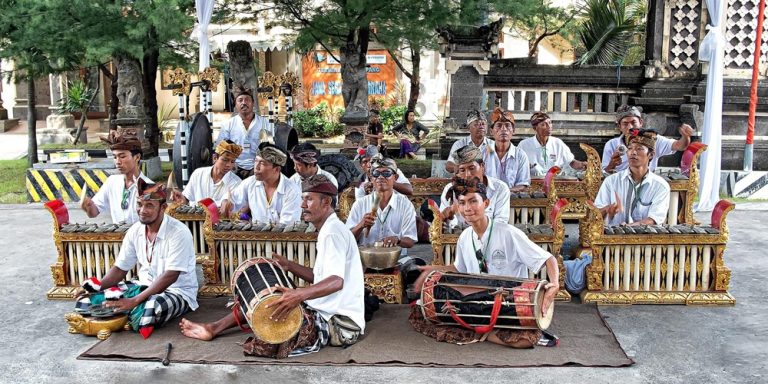
The Sacred Monkey Forest Sanctuary combines ancient temple structures with forest pathways inhabited by long-tailed macaques. Beyond the Monkey Forest, Ubud offers traditional dance performances, craft workshops, local markets, art galleries, cafés overlooking rice terraces, and scenic walks that reveal a quieter side of Bali.
Ubud also works well as a base for exploring waterfalls, temples, volcano viewpoints, and nearby villages throughout central Bali, making it one of the island’s most versatile areas for first-time visitors. If you're considering spending several days here, our complete guide to visiting Ubud covers where to stay, what to see, how to get around, and how to plan your time in Bali's cultural heart.
Take a Day Trip to Nusa Penida
Located southeast of Bali, Nusa Penida has become one of the region’s most famous island escapes, known for dramatic cliffs, turquoise water, white sand beaches, and rugged coastal scenery. Day trips usually depart from Sanur and include stops at iconic locations such as Kelingking Beach, Broken Beach, and Angel’s Billabong.
The island feels noticeably wilder and less developed than Bali itself, though roads can be rough and travel times longer than many visitors expect. Despite the crowds at certain viewpoints, Nusa Penida still delivers some of the most visually dramatic landscapes in the region.

Wellness, Surfing & Nightlife in Bali
- Slow down with yoga, spas, wellness retreats, and peaceful café culture in Ubud and Canggu
- Hike Mount Batur at sunrise for one of Bali’s most memorable volcano views
- Learn to surf in Kuta or head to Uluwatu, Padang Padang, and Balangan for more advanced waves
- Try Balinese dishes such as nasi campur, nasi goreng, sate lilit, and babi guling at local warungs
- Explore Bali’s beach clubs, sunset bars, rooftop drinks, and nightlife in Seminyak, Canggu, and Uluwatu
Beyond temples, beaches, and waterfalls, Bali is also a place defined by atmosphere and lifestyle. Many travelers arrive expecting only scenery, then end up remembering slower mornings, sunset cafés, surf sessions, spa afternoons, and evenings that stretch long after dark. Depending on where you stay, Bali can feel peaceful and reflective, energetic and social, or somewhere in between.
This balance between relaxation, movement, creativity, and nightlife is part of what makes the island so addictive for many visitors. Some people come to Bali for a short vacation and end up staying far longer than planned because the rhythm of daily life feels surprisingly easy to settle into.
Wellness, Yoga, and Spas
Bali has become one of the world’s leading wellness destinations, particularly around Ubud and parts of Canggu. Yoga studios, meditation centers, healing retreats, and spas are woven naturally into daily life, creating an atmosphere that encourages travelers to slow down rather than constantly rush between attractions.
Whether you join a sunrise yoga class overlooking rice terraces, book a Balinese massage after a long travel day, or spend time at a wellness retreat surrounded by jungle, many experiences here feel surprisingly accessible and affordable compared to similar destinations elsewhere in the world.
Even travelers with no previous interest in yoga or wellness often find themselves drawn into Bali’s slower rhythm, where cafés, nature, movement, and rest blend together more naturally than in many other destinations.
Hike Mount Batur at Sunrise
For travelers willing to wake before dawn, hiking Mount Batur is one of Bali’s most memorable adventures. The guided trek begins in darkness before climbing steadily toward the volcanic summit, where sunrise gradually reveals Lake Batur, surrounding mountains, and layers of mist stretching across the landscape below.
Although physically demanding at times, the hike is manageable for most travelers with average fitness and remains especially popular with couples, photographers, and active travelers looking for one of Bali’s most iconic experiences.
The early start can feel intense, but standing above the clouds as the first light reaches the volcanoes often becomes one of the defining memories of a Bali trip.

Surf Bali’s Legendary Waves
Bali is one of the world’s great surfing destinations, attracting everyone from complete beginners to highly experienced surfers chasing reef breaks. Surf culture shapes many parts of southern Bali, especially around Kuta, Canggu, Uluwatu, and the Bukit Peninsula.
Beginners often start at Kuta Beach, where surf schools offer affordable lessons and gentler conditions, while more experienced surfers head toward legendary breaks such as Uluwatu, Padang Padang, and Balangan.
Even travelers who never enter the water often enjoy the atmosphere surrounding Bali’s surf culture, from cliffside cafés overlooking the waves to sunset gatherings where surfers remain in the ocean until the last light fades.
Enjoy Bali’s Food Scene
Food is one of Bali’s biggest strengths and one of the easiest ways to experience both local culture and the island’s international influences. Traditional dishes such as nasi campur, nasi goreng, sate lilit, and babi guling are served across the island at local warungs, while Bali’s international restaurant scene has evolved into one of the strongest in Southeast Asia.
Places such as Ubud, Seminyak, and Canggu combine Indonesian cuisine with cafés, vegan restaurants, cocktail bars, seafood venues, and fine dining experiences that attract travelers from around the world. Bali’s food culture works across nearly every budget, from simple local meals costing only a few dollars to high-end tasting menus overlooking jungle valleys or the ocean. If you're planning your meals around the island, our Balinese food and restaurant guide covers the dishes, specialties, and dining experiences that visitors shouldn't miss.
For many visitors, some of the best moments in Bali happen during long breakfasts, sunset dinners, or relaxed evenings spent moving slowly between cafés, beach bars, and restaurants rather than following a strict sightseeing schedule. If you're concerned about food-related illness during your trip, our guide to staying healthy while eating in Bali explains practical precautions, common symptoms, and what to do if stomach problems occur.
Bars, Beach Clubs, and Nightlife
After dark, Bali’s atmosphere shifts again. Seminyak offers stylish cocktail bars, upscale lounges, and sunset beach clubs, while Canggu blends surf culture with casual bars, music venues, and late-night energy. Kuta remains the island’s busiest nightlife hub for travelers looking for a louder and more energetic scene.
Beach clubs have become part of Bali’s identity, particularly along the southern coast. Places such as Potato Head, Finns, and Single Fin combine ocean views, music, cocktails, pools, and sunset gatherings into experiences that often last from afternoon into late evening.
At the same time, nightlife in Bali does not have to revolve around parties. Many travelers prefer quiet rooftop drinks, cliffside restaurants, beachfront dinners, or live music venues overlooking the ocean. Bali’s nightlife scene is broad enough that most visitors naturally find an atmosphere that matches their travel style.
Restaurants, Bars & Nightlife in Bali
- Discover some of Bali’s most memorable restaurants, beach clubs, rooftop bars, and nightlife venues
- Experience Bali’s dining scene through local Indonesian cuisine, modern fine dining, cafés, and seafood restaurants
- Watch sunsets from iconic venues such as Potato Head, Single Fin, Finns, and La Brisa
- Explore quieter corners of Bali including Sidemen, Penglipuran Village, and hidden coastal viewpoints
- Balance Bali’s busy tourist hubs with slower, more traditional experiences away from the crowds
Eating and going out in Bali is not just about food or nightlife. It is about atmosphere, setting, and pace. A great meal might unfold over several hours, a sunset drink often turns into an entire evening, and some of the island’s most memorable experiences happen barefoot, with music drifting through the air and waves crashing nearby. Bali’s dining and nightlife scene reflects the island itself: creative, international, deeply influenced by local culture, and designed to be enjoyed slowly.
While you can find excellent food almost anywhere on the island, certain restaurants and venues stand out for their consistency, setting, and ability to create a sense of place. These are not just places to eat or drink; they are destinations in their own right.
Recommended Restaurants in Bali
Locavore (Ubud)
Locavore is widely regarded as one of Bali’s most important culinary institutions. What makes it special is its commitment to using exclusively Indonesian ingredients while delivering a fine-dining experience that rivals top restaurants anywhere in the world. The tasting menus change regularly, reflecting what is in season, and each dish tells a story about local produce, farmers, and traditional techniques reinterpreted in a modern way. Dining here feels intimate, thoughtful, and intentional, making it a favorite for travelers who want to experience Bali through food rather than spectacle.
Koral Restaurant (Nusa Dua)
Koral offers something genuinely unique in Bali: an underwater dining experience. Set inside the Apurva Kempinski resort, the restaurant features glass walls that look directly into a marine aquarium, creating the sensation of dining beneath the sea. While the setting is the headline attraction, the menu itself is refined and carefully crafted, making this more than a novelty stop. It is particularly popular for special occasions, romantic evenings, and travelers looking for an experience they cannot easily replicate elsewhere.
Hujan Locale (Ubud)
Hujan Locale bridges the gap between traditional Indonesian flavors and contemporary dining. The restaurant takes familiar street-food dishes and elevates them through presentation, technique, and setting, without losing their soul. The open, multi-level design creates a relaxed but polished atmosphere, making it ideal for travelers who want to explore Indonesian cuisine in a comfortable, stylish environment. It is especially appealing to first-time visitors who want local flavors without venturing too far off the culinary comfort zone.
Mason (Canggu)
Mason reflects Canggu’s laid-back yet design-conscious vibe. With its wood-fired kitchen, Mediterranean-inspired menu, and focus on high-quality ingredients, it attracts a crowd that values good food without pretension. The atmosphere is social and relaxed, making it a great place for long dinners that turn into conversations stretching late into the evening. It is particularly popular with couples and groups who want a stylish but unforced dining experience.
The Shady Shack (Canggu)
The Shady Shack has become a cornerstone of Bali’s plant-based dining scene. Set in a leafy, open-air space, it offers creative vegetarian and vegan dishes that appeal even to non-vegetarians. People come here not just for the food, but for the relaxed, community-oriented atmosphere that defines much of Canggu. It is an easy, enjoyable stop for breakfast, lunch, or a casual dinner after a beach day.

Beach Clubs & Bars
Bali’s beach clubs and bars are designed around sunsets, music, and lingering moments. Many open in the late morning and slowly build energy throughout the day, peaking as the sun dips below the horizon. Choosing the right venue often comes down to whether you want something relaxed, social, or high-energy.
Finns Beach Club (Canggu)
Finns is one of the largest and most energetic beach clubs in Bali. Spread across multiple pools and beachfront areas, it attracts a lively crowd from midday onward. DJs, ocean views, and a party-forward atmosphere make it especially popular with younger travelers and groups. While it can feel busy, the scale of the venue means there is usually space to find a spot that suits your mood.
Potato Head Beach Club (Seminyak)
Potato Head is less about partying and more about design, culture, and experience. Known for its distinctive architecture and strong sustainability focus, it combines music, art installations, and solid food and drinks into one cohesive space. It is particularly popular at sunset, when the crowd gathers to watch the sky change color over the ocean. The atmosphere is stylish but inclusive, appealing to a wide range of travelers.
Single Fin (Uluwatu)
Perched high above the Uluwatu surf break, Single Fin is iconic for a reason. The views alone are worth the visit, especially in the late afternoon when surfers line up below and the sun sinks toward the horizon. The vibe is casual and social, making it easy to strike up conversations with fellow travelers. It is one of the best places in Bali to experience the island’s surf culture without getting in the water.
La Brisa (Canggu)
Built almost entirely from reclaimed wood, La Brisa feels organic and atmospheric. The venue blends seamlessly into the beach environment, with lanterns, driftwood, and ocean breezes setting the tone. It is ideal for travelers who want a relaxed, visually striking place to unwind with a drink as the day fades into night.
Mrs Sippy (Seminyak)
Mrs Sippy is known for its oversized saltwater pool and playful daytime energy. More of a pool club than a traditional bar, it attracts travelers looking for a social, sun-soaked afternoon rather than a quiet sunset. Music, lounging, and swimming define the experience, making it a popular stop for groups and longer stays in Seminyak.
Hidden Gems in Bali
Beyond Bali’s headline attractions, there are places that feel calmer, more personal, and often more revealing of everyday life on the island. These hidden gems are ideal for travelers who want to slow down and step slightly off the main tourist trail.
Sidemen Village
Sidemen offers a glimpse of rural Bali, with rolling rice fields, river valleys, and views of Mount Agung. Life here moves at a gentler pace, and visitors often come to hike, relax, or simply enjoy the scenery. It is an excellent alternative to Ubud for travelers seeking tranquility without sacrificing cultural depth.
Abandoned Airplane (Pandawa area)
This grounded Boeing 737 has become one of Bali’s strangest photo spots. Sitting unexpectedly in the landscape, it attracts curious visitors who enjoy its surreal, slightly mysterious atmosphere. It is a quick stop rather than a destination, but memorable for its sheer oddity.
Tegal Wangi Beach
Tegal Wangi is a small, scenic beach known for its natural rock pools that fill at high tide. When conditions are right, the pools create a dramatic infinity-edge effect overlooking the ocean. It is best visited near sunset and during calm seas, making it a favorite for photographers and couples.
Lotus Lagoon (Candidasa)
The Lotus Lagoon in Candidasa offers a peaceful pause from Bali’s busier coastal towns. Filled with lily pads and lotus flowers, it is a quiet, reflective spot that works well as a short stop while exploring East Bali.
Penglipuran Village
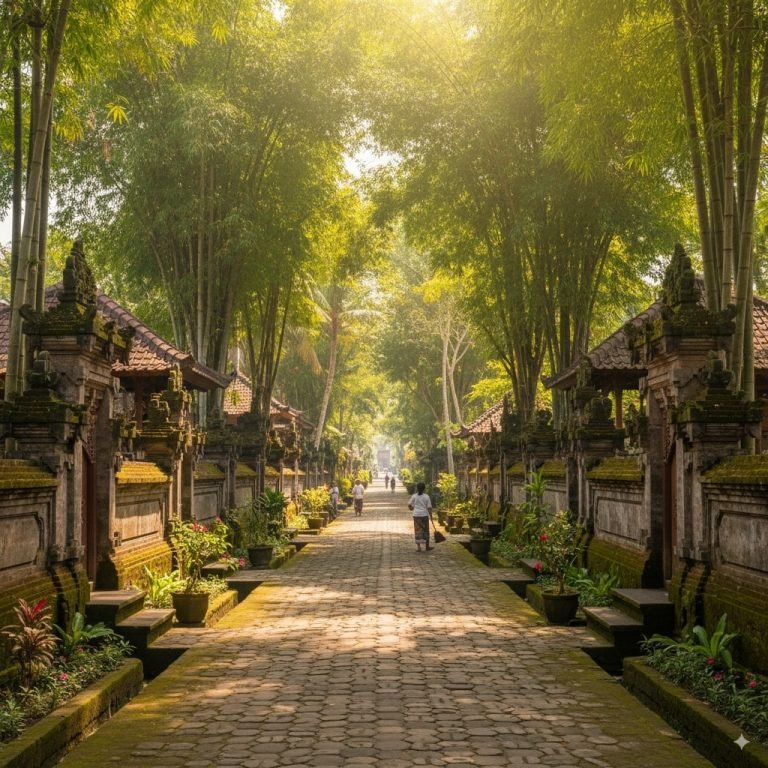
Penglipuran is one of the best-preserved traditional villages in Bali. Known for its symmetrical layout, clean pathways, and uniform architecture, it offers insight into traditional Balinese community planning and values. Visiting here feels structured and calm, providing a strong contrast to the island’s more chaotic tourist centers.
How to Get Around Bali
- Gojek and Grab are the easiest and most useful transport apps for getting around Bali
- Private drivers are ideal for full-day sightseeing, waterfalls, temples, rice terraces, and longer routes
- Scooters are convenient for experienced riders but traffic conditions in Bali can feel chaotic for beginners
- Traffic around Canggu, Seminyak, Kuta, and Ubud can dramatically increase travel times
- Speedboats and ferries connect Bali with Nusa Penida, Lombok, and the Gili Islands
- Walking is practical only in certain areas, as sidewalks and pedestrian infrastructure are often limited
- Choosing fewer bases and traveling more slowly usually creates a far more enjoyable Bali itinerary
Getting around Bali is one of the most important parts of planning your trip realistically. Distances on the map often look deceptively short, but traffic, narrow roads, ceremonies, weather, and road conditions can dramatically increase travel times. In places such as Canggu, Seminyak, and parts of Ubud, traffic congestion has become part of daily life, especially during sunset hours and peak travel periods.
Bali is not a destination where most travelers rely heavily on public transportation. Instead, the island functions through a mix of ride-hailing apps, private drivers, scooters, taxis, ferries, and organized transfers. Choosing the right option depends heavily on your budget, comfort level, travel style, and the part of Bali you are exploring. If you want a more detailed breakdown of routes, travel times, costs, and transportation strategies, see our complete Bali transport planning guide. Travelers comparing transportation expenses alongside accommodation, food, and sightseeing costs may also find our Bali spending guide useful when planning their overall budget.
Using Gojek & Grab in Bali
For most travelers, Gojek and Grab quickly become essential apps in Bali. These ride-hailing platforms work similarly to Uber and allow you to book cars, scooter taxis, food delivery, courier services, and even grocery or pharmacy runs directly from your phone.
Gojek in particular has become deeply integrated into daily life in Bali. Services such as GoRide (motorbike taxi) and GoCar (private car taxi) are fast, affordable, and generally very easy to use, especially in southern Bali. Prices are shown upfront in the app, which removes much of the negotiation stress that travelers sometimes encounter with traditional taxis.
One of the reasons Gojek is so useful is that it extends far beyond transportation. Travelers frequently use it for food delivery through GoFood, which connects to thousands of local restaurants and cafés across the island. Whether you are recovering from a long travel day, avoiding heavy rain, or simply staying in a villa outside town, having food delivered directly to your accommodation becomes incredibly convenient.
The app can be switched to English, accepts cash or digital payments, and is generally very user-friendly for visitors. After arriving in Bali, downloading Gojek or Grab is one of the most useful things you can do for navigating the island efficiently.
One important detail is airport pickup. At Ngurah Rai International Airport, ride-hailing pickups are restricted to designated areas, including the Gojek Lounge, rather than immediate curbside pickup zones. Following the app instructions carefully after landing usually avoids confusion.
You can learn more about Gojek Bali here:
https://www.gojek.com/blog/gojek/bali
Hiring a Private Driver
Hiring a private driver is one of the most comfortable and practical ways to explore Bali, especially for day trips, longer sightseeing routes, families, or travelers who do not want to deal with scooters or navigation themselves.
Many drivers offer full-day services lasting roughly 8 to 10 hours for a relatively reasonable price, allowing you to customize stops throughout the day. This works particularly well for routes involving waterfalls, rice terraces, temples, volcano viewpoints, or multiple destinations spread across different regions.
A good private driver often becomes more than simple transportation. Many drivers also act as informal guides, explaining ceremonies, local customs, village life, and regional differences along the way.
For couples, families, or groups, private drivers are often one of the easiest ways to reduce stress and avoid the exhaustion that can come from navigating Bali traffic independently.
Renting a Scooter in Bali
Scooters are one of the most common forms of transport in Bali and can be extremely useful for short distances, avoiding traffic, and exploring areas with narrow roads. In places such as Canggu, Uluwatu, and Ubud, scooters often move much faster than cars during busy periods.
However, renting a scooter in Bali should be approached realistically rather than romantically. Traffic can feel chaotic, road conditions vary significantly, and local driving styles may be very different from what many travelers are used to at home.
A valid International Driving Permit (IDP), a helmet, and previous scooter or motorbike experience are strongly recommended. Bali sees frequent scooter accidents involving tourists, especially among inexperienced riders unfamiliar with local traffic conditions.
For confident riders, scooters can offer flexibility and freedom. For nervous or inexperienced travelers, using drivers, Gojek, or Grab is often a far safer and more relaxing option.
Understanding Bali Traffic
Traffic is one of the defining realities of traveling in Bali today. Areas such as Canggu, Seminyak, Kuta, and parts of Ubud can become heavily congested, particularly around sunset, weekends, holidays, and major events.
A drive that appears short on Google Maps can easily take much longer than expected. This becomes especially important when planning airport transfers, day trips, restaurant reservations, or island-hopping connections.
One of the best ways to enjoy Bali more comfortably is to reduce unnecessary movement between regions. Staying in fewer places for longer periods usually creates a far more enjoyable trip than trying to cross the island constantly.
Taxis & Blue Bird
Traditional taxis still operate throughout Bali, with Blue Bird generally considered the most reliable metered taxi company on the island. Their vehicles are easy to recognize by their light blue color and official logo.
Blue Bird also has its own mobile app, which can help avoid misunderstandings over pricing. While taxis remain useful in many areas, most travelers today rely more heavily on Gojek and Grab because of their convenience and transparent pricing.
Boats, Ferries & Island Transfers
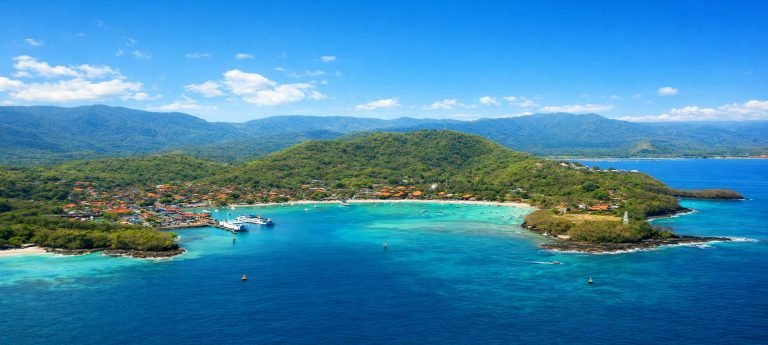
Bali is well connected to nearby islands through a network of ferries and speedboats. Popular routes connect Bali with Nusa Penida, the Gili Islands, and Lombok.
Most speedboats to Nusa Penida depart from Sanur, while routes toward Lombok and the Gili Islands often leave from Padang Bai or Serangan depending on the operator.
Sea conditions can vary depending on weather and season, so schedules are not always perfectly reliable. Booking with reputable operators and allowing flexibility around departure times is generally wise.
Walking & Public Transport
Walking in Bali is practical only in certain areas. Parts of Seminyak, Ubud, Sanur, and Canggu are somewhat walkable, but sidewalks can be narrow, uneven, or suddenly disappear altogether. Heat, humidity, and traffic also make long walks less comfortable than many travelers initially expect.
Public transportation exists in limited form through services such as the Kura-Kura Bus and local minibuses known as bemos, but these are used far less frequently by international travelers than ride-hailing apps or private drivers.
In practice, most visitors combine several transport methods throughout their trip: Gojek for short rides, drivers for longer sightseeing days, boats for island hopping, and occasional walking within local neighborhoods.
Bali tends to feel most rewarding when you slow down, choose your bases carefully, and avoid trying to move constantly between distant parts of the island. Allowing extra time for transport, traffic, and unexpected delays almost always leads to a more relaxed and enjoyable experience.
Bali Travel Facts
Bali is often described as a tropical paradise, but the island is also shaped by a unique mix of religion, geography, traditions, and everyday customs that strongly influence how travel here feels. Understanding a few key facts before arriving will help you move through Bali more respectfully, comfortably, and confidently.
Bali stands apart from the rest of Indonesia as the country’s only Hindu-majority island. While Indonesia is the most populous Muslim nation in the world, Bali practices a distinctive form of Hinduism that blends Indian beliefs with local animism, ancestor worship, and spirituality rooted deeply in daily life. This spiritual framework shapes everything from temple ceremonies to the small canang sari offerings placed outside homes, shops, cafés, and restaurants each morning.
One of the most striking examples of this spiritual rhythm is Nyepi, the Balinese Day of Silence. Once a year, the entire island shuts down for 24 hours. Airports close, streets empty, businesses stop operating, and even tourists are required to remain inside their accommodations. Rather than feeling restrictive, many travelers describe Nyepi as one of the most memorable and reflective experiences they have ever encountered while traveling.
Bali is often called the “Island of a Thousand Temples,” though the reality is even more remarkable. There are more than 20,000 temples and shrines scattered across the island, ranging from grand sea temples to small family shrines hidden inside private compounds. Temples are not relics preserved for tourism here. They remain active spaces used daily for prayer, ceremonies, and community gatherings.
Local traditions also shape family life in ways that may surprise visitors. Balinese names traditionally follow birth order rather than family lineage. The first child is commonly named Wayan, the second Made, the third Nyoman, and the fourth Ketut. While nicknames are often added for practicality, this system still reflects the island’s strong sense of family and tradition.
Bali’s dramatic scenery is the result of its volcanic origins. The island is home to two active volcanoes, Mount Agung and Mount Batur, both of which play a major role in shaping rainfall patterns and enriching the soil. This volcanic fertility is what allows Bali’s famous rice terraces and lush jungle landscapes to thrive throughout much of the year.
The island is equally rich beneath the surface. Bali sits within the Coral Triangle, one of the most biologically diverse marine regions on Earth. Its waters support extraordinary biodiversity and have helped make Bali one of Southeast Asia’s most popular destinations for diving, snorkeling, freediving, and marine wildlife encounters, particularly around areas such as Nusa Penida and Amed.
Some Balinese customs can feel unfamiliar at first. It is considered disrespectful to step on offerings left on sidewalks or entrances, and modest clothing is expected when visiting temples. Ceremonies can also temporarily close roads or affect traffic patterns throughout the island. Rather than viewing these moments as inconveniences, many travelers find they become some of the most memorable reminders that Bali’s culture remains genuinely alive rather than staged for tourism.
On a practical level, visitors should know that tap water in Bali is not considered safe to drink. Bottled or filtered water is widely available and should also be used for brushing teeth in many accommodations. Credit cards are accepted in most hotels, restaurants, and larger businesses, but carrying some cash remains important for local warungs, markets, smaller cafés, and rural areas.
Staying connected in Bali is easy, and most travelers rely heavily on mobile data for maps, Gojek or Grab rides, restaurant bookings, island transfers, and communication with drivers or accommodations. Using an eSIM is one of the simplest ways to stay connected immediately after landing without needing to buy a local physical SIM card.
You can compare international eSIM options here:
Best eSIM Options for International Travel
Travel insurance is also strongly recommended for Bali, especially for travelers planning scooter rentals, surfing, hiking, diving, volcano treks, or island hopping. Medical care in tourist areas is generally good, but accidents involving scooters and outdoor activities are common enough that proper coverage is worth having before arrival.
You can compare travel insurance options here:
Compare Travel Insurance for Bali & International Travel
Finally, Bali operates on a slower and more fluid sense of time than many travelers are used to. Traffic, ceremonies, weather, and local rhythms can all affect plans unexpectedly. Travelers who embrace flexibility rather than rigid scheduling usually end up enjoying the island far more deeply and with far less stress.
10 Useful Indonesian Phrases to Know in Bali 🇮🇩
While many people in Bali speak some English, learning a few Indonesian phrases goes a long way. Locals genuinely appreciate the effort, and even basic greetings can make interactions warmer and more respectful. Below are ten common and useful Indonesian phrases, with simple pronunciation guides and English meanings.
Halo
Pronunciation: hah-loh
English: Hello
Terima kasih
Pronunciation: tuh-REE-mah KAH-seeh
English: Thank you
Sama-sama
Pronunciation: SAH-mah SAH-mah
English: You’re welcome
Tolong
Pronunciation: TOH-long
English: Please / Help
Maaf
Pronunciation: MAH-ahf
English: Sorry / Excuse me
Berapa harganya?
Pronunciation: buh-RAH-pah har-GAH-nyah
English: How much is it?
Saya mau ini
Pronunciation: SAH-yah MOW ee-NEE
English: I want this
Di mana kamar mandi?
Pronunciation: dee MAH-nah KAH-mar MAHN-dee
English: Where is the bathroom?
Tidak
Pronunciation: TEE-dahk
English: No
Ya
Pronunciation: YAH
English: Yes
You do not need perfect pronunciation. A smile and a polite tone matter far more than accuracy, and even a few words of Indonesian can make everyday interactions in Bali noticeably friendlier.
Continue Exploring 🌍
If Bali has you in travel-planning mode, here are a few more destination guides you might love next. Each one has the same traveler-first format, with practical planning tips, where to stay, and the best experiences to build a great trip.
- Explore & Discover Sydney Coastal views, iconic landmarks, and an easy city-and-beaches mix.
- Unmask Taiwan Night markets, temples, hot springs, and some of the best food in Asia.
- Enjoy Buenos Aires Culture, cafés, steak, tango, and one of the most exciting city vibes in South America.
- How to travel to & around Madagascar Wildlife, beaches, and raw adventure for travelers who want something truly unique.
Final Thoughts on Visiting Bali
Bali remains one of the most popular destinations in Southeast Asia for a reason. The island offers an unusual combination of beaches, temples, rice terraces, waterfalls, surf breaks, luxury resorts, cultural traditions, vibrant cafés, and outdoor adventures that appeal to a remarkably wide range of travelers.
What surprises many first-time visitors is that Bali is much larger and more diverse than it appears on a map. Ubud feels completely different from Canggu. Uluwatu offers a different atmosphere than Seminyak. The quiet villages of Sidemen and Amed often feel worlds away from the busy tourist hubs of southern Bali. Understanding these differences before you arrive can dramatically improve your trip.
For most travelers, the key to enjoying Bali is not trying to see everything. Choosing the right areas, allowing enough time between destinations, and building a realistic itinerary usually leads to a far better experience than rushing from one attraction to another every day. First-time visitors may also benefit from understanding what to expect when it comes to safety in Bali, including common scams, transportation risks, and practical precautions that can help make a trip smoother.
If you are still planning your trip, our guides to where to stay in Bali, how to spend 5, 7, 10, or 14 days in Bali, getting around Bali, choosing the best season for your Bali trip, and packing smart for Bali can help you plan each part of your journey in more detail.
Whether you come for the beaches, surfing, culture, food, diving, temples, wellness retreats, or simply to slow down for a while, Bali rewards travelers who remain flexible and take the time to explore beyond the obvious highlights. The island has a way of drawing people back, often long after they thought they had seen everything it had to offer.

Frequently Asked Questions About Bali
-
Is Bali worth visiting?
Yes. Bali offers a unique mix of beaches, temples, volcanoes, rice terraces, wellness retreats, nightlife, surfing, and traditional culture that appeals to many different travel styles. The island works well for couples, solo travelers, digital nomads, families, surfers, and long-term travelers alike. -
What are the best things to do in Bali?
Some of the most popular things to do in Bali include visiting temples such as Uluwatu and Tanah Lot, exploring rice terraces near Ubud, hiking Mount Batur at sunrise, relaxing on beaches in Uluwatu and Seminyak, visiting waterfalls, surfing, island hopping to Nusa Penida, and experiencing Balinese culture through ceremonies, food, and dance performances. -
How many days do you need in Bali?
Most travelers should spend at least 7 to 10 days in Bali to experience multiple regions without rushing. Bali is larger and slower to navigate than many visitors expect, so staying longer in fewer places usually creates a more enjoyable trip. -
What is the best area to stay in Bali for first-time visitors?
Ubud and Seminyak are among the best areas for first-time visitors because they combine good infrastructure, restaurants, attractions, and easy access to different parts of the island. Ubud is better for culture and nature, while Seminyak is better for beaches, nightlife, and dining. -
Is Bali expensive to visit?
Bali can be surprisingly affordable compared to many international beach destinations. Budget travelers can explore Bali comfortably, while luxury travelers also have access to high-end villas, resorts, beach clubs, and fine dining. Costs vary significantly depending on accommodation style, transport, and activities. -
When is the best time to visit Bali?
The dry season from April to October is generally considered the best time to visit Bali. Months such as May, June, and September often provide the best balance between good weather and manageable crowd levels. -
Is Bali safe for tourists?
Bali is generally very safe for tourists. Violent crime is uncommon, though petty theft and scooter accidents do occur. Travelers should stay aware of their belongings, avoid reckless scooter driving, and use common sense in crowded nightlife areas. -
Can you drink tap water in Bali?
No. Tap water in Bali is not considered safe to drink. Most travelers rely on bottled or filtered water, including for brushing teeth, to avoid stomach problems commonly referred to as “Bali Belly.” -
Do you need a visa for Bali?
Many nationalities can obtain a Visa on Arrival for Bali, usually valid for 30 days and extendable once. Passport validity requirements and regulations can change, so travelers should always confirm the latest entry rules before departure. -
Is Bali good for solo travelers?
Yes. Bali is one of Southeast Asia’s easiest destinations for solo travelers thanks to its café culture, wellness scene, social hostels, coworking spaces, tours, and large international travel community. -
Is Bali good for couples and honeymoons?
Bali is one of the world’s most popular destinations for couples and honeymooners because of its private villas, jungle resorts, beach sunsets, spas, luxury hotels, and romantic dining experiences. -
Is Bali family friendly?
Yes. Bali works very well for families, especially in areas such as Sanur and Nusa Dua, which offer calmer beaches, family resorts, and a slower atmosphere compared to busier nightlife areas. -
What is the best way to get around Bali?
Most travelers use a combination of Gojek or Grab, private drivers, and occasional scooter rentals. Hiring a private driver is often the easiest and most comfortable option for sightseeing days across the island. -
Is it safe to rent a scooter in Bali?
Scooter rental can be convenient, but traffic conditions in Bali are often chaotic for inexperienced riders. Travelers should wear helmets, carry an International Driving Permit, and make sure their travel insurance covers scooter use. -
What are the best beaches in Bali?
Popular beaches include Seminyak Beach, Kuta Beach, Padang Padang, Bingin Beach, Jimbaran Beach, Sanur Beach, and beaches around Uluwatu. Each offers a different atmosphere, ranging from surfing and nightlife to calmer swimming areas. -
Is Ubud worth visiting?
Absolutely. Ubud is considered Bali’s cultural and spiritual heart and is one of the island’s most rewarding areas for temples, rice terraces, cafés, wellness retreats, art galleries, waterfalls, and slower travel experiences. -
Can you visit Nusa Penida from Bali?
Yes. Nusa Penida is one of the most popular day trips from Bali, accessible by speedboat from Sanur. The island is famous for dramatic cliffs, turquoise water, beaches, snorkeling, and viewpoints such as Kelingking Beach. -
Do you need cash in Bali?
Yes. Credit cards are widely accepted in hotels, restaurants, and larger businesses, but cash remains important for local markets, smaller warungs, transport, and rural areas. -
Should you book Bali accommodation in advance?
During peak season, booking accommodation in advance is strongly recommended, especially in popular areas such as Canggu, Ubud, Seminyak, and Uluwatu. Bali has accommodation for nearly every budget, but the best properties often fill quickly. -
What should you wear when visiting temples in Bali?
Visitors should dress modestly when entering temples by covering shoulders and knees. Many temples provide sarongs and sashes at the entrance, though bringing your own can be more convenient.
Travel Resources to Plan, Book & Stay Connected
Use these tools and guides to stay connected abroad, find inspiration for your next trip, and book your flights, stays and gear with confidence.
Disclosure: This article may contain affiliate links. If you make a purchase through a link, I may receive a commission at no extra cost to you. I only share recommendations I believe are genuinely useful, and all opinions are my own. AI was used in this post for research and drafting purposes.

Comment (0)