
Bali Packing List: What This Guide Covers
Packing for Bali is not complicated, but it does require a little more thought than simply throwing beach clothes into a suitcase. Bali is hot, humid, tropical, spiritual, beachy, busy, and surprisingly varied. You may spend one day at a beach club in Canggu, another visiting temples near Ubud, another hiking Mount Batur, and another sitting in traffic between coastal towns.
This Bali packing list covers the essentials you should bring, the items that make travel easier, what to wear for temples, what to pack for beaches and day trips, and what you can safely leave at home.
- Essential documents and travel items for Bali
- Clothing for beaches, temples, restaurants, and day trips
- Electronics, adapters, eSIMs, and useful tech gear
- Health, hygiene, sunscreen, mosquito protection, and personal items
- Beach, adventure, and day-trip essentials
- What not to pack for Bali
- Packing tips for different travel styles
- A practical Bali packing checklist before departure
If you're still planning the wider trip, start with our Things to Do in Bali guide to understand the island's main experiences. Our Bali Itinerary, Best Time to Visit Bali, and Getting Around Bali guides can also help you pack more realistically based on your route, season, and transportation plans.
Packing well for Bali is mostly about staying comfortable, respectful, and prepared without bringing too much. The goal is not to overpack. It is to bring the right items for Bali's weather, culture, beaches, temples, traffic, and day trips.
Introduction
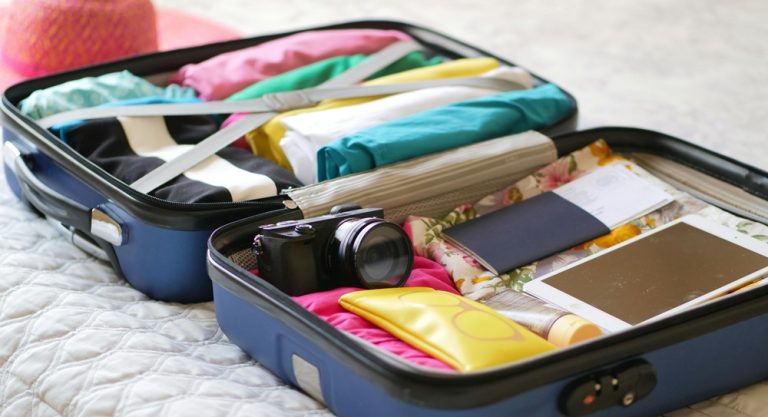
Packing for Bali is usually easier than packing for many other destinations, but first-time visitors are often surprised by how varied the island can be. While Bali is famous for beaches and tropical weather, many travelers also visit temples, volcanoes, waterfalls, rice terraces, beach clubs, cafés, luxury resorts, and remote villages during the same trip.
As a result, the ideal Bali packing list is not simply a beach packing list. The items you bring should allow you to move comfortably between different environments while remaining prepared for Bali's heat, humidity, occasional rain showers, cultural sites, transportation realities, and outdoor activities.
One of the most common mistakes travelers make is overpacking. Bali has supermarkets, pharmacies, convenience stores, shopping centers, surf shops, clothing stores, and tourist services almost everywhere. Most everyday items can easily be purchased after arrival, which means there is rarely a need to fill an entire suitcase before leaving home.
Instead, focus on versatile clothing, lightweight gear, comfortable footwear, essential travel documents, reliable internet access, and a few practical items that will genuinely improve your experience. Whether you're planning a backpacking trip, family vacation, digital nomad stay, luxury getaway, or honeymoon, packing smartly will make moving around the island significantly easier.
In this guide, we'll cover exactly what to pack for Bali, what you can safely leave at home, and how to prepare for different travel styles, seasons, activities, and destinations across the island.

Essential Travel Documents for Bali
- Passport with sufficient validity remaining
- Visa or eVisa documentation if required for your nationality
- Travel insurance documents and emergency contact details
- Flight confirmations and onward travel information
- Hotel reservations and accommodation details
- Digital copies of important documents stored securely online
- Emergency contact information for family, banks, and insurers
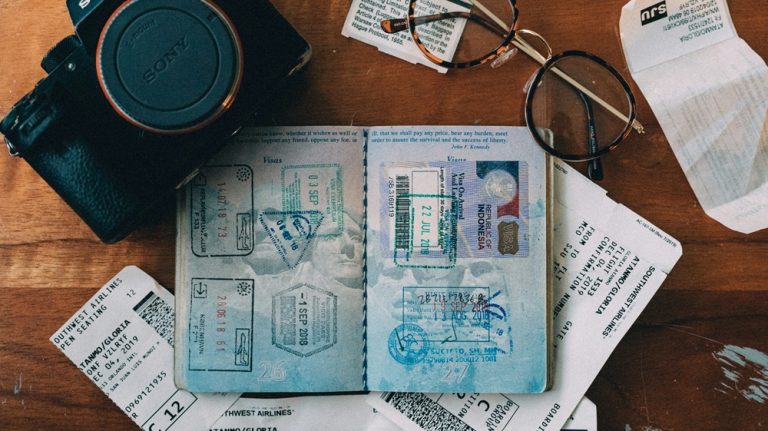
Before leaving for Bali, make sure your passport meets Indonesia's entry requirements and check whether you need a Visa on Arrival or an eVisa. Entry requirements can change, so it is always worth verifying the latest information through Indonesia's official eVisa website before you travel.
It is also worth familiarizing yourself with the arrival process before departure. Our first-time visitor's guide to Bali Airport explains immigration procedures, customs, airport transfers, SIM cards, eSIM options, and what to expect after landing at Ngurah Rai International Airport.
Travel insurance is another item many travelers overlook until something goes wrong. Delayed flights, lost luggage, scooter accidents, medical emergencies, canceled tours, and unexpected illness can quickly become expensive abroad. Before departure, consider reviewing your options through our travel insurance guide.
It is also worth keeping digital copies of your passport, visa, insurance documents, flight confirmations, and accommodation reservations in cloud storage or a secure email account. Having backup access to important documents can save considerable stress if your phone, wallet, or luggage is lost during your trip.
Before finalizing your plans, make sure your flights and accommodation are organized. Our guides to finding cheap international flights and comparing major hotel booking platforms in our hotel booking comparison guide can help you prepare the practical side of your Bali trip before you even start packing.
Once your documents are organized, the next step is deciding what clothing to bring. Bali's tropical climate makes lightweight and breathable clothing far more useful than heavy outfits, but there are still a few important considerations for temples, evenings, and outdoor activities.

What Clothes to Pack for Bali
Bali's tropical climate means lightweight, breathable clothing will be your best friend throughout the trip. Temperatures remain warm year-round, humidity can be high, and many travelers spend long days outdoors exploring beaches, temples, waterfalls, rice terraces, markets, and coastal towns. Comfort is usually far more important than fashion.
The good news is that Bali is generally very casual. Outside of a handful of luxury restaurants, resorts, and beach clubs, formal clothing is rarely necessary. Most visitors spend the majority of their trip wearing shorts, t-shirts, tank tops, sundresses, sandals, swimwear, and other lightweight clothing designed for hot weather.
At the same time, Bali is also a deeply religious island with thousands of temples and important cultural sites. Visitors should pack at least one outfit that provides more coverage for temple visits and cultural experiences. While sarongs are often available at major temples, having appropriate clothing makes visits easier and more comfortable.
Beach Clothing
If beaches, surfing, beach clubs, snorkeling, or island hopping are part of your itinerary, lightweight clothing is all you need for most days.
- Swimwear
- Lightweight shorts
- T-shirts and tank tops
- Sundresses
- Flip-flops or sandals
- Rash guard for surfing or snorkeling (optional)
- Hat or cap for sun protection
- Sunglasses
Many travelers find themselves spending more time outdoors than expected, especially around destinations such as Canggu, Uluwatu, Nusa Penida, and Bali's beach towns. Quick-drying fabrics are often more practical than heavier cotton clothing.
Temple Clothing
Temples remain one of Bali's biggest attractions, and dressing respectfully is important when visiting sacred sites. Popular temples such as Tanah Lot, Uluwatu Temple, Tirta Empul, and Besakih all have dress expectations for visitors.
- Lightweight long pants or a long skirt
- T-shirt or shirt that covers the shoulders
- Lightweight scarf or shawl (optional)
- Sarong if you prefer carrying your own
Most major temples provide sarongs at the entrance, but having suitable clothing available makes visits easier and avoids last-minute adjustments.
Evening Clothing
Although Bali is generally casual, some travelers enjoy beach clubs, rooftop venues, upscale restaurants, and luxury resorts during their trip. You do not need formal attire, but packing one or two slightly smarter outfits can be useful.
- Casual evening outfit
- Light dress or collared shirt
- Comfortable walking shoes or smart sandals
- Light layer for air-conditioned restaurants
For most visitors, the ideal Bali wardrobe is simple: lightweight clothing for the heat, something respectful for temples, comfortable footwear for sightseeing, and one or two outfits for evenings out. Keeping things versatile helps avoid overpacking while ensuring you're prepared for almost every situation the island can throw at you.

Electronics & Tech Essentials
Most travelers rely heavily on their phones while visiting Bali. Navigation, ride-hailing apps, restaurant searches, hotel bookings, ferry tickets, translation tools, banking apps, photography, and communication often depend on having a reliable internet connection throughout your trip.
Fortunately, Bali is generally well connected, particularly around major tourist areas such as Ubud, Canggu, Uluwatu, Seminyak, Sanur, and Nusa Dua. However, arriving with the right technology and charging equipment can save a great deal of frustration once you land.
- Smartphone
- Phone charger and charging cable
- Power bank for day trips and long travel days
- Universal travel adapter
- Laptop or tablet (if required)
- Camera and spare memory cards (optional)
- Noise-cancelling headphones for flights (optional)
- Portable hard drive or cloud backup solution (optional)
eSIM and Mobile Data
Reliable internet access makes traveling around Bali significantly easier. Apps such as Grab, Gojek, Google Maps, WhatsApp, and online booking platforms are used constantly by many visitors throughout their trip. While local SIM cards are available after arrival, many travelers now prefer activating an eSIM before leaving home.
An eSIM allows you to connect almost immediately after landing without searching for a SIM card vendor at the airport. If you're planning to use mobile data during your trip, our Best eSIM for International Travel guide compares several options that work well in Bali and across Indonesia.
Universal Travel Adapter
Indonesia uses Type C and Type F electrical outlets, which may differ from those used in your home country. Travelers arriving without a compatible adapter often find themselves searching for one immediately after arrival.
A good universal adapter can power phones, laptops, cameras, power banks, and other devices throughout your trip. If you still need one, take a look at our EPICKA Universal Travel Adapter review before departure.
Useful Apps to Download Before You Arrive
- Google Maps
- Gojek
- Gojek
- Google Translate
- Your airline's app
- Your hotel booking app
- Offline maps for Bali (optional)
Preparing your devices before departure takes only a few minutes but can make your first days in Bali much smoother. Having mobile data, the correct adapter, and a fully charged power bank often proves far more valuable than many of the physical items travelers pack in their suitcase.

Health & Personal Items
Most visitors never experience serious health issues in Bali, but a few simple items can make a big difference if something unexpected happens. The island's tropical climate, strong sun, unfamiliar food, mosquitoes, long travel days, and outdoor activities can occasionally create situations where having the right supplies saves both time and stress.
The good news is that Bali has pharmacies, clinics, hospitals, supermarkets, and convenience stores throughout most tourist areas. There is no need to bring an entire medicine cabinet from home. Instead, focus on essential items that may be difficult to replace quickly or that you know you personally use.
- Prescription medication (with copies of prescriptions if necessary)
- Sunscreen
- Mosquito repellent
- Basic pain relief medication
- Hand sanitizer
- Personal hygiene products
- Oral rehydration salts
- Allergy medication if required
- Motion sickness medication for boat trips if needed
- Small first aid kit for minor cuts and scrapes
Sunscreen Is More Important Than Many Travelers Expect
Bali sits close to the equator, which means UV levels can be extremely strong throughout the year. Even travelers who rarely burn at home are often surprised by how quickly sun exposure adds up during beach days, island excursions, volcano hikes, surfing sessions, or simply walking around town.
Applying sunscreen regularly is one of the easiest ways to avoid turning part of your holiday into a painful recovery period. Many visitors also find that carrying a hat, sunglasses, and a reusable water bottle helps them stay comfortable during long days outdoors.
Mosquito Protection
Mosquitoes are present throughout Bali, particularly around gardens, rice fields, jungle areas, and during the wetter months of the year. While most bites are simply annoying, carrying mosquito repellent is a simple precaution that can make evenings significantly more comfortable.
Travelers staying near rice terraces, waterfalls, rural villages, or nature-focused destinations often appreciate having repellent available, especially around sunrise and sunset.
Travel Insurance Matters More Than Most People Think
Many travelers pack carefully but forget one of the most important items of all: travel insurance. Medical treatment, scooter accidents, lost luggage, canceled flights, unexpected illness, and travel disruptions can all occur during a trip, and dealing with these situations becomes much easier when you have appropriate coverage in place before departure.
Before leaving for Bali, it is worth reviewing your options through our travel insurance guide. It is one of those items you hope never to need but are usually very grateful to have if something unexpected happens.
For most travelers, a small collection of practical health items combined with sensible precautions is more than enough. Packing thoughtfully helps you spend less time dealing with problems and more time enjoying Bali's beaches, temples, waterfalls, restaurants, and adventures.

Beach & Adventure Essentials
Many travelers arrive in Bali expecting a simple beach holiday and quickly discover that the island offers far more than that. Between surfing, snorkeling, island hopping, waterfalls, rice terraces, volcano hikes, temples, beach clubs, and day trips, most visitors spend a significant amount of time away from their hotel room.
Packing a few practical items for these activities can make your trip far more comfortable without adding much weight to your luggage. The goal is not to bring excessive gear but rather a handful of useful items that work across different situations.
- Reusable water bottle
- Small daypack or backpack
- Waterproof phone pouch
- Dry bag for boat trips and island excursions
- Quick-dry travel towel
- Snorkeling gear (optional)
- Surf accessories if you plan to surf regularly
- Light rain jacket or poncho during the rainy season
- Portable power bank for long sightseeing days
Daypack or Small Backpack
A lightweight daypack is one of the most useful items you can bring to Bali. Whether you're visiting temples, exploring waterfalls, taking a day trip to Nusa Penida, hiking Mount Batur, or simply spending a day at the beach, having somewhere to carry water, sunscreen, electronics, and personal items quickly becomes essential.
Many travelers find themselves using a daypack almost every day of their trip, making it one of the most valuable pieces of gear they bring.
Dry Bags and Waterproof Protection
Boat transfers, island excursions, snorkeling trips, waterfalls, and tropical rain showers are all common parts of a Bali itinerary. A small dry bag or waterproof pouch helps protect phones, cameras, passports, wallets, and other valuables from unexpected water exposure.
This is particularly useful for travelers planning to visit Nusa Penida, Nusa Lembongan, the Gili Islands, or any destination that involves fast boats and water activities.
Travel Gear Worth Considering
You do not need expensive equipment to enjoy Bali, but a few well-chosen travel items can make the trip noticeably easier. Lightweight backpacks, travel adapters, portable chargers, waterproof pouches, packing cubes, travel pillows, and compact travel accessories are all items that many visitors use repeatedly throughout their journey.
If you're still deciding what gear to bring, take a look at our Travel Gear Picks page for recommendations that work particularly well for international travel and destinations like Bali.
For most travelers, the best approach is to pack versatile gear that serves multiple purposes. A small backpack, reusable water bottle, waterproof pouch, and portable charger will often provide more value than carrying a suitcase full of rarely used equipment.

What NOT to Pack for Bali
One of the biggest mistakes first-time visitors make is bringing far too much luggage. Bali is not a remote destination with limited services. Supermarkets, pharmacies, convenience stores, shopping centers, surf shops, clothing stores, and tourist facilities are widely available throughout the island, especially in major destinations such as Ubud, Canggu, Seminyak, Sanur, and Uluwatu.
Packing lighter makes airport transfers, ferry journeys, hotel changes, day trips, and general travel much easier. In most cases, travelers benefit far more from packing smartly than from packing extensively.
- Heavy winter clothing
- Multiple pairs of bulky shoes
- Large amounts of toiletries
- Excessive cash
- Formal clothing you are unlikely to wear
- Large hard-shell suitcases for short trips
- Too many "just in case" items
Heavy Clothing
Bali's tropical climate means sweaters, jackets, heavy jeans, and thick clothing rarely get used. Even during the rainy season, temperatures remain warm throughout the year. A lightweight rain jacket is usually far more useful than bulky outerwear.
The main exception is Mount Batur sunrise hikes, where temperatures can feel noticeably cooler before dawn. Even then, a lightweight layer is usually sufficient.
Too Many Shoes
Many travelers arrive with four or five pairs of shoes and end up wearing only one or two. For most Bali trips, comfortable walking shoes, sandals or flip-flops, and possibly a pair of slightly smarter shoes for evenings are more than enough.
Reducing footwear alone can free up a surprising amount of luggage space.
Large Quantities of Toiletries
Shampoo, sunscreen, toothpaste, deodorant, insect repellent, soap, and most everyday personal care products are widely available throughout Bali. Bringing travel-sized quantities for the first few days is usually sufficient.
The main exception is prescription medication or specialty products that may be difficult to replace locally.
Too Much Cash
While carrying some cash is useful, many travelers overestimate how much they need. ATMs are common throughout tourist areas, and credit cards are accepted at many hotels, restaurants, cafés, and larger businesses.
Spreading your money between cards, cash, and backup payment methods is generally safer than carrying large amounts of cash throughout your trip.
Protecting your money is just as important as deciding how much to bring. Tourist scams involving ATMs, currency exchange, fake payment requests, and other common tricks can happen in Bali and destinations around the world. Before you travel, read our Travel Scams Around the World guide to learn how to recognize these scams and avoid unnecessary problems.
The Biggest Packing Mistake
The most common mistake is not forgetting an item. It is overpacking. Many travelers arrive with suitcases full of clothing and accessories they never use. A lighter bag makes Bali significantly easier to navigate, especially if you plan to visit multiple destinations during the same trip.
If you are unsure whether to pack something, ask yourself a simple question: will you realistically use it more than once or twice? If the answer is no, leaving it at home is often the better choice.
Bali Packing List by Travel Style
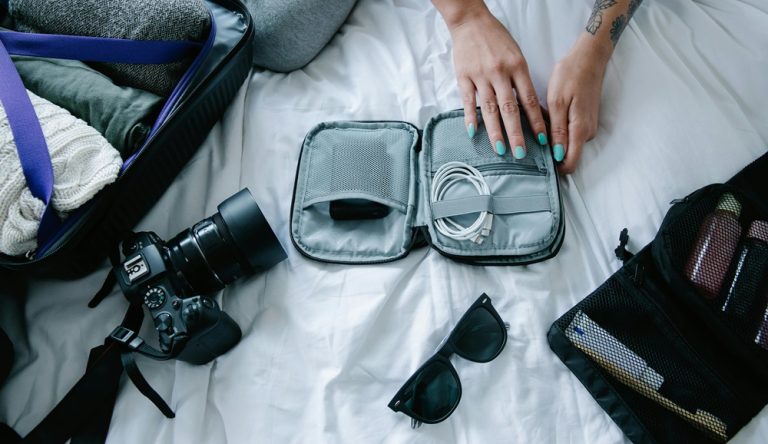
Not every traveler packs the same way. A backpacker spending three weeks moving around Bali will have very different priorities from a family on a resort holiday, a digital nomad working remotely, or a couple celebrating a honeymoon. The table below highlights a few items that become particularly important depending on your travel style.
| Travel Style | Priority Items | Why They Matter |
|---|---|---|
| Backpacker | Daypack, power bank, quick-dry clothing, reusable water bottle | Lightweight gear makes moving between destinations easier |
| Couple | Smart-casual evening clothing, camera, waterproof pouch | Useful for beach clubs, sunset dinners, and day trips |
| Digital Nomad | Laptop, universal adapter, power bank, cloud backups | Reliable technology is essential for remote work |
| Family | First aid kit, sunscreen, snacks, spare chargers | Helps manage longer sightseeing days with children |
| Luxury Traveler | Resort wear, camera, smart-casual outfits, travel organizer | Useful for upscale resorts, restaurants, and experiences |
Honeymooners may also want to pack a few additional items that do not normally appear on standard Bali packing lists. Smart-casual outfits for romantic dinners, lightweight resort wear, a camera for special memories, and clothing suitable for luxury resorts, beach clubs, and sunset cruises can all be worth considering. Couples planning a romantic getaway can find more destination-specific recommendations in our Bali honeymoon planning handbook, which covers accommodation, activities, budgeting, and practical tips for couples visiting the island.
Regardless of your travel style, the same principle applies: bring items that will genuinely improve your trip and avoid filling your luggage with things you are unlikely to use. Bali rewards travelers who pack efficiently and leave themselves enough flexibility for changing plans, spontaneous day trips, and different weather conditions.
Once you've considered your travel style, the next step is creating a practical checklist that ensures nothing important gets forgotten before departure.

Printable Bali Packing Checklist
Before you zip up your suitcase, it helps to run through a final checklist. Even experienced travelers occasionally forget important items such as adapters, chargers, medication, insurance documents, or travel accessories that would have made the trip easier.
If you're still missing a few essentials, our Travel Gear Picks page includes some of our favorite travel accessories for international trips, including adapters, backpacks, packing cubes, travel pillows, and other useful items that work particularly well in destinations like Bali.
Travel Documents
- Passport
- Visa or eVisa documentation
- Travel insurance documents
- Flight confirmations
- Hotel reservations
- Emergency contact information
- Digital backups of important documents
Clothing
- T-shirts and lightweight tops
- Shorts
- Swimwear
- Sandals or flip-flops
- Comfortable walking shoes
- Temple-appropriate clothing
- Lightweight evening outfit
- Hat or cap
- Sunglasses
- Light rain jacket (especially during rainy season)
Electronics
- Smartphone
- Phone charger
- Power bank
- Universal travel adapter
- Laptop or tablet (if required)
- Camera and memory cards (optional)
- Headphones
- eSIM or SIM card plan
Health & Personal Items
- Prescription medication
- Sunscreen
- Mosquito repellent
- Basic pain relief medication
- Hand sanitizer
- Personal hygiene products
- Oral rehydration salts
- Small first aid kit
Beach & Adventure Gear
- Reusable water bottle
- Daypack
- Dry bag
- Waterproof phone pouch
- Quick-dry travel towel
- Snorkeling gear (optional)
- Surf accessories (if required)
Most travelers discover that they need far less than they originally expected. A lightweight suitcase containing versatile clothing, a few practical travel accessories, important documents, and basic health items is usually more than enough for a comfortable and enjoyable Bali trip.

Common Bali Packing Mistakes
Most travelers worry about forgetting something important, but in reality, the biggest packing mistakes in Bali usually come from bringing too much rather than too little. The island is well developed for tourism, and most everyday items can be purchased locally if needed.
Avoiding the mistakes below can save luggage space, reduce stress, and make moving around Bali significantly easier.
Bringing Too Much Clothing
Many visitors pack enough clothing for every day of their trip and quickly realize it was unnecessary. Laundry services are available almost everywhere in Bali and are generally affordable. Packing fewer clothes and washing them during your trip is often far more practical than carrying a heavy suitcase.
Forgetting Temple-Appropriate Clothing
Bali's temples are among the island's biggest attractions, yet many travelers arrive with only beachwear and casual clothing. While major temples often provide sarongs, having at least one outfit suitable for cultural and religious sites makes sightseeing much easier.
Ignoring the Rainy Season
Travelers visiting during Bali's wet season sometimes assume that tropical destinations are always sunny. While rain rarely ruins an entire trip, sudden downpours are common during certain months. A lightweight rain jacket or compact poncho can be surprisingly useful.
Not Planning for Mobile Data
Navigation, ride-hailing apps, restaurant searches, hotel bookings, messaging, and transportation all depend heavily on internet access. Arriving without a mobile data plan can make your first day in Bali unnecessarily difficult. Setting up an eSIM before departure is often one of the easiest solutions.
Skipping Travel Insurance
Many travelers never need to use their travel insurance, which is exactly how everyone hopes the trip will go. However, unexpected illness, delayed flights, lost luggage, medical treatment, canceled tours, and transportation disruptions can happen anywhere. Having coverage in place before departure provides peace of mind throughout the trip.
Packing Heavy Luggage for a Multi-Stop Trip
If your itinerary includes destinations such as Ubud, Canggu, Uluwatu, Nusa Penida, Sanur, or the Gili Islands, you may find yourself moving accommodation several times. Large suitcases quickly become frustrating when dealing with hotel transfers, ferry terminals, stairs, uneven roads, and boat journeys.
Many experienced Bali travelers prefer a medium-sized suitcase or travel backpack rather than bringing everything they own.
Trying to Prepare for Every Possible Scenario
Perhaps the most common mistake of all is packing for situations that are unlikely to happen. Bali has pharmacies, supermarkets, shopping centers, convenience stores, clothing stores, electronics shops, and tourist services throughout the island. If you genuinely need something during your trip, there is a good chance you can buy it locally.
The best Bali packing list is not the longest one. It is the one that gives you everything you need while leaving enough room to travel comfortably and enjoy the journey.

Travel Tips Before You Leave
A little preparation before departure can make your Bali trip significantly smoother. Most travel problems are not caused by forgetting a t-shirt or an extra pair of sandals. They usually come from issues such as poor internet access, missing documents, inadequate insurance coverage, forgotten chargers, or last-minute booking decisions.
Before heading to the airport, take a few minutes to review the essentials. Making sure these items are organized before departure can save both time and stress once you arrive in Bali.
- Confirm your passport and visa requirements
- Download important travel documents to your phone
- Arrange mobile data before departure
- Check your travel insurance coverage
- Verify flight and accommodation bookings
- Pack a universal travel adapter
- Leave extra room in your luggage for purchases made during the trip
Set Up Mobile Data Before You Fly
One of the easiest ways to simplify your arrival is by arranging mobile data before departure. Being able to use maps, contact your accommodation, order transport, and access booking confirmations immediately after landing can make a huge difference on your first day.
If you have not arranged connectivity yet, our Best eSIM for International Travel guide compares several options that work well in Bali and throughout Indonesia.
Do Not Forget Travel Insurance
Travel insurance is one of those purchases that many people hope never to use, but unexpected situations can happen on any trip. Whether it involves medical treatment, lost luggage, delayed flights, canceled bookings, or transportation disruptions, having suitable coverage provides valuable peace of mind.
Before departure, consider reviewing your options through our travel insurance guide.
Double-Check Your Travel Gear
A forgotten adapter, missing charger, dead power bank, or uncomfortable daypack can become surprisingly frustrating once your trip is underway. Taking a few minutes to review your travel gear before leaving often prevents these small issues from becoming bigger inconveniences later.
If you're still putting together your packing list, our Travel Gear Picks page includes practical items that work particularly well for Bali and other international destinations.
Travelers who still need a charging solution should also take a look at our EPICKA Universal Travel Adapter review before departure.
Book Flights and Accommodation Early During Peak Season
Bali remains one of the most popular destinations in Southeast Asia, and accommodation in high-demand areas such as Ubud, Canggu, Uluwatu, and Seminyak can fill up surprisingly quickly during busy travel periods.
If you are still organizing your trip, our guides to finding cheap international flights and comparing booking platforms in our hotel booking comparison guide can help you secure better deals before departure.
Once these essentials are taken care of, you can focus on enjoying your trip rather than solving avoidable travel problems after arrival. A little preparation goes a long way in Bali.

Final Thoughts
Packing for Bali is ultimately about finding the right balance. You want enough clothing, gear, and travel essentials to stay comfortable throughout the trip without carrying a suitcase full of items you will never use. Most visitors quickly discover that lightweight clothing, reliable internet access, a few practical travel accessories, and sensible preparation matter far more than bringing excessive luggage.
The best approach is to pack for the activities you genuinely plan to do. A traveler spending most of their time around beaches and cafés will have different priorities from someone planning volcano hikes, temple visits, waterfalls, island hopping, or longer journeys around Bali. Focusing on your actual itinerary usually results in a lighter and more useful packing list.
If you're still deciding where to base yourself, our Where to Stay in Bali guide and Best Areas to Stay in Bali article can help you choose the location that best matches your travel style and priorities.
Travelers planning to spend time in Bali's most popular destinations may also find our Ubud Travel Guide and Canggu Travel Guide useful for understanding what to expect before arriving.
For most visitors, Bali is far less demanding than they initially imagine. Pack smart, travel light, stay flexible, and focus on the experiences ahead rather than filling every corner of your luggage. Doing so will make moving around the island easier and allow you to enjoy more of what makes Bali such a memorable destination.

Frequently Asked Questions About Packing for Bali
-
What should I pack for Bali?
Pack lightweight clothing, swimwear, comfortable footwear, sunscreen, mosquito repellent, a universal travel adapter, travel documents, and a reliable mobile data solution. Most travelers also benefit from bringing a daypack, reusable water bottle, and waterproof phone pouch. -
What clothes should I wear in Bali?
Lightweight and breathable clothing is ideal for Bali's tropical climate. Shorts, t-shirts, sundresses, sandals, and swimwear work well for most situations. For temple visits, bring clothing that covers your shoulders and knees. -
Do I need a rain jacket in Bali?
If you are visiting during the rainy season, a lightweight rain jacket or compact poncho can be useful. Rain showers are often intense but short-lived, especially between November and March. -
Can I wear shorts in Bali temples?
Most temples require visitors to dress respectfully. Shorts above the knee are generally discouraged unless covered by a sarong. Many major temples provide sarongs at the entrance. -
Do I need a visa for Bali?
Visa requirements depend on your nationality. Many travelers can obtain a Visa on Arrival, while others may need an eVisa before departure. Always check the latest entry requirements before traveling. -
Should I arrange an eSIM before arriving in Bali?
Many travelers now choose to activate an eSIM before departure so they have internet access immediately after landing. This makes it easier to use maps, transportation apps, accommodation bookings, and messaging services from the moment you arrive. -
What type of power adapter do I need for Bali?
Indonesia primarily uses Type C and Type F electrical outlets. Travelers from countries using different plug types should bring a universal travel adapter. -
Do I need travel insurance for Bali?
Travel insurance is strongly recommended. It can provide protection against medical emergencies, trip cancellations, lost luggage, flight disruptions, and other unexpected travel issues. -
Can I buy toiletries and sunscreen in Bali?
Yes. Supermarkets, convenience stores, pharmacies, and shopping centers throughout Bali sell toiletries, sunscreen, insect repellent, and other everyday essentials. -
Do I need mosquito repellent in Bali?
Mosquito repellent is recommended, particularly if you plan to visit rice terraces, waterfalls, jungle areas, rural regions, or are traveling during the wetter months. -
How much luggage should I bring to Bali?
Most travelers are surprised by how little they actually need. A medium suitcase or travel backpack is usually sufficient for a one- or two-week Bali trip. -
Is Bali suitable for carry-on-only travel?
Yes. Many experienced travelers visit Bali using only carry-on luggage. The warm climate and availability of laundry services make it easy to pack light. -
What shoes should I pack for Bali?
Comfortable walking shoes and sandals are usually sufficient. Travelers planning hikes such as Mount Batur may also want lightweight hiking shoes or trail runners. -
What should I pack for a Bali honeymoon?
In addition to the usual essentials, honeymoon travelers often bring a few smart-casual outfits for beach clubs, sunset dinners, luxury resorts, and special occasions. -
What should digital nomads pack for Bali?
Digital nomads should prioritize a laptop, charging cables, power bank, universal adapter, cloud backups, and reliable mobile data access. Noise-cancelling headphones can also be useful. -
What should families pack for Bali?
Families often benefit from bringing extra sunscreen, snacks, children's medication, a small first aid kit, spare chargers, and entertainment for longer travel days. -
Can I do laundry in Bali?
Yes. Laundry services are widely available throughout Bali and are generally affordable, which means there is usually no need to pack excessive amounts of clothing. -
What is the biggest packing mistake people make in Bali?
Overpacking. Many visitors bring far more clothing, shoes, and accessories than they ever use during their trip.
Travel Resources to Plan, Book & Stay Connected
Use these tools and guides to stay connected abroad, find inspiration for your next trip, and book your flights, stays and gear with confidence.
Disclosure: This article may contain affiliate links. If you make a purchase through a link, I may receive a commission at no extra cost to you. I only share recommendations I believe are genuinely useful, and all opinions are my own. AI was used in this post for research and drafting purposes.

Comment (0)