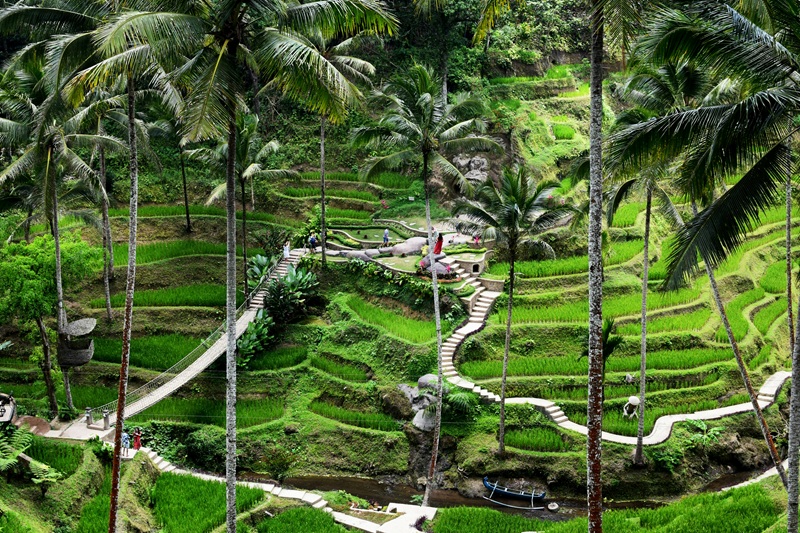
Ubud Travel Guide: What This Guide Covers
Ubud is often described as the cultural heart of Bali, but it is much more than temples, yoga studios, and rice terraces. Surrounded by jungle-covered valleys, waterfalls, traditional villages, and some of the island's most important religious sites, Ubud serves as an excellent base for travelers who want to experience a different side of Bali beyond beaches and nightlife.
This guide covers everything you need to know before visiting Ubud, including the best attractions, where to stay, what to eat, how to get around, the best time to visit, and the most rewarding day trips from the area.
- Who Ubud is best suited for
- The top things to do in and around Ubud
- Where to stay for different budgets and travel styles
- Traditional Balinese food, cafés, and restaurants
- Day trips to volcanoes, temples, waterfalls, and rice terraces
- How to get around and avoid common travel mistakes
- The best time of year to visit Ubud
- Practical travel tips for first-time visitors
Ubud is particularly well suited to travelers interested in culture, nature, photography, wellness, temples, rice terraces, and slower travel. While it lacks direct beach access, many visitors consider it the most rewarding base in Bali because of its central location and easy access to some of the island's most famous attractions.
If you're still planning the rest of your trip, our Things to Do in Bali, Where to Stay in Bali, Best Areas to Stay in Bali, and Bali Itinerary guides can help you decide how Ubud fits into your overall route.
Many travelers combine Ubud with other parts of the island. If you're comparing destinations, our guide to staying in Canggu explains Bali's most popular surf and café hub, our Seminyak visitor guide explores Bali's upscale beach clubs, dining scene, shopping, and nightlife, while our Bukit Peninsula & Uluwatu travel guide covers Uluwatu's famous cliffs, beaches, surf breaks, and sunset viewpoints. Travelers interested in island adventures, dramatic coastal scenery, snorkeling, and cliff-top viewpoints should also consider spending time on nearby Nusa Penida island. Together, these guides can help you choose the combination of destinations that best matches your travel style.
For many first-time visitors, Ubud becomes the highlight of their Bali trip. The challenge is rarely finding things to do. It is deciding which experiences deserve your limited time.
Introduction
Ubud is one of the most famous destinations in Bali and often the first place travelers think of when imagining the island's rice terraces, temples, jungle scenery, and cultural traditions. Located in the central highlands, Ubud offers a very different experience from the beach-focused destinations of Seminyak, Canggu, Kuta, and Uluwatu.
For decades, Ubud has attracted artists, writers, photographers, spiritual seekers, and travelers looking to experience a deeper side of Bali. Traditional ceremonies remain part of daily life, temples are woven into the landscape, and many of the island's most iconic attractions are located within easy reach of the town.
Today, Ubud combines old and new Bali in a way few places can. Ancient temples sit alongside boutique hotels, traditional markets operate near modern cafés, and rice terraces begin only minutes from busy streets lined with restaurants, wellness centers, and shops. While tourism has transformed the town over the years, Ubud still retains a character that feels distinctly different from the island's coastal resort areas.
One of Ubud's biggest advantages is its location. Travelers can easily access waterfalls, volcanoes, rice terraces, temples, traditional villages, and many of the island's best cultural experiences without constantly changing hotels. This makes Ubud an excellent base for exploring central and eastern Bali while maintaining a slower pace of travel.
That said, first-time visitors sometimes arrive expecting a quiet mountain village and are surprised by the reality. Ubud has become one of Bali's most popular destinations, and traffic can be significant during peak periods. The town is no longer a hidden retreat. However, those who venture beyond the busiest streets quickly discover why Ubud continues to be one of the most rewarding places to visit in Bali.
Whether you're interested in temples, food, wellness, photography, hiking, culture, or simply experiencing a different side of Bali, Ubud offers enough attractions and activities to fill several days without difficulty. Many travelers even find themselves wishing they had allocated more time here.
Where Is Ubud & Why Visit?
- Located in the central highlands of Bali
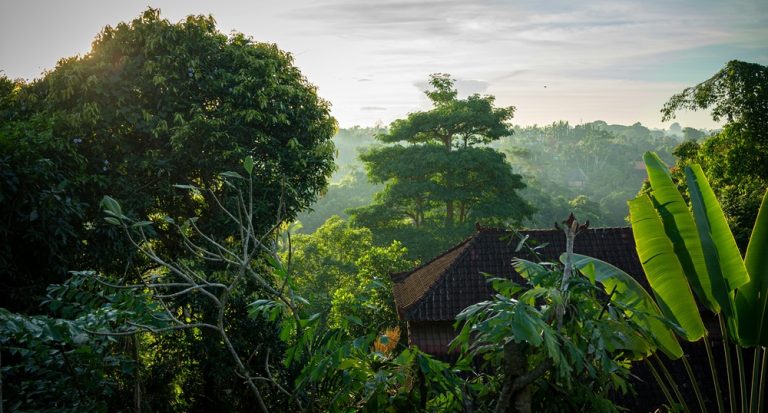
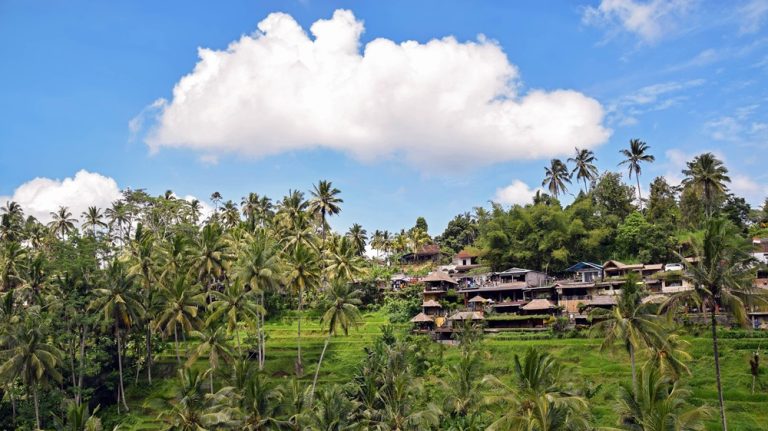
- Surrounded by rice terraces, temples, rivers, and jungle valleys
- Excellent base for exploring central and eastern Bali
- Known for culture, wellness, food, and traditional Balinese life
- Popular with couples, photographers, digital nomads, and first-time visitors
- Offers a completely different atmosphere from Bali's beach destinations
Ubud sits roughly 35 kilometers north of Bali's international airport and occupies a central position within the island. While the exact travel time depends heavily on traffic, most visitors can reach Ubud in around one to two hours from the airport, Seminyak, Canggu, Kuta, or Sanur.
Its location makes it one of the most practical bases in Bali. Rather than staying on the coast and spending hours driving inland each day, travelers based in Ubud are already close to many of the island's most famous cultural and natural attractions. Rice terraces, waterfalls, temples, traditional villages, and mountain landscapes are all within relatively easy reach.
Unlike beach destinations such as Canggu, Seminyak, or Uluwatu, Ubud's appeal is not centered around the ocean. Visitors come here for a combination of culture, scenery, food, wellness, and access to some of Bali's most rewarding sightseeing opportunities. It is one of the few places on the island where you can spend the morning visiting a temple, the afternoon exploring rice terraces, and the evening watching a traditional dance performance without traveling long distances.
Ubud vs Canggu
Ubud and Canggu attract very different travelers. Ubud focuses on culture, nature, wellness, temples, and sightseeing, while Canggu is better known for surfing, cafés, beach clubs, nightlife, and digital nomad culture. Travelers seeking rice terraces, waterfalls, and traditional Balinese experiences generally prefer Ubud, while those wanting beach access and a more social atmosphere often choose Canggu.
Ubud vs Seminyak
Seminyak offers upscale restaurants, shopping, luxury resorts, beach clubs, and convenient access to Bali's southern coastline. Ubud, by contrast, provides a more cultural and nature-focused experience. Many first-time visitors choose to split their trip between the two destinations in order to experience both sides of Bali.
Ubud vs Uluwatu
Uluwatu is famous for dramatic cliffs, surf breaks, luxury villas, and spectacular sunsets overlooking the Indian Ocean. Ubud offers a greener, more inland experience focused on temples, rice terraces, waterfalls, and cultural attractions. The two destinations complement each other particularly well and are often combined in the same itinerary.
If you're still deciding where to base yourself, our Best Areas to Stay in Bali guide compares Bali's most popular regions in greater detail. For travelers seeking culture, sightseeing, and a central location, however, Ubud consistently ranks among the strongest choices on the island.
Things to Do in Ubud
Ubud offers one of the highest concentrations of cultural, natural, and historical attractions anywhere in Bali. While many visitors initially arrive for the rice terraces or wellness retreats, they quickly discover that Ubud serves as a gateway to temples, waterfalls, traditional villages, wildlife experiences, and some of the island's most iconic landscapes.
The best approach is not trying to see everything in a day. Ubud rewards slower exploration, allowing time to enjoy the scenery, learn about Balinese culture, and experience attractions beyond simply taking photographs and moving on.
Sacred Monkey Forest Sanctuary
- One of the most visited attractions in Ubud
- Home to hundreds of long-tailed macaques
- Ancient temples surrounded by jungle scenery
- Located within walking distance of central Ubud
- Excellent introduction to Balinese spirituality and nature
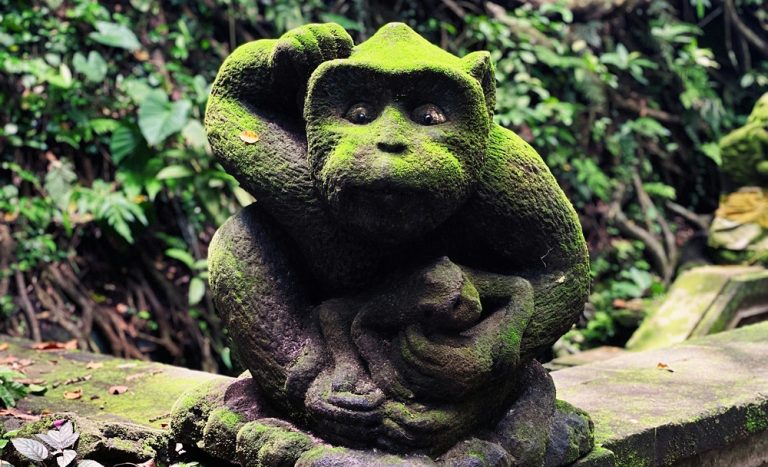
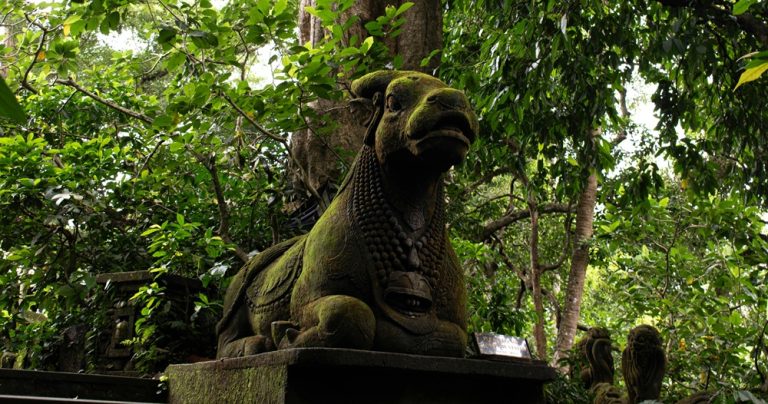
The Sacred Monkey Forest Sanctuary is one of Ubud's most famous attractions and is often the first stop for visitors exploring the town. While many travelers come for the monkeys, the sanctuary itself is much more than a wildlife attraction. Ancient temples, moss-covered statues, jungle pathways, and giant banyan trees create an atmosphere that feels surprisingly peaceful despite its popularity.
More than a thousand long-tailed macaques live within the forest. Visitors can observe them interacting throughout the sanctuary, climbing temple walls, crossing pathways, and resting among the trees. The monkeys are accustomed to human presence, but they remain wild animals and should always be treated with caution and respect.
Ubud is also one of Bali's most popular destinations for couples and honeymooners. The combination of jungle villas, rice terrace views, luxury resorts, wellness retreats, private pool villas, romantic restaurants, and easy access to many of Bali's most famous attractions makes it an ideal base for a romantic getaway. Couples planning a special trip can find additional recommendations in our Bali honeymoon guide, which covers romantic hotels, experiences, and honeymoon planning tips across the island.
The forest also contains several important temples that continue to play a role in local religious life. Walking through the sanctuary provides an interesting glimpse into how spirituality, nature, and daily life remain closely connected in Bali. Unlike a zoo or wildlife park, the Monkey Forest feels integrated into the cultural fabric of Ubud itself.
Early mornings generally provide the most enjoyable experience, with cooler temperatures, softer light for photography, and fewer visitors. Those arriving later in the day should expect larger crowds, particularly during peak travel seasons.
Browse Monkey Forest tours, Ubud sightseeing experiences, guided cultural tours, and full-day excursions that combine the sanctuary with temples, rice terraces, waterfalls, and other highlights around central Bali.
View Monkey Forest ToursFor first-time visitors, the Sacred Monkey Forest Sanctuary remains one of the easiest and most rewarding introductions to Ubud. It combines wildlife, history, culture, and nature in a single attraction and helps explain why Ubud has become one of Bali's most popular destinations.
Tegalalang Rice Terraces
- One of the most photographed locations in Bali
- Famous for its layered rice terraces and jungle scenery
- Located just north of central Ubud
- Popular for photography, walking trails, and scenic viewpoints
- Easy to combine with temples, waterfalls, and other Ubud attractions
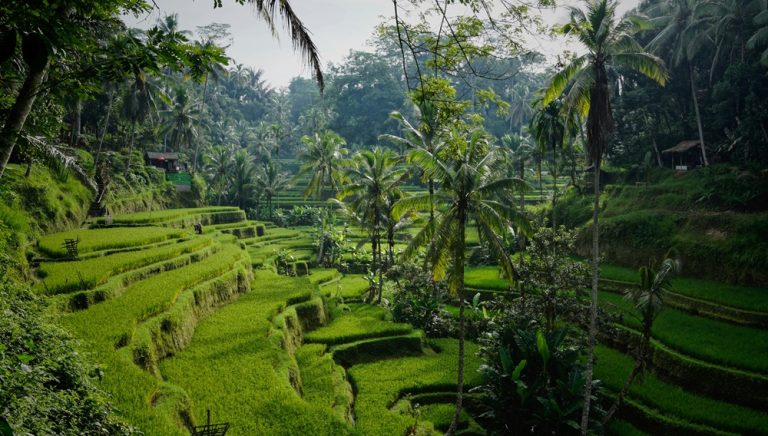
The Tegalalang Rice Terraces are among Bali's most iconic landscapes and one of the most popular attractions near Ubud. Carved into the hillsides north of town, the terraces showcase the island's traditional farming methods and provide some of the most recognizable scenery in Indonesia.
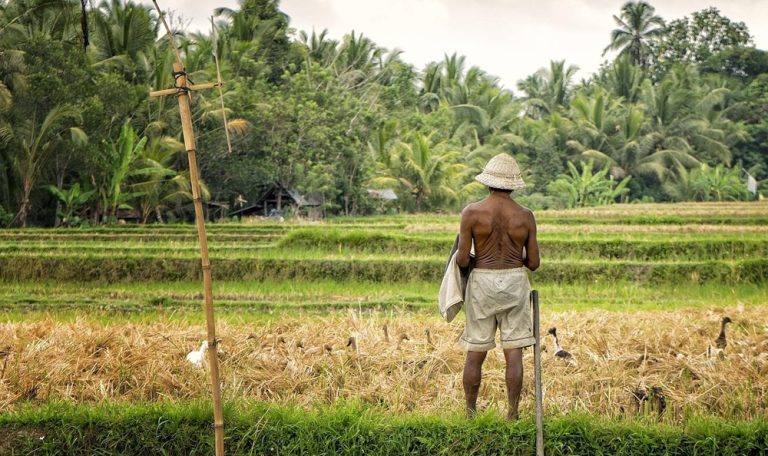
Visitors often arrive expecting a quick photo stop but end up spending much longer exploring the pathways that wind through the terraces. Walking routes descend into the valley and climb back up through rice fields, small bridges, cafés, and viewing platforms. The scenery changes constantly depending on the season, with vibrant green fields during some months and golden tones during harvest periods.
Beyond the beautiful views, the terraces offer insight into Bali's traditional subak irrigation system, a centuries-old cooperative water management network that helped shape both the island's agricultural landscape and cultural traditions. Similar systems can be found throughout Bali, but Tegalalang remains the most accessible for visitors staying in Ubud.
The area has become increasingly popular over the years, and several swings, photo platforms, and tourism-focused attractions have appeared around the terraces. While these additions appeal to some visitors, those seeking a quieter experience should arrive early in the morning before tour groups begin to arrive.
Travelers looking for a larger and less commercialized rice terrace experience may also wish to visit Jatiluwih, but for convenience and accessibility, Tegalalang remains one of the easiest natural attractions to include in an Ubud itinerary.
Browse Tegalalang Rice Terrace tours, photography experiences, countryside excursions, cultural tours, and full-day Ubud adventures that combine rice terraces with temples, waterfalls, and traditional villages.
View Tegalalang ToursFor first-time visitors, the Tegalalang Rice Terraces remain one of the easiest places to experience the landscapes that have made Bali famous worldwide and deserve a place on almost every Ubud itinerary.
Campuhan Ridge Walk
- One of the most scenic walks in Ubud
- Free to access and easy to combine with central Ubud attractions
- Offers panoramic views of hills, valleys, and tropical vegetation
- Popular for sunrise walks, photography, and exercise
- Provides a quieter escape from Ubud's busier streets
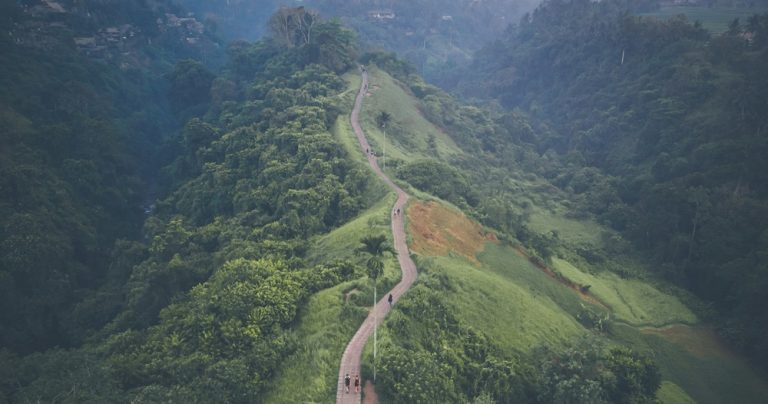
The Campuhan Ridge Walk is one of Ubud's simplest yet most rewarding attractions. Unlike temples, waterfalls, or major tourist sites, the appeal here comes from the scenery itself. The paved pathway follows a ridge above lush valleys and jungle-covered hills, creating one of the most pleasant walking experiences in Bali.
Many visitors come early in the morning when temperatures are cooler and the landscape is often at its most photogenic. At this time of day, the ridge feels surprisingly peaceful compared to the busy streets of central Ubud, making it a favorite among walkers, runners, photographers, and travelers looking to enjoy nature without committing to a major hike.
The route is relatively straightforward and suitable for most fitness levels. While there are some gentle inclines, the walk is not particularly challenging. Visitors can choose how far they want to continue before turning back or exploring nearby cafés and villages along the route.
One of the reasons the Campuhan Ridge Walk remains so popular is that it showcases a side of Ubud many visitors overlook. Beyond the restaurants, markets, and wellness retreats lies a landscape of valleys, rivers, farmland, and tropical vegetation that helps explain why artists and writers have long been drawn to the region.
Although many travelers explore the ridge independently, guided walks can provide additional insight into local villages, traditional agriculture, Balinese culture, and the surrounding countryside.
Browse Campuhan Ridge Walk tours, guided nature walks, cultural experiences, countryside excursions, and Ubud sightseeing tours that showcase the area's landscapes and traditional villages.
View Campuhan Ridge Walk ToursFor travelers looking for a relaxing outdoor activity without spending an entire day sightseeing, the Campuhan Ridge Walk remains one of the most enjoyable experiences in Ubud and a refreshing contrast to the area's busier attractions.
Tirta Empul Temple
- One of Bali's most important and sacred temples
- Famous for its holy spring purification pools
- Located approximately 30 minutes from central Ubud
- Offers both cultural and spiritual significance
- Popular with visitors seeking a deeper understanding of Balinese Hindu traditions
Tirta Empul is one of the most significant temples in Bali and a place where visitors can experience living Balinese spirituality rather than simply observing historical architecture. Founded more than a thousand years ago, the temple is centered around a natural spring believed to possess purifying properties.
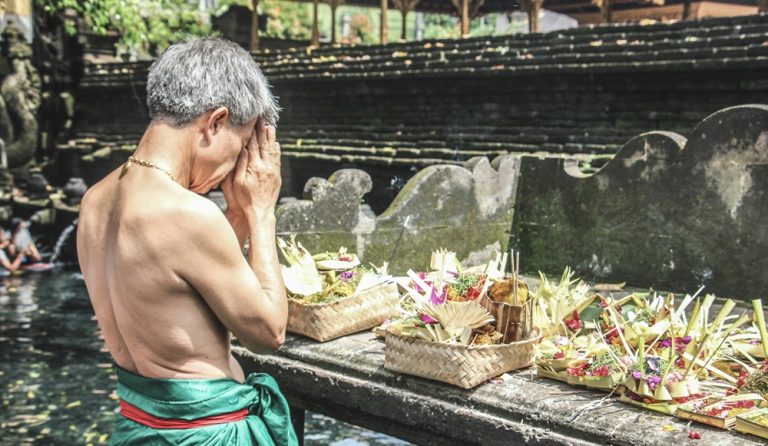
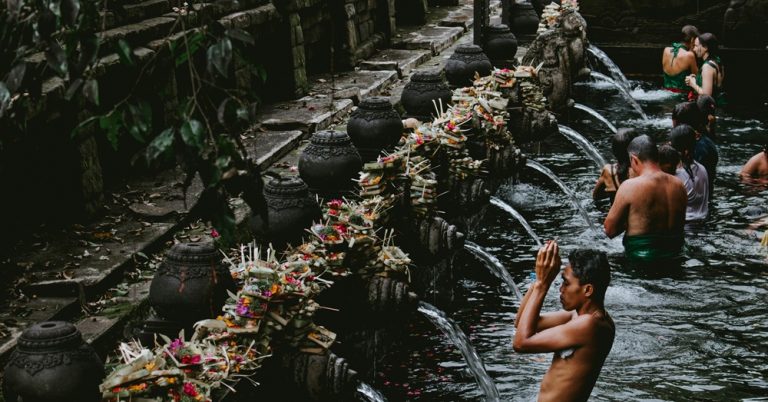
The temple is best known for its purification pools, where Balinese Hindus participate in a ritual known as melukat. Worshippers move through a series of water spouts, offering prayers and symbolic cleansing before continuing to the next fountain. While the ritual remains an important religious practice, visitors are also welcome to participate respectfully if they follow local customs and temple guidelines.
Beyond the purification pools themselves, Tirta Empul is a fascinating place to explore. Traditional courtyards, shrines, stone carvings, and temple architecture provide insight into Balinese Hinduism and the role religion continues to play in everyday life across the island.
Many travelers describe Tirta Empul as one of the most meaningful cultural experiences in Bali. Unlike some attractions that are primarily appreciated for their scenery, the temple offers a genuine connection to local traditions that have been practiced for centuries.
The temple is often combined with other attractions around Ubud, including rice terraces, coffee plantations, waterfalls, and traditional villages, making it an easy addition to a full day of sightseeing.
Browse Tirta Empul tours, purification experiences, cultural excursions, temple visits, and full-day Ubud sightseeing tours that combine the holy spring temple with rice terraces, waterfalls, and other cultural highlights.
View Tirta Empul ToursFor travelers interested in Balinese culture, spirituality, and history, Tirta Empul is one of the most rewarding attractions near Ubud and deserves a place on almost every first-time Bali itinerary.
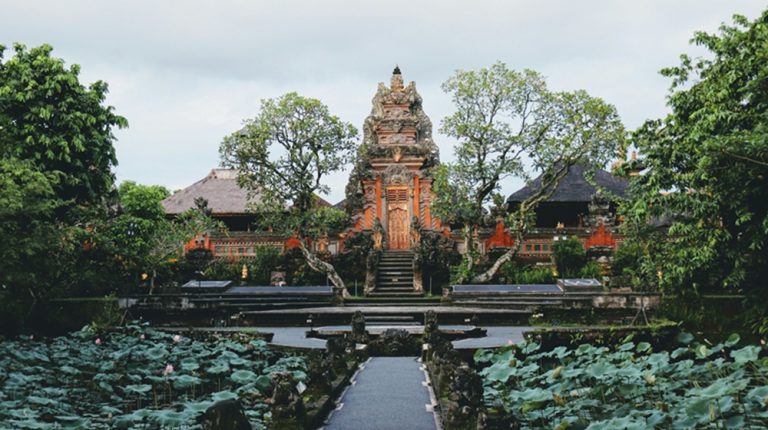
Ubud Palace & Ubud Art Market
- Located in the heart of central Ubud
- Easy to visit together in a single stop
- Excellent introduction to Balinese culture and architecture
- Popular for traditional performances, handicrafts, and local souvenirs
- Can be explored independently or as part of a guided cultural tour
Few places capture the atmosphere of central Ubud better than Ubud Palace and the neighboring Ubud Art Market. Located opposite one another in the center of town, these two attractions offer an easy introduction to Balinese culture, architecture, craftsmanship, and daily life.
Officially known as Puri Saren Agung, Ubud Palace was once the residence of Ubud's royal family and remains one of the town's most important historical landmarks. Traditional Balinese architecture, ornate stone carvings, decorative gates, and beautifully maintained courtyards make it a worthwhile stop even for travelers with limited time.
During the evenings, the palace often hosts traditional dance performances that provide visitors with an opportunity to experience Balinese music, storytelling, and cultural traditions in an authentic setting. These performances are among the most popular cultural activities in Ubud and are well worth considering if you're spending several nights in the area.
Directly across the street, the Ubud Art Market offers a very different experience. Stalls sell everything from handmade textiles and wood carvings to paintings, jewelry, woven baskets, clothing, and locally crafted souvenirs. While bargaining remains common, the market is also an interesting place to observe local craftsmanship and browse products inspired by Bali's artistic heritage.
The market can become busy during the middle of the day, so visitors looking for a more relaxed experience often prefer to arrive early in the morning. Combining the market with the palace, nearby cafés, and a walk through central Ubud creates an enjoyable half-day cultural experience.
Browse Ubud cultural tours, palace visits, traditional dance experiences, walking tours, and guided sightseeing excursions that explore the history, culture, markets, and artistic heritage of Ubud.
View Ubud Cultural ToursFor travelers interested in Balinese culture, history, architecture, and local traditions, Ubud Palace and the Ubud Art Market remain two of the most accessible and rewarding attractions in the town.
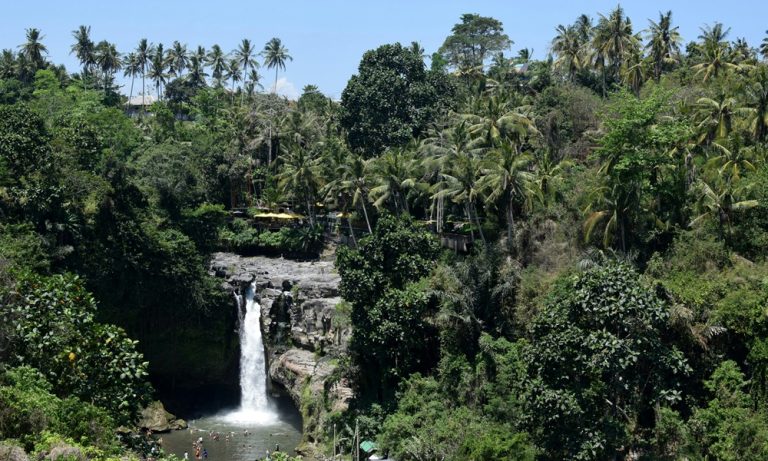
Waterfalls Near Ubud
- Some of Bali's most beautiful waterfalls are located within easy reach of Ubud
- Popular options include Tegenungan, Tibumana, Kanto Lampo, and Tukad Cepung
- Excellent for photography, nature lovers, and first-time visitors
- Often combined with temples, rice terraces, and coffee plantations
- Can be visited independently or as part of guided day tours
One of the biggest advantages of staying in Ubud is its proximity to many of Bali's most famous waterfalls. Hidden among jungle valleys, rivers, and tropical vegetation, these waterfalls offer a refreshing contrast to the temples, markets, and cultural attractions found throughout the town itself.
Tegenungan Waterfall is one of the easiest waterfalls to reach from Ubud and remains a favorite among first-time visitors. The powerful cascade, surrounding jungle scenery, and relatively convenient access make it one of the most popular natural attractions in the region.
For travelers looking for a quieter experience, waterfalls such as Tibumana and Kanto Lampo often provide a more relaxed atmosphere. Tibumana is known for its picturesque setting and swimming opportunities, while Kanto Lampo has become famous for its unique rock formations and photogenic stepped waterfall.
Another highlight is Tukad Cepung, where sunlight filters through a cave-like opening to illuminate the waterfall below. Under the right conditions, the resulting light beams create one of the most distinctive photography locations in Bali.
Many visitors choose to combine several waterfalls into a single day because they are relatively close together. This approach allows travelers to experience a variety of landscapes while also incorporating nearby attractions such as rice terraces, temples, traditional villages, and coffee plantations.
While most waterfalls require at least a short walk and some stairs, the effort is usually rewarded with beautiful scenery and a chance to experience a greener, less developed side of Bali.
Browse Ubud waterfall tours, jungle excursions, photography experiences, private sightseeing trips, and full-day adventures that combine Bali's most beautiful waterfalls with temples, rice terraces, and cultural attractions.
View Waterfall ToursFor nature lovers and photographers, exploring the waterfalls around Ubud is often one of the most memorable parts of a Bali trip and provides a welcome escape from the island's busier tourist areas.
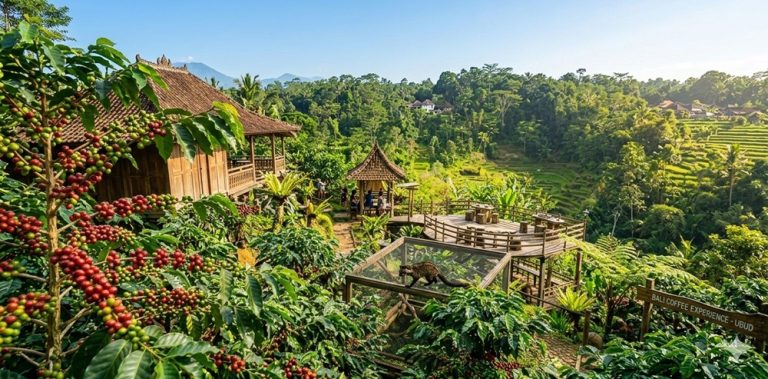
Coffee Plantations & Balinese Coffee Experiences
- One of the most popular cultural experiences around Ubud
- Learn about traditional Balinese coffee production
- Sample locally grown coffee, tea, and herbal drinks
- Many plantations offer scenic valley and jungle views
- Easy to combine with rice terraces, temples, and waterfalls
The hills surrounding Ubud are home to numerous coffee plantations that introduce visitors to one of Bali's most important agricultural products. These plantations range from small family-run operations to larger visitor-friendly estates offering guided tours, tasting experiences, and panoramic viewpoints overlooking the surrounding countryside.
A typical visit begins with an introduction to the cultivation and processing of coffee beans. Visitors can learn how coffee is grown, harvested, roasted, and prepared using methods that have been practiced in Bali for generations. Many plantations also cultivate cacao, vanilla, spices, and tropical fruits, providing a broader look at local agriculture.
One of the biggest attractions is the opportunity to sample a variety of drinks. Coffee tastings often include Balinese coffee, ginger tea, lemongrass tea, cacao beverages, and other locally produced specialties. Even travelers who are not particularly interested in coffee frequently enjoy the experience because of the scenery and cultural insights it provides.
Some plantations are also known for producing kopi luwak, one of the world's most famous and controversial coffees. Travelers interested in trying it should take the time to understand the production process and choose operators that prioritize ethical and responsible practices.
Beyond the drinks themselves, many coffee plantations offer beautiful settings. Terraced gardens, jungle viewpoints, and peaceful rural landscapes make them attractive stops between larger attractions such as temples, waterfalls, and rice terraces.
Because most plantations are located a short drive from Ubud, they are frequently included in full-day sightseeing itineraries and can easily be combined with several other highlights in central Bali.
Browse coffee plantation tours, tasting experiences, countryside excursions, cultural day trips, and guided Ubud sightseeing tours that showcase Bali's coffee-growing traditions and rural landscapes.
View Coffee Plantation ToursFor travelers looking to combine culture, scenery, local products, and a slower pace of sightseeing, coffee plantation visits remain one of the most enjoyable experiences around Ubud.
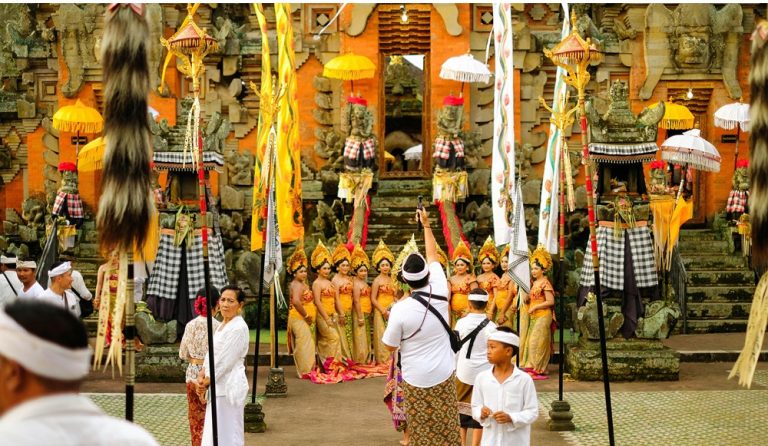
Traditional Dance Performances & Cultural Experiences
- One of the best ways to experience Balinese culture beyond sightseeing
- Traditional performances take place throughout Ubud
- Features music, storytelling, mythology, and religious symbolism
- Ideal for first-time visitors wanting a deeper cultural experience
- Can be combined with temples, markets, and historical attractions
While Ubud is known for its rice terraces and temples, many travelers discover that its cultural performances become some of the most memorable experiences of their trip. Traditional Balinese dance combines music, storytelling, costumes, mythology, and spirituality into performances that have been passed down through generations.
Unlike modern stage productions, these performances are deeply connected to Balinese culture and religious traditions. Dances often tell stories drawn from Hindu epics such as the Ramayana and Mahabharata, with performers using precise hand movements, facial expressions, and elaborate costumes to bring the stories to life.
Several venues throughout Ubud host performances during the evening, including Ubud Palace and local cultural centers. The atmosphere can be particularly special when performances take place in traditional courtyards illuminated after sunset.
For visitors unfamiliar with Balinese culture, the symbolism and storytelling may initially feel unfamiliar. However, the music, costumes, and theatrical atmosphere make the performances enjoyable even without understanding every detail of the story being presented.
Beyond dance performances, Ubud also offers a wide range of cultural experiences. Cooking classes, traditional craft workshops, silver-making sessions, village visits, and spiritual experiences provide opportunities to engage more deeply with local culture rather than simply observing it from a distance.
Travelers who make time for at least one cultural experience often leave with a far greater appreciation for Bali's traditions, beliefs, and artistic heritage than those who focus solely on sightseeing.
Browse traditional dance performances, cultural experiences, cooking classes, village tours, artistic workshops, and guided cultural excursions that showcase the rich heritage of Ubud and Bali.
View Cultural ExperiencesFor travelers seeking a deeper understanding of Bali, traditional dance performances and cultural experiences provide an important reminder that Ubud is far more than a collection of tourist attractions. It remains one of the island's most important cultural centers and one of the best places to experience Balinese traditions firsthand.
Where to Stay in Ubud
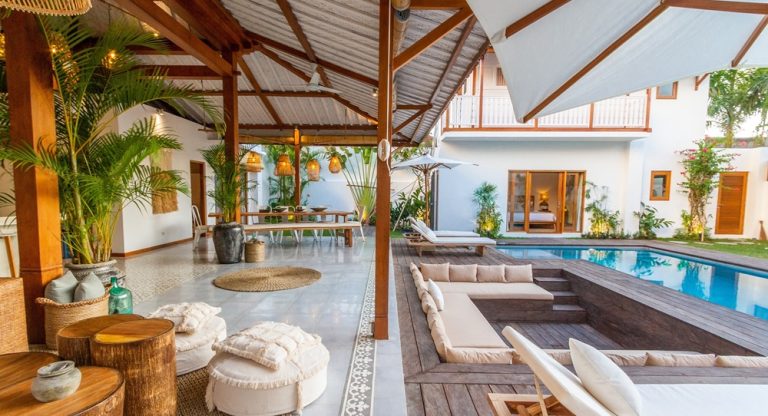
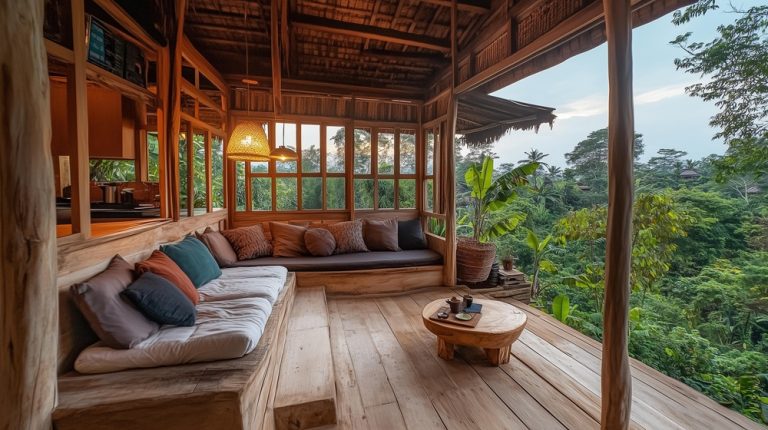
Ubud offers one of the widest ranges of accommodation in Bali. Travelers can choose between affordable guesthouses, boutique villas surrounded by rice fields, wellness retreats, luxury jungle resorts, and private pool villas hidden among tropical vegetation. The best choice depends largely on your budget, preferred atmosphere, and how close you want to be to central Ubud.
Many first-time visitors prefer staying near the town center for easy access to restaurants, attractions, cafés, and cultural performances. Others choose quieter locations on the outskirts of Ubud, where rice fields, jungle scenery, and a more peaceful atmosphere often create a more relaxing experience.
If you're still comparing locations across the island, our Where to Stay in Bali and Best Areas to Stay in Bali guides provide a broader overview of Bali's most popular regions.
Budget Hotel Recommendation
Kabera Bungalow Ubud
Arjuna Street, Monkey Forest Road, Ubud, 80571 Ubud, Indonesia
Kabera Bungalow Ubud is an excellent choice for travelers seeking affordable accommodation in a highly convenient location. Situated close to Monkey Forest Road, guests can easily walk to restaurants, cafés, markets, and many of Ubud's most popular attractions.
The property offers a traditional Balinese atmosphere with a peaceful garden setting, making it feel surprisingly quiet despite its central location. For budget-conscious travelers wanting to stay close to the heart of Ubud without sacrificing comfort, it provides excellent value.
Its location makes it particularly attractive for first-time visitors who want to spend more time exploring and less time arranging transportation. Check availability at Kabera Bungalow Ubud.
Mid-Range Comfort
Secret Bunutan Ubud Villa
Jalan Batu Kurung II, 80571 Ubud, Indonesia
Secret Bunutan Ubud Villa offers a peaceful retreat away from the busiest parts of town while remaining within easy reach of Ubud's attractions. Surrounded by greenery and tropical scenery, the property provides a more relaxed atmosphere than many accommodations located directly in the center.
Guests can enjoy spacious rooms, beautiful surroundings, and a setting that feels much closer to the natural side of Bali. It is particularly well suited to couples and travelers who want a balance between comfort, privacy, and convenient access to sightseeing opportunities.
For visitors looking to experience a quieter side of Ubud without moving too far from restaurants and attractions, this property strikes an excellent balance. View rates for Secret Bunutan Ubud Villa.
Luxury Hotel Recommendation
Maya Ubud Resort & Spa
Jl. Gunung Sari Peliatan, PO BOX 1001, Bali, 80571 Ubud, Indonesia
Maya Ubud Resort & Spa is one of the most established luxury resorts in the region and offers a classic Ubud experience surrounded by jungle landscapes, river valleys, and tropical gardens. The resort combines high-end facilities with a setting that feels deeply connected to Bali's natural environment.
Guests have access to multiple pools, wellness facilities, fine dining options, and spacious accommodations designed to blend with the surrounding scenery. The property is particularly popular with honeymooners, couples, and travelers seeking a more indulgent stay.
Its combination of luxury, location, and atmosphere makes it one of the strongest accommodation choices in Ubud. Explore Maya Ubud Resort & Spa.
Ubud offers hundreds of accommodation options across all budgets, from simple guesthouses to luxury jungle retreats. Travelers who want to compare a wider range of properties can browse our recommended hotels in Ubud or read our hotel booking comparison guide before making a reservation.
Food in Ubud
Ubud has developed one of the most diverse food scenes in Bali. Traditional warungs, family-run restaurants, modern cafés, fine dining establishments, vegan eateries, and international restaurants can all be found within a relatively small area. Whether you're looking for authentic Balinese cuisine or contemporary dining experiences, Ubud offers something for almost every type of traveler.
Many visitors arrive expecting rice terraces and temples but leave equally impressed by the food. In recent years, Ubud has become one of Bali's culinary hubs, attracting both local chefs and international restaurateurs who have helped create a dining scene that is far more varied than many first-time visitors expect.
For a broader overview of Balinese cuisine, regional specialties, and dishes you should try across the island, see our Food in Bali guide.
Traditional Balinese Food
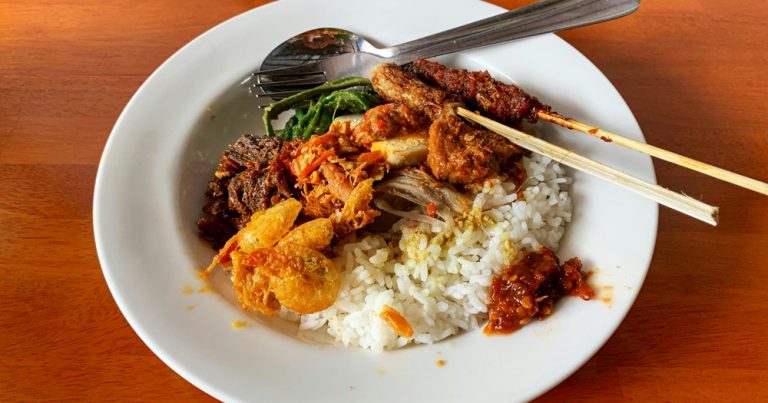
Ubud is one of the best places in Bali to experience traditional Balinese cuisine. Local restaurants and family-run warungs serve dishes that have been prepared using recipes passed down through generations, often incorporating fresh herbs, spices, vegetables, rice, and locally sourced ingredients.
Some of the most popular dishes include babi guling (suckling pig), ayam betutu (slow-cooked spiced chicken), nasi campur (mixed rice with various accompaniments), and sate lilit (Balinese minced seafood or meat satay). These dishes provide an excellent introduction to the flavors that make Balinese cuisine distinct from food found elsewhere in Indonesia.
Healthy Cafés & Wellness Dining
Ubud has become internationally known for its wellness culture, and that influence extends directly into its food scene. Smoothie bowls, fresh juices, plant-based dishes, organic ingredients, and health-focused menus are available throughout town.
Many cafés emphasize locally sourced ingredients and offer alternatives for vegetarian, vegan, gluten-free, and health-conscious travelers. Even visitors who are not specifically seeking wellness-focused dining often appreciate the variety and quality available throughout Ubud.
Fine Dining Experiences
Travelers looking for a more upscale dining experience will find no shortage of options. Ubud is home to several highly regarded restaurants that combine Indonesian ingredients with international techniques, often in spectacular settings overlooking rice fields, jungle valleys, or tropical gardens.
Many luxury resorts also operate excellent restaurants that welcome non-guests, making it possible to enjoy fine dining experiences even if you are staying elsewhere.
Coffee Shops & Café Culture
Café culture has become an important part of daily life in Ubud. Visitors will find everything from specialty coffee roasters and artisan bakeries to relaxed cafés overlooking rice fields and jungle scenery.
Many travelers enjoy spending part of the afternoon working remotely, planning the next stage of their trip, or simply escaping the heat while enjoying locally grown coffee and fresh pastries.
Vegetarian & Vegan Options
Ubud is often considered one of the easiest destinations in Southeast Asia for vegetarian and vegan travelers. Dedicated vegan restaurants, plant-based cafés, and health-conscious menus are widespread throughout the area.
Even traditional Indonesian and Balinese restaurants frequently offer vegetarian alternatives, making it relatively easy to accommodate a wide range of dietary preferences.
Whether you're interested in authentic Balinese cuisine, healthy cafés, fine dining, coffee culture, or plant-based food, Ubud's culinary scene is one of the strongest reasons many travelers end up staying longer than originally planned.
Day Trips From Ubud
One of Ubud's biggest advantages is its location. Sitting in the center of Bali, the town provides easy access to volcanoes, temples, waterfalls, rice terraces, traditional villages, and some of the island's most spectacular scenery. Many of Bali's most popular excursions are actually easier to reach from Ubud than from the busy coastal areas.
Travelers who use Ubud as a base can comfortably explore central and eastern Bali without constantly changing hotels. This makes it one of the most practical locations on the island for sightseeing-focused itineraries.
If you're looking for even more inspiration, our Best Day Trips from Bali guide covers many of these destinations in greater detail.
Mount Batur Day Trip
- One of Bali's most famous sunrise experiences
- Located approximately one hour from Ubud
- Ideal for hikers, photographers, and adventure travelers
- Offers panoramic views of Lake Batur and Mount Agung
- Can be combined with hot springs and countryside sightseeing
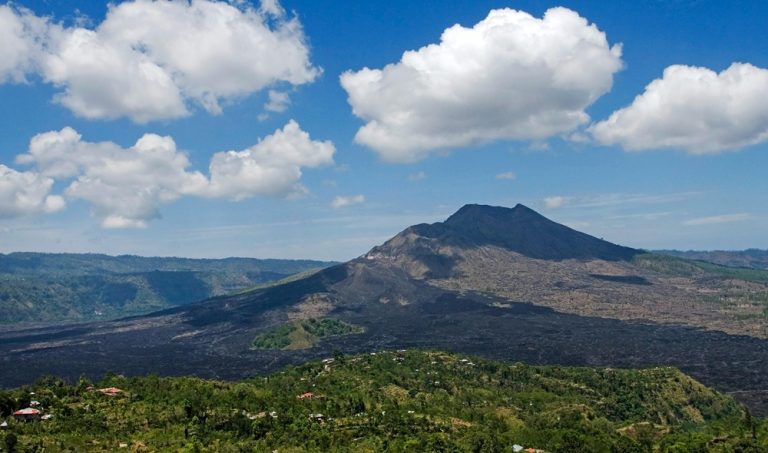
Mount Batur is one of the most popular day trips from Ubud and consistently ranks among the most memorable experiences in Bali. The active volcano rises above the surrounding landscape in the Kintamani region and attracts visitors seeking dramatic scenery and unforgettable sunrise views.
Most excursions begin very early in the morning, often well before sunrise. After arriving at the trailhead, hikers ascend the volcano in darkness before reaching the summit as the first light begins to illuminate the surrounding mountains and Lake Batur below.
The views from the top can be spectacular on clear mornings. Looking across the volcanic landscape toward Mount Agung while the sun rises above eastern Bali is an experience many travelers remember long after returning home.
While the trek is achievable for most visitors with a reasonable level of fitness, those who prefer not to hike can also choose sunrise jeep tours that explore the volcanic terrain while still providing access to impressive viewpoints.
Many day trips combine Mount Batur with nearby hot springs, coffee plantations, and scenic viewpoints around Kintamani, turning the excursion into a full day of exploration rather than simply a morning activity.
Browse Mount Batur tours and activities, including sunrise treks, jeep adventures, hot spring visits, guided hikes, and full-day excursions around Bali's most famous volcano.
View Mount Batur ToursFor travelers staying in Ubud, Mount Batur is one of the easiest major excursions to arrange and remains one of Bali's most iconic adventure experiences.
East Bali Day Trip
- One of the most scenic regions of Bali
- Home to Lempuyang Temple, Tirta Gangga, and traditional villages
- Excellent for photography and cultural sightseeing
- Offers a quieter atmosphere than southern Bali
- Easy to combine multiple attractions in a single day
East Bali feels noticeably different from many of the island's busier tourist regions. Mountain landscapes, traditional villages, royal water palaces, and dramatic viewpoints create a more relaxed atmosphere that many travelers find refreshing after spending time in central Ubud or along the coast.
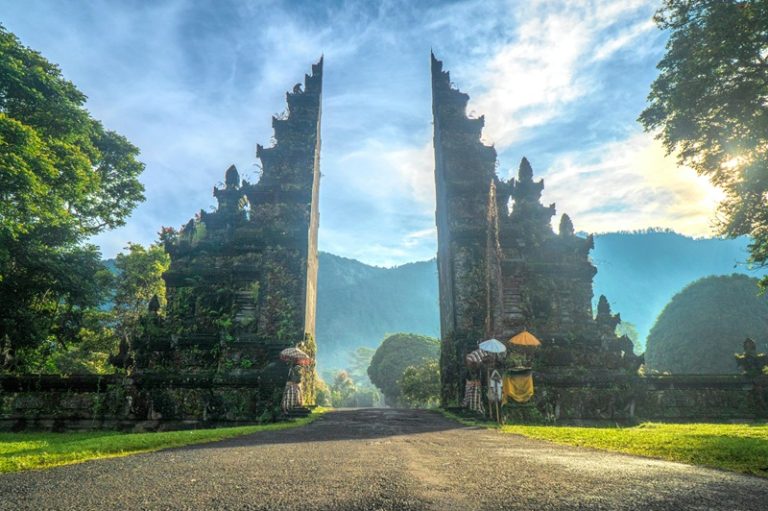
One of the region's most famous attractions is Lempuyang Temple, often referred to as the "Gates of Heaven." The temple is best known for its iconic split gates that frame Mount Agung in the distance, creating one of the most recognizable photography locations in Bali.
Nearby, Tirta Gangga Water Palace offers a very different experience. Decorative ponds, stepping stones, fountains, gardens, and traditional architecture create a peaceful setting that reflects Bali's royal history and artistic traditions.
The wider region also contains beautiful countryside, traditional villages, rice terraces, and coastal viewpoints that are often overlooked by visitors who focus exclusively on Bali's most famous tourist areas. This combination of culture, history, scenery, and photography opportunities makes East Bali one of the most rewarding excursions available from Ubud.
Because attractions are spread across a relatively large area, many travelers prefer joining a guided tour or hiring a private driver. This allows multiple locations to be visited comfortably without the stress of navigation and route planning.
Browse East Bali tours and activities, including Lempuyang Temple, Tirta Gangga Water Palace, traditional villages, scenic viewpoints, and full-day sightseeing adventures across one of Bali's most beautiful regions.
View East Bali ToursFor travelers interested in culture, photography, temples, and landscapes beyond Bali's busiest tourist centers, East Bali is one of the most rewarding day trips available from Ubud.
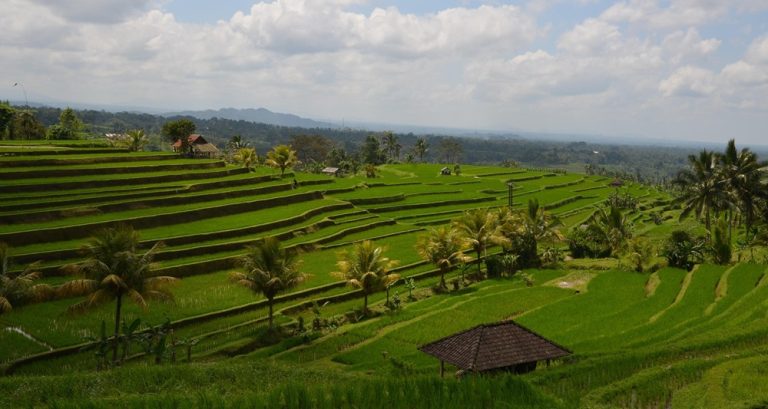
Jatiluwih Rice Terraces Day Trip
- Home to Bali's largest and most impressive rice terrace landscapes
- Recognized as part of a UNESCO World Heritage Site
- Less crowded than Tegalalang Rice Terraces
- Excellent for photography, walking, and countryside scenery
- Ideal for travelers seeking a quieter side of Bali
While Tegalalang may be Bali's most photographed rice terrace, many experienced travelers consider Jatiluwih to be the island's most impressive agricultural landscape. Located in the foothills of central-western Bali, the terraces extend across rolling hills and valleys, creating an immense patchwork of green fields that seems to stretch endlessly into the distance.
Unlike some of Bali's more heavily visited attractions, Jatiluwih still retains a strong sense of authenticity. The terraces remain an active farming landscape where visitors can observe daily agricultural life while exploring some of the island's most beautiful countryside.
The area forms part of Bali's UNESCO World Heritage Site, celebrating the ancient subak irrigation system that has supported rice cultivation across the island for centuries.Walking trails allow visitors to explore the terraces at their own pace, passing through rice fields, small villages, and scenic viewpoints. The slower pace and larger scale of the landscape often make Jatiluwih feel very different from the busier attractions around central Ubud.
Many visitors combine Jatiluwih with nearby temples, lakes, and mountain scenery, creating a full-day excursion that showcases a side of Bali many tourists never experience. The cooler temperatures and open countryside also provide a welcome change from the busier tourist centers.
For photographers, nature lovers, and travelers interested in traditional Balinese culture, Jatiluwih consistently ranks among the most rewarding destinations on the island.
Browse Jatiluwih Rice Terrace tours, countryside excursions, cultural sightseeing experiences, walking tours, and full-day adventures that explore one of Bali's most spectacular landscapes.
View Jatiluwih ToursFor travelers staying in Ubud, Jatiluwih offers one of the best opportunities to experience Bali's agricultural heritage, scenic beauty, and traditional rural landscapes away from the island's busiest tourist hotspots.
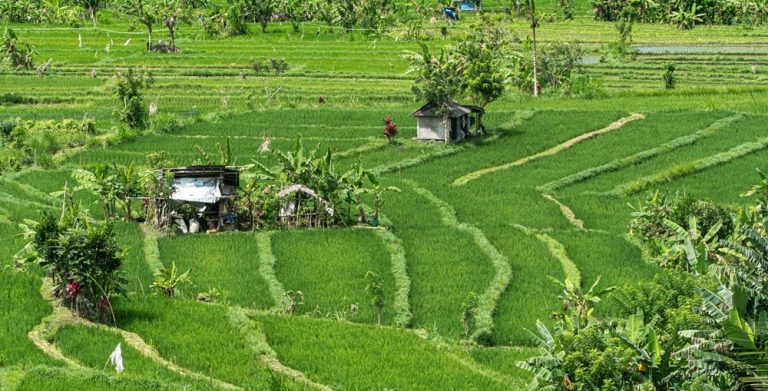
Sidemen Valley Day Trip
- One of Bali's most underrated destinations
- Known for rice terraces, traditional villages, and volcano views
- Offers a quieter and more authentic atmosphere than Ubud
- Excellent for photography, hiking, and slow travel
- Ideal for travelers seeking a less commercial side of Bali
While Ubud has become one of Bali's most popular destinations, Sidemen Valley offers a glimpse of the slower, more traditional Bali that many travelers imagine before arriving on the island. Located in eastern Bali, the valley is surrounded by rice terraces, rivers, forests, and villages that remain closely connected to agriculture and local traditions.
The scenery is one of Sidemen's biggest attractions. Rolling rice fields stretch across the landscape while Mount Agung rises dramatically in the distance. Early mornings are particularly beautiful, with mist often lingering over the valley and creating some of the most photogenic views in Bali.
Unlike many of the island's busier tourist centers, Sidemen rewards travelers who slow down. Walking through rice fields, visiting local villages, observing traditional farming practices, and simply enjoying the scenery are often the highlights of a visit.
The region is also known for traditional weaving, local crafts, and small family-run businesses that provide insight into daily life beyond Bali's major tourism hubs. Visitors looking for cultural experiences without large crowds often find Sidemen particularly appealing.
Many day trips combine Sidemen with nearby temples, viewpoints, and countryside attractions, making it easy to experience the region even if you're staying in Ubud. However, the peaceful atmosphere often leaves visitors wishing they had allocated more time to explore.
For photographers, couples, and travelers seeking a quieter side of Bali, Sidemen is frequently described as one of the island's hidden gems.
Browse Sidemen Valley tours, countryside excursions, cultural experiences, rice terrace walks, and guided day trips that explore one of Bali's most scenic and authentic regions.
View Sidemen ToursFor travelers who want to experience Bali beyond the island's busiest tourist areas, Sidemen Valley remains one of the most rewarding day trips from Ubud and a destination that often exceeds expectations.
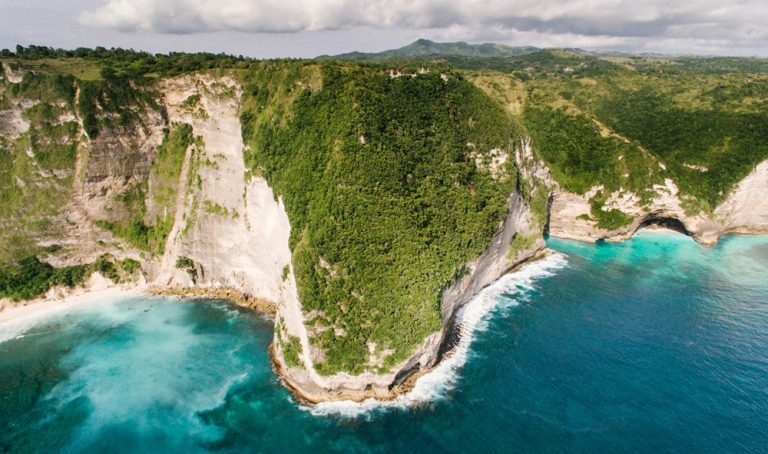
Nusa Penida Day Trip
- One of the most popular day trips from Ubud and Bali
- Famous for dramatic cliffs, beaches, and coastal viewpoints
- Home to Kelingking Beach, Diamond Beach, Broken Beach, and Angel's Billabong
- Requires a fast boat transfer from Sanur Harbour
- Ideal for photographers, nature lovers, and first-time visitors
Nusa Penida has rapidly become one of the most sought-after destinations in Bali and for good reason. Located just off Bali's southeast coast, the island offers some of the most spectacular scenery in Indonesia. Towering cliffs, turquoise water, dramatic coastlines, and breathtaking viewpoints create landscapes that feel completely different from those found around Ubud.
The island's most famous attraction is Kelingking Beach, where a dramatic cliff formation overlooks one of the most photographed coastlines in Southeast Asia. Nearby highlights such as Broken Beach, Angel's Billabong, and Diamond Beach have also become iconic stops for visitors exploring the island.
Although Nusa Penida is often marketed as an easy day trip, travelers should understand that it involves an early start and a significant amount of travel. Most excursions begin with a transfer from Ubud to Sanur Harbour, followed by a fast boat crossing before sightseeing begins on the island itself.
The reward for the journey is access to some of Bali's most dramatic scenery. The rugged coastline, powerful ocean views, and spectacular natural formations create a completely different experience from the rice terraces, temples, and cultural attractions typically associated with Ubud.
Visitors interested in snorkeling may also have the opportunity to encounter manta rays and vibrant marine life around the island. For many travelers, combining coastal sightseeing with snorkeling creates one of the highlights of an entire Bali itinerary.
While it is possible to visit independently, many travelers find organized tours more convenient because transportation, ferry tickets, and logistics are handled for them. This allows more time to enjoy the island rather than worrying about schedules and transfers.
Browse Nusa Penida tours and activities, including island sightseeing, snorkeling adventures, manta ray experiences, beach visits, and full-day excursions to one of Bali's most spectacular destinations.
View Nusa Penida ToursFor travelers staying in Ubud, Nusa Penida offers one of the most visually spectacular excursions available and remains a strong contender for the most memorable day trip in Bali.
Whether you're interested in volcanoes, rice terraces, temples, traditional villages, or island adventures, Ubud's central location makes it one of the best bases in Bali for exploring the wider island. Few destinations offer such a diverse range of day trips within such easy reach.
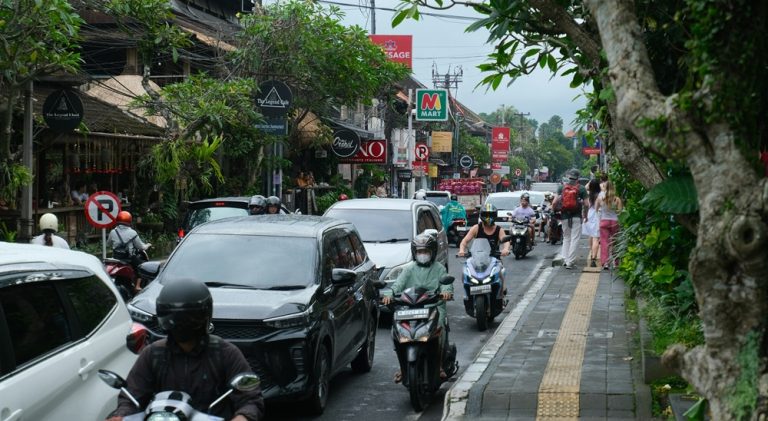
Getting Around Ubud
Getting around Ubud is relatively straightforward, but many first-time visitors underestimate how much traffic can affect travel times. Distances on a map often appear short, yet journeys that seem simple can take significantly longer than expected during busy periods.
The good news is that many attractions in central Ubud are located close together, making it possible to explore parts of the town on foot. However, reaching waterfalls, rice terraces, temples, and other attractions outside the center usually requires some form of transportation.
For a broader look at transportation across the island, see our Getting Around Bali guide.
Walking Around Central Ubud
Many of Ubud's most popular attractions are concentrated within a relatively compact area. The Monkey Forest, Ubud Palace, Ubud Art Market, restaurants, cafés, and numerous shops can often be reached on foot if you're staying near the town center.
That said, sidewalks are not always consistent, and pedestrian infrastructure varies considerably. Traffic can also be heavy in some areas, particularly during peak hours, so walking is often easiest during quieter parts of the day.
Using Grab and Gojek
Ride-hailing services such as Gojek and Grab are widely used throughout Ubud and provide one of the most convenient ways to travel short distances. They are often cheaper than traditional taxis and can be useful for reaching restaurants, attractions, and nearby villages.
Both apps are worth downloading before your trip. In addition to transportation, they can also be used for food delivery and other everyday services throughout much of Bali.
Hiring a Private Driver
For sightseeing, many travelers find that hiring a private driver offers the best combination of flexibility and convenience. Drivers can customize routes, recommend attractions, wait while you explore, and help create efficient itineraries that minimize unnecessary travel time.
Private drivers are particularly useful for visiting multiple attractions in a single day, such as waterfalls, temples, rice terraces, coffee plantations, and countryside viewpoints spread across different parts of the island.
Scooter Rental
Scooters remain one of the most common forms of transportation in Bali and provide maximum flexibility for independent travelers. However, Ubud's traffic conditions can feel chaotic for visitors who have little or no experience riding motorcycles.
Roads are often narrow, traffic can be unpredictable, and weather conditions occasionally create additional challenges. Travelers considering scooter rental should be honest about their experience level and comfort riding in busy environments.
Airport Transfers
Most visitors arrive in Ubud from Bali's international airport. Depending on traffic, the journey typically takes between one and two hours. Pre-arranged transfers, ride-hailing apps, private drivers, and hotel transportation services are all widely available.
Many travelers choose to arrange airport transportation in advance to avoid negotiating prices after a long flight and to ensure a smoother arrival experience.
Traffic: The Reality Visitors Should Expect
Traffic is one of the few aspects of Ubud that regularly surprises first-time visitors. While the town remains one of Bali's most rewarding destinations, increasing tourism has resulted in noticeable congestion, particularly around central Ubud and major access roads.
The best strategy is simply to plan realistic schedules, avoid overloading your itinerary, and allow extra time between activities. Travelers who rush from one attraction to another often spend more time in vehicles than they expected.
Those who embrace a slower pace usually enjoy Ubud far more. The town rewards travelers who allow time for cafés, viewpoints, markets, temples, and unexpected discoveries rather than trying to tick off every attraction in a single day.
Best Time to Visit Ubud
Ubud can be visited throughout the year, but the experience changes depending on the season. Weather influences everything from rice terrace scenery and waterfall conditions to crowds, photography opportunities, and overall travel comfort.
For a broader overview of weather patterns across the island, see our Best Time to Visit Bali guide.
Dry Season (April to October)
The dry season is generally considered the best time to visit Ubud. Rainfall is lower, humidity is more manageable, and outdoor activities such as hiking, sightseeing, rice terrace walks, and day trips are typically easier to enjoy.
This period is particularly popular with first-time visitors because weather disruptions are less common and many attractions are easier to access. Clear mornings often provide excellent conditions for photography, especially around rice terraces, volcanoes, and viewpoints.
The trade-off is that visitor numbers are usually higher. July and August are among the busiest months of the year, and popular attractions can become crowded.
Rainy Season (November to March)
The rainy season transforms the landscape around Ubud. Rice fields become exceptionally green, waterfalls are often at their most powerful, and the surrounding countryside can feel lush and vibrant.
Rainfall typically arrives in the form of heavy tropical showers rather than constant all-day rain. Many days still include periods of sunshine, particularly during the morning.
Travelers who don't mind occasional rain are often rewarded with fewer crowds, lower accommodation prices, and a more relaxed atmosphere throughout the region.
Best Time for Rice Terraces
Rice terraces can be beautiful throughout the year, but their appearance changes depending on planting and harvesting cycles. Some months feature vibrant green fields, while others display golden tones or newly planted sections.
Because agricultural schedules vary, there is no single perfect month. Visitors can generally expect attractive scenery at any time of year, although conditions may differ from one valley to another.
Best Time for Waterfalls
Waterfalls tend to be most impressive during and shortly after the rainy season when water levels are higher. Travelers interested in waterfalls such as Tegenungan, Tibumana, Kanto Lampo, and Tukad Cepung often find the scenery particularly dramatic during these months.
The trade-off is that trails may occasionally be muddy and some attractions may experience temporary weather-related disruptions.
Best Time for Fewer Crowds
Travelers seeking a quieter experience often prefer the shoulder seasons of April, May, September, and October. These months frequently offer a balance between favorable weather and lower visitor numbers.
During these periods, many attractions remain relatively accessible while avoiding some of the peak-season congestion that can occur during the busiest parts of the year.
So When Should You Visit?
For most travelers, the dry season between April and October provides the easiest conditions for exploring Ubud and the surrounding region. However, visitors who prioritize lush landscapes, powerful waterfalls, and fewer crowds may find the rainy season equally rewarding.
The reality is that Ubud remains a worthwhile destination throughout the year. The best time to visit often depends less on the weather itself and more on whether you prefer perfect sightseeing conditions or a quieter, greener atmosphere.
Travel Tips for Visiting Ubud
Ubud is one of the easiest places in Bali to explore, but a few practical tips can make your trip significantly smoother. Understanding local customs, transportation, connectivity, and common travel mistakes will help you spend less time solving problems and more time enjoying the experience.
Carry Some Cash
While cards are widely accepted in hotels, restaurants, and larger businesses, cash remains useful for small purchases, local warungs, market stalls, temple donations, and certain attractions. ATMs are widely available throughout Ubud, although it is always sensible to avoid carrying large amounts of cash.
Stay Connected
Reliable internet access makes navigating Bali much easier, especially when using ride-hailing apps, maps, translation tools, restaurant recommendations, and online bookings. While local SIM cards are widely available, many travelers now prefer setting up connectivity before arrival.
Our Best eSIM for International Travel guide compares several popular options that work throughout Bali and Indonesia, allowing you to stay connected immediately after landing.
Expect More Traffic Than You Think
One of the most common mistakes first-time visitors make is underestimating travel times. Distances around Ubud often appear short on a map, but traffic can significantly increase journey times, particularly during peak hours and holiday periods.
When planning your day, allow extra time between attractions and avoid creating overly ambitious itineraries. Most travelers enjoy Ubud far more when they focus on fewer experiences rather than trying to visit everything at once.
Respect Temple Etiquette
Many visitors come to Ubud specifically to explore Bali's temples and cultural sites. When visiting temples, dress modestly, follow local guidance, and remember that these are active places of worship rather than simply tourist attractions.
Visitors are often required to wear a sarong and sash before entering certain temple areas. Following local customs helps preserve the respectful atmosphere that makes these sites special.
Take Food Safety Seriously
Most visitors enjoy Bali's food without problems, but stomach issues can occasionally affect travelers adjusting to new food, water, and environmental conditions. Choosing busy restaurants, drinking safe water, washing hands regularly, and exercising basic caution can significantly reduce the risk.
Our Bali Belly guide explains common symptoms, prevention strategies, and treatment options in greater detail.
Stay Aware, But Don't Be Paranoid
Ubud is generally considered one of the safer destinations in Southeast Asia for tourists. However, normal travel precautions still apply. Keep valuables secure, be cautious around traffic, and remain aware of your surroundings in crowded areas.
Travelers wanting a more detailed overview can read our Bali safety guide, which covers scams, crime, transportation safety, and practical travel advice.
Pack for Bali's Climate
Lightweight clothing, comfortable walking shoes, sun protection, a reusable water bottle, and rain protection are useful additions to almost every Bali packing list. Visitors planning volcano hikes, waterfall visits, or longer day trips may also benefit from carrying a small daypack and quick-drying clothing.
If you're still preparing for your trip, our Travel Gear Picks page includes useful items that can make travel in Bali more comfortable and convenient.
Consider Travel Insurance
Many visitors participate in activities such as scooter rentals, hiking, snorkeling, diving, waterfall visits, and volcano excursions during their time in Bali. Unexpected illnesses, injuries, travel delays, or lost baggage can happen anywhere.
Before traveling, it is worth reviewing the options in our Travel Insurance Guide to find a policy that matches your travel style and planned activities.
Ultimately, Ubud is a destination that rewards travelers who slow down, stay flexible, and embrace the local culture. Those who allow time for unexpected discoveries often leave with some of their favorite memories from Bali.
Final Thoughts
Ubud remains one of the most rewarding destinations in Bali for travelers interested in culture, nature, food, spirituality, and sightseeing. While the town has become significantly more popular over the years, it still offers experiences that are difficult to find elsewhere on the island. Rice terraces, temples, waterfalls, traditional villages, and cultural performances all contribute to an atmosphere that feels distinctly different from Bali's coastal resort areas.
One of Ubud's greatest strengths is its versatility. Some visitors spend their days exploring temples and historical sites, while others focus on wellness retreats, photography, hiking, food, or day trips into the surrounding countryside. Few destinations in Bali offer such a wide variety of experiences within such easy reach.
For many travelers, Ubud works best as part of a broader Bali itinerary. Combining a stay in Ubud with time in destinations such as Seminyak, Canggu, Uluwatu, or the Nusa Islands provides an opportunity to experience several different sides of the island without feeling rushed.
If you're continuing to plan your trip, our Best Temples in Bali, Bali Beaches, and Bali Travel Cost guides can help you prepare for the rest of your adventure.
Whether you're visiting for a few days or using it as a base for a longer Bali journey, Ubud continues to earn its reputation as one of the island's most memorable destinations. Travelers who take the time to slow down, explore beyond the main streets, and embrace the local culture often discover that Ubud becomes the highlight of their Bali experience.
Frequently Asked Questions About Ubud
-
How many days should you spend in Ubud?
Most travelers find that 3 to 4 days is enough to experience Ubud's main attractions, including temples, rice terraces, waterfalls, markets, and cultural performances. Travelers who enjoy slower travel, wellness retreats, photography, or day trips may want to stay longer. -
Is Ubud worth visiting?
Yes. Ubud is one of the most rewarding destinations in Bali thanks to its combination of culture, temples, rice terraces, waterfalls, food, and central location. For many visitors, it becomes one of the highlights of their Bali trip. -
Where is the best area to stay in Ubud?
First-time visitors often prefer staying near central Ubud for easy access to restaurants, attractions, cafés, markets, and cultural sites. Travelers seeking a quieter atmosphere may prefer areas on the outskirts surrounded by rice fields, jungle scenery, and boutique resorts. -
What are the best things to do in Ubud?
The best things to do in Ubud include visiting the Sacred Monkey Forest, walking through the Tegalalang Rice Terraces, exploring Tirta Empul Temple, hiking the Campuhan Ridge Walk, browsing Ubud Art Market, watching traditional dance performances, visiting waterfalls, and taking day trips to Mount Batur or Nusa Penida. -
Is Ubud walkable?
Parts of central Ubud are walkable, especially around the Monkey Forest, Ubud Palace, Ubud Art Market, cafés, restaurants, and shops. However, many attractions outside the center require transportation by private driver, ride-hailing app, scooter, or organized tour. -
Do you need a scooter in Ubud?
No. A scooter is useful for confident riders who want flexibility, but it is not essential. Many travelers explore Ubud using Grab, Gojek, private drivers, organized tours, and walking around the central area. -
Is Ubud better than Canggu?
Ubud is usually better for culture, temples, rice terraces, waterfalls, wellness, and nature. Canggu is usually better for surfing, nightlife, cafés, beach clubs, and digital nomad culture. The better choice depends on your travel style. -
Is Ubud better than Seminyak?
Ubud and Seminyak offer very different experiences. Ubud is better for culture, nature, temples, and rice terraces, while Seminyak is better for beaches, shopping, restaurants, luxury resorts, and nightlife. -
What is the best time to visit Ubud?
The dry season from April to October generally offers the easiest weather for sightseeing, walking, rice terraces, waterfalls, and day trips. The rainy season can still be rewarding, especially for greener landscapes, stronger waterfalls, and fewer crowds. -
Is Ubud suitable for families?
Yes. Ubud can work very well for families, especially those interested in culture, nature, wildlife, and slower-paced sightseeing. Family-friendly activities include the Monkey Forest, rice terraces, cultural performances, waterfalls, cafés, and resort stays. -
Can you visit Ubud as a day trip from southern Bali?
Yes, but staying overnight is usually better. A day trip from areas such as Seminyak, Canggu, Sanur, or Kuta can include a few highlights, but traffic and travel times may limit how much you can comfortably see. -
Is Ubud good for first-time visitors to Bali?
Yes. Ubud is one of the best places in Bali for first-time visitors because it offers easy access to temples, rice terraces, waterfalls, traditional villages, cultural performances, restaurants, and many of the island's most memorable experiences.
Travel Resources to Plan, Book & Stay Connected
Use these tools and guides to stay connected abroad, find inspiration for your next trip, and book your flights, stays and gear with confidence.
Disclosure: This article may contain affiliate links. If you make a purchase through a link, I may receive a commission at no extra cost to you. I only share recommendations I believe are genuinely useful, and all opinions are my own. AI was used in this post for research and drafting purposes.

Comment (0)