
Bali Travel Cost: What This Guide Covers
Bali is often considered one of the best-value destinations in Southeast Asia, but your actual costs depend heavily on how you travel. Budget-conscious backpackers can spend surprisingly little, while travelers staying in luxury villas, visiting beach clubs, and booking daily tours can easily spend several times more. Understanding where your money goes is the key to building a realistic Bali budget.
This guide breaks down the real cost of visiting Bali, including accommodation, transportation, food, activities, visas, and the hidden expenses that many travelers overlook. Whether you are planning a short vacation or a longer stay, you'll find practical budget estimates to help you plan your trip with confidence.
- Average daily budgets for backpackers, couples, families, and comfortable travelers
- Current accommodation costs across Bali's most popular areas
- Food, drink, transportation, and sightseeing expenses
- Visa fees, tourist levies, and other mandatory arrival costs
- Typical costs for one-week, two-week, and one-month Bali trips
- Hidden expenses that many visitors forget to budget for
- Ways to reduce costs without sacrificing the experience
- Whether Bali is cheaper than Thailand, Vietnam, and Cambodia
If you're still planning your trip, start with our complete guide to the best things to do in Bali, which covers the island's top attractions, temples, beaches, waterfalls, cultural experiences, and hidden gems. Knowing what you want to see often makes it much easier to estimate your overall travel budget.
If you are still deciding where to stay, this guide works particularly well alongside our complete Bali accommodation guide, which breaks down the island's main regions and who they are best suited for.
Your total trip cost will also vary significantly depending on how long you stay and how much you plan to see. Before building your budget, it may be worth reviewing our recommended Bali itineraries and our guide to transportation in Bali, both of which can have a major impact on your overall spending.
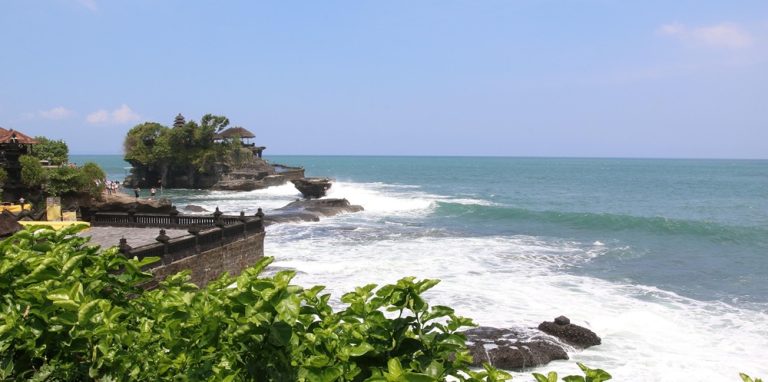
How Much Does a Trip to Bali Cost?
For most travelers, a trip to Bali costs between $50 and $80 per day, excluding international flights. That budget is usually enough for a comfortable private room, a mix of local and western meals, transportation around the island, and several attractions or activities during your stay. Travelers willing to stay in hostels, eat almost exclusively at local warungs, and keep sightseeing costs low can spend considerably less, while those choosing private villas, beach clubs, luxury resorts, and guided tours can easily spend more than $150 per day.
One of the reasons Bali remains so popular is that it offers a wide range of experiences at very different price points. You can spend the morning exploring rice terraces, temples, and waterfalls for just a few dollars, enjoy an inexpensive local lunch, and still watch the sunset from some of the island’s most beautiful coastlines. Our guide to Bali’s top beach destinations compares the best beaches for surfing, swimming, sunsets, snorkeling, hidden coves, and relaxed coastal escapes across different parts of the island.
The biggest factors influencing your budget are where you stay, how often you move around the island, your dining preferences, and the type of activities you choose. Areas such as Canggu, Seminyak, and Uluwatu generally cost more than destinations like Sidemen, Amed, Lovina, or parts of inland Ubud. Similarly, travelers relying on scooters and local restaurants will spend far less than those booking private transport and eating primarily at tourist-oriented cafes and restaurants.
The good news is that Bali remains one of the best-value destinations in Southeast Asia for most visitors. Whether you are planning a backpacking adventure, a family holiday, a honeymoon, or a longer stay as a digital nomad, it is possible to build a Bali budget that matches your travel style without sacrificing the experience.


Average Bali Travel Cost at a Glance
Short answer: most travelers spend between $50 and $80 per day in Bali, excluding international flights. That budget is usually enough for a comfortable private room, a mix of local and western meals, transportation around the island, and several attractions or activities during your stay. Budget-conscious travelers can spend less by staying in hostels, eating primarily at local warungs, and limiting paid activities, while luxury travelers can easily spend several hundred dollars per day on private villas, upscale restaurants, beach clubs, and premium experiences.
The table below provides realistic daily budget estimates for different travel styles. Actual costs will vary depending on where you stay, how frequently you move around the island, the time of year, and how many tours or activities you choose to include.
| Travel Style | Typical Daily Budget | What It Usually Includes |
|---|---|---|
| Backpacker | $25–40 | Hostels, local warungs, scooter rental, low-cost attractions |
| Budget Traveler | $50–80 | Private room, mix of local and western meals, scooter or ride-hailing apps, regular sightseeing |
| Mid-Range Traveler | $80–150 | Quality hotels, restaurant dining, organized tours, private transfers, beach clubs |
| Luxury Traveler | $150+ | Private villas, upscale resorts, premium dining, spa treatments, private drivers, and curated experiences |
For a one-week trip, many travelers spend somewhere between $350 and $700 before flights, while a comfortable two-week Bali vacation often falls between $700 and $1,200 per person. Couples can often reduce accommodation and transportation costs significantly by sharing rooms, villas, scooters, and private drivers.
Couples planning a romantic getaway should keep in mind that honeymoon budgets can vary considerably depending on accommodation choices, private tours, spa treatments, and luxury experiences. As a general guideline, a comfortable 7 to 10-day Bali honeymoon for two people often costs between $1,500 and $3,500 excluding international flights, while couples staying in luxury resorts, private villas, and premium experiences may spend $3,500 to $7,000+. Travelers looking for a more detailed breakdown of accommodation, activities, and honeymoon-specific expenses can find additional information in our complete Bali honeymoon cost guide.
Before looking at accommodation, food, and transportation costs, it is important to understand the mandatory expenses that every visitor encounters shortly after arriving in Bali. These include visa fees and Bali's tourism levy, both of which should be factored into your budget from the start.
```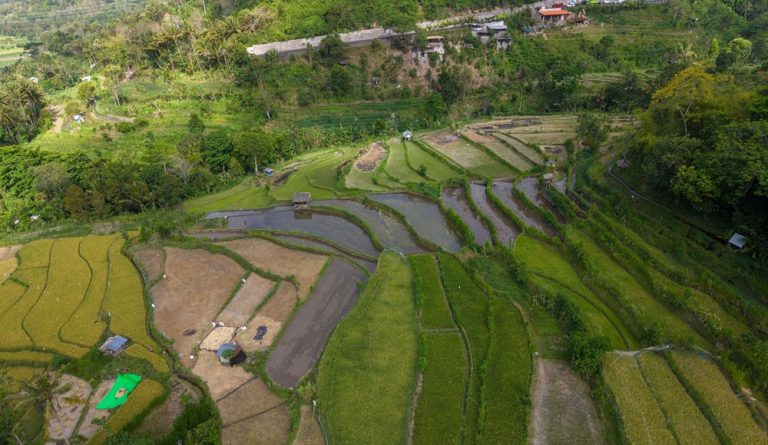
Fixed Arrival Costs (Visa & Bali Tourist Levy)
Before budgeting for accommodation, food, transportation, or activities, it is important to account for the mandatory costs associated with entering Bali. These expenses apply to most international visitors and should be included in your trip budget from the beginning.
- Visa on Arrival (VoA): IDR 500,000 (approximately $35 USD) for a 30-day stay.
- Bali Tourist Levy: IDR 150,000 (approximately $10 USD) per visitor.
- Total mandatory arrival costs: Approximately IDR 650,000 (around $45 USD) per person.
Citizens of most countries, including the United States, Canada, Australia, the United Kingdom, New Zealand, and most European Union member states, can obtain a Visa on Arrival when entering Bali. The visa is valid for 30 days and can be extended once for an additional 30 days if you wish to remain in Indonesia longer.
While many travelers still obtain their visa upon arrival at the airport, applying online before departure can save time and help avoid immigration queues. Indonesia's official e-Visa portal allows eligible visitors to apply for an Electronic Visa on Arrival before traveling. You can find the official government portal here: Indonesia e-Visa Website.
If this is your first trip to Bali, it is also worth understanding what happens after your flight lands. Our complete guide to Bali Airport arrivals explains immigration procedures, customs, airport transportation, mobile data options, and other practical information that can help make your arrival smoother and less stressful.
In addition to the visa, Bali now requires foreign visitors to pay a tourism levy of IDR 150,000. This fee helps support cultural preservation, environmental initiatives, and tourism infrastructure across the island. Although payment can be made after arrival, many travelers prefer to complete it online before departure to avoid delays.
To enter Indonesia, your passport must generally be valid for at least six months beyond your arrival date, and immigration authorities may request proof of onward or return travel. Travelers should always verify the latest entry requirements before departure, as immigration rules and visa policies can change over time.
If you are planning a longer stay, it may be worth exploring alternative visa options before traveling. While most visitors find the standard 30-day Visa on Arrival sufficient, travelers staying beyond 60 days often choose longer-term tourist visa options that can be arranged before entering Indonesia.
Although these arrival costs are relatively modest compared to many international destinations, they are easy to overlook when planning a Bali budget. Factoring in the visa and tourist levy from the start will give you a more realistic picture of the total cost of your trip.
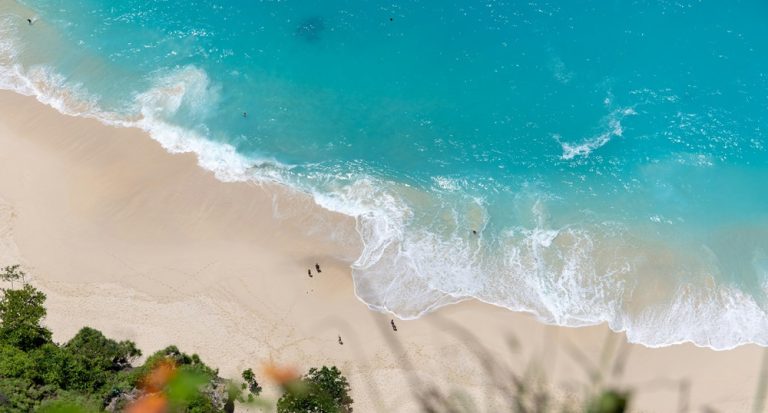
Flights to Bali
For most travelers, flights will be the single largest expense of the entire trip. While Bali itself can be very affordable once you arrive, international airfare often has the biggest impact on your overall budget, especially during peak travel periods such as July, August, Christmas, New Year, and major school holiday seasons.
Bali's main international gateway is I Gusti Ngurah Rai International Airport, located near Kuta, Seminyak, Jimbaran, and the southern tourism areas. Almost all international visitors arrive through this airport, making it the primary entry point for the island.
Flight prices vary significantly depending on your departure country, booking window, airline, and travel season. Travelers flying from Australia often find some of the cheapest fares due to Bali's popularity as a short-haul destination, while visitors coming from Europe, North America, or South America generally face much higher airfare costs.
- Australia to Bali: Often between $200 and $600 return depending on city and season.
- Southeast Asia to Bali: Frequently between $80 and $300 return with low-cost carriers.
- Europe to Bali: Commonly between $700 and $1,500+ return.
- United States & Canada to Bali: Often between $800 and $1,800+ return depending on routing and season.
One of the easiest ways to reduce your overall Bali travel cost is simply by booking flights early. Prices often increase dramatically during Bali's busiest months, particularly when demand rises across Australia, Europe, and Asia simultaneously. Flexible travel dates can sometimes save hundreds of dollars on long-haul routes.
If you are still comparing routes, airlines, or departure cities, our guide to finding cheap international flights covers practical strategies for reducing airfare costs and identifying better-value flight options before booking.
Once flights are secured, accommodation becomes the next major factor influencing your Bali budget. Fortunately, Bali offers one of the widest accommodation ranges in Southeast Asia, from hostel dorms and family-run guesthouses to luxury villas and beachfront resorts.
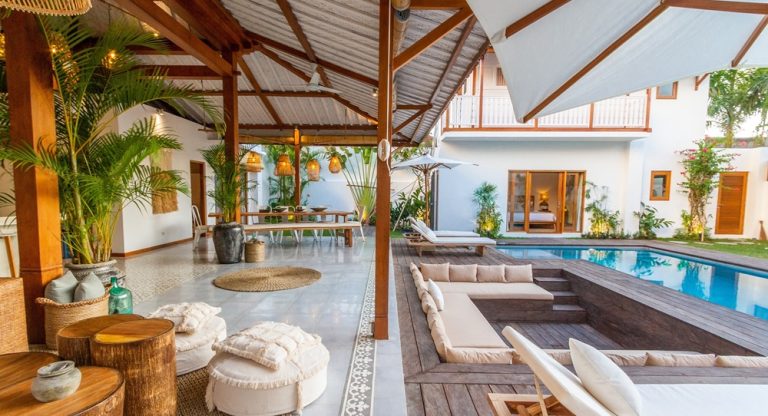
Accommodation Costs in Bali
Accommodation is one of the biggest factors affecting your overall Bali travel cost. The good news is that Bali offers options for almost every budget, from inexpensive hostel dorms and family-run guesthouses to private pool villas and luxury beachfront resorts. Where you stay can have a significant impact on how much you spend each day, with popular areas such as Seminyak, Canggu, and Uluwatu generally costing more than destinations like Sidemen, Lovina, Amed, or parts of inland Ubud.
For most travelers, accommodation provides some of the best value in Southeast Asia. Even budget-conscious visitors can often find clean private rooms with air conditioning, Wi-Fi, and a swimming pool for less than the cost of a basic hotel room in many Western countries.
| Accommodation Type | Typical Nightly Cost | What to Expect |
|---|---|---|
| Hostel Dorm | $7–15 | Shared dormitory accommodation, social atmosphere, basic facilities |
| Budget Guesthouse | $15–30 | Private room, air conditioning, Wi-Fi, often family-operated |
| Comfort Hotel | $30–70 | Pool, breakfast, good location, modern amenities |
| Private Villa | $70–200+ | Private pool, larger living space, ideal for couples or groups |
| Luxury Resort | $200+ | Premium facilities, beachfront locations, luxury services |
Location plays a major role in pricing. Travelers staying in Canggu, Seminyak, or beachfront Uluwatu often pay noticeably more than those staying in quieter areas such as Sidemen, Lovina, Amed, or parts of North Bali. The difference can easily reach 20% to 40% for accommodation of a similar standard.
If you are still deciding which area best fits your travel style, our Where to Stay in Bali guide compares accommodation options across the island, while our breakdown of Bali's most popular neighborhoods explains the advantages and disadvantages of staying in places such as Ubud, Canggu, Seminyak, Uluwatu, Sanur, Nusa Dua, and Kuta.
Comparing booking platforms can also save a surprising amount of money, particularly during Bali's busy season. Before making a reservation, consider checking our hotel booking platform comparison guide to see which sites frequently offer the best rates, rewards programs, and cancellation policies.
Accommodation is usually the largest daily expense after flights, but food and drink costs remain surprisingly affordable for most visitors. The difference between eating primarily at local warungs and dining regularly in tourist-focused cafes can have a major impact on your overall Bali budget.
Food & Drink Costs in Bali
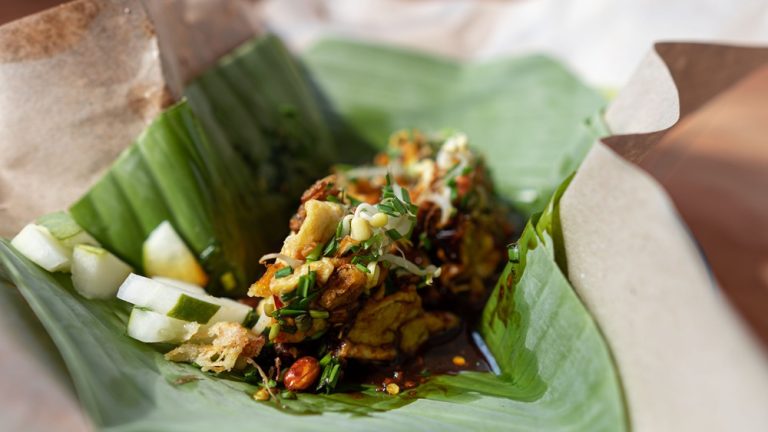
Food is one of the areas where Bali delivers exceptional value. Whether you prefer inexpensive local meals, trendy brunch cafes, beachfront restaurants, or fine dining experiences, it is possible to find options that suit almost any budget. The amount you spend largely depends on how often you eat at local warungs versus tourist-oriented cafes and restaurants.
Travelers who embrace Indonesian cuisine can eat extremely well for surprisingly little money. Local favorites such as Nasi Goreng, Mie Goreng, Nasi Campur, satay, and fresh seafood often cost a fraction of what similar meals would cost in Europe, North America, or Australia. On the other hand, imported ingredients, western-style breakfasts, specialty coffee, and alcohol tend to increase costs significantly. Our guide to Balinese cuisine and local specialties explores the dishes, ingredients, and dining experiences that make the island such a rewarding destination for food lovers.
| Food & Drink Item | Typical Cost | Notes |
|---|---|---|
| Local Warung Meal | $1.50–4 | Nasi Goreng, Nasi Campur, Mie Goreng, local dishes |
| Cafe Breakfast or Brunch | $6–12 | Popular in Canggu, Seminyak, Ubud, and Uluwatu |
| Restaurant Dinner | $10–20+ | Wide range depending on location and cuisine |
| Coffee or Latte | $2–4 | Specialty coffee culture is strong throughout Bali |
| Bintang Beer | $2–4 | Cheaper in convenience stores than bars or beach clubs |
One of the easiest ways to keep your Bali travel cost under control is to eat where locals eat. Traditional warungs often serve generous portions of freshly prepared Indonesian food for a fraction of the cost of western-focused cafes. Many travelers find that mixing local meals with the occasional cafe breakfast or restaurant dinner creates the best balance between experience and budget.
Alcohol is one of the categories where costs can rise quickly. While a cold Bintang purchased from a convenience store is relatively inexpensive, cocktails at beach clubs, rooftop venues, and upscale bars can cost several times more than local meals. Travelers planning to spend significant time at beach clubs in Seminyak, Canggu, or Uluwatu should factor this into their daily budget.
For most visitors, a realistic food budget falls somewhere between $8 and $15 per day for budget travelers and $15 to $30 per day for those regularly mixing local restaurants with cafes and tourist-oriented dining venues.
Fortunately, transportation around Bali remains relatively affordable, especially for travelers willing to rent a scooter or use ride-hailing apps such as Grab and Gojek.
```
Transportation Costs in Bali
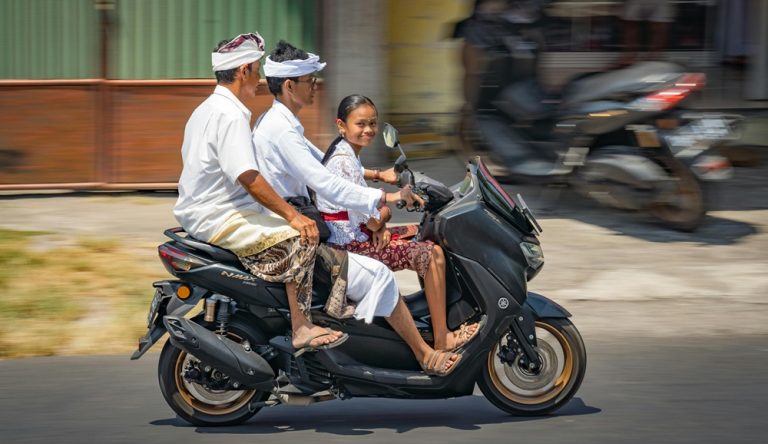
Transportation is one of the easiest places to control your Bali travel cost. If you are comfortable riding a scooter, daily transport can be very cheap. If you prefer private drivers, airport transfers, and longer sightseeing days, transport will cost more, but it can still be good value compared to many other travel destinations.
Most travelers use a mix of scooter rentals, ride-hailing apps, airport transfers, shared shuttles, and private drivers. The best choice depends on where you are staying, how confident you are on busy roads, and how much of the island you want to explore.
| Transportation Type | Typical Cost | Best For |
|---|---|---|
| Scooter Rental | $3–5 per day | Confident riders, short local trips, flexible exploring |
| Grab / Gojek | $1–7 per trip | Short rides, evenings out, travelers who do not want to drive |
| Airport Transfer | $10–16 | Getting from the airport to Kuta, Seminyak, Sanur, or nearby areas |
| Shared Shuttle | $5–10 per person | Budget transfers between popular areas |
| Private Driver | $30–65 per day | Full-day sightseeing, families, couples, and longer routes |
Scooters are usually the cheapest and most flexible way to get around Bali. Daily rentals often cost only a few dollars, and fuel is inexpensive. For experienced riders, this can make beaches, temples, waterfalls, viewpoints, cafes, and nearby towns much easier to reach without paying for multiple short rides every day.
That said, scooters are not the right choice for everyone. Bali traffic can be busy, road conditions vary, and some areas feel chaotic if you are not used to riding in Southeast Asia. If you are inexperienced or uncomfortable on a scooter, it is usually better to use ride-hailing apps or private drivers instead of trying to save a few dollars.
For short trips, Grab and Gojek are two of the most useful transport options in Bali. They provide clear pricing before you book, which helps avoid awkward fare negotiations. They are especially useful around places like Ubud, Seminyak, Canggu, Sanur, Kuta, and Uluwatu, although availability can vary by area and local restrictions.
Private drivers are often worth the extra cost for full sightseeing days. If you want to visit several temples, waterfalls, viewpoints, or rice terraces in one day, hiring a driver can be more practical than arranging separate rides throughout the day. A full-day driver usually costs around $30–65, while longer routes to places such as Lovina, Amed, or other parts of North and East Bali may cost extra.
It is also worth budgeting a small tip for private drivers, especially if they spend the full day helping with routes, parking, timing, and local recommendations. Around $3–7 is a common extra amount for a full day of good service.
If you want a deeper breakdown of scooters, private drivers, ride-hailing apps, ferries, traffic, and common mistakes, read our complete guide to getting around Bali before finalizing your route.
Once transportation is planned, the next major category to budget for is activities and sightseeing. Fortunately, many of Bali's temples, beaches, waterfalls, and viewpoints remain affordable, even if organized tours and premium experiences can raise your daily spending.

Activities & Sightseeing Costs in Bali
One of the reasons Bali remains such a popular destination is that many of its most famous attractions are surprisingly affordable. Unlike some destinations where sightseeing can quickly become expensive, Bali allows travelers to experience temples, beaches, rice terraces, waterfalls, cultural sites, and scenic viewpoints without spending a fortune.
That said, activity costs can vary significantly depending on your travel style. Travelers focusing on independent exploration often spend very little on attractions, while those booking organized tours, private guides, diving trips, surf lessons, or luxury experiences can see their daily costs increase considerably.
| Activity | Typical Cost | Notes |
|---|---|---|
| Temple Entry | $3–6 | Uluwatu, Tanah Lot, Besakih, and similar sites |
| Waterfall Entry | $1–4 | Many waterfalls charge a small entrance fee |
| Rice Terrace Entry | $1–5 | Often includes access to viewpoints and walking paths |
| Surf Lesson | $30–50 | Equipment usually included |
| Mount Batur Sunrise Tour | $40–70 | One of Bali's most popular guided experiences |
| Beach Club Visit | $10–25+ | Often includes minimum spend requirements |
Independent travelers can often keep activity costs surprisingly low. Many of Bali's best experiences involve simply exploring beaches, watching sunsets, walking through rice terraces, visiting temples, discovering waterfalls, or wandering local villages. Travelers interested in Bali's spiritual and cultural side can explore everything from clifftop shrines to ancient water temples through our guide to Bali's most significant religious sites. A traveler focused on self-guided sightseeing may spend less than $10 per day on attraction fees.
Organized tours and adventure activities naturally increase costs, but they can also provide excellent value. Popular experiences such as Mount Batur sunrise hikes, snorkeling trips, scuba diving excursions, cooking classes, and surf lessons are often far more affordable than similar activities in Australia, Europe, or North America.
Beach clubs deserve special mention because they can have a surprisingly large impact on a travel budget. While entry fees may seem modest, food, drinks, cocktails, and minimum spend requirements can quickly exceed the cost of several local meals elsewhere on the island.
For most travelers, budgeting between $5 and $20 per day for activities is realistic. Travelers planning multiple guided tours, water sports, diving trips, or premium experiences should expect to spend more.
Activities are often the most memorable part of a Bali trip, but they are not the only expenses that catch visitors by surprise. There are several smaller costs that many travelers forget to include when planning their budget.
Hidden Costs Most Travelers Forget
When estimating the cost of a trip to Bali, most travelers focus on flights, hotels, food, and activities. However, several smaller expenses are often overlooked during the planning stage. Individually these costs may seem minor, but together they can add a noticeable amount to your overall budget.
Many of these expenses occur before you even arrive in Bali, while others appear throughout your trip. Factoring them into your budget early will help you avoid unpleasant surprises later.
| Hidden Cost | Typical Cost | Why It Matters |
|---|---|---|
| Visa on Arrival | $35 | Mandatory for most visitors |
| Bali Tourist Levy | $10 | Mandatory tourism fee |
| Travel Insurance | Varies | Often overlooked until shortly before departure |
| eSIM or Local Data | $5–20+ | Useful for maps, transport apps, and bookings |
| ATM & Foreign Transaction Fees | Varies | Can add up over multiple withdrawals |
| Driver Tips | $3–7 per day | Common for full-day private drivers |
| Temple Sarong Rental | Small fee at some sites | Not always included with admission |
Travel insurance is one of the most commonly forgotten travel expenses. While nobody plans to need medical treatment, cancel a trip, or deal with lost baggage, unexpected situations do happen. Before traveling, consider comparing policies through our travel insurance guide to determine whether coverage makes sense for your trip.
Mobile data is another expense that many travelers underestimate. Having reliable internet access makes it easier to use navigation apps, communicate with drivers, book activities, access hotel reservations, and use Grab or Gojek. If you want connectivity immediately after landing, our international eSIM guide explains the different options available to travelers.
Banking fees are also worth watching. Some banks charge foreign transaction fees, ATM withdrawal fees, or unfavorable exchange rates. Depending on how often you withdraw cash during your trip, these charges can quietly add up.
None of these expenses are particularly large on their own, but together they can easily add $50–150 or more to the total cost of a Bali vacation. Building a small buffer into your budget helps ensure these costs do not catch you by surprise.
Now that we have covered the individual expenses, let's look at realistic daily budgets for different types of travelers and see what a typical day in Bali actually costs.

Daily Budget Breakdown: How Much Do You Need Per Day in Bali?
The amount you spend in Bali depends less on the island itself and more on your travel style. Two travelers can have completely different experiences and budgets while visiting many of the same attractions. Accommodation choices, transportation preferences, dining habits, alcohol consumption, and guided tours all influence your daily spending.
The budgets below assume that international flights have already been paid for and focus on your day-to-day expenses once you arrive in Bali. Use them as realistic planning guidelines rather than strict rules.
| Travel Style | Daily Budget | Accommodation | Food & Drink | Transport & Activities |
|---|---|---|---|---|
| Backpacker | $25–40 | Hostel dorm | Local warungs | Scooter, free or low-cost attractions |
| Budget Traveler | $50–80 | Private guesthouse or budget hotel | Mix of local and western meals | Scooter, Grab, occasional tours |
| Mid-Range Traveler | $80–150 | Comfortable hotel or villa | Restaurants, cafes, occasional drinks | Private drivers, guided activities |
| Luxury Traveler | $150+ | Luxury villa or resort | Upscale dining and beach clubs | Private transport and premium experiences |
Backpacker Budget ($25–40 Per Day)
Backpackers can still travel through Bali very affordably. Staying in hostel dorms, renting a scooter, eating primarily at local warungs, and focusing on self-guided sightseeing keeps costs low while still allowing you to experience much of what makes Bali special. This budget works particularly well for solo travelers who prioritize exploration over comfort.
Budget Traveler ($50–80 Per Day)
This is where many travelers find the sweet spot. A budget of $50–80 per day typically allows for a private room with air conditioning, a mix of local and western meals, scooter rental or ride-hailing apps, and a reasonable amount of sightseeing. Most first-time visitors can travel comfortably within this range without feeling restricted.
Mid-Range Traveler ($80–150 Per Day)
A mid-range budget opens the door to boutique hotels, private villas, restaurant dining, beach clubs, spa treatments, and organized tours. Travelers within this range generally spend less time worrying about costs and more time focusing on convenience, comfort, and experiences.
Luxury Traveler ($150+ Per Day)
Luxury travelers can enjoy Bali's impressive collection of private pool villas, five-star resorts, fine dining restaurants, premium beach clubs, and curated experiences. While Bali is often considered affordable, the island also caters exceptionally well to travelers seeking a high-end experience.
For many visitors, the most useful question is not how much a day costs, but how much the entire trip will cost. Looking at one-week and two-week budgets makes it easier to estimate the total amount of money you should set aside before booking your trip.

How Much Does a 1-Week Bali Trip Cost?
A one-week trip is the most common Bali itinerary for travelers visiting from Australia, Europe, North America, and other parts of Asia. Seven days gives you enough time to explore several areas of the island, visit temples and waterfalls, relax on the beach, enjoy Bali's food scene, and experience some of the island's famous cultural attractions.
The total cost of a one-week Bali trip depends on your travel style, but Bali remains one of the few destinations where travelers can enjoy a memorable vacation without spending a fortune. Accommodation, transportation, activities, and dining all remain relatively affordable compared to many other international destinations.
| Travel Style | Estimated Cost (7 Days) | Typical Experience |
|---|---|---|
| Backpacker | $175–280 | Hostels, local food, scooter rental, budget activities |
| Budget Traveler | $350–560 | Private room, mix of local and western dining, sightseeing |
| Mid-Range Traveler | $560–1,050 | Boutique hotels, private drivers, tours, restaurants |
| Luxury Traveler | $1,050+ | Luxury villas, premium dining, beach clubs, private experiences |
Backpacker Budget for 7 Days
A backpacker can comfortably spend a week in Bali for under $300 by staying in dormitories, renting a scooter, eating primarily at local warungs, and focusing on low-cost attractions such as beaches, temples, rice terraces, and waterfalls. Bali remains one of the best-value destinations in Southeast Asia for budget-conscious travelers.
Budget Traveler for 7 Days
Travelers spending between $350 and $560 can enjoy significantly more comfort without dramatically increasing costs. This budget generally includes a private room with air conditioning, regular restaurant meals, occasional guided tours, and convenient transportation throughout the island.
Mid-Range Traveler for 7 Days
A mid-range Bali vacation typically falls between $560 and $1,050 for the week. This budget allows for boutique hotels, private drivers for sightseeing days, spa treatments, beach clubs, organized excursions, and a more flexible travel experience overall.
Luxury Traveler for 7 Days
Luxury travelers can easily spend well beyond $1,000 per week, particularly when staying in private pool villas or high-end resorts. Bali offers some of the best luxury value in the world, with accommodation and experiences that would often cost significantly more in Europe, North America, or Australia.
While a one-week trip provides a good introduction to Bali, many travelers choose to stay longer. Two weeks allows you to explore more regions of the island at a slower pace while spreading transportation costs across a longer stay.
How Much Does a 2-Week Bali Trip Cost?
A two-week trip is one of the best ways to experience Bali without rushing. Fourteen days gives you enough time to explore several areas of the island, enjoy temples and waterfalls, spend time on the beach, take a few day trips, and still leave room for slower travel days.
The total cost of a two-week Bali trip depends on your travel style, but the island remains surprisingly flexible for different budgets. Backpackers can keep costs low, budget travelers can travel comfortably, mid-range travelers can add tours and private drivers, and luxury travelers can enjoy villas, resorts, beach clubs, and premium experiences for less than many comparable destinations.
| Travel Style | Estimated Cost (14 Days) | Typical Experience |
|---|---|---|
| Backpacker | $350–560 | Hostels, local food, scooter rental, budget activities |
| Budget Traveler | $700–1,120 | Private room, mix of local and western dining, sightseeing |
| Mid-Range Traveler | $1,120–2,100 | Boutique hotels, private drivers, tours, restaurants |
| Luxury Traveler | $2,100+ | Luxury villas, premium dining, beach clubs, private experiences |
Backpacker Budget for 14 Days
A backpacker can comfortably spend two weeks in Bali for under $600 by staying in dormitories, eating mostly at local warungs, renting a scooter, and choosing affordable attractions such as beaches, temples, rice terraces, viewpoints, and waterfalls. This is one of the cheapest ways to experience Bali while still seeing a lot of the island.
Budget Traveler for 14 Days
Travelers spending between $700 and $1,120 can enjoy a more comfortable two-week Bali trip without moving into expensive territory. This budget usually allows for private accommodation, air conditioning, a mix of local and western meals, regular sightseeing, and occasional paid activities or guided tours.
Mid-Range Traveler for 14 Days
A mid-range two-week Bali vacation typically falls between $1,120 and $2,100. This budget allows for boutique hotels, private drivers on sightseeing days, organized excursions, spa treatments, beach clubs, snorkeling trips, and more flexibility when choosing where to stay and how to get around.
Luxury Traveler for 14 Days
Luxury travelers can easily spend beyond $2,100 over two weeks, especially when staying in private pool villas, beachfront resorts, or high-end wellness retreats. Bali remains attractive for luxury travel because premium accommodation, private drivers, fine dining, and spa experiences often cost less than similar options in Europe, Australia, or North America.
While a two-week trip costs more overall than a one-week itinerary, it often feels better value because you can travel more slowly, spend longer in each area, and avoid rushing between destinations. For many travelers, fourteen days is the ideal amount of time to explore Bali properly while keeping the trip realistic and manageable.

How Much Does a 1-Month Bali Trip Cost?
A one-month stay in Bali is very different from a typical vacation. Instead of trying to fit everything into a week or two, you can slow down, settle into a routine, and experience the island at a much more relaxed pace. This is one of the reasons Bali has become popular with digital nomads, long-term travelers, remote workers, retirees, and anyone looking to spend an extended period abroad.
The good news is that a month in Bali does not cost four times as much as a one-week trip. Long-term accommodation discounts, lower transportation costs, fewer organized tours, and more local spending habits often reduce your average daily expenses. Many travelers are surprised to discover that living in Bali for a month can cost less than a short vacation in many Western countries.
| Travel Style | Estimated Cost (30 Days) | Typical Experience |
|---|---|---|
| Backpacker | $750–1,200 | Hostels, local food, scooter rental, budget activities |
| Budget Traveler | $1,500–2,400 | Private room, mix of local and western dining, sightseeing |
| Mid-Range Traveler | $2,400–4,500 | Boutique hotels, private drivers, tours, restaurants |
| Luxury Traveler | $4,500+ | Luxury villas, premium dining, beach clubs, private experiences |
Backpacker Budget for 30 Days
A backpacker can comfortably spend a month in Bali for around $750 to $1,200 by staying in hostels, eating mostly at local warungs, renting a scooter, and focusing on free or low-cost attractions. Long-term hostel discounts and slower travel often make a month in Bali surprisingly affordable.
Budget Traveler for 30 Days
Travelers spending between $1,500 and $2,400 can enjoy a comfortable lifestyle with private accommodation, regular restaurant meals, reliable transportation, and a healthy mix of sightseeing and relaxation. This is a popular budget range for long-term visitors who want comfort without overspending.
Mid-Range Traveler for 30 Days
A mid-range monthly budget of $2,400 to $4,500 allows for boutique hotels, villa stays, coworking spaces, private drivers when needed, spa treatments, day trips, and frequent dining at tourist-friendly restaurants. Many digital nomads and remote workers fall into this category.
Luxury Traveler for 30 Days
Luxury travelers can easily spend more than $4,500 per month, especially when staying in private pool villas or high-end resorts. Bali remains one of the world's best-value luxury destinations, offering accommodation and services that would cost significantly more in Europe, Australia, or North America.
A month in Bali gives you the freedom to explore the island at your own pace, discover lesser-known areas, and settle into daily life rather than constantly moving between attractions. For travelers with the time available, it is often one of the most rewarding and cost-effective ways to experience Bali.

Sample Bali Budgets: What Different Travelers Actually Spend
Budget calculators and daily estimates are useful, but many travelers find it easier to visualize a real-world budget. The examples below show how spending can vary depending on your travel style, accommodation preferences, dining habits, and choice of activities.
Keep in mind that these are sample budgets rather than strict rules. Some travelers spend less, others spend significantly more, but these examples provide a realistic starting point when planning your Bali trip.
Backpacker Budget Example
A backpacker spending around $25 to $40 per day might stay in hostel dormitories, rent a scooter, eat primarily at local warungs, and focus on low-cost attractions such as beaches, temples, waterfalls, rice terraces, and hiking trails. Many backpackers find that Bali offers excellent value because transportation, food, and accommodation remain relatively affordable compared to many other popular travel destinations.
At this budget level, a one-week trip might cost roughly $175 to $280, a two-week trip around $350 to $560, and a full month approximately $750 to $1,200.
Budget Traveler Example
Travelers spending around $50 to $80 per day can enjoy considerably more comfort while still keeping costs under control. This budget often includes a private room with air conditioning, a combination of local and western meals, occasional tours, and convenient transportation using ride-hailing apps or private transfers when needed.
A budget traveler can expect to spend roughly $350 to $560 for one week, $700 to $1,120 for two weeks, and around $1,500 to $2,400 for a month in Bali.
Mid-Range Traveler Example
Mid-range travelers usually spend between $80 and $150 per day. This allows for boutique hotels, private drivers for sightseeing days, organized tours, beach clubs, spa treatments, and a more flexible travel experience overall. Many first-time visitors find this budget range provides the best balance between comfort and value.
A one-week trip typically costs between $560 and $1,050, a two-week trip around $1,120 to $2,100, and a month-long stay approximately $2,400 to $4,500.
Luxury Traveler Example
Luxury travelers often spend $150 or more per day depending on accommodation choices and lifestyle preferences. Private pool villas, five-star resorts, premium dining, private drivers, wellness retreats, yacht excursions, and exclusive experiences can quickly increase costs.
Even so, Bali remains one of the world's best-value luxury destinations. Experiences that might cost a fortune elsewhere are often significantly more affordable on the island. Luxury travelers can expect to spend $1,050+ for one week, $2,100+ for two weeks, and $4,500+ for a month.
The good news is that Bali offers options for nearly every budget. Whether you're traveling as a backpacker or looking for a luxury escape, it is entirely possible to tailor your trip to match both your travel style and your spending goals.

How to Save Money in Bali
Bali can be surprisingly affordable, but costs can also add up quickly if you're not paying attention to where your money goes. Transportation, accommodation choices, alcohol, imported food, and organized tours are often the biggest budget killers. Fortunately, there are several simple ways to reduce expenses without sacrificing the quality of your trip.
Stay Longer in Fewer Places
One of the easiest ways to save money in Bali is to avoid constantly moving between destinations. Every hotel change usually involves transportation costs, wasted travel time, and additional planning. Spending several nights in each location allows you to explore more thoroughly while reducing transportation expenses.
Eat at Local Warungs
Local warungs often serve some of the most authentic and affordable food on the island. A meal at a traditional warung can cost a fraction of what you might pay at a tourist-focused restaurant while offering a much more local experience. Nasi Goreng, Mie Goreng, Satay, and various rice dishes are widely available throughout Bali.
Use Gojek and Grab Instead of Taxis
Ride-hailing apps such as Grab and Gojek are often significantly cheaper than traditional tourist taxis. They provide transparent pricing, convenient pickup locations, and help avoid the need to negotiate fares. For shorter trips, they are often the most economical transportation option available.
Consider Renting a Scooter
For experienced riders, scooter rental can dramatically reduce transportation costs. Daily rentals are inexpensive, fuel costs remain low, and scooters provide flexibility when visiting waterfalls, beaches, temples, and viewpoints. However, travelers should always wear helmets, carry the proper license, and only ride if they are comfortable with Bali's traffic conditions.
Book Accommodation with Monthly or Weekly Discounts
Many hotels, guesthouses, and villas offer discounts for longer stays. Travelers staying one week or more can often negotiate better rates directly with the property, while monthly stays may reduce accommodation costs substantially compared to nightly bookings.
Choose Free and Low-Cost Attractions
Some of Bali's most memorable experiences cost very little. Beaches, rice terraces, scenic drives, local markets, hiking trails, viewpoints, and temple visits can provide incredible value compared to expensive tourist attractions. Mixing paid activities with free attractions helps keep your budget under control.
Limit Alcohol and Imported Products
While local food is generally inexpensive, imported goods can be surprisingly expensive. Imported wines, spirits, specialty foods, and western products often carry significant markups. Travelers who frequently visit beach clubs, bars, and nightlife venues may find that alcohol becomes one of their largest expenses.
Travel During the Shoulder Season
Accommodation prices often increase during Bali's busiest periods, particularly during July, August, Christmas, New Year, and major holiday periods. Visiting during the shoulder seasons can result in lower hotel prices, fewer crowds, and better overall value without dramatically affecting weather conditions.
The good news is that Bali remains one of the easiest destinations in the world to adapt to your budget. A few smart decisions regarding accommodation, transportation, food, and activities can significantly reduce costs while still allowing you to enjoy everything that makes the island such a popular travel destination.
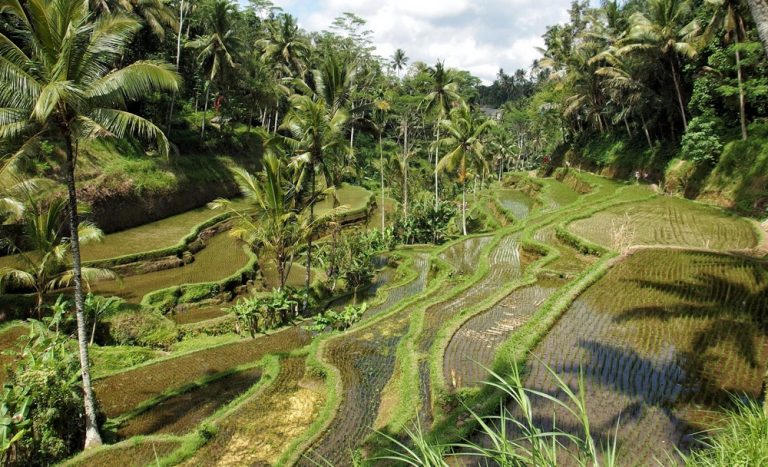
Is Bali Worth the Cost?
For most travelers, Bali offers exceptional value for money. While prices have increased over the past decade, the island remains considerably more affordable than many popular destinations in Europe, North America, Australia, and even parts of Asia. Whether you're traveling on a backpacker budget or looking for a luxury escape, Bali offers a range of experiences that are difficult to match at similar price points elsewhere.
Budget travelers can enjoy beaches, waterfalls, temples, rice terraces, and cultural attractions without spending a fortune. Meanwhile, mid-range and luxury travelers often discover that private villas, spa treatments, fine dining, and premium experiences cost significantly less than they would at home.
The real value of Bali goes beyond accommodation and food prices. The island combines diverse landscapes, rich culture, world-class surfing, vibrant nightlife, wellness retreats, volcanic scenery, and island-hopping opportunities within a relatively small area. Few destinations offer such a wide variety of experiences without requiring extensive domestic travel or large transportation budgets.
Of course, Bali is not the cheapest destination in Southeast Asia. Travelers looking purely for the lowest possible prices may find better value in parts of Vietnam, Cambodia, or Indonesia's lesser-known islands. However, Bali's infrastructure, tourism services, accommodation choices, and accessibility help justify the slightly higher costs for many visitors.
If you're still planning your trip, our guide to the best things to do in Bali highlights many of the experiences that make the island such a popular destination. Travelers considering Bali's upscale beach club and dining scene may also find our Seminyak travel planning guide useful for choosing where to stay and what to do. You may also find it helpful to read our guide to the best time to visit Bali, our practical Bali travel tips, and our guide to budgeting for Bali travel essentials before finalizing your trip costs.
Ultimately, Bali remains one of the few destinations that can genuinely accommodate almost every travel style. Whether you're spending $30 per day or $300 per day, it is entirely possible to have a memorable and rewarding experience on the Island of the Gods.
Frequently Asked Questions About Bali Travel Costs
-
How much money do I need for a week in Bali?
Most travelers spend between $350 and $1,050 for a one-week Bali trip, excluding international flights. Backpackers can spend less, while luxury travelers may spend significantly more depending on accommodation, dining, and activities. -
How much money do I need for two weeks in Bali?
A two-week Bali trip typically costs between $700 and $2,100 for most travelers. Your final budget depends on where you stay, how often you move around the island, and the number of tours and activities you book. -
How much does a month in Bali cost?
Many travelers spend between $1,500 and $4,500 per month in Bali. Long-term visitors often benefit from discounted accommodation rates and lower average daily expenses. -
Is Bali expensive for tourists?
Bali is generally considered affordable compared to Europe, North America, and Australia. However, costs vary significantly depending on your travel style. Luxury villas, beach clubs, and premium experiences can increase expenses quickly. -
Is Bali cheaper than Thailand?
The answer depends on the destination. Some parts of Thailand are cheaper than Bali, while others are more expensive. Accommodation and transportation costs are often similar, although Bali can offer better value for villas and luxury stays. -
Is Bali cheaper than Vietnam?
Vietnam is generally cheaper than Bali for accommodation, transportation, and local food. However, Bali offers a different travel experience with a larger tourism infrastructure and a wider range of accommodation options. -
Is Bali cheaper than Cambodia?
Cambodia is usually cheaper for budget travelers. However, Bali often provides more accommodation choices, stronger tourism infrastructure, and a greater variety of attractions within a relatively compact area. -
What is the average daily budget for Bali?
Most travelers spend between $50 and $150 per day in Bali. Budget travelers can spend less than $50 per day, while luxury travelers may spend several hundred dollars daily. -
Can you travel Bali on $50 a day?
Yes. Many travelers comfortably explore Bali on $50 per day by staying in guesthouses, eating local food, using ride-hailing apps or scooters, and focusing on low-cost attractions. -
Can you travel Bali on $100 a day?
A budget of $100 per day provides a very comfortable Bali experience. It typically covers private accommodation, restaurant meals, transportation, and several paid attractions or tours. -
How much does accommodation cost in Bali?
Accommodation costs range from $10–20 per night for hostels and budget guesthouses to several hundred dollars per night for luxury villas and beachfront resorts. -
How much does food cost in Bali?
Local meals often cost between $2 and $5, while meals in tourist restaurants typically range from $5 to $20 or more per person depending on the venue. -
How much does transportation cost in Bali?
Transportation costs vary depending on whether you use scooters, Grab, Gojek, taxis, or private drivers. Many travelers spend between $3 and $15 per day on local transportation. -
How much does a Bali scooter rental cost?
Scooter rentals typically cost around $3–$8 per day depending on the scooter type, rental duration, and location. -
How much does a private driver cost in Bali?
A private driver usually costs between $30 and $55 for a full day of sightseeing, depending on the route and duration. -
What are the hidden costs in Bali?
Common hidden costs include ATM fees, currency exchange losses, airport transfers, alcohol, beach club spending, visa fees, travel insurance, tourist levies, and imported products. -
Do I need cash in Bali?
Yes. Credit cards are widely accepted in tourist areas, but cash is still useful for local markets, small shops, warungs, and certain transportation services. -
What is the Bali tourist tax?
International visitors are currently required to pay Bali's tourism levy, which helps support environmental protection and cultural preservation programs on the island. -
Is Bali worth the money?
For most travelers, yes. Bali offers beaches, temples, rice terraces, waterfalls, nightlife, culture, wellness retreats, and luxury accommodation at prices that are often lower than comparable destinations around the world. -
What is the cheapest month to visit Bali?
The cheapest periods are typically during the shoulder and rainy seasons, when accommodation prices are often lower and tourist crowds are smaller.
Travel Resources to Plan, Book & Stay Connected
Use these tools and guides to stay connected abroad, find inspiration for your next trip, and book your flights, stays and gear with confidence.
Disclosure: This article may contain affiliate links. If you make a purchase through a link, I may receive a commission at no extra cost to you. I only share recommendations I believe are genuinely useful, and all opinions are my own. AI was used in this post for research and drafting purposes.

Comment (0)