
Bali Travel Tips: What First-Time Visitors Should Know Before They Go
Bali is one of the most popular destinations in Southeast Asia, but many first-time visitors arrive with expectations that do not always match reality. The island can be incredibly rewarding, yet traffic, geography, weather, cultural differences, and poor planning can easily turn a dream trip into a frustrating one. Understanding a few key Bali travel tips before you arrive can make a significant difference to your overall experience.
- Choose your base carefully because each area of Bali offers a completely different experience
- Traffic can dramatically increase travel times, especially around Canggu, Seminyak, Kuta, and Ubud
- Respect local customs, temple etiquette, and religious ceremonies
- The dry season and wet season create very different travel experiences
- Do not try to see the entire island in a few days
- Ride-hailing apps, private drivers, and eSIMs make independent travel much easier
- Cash is still useful in many areas despite widespread card acceptance
- Scooter rentals are not always the best option for inexperienced riders
If you are still deciding what to see during your trip, start with our guide to the best things to do in Bali, which covers the island's most popular attractions, temples, beaches, waterfalls, rice terraces, and cultural experiences.
Many of the tips in this guide are closely connected to where you stay and how you move around the island. Before planning daily activities, it is worth reviewing our Bali accommodation area guide and our transportation guide for Bali, as both decisions have a major impact on your overall experience.
Why Bali Travel Tips Matter More Than Most First-Time Visitors Expect
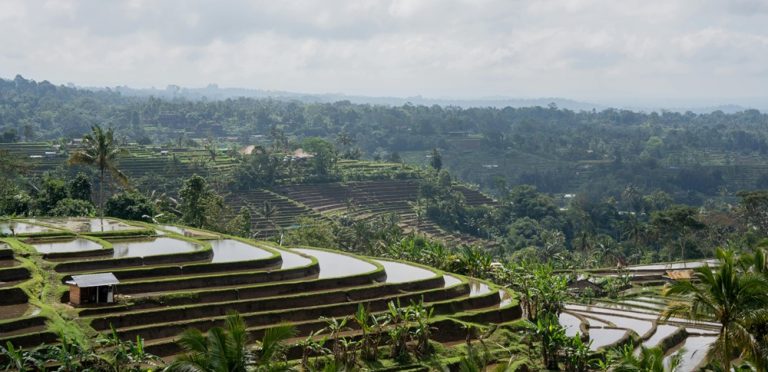
Learning a few Bali travel tips before you arrive can dramatically improve your trip. Many first-time visitors focus almost entirely on beaches, temples, hotels, and Instagram locations, but the biggest factors that shape a Bali vacation are usually much more practical. Choosing the wrong area, underestimating travel times, visiting during the wrong season, or trying to fit too much into a short itinerary can quickly turn an enjoyable trip into an exhausting one.
The good news is that most of these problems are easy to avoid. Bali is one of the easiest destinations in Southeast Asia for independent travel, but it rewards travelers who understand how the island works before they arrive. Knowing where to stay, how transportation operates, when to visit, and what cultural differences to expect will often have a greater impact on your experience than adding another attraction to your itinerary.
Many visitors are surprised by how large and diverse Bali actually feels. The atmosphere in Ubud is completely different from Canggu, Uluwatu, Amed, Sidemen, or Nusa Dua. Distances that appear short on a map can take much longer than expected, especially around southern Bali. As a result, some of the best Bali travel tips have very little to do with sightseeing and everything to do with planning your route realistically.
This guide brings together the most useful Bali travel tips for first-time visitors, helping you avoid common mistakes, understand local customs, reduce travel friction, and make better decisions before and during your trip.


Entry Requirements, Visas, and Essential Preparations for Bali
- Most international visitors need a 30-day Visa on Arrival (VoA/e-VoA)
- The current Visa on Arrival fee is IDR 500,000
- Bali's tourist levy costs IDR 150,000 per visitor
- The All Indonesia Arrival Card must be completed online before arrival
- Your passport must be valid for at least 6 months
- Proof of onward or return travel may be requested
- Setting up connectivity and insurance before departure can save significant time and stress
One of the most useful Bali travel tips is to complete all required entry steps before boarding your flight. Indonesia has gradually moved many arrival procedures online, and travelers who prepare everything in advance usually spend far less time dealing with paperwork, airport queues, and administrative surprises after landing.
Many travelers focus heavily on flights and accommodation but spend very little time preparing for the arrival process itself. Completing your visa, tourist levy, and arrival documentation before departure can save a considerable amount of time after landing. If you would like a detailed walkthrough of immigration, customs, airport transportation, SIM cards, and arrival procedures, our complete Bali arrival and airport walkthrough explains exactly what to expect from the moment you step off the plane.
Who Needs a Visa for Bali?
As of 2026, most international visitors traveling to Bali enter Indonesia using a 30-day Visa on Arrival (VoA) or its online equivalent, the e-VoA. The visa currently costs IDR 500,000 and can be extended once for an additional 30 days if you plan to stay longer.
Applying for the e-VoA before departure is generally the better option because it allows travelers to bypass visa queues upon arrival and can simplify the immigration process. Applications should only be submitted through the official Indonesian Immigration website: evisa.imigrasi.go.id.
Travelers from ASEAN member countries may qualify for visa-free entry under different rules. Because visa policies can change, it is always worth checking your eligibility directly through Indonesia's official immigration system before traveling.
Bali Tourist Levy
In addition to visa requirements, Bali now charges an international visitor tourism levy of IDR 150,000 per person. The fee helps fund environmental protection, cultural preservation, and tourism management initiatives across the island.
The levy can be paid before arrival through the official Love Bali platform: lovebali.baliprov.go.id. After payment, you receive a QR code that should be saved on your phone and kept available during your trip.
All Indonesia Arrival Card
Another requirement many travelers overlook is the digital All Indonesia Arrival Card. This online declaration must be completed within 72 hours of arrival and replaces older paper-based arrival forms.
The process is straightforward and usually takes only a few minutes. Once completed, you receive a QR code that can be presented during arrival procedures. The official portal is: allindonesia.imigrasi.go.id.
Passport Validity and Onward Travel
Indonesia strictly requires that passports remain valid for at least six months beyond the date of arrival. Travelers should also ensure they have sufficient blank passport pages available.
Airlines and immigration officers may request proof of onward or return travel. While not every traveler is asked to show it, having a confirmed outbound flight reservation readily available is strongly recommended.
Arrange Connectivity Before You Fly
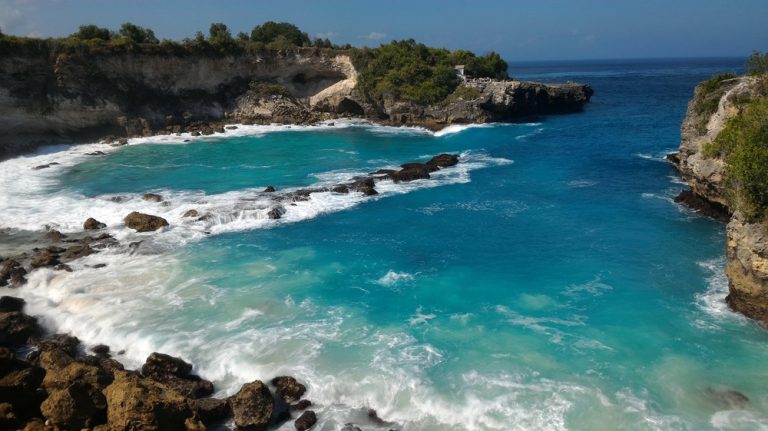
One of the easiest ways to improve your arrival experience is to organize mobile data before leaving home. Bali relies heavily on apps for transport, navigation, accommodation communication, restaurant searches, and activity bookings. Arriving with working data means you can immediately book a Grab, contact your hotel, and navigate unfamiliar areas without relying on airport Wi-Fi.
If you are comparing options before departure, our international eSIM guide explains how to stay connected from the moment you land.
Travel Insurance Is Worth Considering
Although travel insurance is not mandatory for entering Bali, many experienced travelers consider it essential. Scooter accidents, surfing injuries, diving incidents, boat transfers, and medical emergencies are among the most common issues affecting visitors. Private hospitals in Bali can provide excellent care, but treatment costs can become expensive very quickly.
Before departure, review our travel insurance guide to understand what types of coverage are most useful for Bali and Southeast Asia travel.
Quick Bali Arrival Checklist
- Passport valid for at least 6 months
- Visa on Arrival or e-VoA arranged if required
- Bali Tourist Levy paid
- All Indonesia Arrival Card completed
- Return or onward flight booked
- eSIM installed or mobile data arranged
- Travel insurance documents saved on your phone
- Grab, Gojek, Google Maps, and WhatsApp downloaded before departure
Completing these steps before you leave home removes most of the administrative friction associated with arriving in Bali. Once the paperwork is handled, you can focus on what actually matters: enjoying the beaches, temples, food, culture, landscapes, and experiences that make Bali one of the world's most popular destinations.

Choose the Right Area in Bali for Your Travel Style
- The area you choose will shape your entire Bali experience
- Traffic makes changing bases more important than many travelers expect
- Ubud is best for culture, rice terraces, and nature
- Canggu attracts surfers, digital nomads, and nightlife seekers
- Seminyak offers restaurants, shopping, and beach clubs
- Uluwatu is known for cliffs, surf breaks, and luxury stays
- Nusa Dua suits families and resort-focused vacations
- Amed and Sidemen provide a quieter and more traditional side of Bali
One of the biggest mistakes first-time visitors make is treating Bali as a single destination. In reality, Bali feels more like a collection of very different regions connected by increasingly busy roads. The atmosphere in Ubud has almost nothing in common with Canggu, while Uluwatu feels completely different from Nusa Dua or Amed. Choosing the right area is often more important than choosing the right hotel.
Many travelers focus heavily on finding the perfect accommodation while paying less attention to location. The reality is that location often determines whether you spend your trip relaxing, exploring, and enjoying Bali, or sitting in traffic wondering why everything takes longer than expected. Your choice of base can also affect how easily you can reach some of the island's most popular attractions and excursions. Travelers planning volcano hikes, island adventures, rice terrace visits, and cultural experiences may find our guide to Bali's top day-trip destinations helpful when deciding where to stay. If you are still comparing regions, accommodation styles, and hotel recommendations, our complete guide to Bali's best areas and hotels provides a much deeper breakdown of where different types of travelers should stay. For a quicker overview of the strengths and weaknesses of each region, see our comparison of Bali's most popular places to stay.
Ubud: Bali's Cultural and Natural Heart
For many first-time visitors, Ubud is the image they have in mind when they think of Bali. Surrounded by rice terraces, jungle valleys, temples, waterfalls, and traditional villages, it offers a completely different atmosphere from the beach resorts found along the southern coast.
Ubud works particularly well for travelers interested in culture, wellness, yoga retreats, local food, photography, and nature. Many of Bali's most famous attractions, including the Tegallalang Rice Terraces, Monkey Forest, Tirta Empul Temple, and numerous waterfalls, are located within easy reach of the area. If you're planning to stay here, our complete Ubud travel guide covers the best attractions, day trips, hotels, restaurants, and practical tips for exploring Bali's cultural heart.
The trade-off is that Ubud is no longer a hidden retreat. Traffic can become surprisingly heavy, especially during peak tourist seasons, and many visitors underestimate how busy the town has become. Even so, for culture-focused travelers, couples, and first-time visitors, Ubud remains one of the best places to stay in Bali.
Canggu: Surfing, Cafés, and Digital Nomad Life
Canggu has experienced explosive growth over the past decade and has become one of Bali's most popular destinations for younger travelers, surfers, remote workers, and social travelers. Trendy cafés, coworking spaces, beach clubs, fitness studios, and nightlife venues dominate much of the area.
Many visitors love the energy of Canggu because there is always something happening. The area feels international, social, and highly connected, making it especially attractive for solo travelers and digital nomads. If you're considering spending time here, our full guide to Canggu's beaches and neighborhoods explores the area's surf spots, cafés, attractions, restaurants, and day trips in greater detail.
However, Canggu is also home to some of the worst traffic congestion on the island. Distances that appear short on a map can take far longer than expected during busy periods. Travelers who choose Canggu should do so because they genuinely want the lifestyle it offers, not simply because it appears frequently on social media.

Seminyak: Restaurants, Shopping, and Beach Clubs
Seminyak sits between the energy of Canggu and the tourism infrastructure of Kuta, creating a balance that appeals to many visitors. It remains one of Bali's most convenient areas for travelers who want good restaurants, beach clubs, shopping, spas, and easy access to the airport.
The atmosphere tends to feel more polished and upscale than neighboring areas, with a strong concentration of boutique hotels, private villas, and stylish dining options. It is particularly popular with couples, groups of friends, and travelers seeking comfort without complete isolation. Visitors wanting a deeper overview of the area can also explore our Seminyak beaches and nightlife guide, which covers hotels, restaurants, attractions, day trips, and practical travel advice.
While Seminyak is still busy, many visitors find it easier to navigate than Canggu and more relaxed than Kuta, making it a good compromise for first-time visitors.
Uluwatu: Clifftop Views and Southern Bali's Dramatic Coastline
Located on the Bukit Peninsula, Uluwatu is famous for dramatic limestone cliffs, world-class surf breaks, luxury resorts, and some of Bali's most spectacular sunsets. The scenery here feels completely different from central Bali and often surprises travelers who assume the entire island looks the same.
Uluwatu is especially attractive for surfers, honeymooners, couples, and travelers seeking a quieter and more scenic atmosphere. Beaches such as Padang Padang, Bingin, Thomas Beach, and Melasti are among the most photographed on the island. Travelers considering this part of Bali can learn more about the area's beaches, surf culture, restaurants, hotels, and attractions in our detailed Uluwatu guide.
The area is less walkable than many visitors expect, and transportation is often required to move between beaches, restaurants, and hotels. Nevertheless, for travelers prioritizing scenery and relaxation, Uluwatu is often one of Bali's highlights.
Nusa Dua: Resorts, Families, and Easy Beach Holidays
Nusa Dua offers a very different version of Bali. Purpose-built resort complexes, well-maintained roads, cleaner beaches, and a generally calmer atmosphere create an environment that appeals strongly to families, luxury travelers, and visitors looking for a straightforward beach vacation.
Many travelers who simply want a resort stay with pools, beach access, and minimal logistics find Nusa Dua an excellent choice. It is also one of the most beginner-friendly areas on the island for first-time visitors who prefer comfort and convenience over constant exploration.
The trade-off is that Nusa Dua can feel less authentic than other parts of Bali. Travelers looking for traditional villages, local culture, and a more immersive experience often prefer Ubud, Sidemen, or other regions.
Amed and Sidemen: A Slower Side of Bali
For travelers hoping to escape crowds, Amed and Sidemen offer some of the most rewarding experiences on the island. These areas feel noticeably slower, quieter, and more connected to traditional Balinese life than the heavily developed south.
Amed is known for diving, snorkeling, fishing villages, and volcanic landscapes along Bali's northeastern coast. It attracts travelers who enjoy the ocean but want something calmer than the beach club scene of southern Bali.
Sidemen, meanwhile, is often described as a quieter alternative to Ubud. Rice terraces, mountain views, local villages, and a slower pace of life make it one of the most peaceful places on the island.
The challenge with both destinations is distance. Reaching them requires longer transfers, which is why many travelers combine them with another base rather than using them as their only stop in Bali.
These differences are particularly important for couples planning a romantic getaway. A honeymoon focused on jungle villas and wellness retreats will feel very different from one centered around beachfront resorts, sunset dinners, and coastal scenery. Choosing the right base can significantly influence the overall experience, which is why many couples combine destinations such as Ubud, Uluwatu, Nusa Dua, or the Gili Islands during the same trip. Travelers looking for accommodation ideas, romantic experiences, and destination comparisons can find additional inspiration in our guide to Bali's most romantic destinations.
Ultimately, there is no single best area in Bali. The right choice depends entirely on your travel style, interests, and priorities. Understanding these differences before booking accommodation is one of the most valuable Bali travel tips because it influences almost every other part of your trip.
Don't Underestimate Travel Times in Bali
- Distances on the map often look much shorter than they feel in reality
- Traffic is one of the biggest factors affecting Bali itineraries
- Changing hotels too frequently can make a trip more stressful
- Private drivers are often the most practical solution for sightseeing days
- Grab and Gojek work well in many areas but are not available everywhere
- Choosing the right base often matters more than finding the shortest route
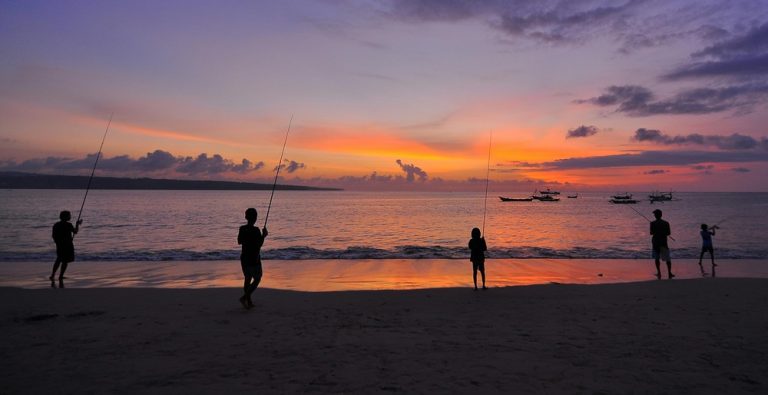
One of the most valuable Bali travel tips is understanding that travel times on the island rarely match what visitors expect. Looking at a map, Bali appears relatively small. Many first-time travelers assume they can easily visit Ubud in the morning, Uluwatu in the afternoon, and Canggu for dinner. In reality, traffic often turns these seemingly simple plans into long days spent sitting in a car rather than enjoying the island.
Southern Bali is where most visitors notice this problem first. Areas such as Canggu, Seminyak, Kuta, Uluwatu, Sanur, and the airport may appear close together geographically, but heavy congestion can dramatically increase travel times, particularly during peak periods. A journey that looks like thirty minutes on a map may easily take an hour or more depending on traffic conditions.
This is one of the main reasons why choosing the right base is so important. Travelers who stay near the attractions they plan to visit often enjoy a much more relaxed experience than those trying to cross large parts of the island every day. A well-planned itinerary usually focuses on exploring one region at a time rather than constantly moving back and forth across Bali.
For sightseeing days, many visitors hire a private driver rather than relying on multiple individual transfers. This approach is often more comfortable, allows greater flexibility, and removes the stress of navigating unfamiliar roads. It is particularly useful when visiting waterfalls, temples, rice terraces, or more remote attractions spread across different parts of the island.
Ride-hailing apps such as Grab and Gojek are extremely useful throughout much of Bali and are often the easiest option for shorter journeys. However, travelers should be aware that some areas have restrictions, local transport agreements, or limited coverage. In these locations, traditional drivers or hotel-arranged transport may still be necessary.
Many visitors also underestimate how tiring frequent hotel changes can become. While it may seem efficient to stay in four or five different locations during a single trip, constantly packing, checking out, transferring, and checking in again can quickly consume valuable vacation time. In many cases, spending a few extra nights in carefully chosen bases creates a far more enjoyable experience.
If you want a detailed breakdown of transport options, ride-hailing apps, private drivers, ferries, airport transfers, and regional travel, our complete guide to getting around Bali explains how transportation works across the island and helps you build more realistic daily plans.
The best Bali itineraries are usually the ones that leave room for flexibility. Rather than trying to see everything, focus on exploring fewer areas more deeply. You will spend less time in traffic, experience less stress, and often discover much more of what makes Bali special.

Respect Balinese Culture and Temple Etiquette
- Bali is deeply influenced by Balinese Hindu traditions and religious ceremonies
- Temples remain active places of worship, not just tourist attractions
- Dress respectfully when visiting temples and sacred sites
- Small daily offerings are an important part of Balinese life
- Always ask permission before photographing ceremonies or individuals
- Showing respect for local customs usually leads to warmer interactions with local people
One of the most important Bali travel tips has nothing to do with beaches, hotels, or transportation. Bali's culture is one of the main reasons people fall in love with the island, and understanding a few basic customs can significantly improve your experience while helping you avoid unintentionally causing offense.
Unlike much of Indonesia, which is predominantly Muslim, Bali is overwhelmingly Hindu. Religion is not simply something practiced occasionally. It is woven into daily life, family traditions, community events, architecture, celebrations, and even the layout of homes and businesses. Visitors quickly notice temples, shrines, ceremonial decorations, and offerings appearing throughout the island.
Understanding Daily Offerings
One of the first things many visitors notice is the presence of small woven baskets containing flowers, rice, incense, and other symbolic items placed on sidewalks, doorways, statues, vehicles, shops, and homes. These offerings, known as canang sari, are a daily expression of gratitude and devotion.
For Balinese people, these offerings are a normal part of everyday life. Visitors should be mindful when walking through busy streets, particularly around temples and residential areas, as accidentally stepping on offerings is considered disrespectful. While locals generally understand that tourists make mistakes, paying attention demonstrates respect for the culture around you.
Temple Dress Codes
Many of Bali's most famous attractions are active temples rather than historical monuments. Sites such as Uluwatu Temple, Tanah Lot, Tirta Empul, Besakih Temple, and numerous smaller village temples continue to serve important religious functions for local communities.
Visitors are generally expected to dress modestly when entering temple grounds. In most cases this means covering the shoulders and wearing a sarong around the waist. Many major temples provide sarongs at the entrance, although bringing your own lightweight sarong can be useful if you plan to visit multiple temples during your trip.
Temple rules vary slightly between locations, and certain areas may be reserved exclusively for worshippers. Signs are usually clear, and when in doubt it is always best to follow local guidance.
Religious Ceremonies Are Part of Everyday Life
One of the most memorable parts of visiting Bali is encountering ceremonies that appear unexpectedly. Roads may temporarily close for processions, families may gather in traditional dress for celebrations, and entire villages may participate in religious events that visitors never knew were taking place.
Rather than viewing these occasions as inconveniences, many travelers find they become some of the most memorable experiences of the trip. Watching a ceremony from a respectful distance offers a fascinating glimpse into a culture that remains remarkably connected to its traditions despite the growth of tourism.
Photography Etiquette
Bali is incredibly photogenic, but not every moment is intended to become a photo opportunity. While photographing temples, landscapes, and public spaces is generally acceptable, visitors should exercise more care around ceremonies, worshippers, and private residences.
If you would like to photograph individuals, particularly during religious events, asking permission first is always appreciated. Most people respond positively when approached respectfully.
Respect Goes a Long Way
Most Balinese people are exceptionally welcoming toward visitors and understand that tourists may not be familiar with local customs. Nobody expects travelers to become experts in Balinese culture overnight. However, making a genuine effort to understand local traditions, dress appropriately, follow temple rules, and behave respectfully often leads to richer experiences and more meaningful interactions.
Many travelers arrive in Bali for the beaches, resorts, waterfalls, and scenery, but leave remembering the people and culture just as much. Taking the time to appreciate that cultural side of Bali is one of the most rewarding travel tips you can follow.

Understand Bali's Weather Before You Book Your Trip
- Bali has distinct dry and wet seasons that can significantly affect your trip
- The dry season generally runs from May to October
- The wet season usually lasts from November to April
- Rainfall patterns vary depending on location and time of year
- Peak travel periods often coincide with the best weather
- The "best" time to visit depends on your priorities, budget, and travel style
Many travelers focus on flights, hotels, and activities before thinking seriously about weather. However, understanding Bali's seasonal patterns is one of the most useful Bali travel tips because weather affects almost everything, from beach days and hiking conditions to traffic levels, hotel prices, and crowd sizes.
Unlike destinations with four distinct seasons, Bali experiences a tropical climate dominated by a dry season and a wet season. Temperatures remain relatively consistent throughout the year, but rainfall, humidity, and overall travel conditions can vary considerably depending on when you visit.
Dry Season: Bali's Most Popular Travel Period
The dry season typically runs from May through October and is generally considered the best time for most travelers. During these months, rainfall is lower, humidity is more comfortable, and outdoor activities become easier to enjoy.
This is the period when many visitors experience Bali at its most photogenic. Beaches tend to be cleaner, hiking trails are easier to access, visibility for diving and snorkeling is often better, and sunset conditions are frequently excellent. Attractions such as rice terraces, waterfalls, temples, and coastal viewpoints are also more enjoyable when visitors are not constantly dealing with heavy rain.
The trade-off is that this is also Bali's busiest period. Accommodation prices often rise, popular attractions become more crowded, and demand for hotels, tours, and transport increases significantly.
Wet Season: Fewer Crowds and Lower Prices
The wet season usually lasts from November through April. Many first-time visitors immediately dismiss this period, but that can be a mistake. Bali remains a year-round destination, and rain rarely falls continuously for days on end.
Instead, many areas experience intense tropical downpours followed by sunshine. Mornings can be beautiful, while rain often arrives later in the afternoon or evening. Travelers who remain flexible frequently enjoy excellent experiences during this period while benefiting from lower hotel rates and fewer crowds.
That said, heavier rainfall can occasionally disrupt outdoor activities. Waterfalls become more powerful, roads may experience localized flooding, hiking trails can become muddy, and sea conditions may affect certain boat routes and island excursions.
Should You Avoid Bali During the Rainy Season?
Not necessarily. Some travelers actually prefer visiting during the wetter months because the island feels greener, accommodation can be more affordable, and major attractions are often less crowded. If your priority is luxury resorts, cultural experiences, food, wellness retreats, and relaxation rather than constant outdoor activities, the wet season can still work very well.
The key is adjusting expectations. A tropical destination will occasionally experience tropical weather, and visitors who understand that reality are usually far more satisfied with their trip.
Peak Seasons and Holiday Periods
Beyond weather, travelers should also consider major holiday periods. July, August, Christmas, New Year, Easter, and certain Australian school holidays can bring substantial increases in visitor numbers because Bali is particularly popular with travelers from Australia, Europe, and other parts of Asia.
During these periods, flights, accommodation, and popular activities often become more expensive. Booking early becomes increasingly important if you plan to travel during peak demand periods.
Choosing the Right Time for Your Trip
There is no universal best month to visit Bali. Travelers seeking sunshine, outdoor adventures, diving, surfing, and sightseeing generally favor the dry season, while those prioritizing value, fewer crowds, and lower accommodation costs may find the wet season more appealing.
If you want a complete month-by-month breakdown of weather patterns, crowds, costs, surf conditions, and seasonal travel advice, our guide to the best time to visit Bali explores each season in much greater detail.
One of the simplest ways to improve a Bali trip is matching your expectations to the season you are visiting. Travelers who understand Bali's weather before they book are usually better prepared, experience fewer surprises, and enjoy the island far more. Once you have chosen your travel dates, it is also worth reviewing how to pack for Bali's climate and seasons so you bring the right clothing, footwear, and travel essentials for the conditions you are most likely to encounter.
Money, Cash, Cards, and Everyday Spending in Bali
- Indonesia uses the Indonesian Rupiah (IDR)
- Cards are widely accepted in tourist areas but cash remains important
- ATMs are easy to find in most destinations
- Small businesses, local restaurants, and markets often prefer cash
- Always carry a backup payment method
- Understanding local prices helps avoid overspending
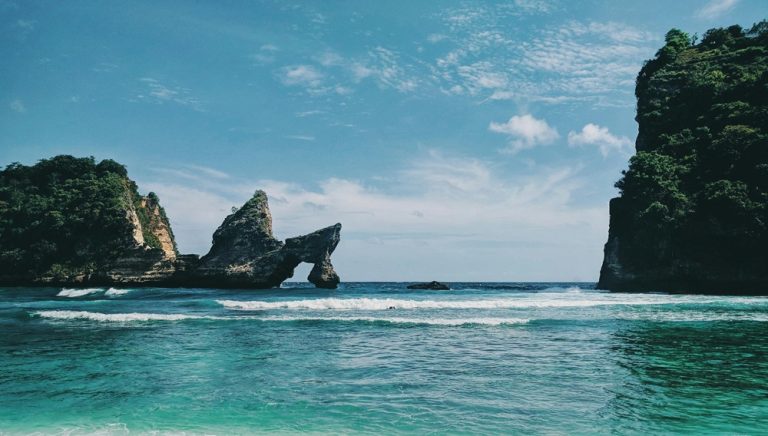
One of the most practical Bali travel tips is surprisingly simple: do not rely entirely on your credit card. While Bali has become increasingly cashless in recent years, cash still plays an important role in everyday transactions across the island. Travelers who arrive expecting to tap a card everywhere often discover that many smaller businesses operate differently.
In areas such as Seminyak, Canggu, Ubud, Nusa Dua, and Uluwatu, most hotels, beach clubs, restaurants, supermarkets, and larger shops accept major credit and debit cards. Contactless payments have also become increasingly common in tourist-heavy areas. For many visitors, cards will cover the majority of larger expenses during the trip.
However, cash remains essential in many situations. Local warungs, traditional markets, parking attendants, small cafés, roadside vendors, temple donations, independent drivers, and smaller guesthouses often either prefer cash or accept only cash. Even travelers who mainly use cards usually find themselves reaching for cash multiple times each day.
Understanding the Indonesian Rupiah
The Indonesian Rupiah can initially feel confusing because the numbers are much larger than many travelers are used to seeing. Meals may cost tens of thousands of rupiah, hotel rooms can cost hundreds of thousands or even millions of rupiah per night, and ATM withdrawals often involve seven-digit figures.
For example, a restaurant bill of IDR 150,000 may sound expensive at first glance, but it is often equivalent to roughly ten US dollars depending on exchange rates. Many first-time visitors spend the first few days mentally converting prices until they become familiar with local costs.
Using ATMs in Bali
ATMs are widely available throughout most tourist areas and generally provide an easy way to access cash. Major bank-operated machines are usually the safest option and can be found in shopping areas, airports, supermarkets, and town centers.
As with any popular tourist destination, travelers should remain aware of their surroundings when withdrawing money. Using ATMs attached to banks or located in busy, well-maintained areas is generally preferable to isolated machines in quiet locations.
ATM scams, card skimming, currency exchange tricks, and fake payment requests are among the most common scams targeting tourists in destinations around the world, including Bali. Before you travel, read our Travel Scams Around the World guide to learn how to recognize these schemes and protect your money.
It is also worth informing your bank of your travel plans if your institution still uses travel notifications. Unexpected foreign transactions occasionally trigger security checks that can temporarily block cards.
Carry More Than One Payment Method
Even if you primarily use cards, carrying a backup card is one of the smartest travel habits you can develop. Cards can be lost, damaged, blocked, or occasionally declined for reasons that have nothing to do with available funds.
Having a second card, along with a reasonable amount of emergency cash, provides a simple safety net that can prevent minor inconveniences from becoming major problems.
Don't Assume Bali Is Always Cheap
Another common misconception is that everything in Bali is extremely inexpensive. While budget travelers can still find excellent value, Bali now offers experiences across almost every price range. A local meal at a family-run warung may cost only a few dollars, while luxury villas, fine dining restaurants, beach clubs, and private experiences can rival prices found in major international destinations. If you're planning your budget in more detail, our complete breakdown of Bali travel expenses provides a closer look at accommodation, transportation, food, and activity costs across different travel styles.
This flexibility is actually one of Bali's strengths. Backpackers, mid-range travelers, families, and luxury visitors can all enjoy the island, but understanding your likely spending habits before arrival helps set realistic expectations and prevents budget surprises later in the trip.
Tipping in Bali
Tipping is not as deeply embedded in local culture as it is in countries such as the United States, but it is appreciated. Many restaurants already include a service charge, so checking the bill before adding extra gratuity is a good habit.
For drivers, guides, hotel staff, spa therapists, and exceptional service, small tips are often welcomed and appreciated. Most visitors treat tipping as a gesture of gratitude rather than a strict obligation.
Ultimately, Bali is easy to manage financially once you understand the balance between cash and cards. Carrying both, keeping a backup payment option available, and developing a basic understanding of local prices will help you avoid unnecessary stress and focus on enjoying your trip.

Should You Rent a Scooter in Bali?
- Scooters are one of the most common forms of transport in Bali
- Many visitors underestimate how challenging local traffic can be
- An International Driving Permit is generally required to ride legally
- Most travel insurance policies have strict conditions regarding scooter accidents
- Grab, Gojek, and private drivers are often safer alternatives
- Not every traveler needs a scooter to enjoy Bali
If you spend even a few hours in Bali, you will quickly notice that scooters are everywhere. Locals use them, delivery drivers use them, tourists use them, and in some parts of the island they appear to outnumber cars. Because scooter rental is relatively inexpensive and widely available, many first-time visitors assume renting one is the obvious choice.
The reality is more complicated. For some travelers, scooters provide freedom, flexibility, and convenience. For others, they become one of the biggest mistakes of the trip. One of the most valuable Bali travel tips is understanding that just because a scooter is available does not mean it is the best option for your situation.
Bali Traffic Is Not What Many Visitors Expect
Many travelers arrive with experience riding scooters in their home country and assume the transition will be easy. However, Bali's roads present challenges that are very different from what many visitors are used to. Narrow streets, heavy traffic, aggressive overtaking, unpredictable road conditions, loose dogs, sudden obstacles, and unfamiliar driving habits can create a steep learning curve.
Areas such as Canggu, Seminyak, Kuta, and parts of Ubud are particularly challenging because traffic density can be extremely high. Riders often find themselves navigating congested roads alongside scooters, cars, trucks, buses, and pedestrians simultaneously.
The issue is not usually scooter riding itself. The issue is riding a scooter in an unfamiliar environment while tired, distracted, jet-lagged, or lacking experience with local conditions.
The Legal Requirements Matter
Many visitors are surprised to learn that renting a scooter and riding legally are not necessarily the same thing. In most cases, foreign visitors are expected to hold a valid motorcycle license from their home country and carry an International Driving Permit that covers motorcycle use.
Rental shops do not always verify this carefully, which creates a false sense of security. Just because someone is willing to rent you a scooter does not automatically mean you meet the legal requirements to ride it.
This distinction becomes particularly important if an accident occurs.

Travel Insurance and Scooter Accidents
Scooter accidents are among the most common incidents involving tourists in Bali. While many rides end without problems, even a minor crash can lead to medical expenses, damaged property, or insurance complications.
Many insurance providers impose specific conditions regarding motorcycle and scooter use. Riders may need the appropriate license, an International Driving Permit, and a helmet in order for coverage to remain valid. Failing to meet these requirements can sometimes affect claims.
This is one reason why reviewing your coverage before departure is important. Our travel insurance guide explains some of the key factors travelers should consider before participating in activities that carry additional risk.
Many Travelers Don't Need a Scooter at All
Social media often creates the impression that scooter rental is essential in Bali. In reality, many visitors complete their entire trip without ever getting on a scooter. Depending on your itinerary, alternatives may be easier, safer, and surprisingly affordable.
Grab and Gojek work well in many areas and are often ideal for shorter journeys. For sightseeing days, waterfalls, temple visits, rice terrace excursions, and longer routes, private drivers remain one of the most popular solutions. They remove navigation stress, eliminate parking concerns, and allow travelers to focus on the experience rather than the road.
Families, couples, first-time visitors, and travelers unfamiliar with scooters often discover that using drivers and ride-hailing apps creates a far more relaxed vacation.
Who Should Consider Renting a Scooter?
Scooter rental generally works best for travelers who already have meaningful riding experience, hold the appropriate license, understand local traffic realities, and feel comfortable navigating busy roads independently.
For experienced riders staying in areas such as Uluwatu, Amed, Sidemen, or quieter parts of the island, a scooter can be an excellent tool for exploration. It provides flexibility, access to less-visited locations, and the freedom to travel at your own pace.
For everyone else, there is no shame in choosing other transportation options. In fact, many visitors find that avoiding the stress of riding allows them to enjoy Bali much more.
The best approach is not automatically renting a scooter because everyone else seems to be doing it. Instead, honestly assess your experience level, comfort, insurance coverage, and travel style. For some travelers, a scooter becomes one of the highlights of the trip. For others, the smartest decision is leaving the keys with the rental shop and letting someone else handle the driving.

Common Mistakes First-Time Visitors Make in Bali
- Trying to see the entire island in one short trip
- Choosing accommodation based on price rather than location
- Underestimating Bali's traffic and travel times
- Renting a scooter without the proper experience or documentation
- Ignoring weather patterns when booking flights
- Failing to complete visa and arrival requirements before departure
- Building an itinerary that leaves no room for flexibility
Many Bali travel tips ultimately come down to avoiding a handful of common mistakes. Bali is not a difficult destination to visit, but it is a destination where unrealistic expectations often create unnecessary frustration. Most travel problems on the island are not caused by Bali itself. They are caused by planning assumptions that do not match reality.
Trying to See Too Much in Too Little Time
One of the most common mistakes is attempting to experience every part of Bali during a single trip. Visitors often create ambitious itineraries that include Ubud, Canggu, Seminyak, Uluwatu, Nusa Dua, Sidemen, Amed, Nusa Penida, and multiple day trips within a week.
On paper this may seem efficient. In reality it often results in long transfer days, frequent hotel changes, and limited time to actually enjoy each destination. Bali rewards slower travel far more than rushed sightseeing.
Many experienced visitors would rather spend four nights in two carefully chosen locations than one or two nights in six different places.
Choosing the Wrong Area
Another frequent mistake is booking accommodation before understanding how different regions of Bali actually feel. Travelers sometimes stay in Canggu because they saw it on social media, only to discover they wanted a quieter experience better suited to Ubud, Sidemen, or Nusa Dua.
Others choose a remote area because the hotel looks beautiful, then become frustrated by long daily transfers to restaurants, attractions, and beaches. The wrong location can affect almost every part of a trip.
This is why accommodation planning deserves more attention than many first-time visitors give it. A good hotel in the wrong location often creates a worse experience than a simpler hotel in the right area.
Believing Bali Is Smaller Than It Really Is
Many visitors underestimate Bali's geography. The island appears relatively compact on a map, which creates the illusion that everything is nearby. Once traffic enters the equation, however, travel times can increase dramatically.
A day that looks perfectly reasonable during planning can quickly become exhausting when multiple attractions are separated by long drives. The result is often less sightseeing, more stress, and far less spontaneity than travelers expected.
One of the best decisions you can make is accepting that you will not see everything during a single visit. Bali is a destination that many people return to repeatedly, and there is no need to force every attraction into one trip.
Ignoring the Season
Some travelers book flights solely based on price without considering weather patterns. While Bali remains a year-round destination, seasonal conditions can significantly affect outdoor activities, visibility, road conditions, beach quality, and overall travel comfort.
Visitors who understand the differences between the dry season and wet season generally have more realistic expectations and experience fewer disappointments during their trip.
Renting a Scooter Because Everyone Else Does
Social media often makes scooter travel appear effortless. What many videos fail to show are the traffic conditions, road hazards, and accident risks that come with riding in an unfamiliar environment.
Many visitors discover that Grab, Gojek, and private drivers provide all the flexibility they need without introducing additional stress. A scooter can be an excellent option for experienced riders, but it is not a requirement for enjoying Bali.
Ignoring Entry Requirements Until the Last Minute
Visa procedures, the Bali Tourist Levy, passport validity requirements, and the All Indonesia Arrival Card are all relatively straightforward. Problems usually occur when travelers leave these tasks until the final hours before departure.
Completing administrative requirements in advance creates a smoother arrival experience and allows you to focus on enjoying your trip rather than solving bureaucratic problems at the airport.
Planning Every Minute of Every Day
Perhaps the most overlooked mistake is creating an itinerary with no flexibility. Bali often delivers some of its best experiences unexpectedly. A hidden café, a local ceremony, a beautiful viewpoint, an extra sunset stop, or a conversation with locals can easily become a trip highlight.
Travelers who leave room for spontaneity usually enjoy the island more than those rushing from one attraction to the next with a rigid schedule.
The most successful Bali trips are rarely the ones with the longest attraction lists. They are usually the ones where travelers choose the right areas, move at a realistic pace, respect local culture, and allow themselves enough time to enjoy the island rather than simply checking locations off a map.

Final Thoughts on Visiting Bali
Bali has a reputation for being one of the world's most popular travel destinations, but the island is often very different from what first-time visitors expect. It is larger, more diverse, and more complex than many travelers imagine. Understanding how the island works before you arrive can dramatically improve your experience and help you avoid many of the frustrations that sometimes appear in online reviews.
The most successful trips are usually built around realistic expectations rather than ambitious sightseeing checklists. Choosing the right area, allowing enough time between destinations, understanding seasonal conditions, respecting local customs, and preparing practical details before departure all contribute far more to the quality of a trip than simply adding more attractions to an itinerary. Travelers researching practical concerns before departure may also find our guide on what to know about safety in Bali useful for understanding common scams, transport risks, and everyday travel precautions.
If you are still deciding what to see across the island, our complete Bali attractions guide covers the temples, waterfalls, rice terraces, beaches, cultural sites, and experiences that make the island so popular with travelers from around the world.
Accommodation choices often have an even bigger impact on a trip than many visitors realize. Staying in the right region can save hours of travel time and completely change the atmosphere of your vacation. Before booking hotels, explore our Bali area and accommodation planner to find the location that best matches your travel style.
For travelers building a longer route around the island, our recommended Bali route ideas explain how to combine destinations efficiently while avoiding unnecessary hotel changes and long transfer days. Pairing that with our Bali transportation planning guide can make daily logistics significantly easier once you arrive.
Weather also plays a major role in shaping the experience. Travelers who understand seasonal conditions, crowd levels, and rainfall patterns often enjoy a smoother trip than those who book purely based on flight prices. Our month-by-month Bali weather guide provides a detailed breakdown of what to expect throughout the year.
Ultimately, Bali rewards travelers who slow down slightly and focus on quality over quantity. Whether you spend your days exploring temples in Ubud, watching sunsets in Uluwatu, relaxing in Nusa Dua, surfing in Canggu, or diving in Amed, the island offers far more than most visitors can experience in a single trip. The goal is not to see everything. It is to build a trip that allows you to genuinely enjoy the parts of Bali that matter most to you.

Frequently Asked Questions About Bali Travel Tips
-
Is Bali a good destination for first-time international travelers?
Yes. Bali is one of the easiest destinations in Southeast Asia for first-time travelers. Tourism infrastructure is well developed, accommodation is available for every budget, English is widely spoken in tourist areas, and transportation is relatively straightforward once you understand how the island works. -
Do I need a visa to visit Bali?
Most international visitors require a Visa on Arrival (VoA/e-VoA), which currently costs IDR 500,000 and allows a stay of up to 30 days with one extension available. Some ASEAN nationalities qualify for visa-free entry. Travelers should always verify current requirements before departure. -
How much is the Bali Tourist Levy?
The Bali Tourist Levy currently costs IDR 150,000 per person. It can be paid online before arrival through the official Love Bali platform and helps support cultural preservation and environmental initiatives across the island. -
How many days do you need in Bali?
Most travelers benefit from spending at least 7 to 10 days in Bali. A week allows you to experience two or three regions comfortably, while 10 to 14 days provides a much more balanced introduction to the island without constantly changing hotels. -
What is the best area to stay in Bali for first-time visitors?
There is no single best area for everyone. Ubud is popular for culture and nature, Seminyak offers restaurants and beach clubs, Canggu appeals to surfers and digital nomads, Uluwatu is known for cliffs and sunsets, and Nusa Dua works well for families and resort vacations. -
Is Bali expensive?
Bali can suit almost any budget. Backpackers can travel very affordably, while luxury travelers can spend amounts comparable to major international destinations. Accommodation, food, transportation, and activities are available across a wide range of price points. -
Can you use credit cards in Bali?
Yes. Most hotels, restaurants, beach clubs, and larger businesses accept major credit cards. However, cash remains useful for markets, local restaurants, temple donations, small shops, and independent drivers. -
Should I rent a scooter in Bali?
Only if you have meaningful riding experience, the proper license, and feel comfortable navigating busy roads. Many visitors find that Grab, Gojek, and private drivers provide a safer and more relaxing alternative. -
Is Bali safe for tourists?
Bali is generally considered one of the safest destinations in Southeast Asia for tourists. Most visits are trouble-free. The biggest risks typically involve road accidents, scooter incidents, minor theft, and travel-related health issues rather than serious crime. -
Can you drink tap water in Bali?
No. Travelers should avoid drinking tap water. Bottled water is inexpensive and widely available throughout the island. Many visitors also use bottled water when brushing their teeth to reduce the risk of stomach issues. -
Do I need travel insurance for Bali?
Travel insurance is not mandatory but is highly recommended. Medical treatment, scooter accidents, surfing injuries, diving incidents, and unexpected travel disruptions can all become expensive without appropriate coverage. -
What is the best time to visit Bali?
For most travelers, the dry season from May to October offers the best overall conditions. However, Bali remains a year-round destination, and many visitors enjoy the wetter months because of lower prices and fewer crowds. -
Do I need cash in Bali?
Yes. Even if you primarily use cards, carrying cash is still important for smaller purchases, local businesses, markets, parking fees, and certain transportation services. -
Can I use Grab and Gojek in Bali?
Yes. Both apps are widely used throughout much of Bali and are often the easiest way to arrange transportation. However, some areas have local restrictions or transportation agreements that may affect availability. -
What is the biggest mistake first-time visitors make in Bali?
Many travelers try to see too much in too little time. Constant hotel changes, unrealistic sightseeing schedules, and underestimating traffic often create unnecessary stress. Slower travel usually leads to a much more enjoyable experience.
Travel Resources to Plan, Book & Stay Connected
Use these tools and guides to stay connected abroad, find inspiration for your next trip, and book your flights, stays and gear with confidence.
Disclosure: This article may contain affiliate links. If you make a purchase through a link, I may receive a commission at no extra cost to you. I only share recommendations I believe are genuinely useful, and all opinions are my own. AI was used in this post for research and drafting purposes.

Comment (0)