
What This Tokyo Guide Covers
This guide covers everything you need to plan your time in Tokyo, including:
- How to get to Tokyo and move around once you arrive
- The best neighborhoods and areas to stay
- Top things to do, from major landmarks to local experiences
- Food, cafés, bars, and nightlife highlights
- The best time of year to visit
- Practical travel tips and local know-how
- Answers to common traveler questions
Things to Do in Tokyo: Tradition, Neon, and Everyday Magic
Tokyo is a city of contrasts in constant motion, where ancient shrines sit quietly beside glowing skyscrapers and everyday routines feel choreographed to perfection. Exploring the things to do in Tokyo means stepping into a place that is endlessly layered, from historic neighborhoods and ritual-bound traditions to hyper-modern districts that redefine urban life.
What makes the things to do in Tokyo so compelling is not just the famous sights, but how seamlessly the extraordinary blends into the ordinary. A morning commute can feel as fascinating as a museum visit, and a simple meal might turn into a memorable cultural experience. The city rewards curiosity, patience, and a willingness to wander beyond the obvious.
Whether you are drawn by food, history, design, or people-watching, Tokyo offers a rhythm that slowly reveals itself the longer you stay. It is a city best experienced through contrast, detail, and the quiet moments that unfold between the landmarks.
How to Get to Tokyo
Tokyo is one of the easiest cities in the world to reach, whether you are arriving from overseas or traveling within Japan. The city is served by two major international airports and is the main hub of Japan’s high-speed rail and long-distance bus networks.
By Air
Most international travelers arrive via :contentReference[oaicite:0]{index=0}, located east of the city, or :contentReference[oaicite:1]{index=1}, which is much closer to central Tokyo. Haneda is generally more convenient for city access, while Narita handles a larger share of long-haul international flights.
By Train
Tokyo is the heart of Japan’s rail network and can be reached easily by Shinkansen (bullet train) from cities across the country. The main arrival points are :contentReference[oaicite:2]{index=2}, which serves most Shinkansen lines, and :contentReference[oaicite:3]{index=3}, a major hub for regional and commuter trains.
By Bus
Long-distance highway buses connect Tokyo with cities throughout Japan and are often a budget-friendly option. Most services arrive at or depart from :contentReference[oaicite:4]{index=4}, also known as Busta Shinjuku, located next to Shinjuku Station.
Where to Stay in Tokyo
Choosing where to stay in Tokyo depends more on neighborhood vibe and transport access than distance. The city’s rail system is extremely efficient, so being close to a major station often matters more than staying near a specific landmark. The hotels below are grouped by budget level to help you quickly narrow down what suits your travel style.
Budget Hotels (Under $100 per night)
CAPSULE INN HAMAMATSUCHO1 Chome-16-6 Shibadaimon, Minato City, Tokyo 105-0012, Japan
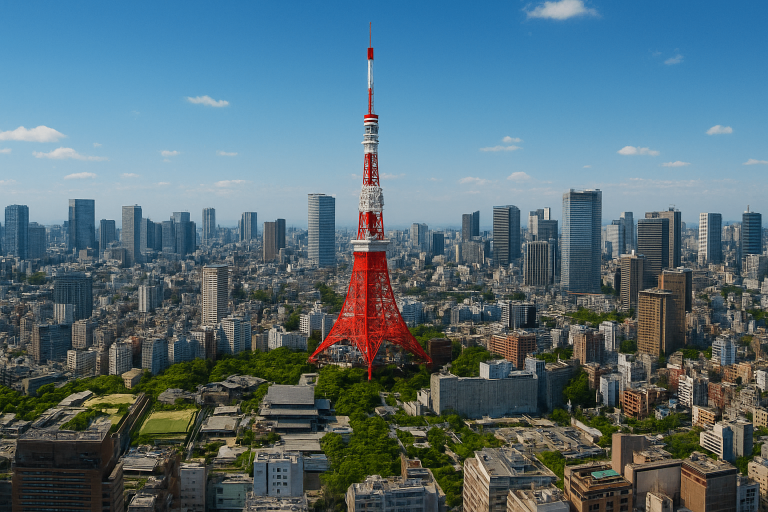
Capsule Inn Hamamatsucho is a clean, minimalist option in Minato, just steps from Hamamatsucho Station and within walking distance of Tokyo Tower. Designed primarily for solo travelers, it offers compact sleeping pods with shared bathing facilities in a calm, efficient environment. This is a practical choice if you value location, simplicity, and affordability over space.
Reserve your stay at CAPSULE INN HAMAMATSUCHO today.
HOTEL MYSTAYS KAMEIDO6 Chome-32-1 Kameido, Koto City, Tokyo 136-0071, Japan · +81-3-5628-4321
Hotel MyStays Kameido is a relaxed business-style hotel located about six minutes on foot from Kameido Station. Rooms are compact but well equipped, with free Wi-Fi, TVs, microwaves, and mini-fridges, making it a comfortable base for budget-conscious travelers. Its proximity to Tokyo Skytree and eastern Tokyo neighborhoods makes it especially convenient for sightseeing beyond the city center.
Reserve your stay at HOTEL MYSTAYS KAMEIDO today.
Mid-Range Comfort Hotels ($100–$200 per night)
HOTEL RYUMEIKAN TOKYO15th Floor, 1 Chome-3-22 Yaesu, Chuo City, Tokyo 103-0028, Japan · +81-3-3271-0971
Hotel Ryumeikan Tokyo sits near Tokyo Station in the Nihonbashi area, making it an excellent base for both sightseeing and onward travel by Shinkansen. The hotel blends traditional Japanese hospitality with modern comfort, offering sleek rooms, refined service, and thoughtful details. City views and a calm atmosphere make it especially appealing after long days exploring Tokyo.
Reserve your stay at HOTEL RYUMEIKAN TOKYO today.
HYATT HOUSE TOKYO SHIBUYAShibuya, Tokyo, Japan · +81-3-6416-0700
Opened in 2024, Hyatt House Tokyo Shibuya offers apartment-style rooms designed for comfort and longer stays. Located near Shibuya Crossing, it provides easy access to shopping, dining, and nightlife while maintaining a more residential feel inside the hotel. Amenities such as spacious layouts and on-site facilities make it ideal for couples or travelers staying several nights.
Reserve your stay at HYATT HOUSE TOKYO SHIBUYA today.
OMO5 TOKYO GOTANDA BY HOSHINO RESORTSShinagawa, Tokyo, Japan · +81-3-6456-3500
OMO5 Tokyo Gotanda by Hoshino Resorts opened in 2024 and focuses on smart, design-forward urban stays. Located near Shinagawa Station, it offers excellent connectivity along with city views and practical amenities such as modern laundry facilities. This hotel suits travelers who enjoy contemporary style and efficient living without moving into luxury pricing.
Reserve your stay at OMO5 TOKYO GOTANDA BY HOSHINO RESORTS today.
Luxury Hotels ($200+ per night)
FAIRMONT TOKYOShibaura, Tokyo, Japan · +81-3-6807-1234
Fairmont Tokyo opened in 2025 and occupies the upper floors of a modern tower overlooking Tokyo Bay. The hotel features refined interiors, a full spa, and multiple dining venues designed for high-end urban living. It is well suited to travelers looking for contemporary luxury with expansive views and a polished atmosphere.
Reserve your stay at FAIRMONT TOKYO today.
JW MARRIOTT HOTEL TOKYOShinagawa, Tokyo, Japan · +81-3-5488-8000
Opened in late 2025, JW Marriott Hotel Tokyo offers spacious rooms, a large spa, and a 25-meter pool near Takanawa Gateway Station. The hotel combines international luxury standards with views stretching toward Mount Fuji on clear days. This is a strong choice for travelers who value comfort, wellness facilities, and modern elegance.
Reserve your stay at JW MARRIOTT HOTEL TOKYO today.
PARK HYATT TOKYOShinjuku, Tokyo, Japan · +81-3-5322-1234
Park Hyatt Tokyo reopened in 2025 after an extensive renovation and remains one of the city’s most iconic luxury hotels. Famous for its role in Lost in Translation, it offers serene interiors high above Shinjuku along with the renowned New York Grill & Bar. This hotel is ideal for travelers seeking timeless elegance and cinematic city views.
Reserve your stay at PARK HYATT TOKYO today.
Prices and availability can vary widely by season, neighborhood, and room type. If you want to quickly compare options across different platforms, the Worldly Roaming hotel comparison guide can help you find the best deal for your travel dates. This is often the easiest way to balance price, location, and comfort when booking accommodation in Tokyo.
Things to Do in Tokyo
The best things to do in Tokyo focus on major landmarks and districts that define the city’s identity. These places blend history, ritual, design, and everyday life, offering experiences that feel unmistakably Tokyo rather than generic sightseeing stops.
Senso-ji Temple (Asakusa)
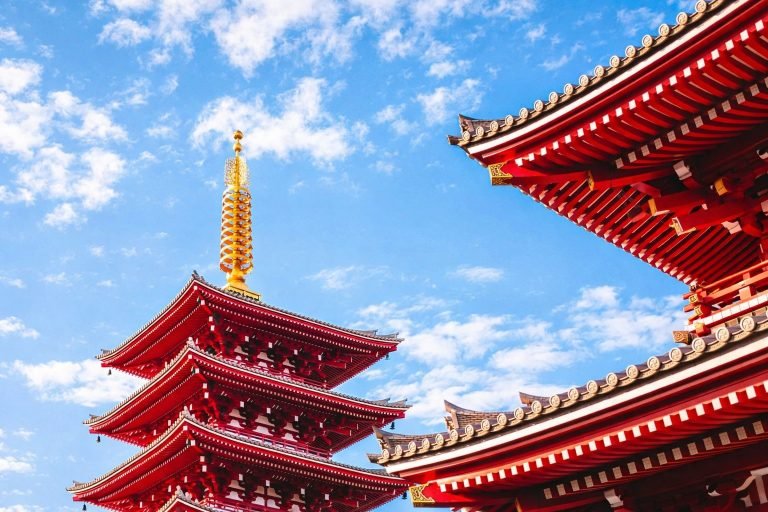
Senso-ji Temple is Tokyo’s oldest Buddhist temple and one of its most atmospheric landmarks. The approach through Kaminarimon Gate and along Nakamise Street layers spiritual ritual with traditional sweets and crafts. Visiting early morning or after sunset offers a calmer experience and a stronger sense of the temple’s ceremonial rhythm.
Meiji Shrine
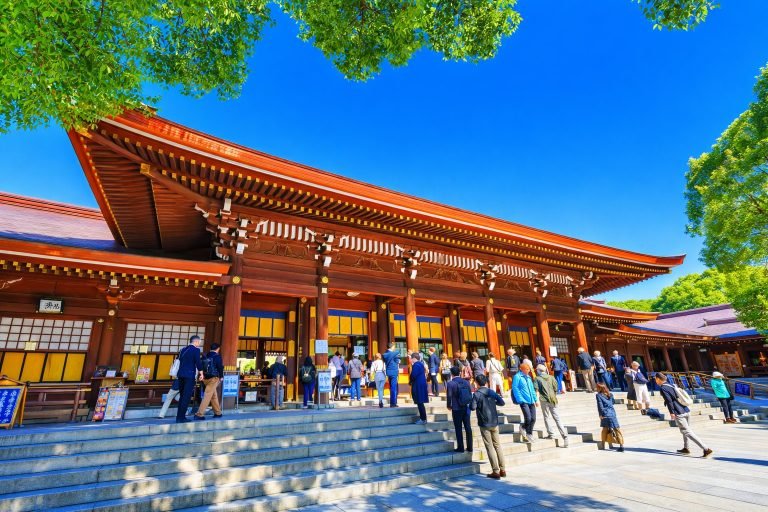
Set within a forested park near Harajuku, Meiji Shrine is dedicated to Emperor Meiji and Empress Shoken. The long gravel paths, towering torii gates, and quiet courtyards create a striking contrast with the surrounding city. Visitors often witness Shinto wedding processions and seasonal ceremonies that reflect living tradition rather than staged heritage.
Tokyo Skytree
Tokyo Skytree is the tallest structure in Japan and a defining feature of the modern skyline. The observation decks provide expansive views across the metropolitan area, with Mount Fuji visible on exceptionally clear days. Evening visits emphasize Tokyo’s immense scale as the city lights stretch endlessly in every direction.
Shibuya Crossing
Shibuya Crossing is one of the world’s most recognizable urban intersections and a symbol of Tokyo’s organized intensity. Watching the scramble from street level captures the raw energy, while elevated viewpoints reveal the choreography behind the chaos. The surrounding Shibuya district adds shopping, food, and nightlife that naturally extend the visit.
Shinjuku and Kabukicho
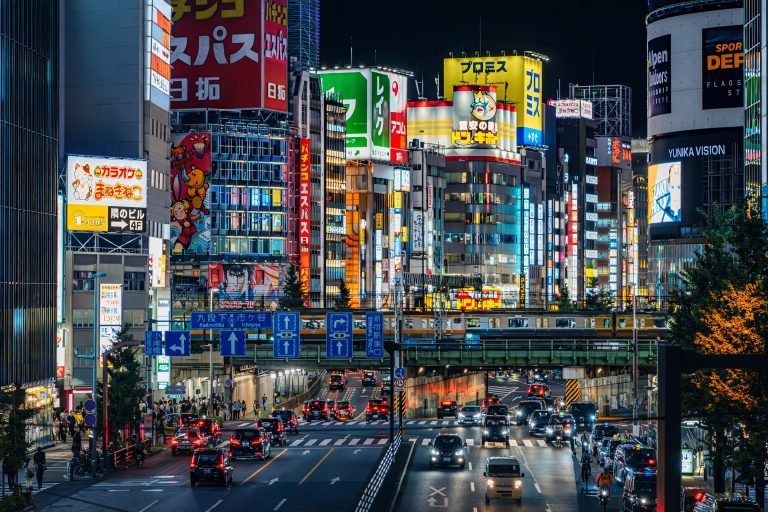
Shinjuku is a dense mix of skyscrapers, department stores, and transport hubs anchored by one of the busiest train stations in the world. Kabukicho, the entertainment quarter, is known for neon signage and late-night venues that showcase Tokyo after dark. Exploring here works best at a measured pace, with awareness of the area’s scale and variety.
Tsukiji Outer Market
Although the wholesale fish auctions have moved, the Tsukiji Outer Market remains a vibrant food-focused district. Narrow lanes are lined with seafood stalls, knife shops, and small eateries serving sushi, grilled fish, and seasonal snacks. Mid-morning visits balance atmosphere with manageable crowds and active vendors.
🚗 Tokyo Full Day Private Sightseeing Tour with English Driver
Want to see Tokyo’s highlights in one day without navigating trains or fixed group schedules? This private sightseeing tour pairs you with an English-speaking driver and a flexible itinerary that covers some of the city’s most iconic and contrasting areas. From the energy of Shibuya Crossing to the historic streets of Asakusa, the day is designed to balance major sights with local character.
You’ll visit Senso-ji Temple, explore the cat-filled grounds of Gotokuji Temple, wander through the nostalgic district of Shibamata, and enjoy panoramic city views from areas around Tokyo Skytree and Shinjuku. This tour works especially well for first-time visitors or families who want comfort, flexibility, and a broad introduction to Tokyo in a single day.
Mount Fuji
Rising gracefully above the surrounding landscape, Mount Fuji is Japan’s most iconic natural landmark and a powerful national symbol. Revered for centuries in art, religion, and literature, its perfectly shaped peak represents balance, beauty, and spiritual meaning in Japanese culture. On clear days, Mount Fuji can sometimes be glimpsed from Tokyo itself, but experiencing it up close reveals a completely different scale and atmosphere, from quiet lakes and forested foothills to waterfalls and historic pilgrimage routes. For many travelers, a day trip to Mount Fuji is a once-in-a-lifetime experience and one of the most memorable excursions you can take from Tokyo.
🗻 From Tokyo: Mount Fuji Private Customizable Tour with Guide
Looking to experience Mount Fuji beyond a quick photo stop? This private, customizable day tour from Tokyo is designed to showcase the region’s most scenic and culturally significant locations at a comfortable pace. You’ll explore the Fuji Five Lakes area and the wide-open landscapes of Asagiri Highland, with time to appreciate Mount Fuji from multiple viewpoints depending on weather and visibility.
The itinerary also includes highlights such as the delicate cascades of Shiraito Falls, the historic Old Tokaido Road, and the tranquil Hakone Shrine. Depending on conditions, you may cruise Lake Ashi on a pirate-style ship, ride the Hakone Ropeway for elevated views, and finish the day shopping at Gotemba Premium Outlets. This tour is ideal for travelers who want flexibility, scenery, and a deeper understanding of Mount Fuji’s cultural and natural setting.

Food, Bars, Cafés & Nightlife in Tokyo
Tokyo’s food and nightlife culture is shaped by discipline, neighborhood loyalty, and an obsession with craft. Meals are rarely rushed, venues tend to specialize rather than generalize, and the best experiences often come from choosing one area and letting the evening unfold naturally.
Iconic Cafés
Starbucks Reserve Roastery Tokyo is a multi-level flagship café set along the Meguro River, designed more as a destination than a quick stop. The space emphasizes small-batch roasting, architectural detail, and slow enjoyment, making it well suited for relaxed mornings or early afternoons; details about the concept and seasonal offerings are published by Starbucks Reserve Roastery Tokyo itself.
Markets & Street Food
Toyosu Market is Tokyo’s active wholesale seafood market and the operational successor to Tsukiji’s inner market. While more structured and modern, it still offers observation decks and dining areas that reveal how the city’s food supply functions at scale, with visiting information maintained by Toyosu Market.
Restaurants
Sukiyabashi Jiro represents the extreme end of Tokyo’s dedication to culinary precision. The experience is formal, tightly timed, and focused entirely on technique and seasonality rather than comfort or spectacle, a philosophy outlined by Sukiyabashi Jiro on its official site.
Bars & Nightlife Areas
Golden Gai (Shinjuku) is a dense network of narrow alleys filled with tiny, independently run bars, each with its own theme and regular clientele. The area works best for short visits and conversation rather than long drinking sessions, and visitors should expect cover charges and house rules at some venues.
Roppongi offers a more international nightlife environment with larger venues, late-night dining, and a diverse crowd. It suits travelers looking for an energetic evening and recognizable nightlife formats, though it rewards moderation and situational awareness.
🐟 Private Toyosu & Tsukiji Market Adventure with Tuna Auction
Want a behind-the-scenes look at Tokyo’s food culture without rushing or following a crowd? This private tour (up to 10 people) begins at Toyosu Market, where you witness the world-famous bluefin tuna auction — a fast-paced ritual at the heart of Japanese culinary tradition. After exploring the professional market areas, you’ll continue to Tsukiji’s Outer Market to browse knife shops, sample street food, and discover local favorites with the help of a knowledgeable guide who knows where insiders eat.
The experience moves at your pace, with time for a sushi or seafood breakfast, local bus travel between markets, and optional stops such as a neighborhood shrine. It’s an ideal choice for travelers who want authenticity, flexibility, and a deeper understanding of Tokyo’s food scene beyond the tourist highlights.
Best Time to Visit Tokyo
Tokyo can be visited year-round, but weather, crowd levels, and seasonal events have a noticeable impact on the experience. Choosing the right time to go depends on whether you prioritize mild temperatures, seasonal scenery, or fewer visitors.
Spring (March to May) is one of the most popular periods, thanks to cherry blossom season and generally mild weather. Late March and early April are visually stunning, but accommodation prices rise and major sights become crowded, especially on weekends.
Summer (June to August) brings heat, humidity, and frequent rain in early summer, followed by hot, sticky conditions in July and August. While festivals and fireworks add energy, sightseeing can feel tiring during the day, making early mornings and evenings more comfortable.
Autumn (September to November) offers cooler temperatures and autumn foliage, particularly from late October onward. Crowds ease slightly compared to spring, and the balance of pleasant weather and visual appeal makes this one of the best times to explore the city on foot.
Winter (December to February) is cool but generally dry, with clear days and fewer tourists outside the New Year period. While it is not ideal for outdoor lingering, winter can be a good option for travelers who prefer quieter streets and lower hotel rates.
For most travelers, late autumn and mid-to-late spring offer the best overall balance of weather, atmosphere, and manageable crowds, allowing Tokyo’s neighborhoods and landmarks to be enjoyed without extremes.
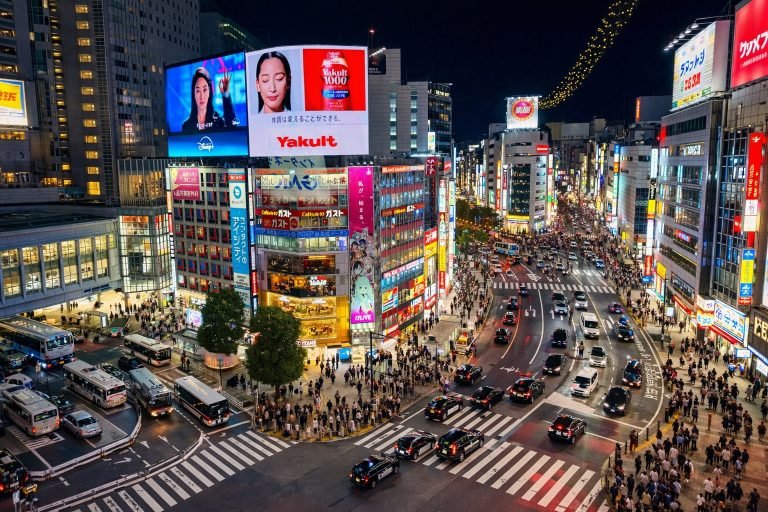
Getting Around Tokyo
Tokyo’s transport system is fast, reliable, and extensive, making it easy to move around without a car. Most visitors rely on trains and subways, supplemented by walking and occasional taxis, with clear signage and predictable schedules throughout the city.
Walking
Many neighborhoods are compact and pedestrian-friendly, especially around major stations. Walking is ideal for short distances, local exploration, and connecting between nearby districts, though distances can be deceptive due to the city’s scale.
Metro / Subway
Tokyo’s subway system is operated primarily by Tokyo Metro and Toei Subway, covering most central areas and tourist districts. Lines are frequent, clearly color-coded, and well signed in English; route maps, fares, and service updates are available from Tokyo Metro and Toei Transportation.
Trains
JR East operates the city’s main rail lines, including the Yamanote Line, which loops through key districts such as Shinjuku, Shibuya, and Ueno. Trains are the fastest way to cover longer distances within Tokyo, with schedules and line information provided by JR East.
Buses
Buses fill gaps not covered by rail and are useful in residential areas or late at night. Routes and timetables vary by operator, with city services managed by Toei Bus. Payment is typically made with IC cards, and stops are clearly marked.
Taxi & Ride-Hailing
Taxis are clean, safe, and widely available, though more expensive than public transport. Ride-hailing is available through Uber Japan, which operates in partnership with licensed taxi companies, making it useful late at night or with luggage.
Bike & Scooter
Short-term bike rentals are available in some areas, but cycling infrastructure varies by neighborhood. Bicycles are best used for local trips rather than long cross-city travel, and riders should follow local parking rules carefully.
Car (When to Avoid)
Driving in Tokyo is rarely practical due to traffic, tolls, limited parking, and excellent public transport alternatives. Renting a car only makes sense for trips outside the city or to rural areas not well served by trains.
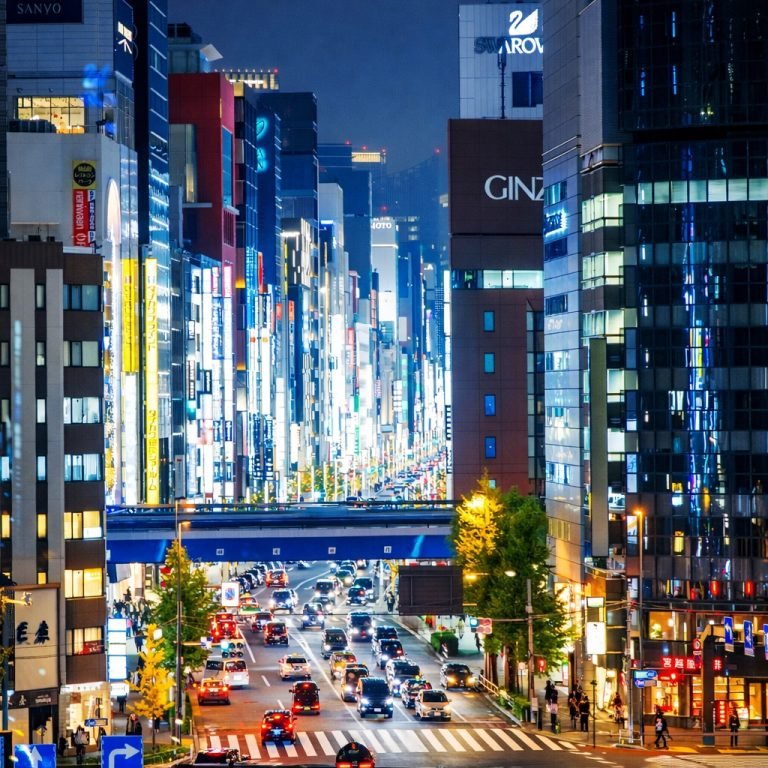
Travel Facts
- Currency: Japan uses the Japanese Yen (JPY); cash is still widely used alongside cards.
- Plugs: Type A and B plugs are used, with a standard voltage of 100V.
- Tipping: Tipping is not customary and can sometimes cause confusion.
- Safety: Tokyo is considered one of the safest major cities in the world, even late at night.
- Tap Water: Tap water is safe to drink throughout the city.
- Transport Basics: IC cards (Suica/PASMO) work across trains, subways, buses, and many shops.
- Weather Reality: Summers are hot and humid; winters are cool but generally dry.
- Airport Transfers: Both Narita and Haneda airports are well connected by train, bus, and taxi.
- Local Etiquette: Quiet behavior on public transport and orderly queuing are expected.
- Connectivity: For mobile data, many travelers use an eSIM for convenience; options are compared on the Worldly Roaming eSIM guide.
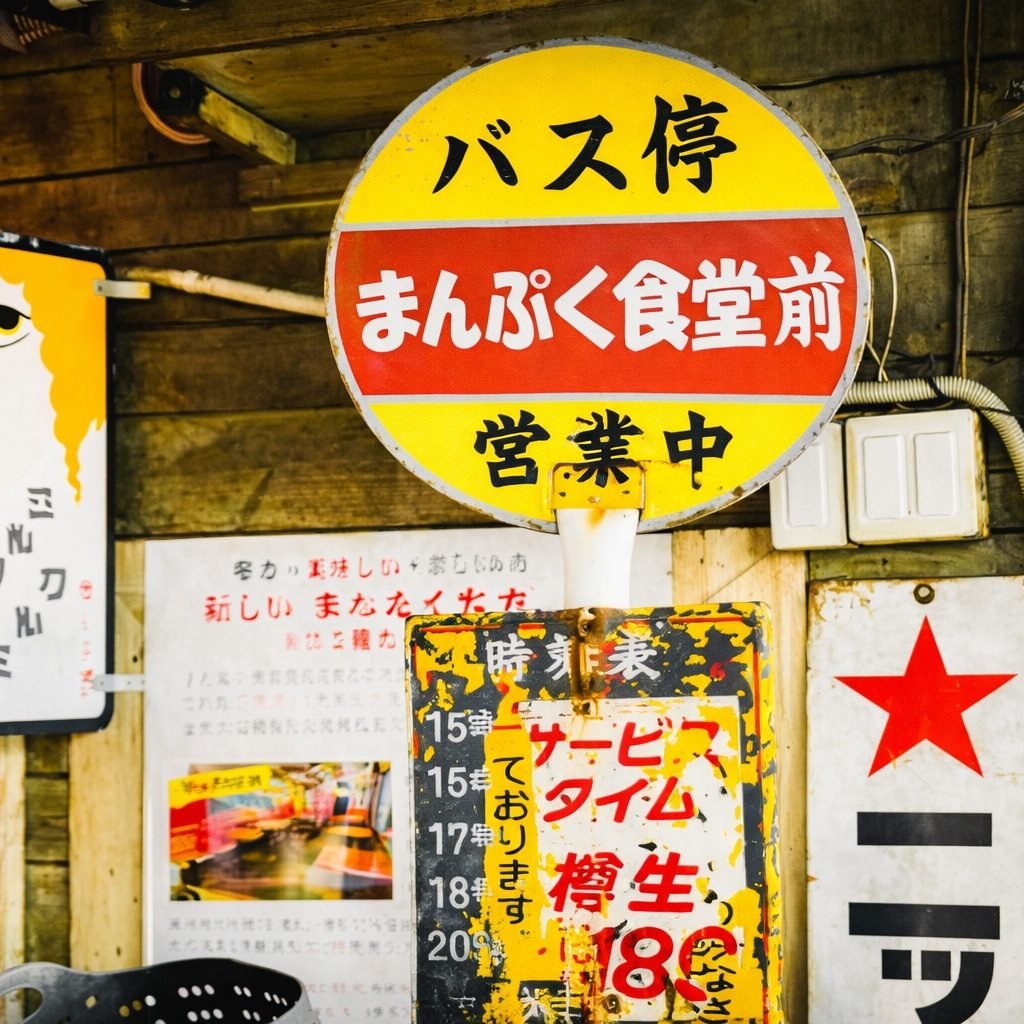
Common Japanese Phrases
These are simple, practical Japanese phrases you will hear often in Tokyo and can use in shops, restaurants, hotels, and on public transport:
- こんにちは (Konnichiwa) — Hello / Good afternoon (a safe, polite greeting)
- ありがとうございます (Arigatō gozaimasu) — Thank you very much (use it often; it is always appreciated)
- すみません (Sumimasen) — Excuse me / Sorry (also used to get someone’s attention politely)
- お願いします (Onegaishimasu) — Please (use when ordering, requesting help, or handing something over)
- はい / いいえ (Hai / Iie) — Yes / No (simple but very useful in everyday interactions)
- 英語を話せますか? (Eigo o hanasemasu ka?) — Do you speak English? (polite way to ask before switching languages)
- これをください (Kore o kudasai) — This, please (perfect when pointing at a menu item or product)
- いくらですか? (Ikura desu ka?) — How much is it? (use in markets, small shops, and food counters)
- トイレはどこですか? (Toire wa doko desu ka?) — Where is the bathroom? (a lifesaver in stations and busy districts)
- お会計お願いします (Okaikei onegaishimasu) — The bill, please (use in restaurants and cafés when you are ready to pay)
Continue Exploring...
If Tokyo has sparked your appetite for vibrant cities, layered history, and unforgettable cultural experiences, these guides take you to destinations that offer very different rhythms while delivering the same sense of depth and discovery.
Dive into the crossroads of cultures with Things to Do in Istanbul, where ancient history, food traditions, and everyday street life blend across two continents.
For a modern city shaped by creativity and contrasts, Things to Do in San Francisco explores iconic neighborhoods, coastal scenery, and the cultural edge that defines the city.
If timeless landmarks and walkable history appeal to you, Things to Do in Rome offers a deep dive into ancient sites, local cuisine, and neighborhoods shaped over thousands of years.
For something entirely different, Things to Do in Tanzania shifts the focus to wildlife, landscapes, and cultural encounters that feel far removed from city life but equally memorable.
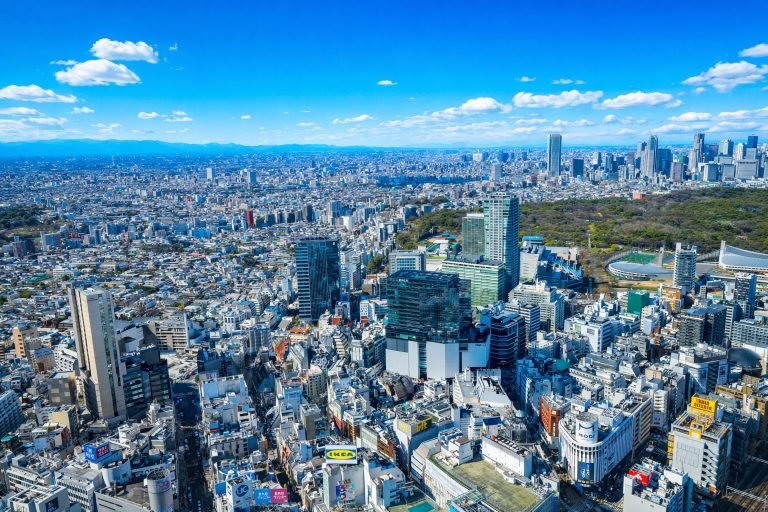
❓ FAQ: Tokyo
🇯🇵 Is Tokyo expensive to visit?
Tokyo can be expensive, but costs are very manageable with planning. Public transport is affordable, food ranges from budget-friendly to high-end, and accommodation prices vary widely by area and season.
🚆 Is public transport easy to use for first-time visitors?
Yes. Trains and subways are clearly signed in English, run on time, and cover nearly the entire city. IC cards like Suica or PASMO make travel especially simple.
🗣️ Do people in Tokyo speak English?
English is limited in daily conversation, but staff in hotels, major stations, and tourist areas usually have basic English. Clear signage and translation apps help bridge gaps easily.
🍣 Is it easy to find good food without reservations?
Absolutely. Tokyo is full of casual eateries, noodle shops, and local restaurants that do not require reservations. High-end dining often needs advance booking, but great meals are available everywhere.
🕒 How many days should I spend in Tokyo?
A minimum of three to four days allows you to see major highlights, while five to seven days gives you time to explore neighborhoods, food scenes, and day trips at a relaxed pace.
👘 What should I wear as a visitor?
Casual, neat clothing is widely accepted. Comfortable walking shoes are essential, and modest attire is recommended when visiting temples and shrines.
📶 Will I have internet access everywhere?
Free Wi-Fi exists but can be inconsistent. Many travelers rely on mobile data to navigate, translate, and plan on the go.
🛑 Is Tokyo safe at night?
Tokyo is generally very safe, even late at night. Normal city awareness is enough, and violent crime is rare in most areas.
Travel Resources to Plan, Book & Stay Connected
Use these tools and guides to stay connected abroad, find inspiration for your next trip, and book your flights, stays and gear with confidence.
Disclosure: This article may contain affiliate links. If you make a purchase through a link, I may receive a commission at no extra cost to you. I only share recommendations I believe are genuinely useful, and all opinions are my own. AI was used in this post for research and drafting purposes.

Comment (0)