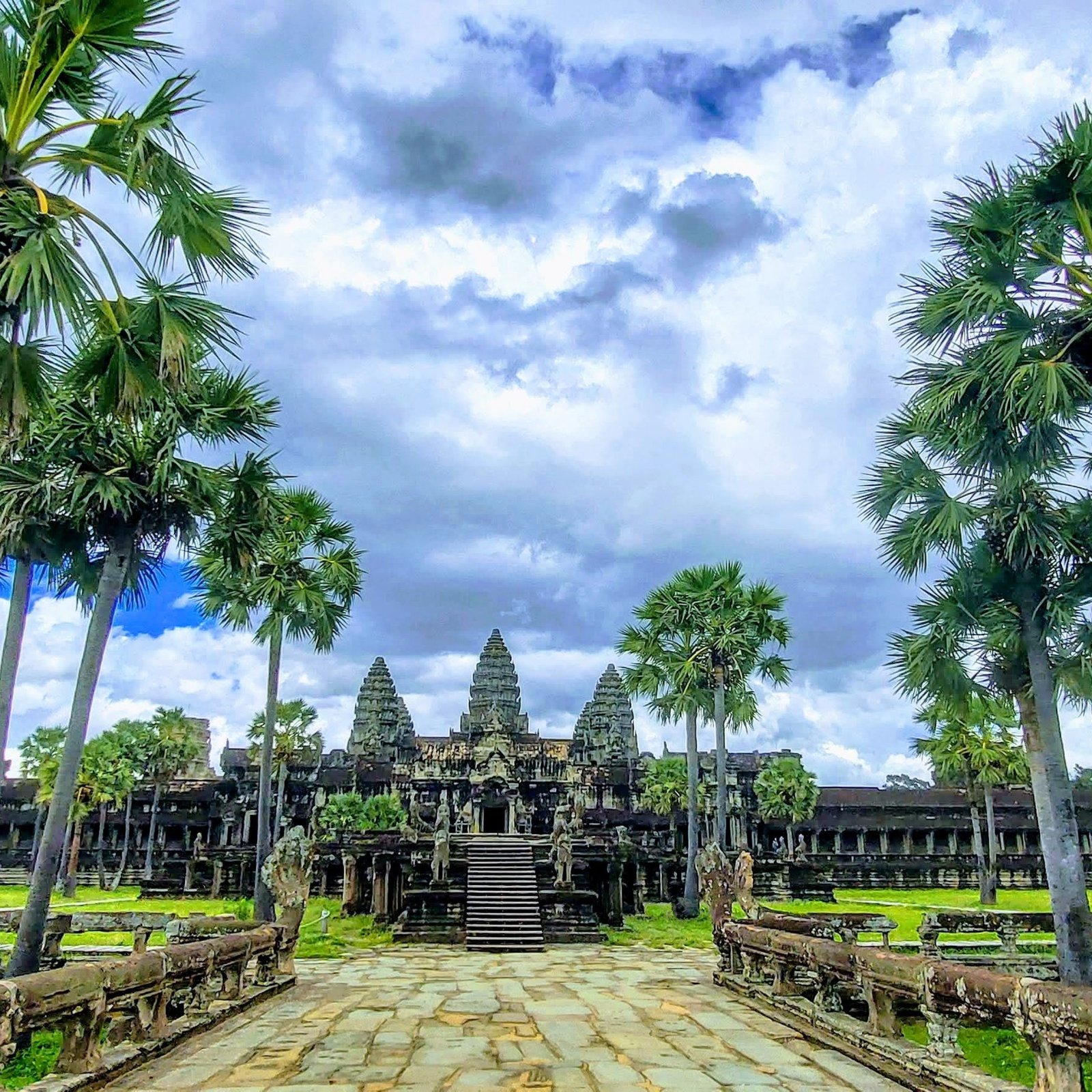
Angkor Wat Guide: What This Complete Guide Covers
This angkor-wat-guide is designed to give you everything you need to confidently plan, understand, and experience one of the most iconic destinations in the world. Whether you are visiting Angkor Wat for the first time or refining your itinerary, this guide answers the key questions travelers search for, from where Angkor Wat is located and how to get there, to which temples are worth your time and how to explore them efficiently.
Angkor Wat is not just a single temple. It is part of a vast archaeological complex near Siem Reap in Cambodia, often referred to as Angkor. Understanding how the site is structured, how tickets work, and how to navigate the temples will make a significant difference to your experience.
If you are planning a broader trip, it also helps to explore how Angkor fits into Cambodia as a whole. Start with this Things to Do in Cambodia: Ultimate Travel Guide for a complete country overview, use this Things to do in Siem Reap, Cambodia guide to understand what else to see and do around Angkor beyond the temples, and consider spending time in the capital with this Phnom Penh travel guide to experience a different side of Cambodia. To structure your time there properly, this Phnom Penh itinerary guide shows how to spend 1 to 3 days efficiently.
This guide covers:
- What Angkor Wat is, where it is located, and why it is one of the most important temple complexes in the world
- How to get to Angkor Wat from Siem Reap and how to plan your visit from arrival to entry
- Angkor Wat tickets, entrance fees, pass options, and how the system works in practice
- The main temple circuits, including the Small Circuit, Grand Circuit, and outer temples
- A complete breakdown of the most important temples, including Angkor Wat, Bayon, Ta Prohm, and Banteay Srei
- How many days you need at Angkor Wat and how to structure your itinerary
- The best ways to get around the Angkor complex, including tuk-tuks, drivers, bicycles, and guided tours
- Whether you should hire a guide or explore independently
- Sunrise and sunset strategies, including what to expect and how to avoid common mistakes
- Dress code, etiquette, and cultural rules visitors are expected to follow inside the temples
- What to wear, what to bring, and how to prepare for heat, crowds, and long days of exploring
- Practical tips, common mistakes, and essential advice to make your visit smoother and more rewarding
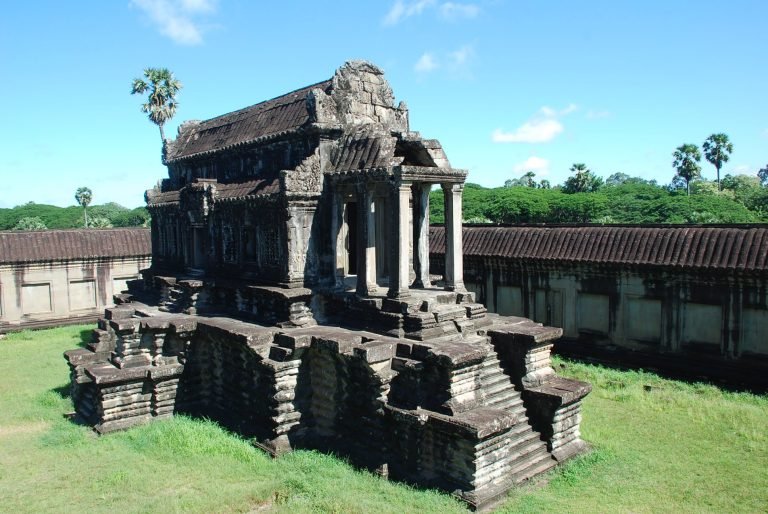
Angkor Wat Guide: What You Need to Know Before You Visit
This angkor-wat-guide is built to answer every question you are likely to have before visiting one of the most extraordinary places on earth. Angkor Wat is not just a single temple you walk through in an hour. It is the heart of a vast archaeological landscape near Siem Reap in Cambodia, made up of dozens of temples, ancient cities, reservoirs, and jungle-covered ruins that once formed the center of the powerful Khmer Empire.
For many travelers, Angkor Wat is the reason to visit Cambodia. It is one of the largest religious monuments ever built, originally constructed in the 12th century as a Hindu temple before gradually becoming a Buddhist site. Today, it is both a sacred place and a global icon, attracting visitors who want to understand its history, explore its architecture, and experience the atmosphere that makes it unlike anywhere else in the world.
One of the most common misunderstandings is thinking that Angkor Wat refers only to the main temple. In reality, when people say they are “visiting Angkor Wat,” they are usually referring to the entire Angkor Archaeological Park. This includes major sites such as Angkor Thom, Bayon, Ta Prohm, Preah Khan, and Banteay Srei, each offering a completely different experience. Understanding this distinction is essential if you want to plan your visit properly.
This is also where many first-time visitors get it wrong. They underestimate the size of the site, try to see too much in one day, or arrive without a clear plan for tickets, routes, or transport. Angkor is spread over a large area, and moving between temples takes time. The heat, the crowds, and the physical nature of exploring the ruins can quickly turn an exciting visit into an exhausting one if you are not prepared.
At the same time, visiting Angkor Wat is one of the most rewarding travel experiences in Southeast Asia. Watching the sun rise behind the temple’s towers, walking through the stone corridors lined with intricate carvings, and standing in front of the giant faces of Bayon are moments that stay with you long after your trip ends. With the right approach, Angkor becomes more than just a checklist of temples. It becomes a journey through history, culture, and landscape.
This angkor-wat-guide brings everything together in one place. It combines practical planning advice with a deeper understanding of what you are seeing, so you can move through the temples with purpose instead of confusion. From tickets and transport to temple routes, etiquette, and timing, every section is designed to help you experience Angkor in a way that feels structured, realistic, and memorable.
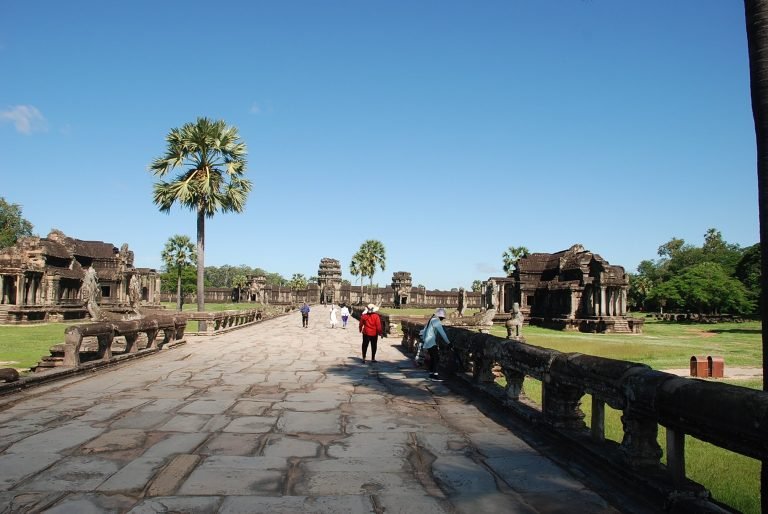
Table of Contents
Use this angkor-wat-guide to quickly navigate to the sections you need. Whether you are planning your visit, comparing ticket options, deciding how many days to spend, or exploring the temples in detail, each section below is designed to answer a specific part of the Angkor Wat experience.
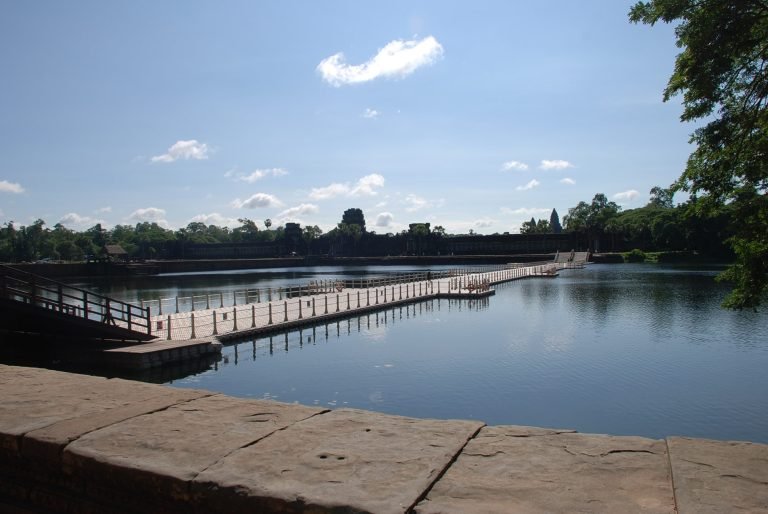
What Is Angkor Wat and Where Is It Located
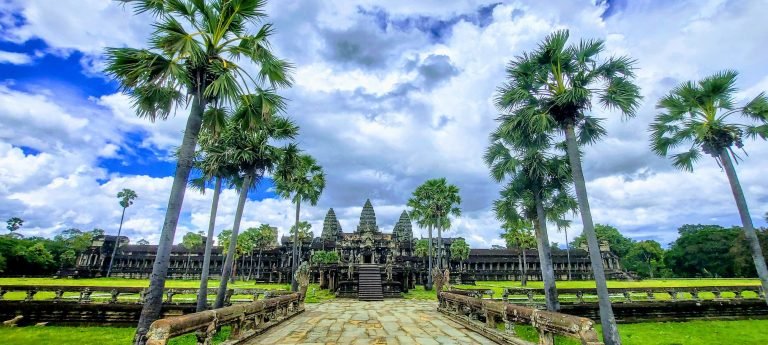
Angkor Wat is one of the most important historical and cultural sites in Southeast Asia, located just outside the city of Siem Reap in northwestern Cambodia. It is the largest religious monument in the world and part of an immense archaeological zone that rivals the scale and significance of places like the pyramids in Egypt, Machu Picchu, and the Great Wall of China.
While many people think Angkor Wat refers to a single temple, it is actually part of the much larger Angkor Archaeological Park, a vast complex of temples, ancient cities, and jungle-covered ruins. The main Angkor Wat temple itself was built in the early 12th century during the reign of King Suryavarman II and was originally dedicated to the Hindu god Vishnu. Over time, it gradually transformed into a Buddhist site, which is why you will see both Hindu and Buddhist elements throughout the complex today.
Many travelers search for where Angkor Wat is located or which country Angkor Wat is in. Angkor Wat is in Cambodia, near Siem Reap, and sits within what was once the heart of the Khmer Empire. At its peak, this empire controlled large parts of Southeast Asia, and Angkor was one of the largest pre-industrial cities in the world, supported by an advanced system of canals, reservoirs, and roads.
Understanding this broader context is essential. Visiting Angkor Wat is not just about seeing a single temple. It is about exploring the remains of an entire civilization. The surrounding sites, including Angkor Thom, Bayon, Ta Prohm, and Preah Khan, were all part of this larger network, each offering a different perspective on the empire’s architectural, religious, and cultural achievements.
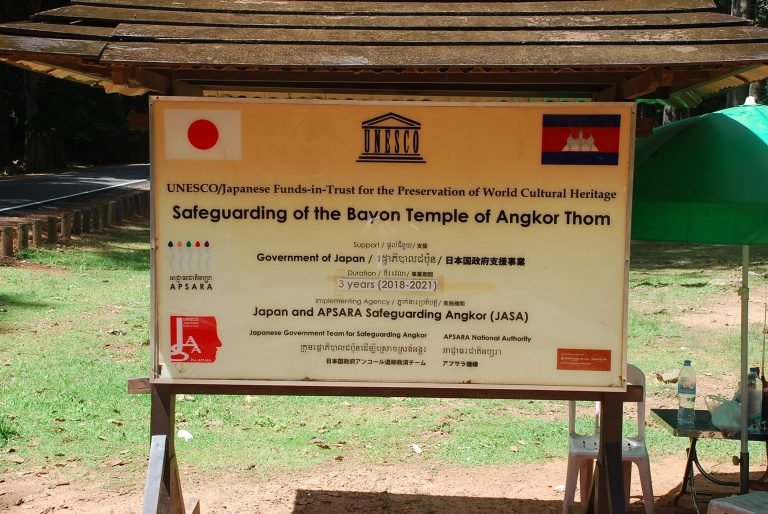
Today, Angkor is recognized as a UNESCO World Heritage site and remains an active place of worship. It is both a historical monument and a living cultural space, which is why visitors are expected to follow specific etiquette and dress guidelines when exploring the temples.
If you are planning how to visit Angkor Wat, understanding where it is and what it represents will help you structure your trip more effectively. Most visitors stay in Siem Reap and travel daily into the park, using tuk-tuks, private drivers, or guided tours to move between the temples.
Angkor Wat Tickets, Entrance Fees, and Pass Options
Understanding how Angkor Wat tickets work is one of the most important parts of planning your visit. Entry to the Angkor Archaeological Park is strictly controlled through an official permit known as the Angkor Pass. This pass is mandatory and gives you access to the main temple complex, including Angkor Wat, Angkor Thom, Bayon, Ta Prohm, Preah Khan, and many other temples spread across the region.
For 2026, the system remains straightforward, but there are a few important rules, timing details, and practical considerations that can significantly improve your experience if you know them in advance.
| Pass Type | Price (USD / EUR) | Validity |
|---|---|---|
| 1-Day Pass | $37 / ~€34 | Valid for 1 calendar day |
| 3-Day Pass | $62 / ~€57 | Valid for any 3 days within a 10-day window |
| 7-Day Pass | $72 / ~€66 | Valid for any 7 days within a 30-day window |
One of the most useful details to understand is how the validity works in practice. A 1-day pass is valid for a single calendar day only, not 24 hours from the moment you enter. The 3-day and 7-day passes, however, do not need to be used on consecutive days. This flexibility allows you to rest between visits, avoid temple fatigue, and plan around weather conditions or early starts.
There is also a lesser-known advantage when purchasing your ticket later in the day. If you buy your Angkor Pass after 4:45 PM, it will be valid for the following day, but you are still allowed to enter the park immediately. This gives you the opportunity to enjoy a sunset at temples like Phnom Bakheng or Pre Rup without using up one of your valid days.
There are three official ways to purchase your Angkor Wat tickets. The most convenient and recommended option is online through the official Angkor Enterprise website. After purchase, you receive a digital pass with a QR code that can be shown directly on your phone or printed. This option allows you to skip queues and arrive prepared.
Alternatively, you can visit the main Angkor Enterprise ticket office located on Road 60, approximately 4 kilometers from the center of Siem Reap. This office operates from 4:30 AM to 5:30 PM and is where most travelers still buy their passes. For those making last-minute plans, self-service kiosks are now available near the main Angkor Wat entrance, primarily for 1-day passes, although the main office is still required for certain multi-day passes that require an official photo capture.
It is important to note that tickets are not sold at individual temple entrances. You must secure your Angkor Pass before entering the archaeological park, and your pass will be checked at multiple control points throughout your visit. Keeping it easily accessible is essential, as checks are frequent, especially at major temples.
While the Angkor Pass covers the majority of temples, a few notable sites are not included. Phnom Kulen National Park requires a separate ticket, as does the Koh Ker temple group, which is located further away and managed independently. Preah Vihear, situated near the Thai border, also operates under its own ticketing system. Beng Mealea, which was previously excluded, is now included in the Angkor Pass, making it a much easier addition to your itinerary.
There are also important visitor rules that are strictly enforced. The dress code is taken seriously, particularly at Angkor Wat itself. Visitors must cover their shoulders and knees, and simply wrapping a scarf around your shoulders is not considered acceptable. A proper shirt or blouse is required. Failure to comply may result in being denied entry to certain areas of the temple.
Children under the age of 12 can enter for free, but they must present a valid passport as proof of age. For adults, passport checks are not always required, but it is strongly recommended to keep a photo of your passport on your phone in case it is requested at any checkpoint.
Opening hours vary depending on the temple. Angkor Wat opens early, typically from 5:00 AM, allowing visitors to enter for sunrise, and closes around 5:30 PM. Certain temples, including Phnom Bakheng and Pre Rup, remain open later to accommodate sunset visitors, while most other temples operate between 7:30 AM and 5:30 PM.
Choosing the right pass depends on how you want to experience Angkor. A 1-day pass is suitable if you are short on time and want to focus only on the most famous temples. The 3-day pass is the most popular option, allowing you to explore both the main circuits at a comfortable pace and avoid rushing. The 7-day pass offers exceptional value for travelers who want to go deeper, revisit favorite temples, explore more remote sites, or take a slower, more immersive approach to the entire Angkor region.
How to Get to Angkor Wat from Siem Reap and Beyond
Reaching Angkor Wat involves two distinct stages. The first is getting to Siem Reap, the gateway city for the temples. The second is traveling from Siem Reap into the Angkor Archaeological Park itself. Understanding this two-step process makes planning far easier, especially since the new airport serving Angkor is no longer located close to the city center.
For most travelers, Siem Reap is the base for visiting Angkor. This is where you stay, organize transport, and prepare your daily temple visits. Angkor Wat is not a destination where you typically stay beside the monument itself. Instead, you travel from Siem Reap into the park each day, which is both normal and efficient.
If you are still planning your arrival, comparing routes early can make a big difference in both cost and convenience. This flights guide is useful for finding routes into Siem Reap from regional hubs. Since most travelers stay in the city for several nights, using this hotels guide can also help you choose the best base before arriving.
Getting to Siem Reap by Air
Most travelers arrive via Siem Reap–Angkor International Airport, commonly referred to as SAI. This modern airport opened in late 2023 and replaced the old airport that was located close to the city. SAI stands for Siem Reap–Angkor International Airport, and it is located approximately 45 kilometers from the city center, which means transfers now take significantly longer than they used to.
Flying remains the most reliable and efficient way to reach Siem Reap. Bangkok is the most common departure point, with multiple daily flights connecting the two cities. Domestic flights from Phnom Penh are also frequent and take less than an hour, making them a convenient option for travelers combining Cambodia’s capital with Angkor. Siem Reap is also connected to several international hubs, including Singapore, Ho Chi Minh City, Seoul, and Kuala Lumpur, making it accessible from across Asia.
Getting to Siem Reap by Land
Traveling to Siem Reap by land is possible, but conditions can change. The route from Bangkok via the Poipet border has historically been popular, with buses connecting the two destinations. However, current regional conditions and border situations can affect this route. It is important to check the latest travel situation before planning a land crossing, as it may not always be possible or advisable.
From Phnom Penh, traveling by bus or minivan remains a common and reliable option. Services run frequently along National Road 6, and minivans typically offer the fastest journey time. This route is straightforward and widely used by both locals and travelers moving between Cambodia’s main cities.
From Siem Reap–Angkor International Airport to Siem Reap Town
Once you land at SAI, you will need to travel about 45 kilometers to reach Siem Reap. This transfer usually takes around an hour and is now an important part of the overall journey.
The airport shuttle bus is the most economical option and connects the airport to the city center at a fixed price. It runs at regular intervals and is a practical choice for solo travelers or those on a budget. However, it is less flexible if your hotel is not close to the drop-off point or if you are arriving late.
Private taxis and SUVs are widely available and offer the most convenient door-to-door option. This is especially useful if you are traveling with luggage, arriving at night, or simply want a smooth transfer after a long flight. Minivans are also available and work well for groups sharing the cost.
Ride-hailing apps are another option for this transfer. Both PassApp and Grab operate in Siem Reap and can be used to arrange transport from the airport into town. Availability can vary depending on arrival times, but these apps are particularly useful if you prefer transparent pricing and cashless payment options.
From Siem Reap Town to Angkor Wat
Angkor Wat itself is located about 6 kilometers north of Siem Reap, making the daily journey into the park relatively short. This is one of the reasons Siem Reap works so well as a base. You can leave early for sunrise, return for a midday break, and head back out again if your itinerary allows.
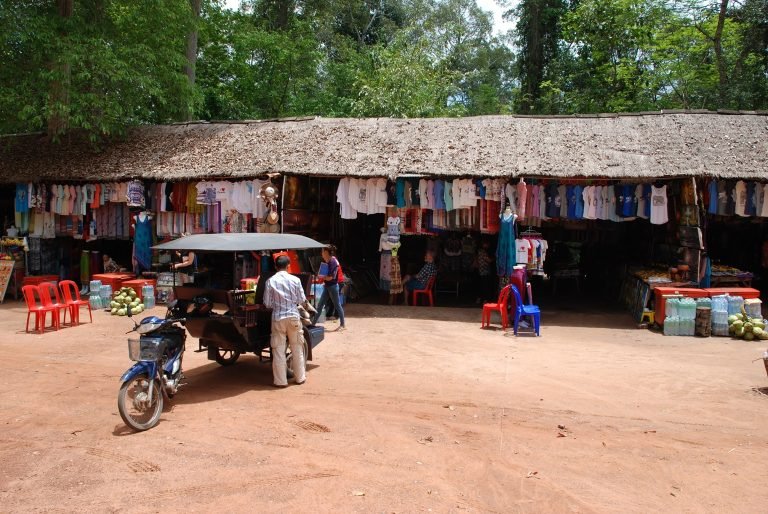
Tuk-tuks remain the most popular way to explore the temples. They offer flexibility, allow you to move easily between sites, and provide a more open experience as you travel through the park. Drivers typically wait at each temple while you explore, making this a simple and efficient option for most visitors.
Private cars and SUVs provide a higher level of comfort, especially during the hottest months. Air-conditioning can make a significant difference when temperatures rise, and this option is particularly useful for families, photographers with equipment, or anyone planning long days in the park.
Bicycles and e-bikes are also available for rent. While the terrain is relatively flat, the heat can make cycling more challenging than expected. This option works best for travelers who are comfortable riding in tropical conditions and are prepared for the physical effort involved.
Motorbikes and scooters can be rented in Siem Reap, but it is important to understand local regulations and ensure you are legally allowed to drive. This includes having the appropriate license and insurance coverage.
Planning Your Entry Before Visiting the Temples
Before heading to Angkor Wat, you must already have your Angkor Pass. Tickets are not sold at the temples themselves, so arriving without one will result in delays. Many travelers either purchase their pass online in advance or visit the ticket center the afternoon before their first temple day.
A useful strategy is to buy your pass late in the afternoon. If you purchase it after 4:45 PM, you can enter the park immediately for sunset, and your pass will still be valid for the following full day or days. This is one of the simplest ways to get extra value from your ticket.
Getting Around in Practice
Within Siem Reap, ride-hailing apps are useful for short trips such as reaching the ticket center or moving around the city. For full temple days, however, it is usually more practical to arrange a driver for the entire day at a fixed rate. This allows you to follow a planned route, avoid delays between temples, and enjoy a smoother overall experience.
In practical terms, visiting Angkor Wat becomes straightforward once you understand the sequence. You arrive in Siem Reap, transfer from the airport into town, organize your Angkor Pass, and then travel into the park each day using the transport option that suits your style. Getting these steps right ensures that your visit feels organized, efficient, and far more enjoyable.
How Many Days Do You Need at Angkor Wat
Deciding how many days to spend at Angkor is one of the most important choices you will make when planning your visit. It affects which pass you buy, how much you can realistically see, how rushed or relaxed your days feel, and whether your experience becomes memorable in the right way or simply exhausting. Many first-time visitors assume that Angkor Wat is a single major temple that can be “done” in a few hours. In reality, Angkor is a vast archaeological landscape with multiple temple circuits, long distances between some sites, different opening hours, and enough architectural and historical variety to fill several days very easily.
For most travelers, the real question is not whether you can see Angkor in one day. You can. The better question is whether one day allows you to experience it properly. In most cases, the answer is no. A single day gives you the highlights, but it rarely gives you the atmosphere, the breathing room, or the deeper understanding that makes Angkor such an extraordinary place to explore.
For that reason, 2 to 3 days is usually the best balance. It allows you to cover the major icons, see some quieter temples beyond the standard first-day route, and avoid the worst form of temple fatigue that hits travelers who try to compress too much into one day. If you are especially interested in photography, history, architecture, or slower travel, then a longer stay becomes even more rewarding.
Pass Type: 1 Day
Best for: Travelers with very limited time, short stopovers in Siem Reap, or visitors who mainly want to see the most famous temples and move on.
The Experience: A 1-day visit usually means focusing on the classic Small Circuit highlights. In practice, that often begins with an early start for sunrise at Angkor Wat, followed by Bayon in Angkor Thom and Ta Prohm later in the morning. Depending on your pace, your driver, and your energy levels, you may also fit in a few nearby temples such as Baphuon, the Terrace of the Elephants, Banteay Kdei, or Pre Rup.
The Reality: This is the most intense and tiring way to visit Angkor. A full one-day visit often turns into a 10 to 12 hour temple day, especially if you include sunrise. You will be starting early, walking in rising heat, covering several major temples in quick succession, and making decisions constantly about what to skip. It can absolutely be worth doing if time is limited, but it often feels like a highlights sprint rather than a deep visit. You will almost certainly miss some of the quieter, more atmospheric temples that give Angkor much of its magic.
Price: $37 for a 1-day pass.
Pass Type: 2 to 3 Days
Best for: Most first-time visitors, couples, families, independent travelers, and anyone who wants to experience Angkor properly without turning the trip into a physical grind.
The Experience: This is the sweet spot for most travelers and the pace that makes the most sense if you want to balance the major highlights with some of the less crowded temples. One day can focus on the icons of the Small Circuit, especially Angkor Wat, Bayon, and Ta Prohm. Another day can be used for the Grand Circuit, where temples such as Preah Khan, Neak Pean, East Mebon, and Pre Rup begin to show you a broader and often quieter side of Angkor. A third day gives you room to go farther afield to places such as Banteay Srei and Beng Mealea, or to revisit favorite temples at a better time of day.
The Reality: This is the pace that gives you the best chance of enjoying Angkor rather than merely surviving it. Splitting the temples over multiple days allows you to leave early, explore in the cooler hours, return to Siem Reap when the midday heat becomes oppressive, and then head back out if needed. That flexibility matters more than many travelers realize. Between around noon and mid-afternoon, Cambodia’s heat can be intense enough to drain your energy, dull your concentration, and make one temple start to blur into another.
Price: $62 for a 3-day pass, valid for any 3 days within a 10-day window.
Pass Type: 4 to 7 Days
Best for: Photographers, history enthusiasts, architecture lovers, repeat visitors, slower travelers, and anyone who wants a more immersive experience beyond the standard circuits.
The Experience: A longer stay transforms Angkor from a temple tour into something much richer. You can revisit major sites at different times of day, which is especially valuable for photography and for experiencing the same temple under changing light conditions. You can explore more remote or less visited sites without worrying that they are “stealing time” from the classics.
The Reality: This is where Angkor starts to feel less like a high-speed sightseeing exercise and more like a true immersion in one of the world’s great historical landscapes. Instead of asking how to fit everything in, you begin asking which temples deserve a second look and which quieter corners of the park feel most rewarding.
Price: $72 for a 7-day pass, valid for any 7 days within a 30-day window.
Decision Matrix: Which Pass Should You Buy
| Travel Style | Recommended Days | Pass Choice |
|---|---|---|
| Rushed / Just the Icons | 1 Day | 1-Day ($37) |
| Standard / First Trip | 3 Days | 3-Day ($62) |
| Photographer / Slow Pace | 4 to 5 Days | 7-Day ($72) |
| History Enthusiast | 7 Days | 7-Day ($72) |
Critical 2026 Planning Tips
The Sunset Rule: If you buy your Angkor Pass after 4:45 PM, you can enter the park that same evening to watch the sunset, and your first official day of pass use begins the following morning.
Ticketing: Passes must be purchased at the Angkor Ticket Center or through the official Angkor Enterprise website. They are not sold at individual temple gates.
Temple Fatigue: Temple fatigue is real. The scale, heat, and density of temples can become overwhelming without proper pacing, especially on longer days.
Choosing the right number of days is not just a logistical decision. It directly shapes how you experience Angkor. A well-paced visit allows you to appreciate the details, absorb the atmosphere, and enjoy the temples without feeling rushed or exhausted.
Browse a wide range of Angkor Wat tours, from sunrise experiences and guided temple circuits to multi-day itineraries and cultural activities around Siem Reap.
Explore Angkor tours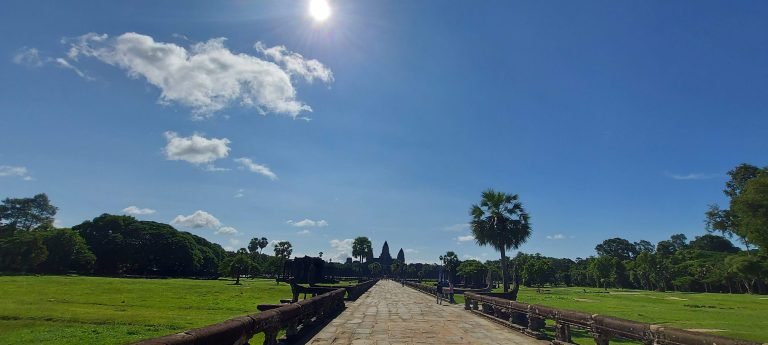
Best Way to Get Around Angkor Wat
Getting around the Angkor Archaeological Park requires more planning than many travelers expect. The entire area covers roughly 400 square kilometers, and while the main temples are grouped into circuits, the distances between them are still significant. Walking is not a realistic option for a full itinerary. Even the most compact routes involve several kilometers of travel between temples, often in intense heat.
Choosing the right way to get around Angkor Wat has a direct impact on your experience. It affects how much you see, how comfortable you feel during the day, how flexible your itinerary can be, and ultimately whether your visit feels enjoyable or exhausting. In 2026, there are four main ways to explore the park, each suited to a different type of traveler.
Tuk-Tuk (Remorque): The Most Balanced and Popular Option
The tuk-tuk remains the most common and practical way to explore Angkor for most visitors. It offers a strong balance between cost, flexibility, and overall experience, which is why it continues to be the default choice for couples, small groups, and first-time visitors.
Cost: $15 to $25 per day for standard circuits such as the Small Circuit or Grand Circuit. Sunrise departures or longer routes usually add an extra charge.
Capacity: Typically comfortable for 1 to 4 people.
The Experience: Traveling by tuk-tuk gives you an open-air view of the park, which many travelers find adds to the overall atmosphere. You move between temples with a steady breeze, can easily stop for photos, and your driver will wait at each temple exit while you explore at your own pace. This creates a simple and efficient rhythm throughout the day.
The Reality: While the open-air design is part of the appeal, it also means exposure to heat, dust, and noise. When the vehicle is stationary, especially at crowded temples, the lack of airflow becomes noticeable. Early starts for sunrise are common, and most drivers charge a small additional fee for these departures, which typically begin around 4:30 AM.
For most travelers, this option strikes the best balance. It keeps costs reasonable, provides enough comfort for a full day, and maintains a sense of connection to the surroundings that a closed vehicle does not offer.
Private Car or SUV: The Comfort-Focused Option
A private car or SUV is the most comfortable way to explore Angkor, particularly during the hottest months or for travelers who prioritize convenience over cost. This option becomes significantly more attractive once temperatures rise or when visiting with family, older travelers, or valuable equipment.
Cost: $30 to $45 per day, depending on vehicle type and distance covered.
Capacity: Usually 1 to 4 people for standard cars, with larger minivans available for groups.
The Experience: Air-conditioning, shade, and the ability to cool down between temple visits make a noticeable difference over the course of a full day. You can travel longer distances more quickly, which is especially useful for temples located further from the main circuits, such as Banteay Srei or Beng Mealea.
The Reality: The main trade-off is cost and atmosphere. You lose some of the open-air experience that makes Angkor feel immersive, and the price is higher than a tuk-tuk. However, for many travelers, especially in the Cambodian heat, the comfort is worth it.
If your priority is to stay cool, conserve energy, and move efficiently between temples, this is often the best choice.
E-Bikes and Bicycles: The Independent Option
Cycling through Angkor appeals to travelers who want complete independence and a slower, self-directed experience. The terrain is relatively flat, and the roads between the main temples are generally manageable, which makes this option technically feasible.
Cost: Around $2 to $5 for a standard bicycle and $10 to $15 for an e-bike or electric scooter.
The Experience: This option gives you full control over your pace. You can stop whenever you want, take detours, linger longer at quieter temples, and avoid the structure of having a driver waiting for you. E-bikes in particular offer a more relaxed version of this experience while still maintaining independence.
The Reality: The Cambodian climate is the main challenge. Covering 20 to 30 kilometers in high heat and humidity can quickly become physically demanding, especially later in the day. You are also responsible for navigation, timing, and managing your own energy levels. While the idea of cycling sounds appealing, it is important to be realistic about the conditions.
For travelers who are comfortable with heat, physically active, and enjoy independent exploration, this can be a rewarding way to experience Angkor. For most first-time visitors, however, it is usually not the easiest option.
Small-Group Tours: The Structured Option
Small-group tours provide a guided experience at a relatively low cost, making them a good option for solo travelers or those who prefer a structured itinerary without hiring a private driver.
Cost: Typically $15 to $20 per person, not including the Angkor Pass.
The Experience: Transport is usually provided in a shared van, and the tour includes a licensed guide who explains the history and significance of each site. This can add valuable context, especially for visitors who want more than just visual exploration.
The Reality: The main limitation is flexibility. You follow a fixed schedule, move at the group’s pace, and may need to wait for other participants at each stop. This can reduce the sense of freedom compared with having your own driver.
This option works best for travelers who value guidance and structure over flexibility.
Comparison Summary
| Mode | Daily Cost (Est.) | Best For | Comfort Level |
|---|---|---|---|
| Tuk-Tuk | $15–$25 | Couples and budget-conscious groups | Moderate |
| Private Car | $30–$45 | Families and heat-sensitive travelers | High |
| E-Bike | $10–$15 | Independent travelers | Low to Moderate |
| Group Tour | $15 per person | Solo travelers wanting a guide | Moderate |
Important Logistics to Know Before You Start
One of the most important details is that your driver effectively becomes your anchor for the day. If you hire a tuk-tuk or private car, they will stay with you throughout your itinerary, wait at each temple, and guide the flow of your route. Many drivers also provide a cooler with cold water, which becomes an essential advantage in the Cambodian heat.
Most daily rates include pickup from your hotel in Siem Reap and drop-off at the end of the day. It is always worth confirming this in advance so there are no misunderstandings once the day begins.
While ride-hailing apps can be used within Siem Reap, they are not ideal for navigating the temples themselves. You can use Grab or PassApp to reach the park or move around the city, but inside the Angkor area it is far more efficient to arrange a driver for the entire day. Drivers within the park are generally not allowed to pick up new passengers at temple exits, which means switching transport mid-day is not practical.
In practical terms, the best choice depends on your priorities. If you want balance and atmosphere, a tuk-tuk is usually the right option. If comfort and efficiency matter most, a private car is the better choice. If independence is your goal, cycling or an e-bike may appeal. Understanding these differences before you start allows you to plan your days in a way that feels smooth, realistic, and enjoyable.
Browse a wide range of Angkor Wat tours, from sunrise experiences and guided temple circuits to multi-day itineraries and cultural activities around Siem Reap.
Explore Angkor tours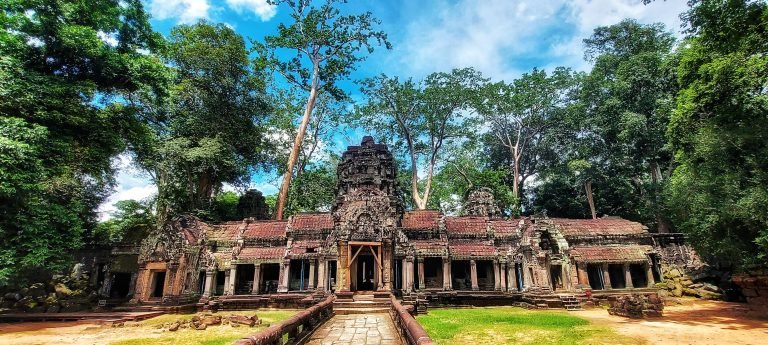
Should You Hire a Guide at Angkor Wat
Deciding whether to hire a guide at Angkor Wat is one of the most important choices you will make once you arrive in Siem Reap. It directly affects how you experience the temples. Without context, Angkor can feel like a series of impressive but overwhelming ruins. With the right guide, it becomes a layered story of religion, power, engineering, and daily life within one of the greatest civilizations in history.
In 2026, even with smartphones, apps, and online resources, a professional guide remains the most effective way to understand both the physical layout of the park and the deeper meaning behind what you are seeing.
Why Hiring a Guide Changes the Experience
Deciphering the Bas-Reliefs: Many of the most important details at Angkor are carved into the walls. Temples like Angkor Wat contain kilometers of intricate bas-reliefs, including scenes such as the Churning of the Ocean of Milk. Without explanation, these carvings can look like decorative patterns. With a guide, they become detailed narratives of Hindu mythology, royal propaganda, and historical events tied to the Khmer Empire.
Understanding the Bigger Picture: A guide connects individual temples into a coherent story. They explain why Angkor Wat was built facing west, how Angkor Thom functioned as a royal city, and how the region transitioned from Hinduism to Buddhism over time. This context turns separate temple visits into a continuous journey through history.
Navigating the Site Efficiently: Angkor is large and complex, and crowd flow changes throughout the day. Experienced guides know how to time visits, which entrances to use, and how to avoid the heaviest tour bus groups. This can significantly improve your experience, especially at popular sites like Angkor Wat and Bayon.
Access and Movement: Guides coordinate closely with drivers. Instead of exiting a temple and searching for your tuk-tuk or car, your driver will be waiting at a specific location arranged by the guide. This small detail removes a surprising amount of friction from the day.
Cultural and Practical Insights: Beyond history, guides explain local customs, etiquette, and religious practices. They can also help you understand what is allowed inside temples, how to dress appropriately, and how to behave respectfully in an active religious environment.
When You Might Not Need a Guide
Return Visitors: If you have already visited Angkor and understand the layout, you may prefer to explore independently and focus on atmosphere rather than structured explanations.
Photography-Focused Trips: Serious photographers often spend long periods waiting for specific light conditions. A guide, who typically works within a structured day, may not be the best fit for this style of travel.
Strict Budget Constraints: While guides offer significant value, their cost may not fit every budget. In this case, high-quality guidebooks or specialized apps can provide a basic level of context, though they rarely match the depth and flexibility of a human guide.
Guide Costs and What to Expect
Standard English-Speaking Guide: Typically around $35 to $45 per day for the main temple circuits.
Specialized or Foreign Language Guides: Usually range from $50 to $70 per day depending on language and expertise.
Remote Temple Add-Ons: Visiting more distant sites such as Banteay Srei or Koh Ker may involve an additional fee of $5 to $10.
These fees cover the guide’s expertise only. Transport, temple passes, and meals are separate. It is also worth noting that guides are usually booked per day rather than per temple, which encourages a more structured itinerary.
How to Identify a Licensed Guide
Official Angkor Wat guides are certified professionals who have completed formal training in Cambodian history and tourism. They are typically easy to recognize by their beige uniforms or button-down shirts and their official ID badges.
To ensure quality and avoid issues, it is best to hire guides associated with recognized organizations such as the Khmer Angkor Tour Guide Association. These guides are licensed and authorized to operate within the temples.
Unlicensed guides may approach you near temple entrances offering cheaper services. While they may seem appealing, they often lack accurate historical knowledge and are not permitted to conduct tours inside the temples, which can lead to interruptions from park authorities.
How to Find a Good Guide
Hotel Recommendations: Most hotels in Siem Reap work with trusted, licensed guides and can arrange one for you. This is often the easiest and safest option.
Official Ticket Center: Guides can be hired directly at the Angkor Ticket Center, which ensures they are properly licensed.
Local Tour Companies: Reputable operators offer certified guides and structured itineraries. This can be a good option if you prefer everything organized in advance.
Online Research: Many experienced guides operate independently and can be booked directly through messaging apps or email. Checking recent reviews is important when choosing this option.
Final Verdict: Should You Hire a Guide
First-Time Visitors: Hiring a guide is strongly recommended, at least for your first day. It provides essential context that will shape how you understand everything you see afterward.
The Hybrid Approach: A common strategy is to hire a guide for the first day to learn the history and layout, then explore independently on the following days. This combines structured learning with the freedom to move at your own pace.
Experienced Travelers: If your focus is atmosphere, photography, or slow exploration, you may prefer to skip a guide and rely on your own research and planning.
In practical terms, a guide does not just add information. They change how you experience Angkor. The temples become easier to navigate, the carvings become meaningful, and the entire visit becomes more structured and rewarding. For most travelers, especially on a first visit, that added depth is worth the cost.
Main Temple Circuits Explained: Small Circuit, Grand Circuit, and Outer Temples
Navigating the Angkor Archaeological Park without a plan can quickly become overwhelming. With hundreds of temples spread across a vast area, the tourism industry has naturally standardized three main routes, commonly referred to as circuits. Understanding these circuits is essential for planning your days, organizing your transport, and avoiding the common mistake of trying to see too much in a single visit.
Each circuit offers a different experience. The Small Circuit focuses on the most iconic temples, the Grand Circuit expands into quieter and more varied architecture, and the Outer Temples take you beyond the main park into more remote and often less crowded sites. Structuring your visit around these three categories is the most efficient way to explore Angkor.
The Small Circuit (Le Petit Circuit)
Distance: Approximately 17 kilometers loop
Duration: 6 to 8 hours
The Small Circuit is the core Angkor experience and the route most first-time visitors follow. It connects the most famous temples within the central area of the ancient city and delivers the highest concentration of major landmarks in a relatively compact loop.
The Experience: This route typically begins before sunrise at Angkor Wat. Arriving around 5:00 AM allows you to watch the sun rise behind the temple’s towers, one of the most iconic travel experiences in Southeast Asia. After sunrise, visitors usually explore the temple itself, including its galleries, upper levels, and extensive bas-reliefs, before moving on to Angkor Thom.
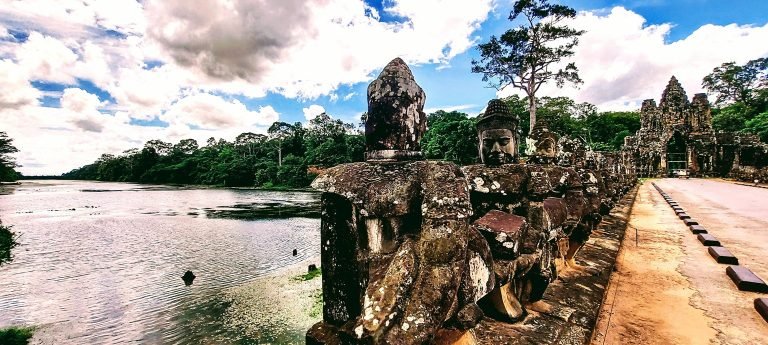
Angkor Thom is not a single temple but a vast walled city entered through monumental gates such as the South Gate, where giant stone faces line the entrance causeway. Inside, Bayon stands as the centerpiece, famous for its towers covered in serene, smiling faces. Nearby, Baphuon rises as a massive temple mountain, while the Terrace of the Elephants stretches along what was once a royal viewing platform.
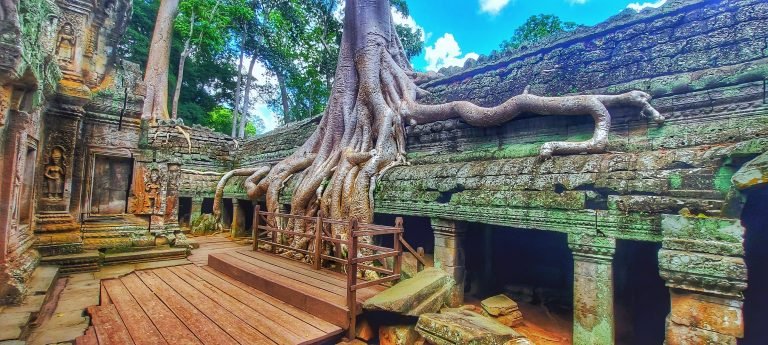
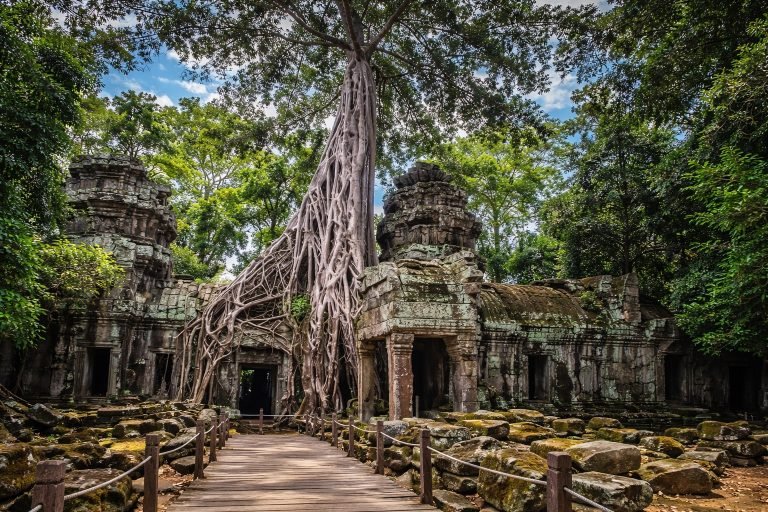
The circuit continues to Ta Prohm, one of the most atmospheric temples in Angkor. Unlike many other sites, it has been deliberately left partially reclaimed by the jungle, with giant silk-cotton trees growing through the ruins. This gives it a distinctive appearance and makes it one of the most photographed locations in the park. Banteay Kdei, often visited later in the route, offers a quieter and more relaxed experience, with fewer crowds and a more open layout.
The Reality: This is the busiest circuit in Angkor. Crowds are heaviest at Angkor Wat during sunrise and at Bayon later in the morning. The physical effort is also higher than many expect, with a lot of walking, climbing, and exposure to heat. It is essential to pace yourself, stay hydrated, and avoid trying to rush through every temple.
The Small Circuit is best approached as a full day on its own. Trying to combine it with additional routes often leads to fatigue and reduces the quality of the experience.
The Grand Circuit (Le Grand Circuit)
Distance: Approximately 26 kilometers loop
Duration: 5 to 7 hours
The Grand Circuit expands beyond the central cluster of temples and offers a more varied and often less crowded experience. While it includes fewer globally famous landmarks, many travelers find it more rewarding because of the space, atmosphere, and diversity of sites.
The Experience: One of the highlights of this circuit is Preah Khan, a large and complex temple that once functioned as both a monastery and a university. Its corridors feel more labyrinthine than those of the main temples, and it is ideal for exploring quieter corners away from large groups.
Neak Pean offers a completely different setting, sitting in the center of a reservoir and accessed via a long wooden walkway over the water. Ta Som, a smaller temple on the route, is known for the dramatic way a giant tree has overtaken its eastern gate, creating one of the most photogenic scenes in the park.
East Mebon stands out for its elevated structure and the large stone elephants guarding its corners, while Pre Rup is often used as a sunset location due to its height and open views over the surrounding landscape.
The Reality: The Grand Circuit is generally less crowded than the Small Circuit, but it still requires a full day to explore properly. The distances between temples are greater, which makes transport more important. The physical effort is slightly lower in terms of climbing intensity, but the overall distance covered can still make the day tiring if not paced well.
This circuit is best visited on a separate day from the Small Circuit. Doing so allows you to appreciate the contrast between the monumental core temples and the more open, varied structures further out.
The Outer Temples (Beyond the Main Circuits)
Distance: Ranges from 15 kilometers to over 100 kilometers from Siem Reap
Duration: Half-day to full-day trips depending on location
The Outer Temples take you beyond the main Angkor circuits and offer a very different perspective on the Khmer Empire. These sites require more travel time but often provide some of the most unique and memorable experiences.
The Experience: Banteay Srei is one of the most famous outer temples and is widely considered a must-see. Located about 35 kilometers north of Siem Reap, it is built from pink sandstone and features some of the most intricate carvings found anywhere in Angkor. The level of detail here is significantly finer than at the larger temples.
Beng Mealea offers a completely different atmosphere. This temple has been left largely unrestored, allowing visitors to explore a more “raw” environment where collapsed stones, overgrown vegetation, and narrow pathways create a sense of discovery. It feels closer to an archaeological site than a curated monument.
The Roluos Group, located closer to Siem Reap, represents some of the earliest temples of the Khmer Empire and provides insight into the architectural evolution that eventually led to Angkor Wat. Koh Ker, located much farther away, features a striking stepped pyramid that differs dramatically from the more familiar Angkor style.
The Reality: Visiting outer temples requires more planning, longer travel times, and often higher transport costs. However, the reward is a quieter and more varied experience, with fewer crowds and a stronger sense of exploration. These trips are best scheduled as dedicated half-day or full-day excursions rather than added onto an already full circuit.
Circuit Comparison
| Circuit | Vibe | Physical Effort | Crowds |
|---|---|---|---|
| Small | Grand, iconic, historic | High | Very High |
| Grand | Atmospheric, varied | Moderate | Moderate |
| Outer | Adventurous, detailed | Low to Moderate | Low |
Browse a wide range of Angkor Wat tours, from sunrise experiences and guided temple circuits to multi-day itineraries and cultural activities around Siem Reap.
Explore Angkor toursPlanning Tip for 2026
One of the most common mistakes is trying to combine too many circuits into a single day. The scale of Angkor makes this unrealistic and leads to fatigue, rushed visits, and a loss of appreciation for the details that make each temple unique.
A better approach is to dedicate one day to the Small Circuit, one day to the Grand Circuit, and use additional time for outer temples or rest. This structure creates a natural rhythm, allowing you to experience Angkor in a way that feels organized, manageable, and far more rewarding.
Temple-by-Temple Guide: What to See and What to Expect
Angkor is not a single temple but a vast collection of monuments spread across a former imperial capital. Each site has its own purpose, layout, symbolism, and atmosphere. Following a structured, temple-by-temple approach helps you understand what you are looking at and prevents the experience from becoming a blur of similar-looking ruins.
Angkor Wat
Why it matters: The largest religious monument in the world and the centerpiece of Angkor. Originally a Hindu temple dedicated to Vishnu, it later became a Buddhist site.
What to expect: Massive scale, symmetrical layout, long galleries filled with bas-reliefs, and steep staircases leading to upper levels. The carvings tell detailed mythological and historical stories.
Best time: Sunrise for atmosphere, late morning or afternoon for fewer crowds inside.
Time needed: 2 to 3 hours.
Angkor Thom
Why it matters: The last great capital of the Khmer Empire, a walled city rather than a single temple.
What to expect: Monumental gates with giant stone faces, wide avenues, and multiple important structures inside.
Best time: Morning or late afternoon.
Time needed: 1 to 2 hours to explore the main areas.
Bayon
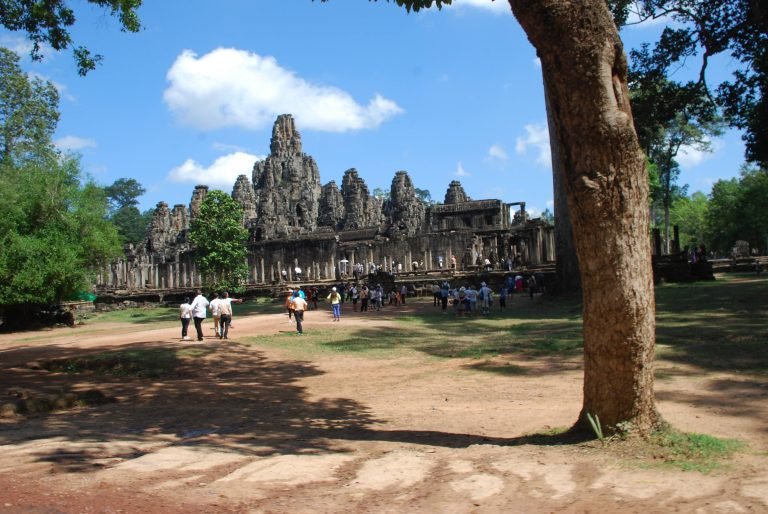
Why it matters: One of the most iconic temples in Angkor, known for its towers covered in smiling faces.
What to expect: A maze of corridors and towers, with faces looking in all directions. The upper level offers the best views and atmosphere.
Best time: Early morning or late afternoon for softer light.
Time needed: 1 to 1.5 hours.
Baphuon
Why it matters: A massive temple mountain representing Mount Meru.
What to expect: A long elevated walkway leading to a steep climb. From the top, you get wide views of Angkor Thom. The reclining Buddha at the rear is often overlooked.
Best time: Morning before the heat intensifies.
Time needed: 45 minutes to 1 hour.
Terrace of the Elephants
Why it matters: A ceremonial platform used by kings for public events.
What to expect: Long stone terrace decorated with elephant carvings and figures. More of a walk-through than a climb.
Best time: Mid-morning.
Time needed: 20 to 30 minutes.
Terrace of the Leper King
Why it matters: A smaller but highly detailed terrace with hidden carvings.
What to expect: Narrow passageways with layered carvings on both sides. Often missed by rushed visitors.
Best time: Any time while exploring Angkor Thom.
Time needed: 20 to 30 minutes.
Ta Prohm
Why it matters: The famous “jungle temple” left partially overtaken by nature.
What to expect: Giant trees growing through walls and corridors, creating dramatic scenes. One of the most atmospheric sites in Angkor.
Best time: Early morning or late afternoon.
Time needed: 1 to 1.5 hours.
Preah Khan
Why it matters: A vast complex that once served as a monastery and university.
What to expect: Labyrinth-like corridors, hidden corners, and fewer crowds compared to central temples.
Best time: Morning.
Time needed: 1.5 to 2 hours.
Banteay Kdei
Why it matters: A quieter monastic complex with fewer visitors.
What to expect: Long corridors, open courtyards, and a more relaxed atmosphere.
Best time: Midday when other temples are crowded.
Time needed: 45 minutes to 1 hour.
Temple by Temple Map
Use this interactive map to explore the Angkor complex one temple at a time. You can select individual locations to learn more and plan your route based on the sites that interest you most.
Srah Srang
Why it matters: A large reservoir often used for sunrise views.
What to expect: Calm water, open space, and a peaceful contrast to dense temple interiors.
Best time: Sunrise.
Time needed: 30 minutes.
Pre Rup
Why it matters: A temple mountain known for sunset views.
What to expect: Steep steps leading to upper terraces with wide views of the surrounding landscape.
Best time: Late afternoon for sunset.
Time needed: 45 minutes to 1 hour.
East Mebon
Why it matters: A temple once surrounded by water, now standing on dry land.
What to expect: Elevated structure with large stone elephants at each corner.
Best time: Midday or part of the Grand Circuit.
Time needed: 45 minutes.
Ta Som
Why it matters: Known for its iconic tree-covered gate.
What to expect: Small, easy to explore, with one of the most photographed entrances in Angkor.
Best time: Morning or late afternoon.
Time needed: 30 to 45 minutes.
Neak Pean
Why it matters: A symbolic water temple representing balance.
What to expect: Accessed via a long wooden walkway across a reservoir, offering a unique setting.
Best time: Late morning.
Time needed: 30 to 45 minutes.
Banteay Samre
Why it matters: A well-preserved temple often overlooked by visitors.
What to expect: Clean lines, symmetrical design, and fewer crowds, making it a peaceful stop.
Best time: Late morning or afternoon.
Time needed: 45 minutes.
Banteay Srei
Why it matters: Famous for the finest carvings in Angkor.
What to expect: Smaller scale but extremely detailed pink sandstone carvings with exceptional craftsmanship.
Best time: Early morning.
Time needed: 1 hour.
Phnom Bakheng
Why it matters: One of the most popular sunset viewpoints.
What to expect: A hilltop temple with panoramic views. Access is limited due to crowd control, so arriving early is important.
Best time: Late afternoon for sunset.
Time needed: 1 hour including the climb.
Beng Mealea (Optional Add-On)
Why it matters: A largely unrestored temple offering a more adventurous experience.
What to expect: Collapsed structures, jungle overgrowth, and a more raw, exploratory atmosphere compared to central Angkor.
Best time: Morning.
Time needed: 1 to 2 hours.
Each of these temples contributes something different to the overall Angkor experience. The key is not to rush through all of them, but to select a balanced combination that allows you to appreciate both the major highlights and the quieter, less crowded sites.
Browse a wide range of Angkor Wat tours, from sunrise experiences and guided temple circuits to multi-day itineraries and cultural activities around Siem Reap.
Explore Angkor tours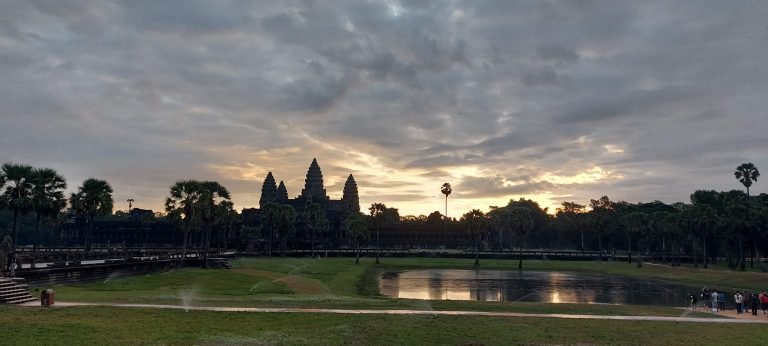
Angkor Wat Sunrise and Sunset Guide: What to Expect and How to Do It Right
Watching the sun rise or set over Angkor Wat is often described as a highlight of any visit, and for good reason. These moments shape how many travelers remember the temples. At the same time, they are frequently misunderstood. The reality on the ground can be very different from what you see in perfectly timed photographs online. Understanding how sunrise and sunset actually work at Angkor is essential if you want to experience them in a way that feels rewarding rather than frustrating.
Angkor Wat Sunrise: The Reality Behind the Iconic View
Why it matters: Sunrise at Angkor Wat has become one of the most recognizable travel experiences in the world. The five towers silhouetted against a gradually brightening sky, often reflected in the lotus ponds, create an image that defines Cambodia for many visitors.
What to expect: The experience begins well before sunrise. Most visitors leave Siem Reap around 4:30 AM and arrive at the temple shortly after 5:00 AM, when the park opens. By the time the sky begins to lighten, the main reflection pools in front of Angkor Wat are already filled with large crowds. Hundreds of people gather in a relatively small area, many standing in position for an extended period to secure a clear view.
As the light changes, the temple gradually emerges from darkness rather than dramatically lighting up. The transition is slow and often subtle. On clear mornings, the sky may take on soft tones of orange, pink, or gold, but this effect varies significantly depending on weather conditions. On cloudy days, the sunrise can be muted or barely visible, which is something many first-time visitors do not anticipate.
The Reality: The iconic reflection photo is real, but it is highly dependent on water levels, weather, and positioning. During the dry season, the pools may not produce a perfect reflection. Even when conditions are ideal, you are sharing the space with a large number of other visitors, many of whom are trying to capture the same shot.
What often surprises people is that the actual sunrise moment is not necessarily the most memorable part of the morning. The temple itself becomes far more interesting once there is enough light to explore the details, carvings, and architectural layers without rushing or competing for space.
How to do it better: Treat sunrise as the beginning of your Angkor Wat experience rather than the main event. Once the initial light appears, move away from the main crowd and begin exploring the temple itself. The galleries, bas-reliefs, and upper levels become far more enjoyable as the crowds slowly disperse and the light improves.
Alternative Sunrise Locations
While Angkor Wat is the most famous sunrise location, it is not the only option. In fact, some alternative locations offer a more peaceful and often more rewarding experience, especially if you prefer space and atmosphere over iconic photography.
Srah Srang: This large reservoir provides an open and tranquil setting for sunrise. Without the towering silhouette of Angkor Wat, the experience feels calmer and more reflective. The wide horizon allows you to watch the light spread across the landscape without the pressure of capturing a specific shot.
Preah Khan: Arriving early at Preah Khan offers a completely different kind of morning. Instead of gathering in a single viewing spot, you move through quiet corridors with soft light filtering through trees and doorways. This creates a more immersive and less crowded start to the day.
Less structured approaches: Some travelers choose to skip designated sunrise spots altogether and simply enter the park early, allowing the light to reveal whichever temple they happen to be exploring. This approach removes expectations and often leads to more personal and memorable moments.
Exploring Angkor Wat After Sunrise
One of the most overlooked aspects of sunrise at Angkor Wat is what happens immediately afterward. As many visitors leave or remain concentrated near the entrance, the interior of the temple begins to open up. This is often the best time to explore the galleries, staircases, and upper levels with relatively fewer people.
The bas-reliefs, which stretch along the inner walls, are far easier to appreciate once there is sufficient light. These carvings are not just decorative. They tell detailed stories of mythology, warfare, and royal power. Taking the time to walk through these corridors slowly can transform your understanding of the temple.
Climbing to the upper level, when open, provides a different perspective on the structure. The symmetry and scale become more apparent, and the view across the surrounding landscape adds another layer to the experience.
Sunset at Angkor: Atmosphere and Expectations
Why it matters: Sunset offers a different emotional tone compared to sunrise. The light is warmer, the shadows are longer, and the pace of the day begins to slow. After a full day of exploring, it becomes a natural moment to pause and reflect.
Phnom Bakheng: This hilltop temple is the most popular sunset location in Angkor. From the top, you can see the surrounding forest stretching toward the horizon, with Angkor Wat visible in the distance. However, access is controlled due to crowd management, and only a limited number of visitors are allowed at the summit at any given time. This means arriving early is essential if you want to secure a spot.
Pre Rup: A strong alternative that offers a more accessible and often less restrictive experience. The elevated structure allows for wide views, and the brick surfaces take on warm tones as the light fades. It is less about a single perfect viewpoint and more about the overall atmosphere.
Other options: Some of the most enjoyable sunset experiences come from less obvious locations. Open areas, quieter temples, or even the journey back through the park can provide beautiful light without the pressure of being in a designated “sunset spot.”
The Reality: Just like sunrise, sunset is not guaranteed to be dramatic. Weather, haze, and seasonal conditions all play a role. On some days, the sun disappears behind clouds without much visual impact. The experience is often more about the gradual change in light and the feeling of the day coming to an end.
Experience the best of Angkor with this 2-day guided tour covering Angkor Wat sunrise, Angkor Thom, Bayon, and Ta Prohm, plus a sunset viewpoint to end the day.
View tour detailsTiming and Energy Management
Planning for both sunrise and sunset on the same day requires careful consideration. A typical sunrise start means waking up very early, and by late afternoon, fatigue can set in quickly. The combination of heat, walking, and early hours makes it difficult to sustain energy throughout the entire day.
One of the most effective strategies is to break the day into sections. Start early for sunrise, explore for a few hours, then return to Siem Reap during the hottest part of the day. After resting, head back out for sunset. This approach allows you to experience both moments without turning the day into an endurance test.
Another option is to choose one focus per day. You might dedicate one day to sunrise and another to sunset, allowing each experience to feel more relaxed and less rushed.
Final Perspective on Sunrise and Sunset
Sunrise and sunset at Angkor are not just about capturing a perfect image. They are about experiencing the temples under changing light and understanding how atmosphere shifts throughout the day. The most memorable moments often happen outside the exact peak of sunrise or sunset, when the crowds thin out and the temples feel more personal.
Approaching these times with realistic expectations and a flexible mindset allows you to appreciate what makes Angkor unique. The light, the scale, and the setting all work together, but it is your approach that determines whether these moments feel rushed and crowded or calm and meaningful.
Dress Code, Etiquette, and Cultural Rules at Angkor Wat
Visiting Angkor Wat is not just about exploring one of the most impressive architectural sites in the world. It is also about stepping into a place that still carries deep religious, cultural, and national significance for Cambodia. While millions of visitors walk through these temples every year, Angkor is not a theme park or a historical ruin frozen in time. It remains an active spiritual environment where traditions continue, monks live and study, and local people come to pray.
Because of this, the way you dress, behave, and move through the temples matters far more than many first-time visitors expect. The rules are not complicated, but they are important. Understanding them in advance does not just help you avoid being turned away at certain points. It also changes the way you experience Angkor, allowing you to move through it with a greater sense of awareness and respect.
Dress Code: What You Can and Cannot Wear
The dress code at Angkor is one of the few rules that is consistently enforced, especially at major temples such as Angkor Wat and Bayon. This is not about tourism regulations. It reflects the fact that these temples are still considered sacred spaces.
To enter the main areas, and especially the upper levels of Angkor Wat, your shoulders and knees must be covered. This means wearing a proper shirt with sleeves and shorts, a skirt, or trousers that extend below the knee. Light, breathable clothing is usually the best option given the climate, but it still needs to meet these requirements.
One of the most common mistakes travelers make is assuming they can work around the rules by bringing a scarf or shawl. In practice, this is often not accepted. Staff at temple entrances are used to this and will usually ask you to wear proper clothing rather than temporary coverings. Being turned away after already entering the complex or climbing part of the structure is frustrating, especially in the heat, and easily avoided by dressing correctly from the start.
The reality is that enforcement can vary slightly depending on location and time of day, but at key access points it is taken seriously. Dressing appropriately removes uncertainty and allows you to focus entirely on the experience instead of worrying about access restrictions.
Respecting Angkor as a Living Religious Site
It is easy to forget, especially when surrounded by other travelers, that Angkor is still a place of worship. Small shrines, incense offerings, and active prayer areas can be found throughout the complex. You may see monks sitting quietly in temple spaces, locals lighting incense, or individuals pausing for reflection in areas that tourists often walk past without noticing.
Moving through these spaces with awareness changes the experience completely. Speaking more quietly, avoiding sudden or disruptive behavior, and simply observing what is happening around you creates a very different atmosphere than rushing from one highlight to the next. There is no need to behave formally, but there is an expectation of basic respect.
Photography is generally allowed, but it should be approached thoughtfully. Taking photos of carvings, structures, and landscapes is part of the experience. Photographing people, especially monks or individuals engaged in prayer, should be done with sensitivity. When in doubt, a simple gesture or respectful pause is often enough to understand whether it is appropriate.
How to Move Through the Temples
Angkor’s temples are hundreds of years old, and while many areas have been restored, they remain fragile. Stone surfaces have worn down over time, carvings have softened, and some structures are still partially unstable. The way visitors interact with these spaces plays a direct role in their preservation.
Staying on marked paths, respecting barriers, and avoiding restricted areas may seem obvious, but in practice, it is easy to see people climbing onto structures or leaning against carvings for photos. These actions may seem minor in the moment, but over time they contribute to irreversible damage.
There is also a practical side to this. Many temple staircases are steep, uneven, and worn smooth by centuries of use. Moving carefully is not just about preservation, it is also about safety. Good footwear, attention to footing, and patience when navigating crowded stairways make a noticeable difference over the course of a full day.
Interacting with Monks and Local Customs
Monks are a visible and important part of the environment at Angkor, and there are a few cultural norms that are worth understanding before you arrive. These are not strict rules in the sense of enforcement, but they are part of showing respect within Cambodian culture.
Women should avoid physical contact with monks, including handing objects directly to them. If something needs to be passed, it is usually done indirectly or placed within reach. Maintaining a respectful distance is the norm, and this is generally understood without needing explanation.
At the same time, monks are often approachable and friendly, especially younger monks who may be interested in practicing English. Conversations can happen naturally, but they should always begin respectfully rather than intrusively. A calm, polite approach goes a long way.
More broadly, behavior that might seem normal in a purely tourist setting can feel out of place here. Loud conversations, shouting across temple spaces, or overly casual behavior in quiet areas can disrupt the atmosphere more than people realize.
Children, Vendors, and Responsible Choices
Around the temples, especially near entrances and parking areas, you may encounter children selling small items or asking for money. This can be one of the more difficult aspects of visiting Angkor, particularly for travelers who are not sure how to respond.
While it may feel natural to give money or small items, doing so can unintentionally encourage children to remain outside of school and continue informal selling. This is why many responsible travel guidelines recommend not giving directly to children in these situations.
A more thoughtful approach is to support local businesses run by adults, purchase goods from established vendors, or contribute to organizations that focus on education and community development. This allows you to support the local economy without reinforcing patterns that can have negative long-term effects.
Cleanliness, Environment, and Shared Responsibility
Angkor is a protected site, and maintaining its condition depends heavily on visitor behavior. Littering, smoking outside designated areas, or leaving waste behind not only affects the environment but also impacts the experience for everyone else.
Carrying water, especially in Cambodia’s heat, is essential, but so is managing waste responsibly. Simple habits such as keeping a small bag for empty bottles or disposing of trash properly make a difference over time.
These may seem like small details, but across a site as large and heavily visited as Angkor, they add up quickly. Responsible behavior is part of preserving the experience for future visitors.
Why These Rules Matter More Than You Think
Following the dress code and basic etiquette at Angkor is not just about compliance. It changes the tone of your visit. When you move through the temples with awareness and respect, the experience feels more grounded, more connected, and more meaningful.
Angkor is not only impressive because of its scale or architecture. It is powerful because of what it represents, a civilization, a belief system, and a cultural identity that still exists today. Approaching it with the right mindset allows you to experience that depth rather than just observe it from the surface.
What to Wear and What to Bring to Angkor Wat
Preparing properly for Angkor Wat makes a much bigger difference than many visitors expect. On paper, visiting the temples can sound simple. You buy a pass, arrange transport, and spend the day exploring. In reality, a full day at Angkor often means an early start, long periods outdoors, repeated walks over uneven stone, steep staircases, strong sun, heavy humidity, and very limited chances to “quickly go back and grab something” once you are already deep into the park. What you wear and what you carry can therefore shape not only your comfort, but also how much you are actually able to enjoy the experience.
The challenge at Angkor is that you need to dress for two things at the same time. You need to dress for the climate, which is hot, bright, humid, and physically draining, and you need to dress for the cultural reality of visiting an active religious and heritage site where modest clothing is expected. The right approach is not to pack as little as possible, but to pack smartly and wear clothing that helps you stay cool while still meeting the dress code.
What to Wear: The Best Clothing for Angkor Wat
The most practical outfit for Angkor is lightweight, breathable, and modest. That usually means a short-sleeved or light long-sleeved shirt that covers the shoulders, combined with loose shorts that reach below the knee, a light skirt or dress that falls below the knee, or breathable trousers. Natural fabrics and moisture-wicking travel clothing both work well, provided they do not trap too much heat. The goal is to protect yourself from the sun while still allowing airflow, because the moment you start climbing temple stairs or walking long causeways in the late morning heat, heavy or restrictive clothing becomes uncomfortable very quickly.
Many first-time visitors underestimate how exposed Angkor is. Certain temple corridors provide shade, but large parts of the site do not. Angkor Wat itself includes wide open areas, long walkways, and exposed stone surfaces that reflect heat upward. Temples such as Pre Rup and Phnom Bakheng can feel even hotter because of their steep, exposed upper levels. Dressing for heat is therefore not just a matter of comfort. It directly affects how long you can stay focused and physically comfortable throughout the day.
At the same time, this is not the place for beachwear, sleeveless tops, short shorts, or anything that feels too revealing. Even if enforcement is uneven in some parts of the park, the main temples take the dress code seriously, and the upper level of Angkor Wat is one of the clearest examples. If your shoulders and knees are not properly covered, you may simply not be allowed into certain parts of the site. That is a frustrating mistake to make after waking before dawn, arranging transport, and paying for entry.
The safest approach is to dress correctly from the beginning of the day rather than trying to improvise later. A scarf is not a reliable solution. Some visitors assume they can wrap one around their shoulders or tie something around their waist, but that often does not meet the standard expected by staff. Proper clothing is the easiest and least stressful option.
Footwear: What You Put on Your Feet Matters
Shoes are one of the most overlooked parts of preparing for Angkor, yet they matter enormously. You do not need heavy hiking boots, but you do need footwear that is secure, comfortable, and suitable for uneven surfaces. Many temple steps are steep, narrow, and worn smooth by time. Paths can be dusty, roots can cross walking areas, and certain sections require more attention to footing than the average city sightseeing day.
Comfortable walking shoes, supportive trainers, or stable sandals with a firm sole are usually the best options. What matters most is grip and support. Flip-flops are a poor choice for most visitors, not only because they are unstable on stairs and broken stone, but because they become increasingly uncomfortable over a full day of walking. Even at temples that do not look physically demanding from a distance, the cumulative effect of hours on your feet is significant.
If you plan to climb frequently, explore more than one circuit, or include temples such as Pre Rup or Phnom Bakheng, proper footwear becomes even more important. At Angkor, one slip on a steep stairway can end the day very quickly. Good shoes are not dramatic or glamorous, but they are one of the easiest ways to make the visit safer and more enjoyable.
Sun Protection: Essential, Not Optional
The Cambodian sun can be relentless, and one of the most common mistakes visitors make is treating Angkor like a shaded heritage site rather than a huge outdoor archaeological landscape. In reality, many of the most memorable moments happen in places with very little protection from direct light. The long approach to Angkor Wat, the open terraces of Angkor Thom, the exposed upper levels of temple mountains, and the outer circuits all involve significant sun exposure.
A hat with a proper brim is one of the most useful things you can bring. Sunglasses also make a substantial difference, especially when moving between temples in open vehicles like tuk-tuks, where wind, light, and dust can become tiring over the course of the day. Sunscreen is equally important, and it should be applied before you leave your hotel rather than only once you already feel the heat.
It is worth remembering that heat exhaustion rarely feels dramatic at first. It starts subtly, with a growing sense of fatigue, irritability, slower thinking, or difficulty appreciating what you are seeing. Good sun protection is not just about avoiding sunburn. It is about preserving your energy so the temples continue to feel exciting rather than overwhelming.
Water and Hydration: One of the Most Important Practical Considerations
If there is one thing to take seriously at Angkor, it is hydration. Even visitors who are normally comfortable in warm weather are often surprised by how quickly the combination of humidity, walking, and early starts can drain them. The problem is not only thirst. It is the cumulative effect of heat over several hours, especially when you are moving between exposed areas and climbing stairs.
You should begin the day already hydrated and carry water with you from the start. Many drivers provide cold bottled water, which is one of the practical advantages of hiring a driver for the day, but it is still wise to have your own supply as well. Small dehydration decisions made early in the morning can make the difference between enjoying the late morning part of your itinerary and feeling completely flattened by it.
For longer temple days, particularly if you are attempting sunrise and then continuing into the late morning, drinking water regularly is more effective than waiting until you feel thirsty. Some travelers also benefit from bringing electrolyte tablets or rehydration sachets, especially if they are sensitive to heat or plan to visit during the hotter months.
What to Carry in Your Day Bag
The ideal bag for Angkor is not large, but it should be practical. A small backpack or cross-body day bag works well, provided it is comfortable to carry in the heat and easy to access without constant unpacking. Since you will be entering and leaving vehicles, climbing temple steps, and moving through crowded areas, something compact and organized is usually better than a large, heavy bag filled with things you will never actually use.
At a minimum, most visitors should carry water, sunscreen, sunglasses, a hat, a phone, some cash, and a lightweight cover layer if they are unsure about their clothing. Tissues or toilet paper can also be useful, as restroom conditions vary. Hand sanitizer is worth having, not because Angkor is unusually difficult, but because long outdoor sightseeing days almost always become easier when you have a few practical basics with you.
A portable charger is another smart addition, especially if you are using your phone for photos, navigation, e-tickets, messaging your driver, or checking routes throughout the day. Battery drain happens faster than expected when you are outside for hours and using the camera frequently.
Photography Gear: Bring It, but Bring It Sensibly
Angkor is one of those places where many travelers are glad they brought a camera, but not always glad they brought all of their camera gear. The balance to aim for is usefulness without burden. A phone camera is enough for many visitors, particularly now that phone photography is so strong in good light. For people who care more deeply about photography, a dedicated camera can absolutely be worth carrying, especially in the early morning or late afternoon.
The key question is whether your equipment enhances the experience or weighs it down. Carrying multiple lenses, a heavy bag, and accessories across several temples can become tiring, especially once the temperature rises. If photography is central to your trip, the gear may be worth it. If it is not, a lighter setup often leads to a better day overall.
If you do carry more expensive equipment, think about dust, heat, and the open nature of tuk-tuk transport. A simple protective cloth or bag insert can be surprisingly useful, especially on longer days that include more remote or dustier routes.
Weather, Morning Starts, and the Value of Layers
Most people think only about heat when planning Angkor, and that is understandable, but the earliest part of the day can sometimes feel cooler than expected, especially during a pre-dawn tuk-tuk ride to the temple for sunrise. The movement of the vehicle creates extra wind, and if you are leaving your hotel half awake before dawn, that initial ride can feel surprisingly chilly compared with the conditions later in the day.
Because of that, a very light extra layer can be useful, especially for sunrise mornings. It should be something easy to remove and stash in your bag once the temperature begins to rise. This is not essential for everyone, but many travelers appreciate having the option rather than regretting not bringing it.
Cash, Small Purchases, and Everyday Practicalities
Although much of your day may be pre-arranged through your driver, hotel, or ticket purchase, carrying a bit of cash still makes life easier. Small purchases, drinks, snacks, tips, and incidental costs around the temples are simply smoother when you have small notes on hand. You do not need to carry a large amount, but relying entirely on digital payment in every situation is not ideal.
A photo of your passport on your phone is also useful, particularly because there are situations where proof of identity may be relevant, especially when dealing with ticketing or age-based entry rules for children. You do not need to turn your day bag into a filing cabinet, but a little basic preparation saves time and stress.
What Most People Regret Forgetting
The things people most often wish they had brought to Angkor are rarely unusual. They are usually water, proper sun protection, comfortable shoes, and a phone charger. In other words, the basics. That is because Angkor magnifies small practical mistakes. Something that feels mildly inconvenient in a city becomes much more noticeable when you are hours into a hot temple day with stairs, dust, sun, and limited shade.
The most successful approach is to prepare for a long outdoor day rather than a casual sightseeing stroll. Once you do that, everything becomes easier. The temples feel less physically demanding, the day feels less rushed, and you are more able to appreciate the extraordinary details around you.
Final Thought: Dress and Pack for the Experience You Want
What you wear and bring to Angkor affects much more than comfort. It affects your energy, your access to certain parts of the temples, your ability to stay out longer, and even your mood. If you are too hot, underprepared, dehydrated, or uncomfortable, one of the most remarkable sites in the world can start to feel like a slog. If you prepare thoughtfully, the opposite happens. You stay focused, move more easily, and give yourself the best possible chance to experience Angkor with curiosity rather than fatigue.
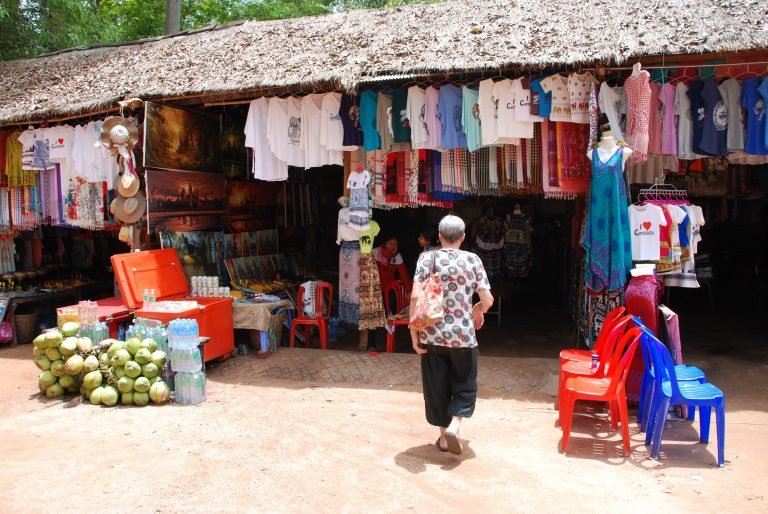
Food, Toilets, Breaks, and Practical Comfort at Angkor Wat
One of the biggest mistakes first-time visitors make at Angkor is treating the temples like a short sightseeing stop rather than a full-day outdoor experience. In reality, even a well-planned temple day can stretch across many hours, especially if you begin at sunrise, cover more than one major site, or include more remote temples beyond the core circuits. Once you understand that, practical comfort stops feeling like a minor detail and becomes part of the strategy. Knowing when to eat, where to take a break, how often to hydrate, and what to expect from facilities on the ground can make the difference between a day that feels inspiring and one that becomes unnecessarily exhausting.
Angkor is not the sort of attraction where you simply wander for an hour and return to town. It is a vast archaeological landscape with long distances between temples, intense heat for much of the year, and a rhythm that rewards planning. The people who enjoy Angkor the most are often not the ones who try to cram in the greatest number of temples. They are the ones who pace themselves well, protect their energy, and give themselves permission to stop before the heat and fatigue begin to dominate the experience.
Food at Angkor: What to Expect During a Temple Day
Food is available around the Angkor area, but it is important to manage expectations. This is not a destination where every temple has a beautifully integrated café or where the food experience is part of the attraction itself. Most meal stops are practical rather than memorable. Around the more heavily visited parts of the park, especially near popular temple clusters and larger stopping points, you will find local restaurants, simple food stalls, drink stands, and rest areas where drivers routinely bring travelers for breakfast, coffee, or lunch.
For many visitors, breakfast is tied to the sunrise plan. If you leave Siem Reap before dawn for Angkor Wat, there is a good chance you will not want a full hotel breakfast first, especially at that hour. In that case, travelers usually do one of two things. Some eat something light before leaving, such as fruit, toast, or a quick snack, then have a more substantial breakfast after sunrise once the first part of the visit is over. Others ask their hotel to prepare a breakfast box if they are leaving too early for the regular breakfast service. This can be a very practical solution, particularly if you know you become tired or irritable when you go too long without eating.
Lunch is usually the more important food decision of the day, because it tends to coincide with the hottest and most physically draining period. Around midday, many travelers begin to feel the cumulative effect of heat, walking, and early starts. A proper break for food, cold drinks, and shade can reset the day completely. Without it, the second half of the itinerary often feels noticeably weaker.
The best approach is not to expect a destination meal, but to think in terms of timing and function. A simple lunch in a shaded place with cold drinks, rice dishes, noodles, grilled meat, or soup can be exactly what you need, even if it is not something you would remember as the culinary highlight of your Cambodia trip. Angkor is about sustaining the day well enough to continue appreciating what you are seeing.
Should You Bring Snacks
Bringing a few snacks is one of the easiest ways to make a temple day more comfortable. This matters especially if you are starting early, traveling with children, prone to low energy in the heat, or planning a longer route that includes distant temples. Snacks do not need to be elaborate. Fruit, nuts, granola bars, crackers, or anything light and easy to carry can be surprisingly useful once the day stretches longer than expected.
This is particularly relevant at Angkor because the energy drop rarely arrives all at once. It creeps in gradually. First you feel a little slower, then slightly overheated, then less enthusiastic about the next temple. A small snack and water at the right moment can interrupt that decline and keep the day balanced. Travelers who rely entirely on formal meal stops sometimes discover that they are far hungrier, more tired, or more dehydrated than they realized before lunch ever arrives.
At the same time, there is no need to overpack as if you are heading into the wilderness. Angkor is a major tourism site, not an expedition. A few sensible snacks are useful. Turning your day bag into a grocery store is not.
Water, Cold Drinks, and Staying Functional in the Heat
If food helps sustain the day, water makes it possible in the first place. Hydration at Angkor is not a minor suggestion or a travel cliché. It is one of the central practical realities of visiting the park. Heat, humidity, walking, climbing, and long hours outdoors combine in a way that drains people much faster than they expect, particularly if they have started the day before dawn.
Many drivers provide cold bottled water during the day, which is one of the quiet advantages of hiring a driver for the full itinerary. Having water waiting for you after leaving a temple, especially after a long hot walk or steep climb, makes a real difference. Even so, it is wise not to depend entirely on that and to begin the day with your own water as well.
Cold drinks are widely available at rest stops and near major visitor areas, and they can be genuinely restorative in the middle of a hot day. Fresh coconut, soft drinks, iced coffee, and cold bottled beverages are common around some parts of the park. These are not just conveniences. They often become part of the rhythm of the day. A shaded stop with a cold drink between temple visits can revive your energy more than you might expect.
One of the most useful habits at Angkor is to drink before you feel desperate for water. Once you are already tired, flushed, or mentally foggy, you are playing catch-up. Regular, steady hydration is much more effective than waiting until you feel completely drained.
Toilets at Angkor: What the Situation Is Really Like
Toilet access at Angkor is much better than some travelers fear, but it is still something you should think about in a practical way rather than assuming facilities will always appear exactly when you need them. Restrooms do exist at a number of the main temple areas and visitor zones, especially around the most popular sites, but availability is tied more to visitor infrastructure than to the temples themselves.
What this means in practice is that you should use restrooms when the opportunity presents itself rather than postponing it because you feel fine in the moment. A seemingly short drive to the next stop, combined with walking time and temple exploration, can quickly become much longer than expected.
Standards vary. Some restrooms are fairly straightforward and functional, while others are more basic. Carrying tissues or toilet paper and a small bottle of hand sanitizer is a smart move, not because conditions are unusually bad, but because it makes you more self-sufficient and removes unnecessary irritation from the day.
Travelers who are especially sensitive to restroom uncertainty, families with children, and anyone visiting during especially hot weather should think about comfort proactively rather than reactively. Angkor is easier to enjoy when you are not quietly managing preventable discomfort in the background.
The Importance of Breaks
Breaks at Angkor are not a sign that you are doing the site “wrong.” They are part of doing it well. The temples are too large, the climate is too demanding, and the experience is too rich to treat the entire day like a continuous march from one monument to another.
What many travelers underestimate is not just the physical tiredness, but the mental saturation. After several hours of seeing towers, carvings, galleries, staircases, and temple layouts, the mind begins to blur one site into the next. Even extraordinary places start to lose some of their impact when you are overheated and overloaded. A proper pause, whether for food, cold drinks, shade, or simply sitting still for a while, restores the ability to notice and appreciate detail.
This is one reason why the most successful Angkor itineraries usually build in some form of rest. That may mean a shaded lunch inside the park, a return to Siem Reap in the middle of the day, or simply a slower pace with fewer temples and more breathing room. People often imagine that maximizing Angkor means seeing as much as possible. In reality, it often means preserving enough energy to still care about what you are seeing by the end of the day.
Should You Return to Siem Reap Midday
For many travelers, especially those with a 2- or 3-day pass, returning to Siem Reap in the middle of the day is one of the smartest decisions they can make. Between roughly noon and mid-afternoon, the heat can become oppressive, particularly in the hotter months. If you have already done sunrise and several major temples, pushing straight through the midday stretch often produces sharply diminishing returns.
Going back to your hotel for lunch, a shower, a swim, a short nap, or simply an hour in air-conditioning can completely transform the second half of the day. This is especially true if you plan to go back out later for sunset at Pre Rup or Phnom Bakheng. Instead of enduring the whole day in one continuous effort, you divide it into manageable sections.
This approach is not necessary for everyone. Some travelers prefer to stay inside the park all day, especially if they are on a one-day pass and want to maximize limited time. But if you have flexibility, a midday reset is one of the best ways to avoid temple fatigue and maintain genuine enjoyment.
Children, Older Travelers, and Comfort Planning
Comfort planning becomes even more important if you are traveling with children, older relatives, or anyone who is less heat-tolerant. In those cases, Angkor should be approached less like an endurance day and more like a sequence of manageable segments. Frequent water stops, earlier breaks, easier meal planning, and the option of returning to town can make the difference between a rewarding family experience and a stressful one.
Children in particular often do well when the day includes obvious comfort anchors, such as snacks, cold drinks, shade, and clear stopping points. Older travelers may benefit from slower pacing, air-conditioned transport, and more realistic expectations about how many temples are worth visiting in a single day. There is no prize for pushing beyond comfort, especially at a site where the scale and complexity reward slower attention.
How Practical Comfort Changes the Entire Visit
It is tempting to think of food, toilets, water, and breaks as side issues compared with the temples themselves. In practice, they shape almost everything. They affect how patient you feel in crowds, how carefully you notice details, how long you are willing to stay at each site, and whether the final temple of the day still feels special or simply like one more stop to get through.
World-class places deserve enough energy to be appreciated properly. At Angkor, that means looking after the practical side of the day just as seriously as the route itself. Once you do that, the temples stop feeling like a logistical challenge and begin to feel like what they are meant to be: one of the most extraordinary cultural experiences in the world.
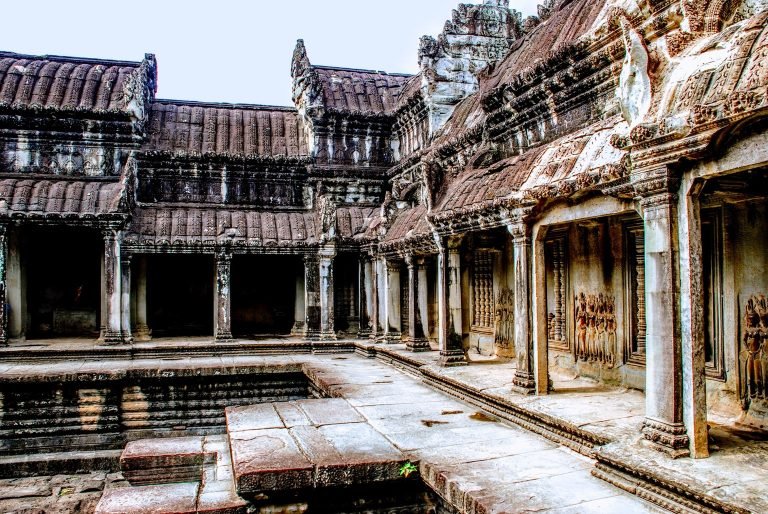
Common Mistakes First-Time Visitors Make at Angkor Wat
Angkor Wat is one of those places where small planning mistakes can have a disproportionately large impact on your experience. The temples themselves are extraordinary, but the scale of the site, the climate, and the way most people approach their visit often lead to avoidable frustration. What many first-time visitors discover is that Angkor is not difficult to visit, but it does reward those who understand how to approach it properly.
The goal is not to over-plan every minute of your day, but to avoid the handful of common mistakes that can turn what should be an unforgettable experience into something rushed, exhausting, or underwhelming. Being aware of these pitfalls in advance allows you to move through the park with far more ease and enjoyment.
Trying to See Everything in One Day
This is by far the most common mistake. Angkor looks compact on a map, but in reality it is vast. Distances between temples, time spent walking through each site, and the effects of heat all add up quickly. Many visitors assume they can combine the Small Circuit, the Grand Circuit, and even a few outer temples into a single ambitious itinerary.
In practice, this approach almost always backfires. The day becomes a race from one temple to another, with little time to absorb what you are seeing. By the afternoon, fatigue sets in, attention drops, and even the most impressive sites begin to blur together. What could have been a memorable experience becomes a checklist.
A more effective approach is to accept that Angkor cannot be “completed” in one day. Dividing the visit across multiple days, even just two or three, allows each temple to stand out and gives you the space to appreciate differences in architecture, atmosphere, and history.
Underestimating the Heat and Humidity
Angkor is physically demanding in ways that are easy to underestimate. The combination of early starts, long walking distances, climbing, and exposure to the sun can quickly drain your energy, especially if you are not used to tropical conditions. Many visitors begin the day feeling comfortable and motivated, only to find themselves exhausted by late morning.
The problem is not just discomfort. Once fatigue sets in, your ability to enjoy the temples drops sharply. Details become harder to notice, patience wears thin, and the experience loses some of its impact. This is why pacing, hydration, and breaks are not optional extras. They are central to the experience.
Planning around the heat, whether by starting early, taking a midday break, or adjusting your expectations, allows you to stay engaged with what you are seeing instead of simply enduring the conditions.
Skipping a Guide Without Understanding the Trade-Off
Some visitors decide not to hire a guide, assuming that information from their phone or a quick read beforehand will be enough. While it is entirely possible to explore Angkor independently, many people underestimate how much context they are missing without realizing it.
The temples are visually impressive on their own, but much of their meaning is embedded in details that are not immediately obvious. Bas-reliefs, symbolic layouts, historical transitions, and architectural choices all require explanation to fully appreciate. Without that context, it is easy to see Angkor as a series of impressive but disconnected structures.
This does not mean a guide is essential for everyone. Some travelers prefer independence, especially on return visits or photography-focused trips. However, for a first visit, skipping a guide often reduces the depth of the experience more than people expect.
Ignoring the Dress Code Until It Becomes a Problem
The dress code at Angkor is simple, but it is still one of the most common sources of frustration. Visitors arrive wearing clothing that is perfectly acceptable for a hot day elsewhere, only to find themselves unable to access certain parts of the temples.
This is most noticeable at Angkor Wat, particularly when attempting to climb to the upper levels. Being turned away at that point, after already making the effort to get there, is both inconvenient and avoidable. The issue is rarely a lack of information. It is usually a decision to take a chance and hope enforcement will be relaxed.
Dressing correctly from the start removes this problem entirely and allows you to move through the temples without interruption.
Arriving Late Without a Clear Plan
Angkor rewards early starts, especially if you are interested in avoiding crowds and heat. Visitors who arrive later in the morning often find themselves moving through already busy temples, dealing with higher temperatures, and feeling slightly behind the rhythm of the day.
This does not mean you must always begin at sunrise, but it does mean you should be intentional about timing. Starting earlier allows you to experience at least part of the park under more favorable conditions. Arriving late without a plan often leads to a less comfortable and more crowded experience.
Focusing Only on the “Famous” Temples
Angkor Wat, Bayon, and Ta Prohm are rightly famous, but focusing exclusively on these sites can create a narrow and sometimes repetitive experience. These temples are also the most crowded, which can make them feel more hectic than they need to be.
Some of the most rewarding moments at Angkor happen at less visited temples such as Preah Khan, Ta Som, or Banteay Kdei, where the pace is slower and the atmosphere more relaxed. Including a mix of major and quieter sites creates a more balanced and enjoyable visit.
Seeing fewer temples, but seeing them properly, is usually more memorable than trying to cover everything.
Not Planning for Food, Water, and Breaks
Many visitors approach Angkor with a strong focus on the temples themselves and very little thought for the practical side of the day. As a result, they find themselves hungry, dehydrated, or simply worn out earlier than expected.
Once that happens, the experience changes. Instead of appreciating the details of the temples, you begin to focus on how tired you feel or how long it will take to reach the next stop. This is one of the easiest mistakes to avoid, yet it remains extremely common.
Planning simple things such as when to eat, where to take a break, and how to stay hydrated keeps the day balanced and prevents small discomforts from becoming major distractions.
Carrying Too Much or Too Little
Packing for Angkor is a balance. Some visitors bring too little and find themselves missing essentials such as water, sun protection, or comfortable footwear. Others carry too much and end up weighed down by bags they have to manage all day in the heat.
The ideal approach is to carry what you genuinely need and nothing more. A small, well-prepared day bag with the basics is far more effective than either extreme.
Expecting Every Moment to Feel “Epic”
Angkor is extraordinary, but it is also real. Not every moment will feel dramatic or cinematic. There will be crowds at certain temples, quieter moments at others, stretches of walking, waiting, or traveling between sites. Expecting constant visual impact can lead to disappointment, especially during sunrise or sunset when conditions may not align perfectly.
The most rewarding visits are usually those where expectations are balanced. Instead of chasing a perfect moment, you allow the experience to unfold, noticing details, textures, and atmosphere as they come.
Final Perspective
Most of these mistakes are not about doing something wrong. They are about approaching Angkor without fully understanding what kind of place it is. Once you recognize its scale, its climate, and its rhythm, everything becomes easier.
Avoiding these common pitfalls does not require complex planning. It simply requires a shift in mindset. Angkor is not something to rush through or “complete.” It is something to experience with enough time, energy, and attention to appreciate what makes it one of the most remarkable places in the world.
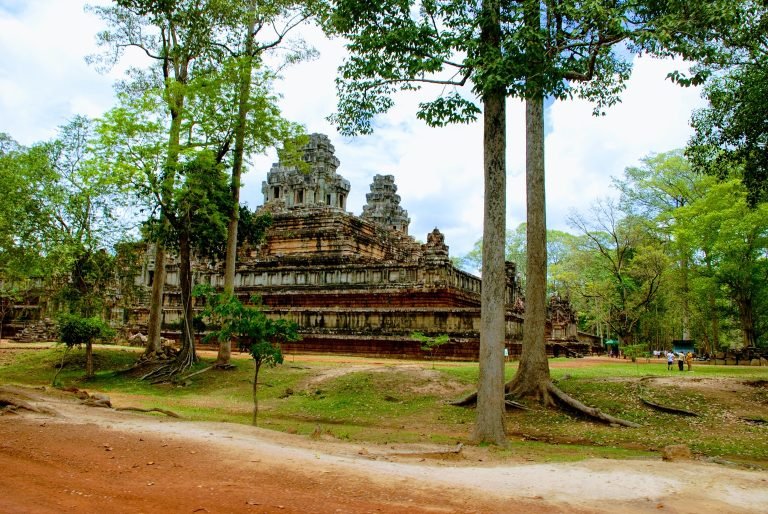
Sample 1-Day, 2-Day, and 3-Day Angkor Wat Itineraries
Once you understand the temple circuits, transport options, and pacing required for Angkor, the next step is turning that knowledge into a realistic daily plan. The itineraries below are designed to reflect how people actually experience Angkor, not how it looks on a map. They take into account travel time, heat, crowd patterns, and the natural rhythm of the day, rather than simply listing as many temples as possible.
These are not rigid schedules that must be followed exactly. Instead, they are structured frameworks that help you move through Angkor in a way that feels balanced, efficient, and enjoyable. Adjustments are always possible depending on your energy, weather conditions, and personal interests.
1-Day Angkor Wat Itinerary: The Highlights Route
This itinerary is designed for travelers with very limited time. It focuses on the most iconic temples and follows the Small Circuit, which offers the highest concentration of major sites in a single day. It is a long and physically demanding day, but it allows you to experience the core of Angkor.
The day typically begins before sunrise. Leaving Siem Reap around 4:30 AM allows you to arrive at Angkor Wat as the park opens. Watching the sunrise from the reflection pools is a shared experience, often crowded, but still worth seeing at least once. Once the light improves, move into the temple itself rather than staying outside. Exploring the galleries, bas-reliefs, and upper levels of Angkor Wat early gives you a more immersive experience before the largest crowds arrive.
After Angkor Wat, the route continues toward Angkor Thom. Entering through the South Gate provides a strong visual introduction to the former capital. From there, you move to Bayon, where the carved faces create one of the most recognizable scenes in Angkor. Nearby, Baphuon and the Terrace of the Elephants add further depth to the experience of the royal city.
By late morning, the heat begins to build. This is a good point to slow down, hydrate, and prepare for a shorter afternoon session. The next major stop is Ta Prohm, where the interaction between jungle and stone creates a completely different atmosphere from the earlier temples.
If energy allows, you can end the day at Pre Rup or Phnom Bakheng for sunset. However, after a full sunrise start, many visitors find this part of the day more tiring than expected. It is important to be realistic about your energy levels and adjust accordingly.
This itinerary works, but it is intense. The key is to accept that you are seeing the highlights rather than everything, and to pace yourself so that the final temples of the day still feel meaningful.
2-Day Angkor Wat Itinerary: A Balanced Approach
A two-day itinerary allows you to separate the main circuits and experience Angkor at a more manageable pace. This is a significant improvement over a single-day visit, as it reduces fatigue and allows you to appreciate the differences between temples.
On the first day, follow the Small Circuit with a structure similar to the one-day itinerary, but with more flexibility. Begin with Angkor Wat at sunrise if you choose, then move through Angkor Thom, Bayon, Baphuon, and the surrounding terraces. After a break, continue to Ta Prohm and Banteay Kdei. Because you have a second day available, there is less pressure to rush. You can spend more time inside the temples and move at a steadier pace.
The second day focuses on the Grand Circuit. Start slightly later if you wish, especially if you did sunrise the day before. Begin with Preah Khan, where the quieter atmosphere and maze-like layout provide a strong contrast to the central temples. Continue to Neak Pean, then Ta Som, where the tree-covered gate offers a striking visual highlight.
From there, move to East Mebon and Pre Rup. These temples provide elevation, open views, and a different architectural style. Ending the day at Pre Rup for sunset is a natural conclusion, especially after a less rushed day.
This two-day structure gives you a clear sense of Angkor’s scale and variety without overwhelming you. It also allows for better pacing, which is one of the most important factors in enjoying the experience.
3-Day Angkor Wat Itinerary: The Complete Experience
A three-day itinerary is the most recommended option for most travelers. It allows you to fully explore the main circuits while also including at least one set of outer temples. More importantly, it gives you the flexibility to manage your energy, avoid peak heat, and experience Angkor at a more natural pace.
Day one typically follows the Small Circuit, beginning with Angkor Wat. Whether you choose to start at sunrise or later in the morning, the goal is to explore the main temple thoroughly before moving on. Continue to Angkor Thom, Bayon, and the surrounding structures, then finish with Ta Prohm and Banteay Kdei. This establishes the core of your understanding of Angkor.
Day two shifts to the Grand Circuit. Begin with Preah Khan, then continue through Neak Pean, Ta Som, East Mebon, and Pre Rup. Because this route is less crowded, it often feels more relaxed and allows for a deeper appreciation of the temples’ layout and setting.
Day three is where the itinerary becomes more flexible and more personal. This is the ideal time to explore the outer temples. Banteay Srei is the most popular choice, known for its detailed carvings and distinct pink sandstone. Beng Mealea offers a completely different experience, with its partially collapsed structure and jungle overgrowth creating a more adventurous atmosphere.
Alternatively, you can use the third day to revisit favorite temples such as Angkor Wat or Bayon at different times of day, skip sunrise if you have not yet done it, or simply slow down and spend more time in fewer places. This flexibility is one of the biggest advantages of the three-day pass.
Many travelers also use part of the third day as a recovery period, returning to Siem Reap for a longer break before heading back out later. This prevents fatigue from building up and keeps the experience enjoyable through to the final day.
How to Use the Angkor Wat Itinerary Map
Use this interactive map to plan your visit and explore the different Angkor Wat itineraries. Click on the arrow icon to the left of “Angkor Wat Itineraries” to open the full map menu, where you can switch between the 1-day and 2-day routes, as well as view all temple locations. Select or deselect layers to focus on a specific itinerary and follow the route more easily while exploring the Angkor complex.
How to Adapt These Itineraries to Your Travel Style
No single itinerary fits everyone. The best plan depends on your priorities. If you are focused on photography, you may spend far longer at a single temple and adjust the route accordingly. If you are traveling with family, shorter days with more breaks may be more appropriate. If you are particularly interested in history, adding a guide for at least one day can deepen the experience significantly.
The key is to use these itineraries as a foundation rather than a fixed schedule. Angkor rewards flexibility. Weather changes, energy levels vary, and certain temples may capture your attention more than others. Allowing space for those moments often leads to the most memorable experiences.
Final Thought on Planning Your Days
The difference between a rushed visit and a rewarding one often comes down to how you structure your time. Angkor is not a place where more always means better. A well-paced itinerary that respects distance, heat, and human energy will always outperform an ambitious schedule that tries to do too much.
Approach your days with a clear plan, but remain open to adjusting it. That balance between structure and flexibility is what allows Angkor to reveal its full depth.
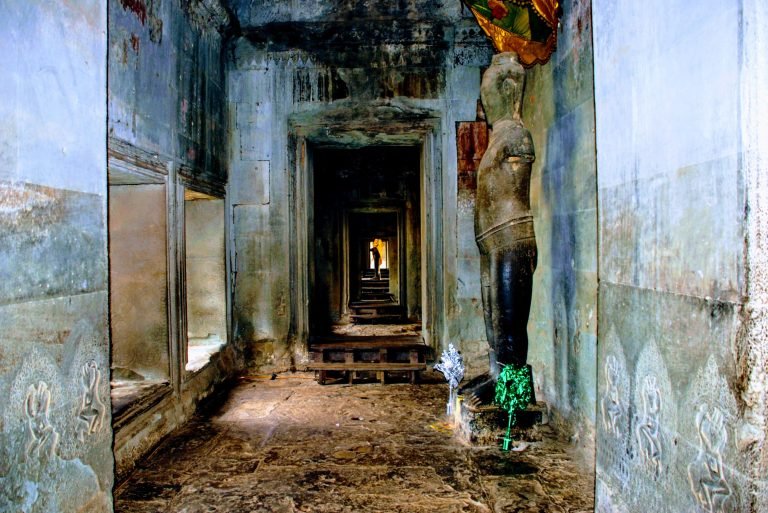
Best Time to Visit Angkor Wat: Weather, Seasons, and Crowds
Choosing when to visit Angkor Wat has a direct impact on how you experience the temples. While Angkor is open year-round and can be visited at any time, the combination of weather, humidity, crowd levels, and light conditions can significantly change the feel of your trip. Understanding how the seasons work in Cambodia allows you to plan not just for comfort, but also for atmosphere, photography, and overall enjoyment.
Unlike destinations with four distinct seasons, Cambodia follows a tropical pattern defined by dry and wet periods. Temperatures remain warm throughout the year, but humidity, rainfall, and visibility vary considerably. The key is not simply choosing the “best” month, but understanding what trade-offs you are willing to accept.
November to February: The Cool Dry Season (Best Overall Time)
This period is widely considered the most comfortable time to visit Angkor. Temperatures are still warm, but the intense heat of later months has not yet set in, and humidity is relatively lower. Mornings are pleasant, afternoons are manageable, and evenings can feel surprisingly mild compared to the rest of the year.
This is also when the skies are generally clearer, which improves visibility and makes sunrise and sunset more reliable. The temples feel more accessible, and longer days exploring multiple sites are far easier to manage physically.
The trade-off is that this is peak travel season. Larger crowds are common, especially at iconic locations such as Angkor Wat during sunrise and Bayon during mid-morning. Hotels in Siem Reap are often more expensive, and popular transport options may need to be arranged in advance.
Even so, for most travelers, this remains the best overall time to visit because the improved comfort outweighs the increased number of visitors.
March to May: The Hot Season (Most Challenging Conditions)
This is the most physically demanding time to visit Angkor. Temperatures can rise significantly, often exceeding what many travelers are used to, and the combination of heat and humidity can feel intense, especially after several hours of walking and climbing.
The temples themselves do not change, but your ability to experience them does. Days need to be structured more carefully, with earlier starts, longer breaks, and a stronger focus on hydration. Visiting during this period requires a more disciplined approach to pacing, as pushing through the heat without rest can quickly lead to exhaustion.
There are some advantages. Crowds tend to be slightly lower than during the peak season, and the light can be strong and clear, which benefits photography in certain conditions. However, these benefits come with the trade-off of reduced comfort.
For travelers who handle heat well and plan accordingly, visiting during this time is still entirely possible. For most people, however, it is the least forgiving season.
June to October: The Green Season (Rainy Season)
The rainy season transforms Angkor in ways that many travelers do not expect. Instead of constant rain, the pattern is usually defined by short, intense showers, often in the late afternoon or evening. This means that large parts of the day can still be dry and suitable for exploring.
One of the biggest advantages of this season is the landscape itself. The surrounding jungle becomes lush and vibrant, moats and reservoirs fill with water, and the entire area feels more alive. Reflections at Angkor Wat are often better due to higher water levels, and the softer light after rain can create beautiful conditions for photography.
Crowds are also significantly lower, which changes the experience dramatically. Temples such as Ta Prohm and Preah Khan can feel quieter and more atmospheric, allowing you to explore without constant congestion.
The downside is unpredictability. Rain can disrupt plans, paths can become muddy, and humidity is high. Sunrise and sunset are less reliable, as cloud cover can obscure the sky entirely.
For travelers who value atmosphere over perfect weather, this can be one of the most rewarding times to visit. It requires flexibility, but it often delivers a more relaxed and immersive experience.
Sunrise and Sunset Conditions by Season
Sunrise and sunset at Angkor are heavily influenced by seasonal conditions. During the dry season, clearer skies increase the chances of visible color changes and defined silhouettes. During the rainy season, cloud cover can block the sun entirely, but it can also create dramatic skies when conditions align.
It is important to approach these moments with realistic expectations. Even in the best months, sunrise and sunset are not guaranteed to be visually dramatic. The experience is often more about the atmosphere and the changing light than a perfect photographic moment.
Crowds: When Angkor Feels Busy and When It Feels Quiet
Crowd levels at Angkor vary more by time of day than by season alone. Even during peak months, early mornings and late afternoons can feel manageable, especially if you move away from the most popular viewpoints. Conversely, even in quieter seasons, certain locations can still become busy at predictable times.
Angkor Wat at sunrise, Bayon mid-morning, and Phnom Bakheng at sunset are consistently the most crowded experiences. Understanding this allows you to plan around them, either by adjusting your timing or choosing alternative locations.
The overall trend is clear. The cool season brings more visitors but easier conditions. The hot season reduces crowds slightly but increases physical difficulty. The rainy season offers fewer crowds and richer scenery, but less predictable weather.
Best Time of Day to Visit the Temples
Regardless of the season, the time of day plays a critical role in your experience. Early morning is generally the most comfortable and least crowded period, especially after the initial sunrise rush has passed. Late afternoon also provides better light and slightly cooler conditions.
Midday, particularly between 12:00 PM and 3:00 PM, is usually the most challenging period. Heat is at its peak, shadows are harsh, and energy levels tend to drop. This is why many itineraries include a break during this time, either within the park or back in Siem Reap.
Final Perspective: There Is No “Perfect” Time
There is no single perfect time to visit Angkor Wat. Each season offers a different version of the experience. The cool season provides comfort and reliability, the hot season offers clearer conditions with fewer crowds, and the rainy season brings atmosphere, color, and space.
The best choice depends on what matters most to you. If comfort and ease are the priority, the cool dry season is the safest option. If you prefer fewer crowds and do not mind some unpredictability, the green season can be incredibly rewarding. If you are willing to manage the heat carefully, even the hottest months can still deliver a memorable visit.
What matters most is not choosing a perfect moment, but understanding the conditions you are stepping into and planning your days accordingly. When you do that, Angkor becomes accessible and rewarding in any season.
Final Tips Before Visiting Angkor Wat: What to Know Before You Go
By the time you reach this point, you already have everything you need to plan and execute a successful visit to Angkor Wat. You understand the passes, the circuits, the transport options, the pacing, and the realities of the climate. What follows is not a repetition of that information, but a final layer of practical insight. These are the details that tend to sit in the background, yet they often shape how smooth or frustrating your experience feels once you are actually on the ground.
Think of this section as a way to connect everything together before you go. Angkor is not difficult to visit, but it is a place where small decisions add up quickly. Getting those decisions right early in the day allows everything else to fall into place more naturally.
Start Earlier Than You Think, But Not Always for Sunrise
There is a strong focus on sunrise at Angkor Wat, and for good reason, but starting early is valuable even if you decide to skip the sunrise itself. The hours just after opening are the most comfortable, both in terms of temperature and crowd levels. Arriving early gives you access to at least part of the park before the heat builds and before the busiest tour groups fully settle into their routes.
At the same time, it is important to be intentional. Starting early without a clear plan can still lead to a rushed or scattered experience. Knowing which temple you want to visit first, and how that fits into the rest of your day, makes the early start far more effective.
Do Not Underestimate Travel Time Between Temples
One of the most common surprises at Angkor is how long it takes to move between sites. Even within the Small Circuit, distances are greater than they appear on a map, and time is lost not only in travel, but in parking, walking to the temple entrance, and navigating the site itself.
This becomes even more noticeable when visiting outer temples such as Banteay Srei or Beng Mealea, where travel time becomes a significant part of the day. Planning with realistic expectations about movement between locations prevents the schedule from becoming overly ambitious.
Your Driver Is Part of the Experience
If you are using a tuk-tuk or private car, your driver is more than just transport. A good driver understands the flow of the park, knows where to drop you off and pick you up at each temple, and helps maintain a smooth rhythm throughout the day.
Communicating clearly at the start of the day, confirming your route, and discussing timing expectations makes everything easier. Over the course of a full day, the difference between a well-coordinated setup and a disorganized one becomes very noticeable.
Small details, such as having cold water ready or positioning the vehicle at the correct exit point, can significantly improve your experience without you having to think about it.
Keep Your Angkor Pass Accessible at All Times
Your Angkor Pass is checked at multiple points throughout the park, not just at the entrance. This includes certain temple access points and internal checkpoints. Keeping it easily accessible, whether as a printed copy or on your phone, saves time and avoids unnecessary delays.
It is a small detail, but repeatedly searching through a bag or phone for your pass in the heat quickly becomes frustrating. Treat it as something you will need throughout the day, not just once at the beginning.
Build Your Day Around Energy, Not Just Locations
Many itineraries focus on which temples to visit and in what order. While that is important, the more critical factor is how your energy changes throughout the day. Early morning energy is very different from midday fatigue, and late afternoon often feels like a second phase rather than a continuation of the morning.
Planning around this natural rhythm, with more demanding temples earlier, lighter stops during peak heat, and a flexible approach later in the day, leads to a much more enjoyable experience. Ignoring it often results in a strong start followed by a gradual decline.
Accept That You Will Not See Everything
Angkor is too large and too complex to fully explore in a single visit, no matter how many days you allocate. Trying to see everything often leads to rushing, fatigue, and a loss of appreciation for what you are actually seeing.
A more effective mindset is to focus on experiencing a representative selection of temples properly. When you give yourself permission not to see everything, you create space to slow down, notice details, and engage more deeply with the sites you do visit.
Use Siem Reap as Part of Your Strategy
Siem Reap is not just a base. It is an important part of how you manage your time at Angkor. Returning to your hotel for a break, adjusting your schedule, or simply resetting during the hottest part of the day can transform how the rest of your visit feels.
Many travelers who try to stay inside the park all day discover that their experience becomes progressively less enjoyable. Those who use Siem Reap as a place to recover, even briefly, often find that they return to the temples with renewed energy and focus.
Be Flexible With Sunrise and Sunset Expectations
Sunrise and sunset are often treated as fixed highlights, but they are influenced by weather, cloud cover, and seasonal conditions. Some days they are visually impressive, while on others they are subtle or even completely obscured.
Approaching these moments with flexibility rather than rigid expectations helps avoid disappointment. In many cases, the most memorable parts of the day happen outside of these specific windows, when the temples feel quieter and more personal.
Respect the Space and the Experience
Angkor is one of the most significant cultural sites in the world. The way you move through it, interact with it, and respond to it shapes not only your own experience, but also the experience of others around you.
Respecting the dress code, the environment, and the cultural context is not about following rules for the sake of it. It is about recognizing what makes this place unique and allowing that to come through in your visit.
Final Thought Before You Go
Angkor Wat is not a place that reveals itself all at once. Its impact builds gradually, through scale, detail, atmosphere, and the rhythm of moving from one space to another. The more prepared you are for the practical side of the visit, the more space you create for that experience to unfold naturally.
If you approach Angkor with a clear plan, realistic expectations, and enough flexibility to adapt along the way, you give yourself the best possible chance to experience it not just as a famous landmark, but as something far more meaningful.
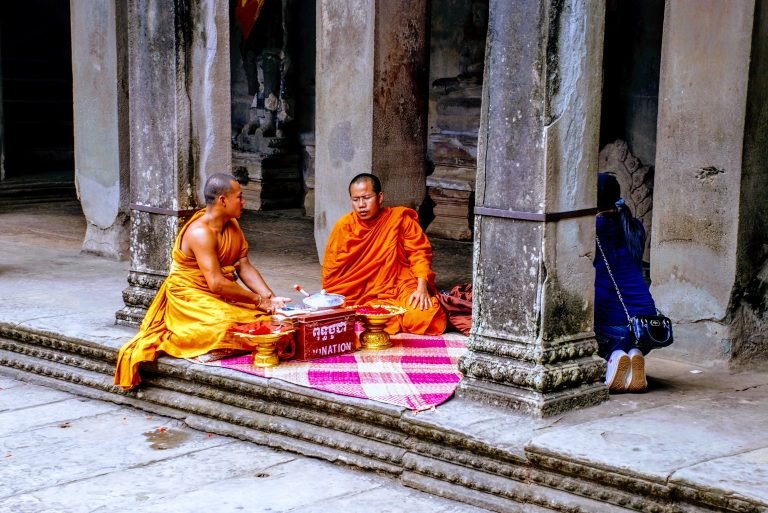
Final Thoughts: Experiencing Angkor Wat the Right Way
There are very few places in the world that match the scale, complexity, and historical depth of Angkor Wat. It is not just a single landmark, and it is not something that reveals itself in a single moment. What makes Angkor truly memorable is how the experience builds over time. The first impression may come from the size of Angkor Wat itself, but the deeper impact comes from moving through different temples, noticing patterns in the architecture, understanding the history behind the carvings, and gradually realizing how vast and sophisticated the Khmer Empire once was.
What separates a rushed visit from a meaningful one is not how many temples you see, but how you experience them. When you slow down, manage your energy, and allow time to explore rather than simply pass through, the temples begin to feel less like isolated monuments and more like parts of a connected whole. The shift from Hinduism to Buddhism, the engineering behind the reservoirs, the symbolism embedded in the structures, and the interaction between nature and stone all start to form a coherent picture rather than a series of disconnected highlights.
For many travelers, Angkor is the centerpiece of a broader journey through Cambodia, and understanding that context enhances the experience even further. If you are planning your time around the temples, it is worth exploring how they connect to the rest of the country. This Cambodia travel guide provides a wider perspective on where Angkor fits within the country’s landscapes, culture, and travel routes.
At the same time, the experience of Angkor is closely tied to the city of Siem Reap. This is where your days begin and end, where you recover between temple visits, and where you find the balance between exploration and rest. Knowing how to structure your time in the city, where to eat, and what else to see can make a significant difference to how your overall trip feels. If you are planning your stay, this Siem Reap travel guide helps you build a more complete and enjoyable itinerary around your temple visits.
While Angkor and Siem Reap often take center stage, Cambodia’s capital offers a completely different perspective on the country. Spending time in Phnom Penh adds historical depth, cultural contrast, and a more urban experience to your journey. If you are extending your trip, this Phnom Penh travel guide shows how the capital fits into a broader Cambodia itinerary, while this Phnom Penh itinerary guide helps you plan your time on the ground efficiently.
Angkor rewards preparation, but it also rewards flexibility. No matter how carefully you plan your days, there will always be moments that stand out unexpectedly. It might be a quiet corridor in Preah Khan, the shifting light across Bayon, or the stillness of the early morning before the crowds fully arrive. These are the moments that tend to stay with you, and they often happen when you allow space in your itinerary rather than trying to control every detail.
The most important thing to remember is that Angkor is not something to “complete.” It is something to experience. Whether you spend one day focusing on the highlights or several days exploring deeper into the park, what matters most is how you engage with the place. With the right balance of planning, pacing, and awareness, Angkor Wat becomes far more than a famous site. It becomes one of the most meaningful travel experiences you will have.
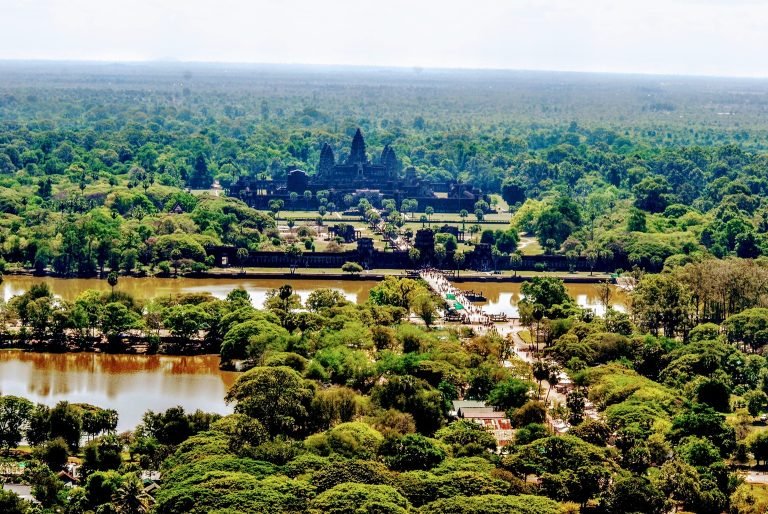
Angkor Wat FAQ
• How many days do you really need for Angkor Wat?
Most travelers find that three days is the ideal amount of time to explore Angkor properly. This allows you to cover the Small Circuit, the Grand Circuit, and at least one group of outer temples without rushing. A one-day visit is possible, but it is physically demanding and limits your experience to the main highlights such as Angkor Wat, Bayon, and Ta Prohm. With more time, the experience becomes far more balanced, allowing you to avoid the midday heat, revisit temples at different times of day, and explore less crowded sites that many visitors miss.
• What is the best time to visit Angkor Wat?
The most comfortable time to visit Angkor Wat is between November and February, when temperatures are slightly cooler and humidity is lower. This is also the busiest period, so expect larger crowds at major temples. The rainy season, from June to October, offers fewer visitors and lush green surroundings, but comes with more unpredictable weather. The hot season, from March to May, is the most challenging due to high temperatures, and requires careful pacing, early starts, and regular breaks to stay comfortable.
• Is Angkor Wat worth visiting without a guide?
Yes, it is entirely possible to visit Angkor Wat without a guide, and many travelers choose to explore independently. However, without a guide, it is easy to miss much of the deeper meaning behind the temples. The carvings, layouts, and symbolism are not always obvious, and having someone explain them adds significant depth to the experience. A common approach is to hire a guide for the first day to understand the context, then explore independently afterward.
• What should you wear when visiting Angkor Wat?
Visitors are required to cover their shoulders and knees when entering major temples, especially Angkor Wat itself. Lightweight, breathable clothing that still meets these requirements is the best option. Shorts or skirts should extend below the knee, and shirts should have sleeves. Comfortable walking shoes are also essential, as the temples involve uneven surfaces, steep stairs, and long walking distances.
• How do you get around Angkor Wat?
Most visitors explore Angkor using a tuk-tuk or a private car with a driver. Tuk-tuks are the most common option, offering flexibility and a more open-air experience, while cars provide air-conditioning and more comfort during the hottest months. Bicycles and e-bikes are also available for those who prefer independence, but the heat and distances can make them challenging. Hiring a driver for the day is generally the most efficient and practical choice.
• Can you visit Angkor Wat at sunrise and is it worth it?
Sunrise at Angkor Wat is one of the most popular experiences, but it is also one of the most crowded. Hundreds of visitors gather around the reflection pools before dawn, and the experience can feel busy rather than peaceful. While it is still worth seeing at least once, it is important to manage expectations. Some travelers prefer alternative sunrise locations or focus on exploring the temple after sunrise, when the interior becomes less crowded and easier to appreciate.
• Are food and toilets available inside Angkor Archaeological Park?
Yes, there are restaurants, food stalls, and rest areas located near major temple clusters. These are generally simple but functional, offering local dishes, drinks, and shaded seating. Toilets are available at several main locations, though standards can vary. It is advisable to carry tissues or hand sanitizer and to take advantage of facilities when you see them rather than waiting.
• Is Angkor Wat suitable for children and older travelers?
Angkor can be visited by people of all ages, but it requires thoughtful planning. The heat, walking distances, and steep stairs can be challenging, particularly for young children and older visitors. Choosing comfortable transport, planning regular breaks, and avoiding the hottest part of the day can make the experience far more manageable.
• Do you need to buy Angkor Wat tickets in advance?
Tickets can be purchased online through the official Angkor Enterprise website or at the main ticket office in Siem Reap. Buying in advance can save time, especially during busy periods. Tickets are not sold at the temple entrances, so you must arrange your pass before entering the park.
• What is the biggest mistake visitors make at Angkor Wat?
The most common mistake is trying to see too much in too little time. Angkor is vast, and attempting to cover too many temples in one day often leads to exhaustion and a diminished experience. A better approach is to focus on a realistic number of sites, pace your day around the heat, and allow time to actually explore each temple rather than rushing through them.
Travel Resources to Plan, Book & Stay Connected
Use these tools and guides to stay connected abroad, find inspiration for your next trip, and book your flights, stays and gear with confidence.
Disclosure: This article may contain affiliate links. If you make a purchase through a link, I may receive a commission at no extra cost to you. I only share recommendations I believe are genuinely useful, and all opinions are my own. AI was used in this post for research and drafting purposes.

Comment (0)