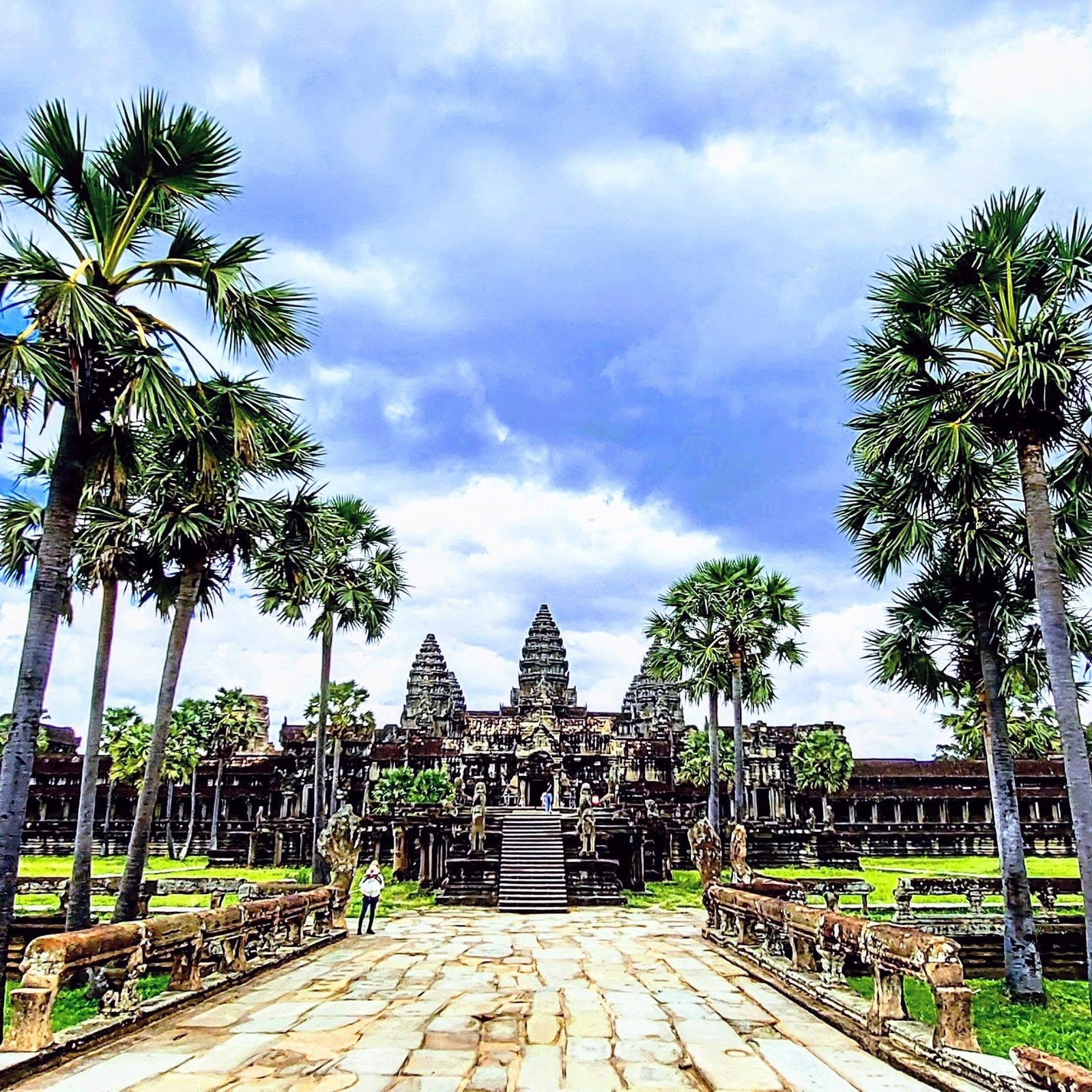
Things to Do in Cambodia: What This Guide Covers
Planning a trip to Cambodia can feel overwhelming at first. From the temples of Angkor to the islands of Koh Rong and the busy streets of Phnom Penh, the country offers a wide range of experiences that can be difficult to organize into a clear plan. This guide to things to do in Cambodia is designed to give you a complete overview, helping you understand how to structure your trip, where to go, and what to expect before you arrive.
Instead of focusing on just one destination, this guide brings together the most important places, experiences, and practical travel information so you can build an itinerary that feels balanced, realistic, and rewarding. You can dive deeper into specific destinations with this Siem Reap travel guide, explore the temples in detail with this Angkor Wat guide, and understand the capital with this Phnom Penh travel guide.
- How to get to Cambodia and where to enter the country
- Where to stay in Cambodia, including the main cities and island destinations
- The best things to do in Cambodia, from Angkor Wat to beaches and local experiences
- Phnom Penh highlights, culture, history, and nightlife
- Siem Reap and Angkor temple exploration
- Kampot, Kep, and slower-paced riverside travel
- Koh Rong and Koh Rong Samloem island experiences
- Cambodian food, street food culture, and local dishes to try
- Transport and how to get around Cambodia efficiently
- Safety, travel tips, and what to expect on the ground
- Hidden gems and lesser-known places to explore
- Basic Khmer phrases and cultural etiquette
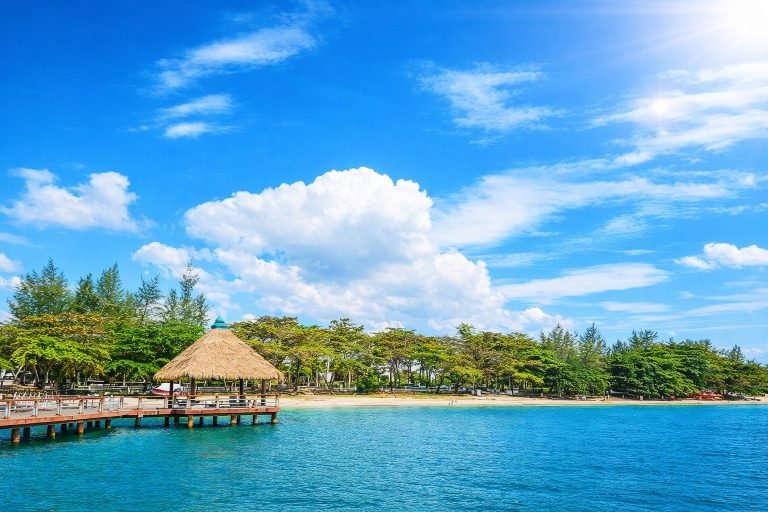
Things to Do in Cambodia: A Complete Travel Guide to Planning Your Trip
There are countless things to do in Cambodia, but what makes the country truly memorable is not just the individual experiences — it’s how different each part of Cambodia feels. From the temples of Angkor and the energy of Phnom Penh to quiet riverside towns and island beaches, traveling here is less about ticking off sights and more about understanding how to combine these places into a journey that makes sense.
For many travelers, Cambodia can feel slightly overwhelming at first. Distances are longer than they appear on the map, transport can be unpredictable, and each destination offers a completely different pace and atmosphere. But that is also what makes the country so rewarding. With the right structure, it becomes a destination that is not only easy to navigate, but deeply engaging to explore.
This guide to things to do in Cambodia is designed to help you plan your trip from the ground up. It covers how to get there, where to stay, and what to do, while also giving you a realistic sense of what travel in Cambodia actually feels like day to day. Whether you are visiting for a few days or building a longer Southeast Asia itinerary, this guide will help you create a trip that feels balanced, flexible, and genuinely enjoyable.
How to Get to Cambodia
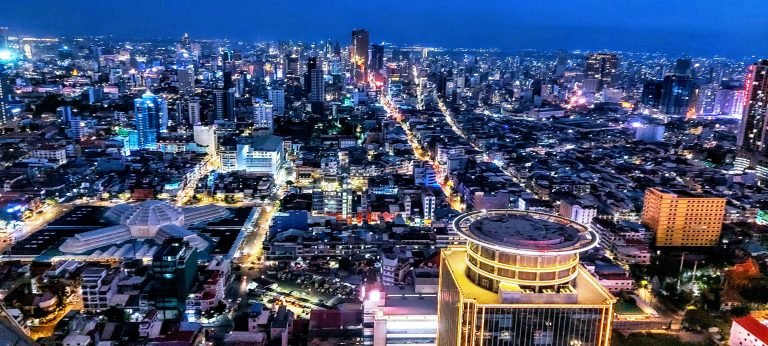
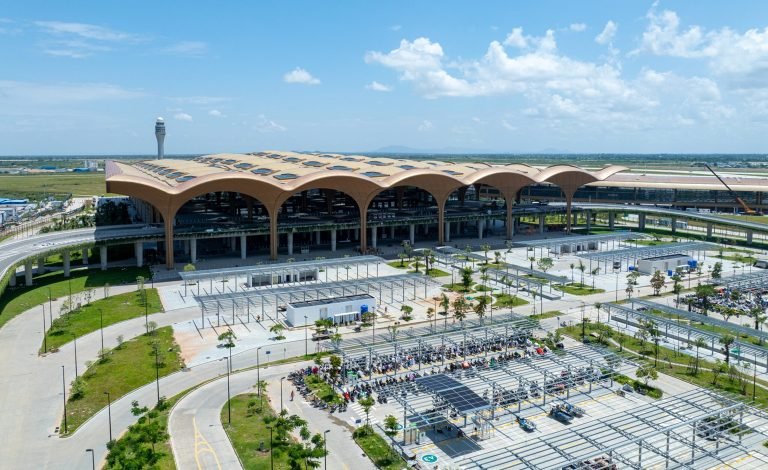
Getting to Cambodia is relatively straightforward, with international flights arriving in several key cities and land borders connecting the country to Thailand, Vietnam, and Laos. Most travelers enter through Phnom Penh or Siem Reap, depending on whether they plan to start with the capital or head directly to Angkor Wat. If you are still comparing routes, airlines, and pricing, this complete guide to flights to Cambodia breaks down the best ways to reach the country from different regions.
International Airports in Cambodia
Cambodia has three main international airports, each serving a different part of the country:
- Phnom Penh Techo International Airport (PNH) – the main gateway to the capital and southern Cambodia. Official airport website
- Siem Reap Angkor International Airport (SAI) – the primary entry point for visiting Angkor Wat and northern Cambodia. Official airport website
- Sihanoukville International Airport (KOS) – useful for reaching the southern coast and nearby islands. Official airport website
Most international travelers arrive via regional hubs such as Bangkok, Singapore, Kuala Lumpur, or Ho Chi Minh City. Direct long-haul flights are limited, so it is common to connect through another Southeast Asian city before continuing to Cambodia.
Visa Requirements and Entry Process
Most nationalities require a visa to enter Cambodia, but the process is generally simple and can be completed either online in advance or on arrival. For a complete breakdown of options, requirements, and how to apply, it is worth reviewing this Cambodia visa guide for entry and application before your trip.
The easiest option for most travelers is the official Cambodia e-visa, which allows you to apply online before your trip and avoid paperwork at the airport. Processing is usually quick, and approval is sent electronically.
Cambodia has also introduced the Cambodia e-Arrival system, which replaces the traditional paper arrival forms. Travelers are expected to complete their entry details digitally before arrival, helping to speed up immigration procedures at the airport.
While visas on arrival are still available in many cases, applying online in advance is generally more convenient and reduces waiting time after landing.
Entering Cambodia by Land
If you are traveling overland, Cambodia can be reached from neighboring countries via several border crossings:
- Thailand → Cambodia (most common: Poipet for Siem Reap)
- Vietnam → Cambodia (Phnom Penh and Mekong Delta routes)
- Laos → Cambodia (less common, more remote crossing)
Land crossings are generally straightforward but can take longer than flying, especially at busy borders. It is important to check visa requirements in advance and be prepared for varying processing times depending on the crossing point.
Border conditions in the region can change, and overland crossings are not always consistently open or accessible. It’s important to check the latest updates before planning to enter Cambodia by land, as some routes may be temporarily restricted or subject to additional requirements.
For most first-time visitors, flying into Phnom Penh or Siem Reap remains the easiest and most reliable way to start a trip in Cambodia.
Where to Stay in Cambodia
Accommodation in Cambodia varies widely depending on where you base yourself, from city hotels and boutique stays to beachfront bungalows and island resorts. If you want to explore available options across the country, you can browse hotels in Cambodia to compare locations, prices, and styles before deciding where to stay. If you are still deciding which destinations make the most sense for your trip, this complete guide to choosing the right base in Cambodia breaks down the best areas and how they fit into a well-structured itinerary.
Siem Reap (Angkor Wat Base)
Siem Reap is the most popular place to stay in Cambodia, serving as the main gateway to the Angkor temple complex. It is the kind of destination where logistics become easy very quickly, which is exactly what you want when you are planning early mornings at the temples and long days of exploring. The town itself is compact, easy to navigate, and well set up for travelers, making it one of the most convenient bases in the country.
Staying in Siem Reap gives you direct access to the Angkor temple complex and its main highlights, allowing you to start your days early and avoid the worst of the heat and crowds. At the same time, it offers much more than just temple access. After a day at Angkor, you return to a town filled with restaurants, cafés, markets, and a lively but manageable nightlife scene centered around areas like Pub Street and the night markets.
It is also the best base for exploring experiences beyond the temples. Many travelers use Siem Reap as a starting point for visiting the floating villages on Tonlé Sap Lake, which offer a completely different perspective on Cambodia, focused on daily life and water-based communities rather than historical sites. This combination of culture, history, and local experiences is what makes Siem Reap such a well-rounded place to stay.
Accommodation options in Siem Reap are diverse and generally offer strong value. You will find everything from budget guesthouses to boutique hotels and higher-end resorts, often at prices that are more accessible than in many other destinations in Southeast Asia. Whether you stay in the center for convenience or slightly outside for a quieter atmosphere, most places remain within a short tuk-tuk ride of the main attractions.
THE JUNGLE
120 Angkor Night Market St, Siem Reap, Cambodia, +855 95 991 839
Located near the Angkor Night Market, this boutique stay offers a peaceful base within walking distance of Siem Reap’s main attractions. The property combines a relaxed, tropical atmosphere with comfortable rooms, making it ideal after long days exploring the temples. Its central location gives you easy access to restaurants, markets, and nightlife while still maintaining a quieter setting. If you’re planning your stay in Siem Reap, you can check availability at THE JUNGLE here.
Phnom Penh (Culture & City Life)
Phnom Penh offers a very different experience from Siem Reap, combining history, culture, and a fast-moving urban atmosphere. As Cambodia’s capital, it sits at the meeting point of the Mekong and Tonlé Sap rivers and provides a more modern, lived-in perspective on the country. While it may feel busier and less polished than other destinations, it is also one of the most important places to visit if you want to understand Cambodia beyond its temples.
The city is the best place to explore Cambodia’s recent history, with sites such as the Royal Palace, Tuol Sleng Genocide Museum, and the Killing Fields offering powerful insight into the country’s past. At the same time, Phnom Penh is not defined by history alone. It has a growing food scene, a mix of local markets and international restaurants, and a lively riverside area where cafés, bars, and night markets create a more social and energetic environment, especially in the evenings.
Staying in Phnom Penh also allows you to experience a more local side of Cambodia. Compared to tourist-heavy areas, daily life here feels less curated, with street food stalls, busy intersections, and neighborhoods that reflect how the city actually functions. If you are planning your time here, this complete guide to Phnom Penh’s main attractions shows what to prioritize, while this Phnom Penh itinerary breakdown helps you structure your days efficiently.
Phnom Penh works well as a stop between Siem Reap and Cambodia’s southern coast, adding depth and contrast to your trip. Whether you stay for a short visit or a few days, it offers a perspective that complements both the historical focus of Angkor and the more relaxed pace of destinations further south.
MAD MONKEY HOSTEL PHNOM PENH
No. 30-32 Street 242, Sangkat Chaktomuk, Daun Penh, Phnom Penh, Cambodia — +855 23 987 091
Mad Monkey Hostel Phnom Penh is my top recommendation for budget travelers visiting the Cambodian capital. Located in the heart of Daun Penh, it places you within easy reach of the Royal Palace, National Museum, Riverside, cafés, restaurants, and nightlife. The hostel is well known for its friendly social atmosphere, making it especially popular with backpackers, solo travelers, and anyone looking to meet other travelers. Despite its reputation as a hostel, it also offers comfortable private rooms for those who want more privacy while still enjoying the lively atmosphere. If you are looking for the best combination of location, value, facilities, and social experience, this is one of the strongest budget stays in Phnom Penh.
Exclusive WorldlyRoaming reader offer: Book your stay directly through the official Mad Monkey Phnom Penh page and use code WORLDLYROAMING10 during checkout to receive 10% off. The discount is valid on all room and bed types at participating Mad Monkey Hostels across Southeast Asia and also applies to the popular Ha Giang Loop tour.
OHANA PHNOM PENH PALACE HOTEL
#4&6, Street 148, Sangkat Phsar Kandal I, Daun Penh, Phnom Penh, Cambodia, +855 23 989 671
OHANA Phnom Penh Palace Hotel is a comfortable mid-range hotel in a very convenient riverside location, close to the Royal Palace, National Museum, cafés, restaurants, and Phnom Penh’s main sightseeing areas. It is a good choice for travelers who want an easy central base with more comfort than a simple guesthouse, while still keeping prices reasonable. The rooftop area, city views, pool, and practical location make it especially useful for a short Phnom Penh stay.
Situated near the riverside, this hotel provides easy access to Phnom Penh’s main landmarks, restaurants, and nightlife. The central location allows you to explore the Royal Palace, markets, and waterfront areas on foot, which is especially convenient for first-time visitors.
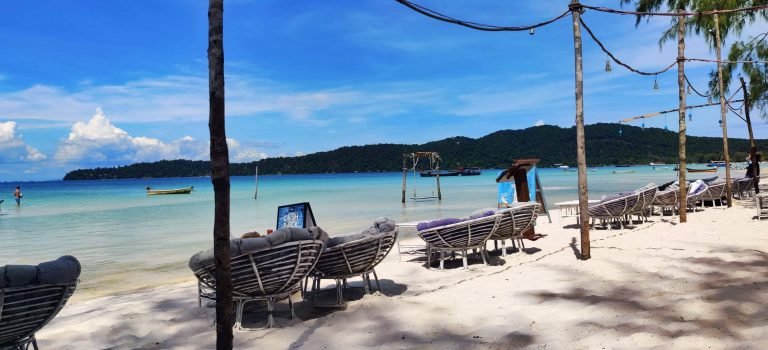
Koh Rong & Koh Rong Samloem (Beaches & Islands)
For beaches and island life, Koh Rong and Koh Rong Samloem offer two distinct experiences that feel completely different from mainland Cambodia. Located off the southern coast and reached by ferry from Sihanoukville, these islands are often the final stop in a Cambodia itinerary, providing a shift from temples and cities to slower, sea-focused travel.
Koh Rong is the larger and more developed of the two islands, known for its mix of social beaches, beach bars, and a wider range of accommodation. Areas like Koh Touch attract travelers looking for a more lively atmosphere, with restaurants, nightlife, and easy access to tours and activities. At the same time, the island still offers quieter stretches of coastline if you move away from the main hub, giving you flexibility depending on how you want to spend your time.
Koh Rong Samloem, on the other hand, is quieter and more focused on relaxation. The pace here is slower, with fewer crowds, calmer water, and a more laid-back environment overall. It is better suited for travelers looking to disconnect, spend time on the beach, and enjoy a more peaceful setting without the distractions of nightlife or busy tourist areas.
Both islands are ideal for balancing the intensity of temple visits and city exploration with time by the sea. After exploring Angkor or spending time in Phnom Penh, heading to the coast creates a natural transition in your trip. If you are planning this part of your journey, this complete guide to Koh Rong and Koh Rong Samloem breaks down where to stay, how to get there, and what to expect on each island.
In practical terms, Koh Rong works well if you want variety and a more social atmosphere, while Koh Rong Samloem is the better choice if you are looking for quiet beaches and a slower rhythm. Choosing between them depends less on which is “better” and more on how you want this part of your trip to feel.
THE BEACH RESORT
Pagoda Beach 18205 Koh Rong, Koh Rong Island, Cambodia, +855 97 558 8585
Located on Pagoda Beach, this resort offers direct access to one of Koh Rong’s more relaxed and scenic stretches of coastline. The setting combines beachfront views with comfortable accommodation, making it a good option for travelers looking to unwind. Its quieter location allows you to enjoy the island without the busier party areas. You can check availability at THE BEACH RESORT here.
SARA RESORT
Saracen Bay, Koh Rong Samloem, Cambodia, +855 97 986 5551
Situated on Saracen Bay, this resort offers one of the most accessible and scenic beachfront stays in Cambodia. The calm water and relaxed atmosphere make it ideal for travelers looking for a quieter island experience. Its location allows for easy access to the beach while maintaining a peaceful environment throughout the day. If you’re planning to stay on Koh Rong Samloem, you can view options at SARA RESORT here.
Kampot & Kep (Relaxed Riverside & Coastal Escape)
Kampot and Kep are ideal for travelers looking to slow down and experience a quieter side of Cambodia after the intensity of Siem Reap or Phnom Penh. Located in the south, these two destinations offer a more relaxed pace, with a focus on scenery, local life, and time outdoors rather than structured sightseeing.
Kampot is known for its laid-back riverside atmosphere, where much of the experience revolves around the water and surrounding countryside. The town itself has a mix of colonial architecture, small cafés, and local markets, but the real appeal lies just outside the center. Nearby pepper farms, quiet rural roads, and easy access to Bokor National Park make it a good base for exploring at a slower pace. Many travelers spend their days cycling through the countryside, taking boat trips along the river, or simply enjoying the calm setting that contrasts sharply with Cambodia’s larger cities.
Kep, located about 30 minutes from Kampot, offers a different but complementary experience. It is smaller and more coastal, with open sea views, quiet beaches, and a strong focus on fresh seafood. The crab market is the main highlight, where restaurants serve locally caught crab and fish in a setting that feels more traditional and less developed than other coastal areas. Kep works well as a short extension from Kampot or as a quieter alternative for travelers who prefer a coastal setting without moving to the islands.
Together, Kampot and Kep provide a natural transition in a Cambodia itinerary, especially after visiting temples or cities. They allow you to slow down, spend more time outdoors, and experience a different rhythm of travel. If you are planning your time in this region, this Kampot travel guide with top experiences and day trips shows how to structure your stay and make the most of both destinations.
In practical terms, Kampot is the better base if you want variety and inland exploration, while Kep is ideal for shorter visits focused on the coast and seafood. Many travelers combine both, using Kampot as their main base and visiting Kep as a day trip to experience the coastline without changing accommodation.
KAMPOT SWEET BOUTIQUE
Trapeang Thum, Teuk Chou, Krong Kampot, Kampot, Cambodia, +855 17 746 222
Set in a quieter area just outside Kampot, this boutique property offers a peaceful environment surrounded by greenery. It is well suited for travelers who want to relax while still being close enough to explore the town, river, and nearby attractions. The setting makes it a good base for discovering the Kampot region at a slower pace. You can check availability at KAMPOT SWEET BOUTIQUE here.
Sihanoukville
Sihanoukville is the main gateway to Cambodia’s southern islands, but it has changed significantly in recent years. While it was once known as a relaxed beach destination, rapid development has transformed much of the city into a busy, construction-heavy environment. For most travelers, Sihanoukville is no longer a place to stay, but rather a transit hub for reaching Koh Rong and Koh Rong Samloem. If you are passing through, it is best approached with clear expectations and a plan to move on quickly. This Sihanoukville travel breakdown and what to expect explains how the city fits into a modern Cambodia itinerary and how to navigate it efficiently.
Battambang
Battambang offers a quieter and more local alternative to Siem Reap, with a focus on countryside experiences and a slower pace of travel. Known for its colonial architecture, creative arts scene, and surrounding rural landscapes, it provides a more grounded view of Cambodia away from the main tourist routes. Activities here are less about major landmarks and more about exploring villages, rice fields, and small local attractions such as the bamboo train and hillside temples. It is a good addition if you want to see a more authentic side of the country while still having enough to fill a couple of days. This Battambang guide with top things to do and local experiences shows how to plan your time effectively.
Northeast Cambodia (Mondulkiri & Ratanakiri)
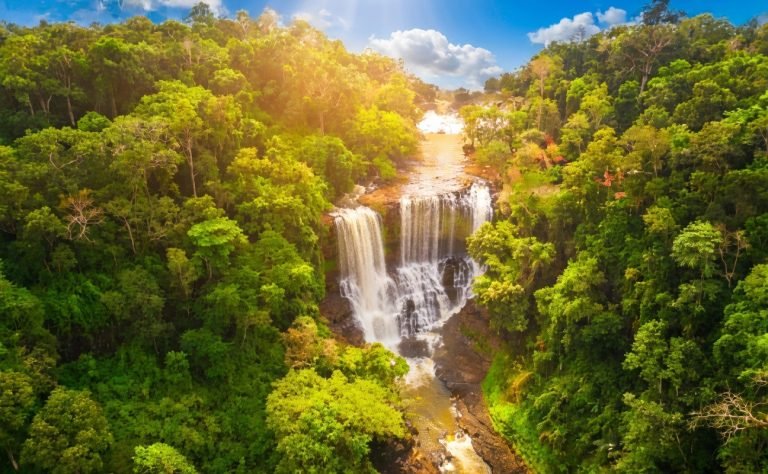
Northeast Cambodia, particularly the provinces of Mondulkiri and Ratanakiri, is where the country feels at its most remote and nature-focused. This region is known for its rolling hills, waterfalls, jungle landscapes, and opportunities to experience a very different side of Cambodia. Compared to the rest of the country, tourism here is minimal, which means fewer crowds but also less developed infrastructure. It is best suited for travelers with more time who are looking for something off the main route. Visiting this part of Cambodia shifts the focus entirely toward nature and local communities rather than temples or cities. If you are considering going further afield, this northeast Cambodia travel guide covering Mondulkiri and Ratanakiri explains what to expect and how to organize your trip.
What to Do in Cambodia
Cambodia offers far more than just Angkor Wat. From ancient temples and jungle landscapes to islands, riverside towns, and fast-moving cities, the country rewards travelers who explore beyond a single destination. The best way to understand what Cambodia has to offer is to think in regions, each with its own atmosphere, highlights, and travel style.
Whether you are here for culture, nature, beaches, food, or nightlife, these are the main areas to focus on when planning your trip.
Siem Reap & Angkor Wat (Temples, Food & Nightlife)
Siem Reap is the cultural heart of Cambodia and the gateway to Angkor Wat, one of the most iconic archaeological sites in the world. Exploring the temples is the main reason most travelers visit Cambodia, and it easily lives up to expectations. For a complete overview of the area, this Siem Reap travel guide helps you plan both your temple visits and time in the city.
The Angkor complex is vast, with highlights including Angkor Wat itself, the Bayon temple with its carved stone faces, and Ta Prohm, where jungle roots have taken over ancient structures. Sunrise at Angkor Wat is one of the most memorable experiences in the country, while cycling or hiring a tuk-tuk allows you to explore the wider temple area at your own pace. If you want to understand routes, tickets, and temple circuits in detail, this Angkor Wat guide breaks everything down step by step.
To experience a completely different side of the region, many travelers also visit the Tonlé Sap floating communities near Siem Reap, where daily life revolves around the lake and its seasonal changes. It offers a strong contrast to the temples and adds another layer to your time in the area.
Back in town, Siem Reap has a lively but accessible social scene. Night markets, local restaurants, and Pub Street create an easy transition from daytime exploration to evenings filled with food, drinks, and music. Whether you want street food, Khmer cuisine, or casual nightlife, it is all within walking distance.
Phnom Penh (Culture, Food & Urban Energy)
Phnom Penh, Cambodia’s capital, provides a deeper understanding of the country’s history and modern identity. While it is more chaotic than Siem Reap, it offers important cultural experiences that should not be overlooked. This Phnom Penh travel guide shows how the city fits into a broader Cambodia itinerary.
The Royal Palace and Silver Pagoda showcase Cambodia’s royal heritage, while Tuol Sleng Genocide Museum and the Killing Fields provide a sobering but essential insight into the Khmer Rouge period. These sites are emotionally heavy but important for understanding the country today.
At the same time, Phnom Penh has developed a strong food and nightlife scene. Riverside bars, rooftop venues, and a growing mix of international and local restaurants give the city a different kind of energy, especially in the evenings. It is a place where culture, history, and modern city life come together.
Koh Rong & Koh Rong Samloem (Beaches, Relaxation & Island Vibe)
Cambodia’s islands are often overlooked, but they offer some of the most beautiful beaches in Southeast Asia. Koh Rong and Koh Rong Samloem are the country’s main island destinations, with Koh Rong known for its mix of lively areas and quieter beaches, while Koh Rong Samloem focuses more on calm water, slower travel, and a peaceful atmosphere.
Days here are simple and rewarding. Swimming, snorkeling, boat trips, and beach walks fill most of your time, while evenings are often spent watching the sunset or enjoying relaxed beachfront restaurants and bars. On certain nights, you may even see bioluminescent plankton glowing in the water.
These islands are ideal for balancing a trip that includes temples and cities with time to disconnect and enjoy Cambodia’s coastal side.
Kampot & Kep (Nature, Food & Slow Travel)
Kampot and Kep offer a completely different side of Cambodia, focused on nature, food, and a slower way of traveling. Kampot sits along a river with nearby countryside, pepper farms, and access to Bokor National Park, while Kep is known for its coastal setting and famous crab market. If you are planning your visit, this guide to things to do in Kampot gives a complete overview of what to expect.
Activities here include river cruises, countryside exploration, visiting salt fields and pepper plantations, and enjoying fresh seafood by the coast. The food scene, especially in Kep, is a highlight, with simple but memorable meals built around local ingredients.
These destinations are less about ticking off attractions and more about slowing down, enjoying the surroundings, and experiencing a quieter rhythm of travel.
Hidden Gems & Lesser-Visited Areas
While most itineraries focus on Siem Reap, Phnom Penh, and the islands, Cambodia has many lesser-visited destinations worth considering. Places like Battambang offer a more local experience, known for its countryside, colonial architecture, and the unique bamboo train.
In the northeast, regions such as Mondulkiri and Ratanakiri provide access to forests, waterfalls, and wildlife, offering a more remote and nature-focused experience. These areas require more planning but reward travelers looking to go beyond the typical route.
Including even one of these destinations in your trip can make your experience in Cambodia feel more complete and less predictable.
📍 Cambodia Travel Map: Key Destinations & Regions
Use this Cambodia travel map to get a clearer sense of where the country’s main destinations are located and how they fit together in a broader route. Click the small arrow icon to the left of “Cambodia” in the black banner above the map to open the full list of marked locations. From there, you can select individual places such as Phnom Penh, Siem Reap, Kampot, Kep, Sihanoukville, Koh Rong, and Koh Rong Samloem to see where they sit in relation to one another and plan your journey more easily.
Best Places to Visit in Cambodia
Cambodia is one of those countries that reveals itself in layers. Many travelers arrive for Angkor Wat, but the country offers far more than a single world-famous temple. From ancient Khmer ruins and moving historical sites to floating villages, riverside towns, tropical islands, mountain landscapes, and quieter provincial destinations, Cambodia rewards travelers who look beyond the obvious and build a more varied itinerary.
Some places are essential, especially for first-time visitors, while others add depth and contrast to the trip. Together, they show why Cambodia is far more diverse than many people expect.
Siem Reap & Angkor Archaeological Park
Siem Reap is the most famous destination in Cambodia and for good reason. It is the gateway to the Angkor Archaeological Park, home to Angkor Wat, one of the most extraordinary religious monuments in the world and one of the most recognizable landmarks in Asia. Watching sunrise at Angkor Wat is one of the classic Cambodia experiences, but the wider temple complex is what makes this part of the country truly unforgettable.
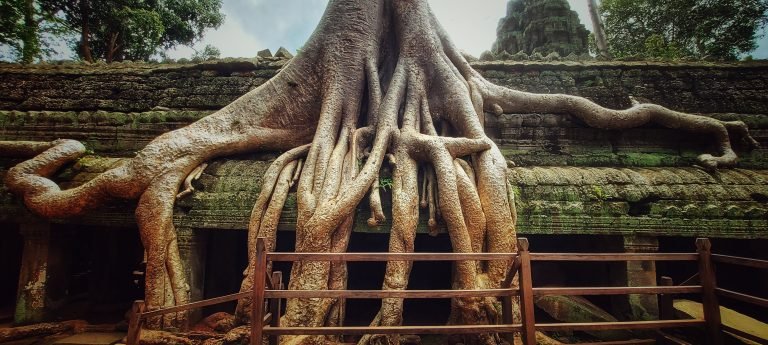
Within the Angkor area, Bayon Temple stands out for its giant carved stone faces, giving it a completely different character from Angkor Wat. Ta Prohm, often called the “Tomb Raider temple,” is famous for the massive tree roots that have grown over and around the ruins, creating one of the most atmospheric temple sites in Cambodia. Banteay Srei, smaller and more delicate, is known for its pink-red sandstone carvings and remarkable level of detail.
Siem Reap is not just a base for temples. The town itself has become one of the easiest and most enjoyable places to travel in Cambodia, with markets, restaurants, bars, spas, and a lively evening atmosphere. Pub Street is the main nightlife and dining hub, but the broader town also has quieter corners, local markets, and a wide range of food options. For travelers who want to add daily life and local contrast to the temple experience, a visit to Kompong Phluk or another floating village near Tonlé Sap Lake adds a very different perspective.
Phnom Penh
Phnom Penh is Cambodia’s capital and the place where the country’s past and present are most visible side by side. It is a city of royal landmarks, busy markets, historical museums, riverfront life, rooftop bars, and dense traffic, all layered into one urban experience. To organize everything efficiently, following a clear how to spend 1 to 3 days in Phnom Penh plan helps you make the most of your time.
For history and culture, the city’s major sites include the Royal Palace and Silver Pagoda, which remain among the most important and visually striking landmarks in the country. The National Museum of Cambodia is another essential stop, especially if you want more context on Khmer civilization and sculpture before or after visiting Angkor.
Phnom Penh is also where travelers confront Cambodia’s more painful recent history. The Tuol Sleng Genocide Museum (S-21) and the Choeung Ek Killing Fields are difficult but important places to visit if you want a fuller understanding of the Khmer Rouge period and its lasting impact on the country. This detailed guide to visiting Tuol Sleng and the killing fields explains how to approach both sites, what to expect, and how to plan your visit responsibly.
Outside the museums and monuments, Phnom Penh has plenty of everyday life and local energy. The riverside remains one of the city’s most accessible areas for walking, dining, and people-watching, while places like Central Market (Psar Thmei) offer a glimpse into the city’s commercial life and architecture. On weekends, the atmosphere along the river becomes even more lively, especially around Chaktomuk Walk Street.
Koh Rong & Koh Rong Samloem
Cambodia’s southern islands provide a very different side of the country. After temples, museums, and city traffic, many travelers head south for slower days, beach time, and sea air. The best known islands are Koh Rong and Koh Rong Samloem and, both reached by ferry from Sihanoukville.
Koh Rong is the more developed and energetic of the two, with a mix of white-sand beaches, hostels, resorts, bars, and boat trips. Some parts of the island are lively and social, while others are quieter and more scenic. Koh Rong Samloem is generally calmer, more laid-back, and better suited to travelers looking for a slower island stay with less nightlife and more focus on relaxation and atmosphere.
These islands are among the best places in Cambodia for swimming, snorkeling, diving, beach walks, and doing very little at all. For many travelers, they provide an essential balance to the more intense cultural and historical parts of the trip.
Kampot & Kep
Kampot and Kep offer a softer, slower, and more atmospheric version of Cambodia. Kampot is a riverside town known for its relaxed pace, old colonial buildings, nearby countryside, pepper plantations, and easy access to Bokor National Park. It is the kind of place where travelers often stay longer than planned because the rhythm is slower and the setting is so easy to enjoy.
Nearby Kep has a more coastal identity and is especially known for its seafood, particularly the famous crab market. It works well as a day trip from Kampot or as a short stop in its own right, especially if you want coastal views, fresh seafood, and a quieter atmosphere than the islands.
Together, Kampot and Kep are ideal for travelers who want to mix major sights with downtime, local food, countryside scenery, and a more relaxed style of travel.
Tonlé Sap Lake & Floating Villages
Tonlé Sap Lake is one of the most important natural features in Cambodia and the largest freshwater lake in Southeast Asia. It plays a central role in the country’s ecology, fishing economy, and daily life. Visiting the lake gives you a very different perspective on Cambodia beyond temples and cities.
One of the most striking experiences is seeing the floating and stilted communities around the lake, where homes, schools, and shops adapt to changing water levels. Places like Kompong Phluk are popular because they show how entire communities live in close relationship with the lake. These visits are not just scenic; they also help travelers understand a side of Cambodia that is practical, environmental, and deeply tied to local livelihoods.
Battambang
Battambang Cambodia is one of the most underrated destinations in the country. It does not have the international profile of Siem Reap or Phnom Penh, but it offers a more local, less touristy experience that many travelers end up loving. The city is known for its colonial architecture, creative scene, and countryside surroundings.
Nearby attractions include the well-known bamboo train, rural villages, temples, and caves, including sites where you can watch bats stream out at sunset. Battambang works particularly well for travelers who want to see a more everyday side of Cambodia while still having enough activities and atmosphere to justify a stop.
Kratie
Kratie is a quieter riverside town on the Mekong and one of the best places in Cambodia to spot the endangered Irrawaddy dolphins. It is not usually part of a first-time highlights-only itinerary, but it adds something special for travelers interested in nature, river landscapes, and slower provincial travel.
The appeal of Kratie is not about big monuments or nightlife. It is about the Mekong, the pace of life, local scenery, and the chance to experience a more peaceful side of the country.
Phnom Kulen National Park
Located not far from Siem Reap, Phnom Kulen National Park is one of the easiest nature-and-culture add-ons to an Angkor itinerary. The area is considered sacred and combines waterfalls, forested landscapes, river carvings, and a large reclining Buddha.
It offers a welcome break from temple-hopping while still feeling culturally significant. For travelers spending several days in Siem Reap, Phnom Kulen adds variety and makes the region feel broader than just the Angkor temple circuit.
Cardamom Mountains
For travelers interested in nature, wildlife, and eco-tourism, the Cardamom Mountains are one of Cambodia’s most important natural regions. This vast rainforest area is still relatively undeveloped compared with the country’s main tourist centers and offers a very different travel experience.
Depending on where you go, this region can include jungle lodges, river excursions, wildlife-spotting opportunities, and a stronger sense of remoteness. It is not the easiest part of Cambodia to add to a short itinerary, but for travelers with more time, it shows another side of the country entirely.
Mondulkiri & Ratanakiri
Cambodia’s northeastern provinces, especially Mondulkiri and Ratanakiri, are among the country’s least visited but most distinctive regions. These areas are known for forests, waterfalls, hill landscapes, and a more rural, less developed atmosphere.
They are better suited to travelers who have already seen Cambodia’s highlights or who want to build a more unusual itinerary. These provinces require more effort to reach, but they reward that effort with scenery, space, and a stronger sense of adventure.
Why Cambodia Feels So Varied
What makes Cambodia so rewarding is the contrast between its destinations. You can spend one part of your trip exploring one of the great temple complexes of the world, another learning about the country’s modern history in Phnom Penh, another eating seafood by the coast, and another relaxing on tropical islands or traveling into quieter rural provinces.
That range is what makes Cambodia such a strong destination for a full itinerary rather than just a quick stop. It is not only about a single landmark. It is about how the temples, cities, river towns, food, coast, and countryside all combine into one varied and memorable journey.
Shopping in Cambodia: Markets, Malls & Local Finds
Shopping in Cambodia ranges from traditional markets and night bazaars to modern shopping malls, offering a mix of local products, souvenirs, and international brands. Whether you are browsing for handicrafts, picking up everyday items, or just exploring, shopping is part of the travel experience here.
Markets & Night Markets
Local markets are where Cambodia feels most alive. They are busy, colorful, and often a little chaotic, but they are also where you will find some of the best deals and most authentic products. From early morning food markets to evening night markets, these spaces offer a glimpse into everyday life that you will not find in more polished parts of the country.
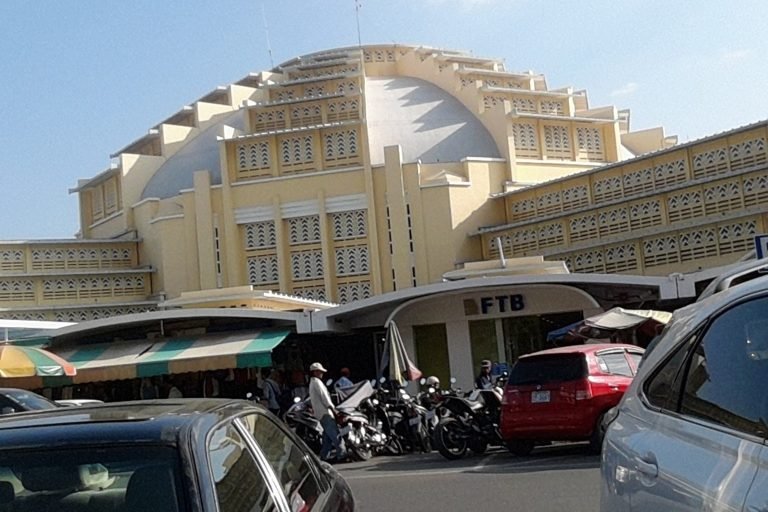
In Phnom Penh, the Central Market (Psar Thmei) is one of the most recognizable landmarks in the city. Built in the 1930s, its large yellow Art Deco dome makes it stand out architecturally, and inside you will find everything from jewelry and watches to clothes, electronics, and souvenirs.
For a more local and slightly more chaotic experience, the Russian Market (Tuol Tom Poung) is one of the best places to explore. Known for its dense layout and lively atmosphere, it is ideal for buying carved goods, silk products, clothing, and inexpensive souvenirs. The market also features a popular food section, along with stalls selling everything from fabrics to second-hand motorbike parts.
Orussey Market offers a very different, more local experience spread across multiple floors. It is less focused on tourists and packed with everyday goods, including fabrics, household items, fresh produce, and electronics. It can feel overwhelming at first, but it gives a more authentic look at daily life in Phnom Penh.
In the evening, the Phnom Penh Night Market (Phsar Reatrey) along the riverside becomes a lively social space, with street food stalls, clothes vendors, and occasional live music. It is a relaxed place to walk around, try local snacks, and experience the city after dark.
Beyond the better-known markets, smaller and more specialized markets are scattered across the city. Phsar Kandal, near the riverside, is popular for fresh food and early morning activity, while Phsar Chas (Old Market) near the French Quarter offers a mix of goods in a more compact setting. Boeung Keng Kang Market is smaller and more neighborhood-focused, known for clothing, electronics, and local food.
Whether you are shopping for souvenirs, trying local food, or simply walking through the aisles, Cambodian markets are less about organized shopping and more about the experience itself. They are busy, imperfect, and full of character, which is exactly what makes them worth visiting.
Night markets are popular in both Phnom Penh and Siem Reap. They typically combine shopping with street food, making them more than just a place to buy things. You will find clothes, accessories, souvenirs, and local crafts, often at very affordable prices.
In Siem Reap, the area around the night markets and Pub Street becomes especially lively in the evening, while in Phnom Penh, weekend markets and riverside areas add to the atmosphere.
What to Buy
Cambodia is a good place to pick up affordable clothing, shoes, and travel essentials. Many items are inexpensive, and you will often find export-quality garments at lower prices than in Western countries.
Handicrafts are also widely available, including silk products, scarves (krama), wood carvings, and locally made souvenirs. These make for more meaningful purchases compared to mass-produced items.
Bargaining & Prices
In markets, prices are rarely fixed, and bargaining is part of the process. It is expected, but it should be done politely and with a sense of humor. A small negotiation is normal, but aggressive haggling is not necessary and can feel uncomfortable.
In malls, restaurants, and branded stores, prices are fixed and clearly displayed.
Modern Shopping Malls
Cambodia has seen rapid development in recent years, and modern shopping malls are now common in cities like Phnom Penh and Siem Reap. These malls offer air-conditioned comfort, international brands, supermarkets, cinemas, and food courts.
They provide a completely different experience compared to local markets and can be a welcome break from the heat. While they are not unique to Cambodia, they are useful for convenience and familiar shopping options.
A Mix of Old & New
One of the interesting aspects of shopping in Cambodia is the contrast between traditional markets and modern retail spaces. You can move from a busy local market to a polished shopping mall within minutes, experiencing two very different sides of the country.
Whether you are buying souvenirs, browsing markets, or just exploring, shopping in Cambodia is less about luxury and more about the experience itself.
Food, Bars & Nightlife in Cambodia
Food and nightlife in Cambodia vary significantly depending on where you are, ranging from simple street food and riverside dinners to lively bar scenes and late-night clubs. While the country is not a full-scale party destination like parts of Thailand, it offers a surprisingly diverse mix of cuisines, atmospheres, and experiences across its main travel hubs.
Phnom Penh (Restaurants, Rooftops & Local Life)
Phnom Penh has the most developed and varied food scene in Cambodia. You will find everything from traditional Khmer dishes to high-quality international cuisine, often at a standard that surprises first-time visitors. Restaurants such as Aroma offer Lebanese flavors, while Pépé Bistro brings a refined French touch. For more casual meals, Pizza 4P’s and La Croisette are reliable choices.
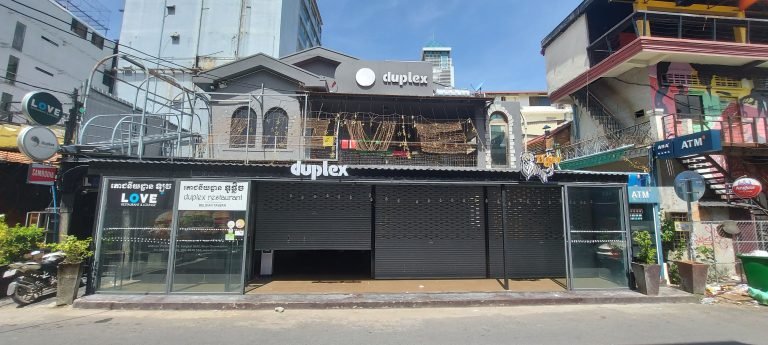
The bar and rooftop scene is spread across the riverside and BKK areas, offering everything from relaxed hangouts to more elevated settings. Places like Duplex Belgian Tavern provide a laid-back atmosphere, while venues such as Rukkha Sky Bar & Tapas offer panoramic views over the city with cocktails in a more refined setting. The Big Easy sits somewhere in between, combining food, drinks, and a social backpacker crowd.
"Rukkha is one of my favorite rooftop spots in Phnom Penh. The view over the Tonlé Bassac river is incredible at sunset, and every time I’ve been there, the food has been consistently good."
For a more concentrated and characterful nightlife experience, Bassac Lane is one of Phnom Penh’s most popular evening spots. This small network of alleyways is packed with intimate cocktail bars, live music venues, and casual hangouts, creating a lively but approachable atmosphere that attracts both locals and expats. It is an easy place to bar-hop without planning, and one of the best areas in the city to experience Phnom Penh’s social side.
Beyond that, Phnom Penh’s nightlife is energetic and slightly chaotic, with clubs like Pontoon, Love Club, and Jasmine attracting both locals and expats. It is not polished nightlife, but it is lively, accessible, and easy to experience without much planning.
On weekends, the city also offers a more local and cultural experience through Chaktomuk Walk Street, a pedestrian-only riverside promenade along Sisowath Quay. Stretching from the Old Post Office to the Royal Palace, this area comes alive on Saturday and Sunday evenings with street food stalls, local snacks, live music, and small performances. It is one of the best places to experience Phnom Penh beyond bars and restaurants, with a lively atmosphere that reflects everyday local life.
Siem Reap (Dining & Pub Street Atmosphere)
Siem Reap balances cultural travel with a surprisingly social food and nightlife scene. After a full day exploring Angkor Wat, most evenings naturally shift toward the center of town, where restaurants and bars are concentrated within walking distance.
Restaurants such as Amok by Chef Kimsan and Madam Moch provide a good introduction to Khmer cuisine, while places like Le Cul-de-Sac and Mesa offer more variety.
The social heart of Siem Reap is Pub Street, where restaurants, bars, and street food stalls are packed closely together. It is touristy, but it works well as a central hub where you can move easily between dinner, drinks, and nightlife without needing to plan your evening in advance.
Bars such as Picasso Bar, Laundry Bar, and classics like Red Piano create a lively but approachable atmosphere, while Temple Club offers a more club-style experience late into the night.
Overall, nightlife in Siem Reap is compact, easy to navigate, and designed for travelers, making it one of the most accessible places in Cambodia to go out in the evening.
Kampot (Riverside Dining & Slow Evenings)
Kampot offers a completely different experience, focused on relaxed dining and slow evenings rather than nightlife. The town is known for its riverside setting, calm atmosphere, and a mix of local and international food options.
Places like Epic Arts Café and L’Osteria highlight the variety of food available, while smaller venues such as Vanna Restaurant & Bar and Peacocks provide relaxed environments for dinner or drinks. For something slightly more social, Oh Neil’s Irish Bar is a well-known stop without the intensity of a club scene.
Evenings here are less about going out and more about slowing down, enjoying good food, and spending time by the river.
What to Expect from Cambodian Food
Khmer cuisine is often underestimated, but it quickly becomes one of the highlights of traveling in Cambodia once you understand its balance of flavors. If you want a clearer overview before diving in, this breakdown of traditional Cambodian dishes and flavors will help you recognize what you are seeing on menus across the country. Many dishes are built around fresh herbs, rice, slow-cooked meats, and light, aromatic spices rather than heavy heat, making the food approachable and easy to enjoy.
One of the most well-known dishes is fish amok, a creamy coconut-based curry with lemongrass and spices, traditionally steamed in banana leaves. It has a soft texture and a mild, fragrant flavor. Another staple is beef lok lak, a stir-fried beef dish served with rice, fresh vegetables, and a pepper-lime dipping sauce that adds a sharp, citrusy contrast.
Street food is a major part of daily life and often where you will find the most authentic meals. Night markets and roadside stalls serve grilled meats, noodles, soups, and quick dishes that are both affordable and satisfying. You may also come across more unusual options such as fried insects, including crickets, which are commonly eaten as a snack and form part of local food culture.
At the same time, Cambodia offers a wide range of dining options. You can eat well for just a few dollars at a street stall, or enjoy more refined Khmer and international cuisine in restaurants that rival those in larger regional cities. This flexibility makes it easy to adapt your food experience depending on your budget and travel style.
Overall, food in Cambodia is not just about individual dishes, but about the experience of moving between street food, casual dining, and more refined restaurants, often within the same day. It is varied, accessible, and often surprisingly good once you know what to look for.
How to Get Around Cambodia
Getting around Cambodia is relatively straightforward once you understand the available options, but it does require a bit of flexibility. Transport is not always as structured as in more developed countries, yet it is affordable, widely available, and part of the overall travel experience. If you are planning a broader trip, this Cambodia transport overview gives you a clear picture of how everything connects across the country.
Getting Around Cities (Tuk-Tuks, Ride Apps & Walking)
In cities like Phnom Penh and Siem Reap, the easiest way to get around is by tuk-tuk (often called a “bajaj”). They are everywhere and convenient for short distances, but prices should always be agreed upon before starting your journey if you are not using an app.
Ride-hailing apps are the most straightforward option for visitors. PassApp is the most widely used local app and often the best choice, while Grab is also available and familiar to many travelers. These apps offer fixed pricing, remove the need for negotiation, and make it easier to communicate destinations.
Taxis are also available through these apps, providing a more comfortable alternative to tuk-tuks, especially for longer distances or airport transfers.
Walking is possible in certain areas, particularly in central Siem Reap and parts of Phnom Penh, but sidewalks can be uneven or inconsistent. For longer distances or in hotter weather, using a tuk-tuk or ride app is usually the more practical option.
Traveling Between Cities (Buses, Vans & Private Transfers)
Most travel between cities in Cambodia is done by bus or minivan, connecting destinations such as Phnom Penh, Siem Reap, Kampot, Kep, and Sihanoukville. Travel times can be longer than expected due to road conditions and traffic, so it is best to plan with some flexibility.
Minivans are generally faster, while larger buses can be more comfortable for longer journeys. Several reputable companies operate across the country, including Giant Ibis, Larryta Bus, and eBooking Express, all of which are commonly used by travelers.
For more comfort or convenience, private transfers are also widely available. These are more expensive but allow you to travel at your own pace, stop along the way, and avoid crowded vehicles.
Domestic Flights (Fastest Option)
If you want to save time, domestic flights are available between major destinations such as Phnom Penh and Siem Reap. Airlines such as Air Cambodia and Cambodia Airways operate regular routes.
Flights are significantly faster than road travel, but they are also more expensive. For shorter trips, buses and vans are often more practical, while flights make sense if you are short on time.
Getting to the Islands (Ferries)
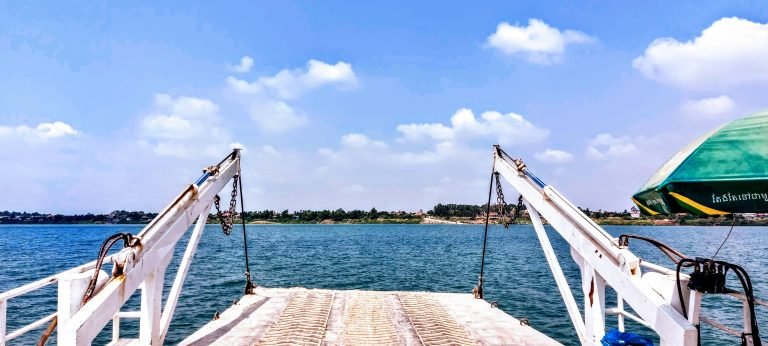
To reach islands such as Koh Rong and Koh Rong Samloem, you will need to take a ferry from Sihanoukville Cambodia, usually departing from the main port area (Sihanoukville Autonomous Port or nearby piers). The journey typically takes around 40 to 45 minutes on a speedboat, depending on weather conditions and the specific route.
Several operators run daily services, including GTVC Speedboat, Speed Ferry Cambodia, and Buva Sea Cambodia. These companies offer frequent departures throughout the day, making it relatively easy to plan your transfer.
Ticket prices are generally affordable, averaging around $14–$15 for a one-way ticket or $25–$27 for a return trip. Tickets can be purchased at the port, through hotels and travel agencies, or booked online in advance, which is recommended during busy travel periods.
Arrival points on Koh Rong vary depending on your accommodation. Common drop-off locations include Koh Touch, Long Set Beach, and other resort-specific piers, so it is important to confirm which pier is closest to your hotel before booking.
Conditions can change quickly at sea, and the ride can be bumpy, especially during rough weather. It is a good idea to secure your belongings and be prepared for some movement during the journey. Once on the islands, access to ATMs is very limited, so bringing enough cash with you is essential.
Motorbikes & Local Exploration
In smaller towns like Kampot, renting a motorbike is a common way to explore the surrounding countryside, including rivers, pepper farms, and national parks. It offers flexibility and allows you to reach places that are less accessible by tuk-tuk.
If you are not comfortable driving, tuk-tuks can usually be hired for half-day or full-day trips, which is often a good alternative. Drivers are familiar with local routes and can suggest stops along the way.
What to Expect
Transport in Cambodia is part of the travel experience rather than just a way to get from one place to another. Journeys may take longer than expected, roads can vary in quality, and schedules are not always exact. At the same time, the system works, and most travelers find it easy to move between destinations without major issues.
A flexible mindset goes a long way. If you allow extra time, plan realistically, and use a mix of transport options, getting around Cambodia becomes simple and often more enjoyable than expected.
Culture, Etiquette & Local Life in Cambodia
Understanding Cambodian culture adds an entirely different dimension to your trip. Many customs are subtle, and while locals are generally very forgiving toward visitors, showing awareness and respect will noticeably change how people interact with you.
Cambodia is deeply influenced by Theravada Buddhism, strong family values, and a long, complex history. Everyday interactions are shaped by respect, politeness, and social hierarchy, which may feel different if you are used to more direct or informal cultures.
Greetings & Social Etiquette
The traditional Cambodian greeting is called the som pas, where people place their palms together in a prayer-like gesture and bow slightly. The higher the hands and the deeper the bow, the more respect is being shown. You will often hear greetings like “Choum Reap Sur” (hello) and “Choum Reap Lir” (goodbye).
In everyday situations, especially in cities, handshakes are common among men, but many women still prefer the traditional greeting and may avoid physical contact, particularly with the opposite sex. As a visitor, a smile and a slight nod or som pas is always appreciated and considered respectful.
Cambodians also use titles when addressing others, often based on age and respect rather than formal status. It is common to address people in a way that reflects family roles, such as “brother,” “sister,” “uncle,” or “aunt,” especially when speaking to someone older. Using names without context can sometimes come across as too direct.
Respect, Body Language & Social Norms
Respect plays a central role in Cambodian culture, especially toward elders. Younger people are expected to show deference in both language and behavior, and this is something visitors will notice quickly in everyday interactions.
The head is considered the most sacred part of the body, while the feet are seen as the lowest and least clean. Because of this, touching someone’s head, even in a friendly way, is considered disrespectful. Similarly, pointing your feet at people, religious objects, or statues should be avoided.
When giving or receiving something, especially with older people, using both hands is seen as polite. Small gestures like this are not expected from visitors, but they are always appreciated.
Cambodians also tend to communicate in a more indirect and non-confrontational way. Smiling or laughing does not always mean happiness; it can also reflect embarrassment, politeness, or an attempt to avoid conflict. Understanding this helps avoid misunderstandings in everyday situations.
Temples, Monks & Religious Etiquette
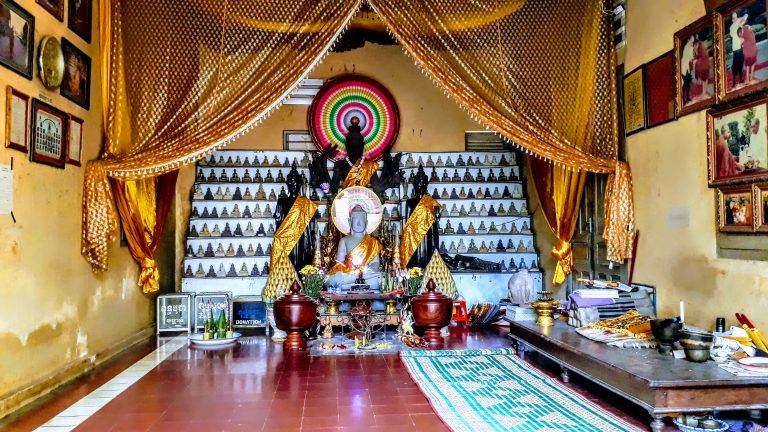
Religion is an important part of life in Cambodia, and visiting temples (Wats) comes with a few basic expectations. Shoes should always be removed before entering temple buildings, and clothing should be modest, covering shoulders and knees.
Inside temples, people typically sit with their legs bent and feet tucked behind them rather than stretched out in front. This is a sign of respect, particularly in the presence of Buddha images or monks.
Monks hold a respected position in society, and there are specific customs when interacting with them. Women should not touch monks or hand objects directly to them; instead, items should be placed within reach. It is also considered disrespectful to stand above a seated monk or to behave casually in their presence.
Even outside temples, Buddha statues and religious symbols should be treated with respect. Climbing on them or posing casually for photos can be seen as offensive.
Entering Homes & Everyday Courtesy
When entering a Cambodian home, it is customary to remove your shoes before going inside. Even if the host says it is not necessary, doing so is a sign of respect.
Guests are usually offered water, tea, or something to eat. It is polite to accept, even if only a small amount. Refusing outright can be seen as impolite, while accepting shows appreciation for the host’s hospitality.
Seating etiquette also matters. In more traditional settings, sitting with your legs tucked to the side or behind you is considered more respectful than stretching them out or crossing them.
Respect for Elders
Respect for elders is a core value in Cambodian society and is visible in everyday interactions. Younger people greet older individuals first, speak more politely, and often adjust their posture or behavior to show respect.
Simple gestures, such as lowering your head slightly when passing in front of someone older or offering items with both hands, reflect this cultural norm. Visitors are not expected to follow every detail, but showing awareness goes a long way in creating positive interactions.
Local Mindset & Cultural Nuances
Cambodian society tends to be modest and reserved, especially outside major tourist areas. People are generally friendly and welcoming, but not overly expressive or direct. Patience and a calm approach are valued in most situations.
There is also a strong sense of resilience in Cambodia, shaped by the country’s recent history. Many people prefer not to speak openly about difficult topics, and conversations tend to stay light and positive in everyday interactions.
Understanding these nuances helps you move through Cambodia more comfortably and respectfully, and often leads to more genuine and rewarding experiences during your trip.
Safety & Practical Travel Tips in Cambodia
Cambodia is often misunderstood when it comes to safety. While it has a reputation in some parts of the world for being risky or unstable, the reality on the ground is very different. Most travelers find Cambodia to be one of the safest and most welcoming countries in Southeast Asia, both during the day and at night.
General Safety
Serious crime against tourists is rare in Cambodia. Violent incidents, armed robberies, or attacks are extremely uncommon, especially in main travel areas such as Phnom Penh, Siem Reap, and Kampot. In general, visitors can move around freely without feeling unsafe.
The most common issues are minor opportunistic crimes such as pickpocketing or phone snatching, particularly in busy areas or when using your phone near the roadside. Keeping basic awareness of your surroundings and avoiding displaying valuables openly is usually enough to prevent problems. For a more complete breakdown of what to expect and how risks vary across different regions, this Cambodia travel safety guide goes into greater detail.
Despite its reputation abroad, Cambodia is, in practice, a relaxed and friendly country where people are generally helpful and non-confrontational. Many travelers are surprised by how comfortable and easy it feels once they arrive.
Traffic & Road Reality
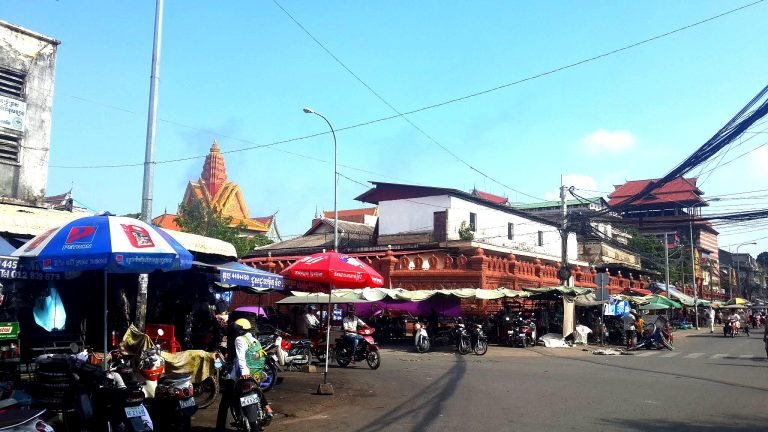
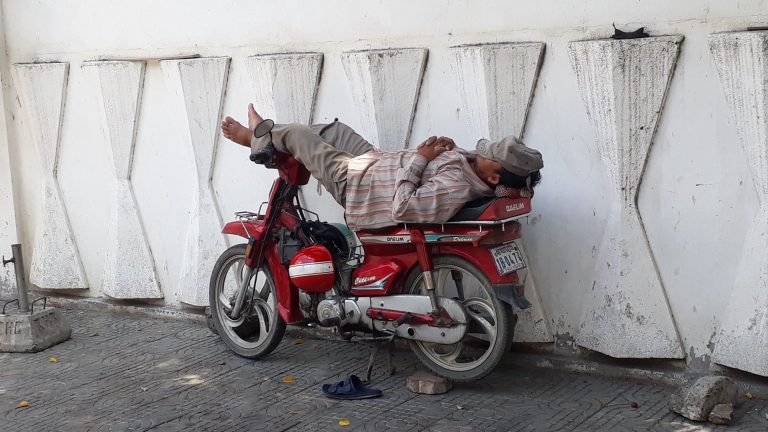
The biggest safety challenge in Cambodia is not crime, but traffic. Roads can feel chaotic at first, especially in cities like Phnom Penh, where traffic rules are more fluid than strictly enforced.
Motorbikes are everywhere, and for smaller engines (typically under 125cc), a license is not always required, which contributes to a wide range of driving experience on the road. Traffic lights and formal rules exist, but they are not always followed in the way visitors might expect.
One important difference is how traffic flows. Vehicles move based on awareness and constant adjustment rather than strict right-of-way rules. Horns are used frequently, but not as a sign of aggression. Instead, they are a way of saying “I am here” or “I am passing,” helping others anticipate movement.
In some situations, stopping suddenly at a red light can actually be more dangerous than expected, as drivers behind you may not anticipate it. This does not mean you should ignore traffic signals, but it does highlight how important it is to stay aware of your surroundings at all times.
At the same time, traffic in Cambodia is generally tolerant rather than aggressive. Road rage is extremely rare, and drivers tend to adapt to each other rather than react emotionally. Once you understand the rhythm, it becomes easier to navigate, whether you are walking, riding, or sitting in a tuk-tuk.
Scams & Misconceptions
Cambodia is sometimes associated with scams or more serious issues such as trafficking, but for the average traveler, these concerns are largely overstated. While scams can exist, as they do in many countries, they are not a defining part of the travel experience.
Most visits to Cambodia are smooth and trouble-free, and the country’s reputation for danger is often based on outdated or exaggerated perceptions. In reality, Cambodia is known for its hospitality, and visitors are typically treated with warmth and respect.
Practical Safety Tips
A few simple habits can make your trip even smoother:
- Avoid using your phone near busy roads to reduce the risk of snatching.
- Use ride-hailing apps or trusted drivers when possible.
- Keep small cash accessible and avoid carrying large amounts visibly.
- Stay aware of traffic when crossing streets, especially in busy areas.
- Respect local customs and behavior, which naturally leads to more positive interactions.
With a bit of awareness and common sense, Cambodia is an easy and comfortable country to travel through. Many visitors arrive with some hesitation and leave wondering why they ever had concerns in the first place.
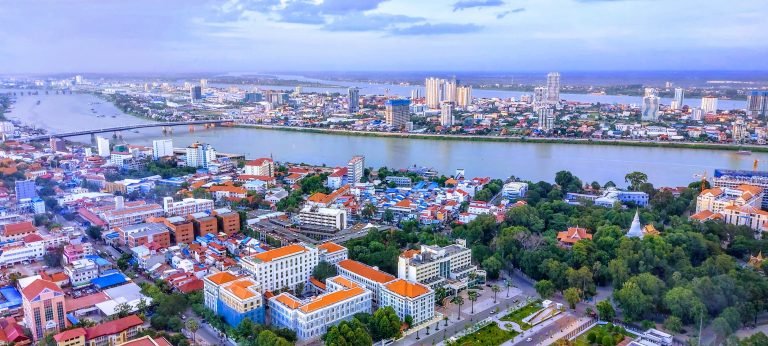
A Brief History of Cambodia: From Angkor to Today
To really understand Cambodia, it helps to know a little about its past. The country’s identity is deeply tied to the Khmer people and the legacy of one of Southeast Asia’s greatest civilizations.
The Khmer Empire & Angkor
Between the 9th and 15th centuries, the Khmer Empire was one of the most powerful civilizations in Southeast Asia. Its capital, Angkor, was a vast urban center and the site of monumental architecture, including Angkor Wat, now the largest religious structure in the world.
The temples you see today are only a small part of what was once a highly advanced society, with complex water systems, agriculture, and urban planning. Angkor remains the cultural and historical heart of Cambodia.
Why “Cambodia” and Not “Khmer”?
The people of Cambodia are Khmer, and the language is Khmer, but the name “Cambodia” comes from “Kampuchea,” which itself is derived from an ancient Sanskrit term. You will still hear the country referred to as “Kampuchea” in certain contexts.
In everyday life, Cambodians often refer to themselves simply as Khmer, especially when speaking about culture, identity, and language.
The Khmer Rouge Period
More recent history has also shaped the country in profound ways. Between 1975 and 1979, Cambodia was ruled by the Khmer Rouge, a regime responsible for one of the most devastating periods in modern history.
Today, places like the Tuol Sleng Genocide Museum and the Killing Fields serve as reminders of this time. While it is a difficult subject, understanding this period helps explain the resilience and warmth that many travelers notice in Cambodian people today.
Cambodia Today
Modern Cambodia is a country that continues to develop and evolve. Cities are growing, tourism is expanding, and infrastructure is improving, while traditional culture and daily life remain strongly rooted in Khmer identity.
For travelers, this combination of deep history, recent transformation, and everyday local life is part of what makes Cambodia such a compelling destination.
Annual Festivals in Cambodia
Cambodia’s cultural calendar is deeply connected to Buddhism, the lunar calendar, and the country’s agricultural cycles. Throughout the year, major festivals bring communities together for temple visits, family gatherings, and nationwide celebrations. For travelers, these events can significantly shape your experience, affecting crowds, transport, and the overall atmosphere.
Khmer New Year (Chaul Chnam Thmey) – April
Celebrated in mid-April, Khmer New Year is the biggest and most important festival in Cambodia, marking the end of the harvest season and the start of a new year. Over three days, cities slow down as many locals return to their hometowns to spend time with family, visit temples, and take part in traditional games and celebrations. :contentReference[oaicite:0]{index=0}
Expect lively street scenes, music, and widespread water splashing, which symbolizes cleansing and renewal. While it is an incredible cultural experience, travel logistics can be more limited during this period, as much of the country effectively pauses for the holiday.
Pchum Ben (Ancestors’ Day) – September or October
Pchum Ben is one of Cambodia’s most spiritual and meaningful festivals, usually taking place between September and October, depending on the lunar calendar. The celebration lasts for around 15 days, with the final days marked by nationwide observances. :contentReference[oaicite:1]{index=1}
During this time, Cambodians visit pagodas to make offerings to monks and honor their ancestors, believing that the spirits of the deceased return to receive blessings. The atmosphere is quieter and more reflective, offering a unique insight into the country’s religious traditions.
Water Festival (Bon Om Touk) – November
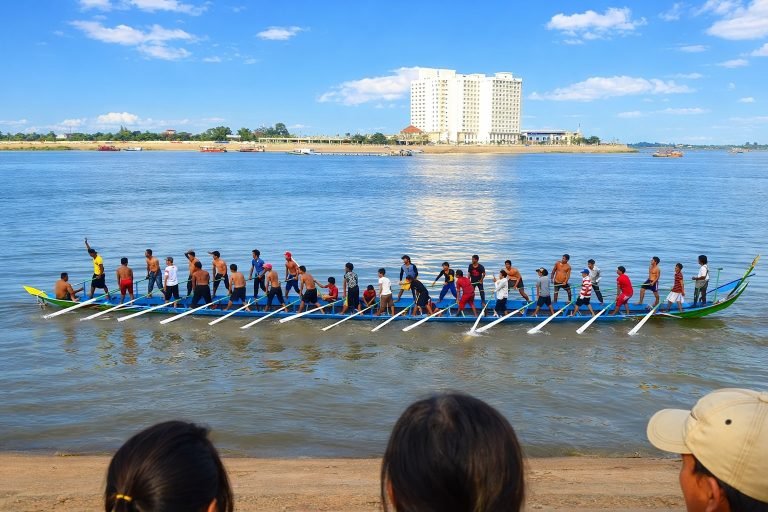
Held in November, the Water Festival celebrates the natural reversal of the Tonlé Sap River, a rare phenomenon that plays a crucial role in Cambodia’s ecosystem. It is one of the most vibrant events of the year, especially in Phnom Penh. :contentReference[oaicite:2]{index=2}
The festival features colorful boat races, fireworks, illuminated floats, and large crowds gathering along the riverbanks. It marks the end of the rainy season and the beginning of the fishing season, making it both a cultural and seasonal turning point in Cambodia.
Because many traditional celebrations follow the lunar calendar, exact dates vary each year. If you are planning your trip around a specific festival, it is always worth checking the exact dates in advance.
In addition to the major festivals, several other public holidays and religious observances take place throughout the year and can still affect travel plans. These include Meak Bochea (February), a Buddhist holiday marked by temple ceremonies; Visak Bochea (May), celebrating the birth, enlightenment, and passing of Buddha; and the Royal Ploughing Ceremony (May), which symbolically marks the start of the agricultural season. Important national holidays such as Victory Over Genocide Day (January 7), Independence Day (November 9), and the King’s Birthday (May 14) are also observed across the country.
While these events are generally more low-key than Cambodia’s major festivals, they can still lead to temporary shop closures, busy transport, and increased domestic travel. Because many religious holidays follow the lunar calendar, exact dates vary each year, so it is always worth checking ahead if your trip coincides with a public holiday.
Best Time to Visit Cambodia
Cambodia has a tropical climate with two main seasons: the dry season and the wet (monsoon) season. While you can travel year-round, the experience can feel very different depending on when you visit, especially when it comes to heat, humidity, and rainfall. For a more detailed breakdown, this Cambodia season-by-season travel guide helps you understand how conditions change throughout the year.
Dry Season (November to April)
The dry season is generally considered the best time to visit Cambodia, especially for first-time travelers. From November to February, the weather is relatively cooler, with lower humidity and more comfortable temperatures, making it ideal for exploring temples, cities, and outdoor attractions.
This is also peak travel season, particularly in places like Siem Reap and Phnom Penh. Expect more visitors, especially around Angkor Wat, but also the most reliable weather conditions. November is also when Cambodia celebrates the Water Festival (Bon Om Touk), bringing vibrant boat races and large crowds, especially in Phnom Penh.
From March to April, temperatures rise significantly, often becoming very hot and dry. While this period sees fewer tourists, sightseeing can be more physically demanding, especially during the middle of the day. Mid-April marks Khmer New Year (Chaul Chnam Thmey), the country’s biggest celebration, when many locals travel to their hometowns and daily life slows down.
Wet Season (May to October)
The wet season brings regular rainfall, usually in short but intense bursts rather than constant rain throughout the day. Mornings are often clear, with showers arriving in the afternoon or evening.
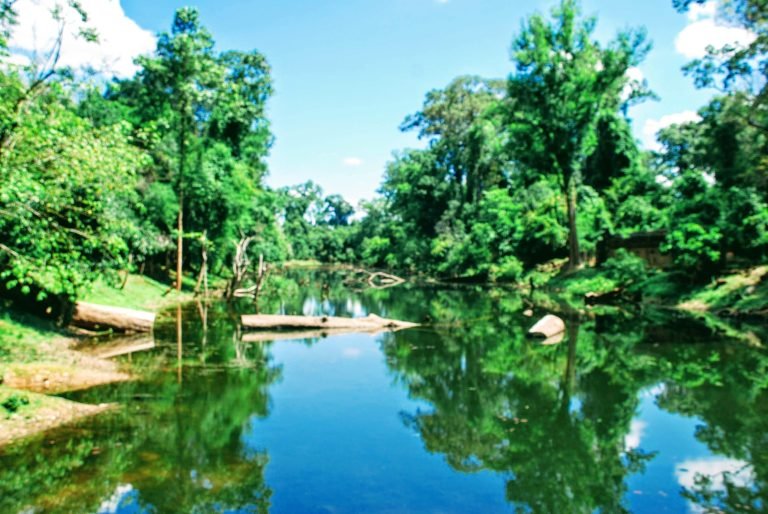
This is when Cambodia is at its most lush and green. Rice fields are vibrant, landscapes come alive, and there are fewer tourists, which can make popular sites feel much quieter and more relaxed. Around September or October, Cambodia observes Pchum Ben (Ancestors’ Day), a deeply spiritual period when locals visit pagodas and spend time with family.
Travel during this period is still very possible, but you may need to be flexible with plans. Some rural roads can become muddy or harder to access, and occasional delays are part of the experience.
Shoulder Months (May & October)
The transition months between seasons can offer a good balance. You may experience a mix of sunshine and rain, but with fewer crowds and slightly lower prices. These months are often overlooked, yet they can provide a very enjoyable travel experience.
So, When Should You Go?
If you want the easiest and most predictable experience, aim for November to February. If you prefer fewer crowds and don’t mind occasional rain, the wet season can be surprisingly rewarding. And if you are comfortable with heat, March and April offer quieter conditions, though with more intense temperatures.
In reality, there is no single “perfect” time to visit Cambodia. Each season offers a different perspective, and the best choice depends on your travel style, tolerance for heat or rain, and what kind of experience you are looking for.
Travel Facts & Practical Tips for Cambodia
Cambodia is a Southeast Asian country known for its rich history, welcoming people, and iconic landmarks like Angkor Wat and Tonlé Sap Lake. While it is an easy country to travel through, understanding a few key practical details before you arrive will make your trip significantly smoother. For a deeper breakdown of how things work on the ground, these essential Cambodia travel tips help you prepare for real-world conditions beyond the basics.
Entry Requirements (Visa & Arrival)
Most travelers need a visa to enter Cambodia. You can apply online in advance through the official e-visa system or obtain a visa on arrival at major airports.
Your passport must be valid for at least six months beyond your entry date. It is also highly recommended to complete the Cambodia e-Arrival process before landing, as this has replaced the old paper immigration forms and helps speed up entry procedures.
👉 Apply for Cambodia e-Visa
👉 Complete Cambodia e-Arrival Form
Currency (USD & Cambodian Riel)
Cambodia operates on a dual-currency system using both US Dollars (USD) and Cambodian Riel (KHR). In practice, most prices are listed in USD, especially in cities and tourist areas.
Smaller change is almost always given in Riel. For example, if you pay with a $10 bill, you might receive part of your change in USD and part in Riel. This can feel confusing at first, but you quickly get used to it.
ATMs dispense USD, and it is recommended to carry small bills, as larger notes can be difficult to break for everyday purchases.
Connectivity (SIM Cards & Internet)
Staying connected in Cambodia is easy, with strong mobile coverage in cities and most tourist areas. While local SIM cards are available, many travelers now prefer using an eSIM for convenience. If you want a full breakdown of providers, prices, and coverage, this complete SIM card and eSIM guide for Cambodia helps you choose the best option for your trip.
👉 Best eSIMs for International Travel
Wi-Fi is widely available in hotels, cafés, and restaurants, and speeds are generally reliable for everyday use.
Getting Around
Transport in Cambodia is straightforward once you understand how it works locally. For short distances, tuk-tuks (also called remorques or bajaj) are the most common option.
Ride-hailing apps like PassApp and Grab are widely used, with PassApp being the most popular among locals. These apps remove the need to negotiate prices and are generally the easiest way to get around cities.
If you take a tuk-tuk without an app, always agree on the price before starting your journey, as there are no fixed meters.
For travel between cities, buses are reliable and widely used. Reputable companies include:
👉 Giant Ibis
👉 Larryta Bus
👉 eBooking Express
Domestic flights are also available and useful for longer distances:
👉 Air Cambodia
👉 Cambodia Airways
Is Cambodia Safe?
Cambodia is generally one of the safest countries in Southeast Asia for travelers. Violent crime is extremely rare, and most visits are trouble-free, both during the day and at night.
The most common issues are minor, such as pickpocketing or phone snatching, particularly in busy areas. Basic awareness—like not using your phone carelessly in traffic—is usually enough to avoid problems.
While Cambodia sometimes has a negative reputation abroad, the reality on the ground is very different. Most travelers find it to be a friendly, relaxed, and welcoming country.
In rural areas, it is important to stay on marked paths due to the presence of unexploded landmines from past conflicts. This is not something you will encounter in cities or main tourist areas, but it is worth being aware of.
Travel Insurance (Highly Recommended)
Healthcare in Cambodia is limited compared to Western standards, especially outside major cities. Travel insurance is strongly recommended for any trip.
👉 Compare Travel Insurance Options
Power Plugs & Travel Gear
Cambodia uses multiple plug types (A, C, and G), and power supply can vary depending on where you are staying. A universal travel adapter is one of the most useful items to bring.
👉 Best Universal Travel Adapter
For a full list of useful travel essentials:
Language & Culture
Khmer is the official language, but English is widely spoken in tourist areas, especially in hotels, restaurants, and transport services.
Common Khmer Phrases You’ll Actually Use
You don’t need to speak Khmer to travel in Cambodia, but learning a few basic phrases goes a long way. Locals genuinely appreciate the effort, and even simple words can make interactions smoother and more friendly.
1. Hello
Khmer: ជំរាបសួរ
Transliteration: Choum Reap Sour
Pronunciation: “choom reap soo-ah”
Meaning: Hello (formal greeting)
2. Thank You
Khmer: អរគុណ
Transliteration: Orkun
Pronunciation: “aw-koon”
Meaning: Thank you
3. Yes / No
Khmer: បាទ (male) / ចាស (female)
Transliteration: Bat (male) / Jah (female)
Pronunciation: “baat” / “jah”
Meaning: Yes (used politely depending on gender)
4. How Much?
Khmer: តម្លៃប៉ុន្មាន
Transliteration: Tlay pohn-maan?
Pronunciation: “tlai pohn-maan?”
Meaning: How much does it cost?
5. Sorry / Excuse Me
Khmer: សូមទោស
Transliteration: Som toh
Pronunciation: “som toh”
Meaning: Sorry / Excuse me
Even if your pronunciation isn’t perfect, using these phrases with a smile is usually enough to create a positive interaction. Cambodia is a very welcoming country, and small efforts like this are often met with genuine appreciation.
Cambodia is a predominantly Theravada Buddhist country, and respect plays an important role in everyday life. Simple gestures, politeness, and awareness of local customs go a long way.
Quick Facts
• Capital: Phnom Penh
• Main Tourist Hub: Siem Reap (Angkor Wat)
• Currency: USD + Cambodian Riel (KHR)
• Religion: Predominantly Theravada Buddhism
• Climate: Tropical (hot year-round, with wet and dry seasons)
Final Thoughts on Traveling in Cambodia
Cambodia is a country that reveals itself gradually. Many travelers arrive for Angkor Wat, but it is the combination of temples, history, landscapes, local cuisine and traditional dishes, and everyday life that makes the experience feel complete. From the energy of Phnom Penh to the slower pace of provincial towns and the quiet beauty of the countryside, Cambodia offers far more variety than many people expect.
What makes the country especially rewarding is the contrast between experiences. You can spend one part of your trip exploring one of the most important archaeological sites in the world, then shift into local markets, riverfront cities, coastal escapes, or quieter regions that show a very different side of Cambodian life. That variety is what turns a short visit into a richer journey, especially when you include slower destinations like Kampot’s riverside and countryside experiences, cultural stops such as Battambang’s local life and countryside, coastal hubs such as Sihanoukville Cambodia, and more remote inland regions explored in our Cambodia jungle and highlands itinerary guide, which opens up a completely different side of the country in Mondulkiri and Ratanakiri.
If you are planning your route in more detail, it helps to go deeper into the country’s most important destination and its main travel base. This complete Angkor temple guide breaks down the temples, itineraries, and practical details for visiting the Angkor complex properly, while this Siem Reap attractions guide helps you understand what to do before or after your temple days. To structure your time in the capital, this Phnom Penh itinerary guide shows how to spend 1 to 3 days effectively, while this Phnom Penh city guide adds the capital as a key stop for culture, history, and everyday Cambodian life. For a deeper understanding of this period, this historical guide to Cambodia’s genocide sites explains how Tuol Sleng and the killing fields fit into the country’s recent past.
Cambodia works best when you allow time for both its major highlights and its quieter in-between moments. With the right balance, it becomes far more than a quick stop for one famous site and turns into a destination that stays with you long after the trip is over. Before finalizing your plans, it is also worth understanding the best flight routes and booking strategies for Cambodia, as this will help you choose the right entry point and avoid unnecessary travel time. You can then structure your journey using this Cambodia travel plan and factor in the best travel window for Cambodia to match your trip with the right conditions. Once your route is clear, it becomes much easier to decide which areas to stay in across Cambodia based on your itinerary and travel style. You can then finalize your plans with a practical Cambodia packing checklist so you arrive prepared for the climate and travel conditions.
Before setting off, it is also useful to understand the Cambodia visa process for entry into the country so your arrival is smooth and your plans stay on track. If you also want to understand what the experience feels like on the ground across different regions, this Cambodia travel safety overview provides helpful context alongside your planning. To keep your expectations aligned with reality throughout the journey, this Cambodia travel budget breakdown helps you understand how costs evolve across different regions and travel styles, while this Cambodia transport planning guide helps you organize how to move efficiently between each destination. For a more complete understanding of how to navigate the country day to day, these practical Cambodia travel tips for first-time visitors bring everything together into one clear guide.
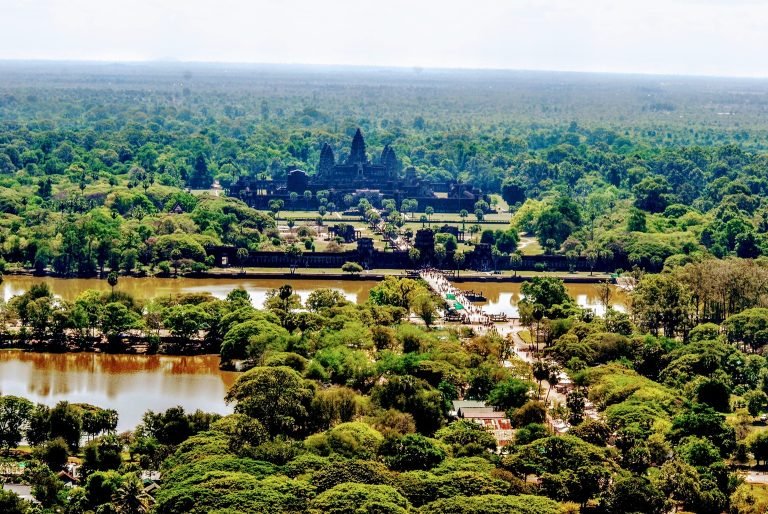
Frequently Asked Questions About Traveling in Cambodia
• Do I need a visa to travel to Cambodia?
Yes. Most travelers need a visa, which can be obtained online through the official e-visa system or on arrival at major airports. Your passport must be valid for at least six months.
• Is Cambodia safe for tourists?
Yes. Cambodia is generally very safe for travelers. Violent crime is extremely rare. The most common issues are minor, such as pickpocketing or phone snatching, especially in busy areas. Basic awareness is usually enough to stay safe.
• What currency is used in Cambodia?
Cambodia uses both US Dollars (USD) and Cambodian Riel (KHR). Most prices are listed in USD, but smaller change is often given in Riel, which can be confusing at first.
• Can I use credit cards in Cambodia?
Credit cards are accepted in hotels, larger restaurants, and some shops in major cities. However, cash is still widely used, especially for transport, markets, and smaller businesses.
• What is the best time to visit Cambodia?
The best time to visit is during the dry season from November to February, when temperatures are more comfortable. The wet season (May to October) is also a good time to travel, with fewer crowds and greener landscapes.
• How do I get around in Cambodia?
Tuk-tuks are the most common way to get around cities. Apps like PassApp and Grab make it easy to book rides without negotiating prices. For longer distances, buses and domestic flights are available.
• Is English widely spoken in Cambodia?
Yes, especially in tourist areas, hotels, and restaurants. In rural areas, English may be more limited, but basic communication is usually still possible.
• Do I need travel insurance for Cambodia?
Travel insurance is strongly recommended. Healthcare facilities are limited outside major cities, and medical evacuation can be expensive without coverage.
• Is Cambodia expensive to travel?
Cambodia is generally very affordable. Budget travelers can get by on relatively little, while mid-range and luxury options are also available, especially in Phnom Penh and Siem Reap.
• Can I drink tap water in Cambodia?
No. Tap water is not safe to drink. Bottled water is widely available and inexpensive, and most hotels provide it for guests.
Travel Resources to Plan, Book & Stay Connected
Use these tools and guides to stay connected abroad, find inspiration for your next trip, and book your flights, stays and gear with confidence.
Continue Exploring
If you are planning more trips or comparing destinations, these detailed travel guides will help you explore other parts of the world with the same level of depth and practical advice.
• Things to Do in Taiwan
A complete guide to cities, nature, night markets, and travel planning across Taiwan.
• Things to Do in Sydney
Discover Sydney’s beaches, landmarks, neighborhoods, and day trips in this detailed guide.
• Things to Do in Brazil
Explore Brazil’s cities, nature, culture, and iconic destinations across the country.
Disclosure: This article may contain affiliate links. If you make a purchase through a link, I may receive a commission at no extra cost to you. I only share recommendations I believe are genuinely useful, and all opinions are my own. AI was used in this post for research and drafting purposes.

Comment (0)