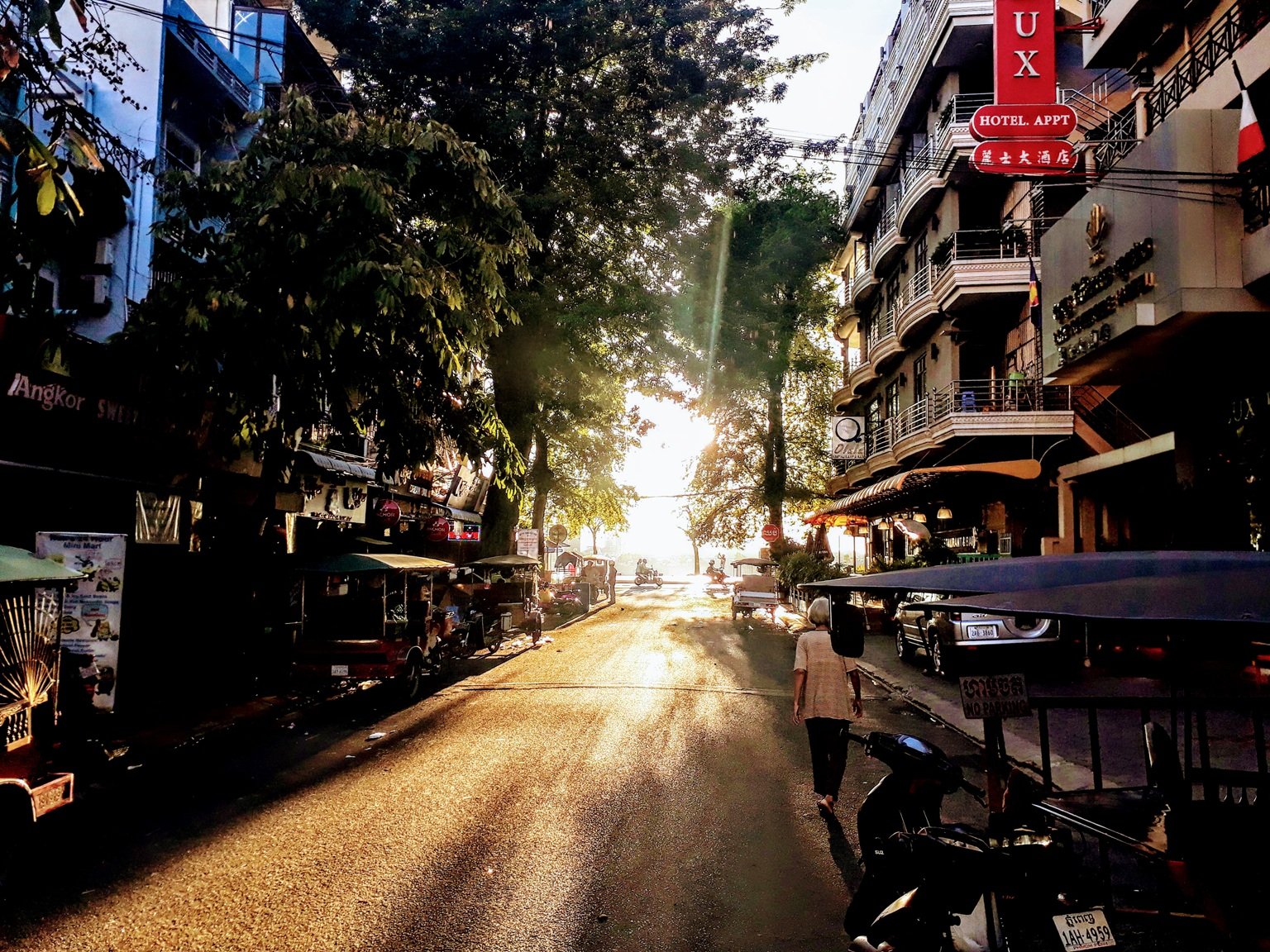
Cost of Traveling in Cambodia: What This Guide Covers
Understanding the cost of traveling in Cambodia is one of the most important steps when planning your trip. Whether you are backpacking across Southeast Asia or looking for a more comfortable experience, Cambodia offers exceptional value across accommodation, food, transport, and activities. This guide breaks down exactly what you can expect to spend once you are in the country, with real price ranges and practical insights to help you plan with confidence.
- Daily travel budgets for budget, mid-range, and luxury travelers
- Accommodation prices across Cambodia’s main destinations
- Food and drink costs, from street food to restaurants and cafés
- Transportation costs including tuk-tuks, buses, and domestic travel
- Entrance fees, tours, and activity pricing (including Angkor Wat)
- How much to budget for a 1-week or 2-week trip
- Cash, cards, and digital payment options across the country
- Practical tips to avoid overpaying and travel efficiently
If you are still planning your route, it helps to understand how costs vary depending on where you go and how you structure your trip. Start with this Cambodia travel guide for a complete overview of the country, then use this Cambodia itinerary to map out a realistic route based on your time and budget. Timing also plays a role in pricing, so this best time to visit Cambodia guide helps you understand seasonal differences in cost and crowds.
For destination-specific planning, explore what to do in Siem Reap and the Angkor Wat guide to prepare for temple costs, then dive into the capital with this Phnom Penh travel guide and this Phnom Penh itinerary to understand how city expenses compare. Having a clear picture of each destination makes it much easier to plan your overall budget and avoid surprises along the way.
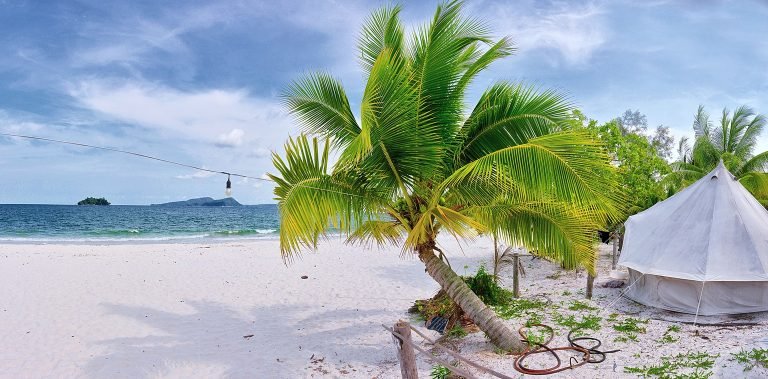
Cost of Traveling in Cambodia: What You Need to Know Before You Go
The cost of traveling in Cambodia is one of the main reasons the country continues to attract travelers from around the world. Compared to many other destinations in Southeast Asia, Cambodia still offers excellent value, allowing you to experience temples, cities, and island life without constantly feeling restricted by your budget. Whether you are planning a short visit or a longer journey, understanding how money is actually spent on the ground will shape both your expectations and your overall experience.
In practical terms, Cambodia is a destination where your daily budget can stretch further than you might expect, but it is also not as cheap as some older guides suggest. A daily budget of $25 to $40 is achievable if you focus on local food, simple accommodation, and shared transport. Most travelers, however, tend to spend closer to $40 to $60 per day once they add convenience, occasional Western meals, and more flexible transport. Moving into the mid-range, $60 to $100 per day allows for comfortable hotels, air conditioning, and a more relaxed travel pace, while $150 per day and above opens the door to boutique stays, private drivers, guided tours, and higher-end dining without compromise.
One of the most important things to understand is that spending in Cambodia is not consistent from day to day. Some days are naturally low-cost, especially when you are eating locally and exploring nearby areas, while others can be significantly more expensive. Major experiences such as visiting Angkor Wat, traveling to the islands, or taking longer transport routes can quickly increase your daily spend. Planning with this variation in mind makes it much easier to stay within your overall budget without feeling restricted.
This guide focuses on the real cost of traveling in Cambodia once you are inside the country. It breaks down daily budgets, accommodation, food, transport, and activities, while also highlighting where costs can increase unexpectedly. By understanding how these expenses fit together, you can plan your trip more realistically and adjust your spending as you go, instead of relying on fixed numbers that do not always reflect how travel actually works.
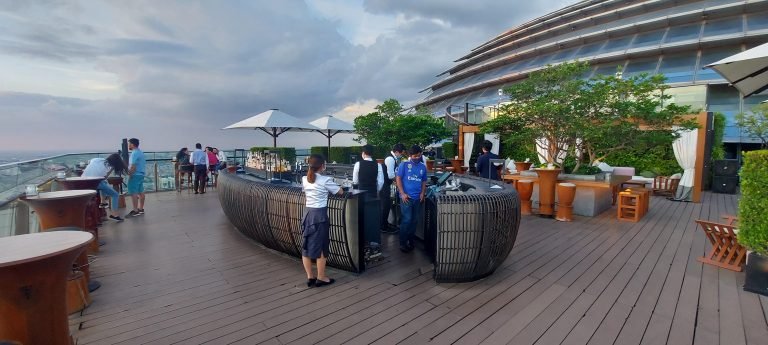
Entry Costs & Pre-Travel Expenses
Before looking at the cost of traveling in Cambodia on a daily basis, it is important to understand the initial expenses you will face before and upon arrival. While this guide focuses primarily on traveling within the country, these entry costs still play a role in your overall Cambodia trip budget and should be factored in early.
The first unavoidable expense is the visa. Most travelers entering Cambodia will need either a visa on arrival or an e-visa. The standard tourist visa costs $30 for a 30-day stay, whether you apply online or obtain it at the airport or land border. While the e-visa can sometimes include a small processing fee depending on the platform used, it offers convenience and faster entry at major airports. In both cases, payment is typically required in USD, and having exact cash can save time at immigration. If you want a full breakdown of options, requirements, and how to apply, this Cambodia visa guide for travelers explains the process in detail.
Cambodia also requires travelers to complete an e-Arrival card before entering the country. This is a free online form that must be submitted within a few days before arrival and is now a standard part of the entry process at major airports. It only takes a few minutes to complete but is essential for a smooth arrival experience.
Flights to Cambodia vary significantly depending on where you are coming from. Short regional flights from cities like Bangkok or Ho Chi Minh City usually range between $50 and $150, making Cambodia easily accessible within Southeast Asia. Long-haul flights from Europe or North America tend to fall between $600 and $1,200 return, depending on season, airline, and how early you book. While these costs are technically part of traveling to Cambodia rather than within it, they still influence your total travel budget and are worth planning ahead.
Once you arrive, one of the first practical expenses is your transfer from the airport to your accommodation. Depending on the city, this typically costs between $5 and $15 using a tuk-tuk, taxi, or ride-hailing app. While not expensive, it is one of the first costs you will encounter immediately after arrival and is worth factoring into your first-day budget.
Connectivity is another early expense to consider. Local SIM cards are widely available at the airport and in major cities, typically costing between $5 and $10 for a 30-day data package with generous data allowances. This is often the easiest way to access maps, transport apps, and digital payment options during your trip. eSIM alternatives are also available, though they tend to be slightly more expensive for similar data packages.
It is also worth preparing small denominations of US dollars before arrival. Cambodia operates on a dual-currency system where USD is used for most transactions, while Cambodian riel is used for smaller change. Having $1, $5, and $10 bills ready will make your first few days significantly easier, especially when paying for tuk-tuks, meals, or small purchases where change in riel is common.
If you plan to withdraw cash locally, keep in mind that most ATMs charge a withdrawal fee, often around $4 to $6 per transaction. This can add up over time, so withdrawing larger amounts less frequently is usually more cost-effective than making multiple small withdrawals.
Overall, these initial costs are relatively low compared to many other destinations, and once they are covered, Cambodia becomes much easier to budget for on a daily basis. Daily expenses within the country remain affordable, which is where Cambodia truly stands out as a destination for both budget-conscious and mid-range travelers.
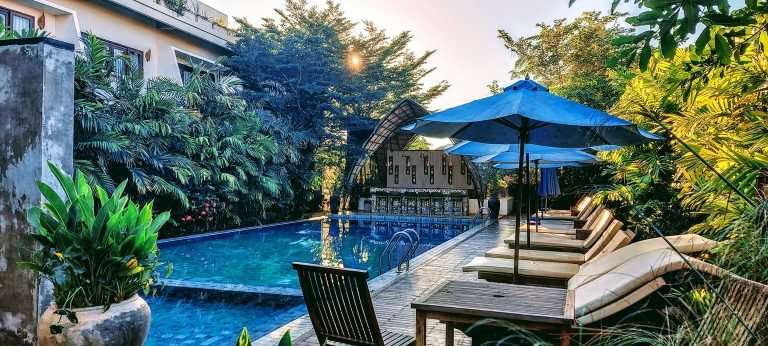
Daily Budget Breakdown in Cambodia
The cost of traveling in Cambodia varies significantly depending on your travel style, but one of the country’s biggest strengths is how flexible it can be. You can travel very cheaply if you are willing to stay simple and make deliberate choices, or you can spend much more for comfort without feeling like prices have become unreasonable. The key is understanding what each budget level actually looks like on the ground, because daily spending in Cambodia is not just about one big number. It is about how accommodation, food, transport, and activities fit together over several days.
This is especially important because Cambodia is not a destination where every day costs the same. Some days are naturally cheap, especially if you are mostly walking, eating local food, and enjoying markets, riversides, neighborhoods, or other low-cost experiences. Other days can become much more expensive, particularly if you add major paid attractions such as Angkor Wat, guided tours, water parks, island transfers, or long-distance transport. A realistic budget in Cambodia is therefore not just about what you spend today, but about how you balance lower-cost and higher-cost days across the full trip.
Budget Travel in Cambodia: $25 to $40 Per Day
A daily budget of $25 to $40 is possible in Cambodia, but it works best for travelers who are comfortable keeping things simple and making conscious trade-offs. At this level, you are usually staying in a hostel dorm, a very basic guesthouse, or an inexpensive private room in a local property. You are eating mostly Khmer food, relying heavily on walking when distances are short, and limiting paid activities rather than doing something expensive every day.
Breakfast on this budget is usually something simple and local, such as noodles, fried rice, a baguette snack, or coffee from a street stall, generally costing around $1 to $3. Lunch often falls in the $2 to $4 range if you eat at local restaurants, food courts, or markets. Dinner may be slightly more expensive, often $3 to $6, especially if you choose a more comfortable sit-down meal in a tourist area. Drinks also need to be watched at this level. A couple of waters, a coffee, or one local beer can still fit the budget, but regular café stops, cocktails, or imported drinks will push your daily total up quickly.
Transport on this budget often depends on walking, which is of course free, especially in compact areas of Phnom Penh or Siem Reap where some neighborhoods, markets, and restaurant zones are close together. If you need tuk-tuks or ride apps, you can still stay within budget, but you need to use them selectively. A few short rides might only cost a few dollars total, but using tuk-tuks for everything every day will eat into the budget fast.
The biggest nuance at this level is activities. A $25 to $40 daily budget does not mean you can do a paid attraction every single day without consequence. It means you need to spread your expensive days out. For example, Angkor Wat, a circus performance, a water park, a boat trip, or island transport can significantly increase one day’s spending. The way this budget works in real life is by combining those expensive days with cheaper ones built around free or low-cost experiences such as walking around the riverside, browsing local markets, exploring neighborhoods, visiting free temples or viewpoints, relaxing at your guesthouse, or simply enjoying the atmosphere of a destination without paying for a major activity.
In other words, this budget is realistic, but it is not effortless. It works best for travelers who enjoy local food, do not mind basic accommodation, are happy to walk, and do not expect premium comfort every day. It is a disciplined budget, but not an impossible one.
| Category | Typical Daily Cost |
|---|---|
| Accommodation | $6–12 |
| Breakfast | $1–3 |
| Lunch | $2–4 |
| Dinner | $3–6 |
| Transport | $0–4 |
| Activities | $0–10 |
| Total | $25–40 |
Mid-Range Travel in Cambodia: $60 to $100 Per Day
A daily budget of $60 to $100 is where Cambodia becomes very comfortable for most travelers. This is the range where you no longer need to think too hard about every small purchase, and where convenience starts to replace discipline. You are usually staying in a proper private room with air conditioning, often in a good hotel or boutique property, and in many destinations that can include extras such as a pool, breakfast area, or better location.
Breakfast in this range might still be local and cheap, but many travelers start mixing in hotel breakfasts, cafés, cappuccinos, smoothie bowls, or Western-style brunches. That pushes breakfast closer to $3 to $8. Lunch often lands around $4 to $8, especially if you mix Khmer food with cafés or more tourist-friendly restaurants. Dinner usually ranges from $6 to $15, depending on whether you stay local, choose an international restaurant, or add drinks. This is also the range where daily drinks become more relaxed rather than closely monitored, whether that means coffees, juices, local beers, or an occasional cocktail.
Accommodation at this level often ranges between $20 and $45 per night, though this can go higher in better areas of Siem Reap, Phnom Penh, or the islands. The difference here is not only the room itself, but also the comfort that comes with it: reliable air conditioning, better mattresses, stronger Wi-Fi, a central location, nicer bathrooms, and often a generally more relaxing base between sightseeing days.
Transport is also different in this range. You are far more likely to use Grab, PassApp, tuk-tuks, or taxis freely rather than trying to walk everywhere. This does not mean transport becomes expensive, but it does mean you stop optimizing every short ride. A few city rides, an airport transfer, or a comfortable intercity bus can all fit into the budget without much pressure. You also have more room for convenient travel decisions, such as choosing a better bus company, reserving a preferred departure time, or upgrading your ferry or transfer when needed.
Activities become much easier to manage in this range. You still would not necessarily do a premium guided tour every day, but you can comfortably include major paid experiences without them completely distorting your budget. This is where Angkor Wat feels easier to absorb financially, where a circus show, museum, boat trip, cooking class, or day tour becomes a normal part of the trip rather than something you need to work around. In practical terms, this is the range where most travelers feel they are getting the best balance between comfort, flexibility, and value.
It is also the range where hidden costs become less stressful. ATM fees, extra drinks, better coffee, frequent tuk-tuks, small entry fees, or occasional splurges no longer threaten the day’s entire budget. That is why this range often feels more realistic for first-time visitors, couples, or travelers who want Cambodia to feel easy rather than tightly planned.
| Category | Typical Daily Cost |
|---|---|
| Accommodation | $20–45 |
| Breakfast | $3–8 |
| Lunch | $4–8 |
| Dinner | $6–15 |
| Transport | $3–10 |
| Activities | $10–25 |
| Total | $60–100 |
Higher-End Travel in Cambodia: $150 Per Day and Above
At $150 per day and above, Cambodia becomes a destination where comfort is easy to maintain and where you can focus almost entirely on experience rather than cost. This range opens the door to boutique hotels, luxury resorts, stylish city stays, private transfers, guided visits, and higher-end dining, often at prices that still feel very reasonable compared to other countries in the region.
Accommodation is the main driver here. Once you move into better boutique properties, heritage-style hotels, riverfront stays, or beach resorts, nightly costs can rise quickly, but the quality also improves dramatically. You are paying for more than just a room. You are paying for location, atmosphere, design, service, pools, breakfasts, and a much more seamless travel experience overall.
Food also shifts at this level. Breakfast may be included, but lunches and dinners often move into stylish cafés, hotel restaurants, rooftop bars, or fine-dining spaces. You no longer need to think in terms of local versus Western prices because either works comfortably within the budget. Drinks can also become part of the experience rather than a cost to monitor, whether that means wine, cocktails, premium coffee, or multi-course meals.
Transport is where this range feels especially smooth. Instead of relying mainly on tuk-tuks or buses, you may use private drivers, airport pickups, premium transfers, or domestic flights where it makes sense. Activities also become easier to stack into the same day. You can visit Angkor with a private guide, add a boat cruise, book organized excursions, or choose premium experiences without needing to offset them with several low-cost days.
The main difference at this level is not simply that everything costs more. It is that your trip becomes more frictionless. You are paying to reduce hassle, increase comfort, and gain time. Cambodia still offers strong value here, which is one of the reasons it works so well for travelers who want a higher-end experience without paying the same prices they would elsewhere in Asia.
| Category | Typical Daily Cost |
|---|---|
| Accommodation | $70+ |
| Breakfast | $5–15 |
| Lunch | $10–20 |
| Dinner | $15–35+ |
| Transport | $10–30+ |
| Activities | $20–50+ |
| Total | $150+ |
What makes these ranges realistic is not that every day fits perfectly inside one number, but that they give you a practical framework for managing your trip. A lower-spend day built around local food, walking, and free activities can balance a much more expensive day with Angkor Wat, a boat trip, or a long travel transfer. That is how budgeting in Cambodia actually works in practice. The more you understand that rhythm, the easier it becomes to plan a trip that feels both realistic and rewarding.
Accommodation Costs in Cambodia
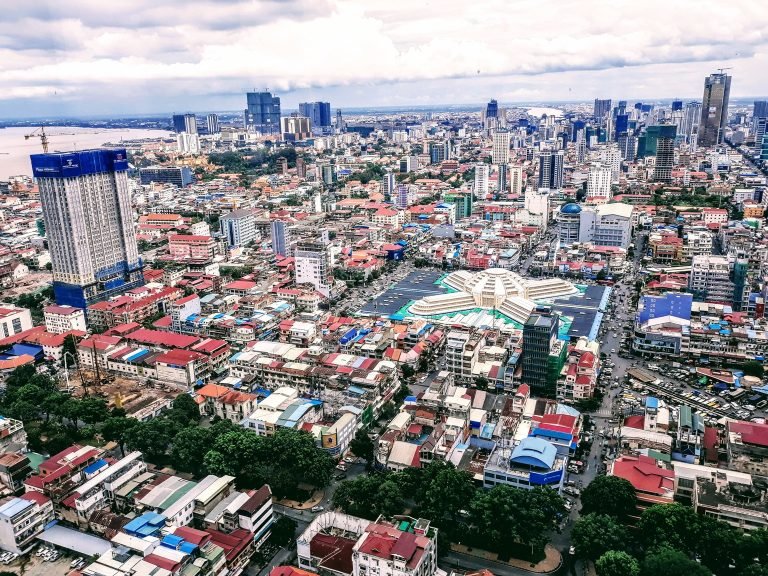
Accommodation is one of the areas where the cost of traveling in Cambodia becomes immediately clear. Across the country, you will find a wide range of options that cater to every type of traveler, from basic guesthouses to boutique hotels and high-end resorts. What makes Cambodia stand out is not just the low prices, but the overall value. Even at lower price points, accommodation is often clean, comfortable, and well-located.
Your choice of accommodation plays a major role in how your daily budget works in practice. At the lower end, keeping accommodation costs between $8 and $12 per night makes it possible to stay within a $25 to $40 daily budget, while mid-range stays between $25 and $70 per night align more closely with a $60 to $100 daily spend. Once you move into higher-end properties, accommodation quickly becomes the main factor pushing your total daily cost above $150.
At the budget level, prices typically range between $8 and $20 per night. This includes hostel dorms and simple guesthouses, sometimes with a fan and sometimes with basic air conditioning. In many cases, you can still find private rooms within this range, especially in less touristy areas or outside peak season. These options are ideal if you are prioritizing cost and plan to spend most of your time exploring rather than staying in your room.
The mid-range category usually falls between $25 and $70 per night and is where Cambodia offers some of the best value in Southeast Asia. At this level, you can expect air-conditioned rooms, comfortable beds, daily cleaning, and often additional features such as swimming pools, breakfast, and central locations. Boutique hotels in cities and riverside stays in smaller towns make this category particularly appealing for travelers who want comfort without overspending.
For those looking for more comfort, luxury accommodation generally starts around $100 per night and can go well beyond $300 depending on the property. Cambodia has a strong selection of high-end hotels, particularly in Siem Reap and on the islands, where you will find private villas, spa facilities, and high levels of service. Compared to other destinations, luxury here remains relatively accessible for the level of experience offered.
One thing many travelers notice quickly is how easy it is to upgrade accommodation in Cambodia. Because prices remain relatively low, it is tempting to move from a basic room to a more comfortable hotel, which can gradually increase your daily spending without you fully realizing it. This is one of the main reasons why many travelers who plan for a $30 daily budget end up spending closer to $50 or $60 per day in reality.
Small differences can also affect your overall budget more than expected. Choosing air conditioning instead of a fan, staying in a central location instead of a cheaper area further out, or selecting a hotel with a pool or included breakfast can all slightly increase your nightly cost. At the same time, these choices can reduce spending elsewhere, especially on transport or food, which makes them worth considering rather than simply focusing on the lowest price available.
Prices vary depending on location and season. Major destinations like Siem Reap, Phnom Penh, and Koh Rong tend to see higher prices during the dry season, while quieter places such as Battambang or Kampot often remain more affordable year-round. Booking in advance during peak travel periods can help secure better rates, especially in the mid-range and luxury categories.
In practice, many travelers mix different types of accommodation throughout their trip. Staying in simpler, lower-cost rooms for a few nights can balance out a more comfortable stay later on, allowing you to manage your overall budget while still enjoying occasional upgrades without exceeding your planned daily spend.
To compare options and find the best deals, it is worth using a platform that allows you to evaluate multiple booking sites at once. This hotel comparison guide helps you quickly identify the best prices and avoid overpaying, which can make a noticeable difference in your overall travel budget.
Choosing the right place to stay has a direct impact on your overall spending. A well-located hotel can reduce transport costs, while a slightly higher nightly rate can often be offset by added comfort and convenience. Understanding this balance is a key part of managing the cost of traveling in Cambodia effectively.
Food & Drink Costs in Cambodia
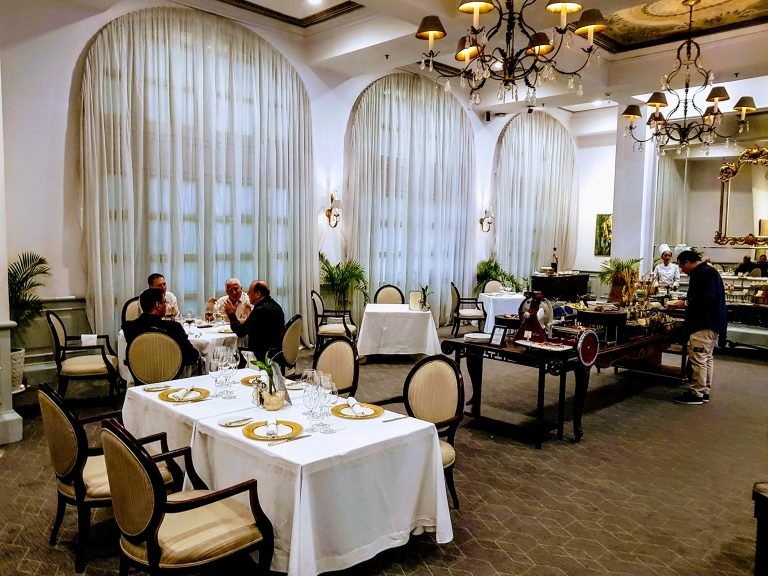
Food is one of the easiest ways to control the cost of traveling in Cambodia, and also one of the most enjoyable parts of the experience. If you want to better understand what you will actually be eating day to day, this guide to typical Cambodian meals and dishes gives a clear overview of the flavors, ingredients, and local specialties you are likely to encounter. Prices vary depending on where and how you eat, but even with a mix of local and Western options, daily food costs remain very manageable. Cambodia offers everything from street food stalls and local restaurants to international dining and modern cafés, all at very different price points.
How much you spend on food each day depends less on Cambodia’s prices and more on your choices. Staying within a $25 to $40 daily budget usually means eating mostly local meals and limiting drinks, while a $60 to $100 daily budget allows for a mix of cafés, Western food, and more flexibility. At higher budgets, food becomes part of the overall experience rather than something you need to manage closely.
At the street food and local level, meals are extremely affordable. A plate of fried rice or noodles typically costs between $2 and $3, while a traditional dish like lok lak usually ranges from $3 to $5 depending on the location. Simple meals like grilled chicken with rice can be found for around $2.50 to $4, and breakfast options such as noodle soup or porridge often cost between $1 and $2. These prices make it entirely possible to eat well all day for under $10 to $12 if you focus on local food.
In practical terms, a typical low-cost day might include a $2 breakfast from a street stall, a $3 lunch at a local restaurant, and a $4 to $5 dinner, with water or a local beer throughout the day. This kind of approach makes it easy to stay within a tighter daily budget without sacrificing quality, as local food is often fresh, flavorful, and widely available.
In local restaurants, prices increase slightly but remain very reasonable. A standard meal averages around $3.50, with a typical range between $2 and $10 depending on the dish and setting. Daily specials are common and often offer excellent value, usually priced between $3 and $6. These restaurants are a good middle ground where you can sit down comfortably while still keeping costs under control.
Moving into the mid-range category, meals in casual Western or more modern restaurants usually cost between $5 and $10 per dish. A full meal for two with multiple courses typically falls around $20 to $50 without drinks. Coffee culture is strong in cities, with a cappuccino averaging about $2 to $4. This is the level where many travelers naturally settle, combining comfort with still very reasonable prices.
Where many travelers unintentionally increase their food budget is through cafés, Western meals, and drinks. A couple of coffees, a Western-style breakfast, and an evening with cocktails can quickly cost more than an entire day of local meals. This does not make Cambodia expensive, but it does explain why daily food costs can vary more than expected.
For a more upscale experience, international restaurants and hotel dining offer higher prices, though still affordable compared to Western countries. A steak typically costs between $12 and $25, while seafood or specialty dishes can go higher depending on the venue. A full evening meal with drinks can easily reach $30 to $60 per person at this level.
Drinks remain consistently inexpensive across the country, but they are also one of the easiest ways to adjust your daily spending. A local draft beer usually costs around $1, while bottled local beer ranges from $0.75 to $1.50. Imported beer typically falls between $2 and $4 depending on the bar or restaurant. Soft drinks such as Coca-Cola cost around $0.50 to $1 in supermarkets and $1 to $2.50 in restaurants or bars. Bottled water is widely available, usually priced between $0.50 and $1 depending on size and location.
Wine and spirits are slightly more expensive due to import costs. A mid-range bottle of wine in a shop usually costs around $10 to $16, while ordering wine in a restaurant can increase the price significantly. Cocktails in tourist areas generally range between $3 and $6, with happy hour deals often bringing prices down. Sticking to water and occasional local beer keeps costs low, while regular café visits, imported alcohol, or cocktails can noticeably increase your daily total.
Practical tip: street food is widely available and often delicious, but hygiene standards can vary. If you want to enjoy local dishes while reducing risk, a reliable option is to visit larger shopping malls in cities like Phnom Penh or Siem Reap. Food courts in these malls often serve the same Khmer dishes for around $3, but with more consistent hygiene and food handling standards.
If you prefer to buy food from supermarkets or markets, basic items are very affordable. A 1.5-liter bottle of water costs around $0.50 to $1, eggs about $1.50 to $2 per dozen, and local produce such as vegetables and fruit are inexpensive. Imported goods, however, can be noticeably more expensive than local products.
Overall, food and drink costs in Cambodia offer a high degree of flexibility. Unlike accommodation or major activities, food is something you can adjust daily without affecting your overall experience. Eating locally keeps costs extremely low, while mixing in cafés and international dining adds comfort without dramatically increasing your total spend. This flexibility is one of the key reasons why the cost of traveling in Cambodia remains accessible across all types of travelers.
Transportation Costs in Cambodia
Transportation is a key part of the cost of traveling in Cambodia, and one of the areas where the country offers excellent value. Whether you are moving between cities, heading to the islands, or getting around locally, there are multiple options available at very different price points. Understanding how each option works helps you choose the right balance between cost, comfort, and travel time.
How much you spend on transportation depends largely on how often you move and how you choose to get around. Staying within a $25 to $40 daily budget usually means walking whenever possible and limiting tuk-tuk use, while a $60 to $100 budget allows you to rely more freely on ride-hailing apps and comfortable intercity transport. At higher budgets, transport becomes more about convenience than cost, with private drivers and faster options becoming more common.
In many areas, especially in parts of Phnom Penh and Siem Reap, walking is a practical and cost-free way to get around. Choosing accommodation in central locations can significantly reduce the need for daily transport, which helps keep overall costs low without affecting your experience. At the same time, Cambodia’s heat and distances mean that most travelers will still rely on some form of transport throughout the day.
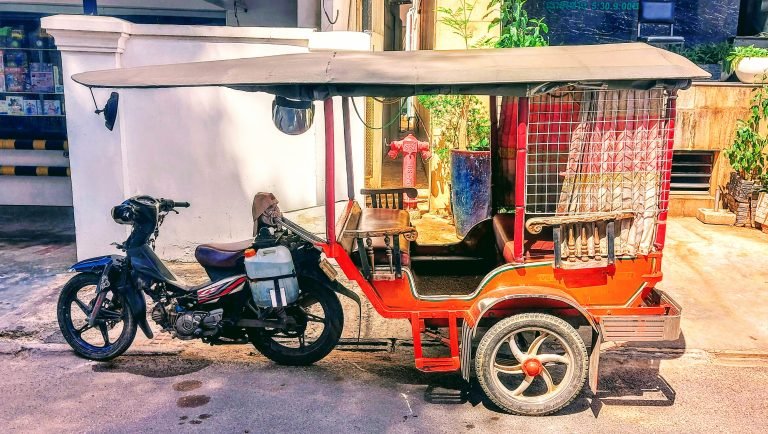
For local transport, tuk-tuks and ride-hailing apps dominate. Short rides in cities like Phnom Penh or Siem Reap typically cost between $1 and $3, while longer trips or half-day hires can range from $10 to $25. Apps such as Grab and PassApp provide fixed pricing and are often slightly more expensive than negotiating directly, but they offer convenience and transparency, especially for first-time visitors.
While individual tuk-tuk rides are inexpensive, they can add up quickly if used frequently throughout the day. Multiple short trips, airport transfers, and late-night rides can easily increase your daily transport costs beyond what you initially expect. This is one of the main reasons why travelers who rely heavily on tuk-tuks often end up spending more than planned.
When it comes to intercity travel, buses are by far the most popular option and offer the best balance between cost and comfort. Traveling from Phnom Penh to Siem Reap with companies such as Giant Ibis typically costs around $17 to $19 for a standard seat, while more comfortable VIP options are priced at approximately $25. Similar routes with Vireak Buntham are usually priced between $19 and $25 depending on the service level, with travel times of around 6 hours.
For coastal travel, the route from Phnom Penh to Sihanoukville takes around 3 to 4.5 hours, with tickets usually costing between $16 and $18. Traveling to Kampot is slightly cheaper, with bus and van services typically ranging between $8 and $14. These shorter routes are ideal if you want to explore beyond the main tourist hubs without significantly increasing your budget.
To reach the islands, you will need to take a ferry or speedboat from Sihanoukville. Companies such as Buva Sea and GTVC Speedboat operate frequent services to Koh Rong and Koh Rong Samloem. A one-way speed ferry ticket typically costs around $17 and takes between 30 and 60 minutes. Return tickets are often sold for around $30. A slower supply boat is sometimes available for around $5, but it is significantly less comfortable and takes much longer.
Island travel is one of the few areas where transport costs are less flexible. Once you include return ferry tickets, this can represent a noticeable portion of your overall budget, especially on shorter trips where transport costs are concentrated into just a few days.
Cambodia also has a limited but functional train network operated by Royal Railway. While not as fast as buses, it offers a more relaxed and scenic travel experience. A train from Phnom Penh to Kampot costs around $9 and takes just under 4 hours, while the route from Phnom Penh to Battambang costs around $8 and takes approximately 6 to 7 hours. Trains run less frequently, so schedules should always be checked in advance.
For those who want to save time, domestic flights connect Phnom Penh, Siem Reap, and Sihanoukville. Airlines such as Air Cambodia and AirAsia Cambodia operate these routes. A direct flight from Phnom Penh to Siem Reap typically costs between $117 and $133 one way, with a flight time of under one hour. Flights to Sihanoukville are often more expensive and may involve connections, with prices starting around $228 depending on availability.
Domestic flights are best seen as a time-saving option rather than a budget choice. While they significantly reduce travel time, the overall difference compared to buses becomes less dramatic once you factor in airport transfers and check-in time. For most travelers, flights make sense mainly when time is limited or when trying to avoid long travel days.
Transport costs also vary depending on how your itinerary is structured. Days spent exploring a single destination are often low-cost, especially if you can walk or limit transport use, while travel days between cities or islands can significantly increase your daily spending. Planning your route carefully and avoiding unnecessary backtracking can help keep your average daily budget more consistent.
Overall, transportation in Cambodia is affordable and flexible, but it still requires some planning. Walking more, choosing standard buses over premium options, and organizing your route efficiently can keep costs low, while prioritizing comfort and convenience will gradually increase your daily budget. Understanding this balance is key to managing the cost of traveling in Cambodia effectively.
Activities & Entrance Fees in Cambodia
Activities and entrance fees are an important part of the cost of traveling in Cambodia, but compared to many destinations, prices remain very reasonable. From world-famous temples to museums, national parks, and tours, Cambodia offers a wide range of experiences at accessible price points. The key is understanding not just what things cost, but how to plan and balance those costs throughout your trip.
How much you spend on activities depends less on individual prices and more on how often you choose to do them. Staying within a $25 to $40 daily budget usually means limiting paid activities and focusing on free or low-cost experiences, while a $60 to $100 budget allows you to include major attractions and tours more regularly. At higher budgets, activities become easier to include without needing to plan around cost, giving you more flexibility in how you structure your days.
One of the most important things to understand is that you are not expected to do a paid activity every day. In practice, most travelers mix activity days with slower, lower-cost days. Exploring markets, walking through neighborhoods, relaxing at cafés, or spending time at your accommodation are all part of the experience and help balance out more expensive days. This approach makes it much easier to stay within your overall budget without feeling like you are missing out.
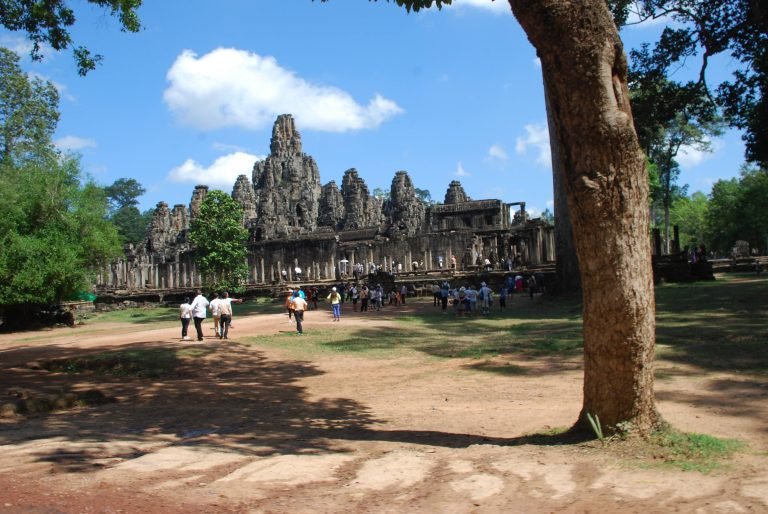
The most significant expense for most travelers is visiting Angkor Archaeological Park, the country’s most iconic attraction. The park operates on a fixed ticket system:
- 1-day pass: $37
- 3-day pass (valid 10 days): $62
- 7-day pass (valid 30 days): $72
Angkor Wat is a good example of how activity costs work in Cambodia. While the ticket itself is one of the highest single expenses, it is usually spread across multiple days. Many travelers plan lower-cost days before or after their temple visits, allowing the overall daily average to remain within budget rather than letting one expensive day define the entire trip.
Beyond the entrance ticket, additional costs depend on how you explore the temples. A tuk-tuk driver for the day typically costs between $15 and $25 per vehicle, while a private car with driver ranges from $35 to $60. Hiring a licensed guide costs around $30 to $50 per day and can significantly improve the experience by providing historical context and helping you navigate the complex temple layout.
It is also worth remembering that the entrance fee is not always the full cost of an activity. Transport, guides, food, and additional services can increase the total price. A temple visit, for example, may include not just the ticket, but also a tuk-tuk driver, drinks throughout the day, and optional guide fees.
In Phnom Penh, historical and cultural sites are very affordable. The Tuol Sleng Genocide Museum has an entrance fee of $5, with an optional audio guide costing around $5. The Killing Fields (Choeung Ek) cost between $3 and $5 to enter, often with a small additional fee for the audio guide. The Royal Palace costs around $10, while Wat Phnom costs just $1. These sites provide important context for understanding Cambodia’s history without significantly affecting your budget.
Museums and cultural attractions follow similar pricing. The National Museum of Cambodia charges around $10 for adults, with optional guided tours available for an additional $10 to $15. These experiences are relatively inexpensive but add meaningful depth to your trip.
For more relaxed or recreational activities, prices vary depending on the experience. Garden City Water Park in Phnom Penh typically costs between $12 and $15 for standard entry, while smaller parks in Siem Reap can cost as little as $3 to $10. Cultural performances such as Phare Cambodian Circus range from $18 to $38 depending on seating, offering a unique alternative to traditional sightseeing.
Nature and outdoor activities are some of the cheapest options available. Kep National Park charges around $1 for entry, while Bokor National Park costs less than $2 for vehicles. Organized tours, including guided hikes or day trips, usually range from $8 to $30 depending on transport and inclusions.
Other popular experiences include Tonlé Sap Lake boat tours, which typically cost between $10 and $30 per person, cooking classes priced around $20 to $35, and sunset cruises in Phnom Penh or Kampot ranging from $5 to $15. More specialized activities such as quad biking or visiting ethical wildlife sanctuaries can range from $30 to $80 depending on the duration and operator.
Cambodia also offers a wide range of free or low-cost activities that can easily fill your itinerary. Walking along the riverside in Phnom Penh, exploring markets, visiting local temples, enjoying sunset viewpoints, or simply experiencing daily life are all meaningful parts of the trip that cost little to nothing.
Because there are so many options, prioritizing activities based on your interests is important. Rather than trying to do everything, focusing on a few key experiences and balancing them with slower days often leads to a more enjoyable and manageable trip.
Activities are one of the most flexible parts of your budget. You can scale your spending up or down depending on how many experiences you include. This makes it possible to adjust your overall travel costs without changing your accommodation or food choices significantly, which is one of the reasons the cost of traveling in Cambodia remains accessible for a wide range of travelers.
Cost of Traveling in Cambodia by Destination
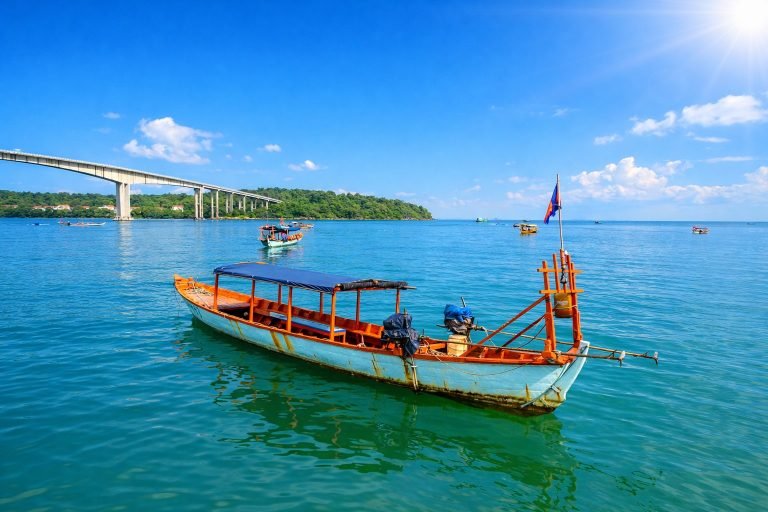
While the overall cost of traveling in Cambodia is low compared to many other countries, prices do vary depending on where you go. Some destinations are built around major tourism infrastructure and naturally come with a slightly higher daily budget, while others remain calmer, more local, and easier on the wallet. Understanding these differences helps you decide where to slow down, where to spend a little more, and how to build an itinerary that matches your budget without sacrificing the experience.
In practice, your daily budget in Cambodia does not stay constant. It shifts as you move between destinations. Cities like Phnom Penh tend to be stable and flexible, Siem Reap often includes higher activity costs, and island destinations usually increase your overall spending due to transport and logistics. Understanding this flow makes it much easier to plan a realistic budget across your entire trip rather than trying to maintain the same daily spend everywhere.
A simple way to look at it is that Cambodia naturally divides into lower-cost and higher-cost areas. Inland cities and smaller towns are generally more affordable on a daily basis, while high-demand destinations such as Siem Reap and the islands tend to increase your overall spending. Because of this, many travelers balance their itinerary by mixing more expensive destinations with cheaper ones, allowing their average daily budget to remain under control.
In general, Siem Reap and the islands tend to be the most expensive places for travelers because of demand, tour pricing, and tourism concentration. Phnom Penh sits in the middle, with a huge range of prices depending on your style. Kampot, Battambang, and in many cases even parts of Sihanoukville can be more affordable in day-to-day terms, though Sihanoukville can also become expensive quickly if you rely on private transport or stay near newer resort developments.
Siem Reap
Siem Reap is one of the easiest places in the country to travel on a wide range of budgets, but it can also become one of the more expensive stops if Angkor is a major focus of your trip. The city itself still offers plenty of affordable food and accommodation, but once you add temple passes, tuk-tuks, guides, and tours, daily costs rise quickly. In other words, it is not the city itself that is expensive, but the way most travelers experience it.
- Budget daily range: around $30 to $45 if you stay in a hostel or basic guesthouse, eat mainly local food, and keep transport simple.
- Mid-range daily range: around $60 to $100 with a comfortable hotel, a mix of Khmer and Western food, and regular tuk-tuk or app-based transport.
- Higher daily spend: often $100+ once Angkor passes, guides, private drivers, or higher-end hotels are added.
- Accommodation: budget stays often start around $8 to $20, mid-range hotels around $25 to $70, and luxury properties from $100 upward.
- Food: local meals can still cost $2 to $5, but cafés, international restaurants, and tourist-focused dining push prices higher.
- Main extra cost: Angkor Archaeological Park passes ($37, $62, or $72 depending on duration).
- Temple transport: a tuk-tuk for a full day usually costs around $15 to $25, while private cars range from $35 to $60.
Siem Reap can still be very affordable if you balance temple days with slower, lower-cost city days. Planning this balance in advance helps prevent a few expensive days from pushing your overall budget too high. For more detail, these guides on things to do in Siem Reap and the Angkor Wat guide explain where those extra costs usually come from.
Phnom Penh
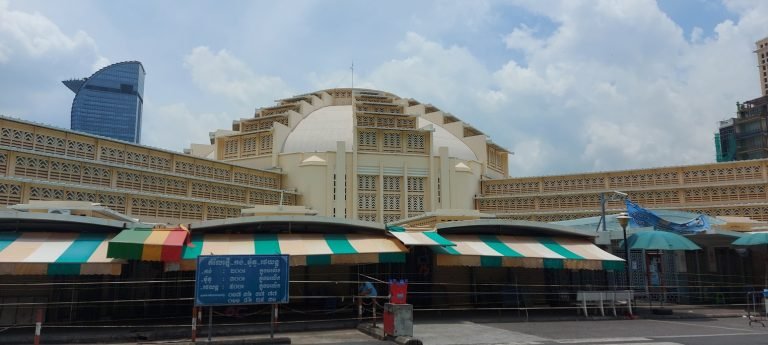
Phnom Penh is more flexible than many travelers expect. It can be done cheaply thanks to affordable local food, guesthouses, and ride-hailing apps, but it also has a much broader range of cafés, rooftop bars, international restaurants, and modern hotels than most other Cambodian destinations. This means your daily budget here is driven more by lifestyle choices than by fixed costs.
- Budget daily range: around $25 to $40 if you stay in a simple room, eat Khmer food, and use short tuk-tuk or app-based rides.
- Mid-range daily range: around $55 to $90 with a comfortable hotel, café stops, and a mix of local and Western meals.
- Higher daily spend: often $100+ if you choose upscale hotels, rooftop venues, or private drivers.
- Accommodation: strong value across all ranges, especially in the mid-range category.
- Food: one of the widest ranges in the country, from $3.50 local meals to $20+ international dining.
- Transport: typically $1 to $3 for short tuk-tuk rides.
- Main attractions: generally low-cost, with most sites between $1 and $10.
Phnom Penh is rarely a place where you overspend on entrance fees alone. Instead, costs increase gradually through daily habits such as café visits, better meals, and convenience. If you want a fuller breakdown, the Phnom Penh travel guide and this Phnom Penh itinerary help put those costs into context.
Koh Rong and Koh Rong Samloem
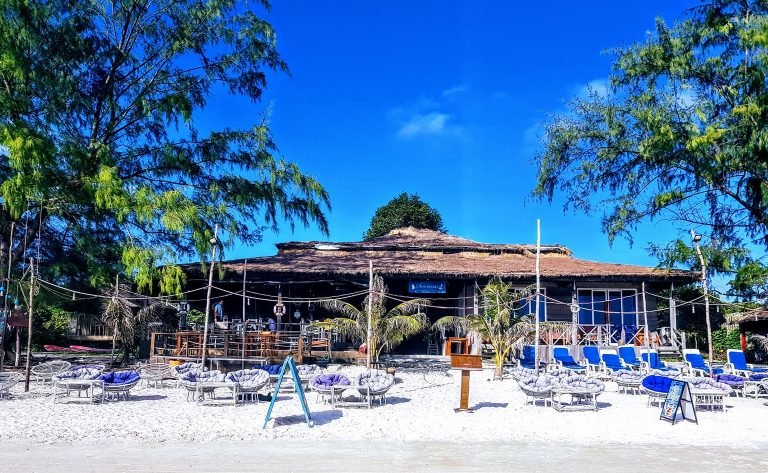
The islands often feel more expensive than mainland Cambodia, not because every item is overpriced, but because there are fewer budget alternatives and several costs are unavoidable. Getting there requires a ferry, accommodation options are more limited, and food prices are slightly higher due to supply logistics. Once on the islands, your ability to reduce costs becomes more limited compared to mainland destinations.
- Budget daily range: around $35 to $50 depending on season and availability.
- Mid-range daily range: around $60 to $110 with a comfortable beach stay and restaurant meals.
- Main transport cost: speed ferries usually cost around $17 one way.
- Return ferry pricing: typically around $30.
- Budget alternative: slower supply boats cost around $5 but are less comfortable and less frequent.
- Accommodation: generally higher than mainland Cambodia, especially in prime beach locations.
- Food: slightly more expensive due to imported goods.
Island travel is one of the few areas where costs are less flexible. Ferries and accommodation set a baseline, and there are fewer ways to reduce spending once you arrive. If you are planning your stay, this Koh Rong and Koh Rong Samloem travel guide gives more detailed insights.
Looking at Cambodia this way makes it easier to plan your trip realistically. Instead of trying to maintain the same daily budget everywhere, it is more effective to expect variation and adjust accordingly. Some destinations will naturally cost more, while others give you space to slow down and spend less, creating a more balanced and sustainable travel budget overall.
Sihanoukville
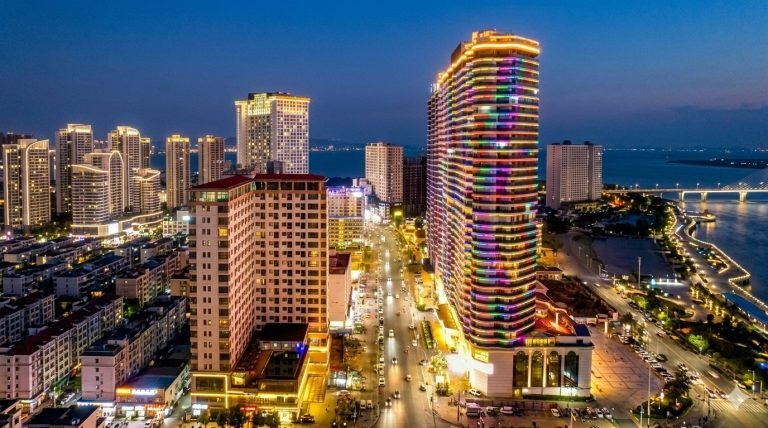
Sihanoukville is best understood as a logistical stop rather than a core destination in most Cambodia itineraries. For many travelers, it functions primarily as the gateway to the islands, which means it is often experienced briefly rather than explored in depth. Because of this, how much you spend here depends less on fixed prices and more on how you use the city within your route.
If you pass through quickly on your way to Koh Rong or Koh Rong Samloem, daily costs can remain moderate. However, if you stay longer, your budget can vary widely depending on your accommodation, transport habits, and whether you stick to simpler local options or move toward newer tourist-facing developments. Costs here are less predictable than in most other Cambodian destinations, largely because pricing differs significantly between older local areas and newer, rapidly developed zones.
- Budget daily range: around $25 to $40 if used mainly as a short stopover with simple accommodation and local meals.
- Mid-range daily range: around $50 to $90 with more comfortable hotels and regular use of tuk-tuks or taxis.
- Bus access from Phnom Penh: operators such as Giant Ibis and Vireak Buntham usually charge about $16 to $18 one way.
- Domestic flights: significantly more expensive than the bus and rarely necessary for most travelers.
- Main added expense: onward ferry transfers to Koh Rong or Koh Rong Samloem.
- Food and accommodation: prices vary depending on location, with local options still affordable and newer developments noticeably more expensive.
One key factor to consider is that Sihanoukville often concentrates costs into a short period of time. Transport, accommodation, and ferry tickets are typically grouped together within one or two days, which can make it feel more expensive compared to destinations where spending is spread out more evenly.
For most travelers, Sihanoukville makes the most sense as a practical transition point rather than a place to allocate a large share of the budget, unless you specifically plan to stay and explore the area. If you are deciding how long to spend here or what to expect on arrival, this Sihanoukville guide provides additional context.
Cash, Cards, and Digital Payments in Cambodia
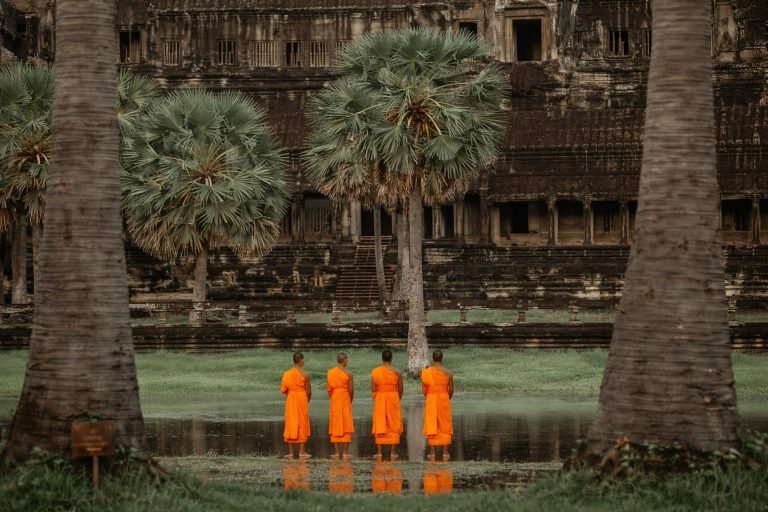
Payments are an important but often overlooked part of the cost of traveling in Cambodia. The country is still very cash-friendly, but it is also far more digital than many travelers expect. In practice, most visitors end up using a mix of cash, cards, and QR-based mobile payments depending on where they are, what they are buying, and whether they have a local SIM or local banking access. Understanding how this works can save time, reduce friction, and help you avoid carrying more cash than necessary.
The way you pay can also influence how you spend. Using cash often makes it easier to track daily expenses and stay within a tighter budget, while digital payments and cards can make spending feel less visible, which sometimes leads to higher daily costs without realizing it. Being aware of this difference can help you stay in control of your budget throughout your trip.
The first thing to understand is that cash is still extremely important. US dollars are widely accepted throughout Cambodia, especially in tourist areas, while Cambodian riel is commonly used for smaller change and low-value purchases. In restaurants, guesthouses, markets, mini marts, and transport situations, you will often pay in dollars and receive riel back. Small denominations matter, so carrying $1, $5, and $10 bills makes life much easier. ATMs are easy to find in cities and tourist hubs, though withdrawal fees of around $2 to $5 are common.
At the same time, digital payments are now part of everyday life in Cambodia, especially in Phnom Penh and Siem Reap. Cambodia stands out in Southeast Asia for how widely QR payments are used, even in small and informal businesses. In many cases, digital payments are more accessible than card payments, which is the opposite of what many travelers expect.
The most widely used option by far is ABA. ABA QR payments are accepted in an enormous number of places, including restaurants, cafés, convenience stores, local shops, hotels, salons, pharmacies, supermarkets, and even many tuk-tuks and independent drivers. In the bigger cities, it is very common to see an ABA QR code displayed, allowing you to pay instantly by scanning and transferring the exact amount. For travelers staying longer or those with access to a compatible account, ABA can become one of the easiest ways to handle day-to-day spending.
A big reason digital payments work so well in Cambodia is the spread of KHQR, the national QR payment standard. KHQR allows many banks and wallets to operate within the same ecosystem, meaning one QR code can often be scanned by multiple apps. This interoperability is a key reason why QR payments have become so widely accepted across both formal businesses and smaller everyday transactions.
Besides ABA, there are several other digital payment options that are useful to know about:
- Wing: one of the most established systems in the country, with a large agent network and strong presence outside major tourist areas.
- TrueMoney: widely used for everyday purchases, transfers, and mobile top-ups.
- Pi Pay: an earlier digital wallet that is still accepted in many retail environments.
- Bakong: the central bank-backed system connecting many payment providers, including the Bakong Tourist App designed for visitors.
- GrabPay: useful when using Grab for transport or food delivery.
- PassApp Pay: commonly used for local transport and often slightly cheaper than Grab for similar routes.
- ACLEDA Unity / ToanChet: bank-based systems primarily used by locals but part of the wider ecosystem.
For travelers, the most important distinction is not just which app exists, but where each option is actually useful. In Phnom Penh, digital payments are extremely common and often preferred in restaurants, cafés, supermarkets, and everyday services. In Siem Reap, adoption is also strong, particularly in tourist-facing businesses. On the islands and in smaller towns, digital payments are still present, but cash becomes more important again, especially in small family-run places and informal settings.
Cards are accepted, but not everywhere. Visa and Mastercard are commonly accepted in better hotels, some larger restaurants, supermarkets, and modern businesses, but smaller vendors often do not take cards or may add a surcharge. This means relying solely on a debit or credit card is not a good idea, especially outside major urban areas.
It is also worth being aware of hidden costs when using cards or ATMs. Foreign transaction fees, dynamic currency conversion, and ATM withdrawal charges can all add to your overall spending. Whenever possible, choosing to be charged in local currency and using a card with low international fees can help minimize these extra costs.
In practice, many travelers switch between payment methods depending on the situation. Cash is often preferred for small purchases and informal settings, while digital payments become more convenient for mid-range spending such as cafés and restaurants. Understanding when to use each method helps reduce friction and keeps your spending more controlled.
- Carry cash every day: even if you expect to pay digitally, cash remains essential in many situations.
- Keep small notes: especially useful for tuk-tuks, snacks, and everyday purchases.
- Use ATMs strategically: withdrawing larger amounts less frequently can reduce fee accumulation.
- Expect digital convenience in cities: Phnom Penh and Siem Reap are the easiest places to rely on QR payments.
- Do not assume QR is limited to one provider: KHQR allows multiple apps to work across the same system.
A local SIM is strongly recommended if you want to use Cambodia’s digital payment ecosystem more smoothly, especially for ride apps, QR wallets, and day-to-day connectivity. If you prefer to set things up before arrival or avoid swapping SIM cards, this guide to the best eSIM for international travel can help you compare your options.
In practice, the most reliable approach is a hybrid payment strategy. Carry enough cash for daily expenses, use cards for larger payments where accepted, and take advantage of QR payments when they are available. This combination gives you flexibility, reduces friction, and helps you stay in control of your budget throughout your trip.
How Much Does It Cost to Travel in Cambodia?
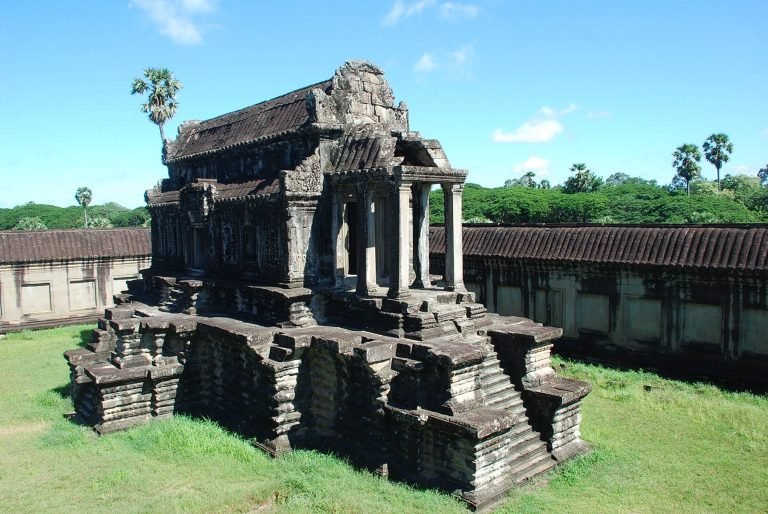
One of the most common questions travelers ask is how much they will spend in total once they are in the country. The cost of traveling in Cambodia is highly flexible and depends largely on your travel style, pace, and how you structure your itinerary. While Cambodia remains one of the most affordable destinations in Southeast Asia, total costs are shaped less by individual prices and more by how often you move, what activities you prioritize, and how you balance higher-cost days with slower, lower-cost ones.
The estimates below focus entirely on the cost of traveling in Cambodia, including accommodation, food, transport, and activities. Flights to Cambodia are not included, as they vary significantly depending on your departure location. These ranges reflect realistic spending patterns rather than minimum possible costs, giving you a clearer idea of what most travelers actually spend.
As a quick reference, most travelers fall into the following total ranges:
- 1 week: $200–300 (budget), $500–800 (mid-range), $1,200+ (higher-end)
- 2 weeks: $350–550 (budget), $900–1,400 (mid-range), $2,000+ (higher-end)
1-Week Travel Budget in Cambodia
A one-week trip is typically focused on Cambodia’s main highlights, most commonly a combination of Siem Reap and Phnom Penh, or temples paired with a short island stay. Because time is limited, transport and activities tend to be more concentrated, which slightly increases your average daily cost compared to longer trips.
At the budget level ($200 to $300), this usually translates to simple guesthouses or hostel dorms, local Khmer food for most meals, and bus travel between destinations. Activities are limited and need to be planned carefully, often focusing on one major experience such as Angkor Wat, balanced with lower-cost or free days.
A mid-range budget ($500 to $800) allows for much more flexibility. You can stay in comfortable air-conditioned hotels, mix local and Western meals, use ride-hailing apps regularly, and include multiple paid activities without needing to plan every expense. This is where most travelers find the best balance between comfort and cost.
At the higher end ($1,200+), your trip becomes more about convenience and experience than cost control. Boutique hotels, private transport, guided tours, and curated experiences become easily accessible, allowing you to move efficiently and spend less time planning logistics.
Because everything is compressed into a shorter timeframe, one-week trips tend to feel more “expensive per day,” even if the overall cost remains low compared to other destinations.
2-Week Travel Budget in Cambodia
A two-week trip allows for a much more balanced and realistic travel pace. Instead of moving quickly between highlights, you can combine major destinations with slower, lower-cost places such as Kampot or Battambang, which helps reduce your overall daily average.
At the budget level ($350 to $550), longer stays naturally lower accommodation costs, and you are less likely to rely on frequent transport. This makes it easier to maintain a lower daily spend, especially if you mix activity days with slower days focused on local exploration, markets, and walking.
A mid-range budget ($900 to $1,400) provides strong value over two weeks. You can enjoy consistent comfort, include a wider range of activities, and move between destinations without needing to optimize every cost. Because spending is spread over more days, this range often feels more relaxed than a shorter trip at the same level.
At the higher end ($2,000+), two weeks allows for a very smooth and comfortable travel experience. Private drivers, premium accommodation, and guided tours can be integrated throughout the trip without significantly increasing daily stress or planning complexity.
Longer trips benefit from what can be described as “cost averaging.” Expensive days such as Angkor visits or island transfers are offset by quieter days where spending drops significantly, resulting in a lower overall daily average compared to shorter trips.
What Impacts Your Total Travel Cost
While these totals provide a useful framework, your actual cost will depend on a few key decisions that consistently influence spending:
- Angkor visits: temple passes, transport, and guides can create one of the highest daily costs of your trip.
- Island stays: Koh Rong and Koh Rong Samloem increase costs due to ferry transport and limited budget options.
- Accommodation choices: upgrading from budget to mid-range is one of the biggest cost drivers.
- Transport style: buses keep costs low, while private drivers and flights increase them quickly.
- Food habits: local meals are inexpensive, while frequent Western dining adds up over time.
- Daily rhythm: doing paid activities every day vs spacing them out has a major impact on your total cost.
- Season: peak dry season can increase accommodation prices, especially in Siem Reap and on the islands.
What Is Not Included in These Estimates
These totals focus entirely on the cost of traveling within Cambodia. A few additional expenses should be considered separately when planning your overall budget:
- Flights to Cambodia: highly variable depending on origin and booking timing.
- Travel insurance: strongly recommended for medical coverage and unexpected disruptions. You can compare options in this travel insurance guide.
- Visa extensions: if you stay longer than your initial visa period.
- Personal spending: shopping, nightlife, and unplanned activities.
- Hidden costs: ATM fees, card fees, and small daily expenses such as water, snacks, and transport that add up over time.
Overall, Cambodia remains a destination where your money can stretch significantly further than expected. The key is not minimizing every expense, but understanding how your spending patterns work over time. By balancing high-cost experiences with slower, lower-cost days, you can build a trip that feels both complete and financially manageable without constantly compromising on what you want to see and do.
Travel Tips to Save Money in Cambodia
The cost of traveling in Cambodia is already low, but the way you travel will still have a noticeable impact on your daily budget. Small decisions around accommodation, food, transport, and timing can easily save you $10 to $30 per day without changing the overall experience. The goal is not to spend as little as possible, but to spend more intentionally so you get better value for the same money.
In Cambodia, saving money is less about cutting individual costs and more about managing your overall travel rhythm. The biggest savings come from how you structure your days, how often you move, and how you balance higher-cost experiences with slower, low-spend days. Understanding this makes it possible to stay within your budget without feeling restricted. For a broader perspective on how these decisions affect your trip overall, these practical Cambodia travel insights help you connect budgeting with the realities of traveling in the country.
One of the most common reasons travelers overspend is cost stacking. This happens when multiple small expenses combine in a single day, such as transport, Western meals, drinks, and paid activities. Individually these costs seem minor, but together they can easily double your daily budget. Being aware of this pattern helps you spread spending more evenly across your trip.
Movement is another major cost driver. Every time you change destinations, you add transport, meals on the move, and often higher accommodation prices. Slowing down and staying longer in each place is one of the simplest ways to reduce your average daily spend while improving the overall travel experience.
Accommodation Strategies
- Book local guesthouses and smaller hotels: these often offer clean, comfortable rooms for $8 to $18 per night, with minimal difference in comfort compared to larger hotels.
- Contact properties directly: many guesthouses will offer lower rates via WhatsApp or email, saving around 10 to 15 percent.
- Stay slightly outside tourist hotspots: moving just 1 to 2 km away from areas like Pub Street or central Phnom Penh can reduce prices by 30 to 40 percent.
- Balance price with location: cheaper accommodation further out can increase daily transport costs, so the best deal is not always the lowest nightly rate.
- Negotiate longer stays: discounts of 10 to 20 percent are common for multi-day stays, especially in quieter destinations.
Food & Daily Spending
- Eat local most of the time: meals at local restaurants and street stalls cost $1 to $3 and are often the most authentic.
- Use Western food strategically: cafés and international meals can double your food budget if eaten daily, but work well as occasional upgrades.
- Watch drinks more than meals: beers, coffees, and smoothies can quietly add $5 to $15 per day without being noticed.
- Buy from markets: fruit, water, and snacks are significantly cheaper than in convenience stores or tourist areas.
- Take advantage of local pricing: daily specials and smaller eateries often offer better value than tourist-focused restaurants.
Transportation Choices
- Use ride-hailing apps as a benchmark: apps like Grab and PassApp help avoid overpaying and provide transparent pricing.
- Limit short rides: multiple $1 to $3 tuk-tuk trips per day can add up quickly over time.
- Group activities by location: planning your day efficiently reduces both transport costs and wasted time.
- Choose buses over flights: routes like Phnom Penh to Siem Reap cost $17 to $25 by bus and offer excellent value.
- Keep transport simple: private drivers and premium options increase costs quickly without always adding significant value.
Activities & Planning
- Do not plan paid activities every day: spacing them out keeps your overall budget under control.
- Plan Angkor visits carefully: choose the right pass and share transport or guides where possible.
- Mix paid and free experiences: markets, temples, riverfronts, and beaches provide meaningful experiences at little to no cost.
- Prioritize high-impact activities: a few memorable experiences are often better value than many smaller ones.
- Avoid unnecessary add-ons: premium tours and upgrades can quickly inflate your budget.
Money & Practical Habits
- Carry small USD bills: essential for everyday transactions and avoiding unfavorable change rates.
- Limit ATM withdrawals: withdrawing larger amounts reduces repeated fees of $2 to $5.
- Avoid dynamic currency conversion: always pay in local currency when using cards.
- Use digital payments where practical: QR payments are widely accepted in cities and can simplify spending.
- Track spending loosely: even a rough awareness of daily spending helps prevent costs from creeping up.
How to Stay Within Your Daily Budget
- Alternate expensive and cheap days: balance activity-heavy days with slower ones.
- Control daily habits: small recurring costs have the biggest long-term impact.
- Stay longer in fewer places: reduces transport costs and lowers your daily average.
- Expect variation: some days will cost more, but your average matters most.
Saving money in Cambodia is not about limiting your experience, but about understanding how your spending behaves over time. By managing your travel rhythm, avoiding unnecessary cost stacking, and making small, consistent decisions, you can keep your budget under control while still experiencing everything the country has to offer.
Final Thoughts on the Cost of Traveling in Cambodia
Cambodia remains one of the most accessible destinations in Southeast Asia, not just because it is affordable, but because it offers an exceptional balance between cost and experience. Whether you are traveling on a tight budget or looking for a more comfortable journey, the cost of traveling in Cambodia allows you to explore temples, cities, and islands without constantly feeling limited by your spending.
What makes Cambodia particularly appealing is how flexible it is across different budgets. Traveling on $25 to $40 per day is absolutely possible, but it requires a more intentional approach. This means eating mostly local food, limiting paid activities, walking when possible, and planning your days to avoid unnecessary spending. It is not about sacrificing the experience, but about being more aware of how your money is used throughout the day.
Moving into the $60 to $100 range changes the experience significantly. This is where most travelers find the best balance between comfort and value, with air-conditioned hotels, a mix of local and Western meals, and the flexibility to include activities without needing to plan every expense. At this level, your trip becomes much more relaxed, and daily decisions have less impact on your overall budget.
At $150 per day and above, travel in Cambodia becomes largely frictionless. You can choose higher-end accommodation, rely on private transport, and include guided experiences without needing to think about cost on a daily basis. Compared to many other destinations, this level of comfort remains relatively affordable, which is part of what makes Cambodia so appealing across different travel styles.
The key to managing your budget here is not cutting corners, but understanding how your spending behaves over time. Certain experiences such as Angkor temple visits or island stays will naturally increase your daily costs, while slower days in cities or smaller towns allow your spending to drop. By mixing these higher-cost and lower-cost days, it becomes much easier to maintain a consistent overall budget without feeling restricted. Planning how you move between destinations also plays a role, and this Cambodia transport guide helps you choose the most cost-effective ways to travel. Before finalizing your budget, it is also worth understanding the Cambodia visa costs and entry options, as these initial expenses are part of your overall trip planning. At the same time, knowing how accommodation choices impact your overall travel budget in Cambodia helps you balance cost, comfort, and location more effectively across your itinerary.
As you refine your itinerary, it helps to look beyond the main stops and understand how different destinations affect your budget. Coastal towns like Kampot offer excellent value and a slower pace, while island destinations explored in this Koh Rong travel guide tend to be slightly more expensive due to transport and logistics. If you are passing through the coast, this Sihanoukville guide helps set realistic expectations before heading to the islands.
For a more local and budget-friendly experience, destinations like Battambang often stretch your money further while still offering plenty to see and do, while heading into the eastern highlands through this Cambodia northeast highlands guide introduces a more remote side of the country where costs can vary depending on transport and accessibility. To connect everything into a smooth and well-paced route, revisit this Cambodia itinerary guide and the broader Cambodia travel guide, which tie these destinations together into a complete journey. If you are also thinking about how budget choices affect your overall experience on the ground, this Cambodia safety overview gives additional context on how to travel confidently while managing costs.
Ultimately, traveling Cambodia well is not about spending more, but about spending with awareness. The country rewards travelers who understand when to move, when to slow down, and when an experience is worth the extra cost. With the right balance between planning and flexibility, you can experience Cambodia fully while keeping your overall costs exactly where you want them to be.
Frequently Asked Questions About the Cost of Traveling in Cambodia
-
How much does it cost to travel in Cambodia per day?
Budget travelers typically spend $25 to $40 per day by staying in guesthouses, eating local food, and limiting transport and paid activities. Mid-range travelers usually spend $60 to $100 per day with comfortable hotels, a mix of local and Western meals, and more flexibility. Higher-end travel starts around $150 per day and allows for private transport, guided experiences, and premium accommodation.
-
Can you really travel Cambodia on $25 to $40 per day?
Yes, but it requires a more intentional approach. You will need to rely on local food, limit paid activities, walk or use minimal transport, and plan your days carefully. It is completely possible, but it does not leave much room for spontaneous spending or frequent upgrades.
-
What is a realistic budget for most travelers in Cambodia?
Most travelers fall into the $60 to $100 per day range. This allows for comfortable accommodation, flexible transport, and regular activities without needing to track every expense. It is generally the best balance between cost and overall travel experience.
-
Why do some travelers spend more than expected in Cambodia?
The most common reason is cost stacking. Small expenses such as tuk-tuks, drinks, café visits, and paid activities add up quickly when combined in the same day. While each cost seems minor, together they can significantly increase your daily budget without being immediately noticeable.
-
Is Cambodia cheap compared to other Southeast Asian countries?
Yes, Cambodia is generally one of the cheapest countries in the region. Accommodation, food, and transport are often more affordable than in Thailand or Vietnam, especially outside major tourist areas. However, specific experiences like Angkor temple visits or island stays can increase your overall budget.
-
How much does a 1-week trip to Cambodia cost?
A one-week trip typically costs $200 to $300 for budget travelers, $500 to $800 for mid-range travel, and $1,200 or more for higher-end experiences. Shorter trips often feel more expensive per day because transport and activities are concentrated into fewer days.
-
How much does a 2-week trip to Cambodia cost?
For two weeks, budget travelers usually spend $350 to $550, while mid-range travelers spend $900 to $1,400. Higher-end trips start around $2,000. Longer trips tend to have a lower daily average because costs are spread out over more days.
-
Is it cheaper to travel slower in Cambodia?
Yes, traveling slower is one of the most effective ways to save money. Staying longer in each destination reduces transport costs and allows you to take advantage of lower accommodation rates, while also helping you avoid unnecessary daily expenses.
-
Do you need to plan paid activities every day?
No. Most travelers mix paid activities with slower, low-cost days. This helps balance your budget and prevents your daily average from increasing too quickly. Many experiences in Cambodia, such as markets, temples, and local neighborhoods, are free or very inexpensive.
-
How much does it cost to visit Angkor Wat?
The Angkor Archaeological Park ticket costs $37 for one day, $62 for three days, and $72 for seven days. Additional costs include transport ($15 to $25 per day for a tuk-tuk) and optional guides ($30 to $50), which can increase the total cost of the experience.
-
Which destinations are the most expensive in Cambodia?
Siem Reap can be more expensive due to Angkor temple visits, while Koh Rong and Koh Rong Samloem tend to cost more because of ferry transport and limited budget options. Phnom Penh is more flexible, with costs depending largely on your daily habits and lifestyle choices.
-
How much does food cost in Cambodia?
Local meals usually cost between $1 and $3, while restaurant meals range from $3 to $10. Western food and cafés are more expensive and can cost $8 to $20 or more per meal, depending on the location.
-
How much do hotels cost in Cambodia?
Budget accommodation typically ranges from $8 to $20 per night, mid-range hotels from $25 to $70, and luxury hotels start from $100 and can go much higher depending on location and amenities.
-
How much does transportation cost in Cambodia?
Tuk-tuk rides usually cost $1 to $3 for short distances. Intercity buses range from $8 to $25 depending on the route, while ferries to the islands cost around $17 one way. Flights are significantly more expensive and are mainly used to save time rather than money.
-
What hidden costs should I expect in Cambodia?
Common hidden costs include frequent tuk-tuk rides, drinks and café visits, ATM withdrawal fees, ferry tickets to the islands, and additional expenses around major attractions such as Angkor. These smaller costs can add up quickly if not managed carefully.
-
Can you travel Cambodia without cash?
Not completely. While digital payments such as ABA and KHQR are widely accepted in cities, cash is still necessary for markets, small vendors, and rural areas. A mix of cash and digital payments is the most practical approach.
Travel Resources to Plan, Book & Stay Connected
Use these tools and guides to stay connected abroad, find inspiration for your next trip, and book your flights, stays and gear with confidence.
Disclosure: This article may contain affiliate links. If you make a purchase through a link, I may receive a commission at no extra cost to you. I only share recommendations I believe are genuinely useful, and all opinions are my own. AI was used in this post for research and drafting purposes.

Comment (0)