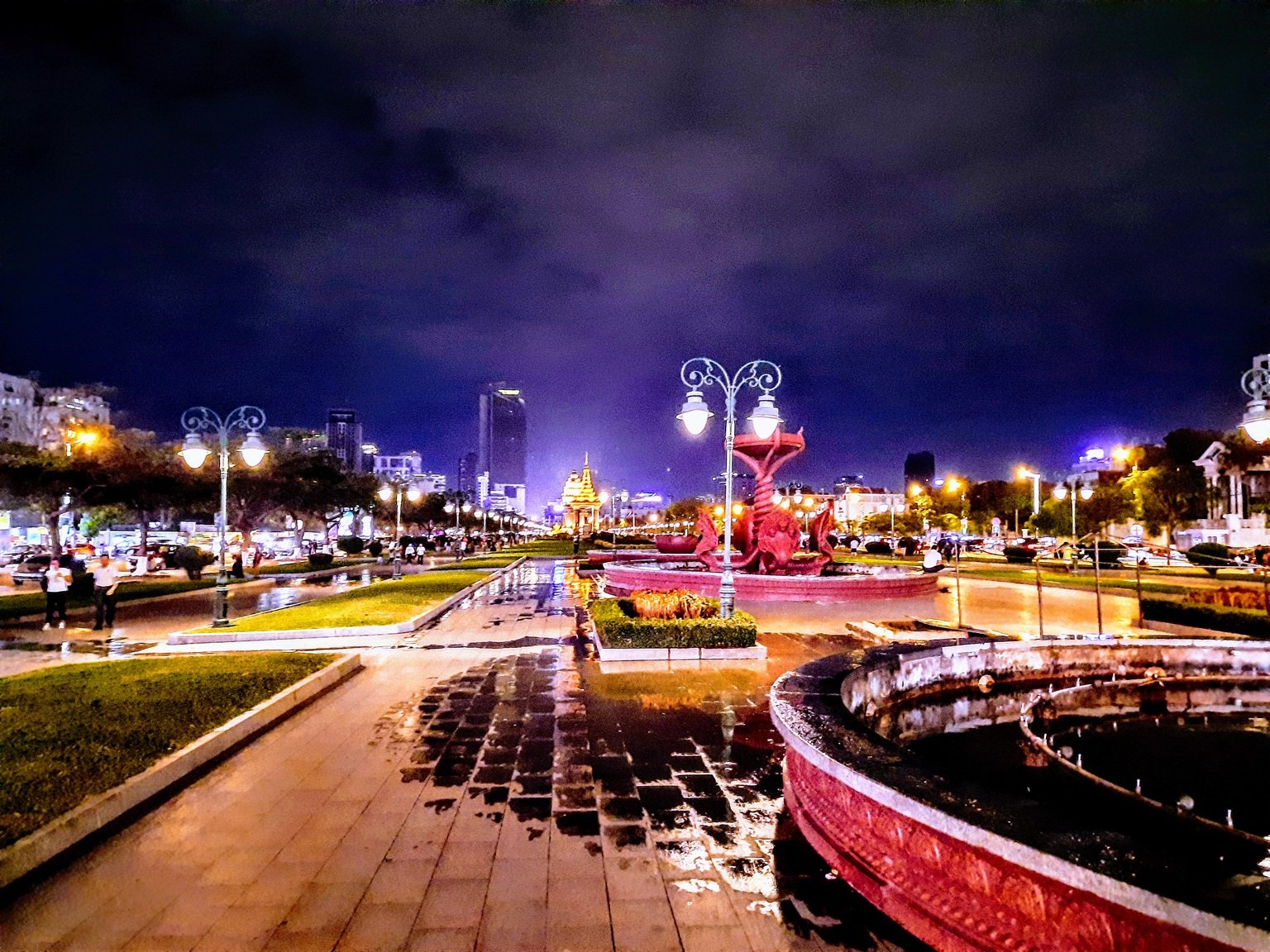
Best Time to Visit Cambodia: What This Guide Covers
Choosing the best time to visit Cambodia can have a huge impact on your trip. Weather affects everything from temple visits and travel times to river levels, landscapes, and overall comfort. While Cambodia can be visited year-round, each season offers a very different experience, and knowing what to expect helps you plan a Cambodia itinerary that actually fits your travel style.
- When to visit Cambodia for the best weather and comfortable temperatures
- How the dry, wet, and hot seasons affect travel across the country
- The best time to visit Angkor Wat and Siem Reap without crowds or extreme heat
- When to visit Phnom Penh, Kampot, and Cambodia’s coastal regions
- How to plan your trip month by month based on your priorities
If you are still planning your route, start with this Cambodia travel guide for a complete overview, then use this Cambodia itinerary to structure your journey. You can dive deeper into specific destinations with guides to Siem Reap, Angkor Wat, Phnom Penh, Kampot, Sihanoukville, Koh Rong and Koh Rong Samloem, and Battambang as you plan your trip.
Planning the Best Time to Visit Cambodia
Deciding on the best time to visit Cambodia is one of the most important parts of planning your trip, because weather shapes almost every aspect of the experience. It influences how comfortable long temple days feel, how easy it is to move between destinations, what the landscapes look like, and even how enjoyable your time at the coast or in the cities will be. Cambodia can be visited year-round, but each season creates a very different travel experience, and understanding those differences is what allows you to plan your trip properly rather than just hoping for good conditions.
Many travelers look for a single “best” month, but the reality is more nuanced. The dry season offers clear skies and easier logistics, the wet season transforms the country into a lush, green landscape, and the hottest months bring intense heat that can significantly affect how you explore places like Angkor or Phnom Penh. What works best depends on your priorities, your tolerance for heat and humidity, and how you want your trip to feel overall.
This becomes even more important when you are building a route across the country. On shorter trips, weather plays a bigger role because you have less flexibility to adjust your plans. On longer trips, you can balance different regions and travel styles more easily. If you are planning your time in the capital, this Phnom Penh itinerary guide helps you structure your days efficiently, which becomes especially useful during hotter periods when pacing your activities matters more.
This guide breaks everything down clearly so you can make an informed decision. Instead of a generic answer, it explains how each season affects different types of trips, which months work best for specific destinations, and how to match the timing of your visit with the kind of experience you are actually looking for.
Best Time to Visit Cambodia
The best time to visit Cambodia is generally between November and February, when the weather is cooler, drier, and more comfortable for exploring the country. During these months, temperatures are lower, humidity is less intense, and skies are often clear, making it easier to enjoy long days visiting temples, walking through cities, and traveling between destinations without feeling overwhelmed by the heat.
This period is especially ideal if your trip includes major highlights like Angkor, where early mornings and late afternoons are far more enjoyable when temperatures are moderate. It is also a good time for visiting Phnom Penh and other urban areas, where heat tends to build up more during the middle of the day, as well as for coastal destinations where calmer seas and better weather improve ferry crossings and beach conditions.
However, this does not mean that other times of year should be avoided. The rainy season, which typically runs from June to October, brings greener landscapes, fewer crowds, and a more relaxed travel atmosphere. Rain usually falls in short, heavy bursts rather than lasting all day, and many travelers find that this season offers a more authentic and visually striking experience, especially in rural areas and around rivers.
The hottest months, usually April and May, are the most challenging for travel due to high temperatures and humidity, particularly in temple areas and cities. If you visit during this time, it becomes important to adjust your schedule, focusing on early mornings and late afternoons while avoiding the midday heat. Ultimately, the best time to visit Cambodia depends on your priorities, but for most travelers looking for the easiest and most comfortable experience, the cool dry season remains the strongest overall choice.
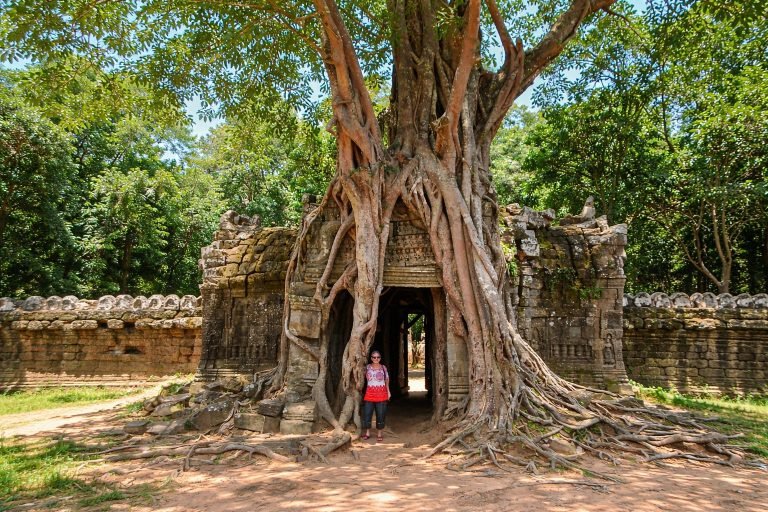
Best Time to Visit Angkor Wat
The best time to visit Angkor Wat and the wider Angkor complex near Siem Reap is during the cool dry season from November to February. During these months, temperatures are more manageable, humidity is lower, and skies are often clear, making it far easier to spend full days exploring temples without feeling exhausted. Early mornings and late afternoons are especially pleasant, and this is when the temples look their best in softer light.
However, this is also peak travel season in Siem Reap, which means larger crowds, especially at sunrise viewpoints around Angkor Wat. If you want to avoid the busiest periods, visiting slightly outside the peak window, such as late October or early March, can offer a good balance between weather and crowd levels while still providing relatively comfortable conditions.
The hot season from March to May is the most challenging time to explore Angkor Wat. Temperatures can be extreme, and walking between temples becomes physically demanding, especially in the middle of the day. If you visit during this period, it is essential to start early, take long breaks during midday, and focus on shorter, more targeted temple routes rather than trying to cover everything in one go.
The rainy season from June to October offers a completely different experience in Angkor. The landscape becomes greener, moats and reservoirs fill with water, and reflections around temples can be particularly striking. Rainfall is usually concentrated in short bursts, which means you can still explore between showers. There are also fewer tourists, allowing for a quieter and more atmospheric visit.
Overall, if your main priority is comfort and ease of exploration, the dry season remains the best time to visit Angkor Wat. If you are willing to trade some convenience for fewer crowds and more dramatic scenery, the rainy season can be surprisingly rewarding. The hot season is best approached with caution, but it can still work if you adjust your schedule and expectations.
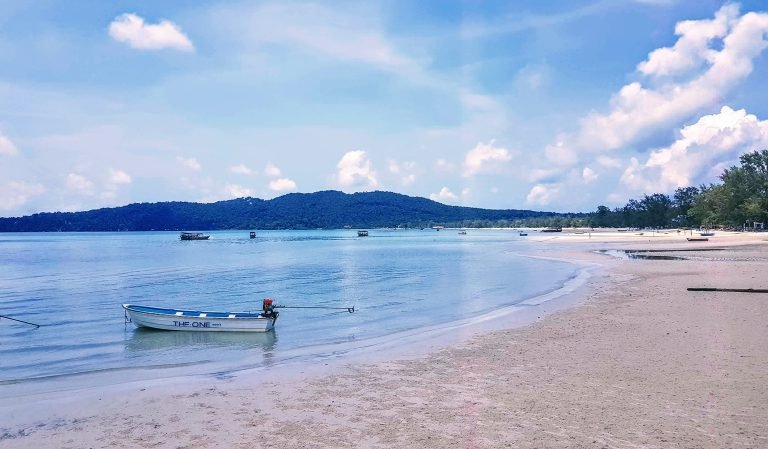
Best Time for Beaches in Cambodia
The best time to visit Cambodia’s beaches, including Koh Rong and Koh Rong Samloem, is during the dry season from November to April. During these months, you can expect sunny days, calmer seas, and more reliable ferry connections, making it ideal for swimming, snorkeling, and enjoying the islands at their best.
Most journeys to the islands pass through Sihanoukville, which acts as the main transport hub for ferries heading out to Koh Rong and Koh Rong Samloem. During the dry season, sea conditions are generally smoother, making crossings quicker and more comfortable, while beach conditions are at their most appealing with clear water and consistent sunshine.
The rainy season from June to October brings more unpredictable conditions to the coast. While the islands remain beautiful, rainfall can be heavier than inland, and rougher seas may occasionally delay or cancel ferry services. That said, there are still plenty of dry periods between showers, and the reduced number of visitors creates a quieter, more relaxed atmosphere for those willing to be flexible.
The shoulder months, particularly late October and early May, can offer a good balance between weather and crowds. You may encounter occasional rain or slightly rougher seas, but you also benefit from fewer tourists and more availability in accommodation. This can be a great time to visit Koh Rong and Koh Rong Samloem if you are looking for a more laid-back island experience without peak-season crowds.
Overall, if your priority is beach time and island relaxation, the dry season is the most reliable choice for visiting Koh Rong, Koh Rong Samloem, and the surrounding coastline. If you are combining the islands with inland destinations, it is worth balancing your timing so that both your beach days and your temple or city experiences align with the kind of trip you want to have.
Best Time to Visit Phnom Penh and Cities
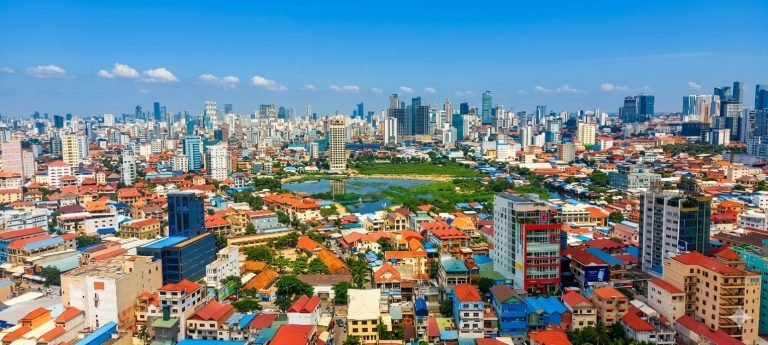
The best time to visit Cambodia’s cities, especially Phnom Penh, is during the cooler dry season from November to February. During this period, temperatures are more manageable, humidity is lower, and walking through markets, riverfront areas, and historical sites feels significantly more comfortable. Cities tend to amplify heat due to traffic, concrete, and limited airflow, so even a small drop in temperature makes a noticeable difference.
Visiting Phnom Penh during the hot season from March to May can be challenging, as temperatures often exceed 35°C and the humidity builds throughout the day. Exploring major landmarks like the Royal Palace, museums, and riverside areas becomes more demanding, especially in the afternoon. If you travel during this time, it is important to plan your days carefully, focusing on early mornings and evenings while using midday hours for rest or indoor activities. This is where having a structured plan, such as a Phnom Penh itinerary, becomes especially useful.
The rainy season from June to October offers a different perspective on Phnom Penh and other urban areas. The city becomes greener, the air can feel fresher after rainfall, and there are fewer tourists overall. Rain usually comes in short bursts rather than constant downpours, which means you can still explore between showers. This season also tends to bring a more local, less crowded atmosphere to the capital, which some travelers prefer.
Overall, if your trip includes time in Phnom Penh or other Cambodian cities, the dry season provides the most comfortable conditions. However, with the right pacing and expectations, both the hot and rainy seasons can still offer rewarding experiences, especially if you balance city time with slower destinations like Kampot or quieter inland areas.
Month-by-Month Guide to Visiting Cambodia
Cambodia’s weather follows a predictable seasonal pattern, but conditions can vary slightly from month to month. Understanding what each period offers helps you decide when to visit based on your priorities, whether that is comfortable sightseeing, fewer crowds, or greener landscapes.
November to February (Best Overall Time)
These are the best months to visit Cambodia for most travelers. Temperatures are cooler, humidity is lower, and rainfall is minimal. This is ideal for exploring Angkor Wat, walking around Phnom Penh, and enjoying the beaches of Koh Rong and Koh Rong Samloem. December and January are the most popular months, so expect higher prices and more visitors.
March and April (Hot and Dry)
Temperatures begin to rise sharply, especially in April, which is usually the hottest month of the year. Visiting Angkor Wat or exploring Phnom Penh during the day can be physically demanding. Early morning temple visits and slower-paced destinations like Kampot or coastal areas become more appealing during this period.
May and June (Transition Period)
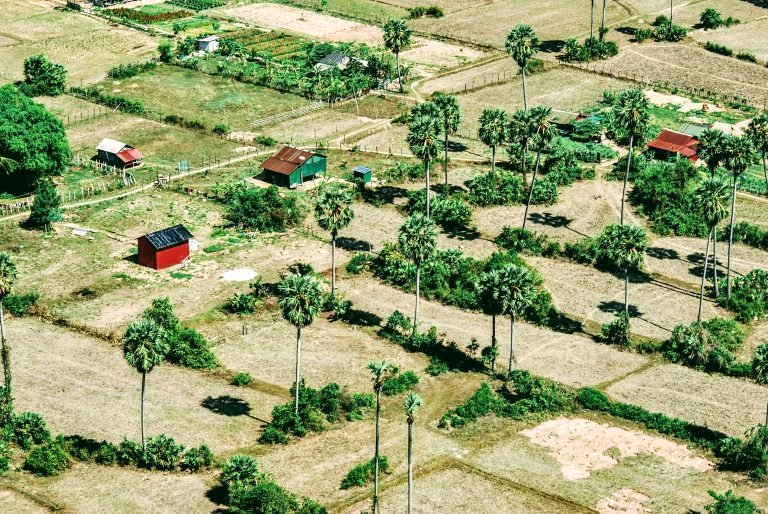
The heat remains intense, but the first rains begin to arrive, bringing some relief and gradually turning the landscape greener. This is a quieter time to visit, with fewer tourists and lower prices. Conditions can still be challenging in cities, but countryside areas and places like Battambang begin to look more vibrant.
July to September (Rainy Season Peak)
These months bring the heaviest rainfall, especially in rural and coastal areas. However, rain usually comes in short bursts rather than lasting all day. The countryside is at its most lush, rivers are full, and temple surroundings become more atmospheric. Fewer tourists visit during this time, making Angkor and other popular sites feel quieter.
October (Shoulder Season)
October is a transitional month where rainfall begins to decrease and travel conditions improve. Landscapes remain green, and crowds are still relatively low. It can be a great time to visit if you want a balance between scenery and improving weather, especially for destinations like Siem Reap and Kampot.
While these patterns are generally reliable, weather can vary from year to year. If you want to double-check conditions before finalizing your plans, refer to the official Cambodia weather data, which provides up-to-date climate information and monthly averages.
When to Avoid Visiting Cambodia
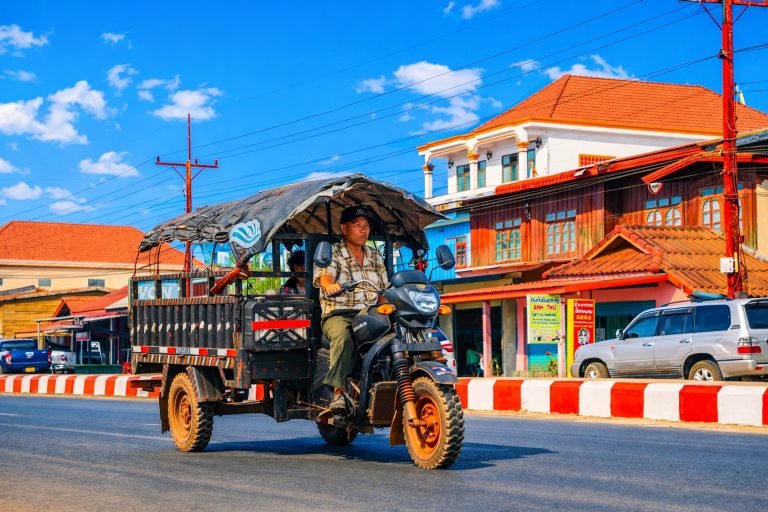
Cambodia can be visited year-round, but there are certain periods when travel becomes more challenging depending on your expectations and tolerance for heat, humidity, and rain. Knowing when to avoid Cambodia, or at least when to adjust your plans, can help you avoid unnecessary discomfort and make better decisions when planning your trip.
April and May (Extreme Heat)
The hottest period of the year, especially in April, can be difficult for most travelers. Temperatures often exceed 35°C, and the humidity begins to build, making conditions feel even more intense. Exploring outdoor sites like Angkor Wat or walking around Phnom Penh during the middle of the day can quickly become exhausting. Unless you are comfortable with high heat and plan your days carefully, this is one of the least comfortable times to visit Cambodia.
August and September (Heavier Rainfall)
While the rainy season has its advantages, August and September typically bring the most consistent rainfall. In some areas, especially in the countryside and around Battambang, roads can become muddy and travel times may increase. Coastal regions near Sihanoukville and the islands such as Koh Rong and Koh Rong Samloem can experience rougher seas, which may affect ferry schedules and beach conditions.
Holiday Peaks and Major Events
Certain holidays can also impact travel conditions, even if the weather is otherwise ideal. Khmer New Year in April is one of the busiest periods in the country, with increased domestic travel, crowded transport, and limited availability in accommodation. While it can be an interesting cultural experience, it may not be the best time for a relaxed or well-paced itinerary.
That said, “avoiding” these periods does not mean you should rule them out entirely. Each season still offers something unique, and with the right expectations and planning, you can have a great experience at any time of year. The key is understanding the trade-offs and adjusting your travel style accordingly, rather than expecting ideal conditions everywhere.
Final Thoughts on the Best Time to Visit Cambodia
The best time to visit Cambodia ultimately depends on what kind of trip you want to have. For most travelers, the cooler dry season from November to February offers the easiest and most comfortable conditions, especially for exploring major highlights like Angkor Wat and spending time in Phnom Penh. However, that does not mean other seasons should be overlooked. The rainy season brings greener landscapes and fewer crowds, while the hotter months can still work well if you plan your days carefully and pace your itinerary.
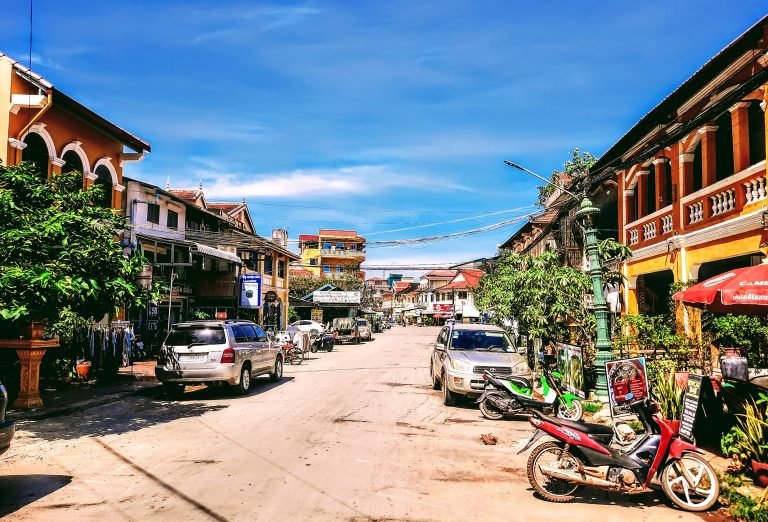
One of the strengths of traveling in Cambodia is the variety of experiences across relatively short distances. You can move from temples and cities to countryside regions and coastal areas within a single trip. Understanding how the seasons affect each of these destinations allows you to build a more balanced journey, whether that includes time in Siem Reap, quieter inland areas like Battambang, or slower-paced destinations such as Kampot, as well as more remote regions explored in this eastern Cambodia highlands guide.
If you are planning your trip in more detail, it helps to connect timing with your overall route and budget. Start with this Cambodia travel guide for a complete overview, then use this Cambodia itinerary to structure your journey across the country. Before locking in your travel dates, it is also worth reviewing the Cambodia visa entry requirements and options to make sure everything aligns with your arrival plans. At this stage, it is also useful to understand when and how to book your flights to Cambodia efficiently, as seasonal demand can influence both prices and availability. Once your timing and route are set, it is also worth preparing a smart packing list for Cambodia so you are fully prepared for the climate and travel conditions. From there, you can refine your plans with destination-specific guides, including the Phnom Penh city guide and the Phnom Penh itinerary.
To better understand how your daily budget will fluctuate depending on your route and travel style, this Cambodia travel cost breakdown gives a clear overview of what to expect on the ground, while this Cambodia transport tips helps you plan how to move between destinations efficiently. If timing also raises questions about comfort and conditions on the ground, this Cambodia safety and travel conditions guide provides additional context to help you plan with confidence.
With the right timing and a well-structured plan, Cambodia becomes far more than a destination defined by a single highlight. It turns into a journey that flows naturally between different regions, experiences, and rhythms, allowing you to see the country in a way that feels complete rather than rushed.
Frequently Asked Questions About the Best Time to Visit Cambodia
-
What is the best time to visit Cambodia?
The best time to visit Cambodia is between November and February, when the weather is cooler, drier, and more comfortable for sightseeing. This is the ideal period for visiting temples, cities, and coastal areas without extreme heat or heavy rain. -
When is the best time of year to visit Cambodia?
The best time of year to visit Cambodia is during the cool dry season from late November to early February. During this period, temperatures are moderate, humidity is lower, and travel conditions are generally at their most favorable across the country. -
When is the best time to visit Cambodia for Angkor Wat?
The best time to visit Angkor Wat is from November to February, when temperatures are cooler and exploring the temples is more comfortable. Early mornings are especially pleasant during this season, making sunrise visits more enjoyable. -
What is the best time to visit Siem Reap Cambodia?
The best time to visit Siem Reap is during the dry season from November to February, when the weather is cooler and ideal for temple exploration. The rainy season can also be a good option if you prefer fewer crowds and greener surroundings. -
Is the rainy season a bad time to visit Cambodia?
No, the rainy season is not necessarily a bad time to visit Cambodia. Rain usually comes in short, heavy bursts rather than lasting all day. The countryside becomes lush and green, and there are fewer tourists, although travel may be slightly less predictable. -
What are the hottest months in Cambodia?
April and May are typically the hottest months in Cambodia, with temperatures often exceeding 35°C. Travel is still possible, but it is important to plan activities early in the morning and avoid the midday heat. -
When should you avoid visiting Cambodia?
Many travelers choose to avoid April due to extreme heat and August to September due to heavier rainfall. However, these periods can still be manageable depending on your travel style and flexibility. -
What is the best time to visit Cambodia and Vietnam?
The best time to visit Cambodia and Vietnam together is generally between November and March. During this period, both countries experience relatively favorable weather, making it easier to combine destinations in one trip. -
What is the best time to visit Cambodia for beaches?
The best time to visit Cambodia’s beaches, including Koh Rong and Koh Rong Samloem, is from November to April when seas are calmer and rainfall is minimal. This is the ideal time for swimming, snorkeling, and relaxing on the islands. -
Is Cambodia worth visiting during the hot season?
Cambodia can still be worth visiting during the hot season if you adjust your schedule. Early mornings and evenings are best for exploring, while midday is better for rest or indoor activities.
Travel Resources to Plan, Book & Stay Connected
Use these tools and guides to stay connected abroad, find inspiration for your next trip, and book your flights, stays and gear with confidence.
Disclosure: This article may contain affiliate links. If you make a purchase through a link, I may receive a commission at no extra cost to you. I only share recommendations I believe are genuinely useful, and all opinions are my own. AI was used in this post for research and drafting purposes.

Comment (0)