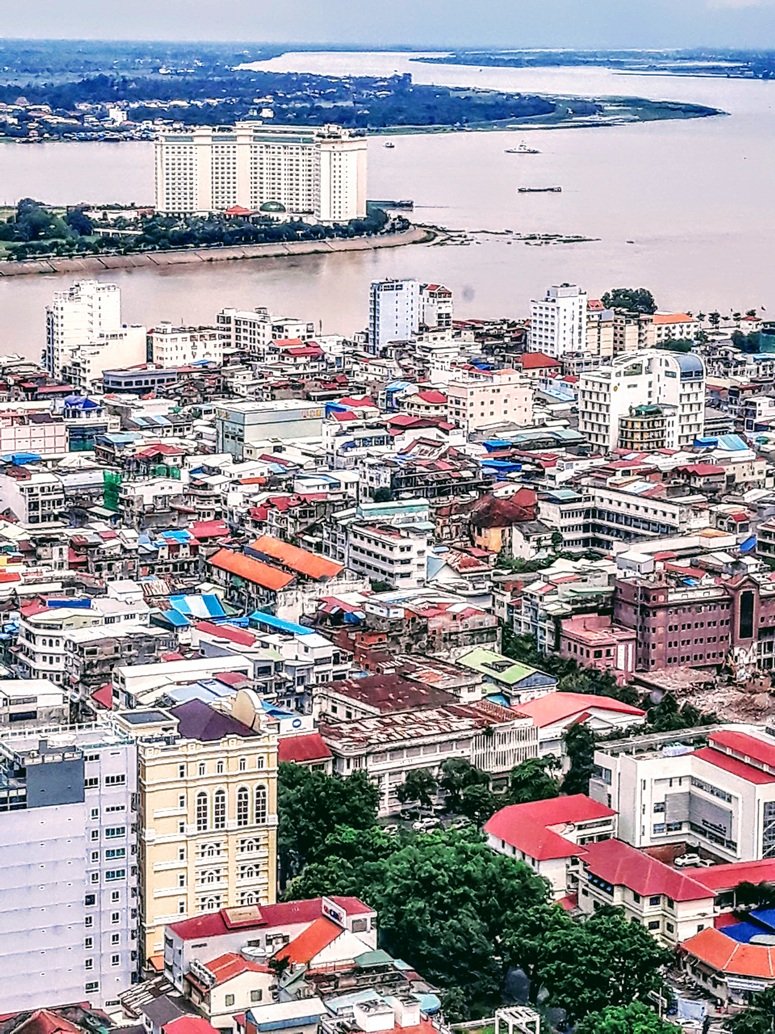
Cambodia Itinerary: What This Guide Covers
Planning a Cambodia itinerary sounds simple at first, but once you start looking at the map, the choices add up quickly. Do you focus on temples and history around Siem Reap, spend time in Phnom Penh, slow down in Kampot, or head straight for the islands? This guide helps you structure 3, 5, 7, 10, or 14 days in Cambodia in a way that feels realistic, balanced, and actually enjoyable.
- How to plan a Cambodia itinerary for 3, 5, 7, 10, or 14 days
- Which destinations fit best depending on how much time you have
- How to combine temples, cities, countryside, and beach time without rushing too much
- Suggested route ideas for first-time visitors and longer trips
- When to keep your itinerary focused and when it makes sense to add extra stops
If you are still deciding where to go, start with this Cambodia travel guide for a broader overview of the country. You can then dive deeper into specific stops with my guides to Siem Reap, Angkor Wat, Phnom Penh, this Phnom Penh itinerary, Kampot, Koh Rong and Koh Rong Samloem, Sihanoukville, and Battambang as you build your route.
Planning Your Cambodia Itinerary
Planning a Cambodia itinerary is one of those things that looks straightforward at first, but quickly becomes more complex once you start mapping it out. The country is relatively compact, yet each destination offers a completely different experience, from the ancient temples around Siem Reap to the fast-paced streets of Phnom Penh, the relaxed riverside atmosphere in Kampot, and the white-sand beaches of the islands. The real challenge is not what to see, but how to connect it all into a route that feels smooth instead of rushed.
Travel time plays a bigger role than many first-time visitors expect. Distances on the map may look short, but buses, ferries, and even domestic transfers can take longer than planned, which means trying to fit too many stops into a short trip often leads to spending more time in transit than actually enjoying the places themselves. A well-structured Cambodia travel itinerary focuses on balance, giving you enough time in each location to experience it properly without constantly packing and moving on. Understanding how transport works in practice is essential, and this Cambodia transportation guide helps you plan realistic travel times between destinations.
This guide is designed to help you build a realistic itinerary of Cambodia whether you have just a few days or a full two weeks. If you are planning a short trip, the focus will naturally be on one or two key destinations, while longer trips allow you to combine cultural highlights, local life, countryside, and beach time into a more complete experience. From a 3-day overview to a Cambodia itinerary for 10 days or a full two week Cambodia itinerary, each route is structured to follow a logical flow without unnecessary backtracking.
Another important decision is how you want your trip to feel. Some travelers prefer to move quickly and see as much as possible, while others want a slower pace with time to explore markets, cafés, and local neighborhoods. There is no single “correct” Cambodia trip itinerary, but there are definitely smarter ways to organize your route depending on your priorities, your entry and exit points, and how comfortable you are with longer travel days.
The itineraries below are built to give you clear, practical options rather than overwhelming you with possibilities. Each one focuses on realistic travel times, logical connections between destinations, and a balance between highlights and breathing room, so you can plan your trip with confidence and adapt it to your own travel style.
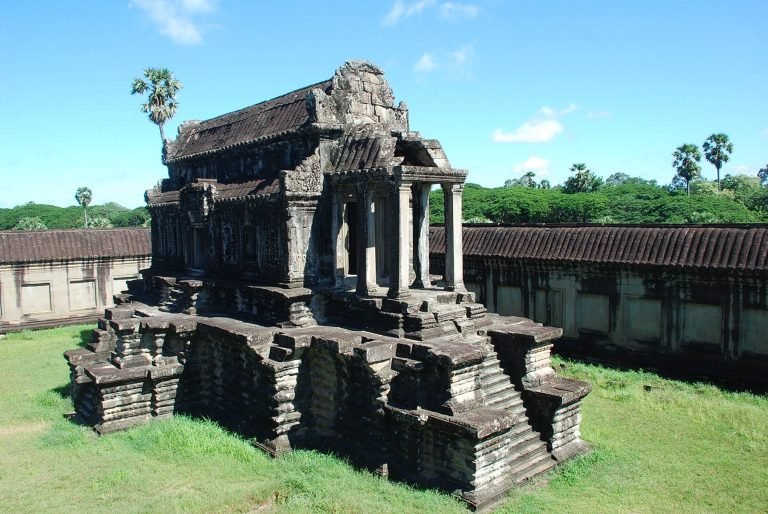
How to Get to Cambodia
For most travelers, the easiest way to start a Cambodia itinerary is by flying into one of the country’s main international gateways. Phnom Penh and Siem Reap are the two most practical entry points for first-time visitors, and the better choice depends largely on the route you want to follow. If your trip is centered around Angkor Wat and northern Cambodia, flying into Siem Reap usually makes the most sense. If you want to begin in the capital and work your way toward the coast or the temples later, Phnom Penh is often the smoother option. If you are still comparing routes and airlines, this guide to choosing the best way to fly into Cambodia breaks down the main options in detail.
Siem Reap is the more tourism-focused arrival point, which makes it a natural fit for shorter trips built around temples, local markets, and nearby excursions. Phnom Penh, by contrast, works well for travelers who want to include history, city life, food, and onward travel to places like Kampot, Kep, Sihanoukville, or the islands. If you are building a longer Cambodia travel itinerary, it can be smart to arrive in one city and depart from the other, which reduces backtracking and makes the overall route feel more efficient.
There are also overland options if Cambodia is part of a broader Southeast Asia trip. Many travelers cross into the country from Thailand or Vietnam by bus, minivan, or private transfer, especially when combining Cambodia with Bangkok, Ho Chi Minh City, or the Mekong region. These border crossings can be perfectly manageable, but they are usually more time-consuming and less comfortable than flying, so they tend to suit longer and more flexible trips better than short itineraries.
If you only have a few days, the most efficient approach is usually to keep things simple and fly directly to the region you most want to explore. A 3-day or 5-day itinerary of Cambodia does not leave much room for long transfers, so starting in the right place matters. With 7, 10, or 14 days, you have far more flexibility and can begin shaping a route that connects multiple parts of the country without feeling like every day is a travel day.
To compare routes and find the best arrival option for your trip, you can use my cheap international flights guide before locking in the rest of your Cambodia trip itinerary.
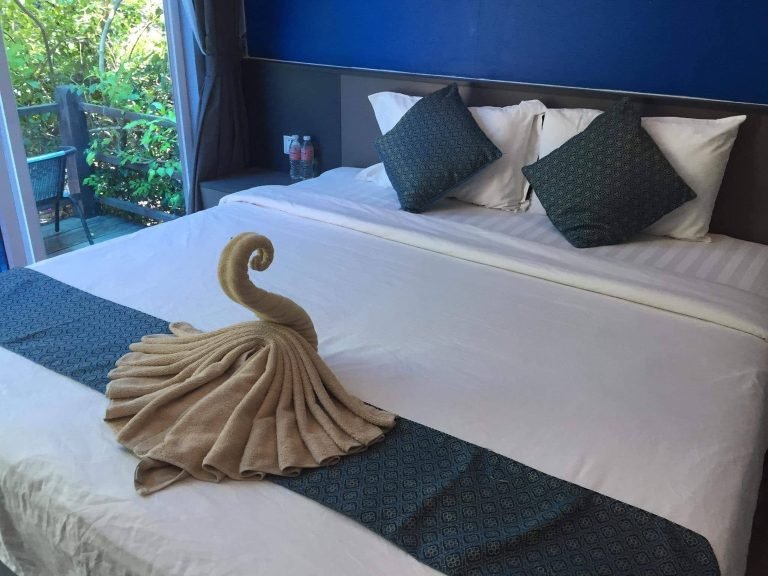
Where to Stay in Cambodia
Choosing where to stay in Cambodia depends less on finding the “perfect” hotel and more on picking the right base in each destination. Because this itinerary covers multiple regions, from major cities to smaller towns and island settings, accommodation styles vary quite a bit. You will find everything from budget guesthouses and boutique hotels to higher-end resorts, but the key is to match your stay to the pace and purpose of each stop in your trip. If you are still deciding how to approach this, this guide to choosing the best places to stay in Cambodia breaks down how different destinations fit into a well-balanced route.
In places like Siem Reap and Phnom Penh, location plays a big role. Staying centrally makes it easier to access restaurants, markets, and attractions without spending too much time in traffic. In smaller destinations such as Kampot or Battambang, the focus shifts more toward atmosphere, with riverside stays or quieter neighborhoods offering a more relaxed experience. On the islands, your choice of accommodation often defines your trip, whether you are looking for something lively and social or more secluded and peaceful.
When planning a Cambodia itinerary, it is also worth thinking about how often you want to move. Changing hotels every night might look efficient on paper, but it quickly becomes tiring in practice. A better approach is to stay at least two nights in each destination whenever possible, giving you time to settle in and actually enjoy where you are instead of constantly packing and checking in and out.
Prices in Cambodia are generally very reasonable compared to many other destinations, which means you can often get good value even when stepping up to more comfortable accommodation. That said, availability can vary depending on the season and the popularity of the destination, so it is a good idea to book ahead for key stops, especially if your itinerary includes well-known places or specific travel dates.
To compare options across all destinations in one place, you can use my hotel booking comparison guide to find the best deals and choose accommodation that fits your route and budget.
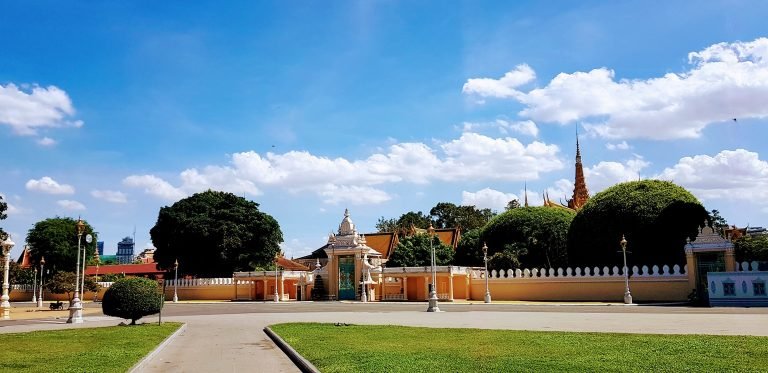
Cambodia Itinerary: 3 Days
A 3-day Cambodia itinerary is short, which means every decision matters. The biggest mistake you can make is trying to cover too much ground. Travel between destinations takes time, and squeezing multiple locations into just a few days usually leads to rushed experiences and long, tiring transfers. The smartest approach is to focus on one base and explore it properly, and for most first-time visitors, that base should be Siem Reap.
Siem Reap gives you access to the Angkor temple complex, one of the most important archaeological sites in the world, while also offering a relaxed town atmosphere with restaurants, markets, and local experiences. It is one of the few places in Cambodia where you can combine history, culture, and comfort without needing to move around constantly, which makes it ideal for a short trip.
Day 1: Arrival and First Impressions of Siem Reap
After arriving in Siem Reap, the focus should be on settling in and getting a feel for the place rather than rushing straight into sightseeing. Depending on your arrival time, you can explore the central area, walk through local markets, and start discovering Cambodian cuisine in a relaxed setting. The town itself is compact and easy to navigate, with a mix of traditional and tourist-friendly spots that make it a comfortable introduction to the country.
In the evening, you can take a stroll around the lively areas near the river and night markets, where food stalls, small restaurants, and bars create a casual atmosphere that contrasts nicely with the historical focus of the following days. This first day is intentionally light, giving you time to adjust, especially if you have just arrived from a long international flight.
Day 2: Angkor Wat and the Main Temple Circuit
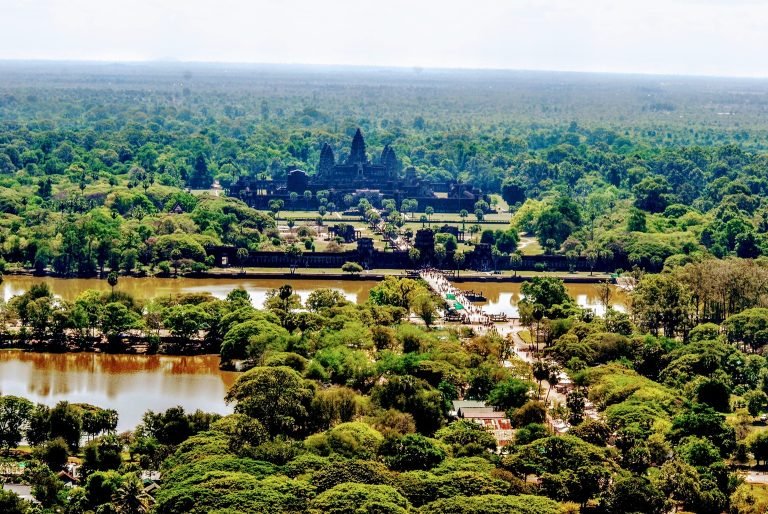
Day two is the highlight of this Cambodia itinerary and is dedicated entirely to exploring Angkor. Starting early is essential, both to avoid the heat and to experience the temples at their most atmospheric. Many travelers begin with sunrise at Angkor Wat, watching the silhouette of the temple reflected in the surrounding water as the light slowly changes, which is one of the most iconic experiences in Southeast Asia.
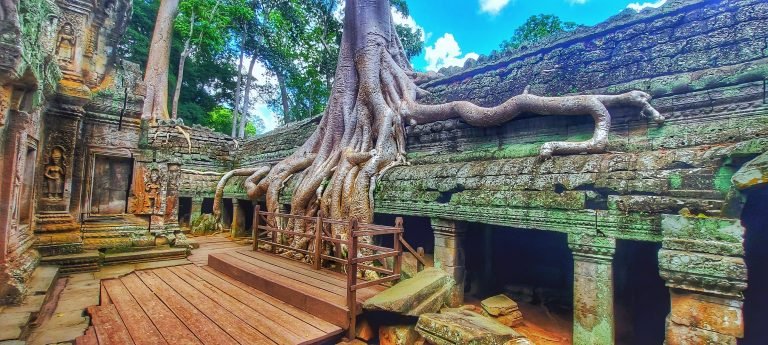
From there, you can follow the classic “small circuit,” which connects several of the most important temples. Angkor Wat itself is vast, with detailed bas-reliefs, towering structures, and multiple levels to explore, so it is worth taking your time here rather than rushing through. Bayon, located in Angkor Thom, offers a completely different experience, with its famous stone faces watching in every direction, while Ta Prohm stands out for the way nature has intertwined with the ruins, with massive tree roots growing over ancient stone walls.
Hiring a tuk-tuk driver for the day is the most practical way to move between temples. It allows you to avoid the heat between stops, carry water, and take breaks when needed. The pace of the day should be steady rather than rushed, with time to sit, observe, and absorb the scale and history of what you are seeing, rather than treating it as a checklist.
Day 3: Deeper Exploration or Slower Pace
Your final day gives you flexibility depending on how you want to end your trip. If you are still eager to explore more temples, you can visit sites outside the main circuit, which tend to be quieter and offer a different perspective on Angkor without the larger crowds. This option works well if you want to deepen your understanding of the area rather than just seeing the most famous highlights.
Alternatively, you can shift the focus away from temples and spend time experiencing the local side of Siem Reap. This could include visiting nearby villages, exploring the countryside, or simply enjoying a slower day with cafés, spas, and local food. After a full day at Angkor, many travelers appreciate having this balance before leaving.
This 3-day Cambodia itinerary is intentionally focused to give you a strong first impression of the country without rushing. If you have more time, expanding beyond Siem Reap allows you to experience Cambodia in a much deeper and more varied way, which is exactly what the following itineraries are designed to help you do.
Cambodia Itinerary: 5 Days
A 5-day Cambodia itinerary gives you just enough time to go beyond a single destination and start experiencing the contrast that makes the country so interesting. While Siem Reap and Angkor still form the core of the trip, you now have the flexibility to either explore the temples in more depth or add a second destination. The key is to expand carefully without turning your itinerary into a constant series of transfers.
There are two strong ways to approach a 5-day trip. You can stay based in Siem Reap and take a slower, more immersive approach to Angkor and the surrounding region, or you can combine Siem Reap with Phnom Penh to experience both the cultural highlights and the capital. Both options work well, but they create very different travel experiences, so it is worth deciding what kind of trip you want before locking in your route.
Option 1: Siem Reap Focus (Slower and More Immersive)
If you prefer a more relaxed pace, spending all five days in and around Siem Reap allows you to explore Angkor without feeling rushed. Instead of trying to see everything in one intense day, you can spread your temple visits across multiple days, which makes a huge difference in terms of comfort, especially in the heat.
With extra time, you can go beyond the main circuit and visit lesser-known temples, where the atmosphere is quieter and more reflective. This deeper approach helps you appreciate the scale and complexity of the Angkor civilization rather than just ticking off the most famous sites. If you want a more detailed breakdown of the temple experience, this Angkor Wat guide gives you a full overview of routes, tickets, and how to plan your visit.
Outside the temples, you also have time to experience the local side of Siem Reap. You can explore the countryside, visit the Tonlé Sap floating villages depending on the season, or simply enjoy the town at a slower pace, discovering cafés, markets, and restaurants without feeling like you need to move on quickly. This version of the itinerary is ideal if you want a balanced mix of culture and relaxation without adding travel days.
Option 2: Siem Reap + Phnom Penh (Culture + Capital)
If you want to see more of Cambodia in a limited timeframe, combining Siem Reap with Phnom Penh is the most logical next step. This route gives you a mix of ancient history and modern Cambodia, adding depth to your trip without stretching it too far geographically.
A typical structure would be two to three days in Siem Reap for Angkor, followed by a flight or long-distance transfer to Phnom Penh for the remaining time. In the capital, the experience shifts noticeably. You move from temples and quiet ruins to a city that feels busy, layered, and historically intense, with important sites that help you understand Cambodia’s more recent past.
Phnom Penh is not about ticking off landmarks quickly. It is a place where context matters, and taking the time to visit key historical sites and explore local neighborhoods gives you a much deeper understanding of the country. If you want to structure your time there efficiently, this Phnom Penh itinerary breaks down how to spend one to three days in the city, while this visitor guide to Tuol Sleng and the killing fields explains how to approach the city’s most important historical sites.
The main trade-off with this option is the travel time between the two destinations. While it is manageable, it does take up part of your itinerary, so this version suits travelers who prefer variety over a slower pace in a single location.
A 5-day Cambodia travel itinerary is where your trip starts to open up, but it still requires discipline. Whether you choose to stay in Siem Reap or add Phnom Penh, keeping your route focused will give you a far better experience than trying to include too many destinations too quickly.
Cambodia Itinerary: 10 Days
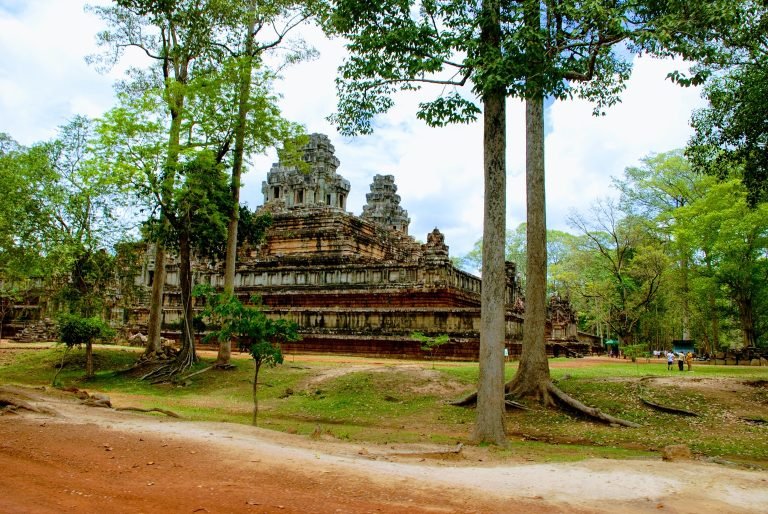
A 10-day Cambodia itinerary gives you the space to experience the country in a much more complete and balanced way. You are no longer limited to just the main highlights, and you do not need to rush between destinations. Instead, you can combine culture, history, local life, and time to slow down, creating a trip that feels varied without becoming exhausting. This is where Cambodia really starts to open up.
The key with 10 days is to build a route that flows naturally from north to south or vice versa, avoiding unnecessary backtracking. A classic and very effective structure is to begin in Siem Reap, continue to Phnom Penh, and then finish with a more relaxed destination such as Kampot or the islands. This progression moves from temples to city life and finally to a slower-paced environment, which feels intuitive and well-balanced.
Days 1–3: Siem Reap and the Angkor Temples
Start your trip in Siem Reap, where you will spend the first few days exploring Angkor. With more time available, you can take a much more relaxed approach compared to shorter itineraries. Instead of compressing everything into one long day, you can visit the temples in stages, choosing the best times of day and avoiding peak heat.
Angkor itself is vast, and the experience improves significantly when you slow down. You can spend time at Angkor Wat, explore the faces of Bayon, and walk through the tree-covered ruins of Ta Prohm without feeling rushed. Additional temples outside the main circuit can also be included, offering quieter and often more atmospheric experiences. For a deeper understanding of how to organize your visits, this complete Angkor Wat guide explains routes, timing, and practical details.
With extra days in Siem Reap, you can also go beyond the temples and explore the surrounding region. A visit to the villages on Tonlé Sap Lake adds a completely different perspective, focusing on daily life and water-based communities rather than historical sites, and creates a more balanced and varied itinerary.
Days 4–5: Battambang or Direct Transfer South
From Siem Reap, you have two strong options. You can travel directly to Phnom Penh, or you can break up the journey with a stop in Battambang. Choosing Battambang adds a more local and less tourist-heavy perspective to your itinerary, with countryside landscapes, colonial architecture, and a slower rhythm that contrasts with Siem Reap.
Battambang is not about major landmarks, but about atmosphere and experience. Exploring the surrounding countryside, visiting small villages, and seeing everyday life unfold gives you a deeper sense of Cambodia beyond the main tourist route. If you prefer to keep your itinerary simpler, skipping this stop and heading straight south is also a perfectly valid option.
Days 6–7: Phnom Penh and Cultural Context
Continue your journey in Phnom Penh, where the focus shifts from ancient history to modern Cambodia. The capital provides important context, helping you understand the country’s more recent past while also offering a vibrant urban environment with markets, food, and riverfront areas. Visiting sites like Tuol Sleng and Choeung Ek is an important part of that experience, and this guide to Cambodia’s dark history sites explains how to approach them thoughtfully.
Spending two days here allows you to explore key historical sites without rushing while still leaving time to experience the city itself. Walking along the river, visiting local neighborhoods, and enjoying the food scene all add depth to your trip. If you want a clear structure, this Phnom Penh itinerary guide outlines how to organize your time effectively.
Days 8–10: Kampot, Coast, or Islands
The final part of your Cambodia itinerary is where you slow down. After the intensity of temples and the energy of Phnom Penh, heading toward the coast creates a natural shift in pace. One of the best options is Kampot, known for its relaxed riverside setting and surrounding countryside.
Kampot offers a completely different experience, with days spent exploring pepper farms, riding through quiet landscapes, or simply enjoying the slower rhythm of the town. If you are looking for beach time, you can continue further to the islands. Places like Koh Rong and Koh Rong Samloem are known for their clear water and laid-back atmosphere, providing a perfect contrast to the earlier parts of your trip.
This 10-day Cambodia itinerary offers one of the most rewarding ways to experience the country. You move through its most important regions at a comfortable pace, combining highlights with quieter moments, and ending your trip on a more relaxed note without feeling like you have rushed through the experience.
Cambodia Itinerary: 2 Weeks (14 Days)
A 2-week Cambodia itinerary gives you the freedom to experience the country at a much deeper level. With 14 days, you are no longer choosing between highlights, you can combine them all into a route that feels complete, varied, and well-paced. This is where Cambodia shifts from a quick introduction to a genuinely immersive travel experience, with time to explore, understand, and slow down along the way.
The biggest advantage of a longer Cambodia travel itinerary is flexibility. You can include additional stops, spend more time in each destination, and adjust your pace depending on how you feel as the trip unfolds. Instead of constantly moving, you can settle into places, explore beyond the obvious highlights, and experience more of the local rhythm of life.
Days 1–4: Siem Reap and Angkor at a Comfortable Pace
Start your trip in Siem Reap, where you can take your time exploring the Angkor complex without feeling rushed. With four days, you are not limited to the main temples, and you can spread your visits across different times of day, avoiding the heat and crowds where possible.
Angkor Wat, Bayon, and Ta Prohm remain the core highlights, but the extra time allows you to go further, visiting quieter temples and spending more time understanding the site rather than just moving through it. This slower approach makes a noticeable difference in how you experience Angkor. For a full breakdown of routes and planning, this Angkor temples guide provides detailed insights.
Beyond the temples, Siem Reap itself becomes part of the experience. You have time to explore local markets, enjoy the food scene, and take short trips into the surrounding countryside, including visiting the Tonlé Sap lake villages, which add a completely different perspective focused on daily life and water-based communities.
Days 5–6: Battambang and Rural Cambodia
From Siem Reap, continue to Battambang, which offers a very different perspective on Cambodia. This is a place where the focus shifts away from major landmarks and toward everyday life, countryside landscapes, and a slower pace that feels more local and less developed.
Spending a couple of days here allows you to explore the surrounding area, visit small villages, and experience a side of Cambodia that many shorter itineraries miss. The atmosphere is relaxed, and the experiences tend to be more personal and less structured, which creates a strong contrast with the more famous destinations.
Days 7–9: Phnom Penh and Historical Context
Next, head to Phnom Penh, where your Cambodia itinerary takes on a more complex and layered perspective. The capital combines history, culture, and modern life, offering insight into the country’s past and present.
With three days, you can explore the city at a comfortable pace, visiting key sites while also taking time to experience daily life, from local markets to riverfront areas and neighborhoods beyond the main attractions. This is also where many travelers gain a deeper understanding of Cambodia as a whole. To structure your time effectively, this Phnom Penh travel itinerary outlines how to spend your days in the city.
Days 10–12: Kampot and the Southern Coast
After Phnom Penh, continue south to Kampot, where the pace slows down significantly. This part of the itinerary provides a break from cities and major attractions, allowing you to enjoy Cambodia in a more relaxed and scenic setting.
Kampot is known for its riverside views, surrounding countryside, and easygoing atmosphere. You can explore nearby landscapes, visit pepper farms, or simply take time to relax and enjoy the slower rhythm. This section of the trip helps balance the more intense cultural experiences from earlier in the itinerary.
Days 13–14: Islands and Beach Time
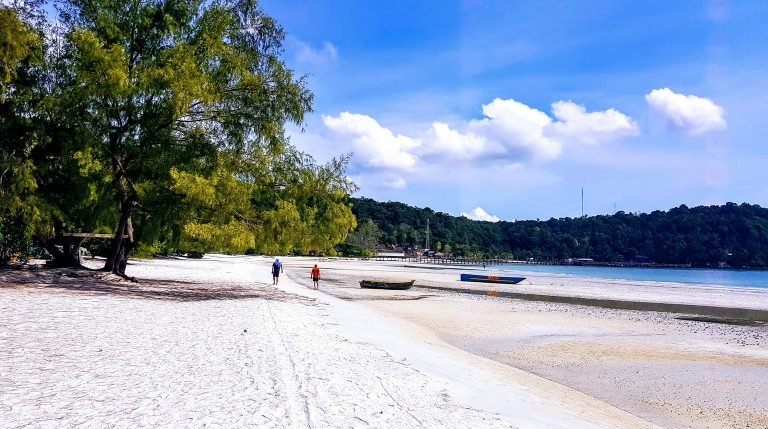
Finish your Cambodia itinerary on the coast or the islands, where the focus shifts entirely to relaxation. Heading toward places like Koh Rong or Koh Rong Samloem gives you access to beaches, clear water, and a slower pace that contrasts perfectly with the rest of the trip.
These final days are intentionally flexible. You can choose to stay active with boat trips and exploration, or simply unwind before your departure. Ending your trip here creates a natural transition from a busy and varied itinerary to a more relaxed conclusion.
Alternative Route: Mondulkiri & Ratanakiri (Northeast Cambodia)
If, instead of the beaches, you would like to venture into Cambodia’s jungle, an alternative route takes you east toward Mondulkiri and Ratanakiri. This part of the country offers a completely different experience, defined by dense forests, waterfalls, crater lakes, and indigenous cultures rather than coastal landscapes.
Traveling through the northeast is less about convenience and more about immersion. In Mondulkiri, you can explore rolling hills, visit ethical elephant sanctuaries, and experience cooler temperatures, while Ratanakiri introduces more remote terrain, volcanic lakes, and deeper jungle trekking. This route is ideal for travelers looking to go beyond the typical Cambodia itinerary and experience a more raw and natural side of the country.
To understand how to plan this route, including transport, timing, and what to expect, this Mondulkiri and Ratanakiri travel guide provides a complete overview of exploring Cambodia’s eastern highlands.
This 2-week Cambodia itinerary is one of the most complete ways to experience the country. Whether you choose the coastal route, the northeastern highlands, or a combination of both, it balances the major highlights with quieter regions and gives you a much deeper understanding of Cambodia than shorter trips can offer.
Travel Tips for Planning Your Cambodia Itinerary
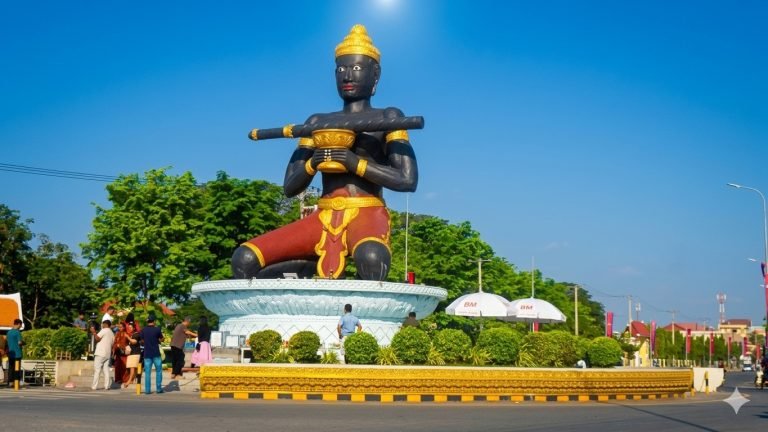
Traveling through Cambodia is incredibly rewarding, but the experience can vary a lot depending on how well you plan the details. Distances, weather, local customs, and logistics all play a role in shaping your trip. Understanding how these factors come together will help you avoid common mistakes and make your Cambodia itinerary feel smooth rather than stressful. For a more complete understanding of how to navigate the country day to day, these essential travel tips for Cambodia bring everything together in one practical guide.
Timing Your Visit
The best time to visit Cambodia is generally between November and February, when temperatures are cooler and the weather is dry. This is also the most popular period, so expect higher prices and more visitors, especially around major sites like Angkor. If you want a more detailed breakdown, this best time to visit Cambodia guide explains each season in depth. If you prefer fewer crowds and do not mind occasional rain, the wet season from June to October can be a surprisingly good time to travel. The countryside becomes lush and green, and places like Tonle Sap are at their most impressive.
April and May are the hottest months, with intense heat that can make sightseeing more challenging. If you travel during this period, it is essential to plan outdoor activities early in the morning or later in the afternoon. This is especially important when visiting temples, where shade can be limited and the heat builds quickly during the day.
Temple Etiquette and Practical Tips
Visiting temples is a central part of any Cambodia travel itinerary, and respecting local customs is essential. At major sites such as Angkor Wat, you are expected to dress modestly, which means covering your shoulders and knees. Lightweight clothing and a scarf or sarong can make this much more comfortable in the heat.
Choosing the right Angkor pass also makes a difference. A 3-day pass is often the best balance, giving you enough time to explore without feeling rushed or overwhelmed. While sunrise at Angkor Wat is a popular experience, it is also crowded. If you prefer something quieter, consider watching the sunrise from alternative temples, where the atmosphere is more peaceful.
Money, Currency, and Payments
Cambodia operates on a dual-currency system using U.S. Dollars and Cambodian Riel. In practice, most prices are quoted in dollars, especially in tourist areas, while smaller change is often given in riel. This system is easy to use once you get used to it, but it does mean you should always carry small denominations.
Cash is still the most reliable payment method across the country. While hotels and some restaurants in cities like Phnom Penh and Siem Reap accept cards, everyday expenses such as transport, markets, and small eateries are usually cash-only. It is also important to carry clean, undamaged dollar bills, as worn notes are often refused.
Getting Around Cambodia
Transportation within cities is straightforward, with tuk-tuks and remorks being the most common way to get around. They are widely available, affordable, and flexible. For convenience and transparency, ride-hailing apps such as Grab or PassApp are a great option, as they provide fixed pricing and navigation, reducing the need for negotiation.
For longer distances between destinations, Cambodia offers a mix of buses, minibuses, and domestic flights. Modern VIP minibuses are often the best balance between comfort and speed, especially for routes like Phnom Penh to Kampot or Siem Reap. Flights save time but are not always necessary unless you are working with a tighter itinerary.
Cultural Awareness and Local Etiquette
Cambodian culture is warm and welcoming, but it is rooted in strong traditions. A simple smile and respectful behavior go a long way. The traditional greeting, known as the sampeah, involves placing your palms together in a gesture similar to prayer. While not expected from visitors, using it is appreciated and shows respect.
It is also important to be mindful of cultural norms. The head is considered the most sacred part of the body, while the feet are the lowest, so avoid touching people on the head or pointing your feet at others or religious objects. Small gestures like these help you move through the country respectfully and avoid unintentional offense.
Health, Safety, and Comfort
Cambodia is generally safe for travelers, but basic precautions still apply. Staying hydrated is essential, especially in the heat and humidity. Bottled or filtered water is widely available and should be your default choice. Sun protection is equally important, not just sunscreen but also hats and lightweight clothing that protects you during long days outdoors.
Staying connected is easy and affordable. Local SIM cards are widely available, but if you prefer to have everything ready before arrival, this international eSIM guide explains how to get data set up in advance. Reliable connectivity makes navigation, bookings, and communication much easier throughout your trip.
Exploring Beyond the Main Highlights
While Angkor is the main draw, some of the most memorable experiences often come from exploring beyond the temples. Places like Battambang offer a more local perspective with countryside scenery and a slower pace. In the south, Kampot and nearby Kep are known for their relaxed atmosphere, food culture, and natural surroundings.
If your itinerary allows, adding time on the coast or islands creates a strong balance in your trip. Destinations like Koh Rong and Koh Rong Samloem provide a completely different experience, with beaches, slower rhythms, and a chance to unwind after exploring the rest of the country.
Final Thoughts on Planning a Cambodia Itinerary
Planning a Cambodia itinerary is ultimately about finding the right balance between movement and experience. The country may look compact on a map, but each destination has its own rhythm, and trying to see everything too quickly often takes away from what makes traveling here so memorable. Slowing down, choosing your stops carefully, and giving yourself time to absorb each place will almost always lead to a better trip than trying to fit in as much as possible.
What makes Cambodia special is not just its headline attractions, but the contrast between them. The scale and history of Angkor, the energy and depth of Phnom Penh, the relaxed atmosphere of smaller towns, and the calm of the coast all come together to create a journey that feels varied and layered. A well-structured Cambodia travel itinerary allows these contrasts to unfold naturally, rather than forcing them into a rushed sequence of stops.
The itineraries in this guide are designed to give you a clear starting point, but they are not rigid plans. Your route can shift depending on your interests, travel style, and pace. Some travelers will want to spend more time exploring temples in depth, while others will prioritize trying local Khmer dishes and food experiences, local life, or simply slowing down in places that feel right. The most successful trips are usually the ones that leave room for flexibility.
If you are building your trip step by step, it helps to connect this itinerary with more detailed guides for each destination. Start with this Cambodia travel guide for a broader overview, then explore specific stops like what to do in Siem Reap and how to visit Angkor Wat. Before finalizing your route, it is also useful to understand the Cambodia visa application options so your arrival and travel timing align smoothly with your plans. For the capital, this Phnom Penh guide and this Phnom Penh itinerary will help you structure your time effectively, while this Cambodia itinerary guide brings everything together into a complete route.
As your route expands, you can add destinations based on the kind of experience you are looking for. A stop in Battambang offers a more local and less tourist-heavy perspective, while Kampot brings a slower pace and scenic surroundings. If you are looking for something more remote and nature-focused, exploring the eastern highlands through this Cambodia jungle and highlands guide introduces a completely different side of the country. If you want to end your trip on a more relaxed note, the beaches of Koh Rong and Koh Rong Samloem provide a natural transition from exploration to downtime.
Practical planning also plays an important role in how smooth your trip feels. Booking flights early through this cheap flights guide, comparing accommodation options using this hotel booking comparison, and staying connected with this international eSIM guide all help remove friction so you can focus on the experience itself. Before you finalize your packing, it is also worth reviewing a complete Cambodia packing guide to make sure you are prepared for the climate, activities, and travel conditions you will encounter. To keep your plans realistic and aligned with your budget, this Cambodia travel budget guide gives a clear overview of daily expenses across different travel styles, while this guide to moving around Cambodia helps you plan transport between destinations efficiently. If you are thinking about how your itinerary choices affect your overall experience on the ground, this practical Cambodia safety guide adds useful context to help you travel with confidence.
Cambodia is a destination that rewards thoughtful planning but also surprises you along the way. The more you allow your itinerary to breathe, the more space you create for those unexpected moments that often become the highlights of the trip.
Frequently Asked Questions About Planning a Cambodia Itinerary
-
How many days do you need for a Cambodia itinerary?
Most travelers need at least 5 to 7 days for a Cambodia itinerary to see more than just one destination. A 3-day trip works well for Siem Reap and Angkor only, while 10 to 14 days allows you to explore multiple regions, including Phnom Penh, Kampot, and the islands, without rushing. -
Is 3 days enough for Cambodia?
Three days is enough for a focused itinerary centered on Siem Reap and Angkor Wat. It is not enough to explore the country in depth, but it provides a strong introduction to Cambodia’s most famous highlights. -
What is the best Cambodia itinerary for 5 days?
A 5-day Cambodia itinerary typically includes Siem Reap and optionally Phnom Penh. You can either stay in Siem Reap for a more relaxed temple experience or split your time between Angkor and the capital for more variety. -
What is a good Cambodia itinerary for 7 days?
A 7-day Cambodia itinerary usually combines Siem Reap, Phnom Penh, and one additional destination such as Kampot. This creates a balanced route with temples, city life, and a slower regional experience. -
What is the best Cambodia itinerary for 10 days?
With 10 days, you can follow a north-to-south route including Siem Reap, Phnom Penh, and either Kampot or the islands. Some travelers also include Battambang for a more local and less touristy experience. -
How do you plan a 2 week Cambodia itinerary?
A 2-week Cambodia itinerary allows you to combine all major regions, including Siem Reap, Battambang, Phnom Penh, Kampot, and the islands. This duration provides enough time to travel at a comfortable pace and explore beyond the main highlights. -
Is Cambodia worth visiting for a short trip?
Yes, Cambodia is worth visiting even for a short trip. Siem Reap alone offers enough experiences to fill several days, especially with Angkor Wat and the surrounding temples. -
Should you start your Cambodia itinerary in Phnom Penh or Siem Reap?
Starting in Siem Reap is often better for first-time visitors because it gives immediate access to Angkor Wat. Phnom Penh works well as a starting point if you want to begin with history and city life before moving to other regions. -
Is it better to travel Cambodia north to south or south to north?
Traveling north to south, from Siem Reap to Phnom Penh and then toward Kampot or the islands, is the most logical route for most itineraries. It reduces backtracking and creates a natural progression from temples to coast. -
Can you combine Cambodia and Vietnam in one itinerary?
Yes, many travelers combine Cambodia and Vietnam in one trip. However, this usually requires at least 2 to 3 weeks to avoid rushing. For shorter trips, it is better to focus on Cambodia alone. -
What is the best way to travel around Cambodia?
Tuk-tuks and ride-hailing apps are the easiest way to get around cities, while buses, minibuses, and domestic flights connect major destinations. VIP minibuses are often the most comfortable option for intercity travel. -
Is Cambodia expensive to travel?
Cambodia is generally affordable. Accommodation, food, and transportation are reasonably priced, although costs can increase in popular tourist areas and during peak travel season. -
Do you need cash in Cambodia?
Yes, cash is essential for most daily transactions. U.S. Dollars are widely used, and Cambodian Riel is typically given as change. Credit cards are accepted mainly in hotels and larger restaurants. -
What is the best time to visit Cambodia?
The best time to visit Cambodia is between November and February when the weather is cooler and dry. The wet season from June to October offers fewer crowds and greener landscapes, while April and May are extremely hot. -
Is Angkor Wat worth visiting?
Yes, Angkor Wat is one of the most important and impressive archaeological sites in the world. It is the highlight of most Cambodia itineraries and a key reason travelers visit the country. -
Where should you go after Siem Reap?
After Siem Reap, most travelers continue to Phnom Penh. From there, you can head to Kampot, Kep, or the islands depending on how much time you have and the type of experience you want. -
Are the islands in Cambodia worth visiting?
Yes, islands like Koh Rong and Koh Rong Samloem are worth visiting if you want beach time and a slower pace. They provide a strong contrast to temples and cities.
Travel Resources to Plan, Book & Stay Connected
Use these tools and guides to stay connected abroad, find inspiration for your next trip, and book your flights, stays and gear with confidence.
Disclosure: This article may contain affiliate links. If you make a purchase through a link, I may receive a commission at no extra cost to you. I only share recommendations I believe are genuinely useful, and all opinions are my own. AI was used in this post for research and drafting purposes.

Comment (0)