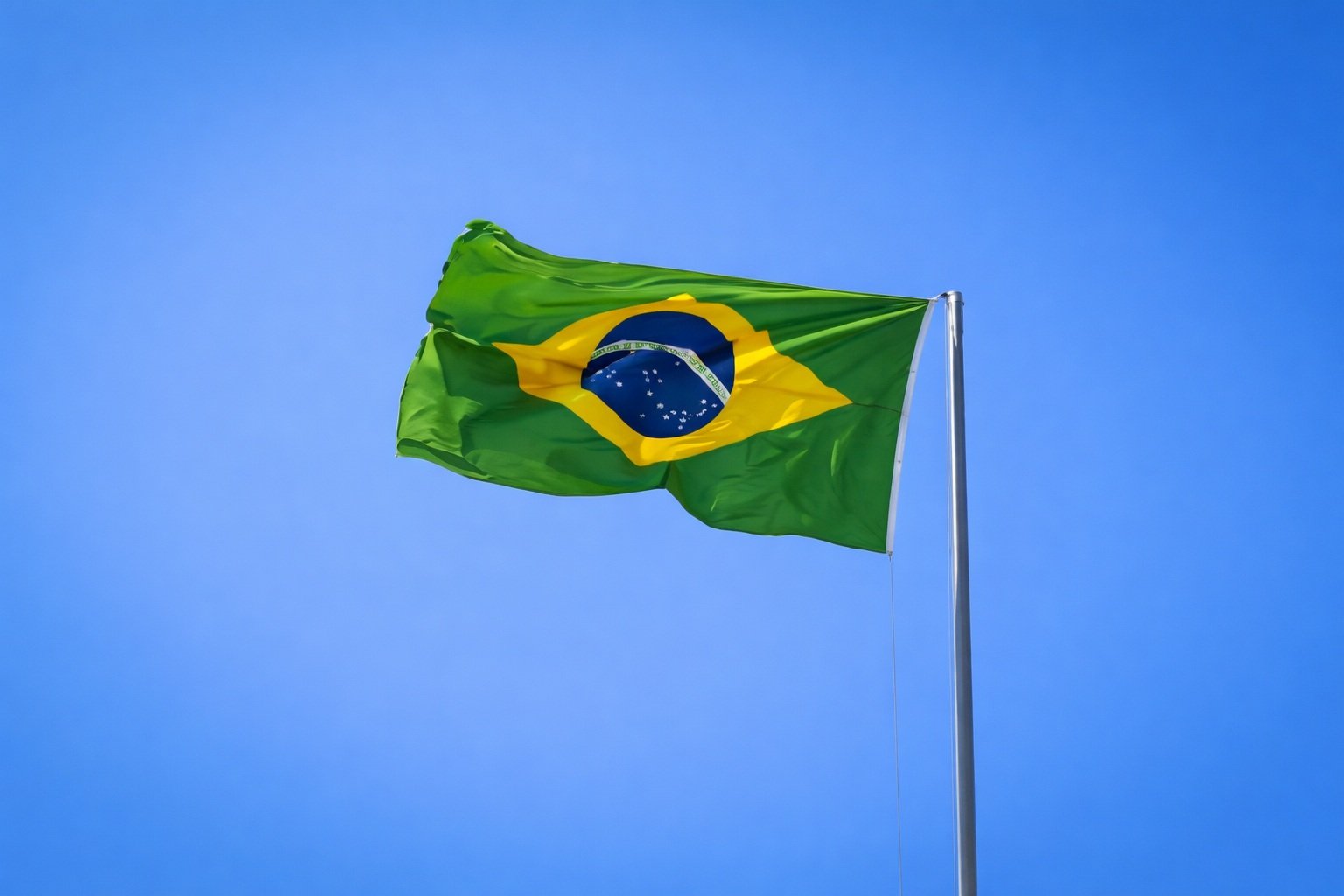
When Is the Best Time to Visit Brazil? (Quick Answer)
If you are searching for the best time to visit Brazil, here is the short, planning-focused answer before we go deeper into regional differences.
Overall best time for most travelers:
May to October offers lower humidity, fewer heavy rain days in many regions, and more comfortable sightseeing weather.
Best time for Rio de Janeiro beaches:
December to March for peak summer heat and full beach energy.
June to September for clearer days, fewer crowds, and easier city exploring.
Best time for Carnival in Brazil:
Usually February or early March (dates vary each year). Book flights and hotels far in advance.
Best time to visit Iguacu Falls:
June to August for clearer views and less mist.
December to February for the most dramatic water flow (expect more spray).
Best time to visit the Amazon in Brazil:
July to October for wildlife spotting in the dry season.
December to May for high-water river access by boat.
Cheapest time to visit Brazil:
April to June and August to early November, outside peak holidays and Carnival.
Understanding the Best Time to Visit Brazil
Deciding on the best time to visit Brazil is not as simple as picking a month from a calendar. Brazil is enormous. It stretches from the Amazon rainforest near the equator to subtropical cities in the south, with beach-heavy coastlines, powerful waterfalls, and year-round urban destinations in between.
What feels like perfect weather in Rio de Janeiro might be rainy season in Salvador. The Amazon follows a completely different rhythm than Iguaçu Falls. And while Carnival in February is unforgettable, it also brings peak prices and serious crowds.
So instead of giving you a generic “go in summer” answer, this guide breaks Brazil down by season, by region, and by travel priority. Whether you care most about beaches, waterfalls, wildlife, festivals, or budget travel, you will be able to decide with clarity — not guesswork.
Once you understand how Brazil’s seasons actually work, planning becomes much easier.
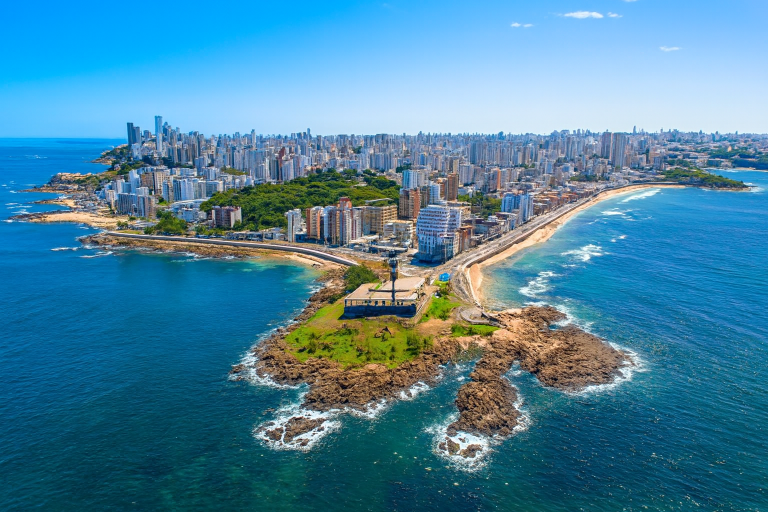
How Brazil’s Seasons Actually Work
One of the biggest mistakes travelers make when deciding the best time to visit Brazil is assuming the entire country follows one simple seasonal pattern. It does not.
First, Brazil is in the Southern Hemisphere. That means seasons are reversed compared to North America and Europe. Summer runs from December to March, while winter falls between June and September.
But geography complicates things further. Northern Brazil, including large parts of the Amazon, sits close to the equator and remains hot year-round, with rainfall patterns defining the seasons more than temperature changes. Southern Brazil, including cities like Porto Alegre and parts of São Paulo state, experiences cooler winters and more noticeable seasonal shifts.
The Northeast coast, including Salvador and Bahia, follows a different rainfall rhythm than Rio de Janeiro. Meanwhile, Iguaçu Falls, a UNESCO World Heritage Site in the far south has its own microclimate, with powerful summer water flow and clearer winter visibility.
In short, there is no single “dry season” or “rainy season” that applies to the entire country. The best time of year to visit Brazil depends heavily on which regions you plan to explore and what experiences matter most to you.
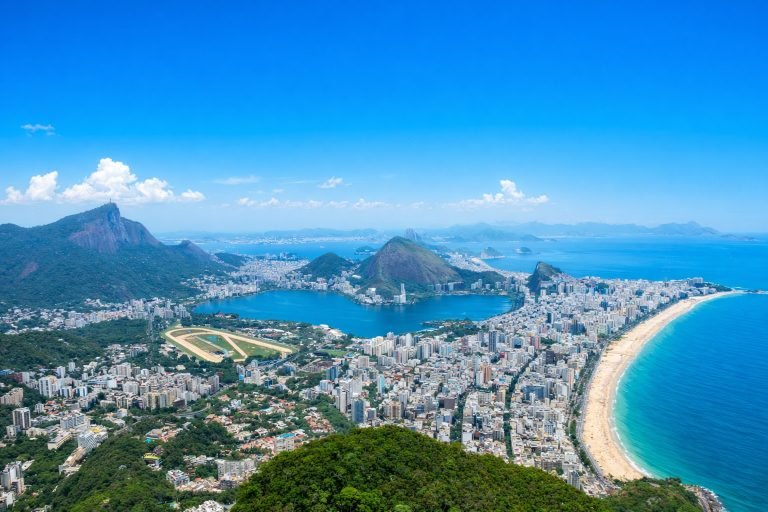
Summer in Brazil (December to March)
Summer is Brazil’s hottest and most energetic season. Running from December through March, this period brings high temperatures, humid air, dramatic afternoon storms in some regions, and peak travel demand.
For beach destinations like Rio de Janeiro and much of the Northeast coast, this is prime time. Ocean temperatures are warm, days are long, and the atmosphere is vibrant. If you picture Brazil as sunshine, music, and crowded beachfront promenades, this is the season that delivers that image.
It is also when Carnival usually takes place (typically in February or early March). During this period, flights and hotels sell out quickly, and prices rise significantly — especially in Rio de Janeiro and Salvador. If Carnival is your priority, this is easily the best time to visit Brazil. If you prefer fewer crowds and lower costs, it may not be.
Rainfall increases in many parts of the country during summer. In Rio and Iguaçu Falls, storms often arrive in short, intense bursts rather than all-day rain. At Iguaçu, this season brings the most powerful water flow of the year. The waterfalls are dramatic and thunderous, though heavier mist can reduce visibility on certain viewpoints.
In the Amazon, summer aligns with high-water season. Rivers rise, allowing boats to travel deeper into flooded forest areas. Wildlife spotting can be more dispersed, but access by canoe and boat improves.
Summer offers maximum energy and iconic Brazilian atmosphere — but it also brings heat, humidity, crowds, and higher prices.
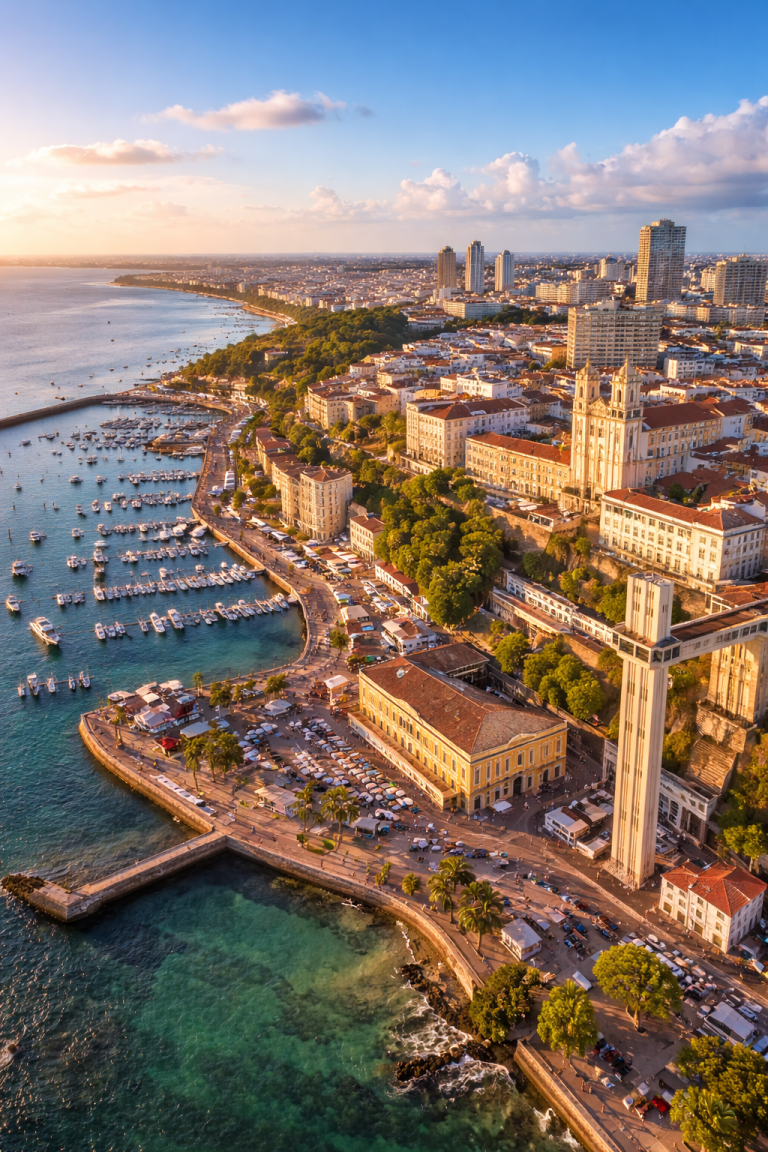
Autumn in Brazil (April to May)
Autumn is one of Brazil’s most underrated travel windows. Falling between April and May, this short shoulder season offers a strong balance of comfortable weather, fewer crowds, and more reasonable prices.
In Rio de Janeiro, humidity begins to drop after the intense summer heat. Beach days are still very possible, but sightseeing becomes more comfortable. You can explore places like Christ the Redeemer and Sugarloaf Mountain without the peak-season congestion of Carnival months.
At Iguaçu Falls, water levels remain impressive from the summer rains, yet visibility often improves compared to peak wet months. This makes autumn a particularly appealing time for photography and longer walking routes along the falls.
In the Amazon, river levels are still relatively high, maintaining good boat access while rainfall gradually begins to ease. Wildlife sightings can start improving as water slowly recedes.
For many travelers asking when is the best time to visit Brazil without extreme heat or peak pricing, April and May quietly offer one of the smartest compromises of the year.
Winter in Brazil (June to September)
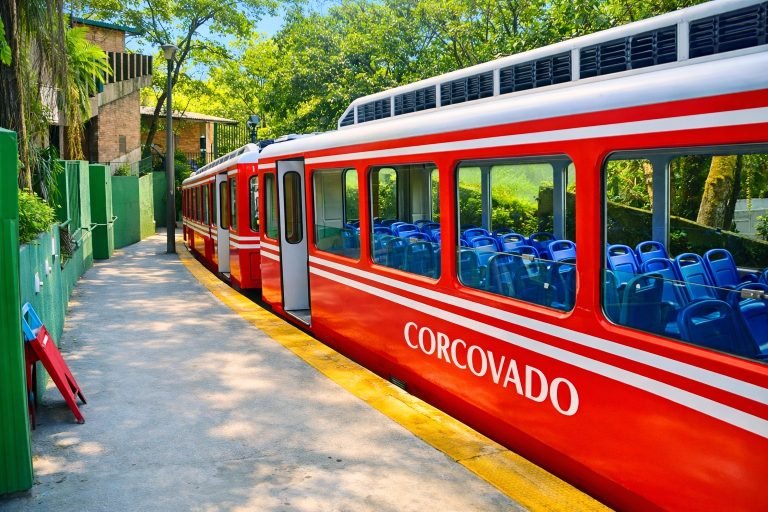
Winter in Brazil runs from June through September and is often considered one of the most comfortable periods for travel. While temperatures cool slightly in the south, most of the country remains pleasantly warm — especially for sightseeing.
In Rio de Janeiro, winter brings lower humidity, clearer skies, and far fewer afternoon storms. Beach days are still possible, particularly in June and September, though the ocean is slightly cooler. For exploring Christ the Redeemer, Sugarloaf Mountain, and the city’s neighborhoods, this is arguably one of the best times to visit Rio without peak-season crowds.
Iguaçu Falls enters a drier phase during winter. Water levels are lower than in peak summer, but visibility improves significantly. The reduced mist makes this an excellent season for photography and panoramic views of the waterfalls.
In the Amazon, this period aligns with the dry season. As water levels drop, wildlife becomes easier to spot along riverbanks and forest edges. Jungle trails are more accessible, and mosquito levels are typically lower compared to the wetter months.
Southern Brazil experiences cooler temperatures, and cities further south can feel noticeably brisk in July. However, most travelers focusing on Rio, São Paulo, Salvador, or Iguaçu Falls find winter conditions comfortable and manageable.
If your priority is stable weather, easier sightseeing, and fewer intense rainstorms, winter is often one of the most reliable times of year to visit Brazil.
Spring in Brazil (October to November)
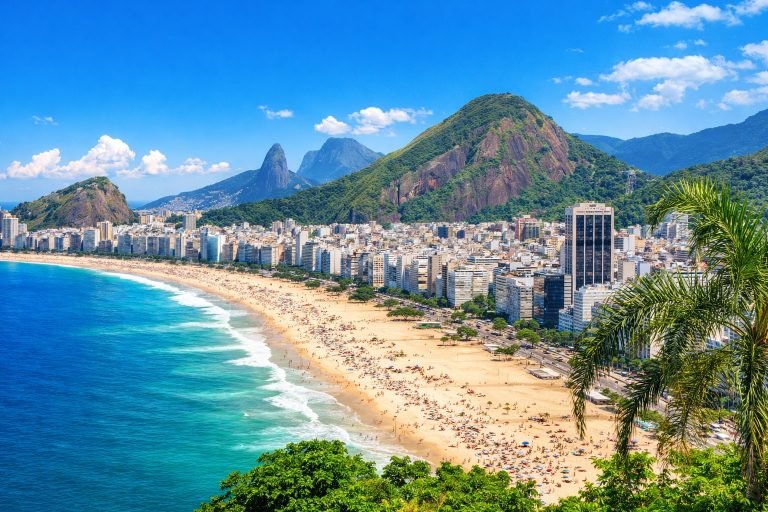
Spring in Brazil, running from October to November, is a transitional season that blends rising temperatures with relatively moderate crowd levels. It is often overlooked, yet it can be one of the most balanced times of year to visit.
In Rio de Janeiro, beach conditions steadily improve as summer approaches. Temperatures climb, humidity begins to return, and the ocean warms. Crowds remain lighter than peak summer, making this a comfortable window for combining beach time with city sightseeing.
Iguaçu Falls sees water levels begin to rise again as rainfall increases toward the end of the year. The waterfalls regain some of their dramatic force without yet reaching peak summer mist levels.
In the Amazon, water levels are typically at their lowest during early spring before rainfall gradually intensifies. This can be an excellent moment for wildlife observation, as animals concentrate near remaining water sources.
Spring offers a strong middle ground: warmer days than winter, fewer crowds than summer, and improving natural conditions across many regions. For travelers seeking flexibility without extreme heat or peak pricing, October and November often provide a smart planning window.
Best Time to Visit Rio de Janeiro
If your trip focuses on Rio, choosing the best time to visit Rio de Janeiro depends on whether you prioritize beaches, iconic viewpoints, or avoiding peak crowds.
December through March is true summer. Beaches like Copacabana and Ipanema are at their most energetic, ocean temperatures are warm, and the city feels alive — especially around Carnival. This is peak season, meaning higher hotel prices and heavier visitor numbers.
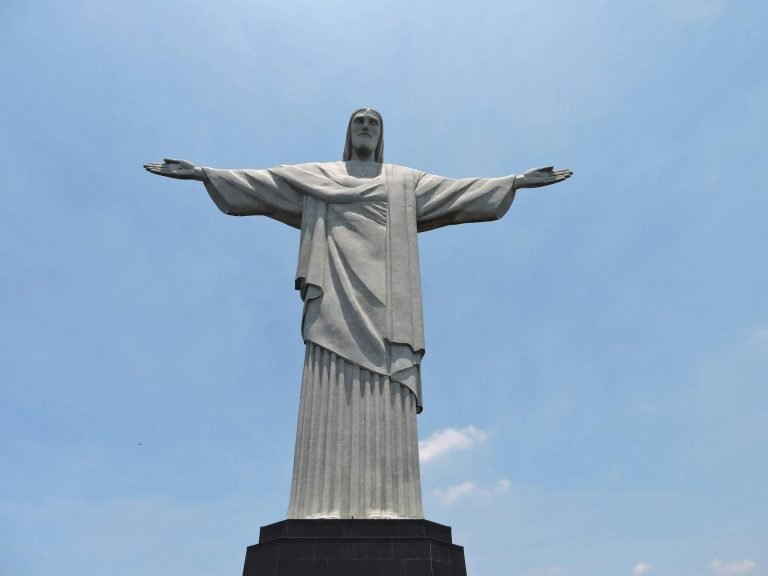
June through September offers a calmer version of Rio. Humidity drops, skies are often clearer, and sightseeing becomes more comfortable. Visiting Christ the Redeemer and enjoying panoramic views from Sugarloaf Mountain is often easier during this period, with shorter lines and more stable weather.
Shoulder months like May and October strike a strong balance. Beach days are still possible, prices ease slightly, and crowd levels feel manageable. For many travelers, this is one of the smartest windows to experience Rio without extreme heat or peak-season intensity.
For a deeper breakdown of neighborhoods, attractions, and planning tips, see our full Rio de Janeiro guide.
Best Time to Visit São Paulo
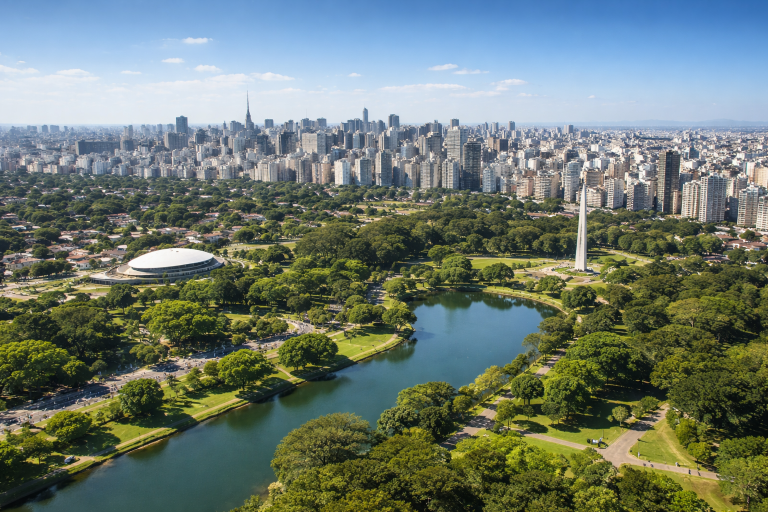
São Paulo is less dependent on beach weather and more influenced by comfort levels for walking, dining, and exploring neighborhoods. Because it is a massive urban destination, the best time to visit São Paulo is usually about avoiding heavy rain and extreme humidity rather than chasing peak sunshine.
December through March brings warmer temperatures and frequent afternoon storms. While the city remains active year-round, summer humidity can feel intense, especially if you plan to spend long days exploring markets, museums, and cultural districts.
April through September generally offers more stable and comfortable conditions. Humidity drops, rain becomes less frequent, and walking-heavy days feel easier. This period is often considered one of the most practical times to visit, particularly if São Paulo is part of a broader Brazil itinerary.
October and November begin warming again but typically avoid the extreme rainfall of peak summer. These transitional months can provide a good balance between lively city atmosphere and manageable weather.
For a complete overview of neighborhoods, attractions, and planning tips, explore our detailed São Paulo travel guide.
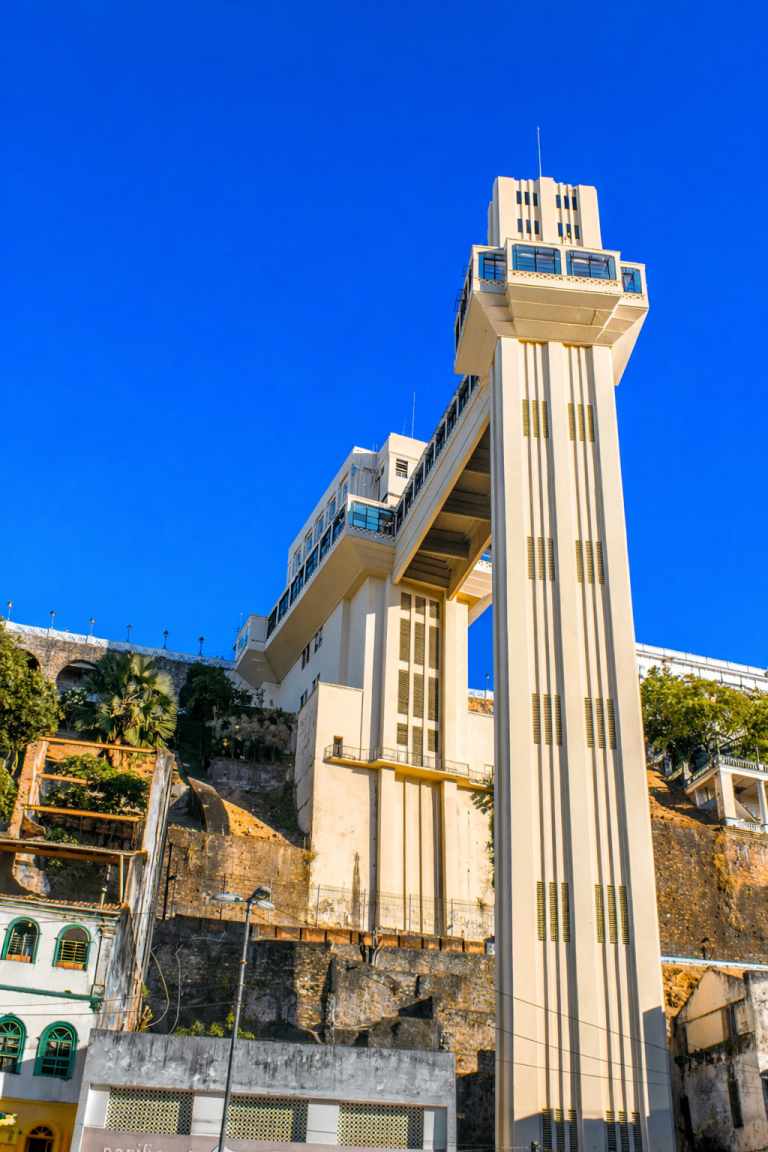
Best Time to Visit Salvador & Northeast Brazil
Salvador and Brazil’s Northeast follow a slightly different rhythm compared to Rio and the south. Temperatures stay warm year-round, but rainfall patterns shift in ways that can influence beach conditions and sightseeing comfort.
December through March is hot, vibrant, and full of coastal energy. This is peak beach season, and Salvador’s historic center and waterfront areas feel lively and colorful. However, humidity is high, and this period overlaps with peak domestic travel demand.
The main rainy period in Salvador typically runs between April and July, with May and June often seeing the most rainfall. That does not mean constant all-day storms, but showers can be heavier and more frequent compared to other parts of Brazil during the same months.
August through November is often considered one of the most comfortable windows for visiting Salvador. Rainfall decreases, temperatures remain warm, and crowd levels are generally lower than during peak summer and Carnival periods.
For a deeper look at neighborhoods, beaches, and planning advice, see our full Salvador travel guide.
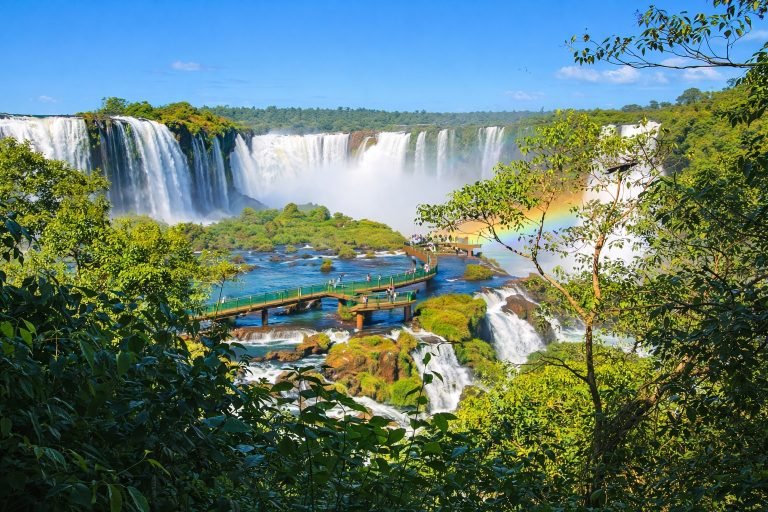
Best Time to Visit Iguaçu Falls
Deciding on the best time to visit Iguaçu Falls depends on whether you prefer maximum water power or clearer panoramic views. The waterfalls change character significantly throughout the year.
December through March brings higher rainfall to the region. During this period, the waterfalls are at their most dramatic, with powerful cascades and thunderous flow. However, increased mist can reduce visibility at certain viewpoints, and walkways may feel more humid.
June through August is typically drier. Water levels drop slightly, but views become clearer and conditions more comfortable for walking the full circuit of trails. This season is often ideal for photography, especially if you want sharper perspectives across the canyon.
Shoulder months like April, May, September, and October offer a balance between strong water flow and manageable weather. If you are looking for fewer crowds without sacrificing the experience, these transitional months can be an excellent compromise.
For detailed planning tips, ticket information, and route suggestions, see our full Iguaçu Falls guide.
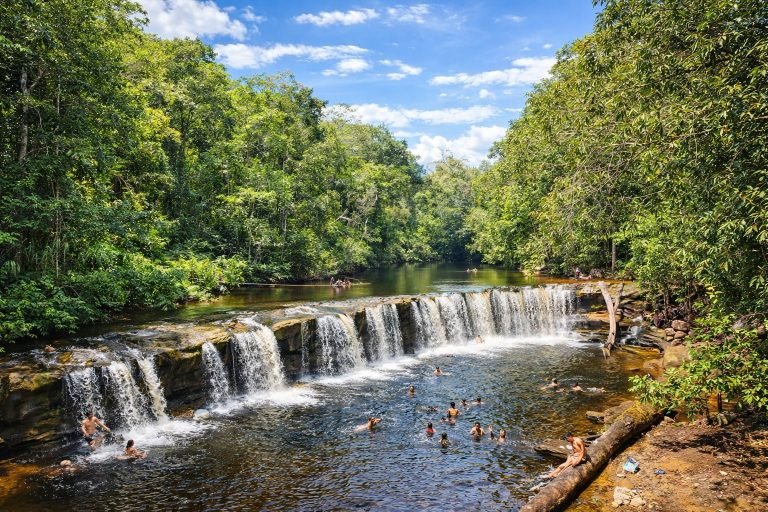
Best Time to Visit the Amazon in Brazil
The best time to visit the Amazon in Brazil depends entirely on whether you prioritize wildlife spotting or river access. Unlike coastal cities, the Amazon does not follow traditional “summer versus winter” travel logic. Instead, it revolves around water levels.
December through May is considered high-water season. Rivers rise dramatically, flooding parts of the forest and allowing boats and canoes to travel deeper into jungle areas. This period offers unique access to otherwise unreachable sections of rainforest, but wildlife can be more dispersed as animals spread into newly flooded zones.
June through October marks the dry season. Water levels recede, exposing riverbanks and concentrating wildlife around remaining water sources. Trails become easier to navigate, and animal sightings typically improve. This is often considered the best time to visit the Amazon rainforest in Brazil for wildlife-focused trips.
Temperatures remain warm year-round, and humidity is consistently high. Rainfall patterns shift gradually rather than abruptly, so brief tropical storms are common even in drier months.
If wildlife observation is your top priority, aim for July through September. If you are more interested in immersive river exploration and canoe-based excursions, high-water months can offer a completely different but equally compelling experience.
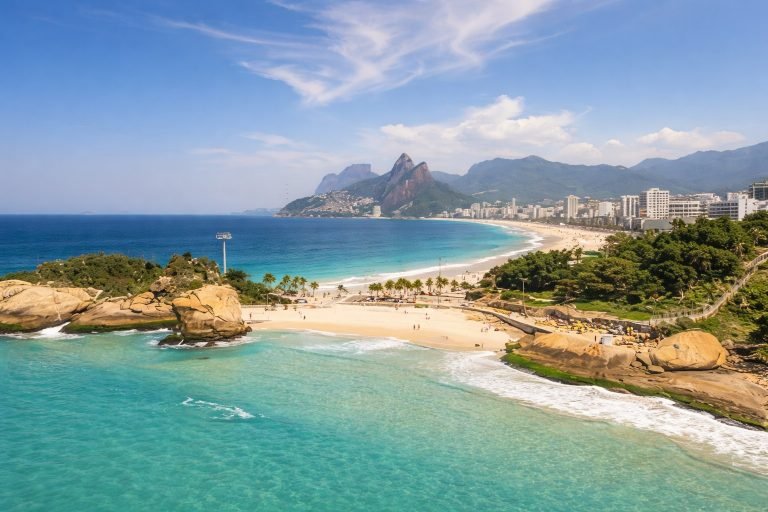
Best Time to Visit Brazil for Beaches
If your idea of the best time to visit Brazil revolves around beach days, ocean swims, and long afternoons along the coast, summer delivers the classic experience. December through March offers the warmest water temperatures and the most vibrant beach atmosphere in cities like Rio de Janeiro and Salvador.
However, peak summer also brings higher humidity, heavier crowds, and elevated accommodation prices. If you prefer space to relax and slightly cooler air, June through September can be surprisingly pleasant, especially in Rio. While the Atlantic is a bit cooler, sunny days remain common.
For many travelers, May, September, and October strike an ideal balance. Beaches are still enjoyable, rain is less frequent in much of the country, and the atmosphere feels calmer than peak holiday periods.

Best Time to Visit Brazil for Carnival
If Carnival is the reason you are planning your trip, then the best time to visit Brazil is simple: late February or early March, depending on the year. Carnival takes place in the days leading up to Ash Wednesday, and dates shift annually.
This is Brazil at its most intense and unforgettable. In Rio de Janeiro and Salvador, parades, street parties, and samba celebrations transform entire neighborhoods. The atmosphere is electric, colorful, and crowded — in the best possible way if you want to experience the country’s most iconic cultural event.
However, Carnival is also peak travel season. Flights rise sharply in price, hotels sell out months in advance, and popular attractions operate at maximum capacity. If you want to attend official samba school parades or organized events, booking early is essential.
Weather during Carnival typically falls within Brazil’s summer season. Expect heat, humidity, and occasional tropical storms, especially in coastal cities. Rain usually comes in short bursts rather than lasting all day.
If you want the Carnival atmosphere without peak intensity, consider visiting in the weeks before or after the main celebration. You will still find music, beach energy, and vibrant nightlife — just without the extreme crowd levels.
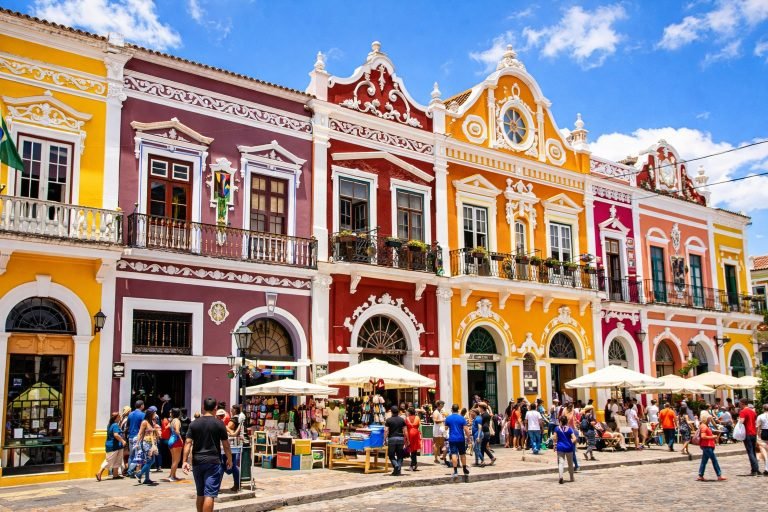
Best Time to Visit Iguaçu Falls for Photography
If your priority is photography, the best time to visit Iguaçu Falls depends on the kind of images you want to capture. The waterfalls look dramatically different between high-water and low-water seasons.
During December through March, water levels surge after heavy rains. The falls become thunderous and powerful, with enormous spray clouds rising from the canyon. This creates dramatic, high-energy images — but mist can partially obscure wide-angle shots, especially from panoramic viewpoints.
Between June and August, rainfall decreases and water levels drop slightly. The waterfalls remain impressive, yet visibility improves significantly. Clearer air, reduced mist, and softer winter light often make this period ideal for capturing full-arc perspectives of the falls.
Early morning and late afternoon light can produce rainbows in both seasons, particularly when sunlight hits the spray at the right angle. Regardless of the month, protective gear for cameras is essential due to constant moisture near major viewpoints.
If you want maximum power and drama, aim for summer. If you prefer clarity and sharp composition, winter and shoulder months usually provide more consistent photographic conditions.
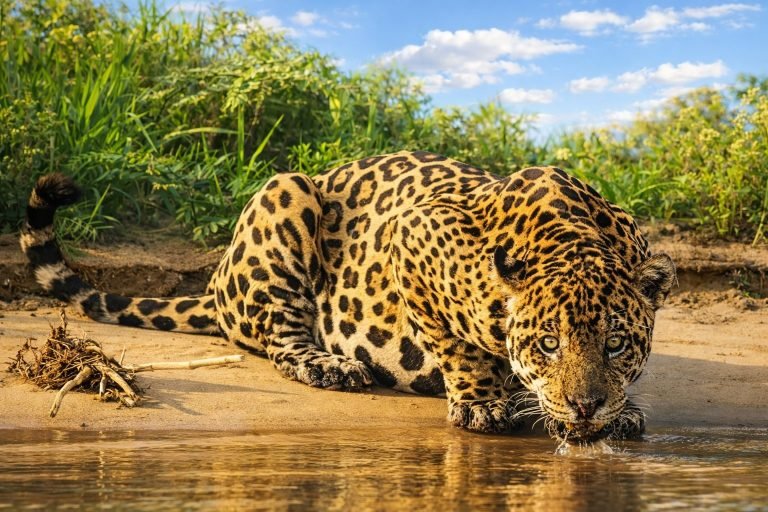
Best Time to Visit Brazil for Wildlife in the Amazon
If wildlife is your primary reason for visiting the Amazon, timing becomes crucial. The best time to visit Brazil for wildlife in the Amazon generally falls between July and October, during the region’s dry season.
As water levels recede, animals concentrate along riverbanks and near remaining water sources. This makes sightings of birds, monkeys, caimans, and other species more frequent and predictable. Jungle trails also become more accessible, allowing for guided forest walks in addition to boat excursions.
During high-water season from December through May, river levels rise dramatically and flood sections of the forest. While this reduces wildlife concentration, it allows boats to navigate deeper into the rainforest. Canoe-based exploration becomes more immersive, and certain species are easier to observe from the water.
Temperatures remain consistently warm year-round, with humidity always high. Rainfall is heavier during high-water months, but storms are often intense and short rather than continuous throughout the day.
If your goal is maximizing animal encounters, aim for late dry season. If you prefer deeper river access and a different type of jungle immersion, high-water months can offer a uniquely rewarding experience.
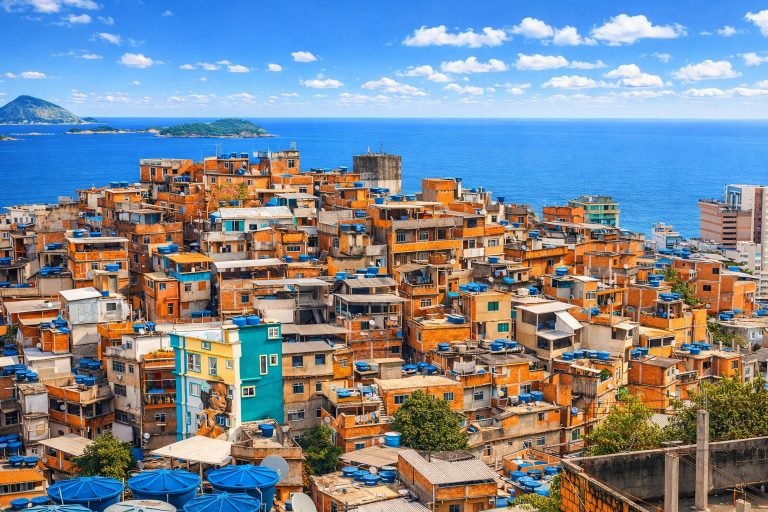
Cheapest Time to Visit Brazil
If budget is a priority, the cheapest time to visit Brazil typically falls during shoulder and low seasons — particularly April to June and August to early November. These periods sit outside peak summer holidays and Carnival, when domestic and international demand drops noticeably.
Flights to Brazil often spike in price between December and March, especially around Christmas, New Year’s, and Carnival. Hotel rates in Rio de Janeiro and Salvador can double during these peak weeks. Traveling just a few weeks outside those windows can reduce overall trip costs significantly.
Winter months between June and September frequently offer a strong value balance. Weather remains comfortable in many regions, while accommodation prices stabilize after peak season. This is particularly true for Rio and Iguaçu Falls, where sightseeing conditions remain favorable.
The true low season in parts of Brazil overlaps with regional rainy periods. While rainfall can increase, storms are often short and predictable rather than constant. If you are flexible with daily planning, this tradeoff can translate into substantial savings on flights and hotels.
In short, avoiding Carnival, major Brazilian holidays, and peak summer travel is the most reliable way to reduce costs without sacrificing the overall experience.
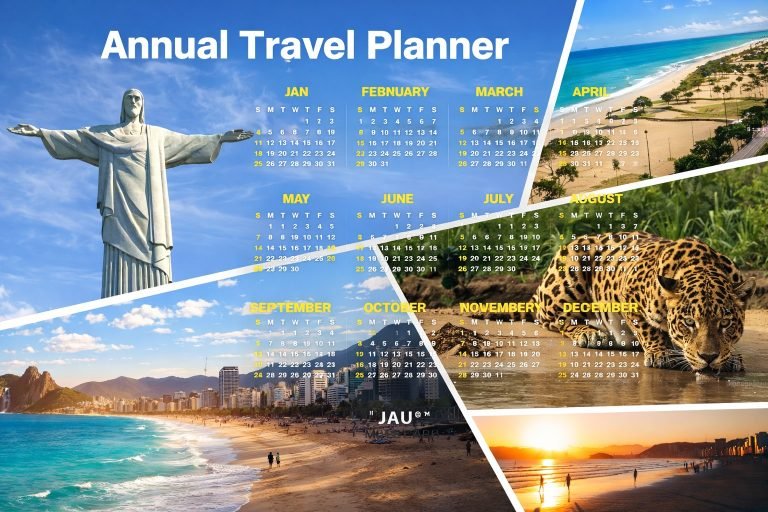
Brazil Month-by-Month: Quick Decision Guide
Brazil in January: Peak summer heat, lively beaches, high humidity, and higher prices. Excellent for beach energy, less ideal for avoiding crowds.
Brazil in February: Carnival season most years. Electric atmosphere, warm ocean temperatures, and maximum demand. Book far in advance.
Brazil in March: Late summer conditions continue. Fewer crowds after Carnival, but still warm and humid in many regions.
Brazil in April: Start of shoulder season. Comfortable weather in many areas, fewer tourists, and improving value.
Brazil in May: One of the most balanced months. Lower humidity in Rio, manageable prices, and generally stable conditions.
Brazil in June: Beginning of winter. Cooler temperatures in the south, clear skies in Rio, excellent conditions for sightseeing.
Brazil in July: Dry season in the Amazon improves wildlife viewing. Comfortable urban exploration weather. Popular with international travelers.
Brazil in August: Continued dry conditions in many regions. Good visibility at Iguaçu Falls and moderate crowd levels.
Brazil in September: Transitional month. Warmer temperatures return gradually, still fewer crowds than peak summer.
Brazil in October: Spring warmth increases. A strong balance between beach weather and manageable tourism levels.
Brazil in November: Warmer days ahead of summer peak. Generally good value before December price increases.
Brazil in December: Start of peak summer season. Festive atmosphere, rising prices, and busy beaches — especially around holidays.
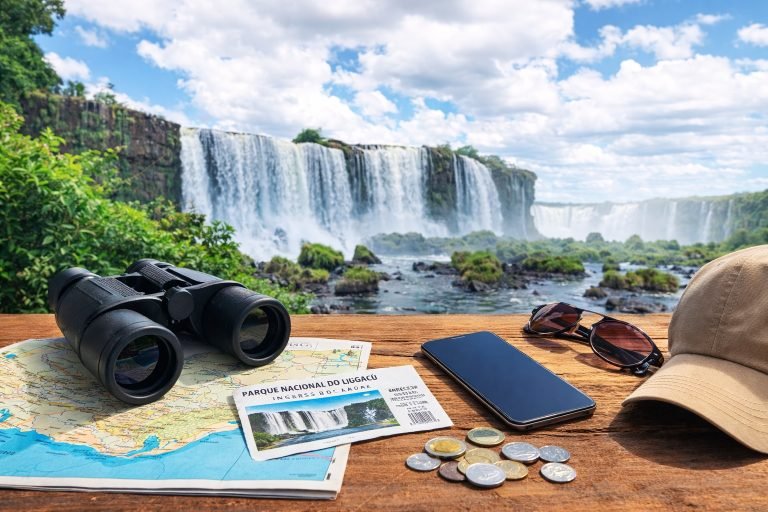
Practical Planning Tips for Visiting Brazil
Once you understand the best time to visit Brazil based on seasons and regions, a few practical planning details can make a significant difference to your overall experience.
Book early for Carnival and peak summer.
Flights and hotels can sell out months in advance, particularly in Rio de Janeiro and Salvador. Prices rise sharply during Carnival week and the December–January holiday period.
Expect short tropical storms rather than all-day rain.
In many regions, especially during summer, rain often comes in intense afternoon bursts. Mornings are frequently sunny, allowing flexible sightseeing if you plan accordingly.
Air conditioning matters.
During peak summer, humidity in coastal cities can feel heavy. When choosing accommodation, confirming reliable air conditioning can significantly improve comfort.
Domestic flights can save time.
Brazil is enormous. Traveling between Rio, Salvador, Iguaçu Falls, and São Paulo often makes more sense by air than by road. Booking these segments in advance during busy months can reduce last-minute price spikes.
Shoulder seasons offer the smartest compromise.
April, May, September, and October consistently provide a balance between manageable crowds, stable weather, and more reasonable prices.
Ultimately, there is no single perfect month for everyone. The right timing depends on whether your priority is beaches, waterfalls, wildlife, festivals, or value.
Continue Exploring Brazil
If you are building your itinerary around timing, these detailed guides will help you plan the rest of your trip with clarity:
• Brazil Travel Guide
• Brazil Itinerary
• Things to Do in Rio de Janeiro
• Things to Do in São Paulo
• Things to Do in Salvador
• Iguaçu Falls Guide
• Christ the Redeemer Tickets
• Sugarloaf Mountain Guide
Together, these guides help you decide not just when to visit Brazil, but how to structure your trip based on your priorities.
❓ Best Time to Visit Brazil FAQ
☀️ What is the best time to visit Brazil?
For most travelers, May to October is the best overall window. Weather is generally more comfortable for sightseeing in many regions, humidity is lower than peak summer, and crowds are usually easier to manage.
🗓️ When is the best time of year to visit Brazil?
The best time of year to visit Brazil depends on your itinerary. Winter (June to September) is excellent for sightseeing and clearer conditions at Iguaçu Falls, while summer (December to March) is best for peak beach energy and Carnival season.
🌴 When is the best time to visit Rio de Janeiro Brazil?
December to March is best for hot beach weather and peak atmosphere, but it is also the most crowded and expensive. June to September is often the most comfortable time for sightseeing and iconic viewpoints with fewer crowds.
🎉 When is Carnival in Brazil?
Carnival usually takes place in February or early March, but the exact dates change every year because it is tied to the religious calendar. If Carnival is your priority, book flights and hotels far in advance.
💦 What is the best time to visit Iguazu Falls Brazil?
December to February offers the most powerful water flow, but mist can reduce visibility. June to August often provides clearer views and more comfortable walking conditions, which is ideal for photography.
🌿 What is the best time to visit the Amazon in Brazil?
July to October is often best for wildlife spotting during the dry season. December to May is high-water season, which improves boat access into flooded forest areas but can make wildlife more dispersed.
💸 What is the cheapest time to visit Brazil?
The cheapest time to visit Brazil is typically April to June and August to early November. These periods sit outside peak holiday travel and Carnival, so flights and hotels are often more affordable.
🚫 When should you avoid visiting Brazil?
You usually do not need to avoid Brazil entirely, but if you dislike crowds and high prices, avoid Carnival week and major holiday periods in December and early January. If your plans include the Amazon, the wettest months can also affect trail access depending on your tour style.
🌧️ Does Brazil have a rainy season?
Yes, but it varies by region. Parts of Brazil see heavier rainfall in summer, Salvador and the Northeast follow a different pattern, and the Amazon is defined more by high-water versus low-water seasons than by temperature.
Travel Resources to Plan, Book & Stay Connected
Use these tools and guides to stay connected abroad, find inspiration for your next trip, and book your flights, stays and gear with confidence.
Disclosure: This article may contain affiliate links. If you make a purchase through a link, I may receive a commission at no extra cost to you. I only share recommendations I believe are genuinely useful, and all opinions are my own.

Comment (0)