What This Guide Covers
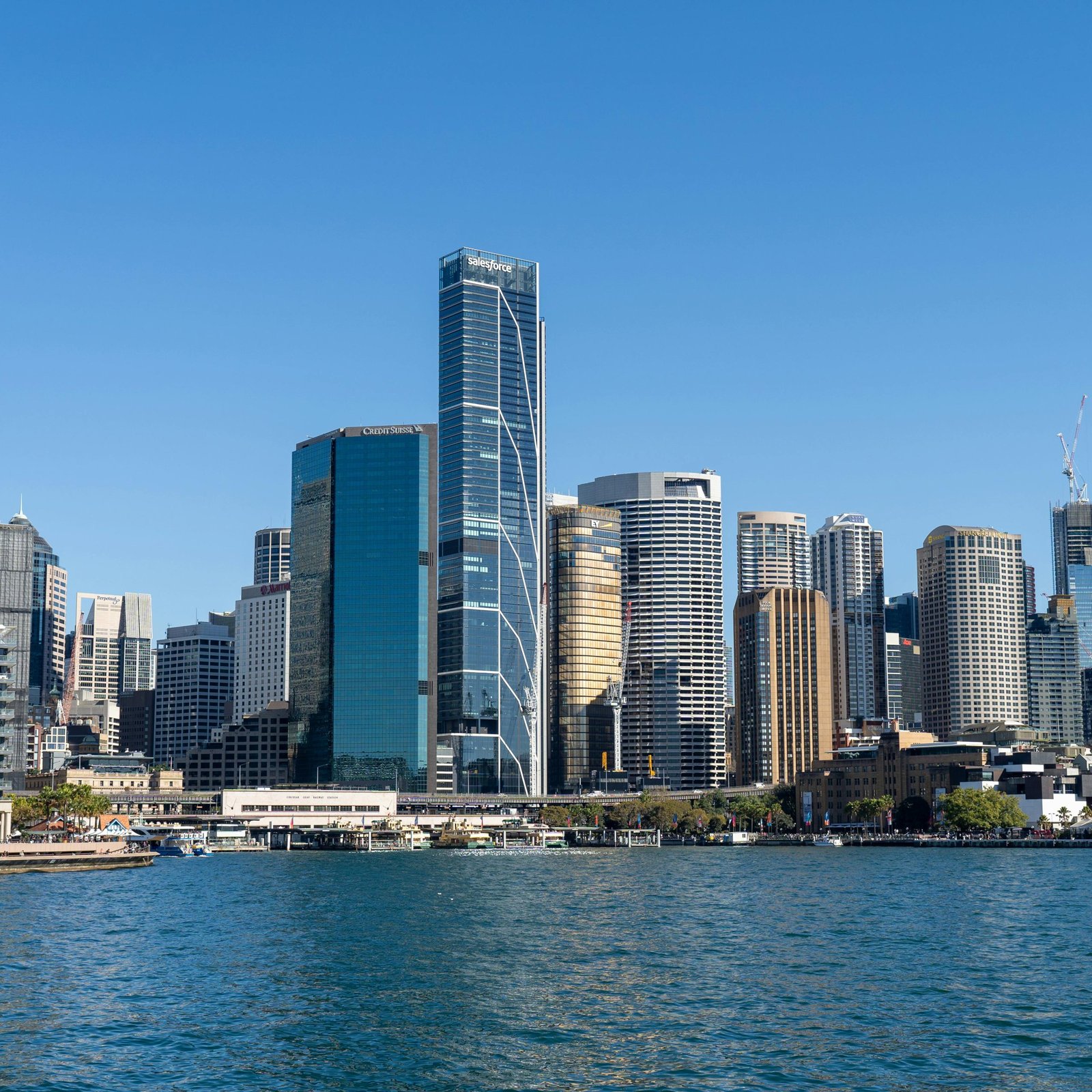
Sydney is a large city, but getting around Sydney is far simpler than many visitors expect once you understand how the transport system works. This guide focuses on the practical side of moving around Sydney, helping you plan efficiently and avoid common frustrations.
- An overview of Sydney’s public transport system, including trains, buses, ferries, and light rail
- How to pay for transport, including contactless payments and Opal cards
- Getting around the city centre using a mix of walking and short transport trips
- The best ways to reach Sydney’s beaches without a car
- Airport transport options and what works best depending on your arrival or departure
- How transport works for day trips from Sydney
- Practical tips and common mistakes to help you move around with confidence
Getting Around Sydney
Getting around Sydney is less complicated than its size might suggest. While the city stretches far beyond the harbour and central districts, most visitors spend their time moving between areas that are well connected and surprisingly easy to navigate once you arrive.
Sydney’s layout encourages a mix of transport rather than relying on a single way of getting around. Short walks link neighbourhoods and waterfront areas, ferries cross the harbour quickly and efficiently, and trains and buses handle longer distances with minimal planning required. Instead of feeling overwhelming, movement around the city often becomes part of the experience.
Understanding how getting around Sydney works allows you to travel more freely and make better decisions as your plans evolve. Whether you are exploring the CBD, heading to the beaches, or venturing further out for a day trip, this guide helps you approach transport in a way that feels intuitive, flexible, and stress free.
Overview of Transport in Sydney
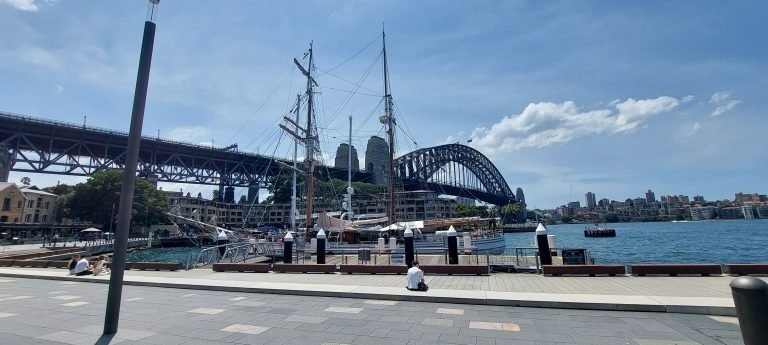
Sydney’s transport system is built around public transport rather than private cars, especially in and around the city centre. Trains, buses, ferries, and light rail work together to connect the CBD with surrounding neighbourhoods, beaches, and major day-trip routes.
For most visitors, public transport is the easiest and most efficient way to get around. The network is extensive, generally reliable, and simple to use once you understand the basics. Ferries are not just a scenic extra, but a core part of the system, often providing the most direct and enjoyable way to move around the harbour.
Distances in Sydney can be deceiving. While the city looks compact on a map, neighbourhoods and attractions are often spread out. Walking works well within central areas, but longer distances are usually best handled by public transport rather than taxis or rental cars.
Driving in Sydney is rarely necessary for visitors staying in the city. Traffic congestion, limited parking, and one-way street systems can make driving slower and more frustrating than using trains, buses, or ferries. Cars tend to make more sense only for specific day trips or travel outside the metropolitan area.
Once you understand which transport option suits each situation, getting around Sydney becomes straightforward. The sections below break down each mode of transport so you can decide what works best for your itinerary.
Public Transport in Sydney
Sydney’s public transport network is the backbone of how most people move around the city. Trains, buses, ferries, and light rail are well integrated and cover nearly all areas visitors are likely to explore, from the CBD and inner suburbs to beaches and outer neighbourhoods.
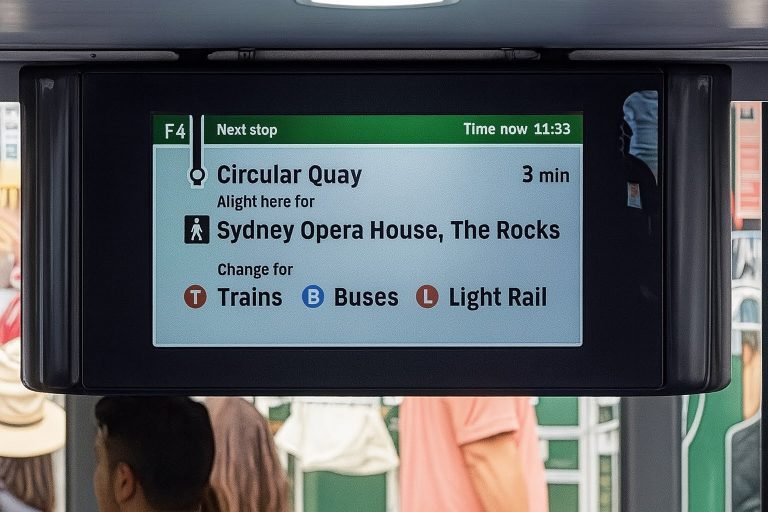
You can mix different transport types easily within the same day, and signage, maps, and digital displays make navigation relatively straightforward even if it is your first time in the city.
Sydney’s public transport network is managed by Transport for NSW, which provides official information on trains, buses, ferries, fares, and contactless payments across the city.
Trains
Trains are the fastest way to travel longer distances across Sydney and connect the city centre with major suburbs and regional routes. The main hub is Central Station, with frequent services running through the CBD to Circular Quay, Town Hall, and Wynyard.
Trains are especially useful for reaching places like the airport, Parramatta, or the Blue Mountains. Services are generally frequent during the day and early evening, with reduced schedules late at night.
Buses
Buses fill in the gaps where trains do not run and are essential for reaching beaches and residential areas. They operate throughout the city and suburbs, including routes to Bondi, Coogee, and other coastal spots.
While buses can be slower during peak hours due to traffic, they remain one of the most practical options for day-to-day sightseeing, especially outside the CBD.
Ferries
Ferries are both a scenic highlight and a practical form of transport in Sydney. They connect Circular Quay with destinations like Manly, Taronga Zoo, and waterfront suburbs around the harbour.
For many visitors, ferries are the most enjoyable way to travel, offering harbour views while avoiding road traffic. They are reliable and run frequently on popular routes.
Light Rail
Light rail services operate mainly in the inner city, linking areas such as Central Station, Darling Harbour, and parts of the eastern suburbs. They are easy to use and helpful for short urban trips.
Light rail works best as a complement to walking and trains rather than as a primary way of crossing the city.
Paying for Transport
Paying for public transport in Sydney is straightforward and almost entirely cashless. For most visitors, there is no need to buy individual tickets or understand fare zones in advance, which makes moving around the city much easier than in many other large cities.
In practice, the system is built around tapping on and tapping off at the start and end of each journey. As long as you do this correctly, fares are calculated automatically and capped so you do not overpay.
Contactless Payments (Tap On / Tap Off)
The simplest way to pay for transport in Sydney is by using a contactless credit or debit card, or a phone or smartwatch with a digital wallet. This method works across trains, buses, ferries, and light rail, and does not require any setup in advance.
You tap on when you begin your journey and tap off when you finish. The system calculates the fare automatically and applies daily and weekly caps, ensuring you never pay more than a set maximum even if you make multiple trips in one day.
For most adult visitors, contactless payment is the easiest and most flexible option. It avoids the need to purchase or top up a separate card and works seamlessly across the entire public transport network.
Opal Card
The Opal card is Sydney’s reusable transport card and operates in the same way as contactless payment. You tap on and tap off for each journey, and fares and caps are applied automatically.
An Opal card can be useful if you prefer not to use your bank card, are travelling with children who require concession fares, or want to keep transport expenses separate from other spending. It is also helpful for longer stays where repeated travel is expected.
Opal cards can be purchased and topped up at stations, convenience stores, and other authorised retailers throughout the city.
Buying Tickets and Other Payment Options
Single-use paper tickets are no longer the standard way to pay for public transport in Sydney. While ticket machines still exist at some stations, they are primarily used for issuing Opal cards or handling specific situations rather than selling traditional tickets for everyday travel.
Cash payments are generally not accepted on public transport services. Visitors should plan to use either a contactless bank card or an Opal card for nearly all journeys.
In practical terms, these two options cover almost all travel needs. Once you understand the tap-on and tap-off system, paying for transport in Sydney becomes one of the simplest parts of navigating the city.
Getting Around the City Centre
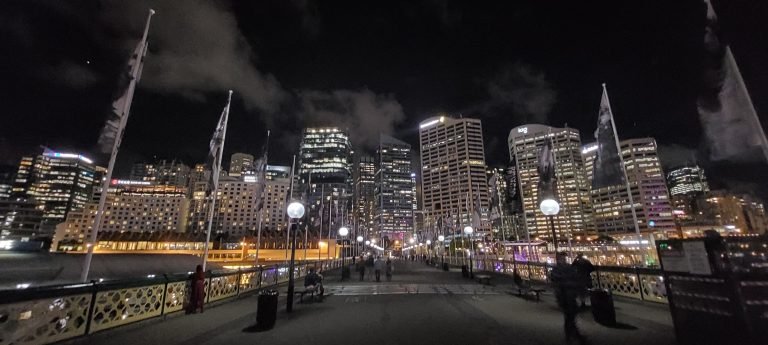
Central Sydney is one of the easiest parts of the city to navigate, particularly for visitors staying near the CBD or harbour. Many of Sydney’s most recognisable landmarks and neighbourhoods are concentrated within a relatively compact area, making it possible to move around efficiently without relying heavily on transport.
The city centre is well designed for a combination of walking and short public transport trips. In most cases, choosing when to walk and when to hop on a train, light rail, or ferry will save both time and energy.
Walking Around Central Sydney
Walking is often the best way to experience central Sydney. Areas such as Circular Quay, The Rocks, the Royal Botanic Garden, Darling Harbour, and Barangaroo are linked by wide footpaths, waterfront promenades, and clearly marked pedestrian routes.
Many major sights are closer together than they appear on a map. A walk between Circular Quay and Darling Harbour, for example, passes through some of the city’s most scenic areas and rarely feels long when taken at a relaxed pace.
Walking also allows you to take advantage of Sydney’s outdoor lifestyle. Cafés, viewpoints, public spaces, and harbour edges are all best enjoyed on foot, and walking often reveals smaller details and detours that are easy to miss when using transport.
Short Trips and Transfers
For trips that stretch beyond comfortable walking distance, public transport within the city centre is fast and efficient. Trains run frequently between key CBD stations such as Circular Quay, Wynyard, Town Hall, and Central, making short hops easy and predictable.
Light rail services are useful for moving between Central Station, Darling Harbour, and nearby inner-city areas. They work particularly well when combined with walking, reducing the need to backtrack or navigate busy streets.
Buses play a smaller role within the CBD itself but become useful when travelling to neighbouring districts just outside the core areas. In most cases, combining walking with occasional train or light rail trips offers the best balance of speed, flexibility, and comfort when exploring central Sydney.
Getting to the Beaches
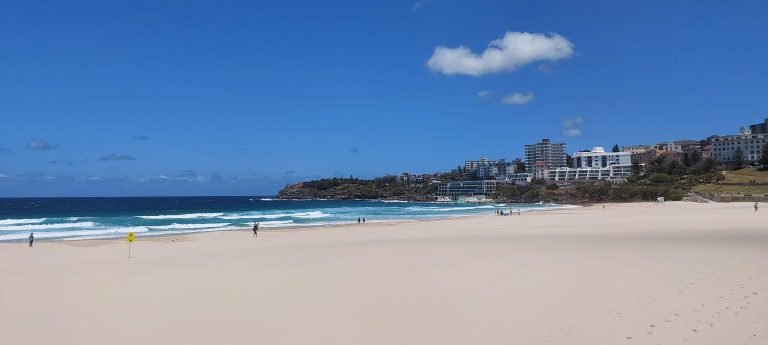
Sydney’s beaches stretch along a wide and varied coastline, and while they sit outside the city centre, most are easy to reach using public transport. In many cases, public transport is not only more convenient than driving, but also faster and far less stressful, especially during busy weekends and summer months.
Each major beach area is served slightly differently, so knowing which transport option works best can save time and avoid unnecessary transfers. In most cases, you will combine trains, buses, ferries, or light rail with a short walk at the end.
Bondi Beach
Bondi Beach is one of the easiest beaches to reach from central Sydney, but it does not have a direct train or metro station. Instead, the final stretch is covered by bus.
From the CBD, frequent buses run directly to Bondi Beach, particularly from areas around Circular Quay, Town Hall, and Central Station. These services are designed specifically for high visitor demand and operate regularly throughout the day.
An alternative option is to take a train to Bondi Junction, which is a major transport hub, and then transfer to a bus for the short ride down to the beach. This route is often quicker during peak hours, as trains avoid road traffic and the bus connection from Bondi Junction is frequent.
Expect crowds on warm days, especially on weekends. Buses can be busy, but services are frequent, and the final walk from the bus stop places you directly at the beach promenade.
Manly Beach
Manly Beach is best reached by ferry, making it one of the most enjoyable beach journeys in Sydney. Ferries depart from Circular Quay and cross Sydney Harbour before arriving at Manly Wharf.
The ferry ride is not just transport, but part of the experience. You pass the Sydney Opera House, Harbour Bridge, and multiple harbour inlets before reaching Manly. Travel times are consistent and unaffected by road traffic.
Once you disembark, Manly Beach is only a short, flat walk from the wharf. Cafés, shops, and coastal walking tracks are all concentrated around the ferry terminal, making this one of the most convenient beach destinations for visitors without a car.
Coogee and Bronte Beaches
Coogee and Bronte are located south of Bondi and are primarily accessed by bus. A common approach is to take the light rail from Central Station or the CBD toward the eastern suburbs, then transfer to a bus for the final stretch.
This combination works well and avoids some of the heavier traffic found on direct bus routes from the city. Once you arrive, both beaches are compact and easy to explore on foot.
These beaches are also popular starting or finishing points for the Bondi to Coogee coastal walk, making them a natural addition to a beach-focused day.
Northern Beaches
Beaches further north, including those beyond Manly, are mainly served by buses. There are no train or metro lines running directly to the Northern Beaches, so bus travel is unavoidable.
Travel times can be longer and more variable due to traffic, particularly during weekends and holiday periods. However, routes are well established, clearly signed, and commonly used by locals and visitors alike.
For these beaches, allowing extra travel time is important, especially if you are planning to return to the city in the late afternoon or early evening.
Overall, public transport works extremely well for beach visits in Sydney. Choosing the right combination of train, bus, light rail, or ferry helps you avoid parking issues and lets you focus on enjoying the coastline rather than navigating traffic.
Rideshares, Taxis, and Car Hire
Public transport covers most travel needs in Sydney, but there are situations where rideshares, taxis, or a rental car can make sense. The key is understanding when these options genuinely add convenience and when they are likely to be slower, more expensive, or unnecessarily frustrating.
For visitors, these options are best seen as occasional tools rather than everyday solutions. Used selectively, they can simplify certain trips, but relying on them too heavily often increases costs without improving efficiency.
Rideshare Apps
Rideshare services are widely available across Sydney and operate throughout the city and suburbs. They are most useful late at night, when travelling with luggage, or when public transport connections are limited or indirect.
For short, point-to-point trips, rideshares can be convenient, especially outside peak hours. However, traffic congestion can significantly affect travel times, and prices fluctuate depending on demand. During rush hour, weekends, or major events, surge pricing is common and can make even short trips surprisingly expensive.
Rideshares are rarely the best option for sightseeing or multiple stops. In many cases, trains, buses, or ferries are faster and more predictable, particularly in and around the city centre.
Taxis
Taxis are easy to find in central Sydney, around major attractions, and at transport hubs. They offer a similar experience to rideshares but tend to be more expensive and less consistent in terms of availability during busy periods.
For visitors, taxis are most useful for direct journeys where simplicity matters, such as travelling to or from the airport or when you prefer not to rely on a smartphone app. For most other trips, they offer little advantage over rideshares or public transport.
Hiring a Car
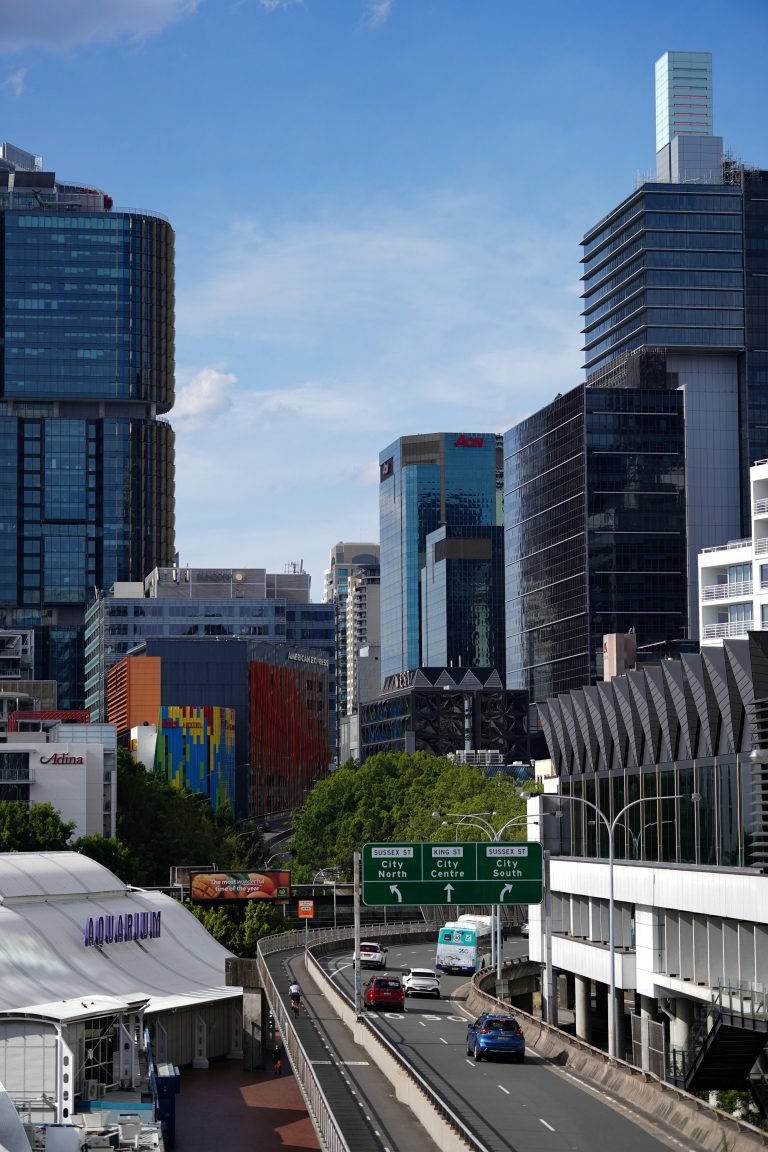
Hiring a car is usually unnecessary for exploring Sydney itself. Traffic congestion, toll roads, and limited parking can make driving slower and more stressful than using public transport, particularly in the CBD and inner suburbs.
A rental car becomes more practical for specific day trips or travel beyond the metropolitan area, where public transport is limited or infrequent. For city-based stays, most visitors find that walking combined with trains, buses, and ferries is far more efficient than driving.
Cycling in Sydney
Cycling in Sydney can be enjoyable in certain areas, but it is not a universal or effortless way to get around the city. The experience varies significantly depending on where you are staying, the type of trip you are planning, and your comfort level riding in traffic.
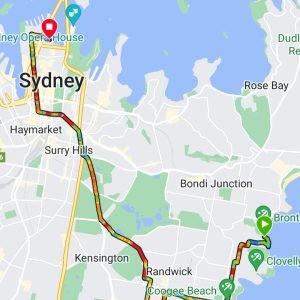
Some parts of Sydney are well suited to cycling, particularly along the harbour, around inner-city neighbourhoods, and on dedicated shared paths. Waterfront routes near areas like Barangaroo, Darling Harbour, and parts of the eastern suburbs offer pleasant, relatively flat rides with good scenery and separation from heavy traffic.
That said, cycling becomes more challenging once you move away from these pockets. Sydney is a hilly city, and many main roads are busy, narrow, and designed primarily for cars. Dedicated bike lanes are inconsistent, and in some areas they disappear abruptly, forcing cyclists to merge with fast-moving traffic.
For visitors, cycling tends to work best as a short-distance or leisure option rather than a primary mode of transport. Hiring a bike for a waterfront ride, a coastal path, or a relaxed exploration of inner suburbs can be enjoyable. Using a bike to cross the city or travel long distances between neighbourhoods is often slower and more stressful than public transport.
Safety and confidence matter. If you are not used to riding in traffic or navigating unfamiliar road systems, cycling in Sydney may feel intimidating, especially during peak hours. Helmets are mandatory, and riders are expected to follow road rules closely.
In practical terms, most travellers find that walking combined with trains, buses, and ferries covers their needs more comfortably. Cycling can be a nice addition to your trip in the right setting, but it is rarely the most efficient or flexible way to move around Sydney day to day.
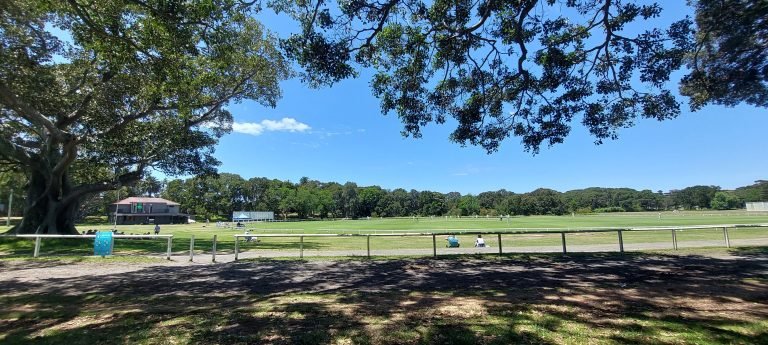
Walking Around Sydney
Sydney is one of those rare big cities where walking is not just possible, but genuinely enjoyable. Many of the city’s most memorable moments happen on foot, especially around the harbour, where neighbourhoods, viewpoints, cafés, and green spaces flow naturally into one another.
Central areas like Circular Quay, The Rocks, Darling Harbour, Barangaroo, and the Royal Botanic Garden are all easy to explore on foot. Wide pavements, clear signage, and plenty of places to stop and rest make walking feel relaxed rather than rushed. Even first-time visitors usually find it intuitive to get their bearings after a short time.
One of Sydney’s biggest advantages is how closely urban life and nature sit side by side. Short walks can take you from busy ferry wharves to quiet parkland, waterfront promenades, or coastal paths with sweeping harbour views. Walking between neighbourhoods often reveals more character than using transport for short hops.
For longer distances, combining walking with ferries or trains works particularly well. It is common to walk one direction along the harbour or coastline, then return by ferry or public transport, turning everyday movement into part of the experience rather than a chore.
Comfortable shoes are essential, especially if you plan to explore coastal walks or older areas like The Rocks, where surfaces can be uneven. Sun protection and water are also important, as Sydney’s weather can be warm and bright even outside peak summer.
If you enjoy discovering cities at street level, walking is one of the most rewarding ways to experience Sydney and understand how its neighbourhoods, harbour, and daily life connect.

Getting to and From Sydney Airport
Sydney Airport is well connected to the city, and most visitors have several realistic options for getting to and from their accommodation. The best choice depends on where you are staying, how much luggage you have, and what time you arrive or depart.
Unlike in some cities, airport transport in Sydney is generally efficient and clearly organised. Knowing your options in advance helps you avoid unnecessary stress, especially after a long flight.
Train from the Airport
The train is the fastest and most reliable way to travel between Sydney Airport and the city centre. Airport stations are located directly beneath both the international and domestic terminals, making it easy to access without leaving the airport complex.
Trains run frequently throughout the day and connect the airport to key stations such as Central, Town Hall, and Circular Quay. Travel times are consistent and unaffected by road traffic, which makes the train particularly appealing during peak hours.
The main drawback is the airport station access fee, which makes the train more expensive than regular suburban trips. Even so, for solo travellers or those heading to the CBD, the train is often the most efficient option.
Rideshare and Taxi
Rideshares and taxis are widely available at Sydney Airport and provide a direct, door-to-door option. This can be convenient if you are travelling with multiple people, carrying a lot of luggage, or staying in an area not well served by trains.
Travel times vary depending on traffic conditions, and journeys during peak hours can take significantly longer than expected. Pricing also fluctuates, particularly for rideshares, with higher fares during busy periods.
For groups, the cost of a rideshare or taxi can sometimes be comparable to train fares once the airport station fee is factored in. For solo travellers, public transport is usually more economical.
Private Transfers
Private transfers offer the most straightforward experience, especially for early-morning departures, late-night arrivals, or travellers who prefer everything arranged in advance. These services meet you at the terminal and take you directly to your accommodation.
While more expensive than other options, private transfers remove uncertainty and can be worth considering if convenience and comfort are priorities.
Overall, most visitors find that the train is the best balance of speed and reliability, while rideshares, taxis, and transfers fill specific needs depending on timing, luggage, and accommodation location.

Day Trips from Sydney
Sydney is an excellent base for day trips, but how easy a trip feels depends largely on transport. Some destinations are very well connected by train or ferry, while others become impractical without a car or organised transport. Understanding this distinction helps you plan realistic days without overloading your itinerary.
In general, day trips from Sydney fall into three broad categories: places that are easy by train, places that work best with a combination of transport and walking, and places where a car or guided tour makes far more sense.
Train-based day trips are the simplest. Routes departing from Central Station connect Sydney with major regional areas and run frequently enough to allow a full day out without complex planning. These trips suit travellers who want predictable travel times and the option to return to the city in the evening without worrying about traffic.
Some coastal and harbour-side destinations work best using a mix of trains, buses, and ferries. While these trips may take longer than driving, they are often more relaxed and scenic, and they avoid the challenges of parking and congestion. Allowing extra time on the return journey is important, especially on weekends.
Other destinations are technically reachable by public transport but involve multiple transfers or limited schedules. In these cases, hiring a car or joining a guided tour can make the day far more efficient and enjoyable, particularly if you want to visit several places in one day.
This guide focuses on how transport works for day trips rather than listing destinations. For specific suggestions on where to go and how to structure your days, see our detailed Sydney itinerary guide, which shows how day trips fit into a wider plan.
If you want a deeper look at specific destinations and day trip ideas, our dedicated day trips from Sydney guide breaks down the best options and what each trip is like, so you can choose what fits your pace and interests.

Practical Transport Tips
A few practical habits can make getting around Sydney much smoother, especially if you are visiting for the first time. While the transport system is easy to use, small details can have a big impact on how relaxed or rushed your days feel.
Always allow extra time during weekday peak hours, particularly in the morning and late afternoon. Trains and buses run frequently, but services can be crowded, and boarding with luggage or strollers may take longer than expected. Outside peak hours, travel is noticeably calmer and more comfortable.
Make sure you tap on and tap off correctly for every journey. Forgetting to tap off can result in a higher default fare, and it is one of the most common mistakes visitors make. The same rule applies whether you are using a contactless bank card or an Opal card.
Distances in Sydney are often underestimated. What looks close on a map may involve hills, long waterfront paths, or indirect routes. When planning your day, think in terms of travel time rather than straight-line distance, especially when combining walking with public transport.
If you are travelling with luggage, trains are usually the most comfortable option, particularly to and from the airport. Buses can be crowded and have limited space, making them less ideal with larger bags.
Weekends, public holidays, and warm weather bring heavier demand, especially on beach routes and ferries. Services generally increase, but queues and wait times can still be longer. Leaving earlier in the day and avoiding late-afternoon return trips helps reduce congestion.
Finally, flexibility goes a long way. Sydney’s transport system works best when you are willing to adjust your route or timing slightly. Building in small buffers and avoiding overpacked days makes moving around the city far more enjoyable.

Common Mistakes to Avoid
Sydney’s transport system is easy to use once you understand it, but a few common mistakes can quickly turn simple journeys into frustrating ones. Most issues visitors run into are not major problems, but small misunderstandings that add unnecessary stress or cost.
One of the most frequent mistakes is underestimating distances. Sydney looks compact on a map, but neighbourhoods and attractions are often spread out, with hills and waterfront detours in between. Relying purely on walking for an entire day can lead to fatigue and rushed plans. Mixing walking with short public transport trips usually works far better.
Another common issue is forgetting to tap off when using trains, buses, ferries, or light rail. Failing to tap off can result in being charged a higher default fare, and it is easy to miss when changing transport or travelling late in the day. Making a habit of checking in and out avoids this entirely.
Many visitors also assume driving will be faster or more flexible, particularly for city travel. In reality, traffic congestion, toll roads, and limited parking often make driving slower than public transport, especially in the CBD and inner suburbs. Cars tend to be useful only for specific trips outside the city.
Peak travel times are another trap. Morning and late-afternoon rush hours can be crowded, particularly on trains and buses serving commuter routes. Travelling slightly earlier or later can make a noticeable difference in comfort, especially if you are carrying bags or travelling with children.
Finally, trying to pack too much into one day often leads to unnecessary pressure. Sydney rewards a slower pace, and transport works best when you allow time for delays, queues, and spontaneous stops. Leaving breathing room in your schedule makes getting around the city feel effortless rather than exhausting.
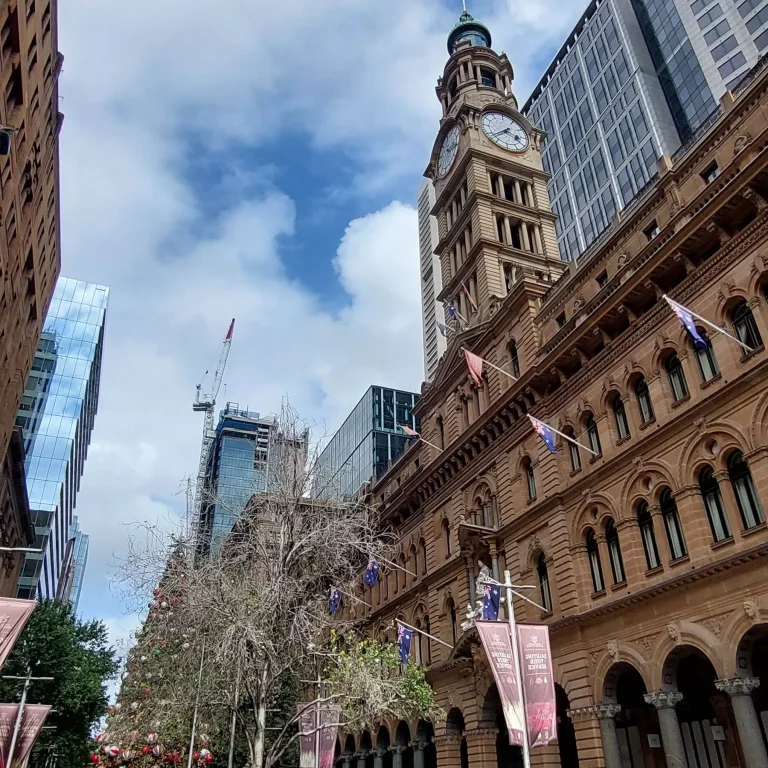
How Getting Around Sydney Fits Into Your Trip
How you move around Sydney has a direct impact on how your trip feels day to day. The city rewards travellers who plan transport realistically rather than trying to maximise the number of sights in a single day.
Sydney works best when you group activities by area and combine walking with short, efficient transport trips. Spending a full day around the harbour, the CBD, or a specific beach area usually feels far more relaxed than crossing the city multiple times in one afternoon.
Public transport allows you to build flexible days without committing to rigid schedules. Trains, buses, ferries, and light rail run frequently enough that you can adjust plans as you go, take breaks when needed, and change direction without derailing your itinerary.
Understanding travel times also helps set expectations. A destination that looks close may still take time to reach, especially during peak hours. Planning fewer locations per day and allowing travel time between them helps prevent rushed sightseeing and transport fatigue.
In practical terms, transport in Sydney supports a slower, more enjoyable pace of travel. When you align your itinerary with how the city actually functions, getting around becomes a background detail rather than something you have to constantly think about.
Sydney Travel Guide Series
This guide is part of our broader Sydney Travel Guide Series, designed to help you plan your trip step by step. Each article focuses on a specific aspect of visiting Sydney, so you can dive deeper where you need more detail.
- Things to Do in Sydney
- Sydney Itinerary: How to Spend 3, 5, or 7 Days
- Day Trips from Sydney
- Best Time to Visit Sydney
- Sydney Opera House Tours & Tickets
Together, these guides cover planning, transport, sightseeing, and timing, giving you a complete picture of how to experience Sydney without feeling rushed or overwhelmed.

FAQs About Getting Around Sydney
Visitors often have similar questions when planning how to move around Sydney. These answers cover the most common points of uncertainty and help clarify what to expect once you are on the ground.
Do I need a car to get around Sydney?
No. Most visitors do not need a car, especially if they are staying in the CBD, inner suburbs, or near major transport routes. Public transport combined with walking covers the vast majority of attractions and neighbourhoods.
Is public transport safe and easy to use?
Yes. Sydney’s public transport system is safe, well signposted, and widely used by both locals and visitors. Services are frequent, and information displays make navigation straightforward even for first-time users.
Can I pay for transport with cash?
No. Public transport in Sydney is almost entirely cashless. You will need either a contactless credit or debit card, a phone or smartwatch with a digital wallet, or an Opal card.
What is the best way to get around if I am short on time?
Trains are usually the fastest option for longer distances, while walking works best in central areas. Ferries can be both efficient and scenic for harbour destinations.
Is transport expensive in Sydney?
Costs are reasonable for a major city, especially with daily and weekly fare caps in place. Using public transport is generally far cheaper than relying on taxis or rideshares for regular travel.
How late does public transport run?
Services run late into the night, with reduced schedules overnight. Late-night travel is possible, but planning ahead is helpful, especially if you are relying on buses or trains outside peak hours.
Travel Resources to Plan, Book & Stay Connected
Use these tools and guides to stay connected abroad, find inspiration for your next trip, and book your flights, stays and gear with confidence.

Comment (0)