
What This Barcelona Guide Covers
- Top landmarks and must-see attractions in Barcelona
- Historic neighborhoods and the best areas to explore on foot
- Gaudí architecture and iconic modernist sites
- Beaches, viewpoints, and outdoor experiences
- Food, tapas culture, and local dining experiences
- Where to stay in Barcelona (by area and budget)
- How to get around the city easily
- Best time to visit Barcelona
- Practical travel tips and first-time visitor advice
Things to Do in Barcelona: Architecture, Culture, and Mediterranean Life
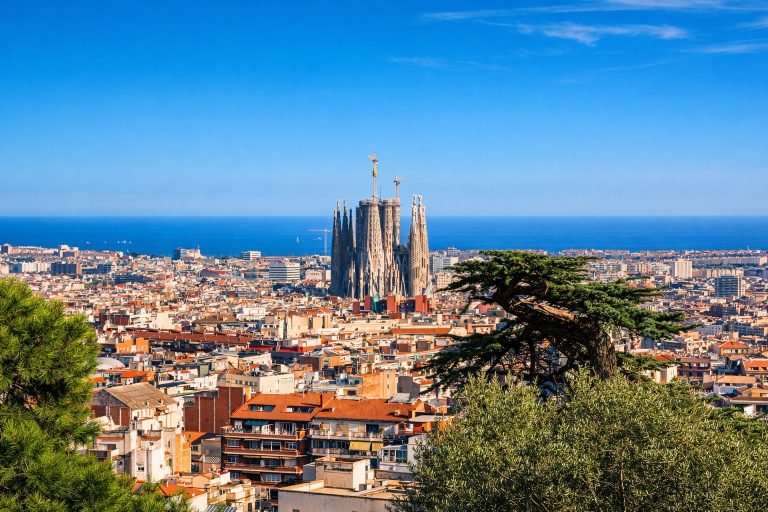
This is a city that engages you immediately. Set between the Mediterranean Sea and the Collserola hills, it blends centuries of history with a bold creative spirit that feels distinctly modern. There are so many things to do in Barcelona from the moment you arrive. The city reveals itself through layered neighborhoods, striking architecture, and a way of life that revolves around food, conversation, and time spent outdoors. Exploring the many things to do in Barcelona means discovering a place where art, daily life, and landscape are inseparable.
The city is best known for its architecture, particularly the extraordinary works that define its skyline and streets, but Barcelona’s appeal goes far beyond its most famous landmarks. Medieval alleyways open onto lively plazas, local markets hum with activity from morning to afternoon, and long seaside promenades invite unhurried walks at any hour of the day. Whether you are drawn to museums and historic sites, beach time and viewpoints, or simply wandering through different districts, Barcelona offers constant variety without ever feeling overwhelming.
Barcelona is also a city of neighborhoods, each with its own pace and personality. Some areas feel energetic and creative, others calm and residential, and many shift character depending on the time of day. Moving between them is easy, and doing so reveals how the city balances tourism with everyday local life. Meals stretch late into the evening, streets stay active well after sunset, and cultural events are woven naturally into the rhythm of the city rather than staged for visitors alone.
This guide to the best things to do in Barcelona is designed to help you experience the city thoughtfully and confidently. It covers the essential sights, the neighborhoods worth exploring, food and local culture, practical planning tips, and how to structure your time so the city never feels rushed. Whether you are visiting for a short break or settling in for several days, this guide focuses on helping you enjoy Barcelona in a way that feels relaxed, rewarding, and true to the city itself.
How to Get to Barcelona
Getting to Barcelona is straightforward, whether you are arriving from another part of Spain or traveling internationally. As one of southern Europe’s major transport hubs, the city is well connected by air, high-speed rail, and long-distance bus routes. Most arrival points are integrated directly into the public transport network, making the transition into the city smooth and efficient.
By Air
Barcelona is served by Josep Tarradellas Barcelona–El Prat Airport (BCN), the city’s main international gateway. Located southwest of the city center, it handles the majority of long-haul flights as well as extensive European and domestic routes. The airport is modern, well organized, and designed to move travelers quickly onward to the city.
From the airport, travelers can reach central Barcelona using suburban trains, the metro, airport buses, or taxis. Travel times typically range from 20 to 40 minutes depending on your destination and the transport option you choose.
By Train (High-Speed Rail)
Arriving in Barcelona by train is one of the most comfortable and scenic ways to enter the city. Spain’s high-speed AVE network connects Barcelona with Madrid, Valencia, Zaragoza, Seville, and other major cities, while international services link it directly with destinations in France and beyond. High-speed trains arrive directly in the city rather than at outlying terminals.
Barcelona Sants is the main long-distance and high-speed station, serving most national and international routes. Other central stations handle regional and commuter services and are well connected to the metro system, allowing easy onward travel without needing a car.
By Bus
Long-distance buses are a practical option for travelers arriving from other parts of Spain or neighboring European countries. While journeys take longer than by train, buses are often more affordable and run frequently, especially on international routes.
Most long-distance services arrive at Barcelona Nord Bus Station, located just outside the historic center. From here, metro and local bus lines provide easy access to all parts of the city.
Where to Stay in Barcelona
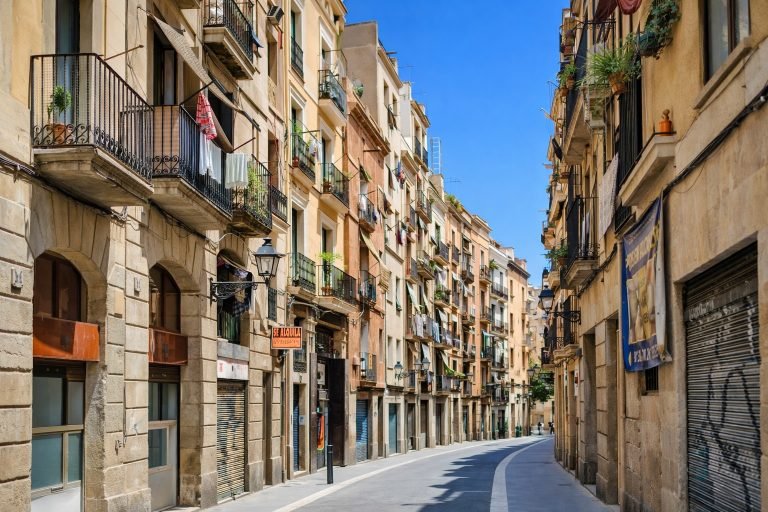
Choosing where to stay in Barcelona plays a big role in shaping your experience of the city. Different neighborhoods offer very different atmospheres, from lively central districts to quieter residential areas that feel more local. Thanks to the city’s efficient public transport, it’s usually better to choose an area that matches your travel style rather than focusing only on landmarks.
Whether you are traveling on a tight budget, looking for comfortable mid-range accommodation, or planning a more refined stay in a prime location, Barcelona offers solid options across every category.
Budget-Friendly Hotels
DREAM CUBE HOSTELAvinguda de Sarrià, 67, Les Corts, 08029 Barcelona, Spain · +34 933 15 48 28
Dream Cube Hostel is a modern capsule-style hostel designed for travelers who want privacy at a budget-friendly price. Located in the Les Corts district, it offers a quieter environment than the city center while remaining well connected by public transport. Each sleeping pod includes individual lighting and charging points, making it a comfortable and practical choice.
For an affordable stay that offers more personal space than a traditional hostel, DREAM CUBE HOSTEL is a solid option.
MELLOW BARCELONAD’Aguilar, 54, Horta-Guinardó, 08032 Barcelona, Spain · +34 934 29 45 33
Mellow Barcelona offers a relaxed, budget-friendly stay in a residential part of the city, away from the busiest tourist zones. The atmosphere is informal and welcoming, with shared spaces and a rooftop terrace that encourage a social but laid-back experience.
If you are comfortable staying slightly outside the center in exchange for value and a local feel, MELLOW BARCELONA is a good choice.
Mid-Range Comfort Hotels
HOTEL MARKETComte Borrell, 68, Eixample, 08015 Barcelona, Spain · +34 933 25 12 05
Hotel Market is a stylish mid-range hotel located in the Eixample district, close to Sant Antoni and within easy reach of central attractions. The hotel combines contemporary design with comfortable rooms, offering a calm place to return to after busy sightseeing days.
For travelers looking for comfort, good transport connections, and a balanced location, HOTEL MARKET provides excellent value.
SUNOTEL ASTONParis, 101, Eixample, 08029 Barcelona, Spain · +34 933 63 70 70
Sunotel Aston is a reliable mid-range hotel in the Eixample area, known for its spacious streets, dining options, and easy metro access. Rooms are modern and well equipped, and the rooftop pool and terrace add extra comfort, particularly during warmer months.
If you want a comfortable, well-connected base with a few added amenities, SUNOTEL ASTON is a dependable choice.
Luxury Hotels
COSMO APARTMENTS RAMBLA CATALUNYARambla de Catalunya, 46, Eixample, 08007 Barcelona, Spain · +34 933 39 37 86
Cosmo Apartments Rambla Catalunya offers a high-end apartment stay on one of Barcelona’s most elegant streets. The apartments are spacious and modern, ideal for travelers who want independence, comfort, and a central location close to shopping and major sights.
For travelers who prefer apartment-style accommodation without sacrificing quality or location, COSMO APARTMENTS RAMBLA CATALUNYA is an excellent option.
PASSEIG DE GRÀCIA BY ENJOYBCN44 Passeig de Gràcia, Eixample, 08007 Barcelona, Spain · +34 933 00 22 11
Passeig de Gràcia by Enjoybcn delivers a premium apartment experience on one of Barcelona’s most prestigious avenues. Surrounded by iconic architecture and luxury shopping, it combines generous space, refined interiors, and a prime central location.
For a refined, centrally located stay with privacy and comfort, PASSEIG DE GRÀCIA BY ENJOYBCN offers an upscale Barcelona experience.
To compare prices and booking options across platforms, use the Worldly Roaming hotel comparison guide.
Things to Do in Barcelona
Sagrada Família
The Sagrada Família is Barcelona’s most recognizable landmark and the defining work of Antoni Gaudí. Rising above the city with its sculptural towers and intricate façades, the basilica blends Gothic structure with organic, nature-inspired forms. Even from the outside, it communicates Gaudí’s ambition to create a spiritual space rooted in light, geometry, and symbolism.
Inside, the experience is transformative. Sunlight filters through stained glass in shifting colors, turning the vast interior into a living, changing space throughout the day. Visiting the Sagrada Família is not just about architecture; it is about understanding how deeply art, faith, and imagination intersect in Barcelona’s identity.
⛪ Barcelona: Fast-Track Sagrada Familia and Towers Guided Tour
Want to experience Barcelona’s most iconic landmark without the long lines? This fast-track guided tour takes you inside the Sagrada Família and up the towers, offering deeper insight into Gaudí’s vision along with panoramic views over the city.
Park Güell
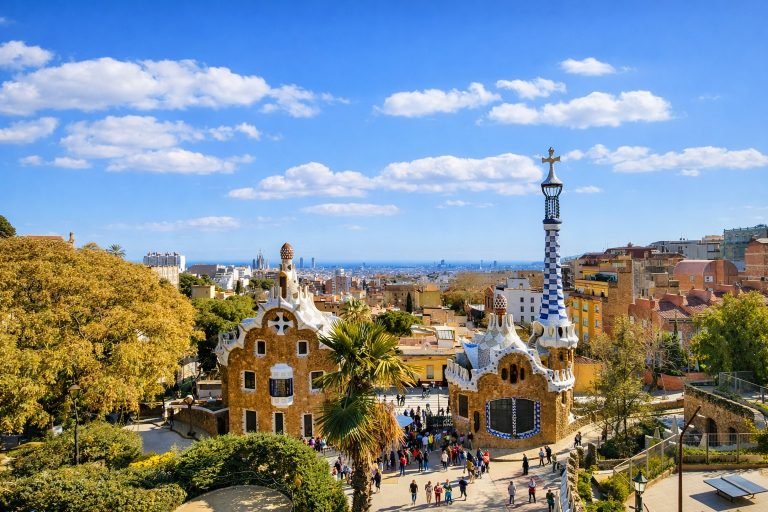
Park Güell sits on the hills above the city and showcases Gaudí’s playful, experimental approach to urban design. Originally planned as a residential project, it became a public park where curved lines, mosaic-covered surfaces, and organic shapes feel seamlessly integrated into the landscape.
Beyond its famous viewpoints, the park rewards slow exploration. Walking its paths offers a sense of Barcelona’s creative freedom and provides elevated views that help you understand the city’s layout between sea and hills.
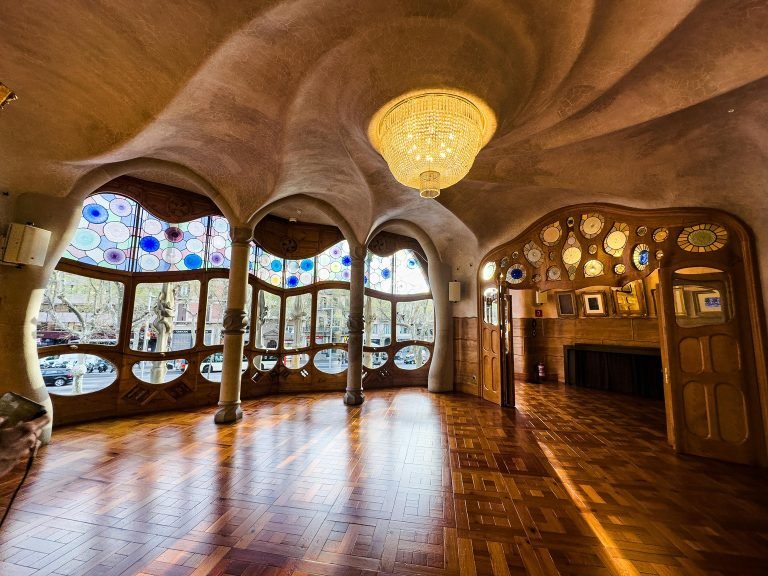
Casa Batlló
Casa Batlló stands along Passeig de Gràcia as one of the most imaginative examples of modernist architecture. Its flowing façade, bone-like balconies, and vibrant colors make it feel almost alive among the surrounding buildings.
A visit inside reveals Gaudí’s attention to detail, from light wells to ventilation systems that were far ahead of their time. It offers insight into how innovation and beauty were combined in everyday urban living.
🎨 Barcelona: Casa Batlló Tour and Optional White Rabbit Museum
Curious to step inside one of Gaudí’s most imaginative creations? This guided visit to Casa Batlló reveals the stories, symbolism, and design details behind its iconic façade, with the option to extend your experience at the immersive White Rabbit Museum.
Prefer to browse other attractions, tours, and day trips around the city? Explore more Barcelona experiences here .
Casa Milà (La Pedrera)
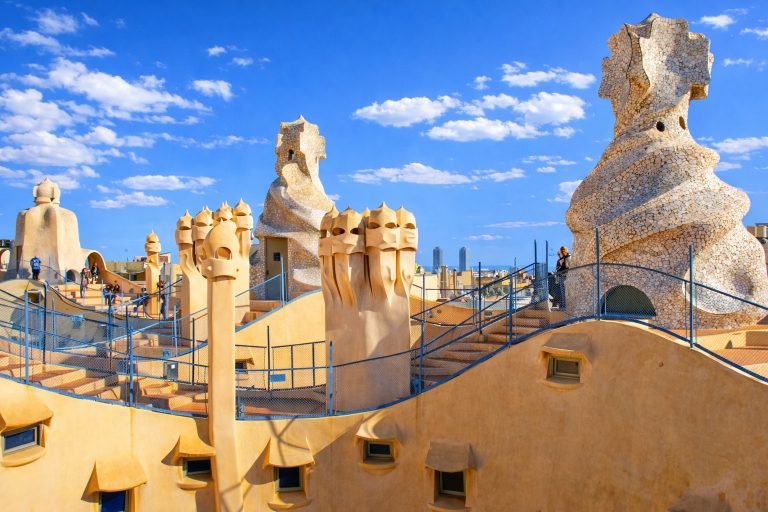
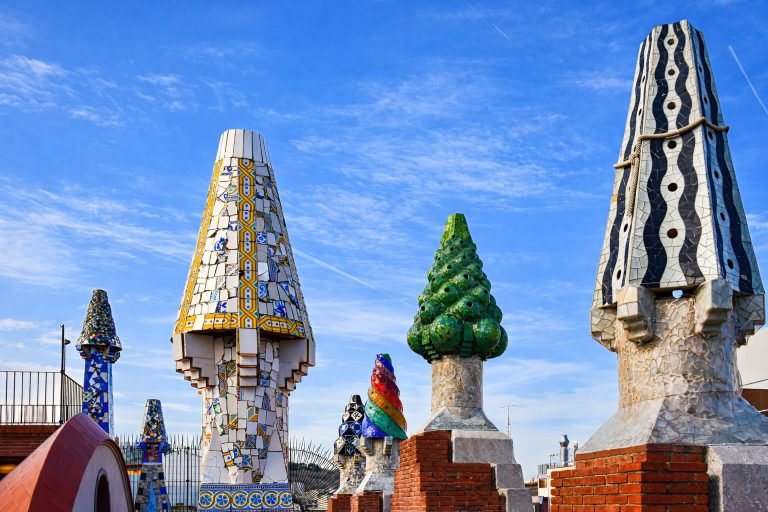
Known locally as La Pedrera, Casa Milà is another Gaudí masterpiece that challenges conventional ideas of structure and form. Its undulating stone façade and wrought-iron balconies create a sense of movement along the avenue.
The rooftop, with its sculptural chimneys and open views, is a highlight. From here, you can appreciate Gaudí’s vision while taking in panoramic perspectives over the city.
Palau de la Música Catalana
The Palau de la Música Catalana is a jewel of Catalan modernism and one of the most beautiful concert halls in Europe. Its richly decorated exterior hints at the artistry inside.
Stepping into the main hall reveals an explosion of color, glass, and ornamentation centered around a dramatic stained-glass skylight. Even outside of performances, visiting the Palau offers a deep appreciation for Barcelona’s cultural pride and artistic ambition.
Hospital de Sant Pau
Often overlooked, Hospital de Sant Pau is a UNESCO-listed modernist complex that once served as a functioning hospital. Its pavilions, gardens, and decorative details reflect an era when beauty and healing were seen as inseparable.
Exploring the grounds provides a quieter, less crowded counterpoint to other modernist sites while offering valuable insight into Barcelona’s architectural evolution.
Barri Gòtic
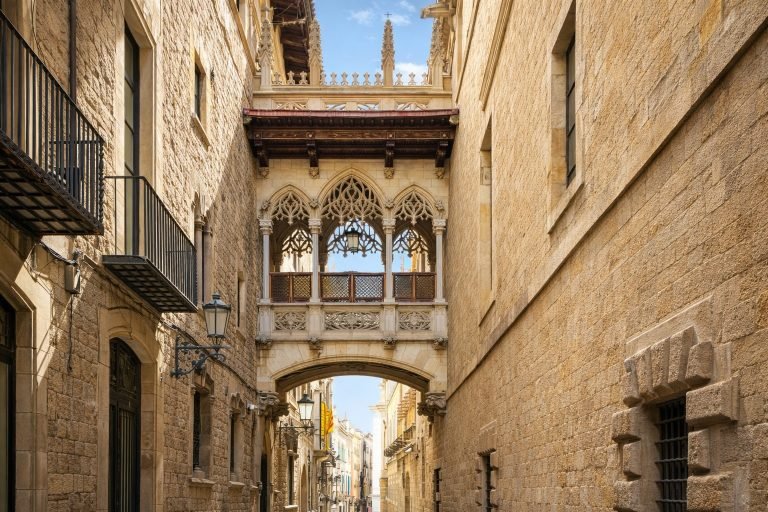
The Gothic Quarter forms the historic heart of Barcelona. Narrow streets, hidden courtyards, and remnants of Roman walls create a layered sense of time that unfolds as you wander.
Getting lost here is part of the appeal. Small squares open unexpectedly, street musicians appear in shaded corners, and everyday life blends naturally with centuries of history.
El Born
El Born combines medieval streets with a creative, energetic atmosphere. It is known for its independent boutiques, art spaces, and lively dining scene.
Walking through El Born feels intimate and authentic, making it one of the best neighborhoods to experience Barcelona’s blend of history and contemporary culture.
El Raval
El Raval is one of the city’s most diverse and dynamic neighborhoods. Long shaped by immigration and creativity, it has a raw, urban character that contrasts with more polished districts.
Exploring El Raval offers insight into Barcelona’s social fabric, where cultural institutions, local markets, and everyday street life coexist closely.
Gràcia
Gràcia retains the feel of a small town within the city. Its plazas serve as social hubs where locals gather, especially in the evenings.
Visiting Gràcia is ideal for travelers seeking a slower pace and a glimpse into everyday Barcelona life away from the busiest tourist zones.
Picasso Museum
The Picasso Museum traces Pablo Picasso’s formative years and his deep connection to Barcelona. Housed in a series of medieval palaces, the museum itself is part of the experience.
The collection offers valuable context for understanding Picasso’s artistic development, making it a rewarding stop even for visitors already familiar with his work.
Montjuïc
Montjuïc rises above the harbor and offers a mix of gardens, museums, and panoramic viewpoints. It feels more open and relaxed than the city center, making it ideal for a slower day.
Spending time here reveals a different side of Barcelona, where green spaces and cultural landmarks blend with sweeping coastal views.
Montjuïc Castle
Montjuïc Castle sits at the summit of the hill, offering some of the best views over the city and sea. Its history reflects Barcelona’s strategic importance and complex past.
Walking the castle grounds provides both historical context and a sense of scale that helps orient the city below.
🚡 Barcelona: Walking Tour with Montjuïc Castle & Cable Car
Want a different perspective over Barcelona beyond the city center? This guided walking tour combines history, green spaces, and a scenic cable car ride up to Montjuïc Castle, finishing with panoramic views over the city and coastline.
Bunkers del Carmel
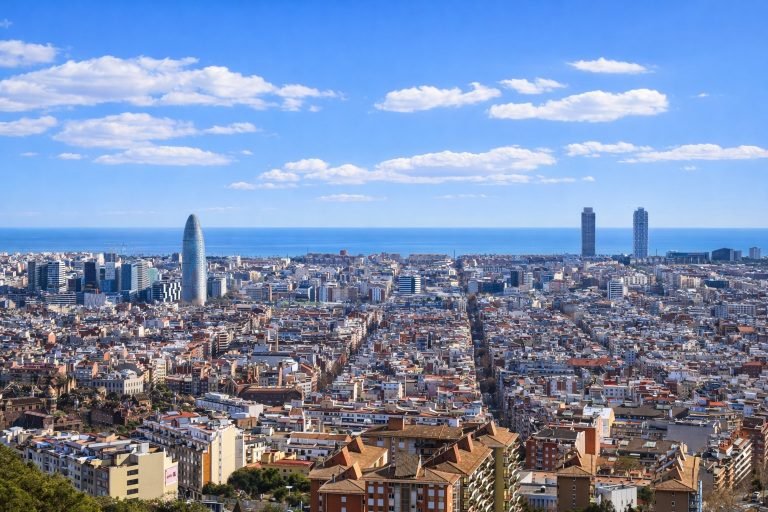
The Bunkers del Carmel are one of Barcelona’s most popular viewpoints. Originally anti-aircraft defenses, they now offer unobstructed 360-degree views.
Visiting at sunset is especially memorable, as the city gradually lights up and the atmosphere becomes relaxed and communal.
Ciutadella Park
Ciutadella Park is a central green space where locals jog, picnic, and relax. Its fountains, lawns, and shaded paths make it a pleasant escape from urban intensity.
The park also connects easily to nearby neighborhoods, making it a natural pause point during a day of exploration.
Beaches & Waterfront
Barcelona’s beaches are an extension of city life. Barceloneta and Bogatell offer easy access to the sea, long promenades, and a lively atmosphere that shifts throughout the day.
Whether for swimming, walking, or simply watching the city meet the Mediterranean, the waterfront is an essential part of the Barcelona experience.
Markets & Streets
Markets like La Boqueria and Sant Antoni reveal Barcelona’s food culture and daily rhythms. Browsing stalls and observing locals shopping adds texture to any visit.
Streets such as La Rambla and Passeig de Gràcia connect many of the city’s key sights and are best experienced slowly, with time to observe everyday life.
Camp Nou
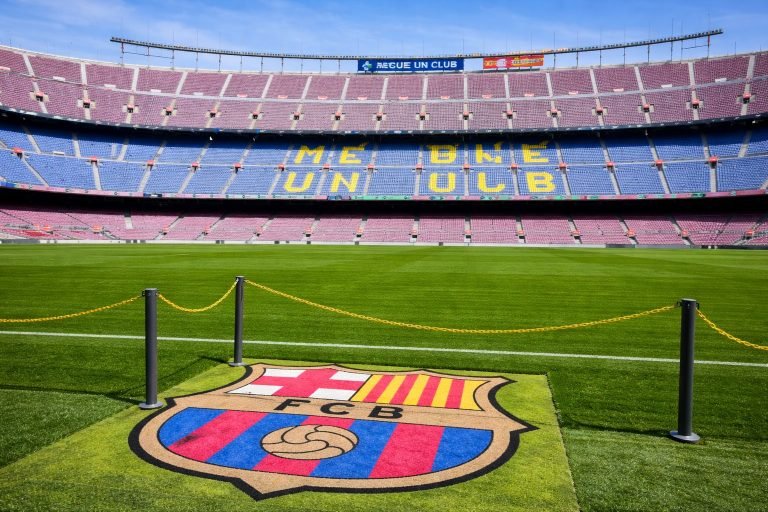
Camp Nou is more than a football stadium; it is a symbol of identity and pride for many residents. Even for non-fans, its scale and cultural significance are striking.
A visit offers insight into how sport, history, and community intersect in Barcelona.
FC Barcelona and the City’s Identity
FC Barcelona is far more than a football club. For many residents, it represents identity, history, and a sense of collective pride tied closely to Catalan culture. The club’s famous motto reflects this deeper meaning, and its presence is felt throughout the city, from neighborhood bars showing matches to flags hanging from balconies.
Even if you are not a football fan, understanding FC Barcelona helps you understand the city itself. The club’s history is intertwined with political, social, and cultural moments that still shape how Barcelona sees itself today.
Walking the Modernist Route Through Eixample
One of the most rewarding ways to experience Barcelona is on foot, following the modernist architecture scattered throughout the Eixample district. Wide avenues, chamfered corners, and decorative façades turn everyday streets into an open-air museum of late 19th- and early 20th-century design.
Walking this area allows you to notice details often missed when rushing between landmarks: wrought-iron balconies, tiled entrances, carved stonework, and interior courtyards that hint at how the city was designed to balance beauty and functionality.
Sunset Viewpoints Around the City
Sunset is a daily ritual in Barcelona, and locals make the most of the city’s elevated viewpoints. Places like the Bunkers del Carmel and the hills of Montjuïc attract people carrying drinks, snacks, and cameras, gathering informally as the light fades over the city.
These moments are less about sightseeing and more about atmosphere. Watching the city transition from day to night offers perspective on Barcelona’s scale, rhythm, and communal spirit.
Neighborhood Wandering and Non-Monument Time
Some of Barcelona’s most memorable moments come from unplanned wandering. Stepping away from major attractions and spending time in residential streets, small plazas, and local markets reveals how the city functions beyond tourism.
Sitting in a square, listening to conversations, watching children play, or observing daily routines provides a more intimate understanding of the city. This non-monument time is often what makes a visit feel personal rather than checklist-driven.
Beach Walks and Seaside Promenades
Barcelona’s relationship with the sea is best experienced on foot. Long seaside promenades connect neighborhoods and beaches, creating spaces where jogging, cycling, strolling, and socializing blend naturally throughout the day.
Early mornings and evenings are particularly appealing, when locals outnumber visitors and the Mediterranean becomes a backdrop to everyday life rather than a destination in itself.
Food, Bars, Cafés & Nightlife in Barcelona
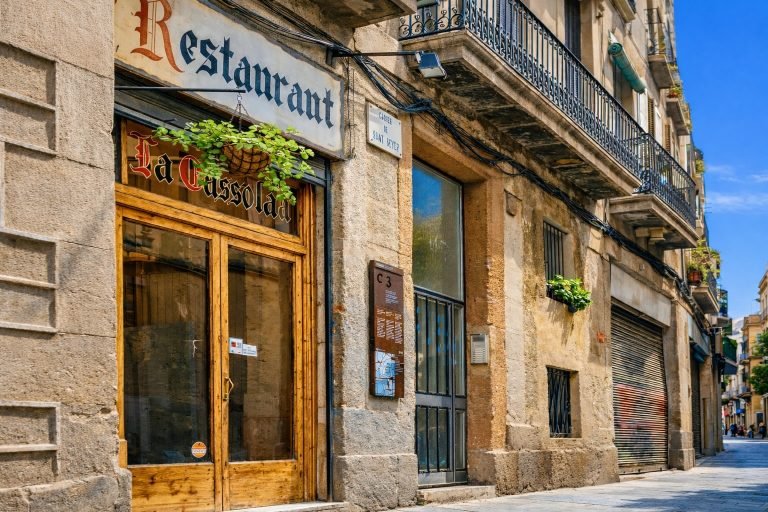
Barcelona’s food and nightlife scene is deeply woven into everyday life. Meals are social, unhurried affairs, coffee breaks stretch longer than expected, and evenings often begin late and end even later. From historic dining rooms and neighborhood tapas bars to inventive cocktail spots and legendary clubs, the city offers something for every mood and appetite.
What makes Barcelona especially rewarding is the balance between tradition and creativity. Classic Catalan restaurants sit comfortably alongside modern kitchens, while long-established bars continue to thrive next to experimental nightlife venues. Exploring these places is one of the most enjoyable ways to understand the city’s rhythm.
Restaurants
For traditional Catalan cooking, Can Culleretes is an essential stop. Founded in the 18th century, it is Barcelona’s oldest restaurant and still serves classic dishes in a historic setting that feels unchanged by time. Nearby, Bodega Biarritz 1881 offers a more intimate experience, with a small, carefully curated tapas menu that encourages conversation and lingering at the table.
In El Born, Arcano Restaurant blends Mediterranean and international flavors inside a beautifully restored stone building, making it ideal for a relaxed but refined dinner. Other favorites include Bodega Biarritz, known for its personal service and changing menu, Taps Barcelona for its beer-focused dining approach, Kiltro Restobar in Gràcia for bold, Latin-inspired flavors, and Fiorito Experiencia Argentina, a welcoming spot for hearty Argentine cuisine and shared plates.
🥘 Barcelona: Paella Cooking Experience & Boqueria Market Tour
Want to understand Barcelona through its food? This hands-on paella cooking experience begins with a guided visit to La Boqueria market, then takes you step by step through preparing one of Spain’s most iconic dishes.
Cafés & Coffee Spots
Barcelona’s café culture ranges from historic coffeehouses to modern brunch favorites. Café de l’Opera, located on La Rambla, is a classic stop where ornate interiors and traditional service evoke another era. For something more contemporary, Little Fern is popular for its relaxed atmosphere, quality coffee, and creative brunch plates.
Elsewhere in the city, spots like Satan’s Coffee Corner, Nomad Coffee, Dalston Coffee Barcelona, and Kafenion attract locals looking for well-crafted drinks and casual places to pause between sightseeing and daily routines.
Bars & Cocktail Spots
Barcelona has earned international recognition for its cocktail scene. Paradiso, hidden behind an unassuming entrance, is famous for its imaginative cocktails and theatrical presentation, while Dr. Stravinsky focuses on experimental techniques, house-made ingredients, and inventive flavor combinations.
Other notable bars include Bobby’s Free, a speakeasy-style venue concealed behind a barber shop, Mariposa Negra Cocktail Bar for refined classics, and Especiarium Bar, which draws inspiration from spices and historic trade routes.
Nightlife & Clubs
Nightlife in Barcelona starts late and spans many styles. Razzmatazz is one of the city’s most iconic venues, with multiple rooms hosting everything from electronic music to indie and pop. For a more underground experience, Moog is a long-standing favorite for techno and electronic music lovers.
Other popular spots include Sala Apolo for live music and themed club nights, La Terrazza for open-air dancing in warmer months, and Wet Deck at W Barcelona, where beach views, DJs, and a stylish crowd create a high-energy atmosphere.
Hidden Gems
For a more local feel, seek out places like La Confiteria, a cocktail bar housed inside a former 19th-century sweet shop, or Casa Almirall, one of the city’s oldest modernist bars. These quieter, character-filled spots offer a glimpse into Barcelona beyond the headline attractions and are perfect for ending an evening at a slower pace.
Getting Around Barcelona
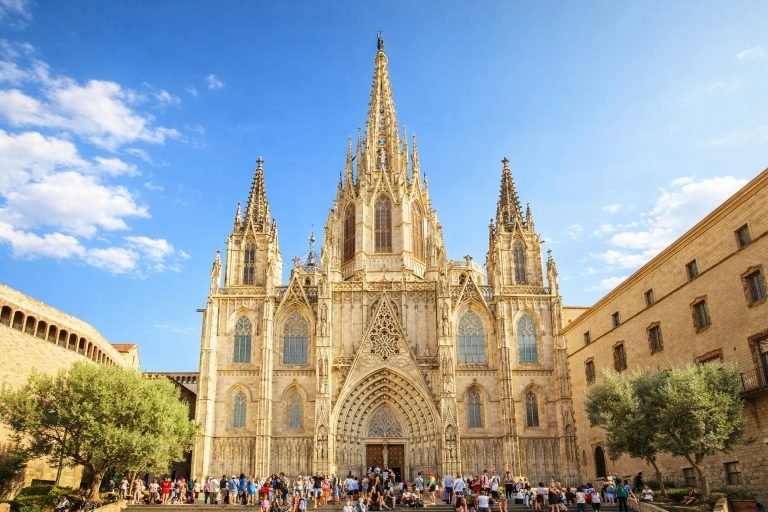
Barcelona is an easy city to navigate. Much of the historic center is compact and walkable, while an efficient public transport network connects neighborhoods, beaches, and outer districts from early morning until late at night. Most visitors rely on a mix of walking and public transport rather than private vehicles.
Walking
Walking is one of the best ways to experience Barcelona. Neighborhoods flow naturally into one another, and many of the city’s most memorable moments happen between major sights rather than at them. Areas such as the Gothic Quarter, El Born, Gràcia, and Eixample are particularly rewarding to explore on foot.
Metro, Buses & Trams
Barcelona’s metro is fast, reliable, and the backbone of daily transport. It is supported by an extensive bus network and modern trams that serve parts of the city not directly covered by the metro. A single integrated ticket system works across metro, bus, and tram services within the city.
Official routes, maps, ticket details, and service updates are provided by the city transport authority: Transports Metropolitans de Barcelona (TMB).
Rodalies & Regional Trains
Rodalies commuter trains connect central Barcelona with the airport, coastal areas, and nearby towns. They function like express services within the city and are useful for longer distances that would take multiple metro transfers.
Timetables, routes, and regional transport planning are managed by: Rodalies de Catalunya.
Public Transport Passes
Barcelona offers several transport passes designed for visitors and short stays. Choosing the right option can significantly reduce costs if you plan to use public transport frequently.
Hola Barcelona Travel Card: The closest equivalent to systems like London’s Oyster or Sydney’s Opal. It offers unlimited travel on metro, buses, trams, and urban trains for 2, 3, 4, or 5 consecutive days. It also covers airport metro and train connections.
T-casual: A 10-journey ticket intended for single users. It is a good option for shorter stays or travelers who expect to walk most of the time and only use transport occasionally.
Buying & Loading: Passes and tickets can be purchased at metro stations, vending machines, and official sales points, or online via: Hola Barcelona.
Cost Efficiency Tip: If you plan to use public transport multiple times per day, the Hola Barcelona Travel Card usually offers the best value.
Taxis & Ride-Sharing
Licensed taxis in Barcelona are easy to recognize by their black-and-yellow color scheme. They are regulated, reliable, and useful late at night or when traveling with luggage. Official taxi information is available via: AMB Taxi.
Ride-sharing services also operate in the city. Availability can vary, but they are commonly used alongside traditional taxis, especially during peak hours or at night.
Bikes & Scooters
Barcelona has invested heavily in cycling infrastructure, with dedicated bike lanes across much of the city. While the public bike-sharing system is aimed at residents, private rental options are widely available for visitors.
Official cycling routes and mobility rules are outlined by the city here: Barcelona Cycling Information.
Driving a Car
Driving in Barcelona is generally unnecessary for visitors. Traffic congestion, limited parking, and environmental restrictions make walking and public transport far more practical for most trips.
Continue Exploring...
If planning Barcelona has sparked your appetite for more iconic city breaks and unforgettable travel experiences, here are a few guides you’ll love next. Each destination below has its own personality, but they all deliver that same “wow” factor you get from exploring the best things to do in Barcelona — whether that means culture, food, history, landscapes, or big bucket-list moments.
- Things to Do in Paris – A timeless capital of art, architecture, food, and everyday beauty, where grand landmarks and small moments blend effortlessly.
- Things to Do in Cape Town – One of the world’s most dramatic cities, combining ocean views, mountain landscapes, vibrant neighborhoods, and rich cultural history.
- Things to Do in Hong Kong – A fast-paced city of skylines, street food, island hikes, and neighborhoods where tradition and modern life collide.
- Things to Do in Madagascar – For something completely different, Madagascar offers extraordinary wildlife, remote landscapes, and cultural experiences found nowhere else on earth.
- Brazil Travel Guide – A vast, diverse destination covering iconic cities, beaches, rainforests, and cultural traditions that reward curious travelers.
Travel Facts: Barcelona
Currency: Spain uses the euro (€). Credit and debit cards are widely accepted throughout Barcelona, but it’s still useful to carry some cash for small bars, bakeries, or local markets.
Plugs & Electricity: Barcelona uses Type C and Type F plugs with a standard voltage of 230V. Most European chargers work without an adapter.
Tipping: Service is included in restaurant prices, so tipping is not required. Rounding up the bill or leaving small change for good service is appreciated but optional.
Safety: Barcelona is generally safe, but pickpocketing can be an issue in busy tourist areas, on public transport, and around major attractions. Keep valuables secure and remain aware in crowded places.
Tap Water: Tap water in Barcelona is safe to drink. Many visitors prefer bottled or filtered water due to the taste, but it is perfectly potable.
Transport Basics: The metro is fast, affordable, and the easiest way to get around. Tickets and passes work across metro, buses, trams, and urban trains within the city.
Weather Reality: Barcelona has a Mediterranean climate with hot summers and mild winters. Summers can be humid, while spring and autumn are generally comfortable for sightseeing.
Airport Transfers: Barcelona–El Prat Airport is well connected by metro, train, airport bus, and taxi, with typical travel times of 20–40 minutes to central areas.
Local Etiquette: Greetings matter. A simple “hola” when entering shops or speaking to staff is polite and expected. Meal times run later than in many other countries.
Connectivity: Free Wi-Fi is common in cafés and hotels, but many travelers use an eSIM for reliable data on the go. You can compare options in this international eSIM guide.
Best Time to Visit
Barcelona is a year-round destination, but the experience can feel very different depending on when you visit. Weather, crowd levels, and local events all shape how the city unfolds, from relaxed neighborhood wandering to busy festival seasons and peak beach days.
For most travelers, the sweet spot is when pleasant weather meets manageable crowds, allowing you to enjoy both the city’s cultural sights and its outdoor life without feeling rushed or overheated.
Spring (March to May)
Spring is one of the best times to visit Barcelona. Temperatures are mild, days grow longer, and the city feels fresh and lively without the intensity of summer crowds. This is an excellent season for walking, sightseeing, and exploring neighborhoods at a relaxed pace.
Summer (June to August)
Summer brings hot temperatures, high humidity, and peak tourism. Beaches and nightlife are at their most energetic, but sightseeing during the middle of the day can be tiring. Early mornings, late evenings, and coastal activities work best during this season.
Autumn (September to November)
Autumn is another ideal period to visit. The sea remains warm in early autumn, temperatures ease, and crowds gradually thin out. It’s a great time for combining city exploration with beach walks, food experiences, and cultural visits.
Winter (December to February)
Winters in Barcelona are mild compared to much of Europe. While it’s not beach weather, the city remains active, museums are quieter, and walking is comfortable. Winter is a good option if you prefer fewer tourists and a more local feel.
Overall recommendation: Late spring and early autumn offer the best balance of weather, atmosphere, and crowd levels for most travelers.
Common Phrases & Local Lingo
Barcelona has its own linguistic and cultural layer that goes beyond standard Spanish. Catalan is the local language of Catalonia and is widely used in signage, menus, and everyday life. You don’t need to speak Catalan to get by, but recognizing a few local terms and phrases helps you connect more naturally with the city.
Local Names & How Locals Refer to Places
Barna: A common shorthand locals use for Barcelona, especially in conversation or media.
El Gòtic: What locals usually call the Gothic Quarter instead of the full “Barri Gòtic.”
Gràcia: Always pronounced with the accent and treated as its own village-like area, not just a neighborhood.
El Born: Often refers specifically to the historic and social core around Passeig del Born rather than the wider district name.
Montjuïc: Pronounced “mon-joo-EEK,” and commonly used to describe the entire hill area, not just one attraction.
Useful Catalan Phrases
Hola – Hello
Used universally and appreciated in shops and cafés.
Bon dia – Good morning
A polite daytime greeting that locals commonly use.
Bona tarda – Good afternoon
Used later in the day, roughly after lunchtime.
Bona nit – Good evening / good night
Appropriate in the evening or when leaving.
Si us plau – Please
A simple courtesy that goes a long way.
Gràcies – Thank you
More local than “gracias” and always appreciated.
Perdó – Sorry / excuse me
Used when navigating crowds or getting attention politely.
Adéu – Goodbye
A friendly and natural way to end interactions.
Cultural Notes
Starting interactions with a greeting matters. Saying “hola” or “bon dia” before asking a question is considered polite and expected. Even a few words of Catalan signal respect for local culture and are usually met with warmth.
You’ll hear Spanish everywhere as well, but Catalan is a strong marker of identity. Recognizing it adds another layer to understanding Barcelona beyond its landmarks.
❓ FAQ: Barcelona
🇪🇸 Is Barcelona safe for tourists?
Yes, Barcelona is generally safe, but pickpocketing is common in busy areas such as La Rambla, public transport, and around major attractions. Staying alert, keeping valuables secure, and avoiding distractions in crowds is usually enough to avoid issues.
🏛️ How many days do you need in Barcelona?
Three days is enough to see the main highlights, but four to five days allows you to explore neighborhoods, enjoy food and nightlife, and experience the city at a more relaxed pace.
🎟️ Do I need to book attractions in advance?
Yes, popular attractions such as the Sagrada Família and Casa Milà often sell out. Booking in advance saves time and guarantees entry, especially during peak seasons.
🚇 Is public transport easy to use?
Barcelona’s metro, buses, and trams are easy to navigate and well integrated. Most visitors find public transport simple, affordable, and reliable for getting around the city.
🗣️ Do people speak English in Barcelona?
English is widely spoken in hotels, restaurants, and tourist areas. However, locals appreciate simple greetings in Catalan or Spanish, especially in neighborhood cafés and shops.
🍽️ What time do people eat in Barcelona?
Lunch is typically between 2pm and 4pm, while dinner usually starts after 9pm. Many restaurants open late, especially in central and nightlife areas.
🏖️ Are Barcelona’s beaches worth visiting?
Yes. While not remote or untouched, the city beaches are lively, accessible, and a core part of Barcelona’s lifestyle. Early mornings and evenings are the most pleasant times to go.
🎒 Is Barcelona good for solo travelers?
Absolutely. The city is social, walkable, and easy to navigate, with plenty of group tours, cafés, and communal spaces that make it welcoming for solo travelers.
📱 Should I get a local SIM or eSIM?
Many travelers use an eSIM for convenience and reliable data, especially for maps and transport. This avoids the need to buy a physical SIM on arrival.
Disclosure: This article may contain affiliate links. If you make a purchase through a link, I may receive a commission at no extra cost to you. I only share recommendations I believe are genuinely useful, and all opinions are my own.
Travel Resources to Plan, Book & Stay Connected
Use these tools and guides to stay connected abroad, find inspiration for your next trip, and book your flights, stays and gear with confidence.

Comment (0)