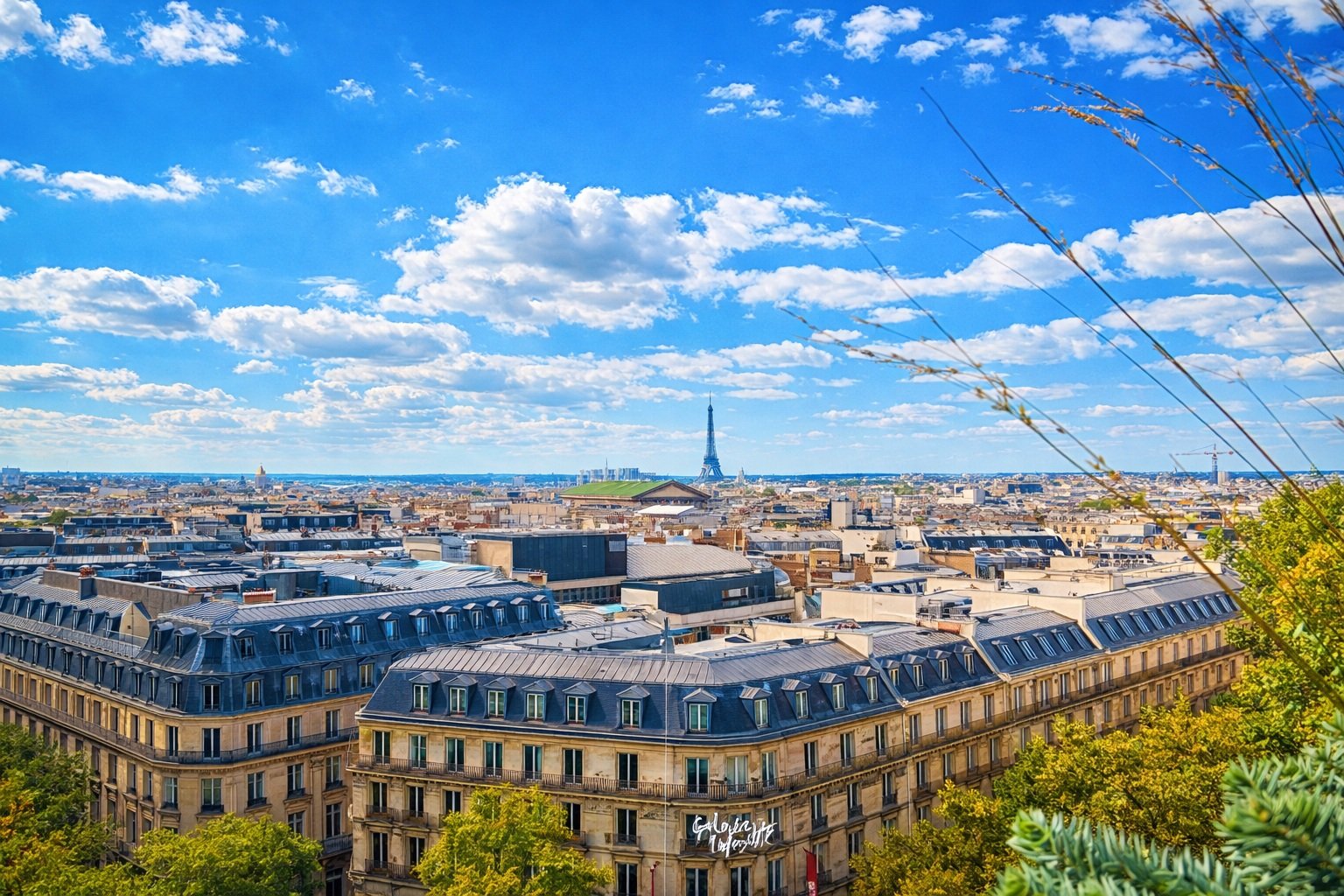
What This Paris Guide Covers
This guide covers everything you need to plan your time in Paris, including:
- How to get to Paris and move around once you arrive
- The best neighborhoods and areas to stay
- Top things to do, from major landmarks to local experiences
- Food, cafés, bars, and nightlife highlights
- The best time of year to visit
- Practical travel tips and local know-how
- Answers to common traveler questions
Things to Do in Paris: A Timeless City of Art, Food, and Everyday Beauty
There are few cities in the world as instantly recognizable as Paris. From grand boulevards and riverfront walks to hidden courtyards and café-lined streets, the French capital rewards both first-time visitors and returning travelers in different ways. Exploring the many things to do in Paris means moving effortlessly between world-famous landmarks and small, everyday moments that define local life.
Paris is a city built for wandering. One moment you are standing beneath monumental architecture, the next you are browsing a neighborhood market or lingering over a coffee on a quiet square. The appeal of the city lies not only in its museums and monuments, but also in how seamlessly history, culture, food, and daily routines blend together.
This guide to the best things to do in Paris is designed to help you plan confidently, whether you have a packed itinerary or prefer to let the city unfold at its own pace. From choosing where to stay to understanding how the city moves, everything here focuses on helping you experience Paris in a way that feels natural, rewarding, and unforced.
How to Get to Paris
Reaching Paris is part of the experience. Whether you arrive by plane, high-speed train, or long-distance bus, the city is designed to welcome travelers smoothly and efficiently. As one of Europe’s main transport hubs, Paris connects effortlessly to the UK, neighboring European countries, and destinations across France, making it one of the easiest major cities to reach.
By Air
Paris is served by two major airports, both well connected to the city center. Charles de Gaulle Airport (CDG), located northeast of Paris, is the main international gateway and handles most long-haul flights from North America, Asia, and the Middle East, as well as many European routes. Orly Airport (ORY), south of the city, focuses more on European and domestic flights and is often used by low-cost and regional carriers.
From both airports, travelers can reach central Paris easily using trains, airport buses, or taxis, with travel times typically ranging from 30 to 60 minutes depending on traffic and destination.
By Train (High-Speed Rail)
Arriving in Paris by train is one of the most enjoyable ways to enter the city. France’s high-speed TGV network connects Paris to cities across the country, while international high-speed services link the capital directly to London, Brussels, Amsterdam, Geneva, Barcelona, and other major European destinations. Trains from the UK travel through the Channel Tunnel and arrive directly in the heart of Paris.
Paris has several major train stations, each serving different regions. All stations are centrally located and connected to the metro network, allowing you to step off the train and reach your accommodation without needing a car.
- Gare du Nord (UK, Belgium, Netherlands)
- Gare de Lyon (Southern France, Switzerland)
- Gare Montparnasse (Western & Southwestern France)
- Gare de l’Est (Eastern France, Germany)
- Gare Saint-Lazare (Normandy region)
By Bus
Long-distance buses are a popular option for budget-conscious travelers coming from other European cities or regions of France. While journeys are longer than by train, buses are often inexpensive and run frequently. Most international and domestic services arrive at Paris Bercy Seine bus station, located in the southeast of the city.
From Bercy, metro and tram lines make it easy to continue your journey into central Paris or onward to your accommodation.
Where to Stay in Paris
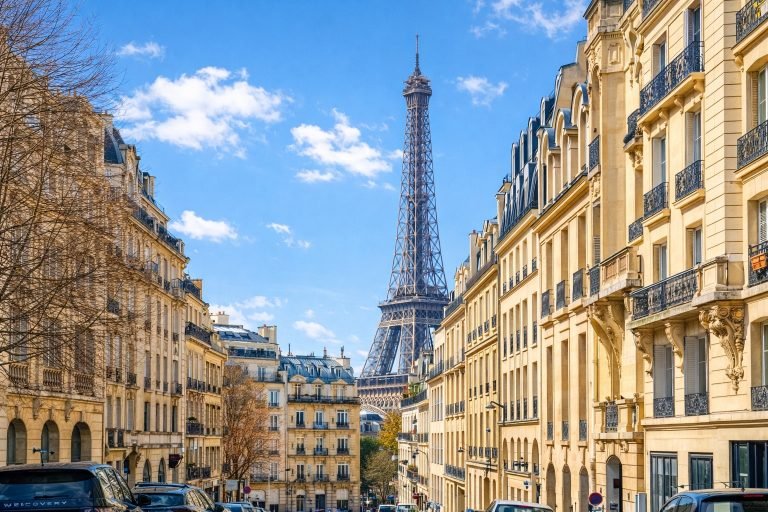
Choosing where to stay in Paris shapes how you experience the city. Each neighborhood has its own rhythm, from lively local streets to elegant boulevards and quiet residential corners. Paris is compact and extremely well connected by metro, so the best place to stay is usually one that matches your travel style rather than chasing a single “perfect” location.
Whether you are visiting on a tighter budget, looking for comfortable mid-range hotels close to major sights, or planning a once-in-a-lifetime luxury stay, Paris offers excellent options across every category.
Budget-Friendly Hotels
HÔTEL DES ANDELYS18 rue des Trois Bornes, 11th arr., 75011 Paris, France · +33 1 43 57 52 27
Hôtel des Andelys is a simple, no-frills option in the lively 11th arrondissement, an area known for its cafés, local bars, and everyday Parisian energy. Rooms are clean and functional, and the hotel’s quiet courtyard offers a welcome break from the buzz outside. With easy metro access nearby, it works well as a practical base for exploring the city without stretching your budget.
If you want an affordable stay in a local-feeling neighborhood, Hôtel des Andelys is a straightforward and well-located choice.
HÔTEL DE PARIS OPÉRA37 rue de Maubeuge, 9th arr., 75009 Paris, France · +33 1 48 78 34 49
Located near the grands boulevards and within walking distance of shopping streets and Opéra Garnier, Hôtel de Paris Opéra offers solid value in a very central part of the city. The rooms are compact but well maintained, with soundproofing that helps block out street noise after busy sightseeing days. This is a good option for travelers who want convenience and location without paying premium prices.
For a comfortable, well-positioned stay close to major attractions, consider reserving a room at Hôtel de Paris Opéra.
Mid-Range Comfort Hotels
HÔTEL SAINT-PÉTERSBOURG OPÉRA & SPA35 rue Caumartin, 9th arr., 75009 Paris, France · +33 1 42 66 60 38
Hôtel Saint-Pétersbourg Opéra & Spa sits just steps from Opéra Garnier, placing you at the center of Parisian culture, shopping, and entertainment. The hotel combines polished, modern rooms with a small on-site spa, offering a welcome balance between sightseeing and relaxation. It suits travelers who want comfort and style without moving into full luxury pricing.
If you like being surrounded by culture and shops while still enjoying a calm retreat at night, Hôtel Saint-Pétersbourg Opéra & Spa fits that balance well.
Luxury Hotels
FOUR SEASONS HOTEL GEORGE V31 avenue George V, 8th arr., 75008 Paris, France · +33 1 49 52 70 00
Just off the Champs-Élysées, the Four Seasons Hotel George V is one of Paris’s most iconic luxury hotels. Known for its spectacular floral displays, impeccable service, and refined atmosphere, the hotel offers spacious rooms, Michelin-starred dining, and a world-class spa. It is ideal for travelers seeking an elegant, indulgent Paris experience in a prestigious location.
For a truly elevated stay defined by comfort, service, and timeless Parisian glamour, Four Seasons Hotel George V delivers at every level.
SHANGRI-LA PARIS10 avenue d’Iéna, 16th arr., 75016 Paris, France · +33 1 53 67 19 98
Housed in a former royal residence, Shangri-La Paris blends historic grandeur with serene luxury. Many rooms and suites offer stunning Eiffel Tower views, and the atmosphere feels calm and refined despite being close to major sights. With elegant interiors, exceptional dining, and attentive service, this hotel appeals to travelers who value privacy, space, and quiet sophistication.
If you are looking for a peaceful, luxurious base with unforgettable views, Shangri-La Paris is an outstanding choice.
To compare prices and booking options across platforms, use the Worldly Roaming hotel comparison guide.
Things to Do in Paris
Paris is one of the rare cities where world-famous landmarks, everyday local life, and centuries of history coexist seamlessly. From monumental architecture and art collections to gardens, riversides, and historic neighborhoods, the city offers an extraordinary range of experiences. The attractions below form a comprehensive picture of Paris, allowing you to understand not just what the city looks like, but how it feels to move through it.
The Eiffel Tower
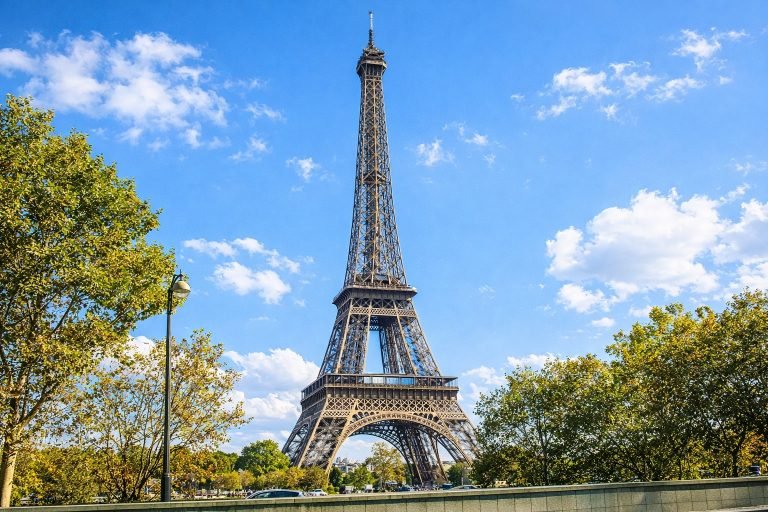
The Eiffel Tower is the most iconic symbol of Paris and a defining feature of the city’s skyline. Built for the 1889 World’s Fair, it was originally controversial and later embraced as a masterpiece of engineering and design. Visiting the tower is as much about the atmosphere as the view, whether you admire it from the Champ de Mars or ascend to its observation levels.
From the top, Paris spreads out in all directions, revealing the Seine, grand avenues, and historic districts below. Even for returning visitors, the Eiffel Tower remains a powerful introduction to the scale and elegance of the city.
Official information and visiting details are available on the official Eiffel Tower website.
🗼 Paris: Eiffel Tower Entry Ticket with Optional Summit Access
Want the classic Eiffel Tower experience without overcomplicating your day? This ticket gets you up the tower for sweeping Paris views, with the option to add summit access for the highest, most unforgettable panorama in the city.
The Louvre Museum
The Louvre Museum is the world’s largest art museum and one of its most important cultural institutions. Set inside a former royal palace, it spans thousands of years of human history, from ancient civilizations to Renaissance and classical masterpieces. While many visitors focus on a handful of famous works, the museum’s true value lies in the depth and diversity of its collections.
Exploring the Louvre requires time and pacing, as its galleries are vast and layered. Whether you stay for a few focused hours or an entire day, the experience firmly places Paris among the world’s great cultural capitals.
Plan your visit using the official Louvre Museum website.
Notre-Dame Cathedral
Notre-Dame Cathedral stands at the historic heart of Paris on the Île de la Cité. For centuries, it has been a place of worship, ceremony, and national memory, admired for its Gothic architecture, sculpted façade, and stained-glass windows. The cathedral’s role in French history gives it a meaning that extends far beyond its physical beauty.
Even after the devastating fire of 2019, Notre-Dame remains a powerful symbol of resilience and heritage. Visiting the area offers insight into Paris’s medieval origins and its ongoing relationship with preservation and renewal.
Updates and visiting information are available on the official Notre-Dame website.
The Musée d’Orsay
Housed inside a former railway station, the Musée d’Orsay is celebrated for its exceptional collection of Impressionist and Post-Impressionist art. Paintings by Monet, Van Gogh, Degas, and Renoir form the core of its appeal, offering a concentrated look at some of the most influential movements in art history.
The museum’s layout and natural light create a more intimate experience than larger institutions. Combined with its riverside location, the Musée d’Orsay offers one of the most rewarding museum visits in Paris.
Visit details can be found on the official Musée d’Orsay website.
🖼️ Paris: Musée d’Orsay Ticket and Guided Tour
Want to understand the masterpieces, not just walk past them? This guided visit to the Musée d’Orsay brings Impressionist and Post-Impressionist art to life, with expert context inside one of Paris’s most beautiful museum spaces.
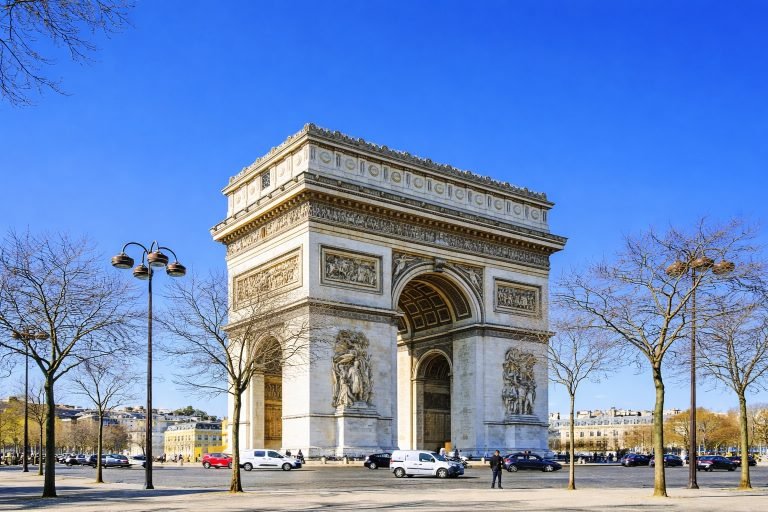
The Arc de Triomphe
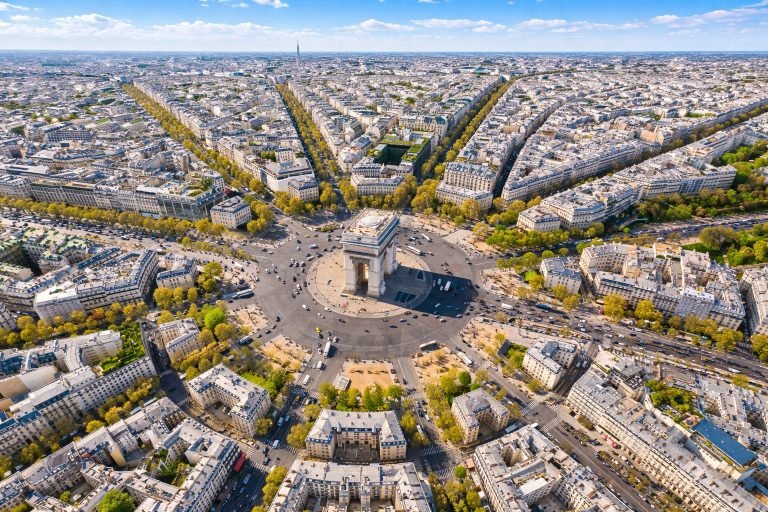
The Arc de Triomphe honors those who fought and died for France and anchors one of the city’s most dramatic urban perspectives. Located at the western end of the Champs-Élysées, it stands at the center of a star-shaped network of avenues radiating across Paris.
Climbing to the top rewards visitors with panoramic views that reveal the city’s grand design. The monument combines historical weight with one of Paris’s finest viewpoints.
Visitor information is available on the official Arc de Triomphe website.
Sacré-Cœur Basilica
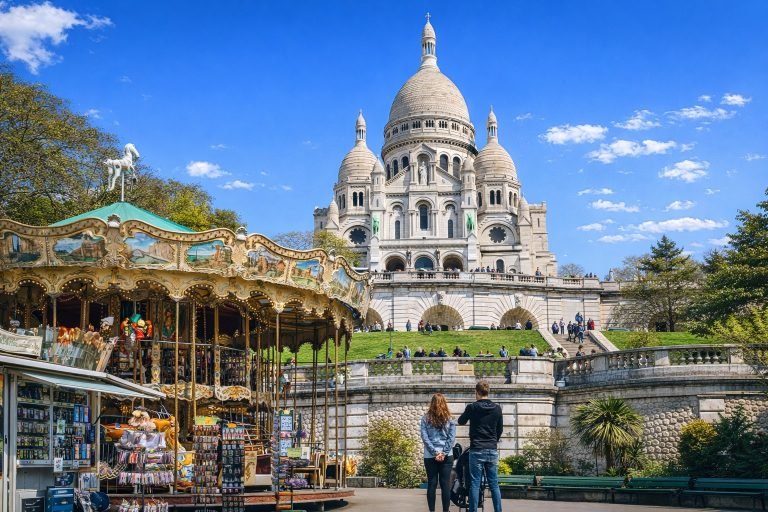
Perched atop Montmartre, Sacré-Cœur Basilica is instantly recognizable by its white domes and elevated position. The basilica offers sweeping views over Paris and serves as both a place of worship and a visual landmark.
The surrounding neighborhood retains a village-like atmosphere, shaped by its artistic and bohemian past. Visiting Sacré-Cœur is as much about the setting as the building itself.
Centre Pompidou
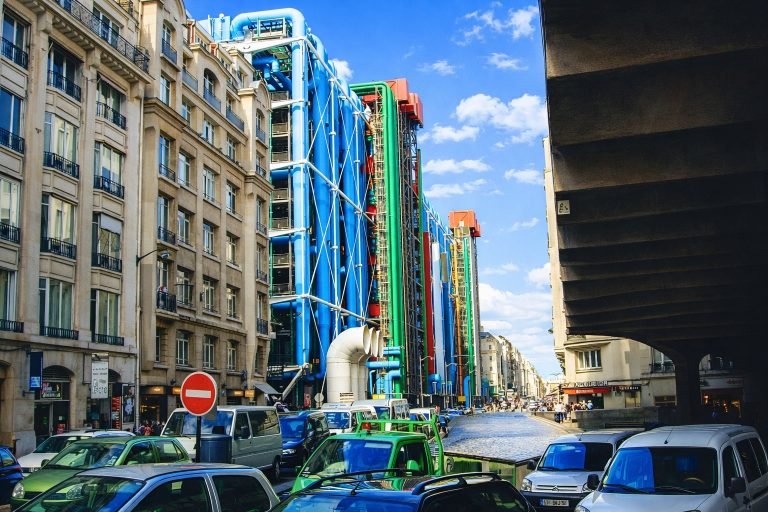
The Centre Pompidou is known for its bold, inside-out architectural design that contrasts sharply with the historic streets around it. Inside, it houses one of Europe’s most important modern and contemporary art collections.
The lively square in front of the building adds to the experience, making the area a natural gathering point and a reflection of Paris’s creative energy.
Luxembourg Gardens
The Luxembourg Gardens offer a calm retreat on the Left Bank, popular with locals, students, and families. Tree-lined paths, fountains, and the iconic green chairs create a relaxed atmosphere that contrasts with the city’s busier districts.
Spending time here provides a glimpse into everyday Parisian life, whether you are strolling, reading, or simply watching the city slow down.
Place de la Concorde
Place de la Concorde is one of Paris’s largest and most historically significant public squares. Once the site of executions during the French Revolution, it now stands as a grand open space linking the Champs-Élysées with the Tuileries Gardens.
The square’s monuments and scale make it an important transition point between different parts of the city.
Palace of Versailles
Located just outside Paris, the Palace of Versailles represents the height of royal power and ambition in France. The palace interiors, Hall of Mirrors, and vast gardens illustrate how art and architecture were used to project authority on a monumental scale.
A visit to Versailles adds valuable context to Paris’s political and cultural history and is one of the most popular day trips from the city.
👑 Versailles: Skip-the-Line Tour of Palace and Gardens Access
Want to experience Versailles without wasting half your day in lines? This skip-the-line tour brings you through the palace’s grand rooms and into the gardens, so you can focus on the history, scale, and drama that make Versailles unforgettable.
Prefer to browse more experiences first? You can explore other popular tours and attractions here: Paris experiences on GetYourGuide.
Seine River Cruise
The Seine is central to Paris’s identity, shaping the city’s development over centuries. Seeing Paris from the river reveals landmarks from a new perspective and highlights how closely architecture and daily life are woven along its banks.
Whether by boat or on foot along the quays, the Seine remains one of the most atmospheric ways to experience the city.
The Panthéon
The Panthéon stands in the Latin Quarter as a monument to France’s greatest thinkers and historical figures. Its grand interior and crypt reflect the country’s respect for intellectual and cultural achievement.
Visiting the Panthéon offers insight into how France commemorates its national legacy.
Musée de l’Orangerie
The Musée de l’Orangerie is best known for Monet’s large-scale Water Lilies paintings, displayed in specially designed oval rooms. The museum offers a quiet, contemplative contrast to larger art institutions.
Its location near the Tuileries Gardens makes it an easy and rewarding addition to a day of sightseeing.
Sainte-Chapelle
Sainte-Chapelle is a Gothic masterpiece renowned for its stunning stained-glass windows. Designed to house royal relics, the chapel’s interior is filled with light and color that transforms the space throughout the day.
Despite its relatively small size, it remains one of the most visually striking religious buildings in Paris.
Catacombs of Paris
The Catacombs of Paris offer a very different perspective on the city’s history. Beneath the streets lies an underground network where the remains of millions of Parisians were relocated in the 18th century.
Visiting the Catacombs is a sobering and memorable experience that highlights the city’s complex relationship with space, population, and mortality.
Food, Bars, Cafés & Nightlife in Paris
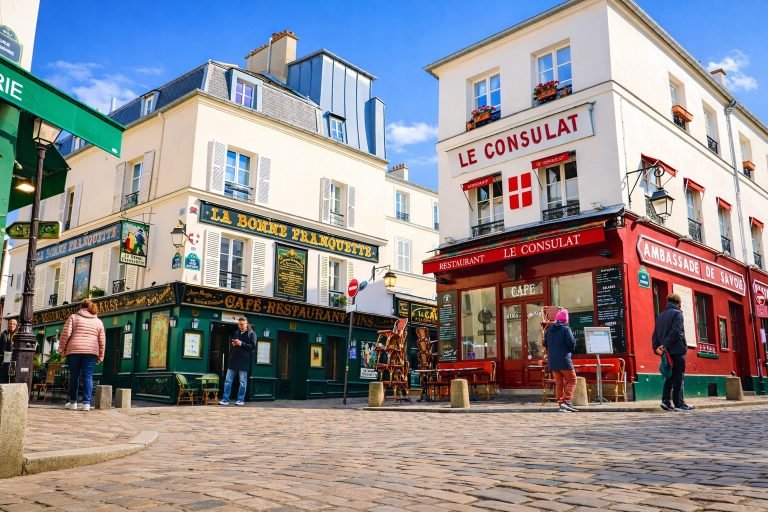
Paris is widely regarded as the world’s capital of gastronomy, but its food and nightlife scene goes far beyond fine dining. From historic cafés and intimate bistros to cocktail bars, rooftops, and late-night clubs, eating and drinking in Paris is woven into daily life. Whether you are lingering over a long lunch, stopping for a quick espresso, or heading out after midnight, the city offers depth, variety, and atmosphere at every hour.
Iconic & Classic Cafés
Café de Flore is one of the most famous cafés in Paris, long associated with writers, artists, and philosophers. Sitting here is as much about people-watching and history as it is about coffee, making it a quintessential Left Bank experience.
Les Deux Magots sits just across the street and shares a similar literary legacy. Its terrace remains one of the most recognizable café scenes in the city, ideal for soaking in Saint-Germain’s timeless atmosphere.
Café Le Brebant has long been a gathering place for journalists and writers, blending classic brasserie style with a relaxed, local feel. It works equally well for breakfast, a midday pause, or a casual evening drink, with menus and opening details available directly on the café’s website.
Boot Café is tiny, stylish, and beloved by coffee lovers. Known for excellent espresso and a minimalist aesthetic, it feels like a neighborhood secret tucked away in the Marais, and you can check current hours and offerings on their official site.
Odette is a charming tearoom near Notre-Dame, best known for its choux pastries. It’s a perfect stop for something sweet while exploring the historic heart of the city.
Markets & Street Food
Marché des Enfants Rouges is the oldest covered market in Paris and a favorite for casual eating. Food stalls serve everything from classic French dishes to international specialties, making it ideal for an informal lunch.
Rue Cler is a lively food street near the Eiffel Tower, lined with bakeries, cheese shops, and small produce stands. It’s a great place to assemble a picnic or experience everyday Parisian shopping.
Restaurants
Le Soufflé specializes in both savory and sweet soufflés, offering a playful yet refined dining experience. If you want to browse the menu or plan a reservation, you’ll find everything you need on their official website.
Kei is one of Paris’s most acclaimed fine dining restaurants, blending French technique with Japanese precision. The experience is elegant and thoughtful, and details about the restaurant and its approach can be found via its official site.
Chez Fernand is a traditional bistro near Saint-Germain known for generous portions and classic French cooking. Its warm, bustling atmosphere makes it feel timeless and reassuringly local.
La Jacobine offers comforting regional dishes in a cozy, old-world setting. It’s especially popular with visitors looking for authentic flavors in a relaxed, intimate space.
Aux Anysetiers du Roy serves historic French recipes in a dining room that feels straight out of another century. Dining here feels like stepping into Paris’s medieval past.
Bars & Rooftops
Velvet Bar Paris is known for its refined cocktails and intimate, glamorous atmosphere. It’s well suited for a relaxed evening drink with a polished edge, and you can explore the cocktail list and vibe on the bar’s website.
Wilde’s Lounge at the Westin Vendôme offers classic cocktails in an elegant setting inspired by Oscar Wilde. It’s a calm, refined choice close to the Tuileries, with further details available on the lounge’s official page.
Lulu White Drinking Club channels New Orleans–style decadence with absinthe, strong cocktails, and live blues. The atmosphere is lively and slightly theatrical, and upcoming events are listed on their official site.
Little Red Door is a consistently top-ranked cocktail bar known for creativity and precision. Its intimate size and thoughtful drinks make it a favorite among cocktail enthusiasts.
Nightclubs & Live Music
La Fête delivers a playful, high-energy club atmosphere with themed nights and an eclectic crowd. If you want to see what’s on during your stay, schedules and themes are published on their official website.
Le Balajo is a long-running Paris club that draws a mixed crowd and stays lively late into the night. Its longevity makes it a staple of the local nightlife scene, with current programming available on the club’s site.
Supersonic is known for live rock concerts and DJ nights, attracting music lovers rather than traditional club-goers. Lineups and upcoming shows can be checked on their official website.
Badaboum combines a club, concert venue, and bar into one space, offering a diverse nightlife experience. Its programming makes it popular with a younger, creative crowd.
🍽️ Paris: Elegant Dinner with Drinks in the Eiffel Tower
Looking for a truly memorable night in Paris? This elegant dining experience inside the Eiffel Tower pairs refined French cuisine with drinks and unforgettable views over the city, making it perfect for a special evening or celebration.
Best Time to Visit Paris
Paris can be visited year-round, but the experience changes noticeably with the seasons. Weather, crowd levels, and the city’s rhythm all play a role in how Paris feels, whether you are focused on sightseeing, dining, or simply wandering its streets.
Spring (March to May)
Spring is one of the most appealing times to visit Paris. Gardens and parks come back to life, café terraces fill up, and the city feels refreshed after winter. Temperatures are generally mild, though occasional rain is common, and popular attractions begin to get busier toward late spring.
Summer (June to August)
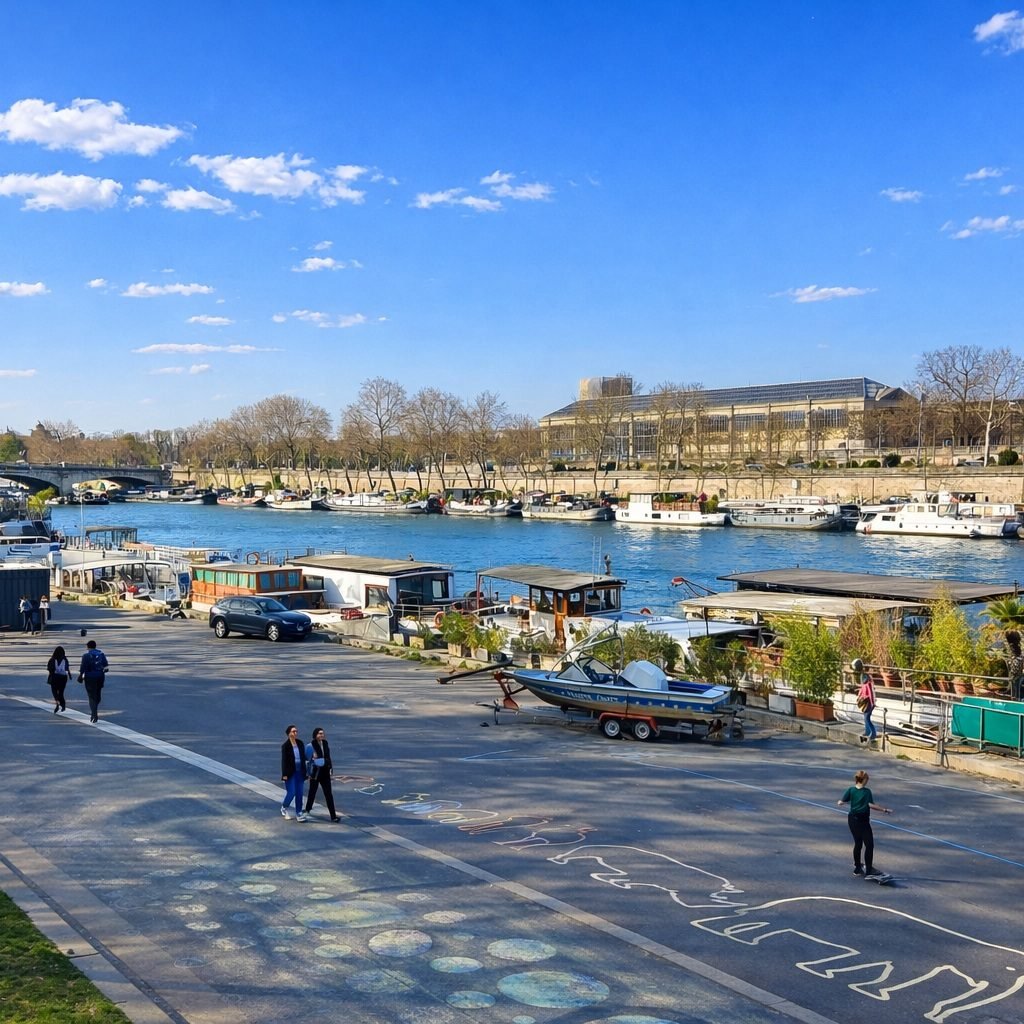
Summer brings long daylight hours and a lively atmosphere, with festivals, outdoor events, and evening strolls along the Seine. July and August are the busiest months, and some locals leave the city for holidays, which can mean quieter neighborhoods but crowded major attractions. Heatwaves do occur, and accommodation prices tend to be at their highest.
Autumn (September to November)
Autumn offers a comfortable balance of mild weather and fewer crowds, especially from late September onward. The city feels more local again as residents return from summer breaks, and cultural life picks up with exhibitions and performances. Fall colors in parks add to the atmosphere, though days gradually become shorter and cooler.
Winter (December to February)
Winter is the quietest season for tourism outside of the holiday period. Paris takes on a slower, more intimate feel, ideal for museums, dining, and long café visits. December brings festive lights and markets, while January and February are colder but offer lower prices and fewer visitors at major sights.
Best Overall Time to Visit
For most travelers, late spring and early autumn provide the best overall balance of pleasant weather, manageable crowds, and a vibrant city atmosphere. These periods allow you to enjoy Paris comfortably, both outdoors and indoors, without the extremes of peak summer or midwinter.
Common Phrases & Local Lingo in Paris
Paris has its own rhythm and vocabulary, and understanding a few local expressions and habits helps you feel more at ease in the city. These aren’t formal language lessons, but everyday terms and references you’ll hear while ordering food, navigating neighborhoods, or listening to Parisians talk among themselves.
Arrondissement refers to the numbered districts of Paris, spiraling outward from the city center. Locals often identify areas by number rather than neighborhood name, such as “le 11e” or “le 6e.”
Rive Gauche and Rive Droite describe the Left Bank and Right Bank of the Seine. These terms are used constantly and carry cultural meaning, with the Left Bank often associated with intellectual and artistic life, and the Right Bank with shopping, business, and grand avenues.
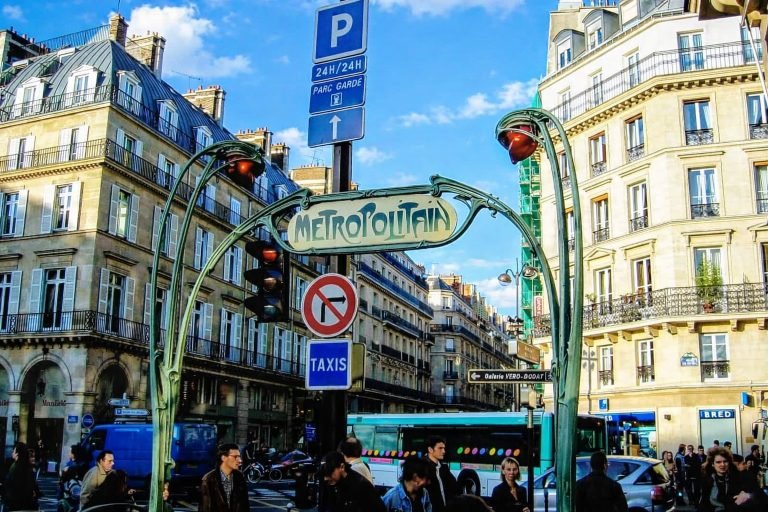
Le métro is the default way most Parisians get around. You’ll hear people talk about lines by number rather than color, and stations are often referenced as landmarks in their own right.
Boulangerie and pâtisserie are not interchangeable. A boulangerie focuses on bread, while a pâtisserie specializes in pastries and desserts. Locals care about the distinction and usually have a favorite for each.
Terrasse refers to outdoor seating at cafés and restaurants. Saying you want to “sit en terrasse” means you want to sit outside, even in cooler weather.
Apéro is short for apéritif and refers to pre-dinner drinks, often with small snacks. It’s a common social ritual and a big part of Parisian evenings.
Quartier simply means neighborhood, but Parisians use it to describe very specific local areas, sometimes just a few streets. People often identify strongly with their quartier.
Bonjour is essential. Greeting shop staff, servers, or anyone you interact with using “bonjour” is expected and considered basic politeness in Paris.
Continue Exploring...
If planning Paris has sparked your appetite for more iconic city breaks and unforgettable travel experiences, here are a few guides you’ll love next. Each destination below has its own personality, but they all deliver that same “wow” factor you get from exploring the best things to do in Paris — whether that means history, food, culture, or big bucket-list moments.
- Things to Do in Istanbul – A city of epic skylines, layered history, and street food that hits hard, from mosques and bazaars to ferry rides on the Bosphorus.
- Things to Do in Rome – Ancient landmarks, unforgettable neighborhoods, and that effortless Italian energy where every walk turns into a highlight.
- Things to Do in Dublin – A lively, walkable city packed with history, pubs, stories, and a surprisingly strong food scene.
- Things to Do in Taiwan – If you want to go further afield, Taiwan delivers night markets, mountain scenery, temples, and cities that are incredibly easy to explore.
Travel Facts: Paris
Currency: France uses the euro (€). Credit and debit cards are widely accepted, but it’s still useful to carry some cash for small cafés or markets.
Plugs & Electricity: Paris uses Type C and Type E plugs with a standard voltage of 230V. Most European chargers work without an adapter.
Tipping: Service is included in restaurant prices, so tipping is not required. Rounding up or leaving small change is appreciated but optional.
Safety: Paris is generally safe, but pickpocketing can be an issue in crowded tourist areas and on public transport. Basic awareness goes a long way.
Tap Water: Tap water in Paris is safe to drink and freely available at many public fountains throughout the city.
Transport Basics: The metro is fast, affordable, and the easiest way to get around. Tickets work across metro, buses, and trams within the city.
Weather Reality: Paris has mild but changeable weather. Rain showers are common year-round, so a light jacket or umbrella is always useful.
Airport Transfers: Charles de Gaulle and Orly airports are both well connected by train, bus, and taxi, with typical travel times of 30–60 minutes to central Paris.
Local Etiquette: Always say “bonjour” when entering shops or speaking to staff. This small gesture is important and expected in everyday interactions.
Connectivity: Free Wi-Fi is common in cafés and hotels, but many travelers use an eSIM for reliable data on the go. You can compare options in this international eSIM guide.
Getting Around Paris
Paris is one of the easiest major cities in the world to navigate. The city is compact, highly walkable, and supported by an extensive public transport network that runs from early morning until late at night. Most visitors find that a combination of walking and public transport is all they need to move around comfortably.
Walking
Many of Paris’s most memorable moments happen on foot. Neighborhoods blend naturally into one another, and walking allows you to discover cafés, courtyards, shops, and streets that don’t appear on any itinerary. Central areas like the Marais, Saint-Germain, and the Left Bank are especially rewarding to explore on foot.
Metro, Buses & Trams
The Paris metro is fast, affordable, and the backbone of daily life in the city. It is complemented by an extensive bus and tram network that fills in gaps and offers scenic routes above ground. A single ticket works across metro, bus, and tram services within Paris.
Official routes, maps, ticket details, and service updates are available via the public transport authority: RATP.
RER & Regional Trains
RER trains connect central Paris with outer districts, major hubs, and nearby destinations such as Versailles and the airports. They operate like express trains within the city and are especially useful for longer distances.
Regional transport planning, passes, and network details are managed by Île-de-France Mobilités.
Public Transport Passes (2025 / 2026)
Paris offers several mostly digital public transport passes, which can be loaded onto a Navigo Easy card or directly onto smartphones. Choosing the right pass can significantly reduce transport costs during your stay.
Navigo Semaine (Weekly Pass): The best value option if you are in Paris from Monday to Sunday. It costs €32.40 and covers zones 1–5, including Charles de Gaulle and Orly airports, Versailles, and Disneyland. Note that it is strictly valid Monday through Sunday, regardless of when you purchase it.
Navigo Jour (Day Pass): Costs €12.30 and offers unlimited travel for one day across zones 1–5. Airport train and bus routes are not included.
Paris Visite Pass: A tourist-focused option valid for 1, 2, 3, or 5 consecutive days. Prices for zones 1–3 start at €29.90 (1 day) and go up to €76.25 (5 days), with higher prices for zones 1–5. This pass is convenient for short stays and includes airport access when covering zones 1–5.
Navigo Easy Card: A reusable €2 card that can be loaded with single tickets and, increasingly, day passes. It is ideal for visitors who don’t want a weekly commitment.
Buying & Loading: Passes can be purchased and loaded at station kiosks, through the Bonjour RATP app, or via the Île-de-France Mobilités app.
Cost Efficiency Tip: If you are staying more than 3–4 days and your trip spans a weekday, the Navigo Week pass is usually the most economical choice.
Taxis & Ride-Sharing
Licensed taxis are plentiful and regulated in Paris. They are useful late at night or when carrying luggage. The largest official taxi network is G7 Taxi.
Ride-sharing services are also widely used. Both Uber and Bolt operate throughout the city and surrounding areas.
Bikes & Scooters
Paris has invested heavily in cycling infrastructure, with dedicated bike lanes across much of the city. The official bike-sharing system, Vélib’ Métropole, offers thousands of bikes available 24/7 and is a popular way to cover medium distances.
Driving a Car
Driving in Paris is generally unnecessary and often inconvenient due to traffic, limited parking, and environmental restrictions. Public transport, walking, and taxis are almost always more efficient for visitors.
❓ FAQ: Paris
❓ How many days do you need in Paris?
A minimum of 3 days allows you to see the highlights, but 4–6 days is ideal to explore neighborhoods, museums, food, and nightlife without rushing.
❓ Is Paris expensive for travelers?
Paris can be expensive, but costs vary widely. Budget accommodation, bakeries, markets, and public transport make it manageable if you plan carefully.
❓ Is Paris safe for tourists?
Paris is generally safe, but pickpocketing can occur in crowded areas like the metro and major attractions. Basic awareness is usually enough to avoid issues.
❓ Do people in Paris speak English?
Many people in tourism, restaurants, and hotels speak English, but starting interactions with a simple “bonjour” is polite and appreciated.
❓ Is public transport easy to use?
Yes. The metro is efficient and well-connected, and signs are clear. Once you understand line numbers and directions, getting around is straightforward.
❓ Should you book attractions in advance?
For major sights like museums and monuments, booking ahead is recommended, especially during spring, summer, and school holidays.
❓ What is the best area to stay in Paris?
Central neighborhoods such as the Marais, Saint-Germain, and the Latin Quarter are popular for first-time visitors due to walkability and atmosphere.
❓ Is Paris a good destination year-round?
Yes. Each season offers a different experience, from festive winters and spring blooms to lively summers and relaxed autumn streets.
❓ Can you drink tap water in Paris?
Yes. Tap water is safe to drink throughout the city, and public drinking fountains are common in parks and along major streets.
Disclosure: This article may contain affiliate links. If you make a purchase through a link, I may receive a commission at no extra cost to you. I only share recommendations I believe are genuinely useful, and all opinions are my own. AI was used in this post for research and drafting purposes.
Travel Resources to Plan, Book & Stay Connected
Use these tools and guides to stay connected abroad, find inspiration for your next trip, and book your flights, stays and gear with confidence.

Comment (0)