
Dublin at a Glance
Dublin is one of those capitals that feels approachable almost immediately. The city center is compact, the main areas connect naturally on foot, and you rarely need to think in “cross-town” distances the way you do in bigger European cities. Most first-time visitors can base themselves in a central neighborhood and reach the highlights without turning every day into a logistics project. That alone makes Dublin a brilliant city for a short break, especially if you want a trip that feels easy rather than exhausting.
The best way to understand Dublin is that it is a cluster of walkable neighborhoods with different personalities rather than a single central attraction zone. In one afternoon you can move from historic streets to riverside walks, museums, cafés, bookstores, and pubs that feel genuinely local. Dublin’s magic is often in the in-between moments: turning a corner and finding a hidden square, stumbling into a live music session, or lingering over a pint because the atmosphere is too good to rush.
At the same time, Dublin has a classic planning trap. Because everything looks close on a map, travelers try to cram too much into each day, bouncing from one “must-see” to the next and never letting the city breathe. A plan that looks perfect on paper can feel strangely rushed once you are actually there. Dublin works best when you slow down, group your day by area, and accept that a short walk often becomes a longer wander. That is not time wasted. That is Dublin doing what it does best.
For most visitors, two to four days is the sweet spot for Dublin itself. That gives you enough time to cover the essentials without sprinting, revisit neighborhoods you actually enjoy, and experience the city beyond the obvious tourist corridors. If you have more time, Dublin also makes a strong base for easy day trips, but it is worth giving the city proper space first instead of treating it like a one-day checklist stop.
Dublin is best for travelers who enjoy history, literature, good food, and a social city atmosphere where evenings revolve around pubs and conversation more than flashy nightlife districts. It is not a city you “conquer” in a day. It is a city you settle into. If you plan it with that mindset, Dublin becomes relaxed, memorable, and surprisingly rewarding.
How to Get to Dublin
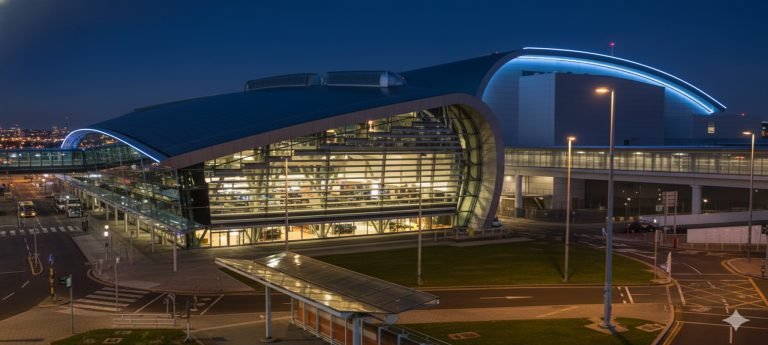
Dublin is one of the easiest European capitals to reach, with strong air connections from North America, the UK, and mainland Europe. Most international travelers arrive through Dublin Airport (DUB), which is located about 10 kilometers north of the city center and serves as Ireland’s main international gateway.
Dublin Airport handles a large volume of transatlantic flights, making it a common first stop for visitors coming from the United States and Canada. It also has excellent short-haul connections across Europe and frequent flights to and from the UK. Because Ireland is not part of the Schengen Area, all arrivals pass through passport control, but the process is usually efficient.
From the airport, there is no direct train or metro line into the city, but transport options are straightforward. Aircoach and Dublin Bus services run frequently and connect the airport with the city center, major neighborhoods, and key transport hubs. Taxis are widely available outside both terminals and offer the most convenient option if you are traveling with luggage or arriving late at night, though they are more expensive than buses.
Travelers arriving from elsewhere in Ireland or the UK may also reach Dublin by train or ferry. Dublin’s main train stations, Heuston and Connolly, connect the city with regional destinations across the country. Ferries from the UK arrive at Dublin Port and Dun Laoghaire, both of which are easily linked to the city by bus or rail.
No matter how you arrive, Dublin is well set up for visitors. Getting into the city is rarely complicated, and most travelers find themselves in the center and settled into their accommodation within an hour of landing.
Where to Stay in Dublin (Best Hotels)
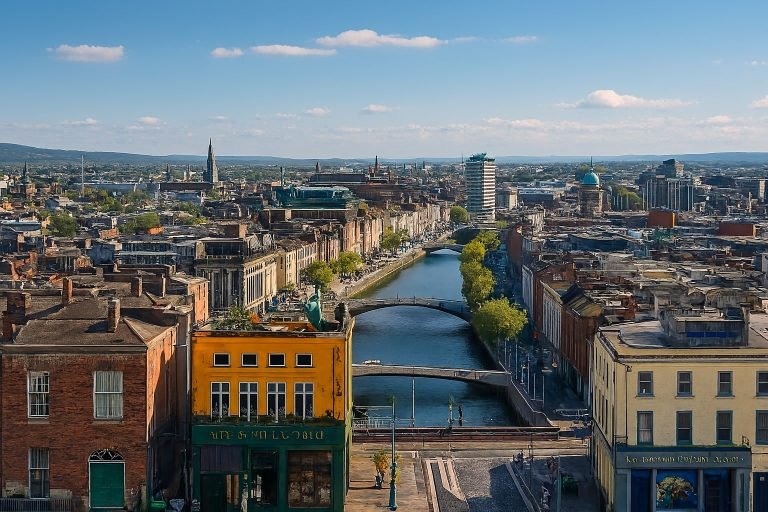
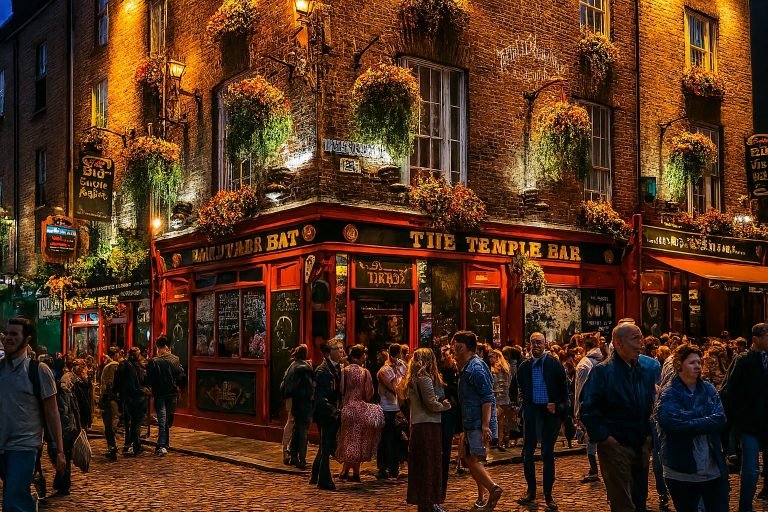
Choosing the right place to stay can completely shape your experience in Dublin, because the city’s neighborhoods each offer a different atmosphere and travel style. If you want to be close to major sights, restaurants, and nightlife, staying around the city centre (especially areas near Temple Bar, Trinity College, and St Stephen’s Green) makes sightseeing easy and walkable. This is the best base if it’s your first time in Dublin and you want to minimize transport time.
For a quieter, more local feel, neighborhoods just outside the very centre offer excellent value while still keeping you well connected by tram and bus. Areas along the Luas lines or slightly north of the River Liffey are practical choices for travelers who want a calmer place to sleep without feeling disconnected from the city’s energy.
Whether you are visiting Dublin on a budget, planning a comfortable city break, or treating yourself to a classic luxury stay, these Dublin hotels offer strong locations, reliable comfort, and good overall value.
Budget Hotels
SARSFIELD HOSTEL
Dublin city area
Sarsfield Hostel is a solid budget option if you want an affordable base while exploring Dublin. It is well suited to backpackers and solo travelers who plan to spend most of their time sightseeing and enjoying the city rather than staying indoors. The atmosphere is simple and practical, making it a good choice for short stays.
If you are traveling on a tight budget, check availability for Sarsfield Hostel here.
MAYA’S LODGE
Dublin residential area
Maya’s Lodge is a cozy, budget-friendly option that works well if you prefer a quieter place to stay outside the busiest tourist zones. It offers a more homely atmosphere compared to large hostels, making it a nice pick for travelers who value calm evenings after busy sightseeing days.
For a peaceful and affordable stay, see Maya’s Lodge options here.
Mid Range Comfort
LUAS PLACE
Near Luas tram line, Dublin
Luas Place is a convenient mid-range choice if you want easy access to public transport while staying in a comfortable, modern setting. Being close to the Luas tram line makes getting around Dublin simple, especially if you plan to explore different parts of the city without relying on taxis.
For a comfortable and well-connected stay, check Luas Place availability here.
EXCELLENT LOCATION 2R2
Central Dublin location
Excellent Location 2R2 lives up to its name by offering a central base that makes walking to many Dublin attractions easy. This is a great option if you want the flexibility of being close to the action while enjoying a comfortable, apartment-style stay.
If location is your top priority, view Excellent Location 2R2 here.
Luxury Hotels
THE MERRION HOTEL
Near St Stephen’s Green, Dublin
The Merrion Hotel is one of Dublin’s most iconic luxury hotels, offering refined elegance, exceptional service, and a prime central location. It is ideal for travelers who want a classic 5-star experience with spacious rooms, beautiful interiors, and a sense of historic prestige.
For a top-tier luxury stay in Dublin, check availability for The Merrion Hotel here.
ST GEORGE BY NINA
Central Dublin
St George by Nina offers a stylish luxury experience with a more boutique feel. It is well suited to couples and travelers who want comfort, design, and a central location without the formality of a large traditional luxury hotel.
If you want a refined and modern luxury stay, see St George by Nina options here.
If you are still deciding where to stay, it can be helpful to compare different neighborhoods and accommodation styles based on your budget and travel preferences.
If you want to compare prices across different platforms before booking, it is worth checking how the major hotel booking sites stack up. You can do that here: compare hotel booking platforms and find the best deals.
Things to Do in Dublin
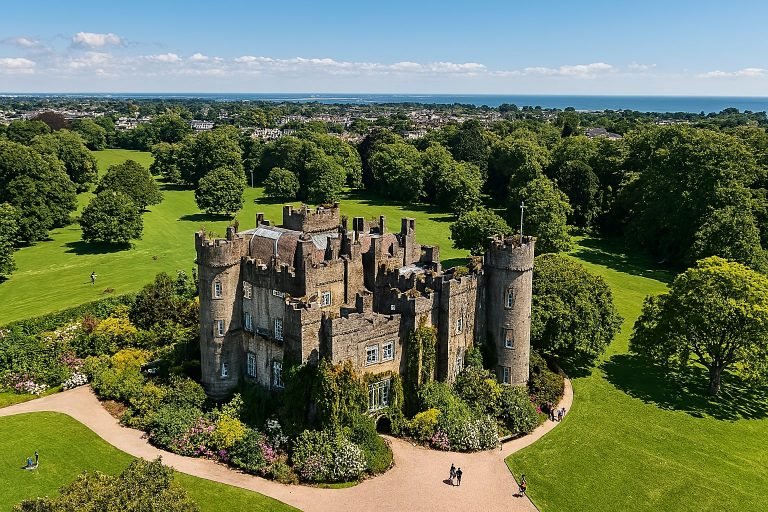
Dublin is a city that rewards travelers who slow down and explore it piece by piece. Many of the best things to do in Dublin are concentrated within a compact central area, which makes it easy to combine history, culture, green spaces, and everyday city life without feeling rushed. Rather than racing between attractions, Dublin works best when you give yourself time to walk, observe, and let the city’s atmosphere unfold naturally.
The city’s character is shaped by its literary heritage, layered history, and lived-in neighborhoods. You will find grand historic sites sitting comfortably alongside everyday streets where locals go about their routines. This mix is what makes sightseeing in Dublin feel grounded and authentic rather than overly curated.
Historic Landmarks & Cultural Highlights
One of the most iconic places to visit is Trinity College Dublin, Ireland’s oldest university and home to the famous Book of Kells. Even if you skip the exhibition, walking through the historic campus and courtyards gives you a strong sense of Dublin’s academic and literary legacy.
Another key stop is Dublin Castle, which played a central role in Irish political history for centuries. The complex offers a clear window into the city’s past, from medieval foundations to its later role in British administration and modern Ireland.
To deepen your understanding of Irish history and culture, the National Museum of Ireland is one of the best free attractions in the city. Its collections cover archaeology, decorative arts, and social history, making it an excellent stop whether you have an hour or an entire afternoon.
Iconic Dublin Experiences
A visit to the Guinness Storehouse is one of the most well-known things to do in Dublin, and for good reason. The experience goes beyond beer, offering insight into the brand’s history, Dublin’s industrial past, and panoramic views over the city from the Gravity Bar at the top.
Beyond individual attractions, one of the simplest and most rewarding experiences in Dublin is walking its streets. Areas around the River Liffey, the Georgian squares, and the older parts of the city centre reveal a rhythm that is hard to capture in a checklist. This is where Dublin feels most alive and personal.
Exploring Dublin on Foot
Dublin is a highly walkable city, and many highlights sit close enough together that wandering becomes part of the experience. Strolling between landmarks, crossing bridges, and passing through everyday neighborhoods allows you to see how history and modern life blend together.
If you want guidance while still keeping things relaxed, the official tourism resources from Visit Dublin can help you identify walking routes, cultural areas, and seasonal highlights without overplanning your days.
Taken together, these experiences form the foundation of what makes Dublin worth visiting. The city does not try to impress with scale or spectacle, but with depth, atmosphere, and a sense of place that reveals itself gradually the more time you spend exploring.
Restaurants, Bars & Nightlife in Dublin (Plus Hidden Gems)
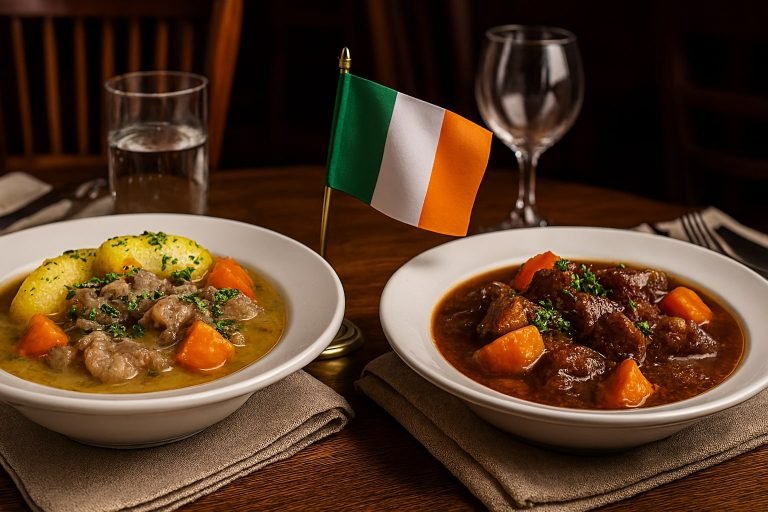
Dublin’s food and nightlife scene is deeply tied to the city’s character. This is a place where a great meal often turns into a long conversation, and where pubs are social spaces first and drinking venues second. While some areas are busy with visitors, many of the best restaurants, bars, and music venues still feel rooted in everyday Dublin life rather than designed purely for tourism.
The key to enjoying Dublin after dark is choosing places with atmosphere and consistency rather than chasing trends. Whether you are looking for a memorable dinner, a classic pub experience, live music, or a late-night venue, the city offers plenty of options without feeling overwhelming.
Restaurants Worth Booking
Chapter One
One of Dublin’s most respected fine-dining restaurants, Chapter One is known for refined Irish cooking and impeccable service. This is the place for a special occasion or a memorable splurge, offering a polished experience that still feels connected to Irish culinary traditions.
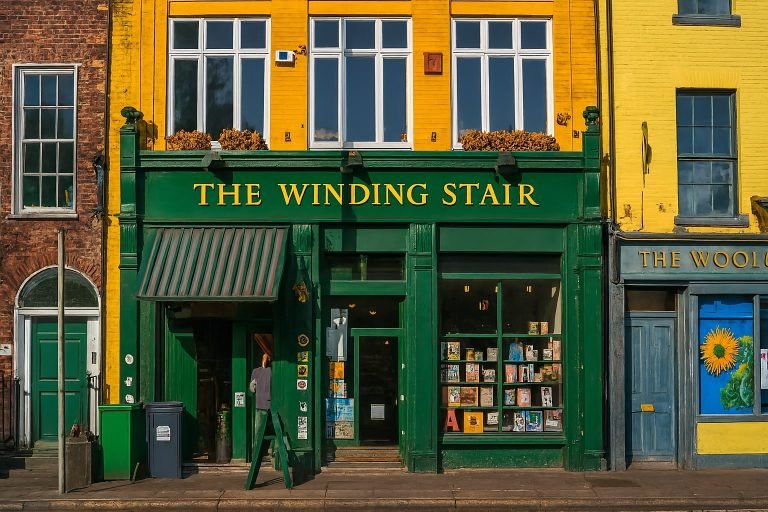
The Winding Stair
Overlooking the River Liffey, The Winding Stair combines excellent modern Irish food with a relaxed, literary atmosphere. It is a great choice if you want quality cooking without the formality of high-end dining.
Etto
Etto is a small, intimate restaurant focused on seasonal ingredients and thoughtful flavors. The menu changes regularly, and the atmosphere feels calm and understated, making it ideal for travelers who appreciate simple, well-executed food.
Fade Street Social
Fade Street Social offers a lively dining experience with creative dishes and a social atmosphere. It works well for groups and travelers who want good food paired with energy rather than quiet formality.
Fish Shop
Fish Shop is a casual but high-quality option specializing in seafood. It is especially appealing if you want something relaxed, fresh, and distinctly Irish without committing to a long, formal dinner.
Classic Pubs & Bars
The Long Hall
The Long Hall is one of Dublin’s most beautiful traditional pubs, known for its Victorian interior and relaxed atmosphere. It is an excellent place to experience classic pub culture without loud crowds.
Mulligan’s
Mulligan’s is a no-nonsense Dublin pub that prioritizes good conversation and a proper pint. It feels authentic and local, making it a favorite for travelers who want something genuine rather than themed.
The Palace Bar
Known for its literary connections and classic feel, The Palace Bar is ideal if you enjoy pubs with history and character. It is a great spot to slow down and soak in Dublin’s cultural atmosphere.
Kehoe’s
Kehoe’s is compact, lively, and deeply traditional. It is especially popular in the evenings and works well if you want to experience a busy but authentic Dublin pub.
O’Donoghue’s
O’Donoghue’s is famous for live traditional music and its long connection to Dublin’s folk scene. If you want to hear Irish music in a setting that feels real rather than staged, this is a strong choice.
Nightlife & Live Music
The George
The George is one of Dublin’s most well-known late-night venues, offering a welcoming atmosphere, energetic music, and a consistently lively crowd. It is a reliable choice if you want a proper night out.
Whelan’s
Whelan’s is a cornerstone of Dublin’s live music scene. Even on quieter nights, it offers a great atmosphere, making it a must-visit if you enjoy concerts and authentic local nightlife.
Opium
Opium combines late-night clubbing with a more upscale feel. It is a good option if you want a modern nightlife venue without losing the sense of place that defines Dublin’s evening scene.
Dicey’s Garden
Dicey’s Garden is a long-running student favorite known for its multi-level layout and energetic late nights. It is best suited to travelers looking for a casual, high-energy clubbing atmosphere.
Lost Lane
Lost Lane focuses on electronic music and DJ-led nights, attracting a younger crowd and music-focused nightlife fans. It is a good alternative if you want something more club-centric than pub-based.
Hidden Gems
Marsh’s Library
Marsh’s Library is one of Dublin’s most fascinating hidden corners. Dating back to the early 18th century, it offers a quiet, almost timeless atmosphere that feels far removed from the busy city outside.
Iveagh Gardens
Often overlooked in favor of larger parks, Iveagh Gardens provide a calm green escape just steps from the city centre. It is an excellent spot for a quiet break between sightseeing stops.
The Cobblestone
The Cobblestone is one of the best places in Dublin to experience traditional Irish music in a setting that still feels rooted in local culture. It is relaxed, welcoming, and focused on the music rather than spectacle.
St Michan’s Church
St Michan’s Church is one of Dublin’s oldest religious sites and is known for its unusual crypts. It is an interesting stop for travelers who enjoy lesser-known historical places with a slightly eerie edge.
Henrietta Street
Henrietta Street offers a glimpse into Georgian Dublin and the city’s social history. Walking this short street gives useful context to how Dublin developed beyond its most famous landmarks.
Together, these restaurants, pubs, nightlife venues, and hidden gems show how Dublin balances tradition with modern energy. Whether you prefer a quiet pint, a long dinner, or a late night of music and dancing, the city offers plenty of ways to end your day well.
How to Get Around Dublin
Dublin is a compact, walkable city, and for many visitors the easiest way to get around is simply on foot. Most major sights, neighborhoods, and central areas sit close together, which makes walking a natural part of exploring the city. If you are staying in or near the city centre, you can cover a surprising amount of ground without using transport at all.
For longer distances or when the weather turns, Dublin’s public transport system is reliable and straightforward. The city is served by buses, trams, and suburban rail lines, all of which connect well with central areas and key neighborhoods.
Public Transport in Dublin
Dublin’s buses reach almost every part of the city and are often the most flexible option for getting around. The Luas tram system is especially useful for traveling north to south across the city, while the DART coastal rail line is ideal if you plan to explore seaside areas just outside central Dublin.
For schedules, route maps, and ticket information across all transport types, the official Transport for Ireland website is the most reliable resource. It also provides guidance on the Leap Card, which is the easiest way to pay for public transport if you plan to use buses, trams, or trains regularly.
Getting To and From the Airport
Getting between the city and the airport is simple and well-organized. Dublin Airport is connected to the city centre by several dedicated bus services, including express coaches that run frequently throughout the day and night. These services are often faster and more predictable than regular buses, especially during busy hours.
Official transport options, routes, and up-to-date information are available directly from Dublin Airport, which is the best place to check before you arrive or depart.
Taxis, Ride Options & Day Trips
Taxis are widely available in Dublin and are a convenient option late at night or when public transport is less frequent. Ride-hailing apps operate in the city, but availability can vary, especially during peak hours and weekends.
If you plan to take day trips outside Dublin, public transport works well for nearby destinations, particularly along the coast. For more remote areas or flexible itineraries, renting a car can make sense, but it is usually unnecessary for exploring the city itself.
Overall, Dublin is easy to navigate without stress. Walking combined with selective use of public transport gives you the most efficient and enjoyable way to move around while keeping your days relaxed and flexible.
Best Time to Visit Dublin
The best time to visit Dublin depends on what kind of experience you want from the city. Weather, crowd levels, prices, and atmosphere all change noticeably throughout the year, and Dublin feels quite different in summer compared to winter. The good news is that the city works year-round if you set your expectations correctly.
Late spring and early autumn are often considered the sweet spots. From May to June and again in September, Dublin enjoys relatively mild weather, longer daylight hours, and a lively but manageable atmosphere. These months are ideal if you want to explore on foot, enjoy parks and riverside walks, and experience the city without peak-season crowds.
Summer brings the warmest temperatures and the longest days, which gives Dublin an energetic, festival-like feel. Outdoor seating, events, and street life are at their best, but this is also when accommodation prices rise and popular attractions become busier. If you visit in summer, booking hotels in advance makes a noticeable difference.
Autumn is a quieter and often underrated time to visit. The city slows down slightly after summer, but museums, pubs, and cultural venues remain active. The cooler temperatures make walking comfortable, and Dublin feels more local and less rushed.
Winter in Dublin is cooler and darker, but it has its own appeal. While days are short and weather can be unpredictable, the city’s indoor culture shines. Pubs feel especially welcoming, museums are less crowded, and hotel prices are often lower. If you do not mind dressing for the weather, winter can be a calm and atmospheric time to explore.
Overall, Dublin is not a city that relies on perfect weather. Its charm comes from its culture, history, and everyday rhythm, which means a well-planned visit can be rewarding in almost any season.
Dublin Travel Facts
Before you dive into exploring the city, here are a few practical travel facts to help you plan your time in Dublin more smoothly. These are the essentials most travelers want to know before arriving.
- Currency: Ireland uses the Euro (€). Credit and debit cards are widely accepted, even for small purchases.
- Language: English is the main spoken language. Irish (Gaelic) appears on road signs and official buildings but is rarely used in daily conversation.
- Electricity & Plugs: Type G plugs (same as the UK), 230V. Travelers from Europe, North America, or Asia will likely need an adapter.
- Tipping: Tipping is not expected. In restaurants, rounding up or leaving 5–10% for good service is appreciated but optional.
- Safety: Dublin is generally safe for visitors. Like any capital city, stay aware in busy nightlife areas late at night and watch for pickpocketing.
- Drinking Water: Tap water in Dublin is safe to drink.
- Time Zone: Dublin operates on GMT. Ireland does not observe daylight saving time during winter months.
- Population: Dublin city has just over half a million residents, while the greater metropolitan area is home to around 1.5 million people.
- Airport: Dublin Airport (DUB) is the main international gateway and is located about 10 km north of the city center.
- Mobile Data & Connectivity: If you want to avoid roaming charges and unreliable public Wi-Fi, using an eSIM is one of the easiest options for staying connected. You can compare the best options in this guide to the best eSIMs for international travel before your trip.
Common Dublin Phrases You Will Hear (And What They Mean)
Dublin has its own rhythm, and part of the fun is picking up the little phrases you will hear in pubs, on the street, and in everyday conversation. You do not need to “talk Irish” to fit in, but knowing what people mean will make the city feel instantly warmer and easier to navigate. Here are some of the most common Dublin and Irish expressions, with simple explanations so you can actually understand the vibe.
What’s the craic?
This is the classic Irish greeting. It means “What’s going on?” or “How are you?” Craic refers to news, gossip, fun, and good atmosphere.
Grand
One of the most common Irish words. It usually means “fine”, “okay”, or “no problem” rather than “amazing.” If someone says “I’m grand,” they are fine.
Sound
Used to describe someone who is kind, decent, or reliable. “He’s sound” means he is a good person. “Sound” can also mean “thanks” or “all good.”
G’wan
Short for “go on.” It can be encouragement (“G’wan, you can do it”), playful disbelief, or gentle pressure depending on the tone.
Yer man / Yer one
A very normal way to refer to someone when you do not know their name (or do not want to say it). “Yer man” is “that guy,” and “yer one” is “that woman.”
Deadly
Means excellent, brilliant, or very good. If a local says something is “deadly,” it is a compliment.
I’m after doing…
A uniquely Irish structure meaning “I have just done something.” Example: “I’m after getting a coffee” = “I just got a coffee.”
Scarlet
Means embarrassed or mortified. “I was scarlet” means “I was absolutely embarrassed.”
Give out
Means to complain, scold, or give someone a hard time. “She was giving out to me” means she was annoyed and telling someone off.
Sláinte
The classic Irish toast meaning “health.” It is pronounced roughly “slawn-cha” and is used the same way you would say “cheers.”

Frequently Asked Questions About Dublin
-
Is Dublin a walkable city?
Yes. Dublin is compact and very walkable, especially within the city center. Most major attractions, pubs, museums, and restaurants are within reasonable walking distance. -
How many days do you need in Dublin?
Three days is ideal for a first visit. This gives you time to explore the city highlights, enjoy the pub culture, and take at least one short day trip nearby. -
Is Dublin expensive?
Dublin is one of the more expensive cities in Europe, particularly for accommodation and dining. Booking hotels early and using public transport helps keep costs under control. -
Do I need cash in Dublin?
Not really. Cards are accepted almost everywhere, including pubs and public transport. Carrying a small amount of cash can be useful, but it is not essential. -
What is the best area to stay in Dublin?
Areas around Temple Bar, Trinity College, St Stephen’s Green, and the south city center are ideal for first-time visitors due to their central location and walkability. -
Is Dublin safe for tourists?
Yes. Dublin is generally safe, especially in central areas. Like any city, be mindful of your belongings and avoid quiet streets very late at night. -
What is the best way to get from Dublin Airport to the city?
The Aircoach and Dublin Bus services are the most convenient options. Taxis are also available but cost more. -
Do I need to book attractions in advance?
Yes, especially for popular attractions like the Book of Kells and the Guinness Storehouse. Booking ahead saves time and guarantees entry.
Travel Resources to Plan, Book & Stay Connected
Use these tools and guides to stay connected abroad, find inspiration for your next trip, and book your flights, stays and gear with confidence.
Disclosure: This article may contain affiliate links. If you make a purchase through a link, I may receive a commission at no extra cost to you. I only share recommendations I believe are genuinely useful, and all opinions are my own. AI was used in this post for research and drafting purposes.

Comment (0)