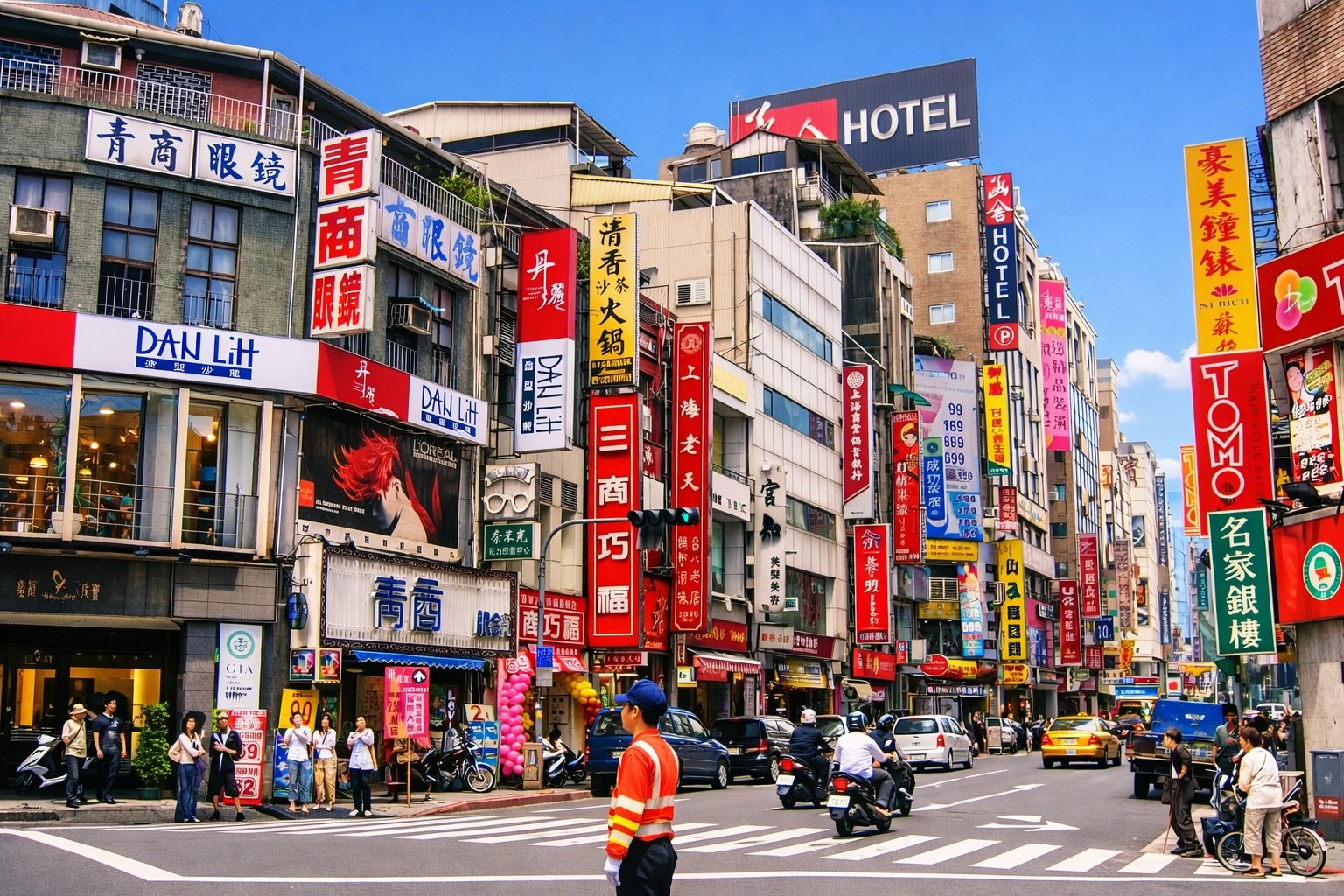
📌 Taiwan Travel Guide — This Post at a Glance
Taiwan is one of the easiest (and most rewarding) countries in Asia to explore — because it packs big-city energy, mountain scenery, cultural highlights, and beach escapes into one smooth loop. This guide shows you exactly where to go and what to do across the island.
- Taipei (North): temples, skyline views, day trips, and the best night markets
- Hualien + Taroko Gorge (East Coast): dramatic marble cliffs, wild coastline scenery, and iconic hikes
- Alishan (Mountains): forest railways, misty sunrise viewpoints, and cool mountain air
- Sun Moon Lake (Central Taiwan): peaceful lake views, cycling routes, and scenic temples
- Kaohsiung (South): relaxed city life, culture, food, and the smartest base for southern Taiwan
- Kenting (Far South): beaches, sunsets, and the perfect “end of trip” coastal escape
You’ll also find: where to stay in each region, a simple 7 / 10 / 14-day itinerary, how Taiwan transport works (HSR + trains), and a quick guide to staying connected with an eSIM.
Each major stop is covered in detail, including Taipei, the east coast around Taroko Gorge and Hualien, the mountain region of Alishan, central Taiwan around Taichung and Sun Moon Lake, southern city life in Kaohsiung, and beach-focused travel in Kenting. These guides are designed to work together, so you can explore Taiwan region by region or plan a full island loop.
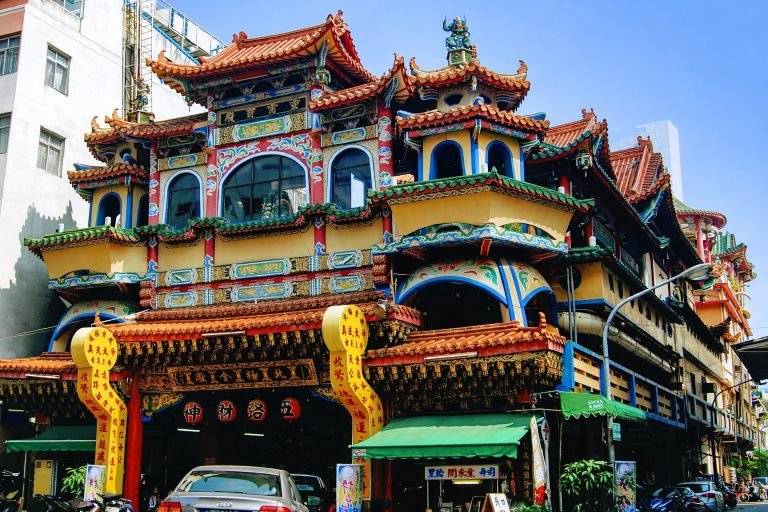
Taiwan: The Easy Asia Trip That Still Feels Like an Adventure
If you’re looking for the perfect Asia trip that feels exciting but not overwhelming, Taiwan is the answer. From the moment you land, you’ll see why so many travelers quietly fall in love with it — it’s clean, efficient, welcoming, and endlessly interesting. This guide covers the very best things to do in Taiwan, including must-see cities, temples, nature escapes, night markets, and simple itinerary ideas that make planning easy.
Taiwan is one of Asia’s easiest destinations to travel — even if it’s your first time in the region. It feels incredibly safe, people are genuinely friendly and helpful, and getting around is effortless thanks to world-class public transport (HSR, MRT systems, scenic train lines, and EasyCard convenience).
But what really sets Taiwan apart is how much variety it packs into one trip. You can go from glassy skyscrapers and trendy cafés in Taipei to ancient temples in Tainan, mountain viewpoints and misty forests in the interior, and dramatic ocean cliffs on the east coast — all without spending your vacation in airports.
And then there’s the food. Taiwan’s food culture is on another level: street food, night markets, bubble tea, noodle shops, breakfast stalls, and tiny family-run places where you’ll eat one of the best meals of your life for the price of a coffee back home.
Honestly, you’ll feel it within the first 24 hours of landing. The airport train runs like clockwork, the MRT is spotless, your first night market hits you like a celebration, and suddenly you realize: this is the kind of destination that makes travel feel easy again — but still full of discovery.
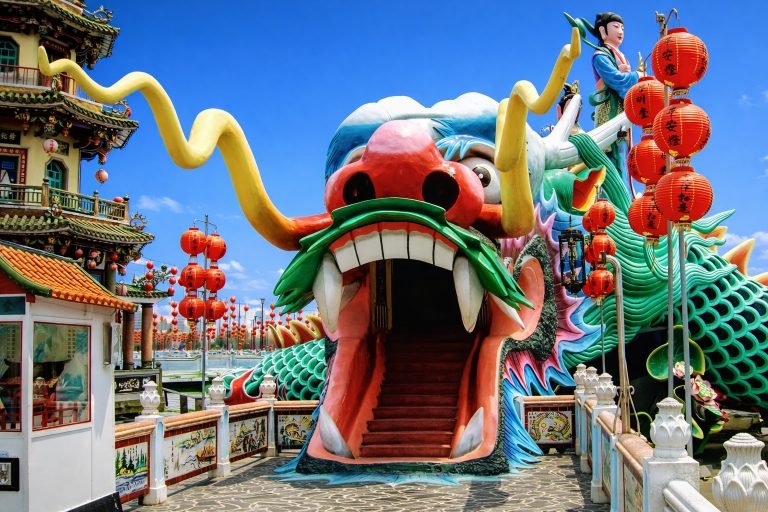
Why Taiwan Is Worth It
Taiwan is one of those rare destinations that makes travel feel fun again — not stressful. It’s exciting without being chaotic, rich in culture without being intimidating, and easy to move around without burning your budget. If you’ve ever wanted a trip that blends comfort and adventure, Taiwan is exactly that.
-
Night markets are a travel experience on their own.
In Taiwan, food isn’t something you squeeze in between sightseeing — it’s part of the reason people come. Night markets are loud, bright, social, and completely addictive: sizzling skewers, dumplings, scallion pancakes, sweet desserts, bubble tea stands everywhere, and little stalls you’ll remember more than some “famous attractions”. Even if you do nothing else in the evening, strolling a night market with a few snacks in hand feels like you’re living the Taiwan version of real life.
🍜 Taiwan Night Market Food Tour (Local Tasting Experience)
Want to experience Taiwan’s night markets properly? Joining a night market food tour is one of the easiest ways to get a true local experience — you will taste the must-eat dishes, skip the hesitation of “what should I order?”, and explore the market with someone who knows exactly what is worth trying.
Taiwan is the kind of place where everything works, and you notice it immediately. You can land, grab cash, take a smooth airport train into the city, tap an EasyCard for transport, and within hours you’re moving around confidently like you’ve been here before. Even the convenience stores feel like travel tools — they’re clean, everywhere, and genuinely useful for food, coffee, quick meals, bathrooms, and basic supplies.
Taiwan consistently feels calm, respectful, and organized — not just in the tourist zones, but in everyday neighborhoods too. People are helpful without being pushy, and even when there’s a language barrier, locals often go out of their way to help you find what you need. It’s one of those places where you can wander at night, explore alleyways, jump on public transport, and still feel like you’re in control of your trip.
Taiwan isn’t only about cities — it’s a mountain-and-ocean country, and the nature is shockingly accessible. You can be in Taipei in the morning and hiking in misty green mountains, soaking in hot springs, or exploring dramatic coastal scenery within a short ride. Taiwan’s landscapes feel diverse and cinematic — and you don’t need to rent a car or build a complicated itinerary to experience them.
Taiwan gives you that same “high-quality Asia travel” feeling — safe cities, clean transport, amazing food, polished infrastructure — but without the daily price tag. You can eat incredibly well for cheap, move between cities on fast trains without ruining your budget, and still afford day trips, temples, hikes, and experiences that might feel expensive elsewhere. It’s one of the best-value destinations in the region, especially for travelers who want comfort and adventure at the same time.
If Japan feels too expensive and Korea feels too fast-paced, Taiwan often lands right in the sweet spot — beautiful, easy, affordable, and incredibly rewarding.
Best Places to Visit in Taiwan (Regional Breakdown)
Taiwan is small enough to travel easily, but diverse enough that your experience changes completely depending on where you base yourself. The easiest way to plan is to think in regions: Taipei & the north for city energy and day trips, central Taiwan for lakes, mountain scenery, and iconic rail journeys, the east coast for wild nature and ocean cliffs, and the south for temples, food culture, and beaches.
Below is a traveler-first breakdown of the best places to visit in Taiwan, what they feel like, what you actually do there, and how to choose the right region for your style of trip.
Taipei & Northern Taiwan
If you’re visiting Taiwan for the first time, Taipei and the north are the easiest, most rewarding starting point. Taipei is modern, efficient, and surprisingly green — a city where you can do temples and street food in the afternoon, hike a mountain viewpoint before sunset, and finish the night at a buzzing market with a bubble tea in hand. It’s also the best place to settle in quickly because transport is effortless and day trips are simple to organize.
Taipei highlights usually start with the city’s classic “mix”: big landmark sights (and skyline views), traditional neighborhoods with temples and old streets, and the night market circuit that turns dinner into an event. Taipei is also a café city — you’ll find stylish little places tucked into side streets — and it’s one of the easiest Asian capitals to explore on foot and by metro. Even if you don’t plan much, Taipei has a way of making your days feel full without feeling rushed.
Day trips are where northern Taiwan really shines. The famous trio — Jiufen, Shifen, and Yehliu — are popular for a reason, and they each offer a completely different texture of Taiwan in a single day:
- Jiufen is all atmosphere: hillside lanes, glowing lanterns at dusk, teahouses with views, and little snack stalls that make it feel like you’re wandering through a storybook. It’s best experienced slowly — aim for late afternoon into early evening so you catch the mood shift when the lights come on.
- Shifen is the “lantern moment” people imagine — releasing sky lanterns — but it’s also a pleasant small-town stop with an easy waterfall visit nearby. Done right, it feels playful, not touristy: a quick, memorable ritual plus a nature break.
-
Yehliu Geopark is dramatic coastal geology: wind-carved rock formations and a rugged oceanfront walkway.
It’s a great contrast to temple streets and city markets, and it’s especially satisfying if you love landscapes and photography.
🏮 Jiufen + Shifen + Yehliu Day Trip (Easy Guided Route)
Want to do all three in one easy day? This guided day trip is the most stress-free way to visit Shifen, Jiufen, and Yehliu without worrying about transfers, timing, or getting stuck planning a complicated route on public transport.
Beitou hot springs are the “reset button” for Taipei trips. Beitou is close enough that you can do it as a half-day escape, but it feels like a different world: hot spring hotels, steamy public baths, and a slower pace. It’s perfect after a few busy days of temples, markets, and walking — and it’s also one of the easiest ways to add a wellness moment to your itinerary without leaving the Taipei area.
Best for: first-timers, city lovers, night markets + food exploration, easy day trips, travelers who want maximum variety with minimal planning, and anyone who wants a smooth “landing zone” before going deeper into Taiwan.
Central Taiwan
Central Taiwan is where Taiwan starts to feel more scenic and spacious. You still have major cities and modern convenience, but the region shines most when you mix an urban base with nature — lakes, forests, mountain air, and iconic rail journeys that feel like part of the adventure. If Taipei is energy and efficiency, central Taiwan is balance.
Taichung is a great “livable city” base — less intense than Taipei, with plenty of food, markets, and neighborhoods that feel local. It’s also a practical hub if you want to branch out to the lake and mountains because you can base here and do nature-heavy day trips without constantly moving hotels. Taichung is especially good if you like cities that feel easy, spacious, and creative rather than packed and hectic.
Sun Moon Lake is central Taiwan’s classic nature escape — a place for slower travel. Think bike rides along the water, gentle viewpoints, boat rides, lakeside cafés, and a calmer pace that makes you feel like you’ve stepped out of “city mode.” It’s ideal if you want scenic beauty without hardcore hiking, and it’s one of the easiest ways to add a romantic or relaxing chapter to your Taiwan itinerary.
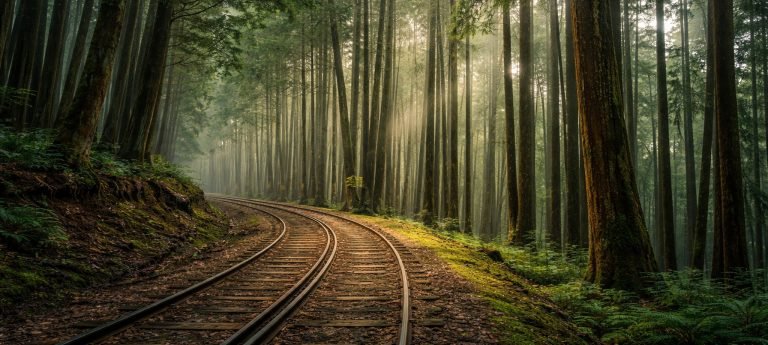
Alishan is the famous mountain experience: forest trails, cooler air, misty scenery, and that feeling of being high above the everyday world. The journey itself is a big part of it — rail lines, mountain roads, and the slow climb into Taiwan’s highland landscapes. Alishan works best when you treat it as a “nature chapter” rather than a quick photo stop: give it time for a morning walk, a viewpoint, and a proper breath of mountain calm.
Best for: travelers who want nature without going fully remote, couples or friends who want a slower scenic break, photographers, anyone who loves lakes and forest landscapes, and people building a Taiwan itinerary that’s not 100% cities.
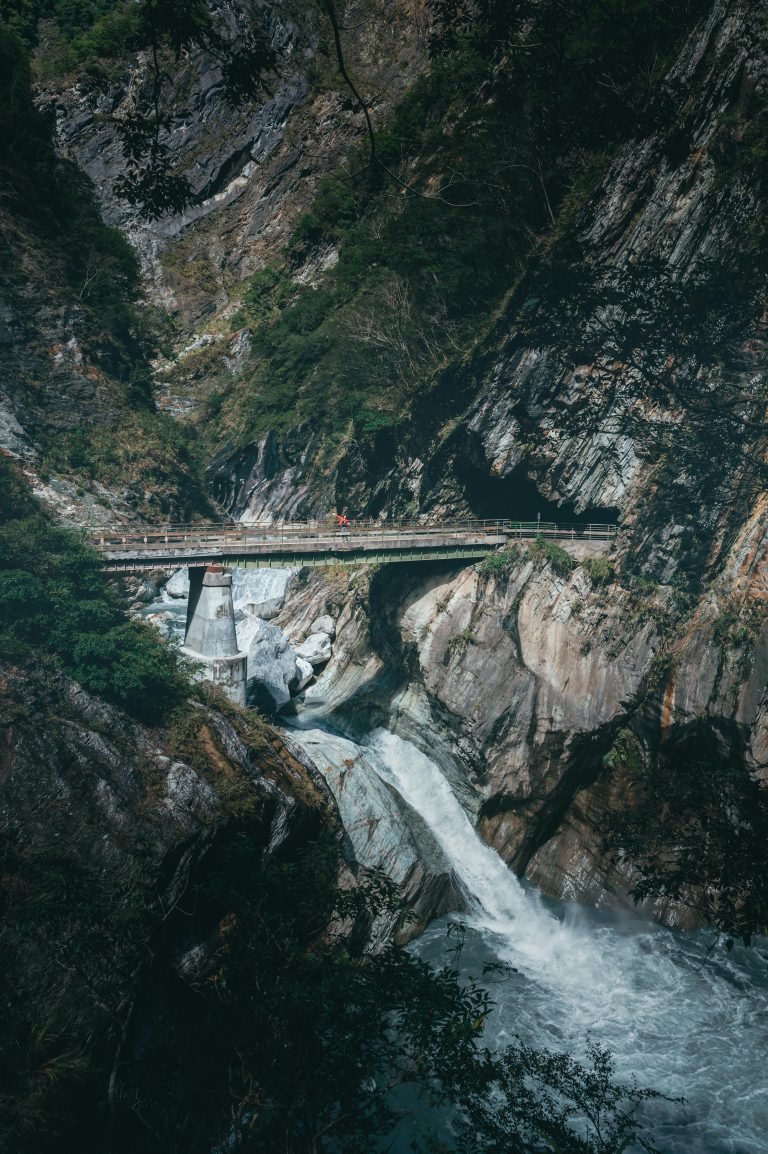
Eastern Taiwan (Wild Coast)
Eastern Taiwan is where the country feels raw, dramatic, and a little more “adventure-forward.” The east coast is famous for ocean cliffs, big skies, and scenery that makes you stop mid-walk just to stare. It’s also the side of Taiwan that feels least like a city trip and most like a nature journey — perfect when you want to trade night market crowds for coastline and open space.
Hualien is the main base on the east coast — practical, friendly, and close to some of Taiwan’s most jaw-dropping landscapes. It’s the kind of place where you can have an easy city meal at night, then wake up early for big nature the next day. Hualien is also a good “bridge” destination: it’s accessible enough for first-timers, but it nudges your trip into a more outdoorsy direction.
Taroko Gorge is the headline experience here — steep marble walls, river valleys, tunnels, and hikes that feel cinematic. Even a simple visit gives you that “how is this real?” feeling, but it’s also flexible: you can do short, easy scenic walks or choose more active trails depending on your energy and comfort level. If you want one place in Taiwan that feels truly epic and different from the city-and-temple circuit, Taroko delivers.
Scenic trains and ocean cliffs are part of the east coast magic. This is one of those rare regions where “getting there” is not just logistics — it’s an experience: coastline views, changing light over the Pacific, and that calm travel rhythm you only get when the scenery does the entertaining for you. If you love slow travel moments, the east coast is where Taiwan feels most like a journey.
Best for: nature lovers, hikers, photographers, travelers who want dramatic scenery, people who want a calmer pace away from big cities, and anyone who wants the “wild Taiwan” side of the country.
🏞️ Taroko Gorge Private Day Tour (from Taipei)
Want to experience Taroko without planning the logistics? A private day tour from Taipei is one of the easiest “comfort mode” ways to see Taiwan’s most dramatic gorge — with transport, timing, and the best viewpoints handled for you so you can simply enjoy the scenery.
Southern Taiwan
Southern Taiwan often surprises people — it feels warmer, more relaxed, and more rooted in history and local culture than the north. It’s also where Taiwan’s food obsession becomes even more obvious: street food, markets, small local restaurants, and city neighborhoods where the best meals aren’t “famous,” they’re just normal. The south is ideal if you want a more local, less Taipei-centric version of Taiwan.
Kaohsiung is Taiwan’s big southern city — modern, spacious, and easy to enjoy. It has a strong waterfront vibe, creative districts, and a more relaxed rhythm than Taipei. Kaohsiung is perfect if you like cities that feel open and comfortable: fewer crowds, more breathing room, and lots of places to explore without feeling like you’re constantly battling tourist traffic.
Tainan is the cultural heart — Taiwan’s heritage city where temples, old streets, and historic layers are part of the daily atmosphere. This is the place to slow down and lean into history, local food, and small discoveries: temples you wander into because you hear chanting, tiny shops, and meals that feel deeply Taiwanese. If you love the idea of a city that’s less “polished modern” and more “character and soul,” Tainan is unmissable.
Kenting is the beach chapter: tropical energy, coastal views, and the feeling that you’ve switched countries without leaving Taiwan. It works best as a contrast destination — after a few cities, Kenting gives you sun, ocean, and a slower holiday mood. Whether you want beach time, coastal drives, or just a few days of “do less, enjoy more,” Kenting is the south’s best escape.
Best for: food lovers, travelers who want culture and history, people who prefer a calmer pace than Taipei, beach seekers (especially when paired with cities), and anyone who wants Taiwan to feel more local and less “capital-centric.”
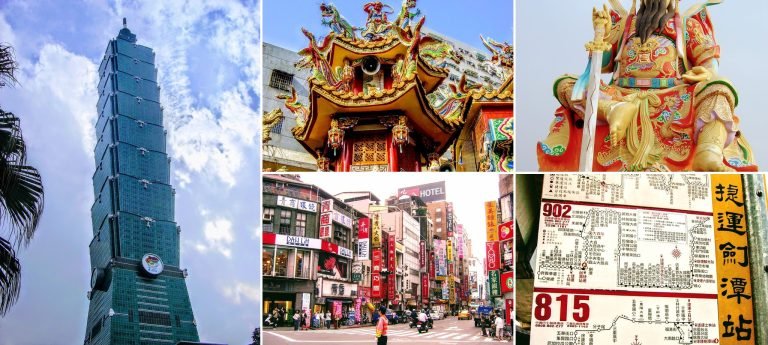
Top Things to Do in Taiwan (Bucket List Highlights)
Taiwan is one of those destinations where you can pack a trip with “bucket list moments” without the stress that usually comes with big travel. It’s safe, organized, easy to move around, and full of experiences that feel wildly different from each other — modern city skylines, lantern-lit old streets, misty mountain forests, dramatic ocean cliffs, and some of the best street food culture in Asia.
If you’re only choosing a few highlights, aim for a balance: one big city base (Taipei), one nature chapter (Taroko, Sun Moon Lake, or Alishan), and one culture or beach chapter (Tainan or Kenting). You’ll get the full Taiwan “wow factor” without rushing.
Do a Taiwan Night Market Food Crawl
Taiwan’s night markets are not just a place to eat — they’re one of the most fun cultural experiences in the country. The atmosphere is pure Taiwan: bright lights, crowds moving slowly with snacks in hand, stalls calling out orders, grills sizzling, and a feeling that the whole city has decided to spend the evening outdoors together. Even if you’re not normally a street food traveler, Taiwan has a way of converting you within one night market visit.
The secret is to treat it like a food crawl. Instead of sitting down for one meal, go with the mindset of trying 5–8 small dishes. Grab something savory, something fried, something sweet, and then repeat. And don’t limit yourself to Taipei — night markets in Taichung, Tainan, and Kaohsiung often feel even more local and relaxed, with insanely good food at everyday prices.
Why it’s bucket-list: night markets are Taiwan’s “evening culture” — the fastest way to feel the real energy of the country, and one of the most memorable parts of any itinerary.
See Taipei 101, Then Hike Elephant Mountain for the Best Skyline View
Taipei 101 is Taiwan’s most iconic landmark — and it’s a perfect introduction to the country’s modern side. Taipei sits in northern Taiwan and is where most travelers begin their trip because it’s easy, safe, and has the best transport connections. The city itself is clean, highly walkable, and unbelievably efficient, which makes it a dream base for first-timers.
Taipei 101 is worth seeing even if you don’t go up. From street level it feels huge and futuristic, and the whole area around it gives you that “arrived in Asia” moment — smooth metro stations, busy sidewalks, and a skyline that feels polished and energetic. If you do go up to the observation deck, it’s one of the best ways to understand just how city-meets-mountains Taipei really is.
But the real bucket-list pairing is combining Taipei 101 with the city’s most famous viewpoint hike: Elephant Mountain. The hike isn’t long, but it’s steep enough to feel like you earned the view. At the top, you get one of the most iconic skyline panoramas in Asia — Taipei 101 rising above a sea of city lights, with green mountains framing the background. Go close to sunset if you want the best atmosphere: golden light, cooler air, and Taipei slowly switching from day energy into nighttime glow.
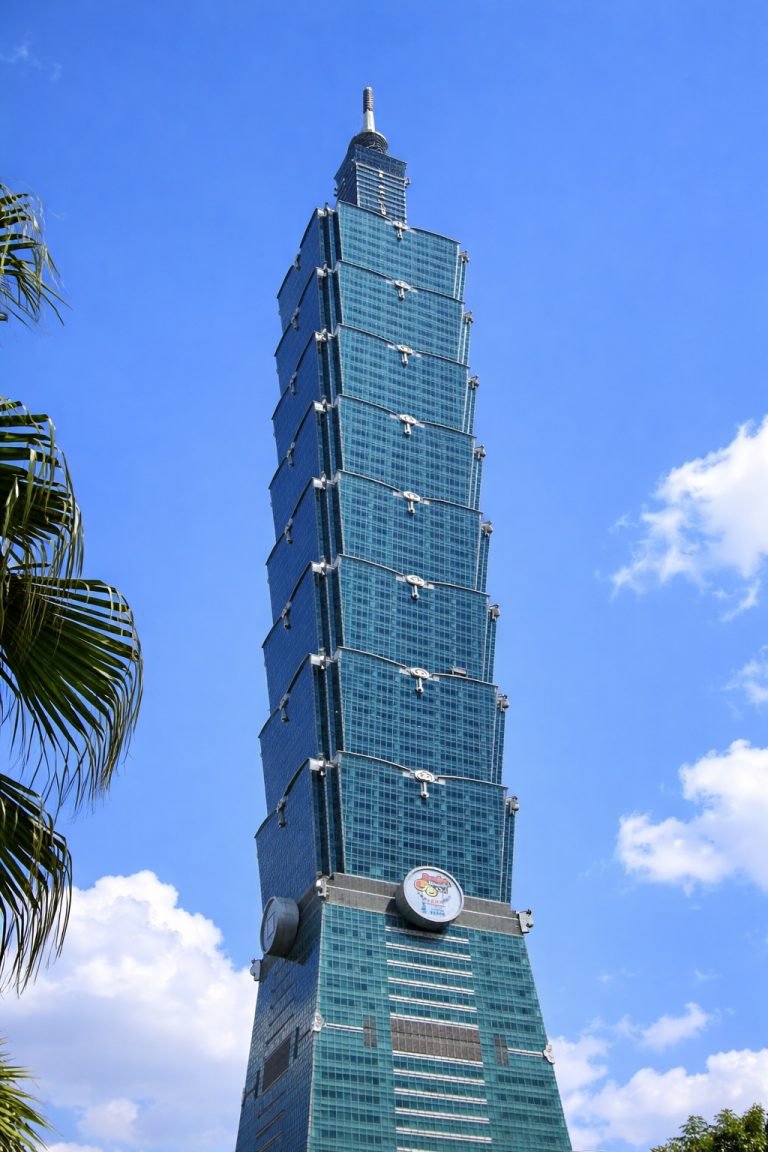
🏙️ Taipei 101 Observatory Entry Ticket
Want the easiest way to experience Taipei 101? Booking your entry ticket in advance is a smart move — it saves time, keeps your day smooth, and helps you avoid unnecessary queues so you can focus on that iconic skyline view from the observatory deck.
And don’t make the mistake of thinking Taipei is only modern. Taipei also has one of the most impressive cultural attractions in Asia: the National Palace Museum. This museum houses one of the world’s greatest collections of Chinese imperial art and historical treasures — ancient jade, calligraphy, ceramics, bronze works, and pieces that carry centuries of civilization in them. Even if you’re not normally a museum person, this is the kind of place that changes your understanding of what you’re seeing when you travel in this region.
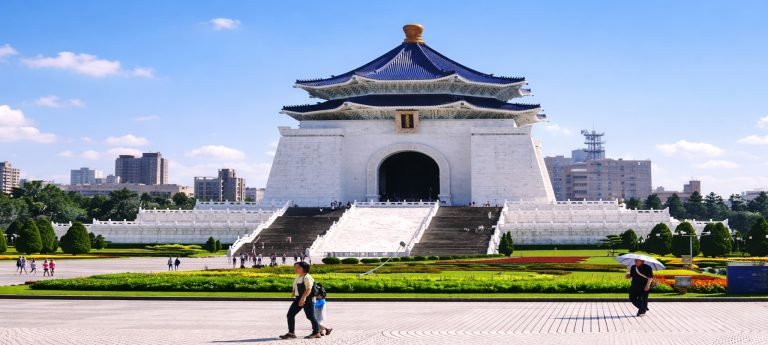
Another essential Taipei landmark is the Chiang Kai-shek Memorial Hall. You don’t need to come here for politics — the main reason to visit is the atmosphere. The architecture is striking, the open plaza feels cinematic, and it’s one of those places where Taipei suddenly feels grand and monumental. If you time it right, you can also watch the guard ceremony, which gives the visit a classic “capital city” moment without needing a history lecture.
Why it’s bucket-list: it’s the ultimate Taipei experience — modern skyline energy + a real viewpoint hike + cultural depth that’s genuinely world-class.
Explore Temples and Old Streets (Traditional Taiwan)
Taiwan’s temples are one of the most rewarding parts of traveling here because they don’t feel like tourist attractions — they feel alive. You’ll see incense smoke drifting through the air, locals making offerings, chanting, lanterns, intricate carvings, and tiny details everywhere you look. Even a quick visit becomes memorable because it feels like you’re stepping into daily life rather than “sightseeing.”
You can find beautiful temples in Taipei, but if you want the deepest heritage experience, head south to Tainan. Tainan is widely considered Taiwan’s cultural heart: historic streets, traditional architecture, and temples that feel woven into the city’s identity. Pair temple visits with Taiwan’s old streets — historic lanes full of snacks, tea shops, small crafts, and that lantern-lit nostalgia Taiwan does so well.
Why it’s bucket-list: temples and old streets show the “traditional Taiwan” side of the country — the part that makes Taiwan feel warm, spiritual, and deeply rooted.
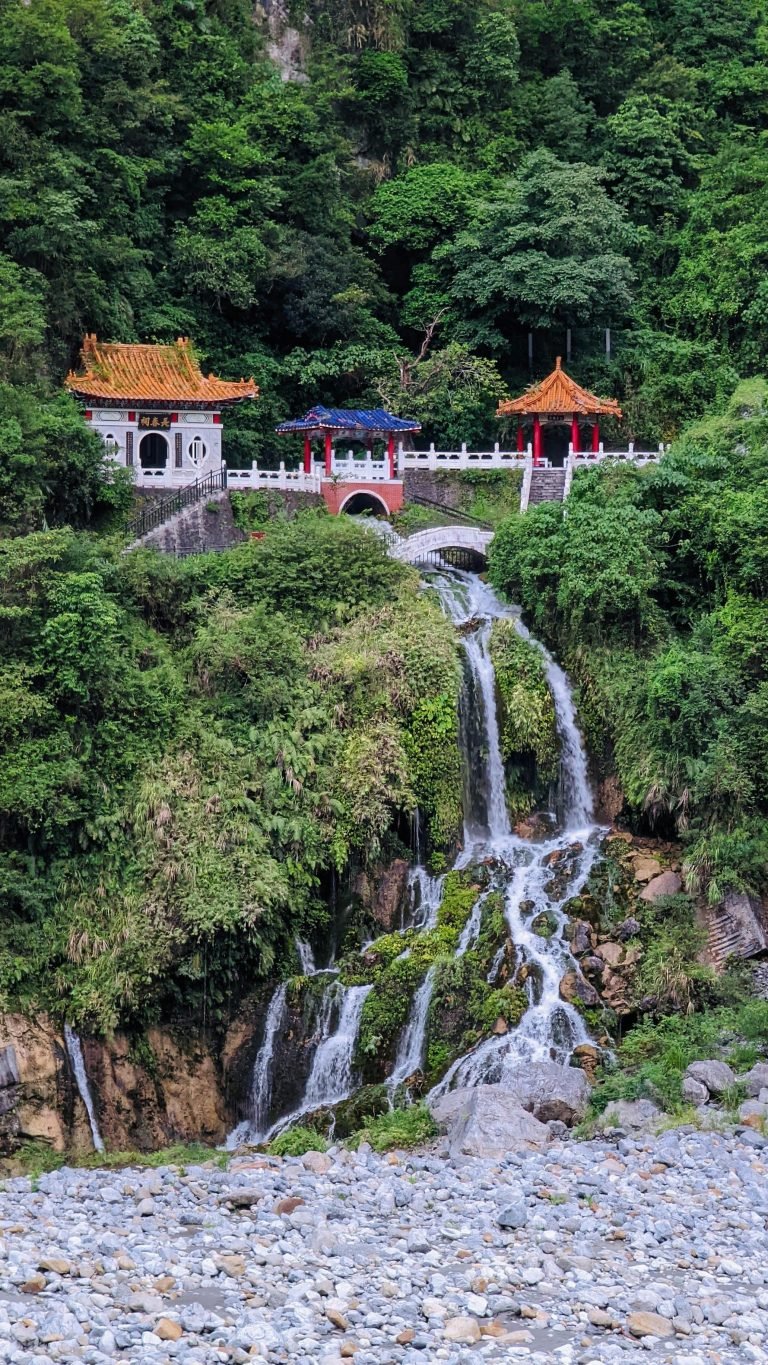
Hike in Taroko Gorge (Near Hualien, Eastern Taiwan)
Taroko Gorge is one of Taiwan’s most dramatic natural landscapes. It’s located on the east coast, near the city of Hualien, and it’s the number one reason most travelers choose to explore eastern Taiwan. The scenery here feels powerful: towering marble cliffs, rivers cutting through rock, forest valleys, tunnels, and viewpoints that make you stop mid-walk just to stare.
What makes Taroko so special is that it works for different travel styles. You can do gentle scenic walks, easy viewpoints, or choose more active hiking routes depending on your comfort level and the weather. It’s also one of the best “contrast experiences” to Taipei — it proves how wild and natural Taiwan really is once you leave the city circuit.
Why it’s bucket-list: it’s Taiwan’s biggest nature “wow moment” — the place most travelers remember as the most epic scenery of the trip.
Go to Alishan for Sunrise, Forest Walks, and Tea Country
Alishan is Taiwan’s iconic mountain region in central-southern Taiwan. It’s best reached from Chiayi (a common gateway city), and it’s famous for misty highland landscapes, cooler air, and that magical “mountain Taiwan” atmosphere. If Taipei is energy and city life, Alishan is quiet trails, foggy forests, and fresh air that makes you slow down.
Many travelers come for the sunrise experience — often above a “sea of clouds” — but the true charm is spending time in the forests, doing gentle walks, and enjoying the scenery without rushing. This region is also strongly connected to Taiwan’s tea culture, which is why Alishan often feels like more than just a place to visit — it feels like a different rhythm of Taiwan.
Why it’s bucket-list: it’s Taiwan’s famous highland chapter — peaceful, scenic, and completely different from the city side of the trip.
🌄 Alishan Day Trip / Sunrise Experience
Want to do Alishan the easy way? This is one of those places where a guided trip makes the whole experience smoother — especially if you want sunrise viewpoints, transport handled for you, and a clear itinerary without planning every connection yourself.
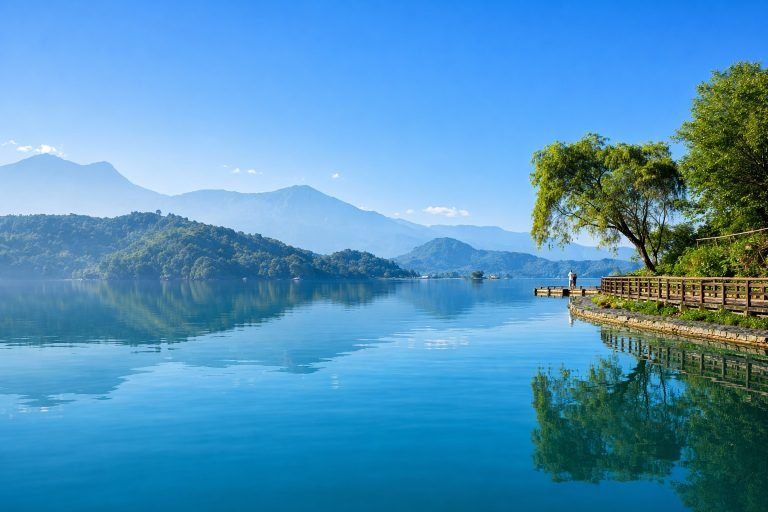
Cycle Around Sun Moon Lake (Central Taiwan)
Sun Moon Lake is Taiwan’s most famous lake escape, located in central Taiwan. It’s easiest to visit as a 1–2 day scenic chapter — either from Taichung or as part of a “Taipei → Central Taiwan → South” route. The lake region feels calm and scenic, and it’s one of the best places in Taiwan to slow down and enjoy simple beauty.
The signature experience is cycling. The route around the lake is incredibly scenic and doesn’t require you to be a hardcore cyclist. It’s the kind of day where you ride for a while, stop for photos, grab snacks or coffee, then continue — with water views almost the whole time. If you’re traveling as a couple, it’s also one of the most romantic-feeling destinations in Taiwan.
Why it’s bucket-list: it adds a perfect “reset chapter” to the itinerary — scenic, calm, and deeply refreshing.
🚴 Sun Moon Lake Day Trip (Easy Scenic Route)
Want to visit Sun Moon Lake without the planning? A guided day trip is one of the easiest ways to experience the lake at its best — with scenic viewpoints, smooth timing, and a relaxed itinerary that lets you enjoy the “reset chapter” feeling without worrying about logistics.
Soak in Taiwan’s Hot Springs (Beitou + Mountain Regions)
Hot springs are one of Taiwan’s underrated pleasures — and once you try it, you’ll understand why locals love it. Taiwan sits on geothermal activity, which means you’ll find hot springs in multiple regions, especially in the mountains. After days of walking, markets, temples, and hiking, a soak feels like the best kind of reward.
The easiest hot spring destination for most travelers is Beitou, located in Taipei. It’s simple to reach by MRT and works perfectly as a half-day escape. But hot springs aren’t only a “Taipei thing” — if you head into scenic mountain areas, you’ll find more hot spring towns and resorts, which makes hot springs an amazing way to add comfort travel into a nature-based chapter of your trip.
Why it’s bucket-list: it’s one of the most enjoyable “Taiwan lifestyle” experiences — relaxing, restorative, and incredibly memorable.
Escape to Kenting for a Beach Chapter (Southern Taiwan)
Taiwan surprises people with how tropical it can feel — and Kenting is where you see it most. Kenting is located in the far south of Taiwan and is the island’s best-known beach destination. Most travelers visit it as part of a southern itinerary, often pairing it with Kaohsiung (the main southern city) and Tainan (the heritage food capital).
Kenting is perfect when you want your Taiwan trip to end on a slower note. After city days, temple wandering, hikes, and transit, Kenting gives you ocean air, sunsets, and that “holiday feeling” where your schedule stops being the boss. It’s not a place you come to do nonstop sightseeing — it’s where you come to breathe, swim, snack, and enjoy Taiwan at its most relaxed.
Why it’s bucket-list: it gives your Taiwan itinerary a satisfying ending — adventure first, beach escape last.
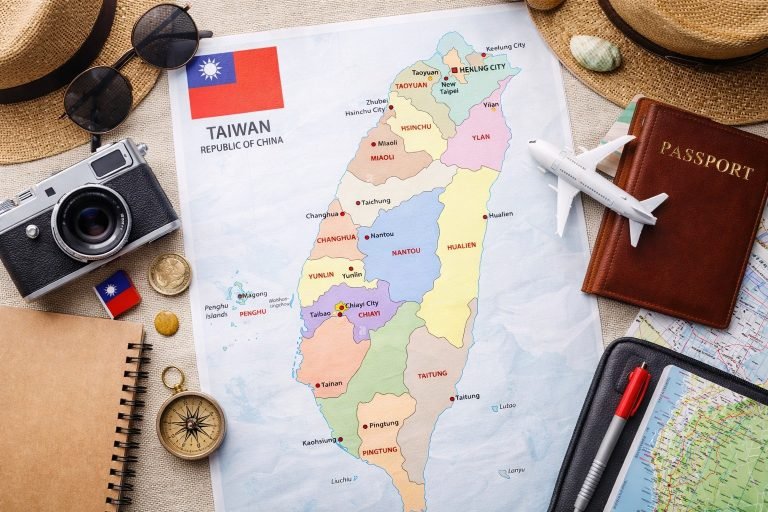
Taiwan Itinerary Ideas (7 / 10 / 14 Days)
One of the best things about planning a Taiwan trip is that the country is small, connected, and extremely easy to move around. You don’t need domestic flights for a great itinerary, and you don’t need a car for most routes either. With the high-speed rail (HSR), regular trains, and reliable buses, you can build a Taiwan itinerary that feels varied and adventurous without spending half your vacation stuck in transit.
Below are three practical Taiwan itinerary ideas — 7, 10, and 14 days — designed for real travelers. Each one mixes the experiences Taiwan does best: cities, food, culture, and nature, with enough flexibility that you can swap destinations based on weather, energy levels, and what you personally enjoy most.
Taiwan Itinerary (7 Days): Taipei Base + Day Trips + Taroko
If you have one week in Taiwan, the smartest plan is to base yourself mainly in Taipei, add two classic day trips in the north, and then do a short nature chapter on the east coast with Taroko Gorge. This itinerary is perfect for first-timers because you get maximum variety with minimal hotel changes — and Taipei makes everything easy.
Days 1–4: Taipei as your base (food + landmarks + culture). Use these first days to settle in, get comfortable with the MRT, and enjoy the “Taipei rhythm”: temples, street food, neighborhoods, cafés, and night markets. Pair the modern and traditional sides of the city — do Taipei 101 and the Elephant Mountain viewpoint for the skyline, then balance it with Taipei’s cultural depth at places like the National Palace Museum and Chiang Kai-shek Memorial Hall. Even if you don’t love museums, the Palace Museum is one of those rare places that feels truly world-class.
Two easy day trips from Taipei (choose 2): Taiwan’s north is built for day trips because you can do something scenic and memorable without complicated planning. Jiufen is the lantern-lit hillside old-town experience (teahouses, views, atmosphere). Shifen adds the classic sky-lantern moment and a waterfall stop. Yehliu Geopark is rugged coastline and wind-carved rock formations — great if you like dramatic landscapes and photography. These are popular for a reason, but they still feel special when you time them well (late afternoon for Jiufen is especially magical).
Days 5–7: Hualien + Taroko Gorge (nature highlight). Head to Hualien on the east coast, the main base for visiting Taroko. The train ride itself is part of the experience — coastline views and changing scenery that makes Taiwan feel like a journey. Spend a day in Taroko Gorge doing a mix of scenic viewpoints and hikes. You don’t have to do a hardcore trek for Taroko to feel epic; even short walks deliver dramatic cliffs, river valleys, and that “this can’t be real” scenery.
What to prepare for (7-day itinerary):
Wear comfortable walking shoes (you will walk a lot in Taipei and Taroko).
Bring a light rain jacket or compact umbrella — weather can change quickly, especially near mountains and the east coast.
If you’re hiking Taroko, carry water, a snack, and something breathable for humidity.
Taipei is casual — most travelers dress comfortably — but you’ll appreciate layers in the evenings or in higher-altitude areas.
How you get around (easy mode):
In Taipei, you’ll mostly use the MRT and walking.
For day trips, you can use trains/buses or book an organized tour if you want a stress-free “no planning” day.
For Hualien/Taroko, trains are the easiest way to reach the region, and then you can use local buses, tours, or private transport depending on your comfort level.
Taiwan Itinerary (10 Days): Taipei + Taroko + Sun Moon Lake + Kaohsiung
With 10 days, you can keep the strong Taipei + Taroko foundation, then add a scenic central Taiwan chapter and a southern city base. This itinerary is ideal if you want your Taiwan trip to feel more “complete” — not just Taipei-focused — while still keeping logistics simple and comfortable.
Days 1–4: Taipei + two day trips. Same logic as the 7-day itinerary: Taipei is your smooth landing zone. Do your city highlights, night markets, and cultural landmarks, and fit in two north day trips (Jiufen/Shifen/Yehliu). You’ll feel oriented, confident, and ready to move beyond Taipei.
Days 5–6: Hualien + Taroko Gorge. This is still your “big nature wow” chapter. Even two days gives you enough time to explore without rushing: arrive, eat well in Hualien, do Taroko the next day, then move on.
Days 7–8: Sun Moon Lake (central Taiwan reset). After cities and Taroko’s dramatic landscapes, Sun Moon Lake is your calm chapter. It’s located in central Taiwan and is known for water views, gentle cycling routes, boat rides, and a slower pace that feels restorative. The signature experience is renting a bike and doing a scenic ride with stops for photos, snacks, and lakeside cafés. It’s also a great place to sleep one night and wake up to peaceful morning scenery before continuing south.
Days 9–10: Kaohsiung (southern city base). Finish in Kaohsiung, Taiwan’s big southern city, which feels more spacious and relaxed than Taipei. It’s a great place to end a trip because it has a comfortable pace, waterfront energy, and strong night market culture. From here, you’re also positioned well if you decide to add a beach extension later (Kenting is the classic add-on).
How you get around (10-day itinerary):
Taipei → Hualien is typically done by train (a scenic ride).
From the east coast back toward central Taiwan, you’ll usually route through major hubs (train connections or transfer cities depending on the exact route).
Central Taiwan to Kaohsiung is easy by train, and Kaohsiung has good local transport for exploring.
If you want “effortless mode,” you can also book day tours for Taroko and use trains for everything else.
What to pack/prepare:
This itinerary mixes city walking + nature, so bring:
comfortable shoes, lightweight breathable clothing (humidity), a light rain jacket, and a daypack for Taroko and lake days.
If you plan to cycle at Sun Moon Lake, sporty clothes help — but you can also cycle casually in normal travel clothes if you prefer comfort.
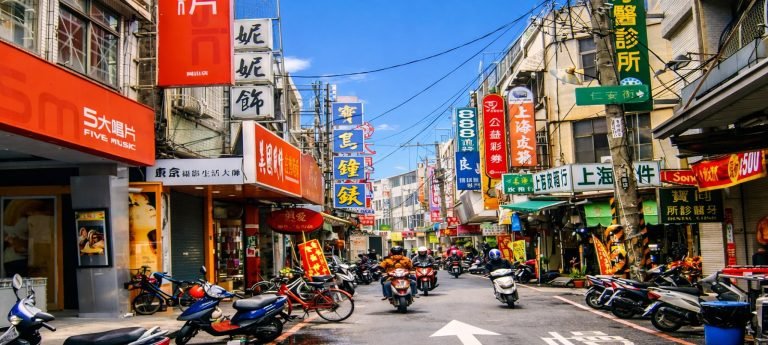
Taiwan Itinerary (14 Days): Full Loop + Slow Travel + Tainan + Kenting
Two weeks is where Taiwan becomes truly special. You can do the “Taiwan loop” — moving through the north, across to the wild east coast, down into the south, and then back up through central Taiwan — with enough time to slow down and actually enjoy each place. This is the ideal itinerary if you want Taiwan to feel less like a checklist and more like a journey.
Days 1–5: Taipei + northern day trips. Give Taipei real time — not just two rushed days. Taipei is the easiest place to build your rhythm: night markets, neighborhoods, museums, temples, skyline views, and the kind of daily comfort that makes you feel “settled” quickly. Add two day trips (Jiufen/Shifen/Yehliu) and, if you want a recovery day, fit in Beitou hot springs to reset your body mid-trip.
Days 6–8: Eastern Taiwan (Hualien + Taroko + scenic coastline). Move to Hualien and spend a full day in Taroko, then use the extra time to enjoy the east coast travel rhythm — ocean views, scenic train moments, and that calmer side of Taiwan most travelers miss when they stay Taipei-only. This is where Taiwan feels wild and cinematic.
Days 9–11: Southern Taiwan (Tainan + Kaohsiung). Tainan is Taiwan’s heritage heart — temples, old streets, and a food culture that feels deeply local. This is the place to slow down, eat constantly, and experience traditional Taiwan without trying too hard. Pair it with Kaohsiung for a modern southern city base that feels relaxed, spacious, and easy to enjoy. Together, they give you a completely different Taiwan vibe from the north.
Days 12–14: Kenting beach chapter (then onward travel). Kenting is in the far south and is Taiwan’s most famous beach escape. It’s the perfect “trip ending”: slower mornings, ocean air, sunsets, and a break from constant moving. Kenting isn’t about hardcore sightseeing — it’s where you let the trip breathe. You can swim, relax, enjoy coastal scenery, and finish Taiwan on a warm, tropical note.
What to prepare for (14-day loop):
You’ll have a mix of city days, hiking days, and beach days — which means layers and flexibility matter.
Pack breathable clothes for humidity, a light rain jacket (especially if you’re going east or into the mountains), comfortable walking shoes, and at least one outfit that works for beach time.
If you’re sensitive to heat, Kenting can feel hot — plan to do active exploring earlier in the day and keep afternoons slower.
Taiwan Loop Logistics: Clockwise vs Counterclockwise
The “Taiwan loop” is simply the idea of traveling around the island in a circle rather than bouncing back and forth. It works beautifully because Taiwan’s transport is so strong — and because each region feels distinct.
Clockwise loop (common): Taipei → East Coast (Hualien/Taroko) → South (Tainan/Kaohsiung/Kenting) → Central (Sun Moon Lake/Alishan area) → back to Taipei. This route often feels natural because you start with the easiest base (Taipei), then hit the “big nature wow” (Taroko), then slow down in the south with culture + beaches.
Counterclockwise loop: Taipei → Central (Sun Moon Lake/Alishan area) → South → East Coast → back to Taipei. This can be a great option if you want to ease into the trip with scenic calm first, then save Taroko and the east coast for later when you’re already comfortable traveling in Taiwan.
Which direction is better? Most travelers choose based on weather and pacing. If you want the biggest “wow nature” early, go clockwise and hit Taroko sooner. If you prefer to build momentum slowly and save your most dramatic scenery for the second half, go counterclockwise. Either way, the loop works — Taiwan is forgiving, flexible, and easy to adjust as you go.
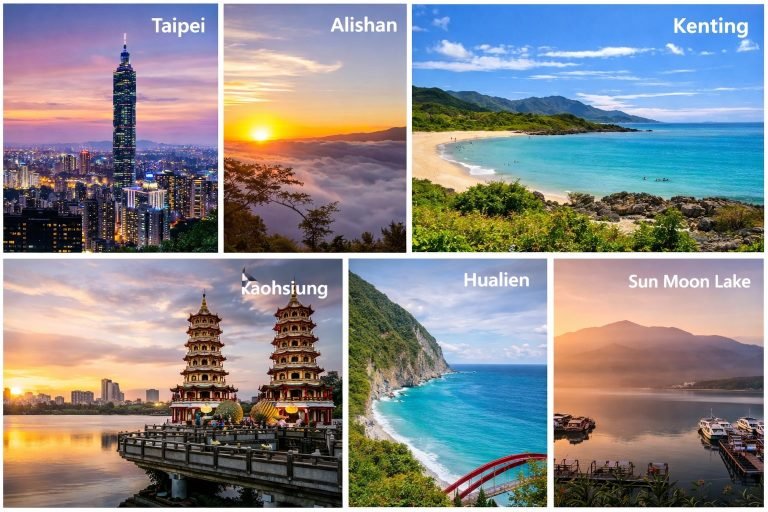
Where to Stay in Taiwan (By Travel Style)
Choosing the right base in Taiwan is one of the biggest “make or break” decisions for your trip. The good news is that Taiwan is extremely safe and easy to move around — so you don’t need to obsess over every detail — but where you stay absolutely affects your daily experience: how much you walk, how easy transport feels, how quickly you reach day trips, and whether evenings feel lively or quiet.
Below are the best areas to stay in Taiwan based on travel style — starting with the most important decision for most travelers: where to stay in Taipei. After that, I’ll break down the best bases for nature lovers and beach seekers.
Best Areas to Stay in Taipei
Taipei is usually the best first base for a Taiwan trip. It’s where you land, it’s where transport is easiest, and it’s the city that gives you the quickest “Taiwan confidence boost” — MRT lines are simple, neighborhoods are walkable, and you can explore for days without needing a car.
The best Taipei neighborhoods depend on the kind of trip you want: fun and social, stylish and café-focused, quiet and upscale, or pure transport convenience. These are the four areas that make the most sense for most travelers.
Ximen (Ximending): easy, fun, first-timer friendly
If you want your first Taiwan trip to feel effortless, Ximen is one of the best areas to stay in Taipei. It’s lively, central, and packed with energy — shops, street food, cafés, people-watching, and easy MRT access. It’s also a great place to stay if you want to step outside your hotel at night and immediately be in “Taipei life.”
Ximen works especially well for first-timers because it has a youthful vibe without feeling unsafe or chaotic. You’ll find tons of food options, plenty of budget and mid-range hotels, and you’ll be able to reach most major parts of Taipei quickly by MRT.
Best for: first-time visitors, solo travelers, travelers who want nightlife energy (without clubbing), and anyone who wants an easy base where everything is close.
Zhongshan: stylish cafés, boutique vibe, “cool Taipei”
Zhongshan is for travelers who want Taipei to feel a little more polished and local-cool. This area is known for cafés, design shops, quieter streets, and a more boutique atmosphere compared to Ximen. It’s still central and well connected, but it feels less “tourist nightlife” and more like the kind of neighborhood you’d choose if you lived in Taipei.
If you enjoy slow mornings, café hopping, and walking around neighborhoods that feel stylish but relaxed, Zhongshan is an excellent choice. It’s also great if you want a quieter hotel experience at night while still being close to everything.
Best for: couples, digital nomads, travelers who love cafés and calmer evenings, and anyone who wants Taipei to feel chic rather than busy.
Da’an: clean, upscale, calm — the “comfortable Taipei” base
Da’an is one of the cleanest, most comfortable areas to stay in Taipei. It feels more upscale and residential, with wide streets, parks, great cafés, and a calmer pace. If you want Taipei to feel organized and easy, with fewer crowds outside your hotel door, Da’an is a fantastic choice.
This area works particularly well if you’re traveling as a couple, with family, or if you simply want a more “restful” Taipei base. You’ll still have MRT access and you can still get everywhere, but your evenings will feel calmer and quieter.
Best for: travelers who want comfort, families, couples, people who prefer quieter nights, and anyone who wants to feel “settled” in Taipei.
Near Taipei Main Station: best for transport convenience
If your priority is pure logistics — quick airport access, easy train travel, and simple connections for day trips — staying near Taipei Main Station is the smartest move. This is the city’s biggest transport hub: MRT lines, regular trains, airport connections, and long-distance routes all converge here.
It’s not always the most charming neighborhood, but it is ridiculously convenient. If you plan to do multiple day trips or you’re continuing on to Hualien (Taroko), Taichung, or Kaohsiung by train, being near Taipei Main Station makes travel days feel smooth.
Best for: short trips, travelers doing lots of train travel, itineraries with multiple cities, and anyone who wants maximum efficiency and minimum transport stress.
Best Stays in Taiwan for Nature Lovers
Taiwan’s nature is one of its biggest surprises — mountains, forests, waterfalls, dramatic coastal cliffs, and cool highland air. If your ideal Taiwan trip is “city + nature,” the best plan is to do Taipei first, then choose one or two nature bases depending on your time.
These are the three best places to stay if you want Taiwan to feel scenic, outdoorsy, and refreshing.
Alishan: misty forests, sunrise viewpoints, mountain calm
Alishan is Taiwan’s most famous mountain escape, known for forest trails, cooler air, and early morning viewpoints. Staying here feels completely different from city Taiwan — quieter, mistier, and much more “slow travel.” If you want a nature chapter that feels restorative, Alishan is perfect.
The main reason to stay overnight in Alishan is simple: it lets you experience the region when it’s at its best. Early mornings in the mountains are magical, and having more time means you can do forest walks and viewpoints without rushing. This area is also connected to Taiwan’s tea culture, so it’s a great place to add tea experiences into your trip.
Best for: hikers (light to moderate), photographers, travelers who want cooler mountain air, couples, and anyone who wants a peaceful nature chapter.
Sun Moon Lake: scenic calm, cycling, lakeside stays
If you want nature without intense hiking, Sun Moon Lake is the easiest and most relaxing choice. It’s a classic 1–2 night destination in central Taiwan, where the vibe is scenic, calm, and romantic. Staying here is less about ticking attractions and more about enjoying the environment: lakeside mornings, bike rides, cafés, and peaceful views.
A Sun Moon Lake overnight stay is highly recommended if your itinerary is packed with cities. It breaks the trip beautifully and gives you a slower chapter where you can recharge without feeling like you’re missing out.
Best for: couples, relaxed travelers, scenic cycling lovers, people who want calm and balance, and anyone building a “Taipei → Central → South” route.
Hualien: the base for Taroko Gorge + east coast scenery
Hualien is the main base for visiting Taroko Gorge and exploring Taiwan’s wild east coast. It’s not a huge city, but it’s comfortable, easy to navigate, and has enough restaurants and night markets to keep evenings enjoyable. Most travelers stay here for 2 nights: one for Taroko, one for arrival and recovery.
The real magic of staying in Hualien is that you can experience Taroko properly without rushing. Instead of doing a long day trip from Taipei (which can feel exhausting), staying overnight lets you wake up early, explore at a better pace, and fully enjoy the dramatic landscapes.
Best for: nature lovers, hikers, travelers who want the most dramatic scenery in Taiwan, and anyone who wants Taiwan to feel more adventurous and less city-based.
Kaohsiung: relaxed, liveable, and the smartest base for southern Taiwan
If you want Taiwan to feel more spacious, calmer, and more “liveable,” Kaohsiung is the perfect base. Compared to Taipei, the city feels more open — wide streets, waterfront walks, parks, and a slower southern rhythm that makes daily travel feel easy. It’s still modern and well-connected, but it doesn’t have that constant “big city pressure,” which is exactly why many travelers end up loving it.
Kaohsiung also makes your itinerary more powerful because it’s a true gateway city. You can explore city highlights by day (art districts, temples, waterfront areas), eat extremely well at night markets in the evening, and use it as a launch point for southern day trips and beach escapes without complicated planning. If you want one base that balances comfort, culture, and access to the south, Kaohsiung is the smartest choice.
Best for: travelers who want a calmer city base, food lovers, couples, slow travelers, anyone building a south-focused itinerary, and travelers pairing a city stay with Kenting beaches or a Tainan day trip.
Best Stays in Taiwan for Beaches
Taiwan isn’t only mountains and cities — it can also feel tropical. If you want a true beach chapter, Kenting is the #1 destination to build into your itinerary. It’s in the far south, and it works best as a relaxing finale after cities and sightseeing.
Kenting: Taiwan’s best beach escape (tropical, relaxed, sunny)
Kenting is where Taiwan turns into ocean air, warm weather, and slower travel. Staying here is not about rushing between attractions — it’s about enjoying the coastal vibe: beaches, sunsets, and an itinerary that finally lets you breathe. It’s the perfect contrast destination after Taipei and the cultural cities.
Kenting is easiest to pair with Kaohsiung. Many travelers do Kaohsiung first (city base), then Kenting (beach base), and then continue their loop or head back north. If you want your Taiwan trip to feel complete and satisfying, this is one of the best ways to finish.
Best for: beach lovers, couples, slow travelers, people who want a relaxed end to the trip, and anyone who wants Taiwan to feel tropical and sunny.
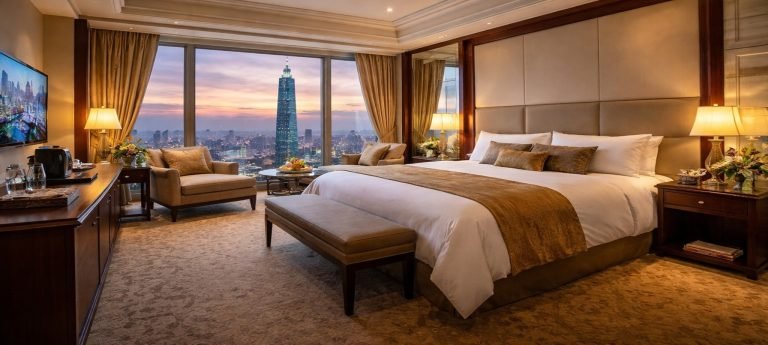
Hotels in Taiwan (Best Picks by Area + Budget Tier)
Below are hand-picked stays for the key bases in this guide, with one strong option in each tier. Each pick is chosen for location convenience, comfort, and overall value, and I’ve also included a “see more hotels” link for each area if you want to browse deals and compare options.
Ximen (Ximending) Hotels
Budget Hotel
Taipei Inn
6F., No.40, Xuchang Street, Zhongzheng District, Taipei City 100, Taiwan · +886 2 2314 8008
Taipei Inn is a practical, budget-friendly base that keeps you close to the energy of Ximen without sacrificing convenience. It’s a great pick if you want to spend your money on food and experiences while staying in an area that makes Taipei feel easy and fun.
Ready to check availability and rates? See Taipei Inn deals here.
Mid-Range Comfort
Hotel Cham Cham Taipei
No. 139, Section 1, Zhongshan Road, Banqiao District, New Taipei City, Taiwan 220 · +886 2 8951 6686
Hotel Cham Cham Taipei is a comfortable, modern mid-range option with an easy, traveler-friendly vibe. It’s a strong pick if you want a smoother hotel experience with good connections and a reliable “reset” space after long days of walking and eating your way through Taipei.
Want to lock it in? Check current rates for Hotel Cham Cham Taipei.
Luxury Hotel
Capella Taipei
No. 139, Dunhua North Road, Songshan District, Taipei 105021, Taiwan · +886 2 7709 6868
Capella Taipei is a luxury option built for travelers who want the “special trip” version of Taipei, with refined comfort, high-end service, and a polished atmosphere from the moment you arrive. It’s ideal if you want to treat Taipei like a true luxury city break while still being well positioned for exploring neighborhoods, food scenes, and day trips.
If you want to splurge, see Capella Taipei availability here.
Want more options in this area? See all Ximen hotel deals here.
Zhongshan Hotels
Budget Hotel
The Backpackers Hostel - Changchun Branch
2F, No. 6, Lane 258, Changchun Road, Zhongshan District, Taipei City 104, Taiwan · +886 2 2518 0188
This is a great budget pick if you want to stay in a stylish, well-connected part of Taipei without paying boutique hotel prices. You’re positioned nicely for cafés, local food spots, and quick MRT rides into the busiest sightseeing zones.
Check availability here: View The Backpackers Hostel deals.
Mid-Range Comfort
The Emperor Hotel
No. 118, Section 1, Nanjing East Road, Taipei 104, Taiwan · +886 2 2581 1111
The Emperor Hotel is a comfortable mid-range choice in a highly convenient part of Taipei, with easy access to dining, shopping, and MRT lines. It’s a strong “reliable base” option if you want comfort and location without going full luxury.
Book or compare rates here: See The Emperor Hotel deals.
Luxury Hotel
The Eslite Hotel
No. 98, Yanchang Road, Xinyi District, Taipei City, Taiwan 11072 · +886 2 6626 2888
The Eslite Hotel is a polished luxury stay for travelers who want Taipei to feel stylish, calm, and elevated. It’s a great choice if you care about design, comfort, and that “quiet luxury” feeling after busy city days.
Treat yourself here: See The Eslite Hotel rates.
Want more options in this area? See all Zhongshan hotel deals here.
Taiwan has an incredible range of stays, from big-city hotels near MRT hubs to quieter retreats in nature and along the coast. If you want to browse more options across the country and compare locations, reviews, and prices in one place, use this link. Browse all available hotels in Taiwan here.
Da’an Hotels
Budget Hotel
Re-Change Hotel
2F., No.1, Sec. 1, Chongqing South Road, Zhongzheng District, Taipei 10046, Taiwan · +886 2 2311 6388
Re-Change Hotel is a smart budget pick if you want a clean, convenient base while keeping your spending focused on food, day trips, and transport. It’s a practical option for travelers who rely on MRT access and prefer a no-frills stay that simply works.
Check current prices here: See Re-Change Hotel deals.
Mid-Range Comfort
CitizenM Taipei North Gate
No. 3, Section 1, Zhonghua Road, Zhongzheng District, Taipei City 100, Taiwan · +886 70 1016 1061
CitizenM is a fantastic mid-range choice if you want modern comfort, smart design, and a relaxed, hassle-free hotel experience. It’s especially popular with travelers who value a great bed, reliable amenities, and efficient city access.
Book or compare rates here: See CitizenM Taipei North Gate deals.
Luxury Hotel
Mandarin Oriental, Taipei
No. 158, Dunhua North Road, Taipei 10548, Taiwan · +886 2 2715 6888
Mandarin Oriental, Taipei is one of the city’s most iconic luxury hotels, offering refined rooms, exceptional service, and a calm, elegant atmosphere. This is the splurge pick if you want your Taipei stay to feel truly special from start to finish.
Ready for a luxury upgrade? See Mandarin Oriental Taipei rates.
Taipei Main Station Hotels
Budget Hotel
68 Residence
No. 4, Lane 101, Yanping South Road, Zhongzheng District, Taipei City 100, Taiwan
68 Residence is a strong budget choice if you want maximum transport convenience without spending much on accommodation. Staying near Taipei Main Station makes early trains, airport connections, and multi-city itineraries feel smooth and low-stress.
Check availability here: See 68 Residence deals.
Mid-Range Comfort
Green World JianPei Hotel
No. 140, Section 1, Jianguo North Road, Zhongshan District, Taipei 104, Taiwan · +886 2 2509 5151
Green World JianPei is a comfortable mid-range base that works well for travelers with packed sightseeing schedules. It offers dependable comfort, good transport links, and fair pricing for its central location.
Compare rates here: See Green World JianPei deals.
Luxury Hotel
Suz & Catorze Taipei
No. 51, Section 1, Huanhe South Road, Wanhua District, Taipei 10843, Taiwan · +886 2 2375 5511
Suz & Catorze Taipei is a boutique-style luxury option that feels more private and design-focused than standard city hotels. It’s ideal if you want a quieter, more refined stay while still being able to reach Taipei’s main attractions easily.
Upgrade your stay here: See Suz & Catorze Taipei deals.
Hualien Hotels
Budget Hotel
Hualien Bulowan Hotel
No. 189, Zhongfu Road, Hualien City, Hualien County 970, Taiwan · +886 3 833 9151
Hualien Bulowan Hotel is a solid budget base if you want to stay in the heart of Hualien City with easy access to food spots, transport, and day tours into Taroko Gorge. It’s ideal for travelers who plan to spend most of their time exploring outdoors and simply want a clean, comfortable place to recharge.
Check availability here: See Bulowan Hotel deals.
Mid-Range Comfort
Kindness Hotel Hualien Main Station
No. 101, Guolian 5th Road, Hualien City, Hualien County 970, Taiwan · +886 3 835 9333
Kindness Hotel is an excellent mid-range option for travelers who value convenience and smooth logistics. Its location near the train station makes early Taroko departures, late arrivals, and onward travel feel easy and stress-free.
Book it here: See Kindness Hotel deals.
Luxury Hotel
Le Méridien Hualien Resort
No. 599, Zhongzheng Road, Hualien City 97061, Taiwan · +886 3 865 5999
Le Méridien Hualien Resort is the luxury choice if you want your east coast stay to feel like a true retreat rather than just a practical base. It’s especially well suited to couples and comfort-first travelers who want to explore Taroko Gorge by day and return to resort-level comfort in the evening.
Check luxury rates here: See Le Méridien Hualien deals.
Kaohsiung Hotels
Budget Hotel
Traveler Station R15
462, Mengzi Rd., Zuoying Dist., Kaohsiung City, Taiwan 813 · +886 988 425 458
Traveler Station R15 is a practical budget base if you want to be near Zuoying and the HSR area for smooth transport connections. It’s clean, simple, and ideal for travelers who plan to explore hard during the day and just need a comfortable place to recharge at night.
Check availability here: See Traveler Station R15 deals.
Mid-Range Comfort
Royal Gold Hotel
No. 288, Section 1, Guotai Rd, Fengshan District, Kaohsiung City, Taiwan 830 · +886 7 740 5999
Royal Gold Hotel is a comfortable mid-range choice if you want good value, more space, and a calmer local feel than the busiest tourist zones. It’s a great base for Kaohsiung sightseeing, night markets, and moving around the city without feeling rushed.
Book it here: See Royal Gold Hotel deals.
Luxury Hotel
InterContinental Kaohsiung
33, Xinguang Rd., Qianzhen Dist., Kaohsiung City, Taiwan 806023 · +886 7 339 1888
InterContinental Kaohsiung is the luxury pick if you want a sleek, modern stay with polished service and an upscale city feel. It’s perfect for couples and comfort-first travelers who want Kaohsiung to feel like a true treat-yourself stop in southern Taiwan.
Check luxury rates here: See InterContinental deals.
Sun Moon Lake Hotels
Budget Hotel
Modern Inn
Central District, Taichung City, Taiwan
Modern Inn is a budget-friendly option if you’re keeping costs low while exploring central Taiwan. It works well for travelers who want a simple, convenient sleep setup and plan to spend most of their time out exploring rather than at the hotel.
Check availability here: See Modern Inn deals.
Mid-Range Comfort
Bear Meets Moose B&B
Puli Township, Nantou County, Taiwan · +886 49 285 5668
Bear Meets Moose B&B is a cozy mid-range stay that fits Sun Moon Lake’s slower, more scenic rhythm. It’s a great choice if you want peaceful mornings, a more local vibe, and an easy base for lake days without luxury pricing.
Book it here: See Bear Meets Moose deals.
Luxury Hotel
The Deer Chaser Hotel
Yuchi Township, Nantou County, Taiwan · +886 49 289 5589
The Deer Chaser is the luxury-style pick if you want your Sun Moon Lake chapter to feel special, quiet, and comfort-first. It’s ideal for couples and travelers who want a more refined stay where the hotel itself feels like part of the experience.
Check luxury rates here: See The Deer Chaser deals.
Alishan Hotels
Budget Hotel
Chiayi Crown Hotel
West District, Chiayi City, Taiwan · +886 5 223 6311
Chiayi Crown Hotel is a smart budget base for the Alishan area, especially if you want to keep costs low while staying positioned for early departures into the mountains. It’s ideal for travelers planning a sunrise mission who prefer a simple, reliable sleep setup the night before.
Check availability here: See Chiayi Crown Hotel deals.
Mid-Range Comfort
Lealea Garden Hotels
Yuchi Township, Nantou County, Taiwan · +886 49 285 0022
Lealea Garden Hotels is a comfortable mid-range option if you want a relaxed base with solid amenities and an easy traveler-friendly feel. It’s a good pick for travelers who want to balance mountain scenery with comfort without paying full luxury prices.
Book it here: See Lealea Garden deals.
Luxury Hotel
Fleur de Chine Hotel
Yuchi Township, Nantou County, Taiwan · +886 49 285 6788
Fleur de Chine is the luxury choice if you want a high-end nature escape with the kind of comfort that makes you actually want to spend time at the hotel. It’s ideal if you want a romantic stay or a true treat-yourself chapter to balance out the faster-paced city parts of your Taiwan trip.
Check luxury rates here: See Fleur de Chine deals.
Kenting Hotels
Budget Hotel
Kenting Hostel (Dawan)
Dawan Rd., Hengchun Township, Pingtung County, Taiwan · +886 966 718 600
Kenting Hostel (Dawan) is a great budget pick if you want to stay close to the beach vibe while keeping costs low for a few sunny days. It works especially well if you’re planning to spend most of your time outdoors: beach hopping, sunset walks, and night market evenings.
Check availability here: See Kenting Hostel deals.
Luxury Hotel
Kenting MuChen INN
Hengchun Township, Pingtung County, Taiwan · +886 988 311 115
Kenting MuChen INN is the luxury-style pick if you want your beach chapter to feel calm, private, and properly comfortable. It’s ideal for couples or anyone who wants a more refined base — the kind of place you actually look forward to coming back to after a hot day outside.
Check luxury rates here: See Kenting MuChen INN deals.
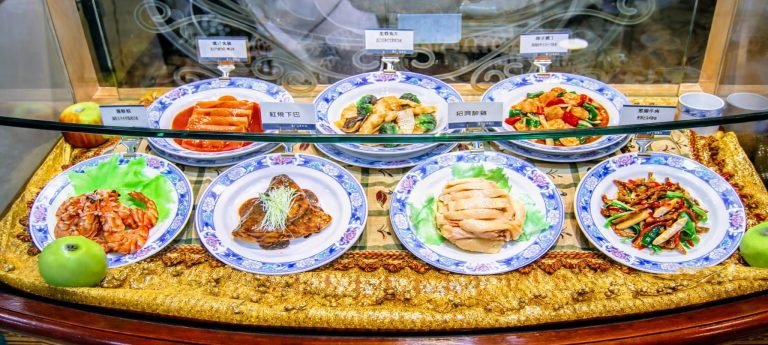
Taiwan Food & Night Markets
If Taiwan has a superpower, it’s food — and night markets are where you feel it most. Even if you don’t plan your days around meals, you’ll probably end up planning your evenings around “just one more stall.”
How Taiwan Night Markets Work
Think of a night market as a long street (or a few lanes) packed with food stalls, snack stands, and small shops. You arrive hungry, wander slowly, and build your own “tasting menu” as you go — one bite, one cup, one skewer at a time.
- You don’t need a plan. Walk the full loop once, note what smells amazing, then circle back.
- Order fast, eat nearby. Some stalls have tiny standing tables; otherwise you eat while strolling.
- Most stalls are cash-first. Bring small bills/coins if you can (many places will make change, but it’s smoother).
- Lines are a good sign. A long line usually means that stall is doing something right — especially for signature dishes.
- Go with the flow. Side lanes can be calmer and sometimes have the most memorable finds.
Quick etiquette: Keep moving if you’re unsure. Step aside to eat so you’re not blocking the main lane. And if you’re sharing with a friend, one person can hold the spot while the other grabs the next dish.
What to Order at Night Markets
The easiest strategy is: pick one “main” dish, one fried/snack item, one sweet, and one drink — then repeat the pattern if you’re still hungry. If something is new to you, start with a smaller portion (or share) so you can try more variety.
- Go savory first: noodles, dumplings, rice bowls, pepper buns, oyster omelets.
- Then add crunch: fried chicken, scallion pancakes, grilled skewers, salt-and-pepper anything.
- Finish sweet: shaved ice, peanut ice cream rolls, mochi, pineapple cakes.
- Don’t skip a drink: bubble tea, fresh fruit juices, winter melon tea, herbal teas.
If you’re sensitive to strong smells: stinky tofu is famously intense. You can still be a food person and skip it — or try it once at an outdoor stall where the smell doesn’t feel as concentrated.
Must-Try Taiwanese Dishes
Beef Noodle Soup
Taiwan’s comfort bowl: rich broth, tender beef, and springy noodles, often topped with pickled greens. If you see “braised” style, expect deeper, soy-forward flavors; “clear” style is lighter but still satisfying.
Xiao Long Bao
Soup dumplings with a thin wrapper and hot broth inside — bite carefully. The classic move is to place one on your spoon, nibble a corner to sip the soup, then dip the rest in a light soy + ginger mix.
Stinky Tofu
Crispy outside, soft inside, usually served with pickled cabbage and chili sauce. The flavor is much milder than the smell suggests — but if the aroma is too much, try a small bite first or go for another iconic snack instead.
Lu Rou Fan (Braised Pork Rice)
A simple bowl that hits hard: minced or chopped pork belly braised in a sweet-salty sauce over rice, often with a soft egg. It’s one of those dishes that seems humble until you suddenly crave it every day.
Scallion Pancakes
Flaky, layered, and pan-fried until golden, sometimes stuffed with egg, basil, cheese, or even beef. If you love texture, this is a must — especially when it’s hot off the griddle.
Bubble Tea
The classic Taiwanese drink: tea + milk (or fruit) + chewy tapioca pearls. If you’re ordering for the first time, start with black milk tea and ask for less sugar — then adjust based on your preference.
Best Night Markets in Taiwan
Shilin Night Market (Taipei)
The famous giant — big crowds, lots of choices, and a classic “first night market” experience. It’s excellent if you want maximum variety in one place, from full meals to snack sampling and sweet finishes.
- Go for: fried chicken, oyster omelet, grilled skewers, shaved ice.
- Best vibe: loud, lively, tourist-friendly, easy to navigate.
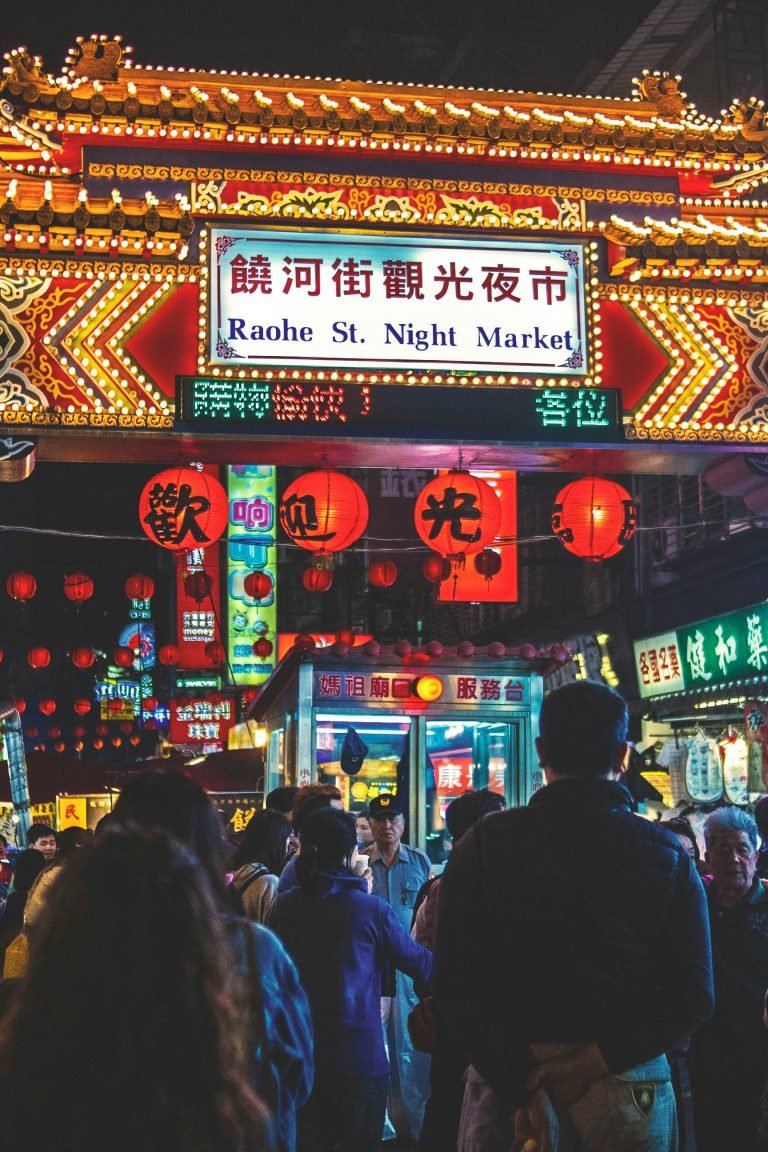
Raohe Night Market (Taipei)
Raohe is a long, focused lane of “heavy-hitter” stalls — fewer distractions, more food momentum. This is the one that often converts people who think night markets are overwhelming, because it’s basically a straight, delicious walk.
- Go for: pepper buns, herbal soups, dumplings, sweet potato balls.
- Best vibe: compact, efficient, food-first energy.
Ningxia Night Market (Taipei)
Smaller than Shilin, but extremely strong on classic Taiwanese street food. It’s great when you want a more local-feeling evening — less “shopping market,” more “eat your way down the street.”
- Go for: lu rou fan-style bowls, omelets, fried taro, peanut desserts.
- Best vibe: focused and friendly, easy for sampling many dishes.
Liuhe Night Market (Kaohsiung)
Kaohsiung’s most famous night market, known for seafood and a breezy southern vibe. It’s a fantastic evening stop if you want a slower, warmer-feeling market experience, especially if you’re combining it with Kaohsiung’s waterfront areas.
- Go for: seafood grills, papaya milk, fresh juices, classic Taiwanese snacks.
- Best vibe: relaxed, open-air, great for a casual food crawl.
Night Market Tips (So You Enjoy It More)
- Arrive hungry, not starving. If you’re too hungry, you’ll panic-order and miss the fun of exploring.
- Share everything. Two people can taste twice as much by splitting dishes.
- Order like a local. Point, smile, say “one,” and keep it simple — it’s totally normal.
- Bring tissues. Not every stall has napkins, and street food gets messy in the best way.
- Spice is optional. If you’re unsure, ask for “a little” — you can always add more later.
Taiwan Food & Night Markets
If Taiwan has a superpower, it’s food — and night markets are where you feel it most. Even if you don’t plan your days around meals, you’ll probably end up planning your evenings around “just one more stall.” Night markets aren’t just a tourist activity here — they’re part of how locals actually eat, socialize, and decompress after work. You’ll see families, groups of friends, couples on dates, and solo diners all doing the same thing: roaming slowly, tasting a little of everything, and letting smell + curiosity decide the next stop.
How Taiwan Night Markets Work
A typical Taiwan night market is a street (sometimes a few connected lanes) packed with food stalls, tiny takeaway counters, and a few sit-down spots mixed in. You don’t need a reservation, you don’t need a route, and you definitely don’t need to understand every sign. You arrive hungry, walk the full stretch once at a relaxed pace, and let your senses do the planning. The first walk-through is for scanning: you’ll start noticing what’s popular (the long lines), what’s sizzling (the loud grills), and what’s calling your name (the smells that make you stop mid-step).
The rhythm is simple: you order quickly, you receive your food, and you either eat at a tiny standing counter nearby or keep strolling with your snack. It’s completely normal to buy one thing, eat it, then buy the next thing five minutes later. If you’re traveling with someone, night markets get even better — share everything and you can try twice as many dishes without getting full too early.
Practical note: many stalls still work best with cash, especially for smaller purchases. It’s not that you can’t pay other ways in Taiwan — it’s just that having a bit of cash (and smaller bills) keeps the night market experience smooth and fast. Also, lines are part of the culture: if one stall has a crowd, it’s usually a strong sign that they do that one dish extremely well.
Quick etiquette that makes everything easier: if you need to check your phone, decide what to order, or stop to eat, step to the side so you’re not blocking the flow. Night markets can get busy, but they’re rarely stressful if you move with the crowd. And if you’re sharing with a friend, one person can hold a spot at the edge while the other runs to grab the next dish — it’s a simple trick that saves time and keeps the night fun.
What to Order at Night Markets
The easiest way to “eat well” at a Taiwan night market isn’t to hunt for a single perfect stall — it’s to build a mini food crawl. Start with something savory and filling, add something crunchy or grilled, then finish with something sweet and a drink. If you do that pattern once, you’ll already feel like you had a full experience. If you do it twice, you’ll understand why people obsess over Taiwan’s street food culture.
For your first round, go for classic savory comfort foods like noodles, dumplings, rice bowls, pepper buns, or an oyster omelet. Then switch textures: Taiwan does fried and crispy extremely well, whether it’s Taiwanese fried chicken, hot-off-the-griddle scallion pancakes, or salt-and-pepper street snacks. After that, bring it home with dessert — shaved ice is the obvious choice in warm weather, but you’ll also find mochi, peanut-based sweets, and fruit-forward treats that feel lighter.
Don’t skip drinks. Taiwan’s tea culture is serious, and you’ll see everything from bubble tea and fresh fruit blends to winter melon tea and herbal drinks. If you’re ordering bubble tea for the first time, start simple (black milk tea is a classic) and ask for less sugar if you don’t like things too sweet. You can always increase sugar next time, but a lighter first order lets you taste the tea itself.
If you’re sensitive to strong smells: stinky tofu is the famous challenge dish. The smell can be intense, especially in tight alleyways, but the flavor is usually much milder than people expect. If you want to try it, go for an outdoor stall where the air is open, and start with a small bite. If you truly hate it, no problem — Taiwan has enough incredible food that skipping stinky tofu doesn’t make you “less” of a street food traveler.
Must-Try Taiwanese Dishes
Beef Noodle Soup
This is Taiwan’s comfort bowl and one of the easiest “first meals” to fall in love with. You get tender beef, springy noodles, and a broth that can range from light and clean to deep and braised with soy, spices, and richness. If you see a “braised” version, expect bolder, darker flavors; if you see a “clear” version, it’s usually lighter and more aromatic. Either way, it’s the kind of meal that resets you after a long day of walking.
Xiao Long Bao
Soup dumplings are a Taiwan icon, especially in Taipei. They arrive steaming hot with broth sealed inside a thin wrapper, so the only rule is: don’t rush the first bite. Put one on your spoon, nibble a small corner to sip the soup, then dip the rest lightly in soy sauce with ginger. When they’re done well, they’re delicate, savory, and weirdly addictive.
Stinky Tofu
Crispy stinky tofu is often served with pickled cabbage and a chili sauce that wakes everything up. The outside is crunchy, the inside is soft, and the overall taste is more “fermented savory” than “bad.” It’s one of those foods that becomes a funny travel memory even if you don’t love it — and if you do love it, you’ll start spotting it everywhere.
Lu Rou Fan (Braised Pork Rice)
A small bowl that hits hard: braised pork (often pork belly) over rice, sometimes with a soft egg and pickled sides. It’s sweet-salty, simple, and ridiculously satisfying — the kind of everyday comfort food that makes you understand how Taiwanese food can be humble but deeply flavorful.
Scallion Pancakes
If you love flaky layers and savory aroma, don’t miss these. A good scallion pancake is crisp on the outside, chewy inside, and full of onion fragrance. Many stalls level it up by adding egg, basil, cheese, or beef — which turns it into a full snack-meal you can eat while walking.
Bubble Tea
Bubble tea is everywhere, but Taiwan is where it feels like a craft — not just a drink. The pearls should be chewy (not hard), the tea should taste like tea (not only sugar), and the whole thing should feel refreshing even when it’s rich. If you’re unsure what to order, start classic and adjust your sugar level the next time.
Best Night Markets in Taiwan
Shilin Night Market (Taipei)
Shilin is the famous giant — big crowds, huge variety, and that classic “first night market” energy. It’s excellent when you want maximum choice in one place: full meals, snack sampling, sweets, and plenty of stalls that feel iconic. It can feel busy, but it’s also very beginner-friendly because it’s designed for high traffic. If you only do one night market in Taipei and you want the blockbuster version, Shilin is it.
Raohe Night Market (Taipei)
Raohe is a long, focused lane that keeps you moving in a straight line — which makes it feel less chaotic than sprawling markets. It’s one of the best places in Taipei to do a serious “food crawl” because the stall lineup is strong from start to finish. This is also the kind of market where you’ll notice people returning to the same stall again and again — that’s always a good sign.
Ningxia Night Market (Taipei)
Ningxia is smaller than Shilin, but it’s packed with classic Taiwanese flavors and a more local-feeling vibe. It’s great when you want a focused night of eating rather than a mix of food + shopping. Because the market is compact, it’s also easy to sample many small dishes without walking too far, which makes it a favorite for travelers who want variety without feeling overwhelmed.
Liuhe Night Market (Kaohsiung)
Liuhe is Kaohsiung’s most famous night market and a strong pick if you want seafood options and a breezier southern Taiwan feel. The pace here can feel more relaxed than Taipei’s biggest markets, and it’s a great evening plan if you’re pairing it with Kaohsiung’s waterfront areas or exploring the city after sunset. If you’re doing a south Taiwan loop, Liuhe is an easy “yes” — even for travelers who think they’re already full from the day.
Night Market Tips (So You Enjoy It More)
Here’s the simplest way to have a great night market experience: arrive hungry, but not desperate. If you show up starving, you’ll panic-order the first thing you see and you’ll miss the fun of exploring. Do one calm scan-walk first, then start eating.
If you’re with someone, share everything — it’s the single best upgrade you can make. Two people splitting dishes can taste far more, and you’ll naturally build a better “night market story” for the evening: something savory, something crunchy, something sweet, then a drink.
Also: bring a small pack of tissues. Not every stall has napkins, and street food is happily messy. If you’re unsure about spice, ask for “a little” — you can always add more later. And if your night market choices feel endless, remember that the best strategy isn’t perfection. It’s curiosity. Taiwan rewards the traveler who tries one new thing, then tries another.
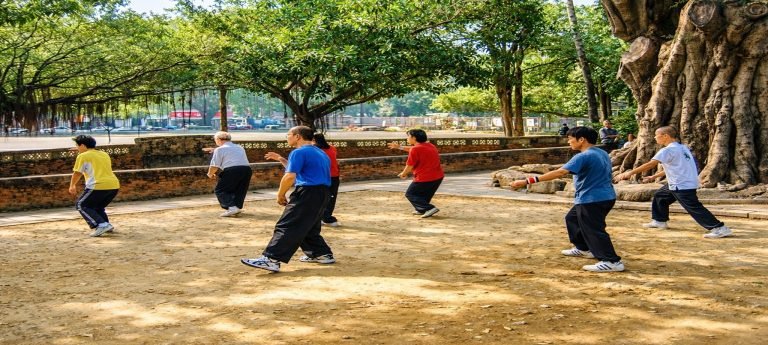
Best Time to Visit Taiwan (Weather + Seasons)
Taiwan is one of those destinations that can be amazing year-round — but the experience changes a lot depending on the season. The same island can feel like a breezy city break, a tropical beach escape, or a misty mountain adventure depending on when you visit. That’s why understanding Taiwan’s seasons is genuinely useful: it helps you choose the right month for your trip style (food + cities, beaches, hiking, or a full island loop).
The biggest thing to know: Taiwan has humidity, a rain season, and a typhoon window. But it also has two near-perfect seasons where everything is easier — the weather is comfortable, trains run smoothly, hiking is enjoyable, and walking night markets feels like a dream instead of a sweaty endurance sport.
Spring in Taiwan (March to May): The Sweet Spot
Spring is one of the best times to visit Taiwan, especially if you want to explore cities, take day trips, and hike without battling heavy heat or constant rain. The air feels lighter, Taiwan’s parks and mountains start turning green again, and you can comfortably spend full days outside — walking, temple hopping, riding bikes, and snacking through night markets without feeling melted.
This season is especially ideal for Taipei & Northern Taiwan (day trips like Jiufen and Shifen feel easier), and it’s also fantastic for Taroko Gorge and Eastern Taiwan’s coastal scenery if you’re doing a loop.
Best for: first-time visitors, city + nature combo trips, hiking, island loops, and anyone who wants Taiwan to feel “effortless.”
Autumn in Taiwan (September to November): The Other Perfect Season
Autumn is Taiwan’s other golden travel season. The humid summer begins to fade, the evenings become noticeably more comfortable, and everything feels smoother: exploring Taipei, riding trains along the coast, walking through Kaohsiung, or cycling around Sun Moon Lake. If Taiwan in summer is bold and tropical, Taiwan in autumn feels calm, clean, and crisp.
It’s also a great time for Alishan — mornings can be misty and atmospheric, and sunrise viewpoints feel magical without the intense summer heat.
Best for: island loops, photography, nature lovers, food trips, couples, and anyone who wants the best overall weather.
Summer in Taiwan (June to August): Hot, Humid, and Still Worth It
Taiwan summer is intense — and it surprises a lot of travelers. Expect real tropical humidity, high temperatures, and days where you walk outside and instantly feel the heat in your skin. In cities like Taipei, it can feel sticky and heavy, especially midday. This is also the season where rainstorms can appear quickly and dramatically.
Summer is also the peak window for typhoons. A typhoon doesn’t mean your whole trip will be ruined — but it can mean a day (or two) of cancelled ferries, delayed trains, closed hiking trails, and strong rain/winds. Taiwan is well-organized and used to these weather systems, but as a traveler you need to build flexibility into your schedule.
The trick to enjoying summer is to travel like locals do: start early, plan your main sightseeing for mornings and evenings, take a midday break (mall, museum, café), and lean into air-conditioned comfort during peak heat.
Best for: beach time, slow travel, night markets, water activities, and travelers who don’t mind heat in exchange for a lively atmosphere.
Winter in Taiwan (December to February): Mild Cities, Cool Mountains
Winter in Taiwan is where people get confused — because it’s not one simple experience. Taipei in winter can feel cold and damp, even if temperatures don’t look extreme on paper. The city has a humid “wet winter” feeling, so evenings can feel chilly and you’ll be glad you packed a warm layer.
The big difference is elevation. In Taiwan’s mountains, winter is much colder, and places like Alishan can feel downright crisp in the early morning, especially before sunrise. If you’re doing mountain viewpoints, you’ll want a proper warm jacket — not just a hoodie.
Winter is also a great time for hot springs (especially in northern Taiwan around Beitou, just outside Taipei). It’s one of the most relaxing seasonal experiences Taiwan offers: soaking in warm mineral water while the air is cool outside.
Best for: food trips, city breaks, hot springs, relaxed travel, and travelers who dislike heat.
Quick Season Guide (What to Choose)
If you want the simplest answer: the best time to visit Taiwan is spring or autumn, when the weather is comfortable and the entire island feels easy to explore.
Choose spring or autumn if you want to do everything: Taipei, day trips, Taroko, Sun Moon Lake, Alishan, and a full island loop. Choose summer if you’re prioritizing beaches and nightlife and don’t mind heat. Choose winter if you want cozy cities, hot springs, and a calmer, less sweaty Taiwan.

Getting Around Taiwan (Transport Guide)
Taiwan is one of the easiest countries in Asia to travel through independently — and transport is the biggest reason why. You don’t need to negotiate constantly, you don’t need complicated bookings, and you don’t need to be a “hardcore” traveler to move around confidently. Once you understand the basics (EasyCard + MRT + HSR), Taiwan becomes a very smooth “plug-and-play” destination.
The island is compact, extremely well-connected, and designed for everyday locals to commute efficiently — which means travelers benefit too. You can spend a few days in Taipei, take day trips out to the mountains and old streets, then hop on the high-speed rail and be in central or southern Taiwan faster than you’d expect.
EasyCard: The One Thing That Makes Taiwan Effortless
If you do one transport step right in Taiwan, make it this: get an EasyCard as soon as you arrive. EasyCard is Taiwan’s rechargeable transport card, and it turns moving around the country into a tap-and-go experience. It saves time, removes stress, and stops you from constantly searching for cash, tickets, and machines.
With an EasyCard you can usually pay for Taipei MRT, buses, and many local transport systems in other cities too. It also works in plenty of everyday places like convenience stores — which means it becomes part transport pass, part travel wallet.
How to use it: you buy the card once, then top it up whenever needed (typically at MRT stations and convenience stores). You simply tap in and out on metro gates, or tap when boarding buses.
Why it matters: Taiwan rewards travelers who keep things simple. EasyCard does exactly that — it reduces friction and gives you confidence instantly.
Taipei MRT: Clean, Safe, Simple, and Tourist-Friendly
Taipei’s MRT is one of the best metro systems in Asia. It’s clean, reliable, easy to understand, and safe even late at night. Stations are well signposted (including English), trains are frequent, and the system makes it easy to explore neighborhoods without needing a car.
For a traveler, MRT means Taipei becomes effortless: you can visit Ximending, Zhongshan, Da’an, the Chiang Kai-shek Memorial Hall, temple areas, night markets, and modern city districts without spending much time planning routes. You’ll also find that most of Taipei’s “must-see” sights are either directly on the MRT or very close to a station.
Pro tip: don’t overthink it. Google Maps works very well in Taiwan and usually gives accurate MRT exits to use — which saves time.
High Speed Rail (HSR): The Fast Way to Cross Taiwan
The Taiwan high speed rail (THSRC) is the reason Taiwan works so well for shorter trips. It runs along the west side of the island and connects major cities quickly — making it realistic to visit multiple regions even if you only have 7–10 days. Taipei to Taichung, Kaohsiung, or other major stops becomes a smooth and comfortable ride rather than a long travel day.
HSR trains are modern, punctual, and extremely easy to use. Even if you’re not used to public transport, this is one of the most stress-free high-speed systems you’ll ever experience.
How to use it: you can buy tickets at stations, online, or through apps. Seats can be reserved, but you can also use non-reserved cars depending on the ticket type. Stations are clear and organized, and announcements are easy to follow.
Important planning note: HSR stations are sometimes outside the “old town” center — especially in smaller cities. That’s normal. It just means you may need a short taxi ride, local train, or metro connection after arriving.
TRA Scenic Trains: The Beautiful Way to Travel (East Coast + Classic Routes)
If HSR is Taiwan’s fast, efficient backbone, then TRA (Taiwan Railways Administration) is its scenic soul. TRA trains are the classic rail system, and they’re especially valuable for routes where HSR doesn’t go — most importantly the east coast.
The east is one of Taiwan’s most beautiful regions: dramatic ocean cliffs, green mountains, misty valleys, and slower coastal towns. Routes toward Hualien (gateway to Taroko Gorge) often become part of the travel experience itself. This is where you sit by the window, watch landscapes roll past, and suddenly Taiwan feels like a cinematic journey.
When to use TRA: if you’re heading to Hualien, Taroko, or doing a loop around Taiwan, TRA is often essential. It’s also useful when you prefer slower travel and want to see more of the country between cities.
Booking advice: for weekends and peak travel seasons, it’s wise to book ahead for popular routes — not because it’s “hard,” but because seats can sell out.
Taxis & Uber in Taiwan: When It Makes Sense
Taiwan isn’t a country where you need to bargain aggressively for every ride. Taxis are widely available in cities, generally safe, and useful when you’re carrying luggage, traveling late at night, or heading somewhere that’s not convenient by MRT or bus.
Uber is also available (especially in cities), and many travelers like it because it removes the language barrier completely. You know the route, you see the price structure, and you don’t need to explain your destination.
Best use cases: airport transfers, early morning hikes, hot spring areas, or if you’re staying somewhere that’s a little less central. Taiwan is easy enough that taxis/Uber feel like a convenience upgrade — not a necessity.
Renting a Scooter or Car in Taiwan (Who Should / Should Not)
Renting a scooter in Taiwan can look tempting — especially if you’ve traveled through Southeast Asia before — but Taiwan is different. Roads are more structured, rules are stricter, and traffic in big cities can feel intense if you’re not confident. The good news is: you don’t need a scooter for Taiwan to be an amazing trip. Public transport is so good that most travelers never rent anything at all.
That said, scooters and cars can be great in the right situations. Scooters can be fun in beach areas and quieter regions (for example, exploring coastal roads or rural pockets), where speeds are lower and the vibe is relaxed. Cars make sense for families, groups, photographers with gear, or travelers who want maximum flexibility in rural mountain areas.
Who should rent a scooter: confident riders with experience, travelers who want freedom in rural areas, and people who are comfortable with helmet use, road rules, and unpredictable traffic moments.
Who should NOT rent a scooter: first-time riders, nervous drivers, travelers who are planning to stay mostly in Taipei and the big west coast cities, or anyone who wants a relaxed vacation with zero stress. In Taipei, a scooter is often more hassle than it’s worth.
Who should rent a car: families with kids, travelers visiting remote areas, hikers doing trailheads outside public routes, or anyone wanting to explore slower areas without planning timetables.
In one sentence: use public transport for Taipei and the west coast, use TRA trains for the east coast, and only rent a scooter/car when your trip includes rural scenery where the freedom truly adds value.
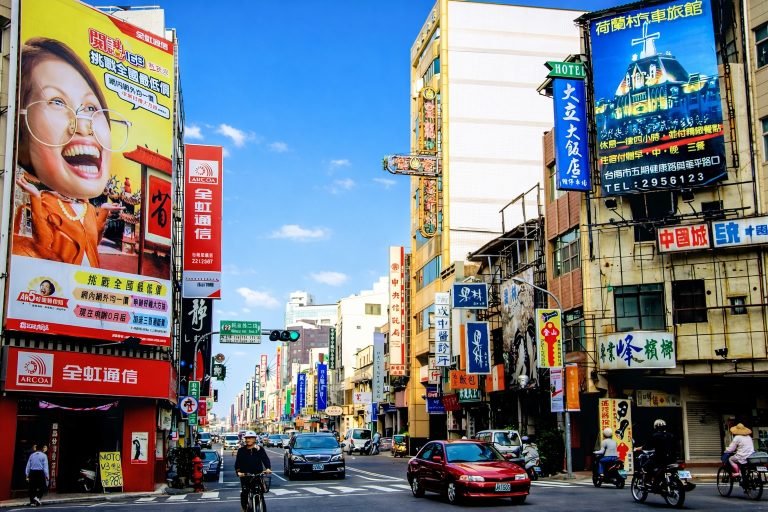
Taiwan Travel Facts (Must-Know Practical Tips)
Taiwan is wonderfully easy to travel in — but knowing a few practical basics before you arrive makes the trip feel even smoother. This section is designed to remove the small daily “frictions” that stress travelers out: money confusion, plugs, toilets, tipping, and the little cultural details that can make you feel like you’re doing everything wrong (even though you aren’t).
Language in Taiwan
The main spoken language in Taiwan is Mandarin Chinese, and you’ll also hear Taiwanese Hokkien (especially among older locals and in southern Taiwan). In big cities like Taipei, you’ll find enough English signage and tourist infrastructure to travel comfortably — especially in metro systems, major attractions, hotels, and transport hubs.
That said, don’t expect everyone to speak English conversationally. The good news: Taiwanese people are genuinely helpful, and even when there’s a language barrier, locals will often go out of their way to guide you, point you in the right direction, or help translate something quickly.
Travel tip: downloading offline maps and having a translation app ready (camera translation is especially useful) makes daily travel effortless, especially when ordering food or navigating smaller towns.
Money in Taiwan
Taiwan uses the New Taiwan Dollar (TWD / NT$). Taiwan is modern and tech-forward, but travelers are often surprised by how common cash still is for everyday purchases — especially at street food stalls, small restaurants, and night markets.
You’ll find ATMs easily in cities, and many convenience stores also have ATM access. Credit cards are accepted widely at hotels, malls, and bigger restaurants, but for street food and small purchases, having cash on you makes life much easier.
Practical move: withdraw cash in one go and keep small bills. Night markets work best when you can pay quickly without needing big change every time.
Plug Type in Taiwan
Taiwan generally uses Type A and Type B plugs (the same flat-pin style used in the United States and Japan). Taiwan’s voltage is typically 110V / 60Hz, which matters if you are bringing certain electronics (especially hair tools or older chargers).
Most phone chargers and laptops are fine because they support a wide voltage range automatically — but it’s still smart to check your device label. If you’re traveling from Europe, the UK, Australia, or most of Asia, you will need an adapter.
Travel tip: pack one good universal travel adapter and a small multi-port charger — Taiwan is full of places you’ll want to recharge (cafés, stations, hotels), and having one simple setup makes everything easier.
Safety in Taiwan
Taiwan is widely considered one of the safest destinations in Asia for travelers. Violent crime is rare, and solo travelers (including solo female travelers) often describe Taiwan as calm, comfortable, and easy to navigate — even at night.
The main safety issues are the same ones you’d watch for anywhere: keep an eye on valuables in crowded areas, be mindful in busy night markets, and be careful with scooters and traffic. Taiwan is safe, but cities are still cities — it’s smart travel, not paranoia.
One thing to take seriously: Taiwan’s weather can change quickly in summer, and typhoons can affect transport. If there’s a serious storm warning, follow local guidance and don’t try to “push through” hikes or coastal viewpoints.
Drinking Water in Taiwan
Travelers often ask if they can drink tap water in Taiwan. The short answer is: most locals boil water or drink filtered water, and many visitors prefer bottled or filtered water for comfort.
Hotels often provide bottled water, and you’ll also see water refill stations in some places. If you’re sensitive, it’s perfectly fine to stick to bottled water — it’s inexpensive and widely available.
Easy travel habit: buy a large bottle at 7-Eleven/FamilyMart and refill your small day bottle from it. Taiwan makes staying hydrated very easy.
Tipping Culture in Taiwan
Taiwan is not a strong tipping culture like the United States. In most everyday restaurants, night markets, and cafés, tipping is not expected.
Some hotels and higher-end restaurants may include a service charge, and tour guides may receive tips depending on the situation — but as a normal traveler eating out and exploring independently, you do not need to worry about tipping constantly.
The best mindset: if you receive truly exceptional service, a small tip can be appreciated, but it is not required in daily life.
Toilets & Etiquette in Taiwan
Taiwan is generally excellent for travelers when it comes to cleanliness and public infrastructure — including toilets. You’ll find clean restrooms in metro stations, malls, museums, big tourist attractions, and convenience stores.
However, there are two practical realities you should be prepared for: some bathrooms may not provide toilet paper, and some toilets may be squat toilets in older locations or rural areas. It’s not common everywhere, but it happens often enough that it’s worth knowing.
Pro tip: carry a small pack of tissues or wet wipes in your day bag. It’s one of those tiny travel habits that makes you feel prepared and relaxed all day.
Etiquette note: Taiwan is generally respectful and orderly in public spaces. Keep noise low in enclosed transport (especially MRT), follow station signage, and keep things tidy — it’s a culture where being considerate makes you blend in immediately.
Convenience Stores: 7-Eleven & FamilyMart = Travel Lifesavers
Taiwan convenience stores deserve their own travel award. 7-Eleven and FamilyMart aren’t just shops — they’re daily survival tools. You’ll use them for snacks, drinks, emergency umbrellas, SIM top-ups, quick meals, ATM withdrawals, and basically every small travel need you didn’t plan for.
They’re also fantastic for travelers because they make life easy: you can grab breakfast, coffee, and a drink in 60 seconds, stock up before hikes or long train rides, and always find something familiar even if you’re tired and don’t want a big restaurant meal.
What to buy: iced tea, onigiri-style snacks, quick noodle bowls, fruit, pastries, bottled water, and the legendary “just landed and need fuel” meal when you’re too tired to think.
In a country where transport is organized and food is everywhere, convenience stores become your quiet best friend — they keep Taiwan feeling comfortable and low-stress even when you’re constantly moving.
Stay Connected in Taiwan (eSIM Options)
One of the best “Taiwan travel hacks” is simply arriving with mobile data already working. Taiwan is incredibly easy to explore, but you’ll use your phone constantly — for MRT navigation, train schedules, translation, food ordering, ride apps, maps for day trips, and figuring out which night market stall has the famous pepper buns.
And the truth is: the moment you land, being connected removes friction. You can instantly call a ride, check into your hotel, message your accommodation, confirm your next train, or navigate Taipei without needing Wi-Fi.
The easiest solution is an eSIM — no shop visits, no SIM swapping, no paperwork. You scan a QR code (or install in-app), activate, and you’re online.
Best eSIM Options for Taiwan (My Recommended Picks)
Taiwan is one of the best countries in Asia for eSIM travel because coverage is strong, speeds are good, and the setup is simple. The best option depends on your travel style:
Ubigi is a great choice if you want a clean setup and reliable data for city travel and day trips. Yesim is excellent if you’re traveling through multiple countries on the same trip and want flexibility. Airalo is popular for short stays and quick installs, while SimOptions is useful if you want to compare providers and grab the best deal quickly.
If you want the full breakdown (recommended eSIMs, setup steps, data plan guidance, and how to avoid roaming charges), here’s the guide I recommend:
✅ Best eSIM for International Travel (Ubigi vs Yesim vs Airalo vs SimOptions)
That guide will help you choose the best plan for Taiwan specifically (and for any other countries you’re visiting next), plus it walks you through installation step-by-step so your phone works from the minute you land.
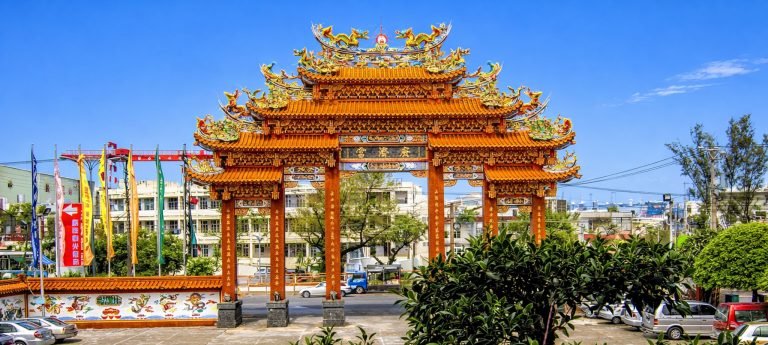
FAQs: Planning a Trip to Taiwan
• Is Taiwan safe?
Yes — Taiwan is widely considered one of the safest destinations in Asia. Public transport is orderly, the streets feel comfortable even at night, and locals are generally respectful and helpful. Standard travel awareness still applies in busy areas like night markets and stations, but most travelers find Taiwan calm and low-stress almost immediately.
• How many days do I need in Taiwan?
A week is enough for a strong “Taipei + highlights” trip, but Taiwan gets much better with extra time. With 10 days you can add Taroko Gorge and one or two major regions (Sun Moon Lake, Alishan, or Kaohsiung). With 14 days you can do a full loop around the island with a slower pace, mixing cities, nature, and beaches without rushing.
• Is Taiwan expensive?
Taiwan is great value, especially compared to Japan or South Korea. Food can be very affordable (night markets in particular), transport is efficient and reasonably priced, and you can choose your comfort level with accommodation. Taipei is typically the most expensive area for hotels, but overall Taiwan offers a high-quality trip without the high price tag.
• Do I need cash in Taiwan?
Yes — you’ll want cash, even though Taiwan is modern. Night markets, street food stalls, and many small local restaurants are often cash-first. Cards are common in hotels, malls, and bigger restaurants, but cash makes daily travel smoother and faster, especially if you’re eating out often.
• Can I travel Taiwan without speaking Mandarin?
Absolutely. Taipei and major tourist areas have plenty of English signage (especially on MRT/HSR), and Google Maps works very well. Outside big cities, English can be limited — but locals are friendly and often go out of their way to help. A translation app (especially camera translation) makes food ordering and navigation easy.
• What’s the best time to visit Taiwan?
Spring (March–May) and autumn (September–November) are the best overall seasons: comfortable temperatures, less humidity, and easier sightseeing. Summer is hot and humid and overlaps with typhoon season. Winter is mild, but Taipei can feel damp and chilly, while mountain areas get colder.
• Is the High Speed Rail (HSR) worth it?
Yes — if you plan to visit multiple regions, HSR is one of the best upgrades you can make. It turns long journeys into quick, comfortable rides (especially along Taiwan’s west coast), letting you see Taipei, Taichung, and Kaohsiung in one trip without losing days to travel.
• Is Taiwan good for solo travel?
Taiwan is one of the best solo travel destinations in Asia. It’s safe, easy to navigate, and public transport makes independent travel simple. Night markets, cafés, museums, hikes, and day trips are perfect solo activities — and solo dining and exploring is very normal in Taiwan.
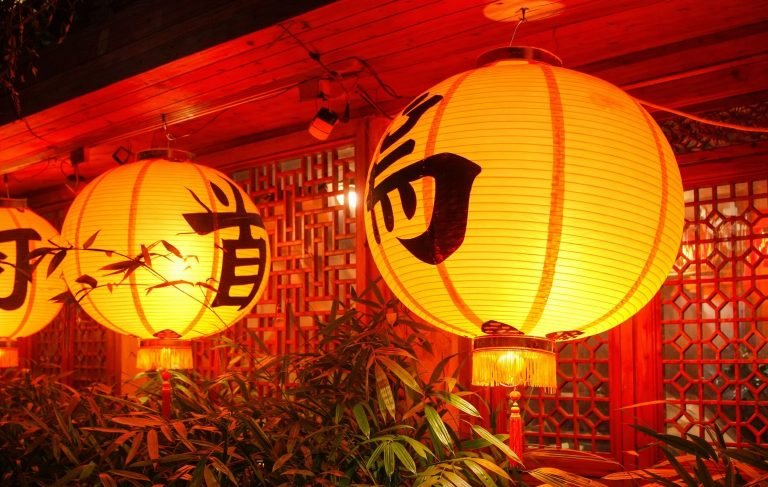
Final Thoughts
Taiwan is one of those destinations that quietly becomes a favorite — not because it shouts the loudest, but because everything just works. You land, you get connected, you grab an EasyCard, and within a few hours you’re already moving through the city like you belong there. The country feels safe, welcoming, and incredibly easy to travel through — and then you realize you can go from skyscrapers and temples to mountains, coastlines, hot springs, and night markets without ever dealing with the usual travel stress.
And the best part is that Taiwan gives you variety without chaos. You can build your trip around food, culture, hiking, beaches, or slow travel — and it still feels smooth because transport is reliable and the travel infrastructure is genuinely designed for people.
If you’re planning your first trip, don’t overthink it: pick a few highlights, travel at a comfortable pace, and leave space for the unplanned moments — the random temple you walk into, the night market stall you return to three times, the coastal train ride that turns into one of your favorite memories.
Taiwan is the kind of place that makes travel feel simple again — and once you’ve been, you’ll understand why so many travelers come back a second time.
If you want to dive deeper, each region has its own rhythm and character, from the food, temples, and neighborhoods of Taipei to the dramatic landscapes of Taroko Gorge and Hualien on the east coast. The mountains of Alishan and the calm beauty of Taichung and Sun Moon Lake offer a slower, more scenic side of the island, while southern Taiwan blends city life and coastline through Kaohsiung and the beaches of Kenting. Together, these destinations show just how much variety Taiwan packs into a relatively small island — so keep exploring, take your time, and let Taiwan surprise you along the way.
Travel Resources to Plan, Book & Stay Connected
Use these tools and guides to stay connected abroad, find inspiration for your next trip, and book your flights, stays and gear with confidence.
Disclosure: This article may contain affiliate links. If you make a purchase through a link, I may receive a commission at no extra cost to you. I only share recommendations I believe are genuinely useful, and all opinions are my own.

Comment (0)