
Where to Stay in Brazil: Quick Answer by Travel Style and Destination
If you are planning a trip and wondering where to stay in Brazil, the answer depends on your travel style, but most first-time visitors should start with Rio de Janeiro and build their route from there. Brazil is massive, so choosing the right base early makes your entire trip easier to plan.
- First-time visitors: Stay in Rio de Janeiro, especially Zona Sul areas like Ipanema, Leblon, Copacabana, Botafogo, or Flamengo for beaches, iconic sights, and easy logistics.
- Culture, food, and big-city energy: Stay in São Paulo if you want world-class restaurants, museums, nightlife, and a more urban Brazil experience.
- History, culture, and coastline: Stay in Salvador for colonial architecture, Afro-Brazilian culture, and beach access.
- Beach-focused trips: Choose destinations like Florianópolis, Búzios, Trancoso, Jericoacoara, Paraty, or Ilha Grande depending on whether you want surf, luxury, nightlife, or slow coastal travel.
- Nature and adventure: Stay near Iguaçu Falls, the Amazon, or the Pantanal if your trip is focused on waterfalls, wildlife, or rainforest experiences.
If you are still planning your full route, this complete guide to Brazil helps you combine the best destinations into a realistic itinerary without overcomplicating your trip.

Where to Stay in Brazil: How to Choose the Right Base for Your Trip
Choosing where to stay in Brazil is one of the most important decisions you will make when planning your trip. The country is not just big, it is continent-sized, and distances between destinations are much larger than most travelers expect. Staying in the right place can make your trip smooth and enjoyable, while the wrong choice can add unnecessary travel time, stress, and missed experiences.
For most travelers, the best approach is to build your trip around a few strong bases rather than trying to see everything. A combination of one major city, one beach destination, and optionally a nature stop like Iguaçu Falls or the Amazon gives you a balanced and realistic route without overcomplicating your itinerary.
Each destination offers something different. Rio is known for beaches and iconic sights, São Paulo for food and culture, Salvador for history and identity, while places like Paraty, Ilha Grande, or Florianópolis offer slower coastal travel. Understanding what each base is best for helps you choose faster and avoid second-guessing your decisions later.
If you are still planning your route, this step-by-step travel plan shows how to combine these destinations into a smooth, realistic trip.
Where to Stay in Brazil by Destination
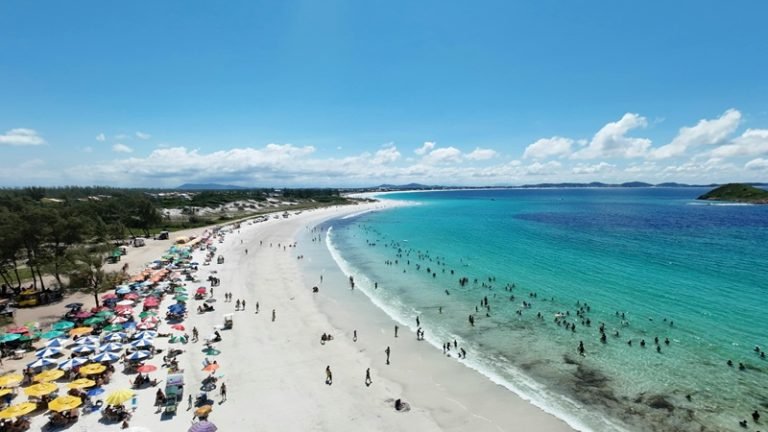
Choosing where to stay in Brazil becomes much easier once you break the country down into a few key destinations. Instead of trying to see everything, most travelers should focus on a small number of well-chosen bases that match their travel style and the type of experience they want.
- Rio de Janeiro: The best overall base for first-time visitors, combining beaches, iconic sights, and a balanced introduction to Brazil
- São Paulo: Ideal for food, culture, nightlife, and a more urban, modern side of the country
- Salvador: Best for history, Afro-Brazilian culture, music, and a mix of city and coastline
- Beach destinations: Places like Florianópolis, Búzios, Trancoso, Jericoacoara, Paraty, and Ilha Grande for coastal escapes, relaxation, or surf. Travelers considering coastal and island-focused trips can also explore Brazil's most rewarding island getaways for destinations ranging from Fernando de Noronha to Boipeba.
- Nature destinations: Iguaçu Falls, the Amazon, and the Pantanal for waterfalls, rainforest, and wildlife-focused trips
If you are comparing accommodation options across different regions, this hotel booking comparison guide helps you find the best deals and avoid overpaying, especially in high-demand destinations.
Most travelers build their Brazil itinerary around two or three of these bases. The key is to choose destinations that complement each other rather than trying to cover too much ground, since distances are large and travel time can quickly add up.
Where to Stay in Rio de Janeiro
- Best for: First-time visitors, beaches, iconic sights, balanced Brazil experience
- Where to stay: Ipanema, Leblon, Copacabana, Botafogo, Flamengo
- Why it works: Safe tourist zones with easy access to beaches, landmarks, restaurants, and tours
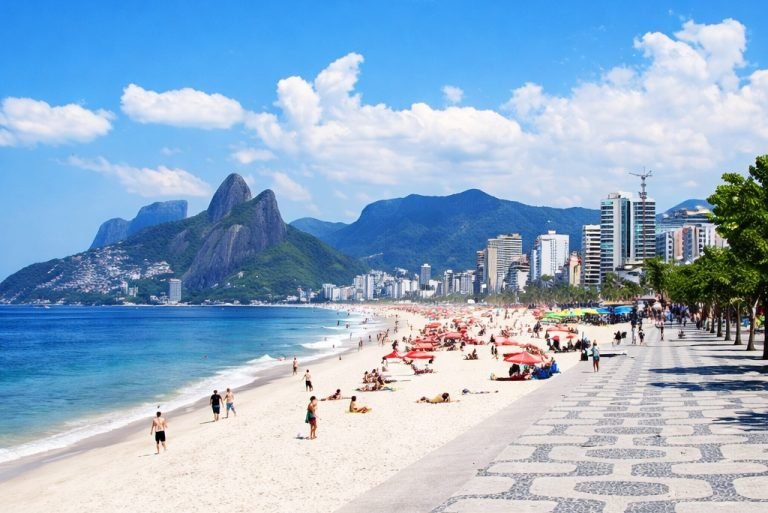
Rio de Janeiro is the best place to stay in Brazil for most travelers, especially on a first visit. It combines beaches, mountains, and world-famous attractions in a way no other city in the country does. The key decision here is not whether to stay in Rio, but where within Rio, because neighborhoods vary significantly in safety, atmosphere, and convenience.
Most travelers should focus on the Zona Sul area, which includes Ipanema, Leblon, Copacabana, Botafogo, and Flamengo. These neighborhoods are well connected, relatively safe compared to other parts of the city, and give you direct access to beaches, restaurants, and major sights without complicated logistics.
Ipanema (Best overall for most travelers)
Ipanema is the most balanced place to stay in Rio. It offers a clean, organized beach, excellent restaurants, and a more relaxed atmosphere compared to Copacabana. The area feels safer, more modern, and easier to navigate, which makes it ideal for first-time visitors who want a smooth experience.
You can walk to the beach, reach viewpoints like Arpoador easily, and access other parts of the city without much effort. It is not the cheapest area, but the combination of safety, location, and overall quality makes it the strongest choice for most travelers.
Leblon (Best for comfort and upscale stays)
Leblon sits right next to Ipanema but feels quieter, more residential, and more upscale. This is one of the safest areas in Rio, with high-end restaurants, luxury apartments, and a more local, less tourist-heavy atmosphere.
It works best if you want a calm, comfortable stay with easy beach access but without the busier vibe of Copacabana. The trade-off is price, as accommodation here is usually more expensive and options are slightly more limited.
Copacabana (Best for value and convenience)
Copacabana is the most famous and most accessible area in Rio. It offers a wide range of hotels, from budget to mid-range, and has a lively, energetic atmosphere with plenty of restaurants, bars, and services.
It is a strong option if you want to stay central without paying Ipanema or Leblon prices. However, it is more crowded, slightly less polished, and requires a bit more awareness, especially at night. For many travelers, it provides the best balance between cost and location.
Botafogo (Best for local feel and lower prices)
Botafogo offers a more local, less touristy experience while still being close to the main attractions. It has a growing food scene, good transport connections, and some of the best views of Sugarloaf Mountain.
This area works well for longer stays or travelers who want to save money without moving too far away from Zona Sul. The trade-off is that it does not have direct beach access like Ipanema or Copacabana.
Flamengo (Best for quiet stays and park access)
Flamengo is a quieter residential area with a large park along the waterfront. It is well connected to the rest of the city and offers lower accommodation prices compared to the main beach areas.
It works best if you want a calmer base and do not mind taking short rides to reach the main beaches. It is less tourist-focused, which can be a positive or a negative depending on your travel style.
If you want a full breakdown of neighborhoods, hotels, and how to choose between them, this Rio de Janeiro accommodation guide walks you through the best areas in detail.
Compare hotels, beachfront resorts, boutique properties, and budget-friendly stays across Rio de Janeiro. Find the perfect place to stay near Copacabana, Ipanema, Barra da Tijuca, Sugarloaf Mountain, and the city's top attractions.
Find Hotels in Rio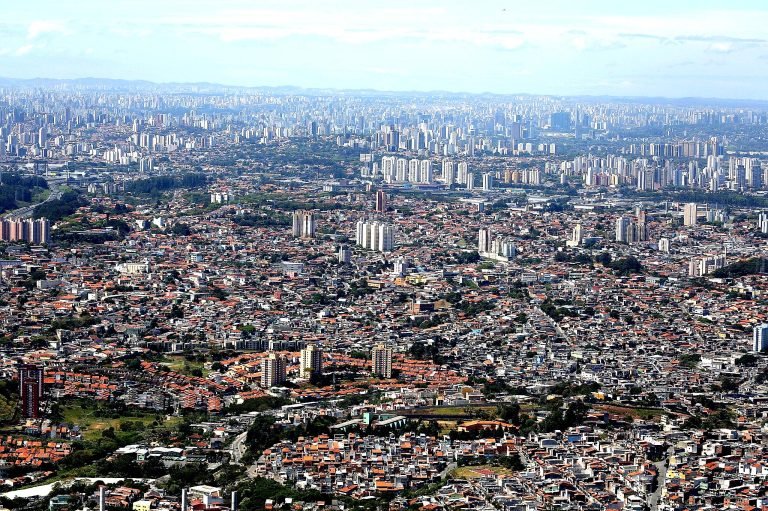
Where to Stay in São Paulo
- Best for: Food, nightlife, culture, big-city experience
- Where to stay: Jardins, Avenida Paulista, Vila Madalena, Itaim Bibi
- Why it works: These areas give you safety, central location, and access to São Paulo’s best restaurants, museums, and nightlife
São Paulo is the best place to stay in Brazil if your trip is built around food, culture, and urban energy. It is not a scenic city like Rio, but it is where you will find some of the best restaurants in Latin America, a strong arts scene, and a completely different side of Brazil. Choosing the right neighborhood matters here more than in most cities, because São Paulo is large, dense, and very neighborhood-driven.
Jardins (Best overall for most travelers)
Jardins is the most balanced area to stay in São Paulo. It is one of the safest parts of the city, clean, walkable by São Paulo standards, and packed with restaurants, cafés, and shops. This is where many first-time visitors feel most comfortable, especially if you want a smooth experience without having to think too much about logistics.
It is also close to Avenida Paulista and Ibirapuera Park, which means you can reach major sights easily. Hotels here tend to be mid-range to upscale, and while it is not the cheapest option, the convenience and comfort make it the safest choice for most travelers.
Avenida Paulista (Best for location and transport)
Avenida Paulista is the most central and best-connected area in São Paulo. If you want easy access to public transport, museums, and different parts of the city, this is one of the most practical places to stay. It is busy, commercial, and always active, which can be a positive or a negative depending on your travel style.
This area works well if you want to explore multiple neighborhoods without relying too heavily on taxis or rideshares. It is slightly less polished than Jardins, but more connected, making it a strong option for shorter stays or first-time visits.
Vila Madalena (Best for nightlife and atmosphere)
Vila Madalena is the best area to stay if you want nightlife, bars, and a more creative atmosphere. This is São Paulo’s bohemian neighborhood, known for street art, live music, and a younger, more relaxed crowd. It feels very different from the business-heavy parts of the city.
The downside is that it is less central for sightseeing and can be noisy at night. It works best if nightlife and social atmosphere are a priority rather than convenience or quiet.
Itaim Bibi (Best for upscale dining and modern stays)
Itaim Bibi is a modern, upscale district with some of the best restaurants in the city. It has a more polished, business-oriented feel, with high-end hotels, rooftop bars, and a strong dining scene. This is where you stay if you want comfort, quality, and a more refined experience.
It is slightly less tourist-focused and not as well connected by metro as Paulista, so you will rely more on Uber. However, if your focus is food and comfort, this is one of the strongest choices in São Paulo.
If you want a full breakdown of neighborhoods, hotels, and how to choose between them, this São Paulo travel guide gives you a deeper look at what each area offers and how to plan your stay.
Compare hotels, serviced apartments, boutique stays, and luxury accommodations across São Paulo. Find the ideal base near Paulista Avenue, Jardins, Vila Madalena, Ibirapuera Park, and the city's top dining, shopping, and cultural attractions.
Find Hotels in São Paulo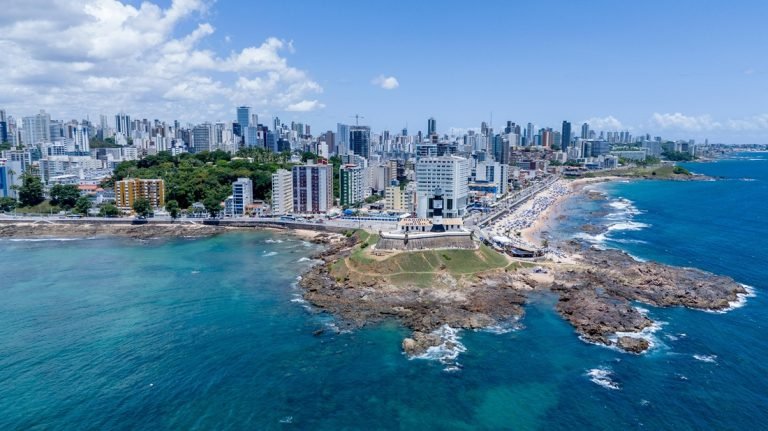
Where to Stay in Salvador
- Best for: Culture, history, music, coastal atmosphere
- Where to stay: Barra, Rio Vermelho, Pelourinho (select areas)
- Why it works: Combines historic sites, beaches, and one of Brazil’s strongest cultural identities
Salvador is one of the most unique places to stay in Brazil. It offers a completely different experience compared to Rio or São Paulo, with strong Afro-Brazilian culture, colonial architecture, music, and a slower coastal rhythm. Choosing the right area is critical here, because the experience can vary significantly depending on where you stay.
Most travelers should choose between Barra, Rio Vermelho, and carefully selected parts of Pelourinho. These areas give you access to beaches, restaurants, and historic sites while staying within zones that are easier to navigate and better suited for visitors.
Barra (Best overall for most travelers)
Barra is the safest and most practical place to stay in Salvador for most visitors. It sits along the coast, offers direct beach access, and has a strong mix of hotels, restaurants, and nightlife. The area is well lit, active, and easy to move around, which makes it a comfortable base for first-time travelers.
It also provides easy access to major sights like the historic center and offers sunset views around Farol da Barra. If you want a smooth, low-friction stay with both beach and city access, this is the best choice.
Rio Vermelho (Best for nightlife and local atmosphere)
Rio Vermelho has a more local, energetic feel and is known for its nightlife, bars, and food scene. It is one of the best areas to experience Salvador beyond the typical tourist path, with live music, seafood restaurants, and a strong cultural atmosphere.
It works best if you enjoy going out in the evening and want a more authentic experience. The trade-off is that it is slightly less central for sightseeing compared to Barra, so you will rely more on short rides to reach the main attractions.
Pelourinho (Best for history, but choose carefully)
Pelourinho is the historic heart of Salvador, filled with colorful colonial buildings, churches, and cultural landmarks. Staying here puts you right in the middle of the city’s history and gives you a unique atmosphere that you will not find elsewhere in Brazil.
However, this area requires more careful hotel selection. Some streets are lively and well maintained, while others can feel quiet or less secure, especially at night. It is best suited for travelers who prioritize history and atmosphere and are comfortable choosing well-reviewed accommodations in the right part of the district.
Salvador’s historic center, Pelourinho, is recognized as a UNESCO World Heritage Site, known for its colorful colonial architecture, churches, and cultural significance. Staying nearby gives you direct access to one of Brazil’s most important historical areas, but choosing the right street and accommodation is essential for both comfort and safety.
Travelers exploring multiple destinations across the region can also read this complete guide to Northeast Brazil destinations, which covers coastal cities, beach towns, transportation, and regional travel planning beyond Salvador itself.
If you want a deeper look at neighborhoods, attractions, and how to plan your stay, this Salvador travel guide helps you understand what each area offers and how to structure your visit. Travelers still deciding between Barra, Rio Vermelho, Pelourinho, and other neighborhoods can also use this complete Salvador accommodation guide for a more detailed breakdown of where to stay.
Compare hotels, beachfront resorts, boutique pousadas, and luxury stays across Salvador. Find the perfect base near Barra Beach, Pelourinho, Rio Vermelho, and the city's historic landmarks, restaurants, and cultural attractions.
Find Hotels in Salvador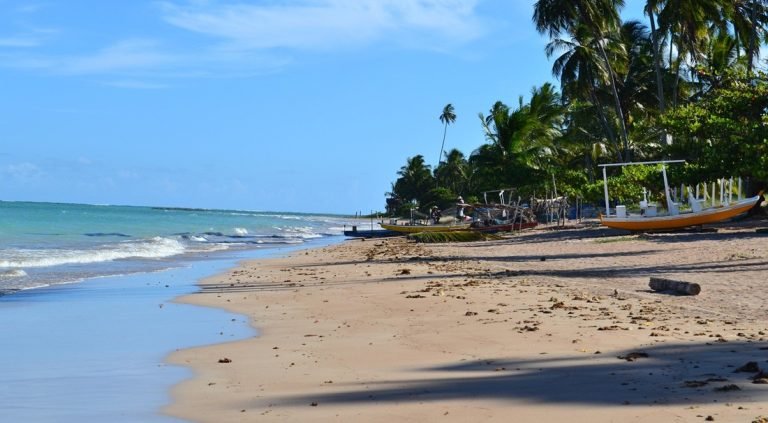
Where to Stay in Brazil for Beach Destinations
- Best for: Relaxation, coastal scenery, beach lifestyle, slower travel
- Where to stay: Florianópolis, Búzios, Trancoso, Jericoacoara, Paraty, Ilha Grande
- Why it works: These destinations offer a completely different pace compared to big cities, with beaches, nature, and more focused travel experiences
Brazil’s coastline is massive, and choosing the right beach destination depends on the kind of trip you want. From lively urban stretches to remote coastal escapes, the variety of coastal destinations across Brazil means your experience can look completely different depending on where you go. Some places are easy to reach and work well as extensions from Rio or São Paulo, while others require more planning but offer a more remote and unique experience. The key decision is whether you want convenience or isolation.
Florianópolis (Best all-round beach destination)
Florianópolis offers one of the most balanced beach experiences in Brazil. It combines good infrastructure, a wide variety of beaches, surfing, hiking, and a lifestyle that works for both short trips and longer stays. The island has different areas depending on your style, from lively beach towns to quieter, more residential zones.
It is one of the easiest beach destinations to combine with São Paulo or southern Brazil. If you want flexibility, reliable infrastructure, and a mix of relaxation and activity, this is one of the safest choices.
Travelers looking for a deeper overview of the island can also read my guide to what to experience across Florianópolis and Santa Catarina Island, including beaches, hikes, neighborhoods, food, transport tips, and local highlights.
Búzios (Best for upscale beach atmosphere)
Búzios is a peninsula near Rio de Janeiro known for its boutique hotels, multiple beaches, and more refined coastal atmosphere. It is a popular choice for travelers who want a beach destination that still feels polished and well developed.
It works best as a short extension from Rio. The downside is that it can feel busy during peak periods, but the range of beaches allows you to find quieter spots if needed.
Trancoso (Best for slow, high-end travel)
Trancoso offers a completely different pace. It is known for its small central square, boutique hotels, and a slower, more exclusive feel. This is not a place for packed itineraries, but for relaxed days, beach time, and a more curated travel experience.
It requires more effort to reach, but that is part of its appeal. If you want a calm, high-end beach destination with a strong atmosphere, Trancoso is one of the top choices in Brazil.
Jericoacoara (Best for remote beach and scenery)
Jericoacoara is one of the most unique beach destinations in Brazil. It is surrounded by dunes, lagoons, and open landscapes, and the setting feels much more remote than most coastal areas. The town itself is small, sandy, and built around a relaxed lifestyle.
Getting there takes time, but once you arrive, the experience is very different from anywhere else in the country. It works best if you are willing to trade convenience for a more distinctive destination.
Paraty and Ilha Grande (Best near Rio for nature + coast)
Paraty and Ilha Grande are two of the best coastal destinations near Rio de Janeiro. Paraty offers colonial architecture, boat trips, and a mix of culture and coastline, while Ilha Grande focuses more on beaches, hiking, and nature.
Both are strong options if you want to add a slower, scenic stop to your trip without traveling too far from Rio. They are easy to combine and work well for travelers who want variety without long internal flights.
If you are planning your route between cities and coastal destinations, this Brazil transport guide explains how to move efficiently between regions and avoid wasting time on long travel days.
Discover Brazil’s most spectacular beachfront hotels, from luxury resorts overlooking turquoise waters to boutique escapes on some of the country's most beautiful tropical beaches.
View Beach Hotels
Nature and Adventure Destinations
- Best for: Wildlife, rainforest, waterfalls, unique landscapes
- Where to stay: Iguaçu Falls, Amazon (Manaus region), Pantanal
- Why it works: These destinations offer experiences you cannot get in cities or beach areas, from waterfalls to wildlife encounters
If your trip to Brazil is focused on nature and adventure, you will need to plan differently compared to city or beach travel. These destinations are often more remote, require additional transport, and are usually visited as dedicated stops rather than casual add-ons.
Iguaçu Falls (Best for iconic nature experience)
Iguaçu Falls is one of the most impressive natural attractions in the world and one of the easiest nature destinations to include in a Brazil itinerary. Staying near the falls gives you access to multiple viewpoints, walking trails, and the chance to experience the area early or late in the day when it is less crowded.
It works well as a short stop of one to two nights and is often combined with Rio or São Paulo. If you want a high-impact nature experience without complex logistics, this is the best option.
Amazon (Best for rainforest immersion)
Staying in the Amazon is a completely different type of travel experience. Most visitors base themselves in or near Manaus and then stay in a jungle lodge, where activities include river exploration, wildlife spotting, and guided forest walks.
This is not a casual destination. It requires planning, guided tours, and a willingness to disconnect from typical travel comforts. It works best for travelers who want a deeper, immersive experience rather than a quick stop.
Pantanal (Best for wildlife and safaris)
The Pantanal is the best place in Brazil for wildlife viewing. Unlike the Amazon, where animals can be difficult to spot, the Pantanal offers more open landscapes and higher chances of seeing animals like jaguars, caimans, and a wide variety of bird species.
Stays here are usually centered around eco-lodges, where activities are organized and focused on wildlife observation. It is a strong choice if your priority is nature and photography rather than general sightseeing.
For a full breakdown of planning, transport, and how to visit these areas, this Iguaçu Falls travel guide is a good starting point for understanding how to include nature destinations in your itinerary.

Best Areas to Stay in Brazil by Travel Style
Once you understand Brazil’s main destinations, the next step is choosing where to stay based on your travel style. This helps you narrow down options faster and avoid overthinking every city. Most travelers do not need dozens of choices. You need one place that fits how you actually travel.
- First-time visitors: Rio de Janeiro (Ipanema, Leblon, Copacabana) for a balanced introduction with beaches, sights, and easy logistics
- Food and culture: São Paulo (Jardins or Itaim Bibi) for restaurants, museums, and nightlife. Travelers interested in regional dishes and local dining culture can also explore this guide to food in Brazil.
- History and culture: Salvador (Barra or selected Pelourinho stays) for colonial architecture and strong identity
- Beach-focused trips: Florianópolis, Búzios, or Trancoso depending on whether you want variety, convenience, or a slower pace
- Nature and wildlife: Iguaçu Falls, Amazon lodges, or Pantanal stays for rainforest and wildlife experiences. Travelers planning jungle lodges and river excursions can use this guide to the Brazilian Amazon to understand how rainforest stays and logistics work around Manaus.
- Budget travelers: Copacabana (Rio), parts of Salvador, or Paraty for lower accommodation costs with good access
- Luxury travelers: Leblon (Rio), Trancoso, or high-end lodges in nature destinations for comfort and exclusivity
The goal is not to find the “perfect” place, but to choose a base that aligns with your priorities. Once that is clear, the rest of your itinerary becomes much easier to organize.

How to Choose the Right Area in Brazil
Choosing the right area to stay in Brazil is less about finding the “best” place and more about avoiding the wrong one. Cities are large, neighborhoods vary a lot, and small location decisions can affect your entire experience. The goal is to stay somewhere that keeps your trip simple, safe, and easy to navigate.
- Prioritize location over price: Staying slightly closer to beaches, attractions, or transport hubs usually saves time and reduces daily friction
- Choose known, well-reviewed neighborhoods: Tourist-friendly areas like Zona Sul in Rio or Jardins in São Paulo are easier to navigate and more reliable for first-time visitors
- Check walkability and transport: Some areas look central on a map but require taxis or long travel times to reach key sights
- Understand safety differences: Safety varies by neighborhood, not just by city, so choosing the right area matters more than the destination itself
- Match the area to your travel style: Quiet residential zones, nightlife districts, and beach areas all offer very different experiences
It is also important to think about how you will move around. In most Brazilian cities, Uber is widely used and often the easiest way to get around, especially at night. Public transport can be useful in places like São Paulo, but many travelers rely on short rides to stay flexible and avoid unnecessary complications.
Accommodation becomes even more important if you are visiting during major events such as Carnival. Large cities like Rio de Janeiro, Salvador, and São Paulo become significantly busier, transport can slow down dramatically, and staying in the wrong neighborhood may turn simple journeys into exhausting experiences. If you are planning your trip around parade season, our complete guide to experiencing Carnival in Brazil explains how different cities celebrate Carnival, what to expect from blocos and samba parades, and how to choose the right area for your travel style.
Before choosing where to stay, it is worth checking official safety guidance. According to government travel advice for Brazil, travelers should exercise a high degree of caution, especially in large cities where opportunistic crime can occur. Staying in well-known neighborhoods, avoiding isolated areas at night, and keeping valuables out of sight can make your trip feel much easier and more comfortable.
Before booking, take a moment to review the exact location of your accommodation, not just the city name. Two hotels in the same city can offer completely different experiences depending on the neighborhood. Making the right choice here reduces stress and helps you enjoy the trip without constantly adjusting your plans.
When choosing where to stay, it is also worth checking official safety guidance. According to government travel advice for Brazil, travelers should exercise a high degree of caution, especially in large cities where opportunistic crime can occur. Staying in well-known neighborhoods, avoiding isolated areas at night, and keeping valuables out of sight can make your trip feel much easier and more comfortable.
Where to Stay in Brazil: Final Thoughts
Choosing where to stay in Brazil comes down to building a simple, realistic route rather than trying to cover everything. Most travelers will have the best experience by combining one major city, one beach destination, and optionally one nature stop. This approach keeps travel time manageable and gives you a well-rounded view of the country without turning your trip into constant transit.
Budget also plays a role in where you stay. Cities like Rio and Salvador can vary significantly depending on the neighborhood, while beach and nature destinations often have more limited options. This Brazil travel budget guide helps you estimate what you will actually spend so you can choose areas that match your expectations.
Finally, understanding how things work on the ground can make a big difference. From safety awareness to transport choices, small details shape your experience. This practical Brazil travel tips guide covers what to know before you arrive so you can avoid common mistakes and move through your trip with confidence.
The key is to choose a base that fits how you travel, not just what looks good on a map. Once that decision is clear, everything else becomes easier to plan.

FAQ About Where to Stay in Brazil
- Where should I stay in Brazil for the first time?
Most first-time visitors should stay in Rio de Janeiro, specifically in Zona Sul areas like Ipanema, Leblon, or Copacabana. These neighborhoods offer the best balance of safety, beaches, attractions, and easy logistics. - What is the best city to stay in Brazil?
Rio de Janeiro is the best overall city for most travelers. São Paulo is better for food and culture, while Salvador is ideal for history and cultural experiences. The best choice depends on your travel style. - Where to stay in Brazil for beaches?
Top beach destinations include Florianópolis, Búzios, Trancoso, Jericoacoara, Paraty, and Ilha Grande. Choose based on how easy you want it to be to reach and whether you prefer luxury, nightlife, or a quieter atmosphere. - Where to stay in Brazil for nightlife?
For nightlife, stay in Rio de Janeiro (Copacabana or Ipanema), São Paulo (Vila Madalena or Itaim Bibi), or Salvador (Rio Vermelho). These areas have the best mix of bars, clubs, and late-night activity. - Where to stay in Brazil for culture and history?
Salvador is the best choice for culture and history, especially areas like Barra or Pelourinho. Rio also offers cultural experiences, but Salvador has a stronger historical and Afro-Brazilian identity. - Where to stay in Rio de Janeiro?
The best areas to stay in Rio are Ipanema, Leblon, Copacabana, Botafogo, and Flamengo. Ipanema and Leblon are the safest and most comfortable, while Copacabana offers better value and a more lively atmosphere. - Where to stay in São Paulo?
Stay in Jardins, Avenida Paulista, Vila Madalena, or Itaim Bibi. Jardins is the safest and most balanced, Paulista is best for transport, Vila Madalena for nightlife, and Itaim Bibi for upscale dining. - Where to stay in Salvador, Brazil?
Barra is the best overall area for most travelers due to safety and beach access. Rio Vermelho is great for nightlife, while Pelourinho works for history if you choose your accommodation carefully. - Where to stay in Brazil on a budget?
Copacabana in Rio, parts of Salvador, and destinations like Paraty offer good value. Budget travelers should prioritize location over the cheapest option to avoid extra transport costs and inconvenience. - Where to stay in Brazil for luxury travel?
Leblon in Rio, Trancoso, and high-end eco-lodges in the Amazon or Pantanal offer the best luxury experiences. These areas focus on comfort, privacy, and high-quality service. - Is it safe where you stay in Brazil?
Safety depends heavily on the neighborhood rather than the city itself. Staying in well-known tourist areas, choosing well-reviewed accommodations, and using Uber at night helps reduce risk significantly. - How many places should I stay in Brazil?
Most travelers should choose two to three bases. A common combination is Rio de Janeiro, a beach destination, and optionally a nature stop like Iguaçu Falls or the Amazon. - Where to stay near Iguaçu Falls?
Stay in Foz do Iguaçu on the Brazilian side for easy access to the falls. Some travelers choose to stay inside the national park for a more exclusive experience, but most stay in the city. - Where to stay in Paraty, Brazil?
The historic center is the best place to stay in Paraty for atmosphere and convenience. Staying nearby also works if you prefer quieter accommodation with easy access to the town. - Where to stay in Florianópolis?
Stay in areas like Lagoa da Conceição for a lively atmosphere, or beach areas depending on whether you want surfing, relaxation, or a quieter stay. The island offers a wide variety of options. - Should I stay in multiple cities in Brazil?
Yes, Brazil is too large to experience from one base. Most trips combine a city, a beach destination, and sometimes a nature location to get a balanced experience.
Travel Resources to Plan, Book & Stay Connected
Use these tools and guides to stay connected abroad, find inspiration for your next trip, and book your flights, stays and gear with confidence.
Disclosure: This article may contain affiliate links. If you make a purchase through a link, I may receive a commission at no extra cost to you. I only share recommendations I believe are genuinely useful, and all opinions are my own. AI was used in this post for research and drafting purposes.

Comment (0)