Taiwan Travel Budget Guide: What to Expect Before You Go
Taiwan is often seen as more expensive than other destinations in Southeast Asia, but the reality is far more balanced. This Taiwan travel budget guide breaks down what travelers actually spend across the island, where costs rise quickly, and how to experience Taiwan comfortably without overspending.
- Realistic daily budgets for backpackers, mid-range travelers, and comfort travelers
- Typical costs for hotels, food, trains, attractions, and local transport
- The smartest ways to reduce travel costs without sacrificing the experience
- Where Taiwan becomes surprisingly expensive and where it offers excellent value
- Practical budget tips for planning a smoother and more affordable Taiwan trip
If you are still planning your route around the island, our Taiwan travel guide, detailed Taiwan itinerary planner, practical guide to transportation in Taiwan, and full breakdown of the best places to stay in Taiwan can help you build a smoother and more realistic trip.
Is Taiwan Expensive? A Realistic Taiwan Travel Budget Guide
Taiwan sits in a very interesting position in Asia when it comes to travel costs. It is not as cheap as countries like Vietnam, Cambodia, or Thailand, but it is usually far more affordable than destinations such as Japan, South Korea, or Singapore. For many travelers, Taiwan ends up feeling like one of the best-value destinations in the region because of how easy, safe, clean, and efficient the experience is overall.
One of the biggest surprises for first-time visitors is how manageable daily travel costs can be once you understand how Taiwan works. Public transport is reliable and relatively affordable, local food is excellent and often inexpensive, and many of the island’s best experiences cost very little. Temples, hiking trails, night markets, coastal scenery, mountain towns, and city neighborhoods can easily fill an itinerary without requiring a massive budget.
At the same time, Taiwan is not a destination where every traveler spends the same amount. Your budget can rise quickly if you stay mostly in Taipei, rely heavily on High Speed Rail, book hotels late, or eat frequently in trendy cafés and Western restaurants. Accommodation prices also vary significantly between cities and seasons, especially in places like Alishan, Kenting, and Taipei during weekends or holidays.
For backpackers and slower travelers, Taiwan can be surprisingly affordable. Mid-range travelers often find the island extremely comfortable for the price, while couples and solo travelers usually appreciate how much convenience and safety they get compared to many similarly developed destinations. Taiwan is especially well suited for travelers who value smooth logistics, excellent public transport, good food, and low-stress travel rather than ultra-cheap prices alone.
In this Taiwan travel budget guide, we’ll break down realistic daily budgets, transportation costs, accommodation prices, food expenses, and the smartest ways to reduce costs while still experiencing the best of the island.
Average Daily Budget in Taiwan
How much you spend in Taiwan depends heavily on your travel style, the pace of your itinerary, and how much time you spend in cities like Taipei. Backpackers who stay in hostels, eat local food, and travel slowly can keep costs relatively reasonable, while travelers using High Speed Rail frequently and staying in boutique hotels will spend considerably more. Compared to Japan or Singapore, however, Taiwan still offers excellent overall value for the level of comfort, safety, and convenience you get.
Backpacker Budget in Taiwan
- Approximate daily budget: 35 to 60 USD per person
- Hostel dorm beds: 15 to 30 USD
- Local meals and night markets: 10 to 20 USD daily
- Public transport and local trains: 5 to 15 USD daily
- Budget-friendly attractions and free activities
Backpackers can travel Taiwan fairly comfortably without spending huge amounts of money, especially outside Taipei. Dorm beds are common in major cities and many hostels are modern, clean, and well organized. Taiwan’s night markets, local noodle shops, breakfast stalls, and convenience stores also make it relatively easy to eat well without constantly spending on restaurants.
Transport costs stay manageable if you rely mostly on local TRA trains, city MRT systems, and buses instead of using High Speed Rail for every long-distance journey. Many of Taiwan’s best experiences are inexpensive or free, including temples, hiking trails, scenic coastlines, mountain towns, and city neighborhoods.
Mid-Range Budget in Taiwan
- Approximate daily budget: 80 to 160 USD per person
- Private hotel rooms: 60 to 130 USD
- Mix of local restaurants, cafés, and night markets
- Occasional High Speed Rail journeys
- Paid attractions, day trips, and guided activities
This is probably the most comfortable budget range for most travelers visiting Taiwan. Mid-range travelers can stay in well-located hotels, enjoy a mixture of local and international food, and move around the island efficiently without constantly watching every expense.
At this level, Taiwan often feels like extremely good value. Hotels are generally modern and reliable, public transport remains efficient, and even in larger cities like Taipei, it is possible to enjoy a very comfortable trip without reaching the prices commonly seen in Japan or South Korea.
Couples and solo travelers often find Taiwan particularly rewarding in this budget range because the island combines convenience, cleanliness, excellent infrastructure, and relatively low-stress travel.
Comfort Travel Budget in Taiwan
- Approximate daily budget: 180 USD and above per person
- Higher-end hotels and boutique stays
- Frequent High Speed Rail usage
- Private transfers, tours, and premium dining
- More flexible and faster-paced itineraries
Taiwan can certainly become expensive if you prioritize comfort, convenience, and speed throughout your trip. Boutique hotels in Taipei, scenic mountain stays in Alishan, and beachfront accommodation in Kenting can quickly raise your daily costs, especially during weekends and domestic holiday periods.
Even so, Taiwan still tends to feel more affordable than many other developed destinations in East Asia. Travelers spending at this level usually gain access to excellent hotels, efficient transportation, high-quality food, and a very smooth overall travel experience.
| Travel Style | Approximate Daily Budget | Typical Travel Style |
|---|---|---|
| Backpacker | 35–60 USD | Hostels, local food, slower transport, budget travel |
| Mid-range | 80–160 USD | Hotels, mixed dining, some HSR, balanced comfort |
| Comfort | 180+ USD | Boutique hotels, premium transport, faster itineraries |
Accommodation Costs in Taiwan
Accommodation is usually the largest expense for most travelers visiting Taiwan, especially in Taipei and during weekends or holiday periods. Prices can vary significantly depending on the season, location, and how early you book. Taiwan generally offers good value overall, but hotel costs rise quickly in areas with limited accommodation supply or high domestic tourism demand.
Travelers who plan ahead usually find Taiwan much more affordable than expected. Budget hostels are common in major cities, mid-range hotels are often modern and comfortable, and many business hotels offer strong value compared to similarly developed destinations in East Asia.
Hostel Prices in Taiwan
- Dorm beds usually cost around 15 to 30 USD per night
- Private hostel rooms generally range from 35 to 70 USD
- Taipei tends to have the highest hostel prices
- Kaohsiung and Taichung are often more affordable
Hostels in Taiwan are usually clean, organized, and surprisingly modern. In cities like Taipei, Taichung, and Kaohsiung, many backpackers find excellent dorms close to MRT stations and major attractions. Prices rise noticeably during weekends and public holidays, particularly in Taipei and popular scenic regions.
Outside the capital, accommodation often becomes much more manageable for budget travelers. Cities like Kaohsiung and Taichung frequently offer better value for private rooms than Taipei, while smaller guesthouses around Hualien and Taitung can also be reasonably priced outside peak travel periods.
Mid-Range Hotel Prices in Taiwan
- Most mid-range hotels cost around 60 to 130 USD per night
- Well-located Taipei hotels often exceed 120 USD
- Business hotels usually offer strong value
- Prices increase sharply during Taiwanese holidays
This is where Taiwan often feels like very good value overall. Mid-range hotels are generally modern, reliable, and comfortable, with strong public transport access in most cities. Travelers used to hotel prices in Japan, Singapore, or major Western cities are often surprised by how reasonable Taiwan can still feel in comparison.
Business hotels are particularly common across Taiwan and can be an excellent option for couples or solo travelers who want comfort without luxury-level pricing. Rooms are often compact but efficient, and standards are usually consistent.
If you are still deciding where to base yourself around the island, our guide to where to stay in Taiwan breaks down the best cities and regions for different travel styles.
Where Accommodation Gets Expensive in Taiwan
- Taipei during weekends and events
- Alishan because of limited hotel supply
- Kenting during beach season
- Domestic holidays and long weekends
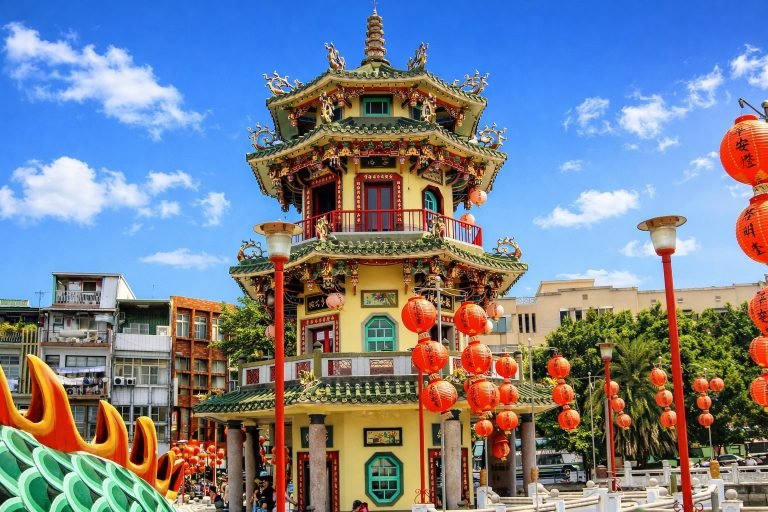
Some parts of Taiwan become noticeably more expensive than others. Taipei is the clearest example, especially around Taipei Main Station, Ximending, and popular MRT-connected districts. Hotel prices in the capital can rise quickly on weekends and during concerts, festivals, or major events.
Mountain destinations such as Alishan are another important example. Accommodation options are relatively limited, which means prices often stay high compared to what travelers might expect for rural areas. Scenic coastal destinations like Kenting can also become expensive during warmer months when domestic tourism increases heavily.
For travelers planning regional routes, it is often worth comparing several bases before booking. Our guides to Alishan, Kaohsiung, and Kenting can help you understand how prices and travel styles vary across Taiwan.
How To Save Money on Hotels in Taiwan
- Book earlier for weekends and holidays
- Stay slightly outside Taipei’s busiest districts
- Travel more slowly instead of changing hotels constantly
- Compare hotel platforms before booking
One of the easiest ways to reduce accommodation costs in Taiwan is simply to avoid booking at the last minute. Prices increase quickly during domestic travel periods, especially in Taipei and scenic areas. Staying one or two MRT stops outside major tourist districts can also reduce hotel costs significantly without creating major inconvenience.
If you are comparing accommodation options for your trip, our hotel booking comparison guide explains which booking platforms often offer the best value for Taiwan hotels.
Food Costs in Taiwan
Food is one of the reasons many travelers fall in love with Taiwan so quickly. Eating well here is relatively easy, and local food often delivers excellent value compared to many other developed destinations in Asia. Travelers who stick mainly to Taiwanese restaurants, noodle shops, breakfast stalls, and night markets can usually keep daily food costs surprisingly reasonable without feeling restricted.
At the same time, Taiwan’s food budget can change dramatically depending on your habits. Travelers who regularly visit trendy cafés, imported brunch spots, cocktail bars, or Western restaurants will notice prices climbing much faster, especially in Taipei.
Night Markets and Local Food Prices
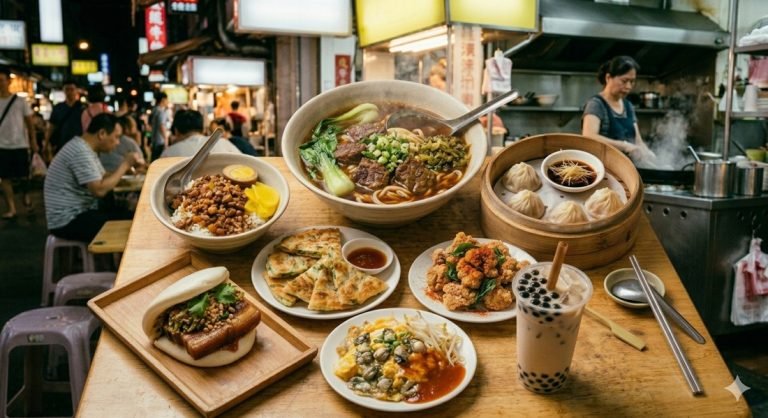
- Simple local meals often cost around 3 to 8 USD
- Night market snacks usually range from 1 to 6 USD
- Bubble tea commonly costs 1.50 to 4 USD
- Taiwanese breakfast shops are usually very affordable
Night markets are one of the easiest ways to eat well without spending large amounts of money in Taiwan. A typical evening at a night market might include fried chicken, dumplings, grilled skewers, bubble tea, and desserts while still costing far less than a sit-down dinner in many Western countries.
Local restaurants and noodle shops also offer strong value across Taiwan. Beef noodle soup, braised rice dishes, dumplings, soups, and bento meals are widely available and often inexpensive. Taiwanese breakfast shops are another major advantage for budget-conscious travelers, with sandwiches, egg pancakes, soy milk, buns, and rice rolls available almost everywhere in the mornings.
If you want a deeper look at local dishes and street food culture, our Food in Taiwan guide covers many of the island’s must-try meals and regional specialties.
Restaurants and Cafés in Taiwan
- Mid-range restaurant meals often cost around 10 to 25 USD per person
- Western restaurants are noticeably more expensive
- Specialty cafés and brunch culture are particularly strong in Taipei
- Alcohol can raise food budgets quickly
Taiwan’s café culture has expanded significantly in recent years, especially in Taipei and Taichung. Travelers who enjoy specialty coffee shops, brunch cafés, and modern restaurants will find plenty of excellent options, but these experiences are usually much more expensive than eating local Taiwanese food.
Western food is one of the clearest areas where Taiwan stops feeling “cheap.” Burgers, imported ingredients, cocktails, wine, and international restaurants can quickly push daily budgets much higher than travelers initially expect.
Still, Taiwan offers a very good balance overall because travelers can easily mix inexpensive local meals with occasional restaurant experiences without destroying their budget.
Bubble Tea, Convenience Stores, and Everyday Snacks
- Convenience stores are extremely useful for budget travelers
- Snacks, drinks, and quick meals are widely available
- Bubble tea prices remain relatively affordable
- Many convenience stores have seating areas and ATMs
Taiwan’s convenience stores are genuinely useful for travelers and often become part of daily life during a trip. Stores like 7-Eleven and FamilyMart sell drinks, snacks, rice dishes, noodles, coffee, and basic meals at relatively affordable prices. They are also practical places for ATM withdrawals, transport card top-ups, and quick breakfasts.
Bubble tea is another everyday expense many travelers quickly adopt while visiting Taiwan. Prices vary depending on the brand and toppings, but even premium versions are usually affordable enough to enjoy regularly without heavily affecting your overall budget.
Where Food Costs Increase Quickly
- Western restaurants and imported food
- Cocktail bars and nightlife
- Tourist-heavy café districts in Taipei
- Frequent food delivery usage
For most travelers, Taiwan only starts feeling expensive when eating habits become heavily internationalized. Travelers who eat mainly in cafés, rooftop bars, imported bakeries, and Western restaurants will spend dramatically more than those embracing local Taiwanese food culture.
Nightlife can also increase budgets quickly in Taipei, especially around cocktail bars and modern entertainment districts. In contrast, travelers who enjoy local restaurants, tea shops, and night markets often find Taiwan much more affordable than expected.
Food-focused travelers should also explore our Taiwan Night Market Guide, including detailed guides to Shilin Night Market, Raohe Night Market, and Fengjia Night Market.
Transport Costs in Taiwan
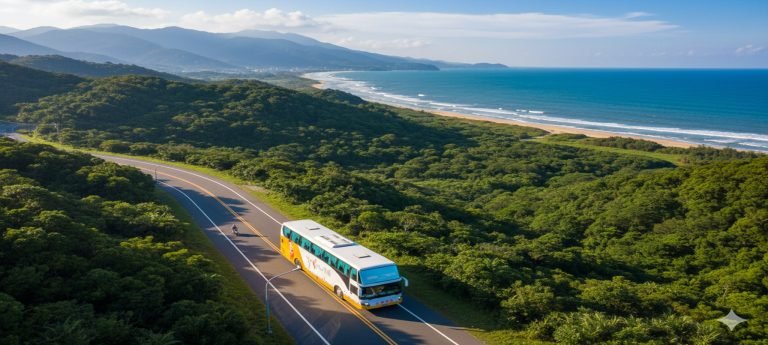
Transport is one of the areas where Taiwan delivers particularly strong value for travelers. The island is extremely easy to move around thanks to its efficient rail network, modern MRT systems, reliable buses, and relatively straightforward logistics overall. Taiwan is not the cheapest destination in Asia for transportation, but the convenience, cleanliness, and time savings often make the costs feel very reasonable.
For many travelers, transportation costs in Taiwan depend mainly on one decision: how often to use High Speed Rail instead of slower local trains. Taiwan’s transport system is excellent overall, but travel budgets can vary significantly depending on pace and comfort preferences.
MRT and Local Transport Costs
- MRT rides usually cost around 0.70 to 2 USD
- City buses are generally inexpensive
- EasyCard and iPASS simplify daily travel
- Taipei and Kaohsiung have the strongest MRT systems
Daily transportation inside Taiwanese cities is usually very manageable financially. Taipei’s MRT system is clean, fast, and easy to understand, while Kaohsiung also has a reliable metro network for travelers exploring the south of the island.
For most visitors, public transport quickly becomes one of the easiest parts of traveling Taiwan. Stations are well organized, English signage is common, and transport cards such as EasyCard and iPASS make movement around cities extremely simple.
Travelers planning longer routes around the island should also read our complete Taiwan transport guide, which explains trains, buses, regional travel, and High Speed Rail in more detail.
TRA vs High Speed Rail Costs
- TRA trains are slower but significantly cheaper
- HSR saves substantial travel time
- Long-distance HSR journeys commonly cost 35 to 55 USD
- Local and regional TRA journeys are often much cheaper
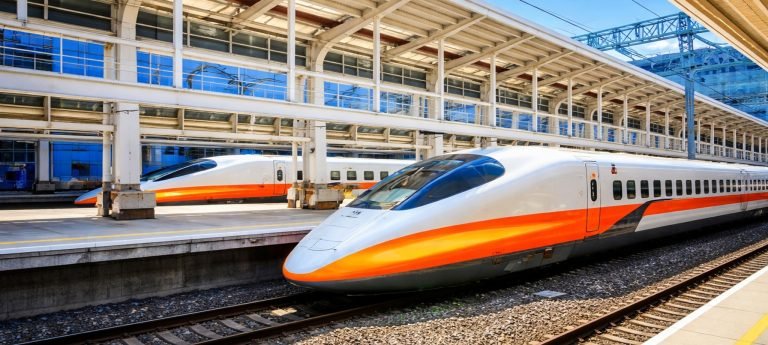
Taiwan’s High Speed Rail system is one of the fastest and most convenient ways to travel the island, especially along the western corridor between Taipei, Taichung, Tainan, and Kaohsiung. The trains are modern, efficient, and extremely reliable.
At the same time, High Speed Rail can increase your transport budget surprisingly quickly if used repeatedly throughout a fast-paced itinerary. Travelers who want to reduce costs often rely more heavily on TRA trains, which are slower but still comfortable and scenic for many routes.
This becomes particularly important for travelers moving gradually around Taiwan rather than rushing through the island. Slower itineraries often reduce transport costs dramatically while also making the experience less exhausting.
If you are still deciding how to structure your route, our Taiwan itinerary guide breaks down realistic travel pacing for different trip lengths.
EasyCard and iPASS
- EasyCard works across much of Taiwan’s transport network
- Cards can also be used in convenience stores
- Top-ups are simple and widely available
- Very useful for MRT systems and buses
Most travelers quickly realize how convenient Taiwan’s prepaid transport cards are. EasyCard and iPASS remove much of the friction from daily travel and are useful far beyond metro systems alone. Many convenience stores, local buses, and smaller transport systems also accept them.
For travelers moving frequently between cities and attractions, these cards make Taiwan feel exceptionally smooth and efficient compared to many other destinations in Asia.
Scooter Rentals, Uber, and Taxis
- Scooter rentals vary by region and license requirements
- Uber is available in major cities
- Taxis are usually safer and more regulated than in many countries
- Short city rides are generally affordable
Scooters can be useful in places like Kenting, Hualien, or parts of the east coast where public transport becomes less frequent. However, many travelers underestimate how easy Taiwan is to explore without renting one at all, especially along the west coast rail corridor.
Uber and taxis are widely available in larger cities and are generally straightforward to use. Taiwan’s regulated transport environment also means travelers encounter far fewer scams or negotiation issues than in some neighboring destinations.
Is High Speed Rail Worth It?
- HSR is excellent for shorter trips with limited time
- TRA trains are often better for budget travelers
- Fast itineraries increase transport costs significantly
- Slower travel often improves both budget and experience
For many travelers, Taiwan High Speed Rail is absolutely worth using at least once, especially for routes like Taipei to Kaohsiung where the time savings are dramatic. It can transform long travel days into quick and comfortable journeys.
However, travelers trying to keep costs lower do not need to rely on HSR constantly. Taiwan’s slower rail network is still reliable, scenic, and far more affordable in many situations. Choosing carefully when to use HSR is one of the easiest ways to balance comfort and budget while traveling Taiwan.
Attraction and Activity Costs in Taiwan
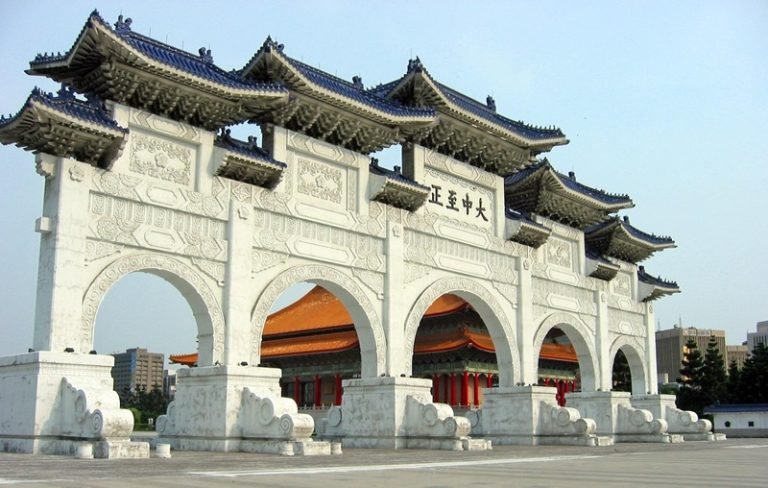
One of the biggest advantages of traveling Taiwan is that many of the island’s best experiences do not require large entrance fees or expensive tours. Taiwan is a destination where travelers can spend days exploring temples, mountain scenery, night markets, coastal towns, hiking trails, and local neighborhoods without constantly paying for attractions.
Compared to destinations heavily focused on expensive sightseeing passes or high attraction fees, Taiwan often feels refreshingly manageable once you are actually traveling around the island. Independent travelers especially benefit from this because Taiwan’s transport system makes many attractions easy to reach without guided tours.
Free and Low-Cost Things To Do in Taiwan
- Many temples and scenic areas are completely free
- National Palace Museum tickets cost around 11 USD
- Taipei 101 Observatory tickets usually cost around 18 to 20 USD
- Many hiking trails and viewpoints cost nothing to access
Some of Taiwan’s most rewarding experiences cost very little. Travelers can spend entire days visiting temples, walking through old streets, exploring night markets, or hiking mountain trails without spending heavily on entrance tickets.
Even in Taipei, many attractions remain reasonably affordable compared to major cities elsewhere in East Asia. The National Palace Museum is one of Taiwan’s most famous cultural attractions and remains relatively inexpensive considering the size of its collection, while observatory tickets at Taipei 101 still cost significantly less than many similar skyline attractions around the world.
Travelers looking for broader inspiration across the island should also explore our Things to Do in Taiwan guide.
Nature, Temples, and Scenic Areas
- Taroko Gorge hiking areas are largely free
- Alishan Forest Railway tickets commonly cost around 20 to 25 USD
- Hot spring visits often range from 10 to 40 USD
- Temple visits are usually free or donation-based
Taiwan’s natural scenery is one of the reasons the island offers such strong overall value for travelers. Many scenic regions can be explored independently with relatively low activity costs, especially compared to countries where guided excursions are almost mandatory.
Places like Taroko Gorge, Hualien, Alishan, Sun Moon Lake, and Kenting reward travelers who are comfortable using public transport and exploring at their own pace. Taiwan’s landscapes often feel accessible rather than locked behind expensive tour systems.
The Alishan Forest Railway is one of the more iconic paid experiences in Taiwan and is generally considered worth the price for the scenery alone. Hot spring experiences vary heavily depending on location and luxury level, with simple public baths remaining fairly affordable while premium resorts can become considerably more expensive. Our guide to Taiwan’s best hot springs and onsen regions explains which areas are worth visiting depending on your travel style, budget, and preferred atmosphere.
Our guides to Taroko Gorge and Hualien, Alishan, and Kenting explain how to plan these regions realistically.
Tours and Paid Excursions
- Small-group day tours often cost around 40 to 100 USD
- Private drivers can easily exceed 150 USD daily
- Whale watching tours generally cost around 25 to 50 USD
- Cooking classes and cultural experiences often range from 30 to 80 USD
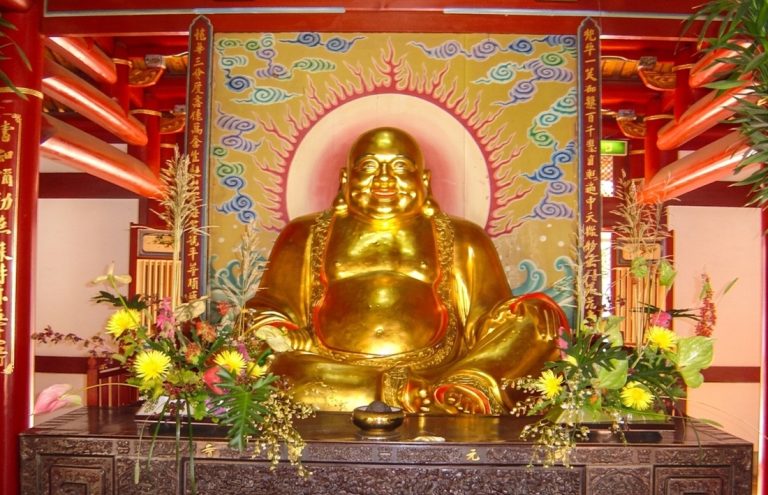
Guided tours are widely available throughout Taiwan, especially around Taipei and major scenic regions, but many travelers discover they are optional rather than essential. Taiwan’s excellent train network and relatively straightforward logistics make independent travel realistic for most visitors.
That flexibility is one of Taiwan’s biggest budget advantages. Travelers can decide when convenience is worth paying for and when it makes more sense to travel independently.
Private transportation and custom tours are usually where activity budgets rise fastest. Travelers who prefer fully organized travel will spend significantly more than those using Taiwan’s public transport infrastructure.
Where Activity Costs Increase
- Luxury hot spring resorts
- Private transportation and custom tours
- Fast-paced itineraries with constant movement
- Domestic holidays and peak travel periods
Most travelers only start spending heavily on activities when prioritizing convenience, speed, or premium experiences. Taiwan itself is not particularly expensive for sightseeing, but private drivers, luxury resorts, and tightly packed itineraries can increase daily budgets quickly.
Travelers moving more slowly around the island often discover that Taiwan naturally rewards independent exploration. Some of the country’s best experiences come from scenic train rides, mountain viewpoints, local food discoveries, temple visits, coastal walks, and everyday cultural encounters rather than expensive organized excursions.
For destination-specific planning, you can also explore our guides to Taipei, Kaohsiung, and Taichung and Sun Moon Lake.
How To Travel Taiwan on a Budget
Traveling Taiwan on a reasonable budget is usually less about extreme cost-cutting and more about making smarter planning decisions. Taiwan rewards travelers who move at a comfortable pace, use public transport strategically, and embrace local food culture rather than constantly chasing convenience or imported experiences.
For many visitors, Taiwan actually feels easier to budget than several neighboring destinations because transport is organized, scams are relatively uncommon, and day-to-day logistics are generally very straightforward.
Travel More Slowly Around Taiwan
One of the easiest ways to reduce costs in Taiwan is simply to slow down your itinerary. Travelers rushing between Taipei, Taichung, Alishan, Kaohsiung, Kenting, and Hualien in only a few days often end up spending far more on High Speed Rail tickets, taxis, and last-minute accommodation.
Slower travel not only lowers transport costs but also makes Taiwan feel significantly less exhausting. Spending multiple nights in the same base often creates a much more enjoyable experience overall.
Use TRA Strategically Instead of High Speed Rail
Taiwan High Speed Rail is excellent, but many travelers overuse it simply because it is fast. Local TRA trains are often dramatically cheaper and still very comfortable for many journeys around the island.
Using High Speed Rail selectively rather than constantly can make a noticeable difference to your total travel budget, especially on longer itineraries.
Eat Local More Often
Taiwanese food is usually where the best value exists. Local noodle shops, breakfast stalls, dumpling restaurants, and night markets are often far more affordable than international cafés or Western restaurants.
Travelers who embrace local food culture generally spend much less while also experiencing one of the best parts of Taiwan itself.
Stay Slightly Outside the Most Expensive Areas
In Taipei especially, hotel prices can rise sharply in the busiest districts around Taipei Main Station and Ximending. Staying just a few MRT stops away can sometimes reduce accommodation costs significantly without creating major inconvenience.
The same principle often applies in other Taiwanese cities and tourist areas where central locations command noticeably higher hotel prices.
Avoid Peak Domestic Travel Periods
Taiwan becomes considerably more expensive during domestic holidays, long weekends, Lunar New Year, and major festival periods. Accommodation prices can rise quickly, train tickets become harder to secure, and popular destinations become much busier.
Travelers with flexible schedules can often save substantial amounts by avoiding Taiwan’s busiest travel periods entirely.
Use Convenience Stores Intelligently
Taiwan’s convenience stores are genuinely useful for budget-conscious travelers. Stores like 7-Eleven and FamilyMart offer affordable drinks, coffee, snacks, quick meals, ATM access, and transport card top-ups throughout the island.
Many travelers naturally end up relying on them during train journeys, early mornings, or late evenings because they are practical, consistent, and widely available.
Before focusing on transportation, accommodation, and daily expenses, make sure you understand Taiwan's entry rules and travel documents. Many travelers can visit Taiwan without obtaining a tourist visa in advance, but requirements vary by nationality, and checking them before booking flights can help avoid unexpected costs or travel disruptions.
Before your trip, it is also worth comparing mobile data options through our international eSIM guide, since avoiding expensive roaming charges can reduce travel costs surprisingly quickly.
Is Taiwan Worth the Cost?
For many travelers, Taiwan ends up feeling far more rewarding than the price might initially suggest. While it is not the cheapest destination in Asia, the island delivers a level of convenience, safety, cleanliness, and overall travel comfort that often makes the experience feel like excellent value overall.
One of Taiwan’s biggest strengths is how smoothly travel tends to function once you arrive. Public transport is reliable, cities are generally organized, food quality is consistently strong, and independent travel feels relatively low stress compared to many destinations where logistics become exhausting or unpredictable.
Travelers coming from Japan, Singapore, or major Western cities often find Taiwan noticeably more affordable than expected, especially considering the quality of hotels, infrastructure, and transportation. At the same time, travelers arriving directly from very low-cost Southeast Asian destinations may initially find Taiwan slightly more expensive than anticipated.
Much also depends on travel style. Backpackers willing to travel slowly, eat local food, and use regular trains can explore Taiwan fairly comfortably without extreme daily spending. Mid-range travelers often find Taiwan particularly rewarding because the balance between comfort and cost is usually very strong.
Taiwan is especially well suited for travelers who value efficient transport, excellent food, mountain scenery, coastal landscapes, night markets, and a calmer overall travel experience rather than nonstop nightlife or ultra-budget backpacking culture.
For many visitors, the biggest takeaway is not necessarily that Taiwan is “cheap,” but that it feels easy to travel well without constantly spending money to solve problems. That combination of comfort, reliability, and overall quality is a large part of what makes Taiwan feel worth the cost.
Final Thoughts on Budget Travel in Taiwan
Taiwan is one of those destinations that often feels more balanced once you experience it firsthand. While it may not compete with the very cheapest countries in Southeast Asia, the combination of efficient transport, reliable infrastructure, excellent food, safety, and relatively low-stress travel creates a level of comfort that many travelers find extremely worthwhile.
For backpackers, Taiwan can still be surprisingly manageable financially with slower travel, local food, and strategic transport choices. Mid-range travelers often discover that Taiwan delivers particularly strong value because hotels, public transport, and daily logistics remain relatively reasonable compared to many other developed destinations in Asia.
The island also rewards travelers who stay flexible and curious. Some of Taiwan’s best experiences come from wandering through local neighborhoods, eating at night markets, riding scenic trains, exploring mountain towns, and spending time in places that feel authentic rather than heavily commercialized.
If you are still planning your trip, it may also help to compare flight options through our international flight booking guide, review different coverage options in our travel insurance guide, or prepare for the trip with our recommended travel gear picks.
Travelers planning to spend time in the capital may also want to read our Taipei neighborhood and hotel guide, which compares areas like Ximending, Zhongshan, Xinyi, Da’an, and Beitou for different travel styles, budgets, and itineraries.
Ultimately, Taiwan may not be the absolute cheapest destination in Asia, but for many travelers, it becomes one of the easiest places to travel comfortably without constantly overspending.
Frequently Asked Questions About Budget Travel in Taiwan
-
Is Taiwan expensive for tourists?
Taiwan is generally considered moderately priced compared to the rest of Asia. It is usually more expensive than countries like Vietnam or Thailand, but noticeably cheaper than Japan, Singapore, or many Western countries. Most travelers find Taiwan offers very good overall value because of its safety, transport quality, cleanliness, and food culture. -
How much money do you need per day in Taiwan?
Backpackers can often travel Taiwan on around 35 to 60 USD per day, while mid-range travelers commonly spend between 80 and 160 USD daily depending on accommodation style, transport choices, and activities. Comfort travelers usually spend considerably more, especially when using High Speed Rail frequently or staying in boutique hotels. -
Can you travel Taiwan on a budget?
Yes. Taiwan is very manageable for budget-conscious travelers, especially those willing to use local trains, eat Taiwanese food, stay in hostels or guesthouses, and travel more slowly around the island. -
Is Taiwan cheaper than Japan?
In most cases, yes. Hotels, transportation, and daily food costs are usually lower in Taiwan than in Japan, although Taiwan is not as cheap as some other Southeast Asian destinations. -
Is Taipei expensive?
Taipei is usually the most expensive city in Taiwan, particularly for accommodation. However, food, MRT transport, and many attractions still remain relatively affordable compared to many other major cities in East Asia. -
What is the cheapest way to travel around Taiwan?
The cheapest way to travel Taiwan is usually by combining local TRA trains, buses, MRT systems, and slower itineraries. Travelers who rely heavily on High Speed Rail generally spend significantly more. -
Is Taiwan good for backpackers?
Taiwan is excellent for backpackers who value safety, food culture, efficient transport, hiking, and relatively easy independent travel. While it is not the cheapest backpacking destination in Asia, many travelers find the overall experience very rewarding. -
How expensive are hotels in Taiwan?
Hostel dorm beds commonly cost around 15 to 30 USD per night, while mid-range hotels often range from 60 to 130 USD depending on the city and season. Taipei and Alishan are usually among the more expensive areas. -
Is food expensive in Taiwan?
Local Taiwanese food is often very affordable, especially at night markets, noodle shops, and breakfast stalls. Costs usually increase when eating frequently in Western restaurants, trendy cafés, or nightlife districts. -
Are Taiwan night markets cheap?
Yes. Taiwan’s night markets are one of the best places to eat affordably while trying a wide variety of local dishes and snacks. Many travelers can enjoy a full evening of food for relatively little money. -
Is High Speed Rail worth it in Taiwan?
Taiwan High Speed Rail is usually worth it for travelers with limited time because it dramatically reduces travel times between major cities. However, slower TRA trains are often much cheaper and still comfortable for many routes. -
How much does transportation cost in Taiwan?
MRT rides commonly cost less than 2 USD, while long-distance High Speed Rail journeys often range between 35 and 55 USD depending on the route. Local TRA trains are generally much cheaper. -
Can you use credit cards easily in Taiwan?
Credit cards are widely accepted in cities, hotels, and larger businesses, but some local restaurants, markets, and smaller shops still prefer cash. Carrying some Taiwanese dollars is recommended. -
What is the best budget city in Taiwan?
Many travelers find cities like Kaohsiung and Taichung more affordable than Taipei, especially for accommodation. Slower-paced regional travel can often reduce costs significantly. -
When is Taiwan most expensive?
Taiwan becomes noticeably more expensive during Lunar New Year, domestic holidays, long weekends, and major festival periods when accommodation prices and train demand increase heavily.
Travel Resources to Plan, Book & Stay Connected
Use these tools and guides to stay connected abroad, find inspiration for your next trip, and book your flights, stays and gear with confidence.
Disclosure: This article may contain affiliate links. If you make a purchase through a link, I may receive a commission at no extra cost to you. I only share recommendations I believe are genuinely useful, and all opinions are my own. AI was used in this post for research and drafting purposes.

Comment (0)