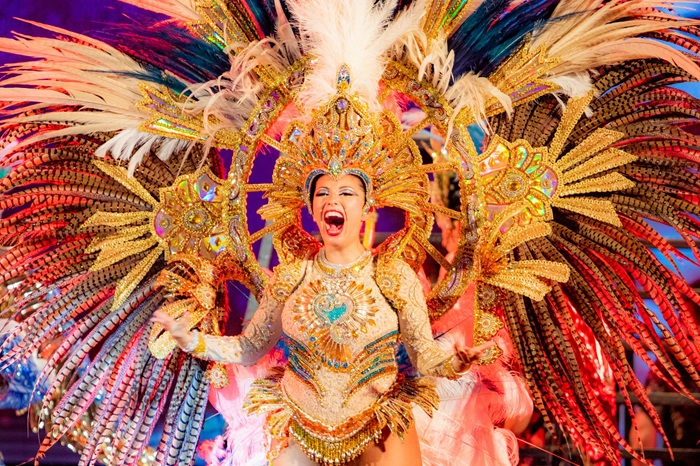
Brazil Carnival: What to Expect, Where to Go & Why It Matters
Brazil Carnival is far more than a parade or party. Across cities like Rio de Janeiro, Salvador, Recife, and Olinda, Carnival transforms entire neighborhoods into huge street celebrations filled with samba, costumes, live music, dancing, and nonstop energy. This guide explains what Carnival in Brazil actually feels like, how travelers can experience it beyond simply watching from the sidelines, and why it eventually became one of the country’s most important cultural traditions.
- When Brazil Carnival happens and how long it lasts
- The difference between Sambadrome parades and street blocos
- The best cities in Brazil for different Carnival experiences
- How to participate in Carnival instead of only observing it
- What to wear and how to prepare for Carnival crowds
- Important safety tips, scams, and realistic travel advice
- The history and origin of Carnival in Brazil
- How Afro-Brazilian culture, samba schools, and costumes shaped modern Carnival
If you are planning a broader trip around the country, read our complete Brazil travel guide for destination ideas and itinerary planning. You can also compare seasons in our best time to visit Brazil guide or learn more about regional cuisine in our food in Brazil article.
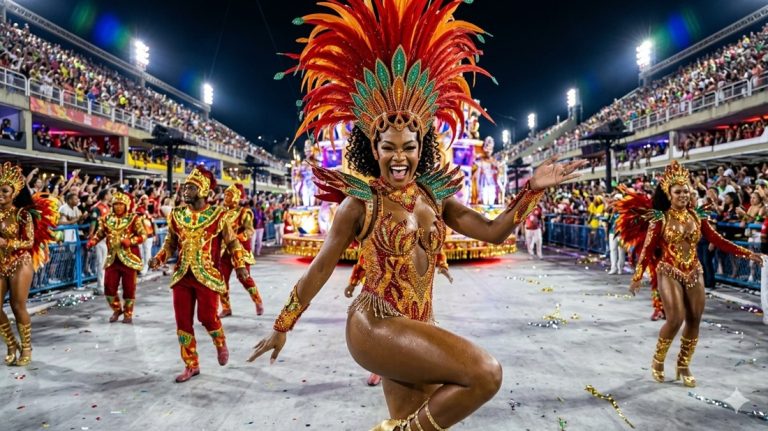
Brazil Carnival Is Much More Than Most Travelers Expect
For many people around the world, Brazil Carnival means glitter, samba dancers, giant parades, and chaotic street parties. But once you actually arrive during Carnival season, you quickly realize it is something much larger and far more immersive than the stereotypes suggest.
In cities across Brazil, normal life temporarily changes rhythm. Streets close. Music follows you through entire neighborhoods. Crowds gather around marching bands and moving blocos long before sunrise and continue well into the night. Some travelers spend Carnival inside the famous Sambadrome in Rio de Janeiro watching elaborate samba school parades, while others join packed street celebrations in Salvador, Recife, or Olinda where the atmosphere feels less like a performance and more like a city-wide release of energy.
That is also what makes Brazil Carnival so difficult to explain before experiencing it yourself. It is not only something people watch. It is often something people temporarily live inside.
At the same time, Carnival can also feel overwhelming if you arrive unprepared. The crowds are enormous, the heat can be exhausting, and opportunistic theft becomes more common during major celebrations. Some travelers fall in love with the nonstop atmosphere immediately, while others discover that different cities and different styles of Carnival create completely different experiences.
This guide will help you understand what Carnival in Brazil actually is, where to experience it, how to participate safely, and why it eventually became one of the country’s most important cultural traditions.
When Is Brazil Carnival?
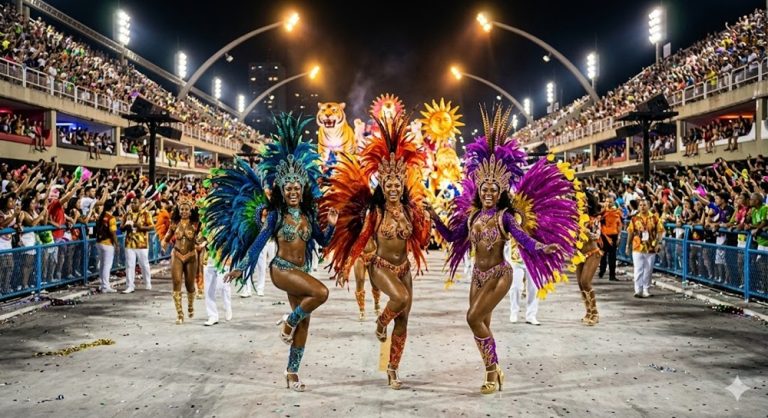
Brazil Carnival takes place every year before Lent, which is the 40-day Christian period leading up to Easter. Because Easter changes date every year, the dates for Carnival in Brazil also change each year. In most cases, the main Carnival celebrations happen sometime in February or early March.
The official Carnival period traditionally runs from Friday through Ash Wednesday, but in reality, many celebrations begin much earlier. In major cities across Brazil, pre-Carnival blocos, rehearsals, concerts, and street parties often start several weeks before the main event. Some neighborhoods feel festive for almost an entire month.
For official parade schedules, samba school information, and Sambadrome updates, you can also check the Rio Carnival Official Website before planning your trip.
The reason Carnival happens before Lent goes back to Portuguese Catholic traditions brought to Brazil during the colonial period. Historically, Carnival was seen as a final period of celebration, music, food, drinking, and indulgence before the more reflective and restrained season of Lent began. Over time, Brazil transformed those European traditions into something far larger and culturally unique through samba, Afro-Brazilian rhythms, neighborhood celebrations, and massive street participation.
For travelers, this timing is important because Carnival affects nearly every aspect of a trip:
- Flights and hotels often become significantly more expensive
- Popular Carnival cities can become extremely crowded
- Street closures and traffic disruptions are common
- Many locals travel domestically during the holiday period
- Pre-Carnival events may actually feel more enjoyable for some travelers than the busiest official parade days
Most travelers should arrive at least a few days before the main Carnival weekend rather than flying in at the last moment. This gives you time to adjust, understand how the city is operating during Carnival season, and experience the atmosphere before the largest crowds fully take over.
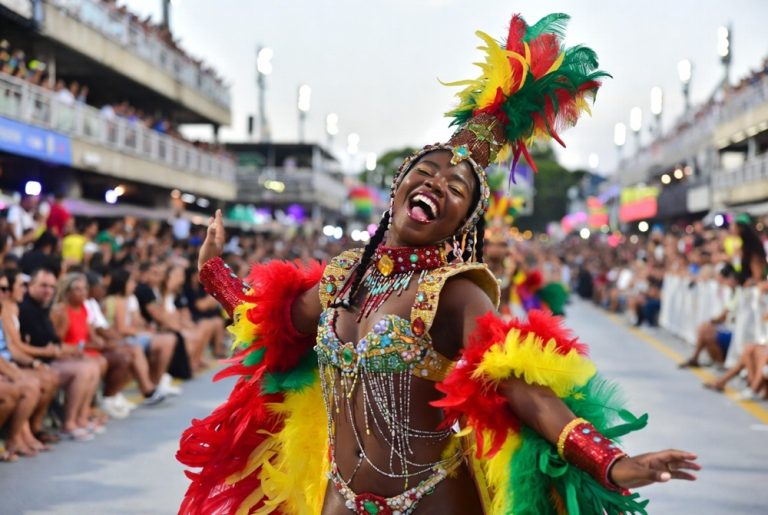
What Carnival In Brazil Actually Feels Like
One of the hardest things about explaining Brazil Carnival is that it does not feel like a normal festival. In many countries, festivals happen in specific venues or behind barriers where people arrive, watch, and leave a few hours later. Carnival in Brazil often feels much larger and far less contained.
Entire neighborhoods can temporarily change rhythm during Carnival season. Music spills through streets from morning until late at night. Crowds gather around moving blocos, bars overflow onto sidewalks, and people in costumes appear almost everywhere you look. In some areas, it can feel as though the city itself has become part of the celebration.
That atmosphere also changes dramatically depending on where you are in Brazil.
- Rio de Janeiro feels huge, theatrical, and visually overwhelming
- Salvador is heavily driven by music, dancing, percussion, and Afro-Brazilian energy
- Recife and Olinda often feel more chaotic, local, artistic, and street-focused
- Smaller cities can feel more community-oriented and less intimidating for first-time visitors
Many travelers arrive expecting Carnival to revolve entirely around the famous Sambadrome parades in Rio de Janeiro. Those parades are certainly spectacular, but they are only one part of the experience. For many Brazilians, Carnival is less about sitting in a stadium and more about joining blocos, following music through crowded streets, dancing with strangers, and spending long days moving between different celebrations.
This is also why some travelers end up loving Carnival while others feel overwhelmed by it. The energy can be addictive, but it can also become physically exhausting very quickly. Heat, crowds, noise, alcohol, traffic disruptions, and lack of sleep all become part of the experience. During the busiest days, some parts of major Carnival cities barely seem to slow down at all.
At the same time, most Carnival experiences are not simply chaotic parties. Many celebrations feel surprisingly communal and social. Families attend blocos together, local neighborhoods organize events months in advance, and music often becomes the center of the experience rather than just the background to it.
That combination of spectacle, music, exhaustion, celebration, and nonstop movement is part of what makes Carnival in Brazil feel so different from the image many travelers initially expect.
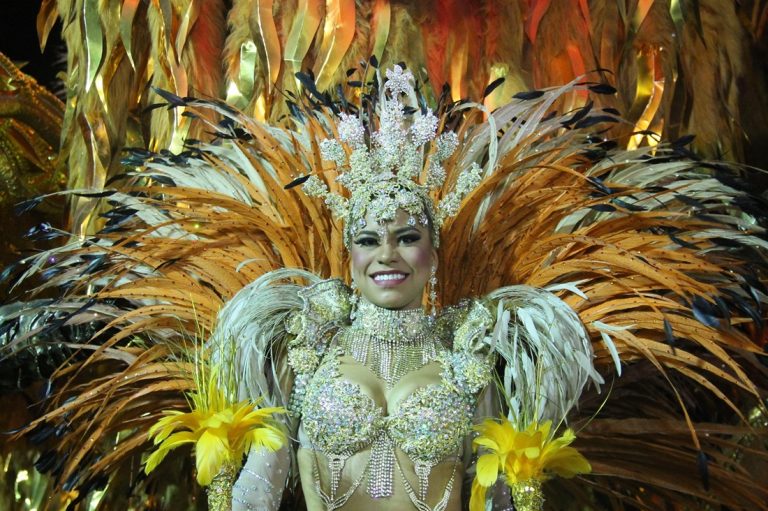
Sambadrome vs Street Carnival: Two Completely Different Experiences
One of the biggest mistakes travelers make when planning Brazil Carnival is assuming that all Carnival experiences are basically the same. In reality, there is a huge difference between attending a Sambadrome parade and participating in street Carnival.
For some travelers, the Sambadrome becomes the highlight of their entire trip. Others discover that they actually prefer the unpredictability and immersion of street blocos. Neither experience is automatically better. They are simply very different.
Sambadrome Carnival
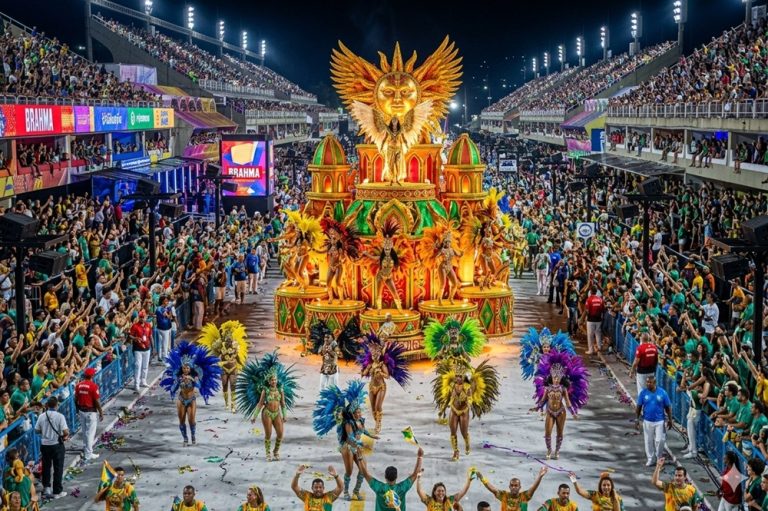
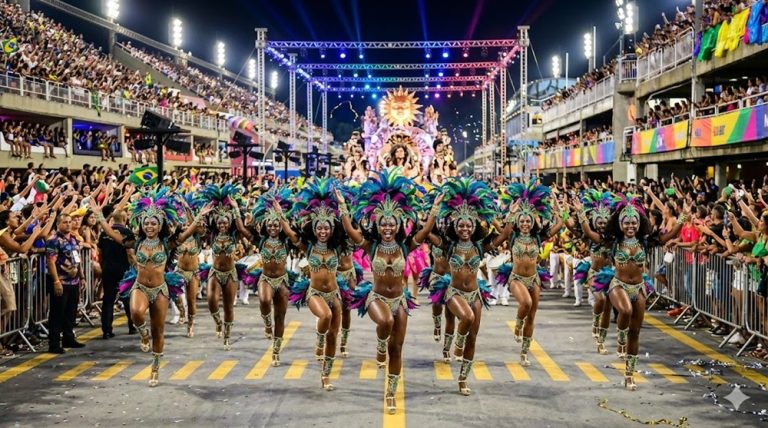
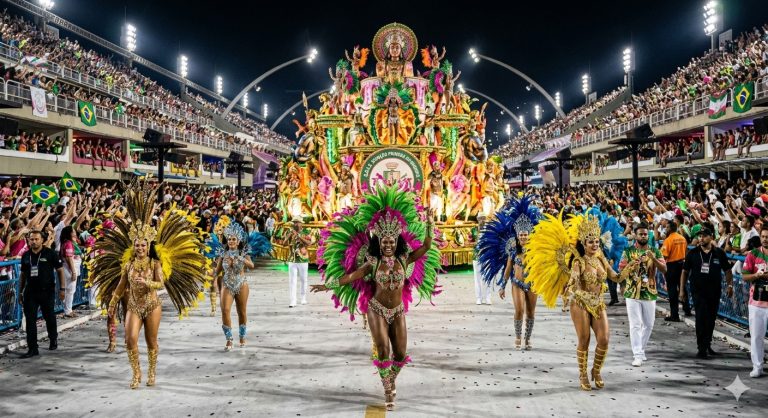
The Sambadrome is the large parade venue most famously associated with Rio de Janeiro Carnival. This is where samba schools perform massive choreographed parades featuring elaborate floats, thousands of dancers, percussion sections, giant costumes, and highly competitive performances judged across multiple categories.
- More organized and structured
- Assigned seating and ticketed access
- Huge visual spectacle and professional performances
- Easier for first-time visitors who want a controlled environment
- Excellent for photography and seeing the scale of Carnival production
For many travelers, the Sambadrome delivers the iconic Brazil Carnival imagery they have seen online for years. The scale can feel almost surreal once the parades begin moving through the stadium.
At the same time, some visitors are surprised that the Sambadrome can occasionally feel more like watching a major sporting event or theatrical production than actively participating in Carnival itself.
If you want a more structured Carnival experience, you can book Rio Sambadrome tickets with transfer or browse Carnival-related Brazil activities, from parade nights to cultural tours and behind-the-scenes experiences.
Street Carnival & Blocos
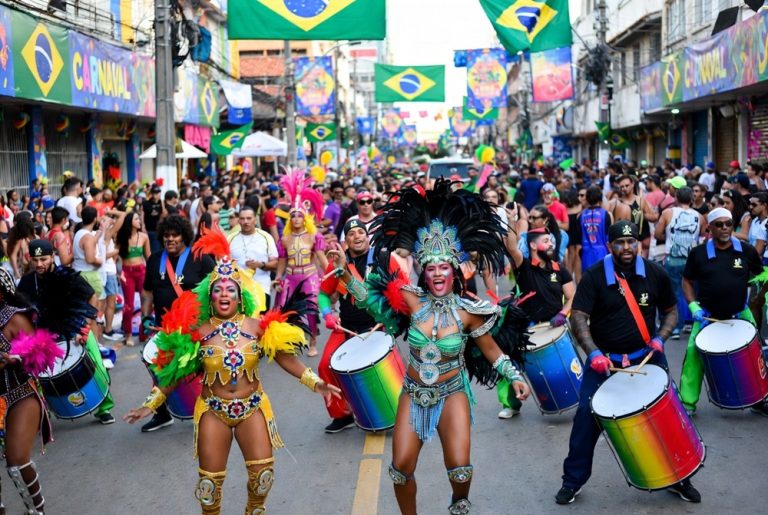
Street Carnival is where many travelers experience the most immersive side of Carnival in Brazil. Instead of sitting in a stadium, people join moving blocos that travel through streets accompanied by live music, percussion, dancing, drinking, costumes, and enormous crowds.
- Far more spontaneous and unpredictable
- Usually free to attend
- Music and movement continue across entire neighborhoods
- Greater interaction with locals and other travelers
- Often feels more communal and immersive
Some blocos attract only a few hundred people, while others bring together massive crowds that can completely fill major streets for hours. Different blocos also create very different atmospheres. Some focus heavily on samba, while others revolve around pop music, electronic music, funk, or traditional regional rhythms.
For many people, this is where Carnival starts to feel less like an event and more like an atmosphere you temporarily live inside. You are not simply watching performers from a distance. You are moving through the celebration together with everyone else.
Experience the wild side of Rio Carnival by joining blocos and megablocos alongside locals, live percussion, street dancing, and massive crowds moving through the city. This guided experience helps first-time visitors understand how Carnival street parties actually work while navigating the energy more confidently.
That said, street Carnival also requires more energy and awareness. Crowds can become extremely dense, phone theft is more common, and navigating cities during major blocos can quickly become exhausting if you are unprepared.
Many travelers ultimately combine both experiences by attending one Sambadrome parade night while spending the rest of Carnival exploring blocos and local street celebrations.
Best Cities In Brazil For Different Carnival Experiences
One of the most important things to understand before planning Brazil Carnival is that Carnival changes dramatically depending on the city. Some destinations focus heavily on giant samba parades and visual spectacle, while others revolve around nonstop street music, neighborhood blocos, Afro-Brazilian traditions, or more local community celebrations.
Choosing the right Carnival destination can completely shape how your trip feels.
Rio de Janeiro
Rio de Janeiro is the most internationally famous Carnival destination in Brazil and the city most travelers picture when they imagine giant samba parades, extravagant costumes, and enormous crowds.
- Best for first-time visitors wanting iconic Carnival imagery
- Home to the world-famous Sambadrome parades
- Huge variety of blocos across different neighborhoods
- Strong balance between spectacle and street Carnival
- Excellent nightlife and beach atmosphere during Carnival season
Rio can feel visually overwhelming during Carnival. Massive crowds move between beach neighborhoods, blocos, bars, concerts, and parade venues almost nonstop. Some travelers absolutely love the energy, while others find the scale physically exhausting after several days.
If you are planning to spend Carnival in Rio, our Rio de Janeiro travel guide covers neighborhoods, attractions, beaches, and practical planning tips.
São Paulo
São Paulo Carnival is often overlooked internationally, but it has become one of the largest Carnival celebrations in Brazil. The city combines huge samba school parades with an increasingly massive street Carnival scene spread across different neighborhoods.
- Best for travelers who enjoy big-city nightlife and urban energy
- Home to enormous Sambadrome parades and major samba schools
- Large and growing bloco culture
- Less beach-focused than Rio de Janeiro
- Strong nightlife, music, and party atmosphere
Compared to Rio, São Paulo Carnival often feels more metropolitan and less visually tied to beaches and tourism imagery. For some travelers, that creates a more local and less internationally polished atmosphere while still delivering huge crowds, music, costumes, and large-scale celebrations.
If you want to explore the city outside Carnival season, our São Paulo travel guide covers neighborhoods, food, culture, and nightlife.
Salvador
Salvador offers one of the most music-driven and culturally immersive Carnival experiences in Brazil. Afro-Brazilian influence is especially visible here through percussion, dance, rhythm, and street celebrations that often feel more participatory than theatrical.
- Best for music, dancing, and nonstop street energy
- Strong Afro-Brazilian cultural influence
- Less focused on stadium-style parades
- Massive street parties built around sound trucks and live music
- Intense atmosphere with extremely long celebration hours
Many travelers describe Salvador Carnival as more physically immersive than Rio because the experience revolves so heavily around movement, dancing, and following music through crowded streets. Choosing the right neighborhood can make a huge difference during Carnival, especially depending on whether you want beach access, nightlife, or easier access to bloco routes. Our Where to Stay in Salvador guide breaks down the best areas, hotels, and neighborhoods for different travel styles.
If Salvador interests you beyond Carnival season, read our guide to Salvador, Brazil for beaches, neighborhoods, food, and cultural highlights.
Browse Brazil Carnival activities, from samba parades and bloco experiences to backstage tours, cultural events, and Carnival-themed excursions.
View Carnival activitiesRecife & Olinda
Recife and neighboring Olinda offer a very different atmosphere from Rio or Salvador. Carnival here often feels more traditional, artistic, local, and chaotic in a way many travelers find incredibly memorable.
- Best for traditional street Carnival and local atmosphere
- Known for Frevo music and giant puppets
- Extremely walkable and street-focused celebrations
- Historic colonial streets create a very different backdrop
- Often feels less commercial than Rio Carnival
Olinda in particular becomes packed during Carnival, with steep colonial streets overflowing with music, dancing, costumes, and tightly packed crowds from morning until late at night.
Smaller Cities & Local Carnival
Not every traveler wants the intensity of Rio or Salvador during Carnival season. Smaller cities across Brazil often host their own celebrations that can feel more relaxed, community-oriented, and easier to navigate.
For travelers who enjoy cultural atmosphere but dislike extremely dense crowds, smaller Carnival destinations can sometimes provide a more balanced experience while still offering music, costumes, blocos, and local traditions.
The best Carnival city ultimately depends less on popularity and more on the kind of atmosphere you personally enjoy. Some travelers want giant spectacle and nonstop movement, while others prefer local street celebrations where the experience feels more intimate and less overwhelming.
How To Experience Brazil Carnival Beyond Simply Watching It
One of the biggest differences between an average Carnival trip and a memorable one is whether you participate in the atmosphere or only observe it from a distance. Many travelers arrive expecting Brazil Carnival to revolve entirely around scheduled parades and organized events, only to discover that some of the most memorable moments happen in crowded streets, neighborhood blocos, samba rehearsals, bars overflowing onto sidewalks, and spontaneous celebrations that barely feel organized at all.
That does not mean every traveler needs to party nonstop for five straight days. But understanding how Brazilians actually experience Carnival helps explain why the celebration feels so emotionally intense and culturally important once you are inside it.
For many people, Carnival becomes less about sightseeing and more about temporarily stepping into a completely different rhythm of life.
Blocos Are The Heart Of Street Carnival
Blocos are organized street parties or moving musical groups that travel through neighborhoods accompanied by live music, percussion, dancing, costumes, drinking, and enormous crowds. They are one of the defining parts of modern Brazil Carnival and, for many travelers, the most immersive way to experience the celebration.
Some blocos are relatively small and local, attracting a few hundred people from nearby neighborhoods. Others become enormous moving crowds involving tens or even hundreds of thousands of participants spread across major streets for hours.
- Most blocos are free to attend
- Different blocos attract completely different atmospheres and age groups
- Some focus heavily on samba while others revolve around funk, electronic music, pop music, or regional rhythms
- Many blocos begin early in the morning and continue throughout the day
- Costumes, wigs, makeup, glitter, and humorous outfits are extremely common
- Many travelers end up enjoying blocos more than Sambadrome parades
Part of what makes blocos special is their unpredictability. One street may feel relaxed and family-oriented, while another nearby bloco can feel physically overwhelming due to crowd density, alcohol, heat, and nonstop movement.
Some travelers spend months researching famous blocos before arriving in Brazil, while others simply follow music through the streets and join whichever atmosphere feels most appealing at the time.
That flexibility is one reason street Carnival often feels so immersive compared to simply sitting inside a stadium watching a performance from a distance.
Browse Brazil Carnival activities, from samba parades and bloco experiences to backstage tours, cultural events, and Carnival-themed excursions.
View Carnival activitiesWhat It Actually Feels Like Inside A Large Bloco
Large blocos can feel exciting, exhausting, chaotic, communal, and physically intense all at once. During the busiest Carnival days, crowds sometimes become so dense that movement slows to a near standstill.
Music trucks known as “trios elétricos” slowly move through streets while enormous crowds follow behind dancing, singing, drinking, and spraying water to cool off in the heat.
For first-time visitors, the scale can feel shocking.
- Phone signal may become unreliable in dense crowds
- Bathrooms can be difficult to find
- The heat and humidity can become exhausting very quickly
- It is common to walk for hours during major blocos
- Getting home afterward may take far longer than expected
At the same time, many travelers describe the atmosphere as surprisingly social. People frequently talk to strangers, compliment costumes, dance together, and move collectively through the city rather than remaining isolated in small groups.
This communal atmosphere is part of what many visitors remember most strongly afterward.
Can Tourists Join A Samba School During Brazil Carnival?
Yes. One of the most surprising things for many travelers is that foreigners can actually participate in official samba school parades during Brazil Carnival rather than simply watching from the audience.
Many samba schools sell parade costumes that allow tourists to join specific parade wings known as “alas.” Instead of sitting inside the Sambadrome stands, participants become part of the parade itself alongside hundreds or sometimes thousands of other performers moving through the parade route together.
For many travelers, this becomes one of the most unforgettable experiences of their entire trip to Brazil. But it is also far more physically intense and organized than many people initially expect.
Tourists usually purchase a costume package through a samba school directly or through specialized Carnival operators that work with the schools. Simpler costumes connected to smaller or less internationally famous samba schools can sometimes start around R$300 to R$800 (roughly USD 55 to 150).
At the other end of the scale, costumes for elite Rio samba schools such as Mangueira, Beija-Flor, Salgueiro, Portela, or Grande Rio often range from roughly R$1,500 to R$5,000+ (around USD 275 to 900+) depending on the complexity and visibility of the costume.
These schools are more expensive for several reasons:
- They compete at the highest level of Rio Carnival competition
- They receive major television coverage and international attention
- Their floats and costumes are often extremely elaborate and handcrafted
- They attract far higher demand from tourists and Carnival enthusiasts
- Some schools have decades of championship history and iconic reputations inside Brazilian Carnival culture
The most expensive costumes are often attached to visually dramatic parade wings near giant floats, television cameras, or heavily choreographed sections of the parade. Simpler costumes are usually lighter, easier to wear, and linked to less complex parade roles.
Many travelers also assume they need professional samba skills to participate. In reality, most samba schools understand that foreign visitors are not trained dancers. Rhythm, energy, stamina, and willingness to participate matter much more than technical perfection.
However, joining a samba school is not simply about putting on a costume and casually walking through the parade while filming videos for social media. Once you enter the Sambadrome, you become part of a coordinated performance expected to keep moving continuously through the parade route.
- You are expected to stay with your assigned parade wing
- Stopping repeatedly for selfies or filming can disrupt the flow
- Large backpacks and bulky personal items are discouraged
- Some costumes make carrying phones physically difficult
- Comfortable footwear matters far more than appearance
- Participants are expected to maintain the pace of the parade
Many first-time participants underestimate how demanding the experience can become. Costumes may feel heavy, restrictive, and extremely hot under bright lights while surrounded by loud percussion, smoke effects, crowds, and nonstop movement for extended periods.
Parades can also last far longer than many travelers expect. Depending on the samba school and parade order, participants may spend hours preparing, waiting, entering the Sambadrome, and finally completing the parade route itself.
At the same time, that intensity is part of what makes the experience feel so emotionally overwhelming once the parade begins. The noise, percussion, lights, cheering crowds, and sheer scale of the production can feel almost surreal from inside the parade rather than from the audience.
For some travelers, joining a samba school becomes the moment Brazil Carnival finally makes sense emotionally rather than simply visually.
Browse Brazil Carnival activities, from samba parades and bloco experiences to backstage tours, cultural events, and Carnival-themed excursions.
View Carnival activitiesSamba Schools Are Much More Than Dance Groups
Many travelers first hear about samba schools through televised Rio Carnival parades, but samba schools are far more important than simple entertainment groups. Historically, they became deeply connected to local neighborhoods, music culture, artistic identity, and community pride.
Throughout the year, samba schools rehearse music, choreography, percussion, floats, costumes, and parade themes in preparation for Carnival competitions. Some schools involve thousands of people and represent entire communities rather than professional performance companies.
Each samba school develops its own annual theme known as an “enredo.” These themes often tell stories connected to Brazilian history, Afro-Brazilian identity, politics, mythology, religion, social issues, or national culture. The parade is not random spectacle. It is usually structured storytelling presented through music, movement, costumes, and giant visual productions.
This is one reason Carnival feels so emotionally charged during major parades. Participants are often representing years of preparation, neighborhood identity, family tradition, and intense community pride rather than simply performing for tourists.
Why Brazil Carnival Costumes Became So Elaborate
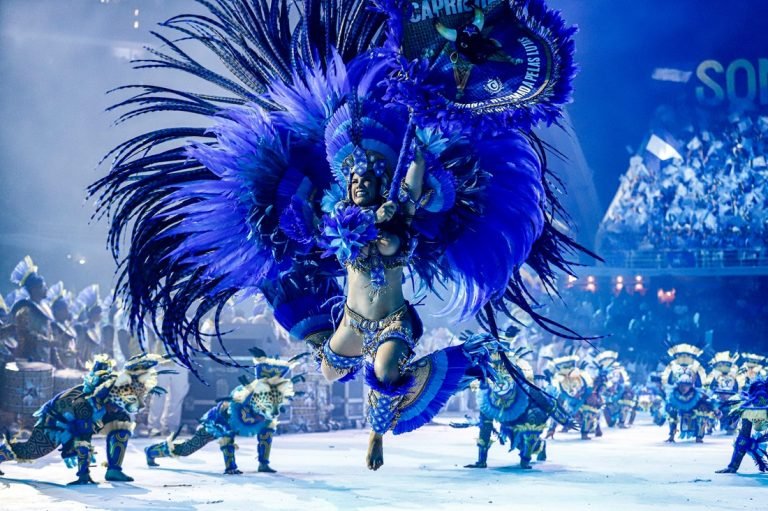
One of the most recognizable parts of Brazil Carnival is the extravagant visual spectacle. Giant feathered costumes, glitter, masks, body paint, illuminated floats, dramatic makeup, and theatrical themes all became increasingly important as samba schools evolved into highly competitive artistic productions.
But one of the biggest misconceptions travelers have is assuming the costumes are random.
In reality, most official samba school costumes are carefully designed storytelling devices connected to the school’s annual theme, known as the enredo. The parade is not simply a giant party moving through the Sambadrome. It is usually a massive theatrical production telling a structured story through music, choreography, symbolism, floats, and costumes.
Every year, samba schools choose an enredo that may explore:
- Brazilian history
- Afro-Brazilian identity
- Religion and mythology
- Politics and social criticism
- Nature and the Amazon rainforest
- Colonialism and slavery
- Indigenous culture
- Fantasy, folklore, or spiritual symbolism
Once the theme is selected, the school’s artistic director, known as the Carnavalesco, becomes responsible for designing the visual identity of the entire parade.
The Carnavalesco oversees:
- Costume concepts and sketches
- Color palettes and symbolism
- Float design and choreography
- Materials, textures, lighting, and visual effects
- How every parade section contributes to the overall story
This is why Carnival parades often feel closer to moving theater or large-scale performance art than random street entertainment.
Samba schools are divided into sections known as alas, or wings, and each wing represents a specific chapter or symbolic element of the story being told.
- One wing may represent nature or the rainforest
- Another may symbolize spirits, mythology, or historical conflict
- Others may represent celebration, freedom, ancestry, religion, or resistance
That is also why some Carnival costumes appear joyful and colorful, while others look dark, surreal, or even “devilish” to outside audiences.
Many darker costumes are not intended to represent evil literally. Instead, they often symbolize:
- Chaos or temptation
- Colonial oppression or slavery
- Folklore and mythological figures
- Spiritual allegories
- Conflict between opposing forces
- Political criticism or social commentary
In other words, the costumes are frequently symbolic theatrical representations rather than random fashion choices.
Want to experience Rio Carnival from inside the parade itself? This experience includes participation in an official samba school parade at the Sambadrome while wearing a custom Carnival costume designed specifically for your parade wing. It is one of the most immersive ways to experience the music, energy, costumes, and atmosphere of Rio Carnival beyond simply watching from the stands.
Once travelers understand this, Carnival starts feeling much deeper and more artistic than it first appears from television highlights or social media clips.
Some of the most important parade roles also carry highly specific costume traditions.
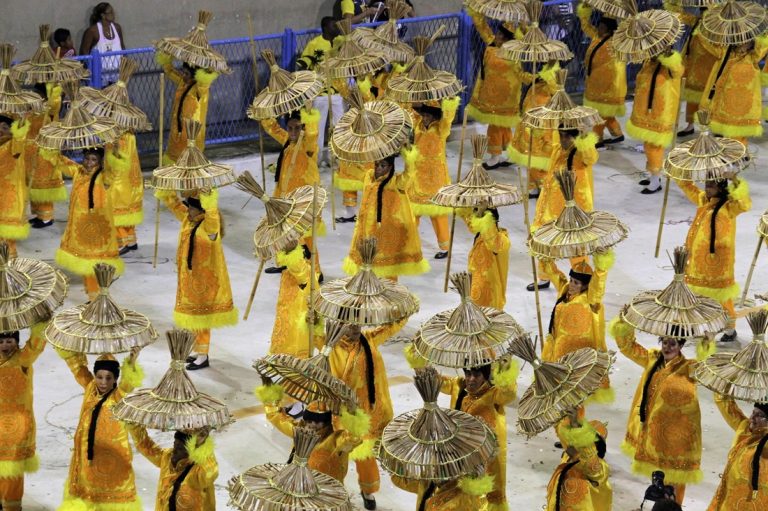
- Ala das Baianas performers often wear large traditional circular dresses inspired by Afro-Brazilian Bahian heritage
- Mestre-Sala and Porta-Bandeira performers wear some of the most ornate costumes because they represent the samba school’s flag and identity
- Destaques on top of floats often wear massive architectural costumes designed for maximum visual impact
These costumes can become extremely expensive and technically complex. Some include handcrafted embroidery, giant feather structures, lighting systems, motorized components, or highly detailed headpieces designed specifically for television visibility and judging criteria.
Judging also plays a major role in why Carnival visuals became so elaborate over time.
Samba schools are scored on multiple artistic criteria, including:
- How clearly costumes represent the parade theme
- Visual cohesion and storytelling
- Quality of craftsmanship and finishing
- Uniformity within each parade wing
- The overall visual impact of the parade
This means every detail matters. If performers in the same wing lose costume pieces or appear visually inconsistent, schools can lose points.
Television broadcasting amplified this competitive visual culture even further. As Rio Carnival became globally famous, samba schools invested more heavily in larger floats, brighter costumes, dramatic choreography, and increasingly ambitious productions designed to impress both judges and international audiences.
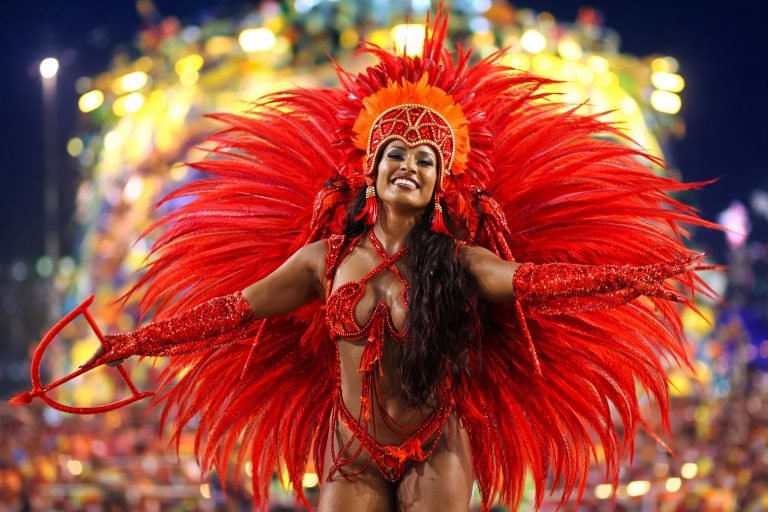
This is also why Carnival costumes sometimes appear so revealing to outside audiences. In many cases, the costumes are designed around visibility, movement, heat, body expression, theatricality, and spectacle rather than practicality or modesty. Carnival embraces exaggeration, fantasy, sensuality, and visual intensity in ways that often surprise first-time visitors.
At street blocos, however, costumes usually feel much more playful and accessible.
- Many people wear inexpensive homemade outfits
- Humorous costumes are extremely common
- Friends often coordinate themed costumes together
- Wigs, glitter, makeup, and colorful accessories are everywhere
- You do not need elaborate parade costumes to participate
This is important because many travelers initially worry they will feel awkward or out of place during Carnival. In reality, most street Carnival environments encourage creativity, humor, participation, and self-expression far more than perfection.
For many people, dressing up becomes less about looking impressive and more about temporarily stepping into the surreal, theatrical atmosphere Carnival creates across entire cities.
Browse Brazil Carnival activities, from samba parades and bloco experiences to backstage tours, cultural events, and Carnival-themed excursions.
View Carnival activities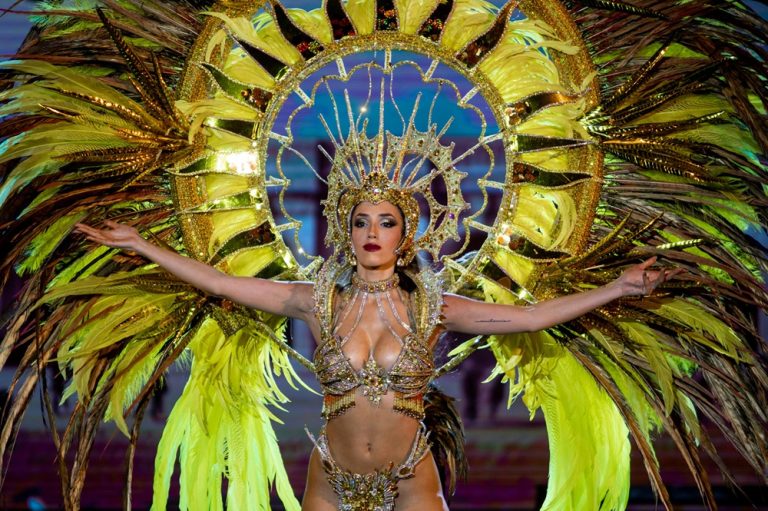
Safety Tips & Realistic Advice For Brazil Carnival
Brazil Carnival can be one of the most exciting and memorable travel experiences in the world, but it also changes the normal rhythm of cities dramatically. Crowds become far larger, alcohol consumption increases, transport systems become more chaotic, and opportunistic crime becomes more common during major celebrations.
That does not mean Carnival is constantly dangerous or that travelers should avoid it. Most Carnival experiences are joyful, social, musical, and communal. But the scale and intensity of the crowds mean visitors need to approach Carnival with more awareness than they might during a normal sightseeing trip.
The safest way to experience Brazil Carnival is not by avoiding everything. It is by participating intelligently rather than naively.
Phone Theft Is One Of The Biggest Problems During Carnival
Pickpocketing and phone theft are among the most common issues travelers experience during Carnival, especially inside extremely crowded blocos where movement becomes slow and dense.
- Avoid keeping your phone loosely in pockets
- Crossbody pouches or hidden money belts are far safer
- Do not constantly wave your phone above crowds while filming
- Many locals use older “Carnival phones” instead of their primary device
- Be especially careful while distracted, intoxicated, or using maps in crowds
Phone theft does not happen because Carnival is uniquely dangerous compared to the rest of the world. Large festivals anywhere create ideal conditions for opportunistic theft. The difference in Brazil is simply the scale and density of some Carnival crowds.
Choose Your Neighborhood Carefully
Where you stay during Carnival can dramatically affect both your experience and your safety. Staying close to the blocos or parade areas you plan to attend is usually far easier and safer than relying on long late-night journeys across crowded cities.
Many travelers underestimate how exhausting Carnival transportation becomes once major streets close and hundreds of thousands of people start moving through the city at the same time.
- Long Uber waits are common after major blocos
- Traffic can become nearly impossible in some areas
- Walking long distances late at night may not always be ideal
- Returning home exhausted and intoxicated increases risk significantly
If you are planning Carnival in Rio de Janeiro, our realistic Rio safety guide explains neighborhoods, scams, and practical safety considerations in more detail.
Alcohol, Heat & Exhaustion Catch Many Travelers Off Guard
Many first-time visitors focus so heavily on the party atmosphere that they underestimate the physical side of Carnival.
Large blocos often involve:
- Hours of walking in intense heat
- Limited shade
- Dense crowds with little personal space
- Alcohol consumption throughout the day
- Very little sleep for several consecutive nights
Dehydration and exhaustion become surprisingly common, especially among travelers trying to attend multiple blocos every day without rest.
Many experienced Carnival travelers intentionally schedule slower mornings, beach time, or quieter evenings between major events rather than trying to party nonstop for the entire week.
Women & Solo Travelers Can Enjoy Carnival Safely
Many solo travelers and solo female travelers enjoy Brazil Carnival every year without major problems. At the same time, the atmosphere can become physically intense depending on the bloco, crowd density, and time of day.
- Some blocos feel safer and more relaxed than others
- Harassment and overly intoxicated behavior can happen in dense crowds
- Traveling with friends at night often feels more comfortable
- Watching your drink remains important during major parties
- Trust your instincts if a crowd or atmosphere feels wrong
Most Carnival environments are not aggressive or threatening. The majority feel celebratory and communal. But large crowds, alcohol, and nonstop partying naturally change social dynamics compared to normal daily life.
Do Not Bring Expensive Valuables To Blocos
One of the most common mistakes travelers make during Carnival is dressing for social media photos rather than for practicality.
- Avoid expensive jewelry and luxury watches
- Carry minimal cash
- Wear comfortable shoes you do not mind getting dirty
- Bring only essentials to major blocos
- Expect sweat, crowds, spilled drinks, and long hours outside
Many locals intentionally dress very casually during large blocos despite the colorful costumes and festive atmosphere around them.
Carnival in Brazil becomes far more enjoyable once you stop trying to experience it perfectly and start preparing for it realistically.
The History & Origins Of Brazil Carnival
After experiencing the scale, music, costumes, and nonstop energy of modern Brazil Carnival, many travelers eventually start asking the same question: how did this celebration become so enormous and culturally important in Brazil specifically?
Because while many countries around the world celebrate Carnival in some form, Brazil transformed it into something far larger than a simple pre-Lent festival. Over centuries, Carnival evolved into a mix of Portuguese religious traditions, Afro-Brazilian music and rhythm, neighborhood identity, artistic competition, social commentary, dance culture, and massive public participation.
Modern Brazil Carnival is not the result of a single tradition. It is the result of multiple cultures, histories, and communities gradually shaping Carnival into something uniquely Brazilian.
The Portuguese & Catholic Origins Of Carnival
The earliest roots of Carnival in Brazil arrived through Portuguese colonial influence and Catholic religious traditions. Carnival originally developed as a period of celebration before Lent, the 40-day Christian season leading up to Easter.
Historically, Lent was associated with reflection, restraint, fasting, and religious discipline. Carnival became the final opportunity for celebration before that quieter period began.
- Feasting before fasting
- Music and dancing before religious restraint
- Large public gatherings and celebrations
- Masks, costumes, and role reversal
- Temporary escape from normal social rules
Early Carnival traditions in colonial Brazil were often much rougher and less organized than modern celebrations. One early Portuguese tradition known as “Entrudo” involved public games where people threw water, flour, mud, perfume, or food at one another in chaotic street celebrations.
Over time, Brazilian elites increasingly viewed Entrudo as disorderly and attempted to replace it with more organized European-style Carnival celebrations inspired by masked balls and formal parades.
But Carnival in Brazil would eventually evolve far beyond its European roots.
How Afro-Brazilian Culture Transformed Carnival
The most important transformation in the history of Brazil Carnival came through Afro-Brazilian influence. Enslaved Africans brought to Brazil carried musical traditions, rhythms, dances, percussion styles, spiritual practices, and cultural expressions that gradually became central to Carnival itself.
This influence became especially strong in cities with large Afro-Brazilian populations such as Salvador and Rio de Janeiro.
Over generations, African rhythms blended with Brazilian and European influences to help shape samba, which would eventually become the musical heartbeat of Carnival.
Afro-Brazilian communities also used music, dance, celebration, and Carnival gatherings as forms of cultural survival and expression during periods of slavery, discrimination, and exclusion.
This is one reason Carnival cannot be understood purely as entertainment or tourism. Many parts of modern Carnival are deeply connected to Afro-Brazilian cultural identity and historical resistance.
Even today, Afro-Brazilian influence remains visible throughout Carnival through:
- Percussion-heavy music and drum sections
- Samba rhythms and dance styles
- Candomblé symbolism and spiritual references
- Costume themes linked to African heritage
- Street celebrations centered around music and movement
- Strong cultural influence in Salvador Carnival
Without Afro-Brazilian influence, modern Brazil Carnival would look and sound completely different.
How Samba Became The Sound Of Carnival
Samba emerged in the early 20th century through Afro-Brazilian communities in Rio de Janeiro, particularly in neighborhoods connected to formerly enslaved populations and migrant communities arriving from Bahia.
At first, samba was not universally accepted by Brazilian elites. It was sometimes associated with poor communities, Afro-Brazilian culture, and marginalized neighborhoods.
Over time, however, samba gradually became one of the defining musical symbols of Brazilian national identity.
As Carnival grew larger and more organized, samba naturally became tied to parades, street celebrations, and samba school competitions.
The rhythm itself works perfectly for Carnival because it creates constant movement. Samba is difficult to experience passively for long periods. The percussion, pace, and layered rhythms naturally encourage dancing, marching, singing, and participation.
This is part of why Carnival in Brazil often feels so physically immersive compared to festivals centered primarily around observation.
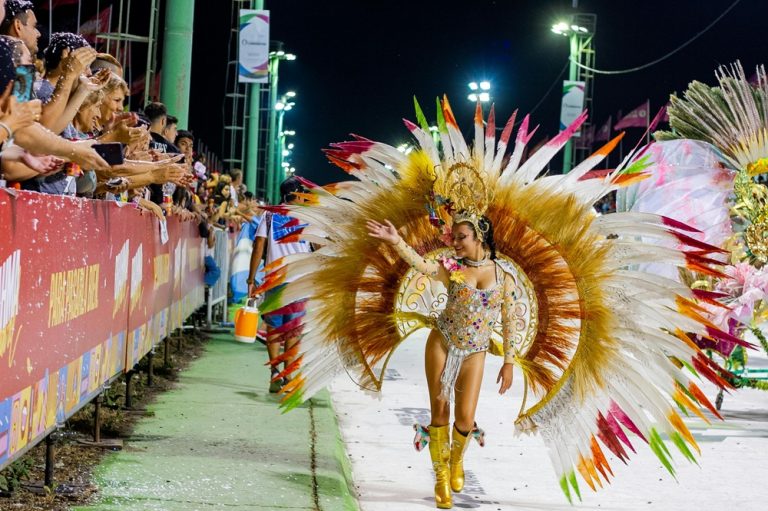
Why Samba Schools Became So Important
Samba schools eventually evolved into some of the most important institutions inside modern Brazil Carnival.
Despite the name, samba schools are not schools in the traditional sense. They became neighborhood-based organizations focused on music, dance, artistic production, and Carnival competition.
Many samba schools developed deep connections to specific communities and generations of local families.
- Some communities spend the entire year preparing for Carnival
- Thousands of people may participate in a single parade
- Entire neighborhoods become emotionally invested in competition results
- Samba schools often function as major cultural institutions
- Winning Carnival competitions carries enormous prestige
This is one reason modern Rio Carnival parades became increasingly elaborate over time. Samba schools compete intensely through music, choreography, storytelling, costumes, floats, organization, and visual spectacle.
What travelers see today inside the Sambadrome is the result of months of preparation, artistic planning, rehearsals, and enormous financial investment.
Why Carnival Costumes Became So Extreme & Theatrical
One of the most recognizable parts of Brazil Carnival is the visual extravagance. Massive feathered costumes, glitter-covered dancers, giant moving floats, dramatic makeup, body paint, masks, lights, smoke effects, and surreal theatrical imagery all became part of the competition between samba schools.
As Carnival expanded during the television era, visual spectacle became even more important. Samba schools increasingly designed performances not only for live audiences inside the Sambadrome, but also for millions of television viewers watching across Brazil and internationally.
This pushed Carnival productions toward larger, brighter, more dramatic, and more visually unforgettable performances.
At the same time, Carnival costumes are not purely decorative. Many costumes carry symbolism connected to the parade’s annual story or “enredo.”
Parade themes may explore:
- Brazilian history
- Afro-Brazilian identity
- Politics and social issues
- Mythology and religion
- Environmental themes
- Indigenous culture
- National heroes and historical figures
What appears chaotic or excessive from the outside is often carefully planned symbolic storytelling expressed through movement, music, and visual performance.
Why Brazil Became Globally Associated With Carnival
Many countries celebrate Carnival, but Brazil became globally synonymous with it for several reasons.
- The enormous scale of Rio Carnival attracted international media attention
- Television broadcasting spread Carnival imagery around the world
- Samba became internationally recognizable as Brazilian music
- Tourism campaigns heavily promoted Carnival visuals
- The combination of beaches, music, costumes, and nightlife created powerful international imagery
Over time, Carnival became one of the strongest symbols of Brazil internationally, even though many Brazilians themselves have complicated or mixed feelings about parts of Carnival culture, commercialization, tourism pressure, and crowd intensity.
At the same time, Carnival remains deeply important for millions of Brazilians because it is still tied to music, identity, neighborhood pride, artistic expression, and social participation in ways that go far beyond tourism.
That combination of history, rhythm, competition, symbolism, celebration, and community is what eventually transformed Brazil Carnival into one of the most recognizable cultural events in the world.
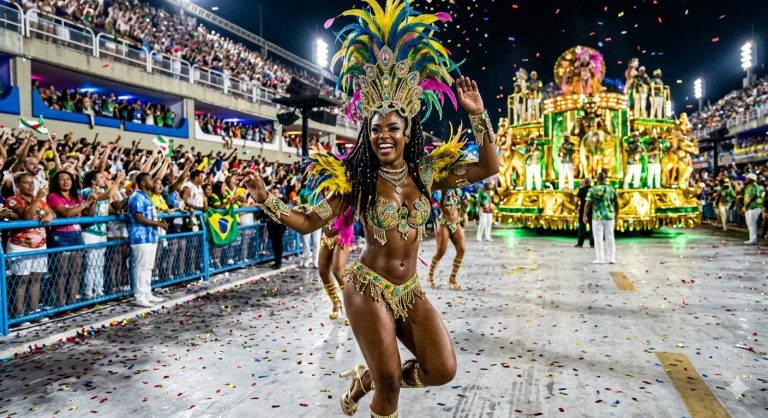
Final Thoughts On Experiencing Brazil Carnival
Brazil Carnival is one of those experiences that often feels completely different in real life compared to how it is portrayed online. Before arriving, many travelers imagine nonstop parties, giant samba parades, glitter, and chaotic crowds. Those things certainly exist, but they are only part of the picture.
Once you actually experience Carnival inside Brazil, you start realizing how many layers exist beneath the spectacle.
Carnival is music echoing through entire neighborhoods before sunrise. It is samba schools spending months preparing for performances lasting barely over an hour. It is giant crowds following blocos through packed streets while local families watch from balconies above. It is exhaustion, noise, celebration, community, improvisation, competition, rhythm, and cultural identity all happening simultaneously.
For some travelers, Carnival becomes the highlight of their entire time in Brazil. Others discover that the intensity can feel overwhelming after a few days. Neither reaction is unusual.
The most important thing is understanding that there is no single “correct” way to experience Brazil Carnival.
- Some travelers prefer the theatrical scale of the Sambadrome
- Others connect more strongly with neighborhood blocos and street music
- Some want nonstop nightlife and giant crowds
- Others prefer smaller cities with more local atmosphere
- Some participate directly in samba school parades
- Others simply enjoy observing the atmosphere around them
The best Carnival experience usually comes from choosing the version of Carnival that actually matches your personality and energy level rather than chasing whatever looks most famous online.
Preparation also matters far more than many travelers expect. Choosing the right neighborhood, understanding bloco culture, managing exhaustion, protecting your phone, and accepting that Carnival can become physically chaotic all make an enormous difference once you are inside the celebrations.
At the same time, trying to control every part of the experience too carefully can also cause travelers to miss what makes Carnival memorable in the first place.
Some of the best moments during Brazil Carnival happen unexpectedly:
- Following music into a neighborhood bloco you never planned to visit
- Watching strangers dance together in the street
- Hearing samba percussion echo through crowded avenues late at night
- Seeing entire communities celebrate together for hours without stopping
- Realizing the atmosphere feels much more communal and emotional than you originally expected
That combination of spectacle, rhythm, exhaustion, celebration, symbolism, and collective energy is part of why Brazil Carnival leaves such a strong impression on so many travelers long after the trip ends.
If you are planning a broader trip around the country, our Brazil itinerary guide can help you combine Carnival with beaches, cities, and other destinations across the country. Travelers planning Carnival logistics may also find our guide to transportation in Brazil useful during the busy Carnival period.
Frequently Asked Questions About Brazil Carnival
-
When is Brazil Carnival?
Brazil Carnival takes place every year before Lent, usually in February or early March depending on the Easter calendar. The main celebrations traditionally run from Friday through Ash Wednesday, although many pre-Carnival events and blocos begin several weeks earlier. -
Why does Brazil celebrate Carnival before Lent?
Carnival originated as a Catholic pre-Lent celebration brought to Brazil through Portuguese colonial influence. Historically, it became a final period of music, celebration, food, and public festivities before the quieter and more reflective season of Lent began. -
What is Carnival in Brazil actually like?
Brazil Carnival is much larger and more immersive than many travelers expect. Entire neighborhoods can transform into nonstop celebrations filled with blocos, samba music, dancing, costumes, and enormous crowds. Some experiences feel theatrical and organized, while others feel chaotic, spontaneous, and deeply communal. -
What is the difference between the Sambadrome and street Carnival?
The Sambadrome is a large parade venue where samba schools perform elaborate choreographed shows with floats, costumes, percussion, and competition judging. Street Carnival revolves around blocos, which are moving street parties and musical gatherings spread across neighborhoods and public spaces. -
Can tourists join a samba school during Brazil Carnival?
Yes. Many samba schools allow tourists to participate by purchasing parade costumes connected to specific parade wings known as “alas.” Participants then join the parade itself inside the Sambadrome alongside hundreds or thousands of performers. -
How much does it cost to join a samba school parade?
Prices vary significantly depending on the samba school and costume complexity. Simpler costumes may start around R$300 to R$800, while elaborate costumes for famous Rio samba schools such as Mangueira or Beija-Flor can cost R$1,500 to R$5,000 or more. -
Do you need to know how to samba to participate in Carnival?
No. Most samba schools understand that many foreign visitors are not professional dancers. Rhythm, energy, stamina, and participation matter far more than technical samba skills. -
What are blocos in Brazil Carnival?
Blocos are organized street parties or musical groups that move through neighborhoods accompanied by live music, percussion, dancing, costumes, and crowds. Some are small local gatherings, while others attract hundreds of thousands of participants. -
Which city has the best Carnival in Brazil?
The best Carnival city depends on the experience you want. Rio de Janeiro is famous for giant Sambadrome parades and iconic imagery, Salvador is known for Afro-Brazilian music and nonstop street energy, while Recife and Olinda offer more traditional and artistic street Carnival atmospheres. -
Is Brazil Carnival safe for tourists?
Most travelers enjoy Carnival safely, but large crowds naturally increase risks such as pickpocketing and phone theft. Travelers who stay aware of their surroundings, avoid carrying valuables, and plan transportation carefully usually have positive experiences. -
Is Rio Carnival dangerous?
Rio Carnival is not constantly dangerous, but the combination of massive crowds, alcohol, traffic disruption, and nightlife means travelers should stay alert. Phone theft and pickpocketing are among the most common problems during large blocos. -
Is Brazil Carnival safe for solo female travelers?
Many solo female travelers enjoy Carnival every year without major issues. At the same time, some blocos can become physically crowded and heavily intoxicated, especially late at night. Staying aware, avoiding isolated areas, and choosing the right blocos can make a big difference. -
What should you wear to Brazil Carnival?
Most travelers wear lightweight and comfortable clothing suitable for heat, walking, crowds, and dancing. At street blocos, costumes are usually playful and informal rather than professional parade outfits. Comfortable shoes are far more important than fashion. -
Why are Brazil Carnival costumes so extravagant?
Carnival costumes became increasingly elaborate as samba schools evolved into highly competitive artistic productions. Many costumes are designed around storytelling, symbolism, visibility, movement, and visual spectacle rather than practicality. -
How long does Brazil Carnival last?
The official Carnival period lasts several days leading up to Ash Wednesday, but in many cities, pre-Carnival blocos, rehearsals, concerts, and parties begin weeks earlier. -
What is the history of Carnival in Brazil?
Brazil Carnival originated through Portuguese Catholic pre-Lent traditions but gradually evolved through Afro-Brazilian influence, samba culture, percussion, neighborhood identity, and massive public participation into one of the world’s largest cultural celebrations. -
Why is samba so important to Brazil Carnival?
Samba became closely connected to Carnival through Afro-Brazilian communities in Rio de Janeiro and eventually evolved into one of Brazil’s most recognizable musical symbols. The rhythm and percussion naturally encourage movement, dancing, and large public celebrations. -
Do you need tickets for Brazil Carnival?
Many street blocos are completely free to attend. However, Sambadrome parades require tickets, and prices vary significantly depending on seating location, city, and parade night. -
When should travelers book hotels and flights for Brazil Carnival?
Travelers should ideally book several months in advance. Hotels and flights in major Carnival cities often become extremely expensive and sell out quickly during Carnival season. -
Is Carnival only celebrated in Rio de Janeiro?
No. Carnival is celebrated throughout Brazil in very different ways depending on the region. Salvador, São Paulo, Recife, Olinda, and many smaller cities all host major Carnival celebrations with distinct atmospheres and traditions.
Travel Resources to Plan, Book & Stay Connected
Use these tools and guides to stay connected abroad, find inspiration for your next trip, and book your flights, stays and gear with confidence.
Disclosure: This article may contain affiliate links. If you make a purchase through a link, I may receive a commission at no extra cost to you. I only share recommendations I believe are genuinely useful, and all opinions are my own. AI was used in this post for research and drafting purposes.

Comment (0)