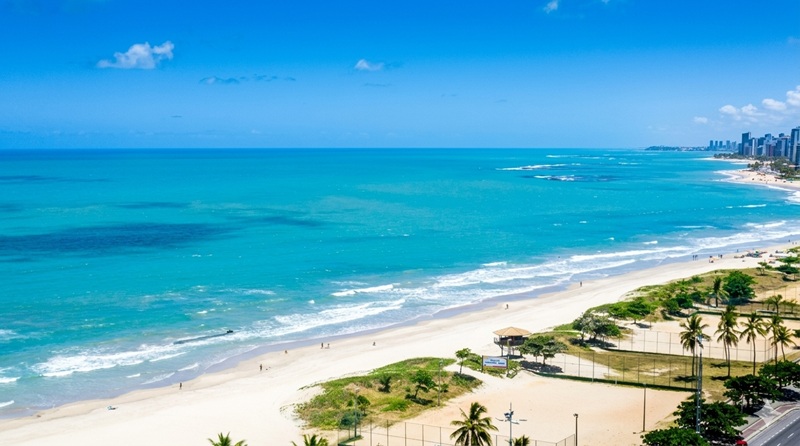
Northeast Brazil Travel Guide: Beaches, Culture, Cities & Best Places to Visit
Northeast Brazil is one of the most culturally rich, visually diverse, and underestimated regions in South America. From Afro-Brazilian cities filled with music and colonial history to remote beaches, sand dunes, tropical islands, and laid-back fishing towns, this part of Brazil feels completely different from Rio de Janeiro or São Paulo.
This Northeast Brazil travel guide covers everything you need to plan your trip, including where to go, how to get around, what to expect, regional culture, beaches, safety, food, and the best destinations across the region.
- The best places to visit in Northeast Brazil
- How Northeast Brazil differs from the rest of the country
- The most beautiful beaches, islands, and coastal towns
- Salvador, Recife, Fortaleza, Jericoacoara, and other major destinations
- Afro-Brazilian culture, music, and local atmosphere
- What food to try in the Northeast region
- How to get around Northeast Brazil
- The best time to visit based on weather and travel style
- Safety and practical travel tips
- Suggested itineraries and regional travel routes
If this is your first time planning a trip to Brazil, start with our Brazil Travel Guide, which breaks down the country’s major regions, travel styles, and destinations. Travelers combining multiple regions should also read our Brazil itinerary guide and guide to getting around Brazil, as distances inside the country are often much larger than people expect.
The Northeast region also connects naturally with some of Brazil’s strongest cultural and coastal experiences. If you are interested in colonial cities, Afro-Brazilian history, music, and beach life, our detailed guide to Salvador, Brazil is one of the best places to start. Travelers looking for tropical coastlines and island escapes should also explore our guide to the best beaches in Brazil.
Why Northeast Brazil Feels Completely Different From the Rest of the Country
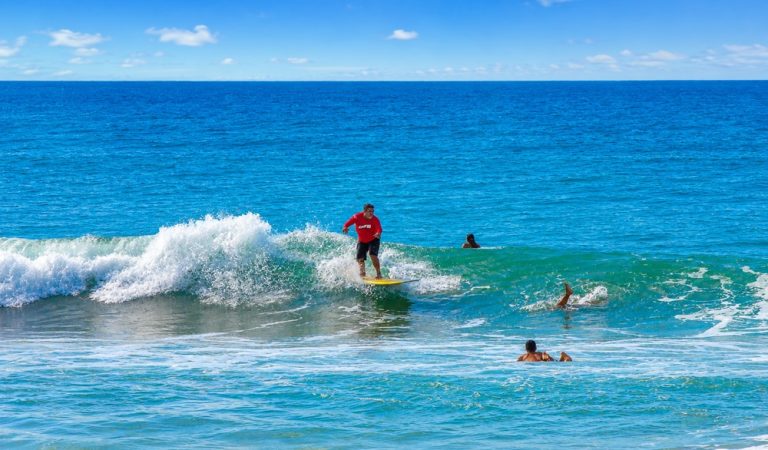
Many travelers arrive in Brazil expecting everything to feel similar to Rio de Janeiro, but Northeast Brazil has its own identity, rhythm, culture, and atmosphere. In many ways, it feels like a completely different side of the country.
This region stretches along Brazil’s northeastern coastline and includes states such as Bahia, Pernambuco, Ceará, Maranhão, Rio Grande do Norte, and Alagoas. The landscapes range from turquoise beaches and coral reefs to sand dunes, mangroves, colonial cities, dry inland backlands, and remote fishing villages where life still moves at a much slower pace.
Culturally, Northeast Brazil is one of the most important regions in the country. Afro-Brazilian traditions are deeply rooted here, especially in cities like Salvador, where African influence shaped the food, music, religion, dance, and local identity in ways that are still visible everywhere today. Drumming echoes through historic streets, capoeira circles form near the ocean, and local festivals often feel more community-driven and authentic than the highly commercialized versions travelers sometimes imagine before arriving in Brazil.
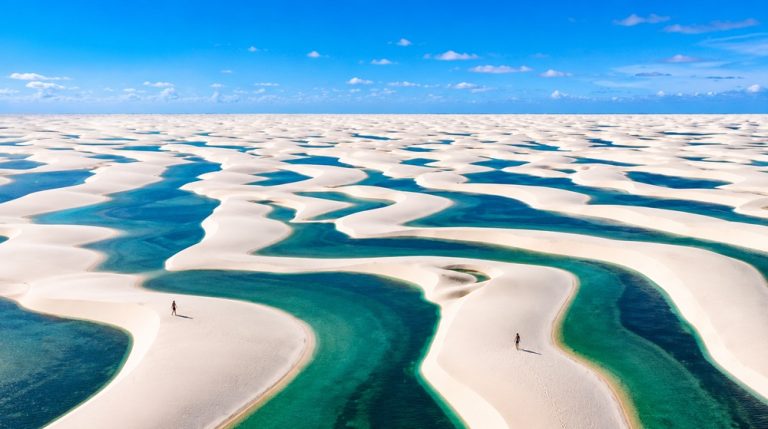
The atmosphere also changes dramatically depending on where you go. Salvador feels energetic, colorful, and intensely cultural. Jericoacoara is slower, sandy, and beach-focused. Recife combines urban life with colonial history and nearby tropical coastline. Lençóis Maranhenses almost feels unreal, with endless white dunes interrupted by bright blue freshwater lagoons during the rainy season.
One of the biggest surprises for many visitors is how international tourism still feels relatively limited in large parts of Northeast Brazil compared to destinations like Thailand, Bali, or the Caribbean. Outside of a few famous areas, you often encounter a more regional form of tourism, with Brazilian travelers making up a large percentage of visitors. That can make the experience feel more immersive, more local, and sometimes slightly more challenging for travelers who do not speak Portuguese.
At the same time, that is also part of what makes the region so rewarding. Northeast Brazil often feels less polished, less rushed, and less filtered for international tourism. Beach towns still feel lived in, local music remains part of daily life rather than a staged performance, and many destinations retain a strong sense of regional identity.
For travelers looking for beaches, culture, food, music, and a side of Brazil that feels more raw and atmospheric, Northeast Brazil can easily become one of the most memorable regions in the entire country.
How to Travel Around Northeast Brazil
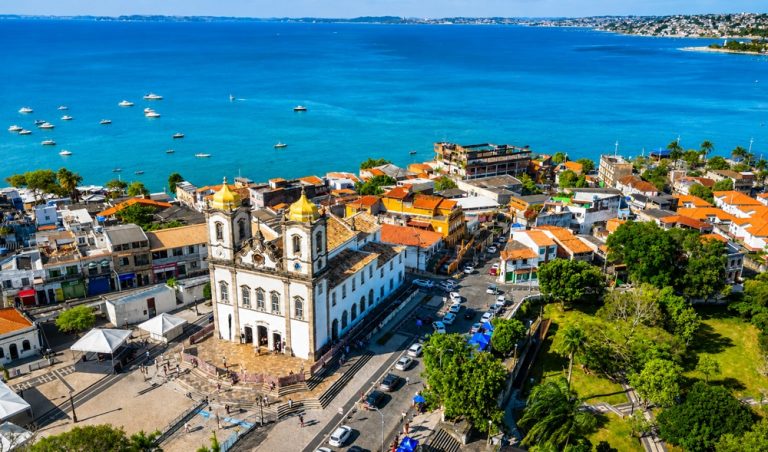
Northeast Brazil is far larger than many travelers expect, and transportation planning can make or break your trip. Most travelers combine domestic flights with shorter regional transfers rather than attempting to travel the entire coastline overland.
- Domestic flights are usually the fastest and easiest way to move between major cities
- Buses work well for shorter regional routes but can become exhausting over long distances
- Most travelers focus on 2–4 destinations during one trip
- Some beach towns and natural areas require 4x4 transfers or boats
- Salvador, Recife, Fortaleza, and Natal are the main entry hubs for the region
One of the first things travelers underestimate about Northeast Brazil is the sheer size of the region. Distances between destinations can be much larger than they initially appear on a map, and trying to visit too many places in a single trip often becomes exhausting very quickly.
Most travelers explore Northeast Brazil by combining domestic flights with shorter bus, transfer, or car journeys along the coast. Flying between major cities like Salvador, Recife, Fortaleza, and São Luís is often the fastest and most realistic option, especially if you are visiting multiple states during the same trip. Domestic flights inside Brazil are generally easier and more common than many international travelers expect, with airlines such as LATAM Brasil, GOL Airlines, and Azul Linhas Aéreas operating extensive domestic networks throughout the region.
If you are arriving internationally, most travelers first fly into larger Brazilian hubs such as São Paulo or Rio de Janeiro before continuing north toward the Northeast region. Depending on your itinerary, Salvador, Recife, Fortaleza, and Natal are usually the easiest entry points.
Travelers planning flights should compare routes carefully, as connections inside Brazil can vary significantly depending on season and destination. Our guide on how to book cheap international flights explains how to find better flight combinations and reduce long-haul travel costs.
Buses are widely used across Northeast Brazil and can work well for shorter regional routes, especially between nearby beach towns and cities. However, some overnight bus journeys can become extremely long due to the scale of the region. Renting a car is also popular in certain coastal areas where travelers want more flexibility, particularly around Bahia, Ceará, and smaller beach destinations.
Some destinations require additional transport planning. Places like Jericoacoara involve 4x4 transfers through sand roads, while islands such as Fernando de Noronha require flights and environmental entry fees. In Lençóis Maranhenses, many lagoons and dune areas are only accessible with guided 4x4 tours.
For most trips, it is better to focus on two or three regions rather than attempting to cover the entire Northeast coastline in one journey. The region is far larger and more diverse than many travelers initially expect.
If you want a deeper breakdown of domestic flights, buses, safety, road travel, and realistic travel times inside the country, read our full guide to getting around Brazil.
Interactive Map of Northeast Brazil
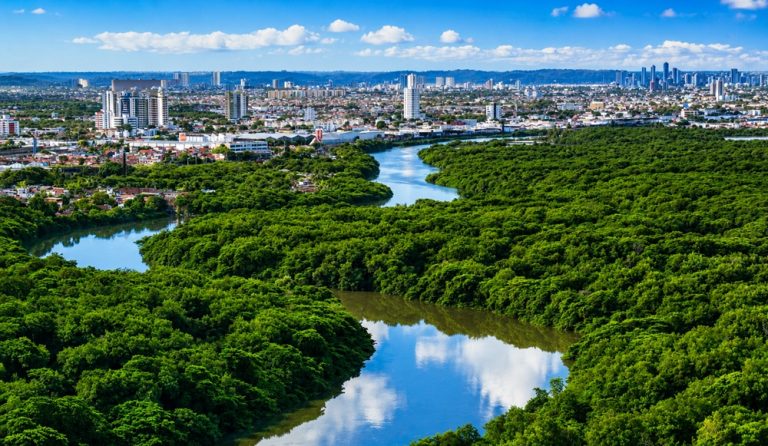
This interactive map highlights some of the most important states, cities, beaches, and destinations across Northeast Brazil to help you visualize the region and plan your trip more easily. The purple pins represent Brazilian states, while the yellow pins highlight specific cities, beach towns, islands, and travel destinations mentioned throughout this guide. Click on each pin to discover more information about the location, including what it is known for and why it may be worth adding to your Northeast Brazil itinerary.
Best Places to Visit in Northeast Brazil
Northeast Brazil is not a region you visit for just one type of experience. Some travelers come for beaches and island life, others for Afro-Brazilian culture, music, colonial architecture, kitesurfing, food, or dramatic natural landscapes that feel completely different from the rest of the country. If island escapes are high on your list, our guide to the most beautiful Brazilian islands highlights destinations ranging from Fernando de Noronha and Ilha Grande to quieter hidden gems such as Boipeba.
- Salvador is the cultural heart of Northeast Brazil
- Jericoacoara is one of the region’s most famous beach and kitesurfing destinations
- Lençóis Maranhenses offers some of the most unique landscapes in South America
- Recife and Olinda combine history, nightlife, and coastline
- Fernando de Noronha is Brazil’s most exclusive island destination
- Fortaleza, Natal, and Maceió are strong bases for beach-focused trips
One of the biggest mistakes travelers make when planning Northeast Brazil is assuming the region can easily be explored in one continuous trip. In reality, the distances are enormous, and each destination has a very different atmosphere. Choosing the right places matters far more than trying to see everything.
Salvador, Bahia
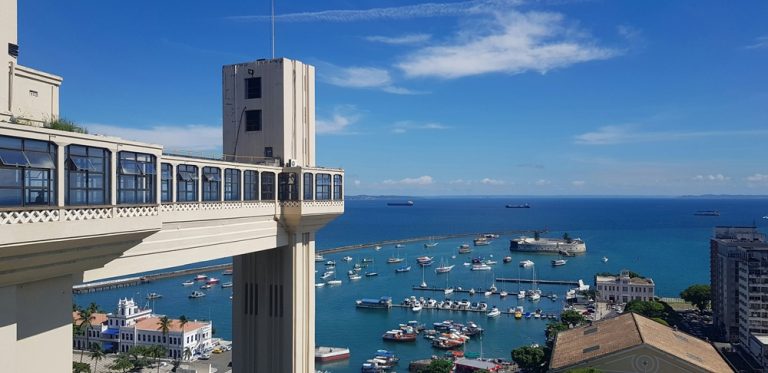
For many travelers, Salvador is the most culturally fascinating city in Northeast Brazil. The city is deeply connected to Afro-Brazilian identity, music, religion, dance, and food, and it feels completely different from Rio de Janeiro or São Paulo.
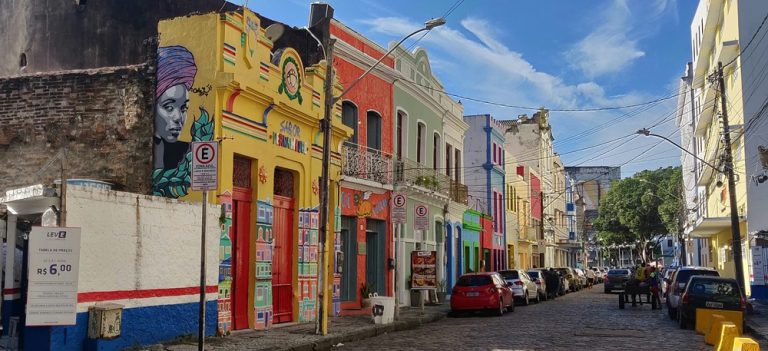
The historic Pelourinho district is filled with colorful colonial buildings, churches, live music, and steep cobblestone streets, while neighborhoods closer to the coast bring a completely different energy focused around beaches, nightlife, and ocean views.
Salvador is also one of the best places in Brazil to experience capoeira, samba, traditional Bahian cuisine, and local festivals that still feel strongly rooted in regional culture. Travelers wanting a deeper look at the city should read our detailed guide to Salvador, Brazil.
Discover Salvador with a private local guide while exploring colorful colonial streets, historic landmarks, Afro-Brazilian culture, music, architecture, and some of the city’s most iconic neighborhoods and viewpoints.
Jericoacoara, Ceará
Jericoacoara, often simply called “Jeri,” is one of the most famous beach destinations in Brazil. Located several hours from Fortaleza, the town became internationally known for its relaxed atmosphere, sand streets, wind sports, and huge dune landscapes.
Unlike large resort cities, Jericoacoara still feels relatively small and beach-oriented. Sunsets from the dunes have become a daily ritual, and the surrounding region offers lagoons, buggy excursions, kitesurfing, and long stretches of coastline.
Reaching Jericoacoara takes more effort than many other Brazilian beach destinations, which helps preserve some of its more remote atmosphere. Most travelers arrive via Fortaleza before continuing by transfer through sandy coastal roads.
Explore Jericoacoara’s famous dunes, beaches, and lagoons on a buggy adventure that takes you across some of the region’s most scenic coastal landscapes, including crystal-clear lagoons and remote stretches of sand.
Lençóis Maranhenses, Maranhão
Lençóis Maranhenses is one of the most surreal landscapes in South America. Massive white sand dunes stretch for kilometers across the coast of Maranhão, while seasonal rainwater creates bright blue lagoons between the dunes during the wetter months.
The region feels almost unreal when conditions are right, especially between June and September when many lagoons are still full. Unlike traditional desert landscapes, Lençóis Maranhenses combines freshwater lagoons, tropical climate, and coastal scenery into something completely unique.
Most travelers visit via Barreirinhas, Santo Amaro, or Atins, each offering slightly different access points and travel styles. Guided 4x4 tours are usually required to reach the main dune systems.
Experience the surreal landscapes of Lençóis Maranhenses on a full-day adventure through towering white sand dunes and crystal-clear lagoons, including visits to the famous Lagoa Azul and Lagoa Bonita.
Recife and Olinda, Pernambuco
Recife is one of the largest cities in Northeast Brazil, but nearby Olinda gives the region much of its historic and artistic identity. The two cities are often explored together and offer a strong mix of colonial history, nightlife, beaches, museums, and regional culture.
Olinda is particularly famous for its colorful streets, churches, hillside viewpoints, and Carnival celebrations. Compared to Salvador, the atmosphere often feels slightly more artistic and less intense, while Recife brings a more modern urban side to the region.
This part of Brazil also works well for travelers wanting culture and city life without completely sacrificing beach access.
Explore Recife with a private local guide who can shape the experience around your interests, whether that means wandering through historic streets, discovering local culture, exploring colorful neighborhoods, or learning more about the city’s history and daily life.
Fernando de Noronha, Pernambuco
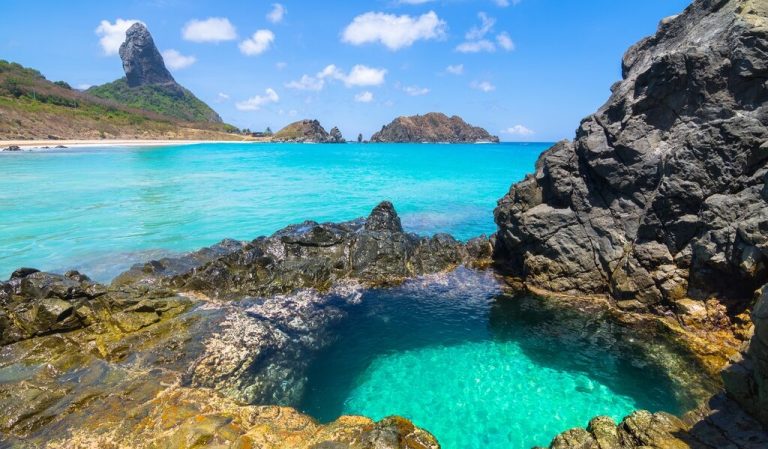
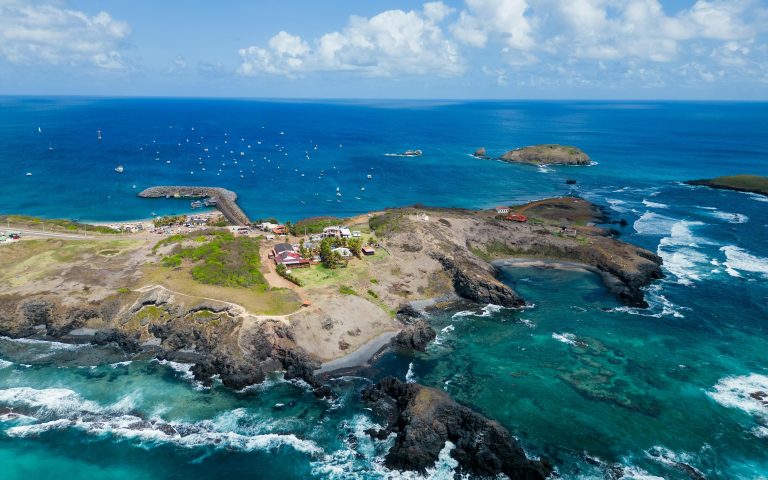
Fernando de Noronha is widely considered one of the most beautiful island destinations in Brazil. The archipelago is known for turquoise water, marine life, dramatic cliffs, diving, and protected beaches that regularly appear on lists of the best beaches in South America.
At the same time, Noronha is not a cheap or casual beach destination. Visitor numbers are controlled, environmental fees apply, and accommodation prices are significantly higher than in most other parts of Northeast Brazil.
For travelers prioritizing nature, diving, snorkeling, and exclusivity, Fernando de Noronha can easily become the highlight of an entire Brazil trip.
Discover the natural beauty of Fernando de Noronha on a full-day island adventure that covers scenic viewpoints, pristine beaches, volcanic landscapes, wildlife spotting areas, and some of the archipelago’s most iconic locations.
Fortaleza, Natal, and Maceió
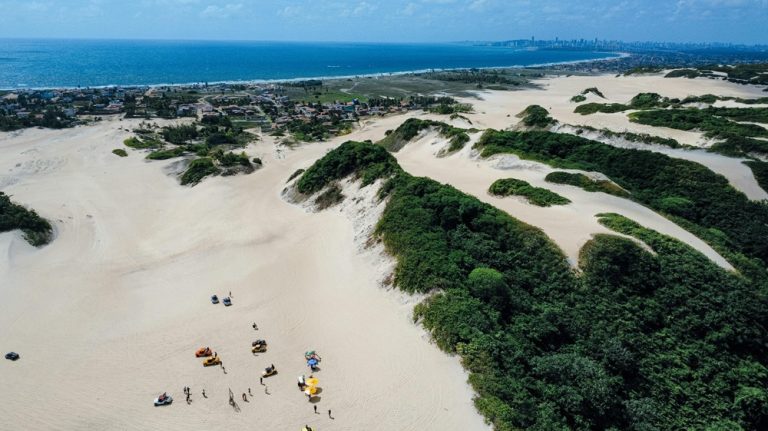
These coastal cities often serve as gateways to nearby beach regions rather than purely standalone destinations. Fortaleza is strongly connected to Ceará’s beach circuit and kitesurfing scene, Natal is famous for dunes and buggy excursions, while Maceió gives access to some of the clearest turquoise water in mainland Brazil.
Travelers looking for easier beach holidays with better infrastructure, domestic tourism, and resort-style options often gravitate toward these areas.
Many of the surrounding beaches and smaller coastal towns become far more memorable than the cities themselves, especially for travelers focused primarily on ocean scenery and relaxation.
Explore Fortaleza on a panoramic city tour that combines major landmarks, coastal scenery, urban viewpoints, and a relaxing stop at Cumbuco Beach, one of the region’s most popular beach destinations.
Beaches in Northeast Brazil
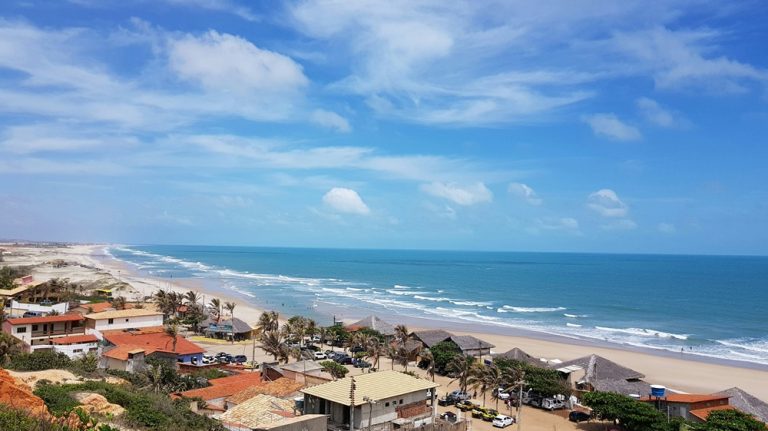
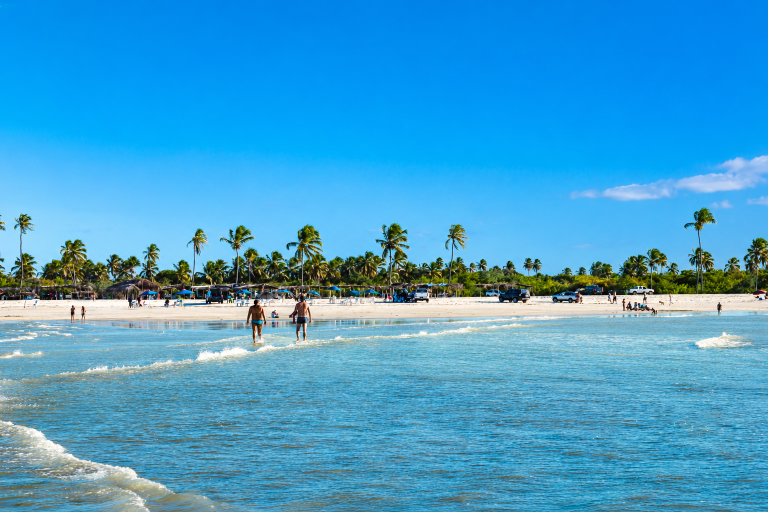
Northeast Brazil is home to some of the most diverse and visually impressive coastlines in South America. The beaches here range from calm turquoise lagoons and palm-lined bays to massive dune systems, surf towns, coral reefs, fishing villages, and remote tropical islands that still feel surprisingly untouched.
- Jericoacoara and Ceará are known for dunes, wind sports, and wilder coastal scenery
- Bahia combines tropical beaches with culture, nightlife, and Afro-Brazilian atmosphere
- Alagoas and Maceió are famous for clear turquoise water and natural pools
- Fernando de Noronha offers Brazil’s most exclusive island beaches and marine life
- Some beaches feel highly developed, while others remain quiet and difficult to access
One of the reasons Northeast Brazil stands out so strongly is that the coastline never feels repetitive for very long. Different states often feel like completely different beach destinations altogether.
In Ceará, the coastline feels windier, drier, and more rugged. Places like Jericoacoara attract kitesurfers and travelers looking for dramatic dune landscapes, long sandy beaches, and a more laid-back backpacker atmosphere. Sunset culture is part of daily life here, and many beach towns feel built around outdoor living and wind-driven sports.
Bahia offers something entirely different. Around Salvador and the Bahian coastline, beaches mix with music, food, nightlife, and Afro-Brazilian culture in a way that gives the region a much stronger social and cultural atmosphere than many purely resort-oriented destinations. Some beaches feel lively and urban, while others become quieter and more tropical the further south you travel.
Alagoas, particularly around Maceió and Maragogi, is known for calmer turquoise water, coral reefs, and natural swimming pools that appear during low tide. This area often attracts travelers looking for postcard-style tropical scenery and more relaxed beach holidays.
Fernando de Noronha sits in its own category entirely. The protected island archipelago is famous for crystal-clear water, sea turtles, diving, snorkeling, and dramatic volcanic landscapes. While expensive compared to mainland Brazil, many travelers consider it one of the most beautiful beach destinations in the entire country.
One of the biggest surprises for first-time visitors is how many beaches in Northeast Brazil still feel relatively undeveloped compared to major international resort destinations. In some places, simple beach bars, fishing boats, and dirt roads still dominate the landscape rather than large hotel complexes and international chains.
That slower and less commercial atmosphere is part of what makes the region so appealing. Many beach towns still feel connected to local life rather than being built entirely around tourism.
Travelers wanting a broader overview of coastal destinations across the country should also read our guide to the best beaches in Brazil, which compares beach regions throughout Brazil.
Food, Music & Culture in Northeast Brazil
Northeast Brazil has one of the strongest regional identities in the entire country. Food, music, religion, festivals, and daily life are deeply influenced by Afro-Brazilian traditions, especially in states like Bahia and Pernambuco, where African heritage continues to shape local culture in visible and meaningful ways.
- Bahia is famous for Afro-Brazilian food, percussion, capoeira, and street festivals
- Seafood, coconut milk, cassava, dendê oil, beans, and rice appear constantly in regional dishes
- Forró, samba, and live percussion are part of daily life in many cities and beach towns
- Salvador remains one of Brazil’s most culturally important cities
- Food in Northeast Brazil is often richer, spicier, and more African-influenced than in the south of the country
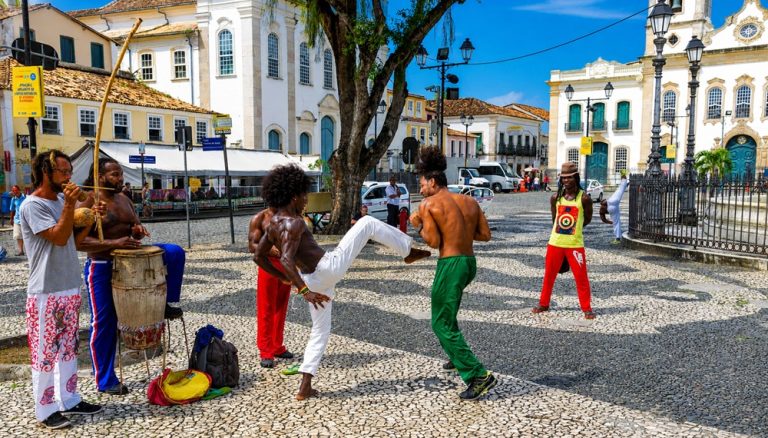
One of the first things many travelers notice in Northeast Brazil is how alive the streets feel, especially at night. Music often spills out of bars, plazas, beach kiosks, and restaurants, while drumming performances, dancing, and spontaneous street gatherings feel like part of normal daily life rather than staged tourist entertainment.
In Salvador, Afro-Brazilian culture is visible everywhere. Capoeira circles form near beaches and historic squares, percussion groups rehearse openly in the streets, and local religious traditions such as Candomblé remain deeply connected to the city’s identity. Compared to other parts of Brazil, the cultural atmosphere often feels more intense, rhythmic, and historically layered.
Food also changes significantly across the Northeast region. One of the most famous dishes is moqueca baiana, a seafood stew traditionally prepared with fish or shrimp simmered slowly in coconut milk, tomatoes, onions, garlic, peppers, cilantro, and bright orange dendê oil, which gives the dish its distinctive color and flavor. It is usually served with white rice, farofa, and pirão, a thick sauce made by mixing fish broth with cassava flour.
Another iconic street food is acarajé, especially common in Bahia. The dish starts with black-eyed pea dough shaped into balls and deep-fried in dendê oil until crispy outside and soft inside. The fritters are then sliced open and filled with shrimp, vatapá, spicy pepper sauce, and salad. Vendors dressed in traditional white Bahian clothing still sell acarajé in the streets of Salvador today.

Vatapá itself is another important regional specialty. The creamy mixture is usually made with bread, shrimp, peanuts, coconut milk, dendê oil, garlic, and spices blended together into a thick paste-like consistency. The flavor is rich, slightly spicy, and strongly associated with Afro-Brazilian cuisine.
Along the coast, seafood dominates many menus. Grilled fish, octopus, lobster, shrimp skewers, and fried seafood platters are common in beach towns throughout Ceará, Alagoas, Pernambuco, and Bahia. In smaller fishing communities, meals often feel simple and local rather than heavily commercialized, with freshly caught fish served only hours after leaving the water.
Music changes from state to state as well. In Pernambuco, rhythms connected to frevo and maracatu remain deeply tied to local identity and Carnival celebrations. In Ceará and inland areas of the Northeast, forró music becomes increasingly dominant, especially during festivals and night events where dancing remains central to the atmosphere.
Travelers who want a broader overview of regional Brazilian cuisine should also read our guide to food in Brazil. If you are planning to visit during festival season, our detailed guide to Brazil Carnival explains how Carnival traditions differ across the country, including in the Northeast region.
Dive into Salvador’s rich Afro-Brazilian food culture on a guided tasting experience featuring more than 12 local specialties, traditional Bahian flavors, street food favorites, and insights into the city’s culinary traditions.
Is Northeast Brazil Safe for Travelers?
Safety is one of the biggest concerns travelers have before visiting Brazil, and Northeast Brazil is no exception. While millions of people travel through the region every year without serious problems, some destinations do require more awareness and preparation than others.
- Most travelers visit Northeast Brazil without major incidents
- Petty theft and phone snatching are more common than violent crime against tourists
- Large cities like Salvador and Recife require more awareness than smaller beach towns
- Displaying expensive phones, jewelry, or cameras openly can attract unwanted attention
- Good judgment and local awareness matter far more than paranoia
One of the biggest mistakes first-time visitors make is imagining Brazil as either completely dangerous or completely safe. The reality is much more nuanced. Northeast Brazil contains huge differences between destinations, neighborhoods, and travel styles.
Tourist-heavy beach areas, resorts, and smaller coastal towns often feel relaxed and easygoing, especially during the daytime. Places like Jericoacoara, Porto de Galinhas, and many beach regions in Alagoas usually feel far calmer than the large urban centers that dominate international headlines about Brazil.
At the same time, major cities such as Salvador, Recife, and Fortaleza do require situational awareness, particularly at night or in less tourist-oriented neighborhoods. Opportunistic theft remains the most common issue affecting travelers. Phones being grabbed from hands, bags left unattended on beaches, and visible valuables attracting attention are much more realistic risks than the extreme scenarios many people imagine before arriving.
Beach theft is one of the most common problems throughout the region. Leaving phones, wallets, or cameras unattended while swimming is something travelers should avoid almost everywhere along the coast. Many experienced travelers bring only the essentials to the beach and leave passports or extra valuables secured at their accommodation.
Using normal urban awareness goes a long way in Northeast Brazil. Ordering transport through apps at night, avoiding empty streets after dark, asking locals or hotel staff about safer areas, and not walking around visibly distracted with expensive electronics can dramatically reduce risk.
Language can also affect how comfortable travelers feel. English is still relatively limited outside some tourist areas, especially in smaller towns and more regional destinations. Basic Portuguese phrases or offline translation apps can make travel much smoother and help avoid stressful situations.
One important thing many travelers notice is that Northeast Brazil often feels socially warm and welcoming despite its reputation abroad. Locals are frequently curious, talkative, and willing to help visitors, especially outside heavily internationalized tourist zones.
For most travelers, Northeast Brazil becomes much more enjoyable once they stop approaching the region with fear and start approaching it with awareness instead. Smart decision-making, realistic expectations, and basic precautions are usually enough to travel comfortably through much of the region.
Best Time to Visit Northeast Brazil
Northeast Brazil is warm and tropical for most of the year, but weather conditions, rainfall, wind, prices, and travel atmosphere can still vary significantly depending on the region and season you choose.
- Northeast Brazil is generally warm year-round
- December to March is peak travel season with higher prices and larger crowds
- June to September is ideal for visiting Lençóis Maranhenses
- August to December is excellent for kitesurfing in Ceará
- Rain patterns vary across the Northeast and do not affect every state equally
One of the advantages of Northeast Brazil is that there is rarely a completely “bad” time to visit the region. Even during wetter periods, many destinations still experience long sunny intervals, warm temperatures, and beach weather.
That said, different parts of the Northeast work better at different times of the year. Travelers planning a multi-region trip should pay close attention to seasonal differences instead of assuming the entire coastline follows the same climate pattern.
December to March
This is the busiest and most energetic period across much of Northeast Brazil. Summer holidays, Carnival season, and school vacations bring larger crowds, busier beaches, higher accommodation prices, and a much livelier atmosphere in cities and coastal towns.
Places like Salvador, Recife, and major beach destinations become especially vibrant during this period, with festivals, concerts, nightlife, and beach culture reaching peak intensity. Travelers looking for energy, music, nightlife, and Carnival atmosphere often prefer this time of year.
At the same time, prices rise noticeably in popular destinations, especially around New Year and Carnival.
April to July
Rainfall becomes more common in parts of the Northeast during these months, particularly around sections of the eastern coastline such as Recife, Maceió, and parts of Bahia. However, rain often arrives in shorter tropical bursts rather than constant all-day storms.
This period can still work well for travelers who prefer fewer crowds, greener landscapes, and slightly lower accommodation prices.
June is also an important cultural month in many parts of Northeast Brazil because of the famous Festa Junina celebrations. These festivals include traditional music, dancing, local food, and regional customs that remain especially strong throughout the Northeast region.
June to September
This is one of the best periods for visiting Lençóis Maranhenses. Seasonal rainwater fills the lagoons between the dunes earlier in the year, and during these months many of them remain full and intensely blue, creating the landscapes the region is famous for.
This period also tends to bring slightly drier conditions to several coastal areas while avoiding some of the intense holiday crowds found during the Brazilian summer season.
August to December
The second half of the year is especially popular along the coast of Ceará, where strong and reliable winds attract kitesurfers from around the world. Destinations like Jericoacoara become major hubs for wind sports during this period.
The atmosphere along parts of the northern coastline often feels very active and outdoors-focused during these months, especially in beach towns centered around surfing, kitesurfing, and dune excursions.
Ultimately, the best time to visit Northeast Brazil depends less on temperature and more on what kind of trip you want. Some travelers prioritize Carnival and nightlife, others focus on beaches and wind sports, while many plan their itinerary specifically around the lagoon season in Lençóis Maranhenses.
Travelers looking for a broader seasonal overview across the entire country should also read our guide to the best time to visit Brazil.
Interactive Map of Northeast Brazil
This interactive map highlights some of the most important states, cities, beaches, and destinations across Northeast Brazil to help you visualize the region and plan your trip more easily. The purple pins represent Brazilian states, while the yellow pins highlight specific cities, beach towns, islands, and travel destinations mentioned throughout this guide. Click on each pin to discover more information about the location, including what it is known for and why it may be worth adding to your Northeast Brazil itinerary.
Suggested Northeast Brazil Itineraries
Planning a trip through Northeast Brazil is often harder than travelers initially expect because the region is enormous. Trying to combine too many destinations usually leads to rushed flights, exhausting bus journeys, and very little time to actually enjoy the places themselves.
- 7 days is usually best for focusing on one state or one main region
- 10 to 14 days allows for much more balanced multi-destination trips
- Domestic flights save enormous amounts of travel time
- Beach-focused itineraries work best when kept geographically compact
- Slower trips usually feel far more rewarding in Northeast Brazil
One of the best ways to approach Northeast Brazil is to choose a travel style first rather than simply selecting famous destinations randomly. Some travelers prioritize culture and music, others focus on beaches and relaxation, while some want nature, dunes, hiking, or wind sports.
The itineraries below are designed to feel realistic and enjoyable rather than rushed.
7 Days: Salvador & the Bahian Coast
This is one of the strongest first-time Northeast Brazil itineraries because it combines beaches, food, nightlife, history, and Afro-Brazilian culture without requiring huge travel distances.
Most travelers spend several days exploring Salvador itself before continuing toward nearby beach destinations or islands along the Bahian coastline. The atmosphere shifts naturally from energetic city life and music-filled historic streets to slower beach environments focused on seafood, sunsets, and tropical scenery.
This itinerary works especially well for travelers who want a balanced mix of culture and coastline rather than purely resort-focused travel.
7 Days: Fortaleza & Jericoacoara
Travelers looking for a more beach-oriented and outdoors-focused trip often combine Fortaleza with Jericoacoara. The experience here feels completely different from Bahia.
The focus shifts toward dunes, kitesurfing, beach bars, buggy excursions, lagoons, and laid-back coastal atmosphere. Jericoacoara itself works best when travelers stay several days instead of treating it as a rushed overnight stop.
This route is particularly popular for couples, beach travelers, backpackers, and anyone interested in wind sports.
10 Days: Recife, Olinda & Porto de Galinhas
This itinerary combines urban culture, colonial history, Carnival atmosphere, and tropical beaches within a relatively manageable area of Pernambuco.
Recife and Olinda offer museums, nightlife, colorful architecture, music, and regional food culture, while Porto de Galinhas provides a more relaxed beach atmosphere with natural pools and calmer coastal scenery.
The combination works well for travelers who want culture and beach time without relying on constant flights.
10 to 14 Days: Ceará & Lençóis Maranhenses
This is one of the most visually dramatic Northeast Brazil combinations, especially for travelers interested in landscapes and adventure-oriented travel.
Many travelers begin in Fortaleza or Jericoacoara before continuing west toward Lençóis Maranhenses. The trip combines dunes, lagoons, wind sports, remote coastal scenery, and some of the most unusual landscapes in Brazil.
Because transportation logistics can become more complicated here, this itinerary works best for travelers comfortable with transfers, flexible schedules, and longer travel days.
2 Weeks: Multi-State Northeast Brazil Trip
With two weeks or more, travelers can begin combining multiple states more comfortably. One of the best approaches is usually choosing two neighboring regions instead of trying to cover the entire Northeast coastline.
Examples include:
- Bahia + Pernambuco for culture, music, beaches, and nightlife
- Ceará + Maranhão for dunes, lagoons, kitesurfing, and adventure travel
- Alagoas + Pernambuco for relaxed tropical coastline and beach-focused trips
Many travelers underestimate how exhausting constant transport can become in Brazil. Slower itineraries with fewer destinations usually create a much more immersive and enjoyable experience.
Travelers planning larger trips throughout the country should also read our full Brazil itinerary guide, which explains how to combine different regions realistically without spending most of the trip in transit.
Travel Tips for Northeast Brazil
Northeast Brazil is one of the most rewarding regions in the country, but it also becomes far more enjoyable when travelers arrive with realistic expectations about distances, climate, language, and travel pace.
- Learning a few Portuguese phrases makes travel significantly easier
- Distances between destinations are often much larger than expected
- Domestic flights can save huge amounts of time
- The tropical sun is intense year-round, even on cloudy days
- Beach theft and phone snatching are more common than violent incidents
- Mobile internet is extremely useful for transport, translations, and navigation
One of the biggest adjustments for many travelers is the language barrier. Outside major tourist areas, English is still relatively limited throughout large parts of Northeast Brazil. Basic Portuguese phrases, offline translation apps, and patience during conversations go a long way.
Transportation apps and mobile internet become incredibly useful throughout the region, especially in larger cities where ordering rides through apps is often safer and easier than relying on random street taxis. Many travelers now arrive with eSIMs already installed before landing in Brazil to avoid dealing with SIM card registration or airport kiosks after long flights. Our guide to the best eSIMs for international travel explains the easiest options for staying connected while traveling abroad.
Another common mistake is underestimating travel times. Northeast Brazil may look manageable on a map, but moving between states can easily consume full days once transfers, airports, delays, and long road journeys are factored in. Trying to visit too many destinations often becomes exhausting instead of enjoyable.
The tropical climate also catches many travelers off guard. Heat, humidity, and sun exposure can feel intense, particularly along the coast where long beach days quickly lead to dehydration and sunburn. Lightweight clothing, sunscreen, hydration, and slower pacing during the hottest hours of the afternoon make a major difference.
Cash is still useful in smaller towns, beach bars, and regional areas, even though cards are widely accepted in larger cities and tourist destinations. Brazil’s PIX payment system dominates locally, but foreign travelers generally continue relying on cards and cash.
Accommodation style also varies heavily across the region. Some travelers choose large beachfront resorts, while others stay in pousadas, which are smaller guesthouses that often feel far more personal and locally connected. In beach destinations especially, location matters more than luxury in many cases. Staying close to the beach, nightlife, or historic center can dramatically improve the overall experience. Travelers comparing regions, hotels, and booking platforms can use our guide to comparing hotel booking platforms before booking accommodation in Brazil.
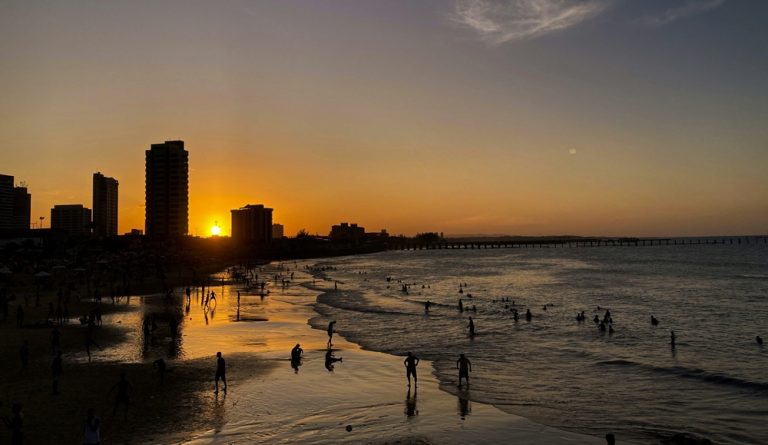
Most importantly, Northeast Brazil rewards slower travel. The region is not just about checking famous places off a list. Some of the best moments often happen during long beach sunsets, live music in local bars, conversations with locals, or relaxed afternoons in places that never originally appeared on the itinerary.
Final Thoughts on Traveling Through Northeast Brazil
Northeast Brazil is one of those regions that tends to stay with travelers long after the trip ends. Part of that comes from the landscapes, the beaches, and the tropical coastline, but much of it also comes from the atmosphere itself. The music, the food, the slower rhythm of daily life, and the strong regional identity give the Northeast a feeling that is very different from many other parts of Brazil.
What surprises many visitors most is how emotionally varied the region feels. One moment you are walking through colorful colonial streets filled with percussion and live music in Salvador, and a few days later you may find yourself watching the sunset from a quiet dune in Jericoacoara or floating in bright blue lagoons surrounded by the dunes of Lençóis Maranhenses.
The region also rewards travelers who slow down. Northeast Brazil is far too large and diverse to experience properly in a rushed itinerary built around constant transport and checklist-style tourism. The trips that tend to become most memorable are usually the ones that leave room for flexibility, local encounters, long beach afternoons, spontaneous music, and places that were never originally part of the plan.
At the same time, Northeast Brazil still feels less internationally saturated than many tropical destinations elsewhere in the world. In many areas, local culture still dominates daily life rather than existing purely for tourism. That balance between tourism and authenticity is becoming increasingly rare.
For travelers looking for beaches, culture, music, food, landscapes, and a side of Brazil that often feels more immersive and less polished than the country’s better-known southern cities, Northeast Brazil can easily become one of the highlights of an entire South America trip.
FAQ About Northeast Brazil
- Is Northeast Brazil worth visiting?
Yes. Northeast Brazil is one of the most rewarding regions in the country for travelers interested in beaches, Afro-Brazilian culture, music, food, colonial cities, and tropical landscapes. Many travelers find the region more immersive and culturally distinct than the better-known southern parts of Brazil. - What are the best places to visit in Northeast Brazil?
Some of the most popular destinations include Salvador, Jericoacoara, Lençóis Maranhenses, Recife, Olinda, Fernando de Noronha, Maceió, and Porto de Galinhas. Each destination offers a very different atmosphere and travel style. - How many days do you need in Northeast Brazil?
Most travelers should spend at least 7 to 14 days in Northeast Brazil. The region is much larger than many people expect, and trying to cover too many destinations too quickly often becomes exhausting. - Is Northeast Brazil safe for tourists?
Most travelers visit Northeast Brazil without serious problems, but normal precautions are important. Petty theft and phone snatching are more common than violent incidents affecting tourists. Awareness, avoiding empty areas at night, and not displaying valuables openly help reduce risks significantly. - What is the best time to visit Northeast Brazil?
Northeast Brazil is warm year-round, but the best time depends on the destinations and travel style. June to September is ideal for Lençóis Maranhenses, while August to December is popular for kitesurfing in Ceará. December to March is the busiest season because of summer holidays and Carnival. - Do you need a car in Northeast Brazil?
Not always. Many travelers combine domestic flights with transfers, buses, or ride apps. Renting a car can be useful in coastal regions and smaller beach areas, but it is not necessary for every itinerary. - What is Northeast Brazil known for?
Northeast Brazil is famous for tropical beaches, Afro-Brazilian culture, Carnival traditions, live music, seafood, colonial cities, dunes, and warm climate. The region also has some of Brazil’s most distinctive food and strongest cultural identity. - Which beaches are best in Northeast Brazil?
Some of the most famous beaches include those around Jericoacoara, Porto de Galinhas, Maragogi, Pipa, and Fernando de Noronha. Different areas suit different travel styles, from surfing and kitesurfing to snorkeling and quieter tropical escapes. - Can you travel Northeast Brazil without speaking Portuguese?
Yes, but basic Portuguese phrases help significantly. English is still limited outside major tourist areas and upscale hotels. Translation apps and mobile internet make travel much easier throughout the region. - What food should you try in Northeast Brazil?
Popular regional dishes include moqueca baiana, acarajé, grilled seafood, vatapá, tapioca pancakes, and coconut-based seafood dishes. Food in Northeast Brazil is heavily influenced by Afro-Brazilian traditions and coastal ingredients. - Is Northeast Brazil expensive?
Northeast Brazil can be more affordable than Rio de Janeiro or São Paulo, especially outside luxury beach destinations like Fernando de Noronha. Costs vary heavily depending on accommodation style, domestic flights, and season. - What is the most beautiful part of Northeast Brazil?
That depends on travel style. Some travelers prefer the cultural atmosphere of Salvador, while others consider Lençóis Maranhenses or Fernando de Noronha the most visually impressive destinations in the region.
Travel Resources to Plan, Book & Stay Connected
Use these tools and guides to stay connected abroad, find inspiration for your next trip, and book your flights, stays and gear with confidence.
Disclosure: This article may contain affiliate links. If you make a purchase through a link, I may receive a commission at no extra cost to you. I only share recommendations I believe are genuinely useful, and all opinions are my own. AI was used in this post for research and drafting purposes.

Comment (0)