
What This Istanbul Guide Covers
This guide covers everything you need to plan your time in Istanbul, including:
- How to get to Istanbul and move around once you arrive
- The best neighborhoods and areas to stay
- Top things to do, from major landmarks to local experiences
- Food, cafés, bars, and nightlife highlights
- The best time of year to visit
- Practical travel tips and local know-how
- Answers to common traveler questions
Things to Do in Istanbul: Where Continents, Cultures, and Centuries Collide
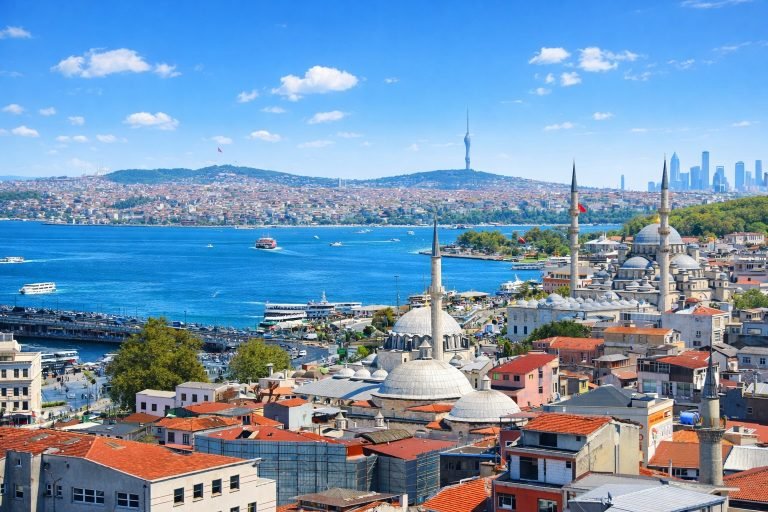
Few cities in the world feel as layered, dramatic, and alive as Istanbul. Straddling Europe and Asia, the city is shaped by empires, religions, trade routes, and everyday street life in a way that never feels frozen in time. One moment you’re standing beneath Byzantine domes that have watched over the city for centuries, and the next you’re weaving through buzzing neighborhoods filled with cafés, ferries, street food, and late-night conversation. Exploring the many things to do in Istanbul is less about ticking off sights and more about absorbing a city that constantly shifts between the ancient and the modern.
What makes Istanbul so compelling is its rhythm. Mornings begin with the call to prayer echoing across rooftops, ferries cutting through the Bosphorus, and locals lining up for simit and tea. By afternoon, grand landmarks like mosques, palaces, and bazaars draw you deep into the city’s imperial past, while contemporary art spaces, boutiques, and waterfront promenades reveal how confidently Istanbul looks forward. The best things to do in Istanbul often happen between destinations — lingering over meze, watching fishermen on Galata Bridge, or getting lost in streets where laundry hangs above cobblestones worn smooth by time.
Whether you’re visiting for a long weekend or settling in for a slower stay, Istanbul rewards curiosity and patience. It’s a city that opens up gradually, revealing its stories through food, architecture, neighborhoods, and daily rituals. This guide is designed to help you navigate the scale and complexity of Istanbul with clarity and confidence, while leaving space for the spontaneous moments that so often become the most memorable part of the journey.
How to Get to Istanbul
Istanbul is one of the easiest cities in the region to reach, with two major airports, strong domestic rail connections, and a nationwide long-distance bus network. The key is simply knowing which airport or terminal you’re arriving at, because distances and transfer times can be significant across a city this large.
By Air
Most international travelers arrive via Istanbul Airport (IST), the city’s primary hub for long-haul and international routes. If you’re flying within the region or using a low-cost carrier, your flight may instead land at Istanbul Sabiha Gökçen International Airport (SAW) on the Asian side.
When booking flights (and especially when arranging airport transfers), always double-check whether you’re flying into IST or SAW — they are on opposite sides of Istanbul, and travel time between them can be long depending on traffic and time of day.
By Train
If you’re traveling overland from elsewhere in Turkey, train travel into Istanbul can be comfortable and time-efficient, especially from major cities served by intercity and high-speed routes. Tickets, schedules, and route planning are handled through the official TCDD Taşımacılık booking system.
Official train tickets and schedules:
TCDD Taşımacılık (Official e-Ticket System)
By Bus
Long-distance buses are one of the most widely used ways to travel around Turkey, and Istanbul has frequent services to and from nearly every major city. Most intercity coaches arrive at the city’s main terminal, commonly known as Esenler Otogar (Büyük İstanbul Otogarı), where you can connect onward by city transport or taxi.
Official bus terminal site:
Büyük İstanbul Otogarı (Esenler Otogar)
Where to Stay in Istanbul
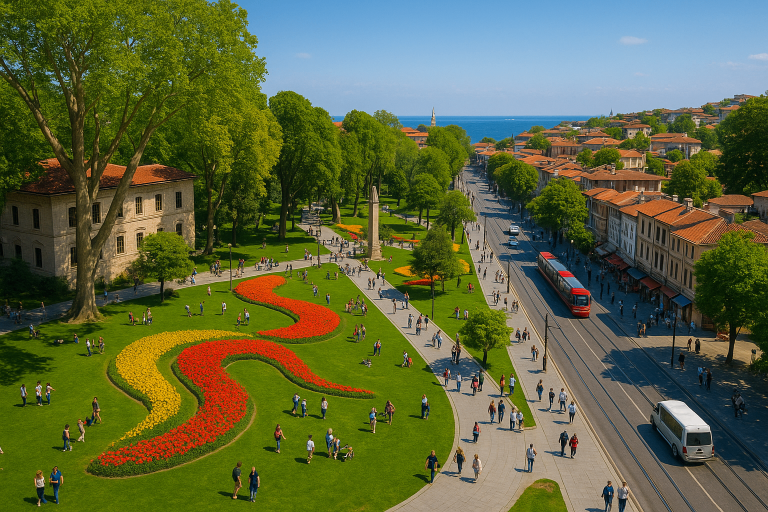
Choosing where to stay in Istanbul has a huge impact on your experience. The city is vast, spread across multiple districts on both the European and Asian sides, each with a very different atmosphere. Most first-time visitors prefer staying on the European side, where major landmarks, historic neighborhoods, nightlife, and transport connections are concentrated.
Sultanahmet is ideal for sightseeing and walking distance access to Istanbul’s most famous monuments. Beyoğlu and Taksim suit travelers who want nightlife, restaurants, and a more modern city feel. Areas like Sirkeci, Eminönü, and the Golden Horn offer a balance between historic charm and good transport connections.
Budget-Friendly Hotels
CHEERS HOSTELZeynep Sultan Cami Sokak No 21 Sultanahmet, Istanbul, Turkey, 34110, +90 212 526 02 00
Cheers Hostel is one of the most popular budget stays in Istanbul, especially for first-time visitors who want to be right in the historic heart of the city. Located steps from Hagia Sophia and the Blue Mosque, it offers both dorms and private rooms, along with a lively rooftop terrace that’s perfect for meeting other travelers.
Reserve your stay at CHEERS HOSTEL today.
TAKSİM LİFE HOUSEKatip Mustafa Çelebi, Abdullah Sk. No:11, Beyoğlu, Istanbul, Turkey · +90 533 334 40 99
Taksim Life House is a solid budget option for travelers who want to stay near Istanbul’s nightlife and shopping scene. Located close to Istiklal Street, it offers a simple, comfortable stay with easy access to cafés, bars, and public transport connections across the city.
Reserve your stay at TAKSİM LİFE HOUSE today.
Mid-Range Comfort Hotels
AVRASYA HOTELCankurtaran Mah., Seyit Hasan Sok. No:12, Sultanahmet, Fatih, Istanbul, Turkey · +90 212 516 93 80
Avrasya Hotel is a comfortable mid-range choice in Sultanahmet, ideal for travelers who want quiet evenings and easy walking access to major historical sights. The hotel offers a relaxed atmosphere, practical rooms, and a location that makes early-morning sightseeing especially convenient.
Reserve your stay at AVRASYA HOTEL today.
DELUXE GOLDEN HORN SULTANAHMET HOTELBinbirdirek Meydani Sok. No:1, Sultanahmet, Fatih, Istanbul, Turkey · +90 212 518 17 17
Deluxe Golden Horn Sultanahmet Hotel combines comfort with an excellent historic location. Set near many of Istanbul’s top landmarks, it’s well suited for travelers who want a slightly more refined stay without moving into full luxury pricing.
Reserve your stay at DELUXE GOLDEN HORN SULTANAHMET HOTEL today.
ALPEK HOTELHobyar Mah., Arpacilar Cad. No:6, Eminönü – Fatih, Istanbul, Turkey · +90 212 514 45 82
Alpek Hotel is a practical mid-range option near Eminönü and the Spice Bazaar, making it a great base for travelers interested in markets, ferry connections, and easy transport access. The hotel offers simple comfort with a location that works well for both sightseeing and moving around the city.
Reserve your stay at ALPEK HOTEL today.
RAYMOND HOTEL OLD CITYEbusuud Cad. No:22, Sirkeci, Fatih, Istanbul, Turkey · +90 212 513 48 48
Raymond Hotel Old City is a well-located choice in Sirkeci, close to tram lines, ferry docks, and many historic attractions. It suits travelers who want a comfortable base with excellent transport links while staying in one of Istanbul’s most character-rich districts.
Reserve your stay at RAYMOND HOTEL OLD CITY today.
Luxury Hotels
SNOG ROOMS & SUITESŞahkulu Sokak No:10, Galata, Beyoğlu, Istanbul, Turkey · +90 212 243 26 41
Snog Rooms & Suites offers a boutique luxury experience in the heart of Galata. With stylish interiors and a prime location near cafés, galleries, and nightlife, it’s ideal for travelers who want a more contemporary stay while still being close to Istanbul’s historic core.
Reserve your stay at SNOG ROOMS & SUITES today.
To compare prices and booking options across platforms, use the Worldly Roaming hotel comparison guide .
Things to Do in Istanbul
Istanbul’s main attractions are tightly packed across several historic districts, making it possible to experience layers of history, religion, and daily life within a single day. Much of this historic core is protected under the UNESCO-listed Historical Areas of Istanbul , which together reflect the city’s role as the former capital of the Roman, Byzantine, and Ottoman empires. These landmarks are not just visually impressive — they remain deeply woven into Istanbul’s identity and everyday life.
Hagia Sophia
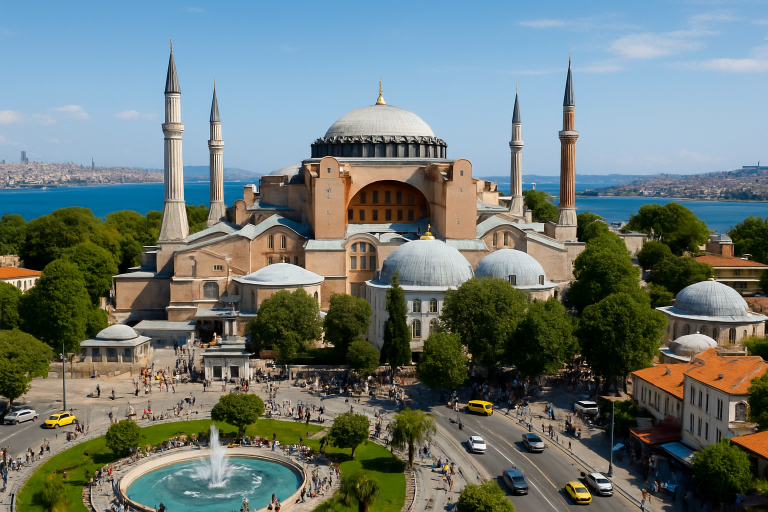
Hagia Sophia stands at the heart of Sultanahmet Archaeological Park and is one of the most significant buildings ever constructed. Over its long history, it has served as a Byzantine cathedral, an Ottoman mosque, a museum, and once again a mosque. Its vast dome, shimmering mosaics, and monumental scale capture Istanbul’s unique position at the crossroads of civilizations, making it an essential stop for understanding the city’s layered past.
🕌 Basilica Cistern & Hagia Sophia with Optional Topkapi Palace
Want to see Istanbul’s most iconic landmarks with the historical context that makes them truly click? This guided tour pairs the atmospheric underground world of the Basilica Cistern with the sheer scale and grandeur of Hagia Sophia, bringing Byzantine and Ottoman history into sharp focus as you explore. It’s an ideal option if you want to understand what you are seeing rather than simply passing through famous sights.
The experience can also be extended with an optional visit to Topkapi Palace, adding a deeper look into the Ottoman court, its rituals, and the power center that shaped the city for centuries. This tour works especially well for first-time visitors who want a clear, well-paced introduction to Istanbul’s most significant historic sites.
Blue Mosque (Sultan Ahmed Mosque)
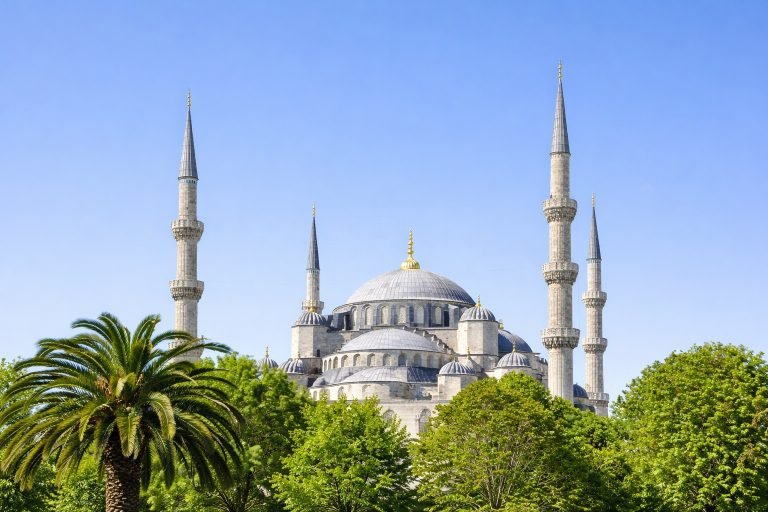
Directly facing Hagia Sophia, the Blue Mosque anchors Sultanahmet Square with its six minarets and cascading domes. The interior is famed for its thousands of blue Iznik tiles, which give the mosque its popular name. Still an active place of worship, visiting outside prayer times offers a rare glimpse into Istanbul’s living religious traditions within a historic setting.
Topkapi Palace
Topkapi Palace served as the administrative and ceremonial center of the Ottoman Empire for centuries. Spread across multiple courtyards overlooking the Bosphorus, the complex includes imperial kitchens, treasury rooms, audience halls, and private quarters. Walking through Topkapi provides crucial context for understanding how power, ceremony, and daily life functioned at the height of the Ottoman world.
🏰 Topkapi Palace & Harem, Skip-the-Line Small Group Tour
Want to explore the heart of the Ottoman Empire without long queues? This small-group, skip-the-line tour takes you through Topkapi Palace and the Harem with expert context, revealing how sultans ruled, lived, and shaped Istanbul for centuries.
Grand Bazaar
The Grand Bazaar lies just beyond Sultanahmet and has been a commercial hub for over five centuries. With thousands of shops arranged along covered streets, it remains one of the largest and oldest markets in the world. Beyond shopping, it offers insight into Istanbul’s trading traditions, where bargaining, craftsmanship, and social exchange are still part of everyday commerce.
Süleymaniye Mosque & Conservation Area
The Süleymaniye Mosque crowns one of Istanbul’s hills and anchors a wider conservation area showcasing classical 16th-century Ottoman architecture. Designed by Mimar Sinan, the mosque complex includes courtyards, former schools, and surrounding streets that still feel distinctly local. From its terraces, sweeping views over the Golden Horn highlight why this area was chosen for one of the empire’s most important religious monuments.
Zeyrek Conservation Area
Centered on the Zeyrek Mosque — formerly the Byzantine Church of the Pantocrator — this area reveals a quieter side of Istanbul’s historic peninsula. Traditional wooden houses, narrow streets, and steep slopes give the district a lived-in feel that contrasts with the more visited monuments nearby. Zeyrek is especially valuable for understanding how Istanbul’s Christian and Ottoman histories coexist within the same urban fabric.
Land Walls Conservation Area
The Land Walls stretch across the western edge of the historic peninsula and once formed the primary defense of Constantinople. These massive Theodosian Walls protected the city for centuries and remain one of the most impressive surviving defensive systems in the world. Exploring sections of the walls offers perspective on Istanbul’s strategic importance and the sheer scale of its historical fortifications.
Bosphorus Cruise
A Bosphorus cruise reveals Istanbul from the water, passing palaces, mosques, waterfront mansions, and residential neighborhoods along both the European and Asian shores. It’s the clearest way to appreciate the city’s geography as a bridge between continents. Whether taken during the day or at sunset, the cruise ties together many of the landmarks seen on land.
Galata Tower
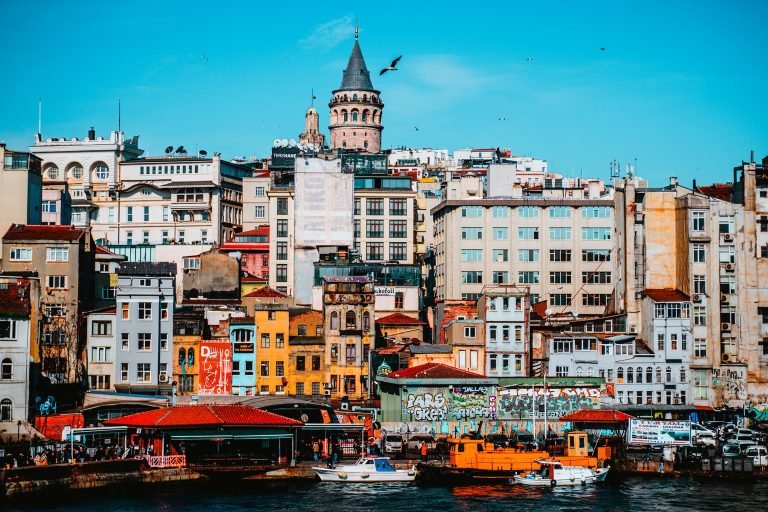
Rising above the Galata district, Galata Tower offers panoramic views across the Golden Horn, the Bosphorus, and the historic peninsula. Originally built as a watchtower, it has become one of Istanbul’s most iconic viewpoints. The surrounding neighborhood, with its cafés, narrow streets, and creative energy, adds a contemporary contrast to the city’s ancient core.
Food, Bars, Cafés & Nightlife in Istanbul
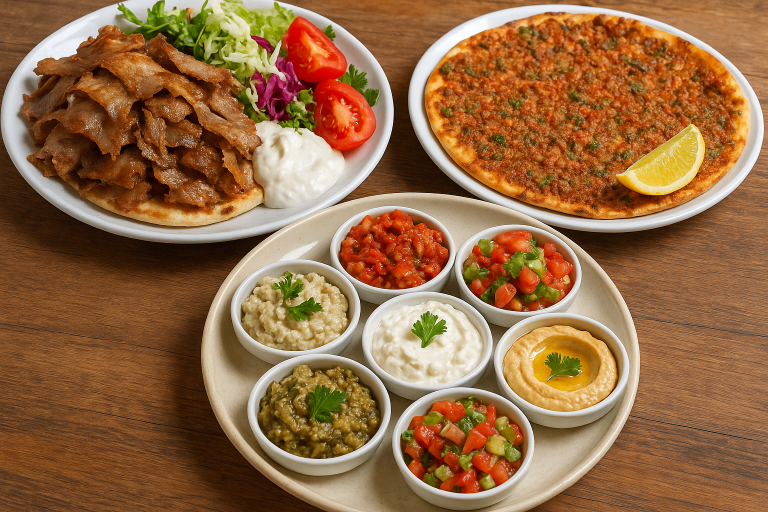
Istanbul’s food and nightlife scene is deeply social and strongly tied to place. Historic coffeehouses, bustling markets, long meze dinners, and late-night bars all play a role in daily life. Below are key spots and areas, with official links proposed for confirmation before final approval.
Iconic Cafés & Coffee Culture
Pandeli Restaurant — located above the Spice Bazaar, Pandeli is one of Istanbul’s most historic café-restaurants, known for its tiled interior and long-standing role as a meeting place for writers, artists, and politicians. It’s ideal for a relaxed lunch or coffee stop while exploring Eminönü.
Privato Café in Galata blends traditional Turkish breakfast culture with a modern, creative atmosphere. It suits travelers looking for a slower morning, local flavors, and a neighborhood feel away from major tour groups.
Markets & Street Food
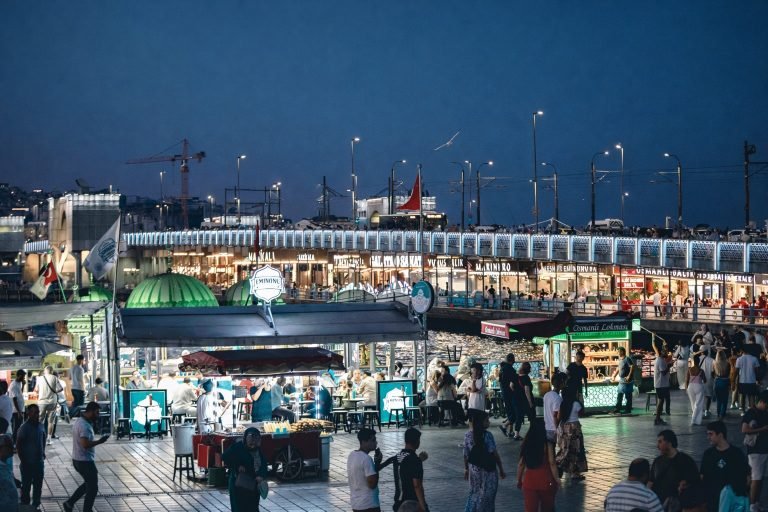
Spice Bazaar (Mısır Çarşısı) is one of the best places to experience Istanbul’s food culture in motion. Spices, sweets, dried fruits, and teas dominate the stalls, while nearby streets are packed with quick bites like fish sandwiches and stuffed mussels.
On the Asian side, Kadıköy Market Area is a favorite among locals for casual eating, bakeries, and street food. It’s less touristic than markets on the historic peninsula and offers a more everyday look at Istanbul’s food habits.
Restaurants
Hamdi Restaurant , overlooking the Golden Horn, is widely known for traditional southeastern Turkish dishes and classic kebabs. It’s well suited for travelers who want reliable regional food paired with a historic setting.
For refined Ottoman-inspired cuisine, Asitane Restaurant focuses on historical recipes drawn from palace archives. This is a quieter, more contemplative dining experience, ideal for travelers interested in culinary history.
Bars & Nightlife Areas
360 Istanbul is one of the city’s best-known rooftop venues, combining dining, cocktails, and panoramic views over the Bosphorus and historic skyline. It attracts a mixed crowd and works well for an evening that transitions from dinner to late drinks.
For a more local nightlife scene, Babylon in Beyoğlu is a long-running live music venue hosting Turkish and international acts. Neighborhoods like Karaköy and Kadıköy also offer dense clusters of bars that favor casual atmospheres over large clubs.
🚢 Istanbul: Bosphorus Dinner Cruise & Show with Private Table
Looking for a relaxed evening that combines sightseeing, food, and entertainment? This Bosphorus dinner cruise offers a private table experience as you glide between Europe and Asia, with illuminated landmarks lining the shoreline and live performances adding atmosphere throughout the night.
Best Time to Visit Istanbul
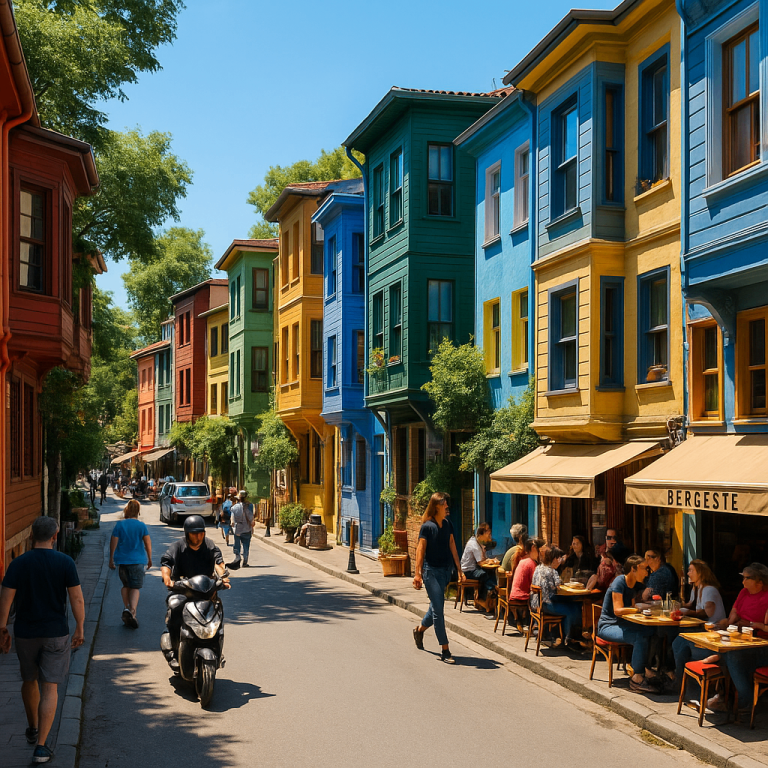
Istanbul is a year-round destination, but weather, crowds, and prices vary noticeably by season. Choosing the right time to visit can make a big difference in how comfortable sightseeing feels and how busy the city’s main attractions are.
Spring (April to May) is one of the best times to visit Istanbul. Temperatures are mild, flowers bloom across parks and courtyards, and the city feels lively without the peak summer crowds. Walking-heavy sightseeing in areas like Sultanahmet and Galata is especially pleasant during this period.
Summer (June to August) brings hot weather and the highest number of visitors. While evenings along the Bosphorus can be enjoyable, daytime sightseeing can feel intense, particularly in July and August. This season works best for travelers who don’t mind heat and plan to pace their days or focus on waterfront areas.
Autumn (September to October) offers another excellent window to visit. The heat eases, crowds thin out, and the city regains a relaxed rhythm. Many travelers consider early autumn the ideal balance between good weather and manageable visitor numbers.
Winter (November to March) is quieter and more atmospheric, with cooler temperatures and occasional rain. Snow is rare but possible. While some days may limit outdoor wandering, winter can be rewarding for travelers who enjoy fewer crowds, lower hotel prices, and a slower, more local feel.
Continue Exploring...
If exploring Istanbul has sparked your appetite for more unforgettable destinations, these guides are a natural next step. Each offers a distinct cultural rhythm, iconic sights, and immersive travel experiences that pair well with an Istanbul itinerary.
- Amazing Madagascar — a deep dive into one of the world’s most unique destinations, shaped by wildlife, landscapes, and living traditions.
- Discover & Explore Sydney — a vibrant city guide blending coastal scenery, iconic landmarks, and laid-back urban culture.
- What's the Craic in Dublin — a walkable European capital known for history, music, pubs, and storytelling.
- The Mystery that is Istanbul — a focused companion guide highlighting must-see experiences and essential sights across the city.
Travel Facts: Istanbul
- Currency: Turkish Lira (TRY). Cash is still widely used, especially in markets and small eateries.
- Plugs: Type C and F (European standard). Voltage is 230V.
- Tipping: Not mandatory, but rounding up or leaving 5–10% in restaurants is appreciated.
- Safety: Istanbul is generally safe for travelers; normal big-city awareness is sufficient.
- Tap Water: Technically safe, but most locals and travelers prefer bottled water.
- Transport Basics: Public transport is extensive; an Istanbulkart is the easiest way to pay.
- Weather Reality: Summers can be hot and humid; winters are cool with occasional rain.
- Airport Transfers: Expect long transfer times depending on traffic and which airport you arrive at.
- Local Etiquette: Dress modestly in mosques and remove shoes before entering prayer areas.
- Connectivity: Mobile data is reliable; many travelers use an eSIM for international travel to stay connected without buying a local SIM.
Getting Around Istanbul
Istanbul is vast and divided by water, hills, and multiple districts, but getting around is straightforward once you understand the public transport system. Most visitors rely on a mix of walking, rail transport, and ferries rather than driving.
Walking works best within compact areas such as Sultanahmet, Galata, Karaköy, and parts of Beyoğlu. Streets can be steep and uneven, so comfortable footwear is essential.
Metro, trams, and funiculars form the backbone of city transport. Trams are especially useful for sightseeing routes, while metro lines help cover longer distances efficiently. Official route maps, schedules, and service updates are available via Metro Istanbul .
Buses fill in areas not served by rail. They are extensive but can be slower during peak traffic hours. Routes and real-time information are managed by the city’s official operator, İETT .
Ferries are one of the most enjoyable and practical ways to travel, especially between the European and Asian sides. Operated by Şehir Hatları , ferries double as scenic journeys along the Bosphorus and Golden Horn.
Istanbulkart is the city’s reusable transport card and the easiest way to pay for public transport, including buses, metro, trams, and ferries. Card details, purchase locations, and balance management are available at istanbulkart.istanbul .
Taxis are widely available, but traffic can be heavy and journey times unpredictable. Official taxi information and regulations are published by the municipality at taksi.istanbul . Always ensure the meter is running and allow extra time during rush hours.
Bikes and scooters exist in limited areas but are not ideal for most visitors due to traffic, hills, and road conditions.
Driving is generally not recommended. Congestion, limited parking, and local driving habits make public transport the easier option. The city’s official transport overview is available via Istanbul Metropolitan Municipality .
Best Time to Visit Istanbul
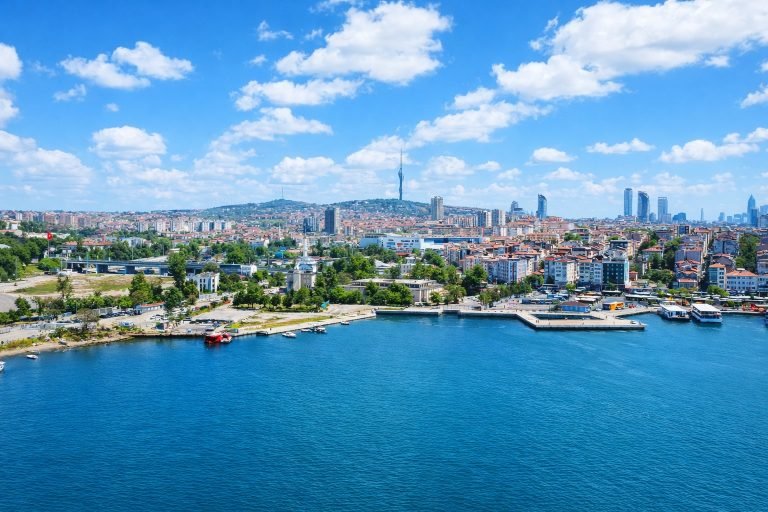
Istanbul is a year-round destination, but weather, crowds, and prices vary noticeably by season. Choosing the right time to visit can make a big difference in how comfortable sightseeing feels and how busy the city’s main attractions are.
Spring (April to May) is one of the best times to visit Istanbul. Temperatures are mild, flowers bloom across parks and courtyards, and the city feels lively without the peak summer crowds. Walking-heavy sightseeing in areas like Sultanahmet and Galata is especially pleasant during this period.
Summer (June to August) brings hot weather and the highest number of visitors. While evenings along the Bosphorus can be enjoyable, daytime sightseeing can feel intense, particularly in July and August. This season works best for travelers who don’t mind heat and plan to pace their days or focus on waterfront areas.
Autumn (September to October) offers another excellent window to visit. The heat eases, crowds thin out, and the city regains a relaxed rhythm. Many travelers consider early autumn the ideal balance between good weather and manageable visitor numbers.
Winter (November to March) is quieter and more atmospheric, with cooler temperatures and occasional rain. Snow is rare but possible. While some days may limit outdoor wandering, winter can be rewarding for travelers who enjoy fewer crowds, lower hotel prices, and a slower, more local feel.
Istanbul Travel Guide FAQ
-
Is Istanbul safe for tourists?
Yes. Istanbul is generally safe for visitors, including solo travelers. As in any large city, stay alert in crowded areas and watch your belongings. -
How many days do I need in Istanbul?
Plan for at least 3–4 full days to cover the main sights. With 5–7 days, you can explore neighborhoods at a slower, more local pace. -
Is Istanbul expensive?
Istanbul is relatively affordable compared to many European cities. Food and public transport are inexpensive, while accommodation varies by area and season. -
Do I need cash in Istanbul?
Credit cards are widely accepted, but cash is useful for markets, street food, small cafés, and some taxis. -
Is English widely spoken?
English is commonly spoken in tourist areas, hotels, and restaurants. In more local neighborhoods, communication may be limited but people are generally helpful. -
What should I wear in Istanbul?
Casual clothing is fine in most places. When visiting mosques, dress modestly with shoulders and knees covered; women may need a headscarf. -
Can I visit mosques as a tourist?
Yes. Most major mosques welcome visitors outside prayer times. Shoes must be removed and respectful behavior is expected. -
Is the tap water safe to drink?
Tap water is treated, but most locals and travelers prefer bottled water for drinking. -
Do I need a visa to visit Istanbul?
Visa requirements depend on your nationality. Many travelers can enter Türkiye visa-free or with an e-visa, but rules vary by passport.
Travel Resources to Plan, Book & Stay Connected
Use these tools and guides to stay connected abroad, find inspiration for your next trip, and book your flights, stays and gear with confidence.
Disclosure: This article may contain affiliate links. If you make a purchase through a link, I may receive a commission at no extra cost to you. I only share recommendations I believe are genuinely useful, and all opinions are my own. AI was used in this post for research and drafting purposes.

Comment (0)