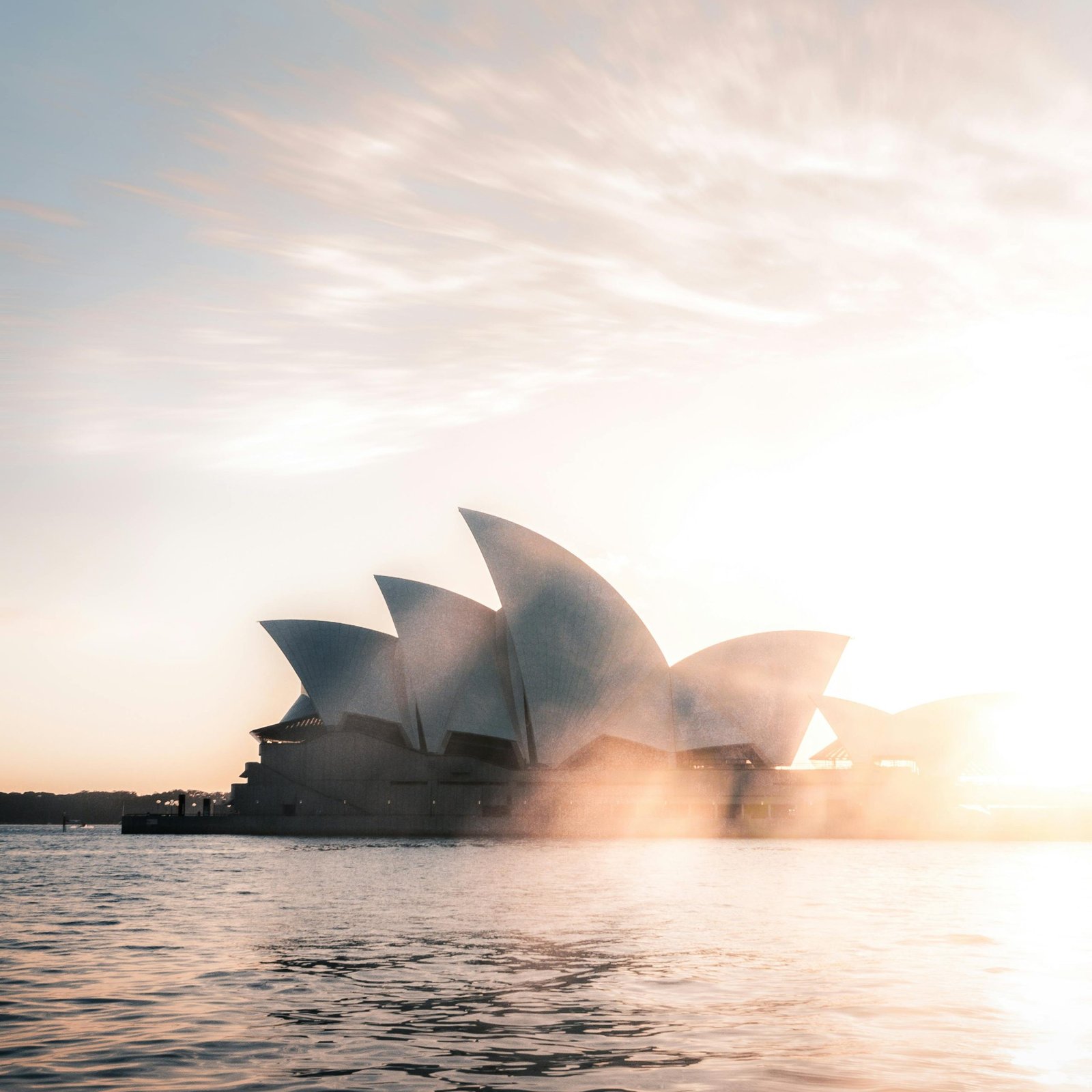
Best Time to Visit Sydney: Quick Decision Guide
- Best overall months: March to May and September to November for comfortable weather and easier sightseeing
- Best for beaches: December to February, especially if swimming and coastal walks are your priority
- Best for fewer crowds: May, June, August, and September outside major holiday periods
- Best for outdoor exploring: spring and autumn, when temperatures are pleasant without peak summer heat
- Best for lower prices: winter months, especially outside school holidays and major events
The best time to visit Sydney depends on what you want from the trip. Sydney is a year-round destination, but the experience changes noticeably with the seasons. Weather, daylight, beach conditions, crowds, hotel prices, and major events all affect how easy and enjoyable the city feels.
For most travelers, spring and autumn offer the best balance. The weather is comfortable, walking is easier, beaches are still enjoyable in warmer periods, and the city feels less crowded than during peak summer. If you are still deciding what to prioritize, this Sydney travel guide gives a broader overview of the city’s main highlights before you choose the right season.
This guide helps you decide when to visit Sydney based on your travel style, not just generic weather advice. Whether you want beaches, sightseeing, coastal walks, festivals, lower prices, or a quieter city break, the best month depends on how you want your days to feel.
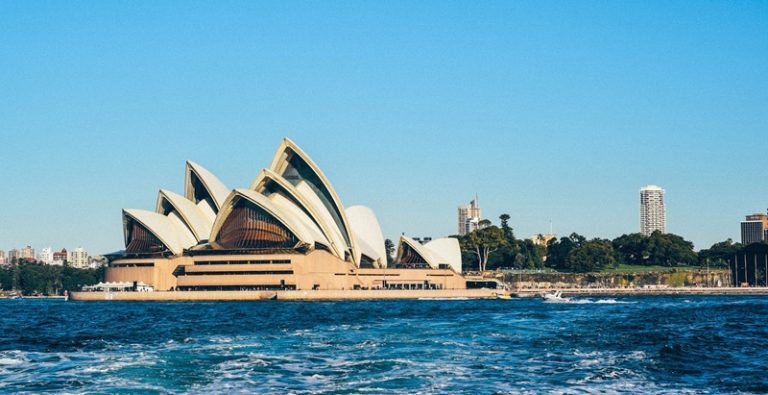
Best Time to Visit Sydney: What to Know Before You Plan
Choosing the best time to visit Sydney is not just about the weather. It directly affects how you experience the city — how comfortable it is to walk, how crowded the main attractions feel, how easy it is to enjoy the beaches, and how much you pay for accommodation.
Sydney is a year-round destination, but each season creates a very different type of trip. Summer brings peak energy, busy beaches, and higher prices. Winter is quieter and more affordable, but less focused on coastal experiences. Spring and autumn sit in between, offering a balance of comfortable weather, manageable crowds, and strong conditions for both sightseeing and outdoor activities.
Timing also influences how you structure your days. Heat and humidity in summer can limit how much you explore on foot, while cooler months make it easier to move between neighbourhoods, coastal walks, and day trips without feeling rushed. Major events, school holidays, and peak travel periods further shape the atmosphere of the city and the availability of hotels.
If you are still planning the rest of your trip, these Sydney travel tips explain how logistics, transport, and planning decisions fit together. It is also worth understanding these Sydney safety considerations, especially around beach conditions, weather patterns, and busy travel periods.
This guide breaks down the best time to visit Sydney by season and by travel style. Whether you want beach days, city exploration, coastal walks, or a quieter experience, the goal is to help you choose the timing that fits how you actually want to travel — not just what the weather chart says.
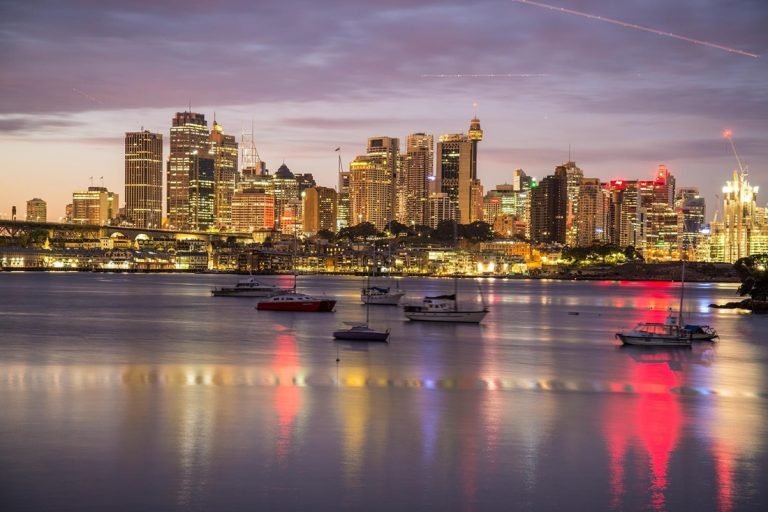
Sydney Weather Overview
Sydney’s weather is one of the main factors shaping how your trip feels day to day. While the climate is generally mild and predictable compared to many global cities, small differences in temperature, humidity, and seasonal patterns have a direct impact on comfort, energy levels, and how much you can realistically do outdoors.
The city has a temperate coastal climate, which means no extreme winters, but noticeable seasonal shifts. Summer brings heat, humidity, and strong sun exposure, while winter is cooler, drier, and more comfortable for walking. Because Sydney is built around outdoor experiences — beaches, coastal walks, harbour views, and neighbourhood exploration — these differences matter more than they might in a typical city destination.
From December to February, summer temperatures regularly reach the high 20s Celsius and can climb higher during heatwaves. Beach conditions are at their best, and the city has a lively atmosphere, but humidity and crowds can make sightseeing more tiring. This is also the most expensive period, with peak demand driven by holidays and major events.
Autumn (March to May) and spring (September to November) offer the most balanced conditions. Temperatures are warm without being overwhelming, humidity is lower, and the city is easier to explore on foot. These seasons are ideal if you want to combine sightseeing, coastal walks, and outdoor activities without constantly adjusting for heat or crowds.
Winter, from June to August, is mild compared to most international destinations, with daytime temperatures typically in the mid-teens to low 20s Celsius. While it is less suitable for beach-focused travel, it creates excellent conditions for walking, city exploration, and visiting major attractions without peak-season congestion.
Understanding how these seasonal patterns affect your daily experience — not just the temperature — is key to choosing the best time to visit Sydney. The right timing allows you to move more comfortably, explore more efficiently, and enjoy the city without working against the conditions.

Best Time to Visit Sydney by Season
Summer (December to February)
Summer is Sydney at its most vibrant and most demanding. This is peak season, driven by Christmas, New Year, and school holidays, and the city operates at full capacity. Beaches, coastal walks, and harbour areas are at their best, and the long daylight hours give you maximum time to explore.
However, this comes with trade-offs. Heat and humidity can make walking and sightseeing more tiring, especially in the middle of the day. Crowds are at their highest, accommodation prices peak, and popular areas like Bondi and the CBD can feel busy and fast-paced.
Summer works best if your priority is beaches, outdoor energy, and events. It is less ideal if you prefer a relaxed pace or plan to explore the city extensively on foot. Booking early is essential to secure good locations and reasonable prices.
Autumn (March to May)
Autumn is one of the most balanced times to visit Sydney. Temperatures remain warm, but the intensity of summer drops, making it easier to move around the city comfortably. Humidity decreases, and the overall pace of the city slows slightly after the peak season.
This is an ideal time for combining activities. You can still enjoy the beaches in early autumn, while also having the conditions for walking, sightseeing, and day trips without constant heat management.
Crowds are lower than in summer, especially outside school holiday periods, and accommodation prices begin to stabilise. If you want flexibility and comfort without sacrificing too much of the summer atmosphere, autumn is one of the strongest choices.
Winter (June to August)
Winter in Sydney is mild, but it changes the focus of your trip. Beach culture becomes less central, and the city shifts toward sightseeing, dining, and neighbourhood exploration. Daytime temperatures are comfortable for walking, and the lower humidity makes longer days outdoors much easier.
The main advantage is space. Attractions are less crowded, coastal walks feel quieter, and accommodation prices are generally lower. This makes winter a strong option if you value a slower, more relaxed experience.
The trade-off is reduced beach appeal and shorter daylight hours. If beaches are not a priority, winter offers one of the easiest and most comfortable ways to explore Sydney.
Spring (September to November)
Spring is often the most well-rounded season for visiting Sydney. Temperatures gradually increase, the city becomes more active again, and outdoor conditions are ideal without the pressure of peak summer crowds.
This is a strong season for exploring the city on foot, doing coastal walks, and enjoying outdoor areas without needing to constantly adjust for heat. The balance between energy and comfort is what makes spring particularly appealing.
Crowds remain manageable for most of the season, and prices are generally more stable than in summer. If you are looking for a mix of good weather, flexibility, and a more relaxed atmosphere, spring is one of the safest choices.
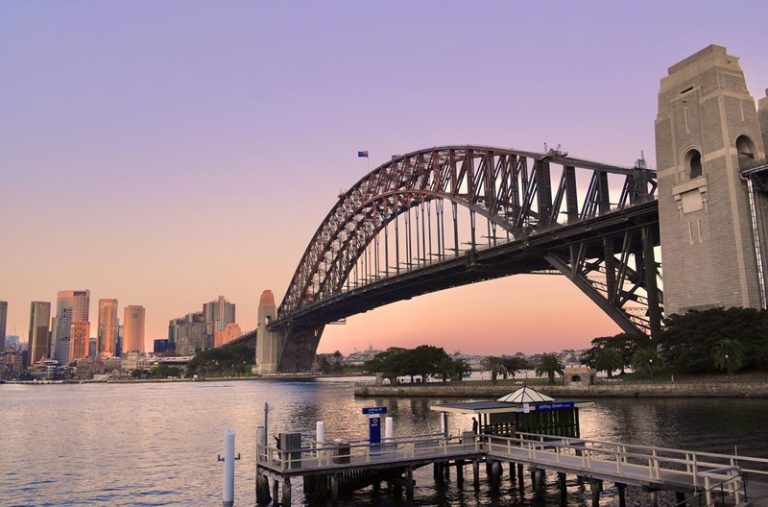
Best Time for Beaches in Sydney
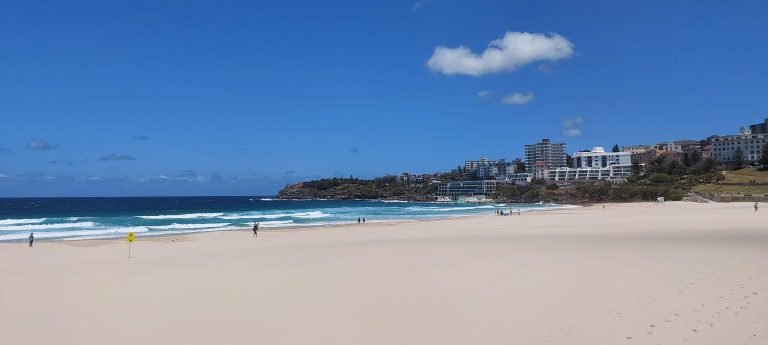
The best time to enjoy Sydney’s beaches depends on what you want from the experience. If your priority is swimming, warm water, and a lively atmosphere, summer is the peak season. If you prefer space, comfort, and a more relaxed pace, the shoulder months often offer a better overall experience.
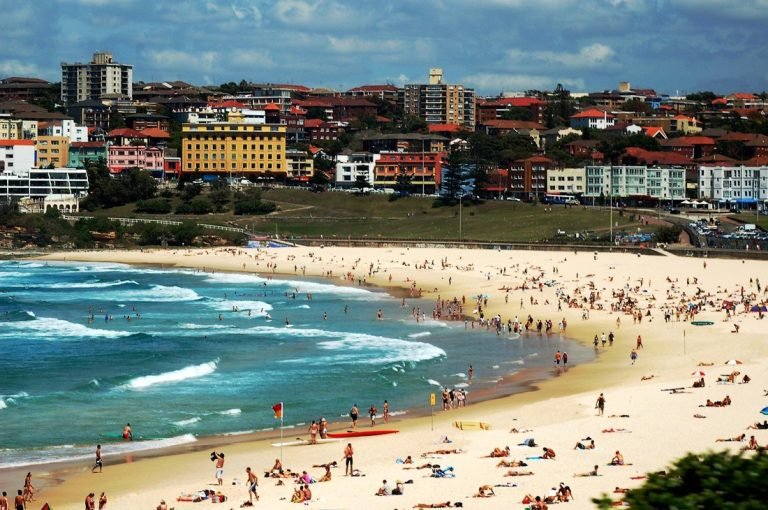
From December to February, Sydney’s beaches are at their most active. Air temperatures are high, ocean conditions are at their warmest, and beach culture is at the center of daily life. This is the ideal time for swimming, surfing, and spending full days by the water. However, it also comes with heavy crowds, especially at well-known spots like Bondi and Manly, and peak-season prices across the city.
January and February offer the warmest water temperatures, but they are also the busiest months. Beaches can feel crowded by late morning, and finding space becomes more difficult. Visiting early in the day or choosing less central beaches can significantly improve the experience during this period.
Late spring (October to November) and early autumn (March) are often the most balanced times for beach travel. The weather is still warm enough for swimming, ocean temperatures remain comfortable, and the crowds are noticeably smaller. These months make it easier to combine beach time with sightseeing, coastal walks, and exploring different neighbourhoods without constantly managing heat or congestion.
Winter, from June to August, shifts the focus away from swimming. Water temperatures drop, and most visitors use the beaches for walking, photography, and coastal views rather than spending long periods in the water. Surf conditions remain consistent year-round, but the overall beach experience becomes quieter and more relaxed.
If you are planning to mix beach time with city exploration, this Sydney travel guide helps you balance coastal experiences with the city’s main highlights. Choosing the right season makes it much easier to enjoy both without compromising on comfort or time.
Best Time for Sightseeing and Walking
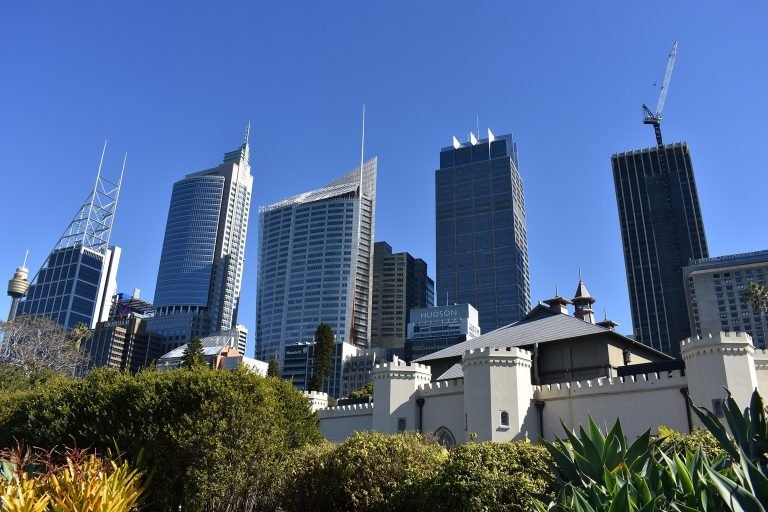
The best time for sightseeing and walking in Sydney is when temperatures are comfortable enough to spend long hours outdoors without slowing down your pace. For most travelers, this means avoiding peak summer heat and focusing on the shoulder seasons.
Autumn (March to May) and spring (September to November) offer the most consistent conditions for exploring the city on foot. Temperatures are warm but manageable, humidity is lower, and you can move between neighbourhoods, landmarks, and coastal areas without constantly adjusting for heat. This makes a noticeable difference when your days involve walking for several hours.
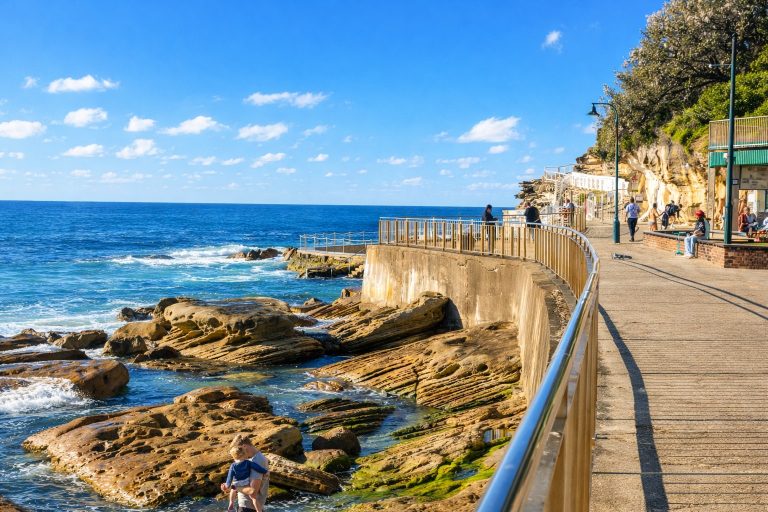
These seasons are ideal for experiences like the Bondi to Coogee Coastal Walk, harbour promenades, and exploring areas such as The Rocks, Surry Hills, and Paddington. You can cover more ground comfortably, combine multiple areas in one day, and maintain a steady pace without needing frequent breaks.
Winter is also a strong option for sightseeing. Daytime temperatures are mild, crowds are lower, and the city feels more open and relaxed. While evenings can be cooler, walking conditions during the day are often easier than in summer due to lower humidity and softer sunlight.
Summer, by contrast, is the least comfortable season for extended sightseeing. Heat, humidity, and strong sun exposure can make walking feel more demanding, especially between late morning and mid-afternoon. You can still explore effectively, but it requires adjusting your schedule around early mornings, indoor breaks, and cooler evening periods.
If you want to plan realistic routes and avoid unnecessary backtracking, understanding how to get around Sydney helps you structure your days more efficiently, especially when weather and crowds influence how much you can comfortably do.
Best Time to Visit Sydney for Budget Travelers
Sydney is not a cheap destination, but timing your visit correctly can make a significant difference to your overall cost. Flights, accommodation, and even some activities fluctuate heavily depending on demand, and avoiding peak travel periods is the single most effective way to reduce expenses.
The best time for budget travel is late autumn (May) and winter (June to August). During these months, international demand drops, domestic travel slows, and hotel availability increases. This creates more competitive pricing, especially for well-located accommodation that would otherwise be expensive during peak season.
Winter, in particular, offers the strongest value. While it is not beach-focused, daytime temperatures remain comfortable for sightseeing, walking, and exploring the city. Lower demand means you can often stay closer to the harbour, CBD, or major attractions without paying peak-season rates.
Shoulder seasons, especially late April and early September, can also offer good value if you avoid school holiday periods. Prices begin to rise as conditions improve, but you can still find reasonable deals with more flexibility than in summer.
The most expensive time to visit Sydney is late December through January. This period combines Christmas, New Year, and Australian school holidays, driving prices to their highest levels. Flights increase significantly, accommodation fills quickly, and last-minute bookings often come with a premium. Avoiding this window can reduce your overall trip cost dramatically.
Another important factor is booking timing. Even in cheaper months, prices rise closer to travel dates, especially for central locations. Booking accommodation a few weeks in advance gives you better access to well-priced options rather than being limited to whatever is left.
For flights, flexibility makes a noticeable difference. Mid-week departures, off-peak travel windows, and comparing options through this cheap flight comparison guide can help you reduce costs further.
Accommodation is usually the largest expense, so comparing platforms before booking is essential. This hotel comparison guide helps you find better rates and avoid overpaying for the same property.
Budget travel in Sydney is less about finding “cheap” options and more about reducing peak-season costs. By choosing the right timing, staying flexible, and booking strategically, you can experience the city comfortably without paying premium prices.

Worst Time to Visit Sydney
There is no time when Sydney becomes unvisitable, but certain periods make the experience more expensive, more crowded, and less comfortable. The most challenging time to visit is late December through early January, when Christmas, New Year, and Australian school holidays all overlap.
During this peak period, the city operates at full capacity. Accommodation prices are at their highest, availability becomes limited, and popular areas such as Bondi Beach, the harbour, and the CBD are consistently crowded. Unless you book well in advance, finding well-located hotels at reasonable prices can be difficult.
While the atmosphere is energetic, especially around New Year’s Eve, it comes with trade-offs. Moving around the city takes longer, beaches are busy from early in the day, and the overall pace can feel overwhelming rather than relaxed.
Another factor to consider is mid-summer heat. January and February often bring heatwaves, high humidity, and strong sun exposure. This can make extended sightseeing and walking noticeably more tiring, particularly during midday hours. If your trip involves a lot of outdoor exploring, these conditions can limit how much you comfortably do each day.
This does not mean you should avoid Sydney entirely during these periods, but it does mean you should plan differently. Early starts, advance bookings, and a flexible itinerary become much more important.
For most travelers, the “worst time” is simply when your expectations do not match the conditions. If you want space, comfort, and lower prices, peak summer is less suitable. If you are looking for energy, events, and beach culture, it can still be the right choice despite the downsides.
The best time to visit Sydney ultimately depends on how you want to experience the city. Whether you prioritise beach days, comfortable sightseeing, or lower travel costs, each season offers a different balance of weather, crowds, and overall pace.
Once you have chosen when to visit, planning what to see becomes much easier. This guide to exploring Sydney covers the city’s main attractions and neighbourhoods, while these Sydney day trips help you expand your itinerary beyond the city.
Continue Exploring
If you enjoy in-depth travel guides with realistic logistics, culture, and practical planning advice, here are a few very different destinations to explore next:
- Brazil Travel Guide – A huge, high-energy country of iconic cities, beaches, culture, and wildlife, with very different travel styles from region to region.
- Madagascar travel overview – One of the most rewarding places on Earth for raw nature, unique wildlife, and adventurous travel.
- Taiwan Travel Guide – A compact, easy-to-navigate destination blending vibrant cities, night markets, dramatic mountain scenery, and cultural traditions.
Best Time to Visit Sydney FAQ
• What is the best time to visit Sydney, Australia?
Spring (September to November) and autumn (March to May) offer the best overall balance of weather, lower humidity, and manageable crowds.
• What are the best months for beaches in Sydney?
January and February have the warmest water and classic beach conditions. October to November and March are strong alternatives with fewer crowds.
• When is the best time for sightseeing and walking in Sydney?
Autumn and spring are ideal, with mild temperatures that make coastal walks, neighbourhood exploring, and day trips more comfortable.
• When is the cheapest time to visit Sydney?
Late autumn and winter (May to August) usually offer the best value for flights and accommodation, especially outside holiday periods.
• Is Sydney worth visiting over Christmas and New Year?
Yes, but it is the busiest and most expensive time. Booking well in advance is essential to secure accommodation and activities.
• Does Sydney get very hot in summer?
Yes. Summer can be hot and humid, with occasional heatwaves that make midday sightseeing more tiring.
• Is winter a good time to visit Sydney?
Yes. Winter is mild, with comfortable daytime temperatures, fewer crowds, and lower prices, though beach conditions are less appealing.
• Does it rain a lot in Sydney?
Rain can occur year-round, but it is rarely disruptive enough to affect travel plans significantly.
• How many days do you need in Sydney?
Three days covers the highlights, five days allows a more relaxed pace, and seven days gives time for day trips and deeper exploration.
• What time of year is best for harbour experiences and cruises?
Spring and autumn offer the most comfortable conditions, while summer is popular but busier and hotter.
Sydney Travel Guide Series
This guide is part of my Sydney Travel Guide Series, designed to help you plan the city by timing, transport, accommodation, activities, safety, and day trips. Start with the Sydney travel guide for the main attractions, neighborhoods, beaches, and essential experiences.
Once you know what you want to see, use the Sydney itinerary guide to structure a 3-, 5-, or 7-day route, and this best time to visit Sydney guide to choose the right season for beaches, sightseeing, prices, and crowds.
For planning your stay, compare the best areas to stay in Sydney with this deeper Sydney accommodation guide. If you are still working out logistics, the getting around Sydney guide, Opal Card guide, Opal Card vs contactless guide, and Sydney airport transport guide explain how to move around efficiently.
For experiences, this Sydney tours and experiences guide helps you compare cruises, guided tours, and unique activities. You can also go deeper with the Sydney Harbour cruises guide, the Sydney harbour walks guide, and the Sydney Opera House tours and tickets guide.
If you want to explore beyond the city, the day trips from Sydney guide covers the best one-day escapes. Before you go, these Sydney travel tips and this Sydney safety guide help you understand what to expect on the ground.
Travel Resources to Plan, Book & Stay Connected
Use these tools and guides to stay connected abroad, find inspiration for your next trip, and book your flights, stays and gear with confidence.
Disclosure: This article may contain affiliate links. If you make a purchase through a link, I may receive a commission at no extra cost to you. I only share recommendations I believe are genuinely useful, and all opinions are my own. AI was used in this post for research and drafting purposes.

Comment (0)