Things to Do in Los Angeles: A Practical Travel Guide
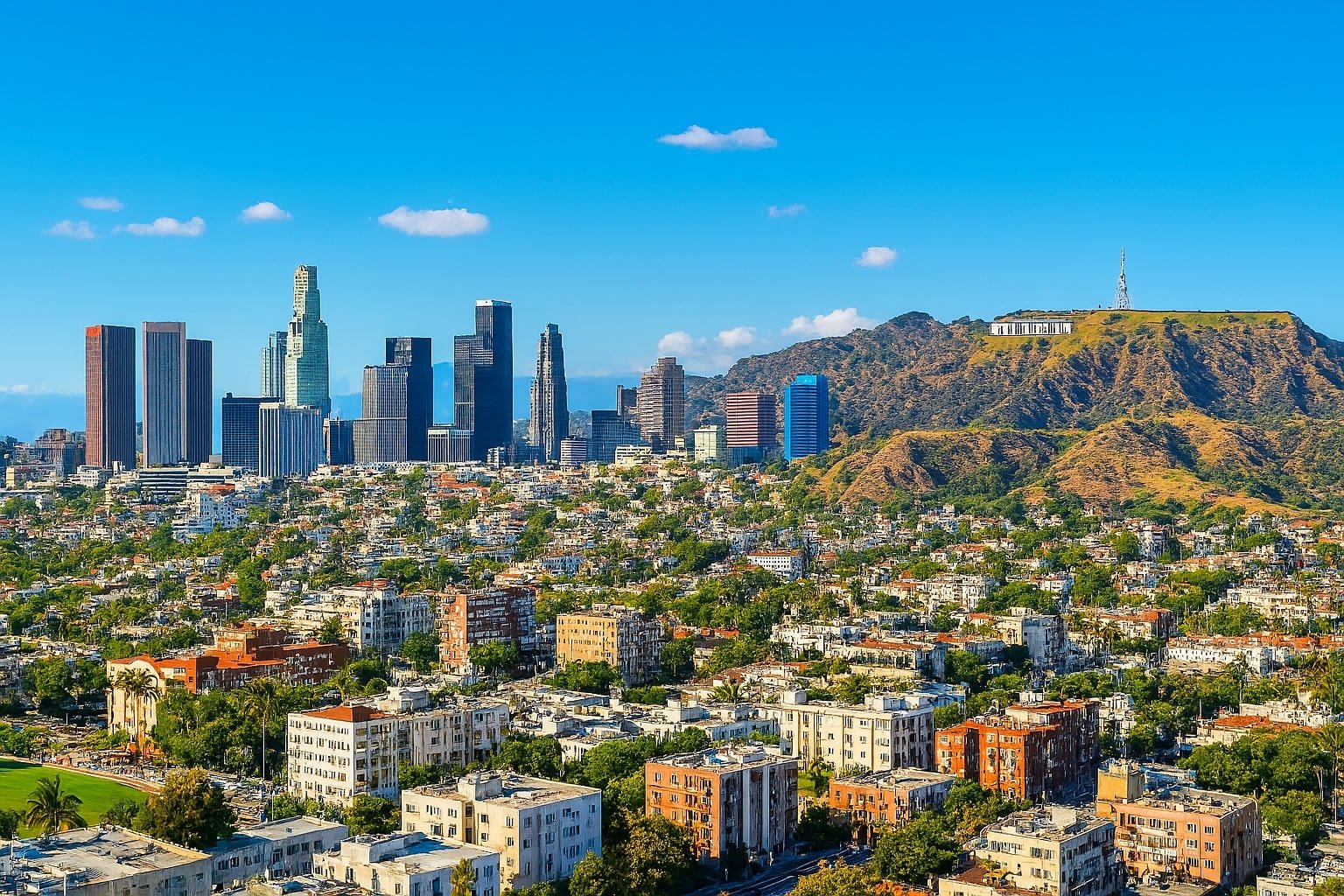
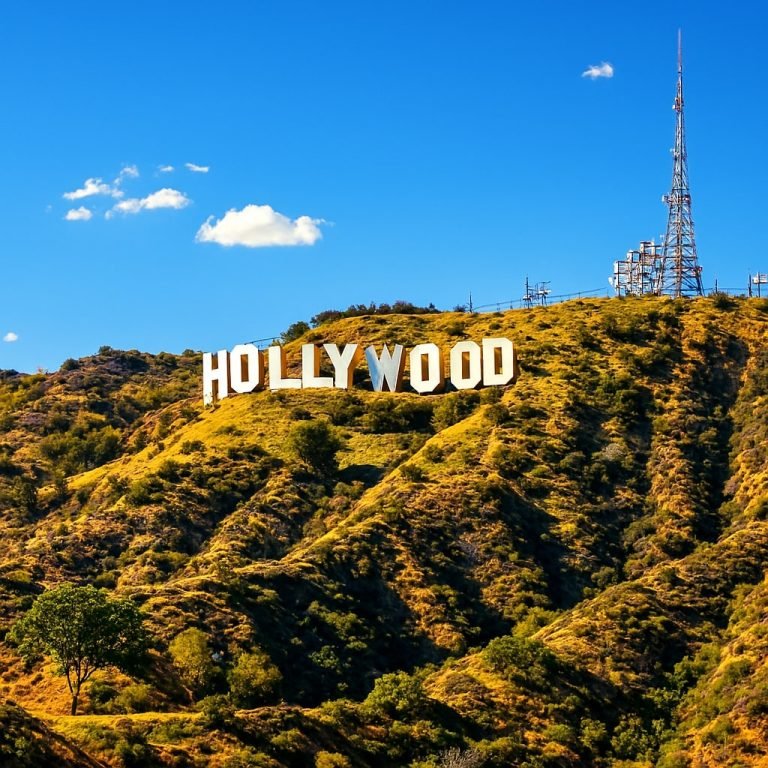
Los Angeles is one of those destinations that feels familiar long before you ever arrive. You have seen it in movies, on Instagram, in music videos, and in travel ads. Palm-lined streets. Bright sunsets. Glamour, beaches, freeways, and the Hollywood Sign floating in the distance like a symbol of endless possibility. But once you actually land in LA, you quickly realize something important: discovering the best things to do in Los Angeles is not about following a single checklist or squeezing everything into one rigid itinerary.
Los Angeles is more like a collection of small worlds, each with its own atmosphere, rhythm, food culture, and personality. One day can feel like a beach vacation in Santa Monica, the next like an urban art and culture trip in Downtown LA, and a few hours later you are hiking canyon trails with panoramic views that make it hard to believe you are still inside a major city. This diversity is exactly what makes LA exciting, but it can also make planning things to do in LA feel overwhelming for first-time visitors.
The biggest mistake travelers make is trying to treat Los Angeles like a compact, walkable city where you can jump between attractions in minutes. In reality, LA is vast, and travel time shapes everything. A plan that looks perfect on paper can quickly fall apart once traffic hits, parking becomes stressful, or you realize your “quick stop” is actually 45 minutes away. The good news is that once you understand how to structure your days and group the right things to do in Los Angeles by area, the city becomes far easier and far more enjoyable to explore.
In this guide, I will walk you through the best things to do in Los Angeles in a practical, traveler-first way. You will find famous highlights like the Hollywood Walk of Fame, Universal Studios, Santa Monica Pier, and Griffith Park, but also the experiences that truly make LA worth visiting. This includes neighborhoods that are genuinely enjoyable to explore, places where the city feels cinematic rather than touristy, and realistic advice on how to build an itinerary that actually works.
Whether you are visiting Los Angeles for the first time, returning with more time to explore, or adding LA to a broader California road trip, this guide is designed to help you plan with confidence. The goal is simple: less stress, fewer planning mistakes, and more memorable moments while discovering the best things to do in LA.
Los Angeles at a Glance
Los Angeles is one of those cities that feels familiar long before you arrive. You have seen it in movies, music videos, postcards, and social media feeds. Palm trees, sunsets, beaches, freeways, and the Hollywood Sign all blend into a version of LA that feels almost mythical. But once you start exploring the real city, you quickly realize that the best things to do in Los Angeles go far beyond the Hollywood image. LA is not a single destination but a vast collection of neighborhoods, coastal towns, canyon roads, and cultural districts, each with its own personality.
One of the reasons travelers either love or struggle with Los Angeles is how spread out it is. The most rewarding way to experience things to do in LA is to stop thinking in terms of a checklist and start thinking in terms of mini-trips. A studio tour feels completely different from a beach afternoon. A morning hike in Griffith Park pairs naturally with a museum visit later in the day. Downtown Los Angeles has a completely different energy from Santa Monica, while Koreatown at night feels like its own world entirely.
Los Angeles also rewards good pacing. If you plan one main anchor activity per half day, you can enjoy far more without feeling overwhelmed by traffic. While the city is famous for its freeways, many of the best things to do in Los Angeles happen in walkable pockets, along coastal bike paths, or within neighborhoods that can easily fill an entire day. Golden hour matters here. The light in LA is not just beautiful, it shapes the experience and turns ordinary streets into cinematic scenes.
For up-to-date event listings, neighborhood guides, and attraction planning, the official resources at Discover Los Angeles and Visit California are genuinely useful, especially for seasonal ideas and new openings. For local services and official information, the City of Los Angeles website remains the most reliable reference.
Where you stay in Los Angeles plays a huge role in how enjoyable your trip feels. One of the biggest mistakes first-time visitors make is booking a hotel based on price alone without considering location. Because LA is so spread out, your accommodation can either make exploring things to do in Los Angeles feel effortless or turn your trip into hours of daily commuting. As a simple rule: stay near the beach for relaxed mornings and sunsets, stay central for museums and nightlife, and stay near Hollywood if studio tours and iconic sights are your priority. To compare options by neighborhood, traveler reviews, and budget, you can use this Los Angeles hotel search on Expedia.
How to Get to Los Angeles
Los Angeles is one of the easiest major cities in the United States to reach because it is a global aviation hub with multiple airports spread across the region. Whether you are flying in from overseas, arriving from another U.S. city, or planning a West Coast road trip, you have plenty of options. The only real “challenge” of arriving in LA is not getting there — it is deciding where in the city you actually want to base yourself, because Los Angeles is huge and travel times matter.
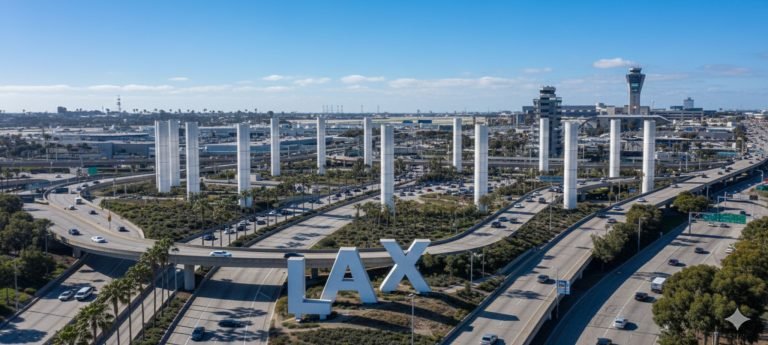
For most international travelers and first-time visitors, you will fly into Los Angeles International Airport (LAX) , which is the region’s main gateway. LAX is busy, chaotic, and not particularly charming — but it is efficient, well connected, and has the best flight options. The second most convenient airport depends on your itinerary. If you are spending time in Hollywood or Universal Studios, Hollywood Burbank Airport (BUR) can be a dream: smaller, calmer, and much faster to exit. If you are heading toward beaches, Long Beach, or the South Bay, Long Beach Airport (LGB) can also be surprisingly convenient.
Best Airports for Los Angeles (Which One Should You Choose?)
Here is the quick breakdown of the most common airports travelers use:
- Los Angeles International Airport (LAX) – Best for international flights and the widest range of airlines. Convenient for most travelers, but traffic and pickups can be slow.
- Hollywood Burbank Airport (BUR) – Best if you are staying near Hollywood, Universal, Studio City, or the San Fernando Valley. Very easy arrivals and departures.
- Long Beach Airport (LGB) – Great for Long Beach, coastal stays, and avoiding major airport crowds. Limited flight routes compared to LAX.
- SNA (John Wayne Airport – Orange County) – Useful if your plan includes Disneyland, Anaheim, or South LA / beach areas in Orange County. Often more expensive.
Getting from LAX to Your Hotel (The Real LA Arrival Challenge)
Landing in LA is easy. Getting from the airport to where you are staying is where strategy matters. LA traffic can be intense, especially on weekdays between 7–10 AM and 4–7 PM. The same drive that takes 25 minutes late at night can take 60–90 minutes during peak times. If possible, avoid landing in the middle of rush hour — or accept that your first hour in Los Angeles may be spent staring out a taxi window wondering if the car is moving at all.
Most travelers use one of these options:
- Ride-share (Uber /Lyft ) – The easiest option. Just remember LAX has a designated pickup zone and you may need to take a shuttle to the ride-share pickup area depending on your terminal.
- Taxi – Simple, reliable, and often quicker than waiting for ride-share surge pricing. Good if you arrive late at night.
- Rental car – Best if you plan to explore widely (Malibu, day trips, beaches, hiking areas). Not always ideal if you are staying downtown or doing only central sightseeing.
- Public transport – Possible, but not always pleasant with luggage. It works best for budget travelers who are patient and staying along a well-connected transit corridor.
Driving Into Los Angeles (Road Trips & West Coast Routes)
If you are arriving as part of a longer trip, Los Angeles connects naturally with other classic West Coast destinations. Many travelers combine LA with San Diego, Las Vegas, Santa Barbara, or even a full Pacific Coast Highway route. Renting a car makes a lot of sense for this style of travel — just be aware that parking costs can add up quickly in popular areas, especially near the coast and in downtown.
A smart arrival mindset: treat Los Angeles like multiple zones, not one city. Once you plan your base and arrival transfer properly, the rest of the trip feels dramatically easier.
Where to Stay in Los Angeles (Best Neighborhoods + Hotel Picks)
Choosing where to stay in Los Angeles is one of the most important decisions you will make for your trip — because LA is not a city you “pop across” in 10 minutes. It is a massive sprawl of neighborhoods, beaches, hills, shopping districts, and cultural pockets, and the area you choose will shape everything: how much time you spend in traffic, what your evenings feel like, and whether you fall in love with Los Angeles or feel exhausted by it.
If you want the classic beach vibe, coastal sunsets, and walkable days, areas like Santa Monica, Venice Beach, and the South Bay are ideal. If your focus is sightseeing and city energy, Hollywood and West Hollywood give you the iconic LA feeling with nightlife, famous streets, and easy access to attractions. And if you want museums, architecture, sports, and downtown city views, DTLA (Downtown LA) is the best base — especially for travelers who want a more “urban” LA experience.
The hotels below are organized by travel style and budget, and each one is placed in a location that makes sense for real travelers — not just “cheap on a map.” If you want to minimize stress and maximize time exploring, staying in the right area (even if the hotel costs slightly more) is almost always worth it.
BUDGET HOTELS
TRAVELODGE BY WYNDHAM LOS ANGELES
This is a reliable budget-friendly option for travelers who want a simple, no-fuss stay in Los Angeles. Rooms are basic but practical, making it a good choice if you plan to spend most of your time out exploring rather than hanging around the hotel. It is especially suited to road trippers or travelers who want an affordable base with easy access to main routes. Check prices and availability here.
PATIO INN LOS ANGELES
Patio Inn is a solid low-cost stay for travelers who are focused on value and simplicity. It offers a straightforward motel-style setup with a convenient LA location that helps you get around without spending a fortune. This is a great option for budget travelers who want a clean base and do not need luxury extras. See current rates here.
RODEWAY INN LOS ANGELES
Rodeway Inn is best for travelers who want the lowest possible price while still staying in a recognizable, trusted chain. It is a practical “sleep-and-go” choice with a simple room setup and a location that makes LA exploring doable without blowing your budget. If your priority is maximizing sightseeing while keeping accommodation costs down, this one fits the plan perfectly. View availability here.
MID-RANGE COMFORT
HILTON GARDEN INN LOS ANGELES
Hilton Garden Inn is a strong mid-range option for travelers who want predictable comfort and a well-run hotel experience. Rooms feel modern and well maintained, making it a great choice after long sightseeing days in LA heat. This is especially good for couples, first-time visitors, and anyone who wants a stress-free base with reliable standards. Check deals here.
DOUBLETREE BY HILTON LOS ANGELES
DoubleTree by Hilton is perfect if you want a comfortable, polished hotel that feels like a proper upgrade without going full luxury. The rooms are spacious, the atmosphere is calm, and it works especially well for travelers who want a mix of sightseeing and relaxing. It is a great mid-range base if you want quality sleep, convenience, and a dependable hotel experience. See prices here.
INN AT 50 LOS ANGELES
Inn at 50 is a comfortable boutique-style option for travelers who want something a bit more personal than a large chain hotel. It offers a relaxed atmosphere and a “local” feel while still keeping the experience simple and easy. This is an excellent choice if you want comfort, location convenience, and a quieter stay after busy LA days. View availability here.
LUXURY HOTELS
THE RITZ-CARLTON LOS ANGELES
The Ritz-Carlton is one of the most iconic luxury stays in Los Angeles, delivering an elevated experience from the moment you arrive. Expect stunning views, world-class service, and a polished atmosphere that makes your trip feel like a special occasion. If you want to treat yourself to the high-end LA lifestyle with comfort and prestige, this is the one. Check luxury rates here.
FOUR SEASONS HOTEL LOS ANGELES
Four Seasons is a top-tier choice for travelers who want classic luxury, exceptional comfort, and a refined atmosphere. Everything is designed for ease — from premium beds to service that feels effortless and personal. This is ideal for couples, honeymoon travelers, or anyone who wants their hotel to feel like part of the LA experience. See availability here.
LUMEA BY THE SEA LOS ANGELES
Lumea by the Sea is a beautiful option for travelers who want a coastal luxury atmosphere with ocean energy built into the experience. It is the type of stay that makes mornings slower, evenings more romantic, and the entire trip feel more special. If you want a luxury hotel that matches the beachside LA vibe, this is an excellent choice. Explore rates here.
Want to compare prices across platforms before booking? You can use this hotel booking comparison guide to check which site offers the best deal for your dates.
What to Do in Los Angeles
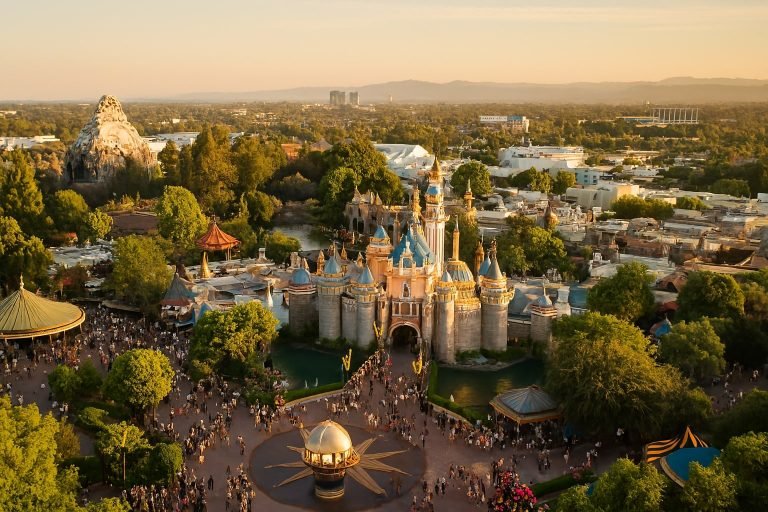
Los Angeles is not a city you “tick off” with a checklist. It is a place you explore by following interests, neighborhoods, and moods. One morning you might be walking along the ocean with surfers and joggers, and by the afternoon you are standing above the city with views that stretch all the way to the mountains. LA rewards curiosity, flexibility, and slow discovery more than rigid planning.
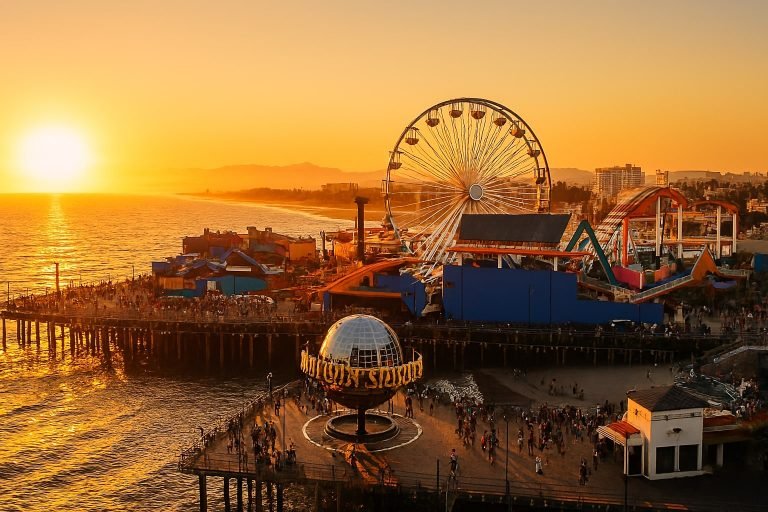
Start with the coastline. Beaches are a core part of daily life here, not just tourist attractions. Venice Beach is lively, chaotic, and endlessly entertaining, while Santa Monica feels more polished and walkable, especially around the Santa Monica Pier. Manhattan Beach and Hermosa Beach offer a calmer, more local atmosphere with long piers, bike paths, and sunset views that feel effortlessly Californian.
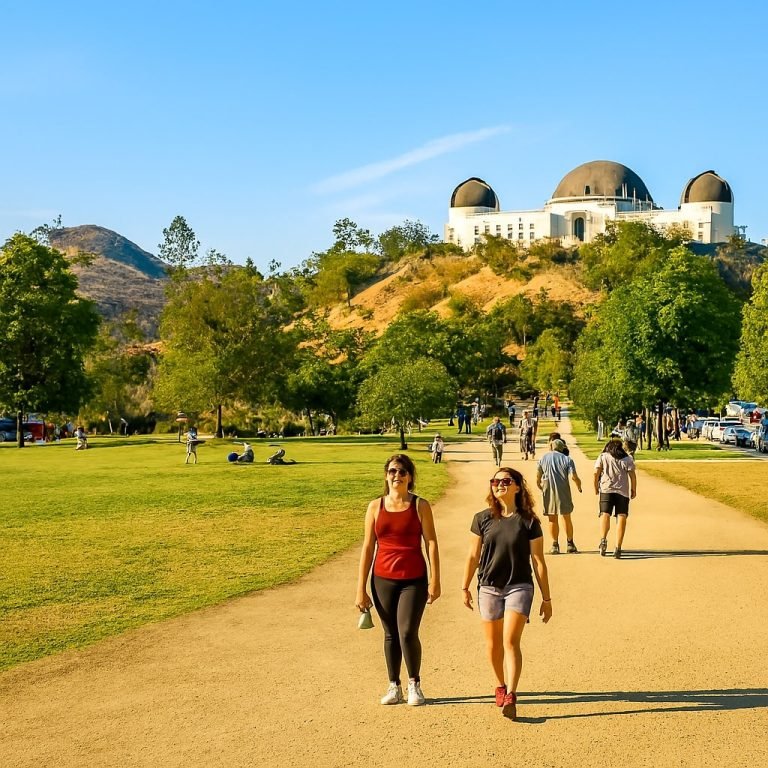
For city views, head uphill. Griffith Observatory is one of the best vantage points in Los Angeles and combines skyline views, hiking trails, and a close-up look at the Hollywood Sign. The surrounding Griffith Park area offers several trails that range from easy walks to more challenging hikes, all with sweeping views over the basin.
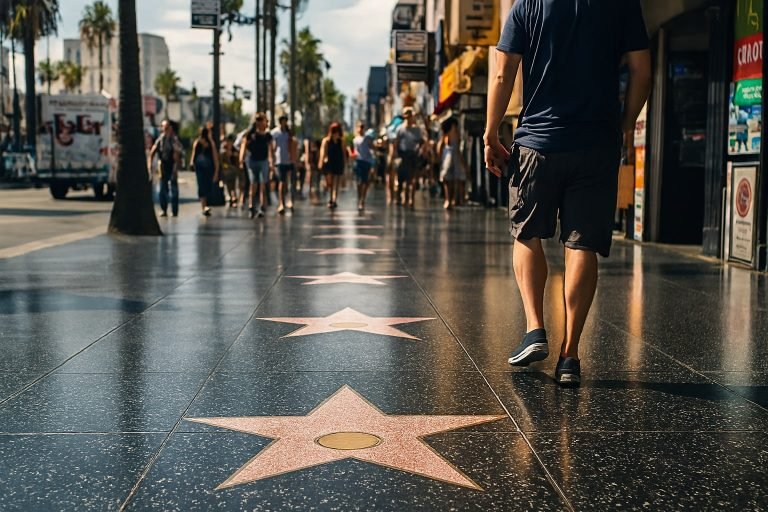
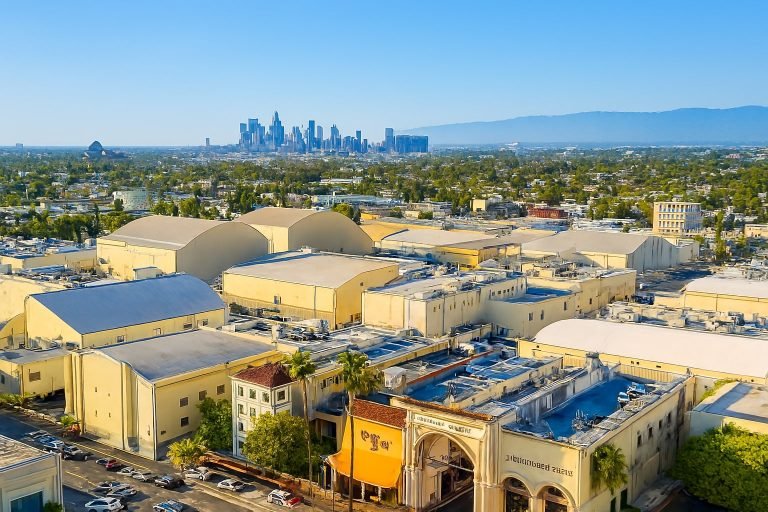
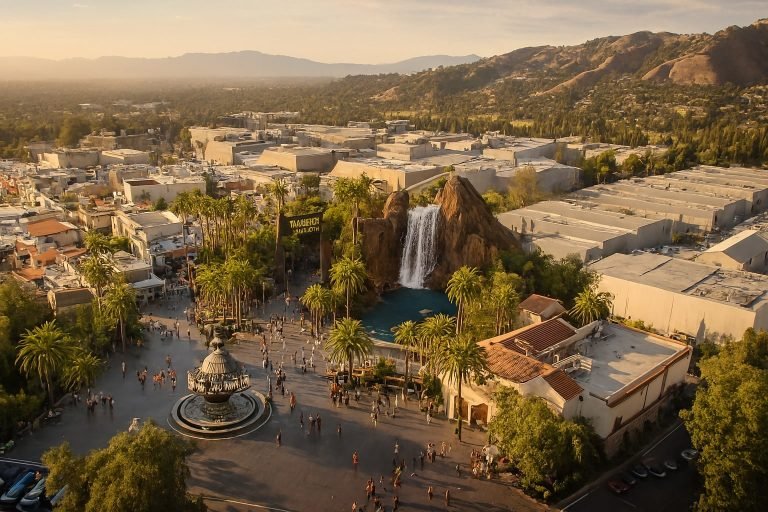
Hollywood is worth experiencing with realistic expectations. The Walk of Fame is crowded and commercial, but it is part of the city’s mythology. Nearby attractions like the TCL Chinese Theatre and Dolby Theatre give context to LA’s entertainment legacy, while studio tours offer a more grounded look behind the scenes of film and television production.
Downtown Los Angeles surprises many visitors. Once dismissed as purely business-oriented, it has evolved into a cultural and creative hub. Areas like the Arts District, Little Tokyo, and the Historic Core are full of galleries, street art, converted warehouses, and coffee shops. Architecture lovers will enjoy landmarks such as Walt Disney Concert Hall, while food lovers can easily spend hours exploring markets and casual eateries.
If museums are your thing, Los Angeles delivers at a world-class level. The Getty Center combines art, gardens, and panoramic views in one of the city’s most impressive settings. LACMA and its surrounding museum cluster offer everything from classic art to contemporary installations, while smaller museums focus on film, cars, science, and cultural history.
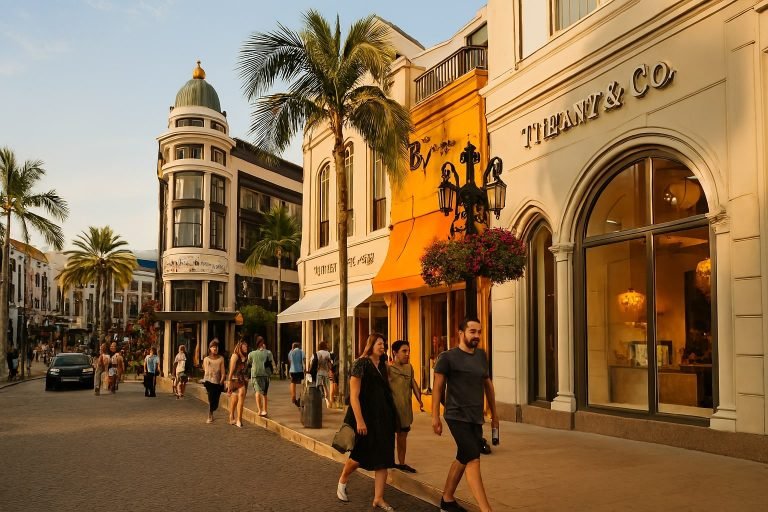
Neighborhood hopping is one of the most rewarding ways to experience LA. West Hollywood feels energetic and social, Beverly Hills is polished and iconic, Silver Lake and Echo Park lean creative and laid-back, and Malibu showcases a quieter, more scenic side of the region. Each area feels like a different city, and that diversity is part of what makes Los Angeles endlessly interesting.
Finally, leave room for spontaneity. Some of the best moments in Los Angeles come from unplanned discoveries: a scenic overlook you did not expect, a taco stand with a line of locals, or a sunset drive along the coast. LA is at its best when you stop rushing and let the city reveal itself.
Restaurants, Bars & Nightlife in Los Angeles
Los Angeles is one of the most exciting cities in the world to eat, drink, and go out, largely because there is no single nightlife district. Restaurants, bars, and clubs are spread across beaches, downtown streets, creative neighborhoods, and hillside pockets, each offering a distinct atmosphere. Evenings in LA work best when you choose one area and let the night develop naturally rather than trying to cross the city.
The restaurant scene reflects the city’s cultural diversity and obsession with quality. Bestia in the Arts District is one of the most influential restaurants in Los Angeles, known for bold Italian flavors, house-made pastas, and a high-energy dining room inside a converted warehouse. Gjelina in Venice focuses on seasonal, produce-driven dishes, wood-fired cooking, and a relaxed but refined California style. République blends French-inspired cuisine with an iconic historic space and works equally well for long brunches or late dinners. Nobu Malibu delivers a high-end Japanese dining experience where the ocean views are as memorable as the food. Howlin’ Ray’s has become legendary for its Nashville-style hot chicken, casual setting, and lines that locals willingly wait in.
Bars in Los Angeles often emphasize setting and mood as much as the drinks themselves. The Rooftop at Ace Hotel is a popular sunset destination, offering skyline views, music, and a lively crowd. Employees Only brings polished cocktails and late-night energy to West Hollywood, appealing to both locals and visitors. The Varnish, hidden behind an unmarked entrance downtown, is a classic speakeasy-style bar known for expertly crafted cocktails and a quiet, intimate atmosphere. Broken Shaker delivers a relaxed, tropical-inspired vibe with creative drinks and a social crowd. Bar Flores in Echo Park combines colorful interiors, inventive cocktails, and a strong neighborhood feel.
Nightclubs in Los Angeles are selective and experience-driven rather than mass-market. Sound Nightclub is widely respected for electronic music, strong sound quality, and internationally known DJs. Avalon Hollywood blends historic architecture with modern club nights and a wide range of music styles. Academy LA attracts high-energy crowds and major touring acts in an intimate indoor-outdoor setting. Exchange LA delivers a large-scale nightclub experience inside a former stock exchange building with multiple levels and immersive lighting. Poppy is known for its theatrical design, curated music, and celebrity-heavy guest lists.
Beyond the well-known venues, Los Angeles is full of hidden gems. Late-night taco trucks in East LA and Koreatown often rival top restaurants for flavor and value. Small jazz bars, underground comedy clubs, listening lounges, and speakeasy-style cocktail rooms offer intimate alternatives to large nightlife venues. Neighborhood wine bars, rotating pop-up dining events, low-key live music spaces, and unassuming local spots frequently provide the most memorable nights. Asking bartenders or following where locals go is often the best strategy.
Whether you are planning a relaxed dinner, a casual night of drinks, or a full evening of dancing, Los Angeles offers depth and variety rather than a single scripted nightlife experience. Staying flexible and committing to one neighborhood usually leads to the best evenings.
Best Time to Visit Los Angeles
Los Angeles is a year-round destination thanks to its mild climate and abundant sunshine, but the experience can vary noticeably depending on the season. While the city rarely feels unwelcoming, certain times of year offer more comfortable weather, fewer crowds, and better value for travelers.
Spring is one of the best times to visit Los Angeles. From March through May, temperatures are warm but not overwhelming, skies are often clear, and the city feels energetic without the heavy crowds of summer. This is an ideal season for sightseeing, hiking in Griffith Park, beach walks, and neighborhood exploration.
Summer brings hotter temperatures, school holidays, and peak tourism, especially along the coast. June through August is perfect for beach lovers, outdoor festivals, and long daylight hours, but traffic and accommodation prices tend to rise. Coastal areas remain cooler than inland neighborhoods, making beach-focused stays more comfortable during this period.
Autumn is often considered the sweet spot for visiting Los Angeles. From September through November, the weather remains warm, crowds begin to thin, and prices gradually ease. Ocean temperatures are still pleasant, making it a great time for beach activities, while cultural events and food festivals continue throughout the city.
Winter in Los Angeles is mild compared to most major cities. December through February brings cooler evenings and occasional rain, but daytime temperatures are usually comfortable. This is a good time for travelers who want fewer crowds, better hotel deals, and a more relaxed pace, particularly outside of the holiday period.
Overall, the best time to visit Los Angeles depends on your priorities. Spring and fall offer the most balanced experience, summer is ideal for beach-focused trips and events, and winter suits travelers looking for value and lighter crowds without sacrificing pleasant weather.
Travel Facts
Los Angeles is a vast, spread-out city, and understanding a few practical details before arriving can make a significant difference to your experience. Planning around distances, transport options, and daily logistics helps avoid frustration and saves time once you are on the ground.
Getting Around
Los Angeles is designed around cars, and driving remains the most flexible way to explore the city. Public transport exists and continues to improve, but it is limited for visitors trying to cover multiple neighborhoods in a short time. Rideshare services are widely used and often more convenient than public transport, especially at night.
Distances & Time Planning
Travel times in Los Angeles are unpredictable due to traffic. A destination that looks close on a map can take much longer than expected during peak hours. It is best to group activities by neighborhood and avoid crossing the city multiple times in one day.
Money & Payments
Credit and debit cards are accepted almost everywhere in Los Angeles, including small cafés and food trucks. Cash is rarely required, but carrying a small amount can be useful for tipping, parking meters, or smaller vendors.
Tipping Culture
Tipping is standard practice in Los Angeles. In restaurants, 18–22 percent is customary for good service. Bartenders, hotel staff, and rideshare drivers also expect tips, and this should be factored into your daily budget.
Connectivity & eSIM
Mobile coverage in Los Angeles is generally excellent, but roaming charges can add up quickly for international travelers. Using an eSIM is one of the easiest ways to stay connected for navigation, rideshares, and reservations without relying on public Wi-Fi. You can explore some of the eSIM options for international travel
eSIM options for the United States before arrival to get set up in advance.
Safety & Awareness
Los Angeles is generally safe for visitors, but like any large city, awareness matters. Stick to well-lit areas at night, keep valuables secure, and be mindful of your surroundings, particularly in unfamiliar neighborhoods.
Weather Variations
Microclimates are common in Los Angeles. Coastal areas can feel cool and breezy while inland neighborhoods experience much higher temperatures. Dressing in layers helps you stay comfortable throughout the day.
Continue Exploring
If Los Angeles sparked your curiosity, you may also enjoy exploring some of our other in-depth travel guides. Each destination below is covered with the same practical, traveler-focused approach.
Madagascar Travel Guide
A deep dive into one of the world’s most unique destinations, covering wildlife, culture, regions, logistics, and what it is really like to travel across the island.
Taiwan Travel Guide
A comprehensive guide to Taiwan, from vibrant cities and night markets to mountains, coastlines, and cultural traditions.
Sydney Travel Guide
An in-depth look at Sydney, including neighborhoods, beaches, landmarks, day trips, and practical planning advice.
Brazil Travel Guide
A country-level guide covering Brazil’s major cities, landscapes, culture, food, and travel logistics.
Common LA Phrases
“The 405” / “the 10” / “the 101”
Locals almost always add “the” before freeway numbers. Saying “Take the 405” sounds natural, while dropping “the” immediately marks you as a visitor.
“Westside”
Refers to coastal and near-coastal neighborhoods such as Santa Monica, Venice, and West Los Angeles. If someone says they live on the Westside, expect beach access and heavier traffic.
“The Valley”
Short for the San Fernando Valley, located north of the Hollywood Hills. It is a massive area with studios, residential neighborhoods, and its own distinct pace of life.
“DTLA”
Downtown Los Angeles. Commonly used when referring to restaurants, concerts, events, or nightlife in the city center.
“WeHo”
West Hollywood. Known for nightlife, dining, shopping, and a strong LGBTQ+ scene. Frequently used in casual conversation.
“NoHo”
North Hollywood, particularly the arts and theater district near the Metro stations. Often associated with creative spaces and easier parking.
“South Bay”
Refers to the beach cities south of LAX, including Manhattan Beach, Hermosa Beach, and Redondo Beach. Known for a more relaxed, local coastal feel.
“June Gloom”
A marine layer that brings cloudy mornings in late spring and early summer. Skies usually clear by midday, especially inland.
“Santa Anas”
Warm, dry winds blowing in from inland areas. They often bring clear skies, hotter temperatures, and unusually sharp visibility.
“The Bowl”
Short for the Hollywood Bowl, one of Los Angeles’ most famous outdoor music venues. Used casually when talking about concerts.
Los Angeles Travel FAQ
-
Is Los Angeles worth visiting?
Yes. Los Angeles offers a rare mix of beaches, cultural attractions, food diversity, nightlife, and outdoor experiences. The city rewards travelers who plan realistically around distances and focus on neighborhoods rather than trying to see everything at once. -
How many days do I need in Los Angeles?
Most travelers need at least 4 to 5 days to experience Los Angeles comfortably. A week allows you to explore multiple neighborhoods, enjoy the coast, and add one or two nearby day trips without feeling rushed. -
Do I need a car in Los Angeles?
A car is not mandatory, but it makes getting around much easier. Public transport and rideshares work for limited itineraries, but driving offers flexibility and saves time when exploring different parts of the city. -
Where should I stay in Los Angeles?
The best area depends on your travel style. Beach lovers often choose Santa Monica or Venice, nightlife seekers prefer West Hollywood, while Downtown LA suits travelers interested in culture, food, and museums. -
Is Los Angeles expensive?
Los Angeles can be expensive, especially for accommodation and dining, but costs vary widely by neighborhood and travel style. Budget hotels, casual food spots, and free attractions help keep expenses manageable. -
Is Los Angeles safe for tourists?
Los Angeles is generally safe, but it is a large city with varied neighborhoods. Staying aware of your surroundings, avoiding poorly lit areas at night, and planning routes in advance helps ensure a smooth visit. -
What is the best way to stay connected in Los Angeles?
Mobile coverage is excellent across most of the city. International travelers often use an eSIM to avoid roaming charges and stay connected for navigation, rideshares, and reservations. -
Can I visit Los Angeles without speaking English fluently?
Yes. English is the primary language, but Los Angeles is highly multicultural, and many people speak Spanish and other languages. Basic English is usually sufficient for travelers.
Travel Resources to Plan, Book & Stay Connected
Use these tools and guides to stay connected abroad, find inspiration for your next trip, and book your flights, stays and gear with confidence.
Disclosure: This article may contain affiliate links. If you make a purchase through a link, I may receive a commission at no extra cost to you. I only share recommendations I believe are genuinely useful, and all opinions are my own.

Comment (0)