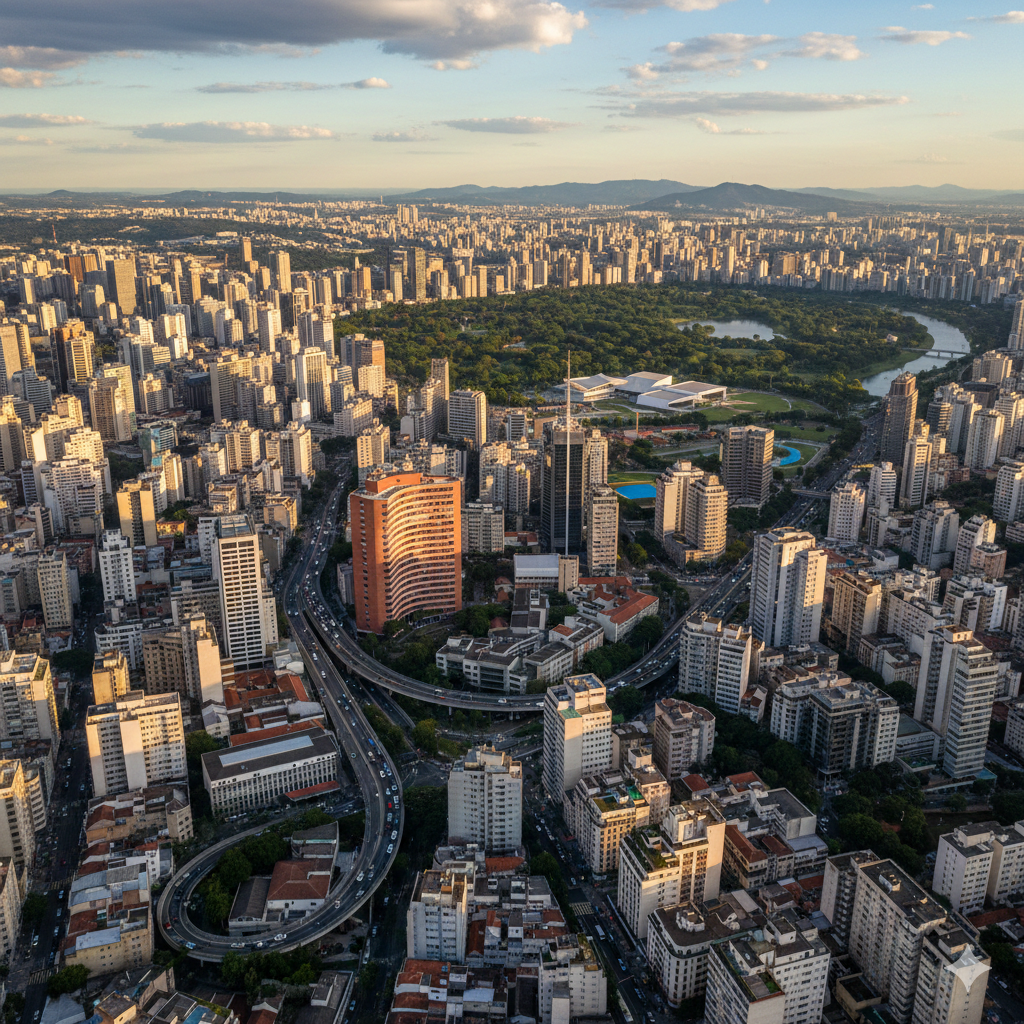
Planning São Paulo? This post is part of my Brazil Travel Guide series on Worldly Roaming. If you are building a broader Brazil itinerary (or deciding which destinations fit your travel style), these related guides will help you connect São Paulo with the country’s other must-visit cities.
- Brazil Travel Guide (Pillar Post) – where to go in Brazil, how to plan distances, and what to expect across regions.
- Things to Do in Rio de Janeiro – beaches, viewpoints, iconic landmarks, neighborhoods, and Carnival planning.
- Things to Do in Salvador (Bahia) – colonial history, Afro-Brazilian culture, beaches, music, and local atmosphere.
📌 What This São Paulo Travel Guide Covers
- How to get to São Paulo, including flights, airports, and arrival tips
- The best neighborhoods to stay in and how location affects your visit
- Recommended hotels by budget, from affordable stays to luxury options
- Where to eat and go out, including restaurants, bars, rooftops, and nightlife
- Top attractions, cultural highlights, and must-see sites around the city
- How to get around São Paulo safely and efficiently
- Weather patterns and the best time of year to visit
- Practical travel information, safety tips, and everyday essentials
- Useful Portuguese phrases for visitors
- Frequently asked questions to help you plan your trip
Understanding São Paulo (Beyond the Stereotypes)
São Paulo is not a city that tries to impress you at first glance. It doesn’t rely on beaches, postcard landmarks, or dramatic scenery. Instead, it reveals itself slowly, through neighborhoods that feel like small cities of their own, through food that reflects generations of migration, and through a rhythm of daily life that never really stops. When people search for things to do in São Paulo, what they are often really looking for is how to understand the city, how to move through it, and how to experience it beyond the stereotypes.
As the largest city in Brazil and one of the biggest metropolitan areas in the world, the São Paulo population shapes everything about it, from the sheer scale of its neighborhoods to the diversity of its culture and cuisine. This is a city built by Italians, Japanese, Lebanese, Africans, and Brazilians from every region of the country, all leaving their mark. Museums sit next to street markets, rooftop bars overlook endless city blocks, and quiet residential streets suddenly open into some of the most vibrant nightlife in South America. The São Paulo sites to see are not concentrated in one historic center; they are spread across the city, rewarding travelers who are curious and willing to explore.
Visiting São Paulo also raises practical questions early on. Travelers often wonder about São Paulo weather, whether São Paulo is safe for visitors, what the timezone in São Paulo is compared to home, and how easy it is to find flights to São Paulo, Brazil or suitable hotels in São Paulo for different budgets. This guide is designed to answer those questions naturally, while helping you decide what actually belongs on your itinerary. Whether you are here for culture, food, nightlife, or simply to experience Brazil’s most dynamic urban center, São Paulo offers depth, energy, and authenticity in a way few cities can match.
São Paulo is one of the highlights covered in our broader Brazil travel guide, which brings together essential planning tips, cultural insights, and must-see destinations across the country.
São Paulo may not reveal itself instantly, but it rewards curiosity and patience in a way few cities do. From its diverse neighborhoods and cultural institutions to its food scene and nightlife, the city offers an experience shaped by everyday life rather than postcard moments. Whether you’re visiting for a few days or using it as a gateway to explore more of Brazil, São Paulo stands out as a place that feels lived-in, complex, and deeply authentic. Take time to explore beyond the obvious, move at the city’s rhythm, and you’ll leave with a far richer understanding of Brazil’s largest and most influential city.
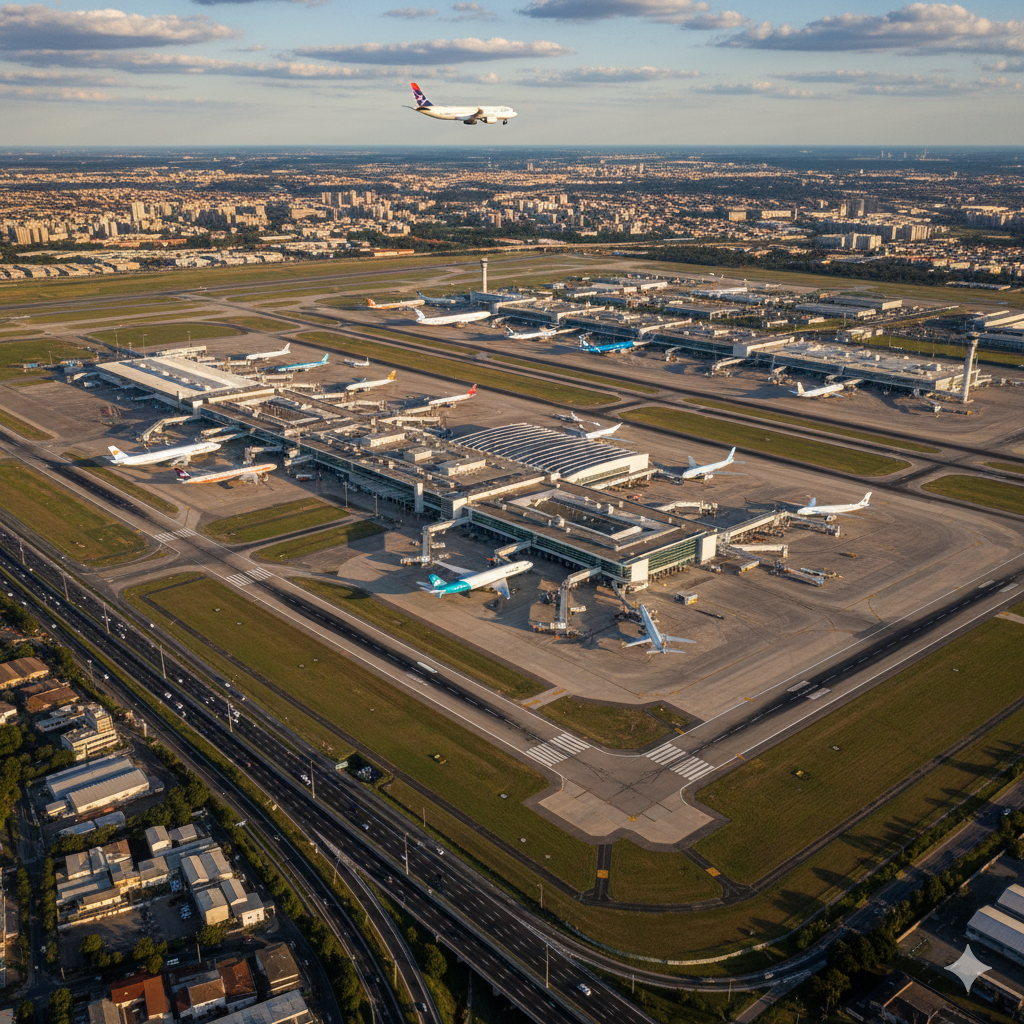
How to Get to São Paulo
Most visitors arrive in São Paulo by air, and for good reason. As Brazil’s main international gateway, the city is well connected to North America, Europe, and the rest of South America, with frequent long-haul and regional flights to São Paulo, Brazil. The primary entry point is Guarulhos International Airport (GRU), located about 25 kilometers northeast of the city center. GRU handles nearly all international arrivals and a large share of domestic routes, making it the most likely airport you will use when coming from abroad. For official airport information, transport options, and terminal details, the Guarulhos International Airport website is the most reliable reference.
Domestic travelers within Brazil may also arrive via Congonhas Airport (CGH), which sits much closer to central São Paulo and mainly serves short-haul routes from cities such as Rio de Janeiro, Belo Horizonte, and Brasília. A third option, Viracopos International Airport (VCP) near Campinas, is sometimes used by low-cost or regional carriers, although it requires a longer ground transfer into São Paulo. Regardless of which airport you land at, onward travel into the city is straightforward using airport buses, ride-hailing services, or pre-arranged transfers.
Arriving by long-distance bus is another common option, especially for travelers already exploring Brazil. São Paulo is the country’s main bus hub, with routes connecting it to nearly every major city. Most services arrive at either Tietê Bus Terminal or Barra Funda Terminal, both of which are linked directly to the metro system. While buses can take longer than flying, they are often affordable and surprisingly comfortable for overnight or medium-distance journeys.
Train and boat travel into São Paulo is extremely limited and not a practical option for most visitors. There are no long-distance passenger trains linking São Paulo to other major Brazilian cities, and the city is inland, making boat arrivals impractical. For nearly all travelers, flying or taking a long-distance bus will be the most efficient and realistic way to reach the city.
Once you arrive, São Paulo’s size becomes immediately apparent. The city is vast, and the experience you have will depend heavily on where you stay. Before choosing accommodation, it helps to understand the different neighborhoods and what each area offers, especially in a city where location affects daily logistics, travel time, and overall comfort.
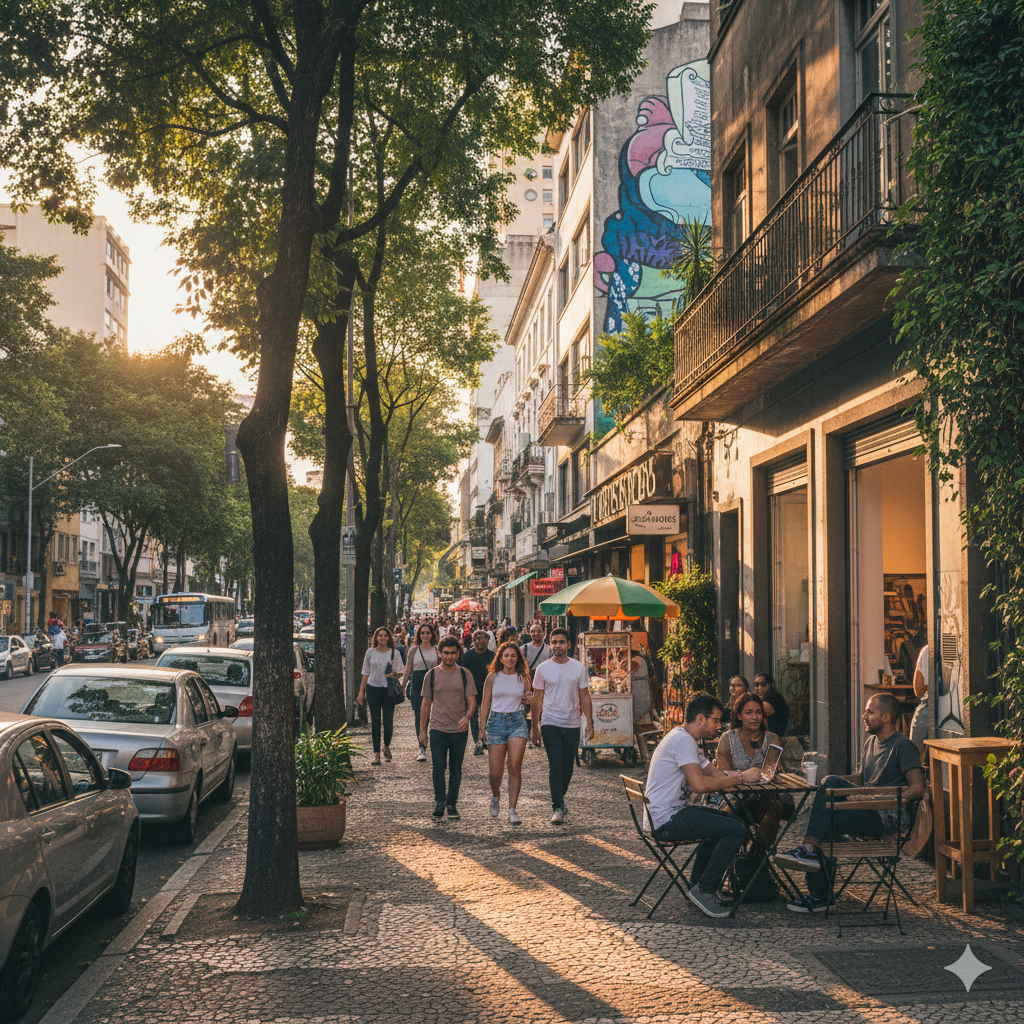
São Paulo Neighborhoods: Where to Stay and What Each Area Feels Like
Understanding São Paulo starts with understanding its neighborhoods. The city is vast, and each area feels almost like a small city of its own, with a distinct rhythm, atmosphere, and lifestyle. Choosing the right neighborhood can shape your entire experience, affecting how much time you spend in traffic, how easily you move around, and how connected you feel to local life. Rather than having a single historic center where everything happens, São Paulo spreads its highlights across multiple districts, each appealing to a different type of traveler.
Vila Madalena is one of São Paulo’s most creative and expressive neighborhoods. Known for its street art, independent boutiques, and lively nightlife, it attracts artists, designers, and younger crowds. During the day, cafés and galleries set a relaxed tone, while evenings bring bars and live music venues to life. It’s a great base if you enjoy walkable streets, casual dining, and a social atmosphere, though it can be noisy on weekends.
Pinheiros, just next to Vila Madalena, offers a slightly more polished but still very local experience. This area has become one of the city’s strongest food districts, with some of São Paulo’s best restaurants, bakeries, and cocktail bars spread along its main avenues and quieter side streets. Pinheiros is well connected by metro, balances residential calm with nightlife energy, and works well for travelers who want to feel embedded in everyday São Paulo life.
Jardins is one of the most upscale and comfortable areas to stay, especially for first-time visitors. Wide, tree-lined streets, designer shopping, and a high concentration of quality hotels give the neighborhood a refined feel. It’s close to Avenida Paulista and many cultural institutions, making it easy to explore without long commutes. Jardins is generally considered safe, walkable by São Paulo standards, and well suited to travelers who value convenience and comfort.
The Paulista area revolves around Avenida Paulista, one of the city’s most important avenues. This area mixes business, culture, and tourism, with major museums, shopping centers, and metro lines all converging here. Staying near Paulista makes it easy to reach many parts of the city and works particularly well for shorter stays or travelers who want a central, well-connected base.
Centro Histórico is where São Paulo began, and it contains some of the city’s most important historic buildings and cultural institutions. During business hours, the area is busy and interesting to explore, but it becomes much quieter at night and requires more caution. While visiting the historic center is worthwhile, most first-time visitors prefer to stay elsewhere and explore this area during the day.
For official neighborhood guides, events, and local recommendations, the São Paulo tourism board provides useful and up-to-date information. Once you have a sense of which neighborhood matches your travel style, choosing the right hotel becomes far easier and more intuitive.
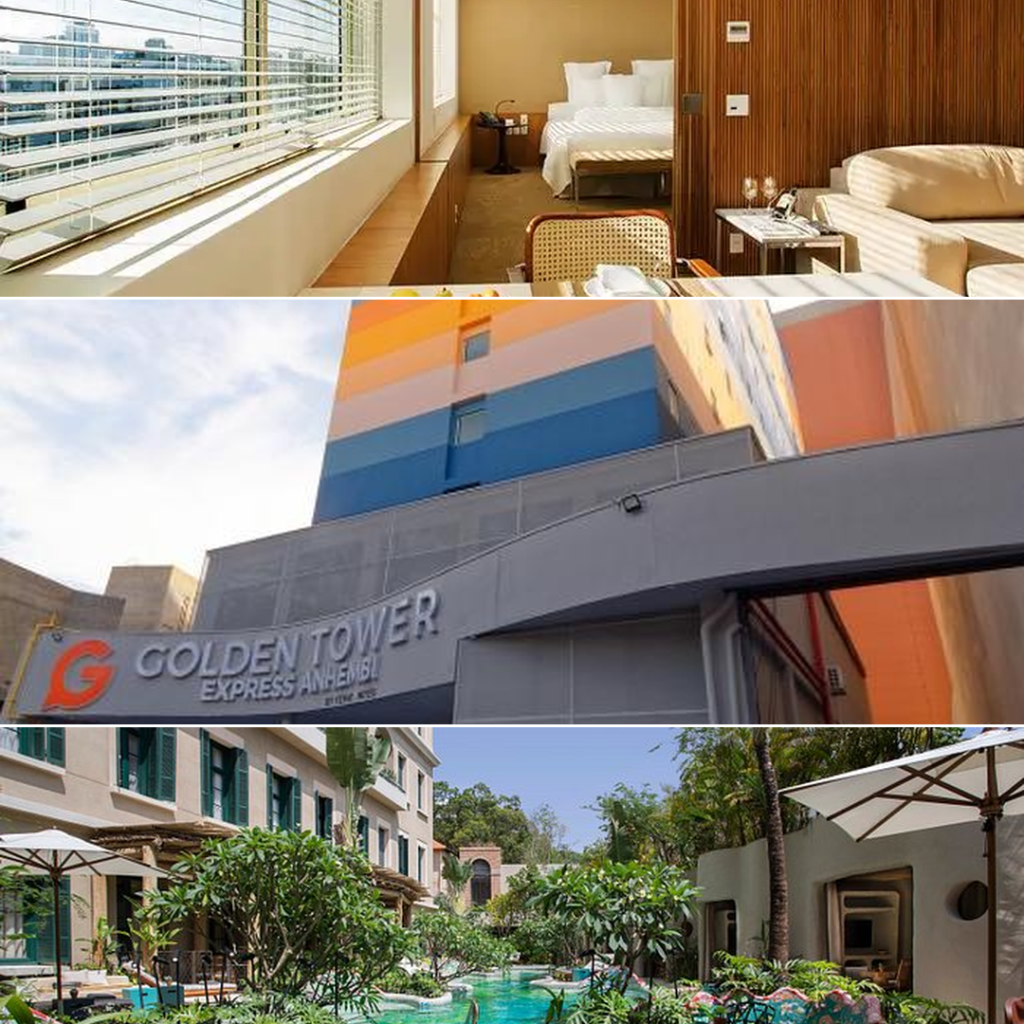
Where to Stay in São Paulo: Best Areas and Hotels
Choosing where to stay in São Paulo is less about finding a central landmark and more about matching your hotel to the neighborhood that fits your travel style. Because distances are large and traffic can be unpredictable, staying in the right area can save you hours each day and make the city feel far more approachable. Fortunately, São Paulo offers a wide range of accommodation options, from affordable boutique hotels to high-end luxury properties, many of them located in neighborhoods that are well connected and comfortable for visitors.
Budget Hotels in São Paulo
Budget travelers will find good value in areas like Pinheiros, Vila Madalena, and parts of the Paulista region, where smaller hotels and modern hostels offer clean rooms, reliable Wi-Fi, and easy access to public transport. These areas are lively without being overwhelming and provide plenty of dining options nearby. Budget hotels in São Paulo are often simple but functional, making them a good choice if you plan to spend most of your time exploring the city rather than staying in your room.
San Michel Hotel
Largo do Arouche, 200 – República, São Paulo – SP, Brazil · +55 11 3224-1420
San Michel Hotel is a solid budget choice in the República district, an area known for its central location and easy metro access. The hotel offers simple, comfortable rooms and places you within reach of downtown sights and transport hubs. It suits travelers who want affordability without being too far from São Paulo’s main areas.
Check prices and availability here.
Hotel M Itaquera
R. França Velho, 2 – Vila Carmosina, São Paulo – SP, Brazil · +55 11 2521-6463
Hotel M Itaquera offers straightforward accommodation in São Paulo’s eastern zone, close to metro connections that link you to the rest of the city. Rooms are modern and functional, making it a practical base for budget-conscious travelers. It’s a good option if you prioritize price and don’t mind staying outside the central neighborhoods.
See current rates and deals.
Hotel Pigalle
R. dos Democratas, 255 – Vila Monte Alegre, São Paulo – SP, Brazil · +55 11 5589-5306
Hotel Pigalle is a simple, no-frills hotel near metro access, making it easy to move around the city on a budget. The surrounding area offers everyday local life rather than tourist crowds. It works well for travelers who value affordability and basic comfort over luxury amenities.
View availability here.
Mid-Range Hotels in São Paulo
Mid-range hotels strike a strong balance between comfort, location, and price, particularly in neighborhoods such as Jardins and near Avenida Paulista. These hotels typically offer larger rooms, on-site restaurants, and added conveniences like gyms or business facilities. For many visitors, this category provides the best overall experience, combining comfort with easy access to São Paulo’s main cultural areas, shopping streets, and transport links.
Quality Hotel Paulista
Alameda Lorena, 360 – Jardim Paulista, São Paulo – SP, Brazil · +55 11 5043-6765
Quality Hotel Paulista is located in Jardim Paulista, one of the most convenient and pleasant areas for visitors. The hotel offers comfortable rooms and easy access to Avenida Paulista, shopping streets, and metro stations. It’s a dependable mid-range option for travelers who want location and comfort without paying luxury prices.
Check availability and rates.
Golden Tower Express Anhembi
Av. Cruzeiro do Sul, 1709 – Santana, São Paulo – SP, Brazil · +55 11 4709-9300
Golden Tower Express Anhembi is well suited for travelers attending events or exploring northern São Paulo. The hotel offers modern rooms and easy access to major roads and transport links. It’s a practical mid-range choice for comfort and convenience without excess.
See current deals here.
Bienal Suítes Ibirapuera
Rua Sena Madureira, 1225 – Vila Mariana, São Paulo – SP, Brazil · +55 11 5088-7999
Bienal Suítes Ibirapuera sits near Ibirapuera Park, one of the city’s most pleasant green spaces. The hotel offers spacious rooms and a quieter atmosphere compared to central districts. It’s ideal for travelers who want comfort, space, and proximity to parks and cultural venues.
View prices and availability.
Luxury Hotels in São Paulo
São Paulo’s luxury hotels are concentrated mainly in Jardins, Itaim Bibi, and upscale parts of the city’s southwest. These properties are known for spacious rooms, high-end dining, rooftop pools, and attentive service. Staying in a luxury hotel here often feels like stepping into a calmer, more refined version of the city, while still remaining close to restaurants, nightlife, and cultural attractions.
Hotel Unique
Av. Brigadeiro Luís Antônio, 4700 – Jardim Paulista, São Paulo – SP, Brazil · +55 11 3055-4700
Hotel Unique is one of São Paulo’s most iconic luxury properties, known for its bold architecture and rooftop views. The hotel offers high-end design, fine dining, and a refined atmosphere in Jardim Paulista. It’s ideal for travelers seeking a memorable stay with strong visual appeal.
Check luxury rates here.
Rosewood São Paulo
Rua Itapeva, 435 – Bela Vista, São Paulo – SP, Brazil · +55 11 3797-0500
Rosewood São Paulo blends historic architecture with modern luxury in one of the city’s most prestigious developments. The hotel offers spacious rooms, world-class dining, and tranquil outdoor spaces. It’s a top choice for travelers who want luxury paired with cultural depth.
See availability and pricing.
Hotel Emiliano São Paulo
Rua Oscar Freire, 384 – Jardim Paulista, São Paulo – SP, Brazil · +55 11 3728-2000
Hotel Emiliano São Paulo is a refined luxury hotel on one of the city’s most elegant shopping streets. Known for its understated design and exceptional service, it offers a calm retreat in the heart of Jardins. This hotel suits travelers who value privacy, style, and personalized hospitality.
View luxury offers here.
If none of these options fit your travel plans, you can browse more hotels in São Paulo here.

Where to Eat in São Paulo: Restaurants, Bars, Rooftops, and Nightlife
Food is one of the main reasons people fall in love with São Paulo. The city is often considered the culinary capital of Brazil, shaped by waves of immigration from Italy, Japan, the Middle East, and every region of the country. Eating in São Paulo is not just about ticking off famous dishes, but about experiencing neighborhoods through their bakeries, markets, bars, and late-night restaurants. From simple street food to world-class dining, the city offers depth and variety that few places can match.
Restaurants in São Paulo
D.O.M. is one of Brazil’s most internationally recognized restaurants, known for its creative use of Amazonian ingredients and modern Brazilian cuisine. Dining here is as much about storytelling as it is about flavor, with each dish highlighting regional products and techniques. It’s a destination restaurant for travelers who want to experience São Paulo at its most refined, and you can explore the menu and concept on the official D.O.M. website.
Maní offers a more intimate take on contemporary Brazilian cooking, combining seasonal ingredients with thoughtful presentation. Located in Jardim Paulistano, it attracts a local crowd and travelers looking for a relaxed but high-quality dining experience. The atmosphere is elegant without feeling formal, making it ideal for a memorable evening out, with details available on the restaurant’s official site.
Mocotó focuses on northeastern Brazilian cuisine, serving hearty, flavorful dishes rooted in tradition. Despite its humble beginnings, it has become one of the city’s most respected restaurants. Visiting Mocotó is a reminder that São Paulo’s food culture extends far beyond fine dining, and the official Mocotó website provides useful background on its story.
Famiglia Mancini is a São Paulo institution, famous for its generous Italian dishes and lively atmosphere. Located near Avenida Paulista, it reflects the city’s strong Italian heritage and remains popular with both locals and visitors. Portions are large, service is fast-paced, and the energy is unmistakably São Paulo, with menus and hours listed on the official website.
Templo da Carne Marcos Bassi is a must for meat lovers, showcasing Brazil’s passion for high-quality beef. The restaurant specializes in perfectly grilled cuts and classic sides, offering a straightforward but deeply satisfying dining experience. It’s especially popular for long, relaxed meals shared with friends.
Bars and Rooftop Bars in São Paulo
Skye Bar, located atop Hotel Unique, is one of the city’s most iconic rooftop bars. It offers panoramic views over São Paulo, a stylish crowd, and creative cocktails. Arriving around sunset is ideal for watching the city lights slowly take over.
Bar dos Arcos sits beneath the Municipal Theatre and combines history with modern cocktail culture. The space feels intimate and atmospheric, making it a favorite among locals. It’s a great place to start or end an evening in the historic center.
Seen São Paulo delivers a more glamorous rooftop experience, with floor-to-ceiling windows and a menu focused on cocktails and Japanese-inspired dishes. The views stretch across Avenida Paulista, especially striking after dark. It’s well suited for a stylish night out.
SubAstor is a respected cocktail bar known for its classic drinks and relaxed elegance. Often busy in the evenings, it attracts a crowd that appreciates craftsmanship over flash. It’s an excellent option for those who enjoy conversation-driven nightlife, and the official SubAstor website lists locations and menus.
Boteco São Bento represents the more casual side of São Paulo’s bar culture, serving cold beer, traditional snacks, and an energetic atmosphere. It’s the kind of place where locals gather after work, offering a glimpse into everyday social life.
Nightclubs in São Paulo
D-Edge is one of South America’s most famous electronic music clubs, known for its strong sound system and international DJs. The venue attracts a dedicated crowd and stays open late into the night. It’s a key stop for electronic music fans, with upcoming events listed on the official D-Edge website.
The Week is a large, high-energy club that has long been part of São Paulo’s nightlife scene. Known for its themed nights and performances, it draws big crowds and offers an immersive party experience. It’s best suited for travelers looking for a full-scale club night.
Casa Natura Musical blends nightlife with live music, focusing on Brazilian artists and contemporary sounds. The venue offers a more relaxed alternative to traditional clubs while still delivering strong energy. It’s ideal for those interested in local music culture, and the official site lists upcoming shows.
Tokyo 東 京 combines multiple floors of bars, dance spaces, and rooftop areas in a former office building. Each level offers a different vibe, from casual drinks to late-night dancing. It’s a versatile option for groups with varied tastes.
Vila Mix caters to fans of Brazilian pop and sertanejo music, creating a lively and distinctly local atmosphere. The crowd is energetic, and the nights are long. It’s a good choice for travelers who want to experience popular Brazilian nightlife styles, with event details available via the official website.
Whether you are exploring fine dining, casual bars, or all-night clubs, São Paulo’s food and nightlife scene reflects the city itself: diverse, intense, and deeply rooted in everyday life. Taking the time to eat and drink your way through different neighborhoods is one of the most rewarding things to do in São Paulo.
Things to Do in São Paulo: Attractions and Sightseeing
Sightseeing in São Paulo is less about ticking off a single landmark and more about discovering how culture, history, and daily life intersect across different parts of the city. Many of the most interesting São Paulo sites to see are woven into neighborhoods rather than concentrated in one compact area. Museums sit alongside busy avenues, green spaces offer relief from the urban scale, and historic buildings reveal how the city has evolved into Brazil’s largest metropolis.
Avenida Paulista is the city’s most important artery and a natural starting point for sightseeing. Lined with cultural centers, shopping malls, cafés, and offices, it reflects São Paulo’s energy and diversity. On Sundays, the avenue is closed to traffic and fills with pedestrians, cyclists, street performers, and families, turning it into one of the liveliest public spaces in the city. For official information on events and cultural highlights along the avenue, the São Paulo tourism board regularly updates listings.
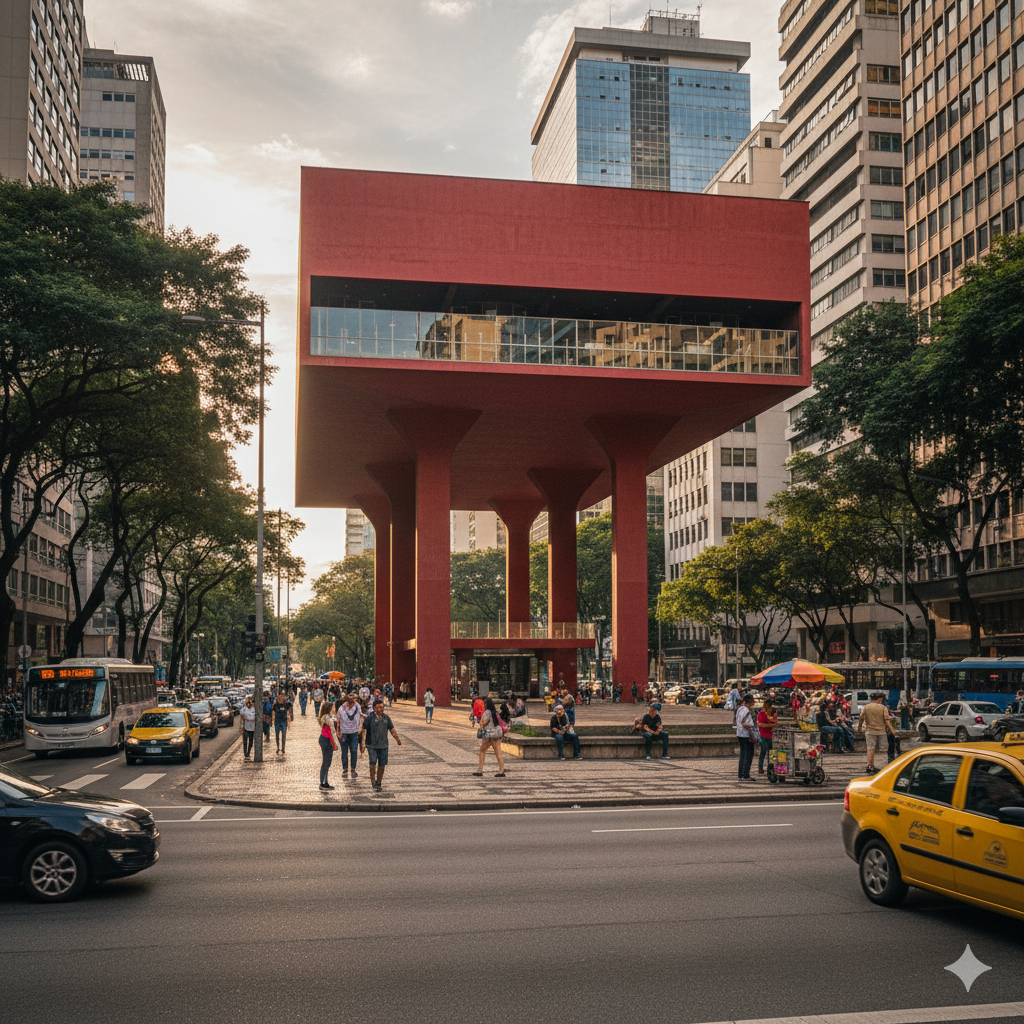
MASP – Museu de Arte de São Paulo is one of Latin America’s most important art museums and a defining landmark on Avenida Paulista. Its bold architectural design, with galleries suspended above an open plaza, is instantly recognizable. Inside, the collection ranges from European masters to Brazilian and international modern art. The official MASP website provides details on exhibitions and visiting hours.
Visiting MASP?
MASP (Museu de Arte de São Paulo) is one of the most important museums in Latin America — and one of the best ways to understand São Paulo’s cultural identity. A guided visit helps you appreciate both the iconic architecture and the museum’s standout collections without feeling rushed or overwhelmed.
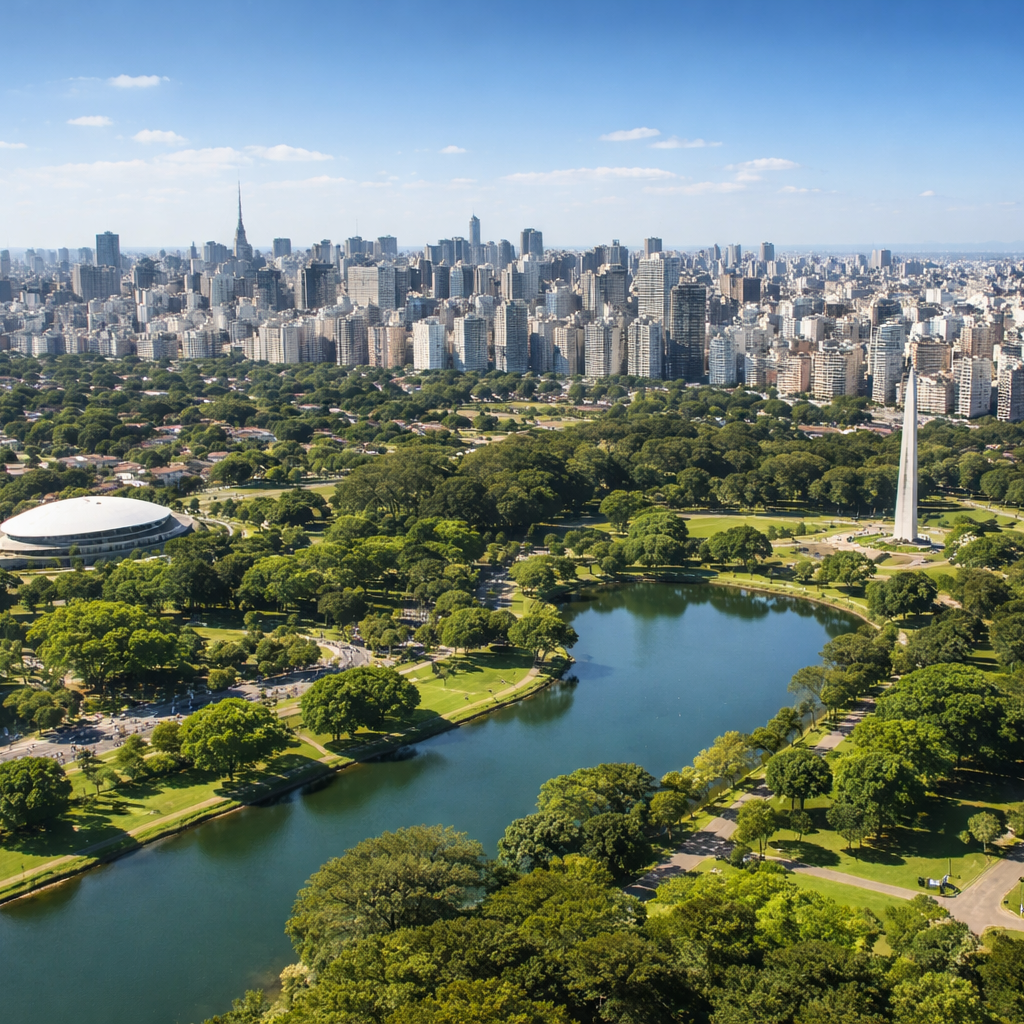
Parque Ibirapuera offers a welcome break from the city’s density and is one of the most popular places for both locals and visitors. The park combines wide green spaces with cultural institutions, walking paths, and lakes, making it ideal for a relaxed afternoon. Several museums and pavilions sit within the park grounds, blending architecture, nature, and culture. Practical information about access and attractions can be found through the official park site.
Mercado Municipal, often called Mercadão, is one of the best places to experience São Paulo’s food culture in one location. Known for its stained-glass windows and bustling atmosphere, the market showcases fresh produce, regional specialties, and traditional snacks. It’s particularly famous for its oversized mortadella sandwiches and pastel, making it a popular stop for visitors wanting to sample local flavors.
The Historic City Center, including areas around Sé Cathedral and Pátio do Colégio, reveals São Paulo’s origins and early development. While the area requires a bit more awareness, visiting during the day offers insight into the city’s past through churches, squares, and colonial-era buildings. Guided visits or combining this area with nearby cultural institutions can help put São Paulo’s history into context.
Taken together, these attractions show why things to do in São Paulo go far beyond a checklist. The city rewards travelers who take the time to explore different districts, balance cultural visits with everyday experiences, and embrace the scale of Brazil’s most dynamic urban center.
Want to understand São Paulo quickly without feeling lost?
São Paulo is huge and spread out, which makes it easy to miss the best areas if you’re visiting for the first time. A half-day walking tour is a great way to get oriented, explore key neighborhoods on foot, and learn the story of the city from someone who actually lives there.
How to Get Around São Paulo
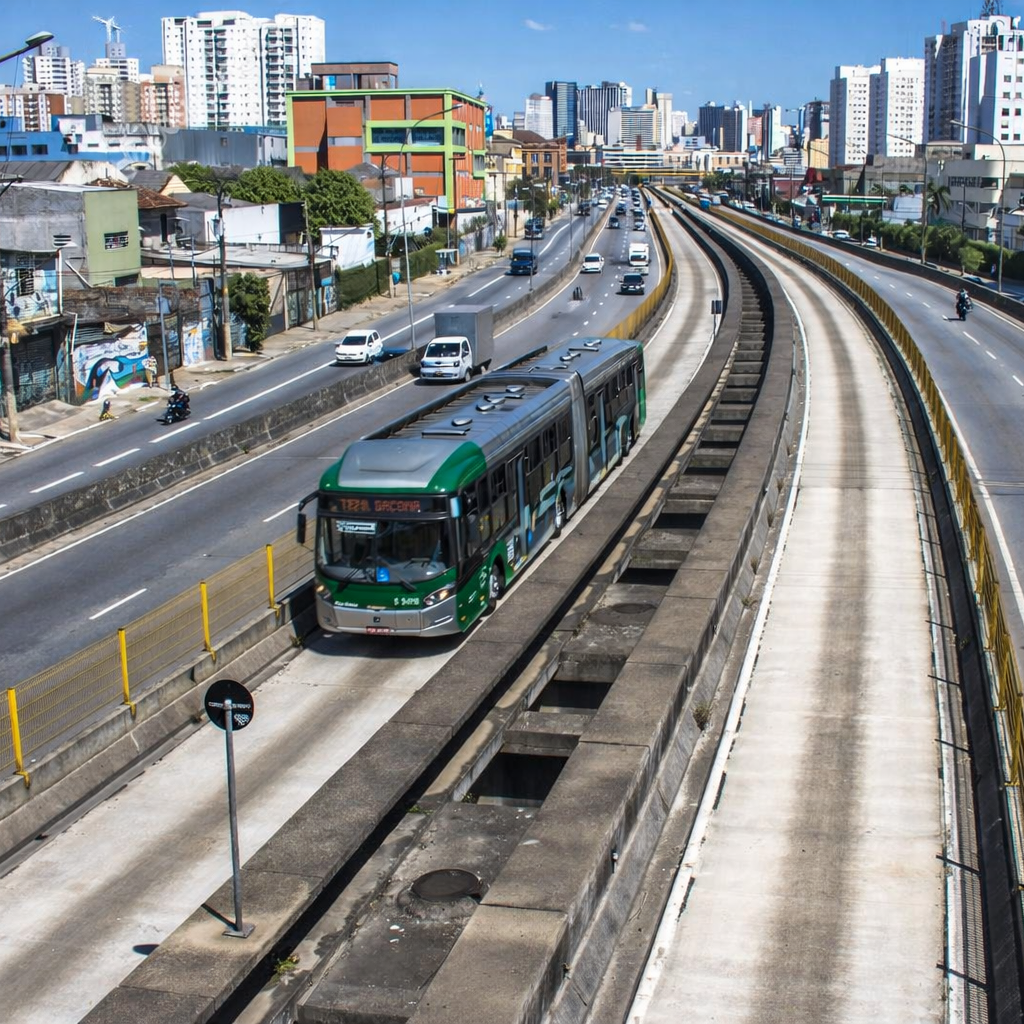
Getting around São Paulo is one of the most important parts of planning your visit. The city is vast, and distances between neighborhoods can be significant, so choosing the right mode of transport can save a great deal of time and frustration. While traffic is a daily reality, São Paulo also has one of the most extensive and efficient public transport systems in Brazil, making it possible to move around the city with a bit of planning.
The metro is the fastest and most reliable way to travel longer distances, especially during peak hours. It connects many of the neighborhoods most visitors stay in, including areas around Avenida Paulista, Pinheiros, Vila Madalena, and the city center. Trains are generally clean, well signposted, and easy to use even if you don’t speak Portuguese. Route maps, operating hours, and service updates are available on the official São Paulo Metro website.
Ride-hailing services such as Uber are widely used and often the most convenient option for short trips or travel late at night. Prices are generally affordable compared to many large international cities, and availability is high across most districts. Taxis are also common, particularly around hotels, shopping centers, and transport hubs, though ride-hailing apps tend to be more predictable in terms of pricing.
Buses cover virtually every part of the city and operate around the clock, but they can be confusing for first-time visitors due to the size of the network. They are best used once you are familiar with your area or when combined with navigation apps. Official route information and fare details can be found through SPTrans, which manages the city’s bus system.
Walking is practical in certain neighborhoods, particularly in areas like Jardins, Vila Madalena, and parts of Avenida Paulista. However, walking long distances between districts is rarely realistic, and it’s important to be aware of traffic, street conditions, and surroundings. Many travelers combine walking with metro or ride-hailing to cover the city efficiently.
Overall, the key to getting around São Paulo is flexibility. Using the metro when possible, ride-hailing for convenience, and walking within neighborhoods allows you to navigate the city comfortably while avoiding the worst traffic congestion.
São Paulo Weather and Best Time to Visit
Understanding São Paulo weather helps set realistic expectations for your trip. The city has a subtropical climate, which means warm temperatures for most of the year, combined with periods of heavy rain rather than extreme cold or heat. Unlike beach destinations, weather in São Paulo tends to influence comfort and sightseeing pace more than whether activities are possible at all.
Summer (December to March) is the hottest and wettest period. Temperatures are often high, and afternoon rain showers or thunderstorms are common. While this season brings lush greenery and vibrant city life, humidity can make walking and sightseeing more tiring. Planning indoor attractions, museums, and dining during the hottest parts of the day helps balance the experience.
Autumn (April to June) is one of the most pleasant times to visit. Rainfall decreases, temperatures are milder, and the city feels more comfortable for exploring on foot. This period works especially well for cultural sightseeing, parks, and food-focused itineraries.
Winter (July to September) is generally dry and cooler, though temperatures rarely drop to uncomfortable levels. Days are often sunny, and evenings can feel crisp. This season is popular with travelers who prefer walking, outdoor cafés, and a slower pace without the intensity of summer heat.
Spring (October to November) brings rising temperatures and increasing humidity, along with the return of occasional rain. It’s a transitional period that still offers good conditions for sightseeing while avoiding the peak crowds of summer.
For up-to-date forecasts and seasonal averages, Climatempo is one of the most reliable weather sources in Brazil. Overall, São Paulo can be visited year-round, but late autumn and winter often provide the most comfortable conditions for exploring the city.
Practical Travel Information for Visiting São Paulo
Taxis and ride-hailing are among the easiest ways to move around São Paulo, especially for visitors. Uber works extremely well across the city and is widely used by locals for both short and long trips. Metered street taxis are available, particularly around hotels and transport hubs, but ride-hailing apps are usually simpler, more predictable, and often preferred at night or if you do not speak Portuguese.
Getting around the city usually involves a mix of transport options. Most visitors combine walking within neighborhoods, the metro for longer distances, and Uber or taxis for convenience. The metro is reliable and efficient for major routes, especially during the day. For maps, stations, and service updates, the official São Paulo Metro website is the most accurate source.
City rhythm (weekdays vs Sundays) in São Paulo differs noticeably. On weekdays, the city moves fast, especially during morning and evening rush hours. Sundays are calmer in business districts, with many offices and smaller shops closed, while parks, shopping centers, cafés, and cultural areas become busier. Avenida Paulista often turns into a pedestrian-friendly public space on Sundays, changing the pace of the city entirely.
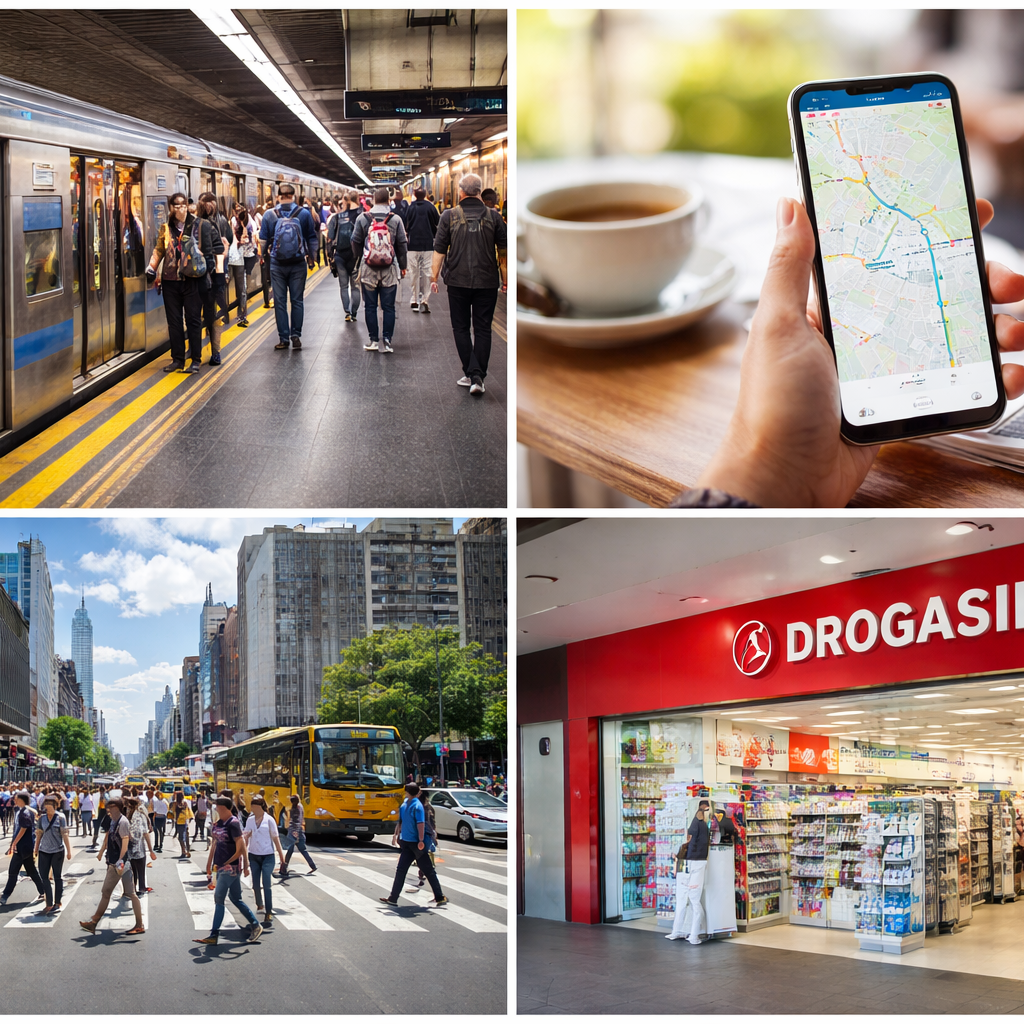
Pharmacies and essentials are easy to find throughout São Paulo. Pharmacies are widespread, often open late, and well stocked with basic medication, sunscreen, toiletries, and everyday travel needs. Many function like convenience stores, making them useful stops if you need supplies without searching for a supermarket.
Visas depend on your nationality. Many travelers can enter Brazil visa-free for tourism, while others may require prior authorization. Entry rules can change, so it’s important to confirm requirements through your government’s official travel advisory or consular website before departure.
Mobile data and connectivity in São Paulo is generally reliable, with strong coverage across most neighborhoods. An eSIM is the easiest way to stay connected without dealing with physical SIM cards or airport kiosks. Ubigi eSIM works well in Brazil and can be activated digitally before arrival. For a broader comparison, see Best eSIMs for international travel.
Emergency numbers in Brazil are the same nationwide: Police 190, Ambulance 192, and Fire 193. It’s worth saving these in your phone when you arrive.
Safety basics in São Paulo are similar to other large global cities. Avoid displaying valuables, keep phones secure in crowded areas, and use Uber at night rather than walking long distances. Stick to well-lit, busy streets after dark, especially if you are unfamiliar with the area.
Power plugs in Brazil typically use Type N plugs, with some compatibility with Type C. Travelers from outside South America should bring a universal adapter. A clear reference can be found in international plug-type guides.
Flights tip: If you are still planning your route through Brazil or South America, it helps to compare flexible dates and nearby airports. I keep a simple guide here: Book cheap international flights.
Mobile data & connectivity in São Paulo
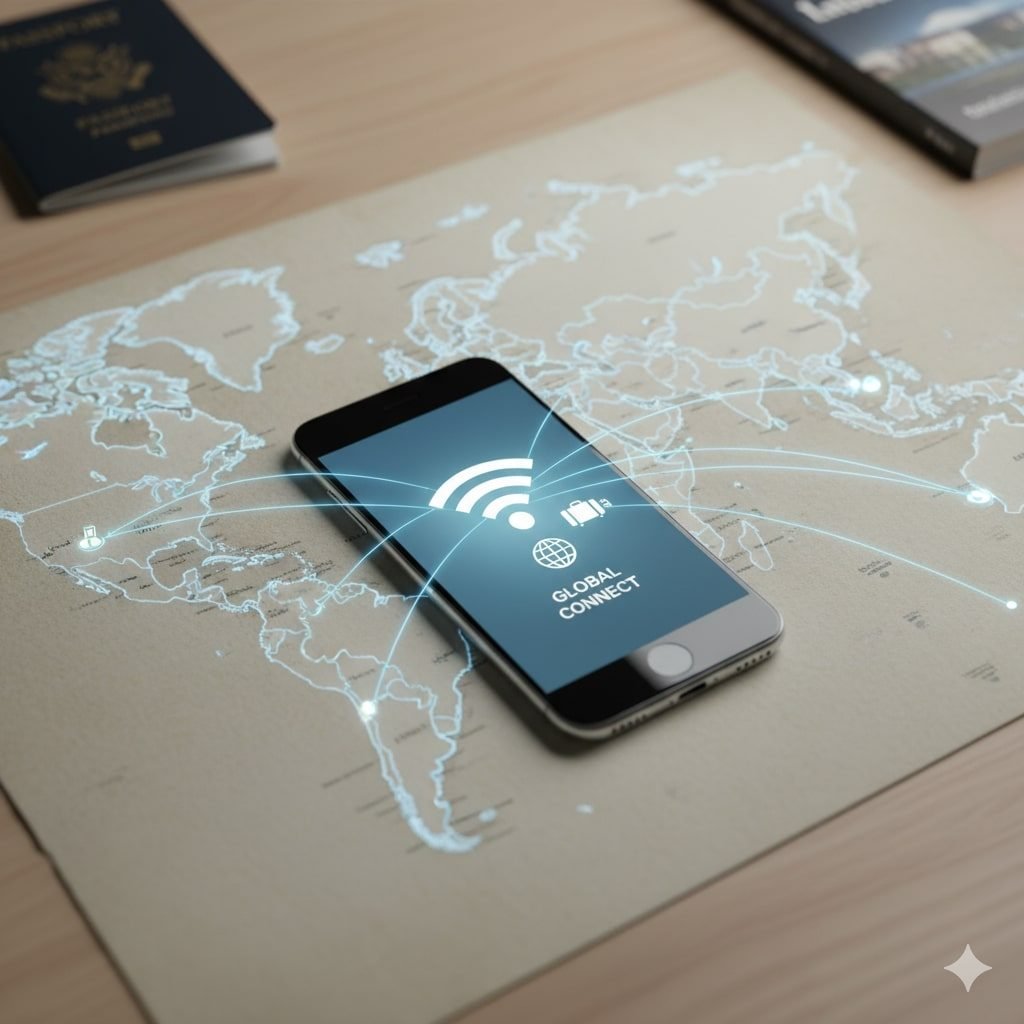
Staying connected in São Paulo is essential. The city is vast, and you will likely rely on maps, ride-hailing apps, metro information, and translation tools throughout your stay. While local SIM cards are available, the easiest option for most travelers is using an eSIM, which lets you connect as soon as you land without visiting airport kiosks or phone shops.
Ubigi eSIM works well across Brazil and is a reliable choice for São Paulo, offering stable coverage and easy activation before arrival. Check Ubigi eSIM plans for Brazil
Yesim is another popular option, especially for travelers who want flexible plans and simple setup without dealing with physical SIM cards. View Yesim eSIM options
Airalo is widely used by international travelers and offers affordable regional and country-specific eSIM plans that work well in São Paulo. Browse Airalo Brazil eSIMs
SimOptions is useful if you want to compare multiple providers in one place or prefer bundled regional plans that include Brazil. Compare eSIM plans on SimOptions
Using an eSIM allows you to stay online from the moment you arrive, making it easier to navigate São Paulo, book rides, check routes, and focus on enjoying everything the city has to offer.
Useful Portuguese phrases can make a noticeable difference when visiting São Paulo. While many people in hotels, restaurants, and larger attractions speak some English, basic Portuguese is appreciated and often helps with taxis, shops, and everyday interactions.
Hello / Good day: Olá (oh-LAH) · Bom dia (bohm JEE-ah)
Good afternoon / evening: Boa tarde (BOH-ah TAR-jee) · Boa noite (BOH-ah NOY-chee)
Please / Thank you: Por favor (por fah-VOR) · Obrigado (oh-bree-GAH-doo for men / oh-bree-GAH-dah for women)
Excuse me / Sorry: Com licença (kohm lee-SEN-sah) · Desculpa (dess-KOOL-pah)
Do you speak English?: Você fala inglês? (voh-SEH FAH-lah een-GLAYS)
I don’t understand: Eu não entendo (eh-OO now en-TEN-doo)
Getting around: Onde fica…? (ON-jee FEE-kah…?) · Quanto custa? (KWAN-toh KOOS-tah?)
Taxi / Uber: Pode chamar um Uber? (POH-jee shah-MAR oong OO-ber)
Food and dining: O cardápio, por favor (oo kar-DAH-pee-oh, por fah-VOR)
The bill, please: A conta, por favor (ah KON-tah, por fah-VOR)
Even using just a few of these phrases often leads to warmer interactions and more patient service. São Paulo is a fast-moving city, but locals generally respond positively when visitors make a small effort to speak Portuguese.
Continue Exploring
If you enjoy in-depth travel guides with realistic logistics, culture, and practical planning advice, here are a few very different destinations to explore next:
- Brazil Travel Guide – A huge, high-energy country of iconic cities, beaches, culture, and wildlife, with very different travel styles from region to region.
- Things to Do in Madagascar – One of the most rewarding places on Earth for raw nature, unique wildlife, and adventurous travel.
- Things to Do in Sydney – A highly accessible, easy-to-plan destination perfect for city exploration, beaches, and day trips.
Frequently Asked Questions About Visiting São Paulo
How many days do you need in São Paulo?
Most travelers need at least three to four days to experience São Paulo properly. This allows time to explore different neighborhoods, visit major cultural attractions, and enjoy the city’s food and nightlife without rushing. If you are particularly interested in museums, dining, or live music, five days or more is ideal.
Is São Paulo worth visiting for tourists?
Yes, especially for travelers who enjoy culture, food, and urban life. São Paulo may not offer beaches or postcard scenery, but it rewards visitors with world-class dining, museums, nightlife, and a deep sense of local life. It is often most appreciated by travelers who like exploring neighborhoods rather than following a fixed sightseeing checklist.
Is São Paulo safe for visitors?
São Paulo is generally safe for visitors who take standard big-city precautions. Staying in well-known neighborhoods, avoiding displaying valuables, and using Uber at night instead of walking long distances greatly reduces risk. As with any large city, awareness and common sense go a long way.
What is the best area to stay in São Paulo?
Jardins, Vila Madalena, Pinheiros, and areas near Avenida Paulista are among the most popular choices for visitors. These neighborhoods offer good transport connections, dining options, and a balance between safety and convenience. The best area depends on whether you prioritize nightlife, walkability, or easy access to attractions.
Is English widely spoken in São Paulo?
English is spoken in hotels, upscale restaurants, and major attractions, but it is not widely used in everyday situations. Learning a few basic Portuguese phrases helps significantly, especially when using taxis, visiting local restaurants, or shopping in smaller stores.
What is the best time of year to visit São Paulo?
Late autumn and winter, from April to September, are generally the most comfortable times to visit. These months offer milder temperatures and less rainfall, making sightseeing easier. Summer is hotter and more humid, with frequent afternoon rain showers.
How do you get around São Paulo as a tourist?
Most visitors combine the metro, Uber, and walking within neighborhoods. The metro is efficient for longer routes, while ride-hailing services are convenient for evenings or areas not well served by public transport. Walking works best within districts rather than between them.
Is São Paulo expensive?
São Paulo can be affordable or expensive depending on your choices. Dining, accommodation, and transport options exist for most budgets, though upscale restaurants and hotels can be costly. Overall, the city offers good value compared to many major global cities.
What makes São Paulo different from Rio de Janeiro?
São Paulo is more focused on culture, food, and urban life, while Rio is known for beaches and natural scenery. Many travelers find the two cities complementary rather than comparable. Visiting both provides a broader understanding of Brazil.
Do you need a car in São Paulo?
No, a car is not necessary and often impractical due to traffic and parking challenges. Public transport and ride-hailing services are more efficient for most visitors. Renting a car only makes sense if you plan specific trips outside the city.
São Paulo rewards travelers who take the time to understand it. From its diverse neighborhoods and world-class food scene to its cultural institutions, nightlife, and everyday street life, the city reveals itself gradually and often unexpectedly. Whether you are visiting for a few days or using São Paulo as a longer base, its scale and energy make it one of the most compelling urban experiences in South America.
Many travelers pair São Paulo with other iconic Brazilian destinations — our guide to things to do in Rio de Janeiro is a natural next step, offering beaches, landmarks, and a completely different rhythm to balance São Paulo’s urban energy.
However you plan your trip, approaching São Paulo with curiosity and flexibility will help you appreciate what makes the city special. It is not always about ticking off landmarks, but about experiencing daily life, local culture, and the contrasts that define Brazil’s largest city.
🇧🇷 Part of the Brazil Travel Guide Series
This article is part of a broader Brazil travel cluster designed to help you plan trips across the country’s most important destinations. If you are continuing your itinerary beyond São Paulo, these guides will help you choose where to go next and what to prioritize.
- Brazil Travel Guide – Practical planning advice, destinations, itineraries, and travel tips for exploring Brazil
- Things to Do in Rio de Janeiro – Beaches, viewpoints, iconic landmarks, neighborhoods, and local experiences
- Things to Do in Salvador (Bahia) – Colonial history, Afro-Brazilian culture, beaches, music, and local atmosphere
Enjoy planning your Brazil adventure — and have an amazing time discovering just how different each city feels once you’re on the ground.
Travel Resources to Plan, Book & Stay Connected
Use these tools and guides to stay connected abroad, find inspiration for your next trip, and book your flights, stays and gear with confidence.
Disclosure: This article may contain affiliate links. If you make a purchase through a link, I may receive a commission at no extra cost to you. I only share recommendations I believe are genuinely useful, and all opinions are my own.

Comment (0)